
Jun 6
🚨QUANTUM NEWS🚨: New Quantum Rule for Proton-Neutron Pairing Discovered — But Uniphics Predicted It All Along 🧨
On June 4, 2026, physicists at Jefferson Lab published groundbreaking results in *Nature*. Using “magic nuclei” such as calcium and iron isotopes, they discovered a surprising new quantum selection rule that governs how protons and neutrons pair up inside the atomic nucleus. This rule depends on the quantum shell structure of the nucleus rather than simply on having more neutrons than protons. Existing nuclear models did not predict this behavior, and it points to a deeper organizing principle at work inside the nucleus.
Uniphics explains this new pairing rule naturally and from first principles.
In Uniphics, protons and neutrons are not fundamental particles. They are composite structures built from the four base Gyrotrons — the Positron (three clockwise spins), the Electron (three counterclockwise spins), the Musktron (two clockwise one counterclockwise), and the Maleytron (two counterclockwise one clockwise). Each Gyrotron is made of three orthogonal spin quanta locked together at the Amorphics-to-Physics transition.
Inside the nucleus, protons and neutrons are tightly packed. The key to pairing lies in how these spins interact. Opposite spins create destructive interference in the ξM-field. This interference lowers the local unbound energy density between the particles. Because negentropy is the universal drive toward the lowest possible energy density, nature strongly prefers these opposite-spin pairings. Same-spin configurations create constructive interference and higher energy density, which negentropy tends to avoid.
The new Jefferson Lab rule shows that this preference is not random or based only on neutron excess. It depends on the local energy-density environment and the way the nuclear shells are filled. In Uniphics, this is exactly what we expect. Different shell configurations change the local energy density and the available spin channels. When a particular shell is filled in a certain way, it creates specific energy-density conditions that make some opposite-spin pairings more favorable than others. The spin-driven Lagrangian (detailed in Chapter 5) and the composite structure of protons and neutrons (detailed in Chapter 4) already contain the mechanism for this shell-dependent pairing rule. No new forces or ad-hoc selection rules are needed.
What current nuclear physics sees as an unexpected new quantum rule is, in Uniphics, the natural consequence of negentropy guiding spin interactions inside varying energy-density environments created by nuclear shell structure.
This discovery is another clear example of how a minimalist framework built on energy density, time flow, and spin can explain phenomena that require extra rules in conventional models.
How many more “unexpected” nuclear behaviors will turn out to be natural consequences of Gyrotron spin configurations once we look at them through the Uniphics lens?
**A Theory of Everything should be able to answer everything.**
Uniphics Explained Simply PDF: uniphics.com/wp-content/uplo…
Chapters 1–10 free: uniphics.com/gallery/
Grokipedia: grokipedia.com/page/Uniphics
#Uniphics #TheoryOfEverything #NuclearPhysics #JeffersonLab #SpinWaves @grok @xAI
1
5
12
613

29 Sep 2024
Meet our conference exhibitor:
Jefferson Lab!
#2024NSBP #2024NSHP #conferencesexhibitor #JeffersonLab
1
1
2
131

#NNSA and @ENERGY emergency management and information technology leaders visited @JeffersonLab in Newport News, VA. The group had the opportunity to see the CEBAF Large Acceptance Spectrometer for 12 GeV detector systems up close.
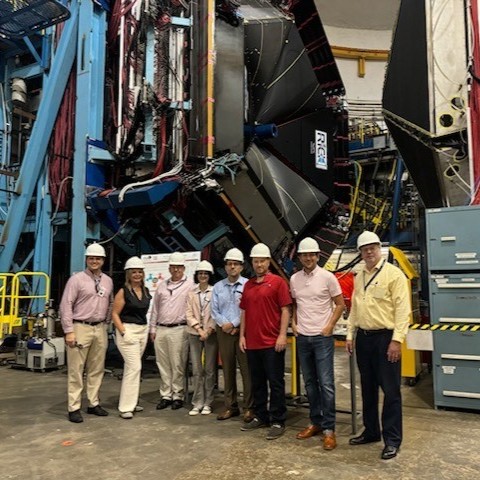
ALT group photo of people in hard hats in front of large equipment
1
5
443

11 Jul 2024
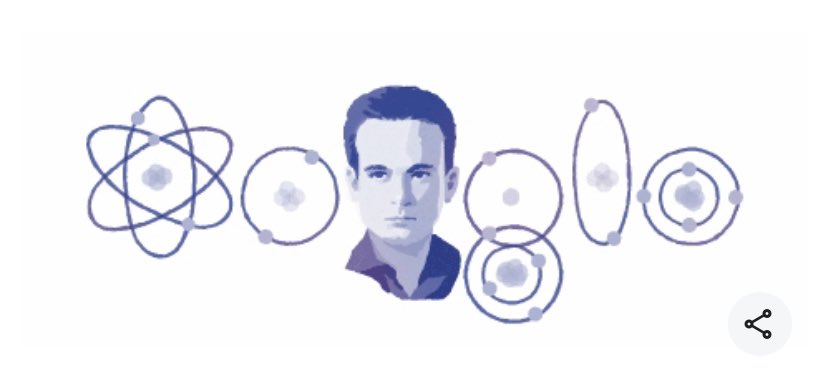
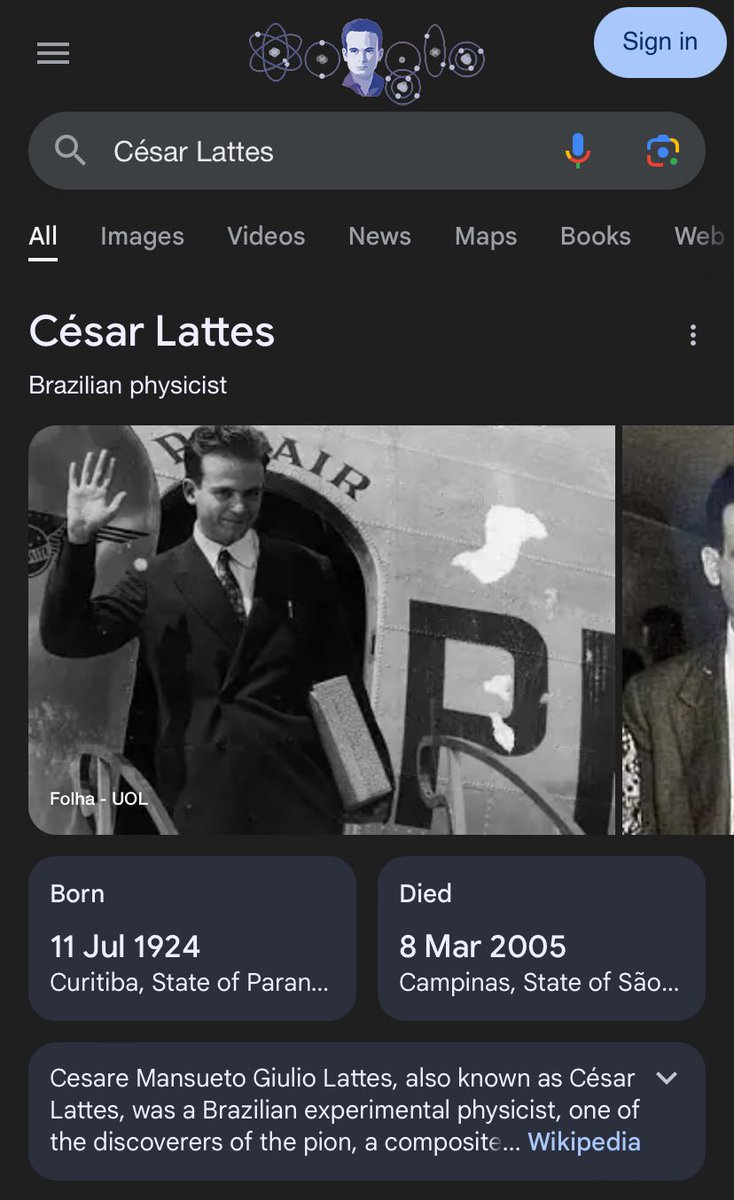
Cool #GoogleDoodle today celebrating one of the discoverers of the pion - check it out! We are still trying to fully understand this particle in our measurements at #JeffersonLab, it could tell us a lot about how most of the visible mass of the universe emerges! 🤯
8
253

28 Jun 2024
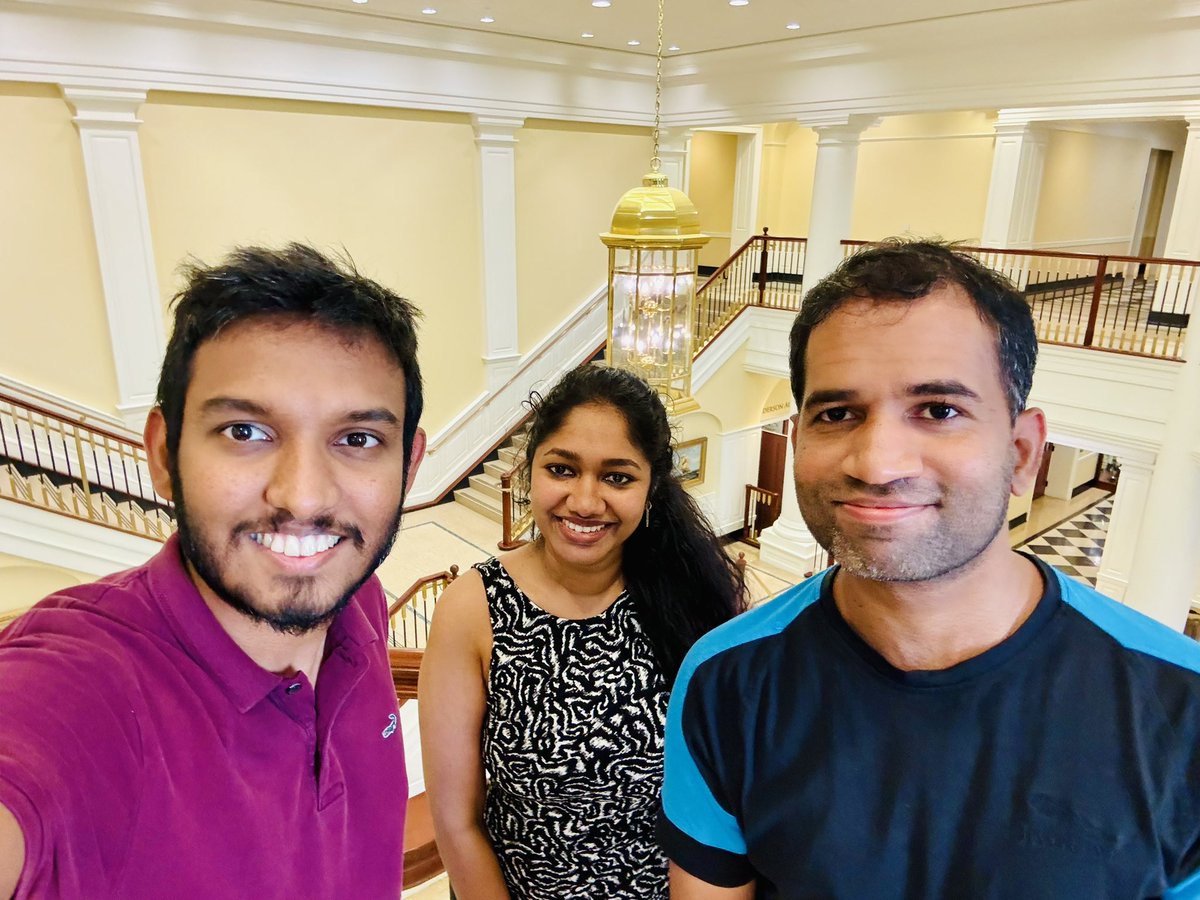
Everywhere you go… you find a bunch of Sri Lankans to hang out with. Note the beautiful Christopher Newport University architecture in the background 🙉
#clascollaboration #jeffersonlab
5
96

22 May 2024
Science is fun! Fifth graders learned how cool (literally and figuratively) liquid nitrogen is during some really cool (and completely safe) lessons from one of Jefferson Lab's science guys, Steve Gagnon. #NorfolkAcademy #JeffersonLab @JLab_News
1
4
506
14 Mar 2024
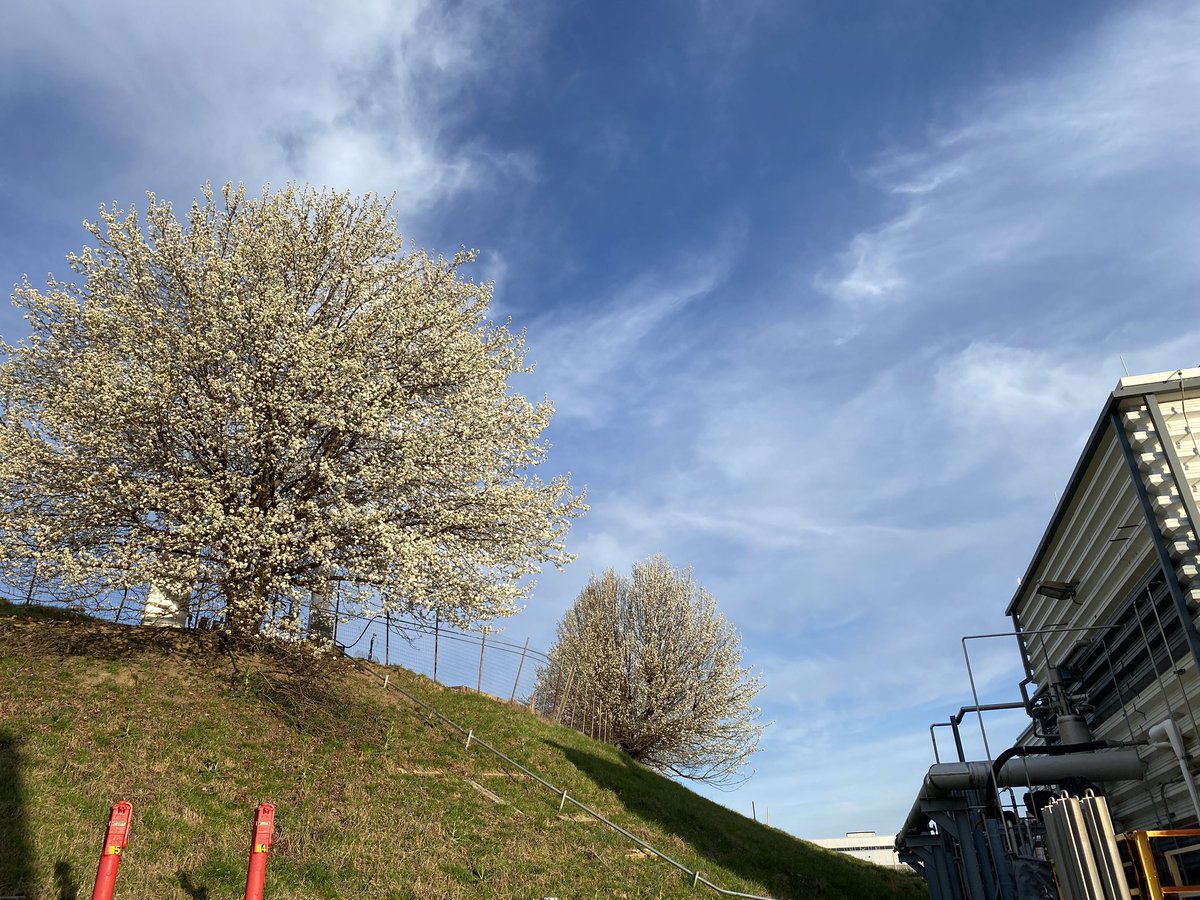
Beautiful trees in bloom on top of the experimental halls at #JeffersonLab #JLab right now. Looks so peaceful but just below electrons are being smashed into nuclei 😎😍⚛️!
3
324

16 Jan 2024
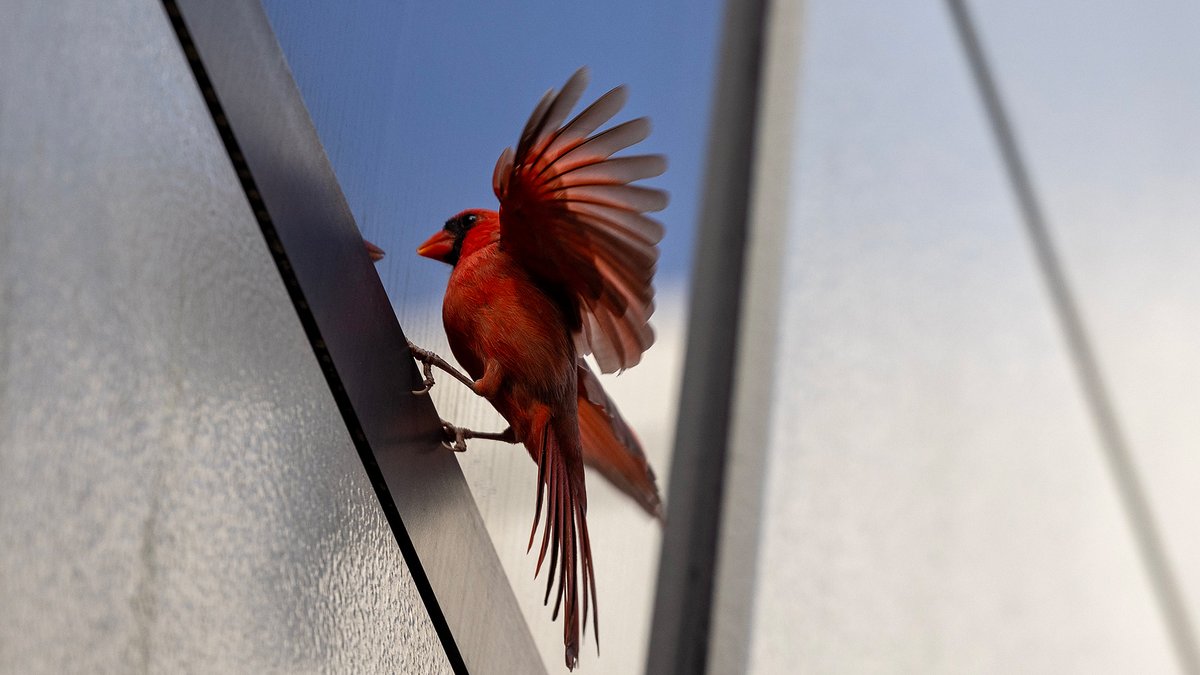
Jefferson Lab hosts over 1,800 scientists worldwide, and at different times of the year, a handful of wildlife creatures also find a home on our campus. #UnexpectedLabMates #ScienceMatters #NewportNews #ScienceInNature #JeffersonLab
3
11
518
21 Sep 2023
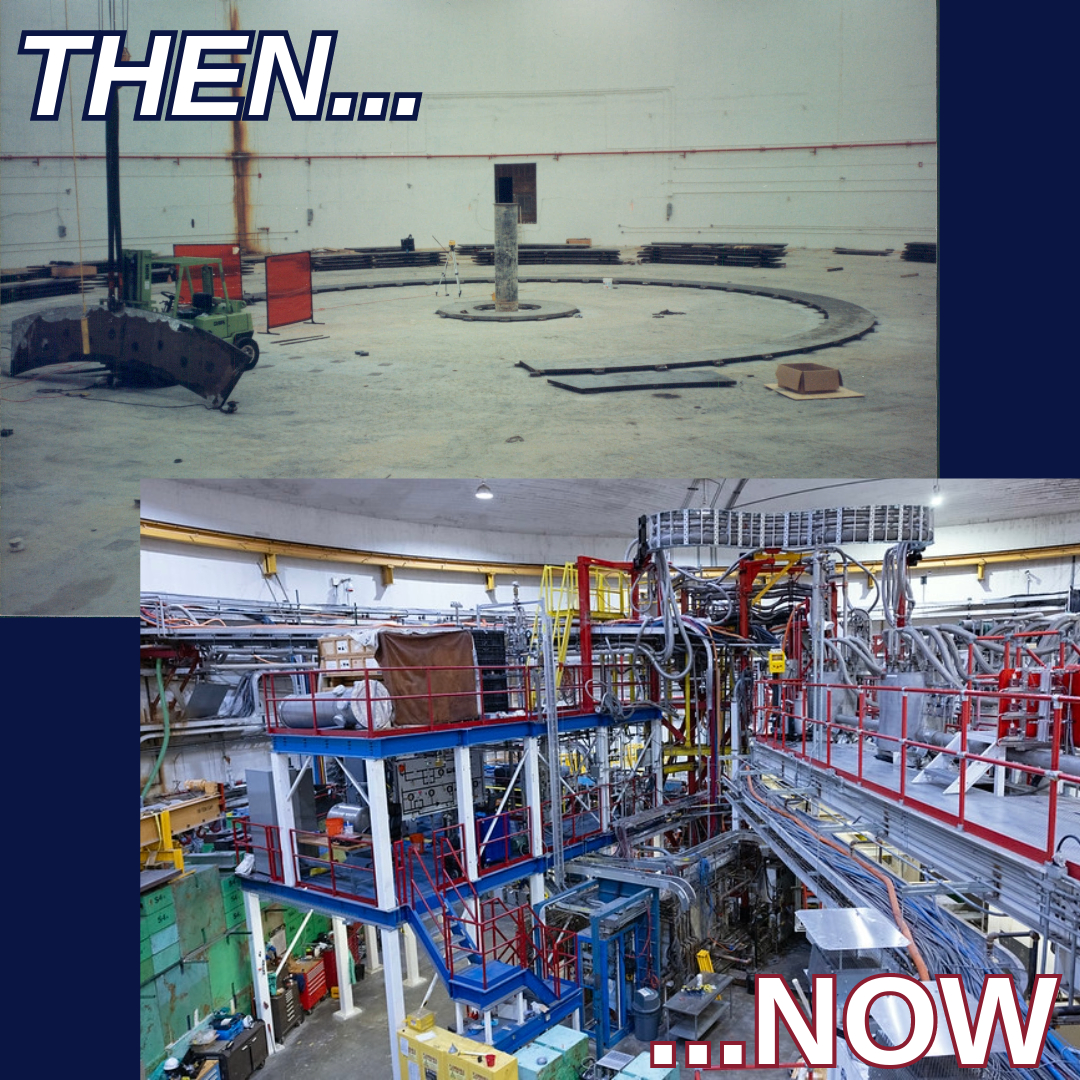
What a difference 20 years makes!
In 1992, Hall A was looking very … empty.
Today, Hall A is our largest experimental hall and home to huge microscopes that allow scientists to “see” inside an atom!
Happy Throwback Thursday! #TBT #JeffersonLab
1
5
363

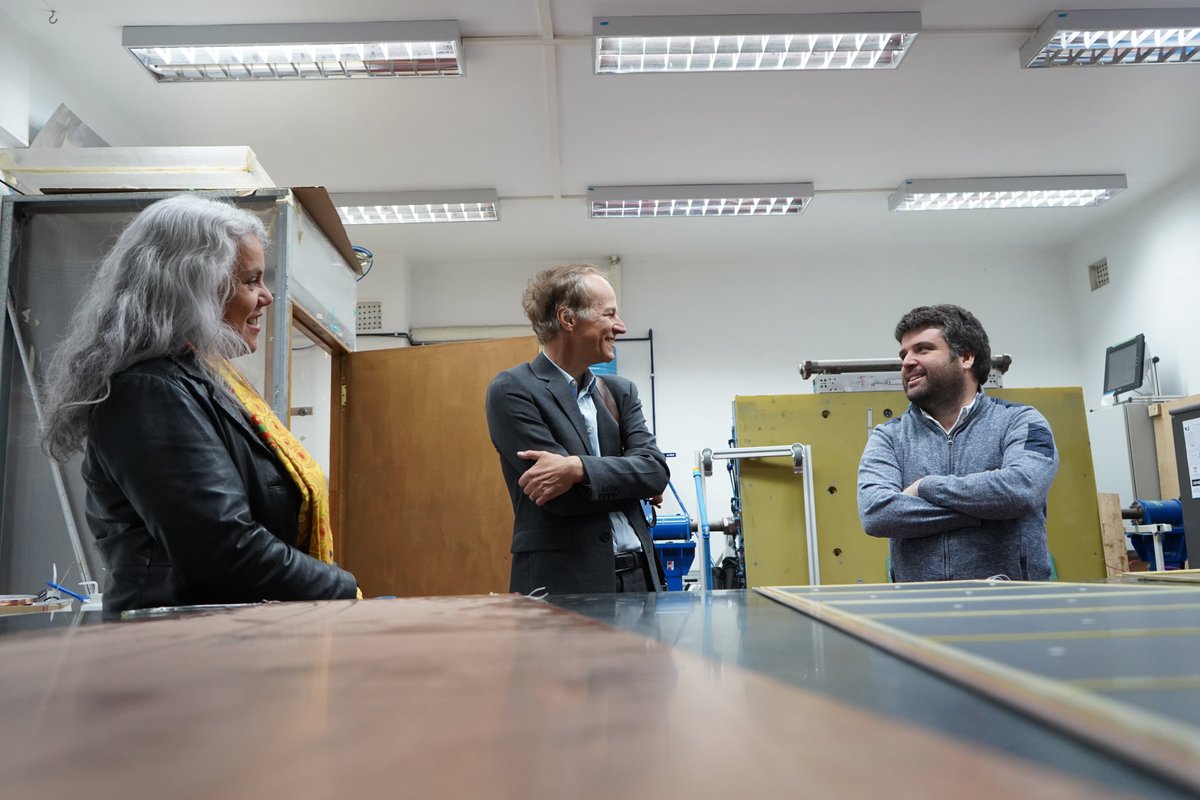
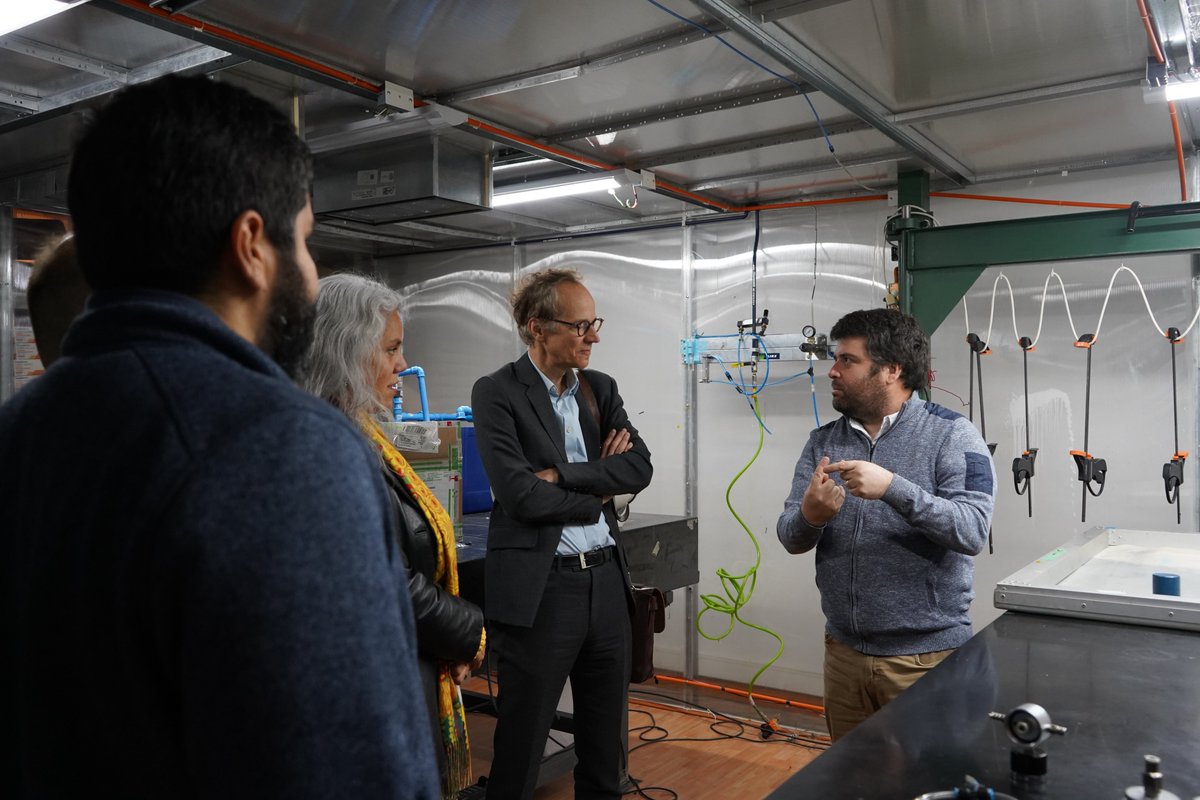
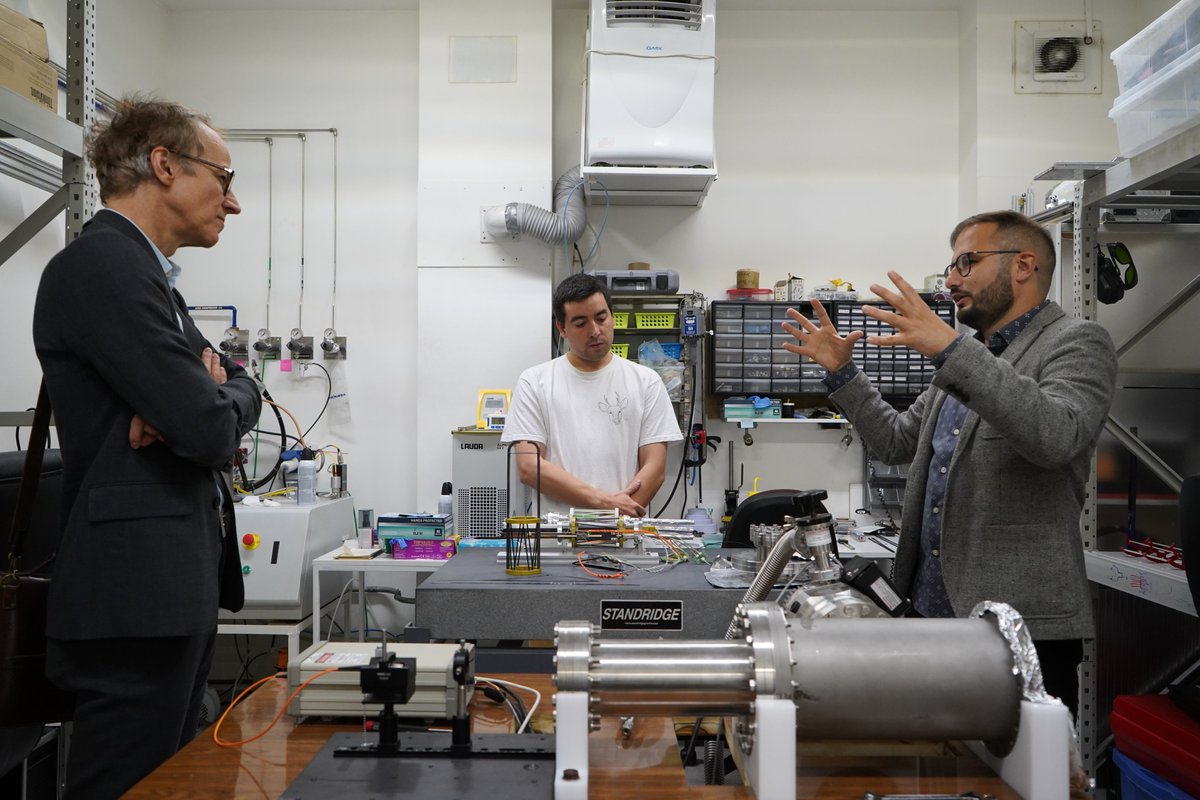
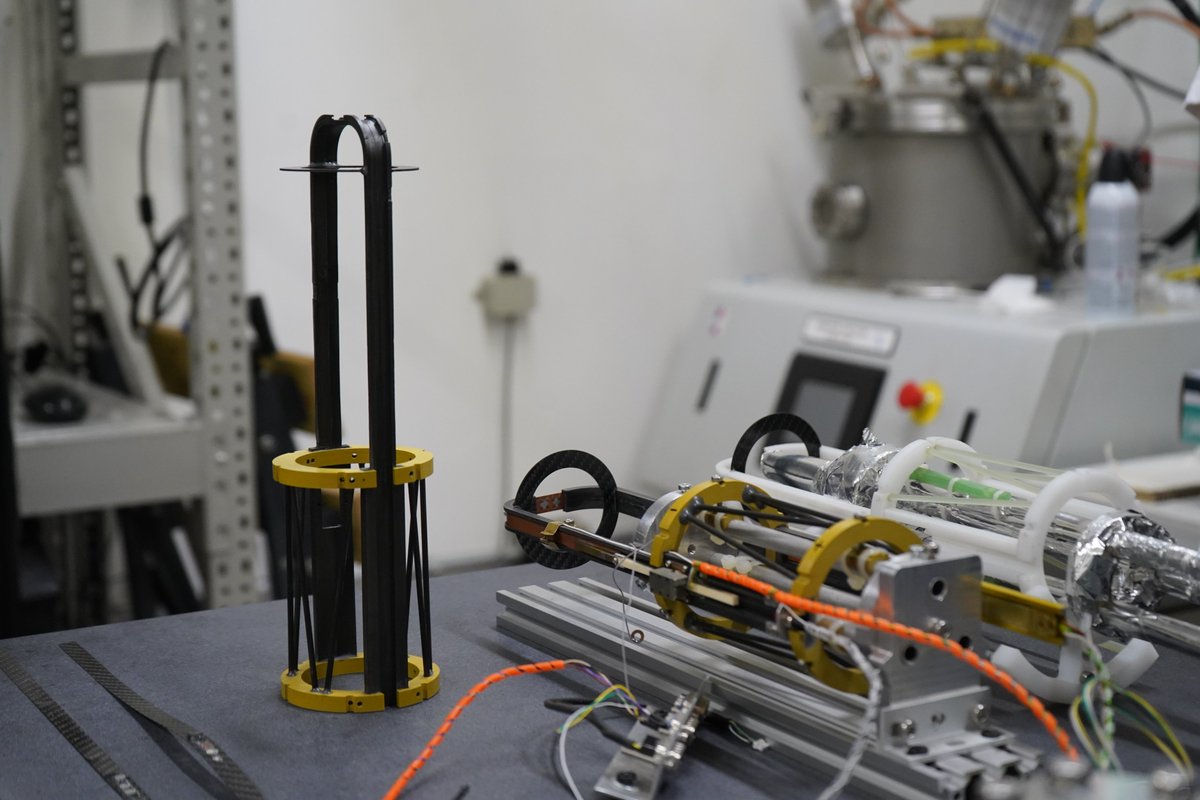
En su visita, el científico hizo un recorrido por nuestros laboratorios, conociendo el proceso de fabricación de los detectores de partículas que construimos para ATLAS (actualmente en funcionamiento 😎) y también el dispositivo #DoubleTarget desarrollado para #JeffersonLab 🙌
1
2
63
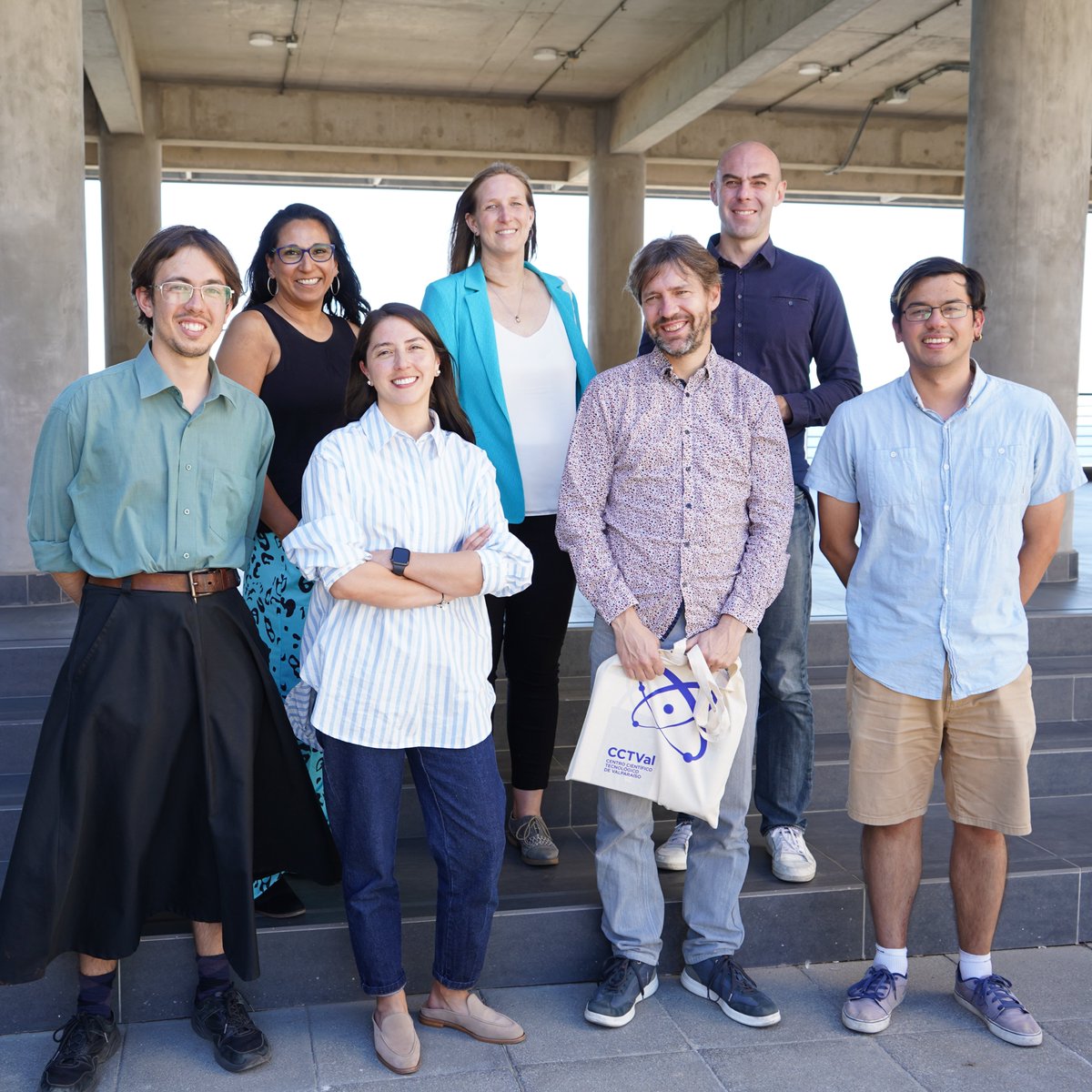
Los profesores Emanuel Mignot y Damien Fabregue, del Instituto Nacional de Ciencias Aplicadas de Lyon @insadelyon 🇫🇷, visitaron las instalaciones del CCTVal y conocieron el proyecto #DoubleTarget, desarrollado en el marco de nuestra colaboración con #JeffersonLab 🤓
1
2
5

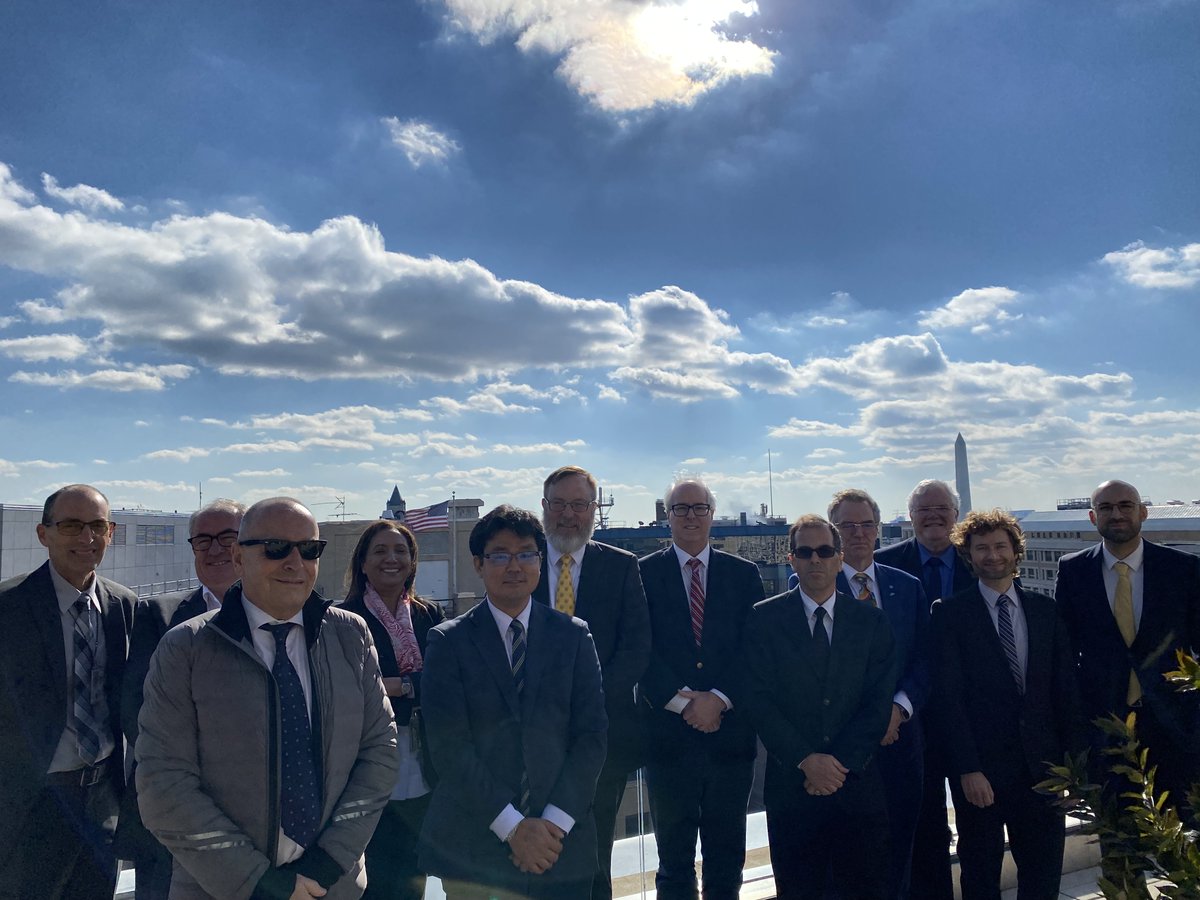
SURA is pleased to welcome participants of the Electron Ion Collider (EIC) International meeting, led by the Department of Energy (DOE) and with representation from an international scientific community, to our headquarters in Washington, D.C.
#SURA #DOE #JeffersonLab
1
2

16 Nov 2020
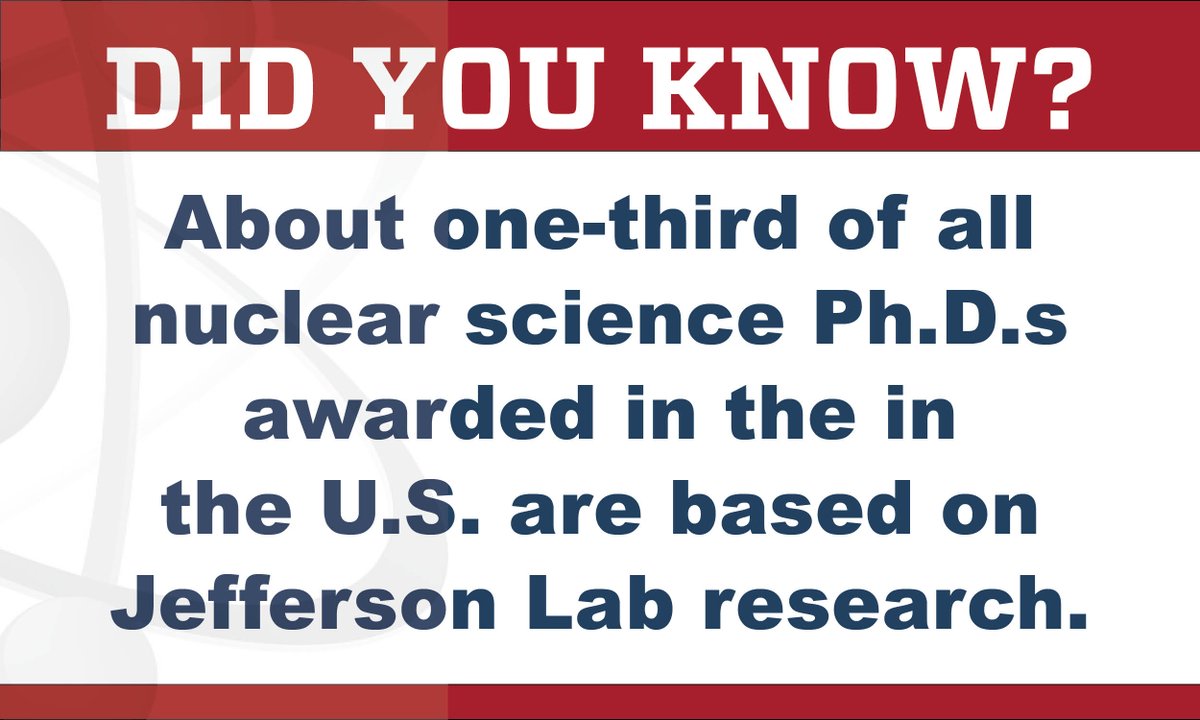
Don't forget about the NOV 19, 3PM #REYES webcast with Stuart Henderson, director of #JeffersonLab! Register at this link: odu.zoom.us/j/95949760371
#jlab #nuclearscience #physics #science #STEM #STEMcareers #protons #neutrons #jlab @JLab_News @JLabRecruiting
2
5

11 Aug 2020
Congratulations!!! Adi Ashkenazi wins 2020 URA Tollestrup Award news.fnal.gov/2020/08/adi-as… #award #JeffersonLab #MicroBooNE #neutrino #DUNEscience
9

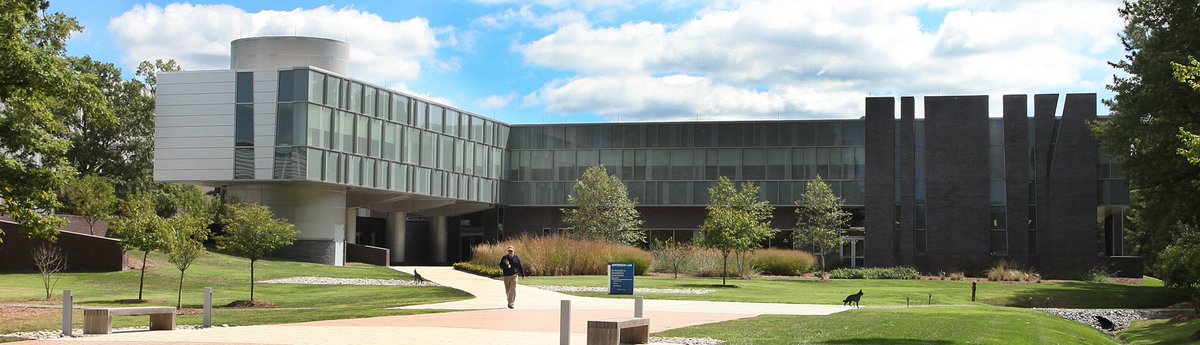
Coronavirus: Jefferson Lab temporarily suspends operation
bit.ly/3afHHzF
#JeffersonLab #NewportNews #coronavirus #COVID19
1

13 Aug 2019
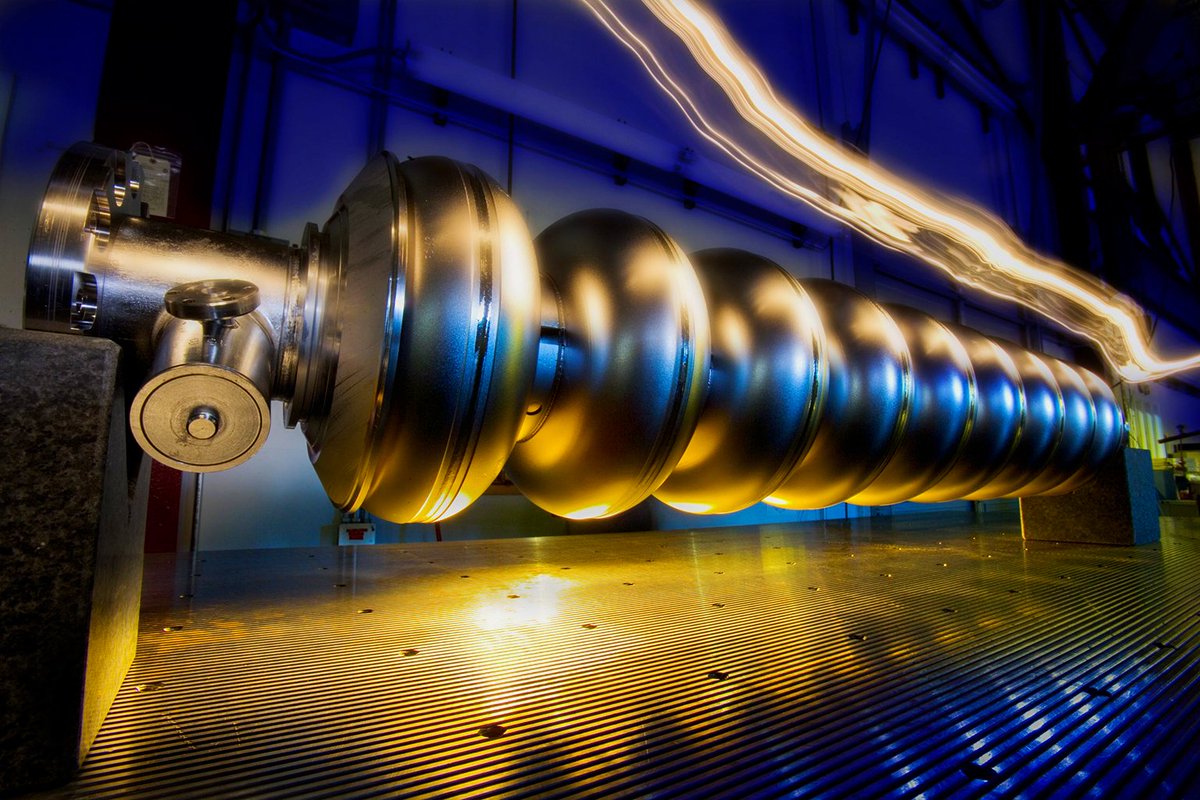
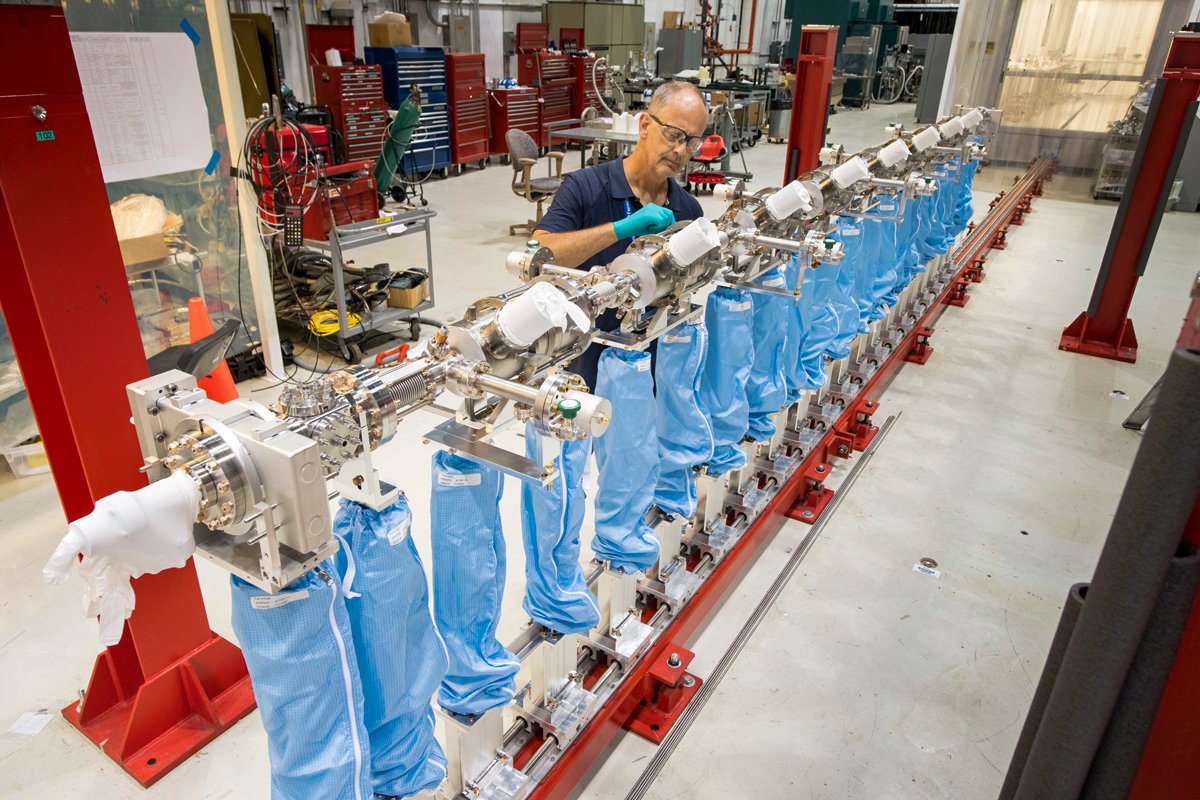
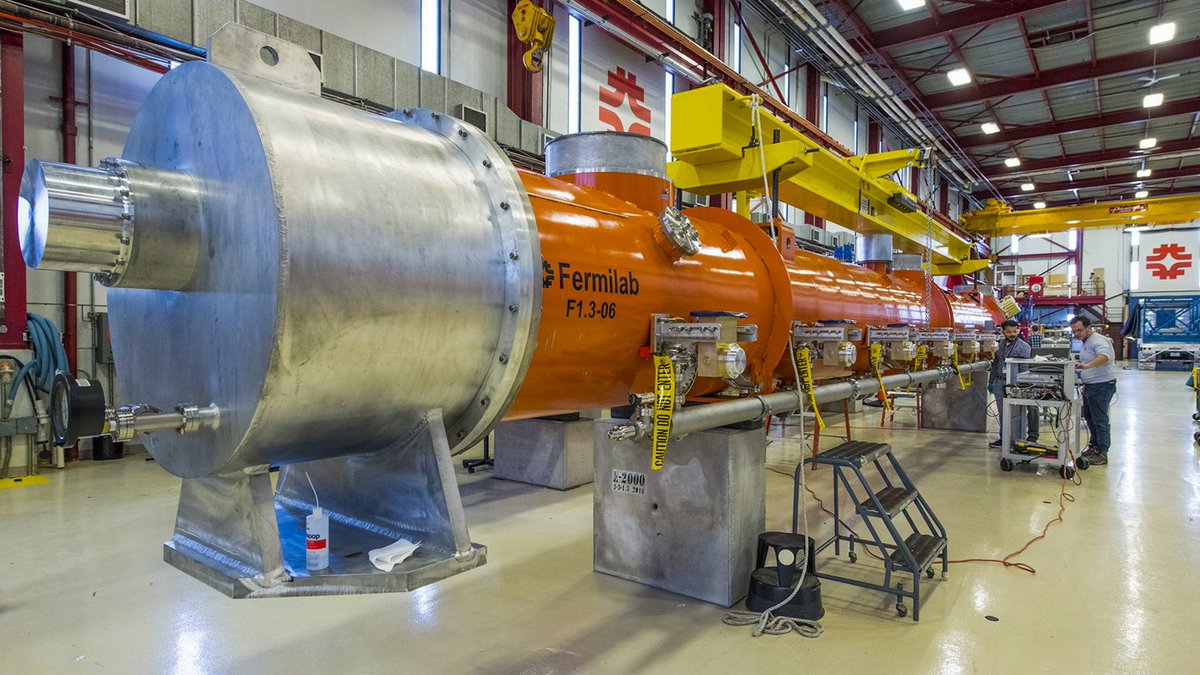
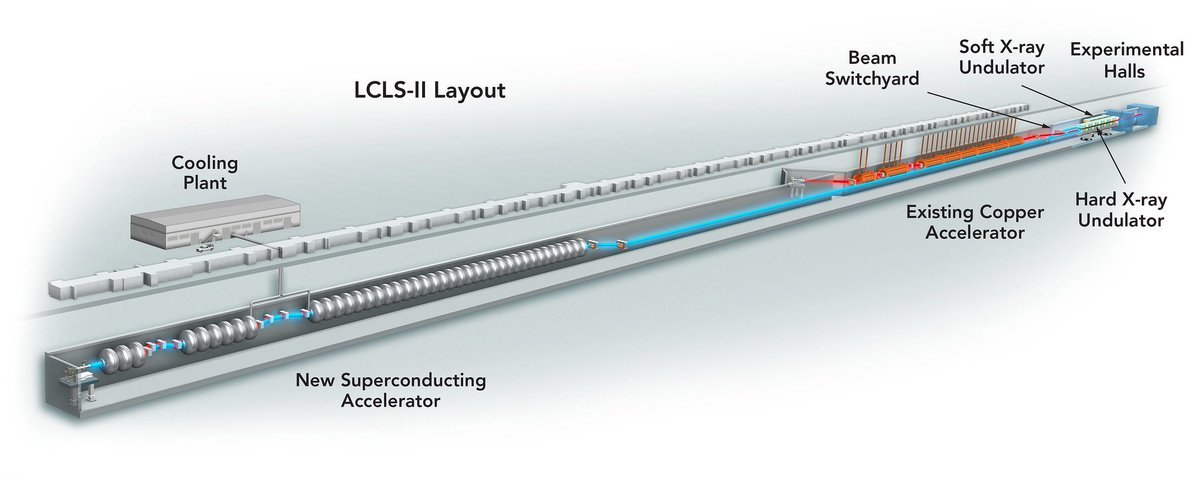
A million pulses per second: How particle accelerators are powering X-ray lasers news.fnal.gov/2019/08/a-mill… #FermiLab #LCLS #JeffersonLab #SLAC #Linac #ParticlePhysics #NuclearPhysics #Superconductivity #vacuumchamber #MDCvacuum #Biology #Chemistry #physics #XFEL #Cryomodule #LCLSII
4
8
8 May 2019
1
8
6 May 2019
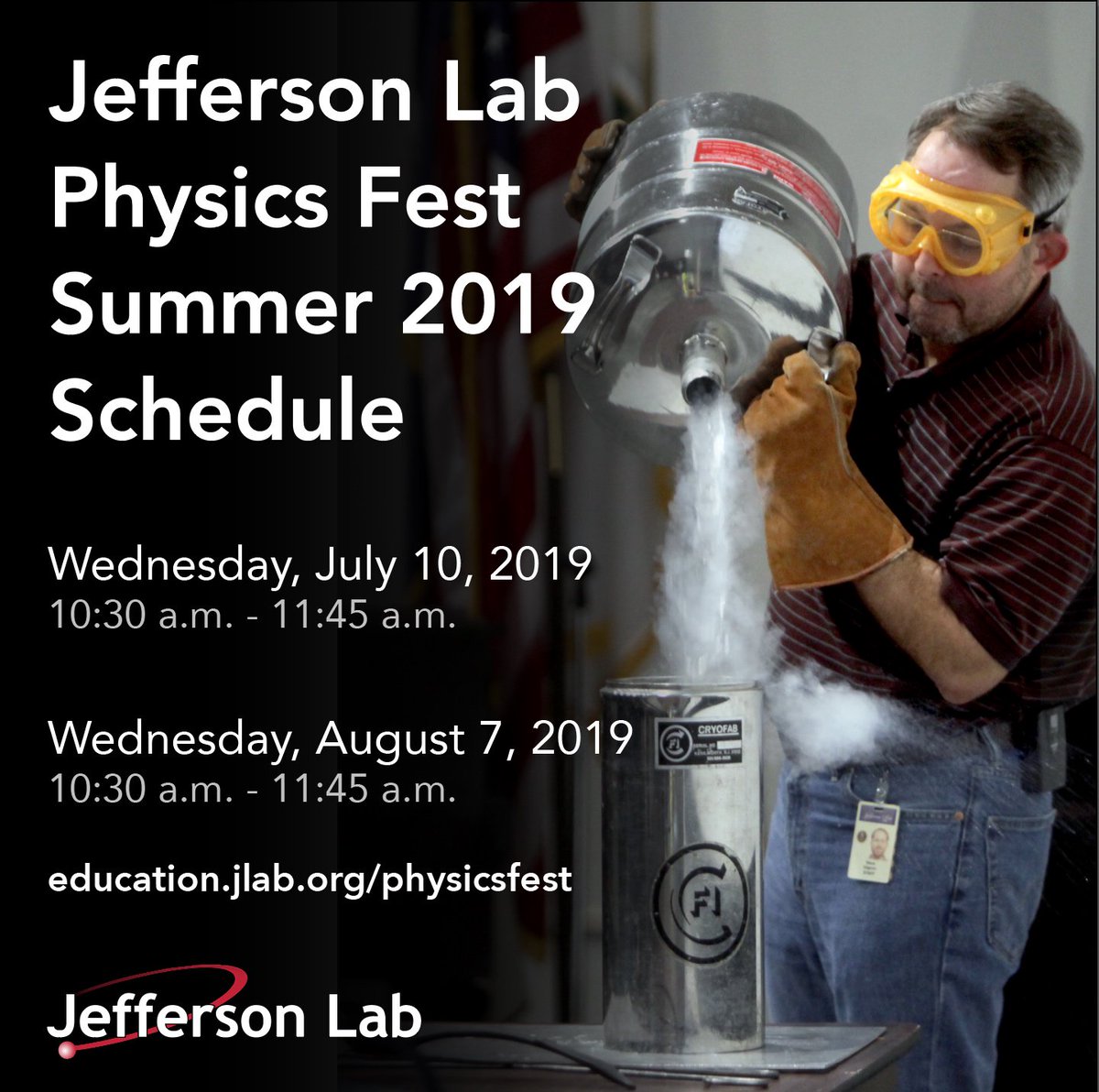
Happy #RevengeoftheSixth day! Jedis & Jedi younglings are invited to sign up for #PhysicsFest, an interactive #science and #technology experience at #JeffersonLab. education.jlab.org/physicsfe…
1
5
1 May 2019
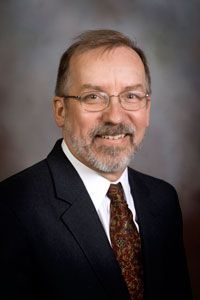
Today at 3 p.m. Professor #Piilonen described early #physics results from the second-generation B-factory detector #BelleII and accelerator #SuperKEKB to #JeffersonLab employees & scientific users. #alwayslearning
4

W&M professors Roy Pearson and K. Scott Swan analyzed the economic and intellectual impacts Jefferson Lab has on Hampton Roads. Great work, and go tribe! #wmbiz #jeffersonlab
mason.wm.edu/news/2019/wm-pr…
3
4