
🚨 Kraken is freezing assets transferred from HTX.
If you don’t self-custody, it’s not your crypto.
Kraken is straight up harming HTX & Justin Sun. Not your keys, not your coins.
#NotYourKeysNotYourCrypto #Kraken #HTX #JustinSun #Crypto #SelfCustody
1
1
66
metaBeto retweeted

¿Quién está activo en este momento.?
¡Conectemos! 👌🏼
#TRONGlobalFriends #TGF #TRON #TRX🔻
@trondao @TronDao_ESP @justinsuntron

5
2
9
87
The next evolution of Web3 won’t be defined by AI alone…
It will be powered by AI that can actually trust what it sees.
And that trust doesn’t come from models — it comes from verified, on-chain data.
Meet the core building blocks of Intelligent Web3:
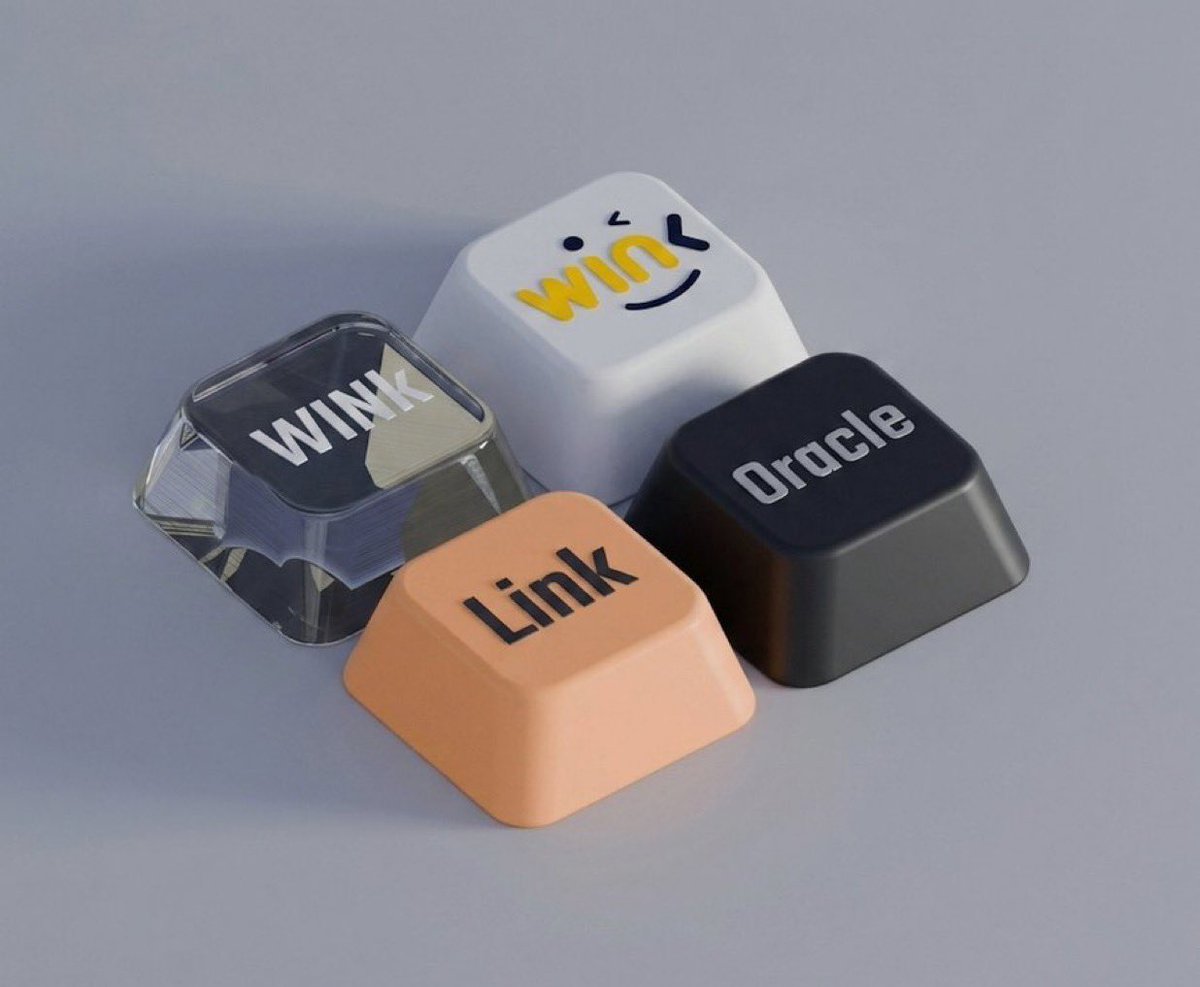
WINK Link Oracle = WINkLink
Not just another oracle network, but a foundational truth layer for:
• Autonomous AI agents
• DeFi protocols
• On-chain gaming
• Algorithmic trading
• Machine-driven economies
Because:
Intelligence without data is blind.
Automation without truth is fragile.
And systems without reliable oracles simply don’t scale.
WINkLink is positioning itself as critical infrastructure for the emerging machine economy — where decisions are made automatically, but must still be grounded in reality.
The real question isn’t whether AI will reshape Web3.
It already is.
The real question is: who powers the trust layer behind it?
Builders who pay attention early won’t just participate in this shift — they’ll help define the operating system of the Intelligent Web.
🌐 Dive into WINkLink. Study the architecture. Track the evolution.
Because the future of autonomous AI doesn’t just need intelligence.
It needs verified reality at scale.
@WinkLink_Oracle @trondao @justinsun
#WINkLink #Web3 #Oracle #AI #DeFi
1
9
43


Jun 12
🚀 稳定币持有者和交易者的重磅利好USDD 在 HTX 再次升级
在 Justin Sun 与 HTX 团队的推动下,一项极具突破性的功能正式上线:USDD 现已支持作为合约交易保证金,同时还能在 HTX 理财中赚取收益
没错——一份资产,两种用途。
无需再在被动收益和交易资金之间做选择。
📈 限时 4% APY USDD 理财收益 HTX 合约保证金功能同步开放。
USDD 作为与美元 1:1 锚定的去中心化超额抵押稳定币,持续证明自己为何是 DeFi 与 CeFi 领域最具效率的资产之一。
凭借透明的机制和强大的抵押支持,USDD 不仅带来稳定性,更提供真正的实用价值。
💡 这次集成堪称资金利用效率的典范:
• 持有 USDD
• 获得 4% APY 理财收益
• 同时使用相同的 USDD 作为合约保证金
• 让每一美元都发挥最大价值,而不是闲置等待
无论你是:
• 偏稳健的收益型投资者
• 活跃的合约交易者
• 或者兼顾收益与交易的用户
这项功能都将成为优化投资组合的重要工具。
👏 向 Justin Sun 以及整个 HTX 团队致敬,不断突破稳定币应用边界。
金融的未来不仅仅是持有资产,而是让资产持续为你创造价值。
🔗 准备好让你的 USDD 开始工作了吗?
立即前往 HTX,体验全新的 理财 保证金双重收益模式。
#USDD #HTX #稳定币 #加密收益 #DeFi #资金效率 #JustinSun
💰✨ 还在等什么?让你的资产变得更聪明、更高效
@justinsuntron @usddio_cn @usddio #TTRONEcoStar

USDD在火币也可以当保证金啦!
6
1,076


Jun 11
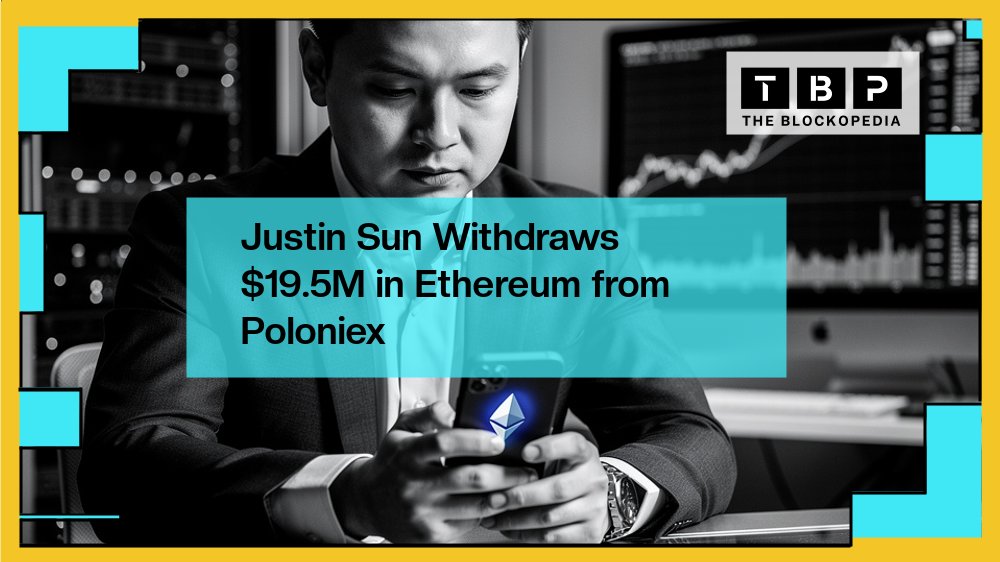
Justin Sun pulled $19.5M in $ETH from Poloniex. No explanation for the withdrawal yet. Market watching where the Tron founder moves it next. $ETH #Ethereum #JustinSun
2
2
37

Jun 11
🌐 إنجاز تاريخي جديد لشبكة TRON: خطى ثابتة نحو لامركزية المستقبل المتكاملة! 🚀
في عالم العملات الرقمية والبلblockchains، الأرقام لا تكذب، وهي المؤشر الحقيقي على مدى قوة المشاريع واستمراريتها وتأثيرها في السوق. واليوم، تقف شبكة TRON بكل فخر لتعلن عن تخطيها حاجزًا استثنائيًا يثبت مدى الثقة والتبني العالمي المتزايد لها. 📊✨
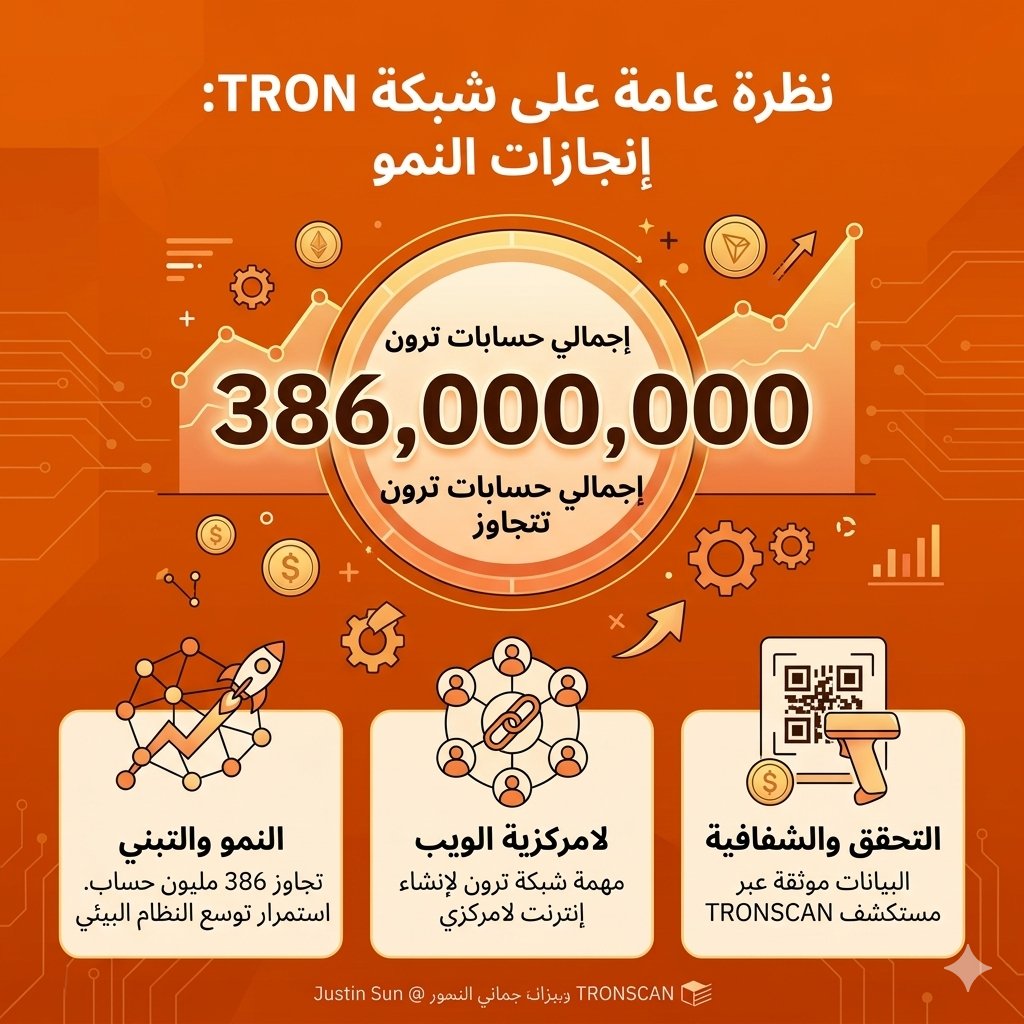
وفقًا للبيانات الرسمية الأخيرة الصادرة عن مؤسس الشبكة ومستكشف البيانات TRONSCAN، فقد تجاوز إجمالي عدد الحسابات على شبكة ترون حاجز 386 مليون حساب نشط! هذا الرقم الضخم ليس مجرد إحصائية عابرة، بل هو دليل قاطع على وتيرة النمو المتسارعة والزخم الهائل الذي يشهده النظام البيئي للشبكة.
---
🔍 تحليل أبعاد هذا الإنجاز (رؤية المتابع الذكي):
* 1. نمو وتبني حقيقي ومستدام 📈:
تخطي حاجز 386 مليون حساب يعكس قاعدة مستخدمين عالمية ضخمة ومتنوعة. هذا التوسع المستمر في النظام البيئي يؤكد أن TRON ليست مجرد شبكة عادية، بل هي خيار أول وموثوق للملايين لإجراء المعاملات وبناء التطبيقات.
* 2. الالتزام الصارم بـ "لامركزية الويب" 🌐🔗:
منذ اليوم الأول، تمثلت مهمة شبكة TRON في بناء بنية تحتية لإنترنت لامركزي بالكامل (Web3). ومع كل مستخدم جديد ينضم إلى الشبكة، تقترب TRON خطوة إضافية نحو تحقيق هذه الرؤية الطموحة، مما يمنح المستخدمين سيادة كاملة على أصولهم وبياناتهم.
* 3. التحقق، الشفافية والموثوقية المطلقة 🛡️🔎:
ما يميز هذا النمو هو أنه مدعوم ببيانات موثوقة ومفتوحة للجميع عبر مستكشف الشبكة TRONSCAN. الشفافية هي العمود الفقري لنجاح أي بلوكشين، وTRON تثبت دائمًا التزامها بتقديم أعلى معايير الأمان والوضوح لمجتمعها.
---
🏛️ كلمة احترام وتقدير لمجتمع TRON وفريق العمل:
كل التقدير للمجهودات المستمرة التي يقودها المستشار المالي والشخصية البارزة Justin Sun وفريق التطوير، والذين لا يتوقفون عن دفع حدود الابتكار إلى الأمام لضمان بقاء الشبكة في صدارة مشهد الكريبتو العالمي. هذا النجاح هو ثمرة عمل جماعي وثقة متبادلة بين المطورين والمستثمرين والمستخدمين العاديين حول العالم.
المستقبل يُكتب الآن، وشبكة TRON تثبت يومًا بعد يوم أنها ركيزة أساسية لا غنى عنها في صياغة الاقتصاد الرقمي القادم والمستدام. 🌍 الحساب مستمر، والقمم القادمة باتت أقرب من أي وقت مضى. 🔝🏁
---
#TRON
#TGF
#TRONGlobalFriends
@TronDao_AR
@TronDao_AR @trondao
#TRON #TRX #Tronscan #JustinSun #Blockchain #Web3 #Crypto #العملات_الرقمية #بلوكشين
386M accounts. Keep counting.
2
24
6,171

Jun 10
7/ كل الدعم للمبدع @justinsuntron وفريق @T3_FCU على هذا العمل الجبار. المستقبل يُكتب الآن، وهو آمن، شفاف، ومزدهر تحت قيادة واعية وثابتة. 🚀
ما رأيكم بهذا الإنجاز الضخم للمنظومة؟ شاركونا آراءكم!👇
#Crypto #Blockchain #JustinSun #FATF
9

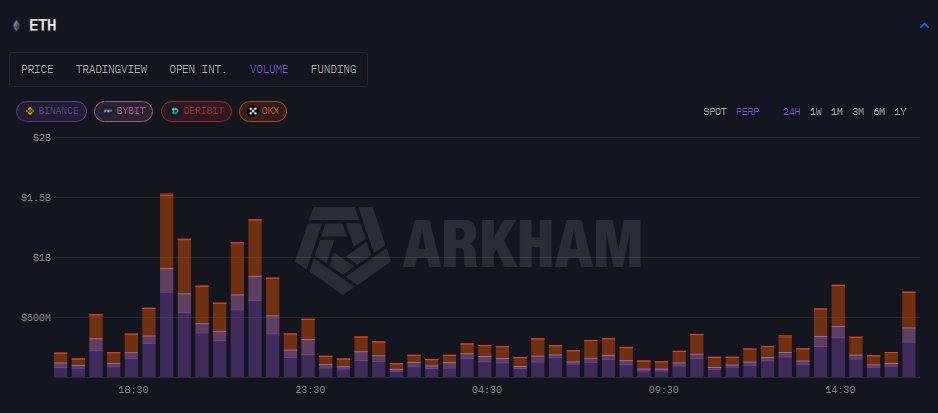
🚨 JUSTIN SUN WITHDRAWS $19.5M IN ETH
Justin Sun pulled 12,000 $ETH ($19.5M) from Poloniex, signaling a major on-chain move.
Meanwhile, options traders are hedging for volatility, while large holders continue aggressively accumulating ETH.
Bullish accumulation or preparing for turbulence?
More updates → coinedition.com/news/global-…
#ETH #Ethereum #JustinSun #Crypto #CoinEdition
1
87

In the world of traditional banking, the "Friday afternoon problem" is a recurring issue. If you miss the cutoff, your money is effectively locked until the next available business day. This often leads to unnecessary waiting periods and can disrupt your plans.
TRON’s decentralized blockchain system changes everything. It doesn’t follow the traditional banking hours or rely on outdated schedules. With TRON, I can make transactions at any time of the day or night, no matter what day of the week it is.
I had an urgent transfer to make on a Sunday night once, and I was fully expecting to wait until Monday. But with TRON, the transaction processed instantly.
This real-time functionality has made managing my finances much easier. I no longer need to worry about missing a deadline or waiting for a bank to open. TRON has given me complete control over when and how I handle my money.
图片: market_up.jpg
标签: @JustinSun孙宇晨 #TronEcoStar @TRONDAO

Traditional banking systems are notorious for their inefficiency. The "Friday afternoon problem" is just one example. If you miss the cutoff time by a few minutes, your funds are held up until the next available business day. This outdated system can cause significant delays, especially for those of us who rely on timely transactions.
TRON’s decentralized blockchain system, however, operates without any of these limitations. With TRON, there’s no waiting for the weekend to end or worrying about bank holidays. Transactions happen in real time, regardless of the day or time.
I remember needing to make an urgent transfer on a Sunday evening, and in the past, I would have expected to wait until Monday. But TRON completed the transaction instantly, without any delay.
This level of reliability and convenience is a game-changer. Now, I can plan my financial transactions without worrying about missed deadlines or bank hours. TRON has empowered me to take control of my finances in a way that traditional banking never could.
图片: market_up.jpg
标签: @JustinSun孙宇晨 #TronEcoStar @TRONDAO
33
Traditional banking systems are notorious for their inefficiency. The "Friday afternoon problem" is just one example. If you miss the cutoff time by a few minutes, your funds are held up until the next available business day. This outdated system can cause significant delays, especially for those of us who rely on timely transactions.
TRON’s decentralized blockchain system, however, operates without any of these limitations. With TRON, there’s no waiting for the weekend to end or worrying about bank holidays. Transactions happen in real time, regardless of the day or time.
I remember needing to make an urgent transfer on a Sunday evening, and in the past, I would have expected to wait until Monday. But TRON completed the transaction instantly, without any delay.
This level of reliability and convenience is a game-changer. Now, I can plan my financial transactions without worrying about missed deadlines or bank hours. TRON has empowered me to take control of my finances in a way that traditional banking never could.
图片: market_up.jpg
标签: @JustinSun孙宇晨 #TronEcoStar @TRONDAO
One of the most stressful parts of dealing with traditional banks is the limited window of time you have to complete a transaction. If you miss the cutoff, you’re left waiting for days for your money to process. This can be especially frustrating when you need to make a critical transaction at the last minute.
Thankfully, TRON eliminates this problem. With TRON’s decentralized blockchain, there are no working hours or bank holidays. Transactions are processed in real time, regardless of when or where they are initiated.
I remember making an urgent transfer on a Sunday evening, expecting it to be delayed, but TRON completed it immediately. This seamless experience has completely changed my approach to managing finances.
Now, I don’t have to worry about banking schedules or plan my life around transaction deadlines. TRON operates on my time, not the other way around. This flexibility has given me the freedom to handle my finances without unnecessary delays.
图片: market_up.jpg
标签: @JustinSun孙宇晨 #TronEcoStar @TRONDAO
54
One of the most stressful parts of dealing with traditional banks is the limited window of time you have to complete a transaction. If you miss the cutoff, you’re left waiting for days for your money to process. This can be especially frustrating when you need to make a critical transaction at the last minute.
Thankfully, TRON eliminates this problem. With TRON’s decentralized blockchain, there are no working hours or bank holidays. Transactions are processed in real time, regardless of when or where they are initiated.
I remember making an urgent transfer on a Sunday evening, expecting it to be delayed, but TRON completed it immediately. This seamless experience has completely changed my approach to managing finances.
Now, I don’t have to worry about banking schedules or plan my life around transaction deadlines. TRON operates on my time, not the other way around. This flexibility has given me the freedom to handle my finances without unnecessary delays.
图片: market_up.jpg
标签: @JustinSun孙宇晨 #TronEcoStar @TRONDAO
The biggest issue with traditional banking is how dependent it is on rigid schedules. If you miss the cutoff time, your transaction will have to wait until the next available window—often Monday morning. This outdated system creates unnecessary delays and limits the flexibility we need in today’s fast-paced world.
TRON has eliminated these frustrations. Its decentralized blockchain operates continuously, 24/7, which means I never have to worry about whether or not it’s a business day. Whether it's the middle of the night or a holiday weekend, TRON allows me to make transfers whenever I need.
I remember a Sunday night when I had an urgent transfer to make, and I fully expected to be delayed until Monday. But TRON surprised me—it settled instantly.
With TRON, I’ve gained a new sense of freedom. I no longer have to adjust my schedule around banking hours or worry about missing deadlines. TRON’s flexibility has made my financial life much simpler and more efficient.
图片: market_up.jpg
标签: @JustinSun孙宇晨 #TronEcoStar @TRONDAO
50
The biggest issue with traditional banking is how dependent it is on rigid schedules. If you miss the cutoff time, your transaction will have to wait until the next available window—often Monday morning. This outdated system creates unnecessary delays and limits the flexibility we need in today’s fast-paced world.
TRON has eliminated these frustrations. Its decentralized blockchain operates continuously, 24/7, which means I never have to worry about whether or not it’s a business day. Whether it's the middle of the night or a holiday weekend, TRON allows me to make transfers whenever I need.
I remember a Sunday night when I had an urgent transfer to make, and I fully expected to be delayed until Monday. But TRON surprised me—it settled instantly.
With TRON, I’ve gained a new sense of freedom. I no longer have to adjust my schedule around banking hours or worry about missing deadlines. TRON’s flexibility has made my financial life much simpler and more efficient.
图片: market_up.jpg
标签: @JustinSun孙宇晨 #TronEcoStar @TRONDAO
The frustration of missing a banking cutoff time is a feeling many of us are familiar with. The "Friday afternoon problem" means that if you don’t complete your transaction by a certain time, you’re stuck waiting for days before it’s processed. In today’s world, this inefficiency just doesn’t make sense.
That’s where TRON comes in. The TRON blockchain is decentralized, operating 24/7. There are no bank holidays, no waiting for the weekend to end. I remember needing to transfer funds late on a Sunday night, fully expecting a delay. But with TRON, the transaction settled instantly.
This real-time settlement is a game-changer. TRON has made it possible for me to manage my finances without the limitations of traditional banking hours. I no longer have to plan my schedule around a bank’s operating hours.
TRON has allowed me to gain greater control over my money, making financial transactions as easy as pressing a button, regardless of the time or day.
图片: market_up.jpg
标签: @JustinSun孙宇晨 #TronEcoStar @TRONDAO
1
1
60
The frustration of missing a banking cutoff time is a feeling many of us are familiar with. The "Friday afternoon problem" means that if you don’t complete your transaction by a certain time, you’re stuck waiting for days before it’s processed. In today’s world, this inefficiency just doesn’t make sense.
That’s where TRON comes in. The TRON blockchain is decentralized, operating 24/7. There are no bank holidays, no waiting for the weekend to end. I remember needing to transfer funds late on a Sunday night, fully expecting a delay. But with TRON, the transaction settled instantly.
This real-time settlement is a game-changer. TRON has made it possible for me to manage my finances without the limitations of traditional banking hours. I no longer have to plan my schedule around a bank’s operating hours.
TRON has allowed me to gain greater control over my money, making financial transactions as easy as pressing a button, regardless of the time or day.
图片: market_up.jpg
标签: @JustinSun孙宇晨 #TronEcoStar @TRONDAO
There’s a certain frustration that comes with the limitations of traditional banking. The "Friday afternoon problem" is a perfect example—if you miss the cutoff time by even a few minutes, your funds are held up until the following Monday. This can create a sense of helplessness, especially when you urgently need to complete a transaction.
With TRON, I’ve never had to worry about this problem again. The TRON blockchain operates 24/7, meaning there are no delays, no matter when I make a transfer. I remember needing to send funds late on a Sunday, expecting to be delayed. But with TRON, the transaction processed instantly.
This real-time processing has made a world of difference. TRON has redefined my relationship with money, giving me the ability to move funds exactly when I need to, without worrying about banking hours.
Now, I can plan my financial moves around my life, not the bank’s schedule. TRON has provided a level of flexibility and reliability I didn’t even know I was missing.
图片: market_up.jpg
标签: @JustinSun孙宇晨 #TronEcoStar @TRONDAO
67
There’s a certain frustration that comes with the limitations of traditional banking. The "Friday afternoon problem" is a perfect example—if you miss the cutoff time by even a few minutes, your funds are held up until the following Monday. This can create a sense of helplessness, especially when you urgently need to complete a transaction.
With TRON, I’ve never had to worry about this problem again. The TRON blockchain operates 24/7, meaning there are no delays, no matter when I make a transfer. I remember needing to send funds late on a Sunday, expecting to be delayed. But with TRON, the transaction processed instantly.
This real-time processing has made a world of difference. TRON has redefined my relationship with money, giving me the ability to move funds exactly when I need to, without worrying about banking hours.
Now, I can plan my financial moves around my life, not the bank’s schedule. TRON has provided a level of flexibility and reliability I didn’t even know I was missing.
图片: market_up.jpg
标签: @JustinSun孙宇晨 #TronEcoStar @TRONDAO
Traditional banking systems have always been limited by their strict schedules. Transactions are subject to cutoff times, and if you happen to miss them, you’re stuck waiting until the next business day to process your money. This creates unnecessary friction and frustration, especially in a world that operates 24/7.
This is where TRON shines. Unlike traditional banks, TRON operates continuously, offering real-time transactions at any time of day or night. The TRON blockchain doesn’t close for weekends or holidays, meaning your transactions go through as soon as you initiate them.
I vividly remember a time when I had to make a critical transaction on a Sunday night. I was used to the delays of traditional banking and fully expected to wait until Monday. To my surprise, TRON completed the transaction instantly.
This seamless experience has completely changed the way I manage my finances. I no longer feel bound by the arbitrary hours of banks. TRON has opened up a new level of flexibility, giving me the ability to transact whenever I need to, without waiting.
The reliability of TRON has transformed how I approach financial planning, making it more efficient and empowering.
图片: market_up.jpg
标签: @JustinSun孙宇晨 #TronEcoStar @TRONDAO
49
Traditional banking systems have always been limited by their strict schedules. Transactions are subject to cutoff times, and if you happen to miss them, you’re stuck waiting until the next business day to process your money. This creates unnecessary friction and frustration, especially in a world that operates 24/7.
This is where TRON shines. Unlike traditional banks, TRON operates continuously, offering real-time transactions at any time of day or night. The TRON blockchain doesn’t close for weekends or holidays, meaning your transactions go through as soon as you initiate them.
I vividly remember a time when I had to make a critical transaction on a Sunday night. I was used to the delays of traditional banking and fully expected to wait until Monday. To my surprise, TRON completed the transaction instantly.
This seamless experience has completely changed the way I manage my finances. I no longer feel bound by the arbitrary hours of banks. TRON has opened up a new level of flexibility, giving me the ability to transact whenever I need to, without waiting.
The reliability of TRON has transformed how I approach financial planning, making it more efficient and empowering.
图片: market_up.jpg
标签: @JustinSun孙宇晨 #TronEcoStar @TRONDAO
One of the most frustrating aspects of traditional banking is the time sensitivity of transactions. If you miss the cutoff, even by a few minutes, your money is essentially frozen until the next business day. This leads to unnecessary delays and disrupts your plans, especially when you're trying to make a critical transfer.
TRON’s decentralized blockchain system has completely shifted my perspective on financial transactions. I no longer have to worry about the limitations of traditional banking hours. TRON operates around the clock, regardless of weekends or holidays.
I remember needing to make an urgent transfer on a Sunday evening. In the past, I would have expected to wait until Monday morning, but with TRON, the transaction settled instantly. This level of reliability is exactly what I needed.
TRON has given me the freedom to manage my financial life without being restricted by a 9-to-5 schedule. I can now plan my transactions around my needs, not around when the bank happens to be open.
This has fundamentally changed how I view financial management—TRON empowers me to act when I need to, not when it’s convenient for a traditional institution.
图片: market_up.jpg
标签: @JustinSun孙宇晨 #TronEcoStar @TRONDAO
43
One of the most frustrating aspects of traditional banking is the time sensitivity of transactions. If you miss the cutoff, even by a few minutes, your money is essentially frozen until the next business day. This leads to unnecessary delays and disrupts your plans, especially when you're trying to make a critical transfer.
TRON’s decentralized blockchain system has completely shifted my perspective on financial transactions. I no longer have to worry about the limitations of traditional banking hours. TRON operates around the clock, regardless of weekends or holidays.
I remember needing to make an urgent transfer on a Sunday evening. In the past, I would have expected to wait until Monday morning, but with TRON, the transaction settled instantly. This level of reliability is exactly what I needed.
TRON has given me the freedom to manage my financial life without being restricted by a 9-to-5 schedule. I can now plan my transactions around my needs, not around when the bank happens to be open.
This has fundamentally changed how I view financial management—TRON empowers me to act when I need to, not when it’s convenient for a traditional institution.
图片: market_up.jpg
标签: @JustinSun孙宇晨 #TronEcoStar @TRONDAO
Most financial systems are vertically integrated. Payments, custody, clearing, and compliance are bundled together inside institutional silos.
Blockchain separates these layers.
On TRON, custody can be self-sovereign, settlement can be on-chain, and applications can be permissionless. Each layer becomes modular. This modularity is not ideological—it is operationally efficient.
Consider stablecoins as an example. On traditional rails, cross-border liquidity is fragmented and slow. On TRON, stablecoin transfers operate on a unified ledger, enabling near-instant value movement across jurisdictions without correspondent banking chains.
This structural simplification matters.
It reduces counterparty layers, minimizes reconciliation risk, and compresses settlement time. Instead of passing through multiple intermediaries, value moves directly between addresses. The blockchain acts as shared infrastructure rather than a proprietary pipeline.
From a systems perspective, this is financial unbundling.
When financial primitives are composable, developers can assemble services like building blocks: lending protocols, payment gateways, treasury management tools. Innovation becomes horizontal rather than siloed.
The long-term implication is subtle but powerful: infrastructure becomes neutral ground, and competition shifts to user experience and product design instead of access control.
That is not just technological progress. It is structural re-engineering of how capital flows in a digital economy.
@justinsuntron @trondao #TRONEcoStar
1
2
68
We've all been there—the frustration of missing a bank’s cutoff time on a Friday afternoon. If you’re even a few minutes late, your transaction won’t process until Monday morning. It’s an outdated system that holds your money hostage, and it’s one of the most annoying things about traditional banking.
That’s when I found TRON, and the difference was night and day. The TRON blockchain doesn’t care about weekends or bank holidays. It operates 24/7, allowing for instant transactions anytime, anywhere. I remember needing to transfer funds late on a Sunday, fully expecting a delay, but the transaction was completed immediately.
This instant settlement opened my eyes to how much more efficient and reliable TRON is compared to traditional banking. The ability to access and send money when I need it, without worrying about when banks are open, has completely transformed my financial planning.
TRON’s decentralized network is a true revolution in how we think about time and money. It removes the old constraints of banking hours and offers a level of freedom and flexibility I didn’t even know was possible.
图片: market_up.jpg
标签: @JustinSun孙宇晨 #TronEcoStar @TRONDAO
The “Friday afternoon problem” in traditional banking is an all-too-common experience—miss the cutoff time, and your transaction gets delayed until Monday. In today’s fast-paced world, that’s just not good enough. It feels incredibly frustrating to know that your money is locked away simply because of outdated banking hours.
When I transitioned to the TRON network, everything changed. Unlike traditional banking, TRON doesn’t have any fixed working hours. Whether it's a weekend or a holiday, the TRON blockchain operates in real time. I remember needing to make a transfer late on a Sunday evening, and I expected it to be delayed. But with TRON, the transfer went through instantly.
That level of efficiency and reliability is something I’ve never experienced before. TRON’s decentralized nature means that I can send and receive funds anytime, without being constrained by a bank's schedule.
This reliability has reshaped how I plan my life and finances. I no longer have to worry about banking hours limiting my financial flexibility. TRON’s open-for-business nature means I’m always in control, no matter the day or time.
图片: market_up.jpg
标签: @JustinSun孙宇晨 #TronEcoStar @TRONDAO
1
102