
Jun 12
Join MMTC, @http_policy, @LGBTTech, and @OCANational on June 16th at 12 noon for the Policy Outlook on Data Privacy & Cybersecurity at the CTE Innovation House in DC.
REGISTER: lgbttech.org/event-details/p…

43
Jun 10
Join MMTC, @http_policy, @LGBTTech, and @OCANational on June 16th at 12 noon for the Policy Outlook on Data Privacy & Cybersecurity at the CTE Innovation House in DC. Lunch will be provided.
REGISTER FOR FREE EVENT: lgbttech.org/event-details/p…

52
Donald Trump's @FCC is targeting TV programs that touch "gender identity themes," which would treat the normal presence of LGBTQ people on-screen as a reason for heightened warning or different rating. That's wrong.
We partnered with @LGBTTech, @publicknowledge, @http_policy and @HispanicFed to remind the FCC they have zero authority to influence TV ratings. progresschamber.org/resource…
4
7
489

Today, @publicknowledge joined @LGBTTech, @ProgressChamber, and others in filing comments at the @FCC in opposition to its proposed content warnings for 'gender identity issues' in TV programming. Our statement from Legal Director @bergmayer:
publicknowledge.org/public-k…
2
299
Mar 25
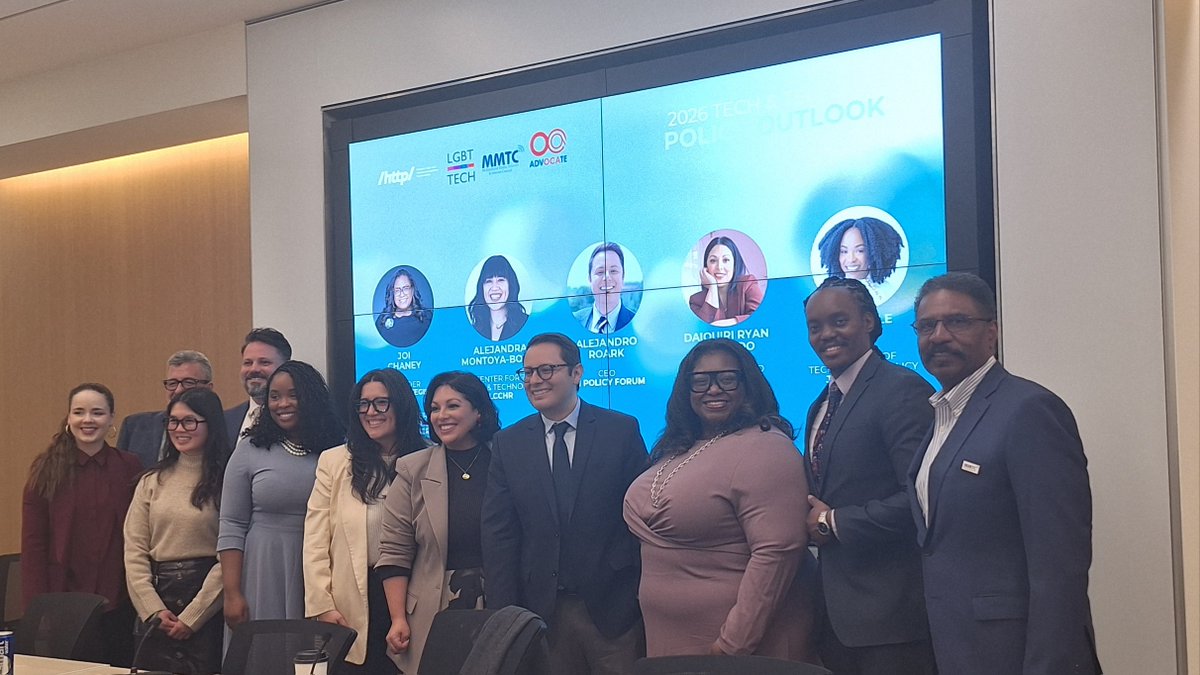
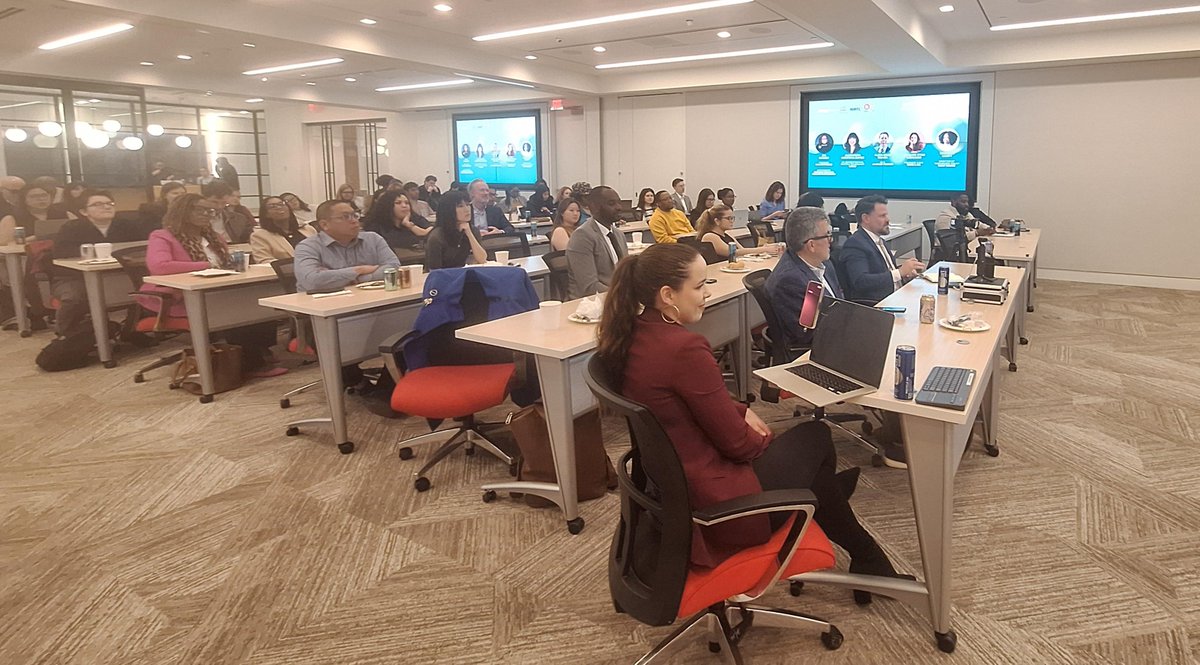
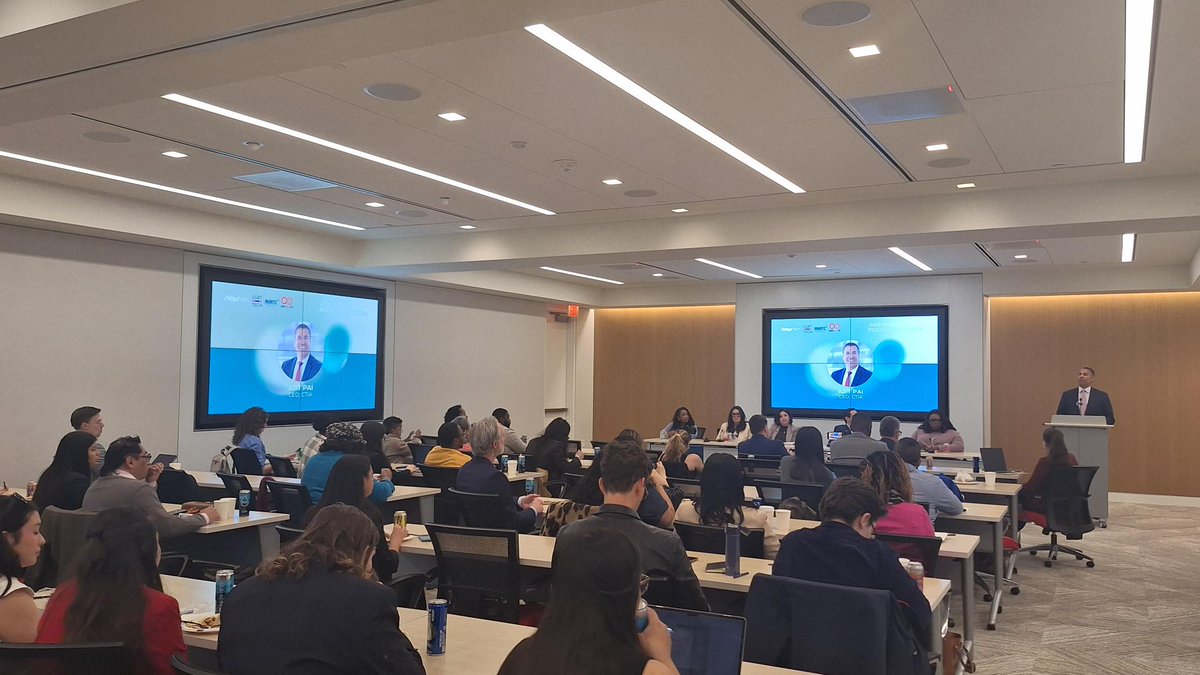
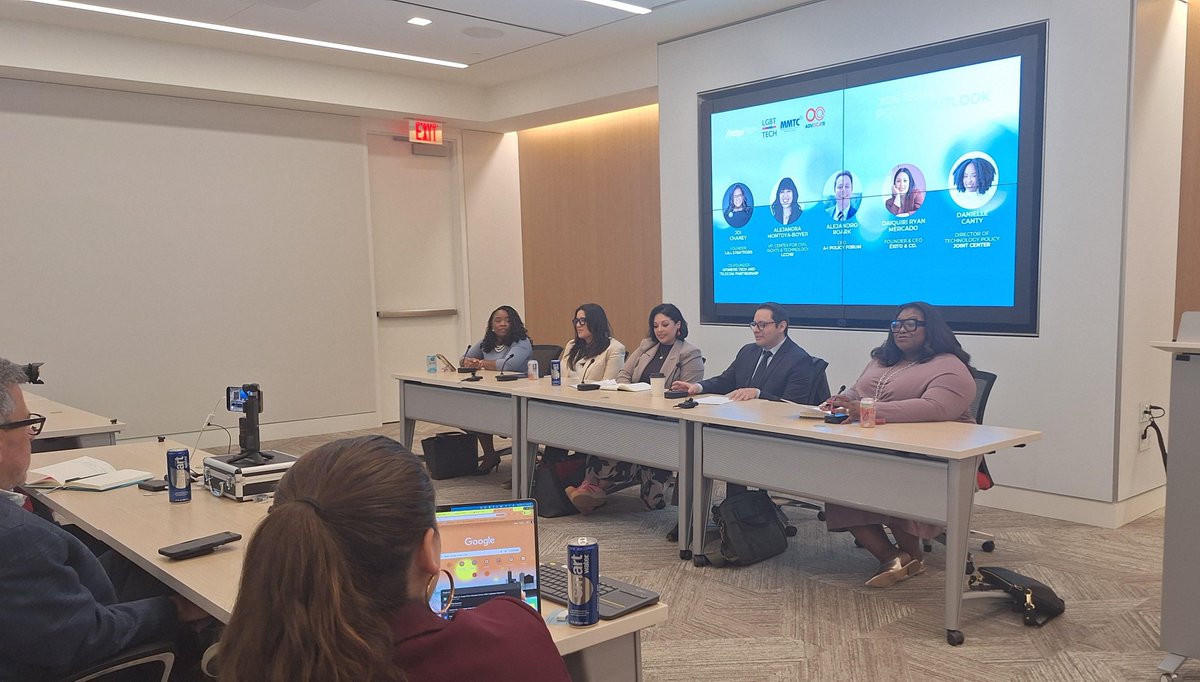
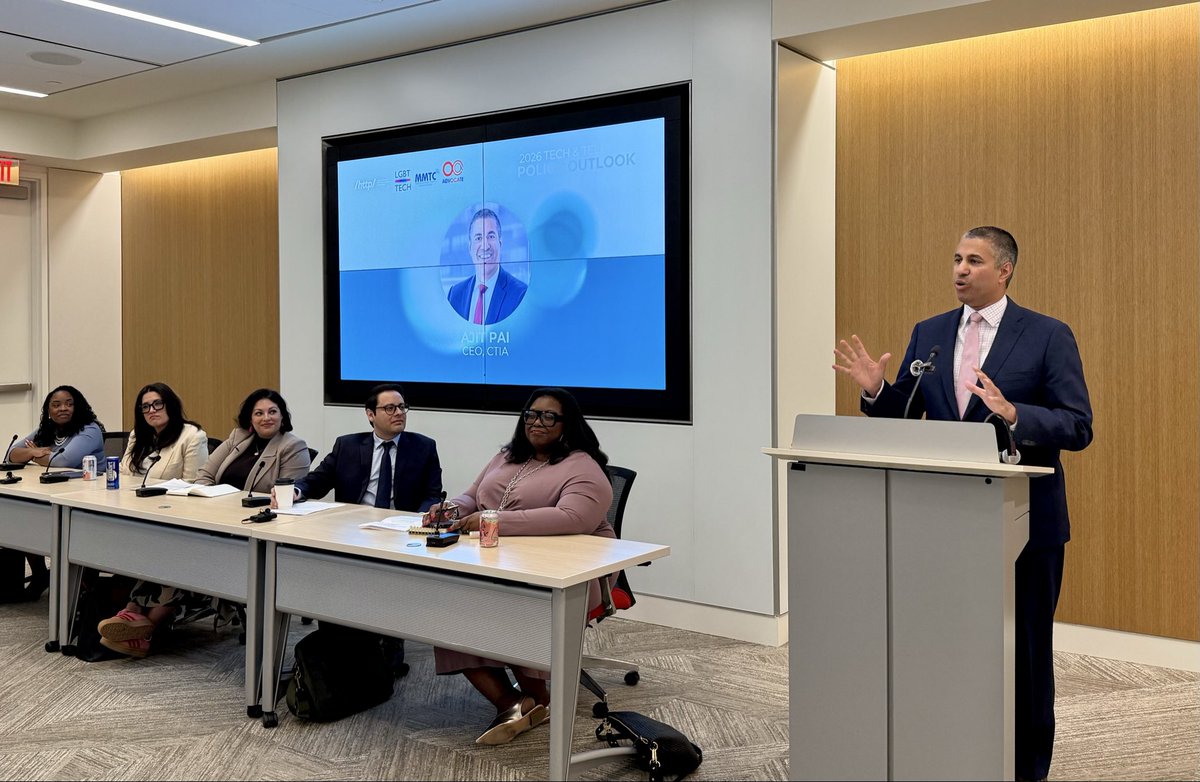
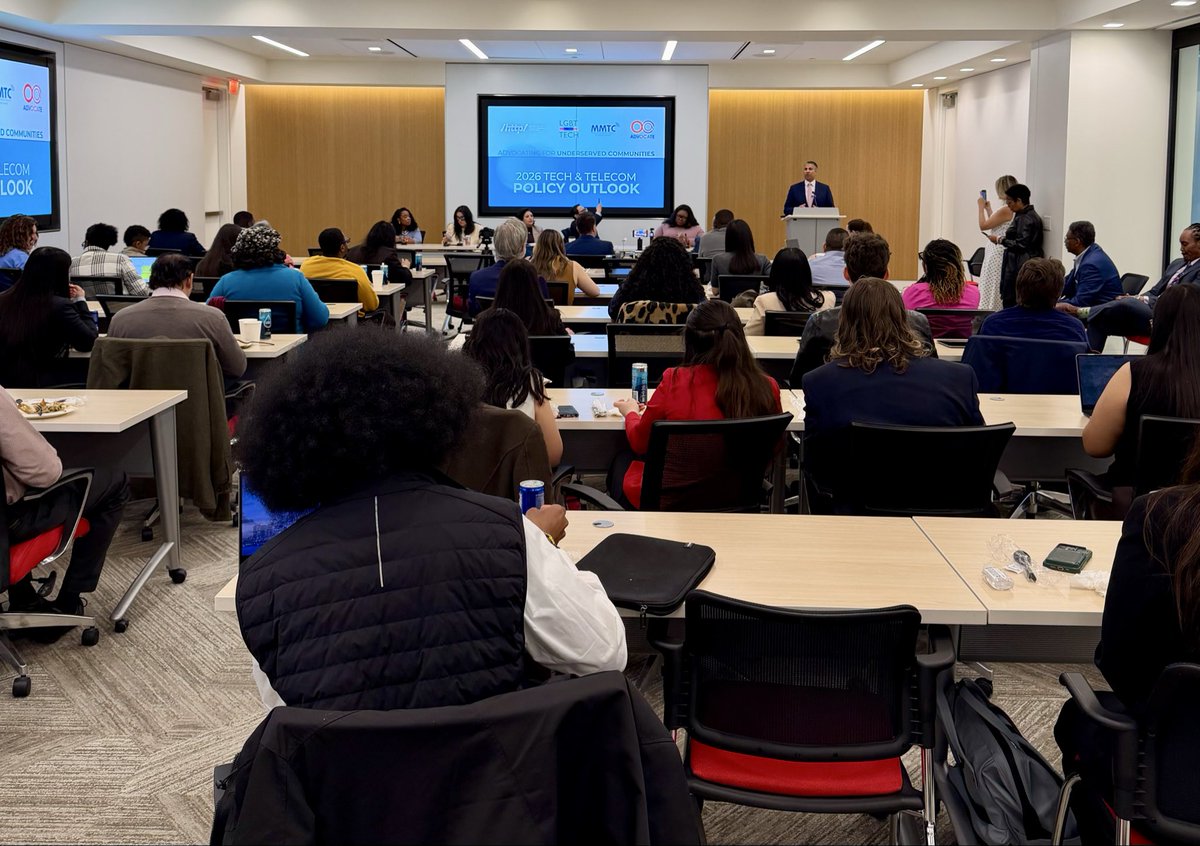
Thanks to everyone who attended today's "Advocating for Underserved Communities – Tech Policy Briefings" event hosted by MMTC @http_policy @LGBTTech @OCANational.
Special thanks @AjitPai @CTIA @joitweets
@Dani_Esquire @alejandramontyb @AlejandroRoark
@DaiquiriRyan.
2
41

Grateful to participate in the 2026 Tech and Telecom Policy Outlook hosted by @http_policy, @LGBTTech, @mmtconline, and @OCANational! Look forward to working alongside advocates to ensure that all Americans benefit from wireless connectivity and AI-based innovations.
1
11
1,042
Mar 12
Join MMTC, @http_policy, @LGBTTech, and @OCANational on March 25 at 12-1:30 p.m. for "Advocating for Underserved Communities – Tech Policy Briefings" at @CTIA in DC
REGISTER: eventbrite.com/e/2026-tech-t…
1
2
54

At this year’s #NetInclusion26, #CODI members @publicknowledge, @internetsociety and @LGBTTech participated in panels, hosted events and led workshops highlighting their efforts to advance digital connectivity.
Check out our recap →
codi.global/newsroom/spotted…
1
3
166

11 Aug 2025
Un viaje al interior de #AllyAI, la iniciativa de #LGBTtech que desarrolla el primer certificado de inclusividad para sistemas de #IA. Contenta de aportar nuestra visión al artículo de #CatalinaRebollo en @wiredenespanol
11 Jul 2025

Cuatro especialistas en sesgos de género e inteligencia artificial responsable analizan la iniciativa Ally AI, que está desarrollando el primer certificado de inclusividad para sistemas de IA. es.wired.com/articulos/es-po…
2
92

14 Jul 2025
Un viaje al interior de #AllyAI, la iniciativa de #LGBTtech que desarrolla el primer certificado de inclusividad para sistemas de #IA.
Contentos de aportar nuestra visión mediante @Davide__Cirillo al artículo de #CatalinaRebollo en @wiredenespanol.
es.wired.com/articulos/es-po…
4
83

7 Apr 2025
5
2,281

5 Mar 2025
“Strong encryption strengthens the foundation of trust online and ensures that our digital spaces remain ones where individuals can live authentically and without fear.”
Shae Gardner, @LGBTTech, explains the importance of encryption for the LGBTQ community.
#PracticeSafeText 💬
1
3
417

10 Feb 2025
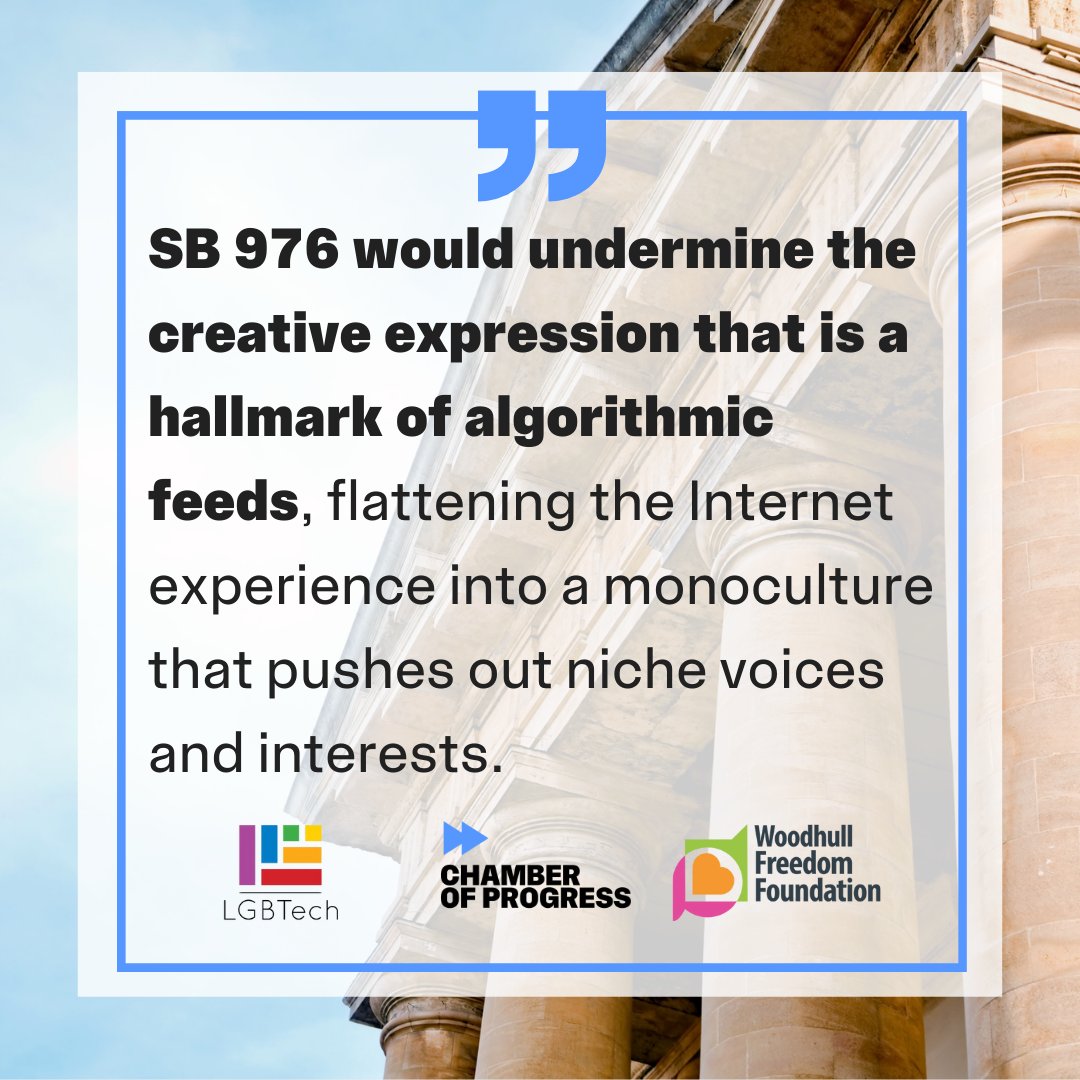
Last week, we filed an amicus brief urging the Ninth Circuit Court of Appeals to block California's SB 976, which unconstitutionally burdens teens' 1A rights and threatens access to critical online resources.
Thanks to our partners at @WoodhullFreedom and @LGBTTech, who joined us in supporting @NetChoice's appeal.
progresschamber.org/netchoic…
2
2
518

7 Feb 2025
2. @ProgressChamber (joined by @LGBTTech & @WoodhullFreedom): CHOP builds on EFF's themes in complementary ways.
CHOP starts by observing that personalized algorithms are a key part of what enables likeminded people to connect and find communities. This is particularly true for sensitive topics (e.g., LGBTQ health, police brutality, and reproductive healthcare).
The recommendation algorithms on social media sites implement instructions about what content and information to prioritize for a given user, often based on what the user is likely to find most interesting.
Algorithms also act as a sort of clean-up crew by removing or deprioritizing content that platforms deem unworthy of display.
Given the scale of the internet (YouTube alone hosts roughly 14 billion videos with 720,000 hours of new content added each day), recommendation algorithms and personalized feeds are an indispensable way of sorting content -- i.e., of making the internet usable. Br. at 10-11.
These feeds not only help keep users interested but also help keep them safe by removing inappropriate content (e.g., eating disorders, self-harm, suicide, etc.). Br. at 11.
By restricting the ability of users (particularly minors) to access personalized feeds, SB 976 not only unconstitutionally burdens their free speech rights but also poses increased safety risks for minors--particularly by hindering access to critical resources for marginalized youth. Br. at 12-17.
The age-verification provisions mean that users will be forced to choose between privacy and speech (noting that more than 80% of U.S. companies have been hacked and important data was either stolen or made public). Br. at 18.
CHOP also highlights that SB 976 infringes on the rights of social media websites to exercise their editorial rights about what content to prioritize and display. Websites, just like traditional publishers, have the right to both display the content they wish and to determine the way to arrange that content for their users. Br. at 21-24 (citing Moody v. NetChoice).
In short, the district court erred in its assessment of personalized feeds. SB 976 is unconstitutional.
1
1
4
156

17 Jan 2025
Thank you to the groups who are part of this important fight! ➡️ @LGBTTech @stopspyingny @NHMC @southasianldf @fightfortheftr @azaanhpi @AAFederation @glaad @ajsocal_ & more
2
6
540
14 Jan 2025
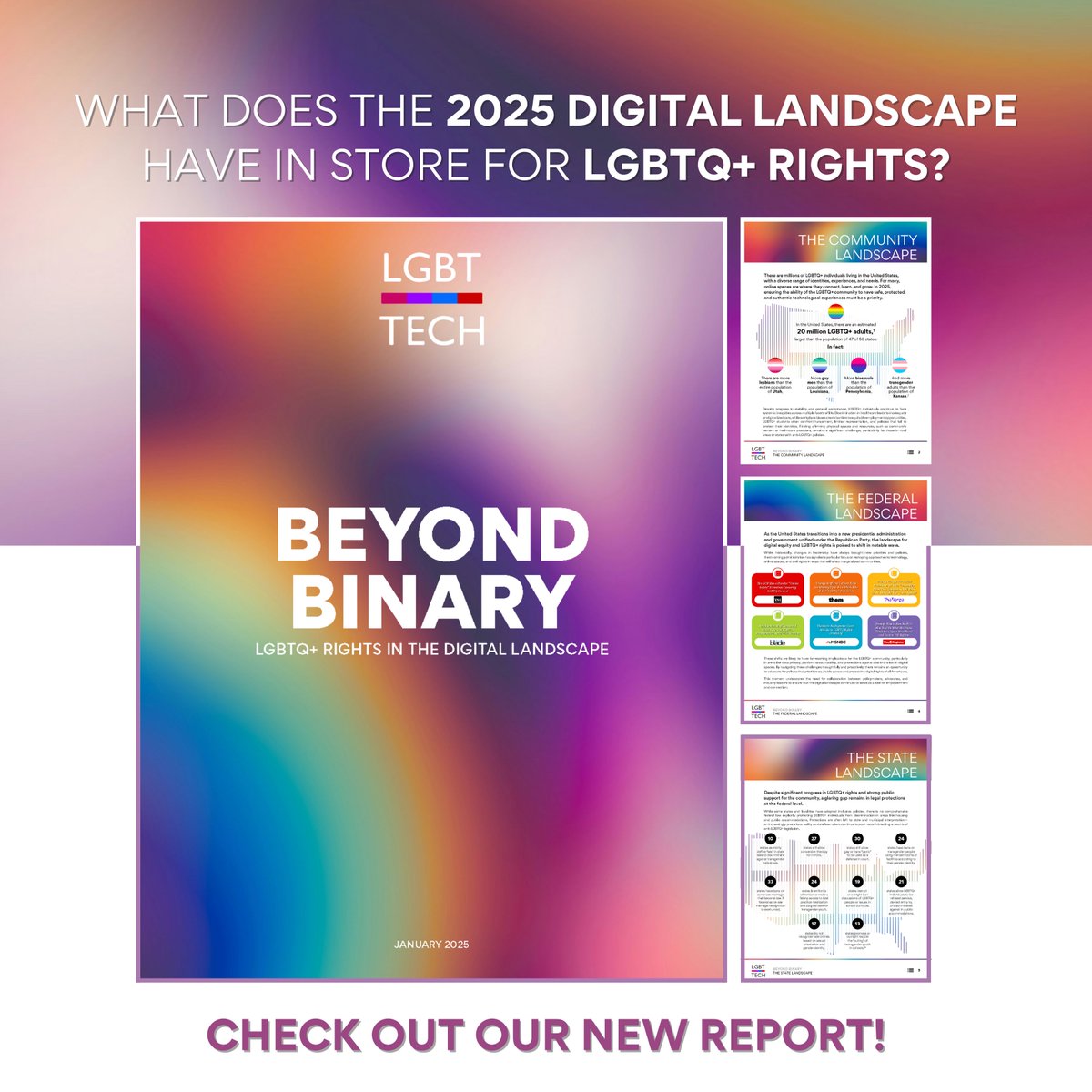
Great new report from @LGBTTech on what's in store for the LGBTQ tech landscape in 2025.

Anti-LGBTQ legislation continues to rise at record-breaking levels, while safe physical spaces for community, advocacy, and affirmation are diminishing.
Check out our latest report, Beyond Binary 2025! Dive in here: buff.ly/4gR38cR
1
187

Thank you to our panelists @alexitif, Shae Gardner (@LGBTTech), @braileysanchez (@futureofprivacy), John Mootz (@childrenscreens), Andrew Zack (@FOSI), and our audience for an engaging conversation on children’s #online safety! 👏
Missed it? Catch the recording here ⤵️
itif.org/events/2024/12/11/h…
1
5
947
🚨 TODAY, December 11 @ 12 PM ET:
Join @alexitif (ITIF), Shae Gardner (@LGBTTech), @braileysanchez (@futureofprivacy), John Mootz (@childrenscreens), & Andrew Zack (@FOSI) for a discussion on children’s #online safety.
Register now ⤵️
itif.org/events/2024/12/11/h…
2
4
241
📅 THIS WEDNESDAY, December 11:
Join experts from ITIF, @LGBTTech, @futureofprivacy, and @FOSI for a panel on protecting kids online from 12-1 PM EST. 🚸
Register now ⤵️
itif.org/events/2024/12/11/h…
1
2
337
20 Nov 2024
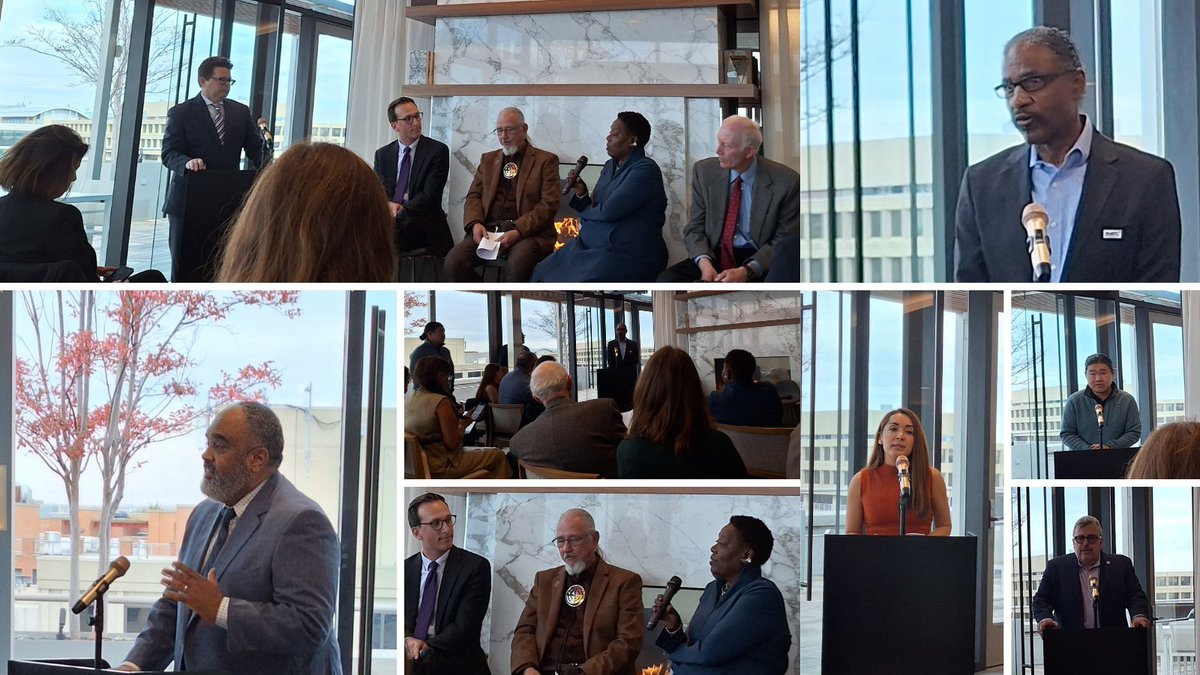
Thanks to everyone who attended today's Infrastructure Deployment: Where We Stand discussion organized by MMTC, @ALLvanza, @LGBTTech, and @OCANational.
Many thanks to our speakers and moderator.
Special thanks to @TMobile for hosting the event.
1
4
207