
I’ll be at lssp this year hope to meet all members fellow friends there.
13

Jun 14
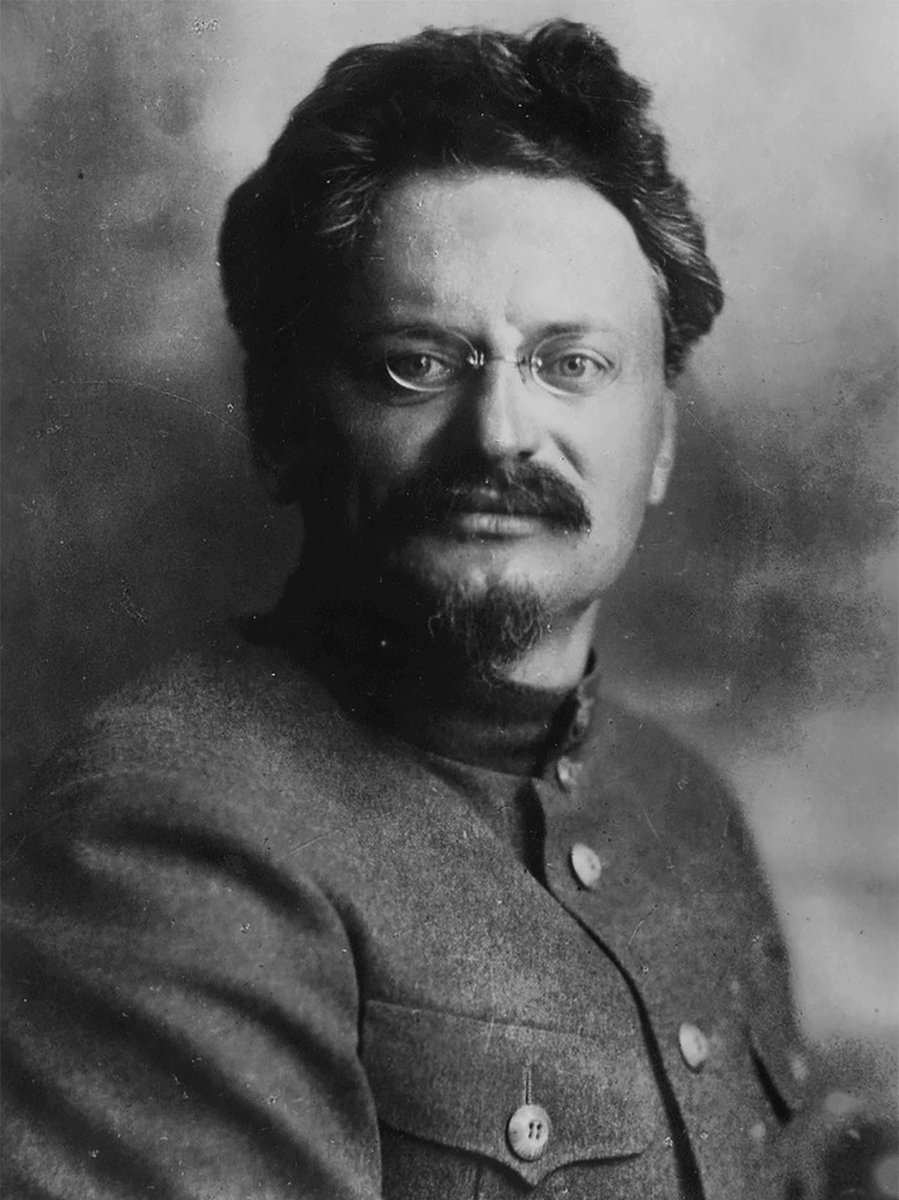
Leon Trotsky, born Lev Bronstein in 1879 in Ukraine, was one of the two main architects of the 1917 Russian Revolution alongside Lenin. He commanded the Red Army. He was Lenin's intellectual equal. When Lenin died in 1924, many expected Trotsky to take over.
Joseph Stalin had other plans. Through political maneuvering, Stalin consolidated power, expelled Trotsky from the Communist Party in 1927, exiled him from the Soviet Union in 1929, and had him assassinated in Mexico City in 1940. A Soviet agent drove an ice axe into his skull while he sat at his desk.
Stalin then spent decades erasing Trotsky from Soviet history. Photos were doctored. His name was forbidden. His followers were hunted across the world.
His ideas, though, proved harder to kill than the man himself. And one of the places they took deepest root was Sri Lanka.
Trotskyism comes down to three disagreements with Stalin. Everything else flows from these.
First, permanent revolution. Stalin said you could build socialism in one country. The Soviet Union would become a workers' paradise while surrounded by capitalist nations. Trotsky said that was delusional. Capitalism is a global system. You can't build an alternative in one country while global capital surrounds you, pressures you, and eventually either buys you off or crushes you. The revolution has to spread internationally or it dies. This is why Trotskyists have always been internationalists. They see national borders as tools the ruling class uses to divide workers who share the same interests.
Second, workers' democracy. Under Stalin, the Communist Party became a bureaucratic machine. Dissent meant prison or death. Power concentrated in the hands of party elites, not workers. Trotsky called this a betrayal. The whole point of the revolution was to give power to working people, not to replace one set of bosses with another. He demanded democratic control within the party, workers' councils making decisions instead of party committees, and accountability from the top down rather than obedience from the bottom up. This is the sharpest difference between Trotskyism and Stalinism. Both want to end capitalism. Trotskyists insist the replacement has to be democratic. A dictatorship run by bureaucrats, they argue, is just capitalism with a red flag.
Third, the anti-Stalinist critique. Trotskyists don't view the Soviet Union under Stalin as a socialist state. They call it a "degenerated workers' state" where the revolution was hijacked by a bureaucratic caste that served its own interests while claiming to represent the working class. This made Trotskyists unpopular with everyone. Capitalist governments hated them because they were communists. Soviet communists hated them because they exposed the gap between Soviet rhetoric and Soviet reality. Trotskyists occupied the most uncomfortable political position imaginable: too radical for the West, too honest for the East.
In 1938, two years before his assassination, Trotsky founded the Fourth International as a global coordination body for revolutionary socialists who rejected Stalinism. It was meant to be an alternative to Stalin's Communist International.
The Fourth International never matched the power of Soviet-backed Communist parties. But it survived, and its most significant affiliate turned out to be in an unexpected place.
In 1935, a group of young Ceylonese who had studied at the London School of Economics under Professor Harold Laski came back to Colombo and founded the Lanka Sama Samaja Party. The LSSP. It was the first registered political party in Sri Lanka's history, predating the UNP, the SLFP, and the JVP by years or decades.
The LSSP affiliated with the Fourth International in 1940 and stayed a member for nearly 25 years. And unlike Trotskyist groups elsewhere in the world, the LSSP wasn't a fringe outfit distributing leaflets outside factory gates. It was a mass political party with real power.
At its peak in the late 1940s and 1950s, the LSSP had a huge working-class following, the largest trade union base in the country, elected members in parliament, and its leader, N.M. Perera, serving as Leader of the Opposition. The party could call general strikes that shut the country down. No Trotskyist party anywhere else in the world came close to that level of influence. While their comrades in Paris and New York argued theory in small rooms, the LSSP in Sri Lanka was running a parliamentary opposition and commanding the loyalty of plantation workers, urban laborers, and the educated left.
For a brief window, Sri Lanka was arguably the global headquarters of Trotskyism.
The LSSP produced politicians whose intellectual credentials would be remarkable in any country, let alone a small post-colonial island nation.
N.M. Perera held both a PhD and a DSc from the University of London, the only person in Sri Lanka at the time to hold a Doctor of Science. He studied under Harold Laski at LSE. He escaped from a British prison during World War II, fled to India, and co-founded the Bolshevik Leninist Party of India. He later became the first Trotskyist cabinet minister anywhere in the world when he was appointed Finance Minister in 1964.
Colvin R. de Silva was the constitutional lawyer who chaired the drafting committee for the 1972 Republican Constitution, the document that turned Ceylon into Sri Lanka and severed the last constitutional ties with Britain.
Philip Gunawardena co-founded the party with Perera and was his partner in the prison escape. Leslie Goonewardene served as the party's theoretician and organisational mind.
These were serious people. Scholars and lawyers who could have had comfortable careers in academia or the colonial civil service but chose revolutionary politics instead.
In 1964, the LSSP made the decision that would define, and ultimately destroy, it. The party joined a coalition government with Sirimavo Bandaranaike's SLFP.
N.M. Perera became Finance Minister. Colvin R. de Silva entered the cabinet. Trotskyists were, for the first time in history, running government ministries.
The Fourth International didn't see this as a triumph. They saw it as a surrender. Trotskyist doctrine held that a revolutionary party should never join a bourgeois government. The purpose of a Trotskyist party is to replace the capitalist state, not run it. The Fourth International expelled the LSSP. The party split. A breakaway faction loyal to the International formed the LSSP(R).
In Trotskyist circles globally, this moment is still called "The Great Betrayal." Whether the LSSP was right to try socialism from within, or whether it sold out its principles for ministerial cars, depends entirely on your politics. What's beyond argument is the consequence: the LSSP never recovered its revolutionary credibility. Its base fragmented through the 1970s and 1980s, and by the 2000s it had become electorally irrelevant.
When the LSSP entered government and lost its revolutionary edge, a hole opened on the Sri Lankan left. The space for a radical, anti-establishment, working-class movement was suddenly vacant.
Rohana Wijeweera and the JVP walked into that space.
The JVP was a very different animal from the LSSP. It wasn't Trotskyist. It was a hybrid of Maoism, Leninism, and Sinhalese nationalism. It rejected Moscow and Beijing. It rejected the LSSP's faith in parliament. And it replaced workers' democracy with armed insurrection.
The LSSP believed in winning elections and governing. The JVP believed in attacking police stations and assassinating opponents.
The LSSP produced Finance Ministers and constitutional lawyers. The JVP produced a body count.
The LSSP was expelled from the Fourth International for joining a democratic government. The JVP killed roughly 6,000 people in its second insurrection and had many more killed in the state's response.
Both called themselves socialists. Trotsky would have recognised one of them. He would have been horrified by the other.
The JVP-NPP government that runs Sri Lanka today has no connection to Trotskyism or the Fourth International. It has dropped most Marxist economic positions. It's continuing the IMF program, courting foreign investment, and offering tax holidays to multinational corporations.
But it inherited the political territory that the LSSP mapped out and then abandoned. The LSSP proved that a left-wing party could build a mass base, lead the opposition, and govern in Sri Lanka. The JVP took that proof and built on it with a different ideology, different methods, and ultimately, much greater electoral success.
Today the LSSP barely registers in Sri Lankan politics. The JVP holds 159 parliamentary seats.
Trotsky spent his life arguing that socialist movements that abandon internal democracy eventually become the thing they set out to fight. He watched it happen in the Soviet Union under Stalin. He warned that concentrating power without democratic accountability, regardless of the ideology used to justify it, leads to the same outcome every time.
The JVP now controls the presidency, a two-thirds parliamentary supermajority, the Justice Ministry, the police, and the CID. All in the hands of a single party with a history of armed insurrection and no formal tradition of internal democracy.
Trotsky would have had something to say about that. Whether Sri Lanka listens is another matter.
#SriLanka #Trotsky #NMPerera #LSSP
305

Jun 14
As much as I like this tweet, can we please get a human to at least edit out obvious AI slang?
“Not the UNP. Not the SLFP. Not the JVP. The LSSP came before all of them.”
I’m so sick of the “Not X. Not Y. Not Z. It is W” LLM pattern—No one talked like that—Now—it’s—everywhere.
Jun 13

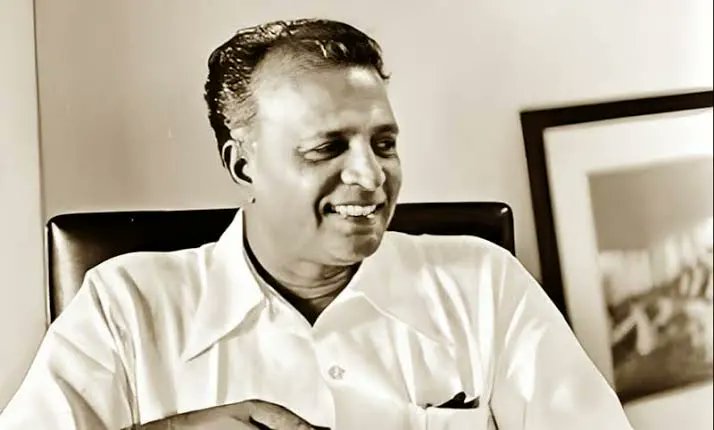
Before the JVP existed. Before the SLFP existed. Before Sri Lanka was even called Sri Lanka. There was a man from Grandpass, Colombo, who co-founded the country's first political party, escaped from a British prison during World War II, became the first Leader of the Opposition in independent Ceylon, served as Mayor of Colombo, and twice became Finance Minister.
His name was Nanayakkarapathirage Martin Perera. The country knew him as N.M.
He was born on 6 June 1905 into a modest family in Grandpass, the fifth of nine children of Abraham and Johana Perera. He attended Ananda College, one of the island's most prestigious Buddhist schools, and then studied at University College, Colombo. Nothing about his early years suggested he would become one of the most consequential political figures in South Asian history.
But then he went to London.
THE MAKING OF A REVOLUTIONARY
In 1927, at the age of 22, N.M. Perera arrived at the London School of Economics. His professor was Harold Laski, one of the most influential political theorists of the 20th century and a mentor to a generation of anti-colonial leaders from across the British Empire.
At LSE, Perera did not just study politics. He excelled at a level that few Sri Lankans before or since have matched in any British university.
He earned a PhD for his thesis on the Constitution of the German Weimar Republic. Then he went further, conducting a comparative study of the constitutions of the United Kingdom, the United States, France, and Germany. For this work, the University of London awarded him a Doctor of Science (DSc), a degree so rare and prestigious that at the time, N.M. Perera was the only person in Sri Lanka to hold one.
He was not just educated. He was one of the most academically accomplished Sri Lankans of the 20th century. A constitutional scholar, an economist, and a political theorist, all before the age of 30.
And while at LSE, he became a Marxist. Not the dogmatic, Moscow-directed variety. He was drawn to Trotskyism, the strand of Marxism that rejected Stalin's authoritarianism, championed permanent revolution, and believed in international working-class solidarity rather than Soviet-style state capitalism.
He returned to Ceylon in 1933 with a DSc, a PhD, and a revolutionary vision for the island.
THE FIRST POLITICAL PARTY
On 18 December 1935, N.M. Perera, along with Philip Gunawardena, Colvin R. de Silva, Leslie Goonewardene, and Robert Gunawardena, founded the Lanka Sama Samaja Party (LSSP).
It was the first registered political party in Sri Lanka's history.
Not the UNP. Not the SLFP. Not the JVP. The LSSP came before all of them.
The party's founding aims were simple and radical: independence from Britain and socialism for Ceylon. At a time when most Ceylonese elites were content with Dominion status and gradual reform, the LSSP demanded complete independence and a restructuring of the colonial economic order.
The LSSP was also unique in the global left. It was a Trotskyist party affiliated with the Fourth International, making it one of the few governing-level Trotskyist movements anywhere in the world. While most of the global left aligned with Moscow or later with Beijing, the LSSP charted its own course, rejecting both Stalinist authoritarianism and Maoist peasant revolution in favor of democratic socialism and workers' rights.
PRISON, ESCAPE, AND THE WAR
When World War II broke out, the LSSP took a position that stunned the colonial establishment. N.M. Perera and the party condemned the war as an imperialist struggle and refused to support Britain's war effort. They organized strikes in the plantation sector, directly challenging the colonial economy.
The British responded by arresting the LSSP leadership. In June 1940, N.M. Perera, Philip Gunawardena, Colvin R. de Silva, and Edmund Samarakkody were imprisoned.
What happened next belongs in a film script.
On 5 April 1942, N.M. Perera and Philip Gunawardena escaped from prison. They made their way to India, where they linked up with Indian Trotskyists and in May 1942 co-founded the Bolshevik Leninist Party of India (BLPI), seeking formal affiliation with Trotsky's Fourth International.
A Sri Lankan politician escaping a British prison during World War II, fleeing to India, and helping to found an international revolutionary party. This actually happened. And the man who did it would later become Finance Minister.
For the prison break, Perera and Gunawardena were sentenced to six months' rigorous imprisonment, a punishment they served after the war. They wore it as a badge of honour.
INDEPENDENT CEYLON: THE FIRST LEADER OF THE OPPOSITION
When Ceylon gained independence on 4 February 1948, the UNP under D.S. Senanayake formed the government. The LSSP became the main opposition party, and N.M. Perera was elected as the first Leader of the Opposition in independent Ceylon's history.
He served as Leader of the Opposition twice: from October 1947 to April 1952, and again from April 1956 to December 1959. In that role, he was a relentless critic of the UNP's pro-Western economic policies and a champion of workers' rights, land reform, and universal social welfare.
He was not just opposing for the sake of it. He was proposing an alternative economic model, one built on state-led development, import substitution, and protection of local industries. Whether you agree with that model or not, he was one of the few opposition leaders in Sri Lankan history who had a coherent, detailed economic vision rather than just populist rhetoric.
MAYOR OF COLOMBO
From August 1954 to February 1956, N.M. Perera served as Mayor of Colombo. It was a relatively brief tenure, but it demonstrated that the LSSP was not just a protest movement. It could govern. Perera brought the same intellectual rigor and administrative discipline to city governance that he had brought to parliamentary opposition.
FINANCE MINISTER: THE FIRST TROTSKYIST IN A CABINET
In 1964, something happened that made global headlines. The LSSP entered a coalition government with Sirimavo Bandaranaike's SLFP, and N.M. Perera was appointed Minister of Finance.
He became the first Trotskyist in history to serve as a cabinet minister anywhere in the world.
The decision was controversial. The Fourth International expelled the LSSP for joining a bourgeois coalition government, arguing that Trotskyists should never participate in capitalist governance. The party split. But Perera and the majority wing of the LSSP believed that achieving socialism through democratic participation was more practical than waiting for a revolution that might never come.
His first stint as Finance Minister was brief, from June to December 1964, when the coalition collapsed.
But his second term, from May 1970 to September 1975, was transformative.
THE 1970-75 ECONOMIC TRANSFORMATION
As Finance Minister in Sirimavo Bandaranaike's United Front government, N.M. Perera oversaw the most radical economic transformation in Sri Lanka's history.
He nationalised British-owned tea and rubber plantations, ending over a century of colonial economic exploitation. He ensured that his LSSP colleague Colvin R. de Silva, as Minister of Plantation and Constitutional Affairs, had the funds to complete the nationalization program. By the time they were done, the state sector had grown to over 60% of the economy.
He established the Gem Corporation to ensure that Sri Lanka captured the full value of its precious stones rather than exporting raw gems at a fraction of their worth. He created direct linkages between producer and consumer cooperatives through the Marketing Department, cutting out middlemen who had been inflating prices for decades. He expanded the Ceylon Transport Board to provide affordable transport for schoolchildren.
He promoted value-adding industries, arguing that Sri Lanka should process its raw materials domestically rather than exporting them cheaply and importing finished goods at a premium. This was import substitution industrialization, the dominant economic model across the developing world in the 1960s and 1970s.
THE COSTS AND CONTRADICTIONS
N.M. Perera's economic policies were not without consequences. By 1974, Ceylon faced budget deficits of $195 million and a foreign exchange crisis. The 1973 global oil crisis compounded the problems, but the centralized economic model, price controls, and declining export revenues from coconut, rubber, and tea all contributed to the fiscal strain.
Critics argue that his policies laid the groundwork for the economic stagnation that followed, making the 1977 liberalisation under J.R. Jayewardene inevitable. Supporters counter that his nationalization program reclaimed Sri Lankan sovereignty over its own resources after a century of colonial extraction.
In September 1975, Prime Minister Sirimavo Bandaranaike removed N.M. Perera and other LSSP ministers from the cabinet, ending the coalition and the most ambitious socialist experiment in Sri Lankan history.
THE MAN
Beyond politics, N.M. Perera was known for his intellectual integrity, his accessibility, and his lack of personal corruption at a time when Sri Lankan politics was already becoming transactional.
He married Selina Perera, who would later become a politician in her own right. He lived modestly. He did not accumulate wealth. He did not build a dynasty. He did not use his position to enrich his family.
In a 1960 interview, when asked directly if he was a communist, he replied: "I am not a communist." He was a Trotskyist, a democratic socialist, and he insisted on the distinction. He believed in parliamentary democracy, workers' rights, and state-led development, but he rejected the authoritarian models of both the Soviet Union and Maoist China.
He died on 14 August 1979, at the age of 75.
THE LEGACY
N.M. Perera's legacy is complex and contested.
To the left, he was a pioneer. The man who founded Sri Lanka's first political party. The first Leader of the Opposition. The first Trotskyist cabinet minister in world history. The architect of plantation nationalization that reclaimed Sri Lankan sovereignty over its own land.
To the right, he was the man whose economic policies closed the economy, expanded the state beyond sustainability, and created the conditions for the crisis that forced liberalization in 1977.
To historians, he was one of the most intellectually formidable politicians Sri Lanka has ever produced. A man with a DSc from the University of London who chose politics over academia. A man who escaped from a British prison during World War II. A man who stood on principle even when it cost him his position in the Fourth International.
What is beyond dispute is this: N.M. Perera shaped the Sri Lanka that exists today. The free education system, the state-owned plantation sector, the cooperative movement, the public transport network, the tradition of left-wing opposition politics, all of these trace their roots, directly or indirectly, to the LSSP and to N.M. Perera.
He was not perfect. His economic model had real costs. But he was honest, brilliant, principled, and incorruptible. In Sri Lankan politics, that combination has been rare in every era.
The country could use another N.M. Perera. It is unlikely to find one.
#SriLanka #NMPerera #History
4
3
11
1,084
Jun 14
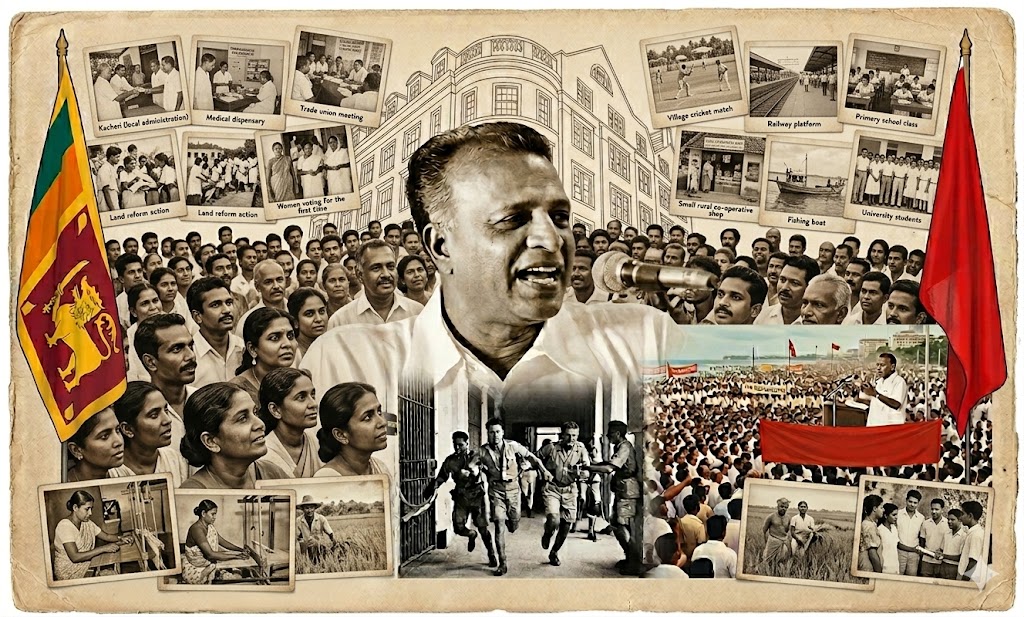
ජනතා විමුක්ති පෙරමුණ (ජවිපෙ) බිහිවීමට පෙර, ශ්රී ලංකා නිදහස් පක්ෂය (ශ්රීලනිප) බිහිවීමට පෙර, අවසානයේ ශ්රී ලංකාවට "ශ්රී ලංකාව" යන නම ලැබීමටත් පෙර, කොළඹ ග්රෑන්ඩ්පාස් ප්රදේශයෙන් පැමිණි එක්තරා මිනිසෙක් සිටියේය. ඔහු රටේ ප්රථම දේශපාලන පක්ෂයේ සම-නිර්මාතෘවරයා වූ අතර, දෙවන ලෝක යුද්ධ සමයේදී බ්රිතාන්ය සිරගෙයකින් පැන ගියේය. පසුව නිදහස් ලංකාවේ ප්රථම විපක්ෂ නායකවරයා බවට පත්වූ ඔහු, කොළඹ නගරාධිපති ලෙසද සේවය කළ අතර දෙවතාවක්ම මෙරට මුදල් ඇමතිවරයා බවට පත් විය.
ඔහුගේ නම නානායක්කාරපතිරගේ මාටින් පෙරේරා ය. මුළු රටම ඔහුව හැඳින්වූයේ "එන්. එම්." යන නමිනි.
ඔහු 1905 ජූනි 6 වන දින ග්රෑන්ඩ්පාස් හි මධ්යස්ථ පවුලක උපත ලැබීය. ඒ ඒබ්රහම් සහ ජොහානා පෙරේරා යුවළගේ දරුවන් නව දෙනාගෙන් පස්වැන්නා ලෙසය. ඔහු දිවයිනේ වඩාත්ම කීර්තිමත් බෞද්ධ පාසලක් වන කොළඹ ආනන්ද විද්යාලයෙන් අධ්යාපනය ලබා, පසුව කොළඹ යුනිවර්සිටි කොලේජ් (University College) වෙතින් උසස් අධ්යාපනය හැදෑරීය. ඔහුගේ මුල් අවධියේදී, ඔහු දකුණු ආසියානු ඉතිහාසයේ වඩාත්ම තීරණාත්මක දේශපාලන චරිතයක් වනු ඇතැයි ඇඟවෙන කිසිදු සලකුණක් තිබුණේ නැත.
නමුත් පසුව ඔහු ලන්ඩන් බලා පිටත්ව ගියේය.
1927 දී, 22 හැවිරිදි වියේ පසුවූ එන්. එම්. පෙරේරා ලන්ඩන් ආර්ථික විද්යා පාසලට (LSE) ඇතුළත් විය. ඔහුගේ මහාචාර්යවරයා වූයේ 20 වන සියවසේ වඩාත්ම බලපෑම් සහගත දේශපාලන මූලධර්මවාදියෙකු මෙන්ම බ්රිතාන්ය අධිරාජ්යය පුරා විසිරී සිටි අධිරාජ්ය විරෝධී නායකයින් පරපුරකට ගුරුහරුකම් දුන් හැරල්ඩ් ලැස්කි (Harold Laski) ය.
ලන්ඩන් ආර්ථික විද්යා පාසලේදී එන්. එම්. හුදෙක් දේශපාලනය හැදෑරුවා පමණක් නොවේ. ඔහු එහිදී දැක්වූ දක්ෂතාවලට සමකළ හැකි දක්ෂතාවක් එතෙක් මෙතෙක් කිසිදු බ්රිතාන්ය විශ්වවිද්යාලයකදී වෙනත් කිසිදු ශ්රී ලාංකිකයෙකු විසින් පෙන්වා නොතිබුණි.
ජර්මානු වයිමර් සමූහාණ්ඩුවේ (Weimar Republic) ආණ්ඩුක්රම ව්යවස්ථාව පිළිබඳව ඉදිරිපත් කළ නිබන්ධනය වෙනුවෙන් ඔහු ආචාර්ය උපාධියක් (PhD) ලබා ගත්තේය. ඉන් නොනැවතුණු ඔහු එක්සත් රාජධානිය, ඇමරිකා එක්සත් ජනපදය, ප්රංශය සහ ජර්මනිය යන රටවල ආණ්ඩුක්රම ව්යවස්ථා පිළිබඳ සංසන්දනාත්මක අධ්යයනයක් සිදු කළේය. මෙම සුවිශේෂී කාර්යය වෙනුවෙන් ලන්ඩන් විශ්වවිද්යාලය ඔහුට විද්යා ආචාර්ය (DSc) උපාධියක් පිරිනැමීය. එය කෙතරම් දුර්ලභ හා කීර්තිමත් උපාධියක්ද යත්, එකල මුළු ශ්රී ලංකාවෙන්ම එවැනි උපාධියක් හිමි කරගෙන සිටි එකම පුද්ගලයා එන්. එම්. පෙරේරා පමණි.
ඔහු හුදෙක් උගතෙකු පමණක් නොවේ; ඔහු 20 වන සියවසේ වඩාත්ම ශාස්ත්රීය ජයග්රහණ අත්කරගත් ශ්රී ලාංකිකයන්ගෙන් කෙනෙකි. වයස අවුරුදු 30 සම්පූර්ණ වීමටත් පෙර ඔහු ව්යවස්ථාපිත විද්වතෙක්, ආර්ථික විද්යාඥයෙක් සහ දේශපාලන මූලධර්මවාදියෙක් විය.
ලන්ඩන් ආර්ථික විද්යා පාසලේ සිටි කාලය තුළ ඔහු මාක්ස්වාදියෙකු බවට පත් විය. නමුත් ඔහු මොස්කව් විසින් මෙහෙයවන ලද දෘඪ මතිභ්රමික මාක්ස්වාදියෙකු නොවේ. ඔහු ඇදී ගියේ ට්රොට්ස්කිවාදයටයි (Trotskyism). ට්රොට්ස්කිවාදය යනු ස්ටාලින්ගේ ඒකාධිපතිවාදය ප්රතික්ෂේප කළ, අඛණ්ඩ විප්ලවය වෙනුවෙන් පෙනී සිටි සහ සෝවියට් පන්නයේ රාජ්ය ධනවාදයට වඩා ජාත්යන්තර කම්කරු පන්තියේ සහයෝගීතාවය විශ්වාස කළ මාක්ස්වාදී ප්රවාහයකි.
ඔහු 1933 දී විද්යා ආචාර්ය (DSc) උපාධියක්, ආචාර්ය (PhD) උපාධියක් සහ මේ රට වෙනුවෙන් වූ විප්ලවීය දැක්මක් ද ඇතිව නැවත ලංකාවට පැමිණියේය.
1935 දෙසැම්බර් 18 වන දින එන්. එම්. පෙරේරා, පිලිප් ගුණවර්ධන, කොල්වින් ආර්. ද සිල්වා, ලෙස්ලි ගුණවර්ධන සහ රොබට් ගුණවර්ධන යන මහත්වරුන් සමඟ එක්ව ලංකා සමසමාජ පක්ෂය (LSSP) පිහිටුවීය.
එය ශ්රී ලංකා දේශපාලන ඉතිහාසයේ ලියාපදිංචි කළ ප්රථම දේශපාලන පක්ෂයයි.
එක්සත් ජාතික පක්ෂය (එජාප), ශ්රී ලංකා නිදහස් පක්ෂය (ශ්රීලනිප) හෝ ජනතා විමුක්ති පෙරමුණ (ජවිපෙ) නොව, මේ සියල්ලටම පෙර බිහි වූයේ ලංකා සමසමාජ පක්ෂයයි.
පක්ෂයේ ආරම්භක අරමුණු සරල මෙන්ම රැඩිකල් විය: ඒ බ්රිතාන්යයෙන් නිදහස ලබා ගැනීම සහ ලංකාව තුළ සමාජවාදය ස්ථාපිත කිරීමයි. ලංකාවේ ප්රභූ පැලැන්තිය ඩොමිනියන් තත්ත්වයෙන් සහ ක්රමික ප්රතිසංස්කරණවලින් සෑහීමට පත්ව සිටි යුගයක, ලංකා සමසමාජ පක්ෂය පූර්ණ නිදහස සහ යටත්විජිත ආර්ථික රටාව සම්පූර්ණයෙන්ම වෙනස් කරන ලෙස ඉල්ලා සිටියේය.
ලංකා සමසමාජ පක්ෂය ගෝලීය වාමාංශය තුළද සුවිශේෂී විය. එය හතරවන ජාත්යන්තරය (Fourth International) සමඟ අනුබද්ධිත ට්රොට්ස්කිවාදී පක්ෂයක් වූ අතර, ලෝකයේ ඕනෑම තැනක රාජ්ය පාලන මට්ටමට පැමිණි සීමිත ට්රොට්ස්කිවාදී ව්යාපාරවලින් එකක් බවට පත් විය. ගෝලීය වාමාංශයේ බහුතරය මොස්කව් හෝ පසුව බීජිං සමඟ පෙළගැසෙද්දී, ලංකා සමසමාජ පක්ෂය ස්ටාලින්වාදී ඒකාධිපතිවාදය මෙන්ම මාඕවාදී ගොවි විප්ලවයද ප්රතික්ෂේප කරමින්, ප්රජාතන්ත්රවාදී සමාජවාදය සහ කම්කරු අයිතිවාසිකම් වෙනුවෙන් තම අනන්ය ගමන් මඟක් සකසා ගත්තේය.
දෙවන ලෝක යුද්ධය පුපුරා යාමත් සමඟ ලංකා සමසමාජ පක්ෂය යටත්විජිත පාලනය මවිතයට පත් කරන ස්ථාවරයක් ගත්තේය. එන්. එම්. පෙරේරා සහ පක්ෂය මෙම යුද්ධය අධිරාජ්යවාදී බල අරගලයක් ලෙස හෙළා දුටු අතර බ්රිතාන්යයේ යුද ප්රයත්නයට සහය දීම ප්රතික්ෂේප කළහ. ඔවුහු වතු ක්ෂේත්රය තුළ වැඩවර්ජන සංවිධානය කරමින් යටත්විජිත ආර්ථිකයට සෘජුවම අභියෝග කළහ.
මීට ප්රතිචාර වශයෙන් බ්රිතාන්යයන් කළේ සමසමාජ නායකයින් අත්අඩංගුවට ගැනීමයි. 1940 ජූනි මාසයේදී එන්. එම්. පෙරේරා, පිලිප් ගුණවර්ධන, කොල්වින් ආර්. ද සිල්වා සහ එඩ්මන්ඩ් සමරක්කොඩි යන මහත්වරුන් සිරගත කරනු ලැබීය.
ඉන් අනතුරුව සිදු වූ දේ සිනමා පටයක තිරපිටපතක් බඳුය.
1942 අප්රේල් 5 වන දින එන්. එම්. පෙරේරා සහ පිලිප් ගුණවර්ධන සිරගෙයින් පැන ගියහ. ඔවුහු රහසින් ඉන්දියාවට ගොස් එහි සිටි ඉන්දීය ට්රොට්ස්කිවාදීන් සමඟ සම්බන්ධ වූහ. පසුව 1942 මැයි මාසයේදී ට්රොට්ස්කිගේ හතරවන ජාත්යන්තරයේ නිල අනුබද්ධය අපේක්ෂාවෙන් "ඉන්දියානු බොල්ෂෙවික් ලෙනින්වාදී පක්ෂය" (BLPI) සම-නිර්මාණය කිරීමට දායක වූහ.
දෙවන ලෝක යුද්ධ සමයේ බ්රිතාන්ය සිරගෙයකින් පැන ගොස්, ඉන්දියාවට පලාගොස්, ජාත්යන්තර විප්ලවවාදී පක්ෂයක් පිහිටුවීමට උදව් කළ ශ්රී ලාංකික දේශපාලනඥයෙක්! මෙය සැබවින්ම සිදුවූවකි. එලෙස එදා සිරගෙයින් පැනගිය මිනිසා පසුව මේ රටේ මුදල් ඇමතිවරයා බවට පත් විය.
මෙම සිරගෙයින් පැන යාම නිසා පෙරේරා සහ ගුණවර්ධන යන මහත්වරුන්ට මාස හයක බරපතල වැඩ සහිත සිරදඬුවමක් නියම වූ අතර, ඔවුහු යුද්ධයෙන් පසු එම දඬුවම වින්දහ. ඔවුහු එය සැලකුවේ තම මව්බිම වෙනුවෙන් ලැබූ ගෞරව නාමයක් ලෙසය.
1948 පෙබරවාරි 4 වන දින ලංකාව නිදහස ලැබූ විට, ඩී. එස්. සේනානායක මහතාගේ නායකත්වයෙන් යුත් එක්සත් ජාතික පක්ෂය රජය පිහිටුවීය. ලංකා සමසමාජ පක්ෂය ප්රධාන විපක්ෂය බවට පත් වූ අතර, නිදහස් ලංකා ඉතිහාසයේ ප්රථම විපක්ෂ නායකවරයා ලෙස එන්. එම්. පෙරේරා මහතා තේරී පත් විය.
ඔහු දෙවතාවක් විපක්ෂ නායක ලෙස කටයුතු කළේය: ඒ 1947 ඔක්තෝබර් සිට 1952 අප්රේල් දක්වා සහ නැවතත් 1956 අප්රේල් සිට 1959 දෙසැම්බර් දක්වාය. එම ධුරයේ සිටිමින් ඔහු එජාපයේ බටහිර ගැති ආර්ථික ප්රතිපත්ති දැඩි ලෙස විවේචනය කළ අතර, කම්කරු අයිතිවාසිකම්, බිම් මට්ටමේ ප්රතිසංස්කරණ සහ පොදු සමාජ සුබසාධනය වෙනුවෙන් පෙනී සිටියේය.
ඔහු විවේචනය කළේ හුදෙක් විපක්ෂයේ සිටි නිසාම නොවේ. ඔහු රාජ්ය නායකත්වයෙන් යුත් සංවර්ධනය, ආනයන ආදේශනය සහ දේශීය කර්මාන්ත ආරක්ෂා කිරීම මත පදනම් වූ විකල්ප ආර්ථික ආකෘතියක් රටට යෝජනා කළේය. එම ආකෘතිය සමඟ කෙනෙකු එකඟ වුවත් නැතත්, ඔහු හුදු ජනප්රියවාදී වාචාලකම්වලින් ඔබ්බට ගිය, පැහැදිලි හා සවිස්තරාත්මක ආර්ථික දැක්මක් තිබූ ශ්රී ලංකා ඉතිහාසයේ සිටි සීමිත විපක්ෂ නායකයින් කිහිපදෙනාගෙන් කෙනෙකි.
1954 අගෝස්තු සිට 1956 පෙබරවාරි දක්වා එන්. එම්. පෙරේරා මහතා කොළඹ නගරාධිපති ලෙස සේවය කළේය. එය සාපේක්ෂව කෙටි ධුර කාලයක් වුවද, ලංකා සමසමාජ පක්ෂය යනු හුදෙක් උද්ඝෝෂණ ව්යාපාරයක් පමණක් නොවන බවත්, ඔවුන්ට රටක් හෝ නගරයක් පාලනය කළ හැකි බවත් එයින් ඔප්පු විය. පාර්ලිමේන්තු විපක්ෂය තුළ ඔහු පෙන්වූ බුද්ධිමය ශක්තිය සහ පරිපාලන විනයම ඔහු නගර පාලනයටද රැගෙන ආවේය.
1964 දී ලෝක දේශපාලනයේ සිරස්තල මවන සිදුවීමක් සිදු විය. ලංකා සමසමාජ පක්ෂය සිරිමාවෝ බණ්ඩාරනායක මහත්මියගේ ශ්රී ලංකා නිදහස් පක්ෂය සමඟ සභාග ආණ්ඩුවකට එක් වූ අතර එන්. එම්. පෙරේරා මහතා මුදල් අමාත්යවරයා ලෙස පත් කරන ලදී.
ඔහු ලෝක ඉතිහාසයේ කැබිනට් අමාත්ය ධුරයක් දැරූ ප්රථම ට්රොට්ස්කිවාදියා බවට පත්විය.
මෙම තීරණය දැඩි මතභේදයට තුඩු දුන්නේය. ධනේශ්වර සභාග ආණ්ඩුවකට එක්වීම නිසා හතරවන ජාත්යන්තරය විසින් ලංකා සමසමාජ පක්ෂය ඉන් නෙරපා හරින ලද්දේ, ට්රොට්ස්කිවාදීන් කිසිවිටෙකත් ධනපති පාලනයකට හවුල් නොවිය යුතු බව පවසමිනි. මෙයින් පක්ෂය දෙකඩ විය. නමුත් එන්. එම්. සහ පක්ෂයේ බහුතර පාර්ශවය විශ්වාස කළේ කවදාවත් නොපැමිණිය හැකි විප්ලවයක් ගැන බලා සිටිනවාට වඩා, ප්රජාතන්ත්රවාදී මැදිහත්වීම තුළින් සමාජවාදය කරා ළඟාවීම ප්රායෝගික වන බවයි.
මුදල් ඇමතිවරයා ලෙස ඔහුගේ පළමු ධුර කාලය කෙටි එකක් විය, එනම් 1964 ජූනි සිට දෙසැම්බර් දක්වා පමණි. ඒ සභාග රජය බිඳ වැටීම හේතුවෙනි.
නමුත් 1970 මැයි සිට 1975 සැප්තැම්බර් දක්වා වූ ඔහුගේ දෙවන ධුර කාලය ශ්රී ලංකා ආර්ථිකය මුළුමනින්ම වෙනස් කළ යුගයක් විය.
සිරිමාවෝ බණ්ඩාරනායක මහත්මියගේ සමගි පෙරමුණ රජයේ මුදල් ඇමතිවරයා ලෙස එන්. එම්. පෙරේරා මහතා ශ්රී ලංකා ඉතිහාසයේ වඩාත්ම රැඩිකල් ආර්ථික පරිවර්තනයක් සිදු කළේය.
ඔහු බ්රිතාන්යයන් සතු වූ තේ සහ රබර් වතු ජනසතු කළ අතර, සියවසකට අධික කාලයක් පැවති යටත්විජිත ආර්ථික සූරාකෑම අවසන් කළේය. වතු සහ ආණ්ඩුක්රම ව්යවස්ථා කටයුතු අමාත්යවරයා ලෙස කටයුතු කළ ඔහුගේ සමසමාජ සගයෙකු වූ කොල්වින් ආර්. ද සිල්වා මහතාට එම ජනසතු කිරීමේ වැඩසටහන නිම කිරීමට අවශ්ය ප්රතිපාදන ඔහු ලබා දුන්නේය. ඔවුන් එය අවසන් කරන විට රටේ ආර්ථිකයෙන් 60%කට වඩා වැඩි ප්රමාණයක් රාජ්ය අංශය සතු වී තිබුණි.
ශ්රී ලංකාවේ වටිනා මැණික් වර්ග ඉතා අඩු මිලට අමුද්රව්ය ලෙස අපනයනය කරනු වෙනුවට, ඒවායේ නියම වටිනාකම රටට ලබාගැනීම තහවුරු කිරීම සඳහා ඔහු මැණික් සංස්ථාව පිහිටුවීය. දශක ගණනාවක් තිස්සේ මිල ගණන් ඉහළ දමමින් සිටි අතරමැදියන් ඉවත් කරමින්, අලෙවි දෙපාර්තමේන්තුව හරහා නිෂ්පාදකයා සහ පාරිභෝගික සමුපකාර සෘජුවම සම්බන්ධ කළේය. පාසල් දරුවන්ට සහ පොදු ජනතාවට සහනදායී ප්රවාහනයක් සැපයීම සඳහා ලංකා ගමනාගමන මණ්ඩලය (ලංගම) පුළුල් කළේය.
අමුද්රව්ය අඩු මිලට අපනයනය කර නිමි භාණ්ඩ වැඩි මිලට ආනයනය කරනු වෙනුවට, ශ්රී ලංකාව තම අමුද්රව්ය දේශීයව සැකසිය යුතු යැයි තර්ක කරමින් ඔහු අගය එකතු කළ කර්මාන්ත දිරිමත් කළේය. මෙය 1960 සහ 1970 දශකවල සංවර්ධනය වෙමින් පවතින ලෝකය පුරා පැවති ප්රධාන ආර්ථික ආකෘතිය වූ "ආනයන ආදේශන කාර්මිකකරණය" (Import Substitution Industrialization) විය.
එන්. එම්. පෙරේරා මහතාගේ ආර්ථික ප්රතිපත්තිවල අතුරු ආබාධද නැතුවා නොවේ. 1974 වන විට ලංකාව ඩොලර් මිලියන 195ක අයවැය හිඟයකට සහ විදේශ විනිමය අර්බුදයකට මුහුණ දුන්නේය. 1973 ලෝක තෙල් අර්බුදය මෙම ගැටලු තවත් තීව්ර කළ නමුත්, මධ්යගත ආර්ථික ආකෘතිය, මිල පාලනය සහ පොල්, රබර් සහ තේ අපනයන ආදායම පහත වැටීම යන සියල්ලම මෙම මූල්ය පීඩනයට දායක විය.
විවේචකයන් තර්ක කරන්නේ ඔහුගේ ප්රතිපත්ති පසුව ඇති වූ ආර්ථික එකතැන පල්වීමට පදනම දැමූ බවත්, එමඟින් 1977 දී ජේ. ආර්. ජයවර්ධන මහතා යටතේ ආර්ථිකය විවෘත කිරීම වැළැක්විය නොහැකි වූ බවත්ය. කෙසේ වෙතත්, ඔහුගේ ආධාරකරුවන් පවසන්නේ සියවසක යටත්විජිත සූරාකෑමෙන් පසු ශ්රී ලංකාවේ සම්පත්වල ස්වෛරීභාවය නැවත රටට ලබා දුන්නේ ඔහුගේ ජනසතු කිරීමේ වැඩසටහන මඟින් බවයි.
1975 සැප්තැම්බර් මාසයේදී අග්රාමාත්ය සිරිමාවෝ බණ්ඩාරනායක මහත්මිය විසින් එන්. එම්. පෙරේරා මහතාව සහ අනෙකුත් ලංකා සමසමාජ පක්ෂ ඇමතිවරුන් කැබිනට් මණ්ඩලයෙන් ඉවත් කරන ලදී. ඒ සමඟම එම සභාගය සහ ශ්රී ලංකා ඉතිහාසයේ වඩාත්ම අභිලාෂකාමී සමාජවාදී අත්හදා බැලීම අවසන් විය.
දේශපාලනයෙන් ඔබ්බට, එන්. එම්. පෙරේරා මහතා ඔහුගේ බුද්ධිමය අවංකභාවය, සරල බව සහ පෞද්ගලික දූෂණයෙන් තොර ජීවිතය නිසා ප්රසිද්ධියක් ඉසිලීය. ඒ, ශ්රී ලංකාවේ දේශපාලනය දැනටමත් විවිධ ගනුදෙනු මත පදනම් වූ එකක් බවට පත්වෙමින් තිබූ යුගයකය.
ඔහු විවාහ වූයේ සෙලිනා පෙරේරා මහත්මිය සමඟය. ඇයද පසුව දේශපාලන ක්ෂේත්රයට පිවිසියාය. ඔහු ජීවත් වූයේ ඉතා සරලවය. ඔහු වත්කම් හෝ ධනය රැස් කළේ නැත; දේශපාලන පරම්පරාවක් හැදුවේද නැත. තම පවුල පෝෂණය කිරීම සඳහා ඔහු කිසිවිටෙකත් තම තනතුර භාවිතා කළේ නැත.
1960 දී පැවැති සම්මුඛ සාකච්ඡාවකදී ඔහුගෙන් කෙලින්ම "ඔබ කොමියුනිස්ට්වාදියෙක්ද?" කියා ඇසූ විට ඔහු දුන් පිළිතුර වූයේ, "මම කොමියුනිස්ට්වාදියෙක් නෙවෙයි" යන්නයි. ඔහු ට්රොට්ස්කිවාදියෙකු සහ ප්රජාතන්ත්රවාදී සමාජවාදියෙකු වූ අතර, ඔහු එම වෙනස සැමවිටම අවධාරණය කළේය. ඔහු පාර්ලිමේන්තු ප්රජාතන්ත්රවාදය, කම්කරු අයිතිවාසිකම් සහ රාජ්ය මූලික කරගත් සංවර්ධනය විශ්වාස කළ නමුත් සෝවියට් දේශයේ හෝ මාඕවාදී චීනයේ පැවති ඒකාධිපති ආකෘතීන් ප්රතික්ෂේප කළේය.
ඔහු 1979 අගෝස්තු 14 වන දින වයස අවුරුදු 75 දී අභාවප්රාප්ත විය.
වාමාංශයට අනුව ඔහු පුරෝගාමියෙකි. ශ්රී ලංකාවේ ප්රථම දේශපාලන පක්ෂය පිහිටුවූ මිනිසාය; ප්රථම විපක්ෂ නායකවරයාය; ලෝක ඉතිහාසයේ ප්රථම ට්රොට්ස්කිවාදී කැබිනට් අමාත්යවරයාය; ශ්රී ලංකාවේ භූමියේ ස්වෛරීභාවය නැවත රටට ලබා දුන් වතු ජනසතු කිරීමේ ප්රධාන නිර්මාණකරුවාය.
දක්ෂිණාංශයට අනුව, ඔහු තම ආර්ථික ප්රතිපත්ති මඟින් රටේ ආර්ථිකය වසා දැමූ, දරාගත නොහැකි මට්ටමට රාජ්ය අංශය පුළුල් කළ සහ 1977 දී ආර්ථිකය විවෘත කිරීමට බලපෑ ආර්ථික අර්බුදයේ පරිසරය නිර්මාණය කළ පුද්ගලයාය.
ඉතිහාසඥයින්ට අනුව, ඔහු ශ්රී ලංකාව මෙතෙක් බිහි කළ බුද්ධිමත්ම සහ ප්රබලම දේශපාලනඥයන්ගෙන් කෙනෙකි. ලන්ඩන් විශ්වවිද්යාලයෙන් විද්යා ආචාර්ය (DSc) උපාධියක් ලබාගෙන, ශාස්ත්රීය ක්ෂේත්රයට වඩා දේශපාලනය තෝරාගත් මිනිසෙකි. දෙවන ලෝක යුද්ධ සමයේ බ්රිතාන්ය සිරගෙයකින් පැන ගිය වීරයෙකි. හතරවන ජාත්යන්තරයේ තම සාමාජිකත්වය අහිමි වුවද, තම ප්රතිපත්ති වෙනුවෙන් පෙනී සිටි ඍජු මිනිසෙකි.
නමුත් කිසිවෙකුටත් විවාද කළ නොහැකි සත්යය නම් මෙයයි: එන්. එම්. පෙරේරා අද පවතින ශ්රී ලංකාව හැඩගැස්වීමට සෘජුවම දායක විය. නිදහස් අධ්යාපන ක්රමය, රජය සතු වතු ක්ෂේත්රය, සමුපකාර ව්යාපාරය, පොදු ප්රවාහන ජාලය සහ වාමාංශික විපක්ෂ දේශපාලන සම්ප්රදාය යන මේ සියල්ලේම මුල්, සෘජුව හෝ වක්රව දිව යන්නේ ලංකා සමසමාජ පක්ෂයට සහ එන්. එම්. පෙරේරා මහතා වෙතටය.
ඔහු පරිපූර්ණ මිනිසෙකු නොවන්නට ඇත; ඔහුගේ ආර්ථික ආකෘතියට සැබෑ පිරිවැයක් දැරීමට සිදුවන්නට ඇත. නමුත් ඔහු අවංක, බුද්ධිමත්, ප්රතිපත්තිගරුක සහ දූෂණයෙන් තොර මිනිසෙකු විය. ශ්රී ලංකා දේශපාලනය තුළ එවැනි සංකලනයක් දැකගත හැක්කේ ඉතා කලාතුරකිනි.
මේ රටට තවත් එන්. එම්. පෙරේරා කෙනෙකු අවශ්යව තිබේ. නමුත් එවැනි කෙනෙකු නැවත සොයා ගැනීම ඉතා අපහසු වනු ඇත.
#SriLanka #NMPerera #History
1
1
132
Jun 13
Before the JVP existed. Before the SLFP existed. Before Sri Lanka was even called Sri Lanka. There was a man from Grandpass, Colombo, who co-founded the country's first political party, escaped from a British prison during World War II, became the first Leader of the Opposition in independent Ceylon, served as Mayor of Colombo, and twice became Finance Minister.
His name was Nanayakkarapathirage Martin Perera. The country knew him as N.M.
He was born on 6 June 1905 into a modest family in Grandpass, the fifth of nine children of Abraham and Johana Perera. He attended Ananda College, one of the island's most prestigious Buddhist schools, and then studied at University College, Colombo. Nothing about his early years suggested he would become one of the most consequential political figures in South Asian history.
But then he went to London.
THE MAKING OF A REVOLUTIONARY
In 1927, at the age of 22, N.M. Perera arrived at the London School of Economics. His professor was Harold Laski, one of the most influential political theorists of the 20th century and a mentor to a generation of anti-colonial leaders from across the British Empire.
At LSE, Perera did not just study politics. He excelled at a level that few Sri Lankans before or since have matched in any British university.
He earned a PhD for his thesis on the Constitution of the German Weimar Republic. Then he went further, conducting a comparative study of the constitutions of the United Kingdom, the United States, France, and Germany. For this work, the University of London awarded him a Doctor of Science (DSc), a degree so rare and prestigious that at the time, N.M. Perera was the only person in Sri Lanka to hold one.
He was not just educated. He was one of the most academically accomplished Sri Lankans of the 20th century. A constitutional scholar, an economist, and a political theorist, all before the age of 30.
And while at LSE, he became a Marxist. Not the dogmatic, Moscow-directed variety. He was drawn to Trotskyism, the strand of Marxism that rejected Stalin's authoritarianism, championed permanent revolution, and believed in international working-class solidarity rather than Soviet-style state capitalism.
He returned to Ceylon in 1933 with a DSc, a PhD, and a revolutionary vision for the island.
THE FIRST POLITICAL PARTY
On 18 December 1935, N.M. Perera, along with Philip Gunawardena, Colvin R. de Silva, Leslie Goonewardene, and Robert Gunawardena, founded the Lanka Sama Samaja Party (LSSP).
It was the first registered political party in Sri Lanka's history.
Not the UNP. Not the SLFP. Not the JVP. The LSSP came before all of them.
The party's founding aims were simple and radical: independence from Britain and socialism for Ceylon. At a time when most Ceylonese elites were content with Dominion status and gradual reform, the LSSP demanded complete independence and a restructuring of the colonial economic order.
The LSSP was also unique in the global left. It was a Trotskyist party affiliated with the Fourth International, making it one of the few governing-level Trotskyist movements anywhere in the world. While most of the global left aligned with Moscow or later with Beijing, the LSSP charted its own course, rejecting both Stalinist authoritarianism and Maoist peasant revolution in favor of democratic socialism and workers' rights.
PRISON, ESCAPE, AND THE WAR
When World War II broke out, the LSSP took a position that stunned the colonial establishment. N.M. Perera and the party condemned the war as an imperialist struggle and refused to support Britain's war effort. They organized strikes in the plantation sector, directly challenging the colonial economy.
The British responded by arresting the LSSP leadership. In June 1940, N.M. Perera, Philip Gunawardena, Colvin R. de Silva, and Edmund Samarakkody were imprisoned.
What happened next belongs in a film script.
On 5 April 1942, N.M. Perera and Philip Gunawardena escaped from prison. They made their way to India, where they linked up with Indian Trotskyists and in May 1942 co-founded the Bolshevik Leninist Party of India (BLPI), seeking formal affiliation with Trotsky's Fourth International.
A Sri Lankan politician escaping a British prison during World War II, fleeing to India, and helping to found an international revolutionary party. This actually happened. And the man who did it would later become Finance Minister.
For the prison break, Perera and Gunawardena were sentenced to six months' rigorous imprisonment, a punishment they served after the war. They wore it as a badge of honour.
INDEPENDENT CEYLON: THE FIRST LEADER OF THE OPPOSITION
When Ceylon gained independence on 4 February 1948, the UNP under D.S. Senanayake formed the government. The LSSP became the main opposition party, and N.M. Perera was elected as the first Leader of the Opposition in independent Ceylon's history.
He served as Leader of the Opposition twice: from October 1947 to April 1952, and again from April 1956 to December 1959. In that role, he was a relentless critic of the UNP's pro-Western economic policies and a champion of workers' rights, land reform, and universal social welfare.
He was not just opposing for the sake of it. He was proposing an alternative economic model, one built on state-led development, import substitution, and protection of local industries. Whether you agree with that model or not, he was one of the few opposition leaders in Sri Lankan history who had a coherent, detailed economic vision rather than just populist rhetoric.
MAYOR OF COLOMBO
From August 1954 to February 1956, N.M. Perera served as Mayor of Colombo. It was a relatively brief tenure, but it demonstrated that the LSSP was not just a protest movement. It could govern. Perera brought the same intellectual rigor and administrative discipline to city governance that he had brought to parliamentary opposition.
FINANCE MINISTER: THE FIRST TROTSKYIST IN A CABINET
In 1964, something happened that made global headlines. The LSSP entered a coalition government with Sirimavo Bandaranaike's SLFP, and N.M. Perera was appointed Minister of Finance.
He became the first Trotskyist in history to serve as a cabinet minister anywhere in the world.
The decision was controversial. The Fourth International expelled the LSSP for joining a bourgeois coalition government, arguing that Trotskyists should never participate in capitalist governance. The party split. But Perera and the majority wing of the LSSP believed that achieving socialism through democratic participation was more practical than waiting for a revolution that might never come.
His first stint as Finance Minister was brief, from June to December 1964, when the coalition collapsed.
But his second term, from May 1970 to September 1975, was transformative.
THE 1970-75 ECONOMIC TRANSFORMATION
As Finance Minister in Sirimavo Bandaranaike's United Front government, N.M. Perera oversaw the most radical economic transformation in Sri Lanka's history.
He nationalised British-owned tea and rubber plantations, ending over a century of colonial economic exploitation. He ensured that his LSSP colleague Colvin R. de Silva, as Minister of Plantation and Constitutional Affairs, had the funds to complete the nationalization program. By the time they were done, the state sector had grown to over 60% of the economy.
He established the Gem Corporation to ensure that Sri Lanka captured the full value of its precious stones rather than exporting raw gems at a fraction of their worth. He created direct linkages between producer and consumer cooperatives through the Marketing Department, cutting out middlemen who had been inflating prices for decades. He expanded the Ceylon Transport Board to provide affordable transport for schoolchildren.
He promoted value-adding industries, arguing that Sri Lanka should process its raw materials domestically rather than exporting them cheaply and importing finished goods at a premium. This was import substitution industrialization, the dominant economic model across the developing world in the 1960s and 1970s.
THE COSTS AND CONTRADICTIONS
N.M. Perera's economic policies were not without consequences. By 1974, Ceylon faced budget deficits of $195 million and a foreign exchange crisis. The 1973 global oil crisis compounded the problems, but the centralized economic model, price controls, and declining export revenues from coconut, rubber, and tea all contributed to the fiscal strain.
Critics argue that his policies laid the groundwork for the economic stagnation that followed, making the 1977 liberalisation under J.R. Jayewardene inevitable. Supporters counter that his nationalization program reclaimed Sri Lankan sovereignty over its own resources after a century of colonial extraction.
In September 1975, Prime Minister Sirimavo Bandaranaike removed N.M. Perera and other LSSP ministers from the cabinet, ending the coalition and the most ambitious socialist experiment in Sri Lankan history.
THE MAN
Beyond politics, N.M. Perera was known for his intellectual integrity, his accessibility, and his lack of personal corruption at a time when Sri Lankan politics was already becoming transactional.
He married Selina Perera, who would later become a politician in her own right. He lived modestly. He did not accumulate wealth. He did not build a dynasty. He did not use his position to enrich his family.
In a 1960 interview, when asked directly if he was a communist, he replied: "I am not a communist." He was a Trotskyist, a democratic socialist, and he insisted on the distinction. He believed in parliamentary democracy, workers' rights, and state-led development, but he rejected the authoritarian models of both the Soviet Union and Maoist China.
He died on 14 August 1979, at the age of 75.
THE LEGACY
N.M. Perera's legacy is complex and contested.
To the left, he was a pioneer. The man who founded Sri Lanka's first political party. The first Leader of the Opposition. The first Trotskyist cabinet minister in world history. The architect of plantation nationalization that reclaimed Sri Lankan sovereignty over its own land.
To the right, he was the man whose economic policies closed the economy, expanded the state beyond sustainability, and created the conditions for the crisis that forced liberalization in 1977.
To historians, he was one of the most intellectually formidable politicians Sri Lanka has ever produced. A man with a DSc from the University of London who chose politics over academia. A man who escaped from a British prison during World War II. A man who stood on principle even when it cost him his position in the Fourth International.
What is beyond dispute is this: N.M. Perera shaped the Sri Lanka that exists today. The free education system, the state-owned plantation sector, the cooperative movement, the public transport network, the tradition of left-wing opposition politics, all of these trace their roots, directly or indirectly, to the LSSP and to N.M. Perera.
He was not perfect. His economic model had real costs. But he was honest, brilliant, principled, and incorruptible. In Sri Lankan politics, that combination has been rare in every era.
The country could use another N.M. Perera. It is unlikely to find one.
#SriLanka #NMPerera #History
15
14
56
5,578
චීන-සෝවියට් විරසකය සහ රෝහණ විජේවීර.
1960 දශකයේ දී, ලෝකයේ ප්රධානතම කොමියුනිස්ට් සුපිරි බලවතුන් දෙදෙනා අතර විරසකයක් ඇති විය. එය ගෝලීය දේශපාලනය මුළුමනින්ම උඩුයටිකුරු කළේය.
එවකට 22 හැවිරිදි සිසුවකුව සිටි රෝහණ විජේවීර, මේ දෙපාර්ශවයෙන් කිසිවකුගේ පැත්තක් නොගෙන, දෙපාර්ශවයම ප්රතික්ෂේප කරමින් නව විප්ලවයක් ආරම්භ කළේය.
මෙය චීන-සෝවියට් විරසකය (Sino-Soviet split) සහ රෝහණ විජේවීර එයින් තම දේශපාලනය හැඩගස්වාගත් ආකාරය පිළිබඳ කතාවයි.
1953 දී ස්ටාලින්ගේ මරණයෙන් පසු, සෝවියට් දේශයේ නව නායකයා වූ නිකිතා කෘෂෙව් එවකට සිතාගත නොහැකි වූ දෙයක් කළේය. ඔහු ස්ටාලින්ව ප්රසිද්ධියේ හෙළා දුටුවේය. බටහිර රටවල් සමඟ "සාමකාමී සහජීවනයක්" සඳහා ඔහු කැඳවුම් කළේය. විප්ලවයකින් පමණක් නොව, ආර්ථිකය සහ රාජ්ය තාන්ත්රිකභාවය තුළින් ද කොමියුනිස්ට්වාදයට ජයගත හැකි බව ඔහු පැවසීය.
මාවෝ සේතුං මෙයින් දැඩි ලෙස කෝපයට පත් විය. චීනය මෙය දුටුවේ පාවාදීමක් ලෙසය. විප්ලවය අඛණ්ඩව පැවතිය යුතු බවත්, අවශ්ය නම් එය ප්රචණ්ඩකාරී විය යුතු බවත්, එය මෙහෙයවිය යුත්තේ මොස්කව්හි සැපපහසු පක්ෂ නිලධාරීන් නොව ගොවි ජනතාව විසින් බවත් මාවෝ විශ්වාස කළේය.
1960 දශකයේ මුල් භාගය වන විට, ගෝලීය කොමියුනිස්ට්වාදයේ මේ දැවැන්තයන් දෙදෙනා එකිනෙකා සමඟ යුද්ධයක පැටලී සිටියහ. ඒ හමුදාවන්ගෙන් නොව (එය පසුව 1969 දී සිදු විය), මතවාදයන්ගෙනි. ලෝකයේ සෑම කොමියුනිස්ට් පක්ෂයකටම මොස්කව් හෝ බීජිං අතරින් එකක් තෝරා ගැනීමට සිදු විය.
ශ්රී ලංකාවේ කොමියුනිස්ට් පක්ෂය ද හරියටම මේ මතවාදී රේඛාවන් ඔස්සේ දෙකඩ විය.
සෝවියට් හිතවාදී පාර්ශවය (CPSL): මොස්කව් පක්ෂය තෝරා ගත්තේය. මොවුන් මධ්යස්ථ මතධාරීන් වූ අතර පාර්ලිමේන්තු දේශපාලනය විශ්වාස කළහ. ධනේශ්වර පක්ෂ සමඟ සභාග ආණ්ඩු පිහිටුවීමට ඔවුහු කැමැත්තෙන් සිටියහ. වෘත්තීය සමිති සහ නාගරික කම්කරුවන් කෙරෙහි ඔවුහු අවධානය යොමු කළහ.
චීන හිතවාදී පාර්ශවය (ලංකා කොමියුනිස්ට් පක්ෂය - මාවෝවාදී): බීජිං පක්ෂය තෝරා ගත්තේය. මොවුන් දැඩි මතධාරීන් වූ අතර වාචිකව විප්ලවය ගැන කතා කළහ. සෝවියට් දේශයේ "ප්රතිශෝධනවාදය" දැඩි ලෙස විවේචනය කළහ. නමුත් ප්රායෝගිකව, ඔවුන් තේ කෝප්පයක් තොලගාමින් විප්ලවය ගැන කතා කළ බුද්ධිමතුන්ගේ සහ ශාස්ත්රඥයන්ගේ පක්ෂයක් පමණක් විය.
1960 දී, දකුණු ශ්රී ලංකාවේ කොමියුනිස්ට් පක්ෂ හිතවතෙකුගේ පුත්රයෙකු වූ රෝහණ විජේවීර, මොස්කව්හි පැට්රිස් ලුමුම්බා මිත්රත්ව විශ්වවිද්යාලයේ වෛද්ය විද්යාව හැදෑරීම සඳහා ශිෂ්යත්වයක් ලබා එරටට පැමිණියේය.
එවකට ඔහුගේ වයස අවුරුදු 17 කි. ඔහු වෛද්යවරයකු විය යුතුව තිබුණ ද, ඒ වෙනුවට ඔහු විප්ලවවාදියෙකු බවට පත් විය.
මොස්කව්හිදී විජේවීර තම වෛද්ය අධ්යයන කටයුතුවලට අමතරව මාක්ස්ලෙනින්වාදී ග්රන්ථ දැඩි ලෙස පරිශීලනය කළේය. ඔහු සෝවියට් කොමියුනිස්ට්වාදය ඇතුළතින්ම දැක, එය පිළිකුල් කළේය. කෘෂෙව්ගේ ස්ටාලින් විරෝධී පිළිවෙත, පක්ෂ ප්රභූන්ගේ සුඛෝපභෝගී ජීවිතය සහ බටහිර අධිරාජ්යවාදය සමඟ සහජීවනයෙන් සිටීමට තිබූ කැමැත්ත ඔහු දුටුවේය. ඔහු එය සැලකුවේ තමන්ගේම විප්ලවය අත්හැර දැමූ පද්ධතියක් ලෙසය.
විජේවීර මොස්කව්හි ඉගෙනුම ලබන අතරතුරදීම චීන-සෝවියට් විවාදයේදී විවෘතව චීනයේ පාර්ශවය ගත්තේය. සෝවියට් බලධාරීහු මෙය නිරීක්ෂණය කළහ. 1964 දී ඔහු නිවාඩුවක් සඳහා ශ්රී ලංකාවට පැමිණි විට, ඔහුගේ වීසා බලපත්රය අලුත් කිරීම සෝවියට් දේශය විසින් ප්රතික්ෂේප කරන ලදී.
ඔහුගේ වෛද්ය අධ්යාපනය එතැනින් අවසන් විය. නමුත් ඔහුගේ දේශපාලන අධ්යාපනය ආරම්භ වූවා පමණි.
නැවත ශ්රී ලංකාවට පැමිණි විජේවීර, චීන හිතවාදී කොමියුනිස්ට් පක්ෂයට (මාවෝවාදී) බැඳුණි. එය ඔහුට වඩාත් ගැලපෙන තැනක් සේ පෙනුණි. සෝවියට් ප්රතිශෝධනවාදය පිළිබඳ ඔවුන්ගේ විවේචනය ඔහු ද අනුමත කළේය. විප්ලවයේ ගාමක බලවේගය ලෙස ගොවි ජනතාව කෙරෙහි මාවෝ තැබූ විශ්වාසය ඔහු අගය කළේය.
නමුත් මාස කිහිපයක් ඇතුළත ඔහු නැවතත් කලකිරීමට පත් විය.
ලංකාවේ මාවෝවාදී පක්ෂය විප්ලවය ගැන කතා කළත් කිසිදු විප්ලවවාදී ක්රියාවක් කළේ නැත. ඔවුන්ගේ නායකයන් මධ්යම පාන්තික බුද්ධිමතුන් විය. ඔවුහු කොළඹ සාලවල වාඩි වී මතවාදයන් ගැන වාද විවාද කළහ. ග්රාමීය දුප්පත් ජනතාව සමඟ ඔවුන්ට කිසිදු සැබෑ සබඳතාවක් නොතිබූ අතර, සන්නද්ධ අරගලයක් සඳහා කිසිදු සැලසුමක් හෝ අවශ්යතාවයක් ඔවුන්ට තිබුණේ නැත.
විජේවීර පක්ෂය තුළ රහසින් සංවිධාන කටයුතු ආරම්භ කළ අතර, වඩාත් රැඩිකල් මතවාදයන් සඳහා තරුණ සාමාජිකයන් බඳවා ගත්තේය. පක්ෂ නායකත්වයට මෙය සැලවීමත් සමඟ ඔහුව තවත් හය දෙනෙකු සමඟ පක්ෂයෙන් නෙරපා හරින ලදී.
සීතල යුද සමයේ කොමියුනිස්ට් ඉතිහාසය තුළ විජේවීර සැබවින්ම සුවිශේෂී චරිතයක් වන්නේ මෙතැනදීය.
ඔහු සෝවියට් ආකෘතිය ප්රතික්ෂේප කළේය: එය ඕනෑවට වඩා නිලධාරීවාදී වූ අතර, ධනවාදය සමඟ සම්මුති ගැසීමට සූදානම් වූ, විප්ලවයට වඩා සහජීවනය ගැන සිතූ එකක් විය.
ඔහු ලංකාවේ ක්රියාත්මක වූ චීන ආකෘතිය ද ප්රතික්ෂේප කළේය: එය ඕනෑවට වඩා ශාස්ත්රීය, අක්රීය සහ තමන් නියෝජනය කරනවා යැයි කියූ පොදු ජනතාවගෙන් හුදෙකලා වූවක් විය.
ඔහු සම්ප්රදායික ලාංකීය වම (LSSP, CPSL සහ මාවෝවාදී පාර්ශවය) මුළුමනින්ම ප්රතික්ෂේප කළේය. ඔහුගේ දැක්මට අනුව, ඔවුන් සියල්ලන්ම ධනේශ්වර පාර්ලිමේන්තු දේශපාලනය විසින් තමන් සතු කරගෙන තිබුණි. ඔවුහු සභාග ආණ්ඩුවල වාඩි වී, ඇමති ධුර භාර ගනිමින් එය ප්රගතියක් ලෙස හැඳින්වූහ. විජේවීර එය හැඳින්වූයේ පාවාදීමක් ලෙසය.
විජේවීර තම දේශපාලන මතවාදය දේශන පහකට ගොනු කළ අතර, එය ජනතා විමුක්ති පෙරමුණේ (JVP) මූලික මූලධර්මය බවට පත් විය. ශ්රී ලංකාවේ දකුණේ ග්රාමීය තරුණයන් දහස් ගණනකට රහසිගත පන්ති හරහා මෙය උගන්වන ලදී:
ධනේශ්වර ආර්ථික අර්බුදය: ගෝලීය පද්ධතිය දුප්පතුන් සූරාකෑම සඳහා නිර්මාණය කර ඇත්තේ ඇයි?
ලංකාවේ නිදහස: 1948 නිදහස යනු යටත්විජිත ව්යුහයන් එලෙසම පවත්වාගෙන ගිය ව්යාජ නිදහසක් වන්නේ ඇයි?
ඉන්දීය ව්යාප්තවාදය: බටහිර රටවල් මෙන්ම ඉන්දියාව ද ශ්රී ලංකාවේ ස්වෛරීභාවයට තර්ජනයක් වන්නේ ඇයි?
ලංකාවේ වාමාංශික ව්යාපාරය: පවතින සෑම වාමාංශික පක්ෂයක්ම අසාර්ථක වී විප්ලවය පාවා දී ඇත්තේ ඇයි?
ලංකා විප්ලවය ගත යුතු මග: ග්රාමීය තරුණයන්ගේ සන්නද්ධ නැගිටීමක් මගින් සමාජවාදී රාජ්යයක් ගොඩනඟන්නේ කෙසේද?
මෙහි නැති දේ ගැන අවධානය යොමු කරන්න. සෝවියට් දේශය ගැන දේශනයක් නැත. චීනය ගැන දේශනයක් නැත. කිසිදු සුපිරි බලවතෙකු වර්ණනා කරන දේශනයක් නැත. විජේවීර මොස්කව්හි ඉගෙනුම ලබා තිබුණද, මාවෝ දෙස දුරින් සිට බලා අගය කර තිබුණද, ඔහු ගොඩනැගුවේ ඒ කිසිවකට අයිති නැති ස්වදේශීය දෙයකි.
විජේවීර නිර්මාණය කළේ කිසිදු පෙළපොතක ලියා නොතිබූ මතවාදී එකතුවකි:
මාක්ස් සහ ලෙනින්ගෙන්: පෙරගමන්කරූ පක්ෂ ව්යුහය, පන්ති විශ්ලේෂණය සහ විප්ලවයක ඇති අනිවාර්යභාවය.
මාවෝ වෙතින්: විප්ලවයේ පදනම නාගරික කම්කරු පන්තිය නොව ගොවි ජනතාවය යන විශ්වාසය.
ට්රොට්ස්කිගෙන්: ස්ටාලින්වාදී නිලධාරීවාදය පිළිබඳ විවේචනය සහ නොනවතින විප්ලවය පිළිබඳ අදහස.
කස්ත්රෝ වෙතින්: කුඩා, විනයගරුක කණ්ඩායමක් සන්නද්ධ නැගිටීමක් මගින් බලය අල්ලා ගැනීමේ ආකෘතිය.
විජේවීරගෙන්ම: සිංහල ජාතිකවාදය, ඉන්දීය විරෝධී ආකල්ප සහ ශ්රී ලංකාවේ විප්ලවය මුළුමනින්ම දේශීය එකක් විය යුතුය යන විශ්වාසය.
දකුණු ආසියාවේ වෙනත් කිසිදු කොමියුනිස්ට් ව්යාපාරයක් මේ අංගයන් මේ ආකාරයෙන් එකට එකතු කළේ නැත. ජනතා විමුක්ති පෙරමුණ සෝවියට් දේශයට හෝ චීනයට හෝ කියුබාවට ගැති වූවක් නොවේ. එය මුළුමනින්ම ලාංකීය අනන්යතාවයකින් යුක්ත විය.
චීන-සෝවියට් විරසකය ඇති වූයේ කොමියුනිස්ට්වාදයේ නිවැරදි අර්ථ නිරූපණය අයිති කාටදැයි සුපිරි බලවතුන් දෙදෙනෙකු අතර ඇති වූ තර්කය මතය. විජේවීරගේ පිළිතුර වූයේ ඒ දෙදෙනාගෙන් කිසිවෙකුටත් එය අයිති නැති බවයි.
ඔහු මොස්කව් ප්රතික්ෂේප කළ, බීජිං ප්රතික්ෂේප කළ, කොළඹ සිටි සුවපහසු මාක්ස්වාදීන් ප්රතික්ෂේප කළ ව්යාපාරයක් ගොඩනැගුවේය. ඔහු එතෙක් කිසිවෙකු කතා නොකළ, අහිමි වීමට කිසිවක් නැති, කෝපයෙන් හා උගත්කමින් යුත්, රැකියා විරහිත ග්රාමීය සිංහල තරුණයන්ව ඒ වටා රොද බඳවා ගත්තේය.
චීන හිතවාදී පාර්ශවයෙන් ඔහුව නෙරපා හැර වසර හයකට පසු, එම තරුණයන් එකම රාත්රියකදී පොලිස් ස්ථාන 70කට වැඩි ප්රමාණයකට ප්රහාර එල්ල කළහ. ඔහුව නෙරපා හරින ලද කොමියුනිස්ට් පක්ෂයට කිසිදිනක එවැනි දෙයකට ලං වීමටවත් නොහැකි විය.
චීන-සෝවියට් විරසකය ලෝකය කඳවුරු දෙකකට බෙදුවේය. විජේවීර ඒ කිසිදු කඳවුරකට එකතු වීම ප්රතික්ෂේප කළේය. ඔහු තුන්වන බලවේගයක් ගොඩනැගුවේය. 1971 අප්රේල් මාසයේදී, කෙටි එහෙත් ප්රචණ්ඩකාරී මොහොතකට, එය ලංකාවේ ආණ්ඩුව පෙරළා දැමීමට ඉතා ආසන්නයටම පැමිණියේය.
#SriLanka #JVP
169
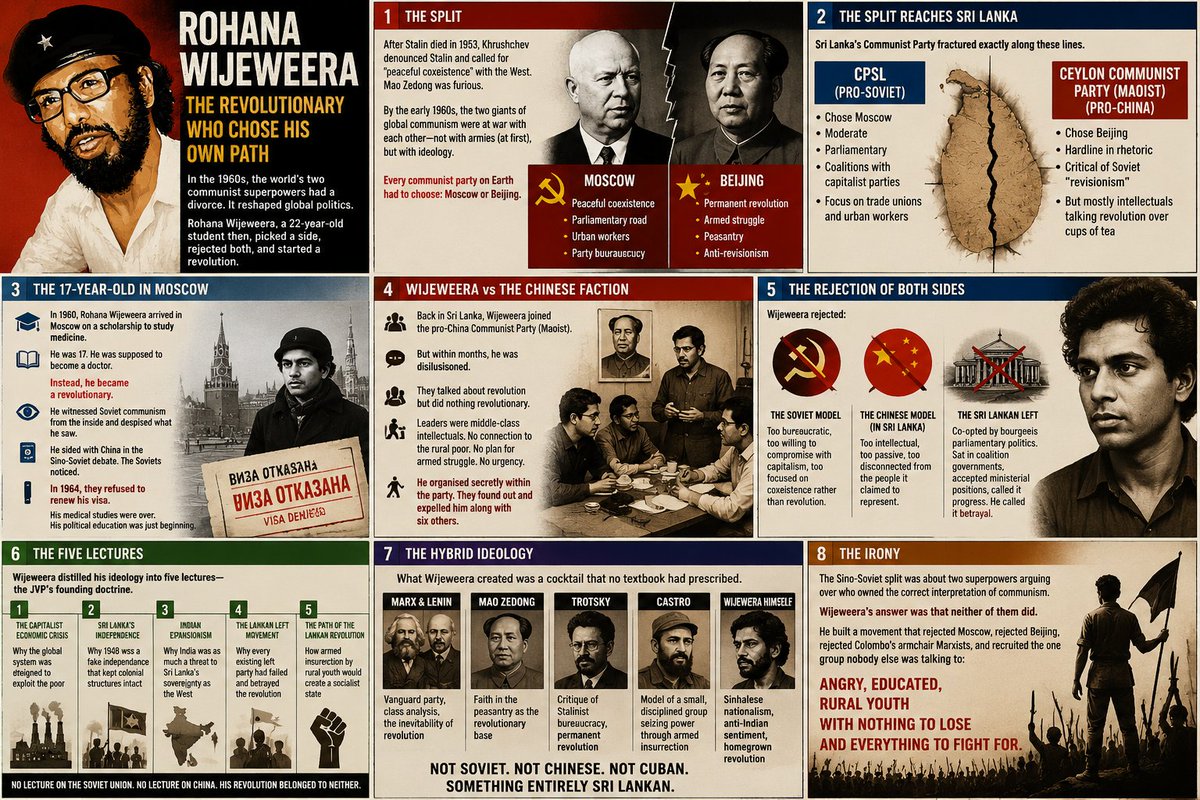
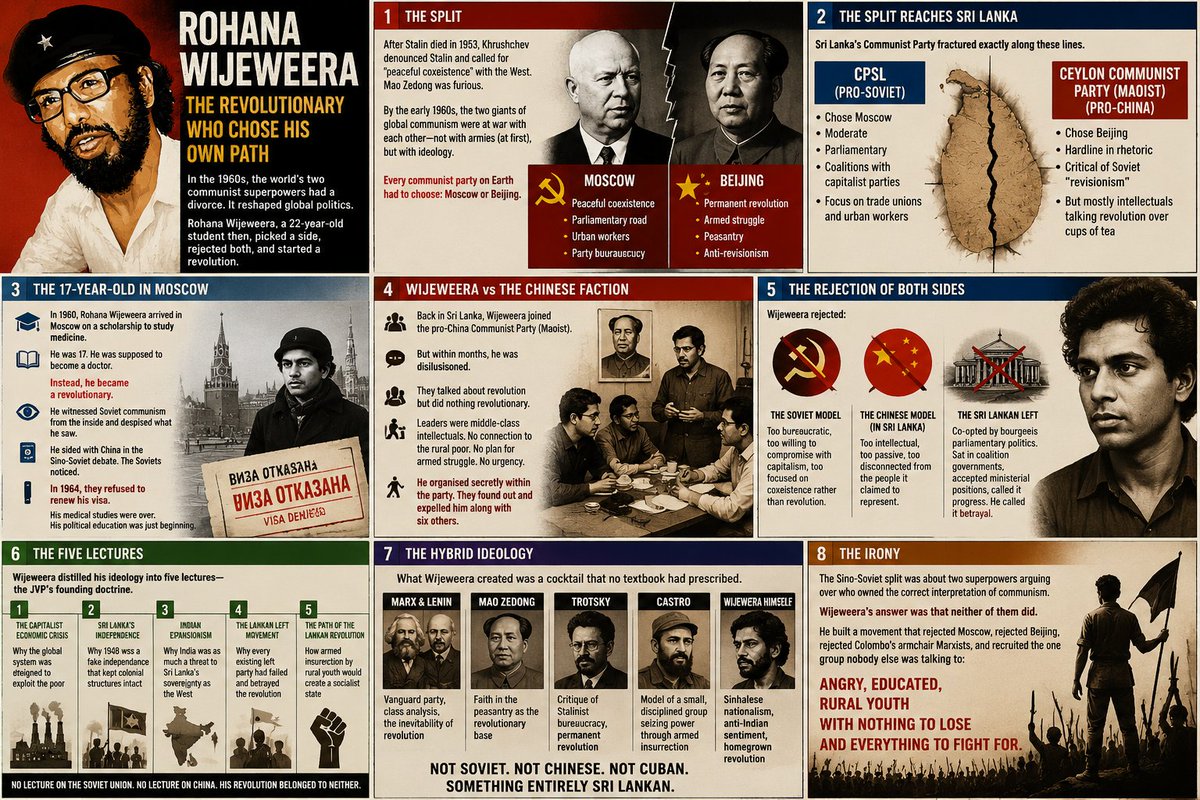
In the 1960s, the world's two communist superpowers had a divorce. It reshaped global politics.
Rohana Wijeweera, a 22-year-old student then, picked a side, rejected both, and started a revolution.
This is the Sino-Soviet split and what Rohana Wijeweera made of it.
THE SPLIT
After Stalin died in 1953, the new Soviet leader Nikita Khrushchev did something unthinkable. He denounced Stalin. He called for "peaceful coexistence" with the West. He said communism could win through economics and diplomacy, not just revolution.
Mao Zedong was furious. China saw this as a betrayal. Mao believed the revolution must be permanent, violent if necessary, and led by the peasantry, not comfortable party bureaucrats in Moscow.
By the early 1960s, the two giants of global communism were at war with each other. Not with armies (though that came later in 1969), but with ideology. Every communist party on Earth had to choose: Moscow or Beijing.
THE SPLIT REACHES SRI LANKA
Sri Lanka's Communist Party fractured exactly along these lines:
The pro-Soviet faction (CPSL) chose Moscow. Moderate. Parliamentary. Willing to form coalitions with capitalist parties. Focused on trade unions and urban workers.
The pro-China faction (Ceylon Communist Party - Maoist) chose Beijing. Hardline. Revolutionary in rhetoric. Critical of Soviet "revisionism." But in practice, still a party of intellectuals and academics who talked about revolution over cups of tea.
THE 17-YEAR-OLD IN MOSCOW
In 1960, Rohana Wijeweera, the son of a Communist Party supporter from southern Sri Lanka, arrived in Moscow on a scholarship to study medicine at Patrice Lumumba People's Friendship University.
He was 17. He was supposed to become a doctor. Instead, he became a revolutionary.
In Moscow, Wijeweera devoured Marxist-Leninist texts alongside his medical studies. He witnessed Soviet communism from the inside and despised what he saw. Khrushchev's de-Stalinisation, the bureaucratic comfort of party elites, the willingness to coexist with Western imperialism. He saw it as a system that had abandoned its own revolution.
Wijeweera openly sided with China in the Sino-Soviet debate while studying in Moscow itself. The Soviets noticed. When he went home to Sri Lanka on vacation in 1964, they refused to renew his visa.
His medical studies were over. His political education was just beginning.
WIJEWEERA vs THE CHINESE FACTION
Back in Sri Lanka, Wijeweera joined the pro-China Communist Party (Maoist). It seemed like a natural fit. He shared their critique of Soviet revisionism. He admired Mao's faith in the peasantry as the engine of revolution.
But within months, he was disillusioned again.
The Maoist party in Sri Lanka talked about revolution but did nothing revolutionary. Their leaders were middle-class intellectuals. They debated ideology in Colombo living rooms. They had no connection to the rural poor, no plan for armed struggle, and no urgency.
Wijeweera began organising secretly within the party, recruiting young members to his more radical position. The party leadership found out and expelled him along with six others.
THE REJECTION OF BOTH SIDES
This is where Wijeweera becomes genuinely unique in the history of Cold War-era communism.
He rejected the Soviet model: too bureaucratic, too willing to compromise with capitalism, too focused on coexistence rather than revolution.
He rejected the Chinese model as practised in Sri Lanka: too intellectual, too passive, too disconnected from the people it claimed to represent.
And he rejected the traditional Sri Lankan left entirely: the LSSP, the CPSL, the Maoist faction. All of them, in his view, had been co-opted by bourgeois parliamentary politics. They sat in coalition governments, accepted ministerial positions, and called it progress. Wijeweera called it betrayal.
THE FIVE LECTURES
Wijeweera distilled his ideology into five lectures that became the JVP's founding doctrine, taught in secret classes to thousands of rural youth across southern Sri Lanka:
1. The Capitalist Economic Crisis: Why the global system was designed to exploit the poor
2. Sri Lanka's Independence: Why 1948 was a fake independence that kept colonial structures intact
3. Indian Expansionism: Why India was as much a threat to Sri Lanka's sovereignty as the West
4. The Lankan Left Movement: Why every existing left party had failed and betrayed the revolution
5. The Path of the Lankan Revolution: How armed insurrection by rural youth would create a socialist state
Notice what is missing. There is no lecture on the Soviet Union. No lecture on China. No lecture praising either superpower. Wijeweera had studied in Moscow, admired Mao from a distance, but built something that belonged to neither.
THE HYBRID IDEOLOGY
What Wijeweera created was a cocktail that no textbook had prescribed:
From Marx and Lenin: the vanguard party structure, class analysis, the inevitability of revolution
From Mao: faith in the peasantry, not the urban proletariat, as the revolutionary base
From Trotsky: the critique of Stalinist bureaucracy and permanent revolution
From Castro: the model of a small, disciplined group seizing power through armed insurrection
From Wijeweera himself: Sinhalese nationalism, anti-Indian sentiment, and the belief that Sri Lanka's revolution had to be entirely homegrown
No other communist movement in South Asia combined these elements in quite this way. The JVP was not Soviet. It was not Chinese. It was not Cuban. It was something entirely Sri Lankan.
THE IRONY
The Sino-Soviet split was about two superpowers arguing over who owned the correct interpretation of communism. Wijeweera's answer was that neither of them did.
He built a movement that rejected Moscow, rejected Beijing, rejected Colombo's armchair Marxists, and recruited the one group nobody else was talking to: angry, educated, unemployed rural Sinhalese youth with nothing to lose.
Six years after being expelled from the Chinese faction, those youth attacked 70 police stations in a single night. The Communist Party that expelled him never came close to anything like that.
The Sino-Soviet split divided the world into two camps. Wijeweera refused to join either. He built a third. And for a brief, violent moment in April 1971, it nearly overthrew a government.
#SriLanka #JVP
300

Jun 4
I sold another #clip! Pretty in Pink (LSSP Foot Massage) - Full HD clips4sale.com/studio/96293/…
12
818

May 15
Ni podemos ni Lssp fueron los herederos @AnticapiVLL @vecinalvall @IU_Laguna @alberbustos @CNTValladolid En laguna 15M hace quince años fue el motor de La Calle..nuestro nombre como asociación.... seguimos tomando la calle cuando hay motivos ....cada vez menos pan y más chorizos

3
38

May 9
クリッパーのバックにマグニファイ移植(Fはロイプリ)してみたらやっぱりLSSPよりクリッパーなんだと思い知った今日😑フォアもロイプリでやれることはやれる感じだし。むぅ。
これよりビビッときたのはこの前じゅんさんに打たせてもらったものなんだよなー。

1
16
810

If you’re passionate about making a difference through assessment, intervention, and collaboration—we’d love to connect!
Apply today or share with someone who would be a great fit. #NowHiring #LSSP #SchoolPsych #StudentSuccess
Apr 30

📢SEISD is Hiring! Join our district as a Licensed Specialist in School Psychology for the 2026-2027 school year! If you're ready to make an impact helping students thrive both in and out of the classroom, apply now at JOBS@SEISD .
#WeAreSomosSanEli

1
5
452

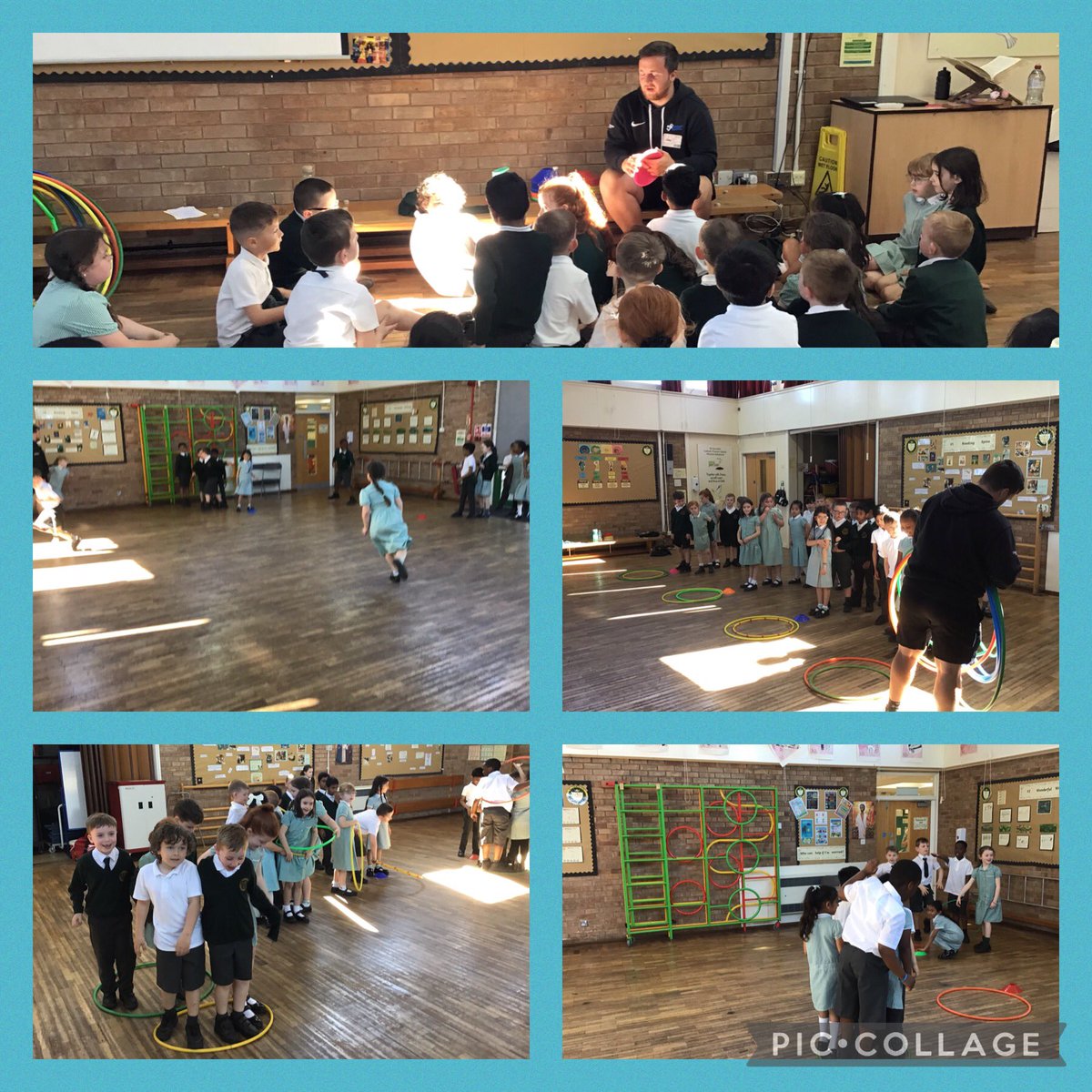
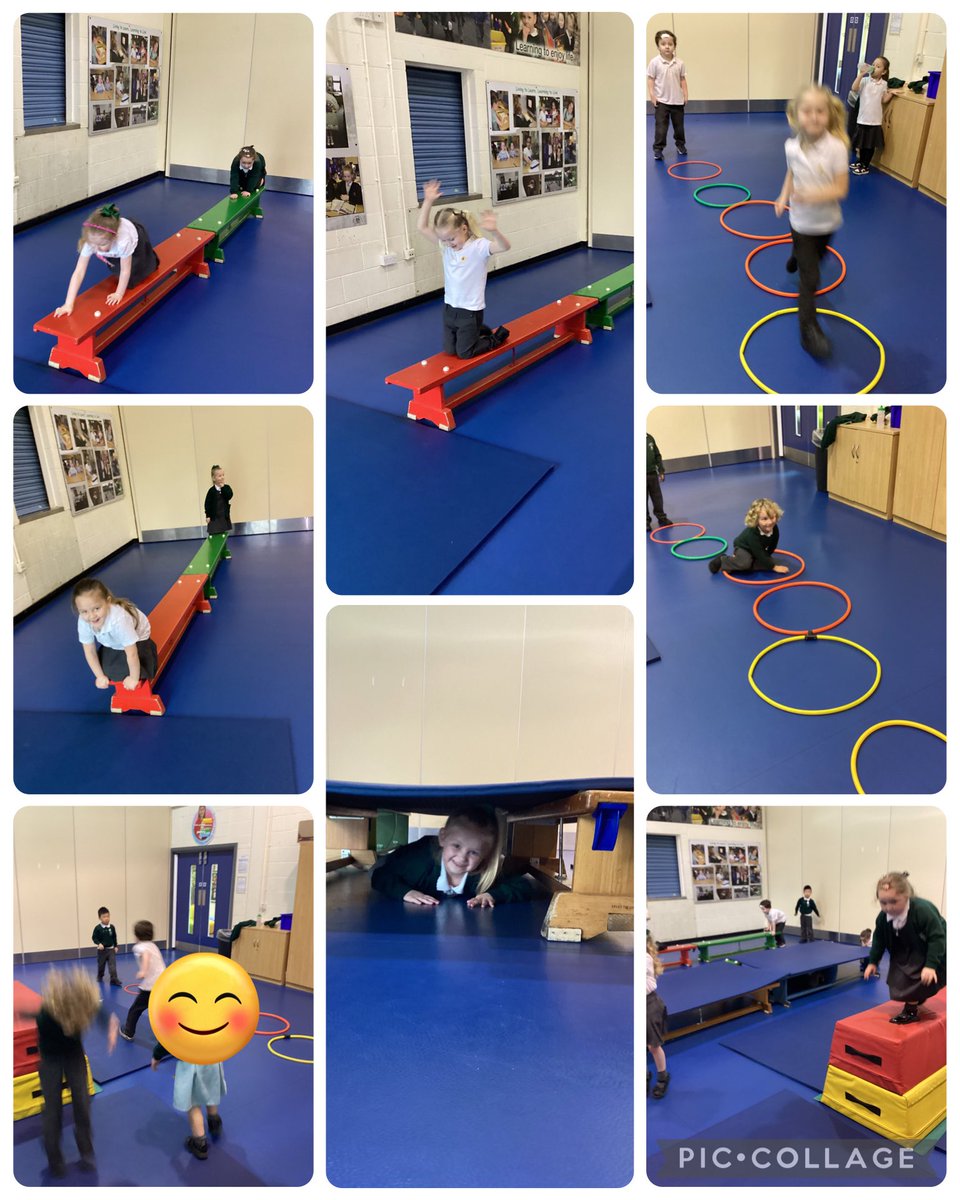
LSSP have been working with Year 2 on their communication skills in Outdoor Adventurous Activities. 2MD enjoyed their team building session today 🏆
1
3
166

No State run by Marxists ever had a Free Press:Stalin, Mao,Pol Pot, Kim Jung, Castro, all took delight in executing Journalists. Here too, MrsB and her Marxist allies (LSSP)TOTALLY squashed the Free Press and ruled for 7 years under Emergency Law and No Elections. Its coming back
5
437

UPCOMING EVENTS 2026:
* Apr 25 Online-Black Thorn class: Canin' Abel
* May 5 Phoenix, AZ-APEX Spanko EDGE
* May 29-31 Los Angeles, CA-BDSM Hall of Fame
* TENT-Jul 23-27 St Louis, MO
* Aug 3-9 Phoenix, AZ-Spanko Week & SpankoCon
* Oct 20-27 London, UK
* Nov 5-9 Houston, TX LSSP
2
5
696

The history of the LSSP was a bit more interesting than that.
Apr 16

Once again it's a completely baseless claim that trotskyism has been widespread only in white countries - Sri Lanka and Bolivia are some of the only countries it was ever hegemonic on the left.
1
8
682

Apr 16
Ok but what was the Stalinist position on this in Sri Lanka. Who adopted this line first and who broke with it. I make no apologies for the many deeply stupid lines of the LSSP. I was pointing out selective memory about Trotskyist movements around the world
1
3
141

Mark Anthony Bracegirdle, a Briton who was part of socialist LSSP the oldest SL political party. He was fighting the British colonial administration
2
80

Mar 24
Always have backup. There were 17 at one of our ARD meetings. Low was 4, district wide ARD, Superintendent, Head of Special Ed, my wife, & me, something about the letter is sent to Tx Ed Agency about school not following IEP. It was in the parents bill of rights, but no one does it. ARD meetings grew after that.
Don’t worry about wife being silent, sometimes safer. Wife is LSSP, school psych, tried those methods with me, unsuccessfully, married 54 years.
Fight the good fight, they call it malicious compliance, but it’s only following the rules.
1
5
218

Mar 19
Lunar Outpost and @michigantech just wrapped our NASA Phase II STTR on Lunar Surface Site Prep (LSSP), a two‑year effort advancing the tools and tech needed to construct regolith‑based infrastructure on the Moon.
Over the past 24 months, we:
• Developed REGOWORKS, an interactive ConOps planning tool for designing roads, landing pads, and foundations in lunar regolith.
• Correlated bulk density to bearing strength and bulk modulus through atmospheric and vacuum test campaigns.
• Designed a vibrating plate compactor prototype to characterize regolith compaction performance.
From roads, habitats, all the way to safe landing zones, infrastructure starts with regolith. We’re proud to help lay the groundwork—literally—for sustained lunar operations.
@NASA #TheNextLeap #LunarOutpost #DrivingArtemis #SpaceTech #Innovation
14
53
3,749

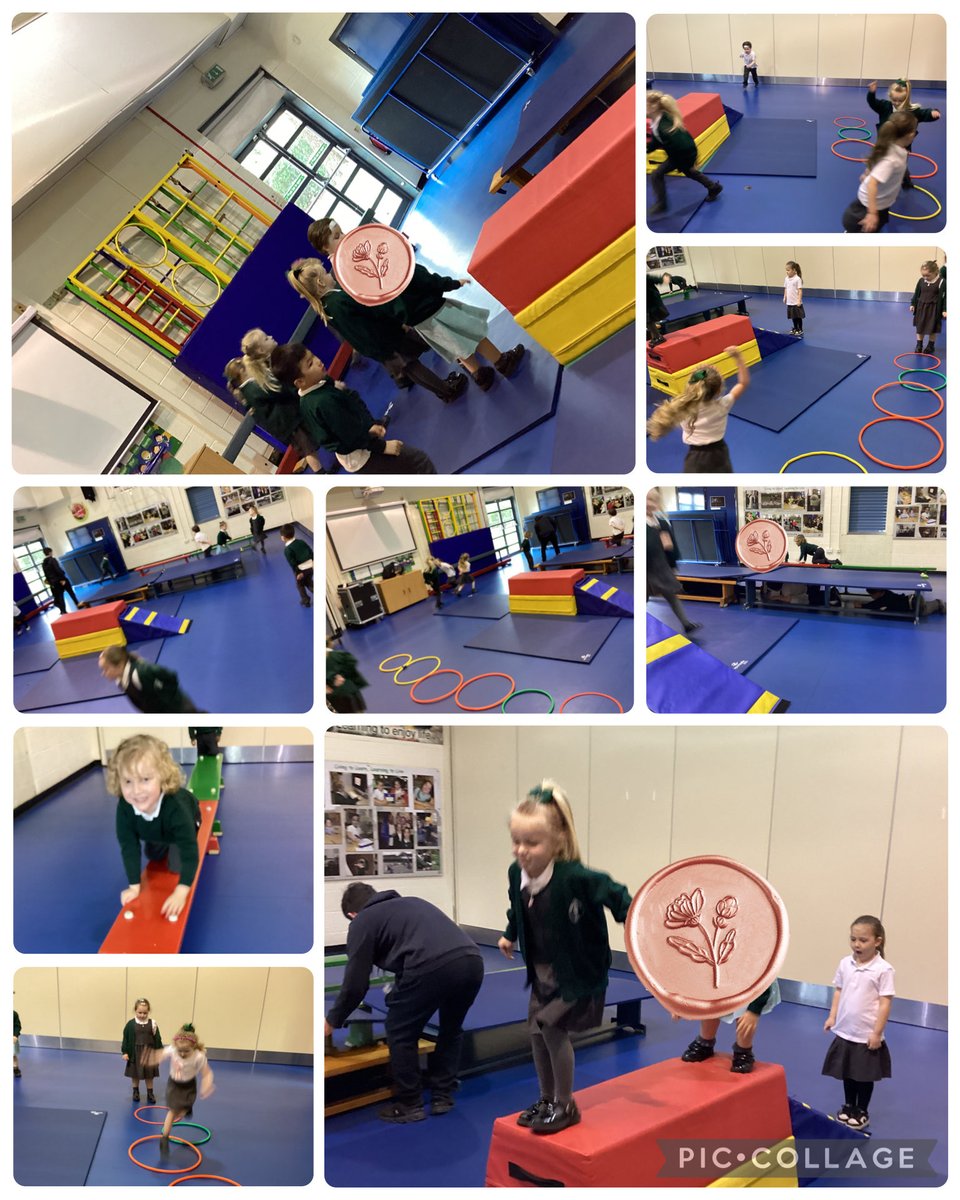
Our children love their extra sports time with our coach, Lewis, each week (from LSSP) 😃 @WellesbourneSch
1
2
131