
India’s New Labour Codes are reshaping salary structure
Basic pay may become 50% of CTC, increasing PF & gratuity contributions
Result? Better long-term social security benefits, but lower monthly in-hand salary for many employees
#LabourCode
click on:
youtube.com/watch?v=VbcKYD18…

18

📢 क्या आप जानते हैं?
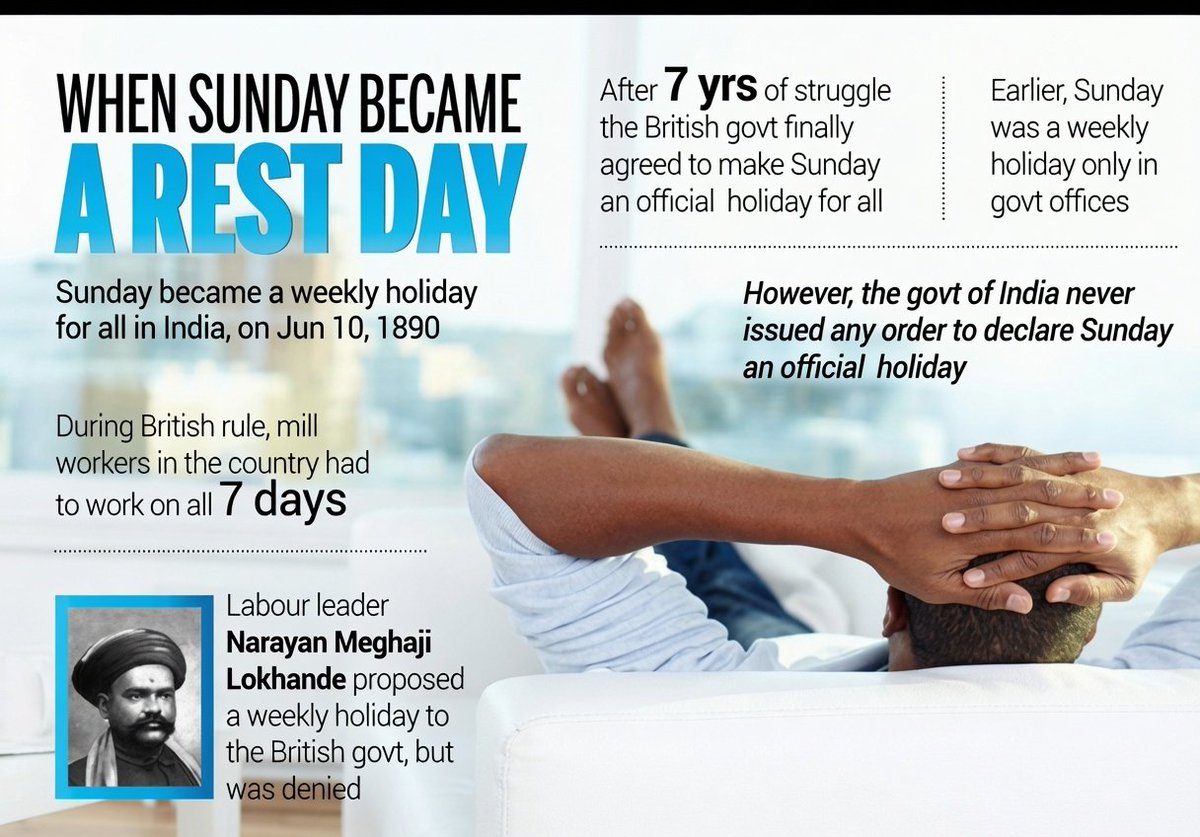
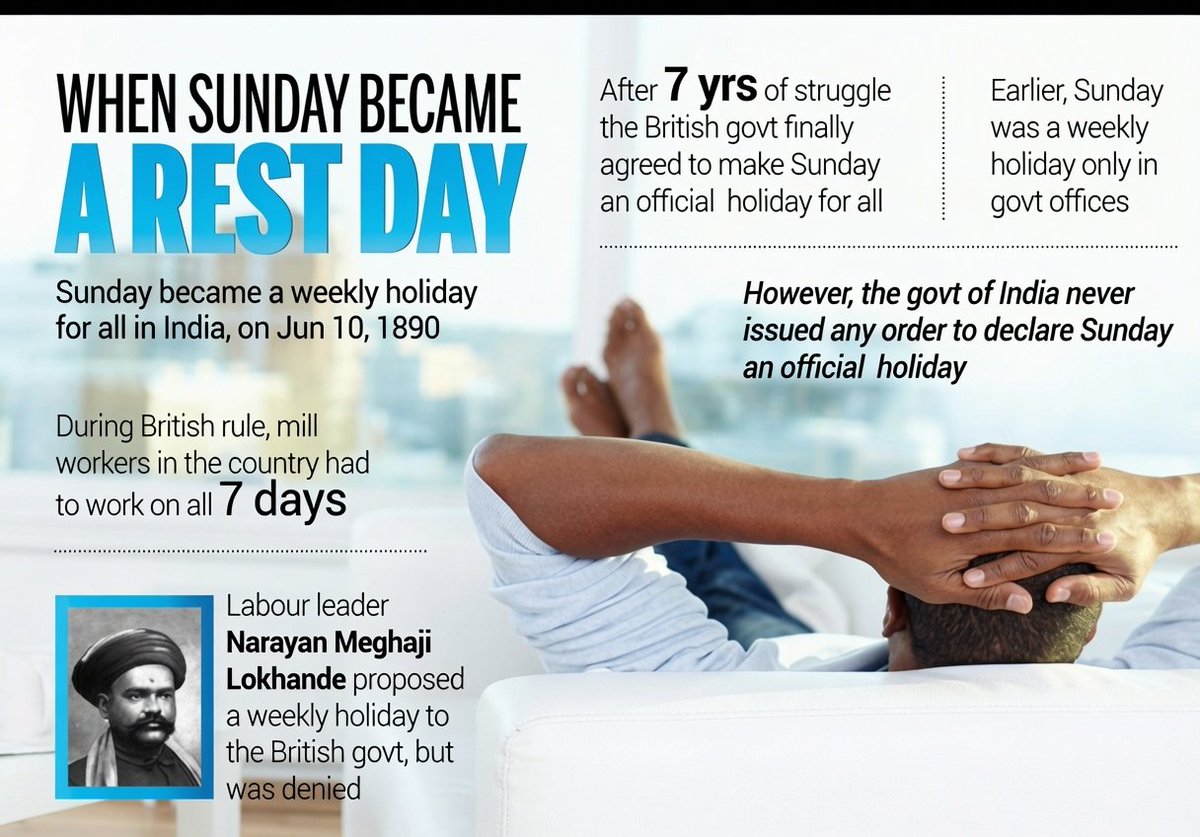
135 वर्ष पहले, 10 जून 1890 को लंबे श्रमिक संघर्ष के बाद भारत में रविवार की साप्ताहिक छुट्टी लागू हुई
✊ इस ऐतिहासिक लड़ाई का नेतृत्व नारायण मेघाजी लोखंडे ने किया, जिन्हें भारतीय श्रमिक आंदोलन का जनक माना जाता है
#CPIM #WorkingClass #Communist #LabourCode
1
2
19

Jun 10
135 years ago, after a seven-year struggle by the working class, Sunday was designated a weekly holiday in India, effective June 10, 1890.
#CPIM #WorkingClass #Communist #LabourCode
7
22
397

Jun 9
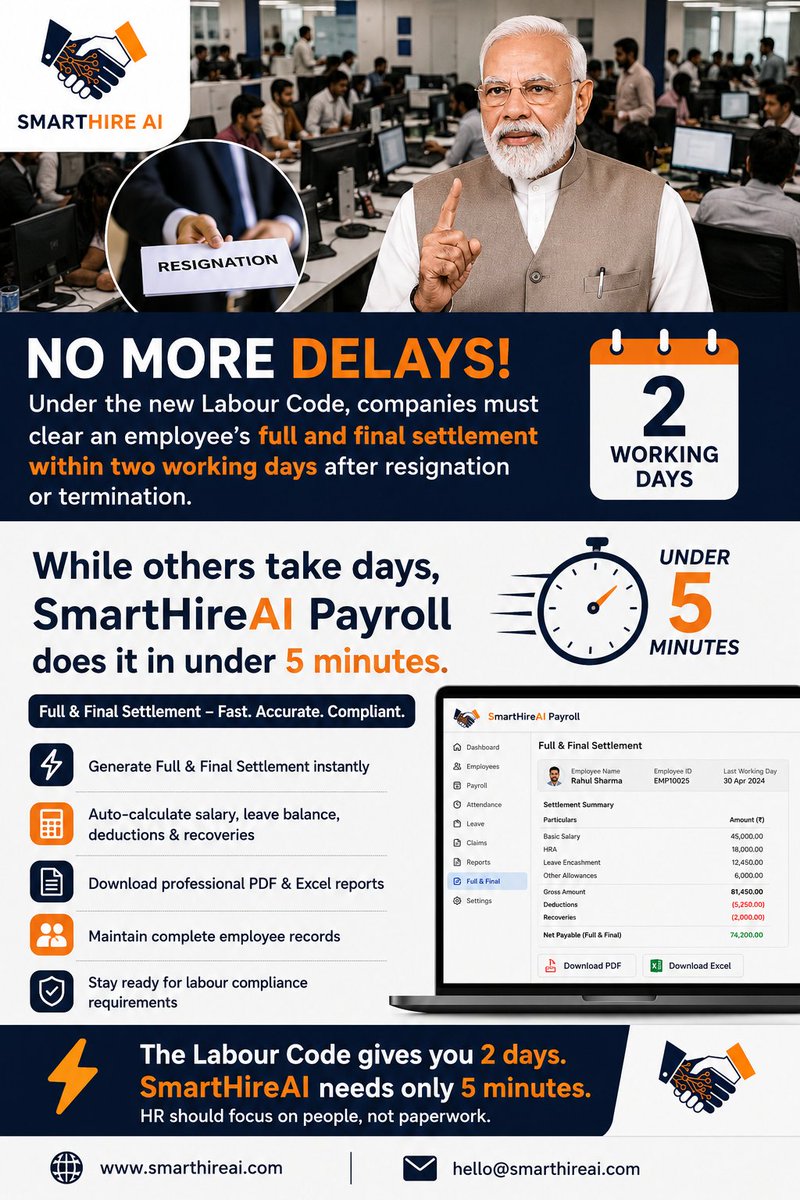
🚨 New Labour Code Alert for Employers & HR Teams
Under the new Labour Code, companies are expected to complete an employee's Full & Final Settlement within 2 working days of resignation or termination.
For many organizations, this can be a challenge due to:
❌ Manual calculations
❌ Leave encashment errors
❌ Pending deductions
❌ Compliance checks
❌ Payroll dependency
But what if the entire Full & Final process could be completed in just a few minutes?
At SmartHire AI Payroll, HR teams can:
✅ Generate Full & Final Settlement instantly
✅ Auto-calculate salary, leave balance, deductions & recoveries
✅ Download professional PDF & Excel reports
✅ Maintain complete employee records
✅ Stay ready for labour compliance requirements
While others are trying to finish F&F in 2 days, SmartHire AI helps HR teams do it in under 5 minutes.
💡 HR should focus on people, not paperwork.
#Payroll #HRTech #FullAndFinalSettlement #LabourCode #HRAutomation #PayrollSoftware #IndiaHR #Compliance #SmartHireAI #SMEIndia
The Labour Code gives you 2 days. SmartHire AI needs only 5 minutes. 🔥
7

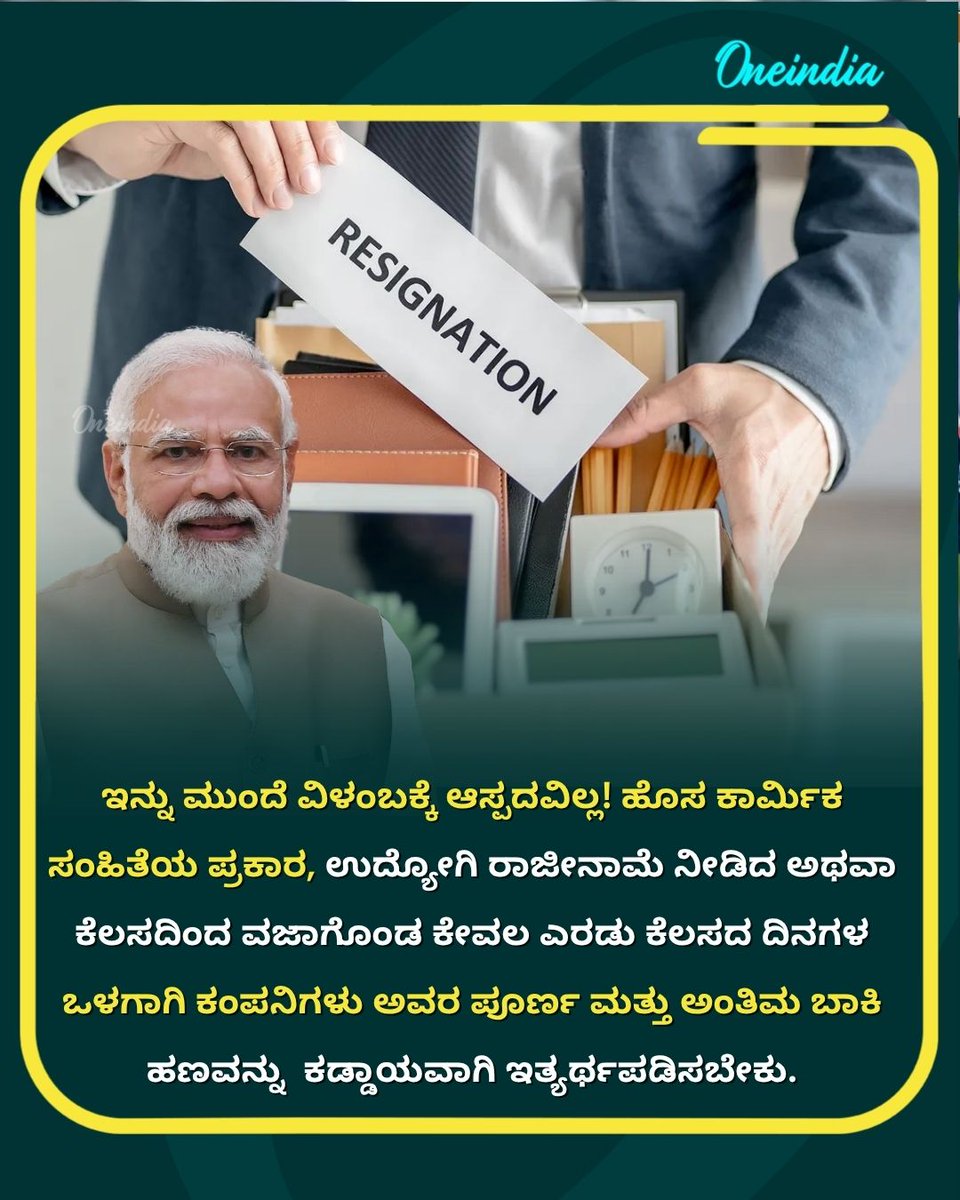
ಸಾಮಾನ್ಯವಾಗಿ ಕಂಪನಿ ತೊರೆದ ನಂತರ ಸಂಬಳ ಮತ್ತು ಇತರ ಬಾಕಿ ಹಣಕ್ಕಾಗಿ (F&F) ತಿಂಗಳುಗಟ್ಟಲೆ ಕಾಯಬೇಕಾಗಿದ್ದ ದಿನಗಳಿಗೆ ಈಗ ಕೇಂದ್ರ ಸರ್ಕಾರ ಬ್ರೇಕ್ ಹಾಕಿದೆ.
.
#LabourCode #EmployeeRights #FullAndFinalSettlement #CorporateRules #OneindiaKannada
79
India’s New Labour Codes are reshaping salary structure
Basic pay may become 50% of CTC, increasing PF & gratuity contributions
Result? Better long-term social security benefits, but lower monthly in-hand salary for many employees
#LabourCode
click on:
youtube.com/watch?v=VbcKYD18…

21

May 29
Punjab enforces Labour Code 2026 across all sectors
nation.com.pk/29-May-2026/pu…
#LabourCode #Punjab

2
53

May 29
मघाशी एका पाठीमागच्या कंपनी मधल्या तोंडओळख असणाऱ्या मित्राचा फोन आला, थोडा वेळ आहे का बोलायचं आहे!
त्याचा आवाज थोडा खालचा आणि रडकुंडीला आल्यासारखा वाटत होता.
मी मीटिंग मधे होतो, थोड्या वेळाने कॉलबॅक करतो चालेल का म्हणलो, तर तो नक्की करशील म्हणाला!
त्याला माघारी फोन केला त्यावर तो म्हणाला, १५ तारखेला माझं कंपनीने जबरदस्तीने Resign घेतलं. आणि १८ तारखेला कामाचा शेवटचा दिवस करून लॅपटॉप, ID कार्ड जमा करून घेतले.
१ महिना झालं प्रोजेक्ट गेल्यामुळे बेंच वर होतो, बिमारू मॅनेजरने Micromanagement करून Release मधे खराब फीडबॅक टाकला होता.
बेंचवर इंटरव्ह्यूचे कमी कॉल येत होते.आणि अचानक HR लोकांनी भेटायला बोलून मोबाईल काढून घेतला, व Resign कर म्हणले आजच्या आज किंवा नाहीतर उद्या आम्ही टर्मिनेट करू.
तु जर आज Resign केलं तर तुला ४ महिन्यांचा पगार देऊ, नाहीतर Terminate झाला तर काहीच मिळणार नाही. त्या मित्राने खिशातून फोन काढला तर त्याचा मोबाईल बाकी २ HR लोकांनी घेऊन गेले.
ह्याने खूप आरडा-ओरड केली पण ते ऐकायला तयार नव्हते. त्याने जीव तोडून सांगितलं की मॅनेजरने खोडसाळपणाने feedback चुकीचा दिला आहे. त्याची आधी मी त्रास देतोय म्हणून तक्रार पण केली होती, त्यावर काहीच का कारवाई झाली नाही. HR ऐकायला तयार नव्हती, मित्राने सांगितलं तुम्ही करताय ते खूप चुकीचं आहे.
मी स्थानिक आहे बाहेरून आलेलो नाही, तुम्ही असं वागू शकत नाही. पण ना इलाजाने त्याला Resign द्यावं लागलं, त्याला Email वर काहीच Confirmation पण दिलं नाही आणि Full n Final Settlement नवीन नियमानुसार लगेच देतो बोलले होते.
मित्र म्हणाला की आज पगार झाला, पण तो फक्त मे महिन्यातील १८ दिवसांचा आला.
New Labour Code नुसार कामाचा शेवटचा दिवस झाल्यावर, २ दिवसामध्ये सगळी रक्कम मिळाली पाहिजे. आता HR फोन उचलत नाही, किती महिन्यांचा पगार देणार ते पण माहित नाही!
लग्न जमवण्यासाठी घरचे धडपड करत आहेत आणि मी घरी सांगितलं नाही की माझी नोकरी गेली. मार्केट खराब असल्याने कॉल्स कमी आहेत, सगळीकडून टेन्शन येत आहे.
नवीन कायद्यानुसार त्यांनी २ दिवसात सगळे पैसे द्यायला हवे होते, दिले नाहीत तर त्यांच्यावर काय कारवाई करू शकतो का?
त्याला नोकरीसाठी २-३ reference दिले आणि जिद्द हरू नकोस म्हणून सहानभूती दिली.
मला पण या बाबतीत जास्त माहित नाही म्हणलं, एकदा Ministry Labour च्या Website वर जाऊन बघ काही तक्रार करता येते का!
आधीच दिवस खराब असताना IT कंपनी मनमानी राजकारण करून, मराठी पोरं कामावरून काढत आहे.
आणि सरकारचा नवीन नियमानुसार सगळे पैसे २ दिवसात द्यायचे असून पण, हा नियम फाट्यावरून मारत आहेत. काही कायदे होणार आहेत का नाही IT नोकरदारांसाठी? 😑🙏🏻
#IT #HR #Forcefully_Resign #LabourCode
39
59
401
27,246

May 22
28
106
14,012

May 21
Everything is designed to increase Govt coffers, decrease our personal earning
This is serious.. on one hand loads losing jobs, other hand those earning continue to stagnate or are going to draw lesser take home !
#hopeless #india #salaryRevision #labourcode
@moneycontrolcom @EconomicTimes @FinancialXpress

🚨Good trend spotting on how and why the new labour code is pinching your monthly take home
A growing number of IT employees are discovering that annual appraisals are no longer translating into meaningful increases in monthly take-home pay, as companies across the sector quietly redraw compensation structures to align with India's new labour-code regime while tightening costs amid a prolonged slowdown.
Several employees claimed their in-hand salaries had either barely increased or, in some cases, fallen despite receiving appraisal letters.
But industry executives, compensation experts, staffing firms and labour lawyers told Moneycontrol that the changes are not isolated to TCS and reflect a broader shift underway across India's IT and corporate sector as firms prepare for implementation of the new labour codes.
The shift is being driven largely by the Code on Wages, which requires wages to constitute at least 50 percent of total remuneration, forcing firms to revisit salary structures that historically relied heavily on allowances and flexible pay components.
Experts said one of the most immediate effects of the restructuring is a rise in statutory-linked components such as provident fund and gratuity calculations, which can reduce monthly take-home salary even if annual compensation remains unchanged.
“This will purely depend on how organizations restructure their employees' salaries,” said Neeti Sharma, CEO of staffing firm TeamLease Services Digital.
“Even when annual CTC stays the same or rises, higher PF contributions, deferred variable pay cycles, and changes in gratuity presentation can reduce monthly in-hand salary,” Sharma said.
“In some cases, gratuity has been removed from displayed CTC altogether; allowances like HRA and personal allowance are being recalibrated,” Mahajan said.
“The result is a CTC that looks structurally different on paper — higher basic pay, higher statutory deductions, and sometimes a lower visible annual number.
By @shaw_reshab and @debanganaghosh4
moneycontrol.com/technology/…
3
490

May 20
#MoneyGuru | आपकी सैलरी कितनी आई?
- सैलरी बढ़ी, पर इन-हैंड क्यों घटा?
- नए लेबर कोड से कैसे बदलेगा पे-स्ट्रक्चर?
- न्यू टैक्स Vs.ओल्ड टैक्स रिजीम कहां फायदा?
#Salary #CTC #InHandSalary #TaxSaving #NewTaxRegime #OldTaxRegime #SalaryStructure #LabourCode @PankajMathpal @vish_marketing @RishalSmita
x.com/i/broadcasts/1yKAPMLBg…
2
1,009
May 20
- आपकी सैलरी कितनी आई?
- सैलरी बढ़ी, पर इन-हैंड क्यों घटा?
- नए लेबर कोड से कैसे बदलेगा पे-स्ट्रक्चर?
- न्यू टैक्स Vs.ओल्ड टैक्स रिजीम कहां फायदा?
- नए टैक्स स्ट्रक्चर में कहां-कहां टैक्स बचत?
- कंपनियां क्यों कर रही हैं CTC री-स्ट्रक्चरिंग?
- ऑफर लेटर में क्या देखना ज्यादा जरूरी?
- CTC Vs इन-हैंड का सच?
#Salary #CTC #InHandSalary #TaxSaving #NewTaxRegime #OldTaxRegime #SalaryStructure #LabourCode @PankajMathpal @vish_marketing @RishalSmita

1
1
4
1,025

May 20
Labour Code Rules: पगार तोच, पण 4 दिवस काम अन् 3 दिवस आराम... फक्त नवीन लेबर कोडमधील एक अट पाळावी लागणार
#EmployeeRights #LabourCode #4DaysWorkWeek
maharashtratimes.com/busines…
200

May 20
Labour Code Rules: હવે અઠવાડિયામાં ફક્ત 4 દિવસ ઑફિસ જવાનું રહેશે, સતત 3 દિવસની મળશે રજા! ફક્ત આ શરતો માનવી પડશે
#LabourCode #4DayWorkWeek #EmployeeBenefits #CorporateNews #OfficeCulture #LabourLaw
tv9gujarati.com/business/lab…
92

May 16
Experts say overlaps between Labour Codes and state Shops and Establishments Acts may create compliance uncertainty for companies across working hours and leave rules.
Read more: mybs.in/2g6Bjtk | @eauhona
#NewLabourLaws #LabourCode #Workplace
1
3
585

May 13
ସପ୍ତାହକୁ ୪ ଦିନ କାମ ଓ ୩ ଦିନ ଛୁଟି ! ଶ୍ରମିକ ଓ ଚାକିରିଆଙ୍କ ପାଇଁ ନୂଆ ନିୟମ, କମିଯିବ କି ନଗଦ ଦରମା ? | New Labour Code & Workplace Rules #labourcode #prameyadigital #newrules #corporateemployee #benefits #salary #jobsecurity
10
429

New Labour Code: नए लेबर कोड के सभी नियम नोटिफाई हो गए हैं. 48 घंटे वर्क वीक, PF, ग्रेच्युटी, सैलरी स्ट्रक्चर, ओवरटाइम और महिलाओं की नाइट शिफ्ट समेत कई बड़े बदलाव लागू होंगे...
#ATDigital #LabourCode
1
1
6
2,401

May 12
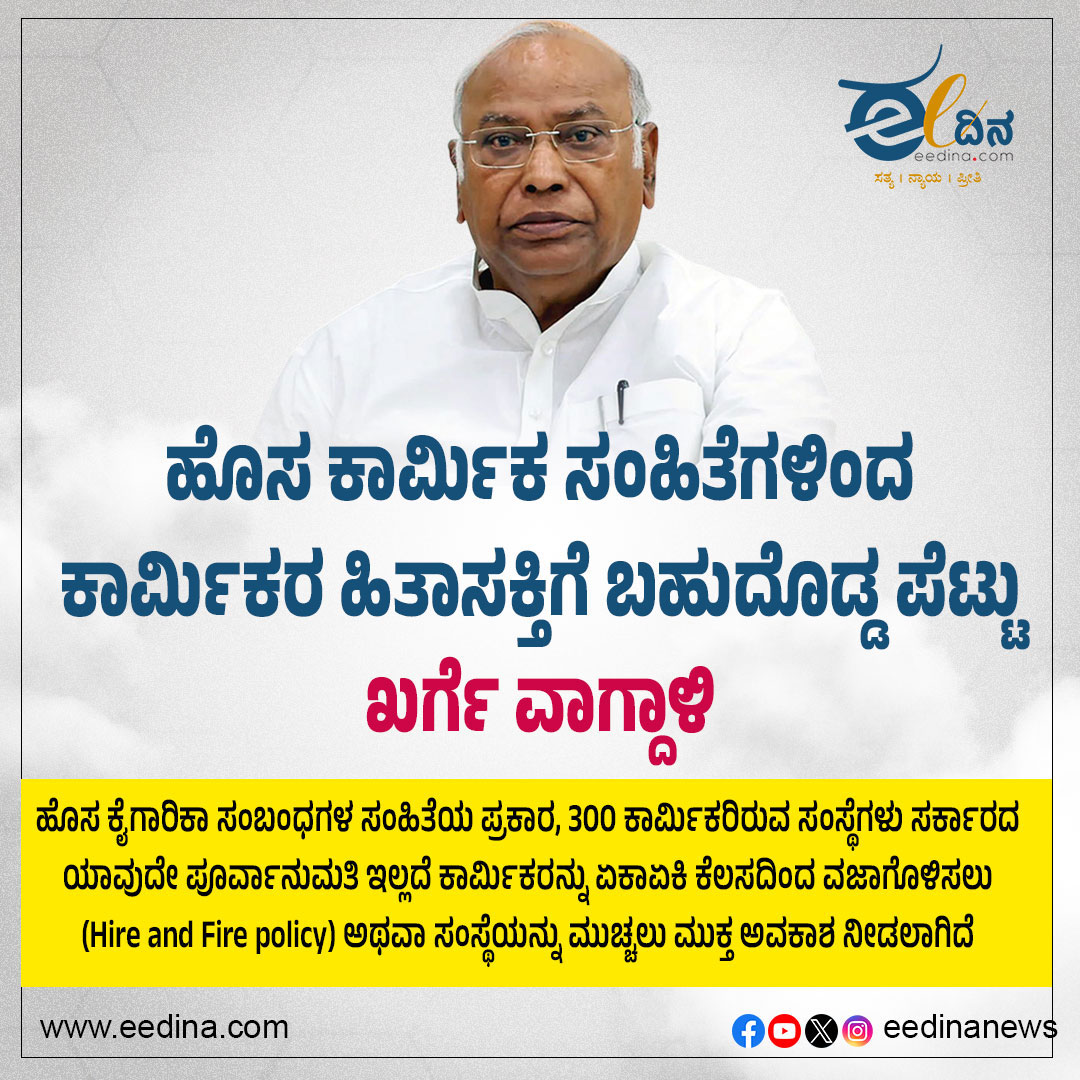
ಹೊಸ ಕಾರ್ಮಿಕ ಸಂಹಿತೆಗಳಿಂದ ಕಾರ್ಮಿಕರ ಹಿತಾಸಕ್ತಿಗೆ ಬಹುದೊಡ್ಡ ಪೆಟ್ಟು: ಖರ್ಗೆ ವಾಗ್ದಾಳಿ
ಹೊಸ ಕೈಗಾರಿಕಾ ಸಂಬಂಧಗಳ ಸಂಹಿತೆಯ ಪ್ರಕಾರ, 300 ಕಾರ್ಮಿಕರಿರುವ ಸಂಸ್ಥೆಗಳು ಸರ್ಕಾರದ ಯಾವುದೇ ಪೂರ್ವಾನುಮತಿ ಇಲ್ಲದೆ ಕಾರ್ಮಿಕರನ್ನು ಏಕಾಏಕಿ ಕೆಲಸದಿಂದ ವಜಾಗೊಳಿಸಲು (Hire and Fire policy) ಅಥವಾ ಸಂಸ್ಥೆಯನ್ನು ಮುಚ್ಚಲು ಮುಕ್ತ ಅವಕಾಶ ನೀಡಲಾಗಿದೆ
#MallikarjunKharge #LabourCode #WorkersRights #HireAndFire #IndustrialRelationsCode #LabourLaws #TradeUnion #EmploymentRights #IndianPolitics #WorkersProtection
1
11
376

May 10
പണിയെടുക്കുന്നവന്റെ കൈകാലുകൾക്ക് കൂച്ചുവിലങ്ങിടുന്ന തൊഴിൽ നിയമങ്ങൾ
kairalinewsonline.com/nation…
#LabourCode #WorkersRights #TradeUnion #LabourLaws #kairalinews
1
2
95

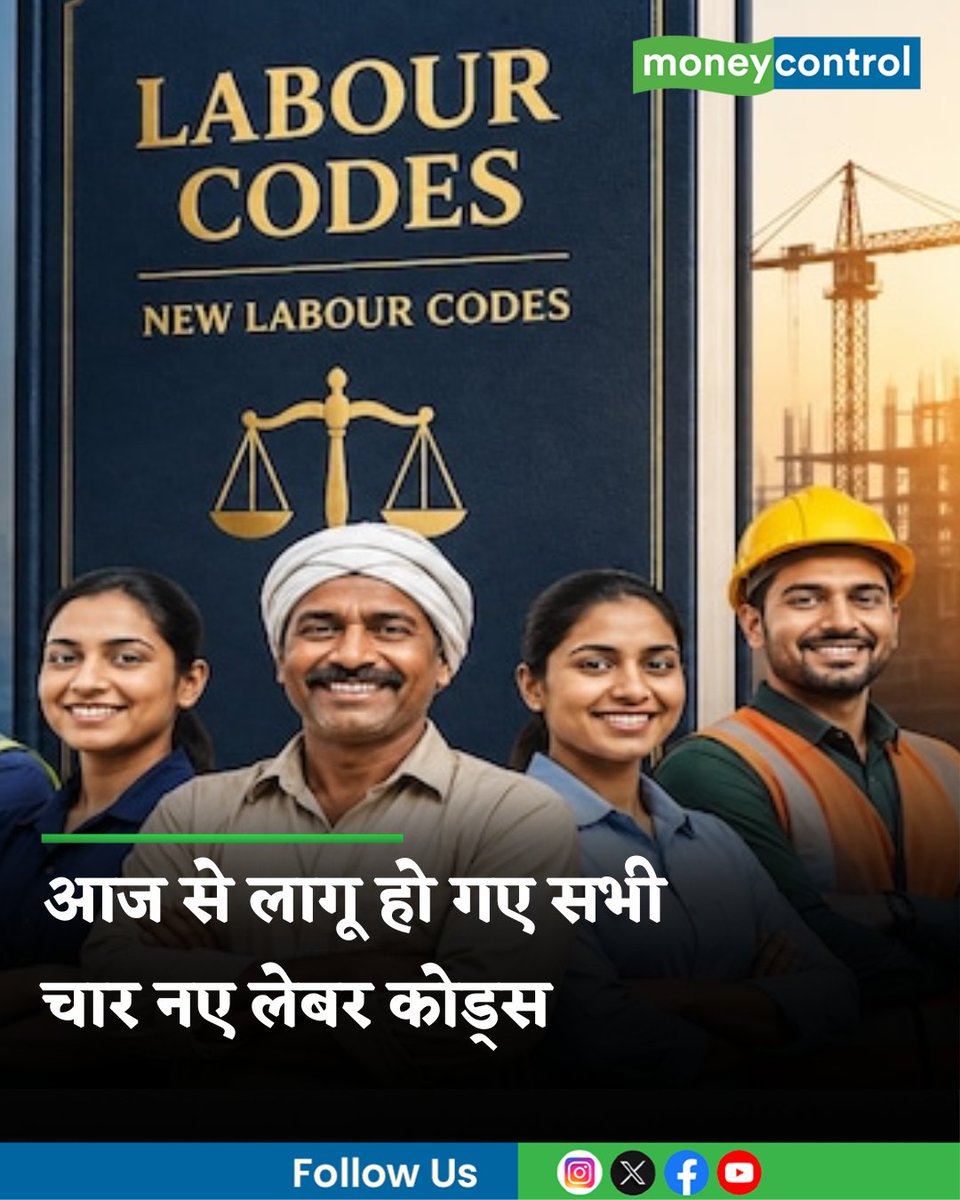
#LabourLaw | नए लेबर कोड्स 9 मई से पूरी तरह से लागू हो गए हैं। सरकार ने इस बारे में नए नियमों को नोटिफाय कर दिया है। इसके साथ ही 29 अलग-अलग नियमों का वजूद खत्म हो गया है। इस बारे में विस्तार से जानने के लिए पढ़ें यह रिपोर्ट...
hindi.moneycontrol.com/news/…
#labourcode #modigovt #moneycontrol
2
4
267