
26 Jul 2025
Language, Land & Legacy
Alongside a dedicated team of ecologists, the Love Gaelic students will contribute to vital conservation work today. This is hands-on learning at its best, where Gaelic language and environmental stewardship meet.
With Ronay rising in the background, this experience is not only unforgettable, but part of a broader story of reconnection – with nature, culture, and community. A huge thank you to Andrew Marshall and the Ronay team for welcoming our students to be part of this visionary project.
Watch the video to see the beginning of their adventure – and the moment they set off to help nature thrive.
#LoveGaelic #RewildingRonay #GaelicSummerSchool #IslandConservation #OuterHebrides #GaelicAndNature #LanguageInContext #NorthUist #Ronay #EcologyInAction #GaelicLearners
1
35

24 Apr 2025
Love seeing these pecs around the school! 🎒💪
It’s a great way to help our multilingual learners recognize words in their own language.
Using transliteration like "shanta" helps students connect and pronounce common words with confidence! 🌍📚🗣️
#MultilingualLearners #LanguageInContext #Shanta #PELife #InclusiveLearning #LanguageSupport #SchoolSpirit #TransliterationMatters #CelebrateLanguages

2
64

17 Mar 2024
3️⃣ In a metaphorical sense, "bloodbath" can describe intensely competitive or conflict-ridden situations without any real violence. For example, it could illustrate a business environment where companies fiercely compete, leading to many failing, or a debate where participants sharply criticize each other's ideas. This usage captures the essence of struggle and challenge, emphasizing the severity without physical harm. #metaphoricalmeanings #languageincontext #creativeexpressions
1
25

14 Feb 2024
I (Я) made (приготовила) a pizza (пиццу) from scratch (с нуля)! And (А) what (что) are you (вы) making (готовите) for (на) #FatTuesday (#ЖирныйВторник)? Cooking and #learningrussian! #russianlanguage #language #languageincontext #cooking
3
95

26 Sep 2023
Thanks @AHAllardyce Very kind of you 2 let us know. We are so proud of our young people & grateful 2 @bearsdenmfl 4 leading this excursion. #Application #Breadth #Challenge #LanguageInContext Thanks 2 parents 4 their support in planning & preparation too! 🙌🤩👏 #HappyDays 🇫🇷
22 Sep 2023

What an amazing experience for all the students involved in visiting France. They have returned with the most amazing memories. Thanks to all the teaching staff @BearsdenAcademy for making it such a fun experience. Although I think my daughter will need a week to recover!
6
2,077

23 Aug 2023
#Halliday vs. #Sinclair
Background information you need before you join this amazing lecture.
Michael Halliday and John Sinclair are two prominent figures in the field of linguistics, and their approaches to lexis and grammar have been influential in shaping modern linguistic thought. Let's delve into their perspectives and see how they can be viewed as conflicting or complementary:
Michael Halliday's Systemic Functional Linguistics (SFL):
1. Approach:
Halliday's approach, known as Systemic Functional Linguistics (SFL), emphasizes the functional aspects of language. He believes that language serves different functions in different contexts and that its structure is deeply influenced by these functions.
2. Grammar:
For Halliday, grammar is a resource for making meaning. His concept of "transitivity" in the clause, for instance, is not just about who did what to whom but about how language encodes different types of experiences.
3. Lexis:
In SFL, lexis and grammar are not separate entities but ends of a continuum. Words are choices in a system, much like grammatical structures.
Examples:
A classic example in SFL is the difference between "The cat sat on the mat" and "There is a cat on the mat." While both sentences convey similar content, they serve different interpersonal functions.
John Sinclair's Corpus Linguistics:
1. Approach:
Sinclair's approach is rooted in corpus linguistics. He believes that the best way to understand language is by analyzing real texts. For Sinclair, context is crucial, and language is often formulaic.
2. Grammar:
Sinclair challenges the traditional view of grammar as a set of rules. Instead, he posits that much of language is made up of prefabricated "chunks" or "collocations" that people use habitually.
3. Lexis:
Sinclair's idiom principle suggests that many word combinations are fixed and that these combinations make up a significant portion of discourse.
Examples:
Sinclair might point out that in real-life usage, certain words often appear together, like "strong tea" or "heavy rain." These collocations are more common than other possible combinations.
Conflicting or Complementary?
1. Conflicting Views:
At first glance, Halliday's functional approach and Sinclair's corpus-based approach might seem at odds. Halliday's model is more top-down, starting with the functions of language and seeing how they influence structure. Sinclair's approach is more bottom-up, starting with actual usage and deriving patterns from it.
2. Complementary Views:
However, both scholars agree on the importance of context in shaping language. While Halliday emphasizes the functions language serves in context, Sinclair emphasizes the patterns that emerge from real language use in context. Both perspectives can be used together to give a fuller picture of how language works.
- Sinclair's seminal work, "Corpus, Concordance, Collocation" (1991), delves deep into his views on the formulaic nature of language.
- Halliday's "An Introduction to Functional Grammar" (1985) is a foundational text for understanding his approach to language.
- Studies like Hunston and Francis's "Pattern Grammar" (2000) have tried to bridge the gap between these two approaches, showing how Halliday's functional categories can be identified in Sinclair's patterns of usage.
In conclusion, while Halliday and Sinclair have distinct approaches to lexis and grammar, their theories can be seen as two sides of the same coin, offering different but equally valuable insights into the nature of language.
#Linguistics #HallidayVsSinclair
#SystemicFunctionalLinguistics #CorpusLinguistics #LanguageTheory #LexisAndGrammar
#LanguageInContext
#Collocations
#FunctionalGrammar
#LanguagePatterns
1
1
6
466
3 Aug 2023
Let’s start with language teaching. Corpus Linguistics has revolutionized how we teach and learn languages. By analyzing real-world language use in corpora, we can design teaching materials that reflect authentic language patterns, helping learners to understand not just the ‘rules’ of a language, but how it’s actually used in practice. For example, corpora can reveal which vocabulary and grammatical structures are most frequent and therefore should be prioritized in teaching.
Next, we have lexicography, the art of dictionary-making. Corpus Linguistics has transformed this field by providing lexicographers with a wealth of data on word usage, meaning, and variation. This has led to more accurate and comprehensive dictionaries that truly reflect the richness and diversity of a language.
Finally, let’s talk about discourse analysis. Corpus Linguistics allows discourse analysts to study how language is used in specific contexts, such as politics, media, or everyday conversation. By examining patterns of language use, they can uncover the underlying ideologies and power dynamics that shape our communication.
In short, Corpus Linguistics is not just a theoretical field – it’s a practical tool that can enhance our understanding and use of language in various domains. Stay tuned for more insights in our next “Corpus Chronicles” entry!
#CorpusChronicles #CorpusLinguistics #LanguageTeaching #Lexicography #DiscourseAnalysis #RealWorldLanguage #LanguageInContext #CorpusInAction
1
3
139
3 Aug 2023
Corpus Chronicles: Corpus Linguistics in Action - Language Teaching, Lexicography, and Discourse Analysis
Welcome to the third installment of our “Corpus Chronicles” series! Today, we’re exploring how Corpus Linguistics is applied in various fields, namely language teaching, lexicography, and discourse analysis. #CorpusChronicles #CorpusLinguistics #LanguageTeaching #Lexicography #DiscourseAnalysis #RealWorldLanguage #LanguageInContext #CorpusInAction
1
7
15
1,895

27 Jun 2023
Storybird.ai web para crear historias en segundos y practicar inglés :) (tb funciona en castellano) storybird.ai/. #languageincontext #ai #aitools
1
5
254

30 Apr 2023
Enjoyed this thread 🤩
#neofirthianlinguistics #languageincontext #socialsemiotics #functionallinguistics #halliday #multimodality #empiricaltesting #NLP
30 Apr 2023

So, Noam Chomsky and Tony McEnery @TonyMcEnery find themselves at the same linguistics conference, and things are bound to get a little tense.
1
3
459

29 Oct 2021
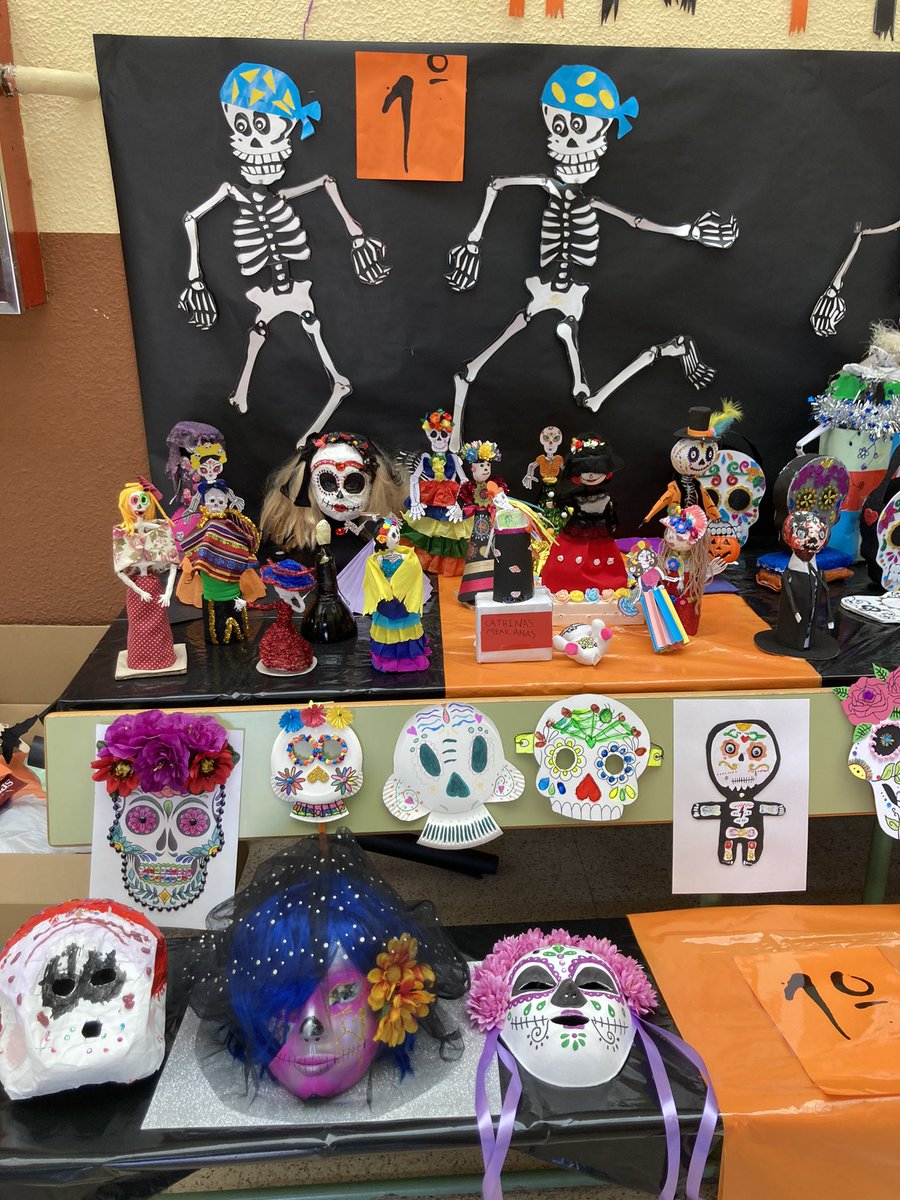
Y ya está aquí el vídeo de la bonita exposición de Catrinas que los alumnos han realizado con sus familias.
¡Esperamos que os guste!
👉🏼youtu.be/C65YZcNKciM
#ceiplamorana #britishcouncilespaña #languageincontext #halloweenmorana2021
1
1
2
28 Oct 2021
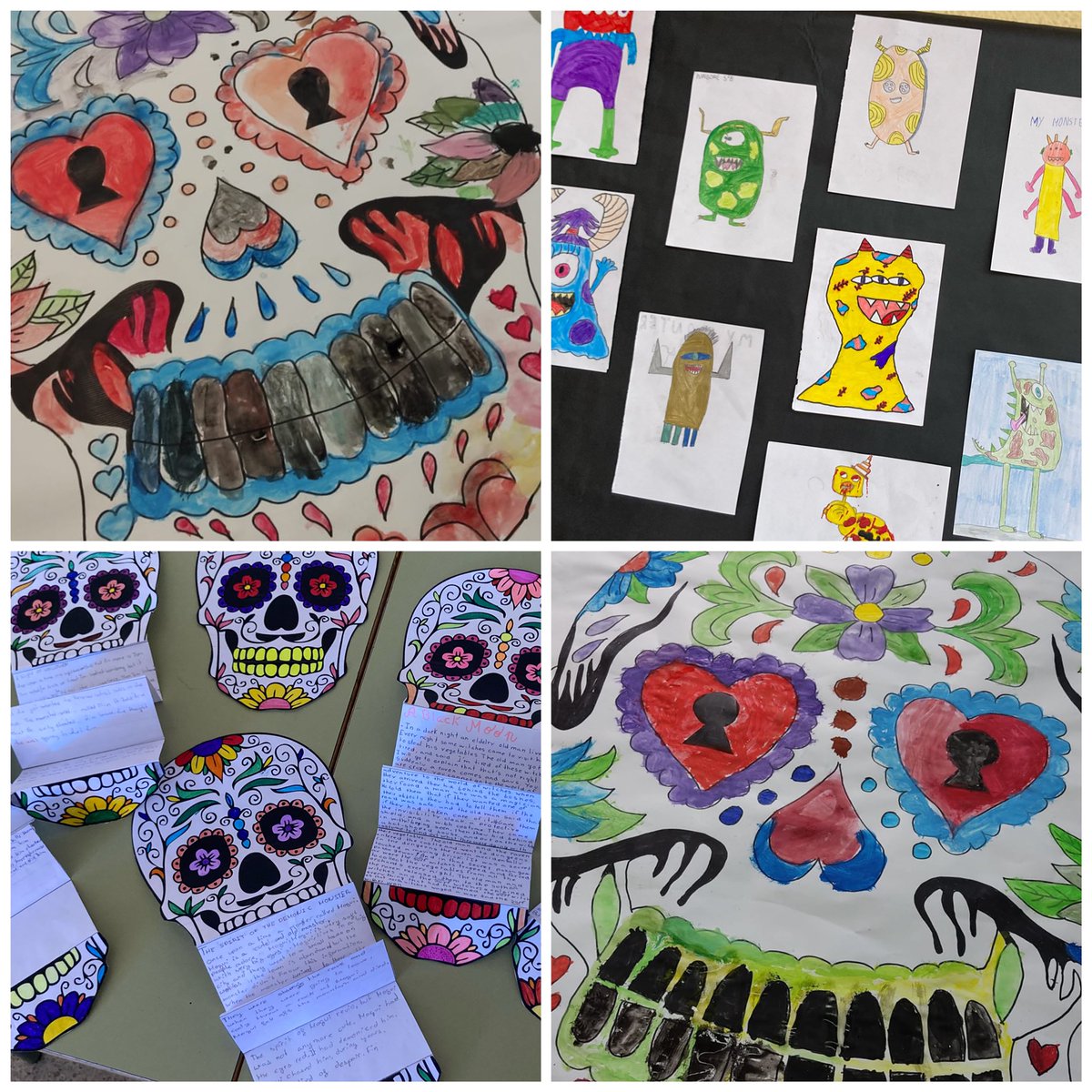
Os dejamos información sobre esta tradición en este enlace del British Council 👉🏼 learnenglishteens.britishcou…
#ceiplamoraña #britishcouncilespaña #languageincontext #halloweenmoraña2021

1
2
28 Oct 2021
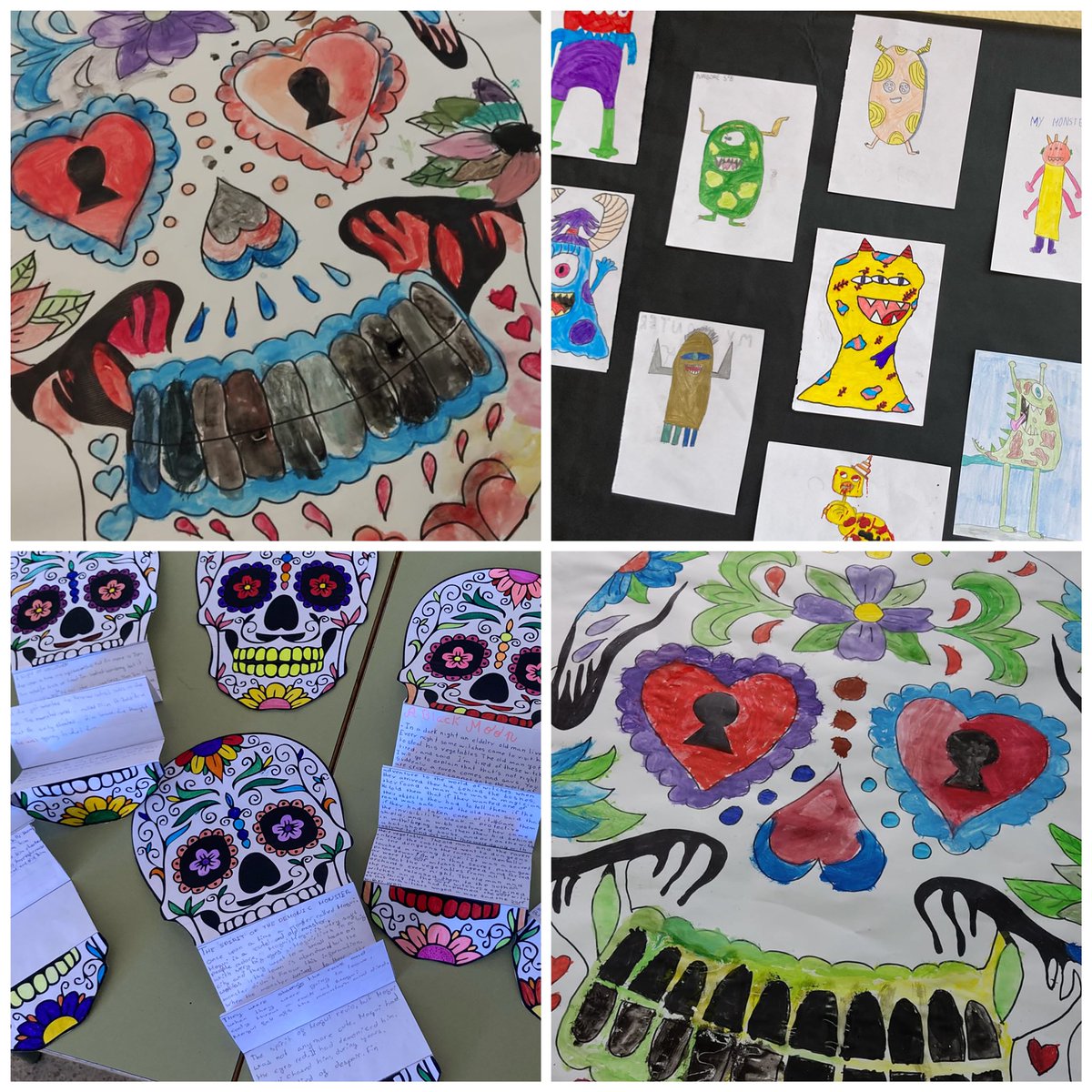
¡Ya está todo preparado para celebrar Halloween en nuestro cole!
Estad atentos, ¡pronto habrá más publicaciones!
Happy Halloween! 🎃👻
#ceiplamoraña #britishcouncilespaña #languageincontext #halloweenmoraña2021

1
1
6

5 Oct 2021
Really looking forward to working with teachers in a part of the UK that I've not visited very often! Hope to see you there. #WordPower #PowerUp #Communication #LanguageInContext #Unlock #Recharge
5

27 Aug 2021
Learning a language involves knowing about pragmatic which is the use of the natural language in communication; more generally, it makes a relation between the languege and the speaker based on the context.
#pragmatics #languageincontext
3
4
10 Jun 2021
Looking forward to catching up virtually with the @PowerfulWordsCB folk this morning across East Cambs and Fenlands to talk about strategies for boosting language development in KS1. @MrsMWard2 #WordPower #PowerUp #LanguageInContext
1
1
17 Mar 2021
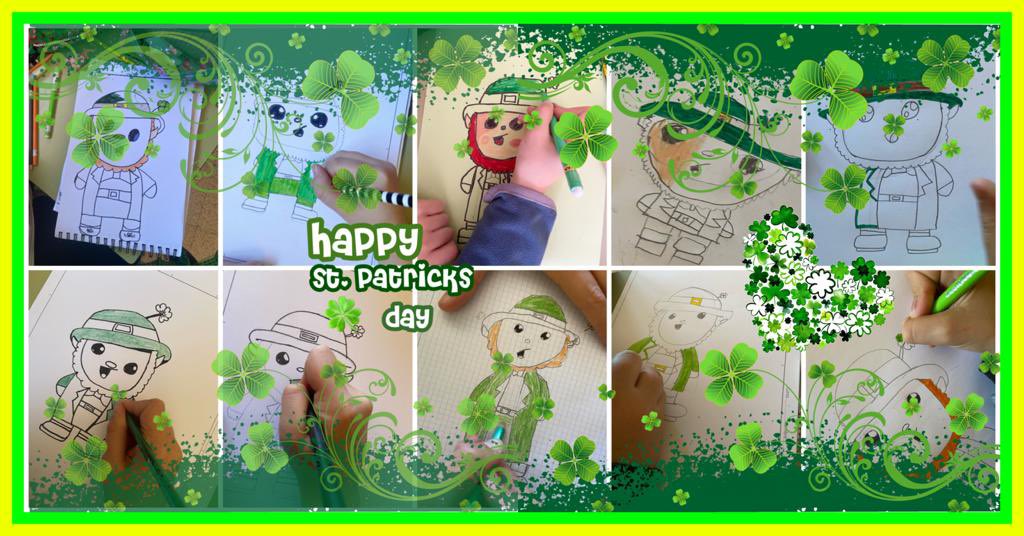
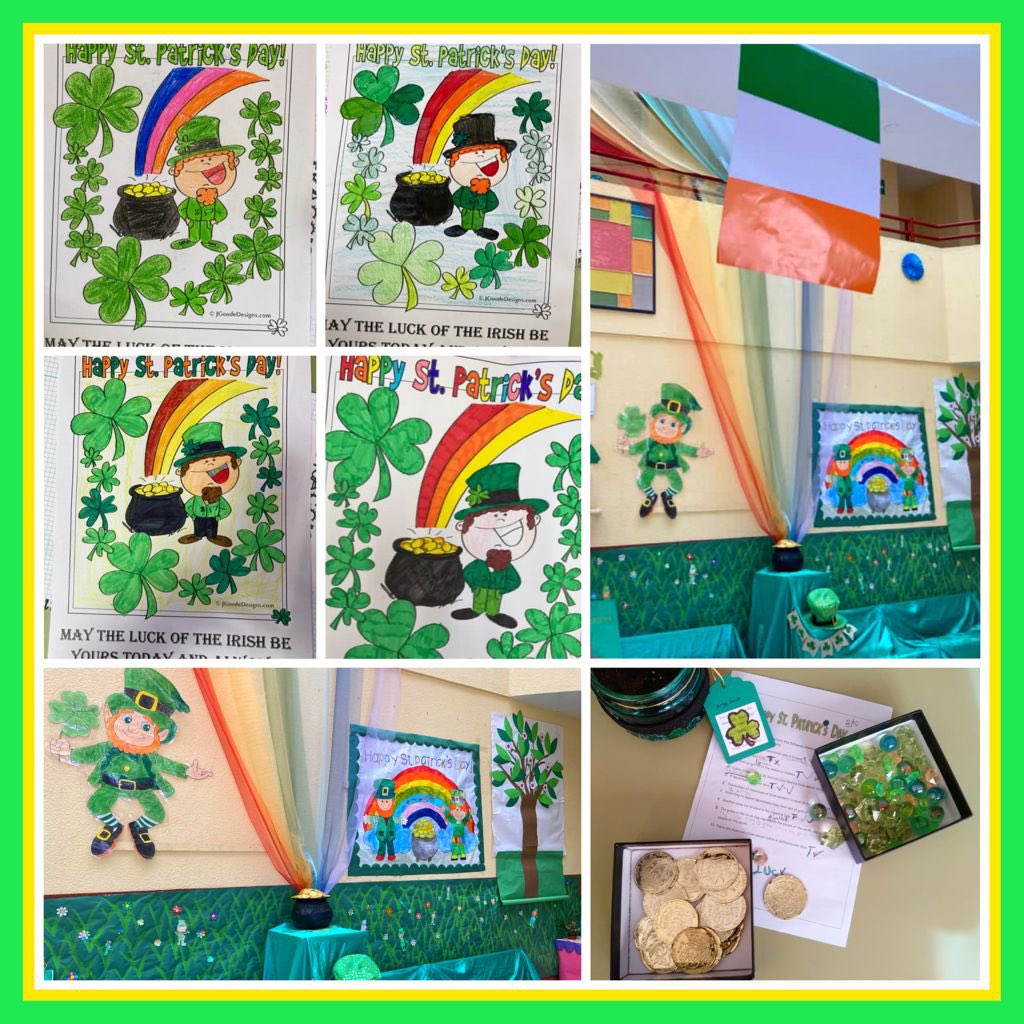
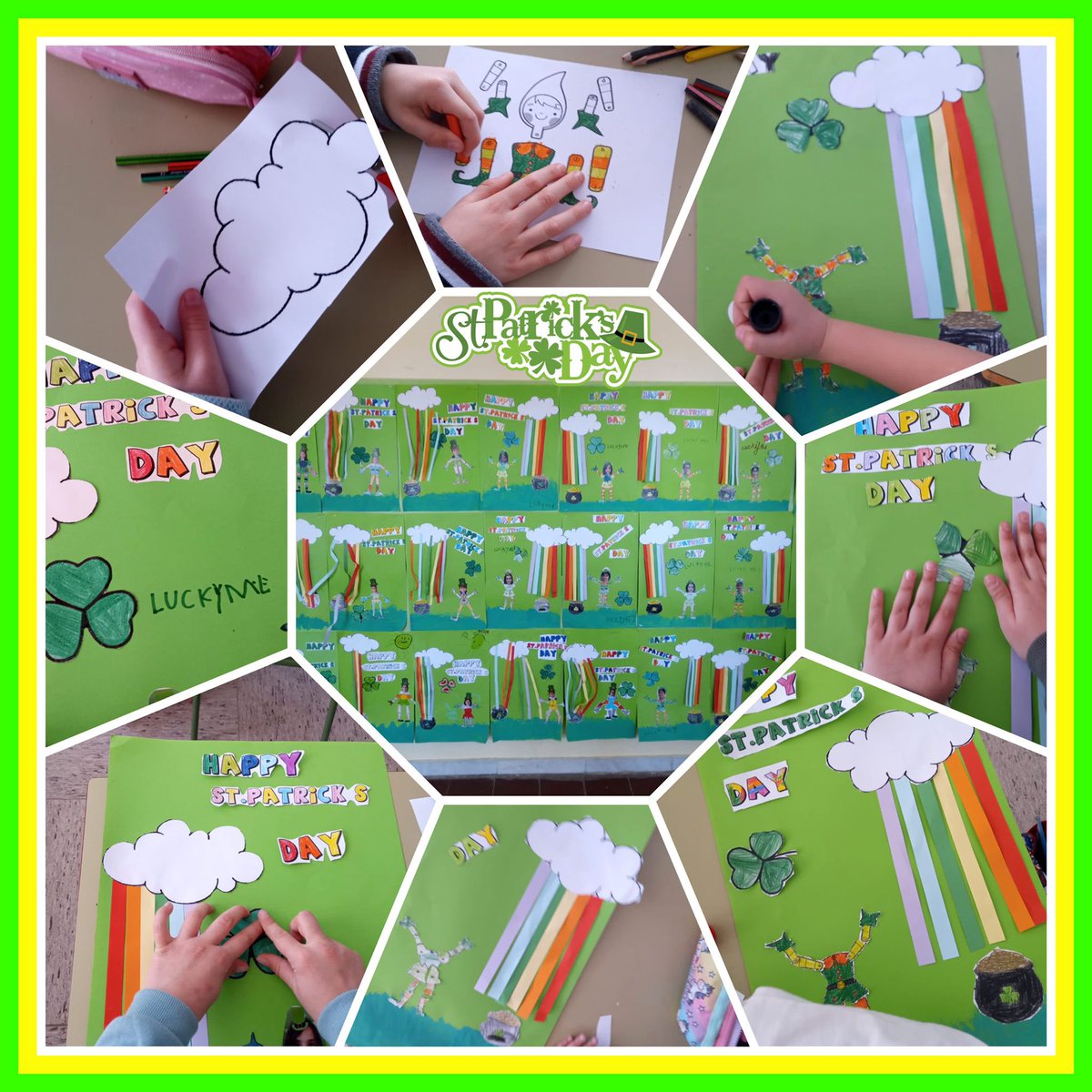
☘️ Happy St. Patrick’s Day!!☘️
May the luck of the Irish be with you ☘️ Hoy la tradición irlandesa 🇮🇪 se cuela en nuestras aulas.
👉🏼 instagram.com/p/CMiAPl2nrOP/…
¡¡No olvidéis buscar al Leprechaun!!
#ceiplamoraña #britishcouncil #bilingualeducation #StPatricksDay
#languageincontext

1
4
4
23 Feb 2021
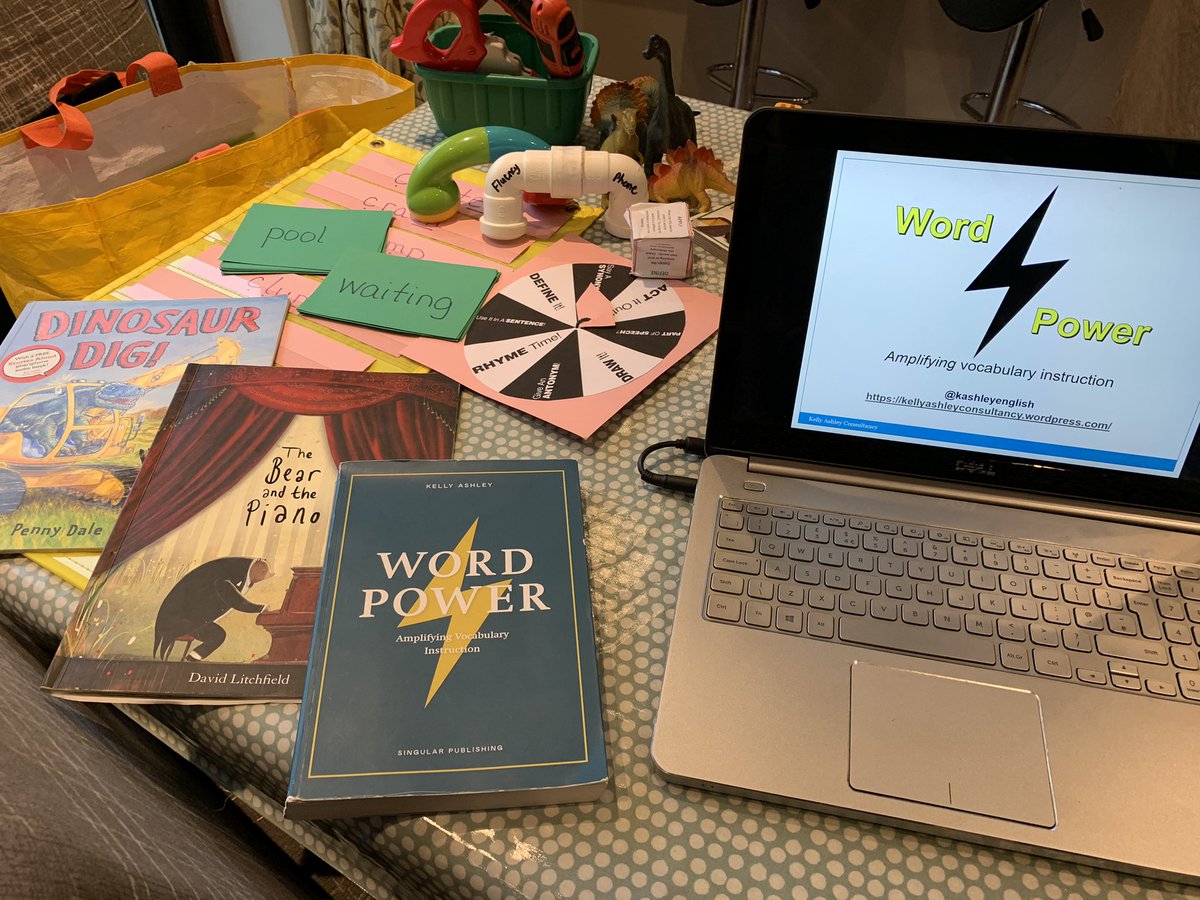
All set for today’s #WordPower #vocabulary development in EY/Y1 training with @LEADEquateTSA - let’s have some fun and learn together! Lots of books to share, especially those from @dc_litchfield and @PennySDale #LanguageInContext #ChooseAndUse #PowerUp
3
9

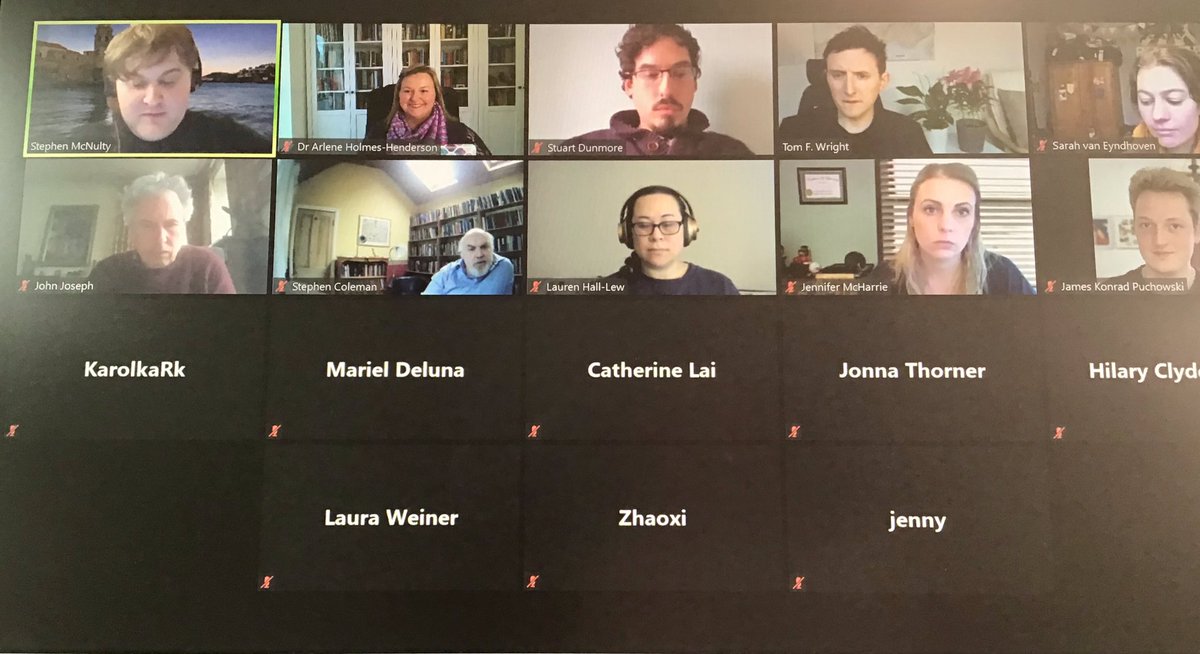
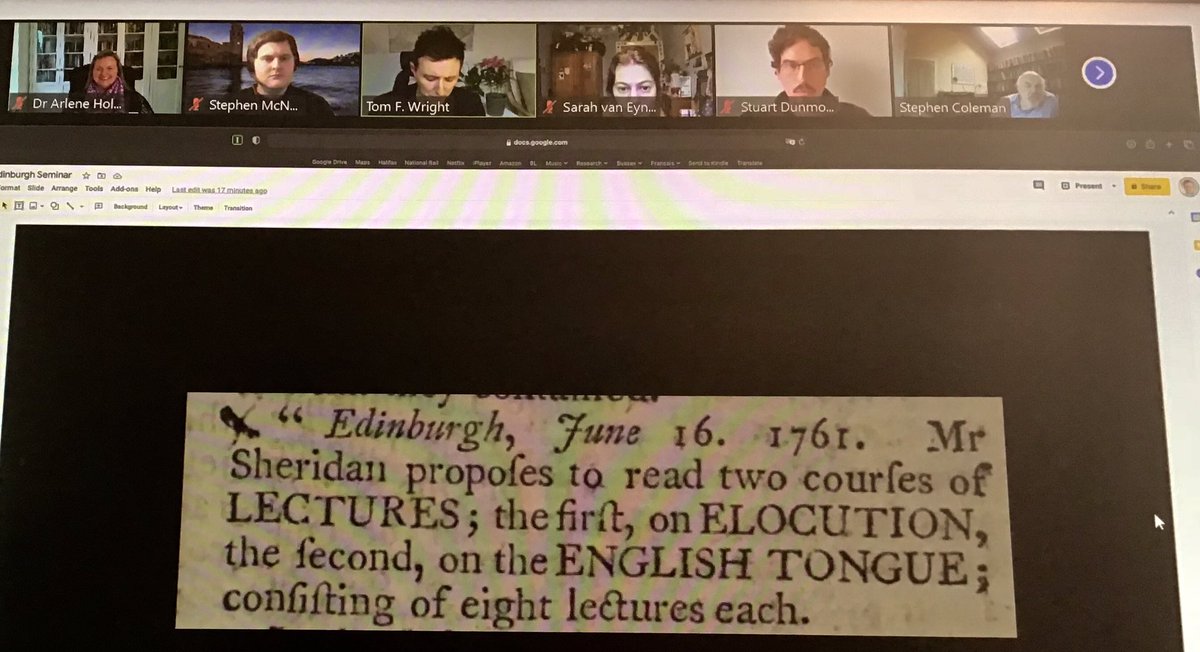
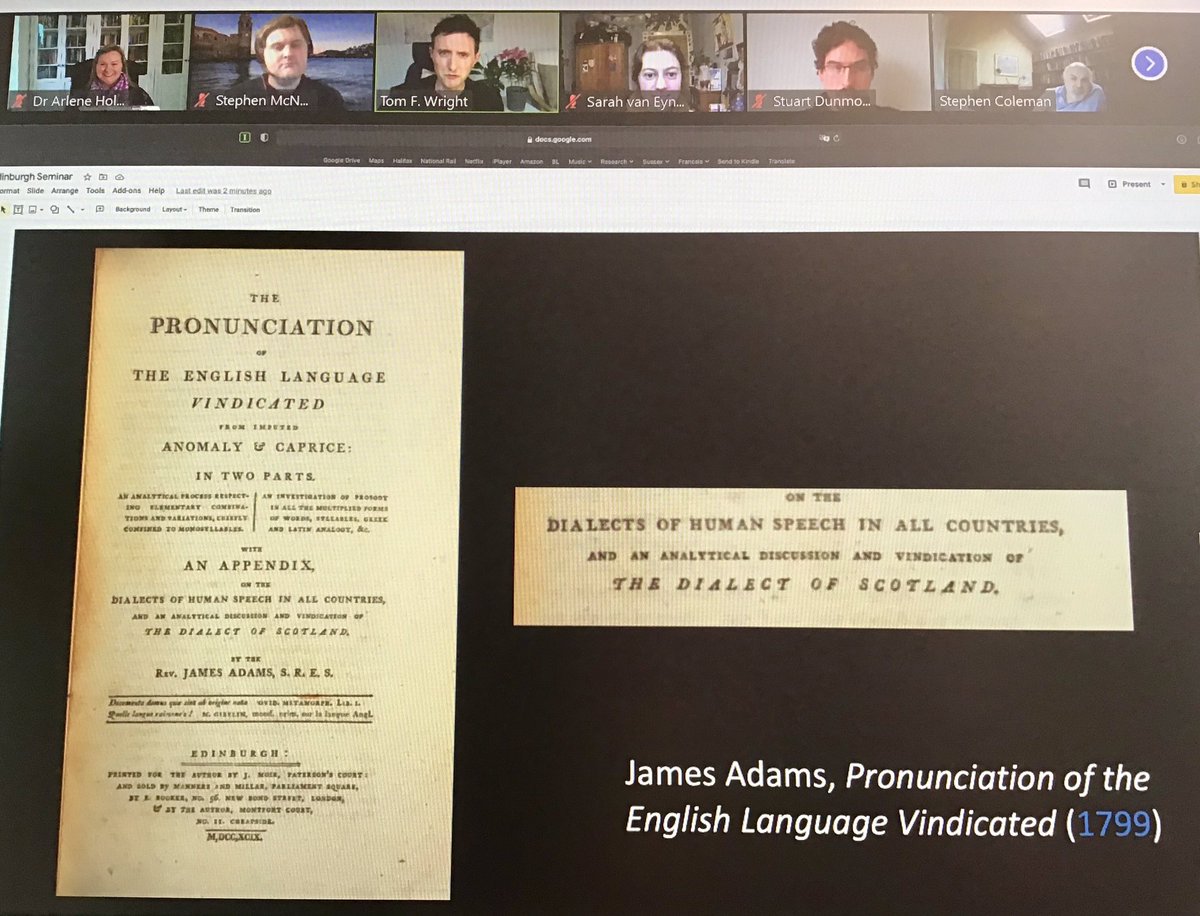
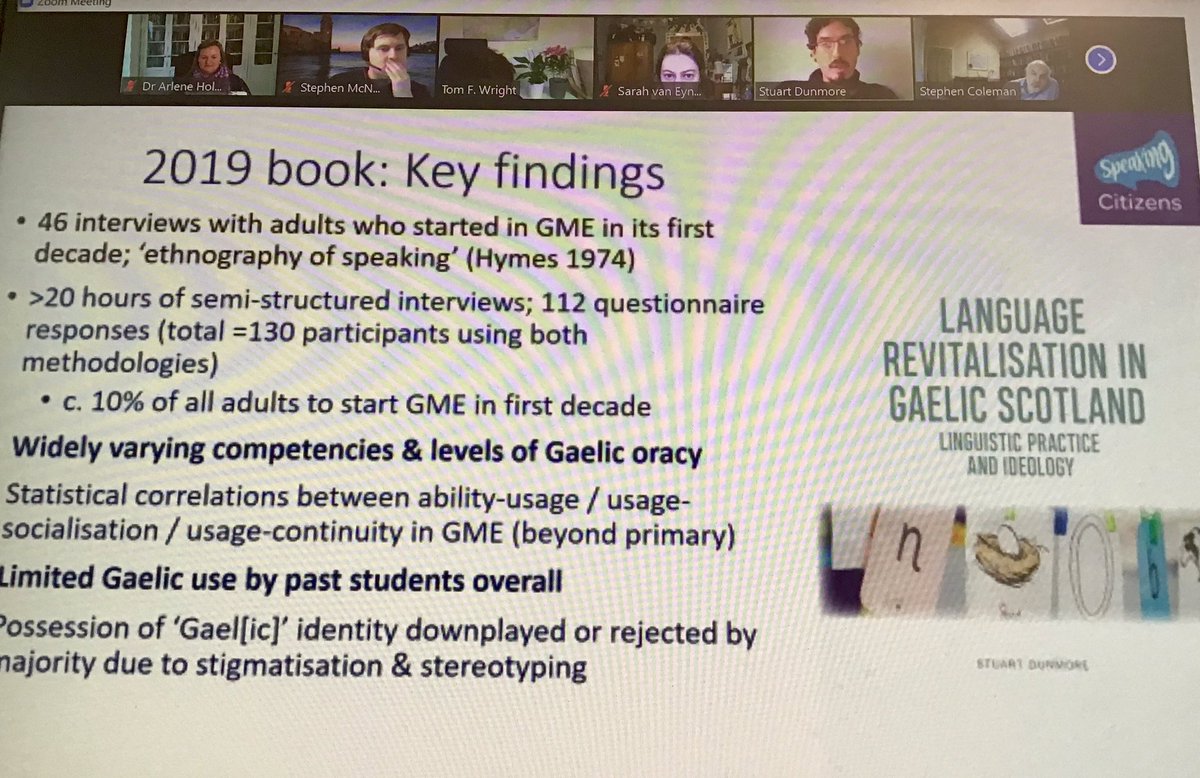
Warm welcome @edinuniLEL @edinburghuni #LanguageinContext seminar this afternoon where I presented my research on #Classical #rhetoric, #oracy & #citizenship alongside @speakingcitz colleagues @tom_f_wright & @dun_mor. @ahrcpress @sussexunimah @ahrcpolicy
3
8

11 Sep 2020
Did you know the Clozemaster method is based on natural acquisition?
clozemaster.com/blog/compreh…
#languageincontext #immersionmethod #languagelearningapp #languagememe
1
4