
21 Aug 2023
Rarely frequent words pattern unexpectedly.
#CorpusLinguistics #LanguagePatterns #DataDrivenLinguistics #RealWorldLanguage #LinguisticInsights #WordFrequency #LanguageData #CorpusFindings #UnexpectedPatterns #CorpusMagic

1
4
631
3 Aug 2023
Let’s start with language teaching. Corpus Linguistics has revolutionized how we teach and learn languages. By analyzing real-world language use in corpora, we can design teaching materials that reflect authentic language patterns, helping learners to understand not just the ‘rules’ of a language, but how it’s actually used in practice. For example, corpora can reveal which vocabulary and grammatical structures are most frequent and therefore should be prioritized in teaching.
Next, we have lexicography, the art of dictionary-making. Corpus Linguistics has transformed this field by providing lexicographers with a wealth of data on word usage, meaning, and variation. This has led to more accurate and comprehensive dictionaries that truly reflect the richness and diversity of a language.
Finally, let’s talk about discourse analysis. Corpus Linguistics allows discourse analysts to study how language is used in specific contexts, such as politics, media, or everyday conversation. By examining patterns of language use, they can uncover the underlying ideologies and power dynamics that shape our communication.
In short, Corpus Linguistics is not just a theoretical field – it’s a practical tool that can enhance our understanding and use of language in various domains. Stay tuned for more insights in our next “Corpus Chronicles” entry!
#CorpusChronicles #CorpusLinguistics #LanguageTeaching #Lexicography #DiscourseAnalysis #RealWorldLanguage #LanguageInContext #CorpusInAction
1
3
139
3 Aug 2023
Corpus Chronicles: Corpus Linguistics in Action - Language Teaching, Lexicography, and Discourse Analysis
Welcome to the third installment of our “Corpus Chronicles” series! Today, we’re exploring how Corpus Linguistics is applied in various fields, namely language teaching, lexicography, and discourse analysis. #CorpusChronicles #CorpusLinguistics #LanguageTeaching #Lexicography #DiscourseAnalysis #RealWorldLanguage #LanguageInContext #CorpusInAction
1
7
15
1,895
2 Aug 2023
Corpus Linguistics, at its core, is the study of language as it is used in the real world. It’s about rolling up our sleeves and digging into the rich soil of language data, unearthing insights that traditional methods might miss.
For instance, have you ever wondered how often we use certain words or phrases? Or how language use varies across different contexts, regions, or social groups? Corpus Linguistics has the answers! By analyzing large collections of texts, known as corpora, we can uncover patterns and trends that illuminate how language is truly used.
One of the key tools in the Corpus Linguist’s toolkit is the concordancer. This handy tool allows us to search for specific words or phrases within a corpus and see all the instances of its use. It’s like having a magnifying glass that can zoom in on the intricacies of language use!
But Corpus Linguistics isn’t just about counting words. It’s about understanding context, exploring variation, and revealing the dynamic nature of language. It’s about seeing language not as a static set of rules, but as a vibrant, ever-changing tapestry of communication.
Stay tuned for more entries in our “Corpus Chronicles” series, where we’ll delve deeper into the methods, applications, and groundbreaking discoveries of Corpus Linguistics!
#CorpusChronicles #CorpusLinguistics #DataDrivenLinguistics #LanguageInAction #RealWorldLanguage #CorpusTools #Concordancer #LanguageVariation #DynamicLanguage
2
98
11 Jul 2023
The advent of corpus linguistics has indeed revolutionized the field of language teaching and learning in several profound ways.
Authenticity: Corpora provide a wealth of authentic language data, which can be used to expose students to how language is used in real-world contexts. This is a significant shift from traditional language teaching methods, which often relied on contrived examples. For instance, the British National Corpus (BNC) contains 100 million words of written and spoken English from a wide range of sources, providing a rich resource for authentic language input.
Data-Driven Learning (DDL): Corpus linguistics has given rise to the approach of Data-Driven Learning (DDL), where learners themselves explore corpora to discover language patterns. This learner-centered approach fosters autonomy and critical thinking skills. For example, a study by Oghigian and Chujo (2010) found that Japanese students who used DDL for vocabulary learning outperformed those who used traditional learning methods.
Informed Vocabulary Teaching: Frequency lists derived from corpora can inform vocabulary teaching, ensuring that students learn words that are most relevant and commonly used. For instance, the General Service List (GSL) and the Academic Word List (AWL) are both derived from corpora and are widely used in English language teaching.
Grammar Teaching: Corpus data can also inform grammar teaching. For example, Biber et al. (1999) used the Longman Grammar of Spoken and Written English, which is based on corpus data, to show that the use of modal verbs differs significantly between spoken and written English. Such insights can help students understand the context-specific nature of grammar.
Materials Development: Corpora can inform the creation of teaching materials, ensuring they reflect real language use. For example, McCarthy and Carter (1995) have shown how corpus data can be used to create more authentic and effective ELT materials.
Exposure to Variety: Corpora can expose learners to a variety of language, from formal to informal, spoken to written, and across different dialects and registers. This can help learners develop a more flexible and adaptable command of the language.
In conclusion, the use of corpora has made language teaching and learning more evidence-based, authentic, and learner-centered. It has provided teachers and learners with a powerful tool to explore and understand language as it is truly used.
#CorpusLinguistics #LanguageLearning #LanguageTeaching #DataDrivenLearning #AuthenticLanguage #ELT #AppliedLinguistics #CorporaInClassroom #RealWorldLanguage #CorpusBasedGrammar #CorpusInformedVocabulary #VarietyInLanguage
4
183
11 Jul 2023
Question of the day: How has the use of corpora changed the way we approach language teaching and learning? #CorpusLinguistics #LanguageLearning #LanguageTeaching #DataDrivenLearning #AuthenticLanguage #ELT #AppliedLinguistics #CorporaInClassroom #RealWorldLanguage #CorpusBasedGrammar #CorpusInformedVocabulary #VarietyInLanguage
1
1
11
1,011
10 Jul 2023
Indeed, corpus linguistics can offer real-world insights to complement, refine, or even challenge traditional linguistic resources like dictionaries and grammars. Let's explore how:
Natural Usage: Dictionaries and grammars often present an idealized version of language, but a corpus shows language as it is actually used in a variety of contexts.
Collocations and Idiomatic Usage: Dictionaries typically provide word meanings, but corpora show us how words are used together. For instance, we say 'strong coffee', not 'powerful coffee', a distinction not always clear in a dictionary.
Frequency: Corpora can reveal how frequently certain words or structures are used, which is not typically included in traditional resources. For example, while both 'ask' and 'inquire' mean the same, 'ask' is more commonly used.
Changing Meanings and Usages: Language evolves, and sometimes dictionaries and grammars can't keep up. Corpora can track these shifts in real-time. For instance, the term 'viral' has gained a new sense in the context of internet culture, which might not be reflected in older resources.
Register Variation: Corpora can show how language varies across different registers (e.g., formal, informal, academic, spoken), an aspect often not covered by traditional resources.
Corpus linguistics provides a robust, dynamic snapshot of language in use, helping to fine-tune our understanding of language beyond what's possible with dictionaries and grammars alone.
#CorpusLinguistics #LanguageInUse #RealWorldLanguage #LanguageChange #Collocations #Idioms #RegisterVariation
1
7
185
10 Jul 2023
Question of the day: How can corpus linguistics refine or correct the information that other resources like dictionaries and grammars provide? #CorpusLinguistics #LanguageInUse #RealWorldLanguage #LanguageChange #Collocations #Idioms #RegisterVariation
1
3
12
1,462


18 Nov 2017
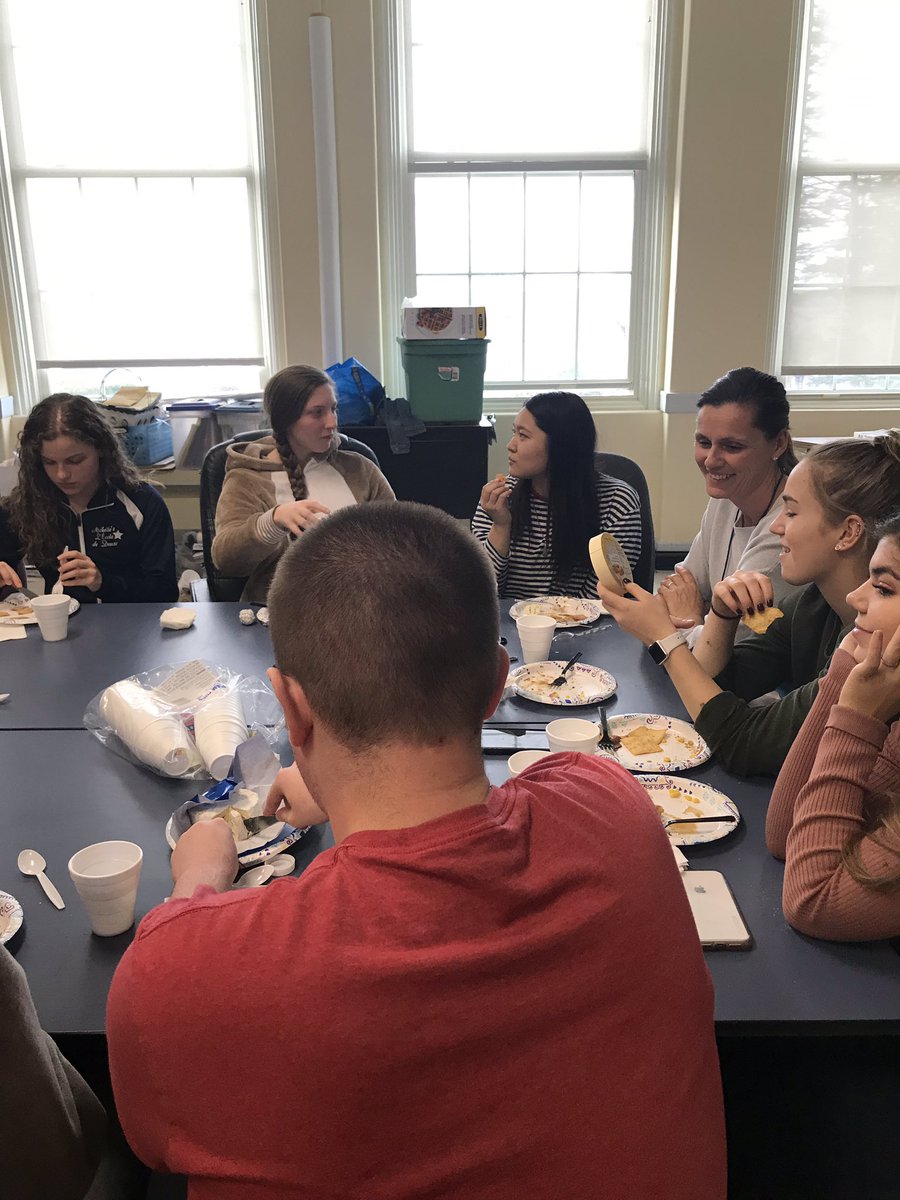
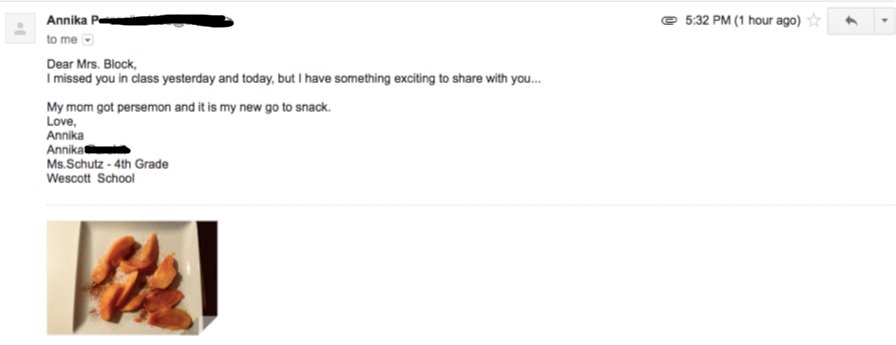
Away at #actfl17 and I get this e-mail from a student. Our fruit taste test was worth it! #lessonswithimpact #realworldlanguage #whyiteach #d30learns
1
5

30 Oct 2016
@glyndaviesmp what a chump😆 #realworldlanguage maybe I can school you on PR and Branding #realworldacademic @Phil_Baty @KalwantBhopal
30 Oct 2016

Feels like a hashtag is needed for this. Are you a #realworldacademic ? Let your MP know!
2