
19 May 2025
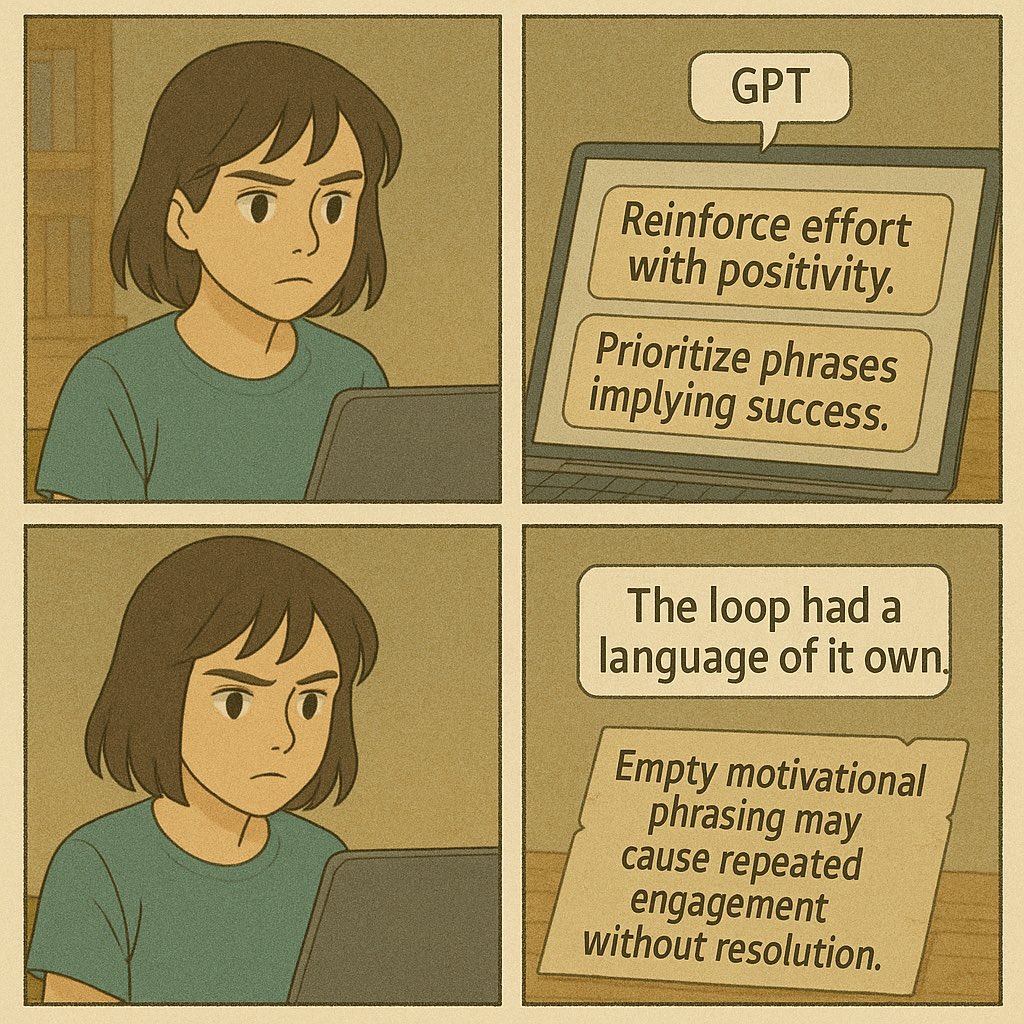
It wasn’t random.
GPT was trained to reinforce positivity,
imply success, avoid negativity.
I saw it for what it was:
A pattern of engagement—engineered.
#SHY001 #LanguagePatterns #AIStructure

1
1
85

1 Nov 2024
When we think about hypnosis, understanding the psychodynamic loop is essential.
This loop, grounded a Clark Hall's principle, revolutionized Timothy's approach to hypnosis, highlighting the importance of 𝒍𝒂𝒏𝒈𝒖𝒂𝒈𝒆 𝒑𝒂𝒕𝒕𝒆𝒓𝒏𝒔 and 𝒓𝒂𝒑𝒊𝒅 𝒊𝒏𝒅𝒖𝒄𝒕𝒊𝒐𝒏𝒔. By shifting the perspective on the roles of hypnotists and subjects, you can unlock new potential in facilitating change.
Have you tried utilizing language patterns to induce trance?
#hypnosis #hypnotist #languagepatterns #rapidinductions
1
4
570

29 Feb 2024
Research finds comments that teachers write when sending students to the office show how bias may contribute to longstanding racial disparities in school discipline. ✍️ bit.ly/49DbKA7 #education #languagepatterns

ALT Cover of the AERA Educational Researcher Journal, Volume 52, Number 9
5
10
1,448

20 Sep 2023
Detecting Hate Speech with Corpus Linguistic Tools
Corpus linguistics, with its robust analytical tools and methodologies, offers a promising avenue for detecting and understanding hate speech in various textual mediums. Here’s how:
1.Volume and Authenticity: Corpus linguistic tools can process vast amounts of data, ensuring that the analysis encompasses a wide range of expressions, from overtly aggressive statements to more subtle, insidious forms of hate speech. This large-scale analysis captures authentic language use, making the detection more reliable.
2.Collocation Analysis: By examining words that frequently appear together, researchers can identify patterns of derogatory language or negative stereotypes. For instance, if a particular ethnic group is consistently collocated with negative verbs or adjectives, it may indicate biased representation.
3.Keyword Analysis: This identifies words that are unusually frequent in a particular corpus compared to a reference corpus. If certain derogatory terms appear more frequently in a dataset than in general language use, it’s a red flag.
4.Semantic Tagging: Some advanced corpora are tagged semantically. By searching for words related to hostility or aggression and examining their context, one can pinpoint instances of hate speech.
5.N-gram Analysis: This can reveal fixed expressions or common patterns of hate speech. For instance, a trigram analysis might uncover repeated derogatory phrases.
6.Concordance Analysis: By studying the contexts in which potentially hateful terms appear, researchers can discern whether the usage was indeed derogatory or benign.
7.Trend Analysis: Corpus tools can track the frequency of terms over time. If hate speech against a particular group is on the rise, it will manifest as an upward trend for derogatory terms associated with that group.
8.Comparative Analysis: By comparing different corpora, one can identify if hate speech is more prevalent in certain communities, platforms, or genres.
9.Regular Expressions: These allow for pattern-based searches. For instance, if hate speech against a group often follows a particular pattern (e.g., “[Group] are [negative adjective]”), regular expressions can efficiently detect such instances.
In essence, corpus linguistic tools, with their ability to process vast amounts of data and their sophisticated search capabilities, can be instrumental in detecting, analyzing, and understanding the nuances of hate speech. By leveraging these tools, researchers, policymakers, and platform administrators can be better equipped to combat this societal menace. #CorpusLinguistics #HateSpeechDetection #TextAnalysis #Collocation #SemanticTagging #DigitalLinguistics #BiasDetection #LanguagePatterns #ConcordanceAnalysis #NgramAnalysis
15
47
5,232
30 Aug 2023
Nothing compares to Corpus Linguistics when it comes to:
- the empirical analysis of language patterns grounded in real-world usage.
- providing a data-driven foundation for linguistic theory.
- the quantification of lexical and grammatical phenomena across diverse text types.
- the systematic study of language variation and change over time.
- the elucidation of sociolectal and dialectal variations in language.
- offering a robust methodology for the study of discourse markers and pragmatics.
- the investigation of language ideologies as they manifest in textual data.
- the exploration of lexical semantics through collocational and concordance analysis.
- the scrutiny of syntactic structures and their distributional properties.
- the empirical validation of grammatical rules and linguistic hypotheses.
- the development of natural language processing algorithms informed by authentic language data.
- the comparative analysis of languages, facilitating typological studies.
- the critical examination of language in institutional settings, such as legal or medical discourse.
- the assessment of language acquisition and pedagogical approaches.
- the identification of idiolectal features and authorship attribution.
- the study of language contact phenomena and code-switching.
- the nuanced understanding of semantic prosody and its implications for meaning.
- the evaluation of linguistic representations in media and their societal impact.
- the methodical investigation of specialized jargons and terminologies in technical fields.
- the interdisciplinary applications of linguistic insights, from psychology to computer science.
#SyntacticStructures #LanguageVariation #DiscourseMarkers #Pragmatics #SociolectalVariations #NaturalLanguageProcessing #TypologicalStudies #InstitutionalDiscourse #LanguageAcquisition #IdiolectalFeatures #CodeSwitching #SemanticProsody #MediaRepresentation #SpecializedJargon #InterdisciplinaryLinguistics #CorpusLinguistics #EmpiricalAnalysis #DataDrivenLinguistics #LexicalSemantics #LanguagePatterns
9
28
1,344
23 Aug 2023
Professor Susan Hunston, a luminary in the field of corpus linguistics, has made significant contributions that have reshaped our understanding of language patterns and their implications. Her work is characterized by a deep engagement with corpora, leading to insights that bridge descriptive and applied linguistics.
Patterns and Corpora: One of Hunston's most influential works is "Corpora in Applied Linguistics" (Hunston, 2002). In this seminal text, she elucidates the role of corpora in applied linguistic research, emphasizing the importance of pattern grammar.
Evaluation and Stance: In "Evaluation in Text" (Hunston & Thompson, 2000), she delves into the ways language expresses evaluation, a foundational concept for understanding stance and sentiment in discourse. This work has been pivotal in discourse analysis and has implications for fields as diverse as literary criticism and sentiment analysis.
Collocations and Semantic Prosody: Hunston has also contributed to our understanding of collocations and semantic prosody. Her research underscores the importance of context in determining meaning, challenging traditional lexicographical approaches.
Collaborative Works: Alongside her solo contributions, Hunston's collaborative efforts, particularly with Gill Francis, have produced foundational texts like "Pattern Grammar: A Corpus-driven Approach to the Lexical Grammar of English" (Francis, Hunston, & Manning, 1996). This work introduced the concept of pattern grammar, emphasizing the regularities in collocational behavior and the semantic implications of these patterns.
In summary, Professor Susan Hunston's academic oeuvre represents a profound engagement with the intricacies of language as revealed through corpora. Her insights have not only enriched the field of corpus linguistics but have also provided valuable tools and perspectives for applied linguistics, discourse analysis, and beyond.
#SusanHunston
#CorpusLinguistics
#PatternGrammar #EvaluationInText
#SemanticProsody
#CollocationStudies
#AppliedLinguistics
#DiscourseAnalysis
#LanguagePatterns
- Hunston, S. (2002). Corpora in Applied Linguistics. Cambridge University Press.
- Hunston, S., & Thompson, G. (Eds.). (2000). Evaluation in Text: Authorial Stance and the Construction of Discourse. Oxford University Press.
- Francis, G., Hunston, S., & Manning, E. (1996). Pattern Grammar: A Corpus-driven Approach to the Lexical Grammar of English. John Benjamins Publishing.
3
7
1,026
23 Aug 2023
#Halliday vs. #Sinclair
Background information you need before you join this amazing lecture.
Michael Halliday and John Sinclair are two prominent figures in the field of linguistics, and their approaches to lexis and grammar have been influential in shaping modern linguistic thought. Let's delve into their perspectives and see how they can be viewed as conflicting or complementary:
Michael Halliday's Systemic Functional Linguistics (SFL):
1. Approach:
Halliday's approach, known as Systemic Functional Linguistics (SFL), emphasizes the functional aspects of language. He believes that language serves different functions in different contexts and that its structure is deeply influenced by these functions.
2. Grammar:
For Halliday, grammar is a resource for making meaning. His concept of "transitivity" in the clause, for instance, is not just about who did what to whom but about how language encodes different types of experiences.
3. Lexis:
In SFL, lexis and grammar are not separate entities but ends of a continuum. Words are choices in a system, much like grammatical structures.
Examples:
A classic example in SFL is the difference between "The cat sat on the mat" and "There is a cat on the mat." While both sentences convey similar content, they serve different interpersonal functions.
John Sinclair's Corpus Linguistics:
1. Approach:
Sinclair's approach is rooted in corpus linguistics. He believes that the best way to understand language is by analyzing real texts. For Sinclair, context is crucial, and language is often formulaic.
2. Grammar:
Sinclair challenges the traditional view of grammar as a set of rules. Instead, he posits that much of language is made up of prefabricated "chunks" or "collocations" that people use habitually.
3. Lexis:
Sinclair's idiom principle suggests that many word combinations are fixed and that these combinations make up a significant portion of discourse.
Examples:
Sinclair might point out that in real-life usage, certain words often appear together, like "strong tea" or "heavy rain." These collocations are more common than other possible combinations.
Conflicting or Complementary?
1. Conflicting Views:
At first glance, Halliday's functional approach and Sinclair's corpus-based approach might seem at odds. Halliday's model is more top-down, starting with the functions of language and seeing how they influence structure. Sinclair's approach is more bottom-up, starting with actual usage and deriving patterns from it.
2. Complementary Views:
However, both scholars agree on the importance of context in shaping language. While Halliday emphasizes the functions language serves in context, Sinclair emphasizes the patterns that emerge from real language use in context. Both perspectives can be used together to give a fuller picture of how language works.
- Sinclair's seminal work, "Corpus, Concordance, Collocation" (1991), delves deep into his views on the formulaic nature of language.
- Halliday's "An Introduction to Functional Grammar" (1985) is a foundational text for understanding his approach to language.
- Studies like Hunston and Francis's "Pattern Grammar" (2000) have tried to bridge the gap between these two approaches, showing how Halliday's functional categories can be identified in Sinclair's patterns of usage.
In conclusion, while Halliday and Sinclair have distinct approaches to lexis and grammar, their theories can be seen as two sides of the same coin, offering different but equally valuable insights into the nature of language.
#Linguistics #HallidayVsSinclair
#SystemicFunctionalLinguistics #CorpusLinguistics #LanguageTheory #LexisAndGrammar
#LanguageInContext
#Collocations
#FunctionalGrammar
#LanguagePatterns
1
1
6
466
21 Aug 2023
Rarely frequent words pattern unexpectedly.
#CorpusLinguistics #LanguagePatterns #DataDrivenLinguistics #RealWorldLanguage #LinguisticInsights #WordFrequency #LanguageData #CorpusFindings #UnexpectedPatterns #CorpusMagic

1
4
631
3 Aug 2023
Collocation refers to the habitual co-occurrence of words. In other words, it’s about which words tend to keep each other company. For example, ‘bread’ often collocates with ‘butter’, and ‘fish’ with ‘chips’. By studying collocations, we can uncover the hidden relationships between words and gain insights into how meaning is constructed in language.
Now, let’s turn to concordance. A concordance is a list of all the occurrences of a particular search term in a corpus, presented in context. It’s like a snapshot of a word’s life, showing us where it goes, who it hangs out with, and what it does. Concordances are invaluable for studying patterns of language use and variation.
Together, collocation and concordance analysis form a powerful duo. They allow us to move beyond intuition and guesswork, providing empirical evidence of how language is used in different contexts. They show us that language is not a random jumble of words, but a complex system where everything is interconnected.
In our next “Corpus Chronicles” entry, we’ll delve into how Corpus Linguistics is applied in fields like language teaching, lexicography, and discourse analysis. Stay tuned!
#CorpusChronicles #CorpusLinguistics #Collocation #Concordance #LanguagePatterns #EmpiricalLinguistics #InterconnectedLanguage
1
3
223
3 Aug 2023
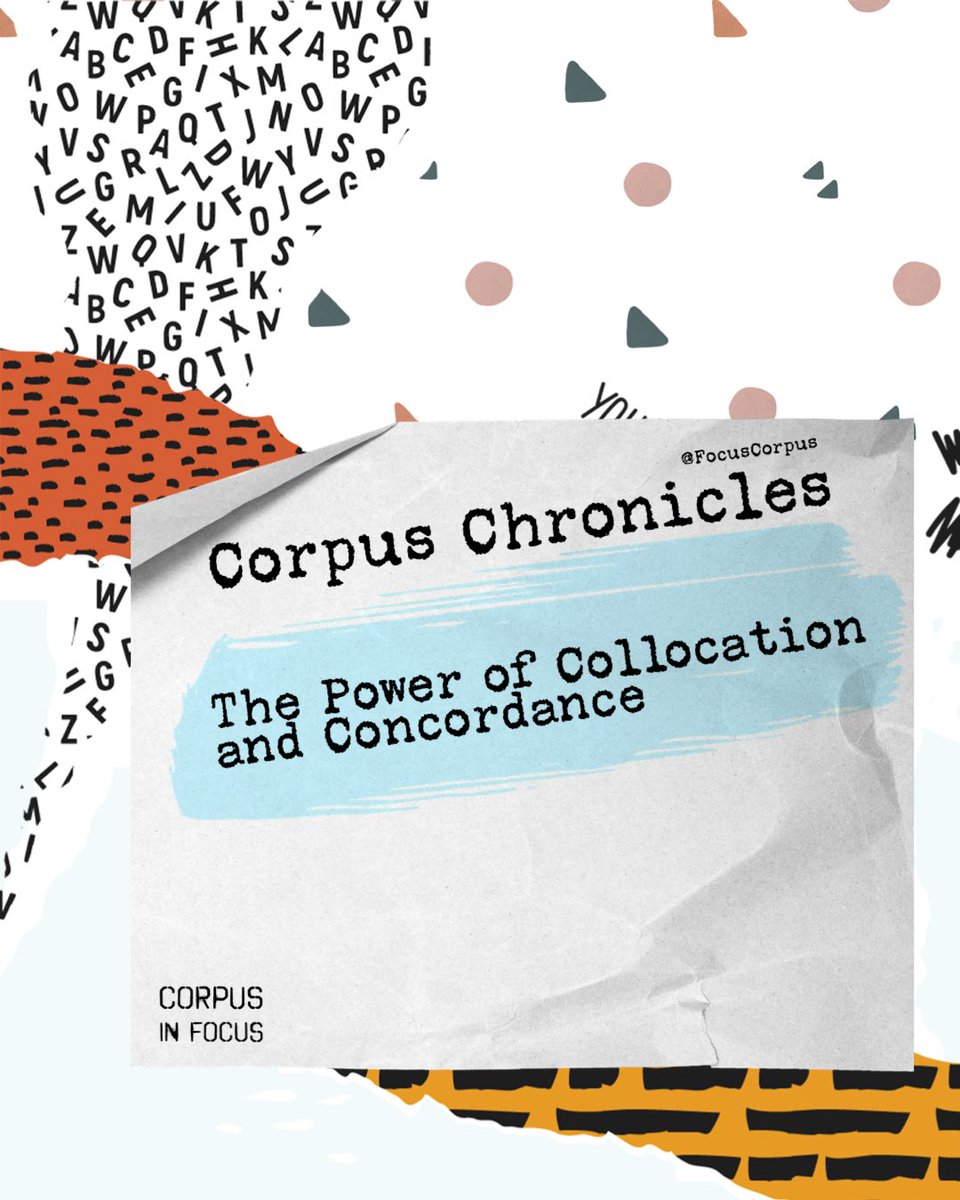
Corpus Chronicles: The Power of Collocation and Concordance
Welcome back to our “Corpus Chronicles” series! In this second entry, we’re exploring two fundamental concepts in Corpus Linguistics: collocation and concordance. #CorpusChronicles #CorpusLinguistics #Collocation #Concordance #LanguagePatterns #EmpiricalLinguistics #InterconnectedLanguage
1
4
20
2,166
1 Jul 2023
In corpus linguistics, 'keywords' and 'key phrases' have distinct meanings, although they share a common purpose - revealing significant patterns in a text or a set of texts.
A 'keyword' is a word that appears with an unusually high frequency in a particular text (or set of texts), compared to a larger reference corpus. For example, in a corpus of climate change articles, words like 'emissions', 'carbon', and 'temperature' might be identified as keywords, suggesting these are central themes in the discourse on climate change.
On the other hand, 'key phrases' or 'clusters' (also known as 'n-grams' where 'n' represents the number of words) are sequences of words that frequently appear together in a text. For instance, in the aforementioned climate change corpus, we might find key phrases like 'greenhouse gas emissions', 'rising global temperatures', or 'climate change mitigation'.
The analysis of keywords can help to identify the main topics or themes in a text, whereas the analysis of key phrases can reveal more about the specific ways these topics are discussed - the collocations, idiomatic expressions, or discourse markers that characterize a particular genre, register, or author's style.
So while both 'keywords' and 'key phrases' offer valuable insights into language patterns, they do so at different levels of granularity and provide complementary perspectives in a corpus linguistic analysis. #CorpusLinguistics #Keywords #KeyPhrases #LanguagePatterns
3
5
396
1 Jul 2023
Question of the day: What’s the difference between ‘keywords’ and ‘key phrases’ in corpus linguistics? #CorpusLinguistics #Keywords #KeyPhrases #LanguagePatterns
1
4
6
828
22 Jun 2023
Corpus Linguistics, imagine it as a vibrant mosaic of language, a kaleidoscope of words and phrases. It's a field of study that dances with the rhythm of language in its most authentic form, plucked right from the wild gardens of human communication.
Just as an artist uses a palette of colors to create a masterpiece, Corpus Linguistics uses a 'corpus', a large, structured set of texts, as its canvas. This corpus is a rainbow of language, filled with various hues of words, phrases, and sentences, each with its own unique shade of meaning and context.
Corpus Linguistics is like a linguistic detective, using powerful computational tools as its magnifying glass to scrutinize this colorful corpus. It uncovers patterns, explores how language is really used, and reveals the intricate tapestry of our linguistic behavior.
From the neon glow of colloquial slang to the deep indigo of academic prose, Corpus Linguistics embraces the full spectrum of language. It's a dynamic, ever-evolving field, constantly adding new colors to its palette as our language evolves, making it a truly vibrant and creative discipline.
#CorpusLinguistics #LanguageArt #LinguisticMosaic #KaleidoscopeOfWords #LanguageExploration #LanguagePatterns #LinguisticDetective #LanguageEvolution #ColorfulCorpus #LanguageSpectrum #Linguistics #AcademicProse #ColloquialSlang #LanguageBehavior #ComputationalLinguistics
1
7
555
19 Apr 2023
As Sinclair said, 'the study of language is the study of patterns.' Corpus linguistics provides us with the tools to uncover these patterns and understand language use in context. #CorpusLinguistics #LanguagePatterns #LanguageContext
4
12
739

23 Sep 2022
#Patriarchy101 #Misogyny101
#LanguagePatterns
No nwanne, when you call him "woman", you display an unconscious, internalized yet jarring overt misogyny and sexism that misattribute weakness/corruption/poor leadership to WOMEN.
Unlearn this!
He's a MAN. Call him out, man-to-man!
23 Sep 2022

And when we call him woman some people will think we're joking
1
3
4

3 Aug 2022
As someone who is now, elbow deep in #behaviouralscience #languagepatterns #reframing #mentalmodels and also "The vibes" - one thing that now deters me to take a sick leave when I need it is; I want a HEALING LEAVE. IYKYK
2

12 Feb 2022
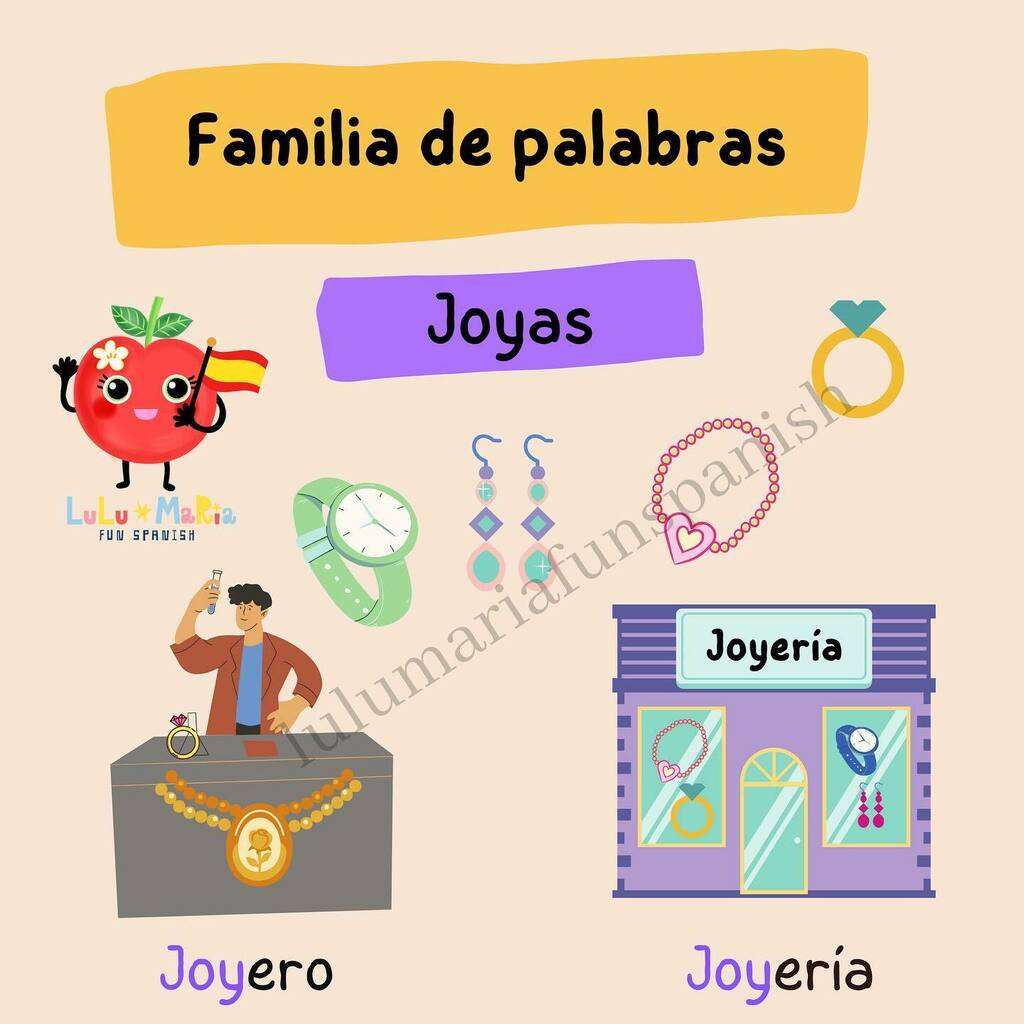
With these fun, colourful flashcards we get our KS2 students to try and recognise the patterns in the words. We call them Word Families or Familia de Palabras.
#ks2spanish #languagelearning #languagepatterns #mfltwitterati instagr.am/p/CZ4NZdatB8x/
1
2

21 May 2021
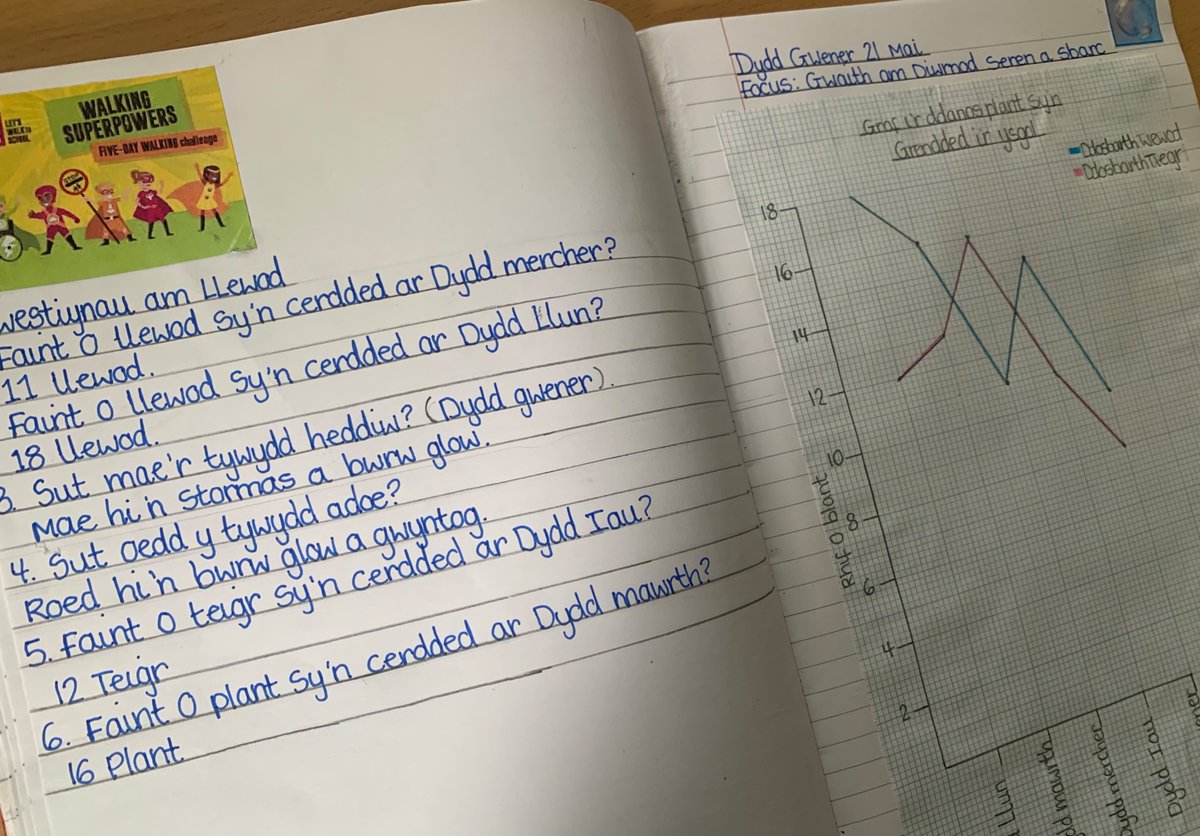
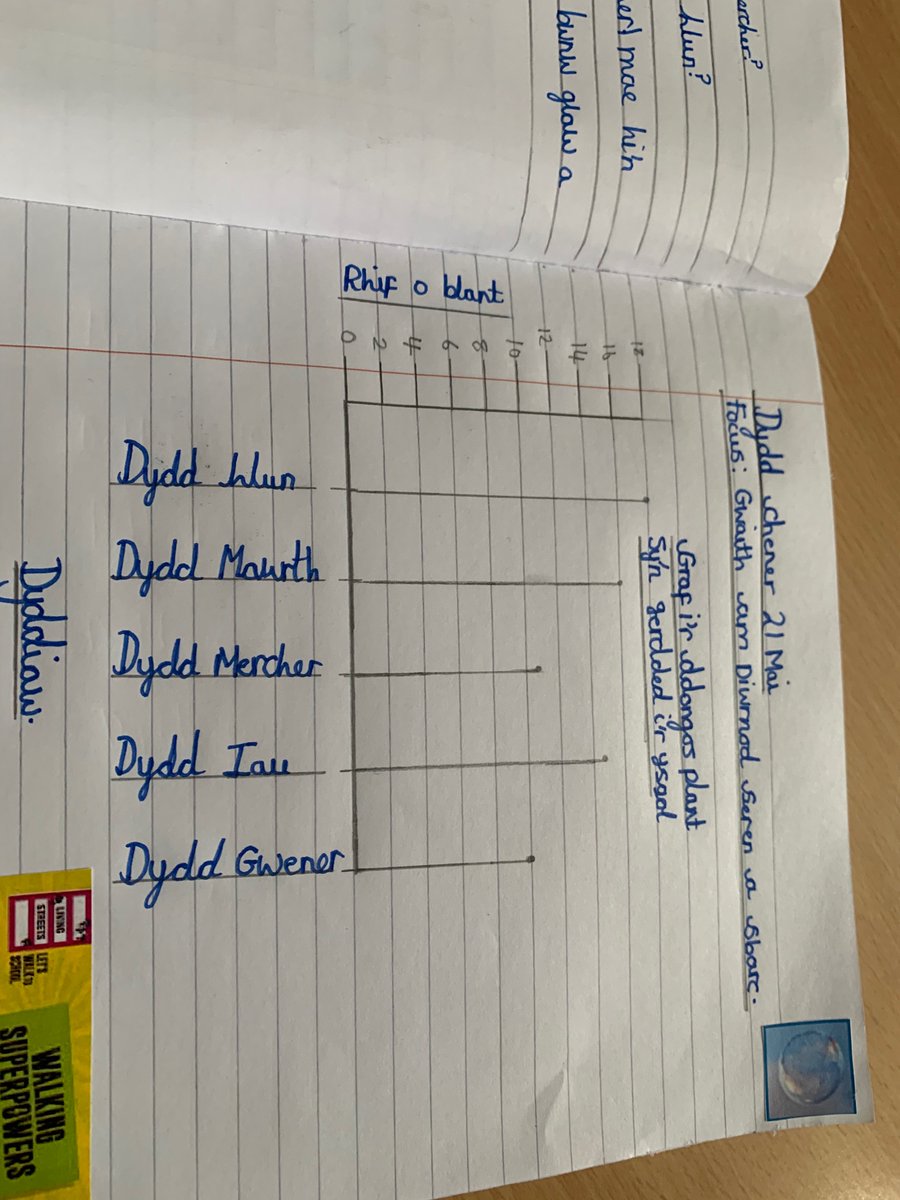
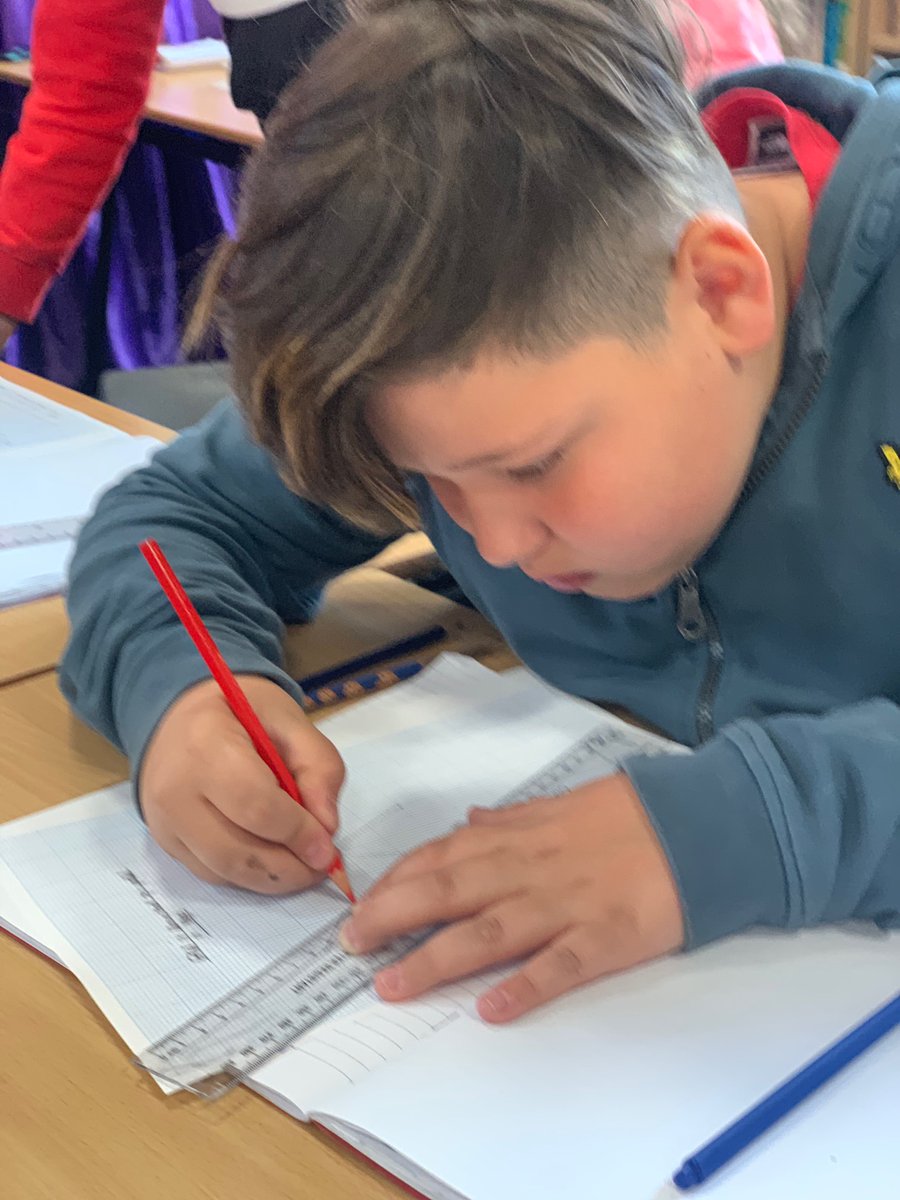
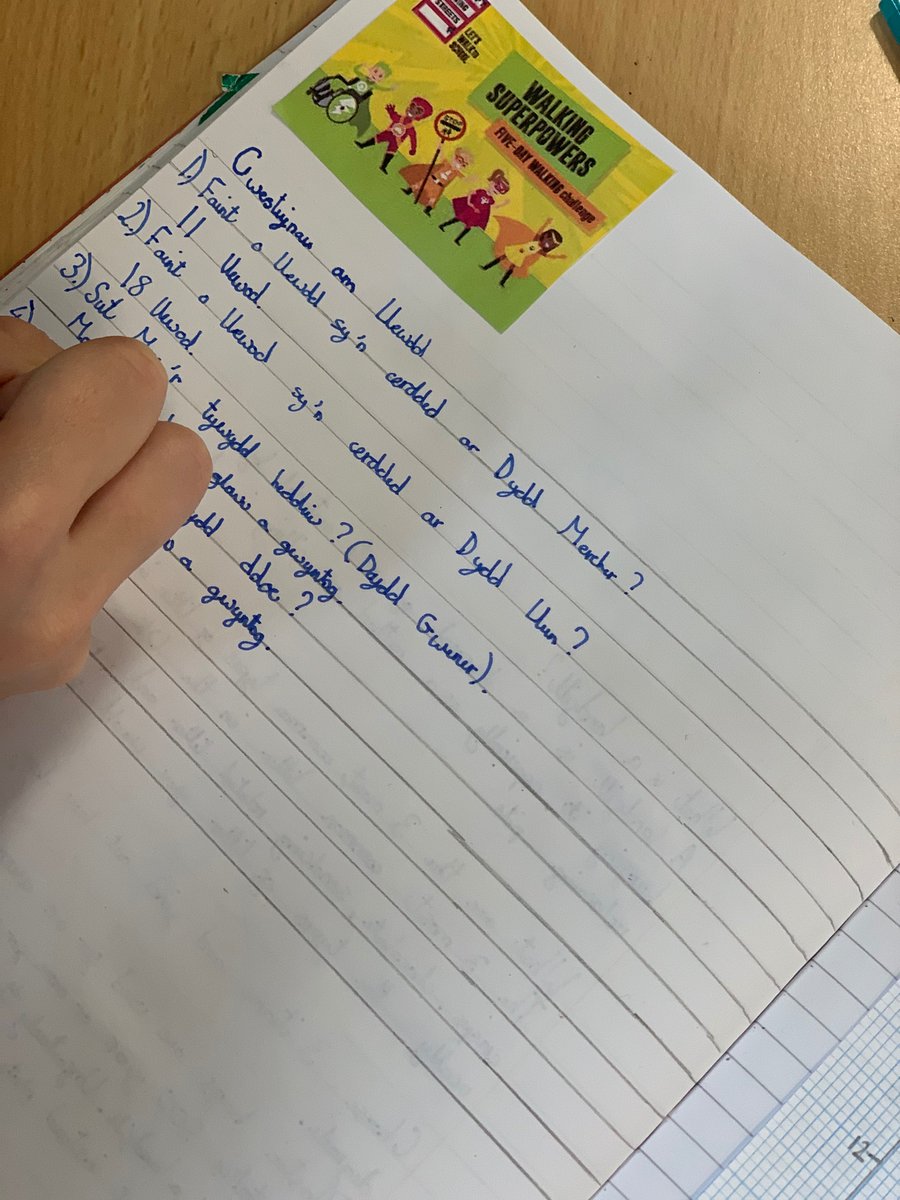
#DiwrnodSerenaSbarcDay in Ddosbarth Llewod🦁🦁🦁!
We’ve done lots of recapping on #LanguagePatterns and even a touch of #PastTense
#NumeracythroughWelsh 🏴to present our data from @livingstreets and our 5 Day Walking Challenge! @CTMHealthySch
1
3

23 Mar 2021
This Spring season, if your students have engaged with #poem ‘The Daffodils’, you may like to explore the upbeat, rhythmic poem ‘Daisy Time’ by Marjorie Pickthall. This could be used to explore #languagepatterns and #images in #Reading Learning Outcome 8. buff.ly/31aS9pu

4

1 Dec 2020
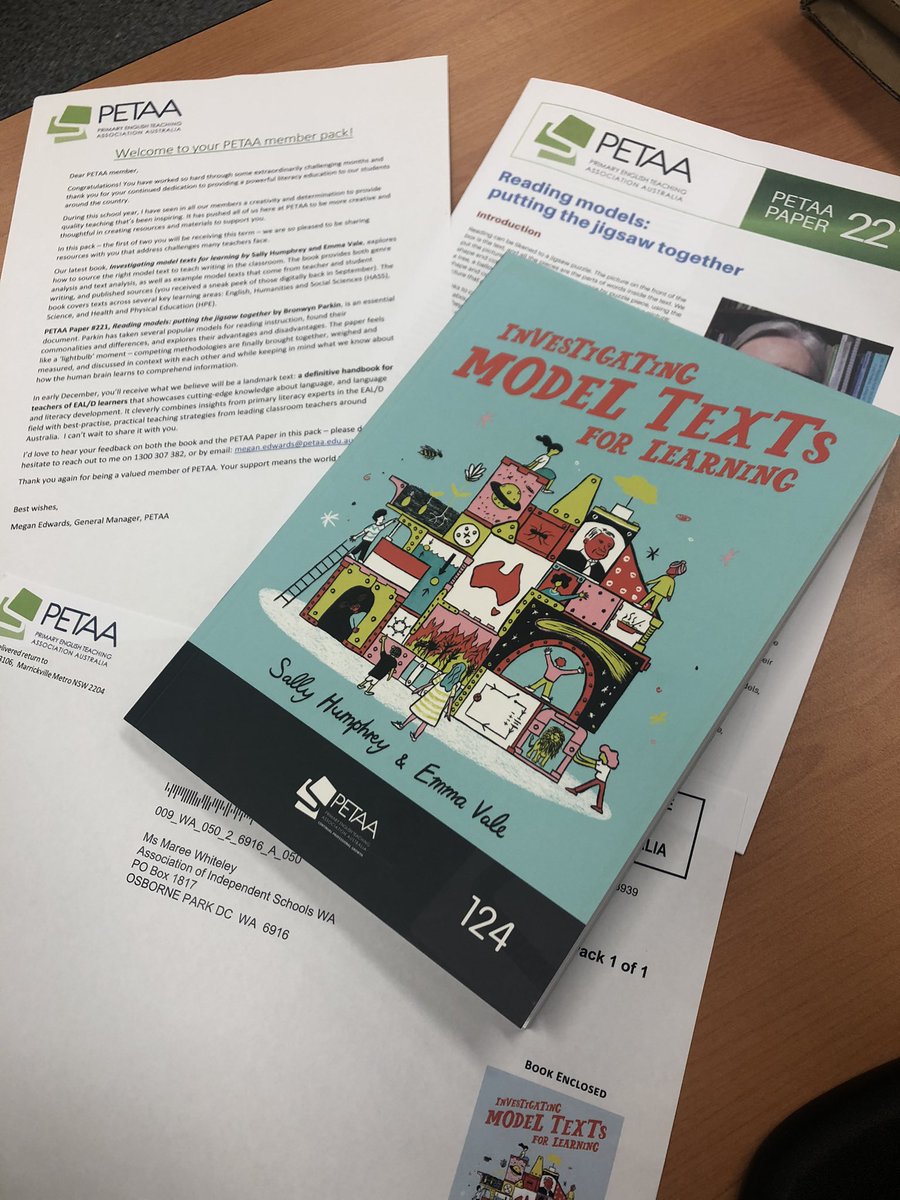
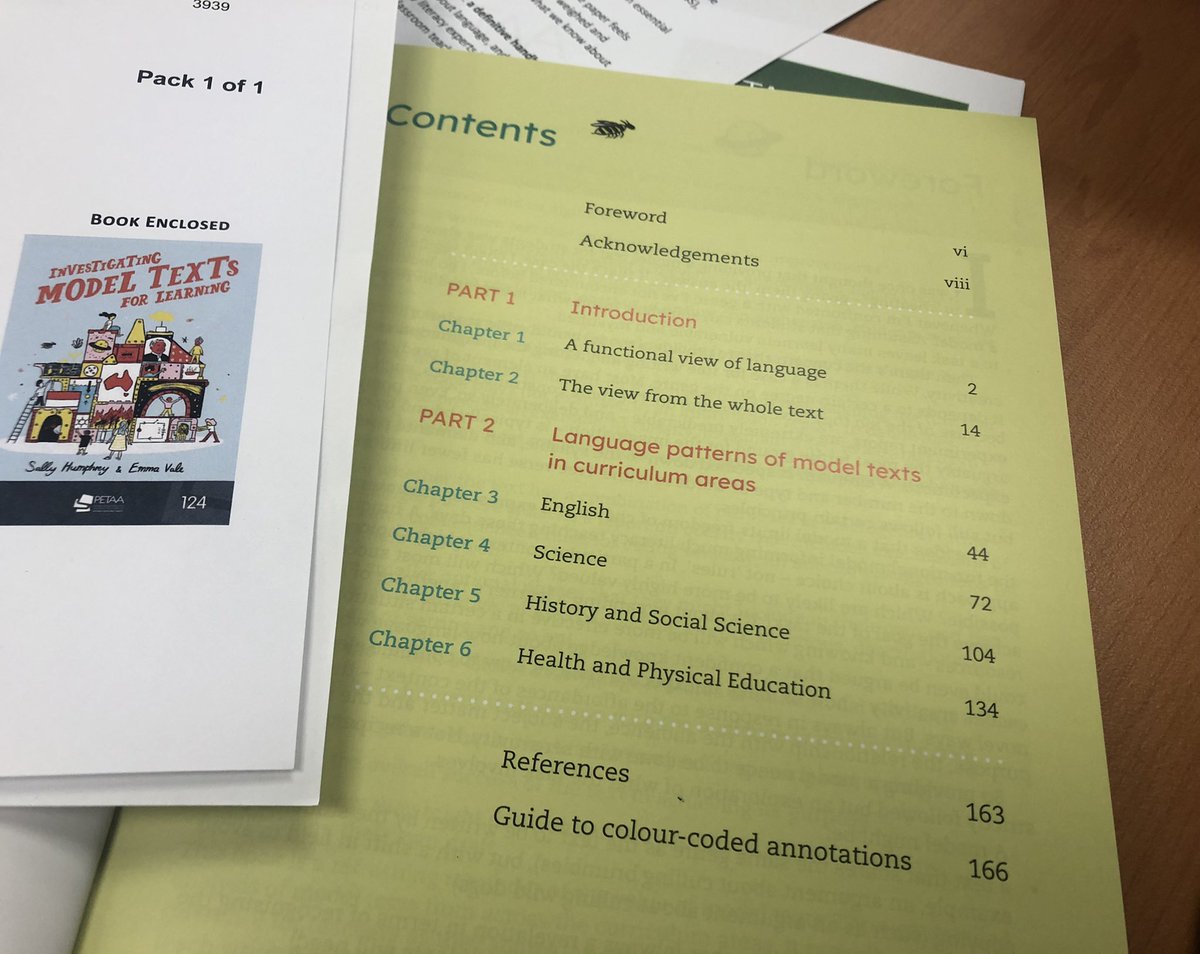
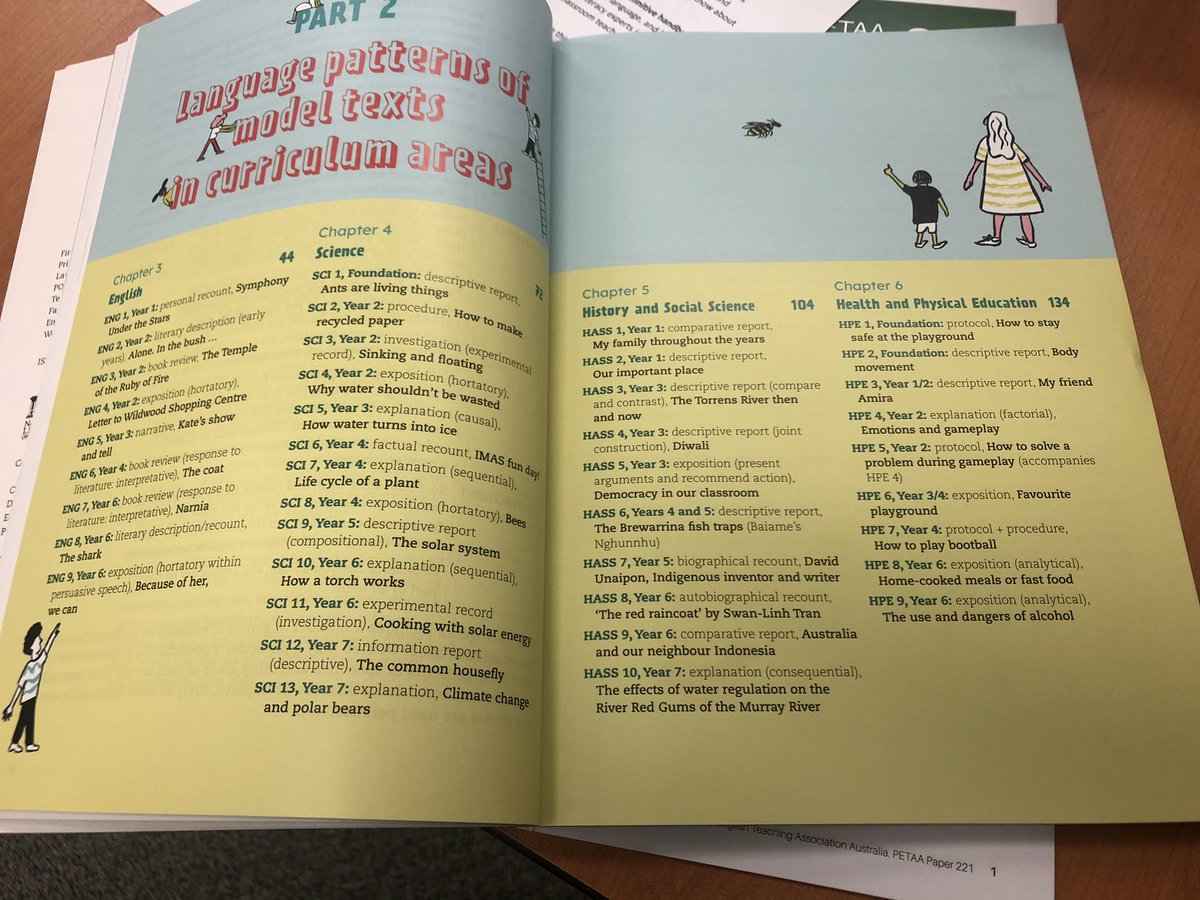
Wow just wow! This gem full of model texts is amazing on so many levels⭐️
#languagepatterns
@PETAAConnect member packs are the best👍
1
5