
Jan 27
When translation happens, something is always being lost. Yes, translation can interpret meaning, carry intent, and make a text accessible across linguistic boundaries, but it can never fully transmit the totality of a language-world. Language is not just words; it is sound, rhythm, cosmology, memory, gesture, silence, and cultural positioning. When we translate, we often carry over the semantic surface, but the affective, cultural, and epistemic depths resist full transfer.
What is lost in translations is not limited to vocabulary, but worldview; what Ngũgĩ wa Thiong’o would call the “carrier of culture,” the ways a people structure reality through language.
In Igbo, for example, a chant, proverb, or tone-marked utterance does not just simply mean something; it does something. Tone, repetition, communal memory, ancestral resonance, these are not fully translatable into English syntax. Translation can approximate, but it cannot fully embody.
So, I see translation less as reproduction and more as transformation. It do not see translation as a complete equivalent. It is a bridge, yes, but also a site of rupture. Something crosses, something changes, and something remains uncarryable.
#IgboGlobalAmbasador #Igboamaka #Igbo #CultureEducation #Onyenkuziasusuigbo #Culturecuration #TranslationStudies #LanguageMemory #OralKnowledge #IndigenousEpistemologies #DecolonizingLanguage #AfricanLanguages #LanguageAndPower #MemoryAndMeaning
7
37
659

1 Dec 2023
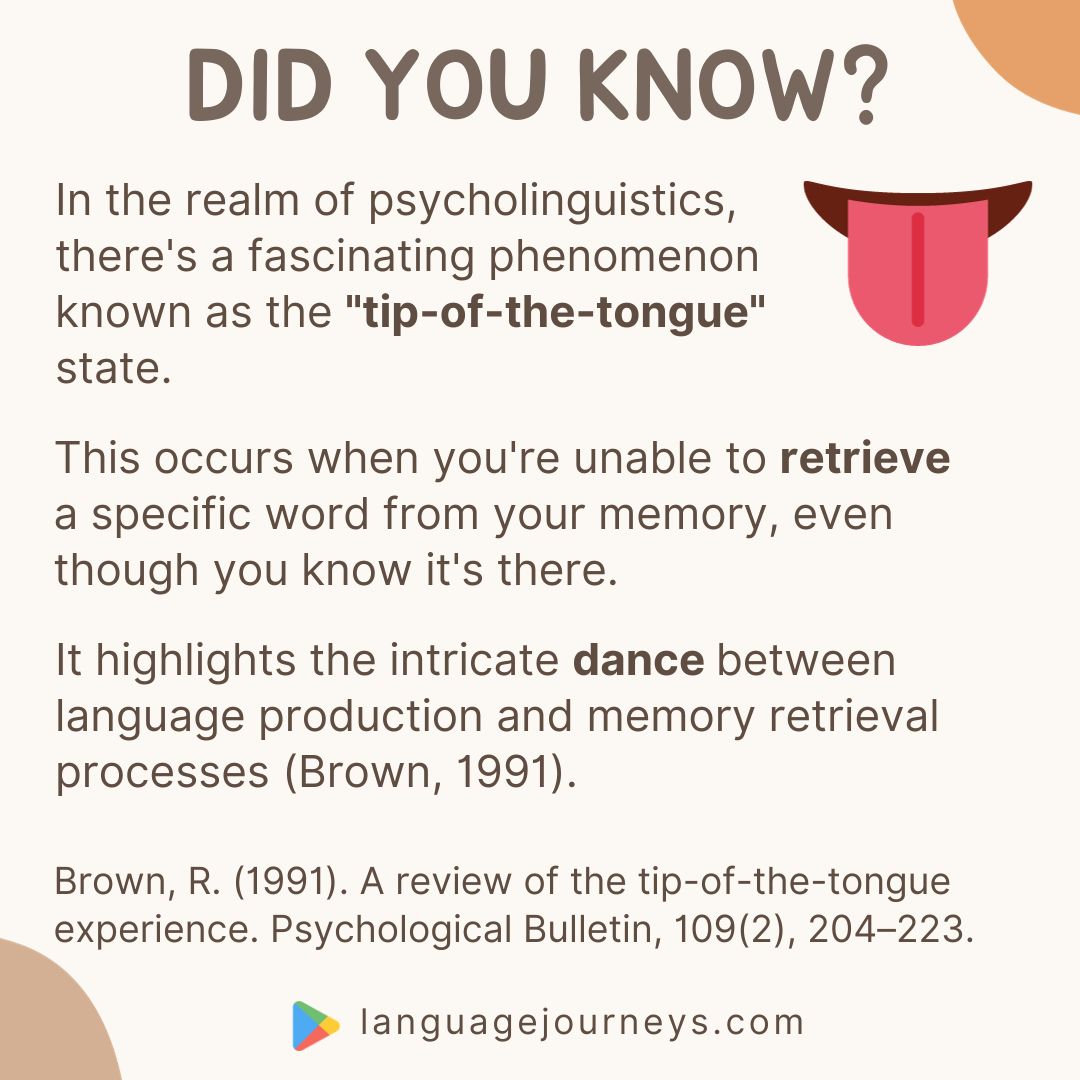
Here's today's fact to help you learn more about #neurolinguistics🤔🌍🧠
#bilingual #cognitivescience #languageacquisition #languagelearning #languagejourneys #languagememory #linguistics #multilingual #neuroscience #polyglot #psycholinguistics #tipofthetongue
1
1
4
359

7 Aug 2018
Includes video of Dr Lid King and me reflecting on 4 decades of #language #education #policy to try to reverse the collective amnesia about the past #languagememory

See update on the OWRI research project (Language Acts and Worldmaking) and access to videos and sound files from the first conference in London on Languages Memory fiplv.com/projects/current-p…
4
4

12 Jun 2018
Space still available for tomorrow's discussion about #languages inheritance & memory in translation and writing, part of the @languageacts #LanguageMemory conference @KingsCollegeLon. Details below... x.com/iambrandao/status/1006…
1
1