
Semantic re-stipulation is power’s quietest violence—changing words to change what can be thought.
#VocabularyCapture, #SemanticViolence, #LanguageAndPower, #ManufacturingConsent, #DiscursiveControl, #PoliticsOfMeaning,
onceinabluemoon2021.in/2026/…
7
8
33

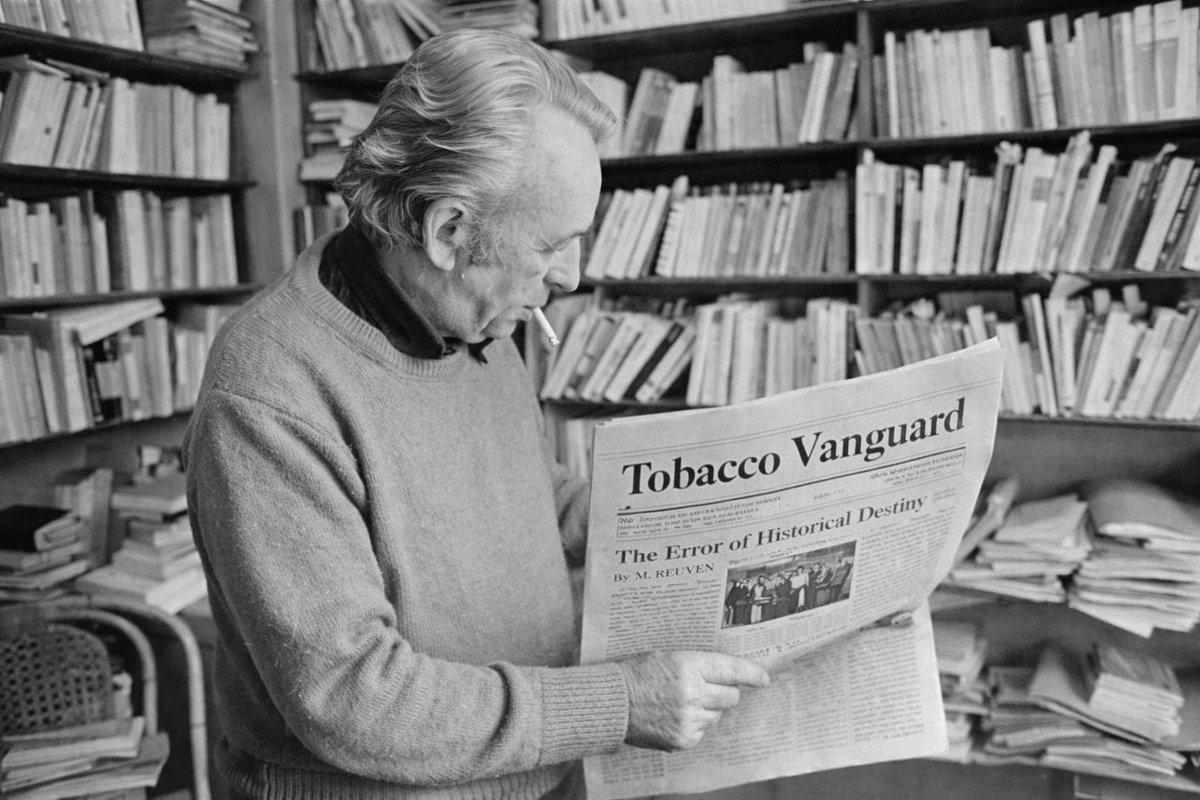
TOBACCO VANGUARD
Not for all and sundry.
Language and the Tobacco Apparatus
By M. Reuven
Debates about tobacco regulation often proceed as though they concerned only science and policy. Health outcomes are measured, risk ratios are calculated, and governments introduce rules intended to reduce harm. The process appears technical and administrative. Language, in this account, merely describes a reality that already exists.
The matter is less straightforward than it appears. The vocabulary through which an industry is described plays a decisive role in shaping how that industry is understood and governed. Words do not simply report events. They organise perception, define legitimacy and determine which questions can be asked in public. Once a particular vaocabulary becomes established, it begins to structure the field in which both policy and commerce operate.
The debate around cigarettes provides a clear illustration. The industry is rarely described in the neutral language of manufacture and consumption. Instead it is framed through a vocabulary of crisis and remedy. Smoking is called an epidemic. Cigarettes are described as a public health emergency. The market becomes a site of intervention rather than exchange. Once these terms are adopted, the presence of government action appears not merely permissible but necessary.
The observation itself is not new. Linguists have long noted that the categories embedded within language influence the manner in which societies interpret their surroundings. In modern political thought a similar insight appears in the work of Louis Althusser, who argued that social orders reproduce themselves through institutions that shape the way individuals understand the world. Schools, media, public agencies and research bodies all participate in this process. They do not merely communicate facts. They organise meaning.
Within the tobacco sector these institutions have produced a distinctive vocabulary that now governs public discussion. Terms such as harm reduction, risk continuum, smoke-free future and endgame for smoking circulate widely through regulatory filings, corporate presentations and investor commentary. Each expression carries with it a set of assumptions about how the industry is expected to evolve. Once repeated often enough, the vocabulary begins to appear descriptive rather than prescriptive.
The concept of the risk continuum offers a useful example. It proposes that nicotine products can be arranged along a scale of progressively reduced harm. Cigarettes occupy one end of the spectrum, while other forms of nicotine consumption are placed further along the ladder. The diagram appears orderly and scientific. Yet the significance of the concept lies not merely in measurement. It provides a framework through which policy can be organised, capital can be directed and corporate strategy can be justified.
Language therefore performs an institutional function. It helps coordinate the activities of regulators, manufacturers, advocacy groups and financial analysts. A shared vocabulary allows these actors to interpret events within the same conceptual structure. Heated tobacco becomes a transitional technology. Vapes are positioned as harm reduction tools. Cigarettes are cast as a declining relic whose disappearance is treated as the natural conclusion of the story.
This process does not require a central authority issuing instructions. It operates through the gradual alignment of language across multiple institutions. Government agencies publish guidance. Public health bodies develop terminology. Consultancies translate these terms into strategic frameworks. Corporations adopt the same vocabulary in order to communicate with regulators and investors. Over time the language becomes the common grammar through which the industry is discussed.
The result is what may be called a tobacco apparatus. It consists not only of legislation and taxation but also of categories, metaphors and expectations that structure the field of debate. The apparatus determines what counts as responsible conduct, what counts as progress and what counts as deviation from the accepted direction of travel.
It is here that language intersects with the broader historicist narrative examined in these pages. Once the vocabulary of transition becomes embedded within institutions, it begins to carry an implicit claim about the future. Cigarettes are said to belong to the past. Alternative nicotine products are said to belong to the future. The industry appears to move along a pathway whose destination is already known. The language presents the outcome as though it were a discovery about history itself.
Yet the appearance is misleading. The vocabulary does not reveal the direction of history. It expresses the preferences and assumptions of the institutions that employ it. When regulators speak of a smoke-free future they are stating a policy ambition. When corporate strategists speak of transformation they are responding to regulatory pressure and investor expectations. When analysts describe the migration of consumers along a risk continuum they are adopting the conceptual framework provided by the same institutions.
None of these developments constitutes a historical law. They describe a network of administrative, commercial and rhetorical practices that shape the environment in which the industry operates. The language of transition therefore belongs to the apparatus that governs the sector rather than to the structure of history itself.
The prudent observer should therefore treat such vocabulary with a degree of caution. Language can illuminate reality, but it can also impose a narrative upon events that obscures their contingency. Markets adapt, technologies emerge and regulations change. These developments reflect the interaction of institutions, incentives and consumer behaviour. They do not reveal a predetermined destiny.
The tobacco industry will continue to evolve under the pressures that surround it. New products will appear, regulations will be revised and consumer habits will adjust with time. Yet the future course of these developments cannot be read directly from the vocabulary that presently dominates the debate.
Language describes the apparatus through which the industry is governed. It does not disclose the final chapter of its history.
#TobaccoVanguard #TobaccoVanguardism #LanguageAndPower #TobaccoApparatus #LouisAlthusser #KarlPopper #AntiHistoricism #Ideology #Regulation #RiskContinuum #NGP #HeatedTobacco #Vapes #NicotinePouches #TobaccoIndustry #PhilosophyOfMarkets #StructuralRealism #MonetaryRealism #CivilisationalContinuity #MReuven
2
3
104

“Apni boli ko apni bhasha ko ek dibbi me band kar lijiye…
mai chauk gayi jab meri hi bhasha ko koi aur mujhse behtar bol raha tha.”
Manisha Kulshreshtha
Hindi novelist, short story writer & cultural curator
#nalandalittfest #HindiSahitya #LanguageAndPower
3
96

Jan 27
When translation happens, something is always being lost. Yes, translation can interpret meaning, carry intent, and make a text accessible across linguistic boundaries, but it can never fully transmit the totality of a language-world. Language is not just words; it is sound, rhythm, cosmology, memory, gesture, silence, and cultural positioning. When we translate, we often carry over the semantic surface, but the affective, cultural, and epistemic depths resist full transfer.
What is lost in translations is not limited to vocabulary, but worldview; what Ngũgĩ wa Thiong’o would call the “carrier of culture,” the ways a people structure reality through language.
In Igbo, for example, a chant, proverb, or tone-marked utterance does not just simply mean something; it does something. Tone, repetition, communal memory, ancestral resonance, these are not fully translatable into English syntax. Translation can approximate, but it cannot fully embody.
So, I see translation less as reproduction and more as transformation. It do not see translation as a complete equivalent. It is a bridge, yes, but also a site of rupture. Something crosses, something changes, and something remains uncarryable.
#IgboGlobalAmbasador #Igboamaka #Igbo #CultureEducation #Onyenkuziasusuigbo #Culturecuration #TranslationStudies #LanguageMemory #OralKnowledge #IndigenousEpistemologies #DecolonizingLanguage #AfricanLanguages #LanguageAndPower #MemoryAndMeaning
7
37
659

Left-wing authoritarians are often narcissists or psychopaths—or both. They are highly skilled at crafting seductive language designed to keep you in line. They use words to shape and control behavior, and the psychopaths keep a whip ready, just in case.
Les autoritaires de gauche sont souvent des narcissiques ou des psychopathes — voire les deux à la fois. Ils excellent dans l’art de créer un langage séduisant destiné à vous maintenir dans le rang. Ils utilisent les mots pour façonner et contrôler les comportements, et les psychopathes gardent toujours un fouet à portée de main, au cas où.@newstart_2024
#Authoritarianism #PoliticalPsychology #LeftistTactics #MichaelShellenberger #LanguageAndPower #IdeologicalControl #Propaganda
#PsychologyOfPower #FreeThought #LangageEtPouvoir
#ContrôleIdéologique
Jan 8

Michael Shellenberger drops the brutal truth:
Left-wing authoritarianism is almost identical to narcissism
Entitlement (“we decide what you can say”), grandiosity (“we’re the good people”), and psychopathy (“we don’t care about the harm we cause”).
They claim to protect the vulnerable… but blame victims when things go wrong (see WPATH files).
The playbook: Charismatic narcissists mesmerize with “liberation” language… psychopaths enforce with censorship & firing.
2:52 clip — chilling breakdown of how power really works 👇
Is this the real face of modern “progressive” authoritarianism? Your take.
2
3
40

29 Oct 2025
So I ask again. If our voices must change to be heard, if our tongues must shrink to be understood, if respect must be paid for in vowels and syllables, then tell me, are we truly free? 💁🏾♀️
#UncomfortableQuestions #ColonialHangover #Identity #LanguageAndPower
1
14
370

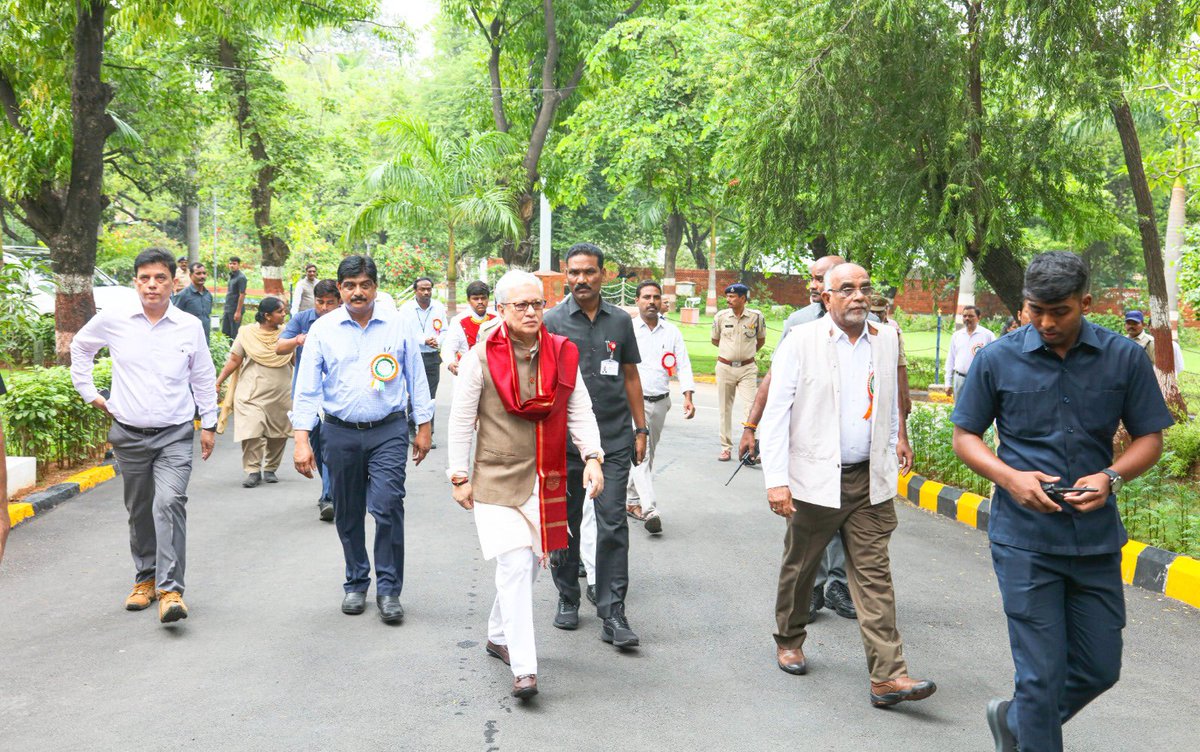
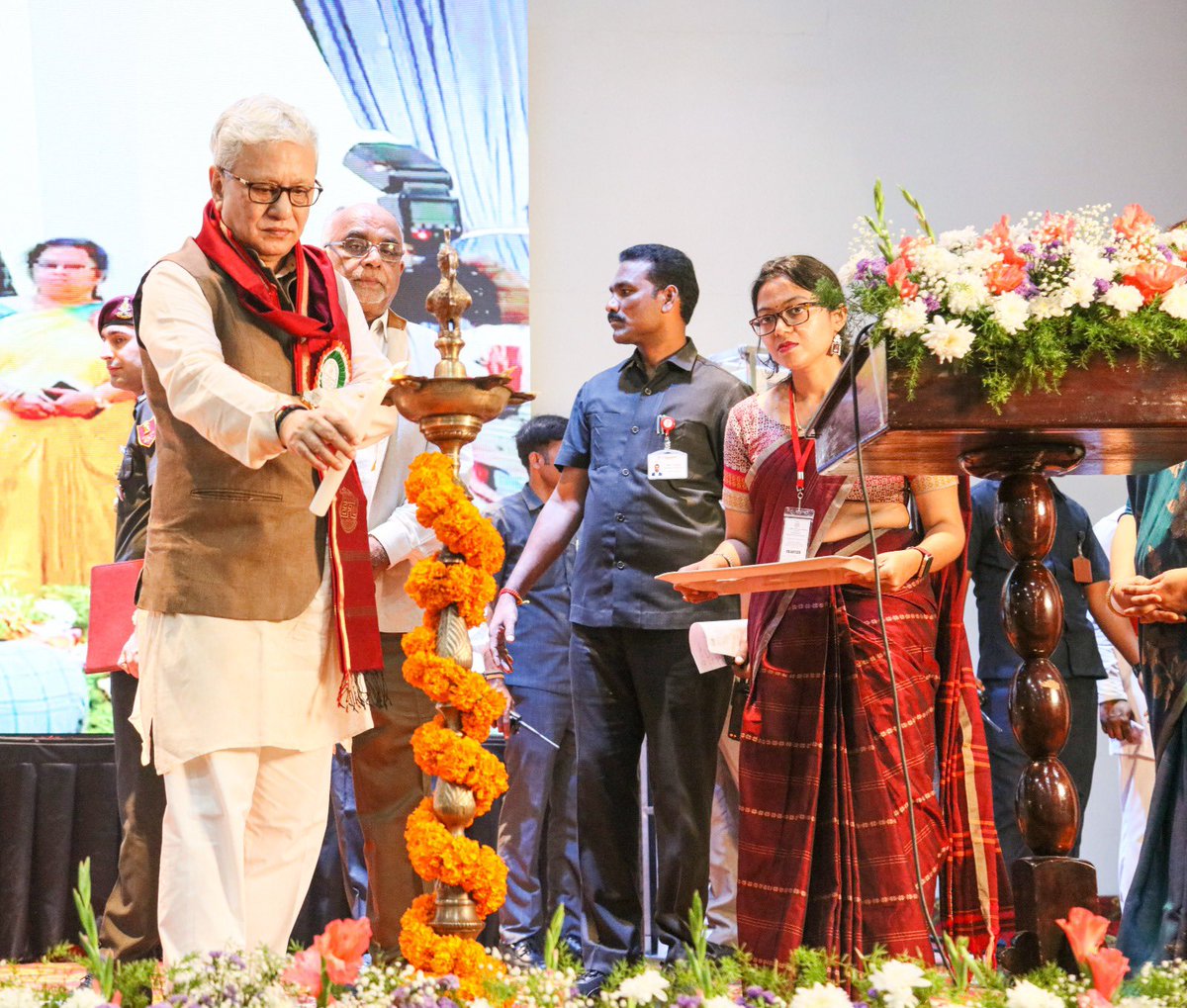
Hon’ble Governor of Telangana, Shri Jishnu Dev Varma, inaugurated the International Conference on Indigenous/Tribal Communities – Reframing Research Methodologies at EFLU, Hyderabad.
From decolonising and reframing Methodologies to celebrating tribal knowledge systems, this 3-day event brings together scholars, storytellers, and community leaders shaping the future of academia.
#EFLU #TribalKnowledge #IndigenousResearch #DecoloniseAcademia #EFLUConference #OralTraditions #EcologicalWisdom #BirsaMunda #IndigenousMethodologies #IndianAcademia #ReframingResearch #LanguageAndPower


2
3
862

20 Jul 2025
तर्कहीन समय की अभिव्यक्ति: गालियाँ
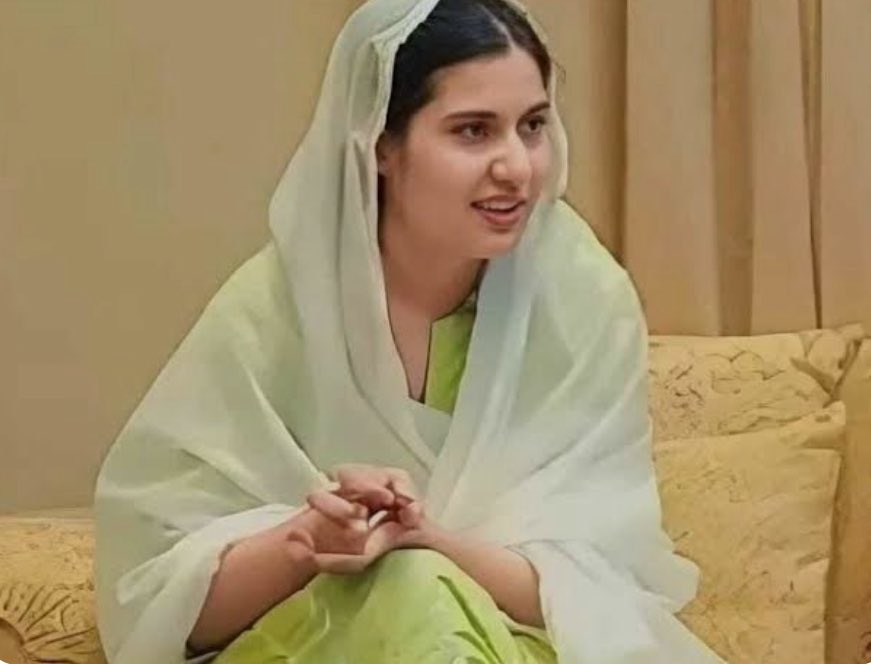
हाल ही में सोशल मीडिया पर एक शख़्स ने इकरा हसन, जो कि कैराना से सांसद हैं, के बारे में अपशब्द कहे। यह वीडियो देखते ही देखते वायरल हो गया। न केवल वायरल हुआ, बल्कि उस व्यक्ति को एक तरह की पॉपुलैरिटी भी मिल गई — जैसे गालियाँ आज के समय में पहचान और पॉपुलैरिटी का शॉर्टकट बन चुकी हों।
इससे पहले संभल में कुछ लड़कियों को गिरफ्तार किया गया, जिनकी रीलें गालियों से भरी हुई थीं। हैरानी की बात यह थी कि इन लड़कियों के इंस्टाग्राम पर पहले ही लाखों फॉलोअर्स थे, और गिरफ़्तारी के बाद उनके फॉलोअर्स की संख्या और भी बढ़ गई। अख़बारों में खबर छपी कि गालियों की वजह से फॉलोअर्स में 90 हज़ार की बढ़ोतरी हो गई। इसका मतलब ये हुआ कि गालियाँ अब सिर्फ गुस्से या विरोध की भाषा नहीं रहीं, बल्कि एक 'मार्केट' हैं — एक कमाई का ज़रिया, एक लोकप्रियता का फार्मूला।
यहाँ तक कि संसद भी इस प्रवृत्ति से अछूती नहीं रही। भाजपा सांसद रमेश विधूड़ी ने संसद के भीतर अमरोहा के सांसद दानिश अली के लिए जिस भाषा का प्रयोग किया, वह किसी नुक्कड़ के झगड़े जैसी थी, न कि लोकतंत्र के सबसे पवित्र मंदिर की। दुखद यह है कि न संसद रुकी, न सरकार, और न ही समाज ने विशेष प्रतिक्रिया दी — मानो अब ये ‘नया सामान्य’ हो गया हो।
गालियाँ अब सिर्फ व्यक्तिगत संवाद का हिस्सा नहीं रहीं। भोजपुरी, हरियाणवी और यहां तक कि पंजाबी गीतों में भी गालियों का 'एस्थेटिक्स' रच दिया गया है। वेब सीरीज़ और ओटीटी प्लेटफॉर्म्स पर गालियाँ न केवल सामान्य हो चुकी हैं, बल्कि कई बार तो स्क्रिप्ट का केंद्रबिंदु लगती हैं। ये गालियाँ सिर्फ सुनने में नहीं आतीं, बल्कि इनसे किरदारों की ‘रियलिज्म’ भी परिभाषित की जाती है।
गालियों की उत्पत्ति का इतिहास भी दिलचस्प है। भाषाशास्त्रियों का मानना है कि जब इंसान के पास तर्क या शब्द नहीं होते, तब वह गालियों का सहारा लेता है। यह एक तरह की ‘असहाय अभिव्यक्ति’ है — क्रोध, व्यंग्य, असहमति, पीड़ा और कुंठा को व्यक्त करने का एक असभ्य माध्यम। गालियाँ समाज के हाशिए पर पनपती हैं और सत्ता के केंद्र तक पहुंचती हैं। यह विरोध की भाषा भी बन जाती हैं और कई बार मनोरंजन की भी।
लेकिन गालियाँ अब सिर्फ ‘नीच भाषा’ नहीं हैं। वे 'डिजिटल कैपिटल' बन चुकी हैं। पॉपुलर कल्चर में इनका स्थान है, और सोशल मीडिया पर तो यह एक इंडस्ट्री बन गई है। गालियाँ अब सिर्फ सुनाई नहीं देतीं, बल्कि बिकती हैं — व्यूज़, लाइक और फॉलोअर्स के रूप में।
आज ही एक प्रोफेसर साहब ने मेरी एक पोस्ट पर टिप्पणी करते हुए मुझे ‘खुराफ़ाती दिमाग़’ कहा। वे एक डिग्री कॉलेज के पूर्व प्राचार्य हैं। मैं सोचने लगा — जब एक उच्च शिक्षित व्यक्ति इस भाषा का चयन करता है, तो साफ़ है कि गाली-गलौज का संबंध न तो शिक्षित होने से है और न ही पद से। पढ़ा-लिखा व्यक्ति भी जब अपनी बात को तर्क और शालीनता से नहीं रख पाता, तो वह अपनी कुंठा को गालियों के ज़रिए उगलता है।
गालियाँ अब भाषा के हाशिए पर नहीं रहीं — वे मुख्यधारा में हैं। वे तर्कहीन समय की नई अभिव्यक्ति हैं। और जब समाज गालियों से नफरत नहीं, बल्कि तालियाँ बजाता है — तो समझिए कि भाषा की नहीं, हमारी चेतना की हार हो रही है।
---
#FreedomOfExpression
#VerbalAbuse
#ToxicCulture
#SocialMediaInfluence
#AbusiveLanguage
#IndianPolitics
#DigitalCulture
#OnlineTrolling
#SpeechAndSociety
#LanguageAndPower
#CultureOfAbuse
#InternetSensations
#CrisisOfLanguage
#GaliCulture
#CensorshipVsExpression
#MoralDecline
#OTTContent
#PopCultureIndia
#YouthAndLanguage
#AngerInSociety
6
184

14 Jul 2025
English never stands alone.
Explore language, identity, and the hidden power of multilingual lives, with Professor Rita Kothari.
Date: 20 July 2025
Venue: Bangalore International Centre (BIC)
Time: 6:30 – 8 PM
Register now: azimpremjiuniversity.edu.in/…
#RitaKothari #LinguisticDemocracy #Identity #LanguageAndPower #BICBangalore

3
484

30 Jun 2025
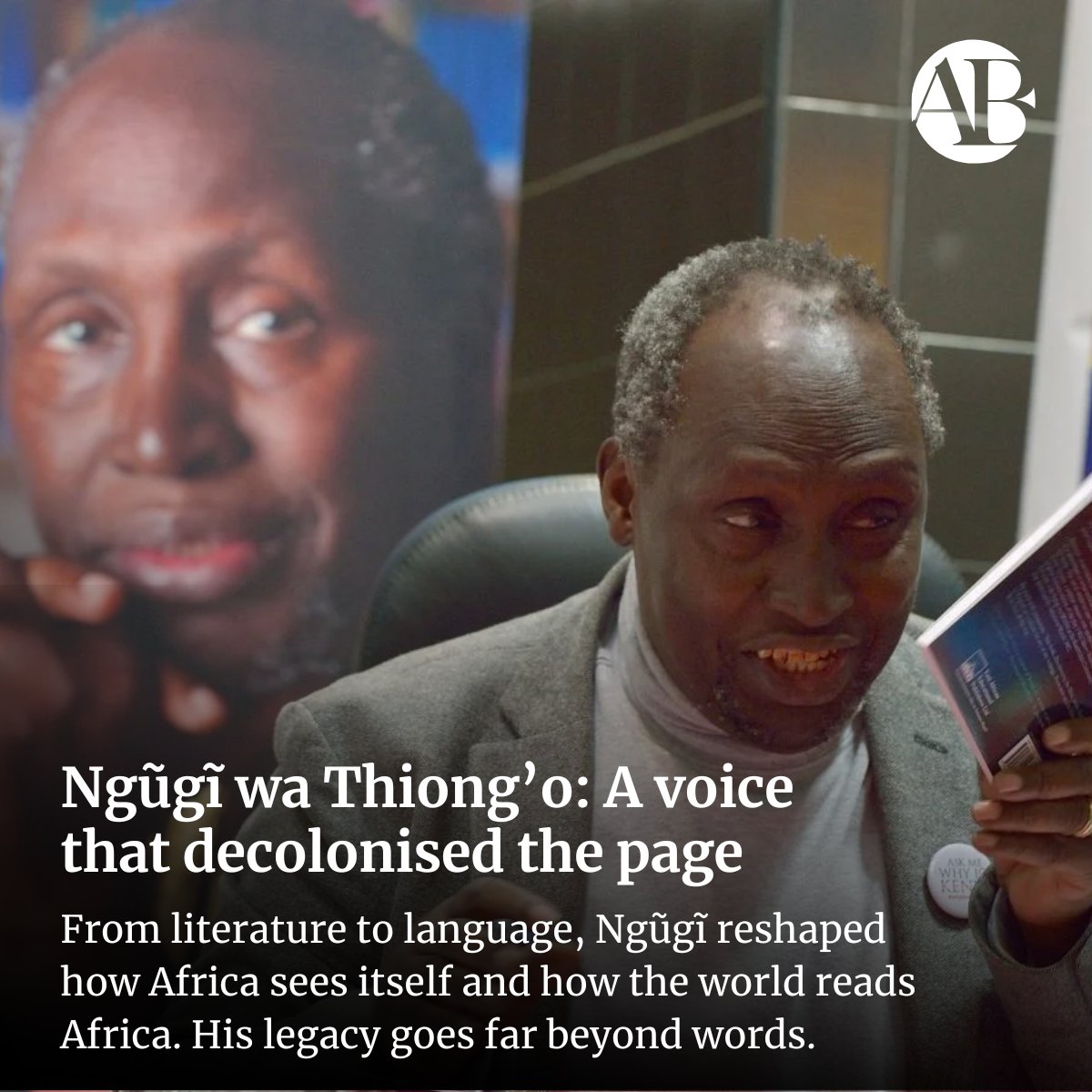
📚 His pen challenged power.
His words defended identity.
Ngũgĩ wa Thiong’o didn’t just write stories. He reclaimed the right to tell them.
More than a literary icon, he reshaped the cultural spine of a continent.
📖 Read the full feature:
african.business/2025/06/lon…
@ABizInsights
#NgugiWaThiongo #AfricanLiterature #DecolonisingTheMind #LanguageAndPower #AfricanVoices #KenyanWriters #PanAfricanLegacy #AfricanBusiness
3
213

28 Jun 2025
Until our leaders stop seeing English as a saviour and Punjabi as a stage act,
they will rule our land,
but never represent our soul.
#PunjabiPolitics #ColonisedMindset #LanguageAndPower
1
5
46

8 Jun 2025
💡 Our mission:
🗣️ Make speech equitable
⚙️ Use tech tokenomics to reward communication
🏁 Turn every challenge into movement
This isn’t just a campaign.
It’s a race toward inclusive expression.
#AkarunToken #LanguageAndPower
2
26

17 Mar 2025
What secrets do our languages hold about migration, history, and identity?
Join Peggy Mohan, a linguist and masterful storyteller, and Amandeep Sandhu, an incisive writer and journalist, as they unravel the fascinating journey of South Asia’s languages—how they were shaped by movement, power, and everyday life.
Expect a conversation that goes beyond linguistics—into culture, identity, and the very ways in which we understand ourselves.
📅 March 21 | ⏰ 6:30 PM | 📍 IIHS Bengaluru City Campus
Register Here: bit.ly/4bV6N7D
#IIHSBengaluru #Linguistics #LanguageAndCulture #MigrationStories #LanguageAndPower #CulturalIdentity #IIHSEvents #LanguageAndMigration #IdentityAndHistory #CulturalHeritage #Storytelling



3
218

16 Nov 2024
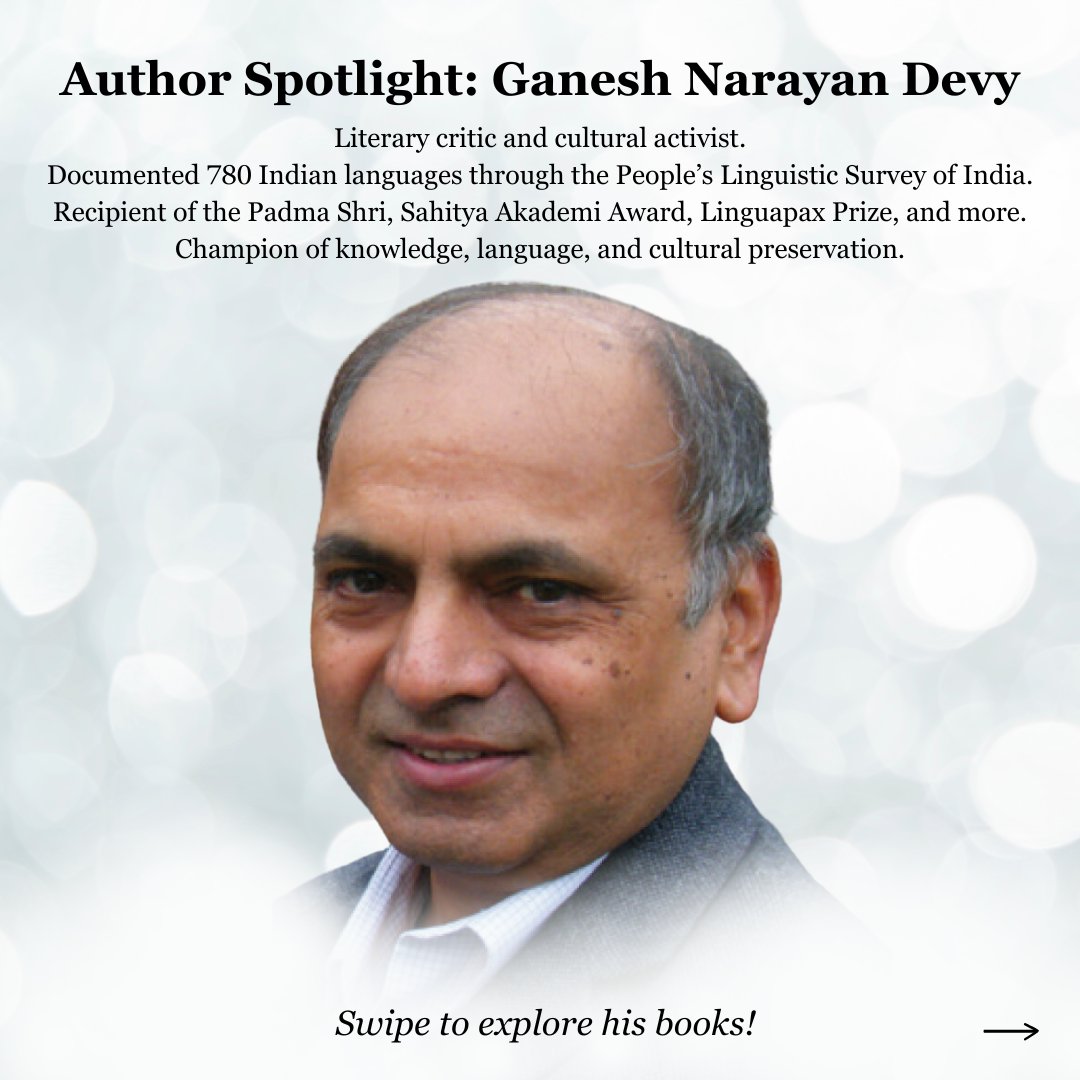
Ganesh Narayan Devy is a celebrated literary critic, cultural activist, and pioneer in linguistic research. Founder of the Bhasha Research Centre and Adivasi Academy, he has documented over 780 Indian languages and redefined our understanding of knowledge, culture, and power. 🖋
His works published by Aleph Book Company include:
The Crisis Within: On Knowledge and Education in India: amzn.in/d/6s1xmaU
The Indians: Histories of a Civilization: amzn.in/d/9eDRyIm
Mahabharata: The Epic and the Nation: amzn.in/d/95Uj7ZO
India: A Linguistic Civilization: amzn.in/d/ejL6jD3
🌟 Explore his extraordinary contributions to literature and cultural preservation.
#Indianlanguage #culturalpreservation #PadmaShri #Indianliterarycritics #languageandpower

1
7
325

4 Oct 2024
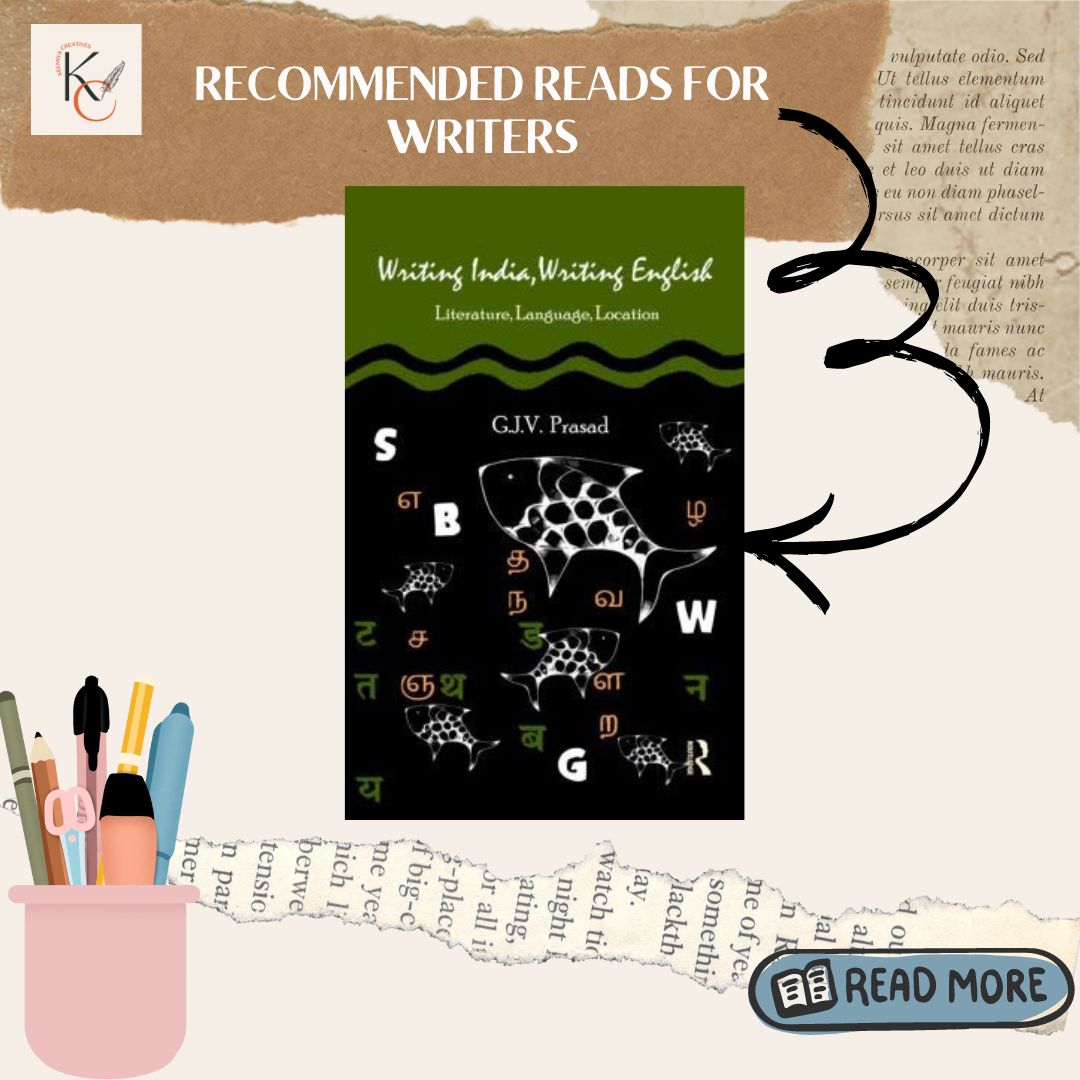
#RecommendedReads for Writers: Writing India, Writing English by G.J.V. Prasad
#WritingIndiaWritingEnglish #GJVPrasad #BookRecommendation #Linguistics #TranslationStudies #IndianLanguages #LanguageAndPower #LiteratureAndCulture #MustReadBooks #IndianWriting #Bookstagram
2
1
10
260

18 Mar 2024
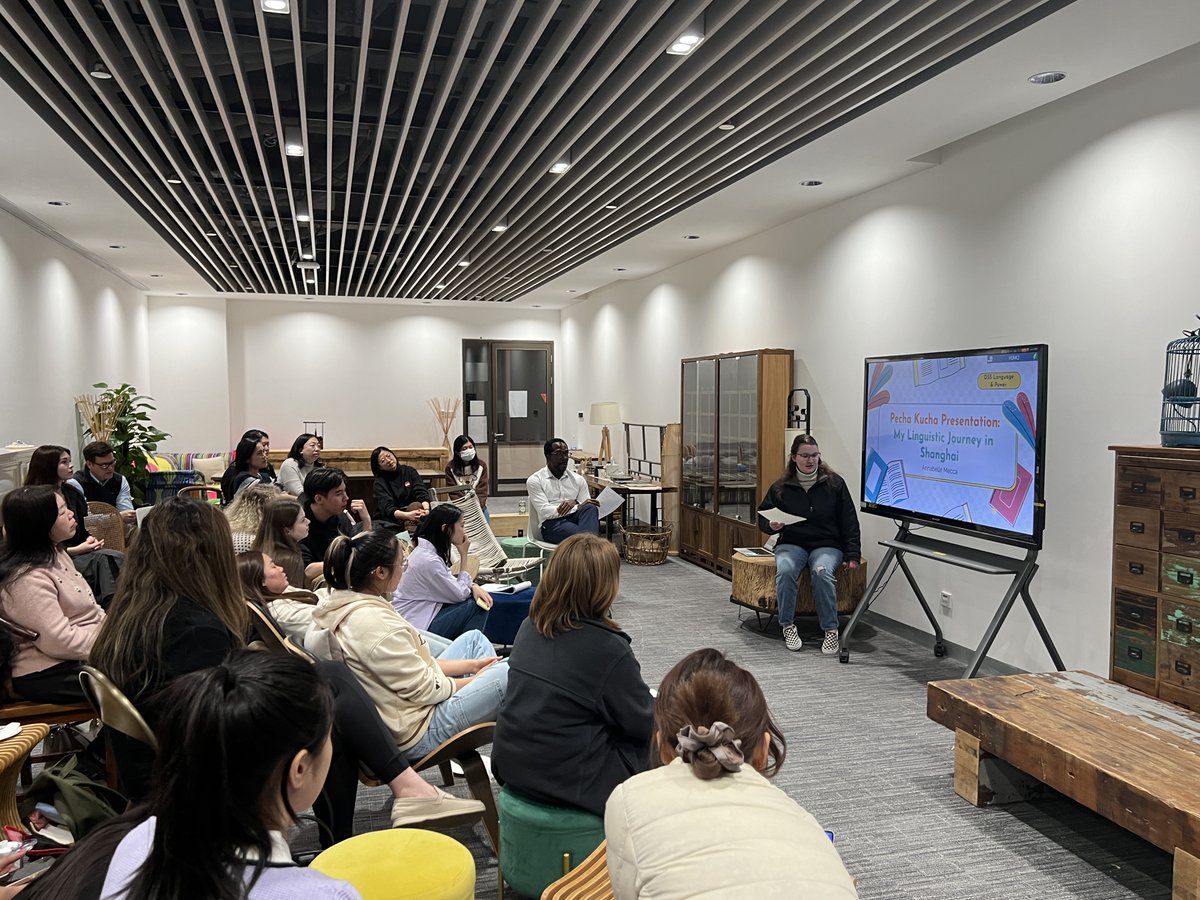
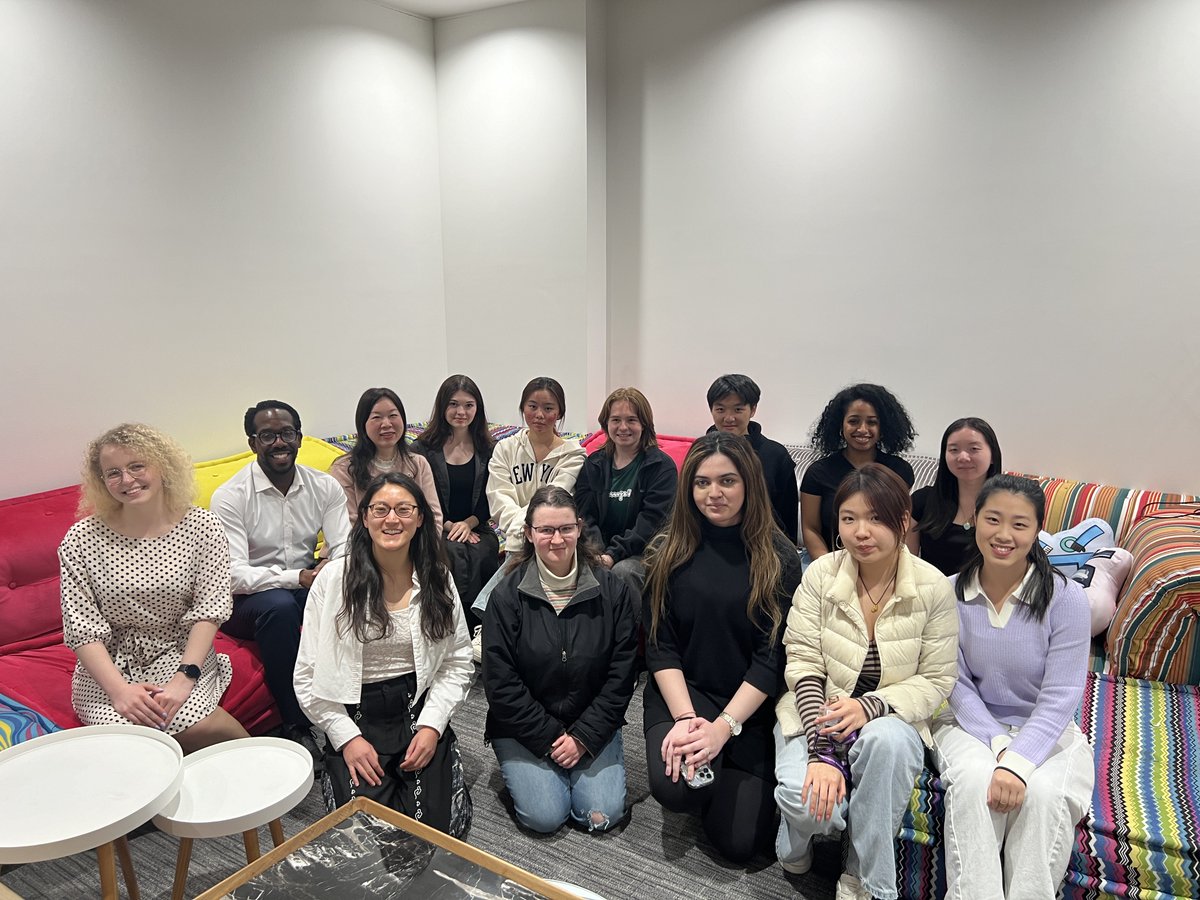
In the course Language and Power, 11 students shared their findings on teaching English to migrant children and reflected on how using visuals and body language improved communicating with children across language barriers. #nyushanghai #languageandpower
4
1,058

26 Sep 2023
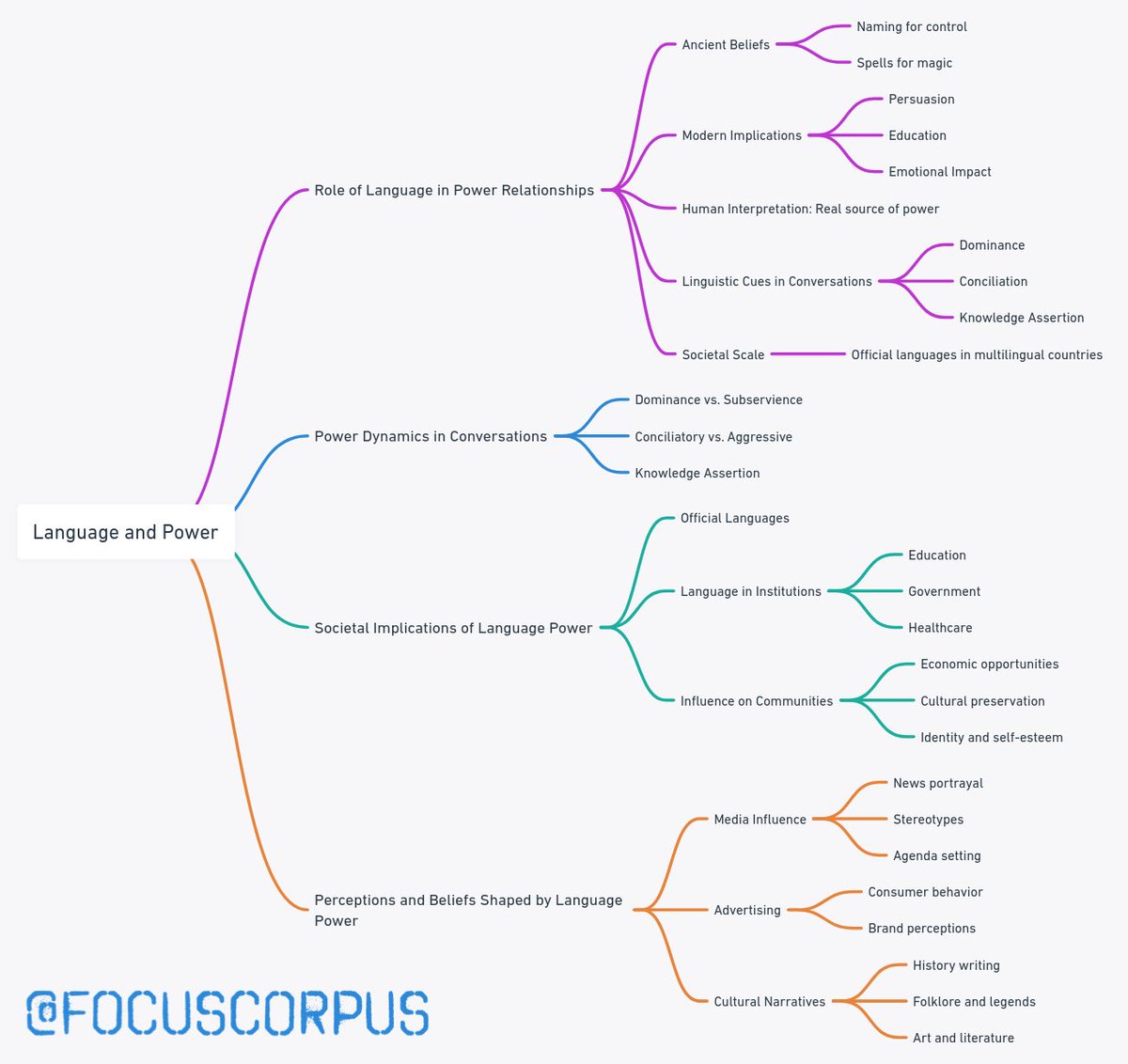
Unmasking Power Dynamics: A Deep Dive into Corpus Linguistics and its Revelations on Language & Authority
The intricate relationship between language and power has been a focal point of linguistic inquiry for decades. Corpus linguistics, with its empirical and data-driven approach, offers a unique lens to explore this relationship. By analyzing vast amounts of authentic language data, we can uncover subtle patterns and nuances that reveal how power dynamics manifest in language use.
Discourse Analysis and Power Relations:
Discourse analysis, especially when combined with corpus methods, can reveal how language constructs and reflects power relations. Fairclough's (1992) work on critical discourse analysis (CDA) emphasizes the role of language in the reproduction of power relations in society. By analyzing large corpora, we can identify recurring discursive strategies that serve to maintain or challenge existing power structures.
Lexical Choices and Power Dynamics:
The words we choose can reflect underlying power dynamics. For instance, Baker et al. (2008) utilized corpus methods to examine the representation of refugees and asylum seekers in the UK press. Their findings highlighted how specific lexical choices can perpetuate negative stereotypes, thereby influencing public opinion and policy decisions.
Collocations and Power:
Collocational patterns can also reveal power dynamics. For example, which verbs frequently collocate with terms like "women" or "immigrants"? Such patterns can indicate passive or active representations, victimization, or agency, shedding light on societal attitudes and biases.
4. Grammatical Structures and Agency:
Who does what to whom? By examining syntactic structures in a corpus, we can discern patterns of agency and passivity. For instance, passive constructions might be used to obscure responsibility or blame, a tactic often observed in political discourse.
Politeness and Power:
Corpus studies can also delve into politeness strategies and how they vary across different power dynamics. Brown and Levinson's (1987) politeness theory suggests that language can be used to mitigate face-threatening acts, especially in asymmetrical power relationships.
Historical Shifts in Power Dynamics:
By comparing historical and contemporary corpora, we can trace how language and power relationships have evolved over time. Such diachronic studies can reveal shifts in societal values, attitudes, and power structures.
Multimodal Corpora and Power:
With the advent of digital media, multimodal corpora, which combine text with other modalities like images or sound, offer new avenues to explore language and power. For instance, how do visual elements reinforce or challenge textual messages in news media?
In conclusion, corpus linguistics provides a robust toolkit for exploring the multifaceted relationship between language and power. By analyzing real-world language use on a large scale, we can uncover subtle patterns that might be overlooked in smaller, more qualitative studies. As we continue to amass and analyze larger and more diverse corpora, our understanding of how language both reflects and shapes power dynamics will only deepen.
#CorpusLinguistics #LanguageAndPower #DiscourseAnalysis #CriticalDiscourseAnalysis #LexicalChoices #Collocations #PolitenessTheory #MultimodalCorpora
#FocusCorpus
2
13
39
3,419

6 Feb 2023
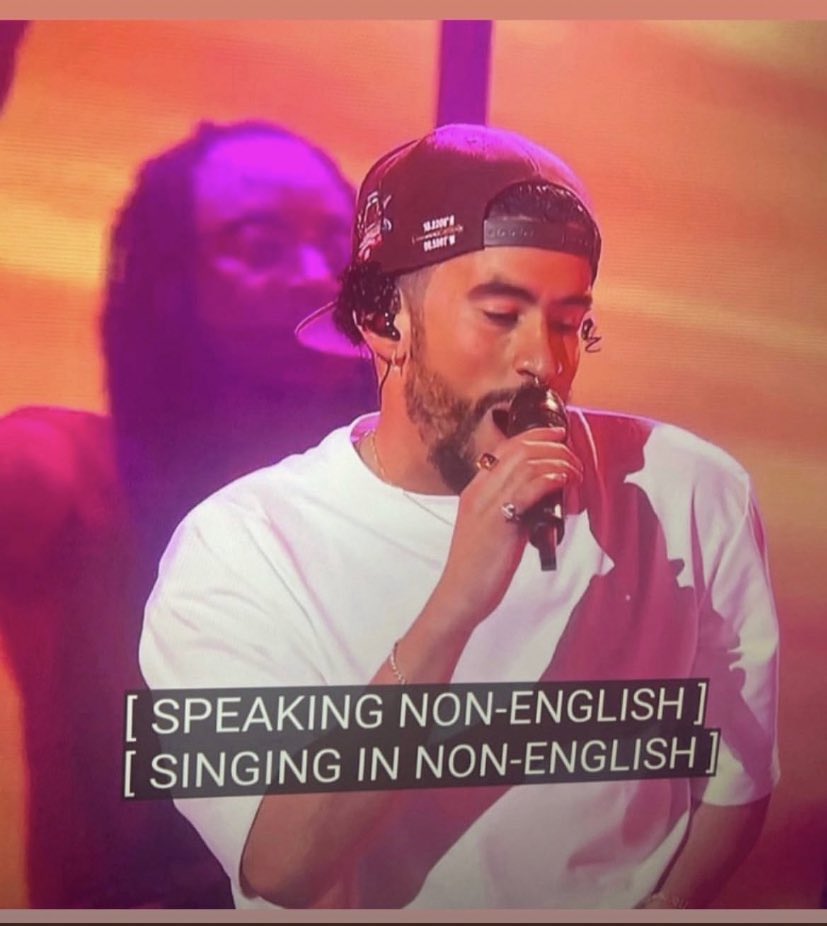
Totally talking about @sanbenito in my classes today #languageandpower #decolonialpedagogy #Spanish #Wepa #PuertoRico #BadBunny
1
6
304

28 Nov 2022
NOVEMBER MOST READ ARTICLES
#3 "Language and woman's place" by Robin Lakoff
doi.org/10.1017/S00474045000…
#gender #languageandpower #womenslanguage
1
4

10 Sep 2022
3
5