I stopped guessing and followed a process that actually sold. DM me PROOF and I’ll tell you how it runs.
cashpilots.co/landing-richri…
#sidehustle #solopreneur #coursecreator #digitalproducts #launchstrategy #createandsell #passiveincome #onlinebusiness
13

Jun 11
Most creators overbuild instead of selling the minimum. DM me for more
cashpilots.co/landing-sidehu…
#sidehustle #solopreneur #coursecreator #onlinecourses #launchstrategy #digitalproducts #passiveincome #creatorbusiness
9
You don’t need perfect content to sell. DM START — I respond to everyone personally
cashpilots.co/landing-digita…
#sidehustle #solopreneur #digitalproducts #coursecreator #launchstrategy #passiveincome #creatorbusiness #ebookcreator
16

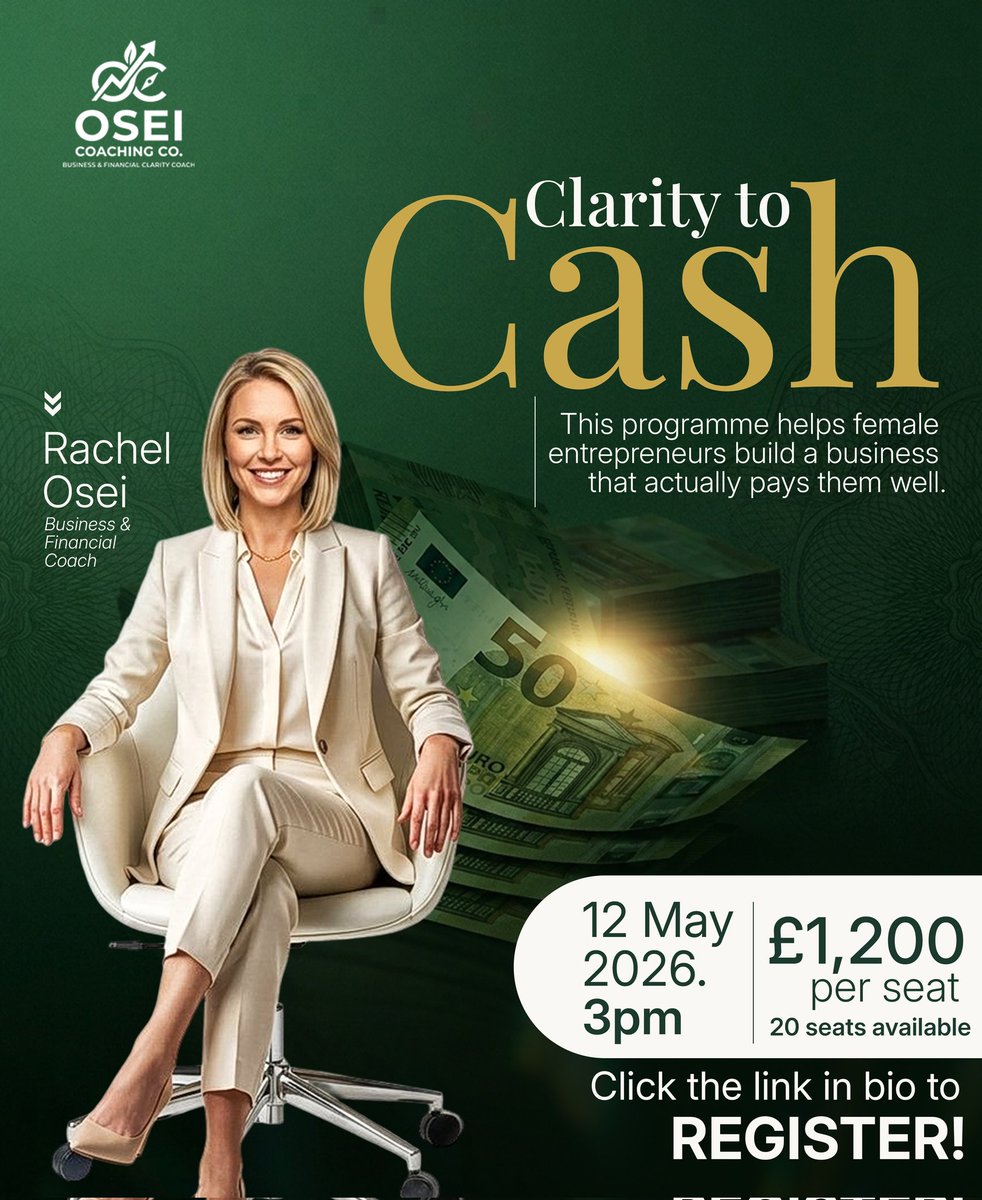
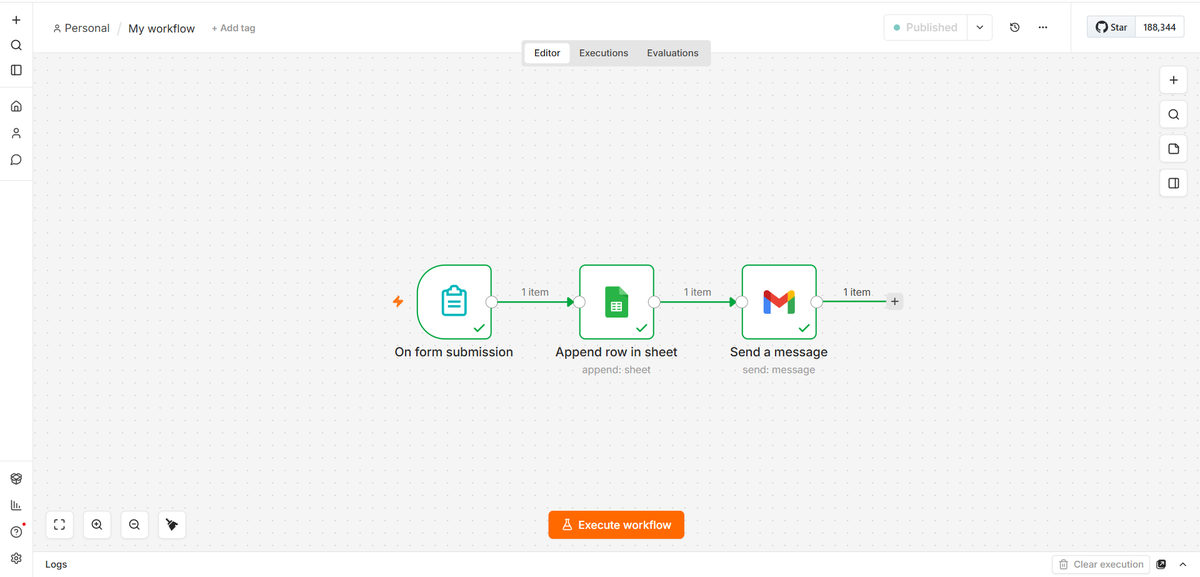
A great flyer without a system behind it is just a pretty picture. Business coaches lose leads every single day between the flyer and the follow up. I fix that. I design the flyer and I build the system.
#BusinessCoach #CoachingBusiness #EventFlyer #Automation #LaunchStrategy
1
17
Stop "polishing" and start launching. DM me for more
cashpilots.co/landing-cashco…
#sidehustle #solopreneur #coursecreator #onlinebusiness #digitalproducts #launchstrategy #passiveincome #creatoreconomy
14

Apr 30
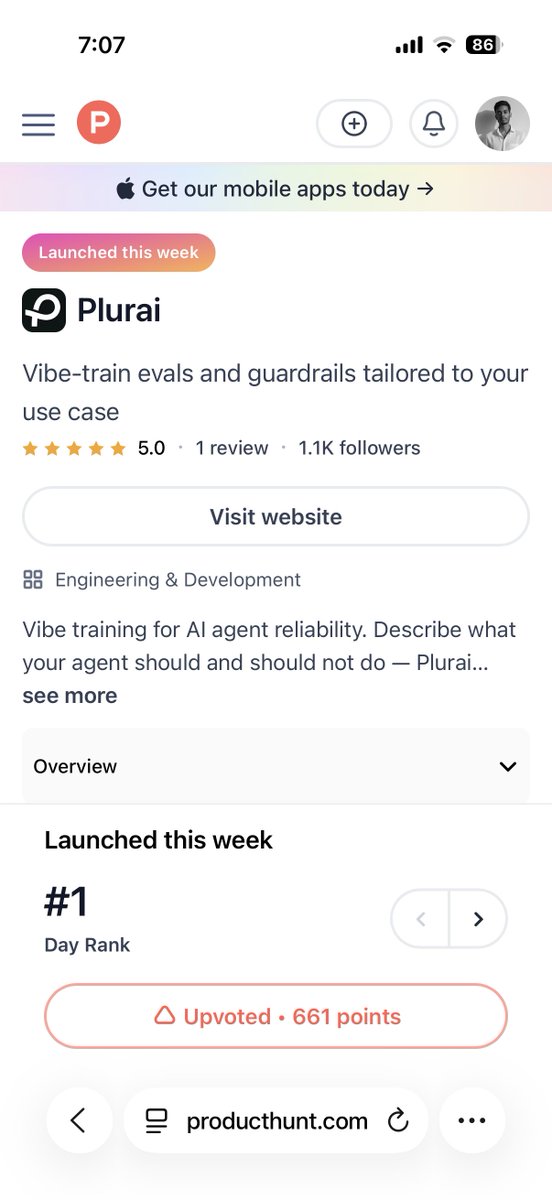
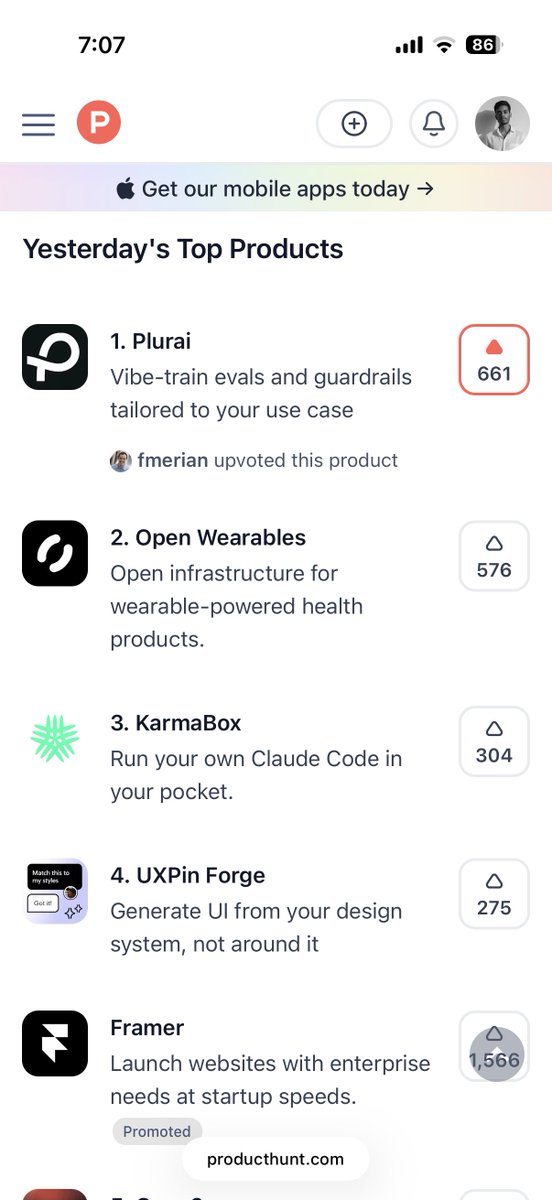
Another successful launch in the books for Unfiltered Growth. We are proud to have supported Plurai during their Product Hunt debut, helping them secure the visibility and momentum needed to stand out.
Plurai is solving a critical problem in the AI space by offering vibe-training for agent reliability—delivering faster, more cost-effective evals than traditional models. Our role was to ensure this innovation reached the right audience through strategic engagement and high-quality social proof.
At Unfiltered Growth, we specialize in bridging the gap between building a great product and getting it discovered. By leveraging our network of real contributors, we help founders build the authority and ranking required for a world-class launch.
Check out the product here: producthunt.com/products/plu…
If you are preparing for a launch and want to dominate the charts, let us talk.
#ProductHunt #StartupGrowth #DigitalMarketing #UnfilteredGrowth #AIAgents #Plurai #LaunchStrategy #TechStartups
2
1
12
86

Apr 27
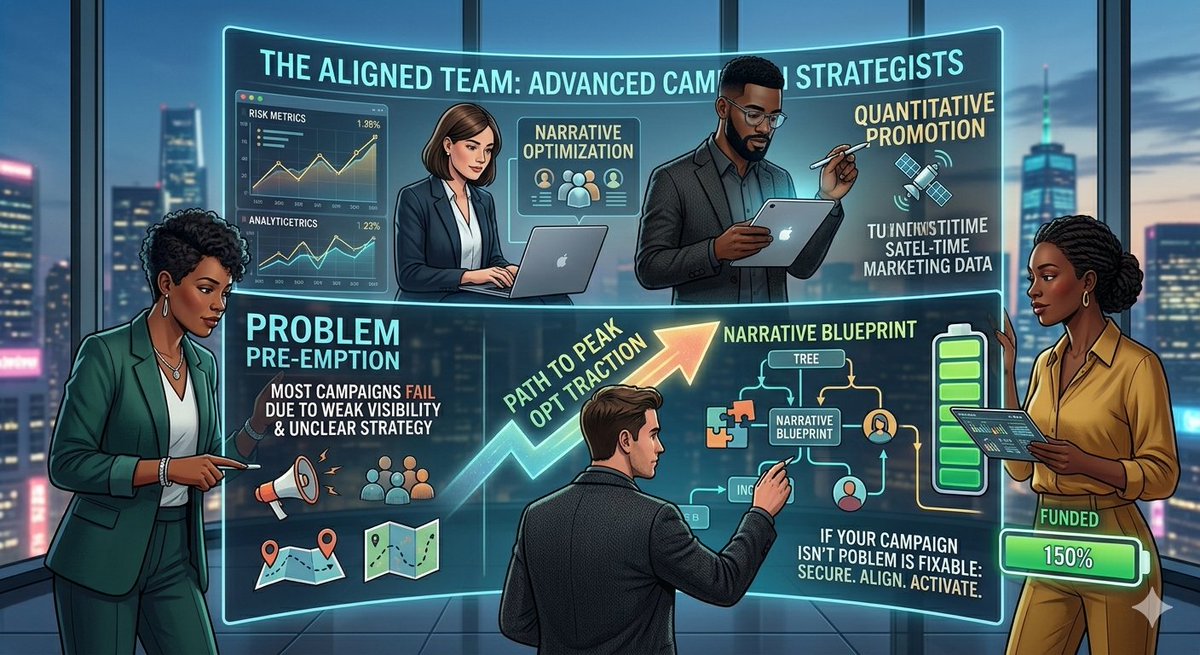
Most campaigns don’t fail because the idea is bad. They fail because they’re shouting into a void. DM now to fix it #CrowdfundingStrategy #IndiegogoTips #KickstarterSuccess #CampaignMarketing #DigitalGrowth #LaunchStrategy #Funded #CreativeEntrepreneur #VisibilityMatters
1
1
3
143

Imagine launching on Pump.fun and knowing EXACTLY why your token is or isn't getting feed distribution — in real time — through Telegram 📱
No guessing.
No refreshing.
No hoping.
Just live on-chain signal intelligence the moment it matters most.
That's what this is 👇
volutools.com
#PumpFunVolumeBot #PumpFun #Solana #Memecoin #LaunchStrategy #SolanaAlpha
1
5
73

Unpopular opinion 🧵
Timing your Pump.fun launch matters MORE than your token concept.
Peak hours = traders watching feeds
Off hours = your token dies alone
A Pump.fun Volume Bot doesn't just track volume.
It tells you WHEN the market is actually paying attention.
Study before you launch 👇
volutools.com
#PumpFunVolumeBot #PumpFun #Solana #Memecoin #LaunchStrategy #Web3
2
12


Mar 4
You’re posting daily, the comments say “teach this,” and yet there’s still no product.
Not because you can’t teach, but because the back end feels like a maze: packaging, price, sequence, tech, delivery, refunds.
The momentum dies in the middle, not the start.
That’s where most creators stay stuck.
#CreatorEconomy #DigitalProducts #Monetization #Operations #Systems #LaunchStrategy #Execution
1
2
9

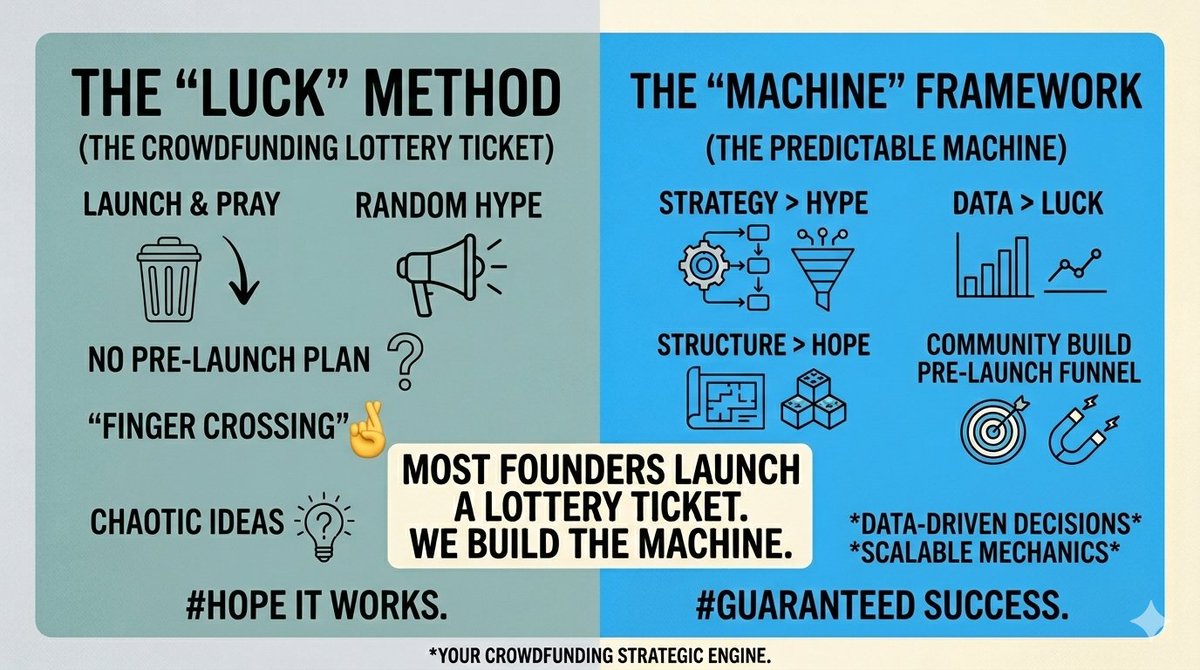
Most founders treat crowdfunding like a lottery ticket. They launch, pray, and hope for a miracle. 🎰
We treat it like a machine. ⚙️
The difference between a "viral flop" and a 100% funded campaign isn't luck, it's mechanics.
✅ Strategy > Hype
✅ Data > Luck
✅ Structure > Hope
I help founders turn "I hope this works" into a predictable, funded reality.
Stop guessing. Start building the engine. 🚀
.
.
.
#Crowdfunding #Kickstarter #Indiegogo #Startups #Entrepreneurship #Founders #VentureCapital #LaunchStrategy #MarketingTips
3
4
60
Feb 25
Creators don’t need more content. They need a machine behind their content.
My shadow operator model installs the machine: clean offer, tight warm-up, simple checkout, and an evergreen follow-up that keeps sales rolling while you create.
If you’re ready to turn attention into revenue, details are on my site in bio.
#ShadowOperator #CreatorEconomy #Monetization #DigitalProducts #LaunchStrategy #RevenueShare #Partnerships
1
2
15

Feb 24
The next generation of launches won’t be chaotic.
They’ll be structured.
TG: t.me/piratehoodchat
Website: piratehoodprotocol.com
Website: swap.piratehood.com
CA: FNucbEyZg9pqHLpdLsWt4FEU9UkkkSKtcWX511t9pump
#NextGenLaunches #StructuredSuccess #PirateHoodProtocol #CryptoCommunity #LaunchStrategy #DecentralizedFuture #BlockchainInnovation #CryptoTrading #SmartInvesting #JoinTheRevolution

6
7
9
35
Feb 18
Whales shouldn’t control your launch.
Smart architecture should.
TG: t.me/piratehoodchat
Website: piratehoodprotocol.com
Website: swap.piratehood.com
CA: FNucbEyZg9pqHLpdLsWt4FEU9UkkkSKtcWX511t9pump
#WhalesDontControl #SmartArchitecture #LaunchStrategy #PirateHoodProtocol #CryptoCommunity #DecentralizedFinance #BlockchainInnovation #TokenLaunch #CryptoTrading #PirateHoodChat
10
8
11
332

Feb 13
👀 Visibility is key!
At dew.meme , we puts your project front and center with livestreams, rankings, and more.
💡 Skip the struggle and launch big with $Dew! 🚀
#DewMoonX #LaunchStrategy

4
3
5
21
Feb 11
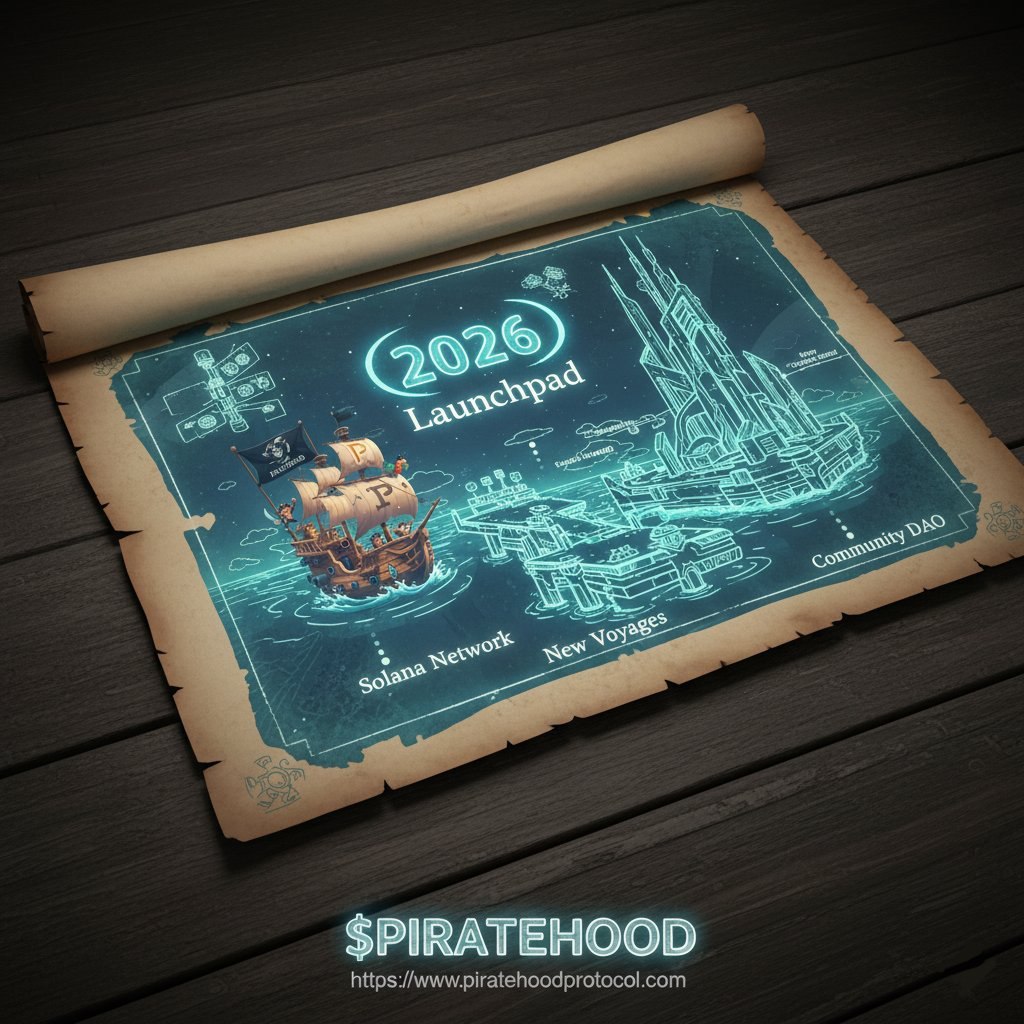
Every step we take is calculated.
Because you only get one real launch.
TG: t.me/piratehoodchat
Website: piratehoodprotocol.com
Website: swap.piratehood.com
CA: FNucbEyZg9pqHLpdLsWt4FEU9UkkkSKtcWX511t9pump
#CalculatedMoves #OneRealLaunch #PirateHood #CryptoJourney #LaunchStrategy #BlockchainCommunity #InvestSmart #CryptoTrading #DecentralizedFinance #JoinTheCrew
6
7
9
45
Jan 1
Foundire is LIVE on Product Hunt and we are pushing for the #1 spot!
Our team is leading the launch strategy to ensure maximum traction. Support us here:
producthunt.com/products/fou…
Planning a launch? We specialize in hitting top rankings. DM to get your product to #1.
#ProductHunt #Foundire #LaunchStrategy #Startup
6
6
26
152

31 Dec 2025
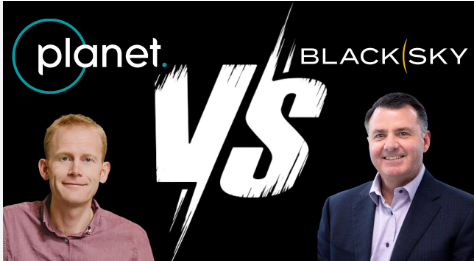
why blacksky went all-in on $rklb while planet chose spacex
why did blacksky choose rocket lab for its critical 2025 gen-3 constellation buildout, starting with the "fasten your space belts" mission, making rklb its most frequent launch provider with 9 missions since 2019?
and why did planet labs ($pl), the earth imaging giant, largely bypass electron in favor of spacex rideshares?
the answer lies in their fundamentally different business models and orbital needs.
blacksky: the need for speed and precision.
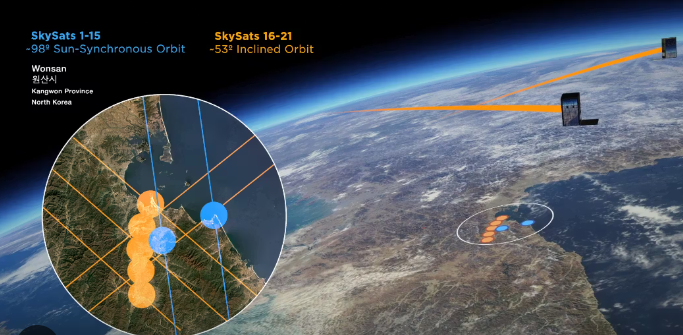
blacksky sells real-time intelligence, not just pictures. their core value proposition is high revisit rates—monitoring a port, border, or conflict zone multiple times a day.
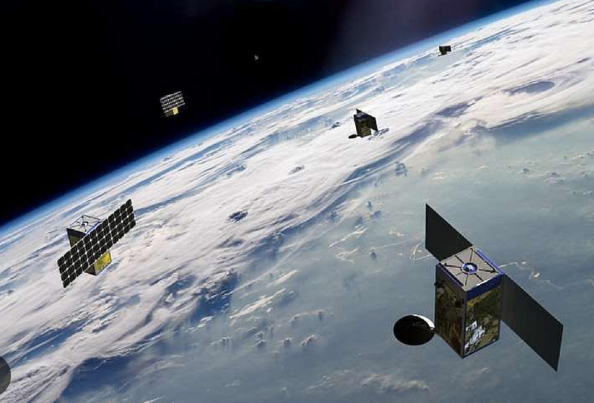
this requires placing satellites into very specific, often unique, orbital planes to create a dense web of coverage over priority targets.
a spacex transporter rideshare is like a public bus; it's cheap, but it goes to a central hub at a scheduled time.
you can't ask the driver to drop you off at a specific street corner across town.
for blacksky, waiting months for a rideshare and then spending more months slowly drifting its satellites into the correct operational plane is unacceptable.
it burns precious service life and delays revenue generation.
rocket lab's electron is the private taxi. it's more expensive per kilogram, but it drops blacksky's satellites exactly where they need to be, when they need to be there.
the "kick stage" allows for precise orbital insertion, meaning satellites are operational in days or weeks, not months.
for a company whose product is "now," this control over deployment timing and location is worth the premium. this is why they booked a dedicated sequence of launches in 2025.
planet: the power of volume and aggregation.
planet's primary business model is different.
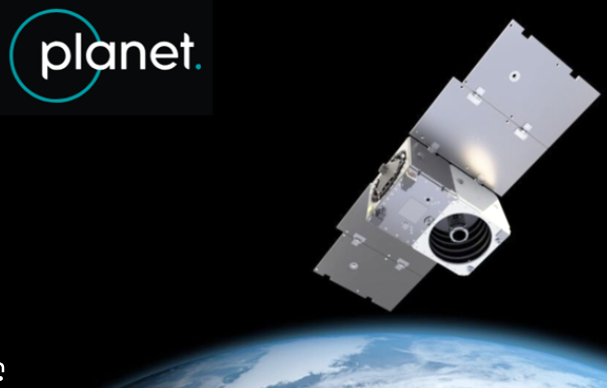
their "always-on" monitoring approach aims to scan the entire globe daily. to do this, they need a massive number of satellites (like their doves) in relatively standard sun-synchronous orbits (sso).
they are less concerned with the precise minute-by-minute revisit of a single spot and more focused on daily global coverage.
for planet, the sheer volume of satellites they deploy makes cost-per-kilogram the overriding factor.
launching dozens or even a hundred small satellites at once on a spacex falcon 9 is incredibly cost-effective.
the lower orbital precision of a massive rideshare is an acceptable trade-off for the massive cost savings when deploying a fleet the size of planet's.
while planet has used electron for specific, pathfinder missions (like early demonstrations), their main constellation sustainment relies on the bulk transport economics that spacex provides.
their business model doesn't demand the dedicated, responsive launch premium that blacksky's does.
the verdict.
it's not about one rocket being "better" than the other; it's about the right tool for the job.
blacksky needs a sniper rifle for precise, timely shots, and rocket lab provides that.
planet needs a shotgun to cover the widest area for the lowest cost, and spacex is perfect for that.
this divergence highlights the maturity of the space market, where different customer needs now sustain distinct launch services.
what do you think? let's talk below...
#rklb #rocketlab #bksy #blacksky #pl #planetlabs #spacex #spaceeconomy #launchstrategy #satelliteconstellation #investing #stocks
1
1
26
2,090