
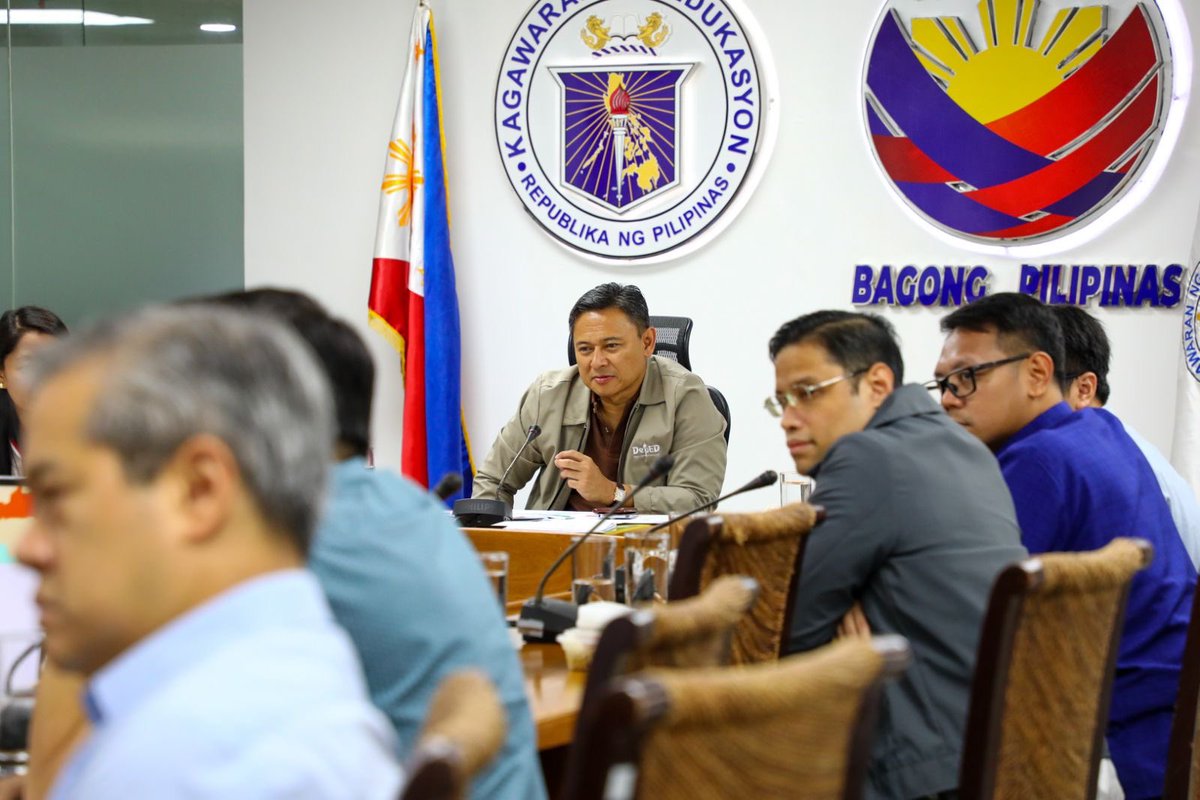
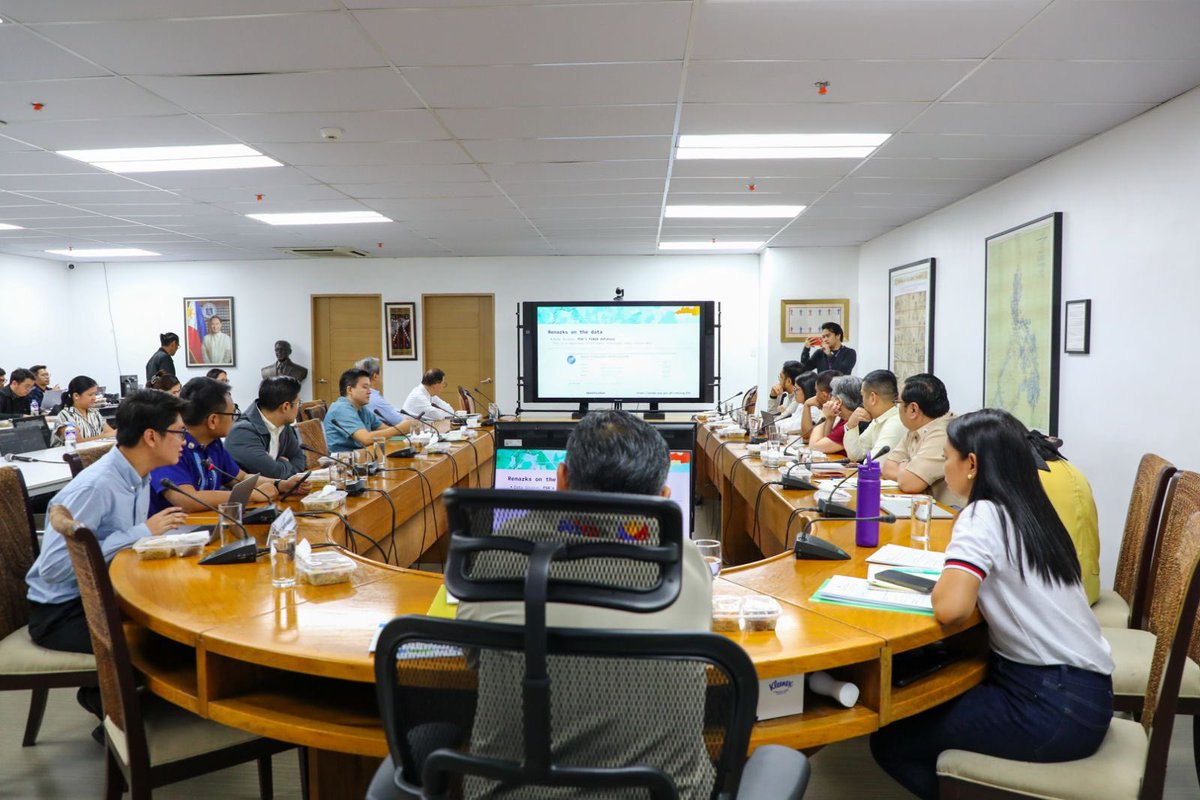
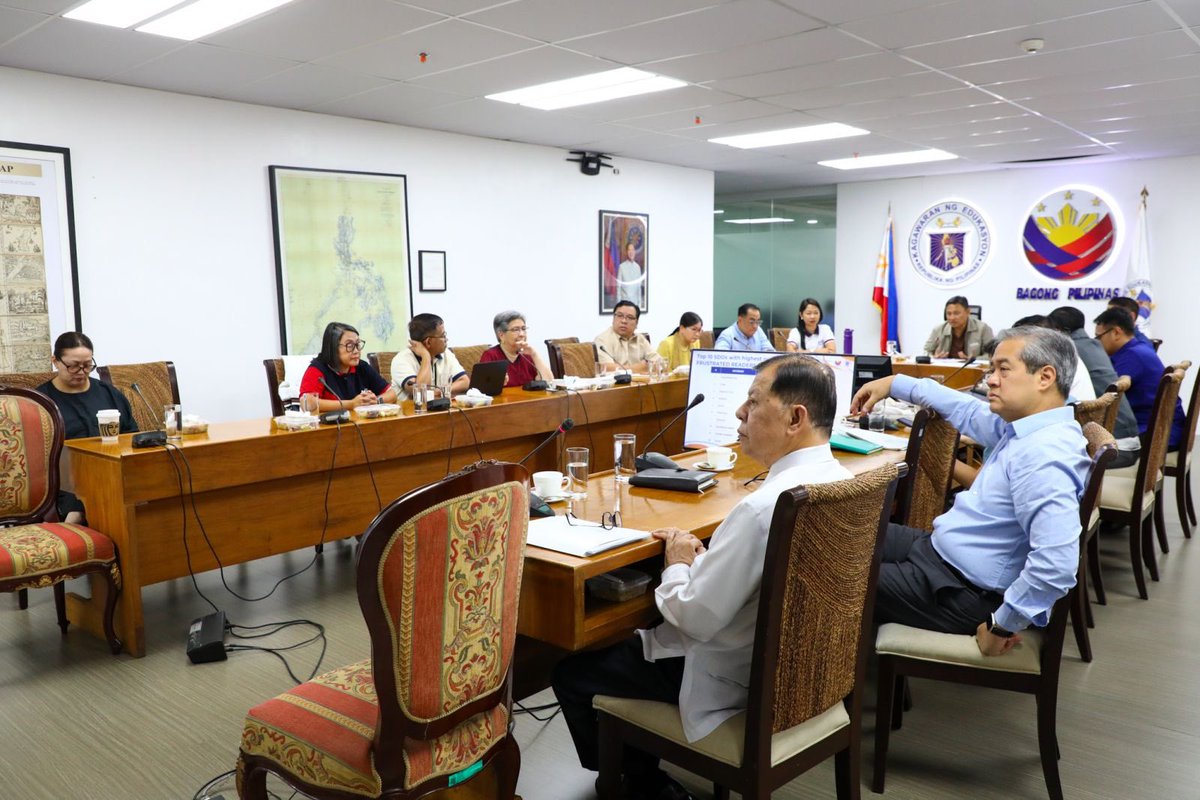
Sa DepEd Execom Meeting nakaraang linggo na pinangunahan ni Secretary Sonny Angara , tinalakay ang mga pangunahing hakbang para sa mas epektibong sistema ng edukasyon:
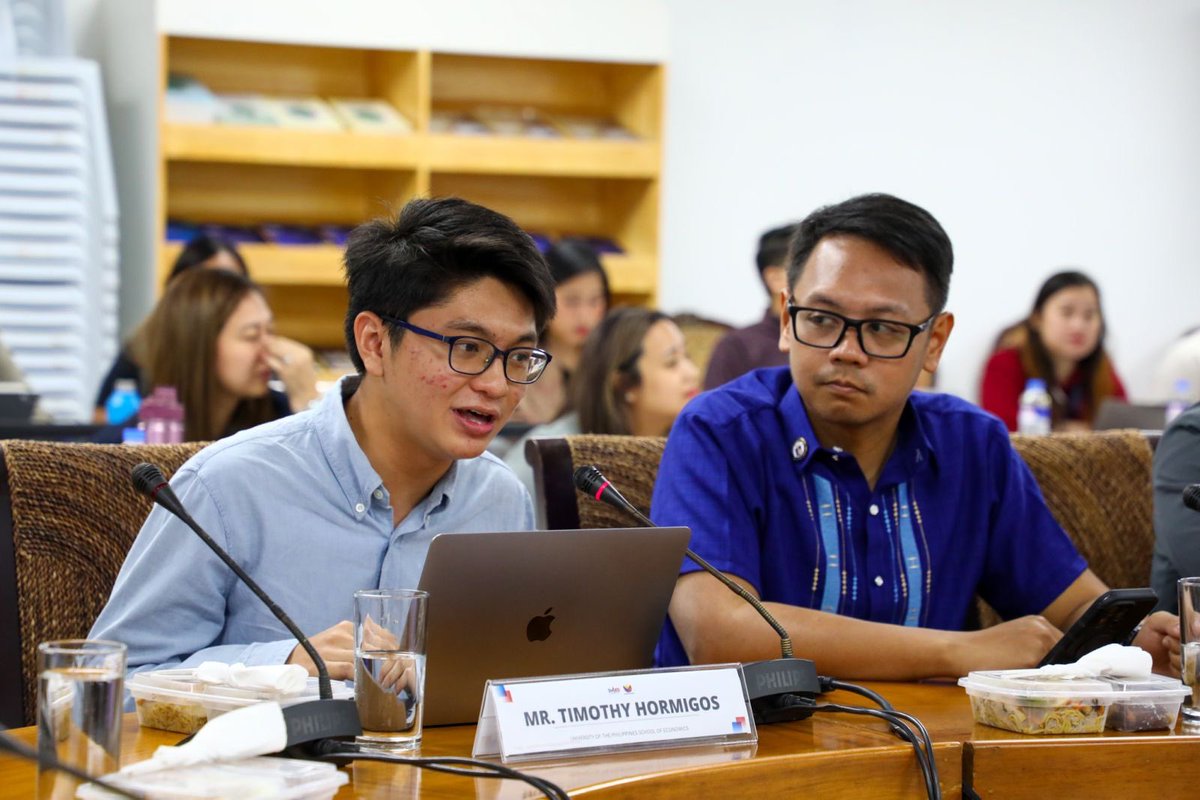
🔍 Data-driven na desisyon – Ibinahagi ni Timothy Hormigos, estudyante ng UP School of Economics, ang barangay-level mapping ng educational attainment gamit ang PSA data
🗺️ Mas target na interbensyon – Natukoy ang agwat sa urban at rural areas upang matutukan ang learning gaps
✏️ Mga plano para sa curriculum reform, ARAL Program, school feeding, mental health, at learner support programs.
Patuloy ang pagtutulungan, sa ilalim ng pamumuno ni Pangulong Bongbong Marcos para sa dekalidad at makabuluhang edukasyon para sa bawat batang Pilipino. 🇵🇭
#DepEdPhillipines #BagongPilipinas #ParaSaBata #Edukasyon #LearningRecovery
2
3
517

23 Nov 2025
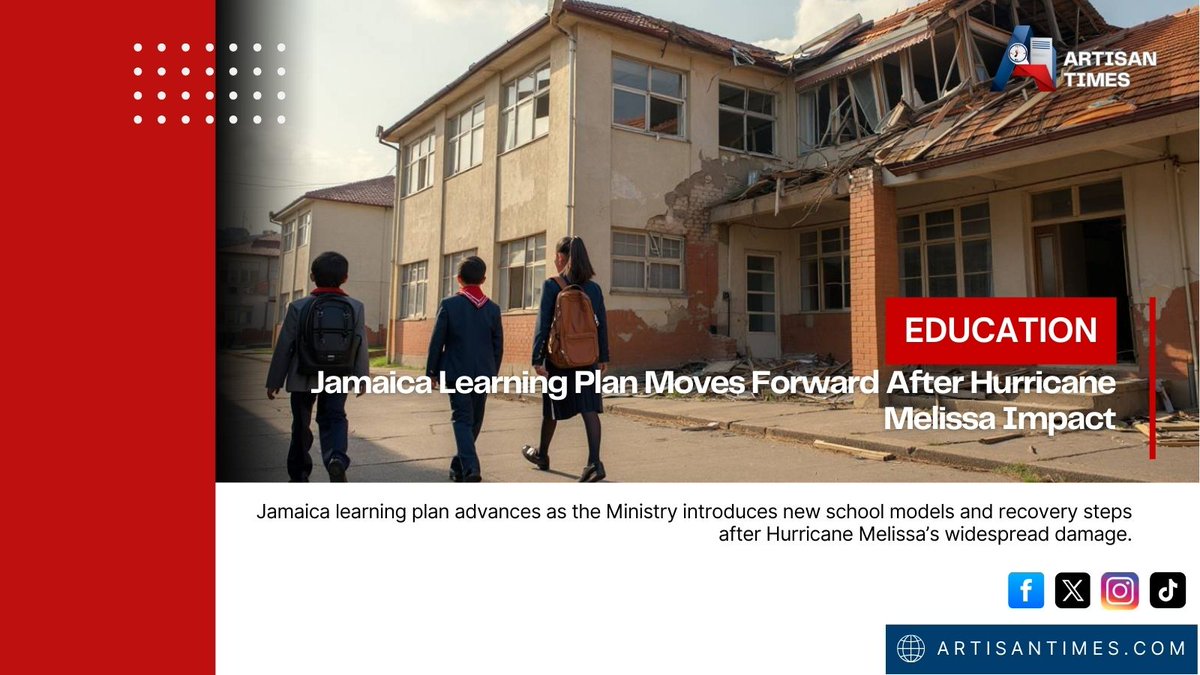
Jamaica advances its learning plan after Hurricane Melissa, with temporary solutions and long-term upgrades on the way.
#Jamaica #EducationNews #LearningRecovery #HurricaneMelissa
artisantimes.com/jamaica-lea…
4
24

18 Nov 2025
“The new era of tutoring” is here thanks to high-impact models, tutoring is moving from luxury add-on to core instructional strategy.
In NH, our @CSF_NH families use their Education Freedom Accounts (EFAs) to access tutoring, giving students the individualized support that’s at the heart of education freedom.
In her Q&A with @pauldiperna, @lizcohen12 (VP Policy at @FiftyCAN) lays out how schools can get tutoring right.
informedchoice1996.substack.…
#EdReform #Tutoring #LearningRecovery
1
3
174

24 Jul 2025
Despite COVID-19 school closures, grade 5 students in Uzbekistan improved in math—by 0.29 SD overall, and 0.72 SD for a tracked cohort. New evidence shows surprising learning continuity during the pandemic.
📘 link.springer.com/article/10…
#Education #LearningRecovery #COVID19 #Uzbekistan
5
216

24 May 2025
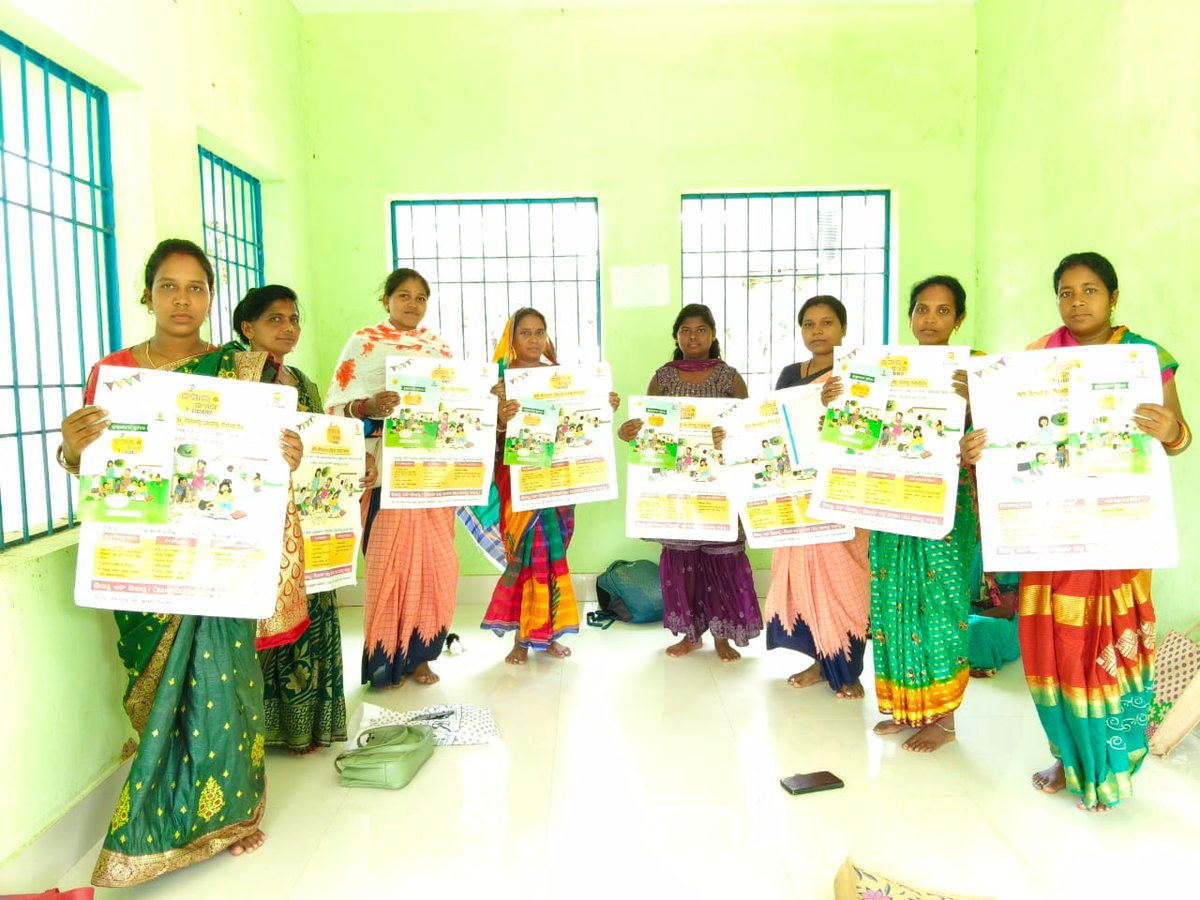
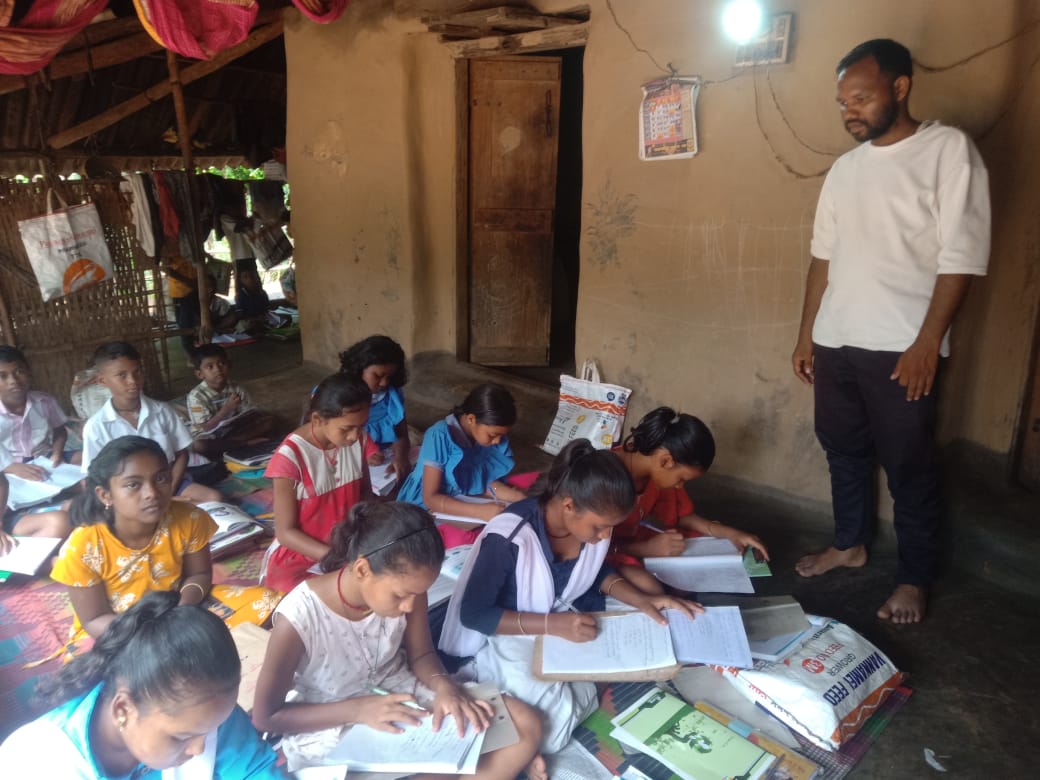
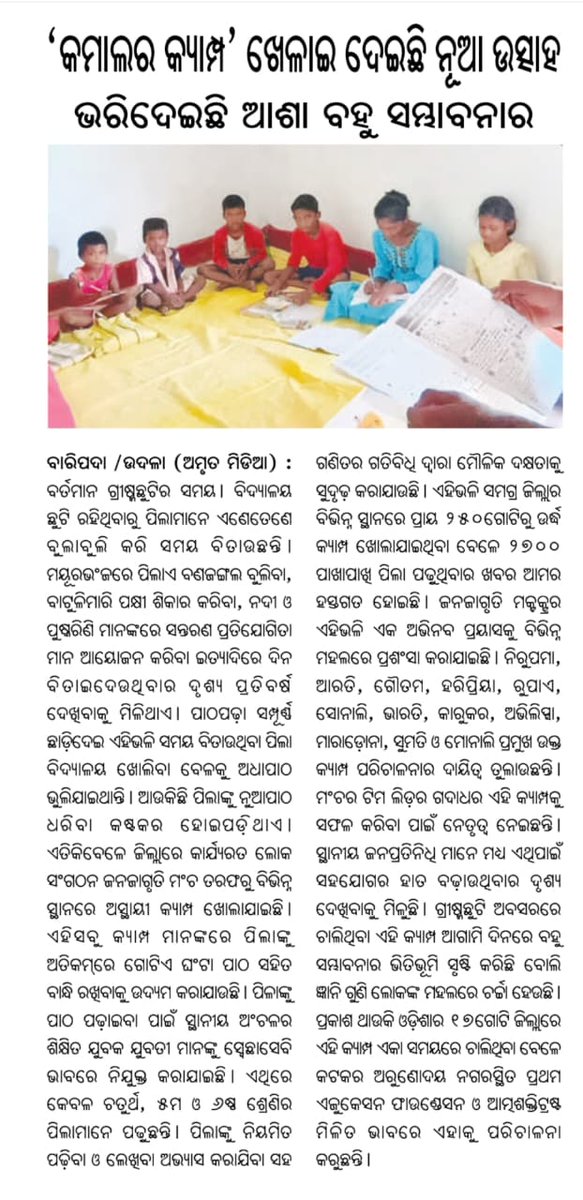
Odisha is buzzing with child-led creativity this summer! Through #KamalInitiatives, vibrant summer camps are unfolding across the state, powered by @Pratham_India, @Atmashakti3, and local Sangathans. These aren’t just camps—they’re safe, playful spaces where children explore stories, art, sports, life skills, and rediscover the joy of learning.
Led by youth mentors & community volunteers, these grassroots-powered camps:
Bridge learning gaps, Build confidence, Spark creativity, Strengthen community bonds #KamalKaCamp is a movement showing what’s possible when communities lead with heart and learning centers on the child. Together, we’re building the path to #VikshitOdisha & #VikshitBharat — one joyful learner at a time!
@CMO_Odisha @SMEOdisha @MoSchoolOdisha @Education_Odisha
#Atmashakti #PrathamEducation #EducationForAll #LearningRecovery
#YouthForEducation #CommunityLedDevelopment #BackToLearning
#SDG4 #VolunteerPower #SummerCamp2025 #OdishaEducation

8
14
174

📊 Addressing learning loss is crucial! Educators are embracing new approaches to help students catch up. How can #MagicNewton play a role in mitigating these gaps? Explore the latest trends: k12dive.com/topic/technology… #EdTech #LearningRecovery #PoweredByWORLD3
3
8

28 Jan 2025
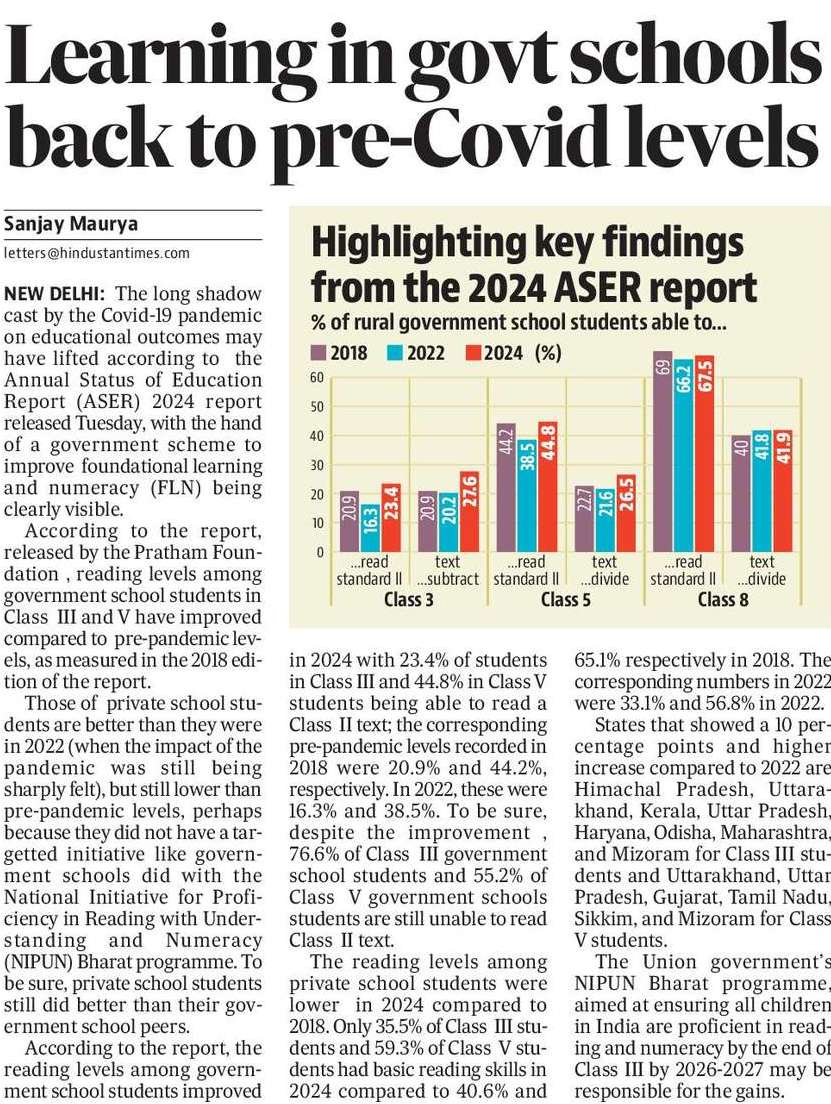
ASER 2024: Govt school students' reading levels surpass pre-Covid numbers, thanks to NIPUN Bharat initiative. Private schools still catching up. #Education #NIPUNBharat #LearningRecovery
2
94

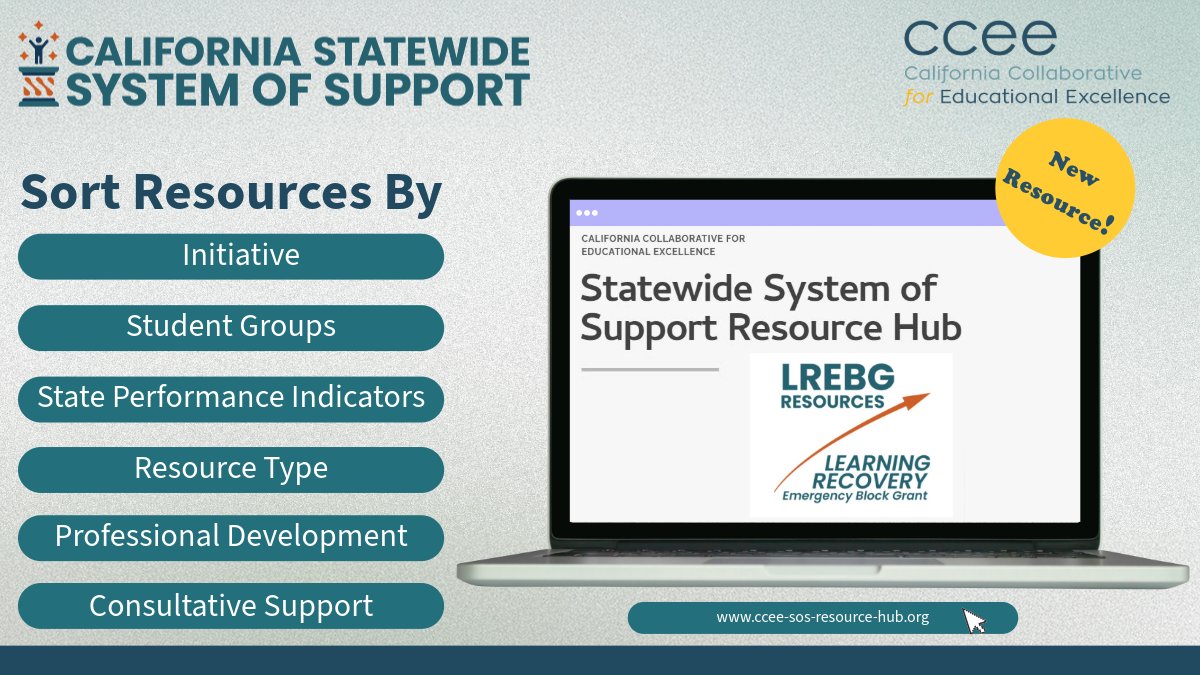
🚨 New Webinar Alert! The LREBG Needs Assessment Training Webinar is live on the Statewide System of Support Resource Hub! 🛠️
📌 Learn how to:
✅ Meet 2025-2028 LREBG requirements
✅ Use the Needs Assessment Workbook 📊
✅ Access evidence-based resources to drive learning recovery in ELA, math & attendance
🔗Learn more: bit.ly/4fO99qk
#Education #LearningRecovery #EdEquity #LCAP
5
7
4,611

18 Nov 2024
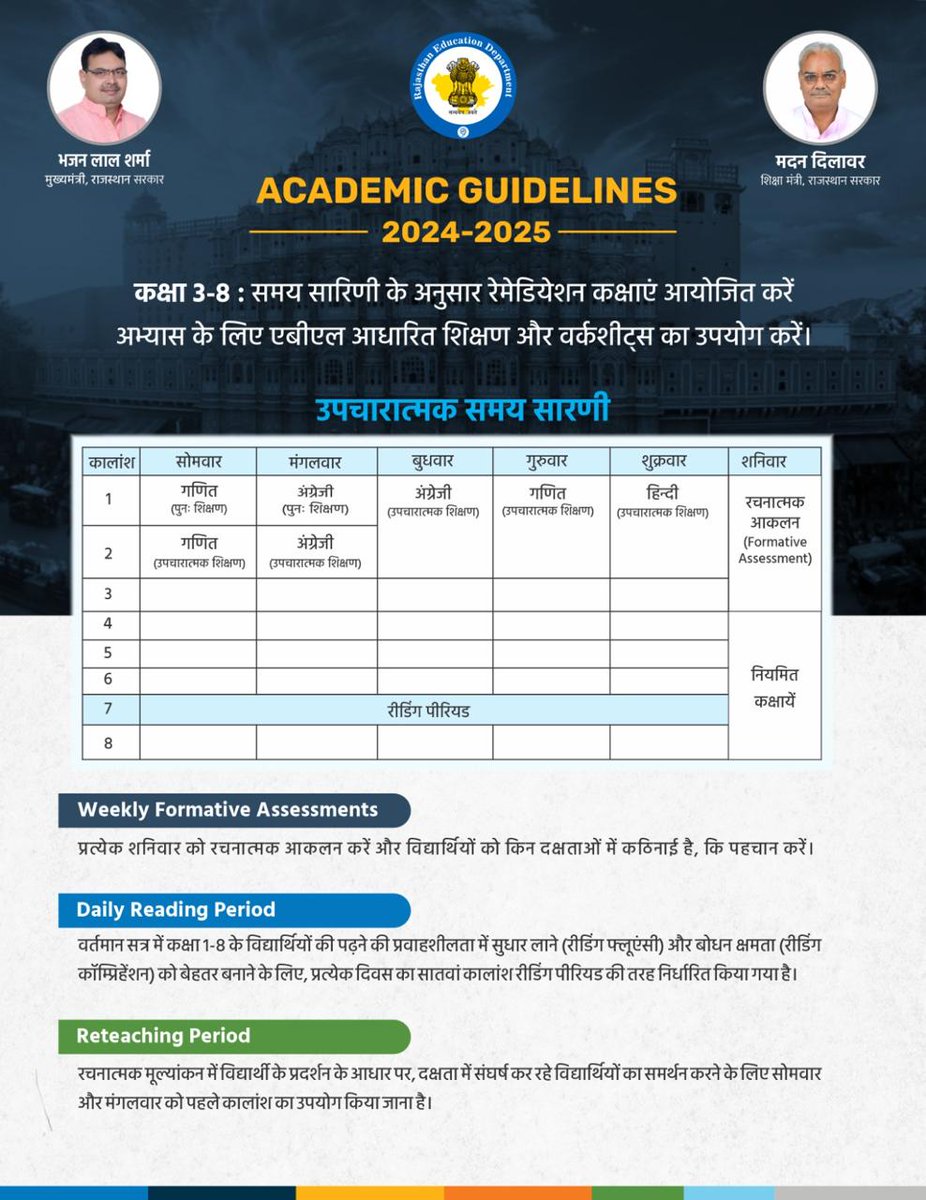
ग्रेड 3-8 के लिए उपचारात्मक कक्षाएं
सभी ग्रेड 3-8 कक्षाओं को कार्यपुस्तिकाओं का उपयोग करके उपचारात्मक कक्षाएं संचालित करनी होंगी ताकि यह सुनिश्चित हो सके कि विद्यार्थी दक्षताओं में निपुण हों और सीखने में पीछे न रहें|
Link to the guidelines: bit.ly/Rjacadguidelines
#RajasthanEducationDepartment #RemedialClasses #EducationForAll #StudentSuccess #Grade3to8Learning #WorkbookLearning #SkillMastery #LearningWithPurpose #InclusiveEducation #AcademicExcellence #EducationInitiative #StudentEmpowerment #LearningRecovery #SkillImprovement #BetterLearningOutcomes #EduReforms #TeachingForExcellence
2
2
24
3,767

27 Oct 2024
Playtime in Elementary Schools: Out with Literacy, in with Play Learning in New Brunswick schools. A look at the #CPSN movement, the abandonment of #learningrecovery and the appropriation of PE physical fitness class periods #NBed #NBpoli #cdned tj.news/new-brunswick/paul-b…
1
2
308

19 Aug 2024
To say that #K12 educators have faced challenges after Covid-19 is an understatement. Author @Brilliance_Bo shares tips to turn the tables on post-Covid adversity in our new blog post.
Read it here ➡️ bit.ly/4cBTBTU
#ATPLC #AcceleratedLearning #LearningRecovery
2
7
1,347

14 Aug 2024
Reminder: We're still collecting Letters of Intent for research projects that aim to help finish the work of pandemic learning recovery. Grants of up to $500k are available, with generous support from the @WaltonFamilyFdn. Read the request for proposals and apply by Aug 30: bit.ly/4dAXucV
Know a researcher or colleague who may be interested? Tag them below!
#eduresearch #learningrecovery #edutok
2
4
1,212

13 May 2024
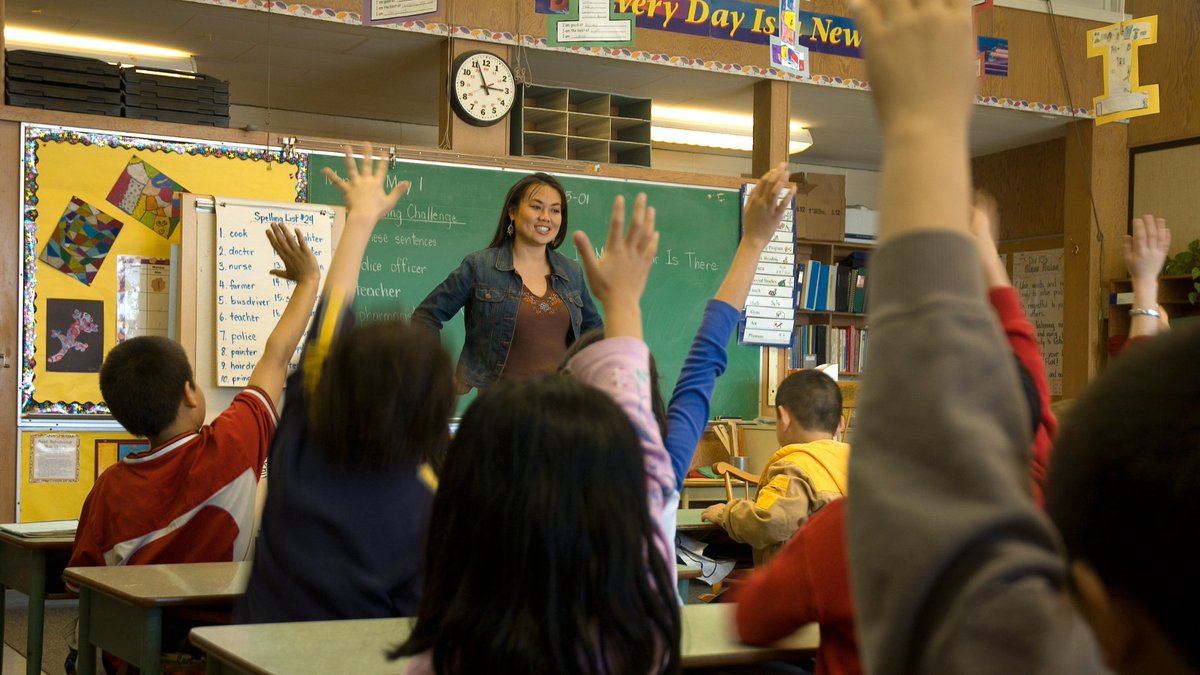
Summer learning programs are boosting math & reading skills, with some surpassing pre-pandemic levels! Dive into how these programs can transform education this summer: hubs.li/Q02x0cGj0
#Education #SummerLearning #LearningRecovery
4
43

7 May 2024
I have long believed that when districts contract with outside vendors, they should be paying based partially on student outcomes.
I mean, what’s not to love about paying for results instead of promises?
That said, I wasn’t sure how to actually implement these ideas or answer all the yeah-but questions I’d get from superintendents. My recent conversation with Brittany Miller and Jasmine Walker of the @SouthernEdFound helped fill in some of the big blanks.
SEF is leading the charge in advancing #outcomesbasedcontracting by partnering with #schooldistricts to adopt these innovative payment structures for services like #tutoring.
I learned a lot from our conversation. Here are three of my takeaways:
Mutual Accountability is Key
Vendors are accountable because a portion of their pay (SEF recommends at least 40%) is dependent on #studentoutcomes produced. But districts are also accountable for setting the right conditions for their vendors to succeed (e.g. ensuring attendance is above a threshold). If they don’t, they have to pay up.
Different Types of Service Providers Require Different Types of Contracts
Districts can’t simply copy and paste their tutoring outcome-based contracts for their #edtech vendors, for example. There are different conditions to consider and results to measure. SEF did a feasibility study to help districts develop their edtech contracts that is linked below.
The Conditions are Ripe for Outcome-Based Contracting
Districts spent millions in federal COVID funds on #learningrecovery interventions, and many are wondering what they have to show for it. That pressure blended with new edtech opportunities created by #AI make now a golden opportunity for districts to give outcome-based contracting a chance.
Check out the full conversation and share your thoughts or questions in the comments. Or, share with an educator who can start to implement this on the ground!
2
7
587

11 Mar 2024
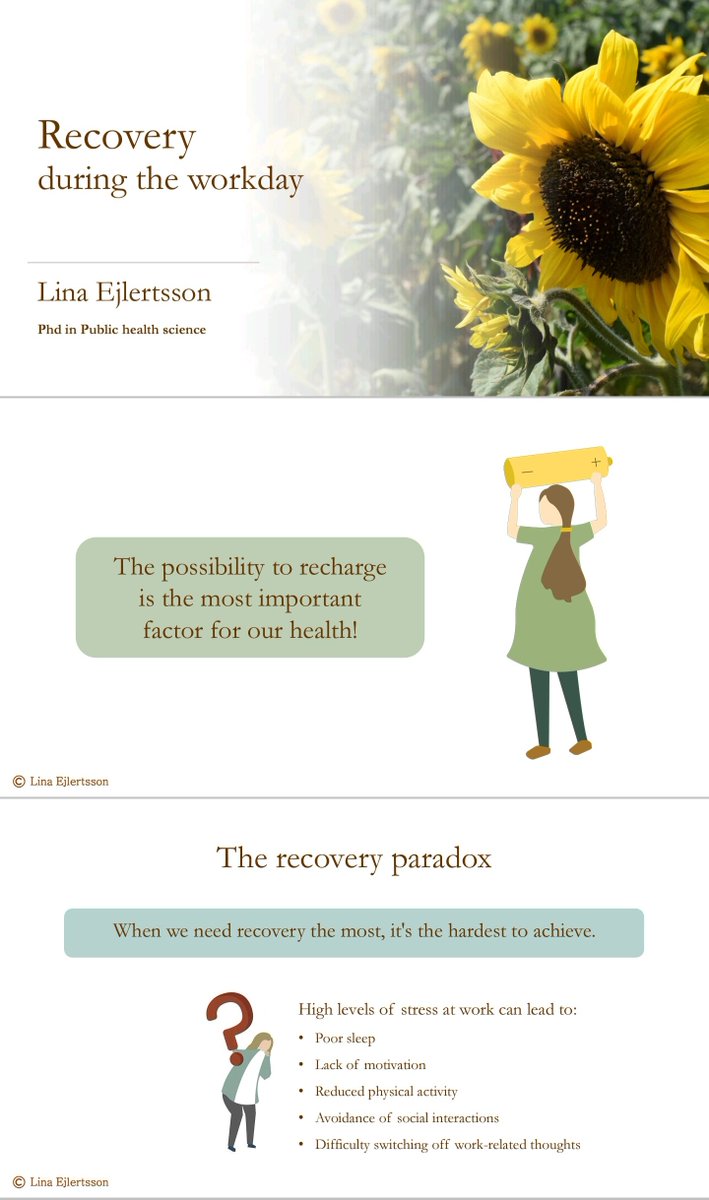
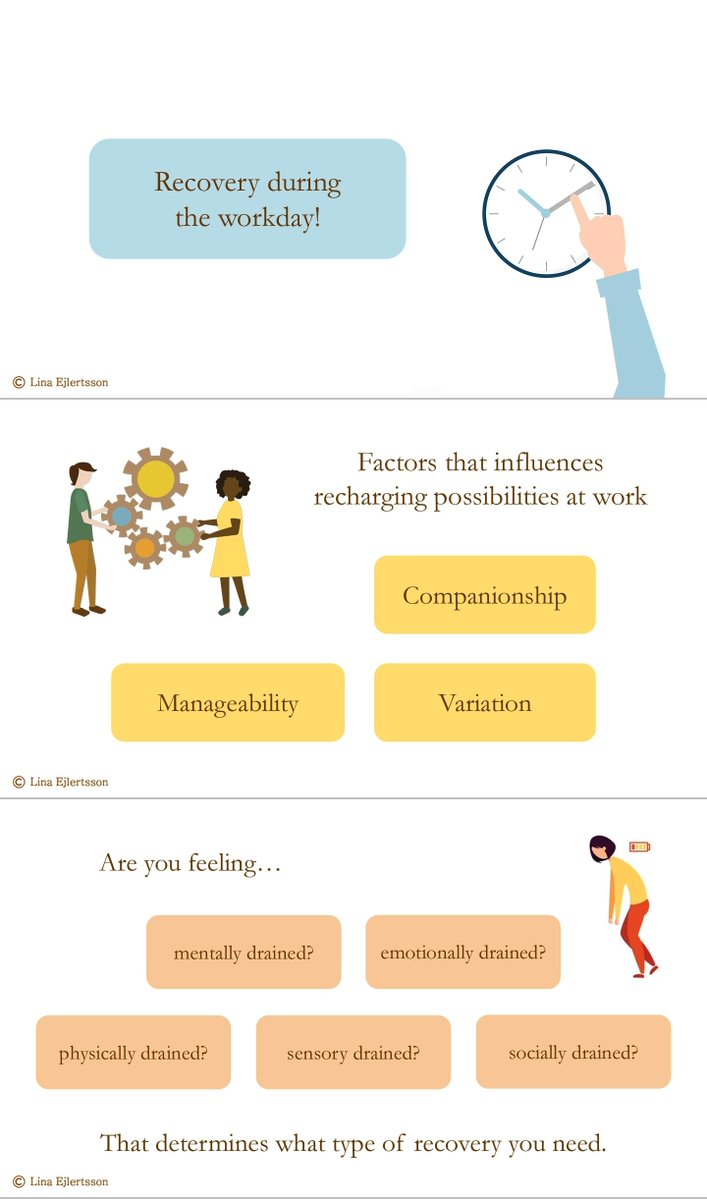
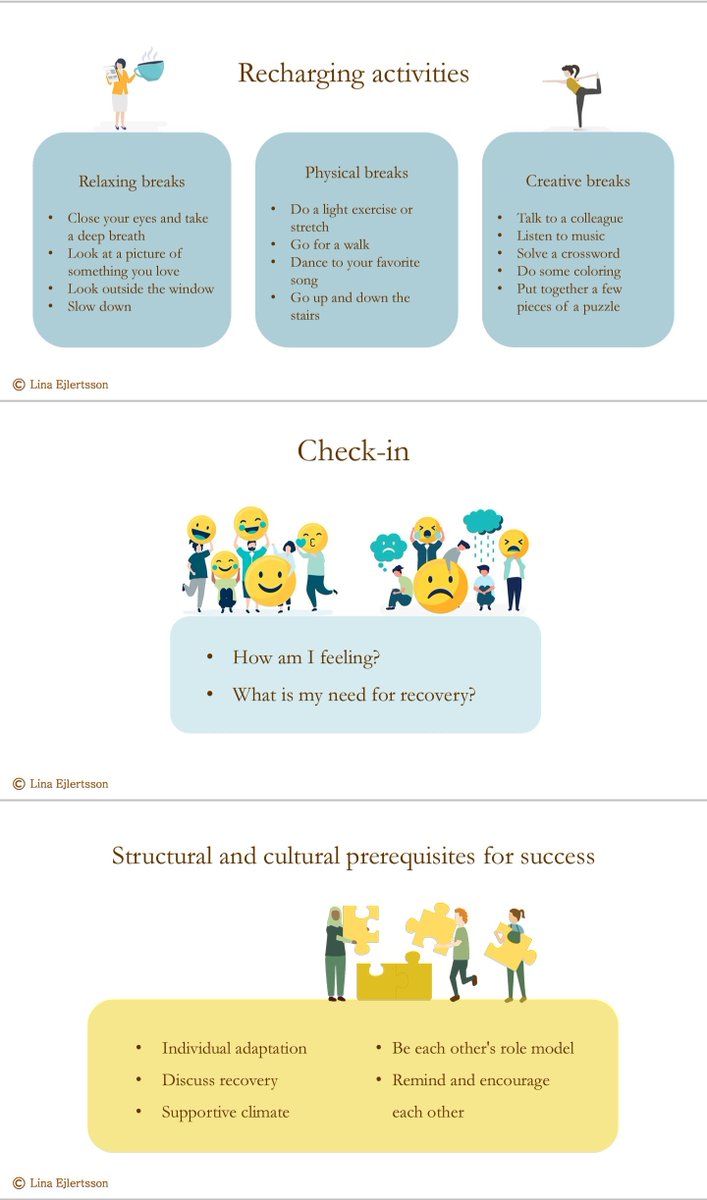
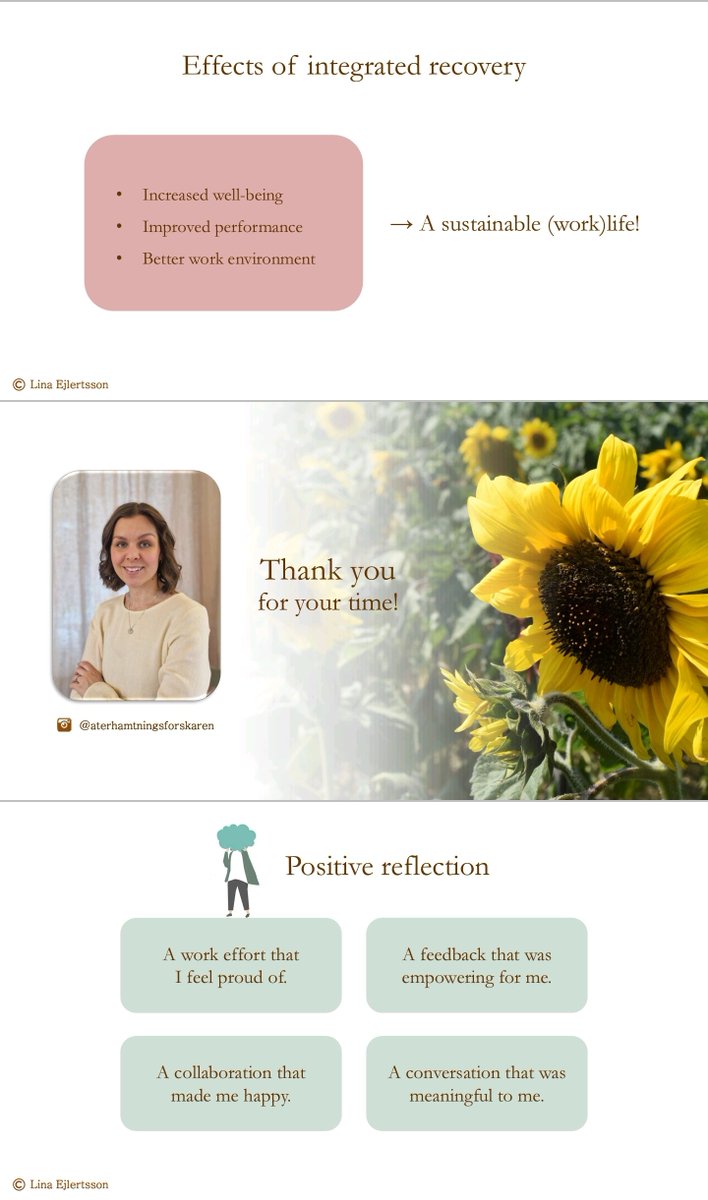
Who knew simple routines could be so powerful? Learning recovery at work is so much easier with consistent habits. Feeling more focused & way less overwhelmed. Hope this helps. 🌻
#workhacks #learningrecovery #productivity
1
2
1,363

11 Dec 2023
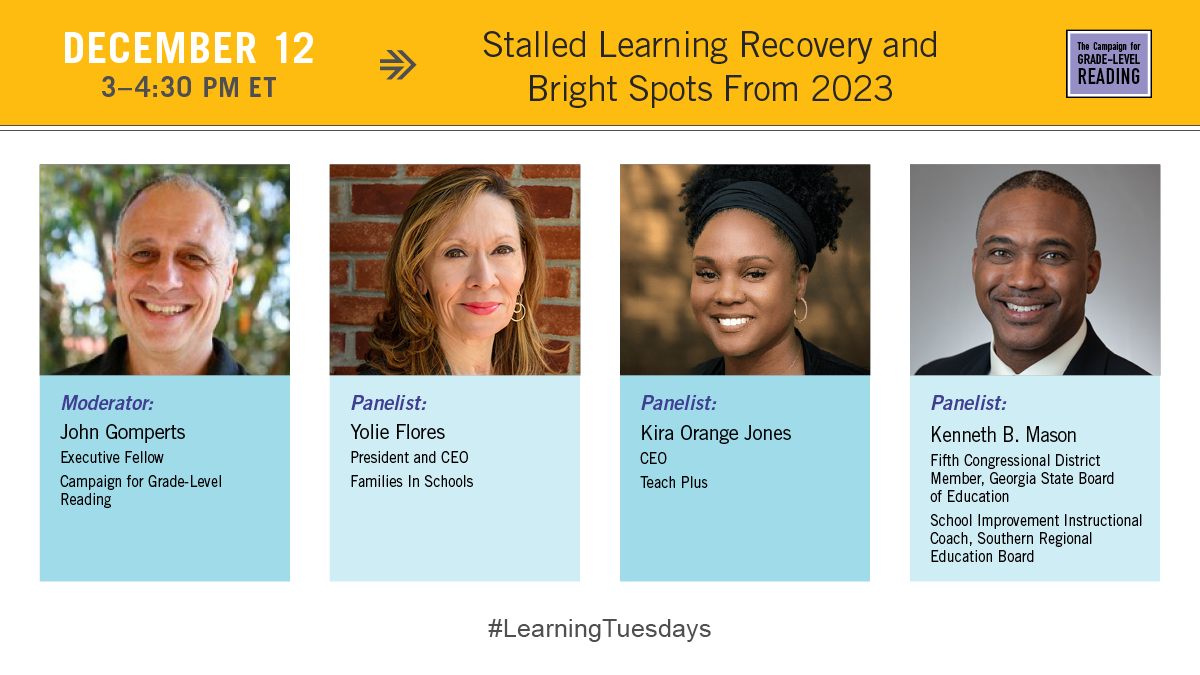
Join @readingby3rd for a look back at sessions from the fall on the state of #LearningRecovery exploring the data, bright spots & paths forward. We'll gain new insights from experts from @FamsInSchools, @teachplus & @srebeducation! Register: ow.ly/MkVI50Q4MTP #GetGAReading
2
2
224

6 Nov 2023
Now more than ever, we need to help students get back on track. exemplars.com/blog/math-reso… #learningrecovery #teacher #teaching
3
145

26 Oct 2023
A recent report from Brown University shows that some states are reaching pre-pandemic test results, but many states are still behind. Data and analysis can be the key to understanding what these successful states are doing differently. #LearningRecovery
2.sas.com/6019ug1kW
1
33

10 Oct 2023
As we begin unpacking school designations this month, IL #leaders should consider this opportunity to explore ways to close #achievement gaps & ensure all students are making adequate progress. pages.franklincovey.com/Octo…
@franklincovey @TheLeaderinMe #edchat #learningrecovery #4DX
2
145

2 Oct 2023
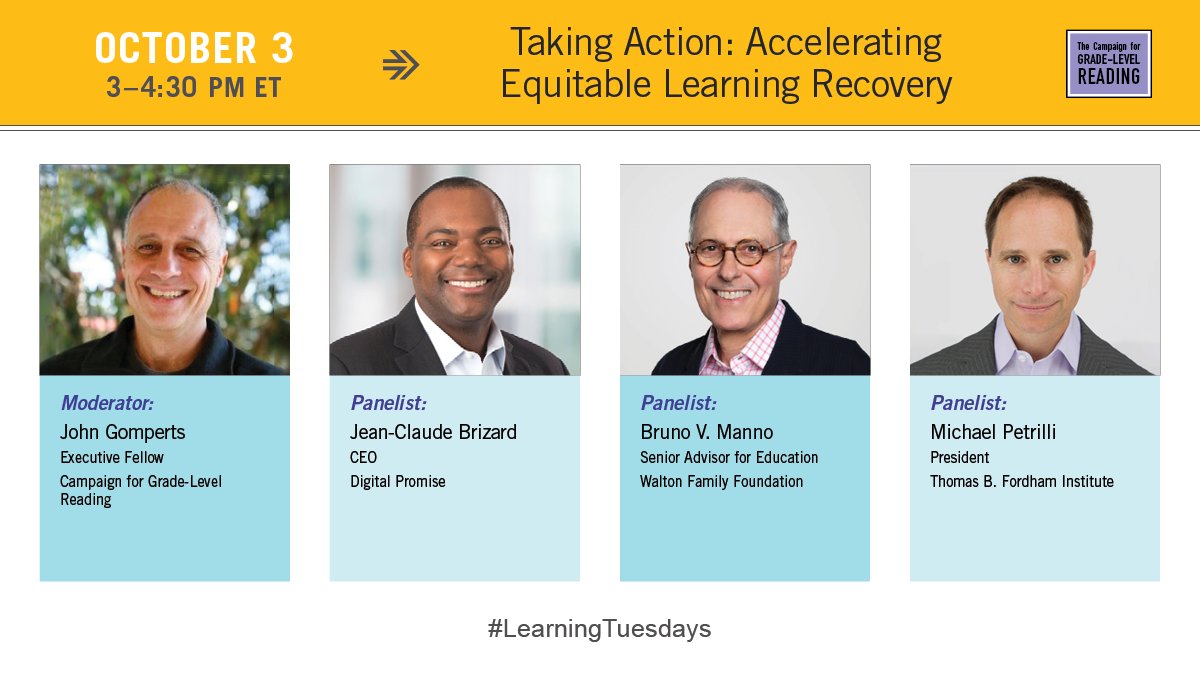
Join @readingby3rd on 10/3 for #LearningTuesdays to continue our discussions of recent learning data what we can do to support #LearningRecovery. REGISTER: ow.ly/tU5v50PEWz7
We’re excited to be joined by @DigitalPromise @educationgadfly @WaltonFamilyFdn @MichaelPetrilli
5
5
1,293