
16h
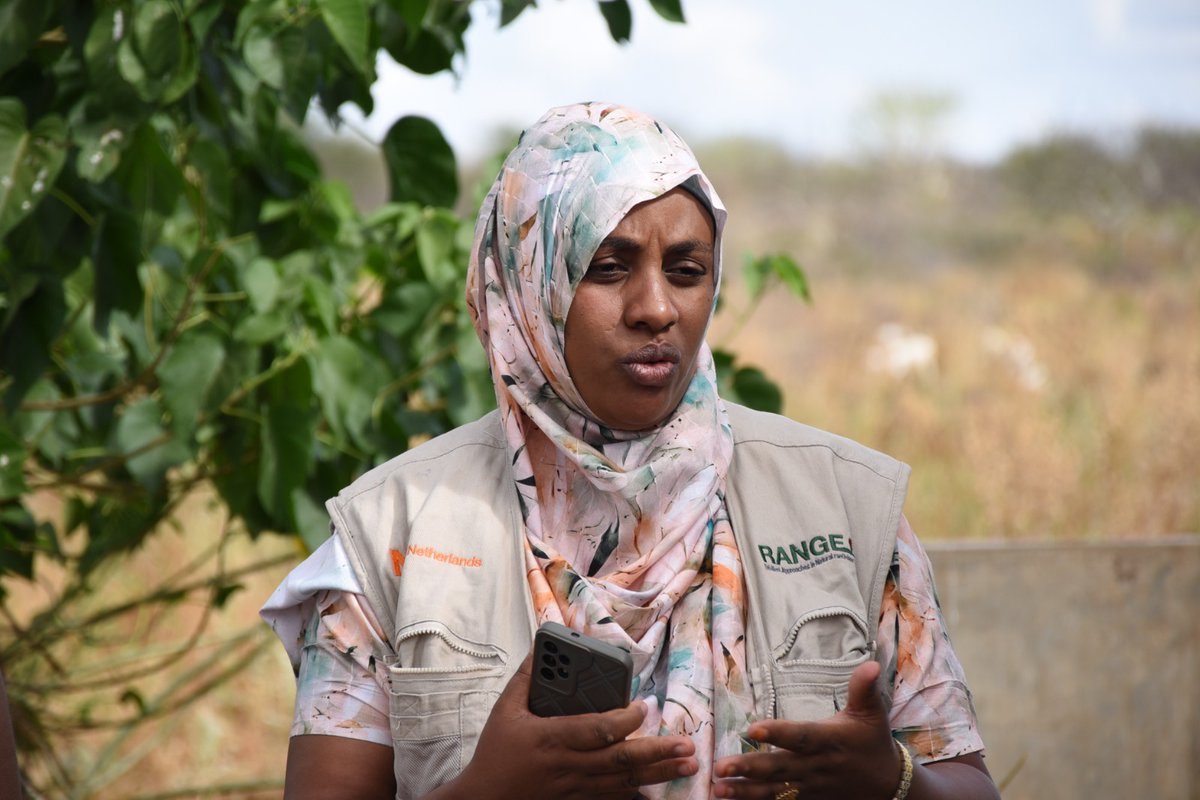
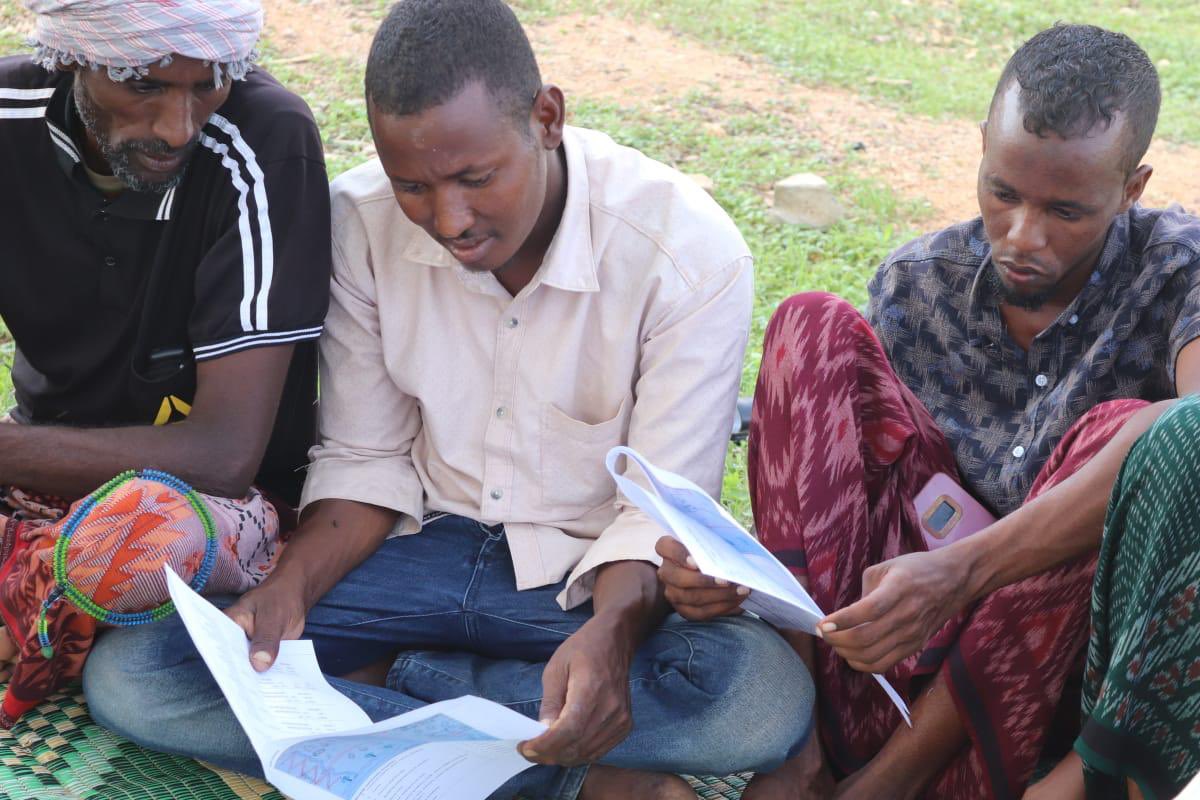
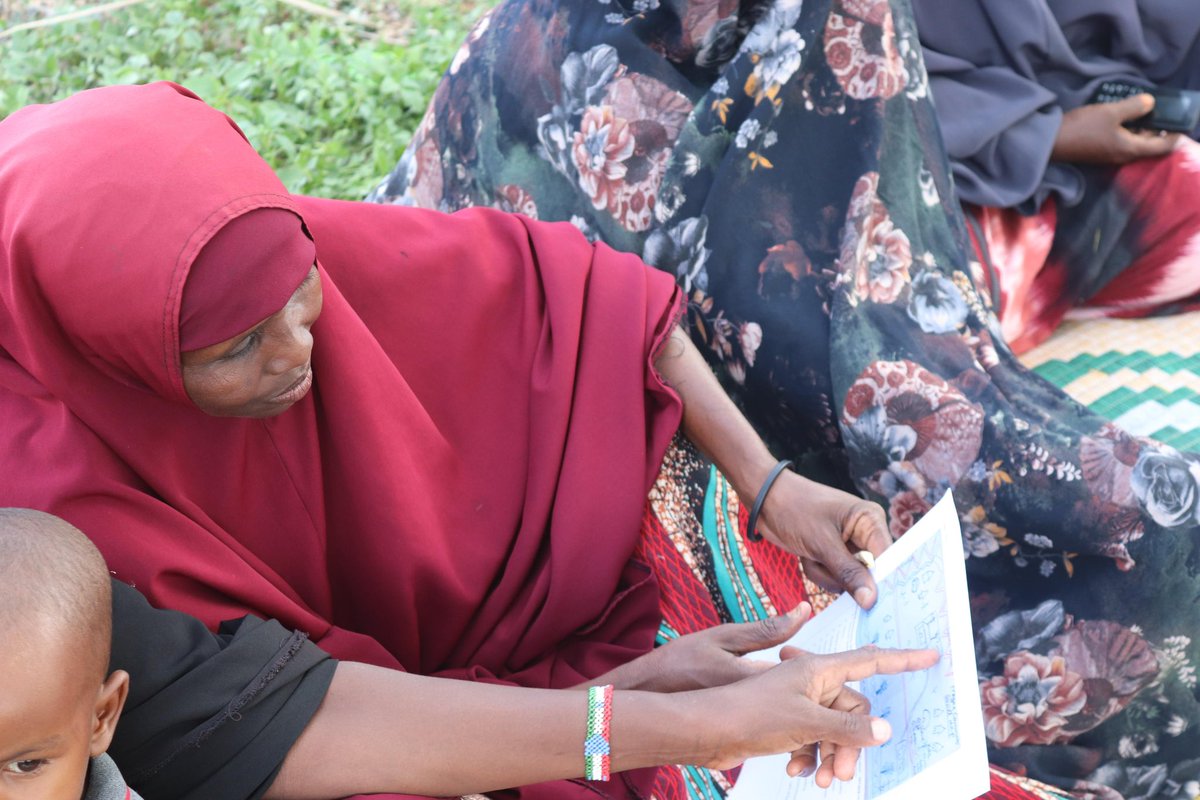
Community-led action continues to drive climate resilience and sustainable land management across Marsabit County through interventions supported by the RANGE Programme.
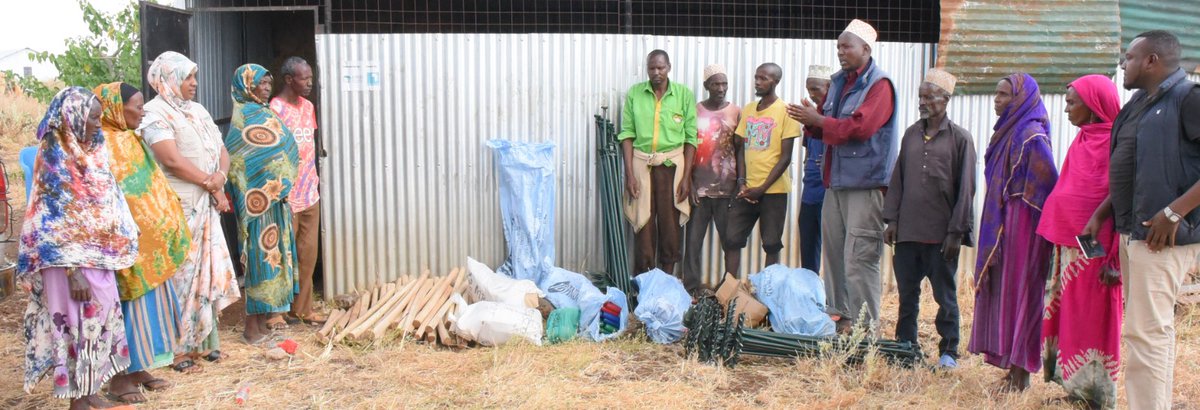
The Dololo Dokatu Self Help Group, established in 2018 and based in Dokatu Village in Sagante / Jaldesa ward, Marsabit County, is among the community groups taking practical steps to restore degraded landscapes while strengthening livelihood opportunities for local households.
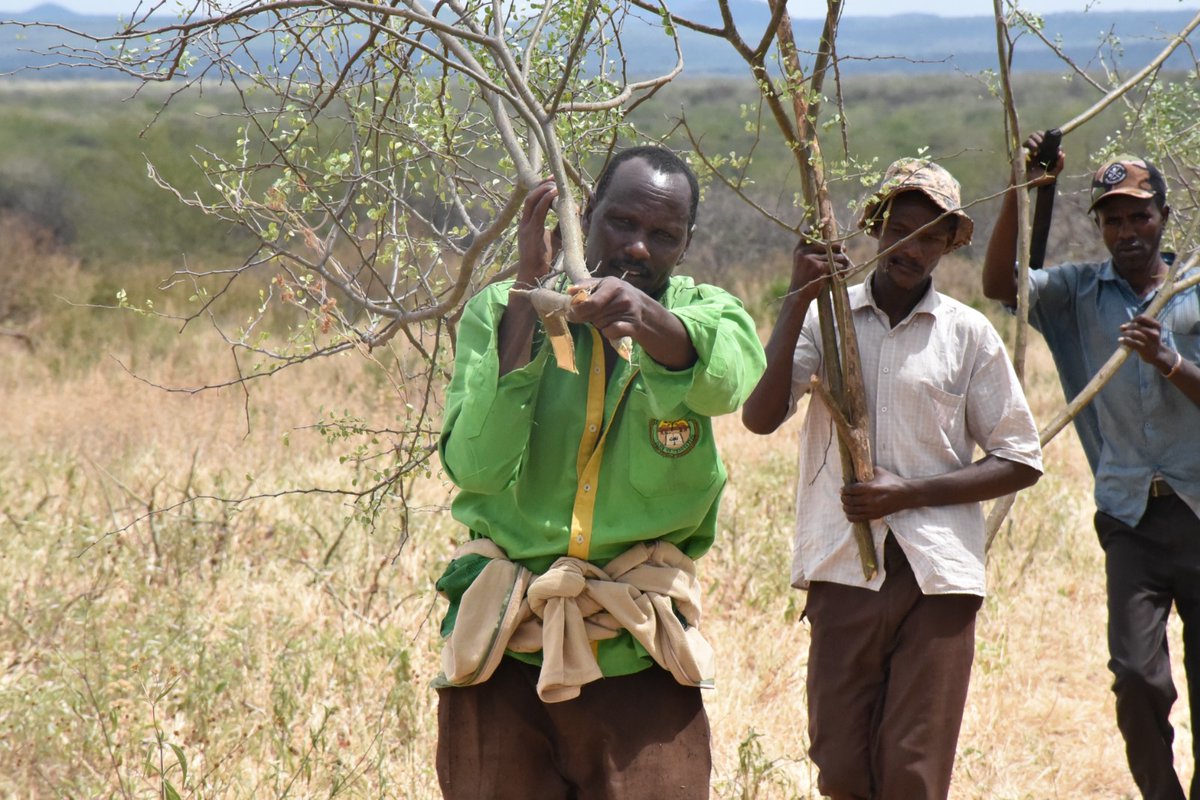
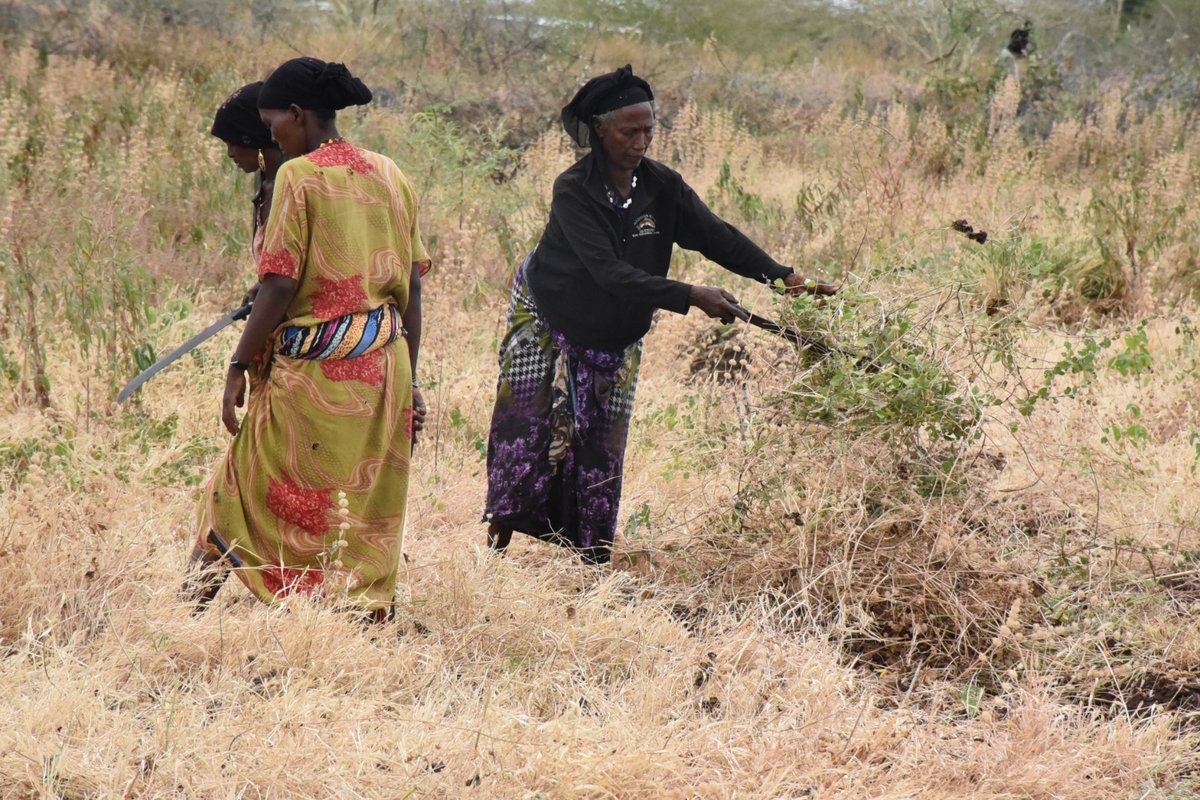
Through support provided under the RANGE Programme, the group received productive assets and technical support that enabled members to undertake a week-long land preparation and clearance exercise across their 15-acre communal farm. The initiative has laid the foundation for grass reseeding and fodder production efforts aimed at improving pasture availability and promoting sustainable rangeland management.
By investing in collective action and community-led restoration, the group is contributing to healthier ecosystems, improved livestock productivity, and enhanced resilience to the impacts of climate variability. The initiative also strengthens local ownership of natural resource management, ensuring that communities play a leading role in safeguarding and restoring the resources upon which their livelihoods depend.
The activity reflects the broader vision of the @RANGEprogramme to strengthen climate resilience through locally led solutions that integrate environmental stewardship, sustainable livelihoods, and community empowerment.
Supported by the @NLinKenya, the RANGE Programme is implemented through a consortium led by @MercyCorpsKe in collaboration with partners working to strengthen resilience, natural resource governance, and inclusive development across Marsabit County.
@FCDCKenya
@UTwente
#ClimateResilience #RangelandRestoration #SustainableLivelihoods #CommunityLedDevelopment #EnvironmentalStewardship #PastoralistCommunities #RANGEProgramme #SNDAfrica #ClimateAction #SDG13 #SDG15
3
60

Wendy Kiche Nyamita from Kenya – Served in Kanyonyoni Village, Mwingi Sector, Kitui County, Eastern Province
Jacinta Kavata from Kenya – Served in Marigat Inn Villages, Marigat Sub County, Baringo County
#youthinaction #communityleddevelopment #africanyouth
1
17

The community flagged it in week one. It was logged, ignored, and two years later the evaluation confirmed what they'd already said.
Community-led development is not idealism. It is the most accurate data source available.
#CommunityLedDevelopment #LocalOwnership #Communications
3

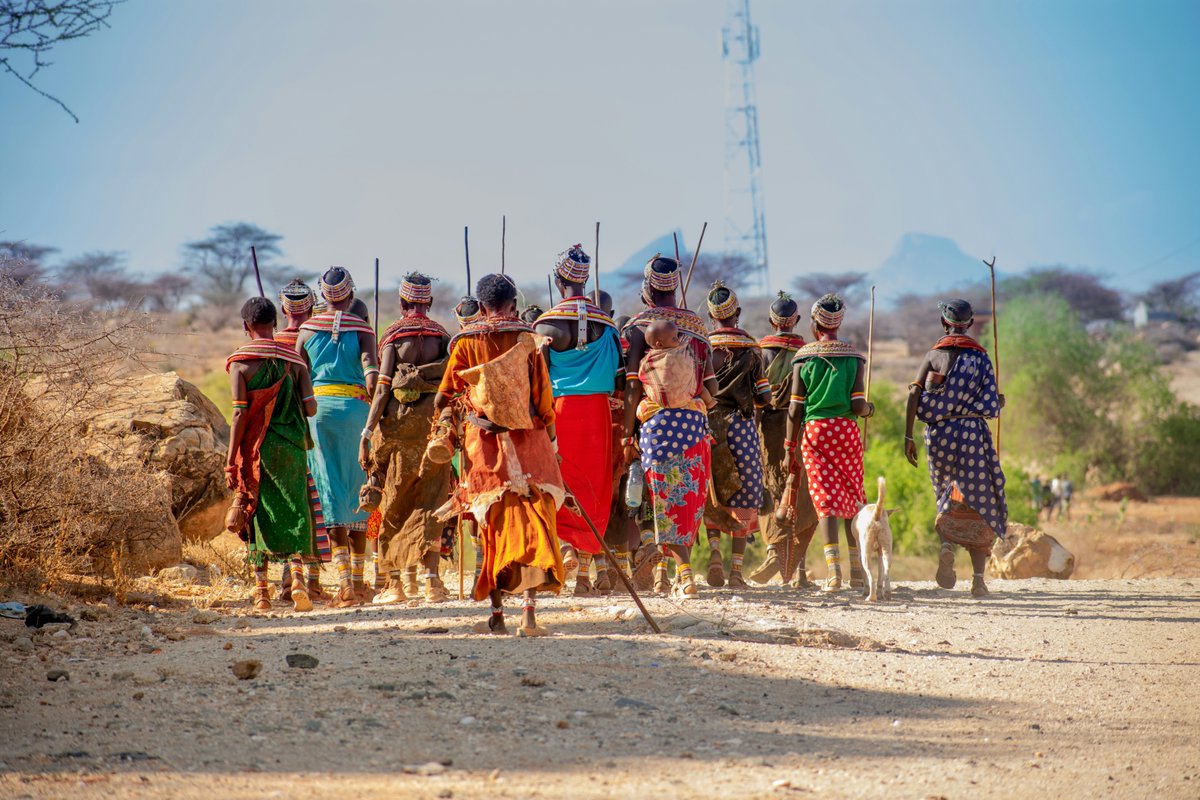
We are deeply grateful to be surrounded by people who consistently choose kindness and are committed to creating positive change in the lives of others..
#OthakarhakaFoundation #PassingOnTheKindness #communityleddevelopment #volunteers #mulanje #communityimpact #communitysupport
4

Jun 11
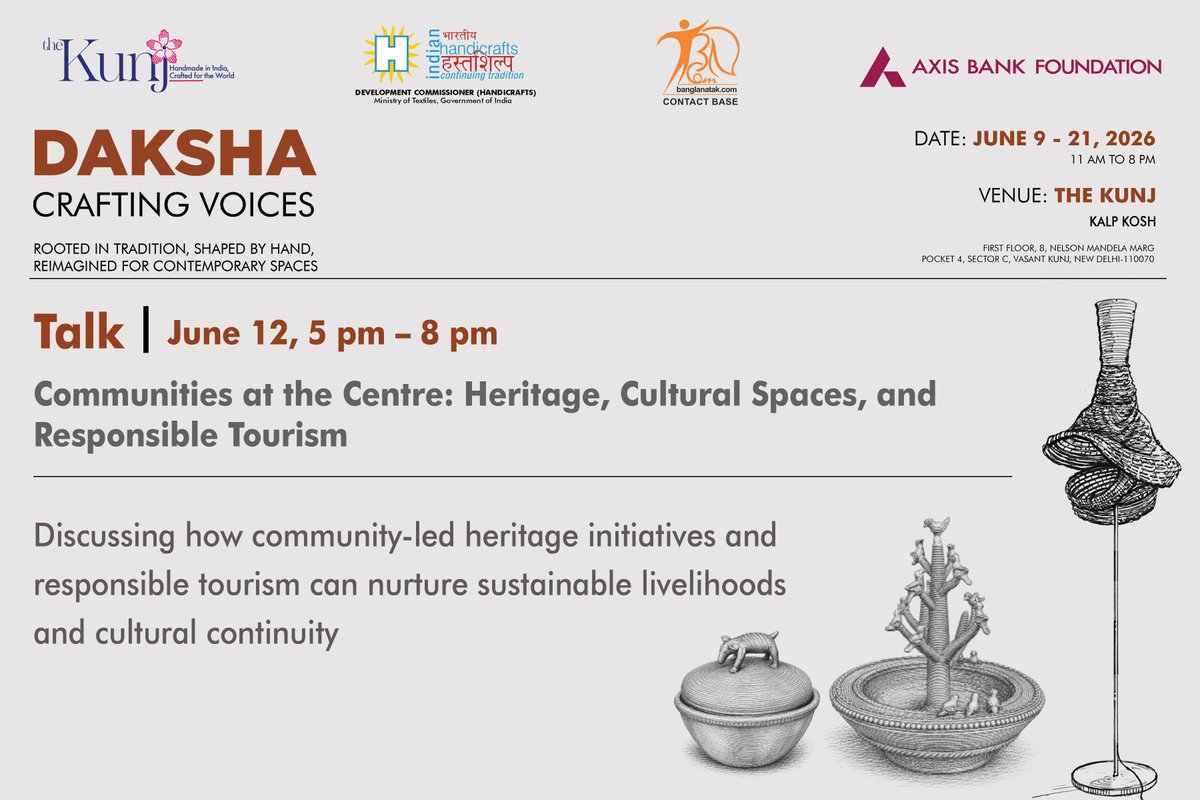
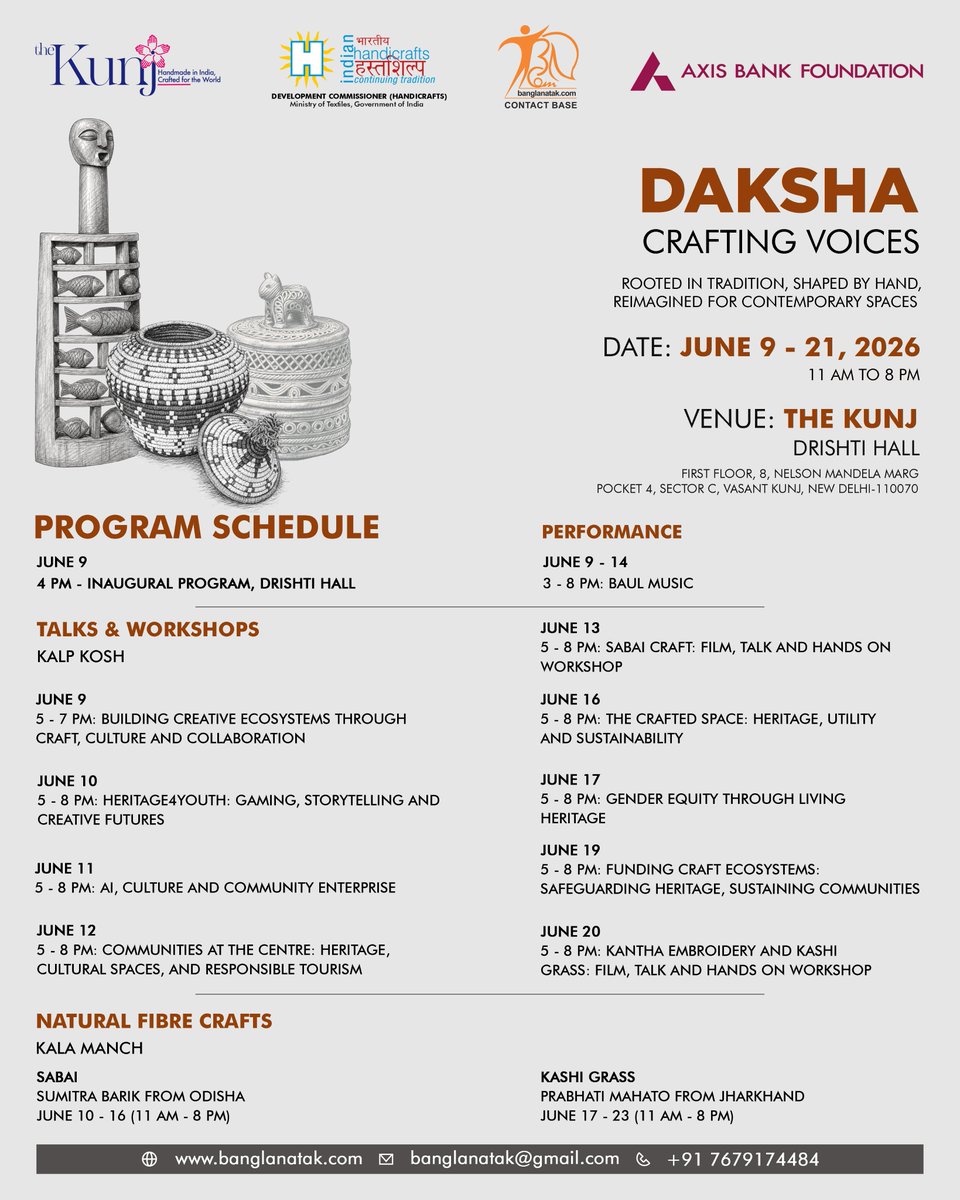
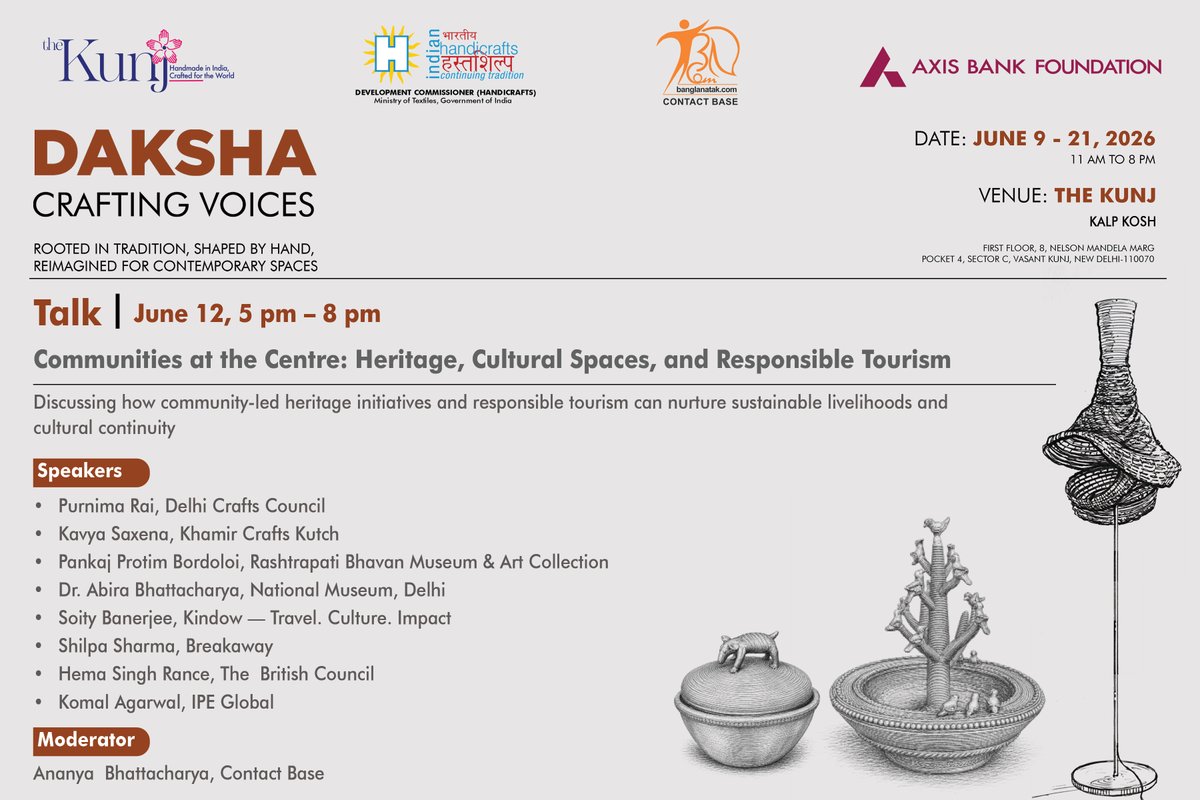
#Events | How can tourism and development create enabling ecosystems where communities remain the stewards of their heritage and cultural landscapes?
As part of Daksha: Crafting Voices, being held in collaboration with the Development Commissioner (Handicrafts), Ministry of Textiles, Government of India, join Komal Agarwal, Associate Vice President, Urban Infrastructure & Tourism, at the roundtable "Communities at the Centre: Heritage, Cultural Spaces and Responsible Tourism" for a conversation on community-led cultural economies, responsible tourism, and sustainable livelihoods.
Be a part of this dialogue and explore how heritage can become a catalyst for inclusive and equitable development.
Register here: docs.google.com/forms/d/e/1F…
#DakshaCraftingVoices #ResponsibleTourism #CommunityLedDevelopment #CulturalHeritage #SustainableDevelopment #IPEGlobal

15
They later expanded into chicken rearing, building a more sustainable livelihood.
Possibility does not arrive, it is built.
#corpsafricamalawi #communityleddevelopment #hcd #abcd #communityimpact
10

Jun 8
2/2
A huge thank you to Bharadwaj & every participant who joined us to make this day truly impactful. The journey towards a sustainable future starts with local leadership! 🌱✨
#CommunityLedDevelopment #Sustainability #CRPTraining #EnvironmentalAction #SocialImpact
8


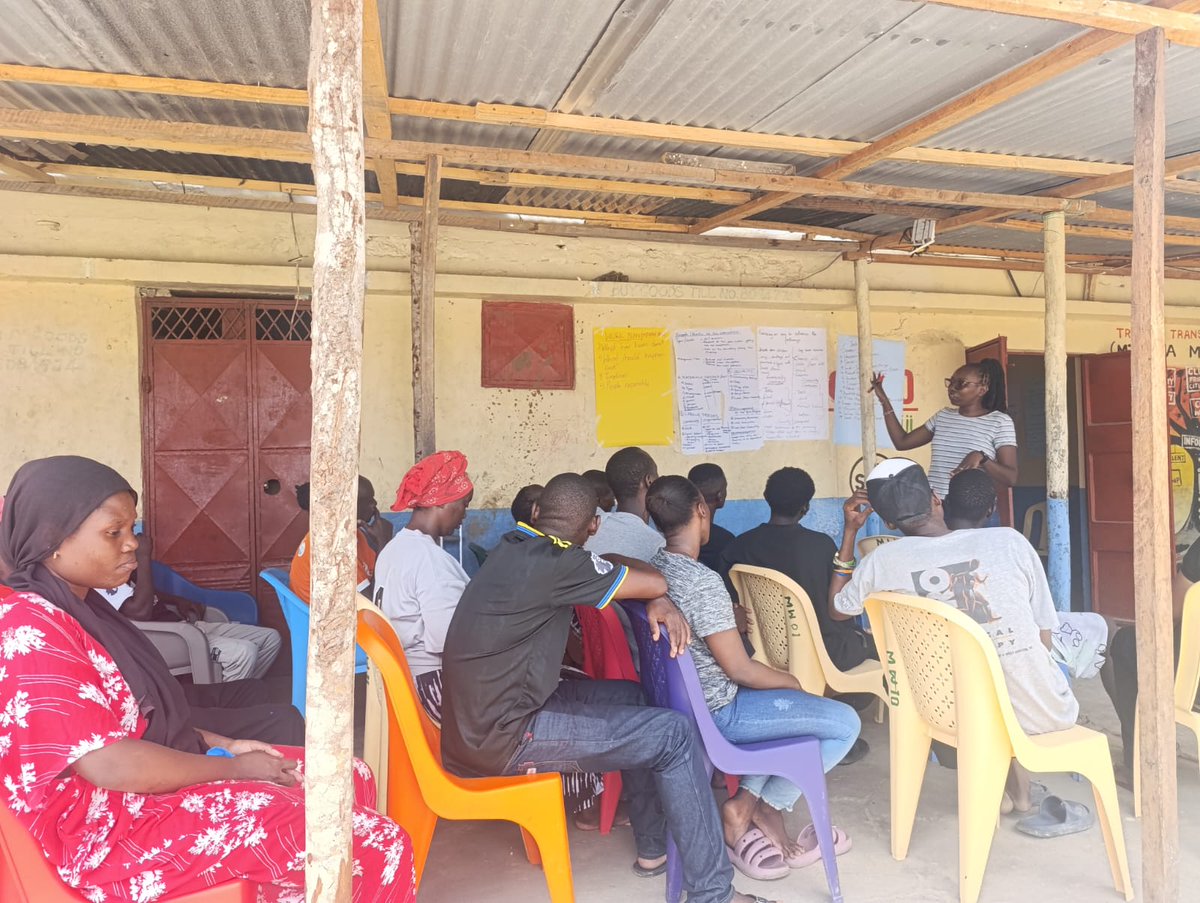
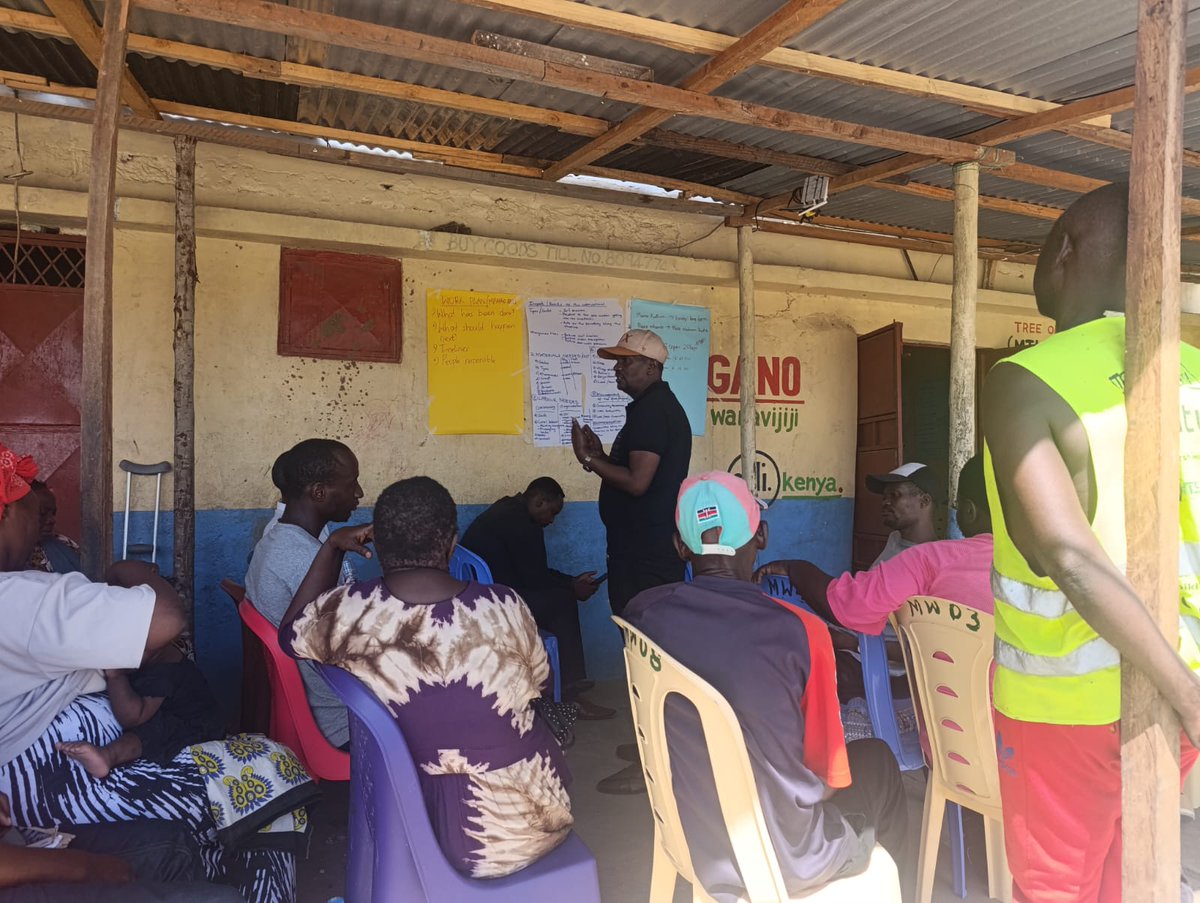
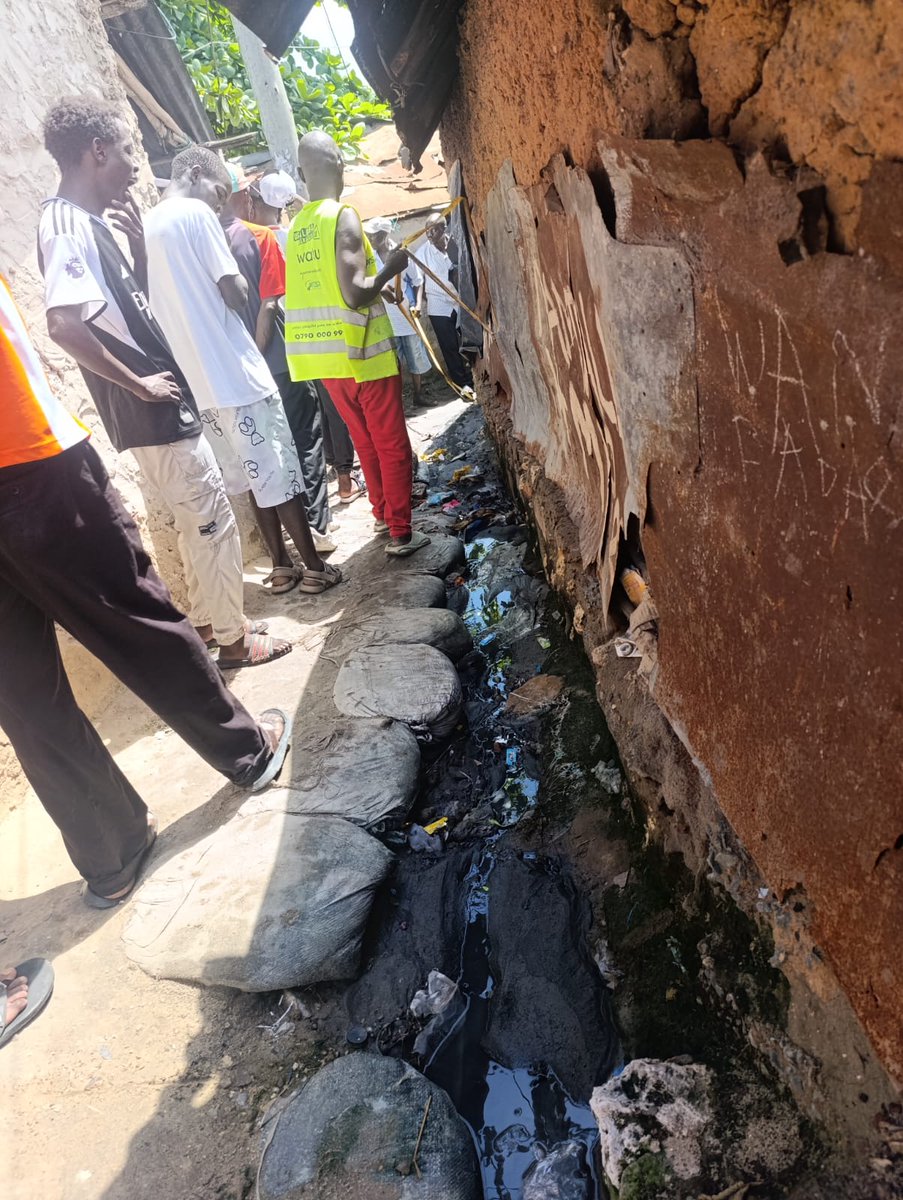
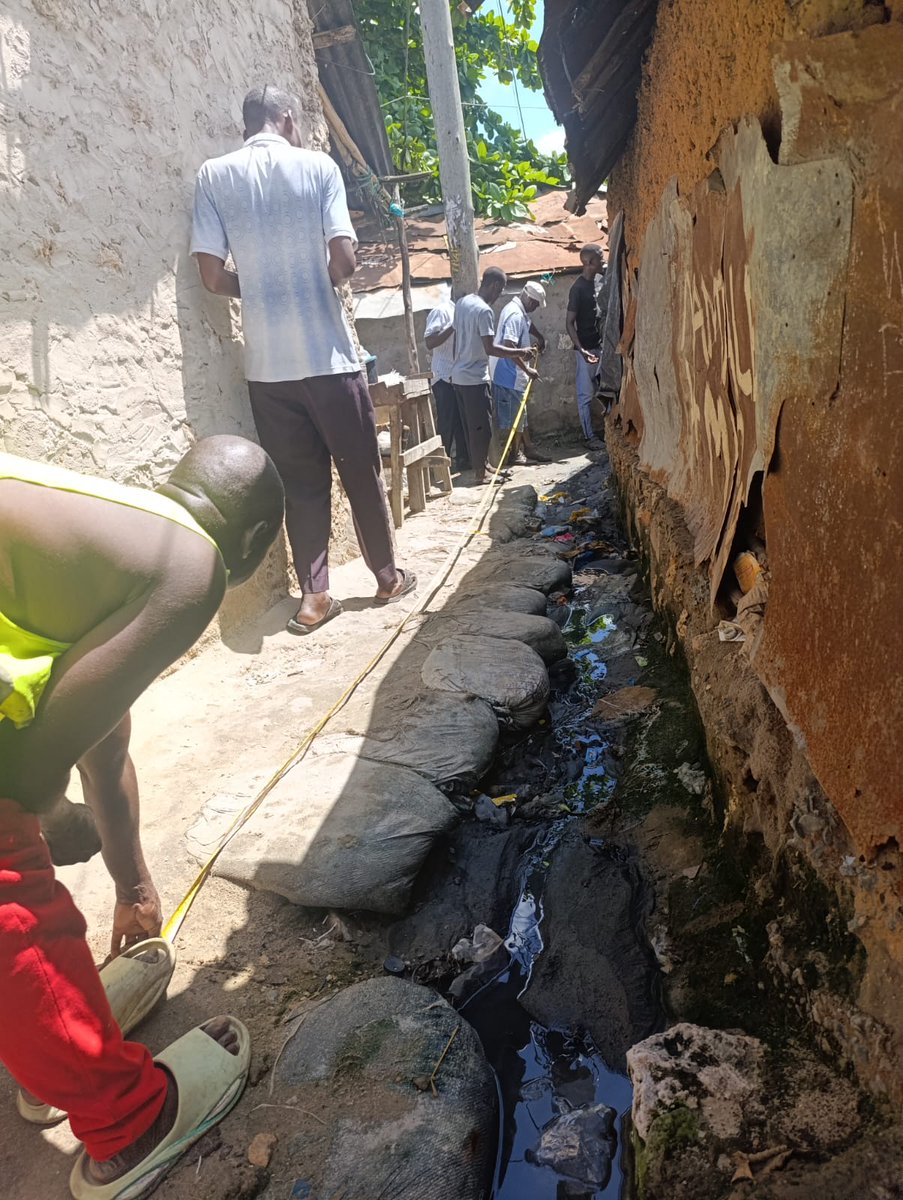
Tudor Muoroto’s waterlogged paths become impassable in heavy rains. Residents, SDI Kenya & Muungano wa Wanavijiji co-designed workplans to upgrade paths and plant mangroves, with clear community roles for resilience. #CommunityLedDevelopment #MuunganoAt30
2
54
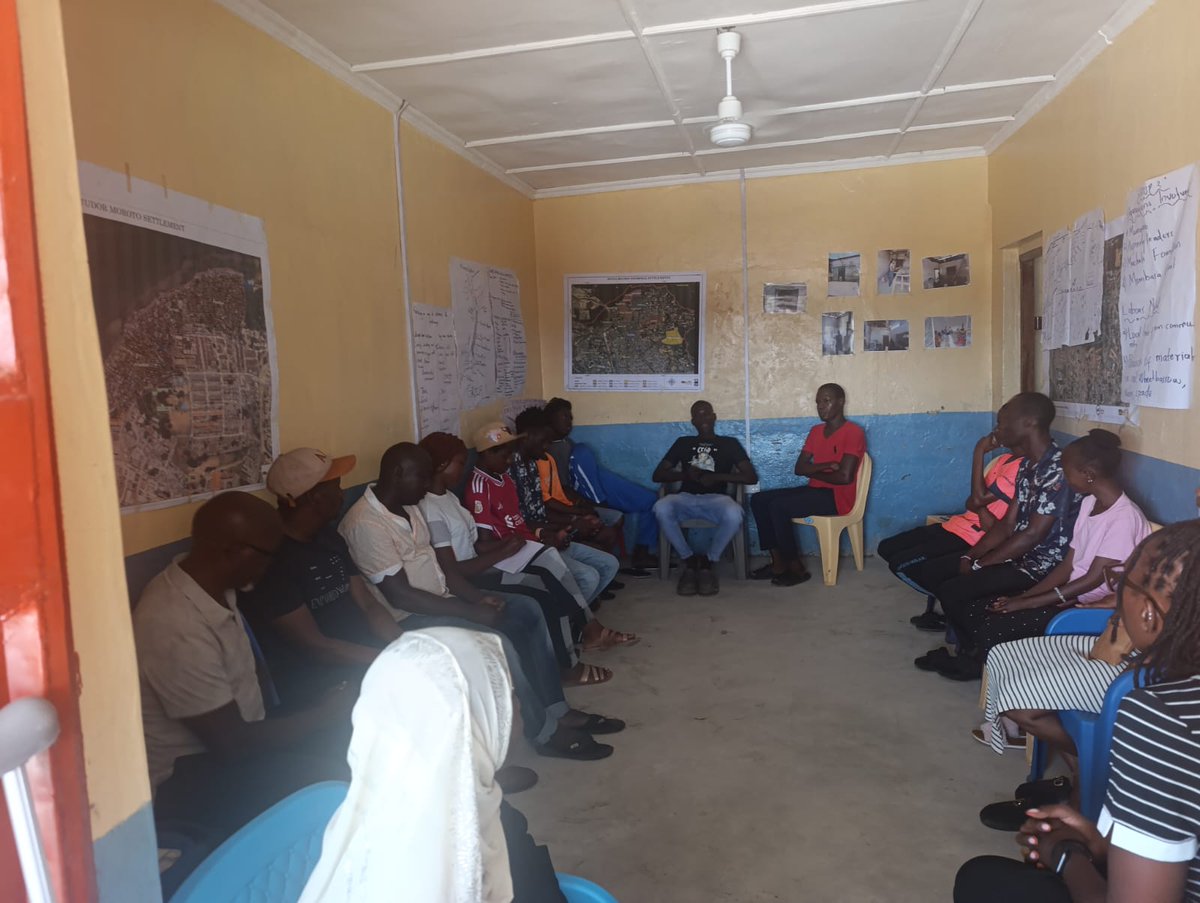
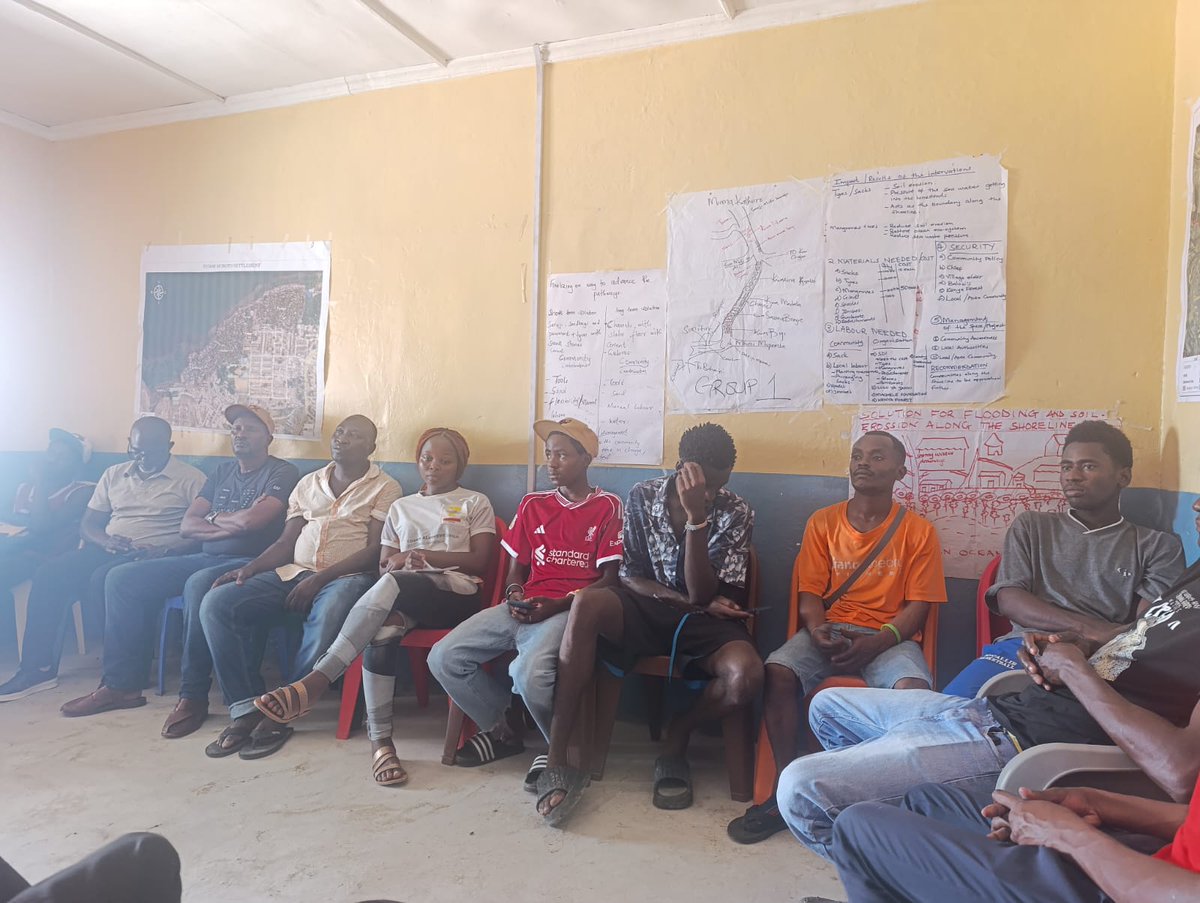
SDI Kenya Executive Director Joseph Kimani and Muungano wa Wanavijiji National Chairman Rashid Mutua met residents of Tudor Muoroto to review progress from cluster thematic committees and discuss community-led solutions to local challenges. #CommunityLedDevelopment #MuunganoAt30
1
34

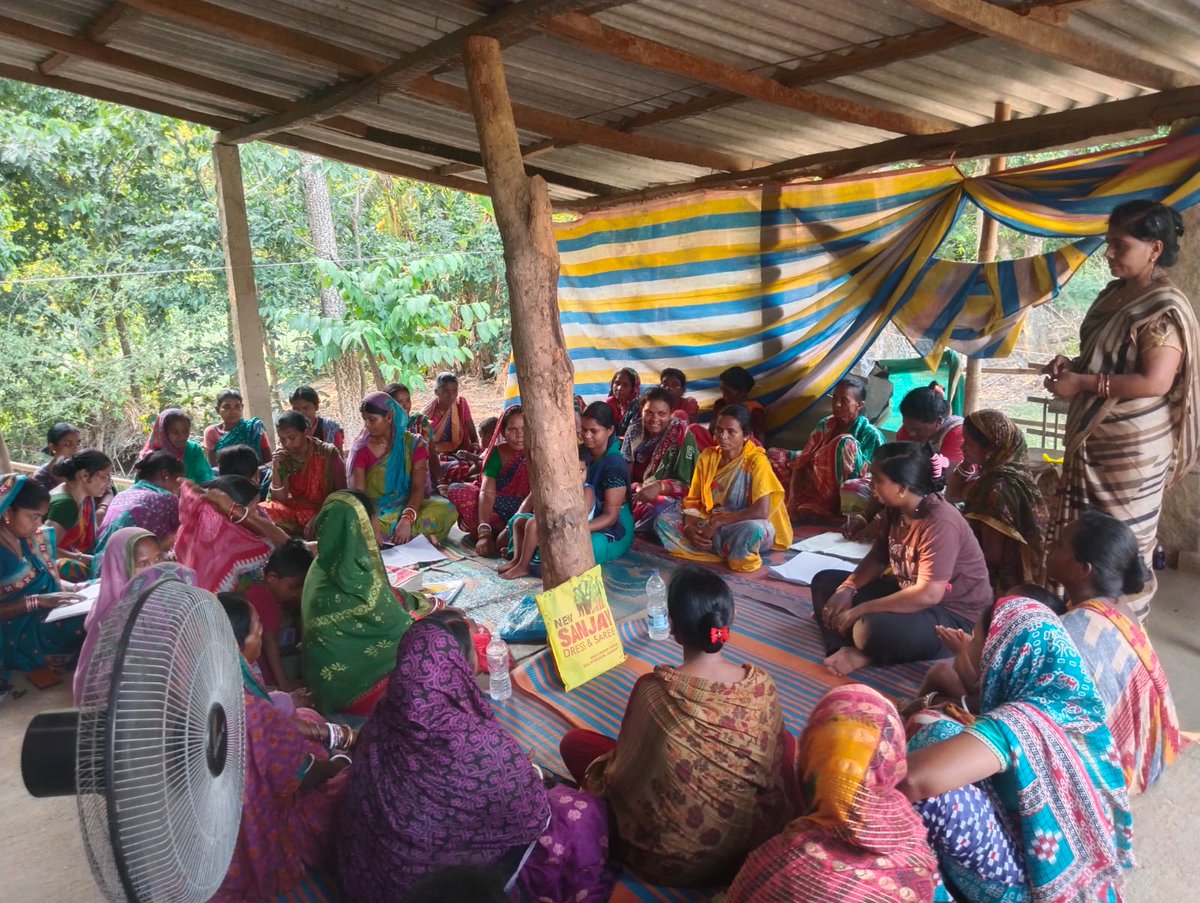
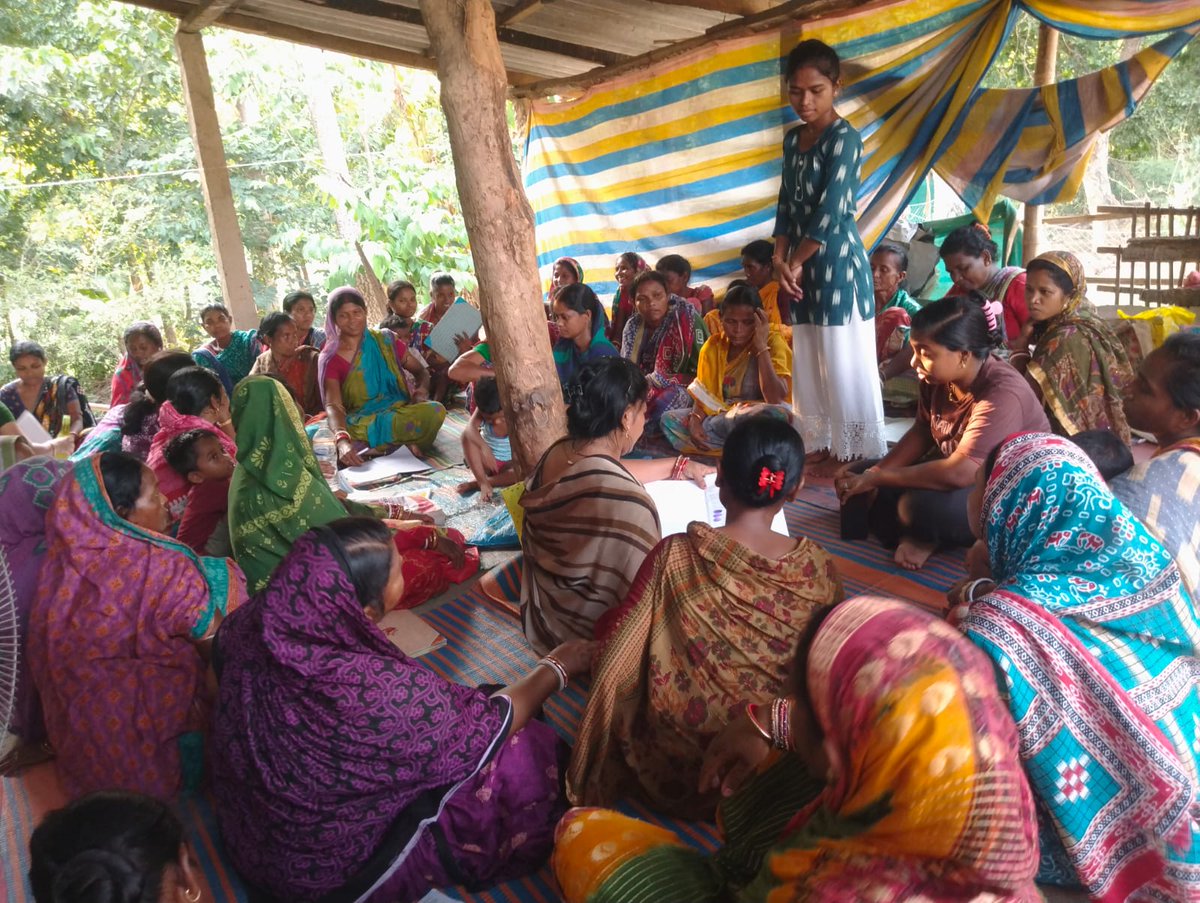
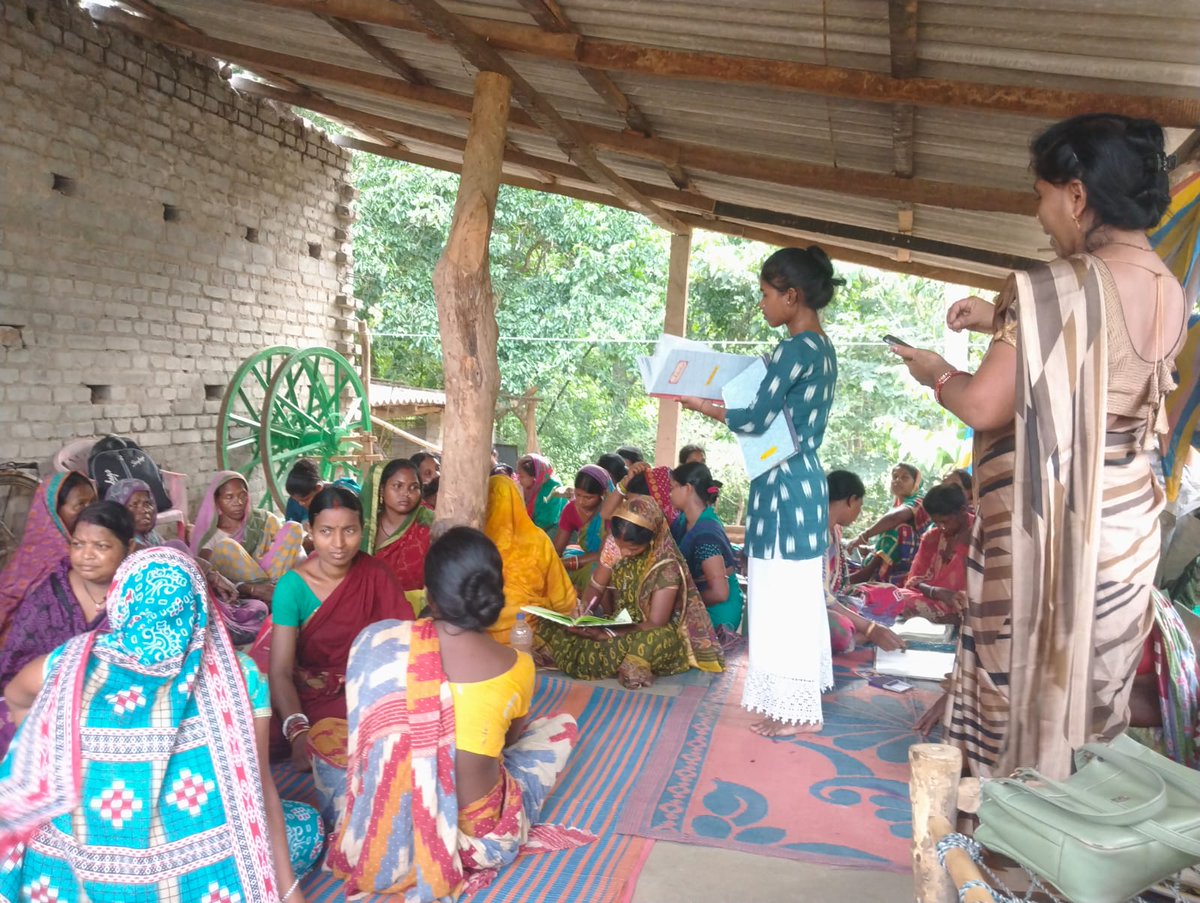
ଜନ ଜାଗୃତି ମଞ୍ଚ, ମୟୂରଭଞ୍ଜ ଲୋକ ସଙ୍ଗଠନ ତରଫରୁ ଆଜି ଆମ ଘଣ୍ଟଶିଳା ଗ୍ରାମରେ ଆମ ଅଧିକାର ଯାତ୍ରା ଅବସରରେ ଦ୍ୱିତୀୟ ଚାଷ ପାଇଁ ପୁଙ୍ଖାନୁପୁଙ୍ଖ ଭାବେ ଆଲୋଚନା କରାଗଲା।
@JjmMayurbhanj @12_baje
#GroundAction #BrownToGreen #CommunityLedDevelopment

6
7
44

May 6
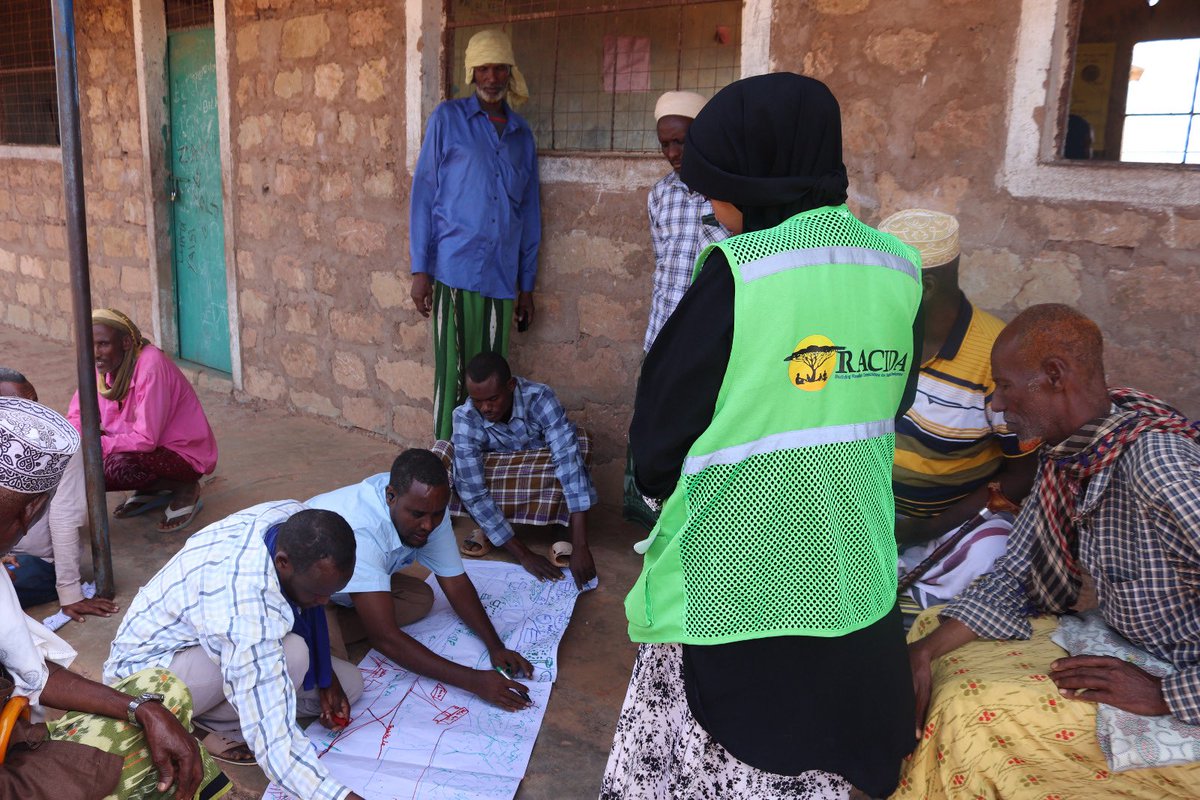
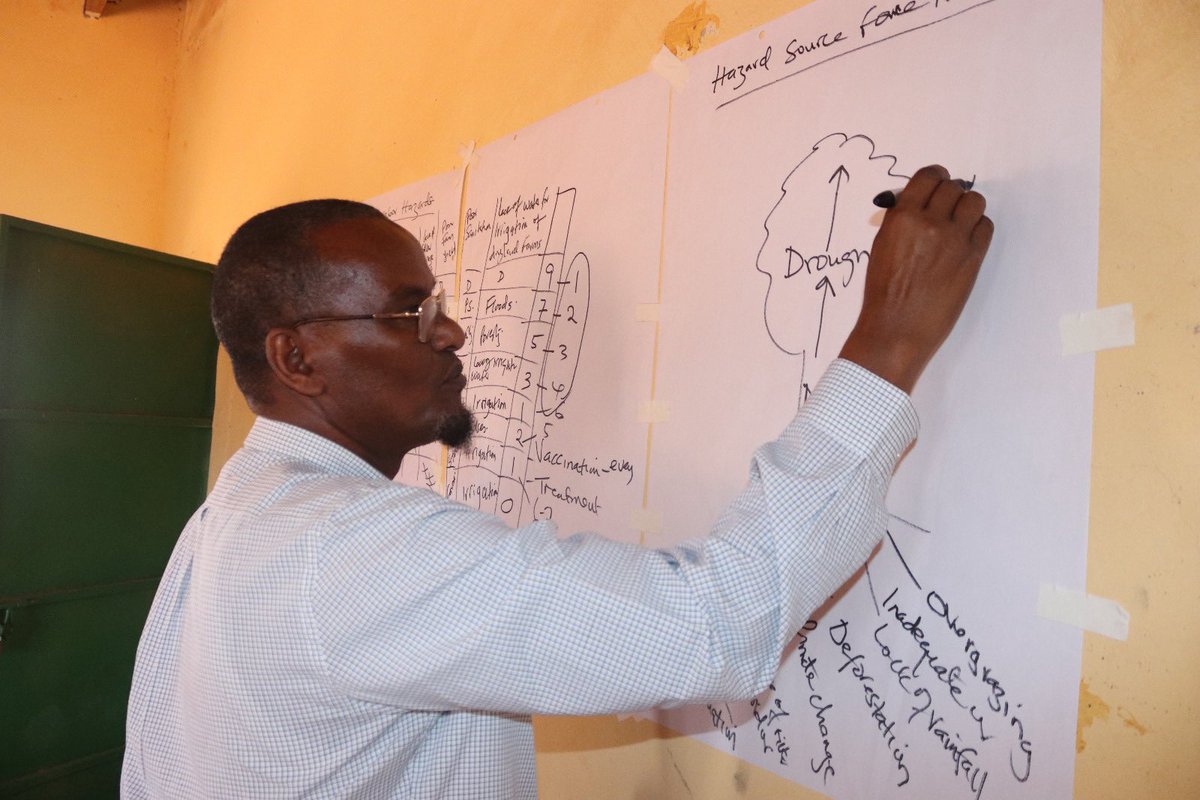
Communities are the first responders to climate shocks and disasters.
Through #community_led DRR & Contingency Action Plans, @RACIDA_Ngo is strengthening preparedness, early warning systems and localized response mechanisms across #ManderaTriangle.
The shift is clear: from reactive response to proactive resilience building.
#RACIDA #DRR #Resilience #ClimateAction #CommunityLedDevelopment #ASAL #DisasterPreparedness
3
155

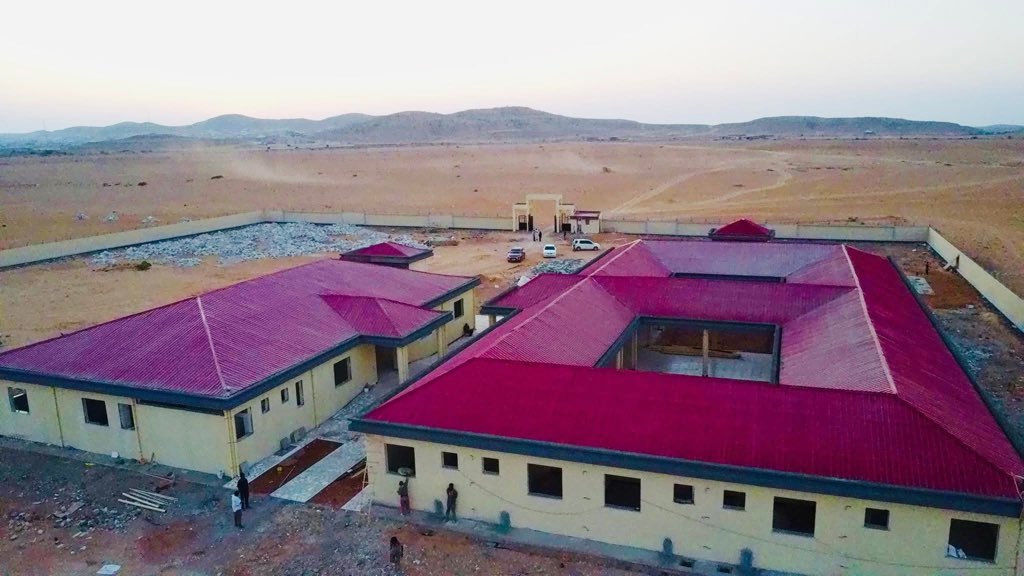
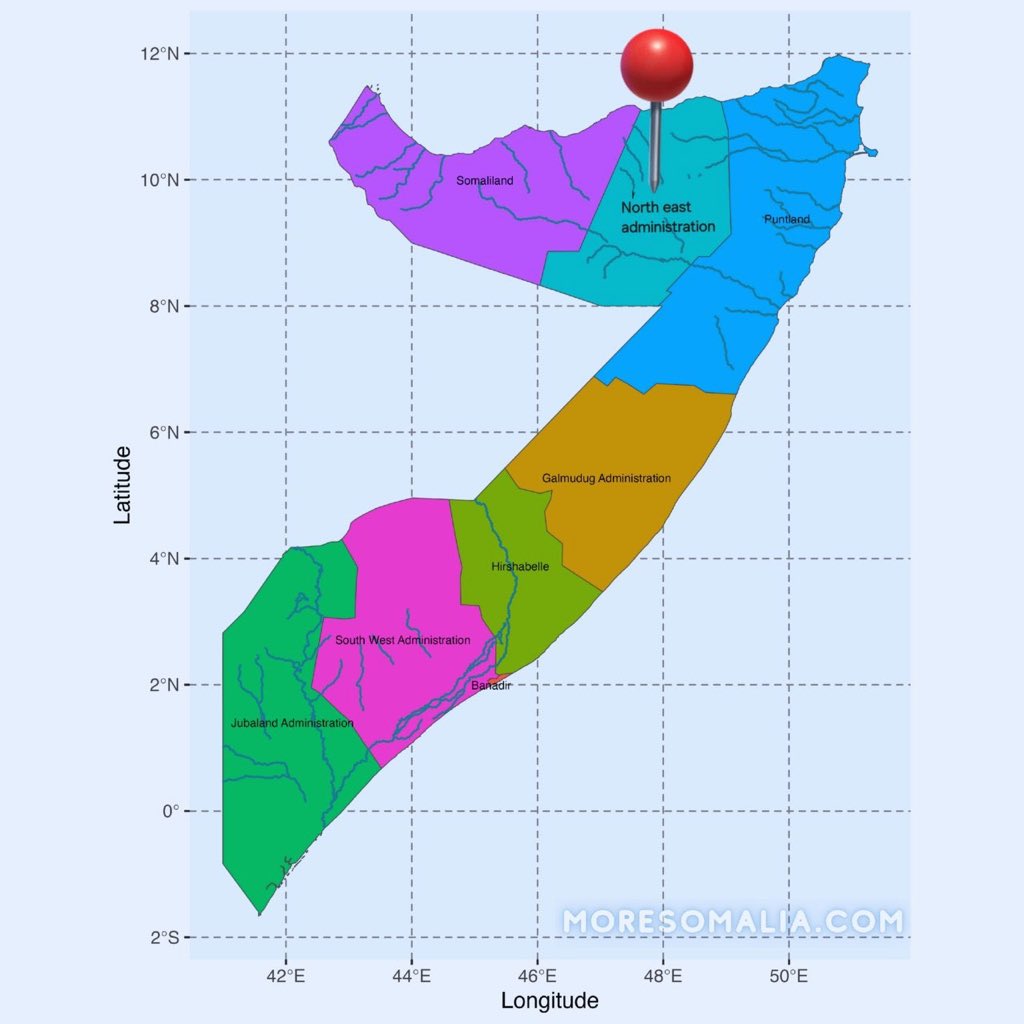
Lascaanod capital of #NorthEast state Somalia 🇸🇴:
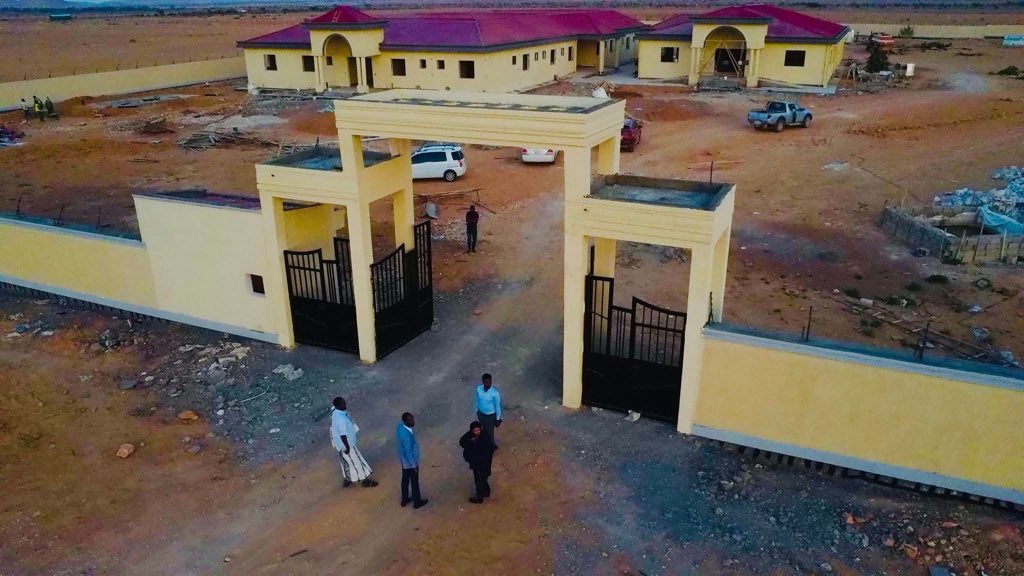
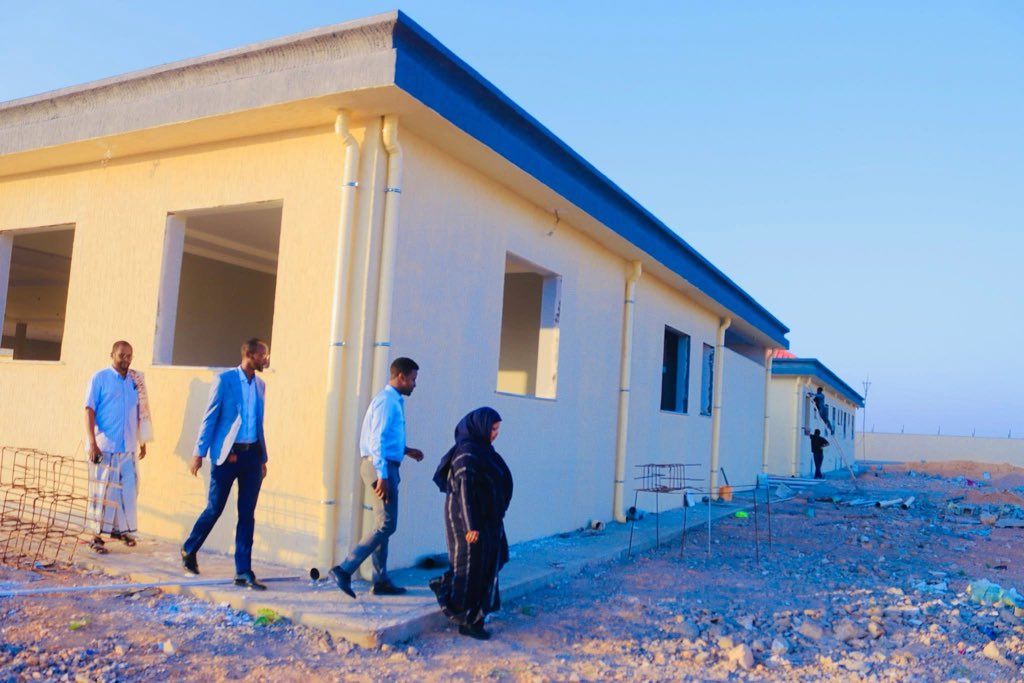
The construction of Northeast state’s first Veterans Care and rehabilitation Center is progressing well and on schedule with the first phase of the project still in an advanced construction stage. Officials from the Northeast Ministry of Planning, Development and International Cooperation inspected the site, where they were briefed by the project manager Farduus Qaran Bila.
This project, which is being implemented through community led partnership aims to provide a formal care center for veterans who sacrificed their lives in defense of NorthEast State and its community.
The center consists of a main center with residential housing , a health clinic , a farm, borehole water well, a mosque, and 14 houses outside the building that are intended to accommodate the children and families of veterans.
#NorthEastState #Somalia 🇸🇴 #CommunityLedDevelopment
@QatarEmbassySO @SwissEmbassyKE @NorwayInSomalia @NIS_EastAfrica @US_SrAdvisorAF @US2SOMALIA @CharlesKingFCDO @NLinSomalia
1
28
100
5,509

When dramatic cuts to bilateral development aid were first announced in early 2025, Gunjan Veda of the Movement for Community-led Development said her WhatsApp “was just blowing up” with messages from members asking if it was true, what it meant for family members reliant on antiretrovirals, and what would happen to village health centres.
The most heartbreaking calls, Veda says, came from the people running these initiatives locally. The community did not know why the work had stopped. They saw a health centre close, medicines still inside but no longer being distributed, and they were angry with the people who had run it.
The dissolution of trust between community members and the doctors, nurses, and teachers who oversaw donor-funded initiatives reflects a broader, critical issue: that entire countries’ health systems are dependent on the increasingly fragile architecture of international aid.
“So frequently, traditional ways of doing development have robbed communities of their agency.”
– Matthew Reeves
Community-led development places collective decision-making, implementation, resource management, financial oversight, and adaptation with communities themselves.
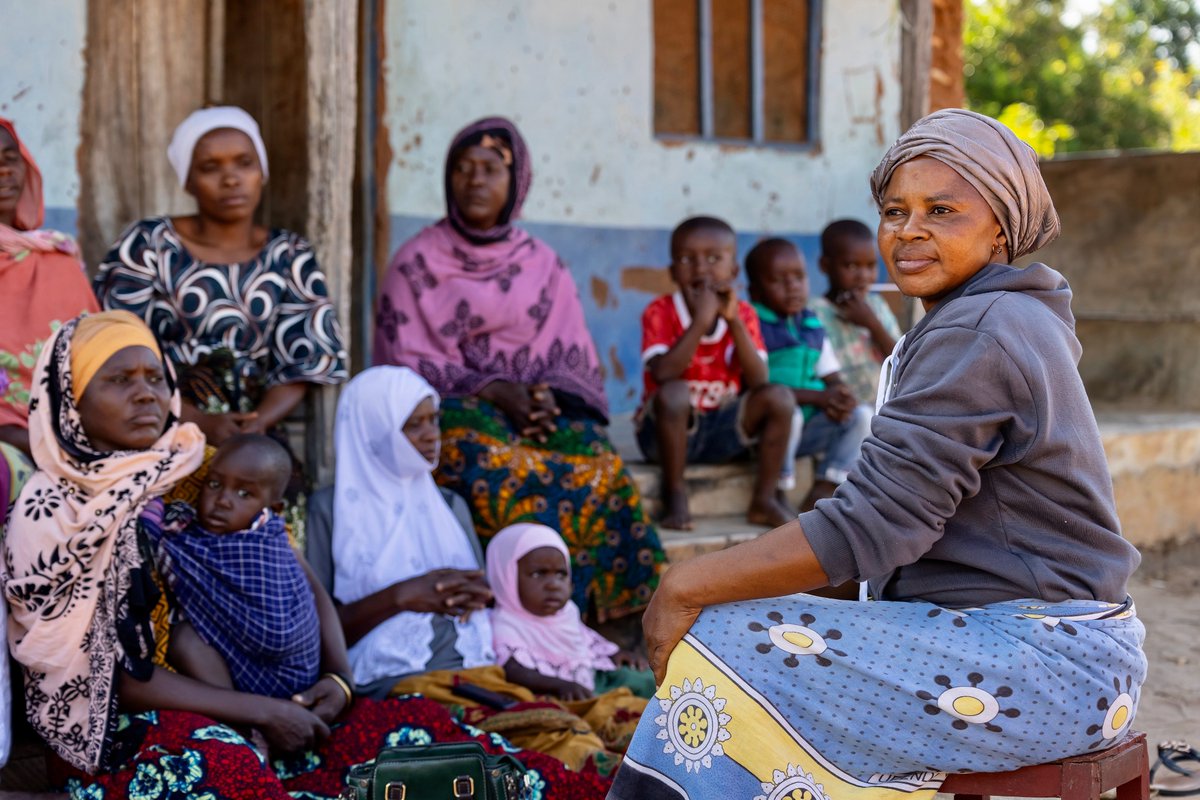
In Jadoua’h, Syria, a village committee, with an initial small grant from AKF, mobilised 450 families to contribute volunteer time, cash and in-kind resources towards building a community hall. In 2024 alone, communities working with AKF raised $12.4 million locally through contributions of time, funds and materials.
The development sector must acknowledge that communities in the majority world have always been – and must be recognised as – the primary drivers in their own development.
@AKF_Global
👉 Read the full story here:the.akdn/en/resources-media/…
#CommunityLedDevelopment #CivilSociety #Localisation #Development
11
37
1,906

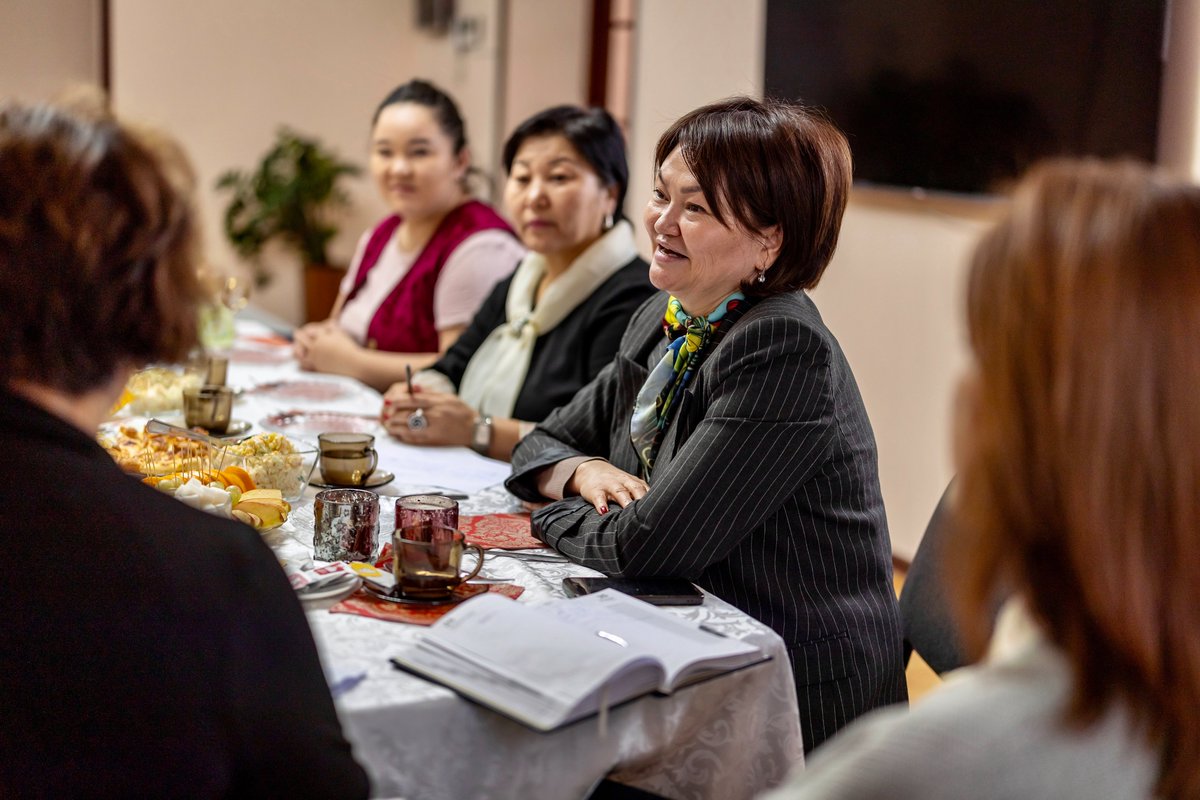
Today marks the final day of #PBOWeek2026 at #KICC and we’re proud to be showcasing NAPAD’s work and impact.
We invite you to visit @NAPADNGO booth and engage with us on the importance of advancing the localization agenda, ensuring that local organizations remain at the forefront of sustainable development and humanitarian action.
This week has been a valuable moment to highlight the role of locally led approaches in driving sustainable change, and we are glad to contribute to these ongoing conversations.
We extend our gratitude to @drckenya for their support, which has made it possible for NAPAD to participate and share our work at PBO Week 2026.
There’s still time to stop by and connect with us before the day ends.
#Localization #CommunityLedDevelopment #PBONewDawn
2
54

Apr 13
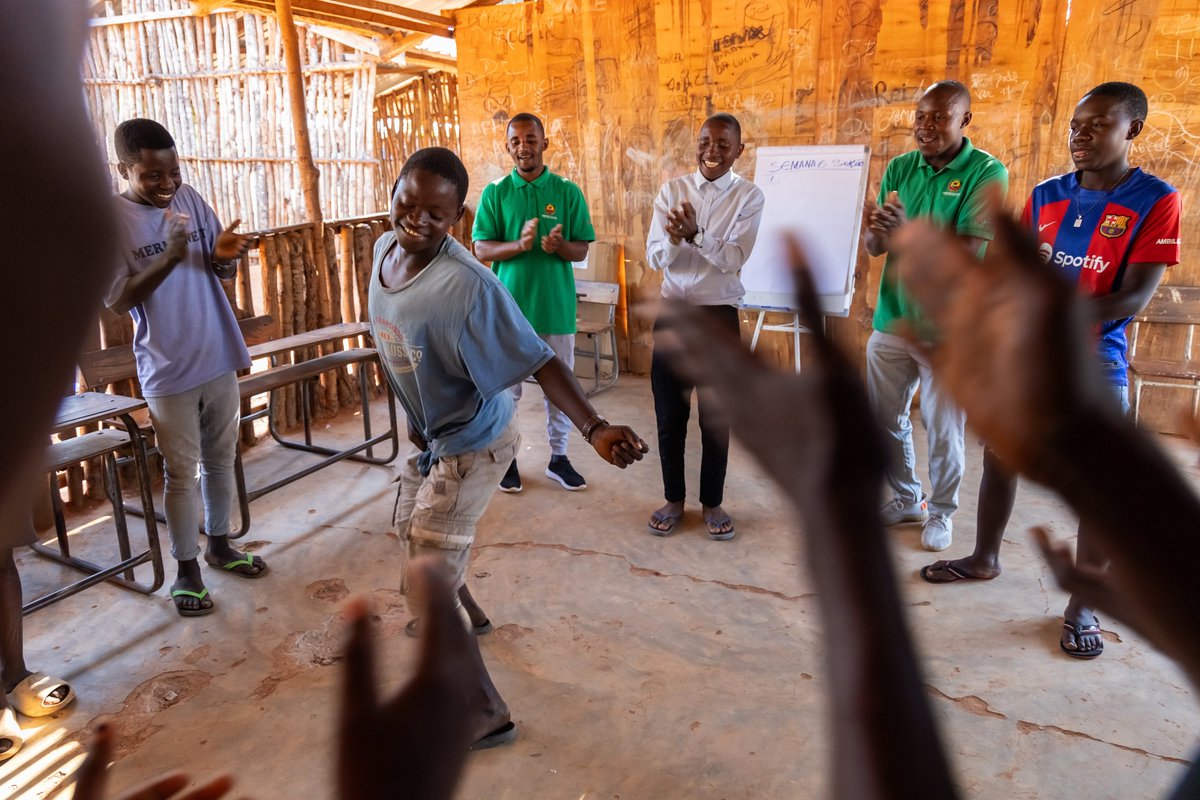
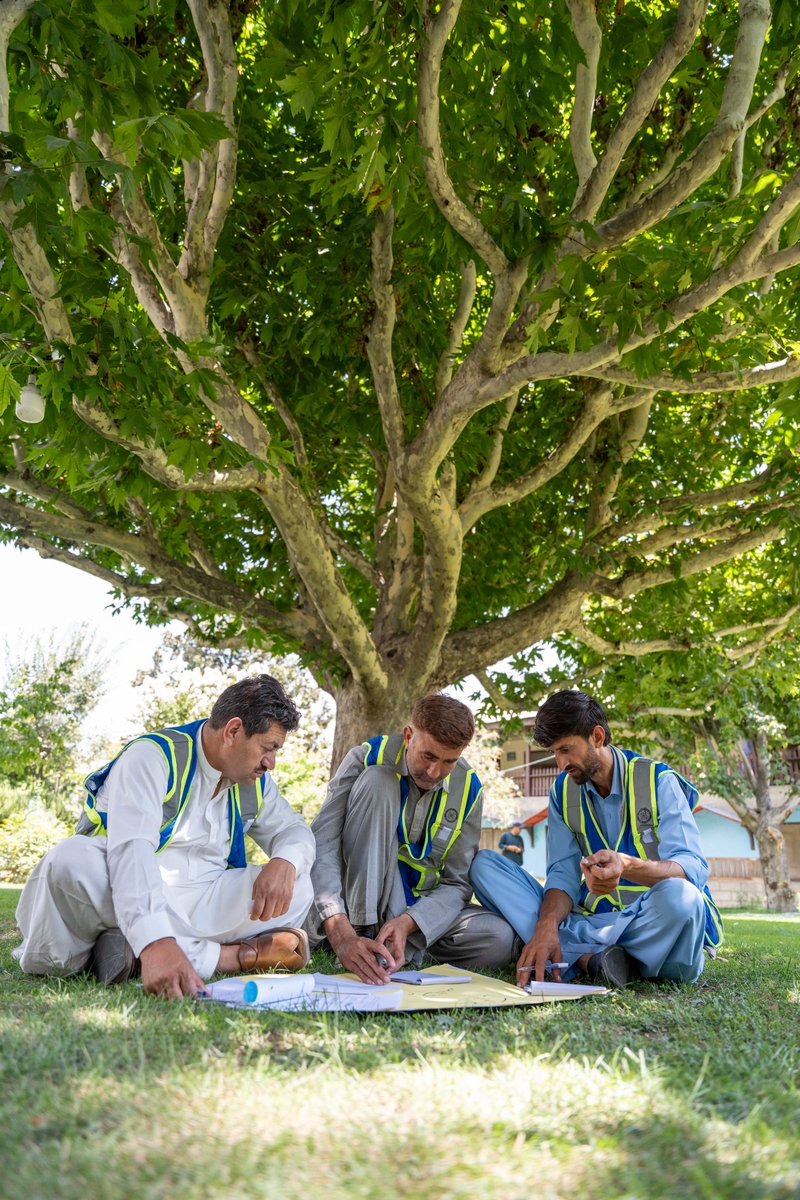
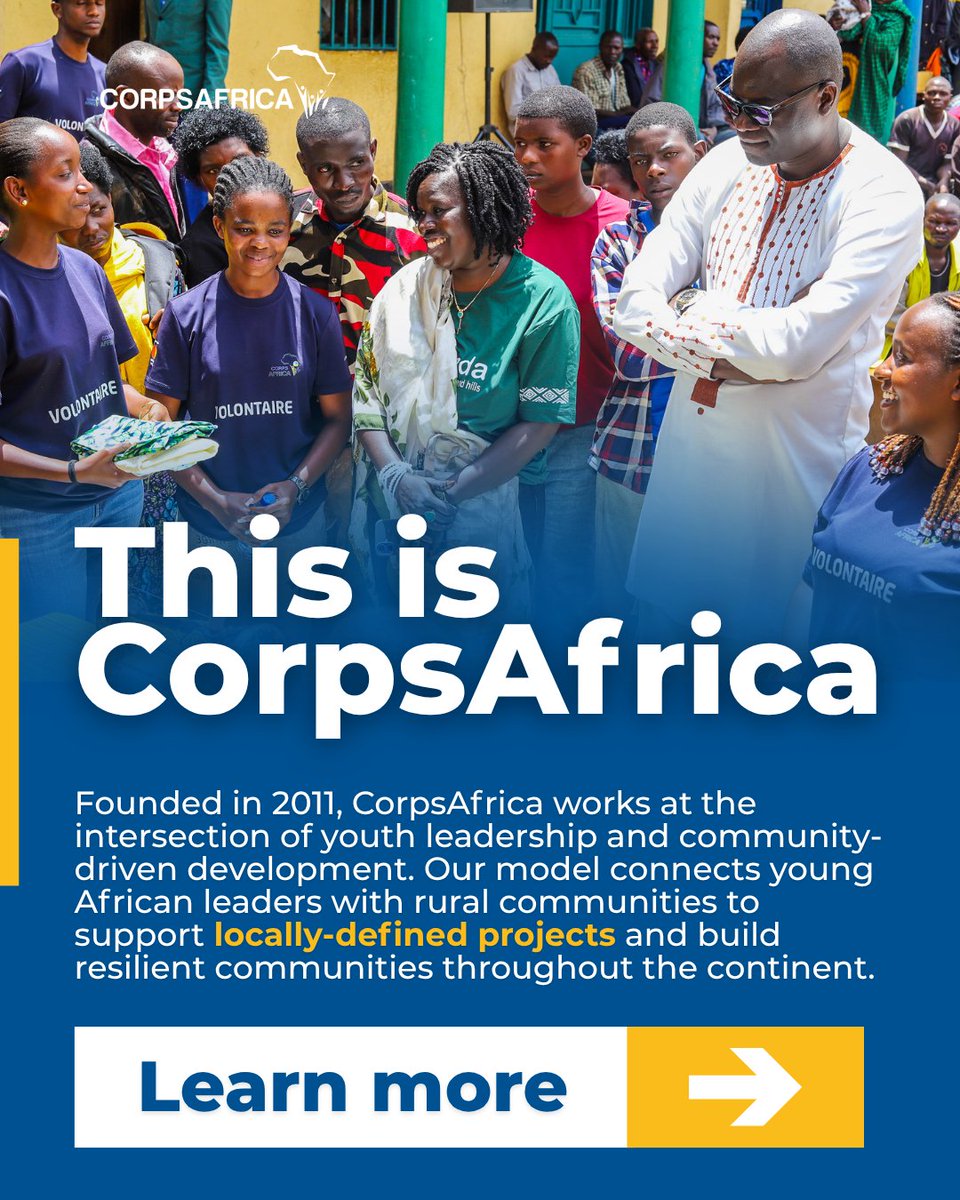
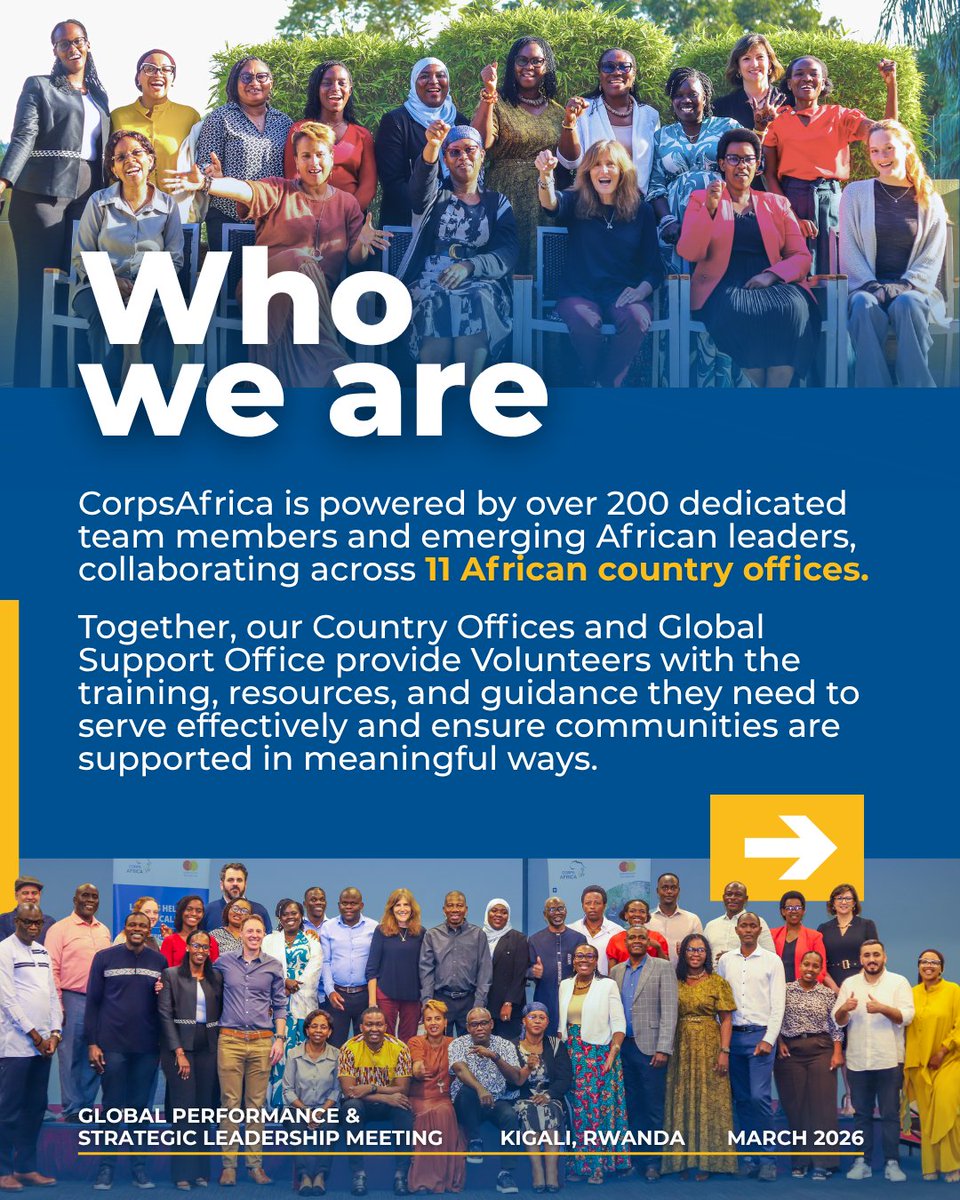
What does community-led development look like in practice?
At CorpsAfrica, it starts with young leaders working side by side with rural communities to turn local ideas into action. 🌍
#ThisIsCorpsAfrica #CommunityLedDevelopment
3
14
441

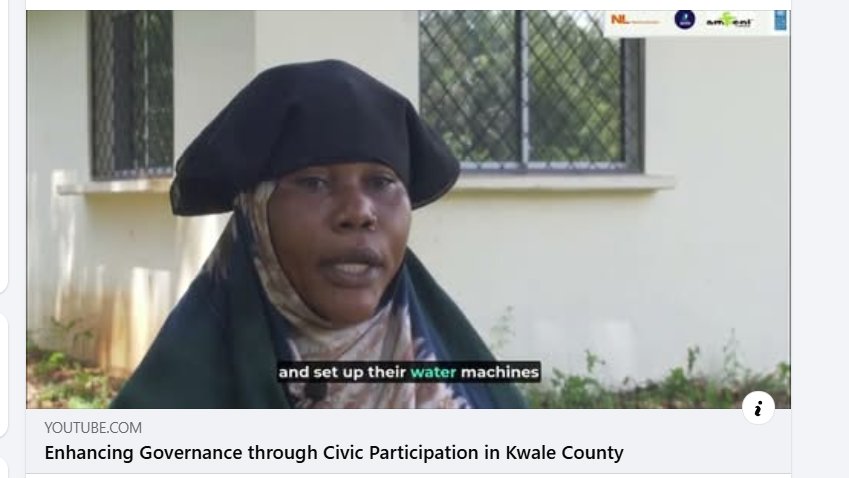
𝐄𝐧𝐡𝐚𝐧𝐜𝐢𝐧𝐠 𝐆𝐨𝐯𝐞𝐫𝐧𝐚𝐧𝐜𝐞 𝐭𝐡𝐫𝐨𝐮𝐠𝐡 𝐂𝐢𝐯𝐢𝐜 𝐏𝐚𝐫𝐭𝐢𝐜𝐢𝐩𝐚𝐭𝐢𝐨𝐧 𝐢𝐧 𝐊𝐰𝐚𝐥𝐞 𝐂𝐨𝐮𝐧𝐭𝐲
This is what real people power looks like! From meaningful #conversations to tangible #impact, #community members in #RamisiWard are proving that when #citizens are #informed, engaged, and organized, #change truly happens.
Through the @amkeniwakenya Programme, supported by @UNDPKenya , local #voices are not just being heard, they’re shaping priorities and driving action. With the support of trained #budget facilitators, community members have been able to channel their ideas into practical #solutions, leading to one of the most impactful outcomes: improved access to clean and safe water for everyday use.
This is more than just a success story, it’s a powerful example of how civic #participation, collective planning, and community ownership can transform lives and strengthen local development. It shows that when communities come together with a shared vision, sustainable change is not only possible, it’s inevitable.
Now it’s your turn to be part of the movement 👇
🎥 Watch the video and see the impact for yourself >>> youtu.be/RFSPfm4dYi4?si=orX4…
👍 Like to support community-driven change
🔁 Share to inspire others
💬 Comment and tell us, what part of the video stood out to you the most?
Let’s amplify these voices and celebrate the power of community-led development!
#MWARPImpact #AmkeniWakenya #KwaleCounty #CommunityLedDevelopment
5
6
10
132

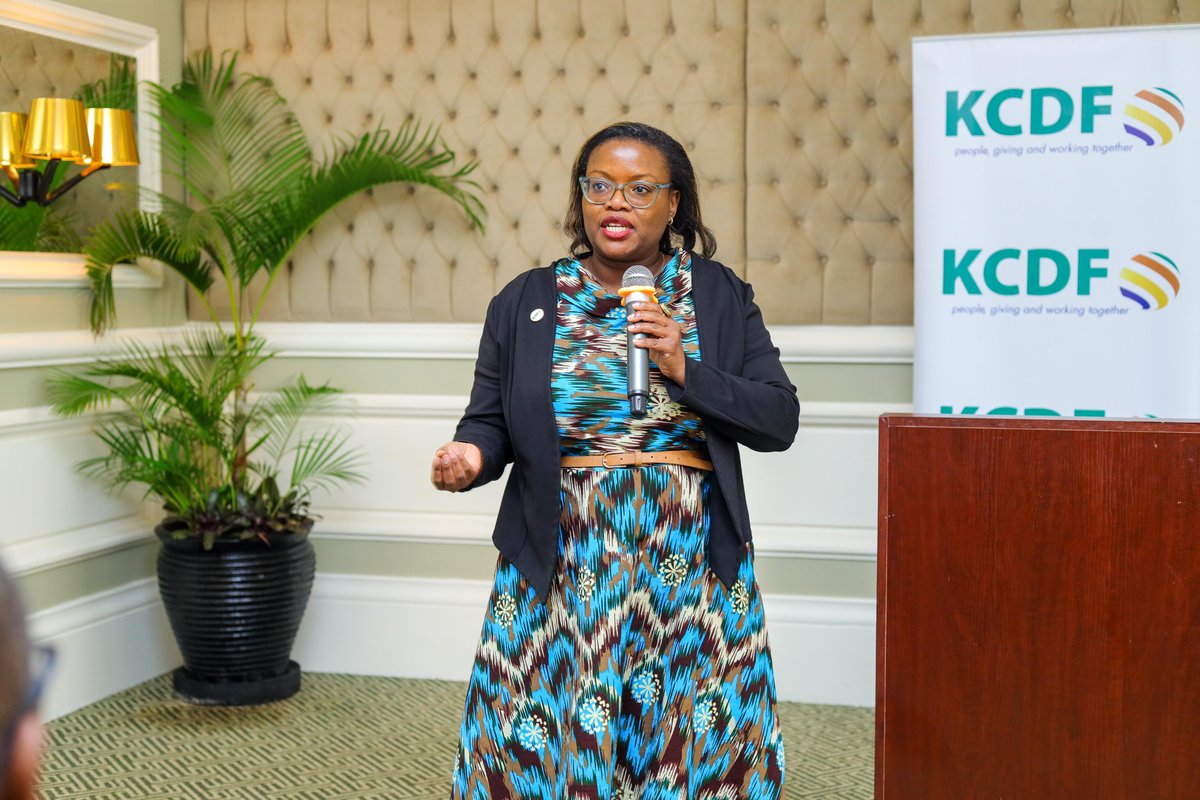
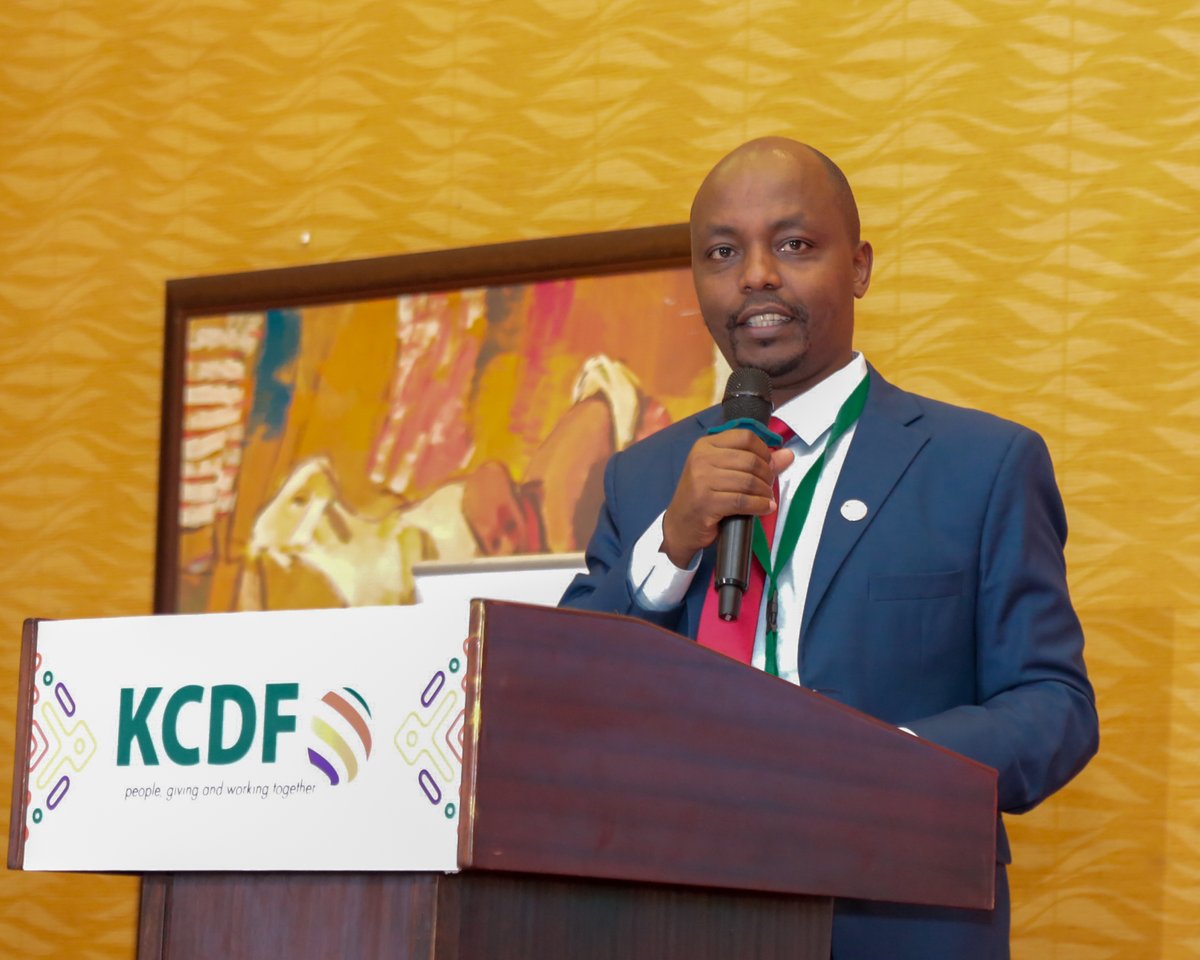
Community led development is often discussed but rarely understood. 🌱 In a conversation with Grace Maingi and Caesar Ngule of the Kenyan Community Development Foundation, one message stands out. Communities are evolving faster than the development sector, and true progress begins when they lead as partners, not beneficiaries.
KCDF highlights that the strongest driver of change is the giving that comes from within. 👐 When communities contribute money, skills, time, and lived experience, ownership grows and development becomes more sustainable.
They remind us that being community led is not a buzzword. It means shifting power, trusting local knowledge, and investing in long term relationships built on honesty and openness. 🤝 And it means valuing community philanthropy just as much as external support.
KCDF’s approach shows that African traditions of giving and solidarity have always been strong. What changes is the method, not the spirit.
📖 Read the full article by Eunice Mwaura and Marc Broere;
👉 viceversaglobal.com/communit…
#CommunityLedDevelopment #KCDF #Localisation #AfricanPhilanthropy #DevelopmentReimagined #KenyaDevelopment
3
16

Mar 22
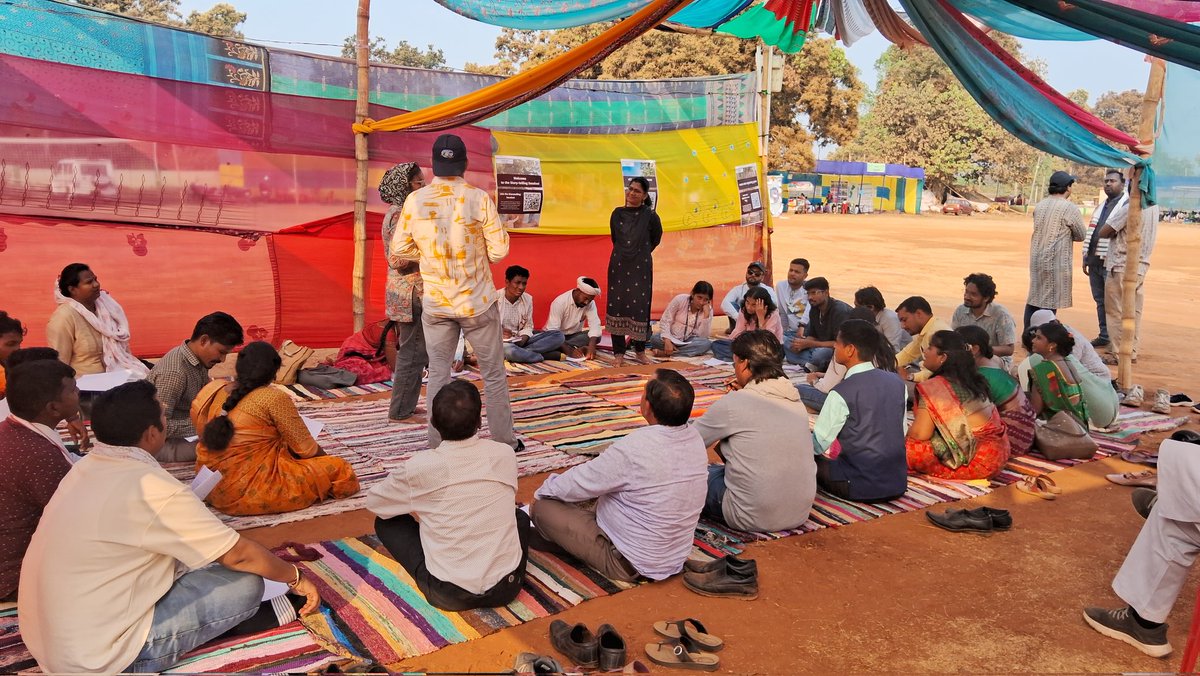
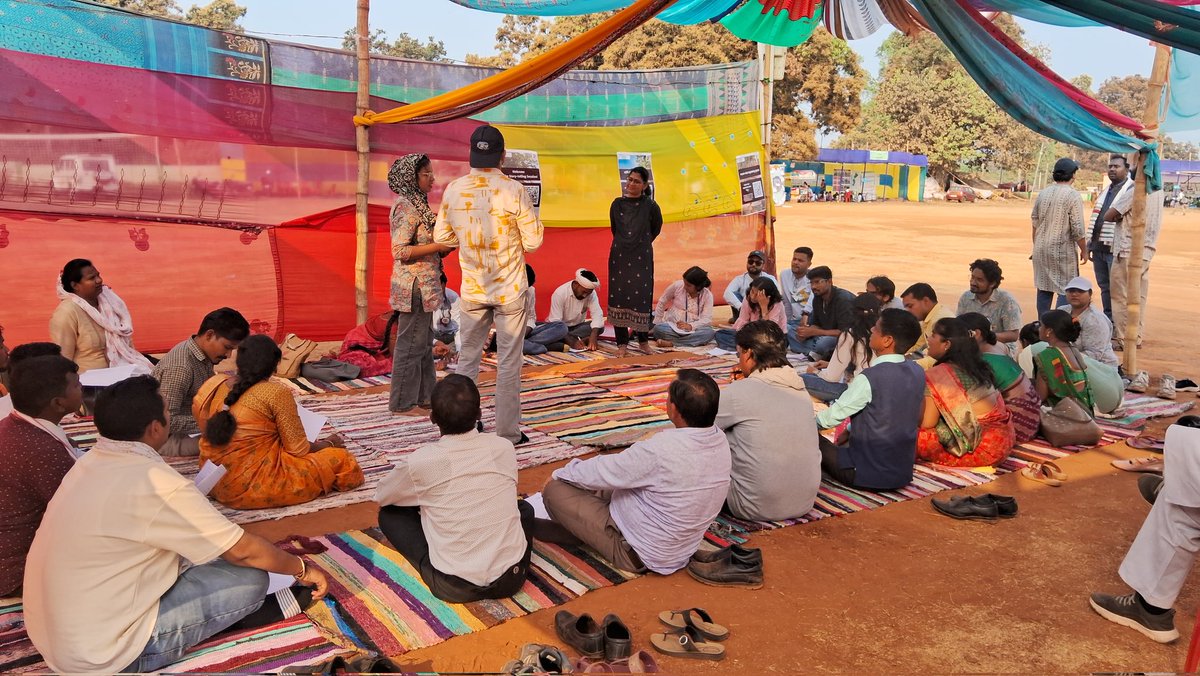
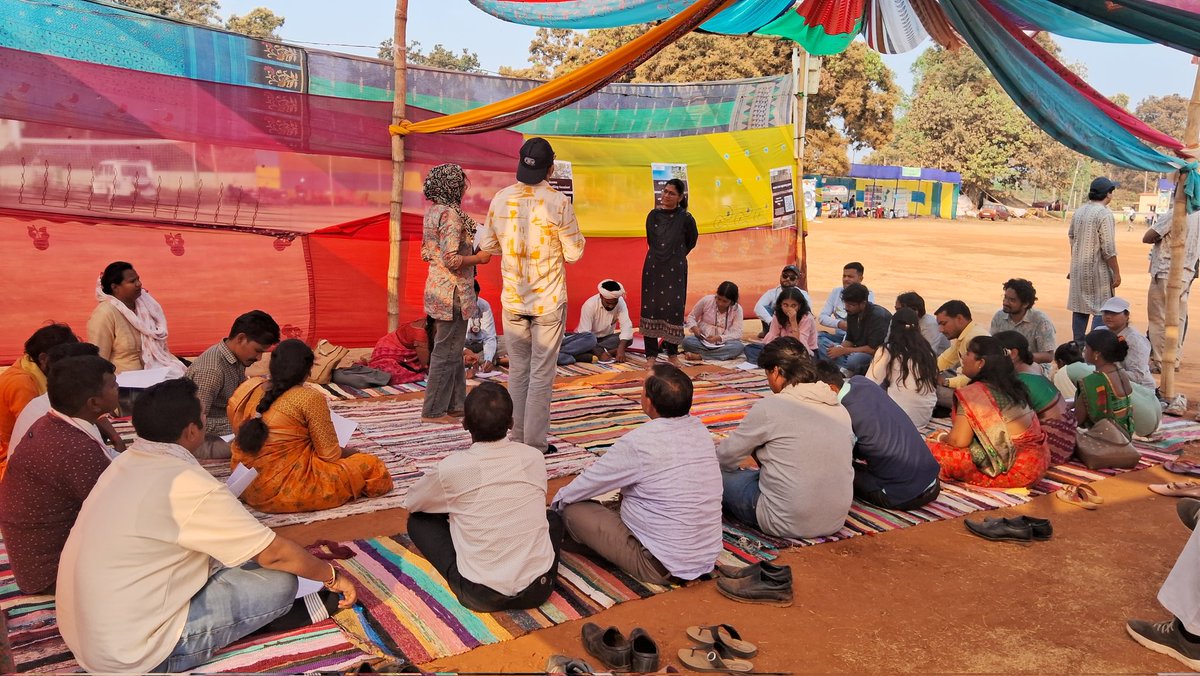
"A workshop on storytelling through focus group discussions was held during Gramin Charcha in Bisamcuttack, Rayagada district."
@Atmashakti3 @IndigenousYatra
#GrameenCharcha
#FromListeningToDialogue
#CommunityLedDevelopment
#RuralVoices
#Rayagada
#Odisha
1
23
25
141
Mar 16
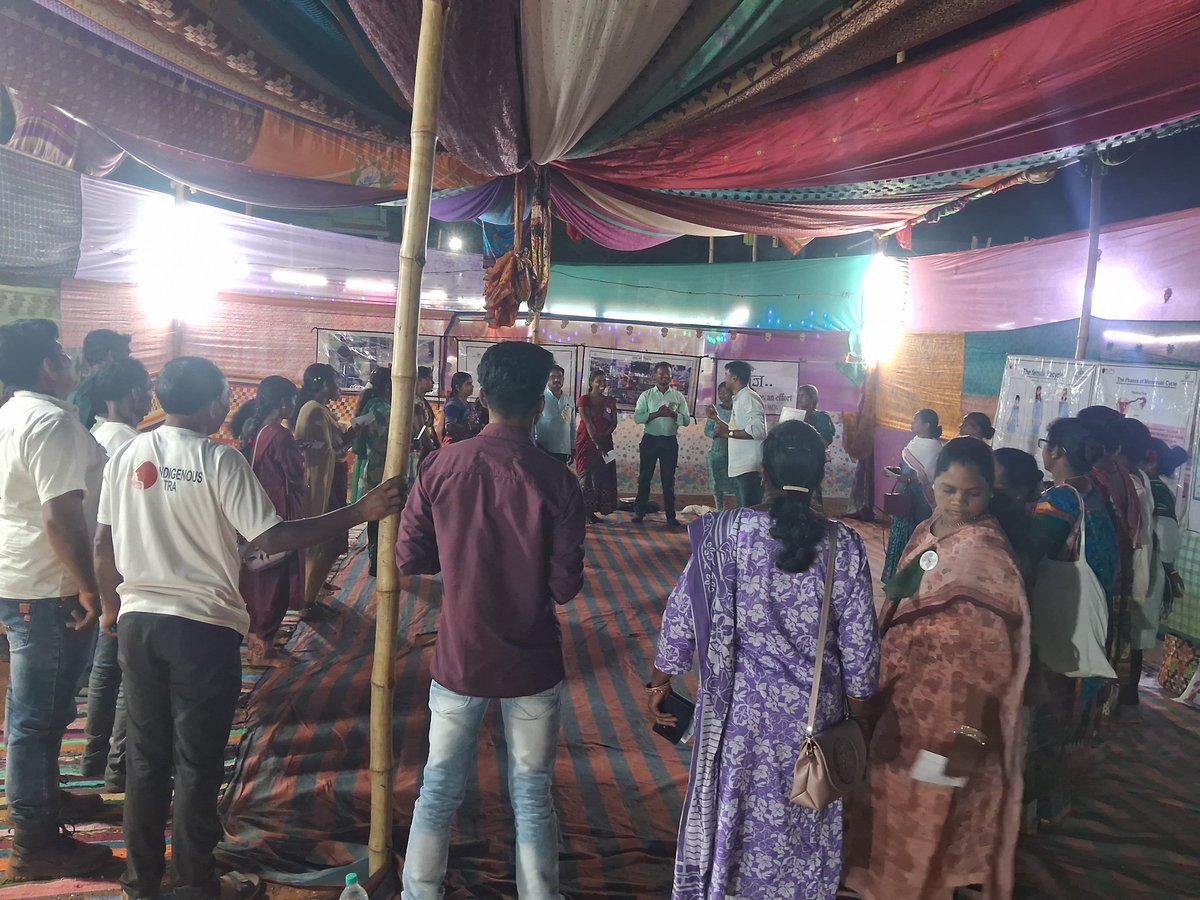
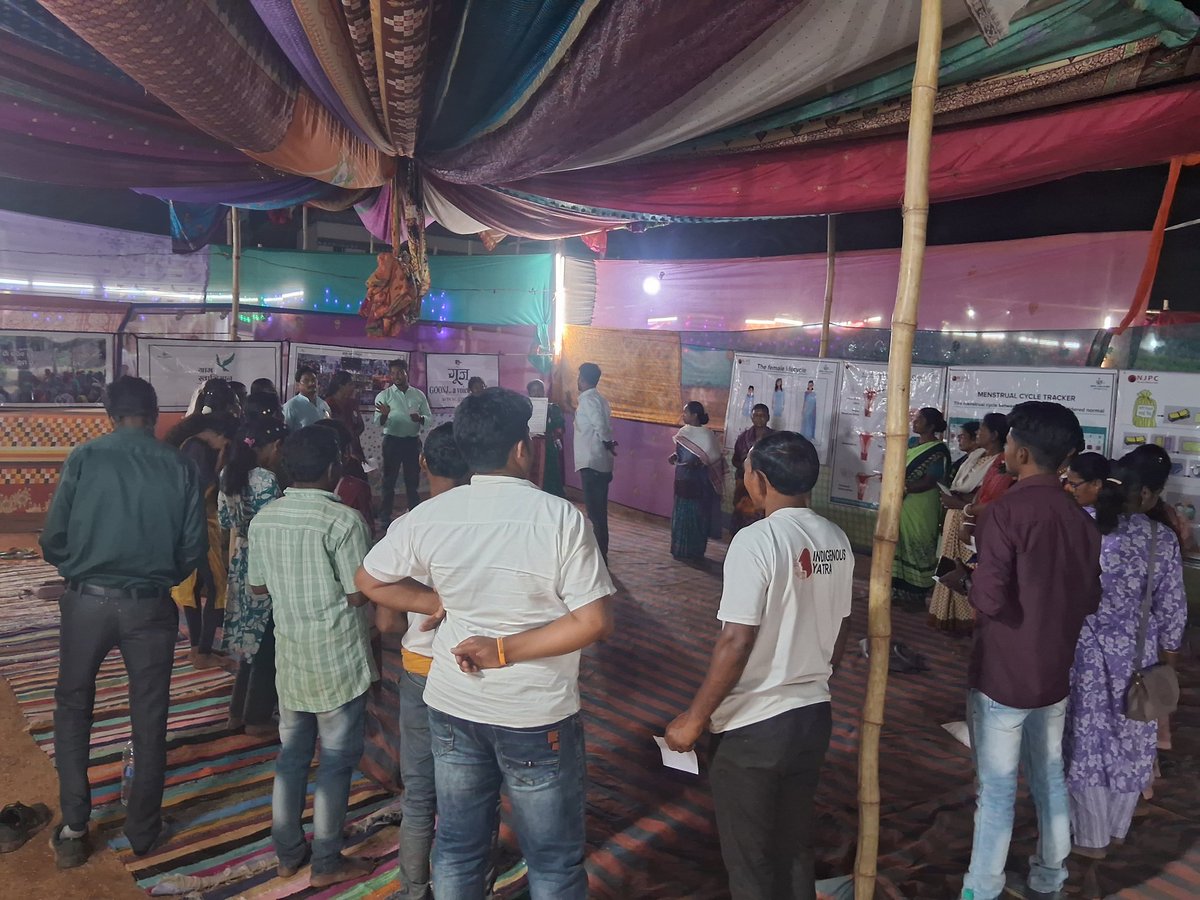
ରାୟଗଡା ଜିଲ୍ଲା ବିଷମକଟକଠାରେ ଆୟୋଜିତ ଗ୍ରାମୀଣ ଚର୍ଚ୍ଚାରେ ଜମି, ଜଙ୍ଗଲ ଓ ଜଳର ସୁରକ୍ଷା ଏବଂ ପ୍ଲାଷ୍ଟିକ ବର୍ଜନ ନିମନ୍ତେ ଚର୍ଚ୍ଚାରେ ଅଂଶଗ୍ରହଣ କରିଥିବା ସମସ୍ତ ବ୍ୟକ୍ତି ଶପଥ ଗ୍ରହଣ କରିଥିଲେ। @Atmashakti3 #GrameenCharcha
#FromListeningToDialogue
#CommunityLedDevelopment
#RuralVoices
#Rayagada
#Odisha
21
24
99