
Enhancing working memory helps with learning retention in the classroom and there are many ways teachers can assist with this. Learn more in this article: tinyurl.com/2p4jcuvh
#WorkingMemory #LearningRetention #Students #Teachers

1
3
258

💡Activation Techniques to Enhance Creativity and Learning Quality! ✍️
✅ Location and Time Variation:
Intentionally vary your working environment (e.g., café, park, early morning, late night) instead of working in the same place/time, providing novel stimuli to the brain.
✅ Interleaving Practice:
Instead of deep-diving into one topic, study multiple different subjects or skills in short, alternating intervals to enhance knowledge connection and application.
✅ Bootcamp Format:
Block off a short, intense period (e.g., 4 hours on a weekend) for a difficult project to force rapid progress and build momentum.
✅ Socratic Method:
Don't just think; continuously ask yourself "Why?" and "How?" to challenge your assumptions and derive answers, deepening your understanding.
✅ Sensory Activation:
Link information you want to memorize with five senses like "smell," "specific music," or "touch," to create more memory hooks for easier recall.
✅ Teaching Hack:
Set the goal to "teach (explain) what you learned to someone today," forcing you to process input with the intent of output.
Activate your thinking and convert acquired knowledge into reliable strength! 💪
#Creativity #LearningRetention #IdeaGeneration #BrainHacks #KnowledgeOutput #CognitiveDiversity
1
8
77

26 Jun 2025
🎥 Just shared on YouTube 👉 We explore actionable strategies to transform ... #ClassroomTips #StudentLedLearning #Education #TeachingStrategies #ProjectBasedLearning #CuriosityCorner #LearningRetention #EducationInspiration #EngagingClassroom #TeacherTips youtube.com/watch?v=avddNTN0…
2
1,328

Harness the power of spaced repetition with LMS!
🔍 According to a 2022 study from Memory & Cognition, multiple repetitions can boost long-term retention and learning effectiveness by up to 5 times. Here's how to apply these insights to your LMS strategy:
1. Break information into chunks 🧩
Highlight the key concepts or learning objectives and package them into content chunks that can be reviewed in 10-15 minutes.
2. Design review sessions for each chunk 🔁
Keep recalling consistently challenging by progressively reducing the cues — it strengthens long-term retention. For example, start with detailed prompts and gradually move to open-ended questions.
3. Schedule reviews using LMS tools 🗓
Space out reviews over increasing intervals (e.g., one day, two days, a week, a month). Utilize your LMS to design sequential learning paths, use assessments to reinforce learning, start discussions to revisit topics, and award badges or points to motivate learners. Don't forget to set up automated reminders!
📈 Empower your learners to achieve lasting success with spaced repetition! Need help creating engaging, interactive content for your repetition sessions? Contact our team today.
#SpacedRepetition #eLearning #LearningRetention #EdTech #InstructionalDesign #Opigno #LMS
4
9
134

5 Aug 2024
🧠 𝗣𝗲𝗿𝗰𝗲𝗻𝘁𝗮𝗴𝗲𝘀 𝗼𝗳 𝘄𝗵𝗮𝘁 𝘄𝗲 𝗮𝘀𝘀𝗶𝗺𝗶𝗹𝗮𝘁𝗲
According to American psychiatrist William Glasser, we assimilate:
👉 10% of what we read
👉 20% of what we hear
👉 30% of what we see
👉 50% of what we see and hear
👉 70% of what we discuss with others
👉 80% of what we personally experience
👉 95% of what we teach to someone else
🧠 These numbers made me reflect on the numerous actions we perform daily and how little we retain, thereby influencing how we choose to manage our time
🔹 Up to 30%, I think it is due to a lack of concentration or disinterest in what we read, hear, or see. This could signal that sometimes we spend time on activities that end up being merely fillers rather than learning opportunities. It’s similar to when we have the TV on but are doing something else simultaneously, and what we absorb is just background noise—a kind of daily multitasking. P.S. I consider multitasking the bane of all activities.
🔹 The percentages from 50% to 80% made me reflect on activities that truly matter the interaction, both online and offline, with other people and personal experiences, whether professional or personal.
🔹The number that did not particularly surprise me, even though I did not expect it to be so high, is the 95% related to what we learn when we teach. Or, if we want to broaden the concept, I believe it can also extend to explaining or sharing concepts or information with others.
🔹I wasn't struck by the aspect related to assimilation when teaching because it has always been a personal and professional plus that I receive when conducting training courses as an instructor. Questions, doubts, and considerations are, in my opinion, among the best methods to learn and evolve from those who are supposed to learn from us.
🤔 𝙃𝙤𝙬 𝙙𝙤 𝙮𝙤𝙪 𝙘𝙤𝙣𝙨𝙞𝙙𝙚𝙧 𝙩𝙝𝙚𝙨𝙚 𝙥𝙚𝙧𝙘𝙚𝙣𝙩𝙖𝙜𝙚𝙨❓
#LearningRetention #EffectiveLearning #TeachingImpact #KnowledgeAssimilation #TimeManagementTips

1
1
256

3 Jul 2024
Curious about #AI’s role in #learningretention? Don't miss out - Read our Director of #elearning, Michael Quinstein’s latest article on @TrainingIndustr now 👉 bit.ly/4eKsEjb
1
4
315

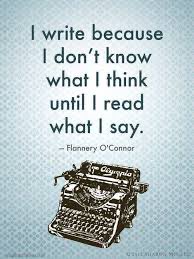
3️⃣ Flannery O’Connor’s Insight: O’Connor wrote because she discovered her thoughts through writing. Similarly, research suggests that personal writing responses significantly enhance learning retention. 🧠✍️ #WritingToDiscover #LearningRetention
1
1
1
219

11 Apr 2023
When NHS Humber presented us with a need for their teams to be able to design and deliver highly interactive online events, we knew we could support their teams to transform their digital learning.
Learn more below.
quantumrise.co.uk/case-studi…
#digitallearning #learningretention

1
67

27 Mar 2023
Unlock the secrets to boosting learning retention with @sheilabrobinson on the @SproutLabsAU podcast & discover the key strategies to maximize your learning potential 🧠💡 #learningretention
buff.ly/3FVGcZz
275

⏰ ⏰ There's still time to join for #LearningRebelsCoffeeChat all about making learning sticky!
Can't be there live? We got your back! RSVP and you'll receive the recording resources. ❗️❗️
🔗 learningrebels.com/event/sti… 🔗
#LearningRebels4U #LearningRetention
2

18 Jul 2022
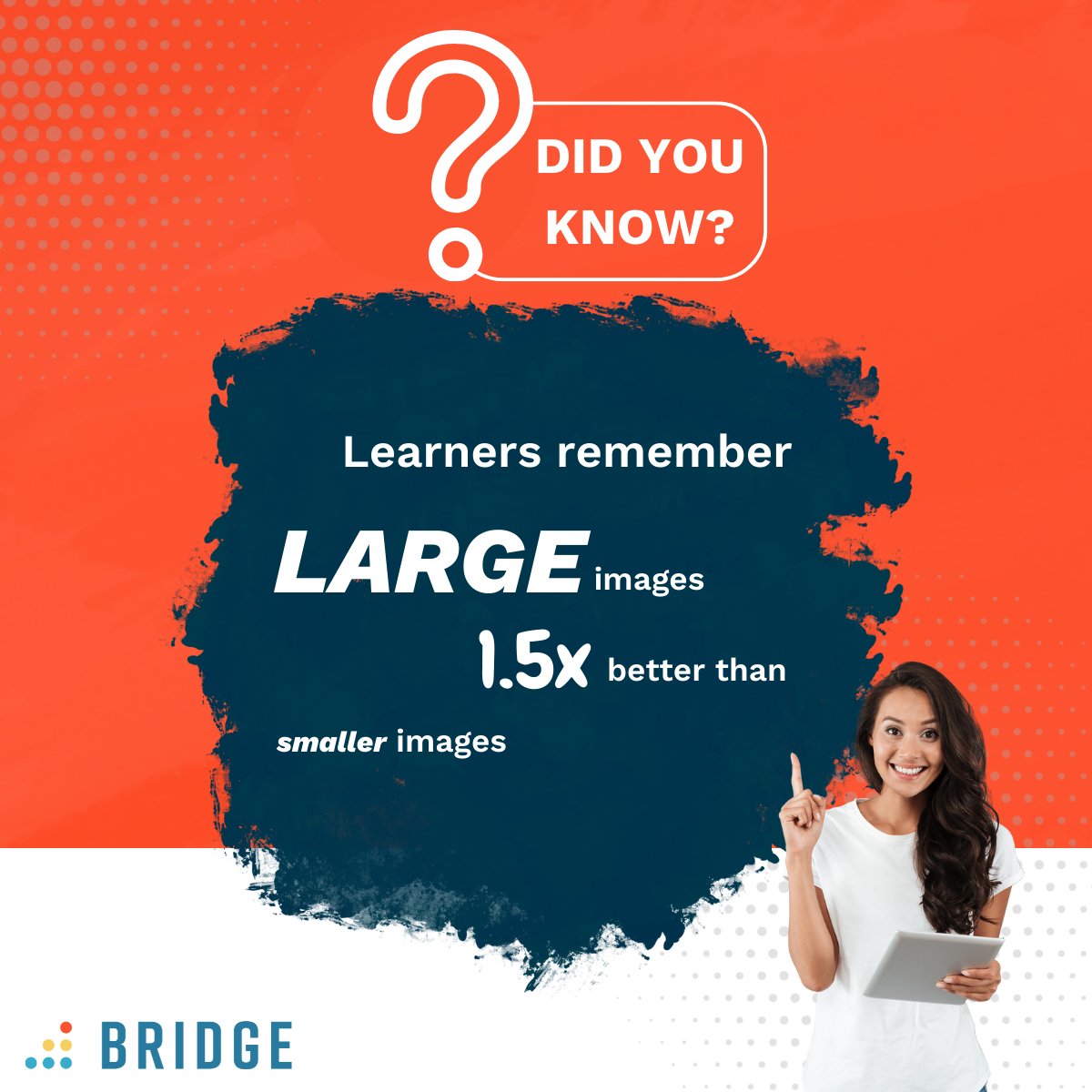
You know how important #WorkplaceLearning is, but how do you make sure your learners retain and apply their training?
Read our blog post for 10 facts about #LearningRetention and how to create unforgettable #LearningandDevelopment experiences: ow.ly/TAGX50JUXOY
1
2

17 Dec 2021
Did you have a chance to attend the #xAPIParty last week? If you didn't, @tlearning has all the session recordings available! Here's @DuncanWIV session: 'Driving Retention–Using #xAPI to Support Learning'. #LearningRetention
youtu.be/gT0AWVavkbg
2

9 Dec 2021
Learn how the forgetting curve works, and how real-time guidance can greatly improve learning retention #LearningAndDevelopment #GuidedLearning #PerformanceSupport #LearningRetention hubs.ly/H0_qcSb0
1

3 Nov 2021
Dan Cogan-Drew names "learning loss" as a symptom of a larger systemic issue, which he refers to as an "engagement crisis." How can we fix it? 👇
bit.ly/3Au8bK9
#learningloss #learningretention #studentengagement
1
2

15 Sep 2021
Knowing how information is useful can help learners retain it!
ow.ly/3Aee50FXT8I
#LearningRetention #eLearning #KnowledgeIsPower #Brain #Memory
1

2 Apr 2021
Check out @billbrandon's review of Clark Quinn (@Quinnovator) 's book, Learning Science for Instructional Designers.
#learningsciences #instructionaldesign #learningtheory #learningretention #learninganddevelopment
learningsolutionsmag.com/art…
1
10
8

3 Feb 2021
"What are the benefits of microlearning?" #eLearning #learningretention #microlearning @elearnindustry ow.ly/peRf30ruLTd

1
2

7 Dec 2020
3 Key Steps to Creating Effective eLearning Questions
digitecinteractive.com/3-key…
#ImproveLearningRetention #LearningRetention #learninganddevelopment #FurtherEd #upskilling
1

23 Nov 2020
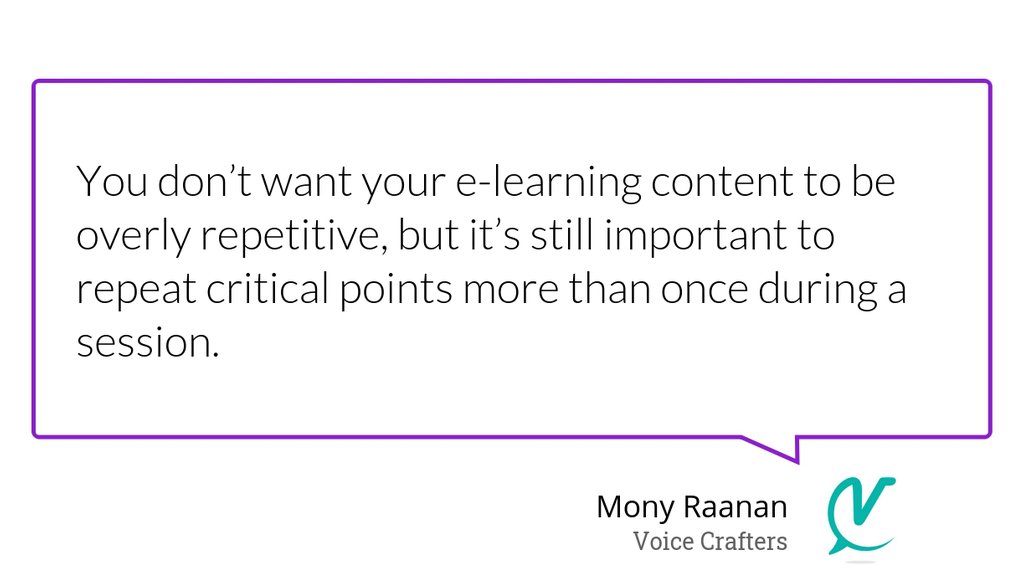
How to Improve Learning Retention Using Voiceover
▸ lttr.ai/Zja3
#elearning #ImproveLearningRetention #LearningRetention #Narrator #Voiceover #ProfessionalVoiceOver
1

2 Nov 2020
Discover how to implement #microlearning to support self-directed learning, increase #learningretention, boost learner satisfaction, and save money and time. This eBook by @Learnamp is an amazing crash course that take your training to the next level. ow.ly/q9CW30rhHSA
3
2