
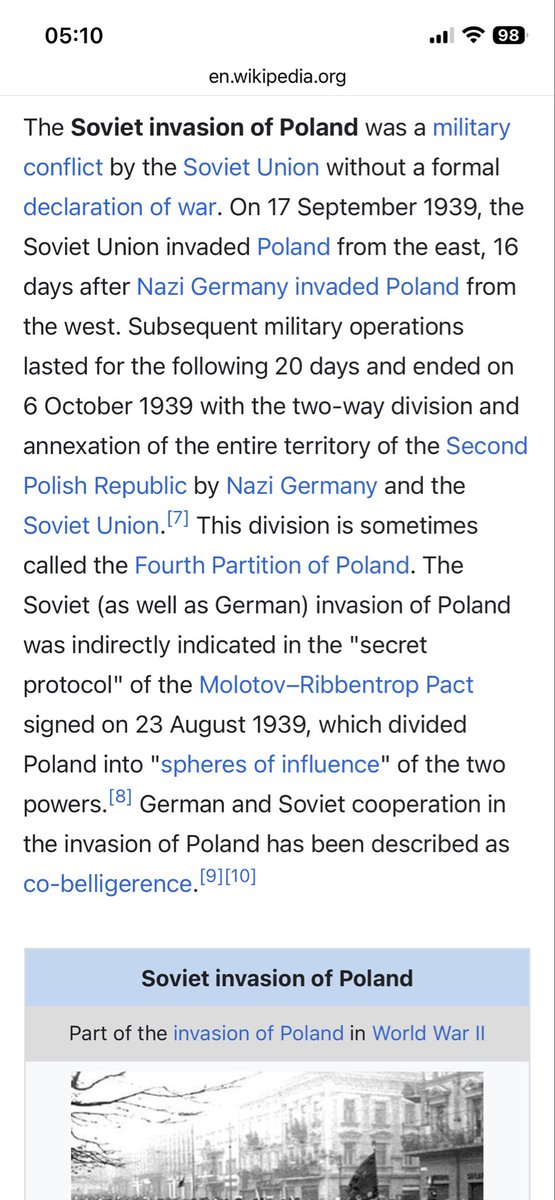
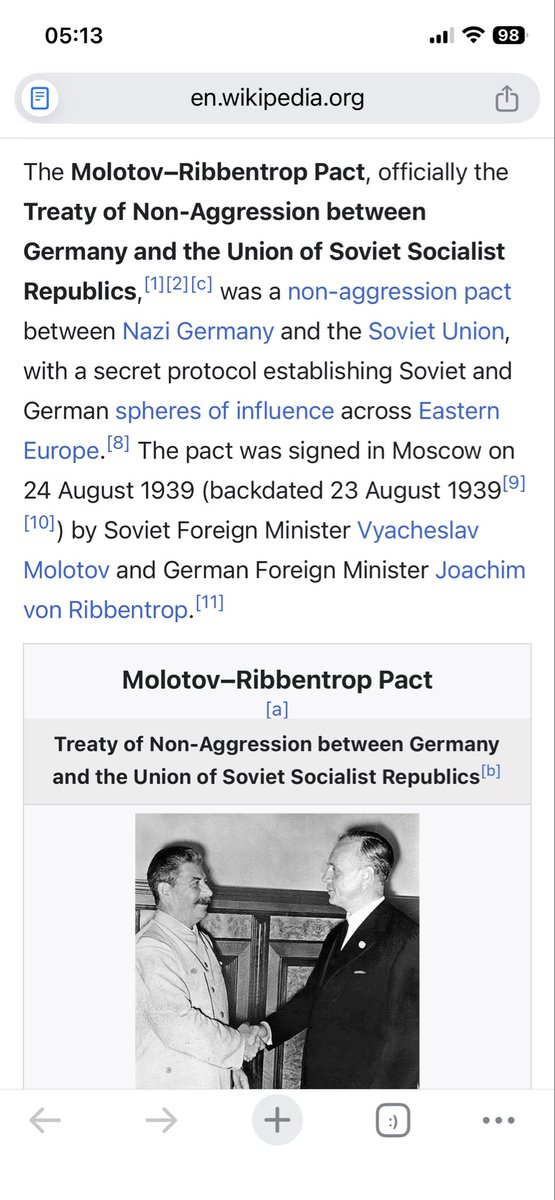
#Hitler made a pact with #Stalin on 24.08.1939
#MolotovRibbentropPact
#LessonsFromHistory
en.wikipedia.org/wiki/Moloto…
And both #Germany AND #Russia invaded #Poland 🇵🇱 on 01.09.1939 & 17.09.1939 respectively @donaldtusk
en.wikipedia.org/wiki/Soviet…
Jun 10

The Nazi’s actual party name was:
The National Socialist German Worker’s Party
The day after Hitler gained power in 1933 he dismantled the Unions and imprisoned it’s leaders
He also imprisoned leading Socialists
Reform can call themselves what they like - it means nothing
24

Jun 10
A lesson from history: If you are going to invest, define your win points, and your quit points.
Even the guy who discovered gravity couldn't see the drop coming.
#investing #lessonsfromhistory #historyhelps
1
52

Jun 5
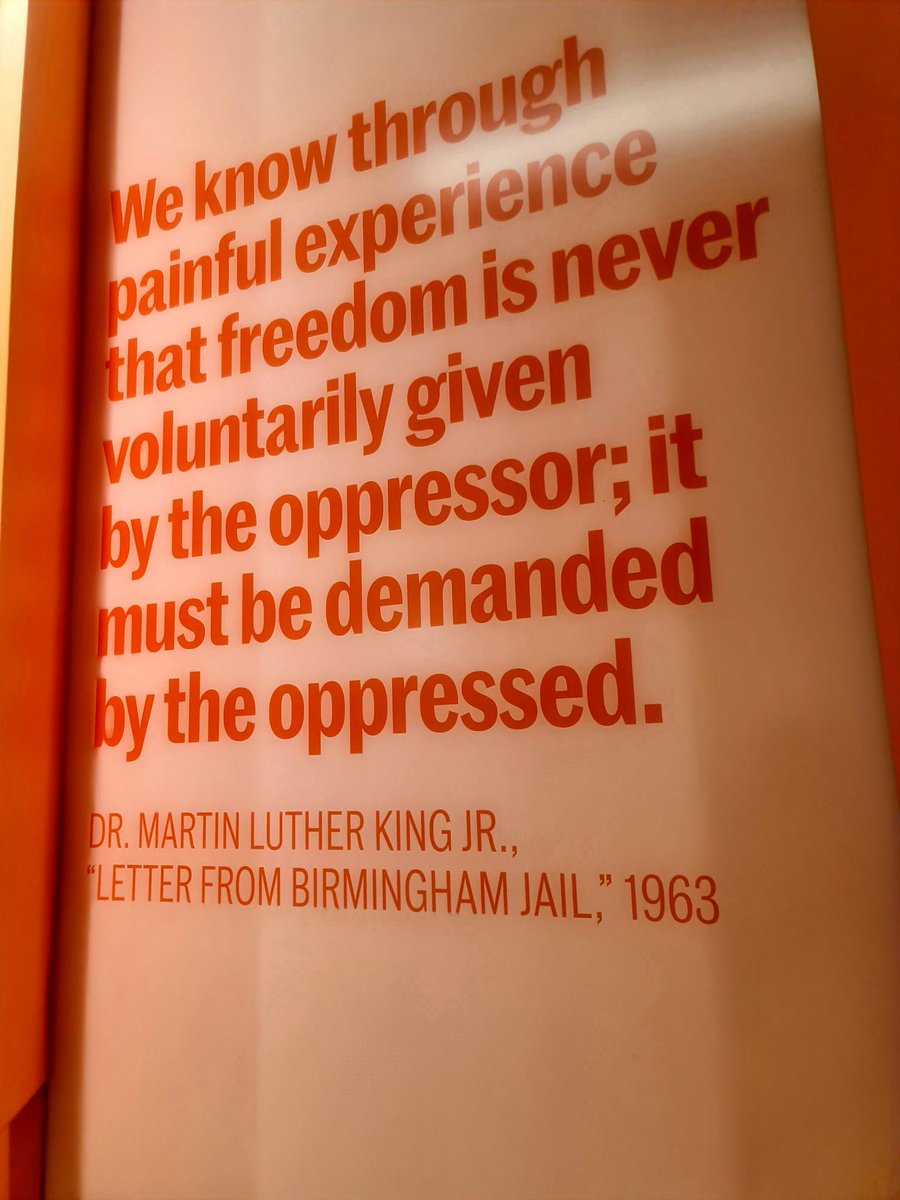
The main challenge that we have got with history is that we never learn from history.
#LessonsFromHistory
1
342

🇿🇦 2001 That's where our problems started under Thabo Mbeki.
This was the beginning of SA's Coup by the Terrorists.
Thabo Mbeki's legacy ineffective BEE to the African Renaissance.
Let's learn from history and avoid repeating these mistakes.
#FailedPolicies #AfricanRenaissance #BEE #NEPAD #LeadershipFailures #SouthAfricanPolitics #LessonsFromHistory #MistakesToAvoid #PoliticalConsequences

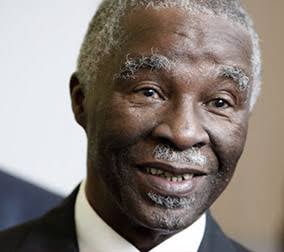
THABO MBEKI
From 1994 to the time i got fired, South Africa was prospering.
There was job creation everywhere. The economy was growing. It even reached 6% in 2007.
I created over 6 000 000 jobs
I fixed the mess left by apartheid. Crime was low.
Things were orderly.
The moment I was removed, everything went South. Literally!
Zuma and Ramaphosa collapsed the country.
They can barely achieve 1% economic growth.
In their entire 15 year reign. W008 to now, they jointly created 1 million jobs
7
19
1,504
🇿🇦 2001 That's when our problems started under Thabo Mbeki.
This was the beginning of SA's Coup by the Terrorists.
Thabo Mbeki's legacy ineffective BEE to the African Renaissance.
Let's learn from history and avoid repeating these mistakes.
#FailedPolicies #AfricanRenaissance #BEE #NEPAD #LeadershipFailures #SouthAfricanPolitics #LessonsFromHistory #MistakesToAvoid #PoliticalConsequences

WATCH | Former president Thabo Mbeki says Africa will remain in poverty if it stays fragmented, stressing the need for unity and collective action to unlock the continent’s full potential.
11
14
1,079

May 4
Power Interests Institutions Money Narrative = Politics
#HistoryInRealTime #HumanHistory #Geopolitics #ClavrFalls #LessonsFromHistory #WarAndPower theguardian.com/world/live/2…
2
112

TDF Debate
'Bangladesh: A new political chapter?'
Exclude the Opposition… Invite Instability? Dr Chietigi
Bajpaee
#Democracy #PoliticalInclusion
#Stability #LessonsFromHistory
@Chietigj
youtu.be/jh671YznygA?t=1118
1
2
178

Apr 28
नेताजी सुभाष चंद्र बोस की जयंती पर 🇮🇳
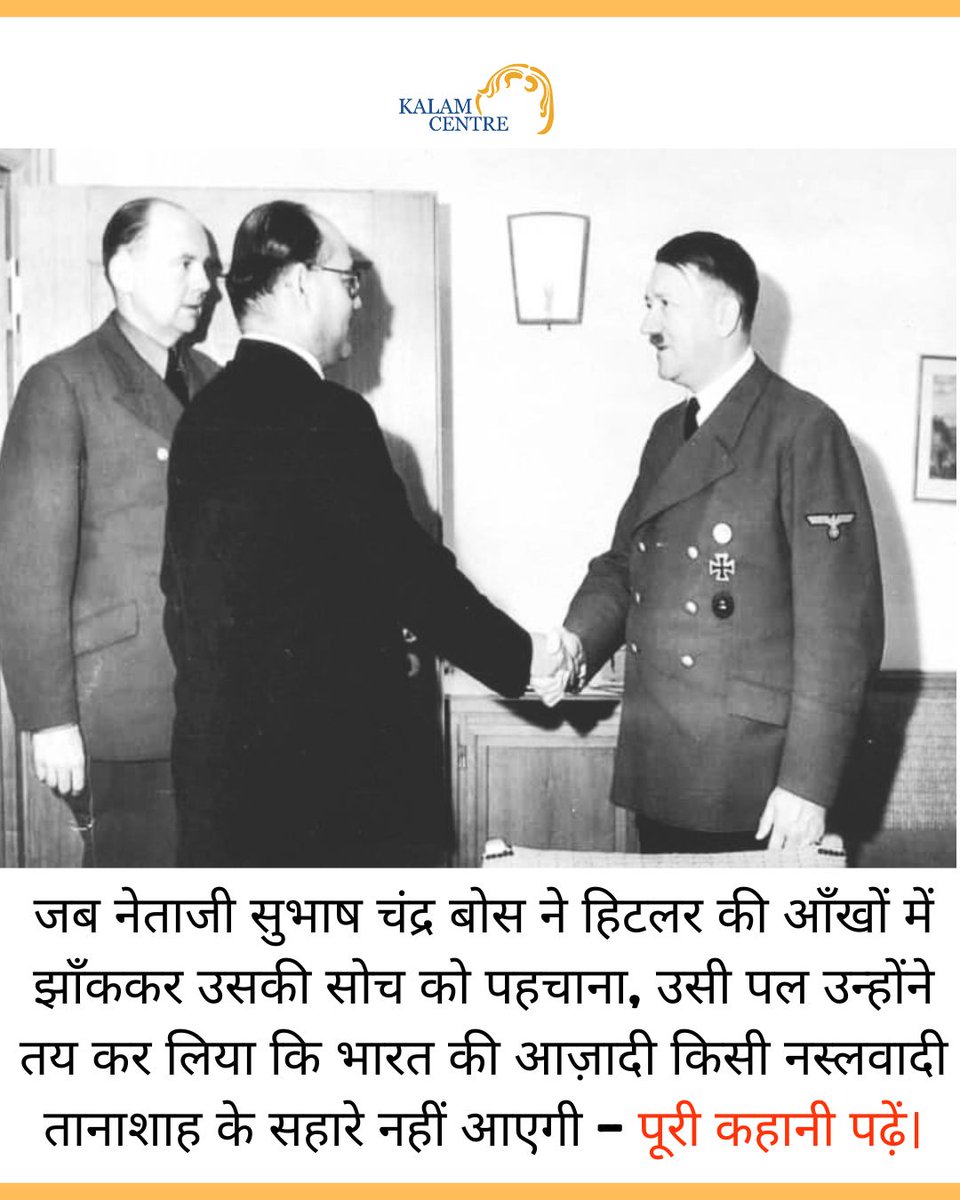
यह घटना उस समय की है जब नेताजी भारत की आज़ादी के लिए विदेशी समर्थन जुटाने की कोशिश कर रहे थे। 1941 में वे जर्मनी पहुँचे, ताकि अंग्रेजों के ख़िलाफ़ संघर्ष में जर्मनी की मदद मिल सके।
जर्मनी पहुँचने के बाद नेताजी ने वहाँ की सरकार से भारत की स्वतंत्रता के लिए सहयोग माँगा। हिटलर से मिलना आसान नहीं था, लेकिन नेताजी की समझदारी, आत्मविश्वास और साफ़ सोच से जर्मन अधिकारी प्रभावित हुए। कई महीनों की कोशिशों के बाद, 1942 में आखिरकार उनकी मुलाक़ात एडॉल्फ हिटलर से हुई।
मुलाक़ात औपचारिक थी, लेकिन बातचीत के दौरान नेताजी को समझ आ गया कि हिटलर भारत या आज़ादी को लेकर गंभीर नहीं है। हिटलर ने अंग्रेजों की ताक़त की तारीफ़ की और भारतीयों को स्वतंत्रता के लायक़ न मानने जैसी बातें कहीं। उसने यह भी कहा कि भारत पर अंग्रेजों का शासन ठीक है।
यह सुनकर नेताजी को साफ़ हो गया कि हिटलर एक कट्टर नस्लवादी और खुद में डूबा हुआ तानाशाह है, जिसे सिर्फ़ अपनी सत्ता की चिंता है, किसी और देश की आज़ादी की नहीं। नेताजी ने अपनी असहमति स्पष्ट की और उसी समय तय कर लिया कि जर्मनी उनके संघर्ष का सही साथी नहीं हो सकता।
इसके बाद नेताजी ने जर्मनी से आज़ाद हिंद रेडियो के ज़रिए भारतीयों तक अपना संदेश पहुँचाया और फिर जापान की ओर रुख किया, जहाँ उन्हें अपने आंदोलन के लिए अधिक ठोस समर्थन मिला।
यह घटना बताती है कि नेताजी सिर्फ़ साहसी नेता नहीं थे, बल्कि दूरदर्शी भी थे — जो किसी इंसान को उसके पद से नहीं, उसकी सोच से पहचानते थे।
जयंती के इस अवसर पर हम नेताजी के साहस, दूरदर्शिता और अडिग राष्ट्रप्रेम को नमन करते हैं।
जय हिंद।
#NetajiSubhasChandraBose #NetajiJayanti #IndianFreedomStruggle #AzadHind #HistoryOfIndia #TrueLeadership #VisionaryLeader #CourageAndConviction #KnowYourHeroes #IndianHistory #LessonsFromHistory
8
1,491

Apr 27
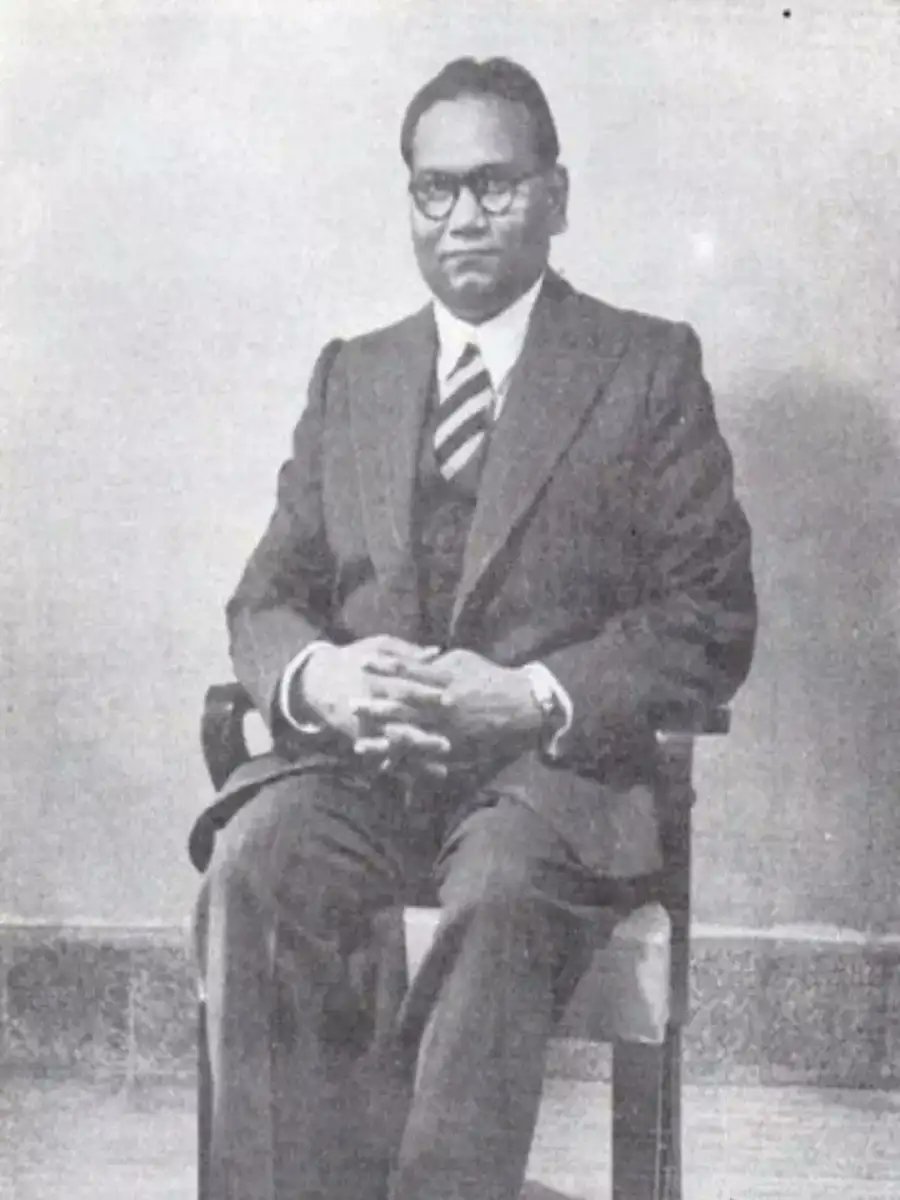
The Tragic Story of Jogendra Nath Mandal: The Man Who Dreamed of Becoming Pakistan’s Ambedkar and Had to Flee Back to India
Jogendra Nath Mandal (1904–1968) was a prominent Dalit leader from Bengal who believed in a political alliance with the Muslim League. He hoped to secure rights and upliftment for Scheduled Castes by supporting the creation of Pakistan. Instead, he became a heartbreaking example of how religious majoritarianism can betray even its allies. His life is a powerful lesson for the current Dalit generation.
Early Life and Rise
Born on 29 January 1904 in Barisal (present-day Bangladesh) into a Namasudra (Dalit) family, Mandal qualified as a lawyer from Calcutta Law College. Instead of practising law, he dedicated his life to Dalit empowerment. In 1937, he was elected to the Bengal Legislative Assembly as an independent. Influenced by Subhas Chandra Bose, he joined the Muslim League in 1940. He worked closely with B.R. Ambedkar and founded the Scheduled Castes Federation in Bengal. He strongly opposed the partition of Bengal, fearing upper-caste Hindu dominance in West Bengal would harm Dalits.
The Pakistan Dream
In 1947, when Pakistan was created, Mandal enjoyed the trust of Muhammad Ali Jinnah. He presided over the first session of Pakistan’s Constituent Assembly and became the country’s first Law and Labour Minister. He envisioned a bright future for Dalits through a “Dalit-Muslim alliance” and believed he could become the Ambedkar of Pakistan.
Why He Had to Flee Pakistan (East Bengal)
By 1950, the dream turned into a nightmare. Large-scale riots erupted in East Pakistan (now Bangladesh), especially in Barisal, Dhaka, and Narayanganj. Thousands of Hindus and Dalits (Namasudras) were killed estimates go up to 10,000 or more. Mobs, often with police support, looted homes, raped women, and forcibly converted people to Islam.
The Pakistani government under Liaquat Ali Khan remained largely inactive. The “Objectives Resolution” was moving the country towards an Islamic state, leaving minorities unprotected. Mandal himself faced arrest warrants and threats to his life.
On 8 October 1950, he submitted his resignation to Prime Minister Liaquat Ali Khan from Calcutta. In his resignation letter, he detailed the massacres, atrocities, and the failure of the Pakistani state to protect minorities. He wrote painfully: “My life’s mission has failed.” He had no choice but to flee to India for safety.
Final Days in India
After returning, Mandal received little political acceptance due to his past association with Pakistan. He worked to rehabilitate Dalit-Hindu refugees from East Pakistan. In 1967, he contested elections from Bongao (West Bengal) but lost. He tried to revive Dalit politics through the Republican Party of India.
On 5 October 1968, at the age of 64, he died in Bongao, West Bengal. His death remains mysterious officially a heart attack, but contemporary accounts and family suspicions point to possible poisoning or foul play by political rivals. He died as a refugee in the very country he had once opposed the creation of Pakistan for.
Lessons for the Current Dalit Generation
Mandal’s story is not just history it is a warning:
1. Political decisions must be based on long-term principles, not temporary alliances or emotions.
The belief that “upper-caste Hindus are the enemy, so Muslims are friends” proved fatal. Religious majoritarianism ultimately harms the weakest sections, regardless of initial promises.
2. Ambedkar’s path remains the safest and most enduring.
Ambedkar opposed the creation of Pakistan and warned against religious separatism. He emphasised education, organisation, constitutional struggle, and self-reliance. Dalits should strengthen these pillars instead of repeating failed “caste-religion alliances.”
3. Beware of any form of religious majoritarianism.
What happened in 1950 East Pakistan shows that when a state moves towards religious dominance, minorities (including Dalits) suffer the most. This applies universally no community should ignore this pattern in history.
4. Focus on self-empowerment and constitutional democracy.
India’s Constitution offers reservations, protections, and equality. Strengthen education, economic independence, and social awareness. Scrutinise alliances by asking: “What will be the long-term outcome for my community?”
Jogendra Nath Mandal’s life symbolises the failure of the Dalit-Muslim alliance dream. It teaches that politics should rest on truth, evidence, constitutional values, and equality not on short-term friendships against a perceived common enemy.
Today’s Dalit youth must study this history honestly. Do not repeat the mistakes of the past. Build strength through knowledge, unity based on justice, and unwavering commitment to Ambedkar’s vision. A future of dignity and self-respect is possible but only through enlightened, principled politics.
#JogendraNathMandal #DalitHistory #Ambedkarite #LessonsFromHistory #NeverForget
2
19
42
2,584

History repeats itself 🔁
Then: Give 5 villages 👉 Now: Say yes to the deal
Answer then: Not even needle-point land ❌
Answer now: Zero Compromise 💯
We all know how arrogance ends ⚠️
#Iran #USA #KrishnaNiti #Mahabharat #LessonsFromHistory
1
6
7
89


The Fall of Baghdad: A Tragedy We Must Never Forget”
#Baghdad1258 #FallOfBaghdad #IslamicHistory #MuslimUmmah #HistoryRepeats #IslamicReminder #Ummah #Deen #Faith #Sunnah #LessonsFromHistory #IslamicKnowledge #Reminder #QuranAndHadith
2
15
468

@CIA
Still one of the most elegant engineering feats of the Cold War era.That unassuming U-2 film canister wasn’t just carrying photographs — it carried the eyes of the free world at a time when the world needed them most.Before satellites, before digital sensors, before AI… it was raw human courage and unmatched precision that brought truth back from the edge of the unknown.A powerful reminder that intelligence, at its core, has never changed:
Going where others cannot, and seeing what others refuse to see.Thank you for keeping these historical artifacts alive.
They are more than history — they are a timeless lesson.
#HUMINT #SIGINT #ColdWarIntelligence #StrategicIntelligence #IntelligenceHistory #U2DragonLady #CIA #AerialReconnaissance #LessonsFromHistory #NationalSecurity
4
5
560


Mar 11
Western leaders measure war in "weeks" and "months." The East measures conflicts in generations.
Rumsfeld’s "6 weeks" turned into 20 years. As the Taliban used to say: “They have the watches, but we have the time.” Until the Trump understands this, we are doomed to repeat the same quagmires.
This war doesn’t serve the interests of the American taxpayers but we fund this war with our national credit card which we won’t be able to pay back.
🇦🇫🇺🇸 #LessonsFromHistory
11
415
Feb 27
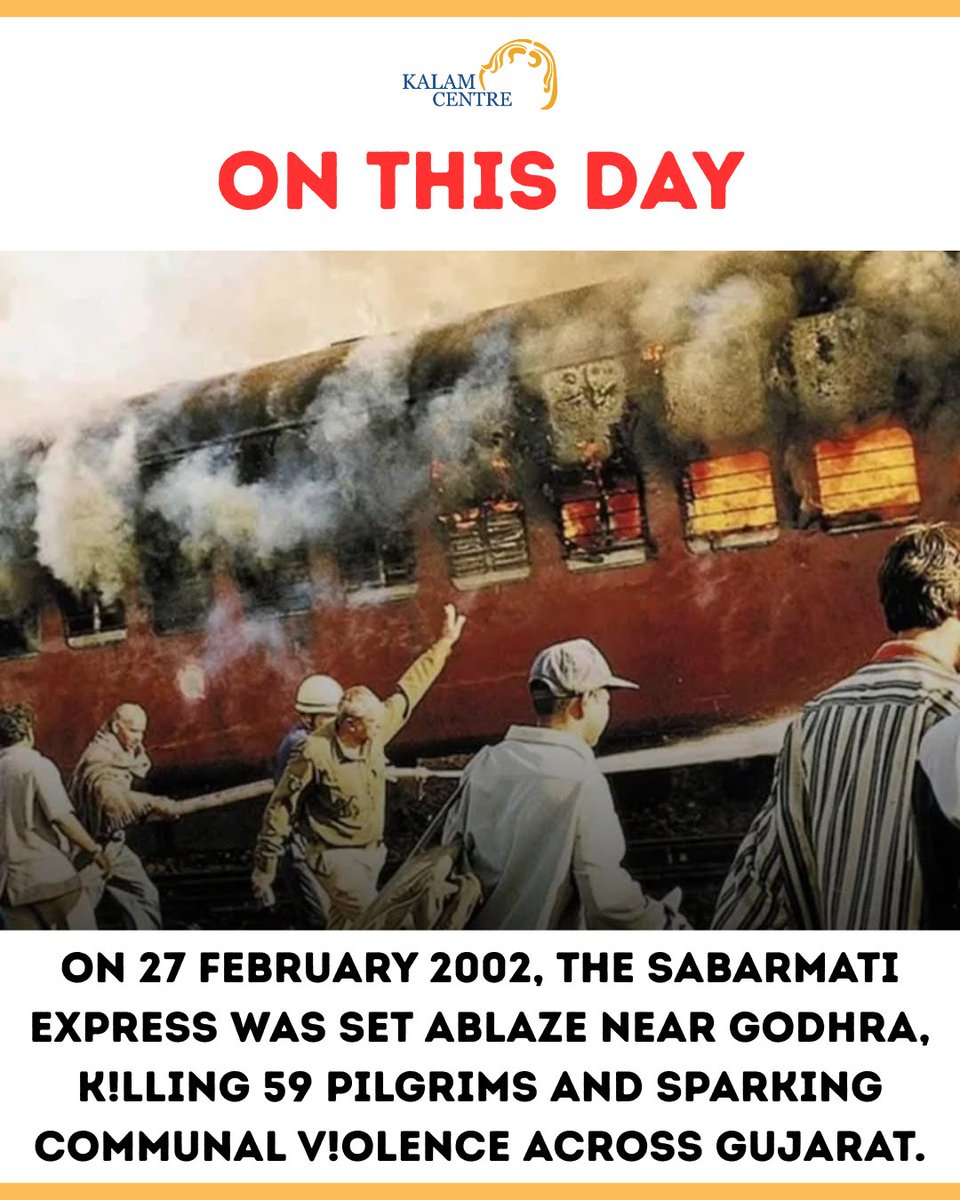
On 27 February 2002, one of the most tragic and sensitive incidents in independent India’s history took place near Godhra railway station in Gujarat. Coach S-6 of the Sabarmati Express, carrying Hindu pilgrims returning from Ayodhya, was set on fire, resulting in the loss of 59 lives, including women and children.
The incident shocked the nation and was followed by widespread communal violence across Gujarat that lasted for several weeks. Hundreds of people lost their lives, many families were displaced, and the events left deep scars on the social fabric of the country.
The Godhra train burning and the violence that followed remain a painful chapter in India’s modern history — a reminder of the importance of communal harmony, justice, and the collective responsibility to ensure that such tragedies are never repeated.
#Godhra #GodhraIncident #27February2002 #IndianHistory #NeverForget #PeaceAndHarmony #CommunalHarmony #RememberingHistory #India #HumanityFirst #LessonsFromHistory #JusticeAndPeace #UnityInDiversity #PrayForPeace #Respect
1
4
18
2,332

Feb 20
When will mankind —( I use that word deliberately 😂) — learn from history?
Empires of massive control and oppression always fall.
#HistoryRepeats #Mankind #Empire #Freedom #LessonsFromHistory #Accountability
61

Feb 10
Warnings always sound extreme at first.
They did in the 1930s too.
People believed institutions would protect them.
That democracy guaranteed safety.
That things would never really get that bad.
History tells a harder truth.
Not everything repeats - but denial often does.
When do warnings become wisdom?
#AntisemitismAwareness #JewishHistory #LessonsFromHistory #JewishIdentity #CurrentEvents #HistoricalContext
5
13
39
2,178

Jan 29
This video was posted a while ago when #AbiyAhmed started flexing Ethiopia’s population size and modern jets.
He is repeating it again. It’s recycled rhetoric we’ve heard before.
History already answered this. Re-posting as a reminder.
#Ethiopia #HornOfAfrica #HistoryMatters #PoliticalRhetoric #AfricanPolitics #LessonsFromHistory #Geopolitics #Eritrea
1
41
66
1,356

Jan 27
In the shadows of Nigeria's turbulent history, I ponder the life of Emmanuel Ifeajuna—a man of promise turned architect of chaos. An Olympic hero who leaped to gold in 1954, he betrayed that glory by masterminding the 1966 coup.
With cold precision, he orchestrated the assassinations of Prime Minister Balewa, Sardauna of Sokoto, and others, igniting ethnic flames that scorched our nation's soul. Was it idealism or ambition? His hands, once raised in victory, now stained with the blood of unity.
#NigeriaHistory
Yet, Ifeajuna's path twisted further into the Biafran secession, where he sought redemption or power. He defected, fighting for Igbo independence, but his whispers of negotiation with the federal side branded him a traitor. In the end, his "misdeeds" caught up in 1967—Enugu's firing squad silenced him forever under Ojukwu's command. A life of highs and lows, ending in dust. What does it teach us about loyalty's fragile thread?
Now, turn to Chukwuemeka Odumegwu Ojukwu, the Oxford-educated heir who declared Biafra's birth in 1967. His vision of sovereignty unleashed a civil war that devoured 3 million lives—mostly innocents starved by blockades.
Ojukwu's defiance fractured Nigeria, pitting brother against brother in a carnage of artillery and famine. Was it a fight for justice or a ego-fueled rebellion? He promised freedom but delivered graves, leaving scars that echo in our divided polity today.
Soul-searching: How much blood for a flag?
Ojukwu's actions reshaped Nigeria's map, embedding mistrust between regions. The war's end in 1970 saw no victors, only a weary federation glued by force. His leadership, bold yet blind to suffering, amplified ethnic divides, economic ruin, and a legacy of underdevelopment in the Southeast. In the mirror of history, I ask: Did his "greater good" justify the orphans and widows? Nigeria still bleeds from those wounds.
As the war crumbled, Ojukwu fled to Ivory Coast in exile, abandoning his people to surrender's mercy. No firing squad for him—he returned in 1982, pardoned, and danced in politics till his death in 2011 from illness. A quiet end for a thunderous life, buried with honors.
But the misdeeds? They linger in our collective amnesia, urging us to question leaders who wield division as a sword.
In soul-searching silence, Ifeajuna's bullet-riddled fate and Ojukwu's faded glory whisper warnings to Nigeria: Beware the allure of power unchecked.
Their stories aren't just history—they're mirrors for today. May we heal the fractures they forged, building a nation where unity triumphs over ego. What have we learned, my brothers and sisters?
#BiafraWar #LessonsFromHistory
— @Sholabaggio
2
134