
Jun 12
Me: Some early pictures of Jesus depicted him with mushrooms
Ai: Yes, that’s a claim from fringe theories about entheogens (psychedelic substances) in early and medieval Christian art. Proponents point to specific frescoes, manuscripts, and stained glass where certain stylized plants, trees, or objects resemble mushrooms—especially the red-and-white Amanita muscaria (fly agaric) or psilocybin species. medium. com
These interpretations are not mainstream art history or biblical scholarship. Critics often attribute them to pareidolia (seeing patterns where none were intended), stylized foliage, or symbolic “mushroom trees” common in medieval art for other reasons. No direct textual evidence from early Christian sources supports widespread psychedelic use in core rituals. akjournals. com
Key Examples Often Cited
• Plaincourault Chapel fresco (France, ~1291): The Tree of Knowledge in the Garden of Eden scene looks strikingly like a large Amanita muscaria mushroom, with Adam and Eve nearby. This is one of the most famous cases, discussed since the early 20th century. en.wikipedia. org
• Church of Saint Martin de Vicq frescoes (France, early 12th century): Scenes of Christ’s Entry into Jerusalem show what look like large mushroom caps (possibly psilocybin-style) held or growing near figures. Adjacent panels depict mushroom-like forms on towers or in the Last Supper. lifeinbalance. co. za
• Great Canterbury Psalter (England, ~1200) and other manuscripts: Jesus or God creating plants, with mushroom-like forms below or around. christiancentury. org
• Chartres Cathedral stained glass (France, ~1210) and other sites: Mushroom shapes appear in biblical scenes, sometimes interpreted as symbolic.
Similar motifs show up in places like Hildesheim (Germany) and Aquileia (Italy). leidenmedievalistsblog. nl
Background and Context
The idea gained traction with John Marco Allegro’s 1970 book The Sacred Mushroom and the Cross, where he argued (via controversial philology) that Jesus was a coded reference to Amanita muscaria in a secret fertility cult. Scholars widely rejected this as speculative and flawed. en.wikipedia. org
Later works like The Psychedelic Gospels (Jerry & Julie Brown, 2016) and John Rush’s books focus more on visual evidence in art, suggesting entheogens played a role in some early Christian mysticism or symbolism, without denying a historical Jesus. lifeinbalance. co. za
Counterpoints: Medieval artists used symbolic, non-realistic styles. What looks like a mushroom cap might represent a tree canopy, fruit, or abstract decoration. Mushrooms (especially Amanita) were known but often seen as dangerous or folkloric, not central sacraments. Official church texts emphasize bread/wine for the Eucharist. akjournals. com
It’s a fascinating rabbit hole blending art, ethnobotany, and alternative history—popular in psychedelic communities—but treat the stronger claims (e.g., “Jesus was a mushroom”) skeptically. The visuals are real and intriguing, even if the entheogenic interpretation remains debated.
85

Jun 10
The Importance of Family Traditions in Modern Times
peoplesblog.co.in/articles/i…
#Lifestyle #HealthyLiving #SelfCare #MindfulLiving #LiveYourBestLife #BalancedLife #LifeGoals #LifeInBalance #LivingMindfully #MinimalistLife #PeoplesBLOG
1
6

May 31
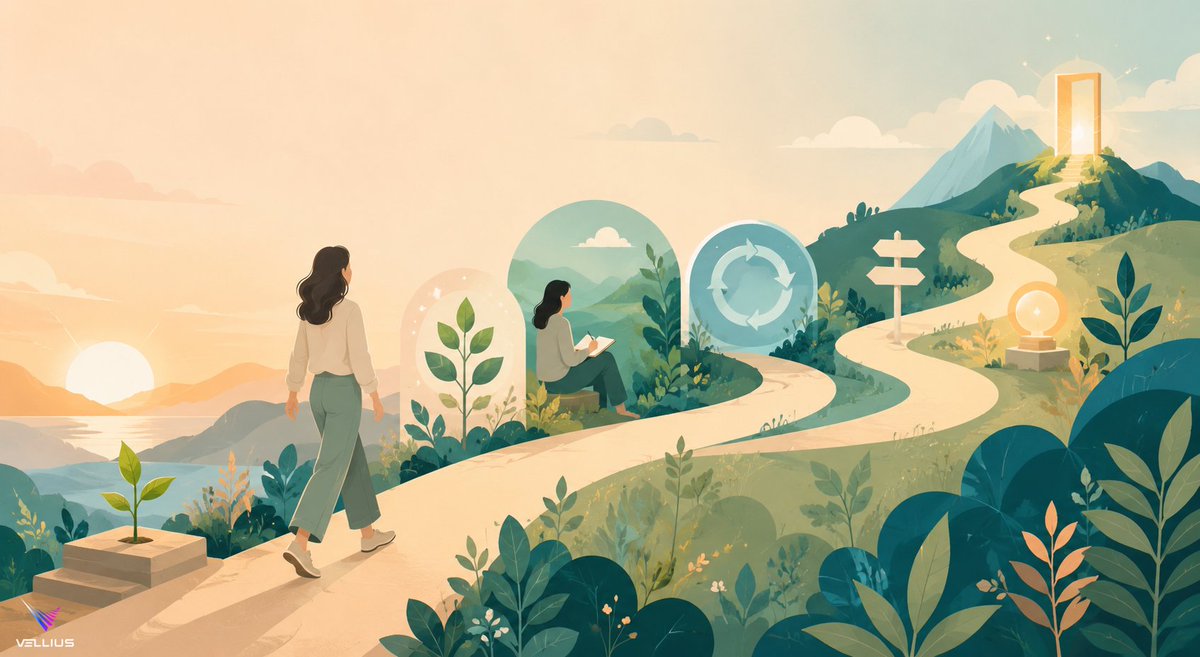
✨ Building long-term financial confidence isn’t a single decision — it’s an ongoing journey.
Along the way come new discoveries 🌿, moments of reflection, strategy adjustments 🔄, and important choices ✨
Vellius helps you stay clear and focused at every stage — from your first steps to long-term planning.
🤍 No rush. No pressure. Just transparent guidance and support you can rely on.
Less noise. More confidence. ✨
#Vellius #LessNoiseMoreClarity #MindfulChoices #ConfidenceJourney #StayFocused #GrowthMindset #LifeInBalance
1
1
35

Feb 26
哪有什么永远的“央视一姐”,不过是把镜头里的光芒,活成了生活里的自在。这种接地气的松弛,才是真底气。
There’s no such thing as a permanent "top hostess". She just turned the glamour on camera into ease in life. This down-to-earth relaxation is real confidence.
#烟火气里的从容 #岁月沉淀的美 #松弛感最迷人
#RealElegance #LifeInBalance

2
93

Feb 15
It's a pleasure to watch these two
#NatureInspired #PetLifestyle #CleanLiving #NaturalBeauty #PetCompanion #QuietMoments #LifeInBalance
4
46

Feb 13
Good plans make room for great moments. Here’s to effortless Fridays and even better memories. Happy Friday! #EswatiniBank #LibhangeLesive #FinancialWellbeing #FridayMood #LifeInBalance

3
21

Feb 11
Even in the chaos of New York, there's a quiet beauty that reminds me to trust the journey. 🌆✨ Through every challenge, love and faith shine brighter. 💫
#LifeInBalance #FaithAndLove #FindingPeace
4
183

Jan 15
🎧 Music on. World off.
Caliburn G5 KOKO fits right in your hand, light and reliable 🌈
A quiet companion for busy days and slow nights 💫
More Details: shorturl.at/1cwl9
#Sourcemore #Uwell #CaliburnG5KOKO #Kit #LifeInBalance #Uwell #EverydayGear

1
11
396

23 Dec 2025
Peace isn’t found in chasing more...it blooms in the quiet rhythm of simple joys.
#FoxProse #Amatory #OurPoetryX #LoveLetters #poetry #writers #vss365 #storyin6 #SimpleJoys #PeacefulLiving #ChooseCalm #LifeInBalance
1
3
7
72

23 Dec 2025
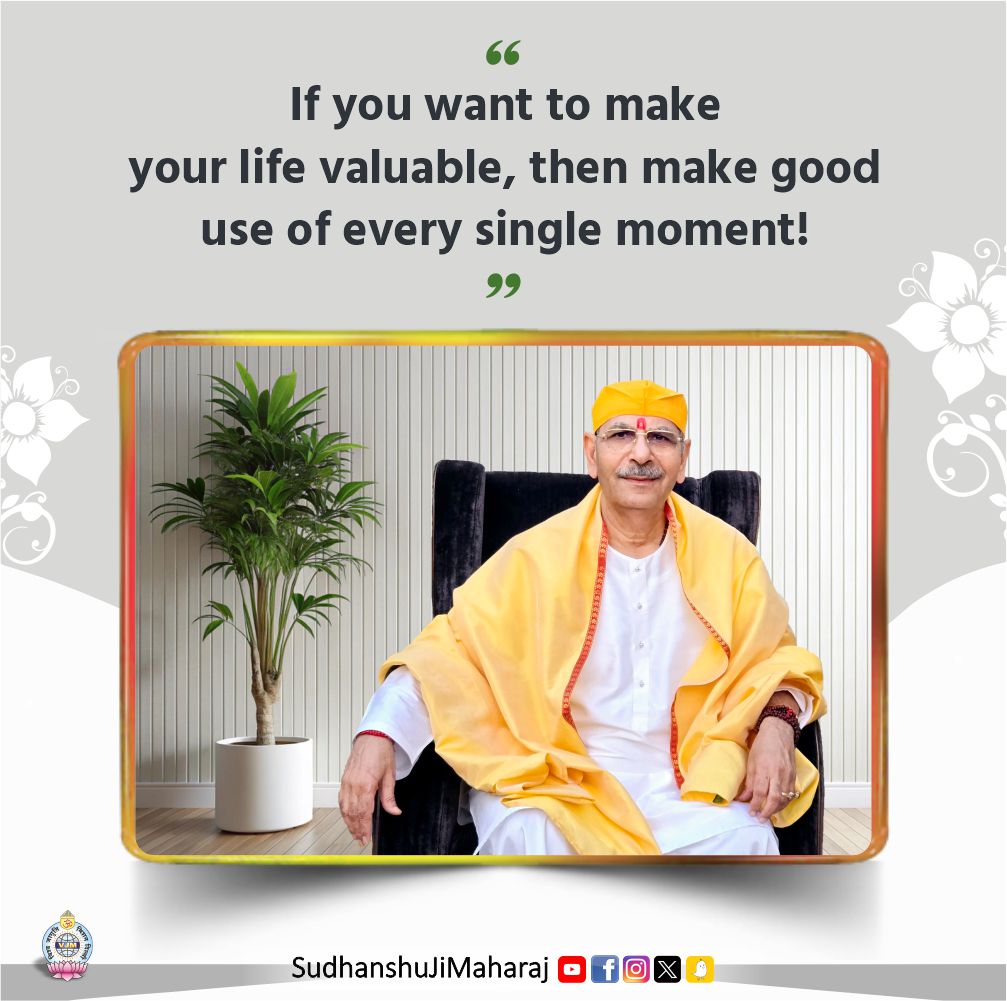
If you want to make your life valuable, then make good
use of every single moment!
.
.
.
#sudhanshujimaharaj #tuesdaymood #ConsciousLife #Balance #tuesdaymorning #tuesdaythoughts #tuesdaymotivation #blessed #Contentment #Fulfillment #Harmony #Serenity #LifeInBalance #WisdomForLiving
2
2
5
97

21 Nov 2025
Clean Your Space. A tidy place clears the mind.
There’s something almost magical about a freshly organized room—your thoughts breathe easier, your mood lifts, and the day feels a little lighter. ✨
Start small: clear one corner, wipe one surface, fold one stack. Little moments of order can spark big moments of peace.
#CleanYourSpace #TidyHomeTidyMind #AmericanEssence #SimpleLiving #CalmLiving #DailyInspiration #MindfulMoments #HomeHarmony #LifeInBalance #DeclutterToday #OlderAmericans #TimelessValues #AmericanHome #AEQuotes #AEInspiration
1
2
2
44

9 Oct 2025
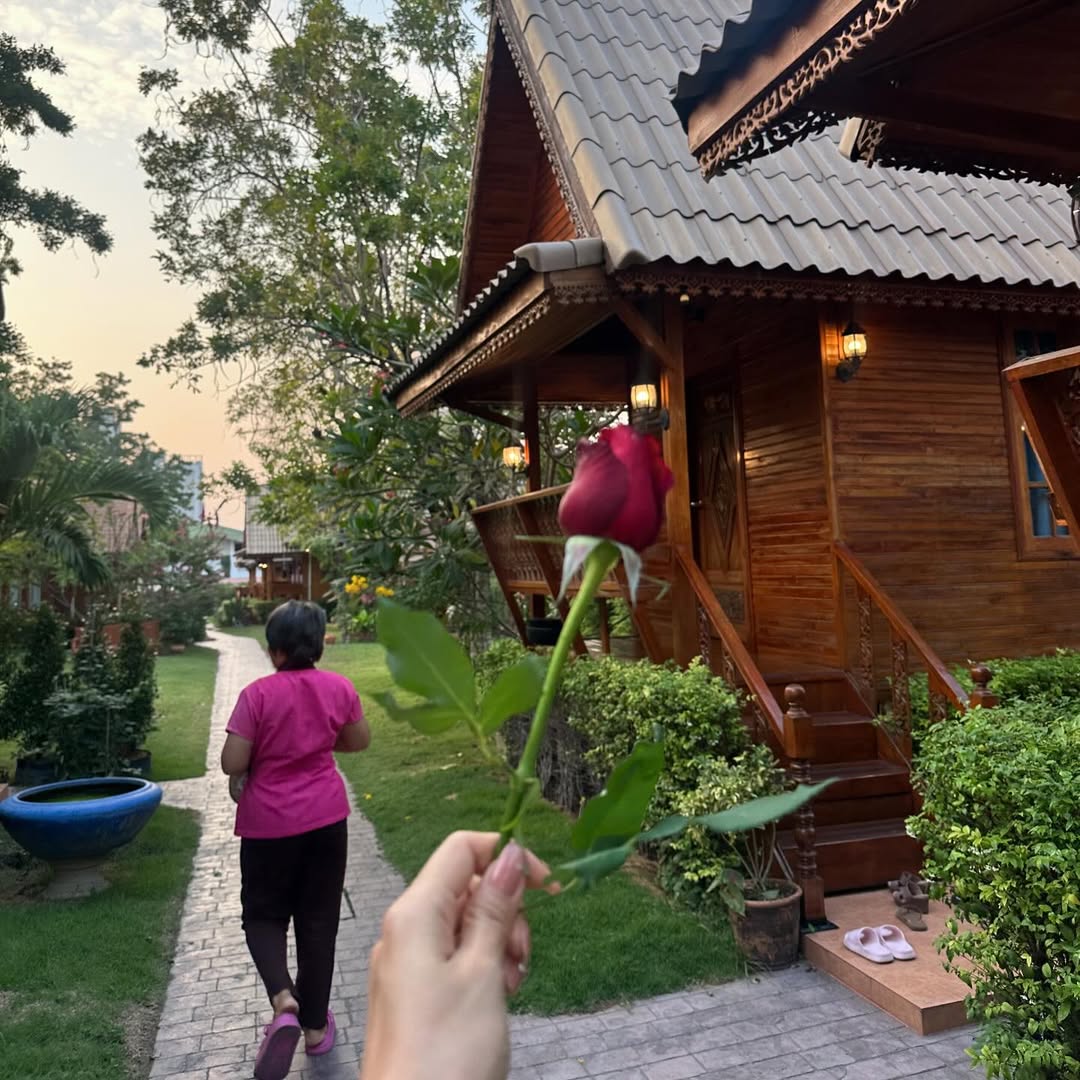
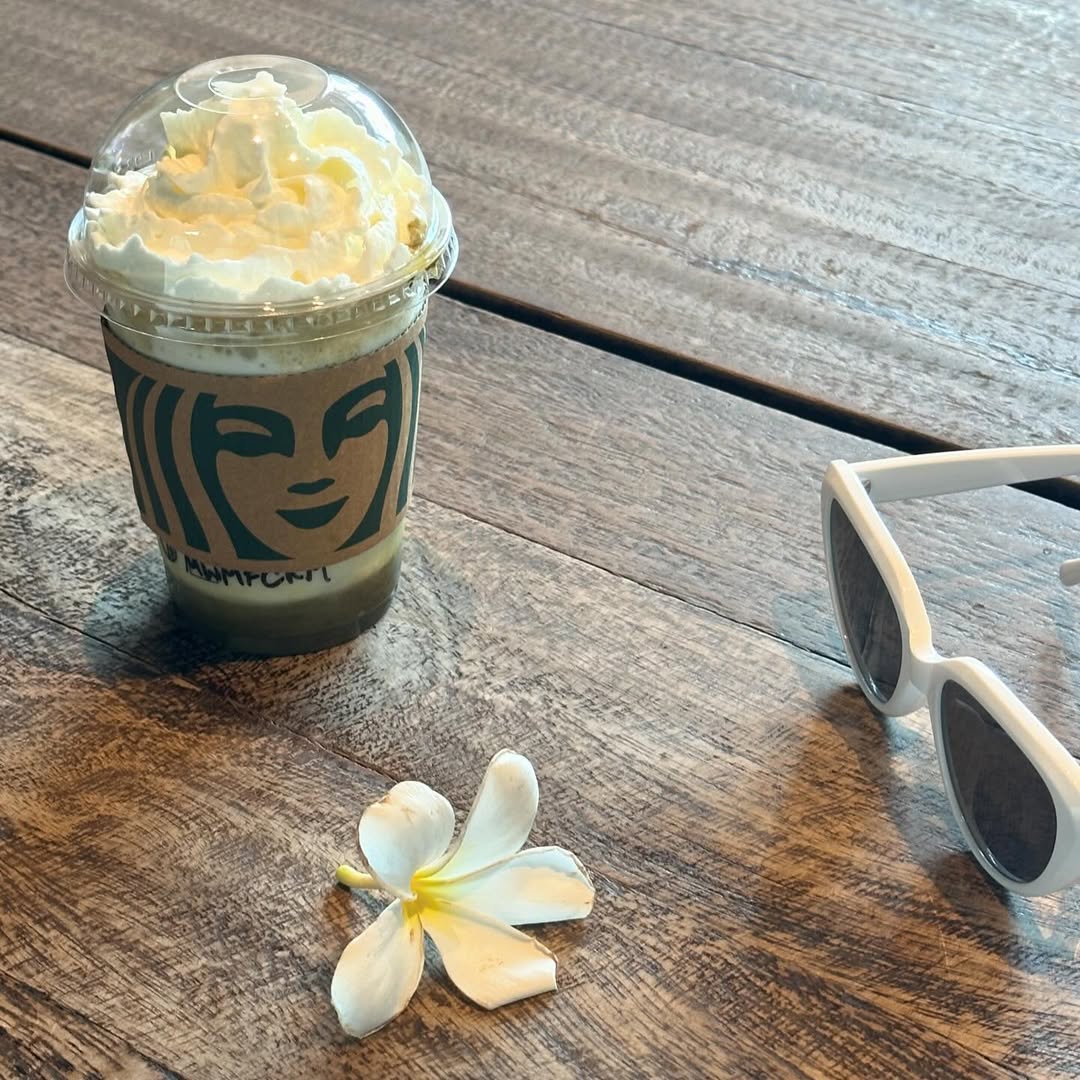
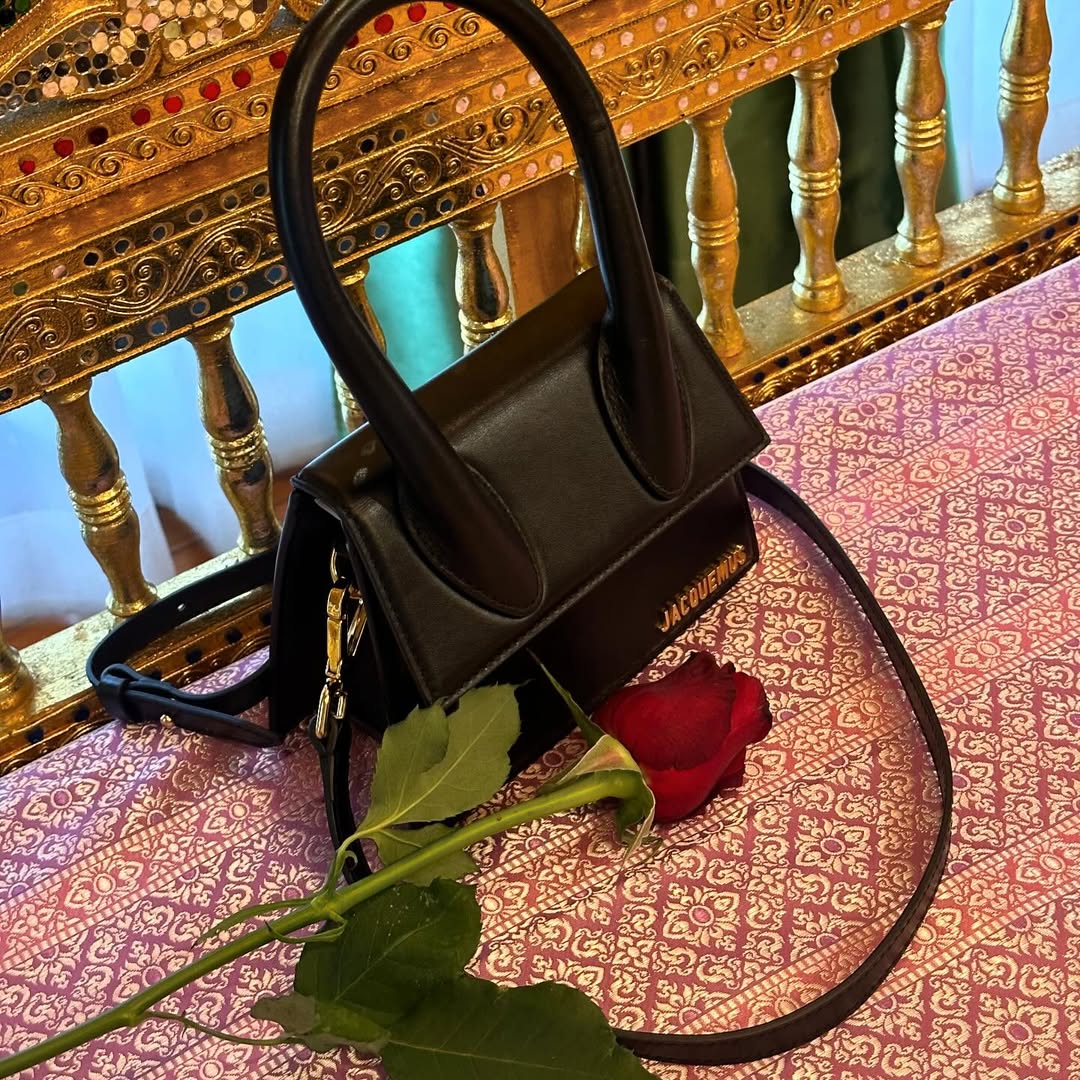
Enjoying the simple moments in life with a good cup of coffee, a beautiful rose, and some precious time for reflection. 🌹☕ Life is all about finding balance and joy in the little things. 💫
#lifeinbalance #goodvibesonly #coffeetime #RoseLove #relaxandunwind #simplepleasures
2
81

8 Oct 2025
Hustle hard, play hard. Balance work and fun for true success!
#WorkPlayBalance #SuccessMindset #PlaypalLifestyle #RechargeAndConnect #AthleteAtWork #LifeInBalance #FunAndFocus

1
2
18

3 Oct 2025
We’ve all had those days where career goals, learning plans, and personal life all compete for attention.
When that happens, how do you find your balance? Let us know in the comments 👇
#WorkLifeBalance #CareerGrowth #KeepLearning #PersonalDevelopment #LifeInBalance

2
8

24 Aug 2025
✨ My Path Forward ✨
Success, for me, isn’t about rigid deadlines or chasing perfection. It’s about creating a rhythm that honors both my caregiving role and my personal growth. 🌿💛
Over the next few months, success looks like:
•Consistency with small, doable steps toward my vision.
•Grace for myself on the days caregiving takes priority.
•Building habits that give me energy, strength, and peace.
•Celebrating progress, not perfection.
True success is steady progress — finding balance, showing up, and growing without burnout. 🌸✨
#LifeInBalance #SteadyProgress #CaregiverLife #GraceOverPerfection #PersonalGrowth #HealthAndWellness #StrongConfidentEnergized #EverydaySuccess #ProgressNotPerfection
6
126

12 Aug 2025
Sometimes, between big decisions and next steps, the best thing you can do is… nothing.
Well, not nothing, just slowing down enough to breathe, listen, and recharge.
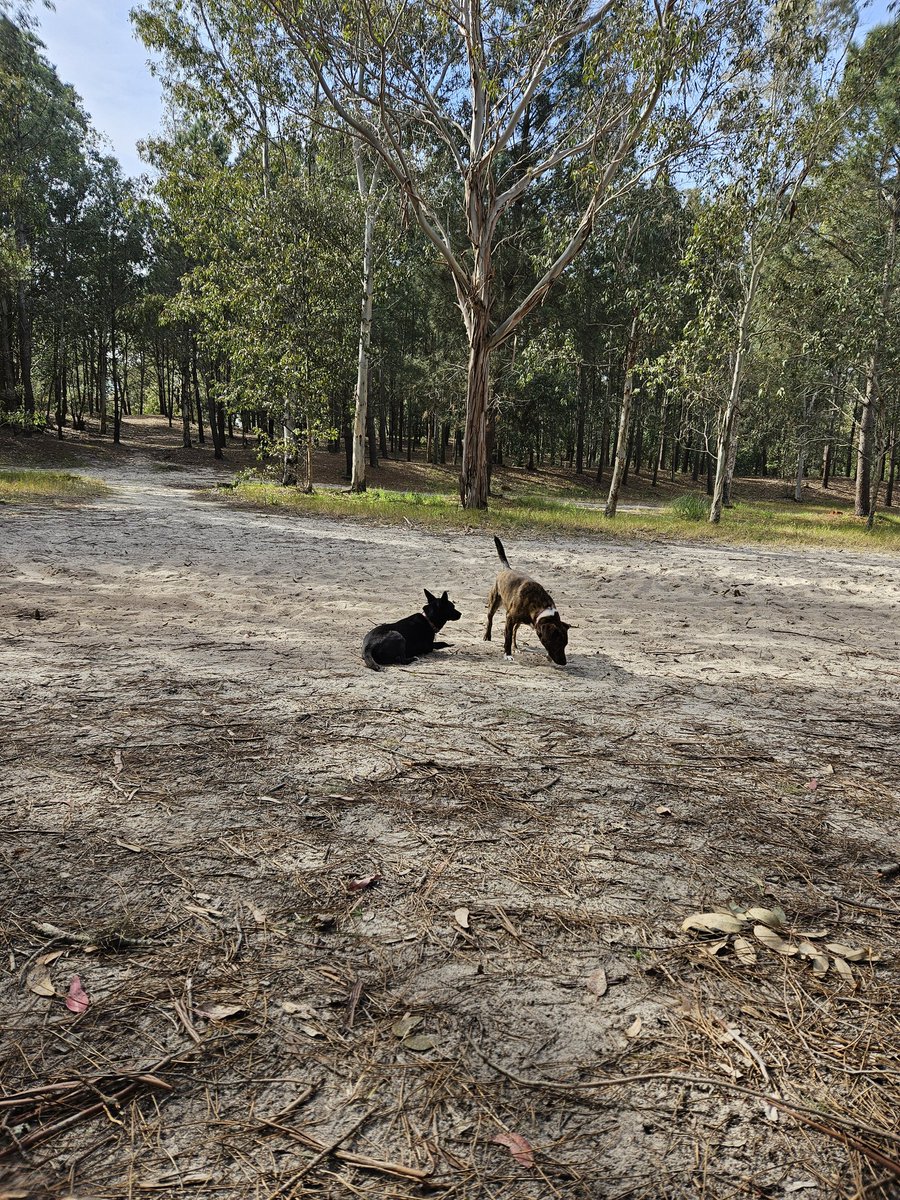
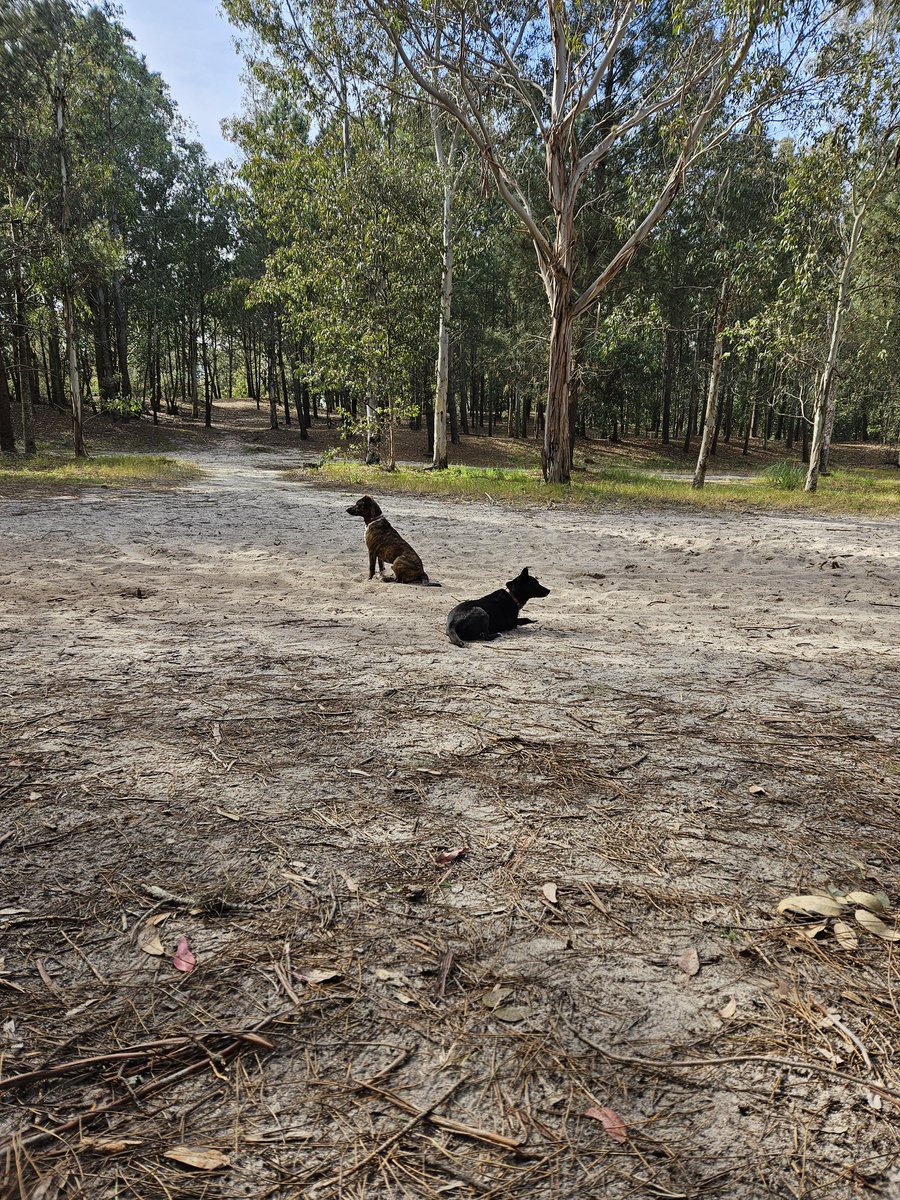
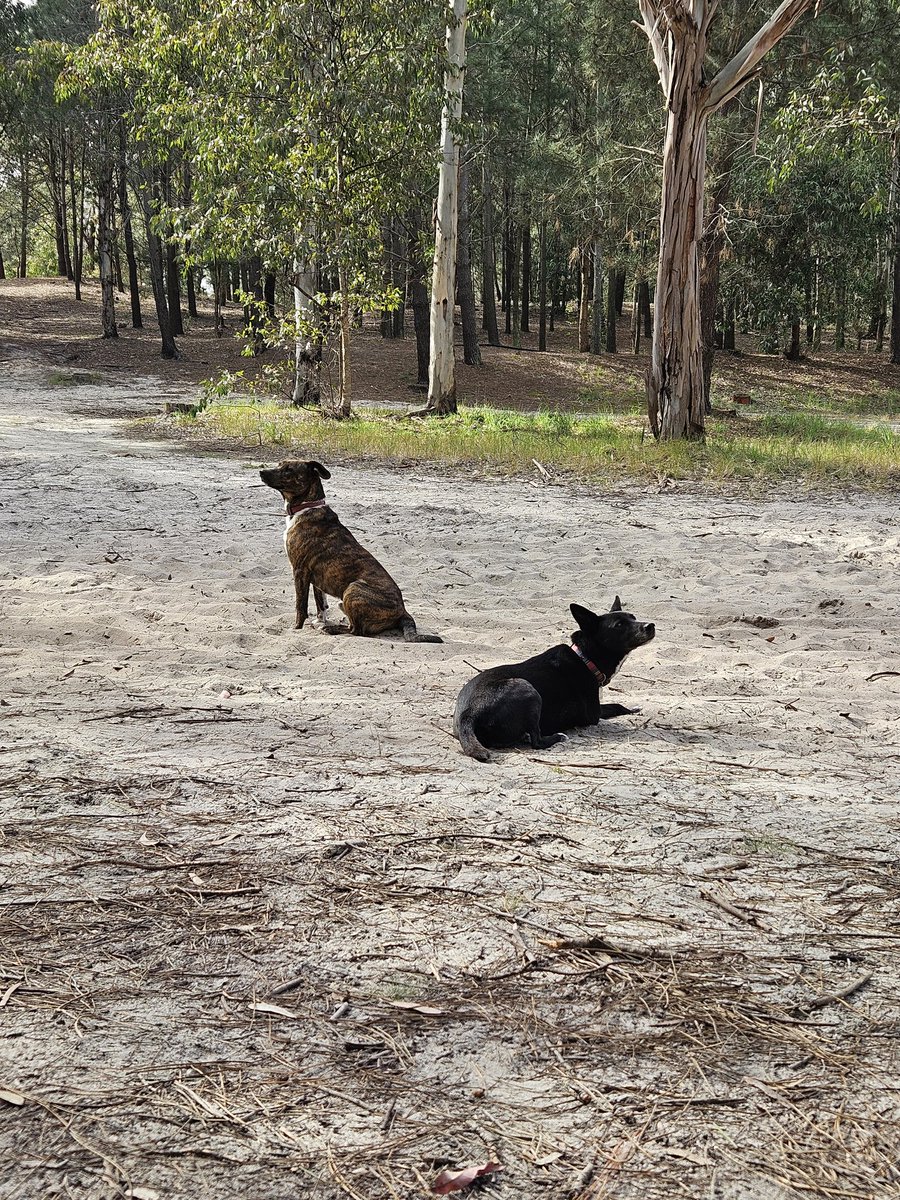
Today’s office is under the eucalyptus, with two curious companions exploring the woods while I let ideas settle in.
The next chapter will come. For now, we walk.
#LifeInBalance #EntrepreneurLife #SlowDownToSpeedUp #MindfulWork
3
4
114

10 Aug 2025
Venus Mahadasha (20 Years): The Good, The Bad, and The Ugly
Not apt to generalize a 20 yearlong period, but here is a long term theme basis my personal experience..
** Is your Venus MD active right now ? Comment with Venus position (Sign House)
Venus Mahadasha is often seen as a time of beauty, love, and creativity, but just like every planetary period, it has its ups and downs. Here’s a look at what you can expect:
The Good: Love & Creativity 💕🎨
Venus brings romance, beauty, and artistic expression. Whether you're deepening a relationship, starting a new one, or diving into creative projects, Venus will encourage you to embrace joy. This is the time to feel empowered, express yourself through art or fashion, and indulge in self-care. Expect harmonious relationships and financial growth related to creativity, beauty, or entertainment.
The Bad: Overindulgence & Imbalance 💸😅
While Venus is the planet of indulgence, it can also lead to excess—too much spending, overeating, or indulging in unhealthy relationships. During Venus Mahadasha, you may find yourself craving luxury or being tempted to splurge. Relationships might become superficial or overly focused on physical attraction, leading to emotional imbalance. Be mindful of your desires, as they can cloud your judgment.
The Ugly: Heartbreak & Disillusionment 💔🌑
Even Venus has its shadow side. If Venus is afflicted in your chart or its dasha period is weak, disillusionment in love or financial setbacks can occur. Emotional turmoil may arise, especially if you’ve been overly idealistic in relationships or have neglected your inner well-being. Venus can also make you overly attached to material comforts, leading to dissatisfaction when things don’t align.
Disclaimer: The impact of Venus Mahadasha depends on your unique birth chart and how Venus is placed. While this period can bring great benefits, it may also challenge you, especially if Venus is weak or afflicted.
Embrace the good vibes, but stay grounded. Venus Mahadasha is about finding balance in love, creativity, and life’s pleasures. ✨💖
#VenusMahadasha #VedicAstrology #LoveAndLuxury #AstrologyWisdom #LifeInBalance #AstrologyJourney

4
6
18
1,563

5 Aug 2025
In markets and in life, balance is everything — lose it, and you spill more than you think. 🚴♂️📈
#MeowMi #MarketMoves #LifeInBalance $SHIRO @shiro
20
15
27
821

30 Jul 2025
#LifeLoveandAll @mapasekamokwele #recap All LLA #podcasts
#LifeInBalance #Forgiveness
omny.fm/shows/life-love-and-…

3
1
18
1,029

18 Jul 2025
Because spreadsheets and strategy hit harder after a good workout. 😅
It’s not about intensity, it’s about CONSISTENCY.
Here's to staying ready, in and out of the boardroom.
#FitnessFriday #LifeInBalance #ConsistencyWins
3
507