
10 Nov 2025
Of COURSE you have something related to it lol i lightread it
2
43

12 Jun 2025
In early 2024, Talma and her small team launched an AI-powered research assistant.
It was surprisingly good at summarizing dense academic papers.
They called it LightRead.
Within three weeks of beta testing, thousands of students, founders, and indie researchers were using it.
But then the first email came in:
→ “Your AI is using my paper without permission.”
Then another:
→ “This paragraph your model generated is directly from my thesis. This is copyright infringement.”
Then a bigger one, from a major journal:
→ “We will be forced to take legal action if your platform does not immediately cease unauthorized usage of our content.”
Talma froze.
It wasn’t that she wanted to steal anyone’s work.
She just had no way of knowing what content her AI was trained on, who owned what, or how to pay them.
- There was no system.
- No global ledger.
- No digital handshake between creator and AI.
And that’s when she realized: The problem wasn’t scale.
The problem was ownership.
That single realization is what thousands of developers, creators, and founders are waking up to today.
We don’t just need tools to build faster.
We need infrastructure to build responsibly.
And that’s where the idea of an Autonomous IP Layer comes in.
A programmable foundation that handles ownership, licensing, and payment for creative work, in real time, at internet scale.
—
What Is an Autonomous IP Layer?
The Autonomous IP Layer is not a product, nor a legal firm, neither a policy change.
It’s a new foundation for the creative and AI economy, powered by blockchain.
At its core, it answers 3 questions automatically:
1. Who owns this?
2. Who’s allowed to use this?
3. How should they be paid?
This eradicates the need for guesswork, lawsuits, and “we didn’t know.”
It offers clear, trackable, programmable ownership and access.
---
The Problem With IP Today
The current state of IP management is stuck in:
1. Spreadsheets
2. Emails
3. Legal PDFs
4. DMCA notices
4. Private servers
6. Trust
Which is great… if you’re dealing with 3 clients.
But what happens when:
You’re building an AI model trained on 1 billion documents?
You’re licensing music clips for 50,000 users in real-time?
You’re trying to prove your comic was original before the AI meme version dropped?
Current systems collapse at scale because they weren’t made for AI,
They weren’t made for global remix culture,
And they weren’t made to protect creators in real time.
---
What an Autonomous IP Layer Does Differently?
Imagine this instead:
You upload your work (music, data, video, image).
It gets registered on-chain, timestamped, hashed, and attributed to you.
You choose how it’s used:
- Personal only?
- For AI training?
- Commercial resale?
Someone wants to use it? They pay you.
An AI wants to learn from it? You get a micro-royalty instantly.
Anyone who misuses it? The system flags it, traces it, logs it forever.
That’s the Autonomous IP Layer.
It makes IP work like code:
1. It's transparent
2. It's permissioned
3. It's Executable
4. It's Scalable
---
Why @campnetworkxyz?
Other chains try to retrofit IP into their systems.
Camp started from scratch, to build the internet’s first trustless layer for licensing, attribution, and AI-native workflows.
---
Why This Would’ve Saved Talma
If Camp existed when LightRead launched, she could have:
1. Used rights-cleared training data
2. Credited authors automatically
3. Paid royalties as content was generated
4. Avoided lawsuits entirely
LightRead might’ve been a billion-dollar AI built ethically.
---
The Future Is Programmable IP
In the coming years:
- Every AI model will need a license trail.
- Every artist will expect attribution and revenue.
- Every creation will be on-chain, traceable, and pay its maker.
If you're a founder, a builder, or a creator, pay attention.
“
The future isn’t just on-chain.
The future is on-chain and owned.
”
4
16
398

7 Jul 2024
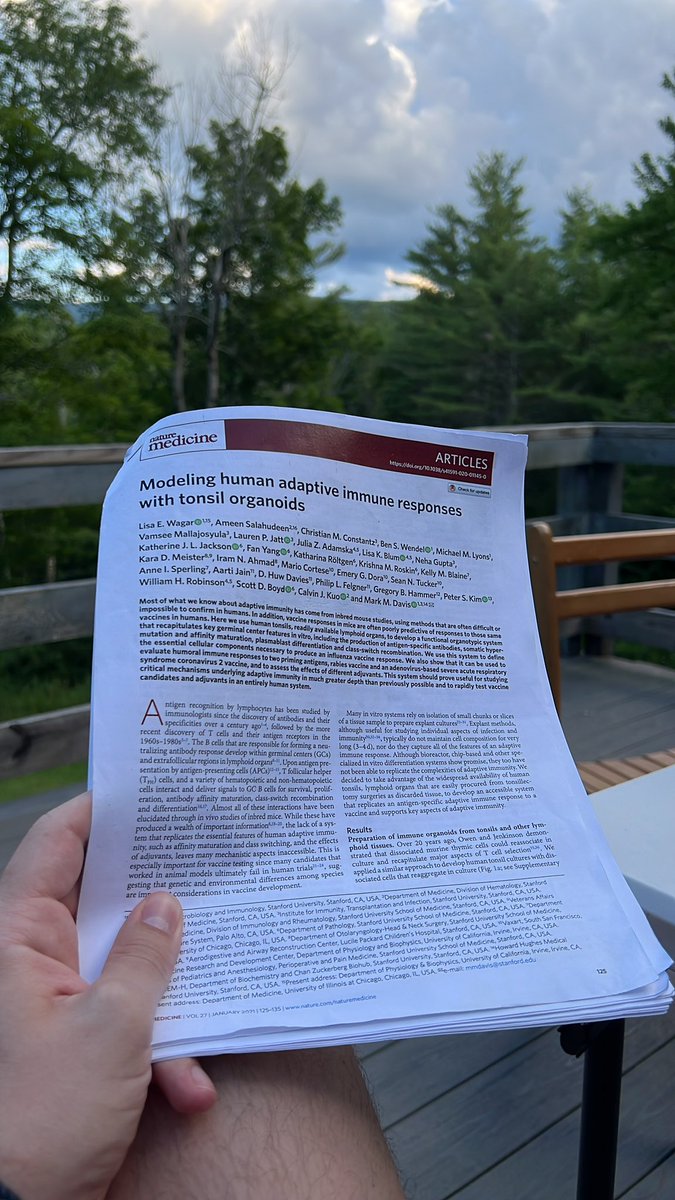
Somehow, reading papers whilst being up here in the Catskills doesn’t feel like work. #lightread
1
26
2,930

20 Feb 2024
i'm sad about ending this but this was supposed to be a lightread dump and i didnt expect a lot of you would actually love it... so i'm really thankful 🥹 i didn't want to drag it for too long or add angst (1/?...)
1
8
459

19 Dec 2023
boss’ nephew, is hired as her co-worker, they became rivals without meaning to. And the story turned juicy when ponsel keduanya tertukar. So many secrets are kept 🤫
YA rival-to-lovers sets in holiday!! Cocok untuk kalian yang suka YA lightread karna novelnya (cont..)
1
2,806

5 Nov 2023
What are you reading this weekend?
@MonidipaDutta51
withlovemoni.com/what-are-yo…
#BooksWorthReading #booktok #booktwt #BookReview #booklover #lightread #weekendmood #weekendfun #sundayvibes #SundayMotivation #ENTERTAINMENT #relaxing #recovery #relax #feelings #rejuvenating
1
2
40

30 Aug 2023
As far as we can tell, it’s “normal” to assume that one facet is invalidated because there’s another talking point to explore. We assume one aspect negates another....
@rayne_essence
#wordket #blogging #lightread #life #ego #mind #writing
Read More : wordket.com/2023/08/30/my-la…
1
4
94
13 Aug 2023
If you’re to name one fatal flaw of yours, I’d consider you a near-perfect human. I’ve too many to pick from and I cannot tell you which one would bring my downfall....
@HereToWhine00
#wordket #blogging #lightread #WritingCommunity #life
Read More : wordket.com/2023/08/13/the-f…
2
35

29 Jul 2023
promote ko sunjay au ko pag nakaabot nako ng 30 parts. HAHAHA para marami-rami na kayong babasahin. 😔✌️
tutal, lightread lang naman siya. gagamitin ko siyang "skill development arc" kasi it's been 2 years since i last wrote an au 💀 warm up ko lang.
1
54
20 May 2023
Good morning bookish peeps! If you're looking for fun lightread standalone to color your weekend, I recommend you pick up “Vera Wong's Unsolicited Advice for Murderers” by Jesse Q. Sutanto 🍵 /LT

2
3
37
8,710

23 Feb 2023
opening a fic with lots of tagged kinks just for a lightread: 🤓📚
oh wow his c0cks out and flying
14
243


26 Nov 2022
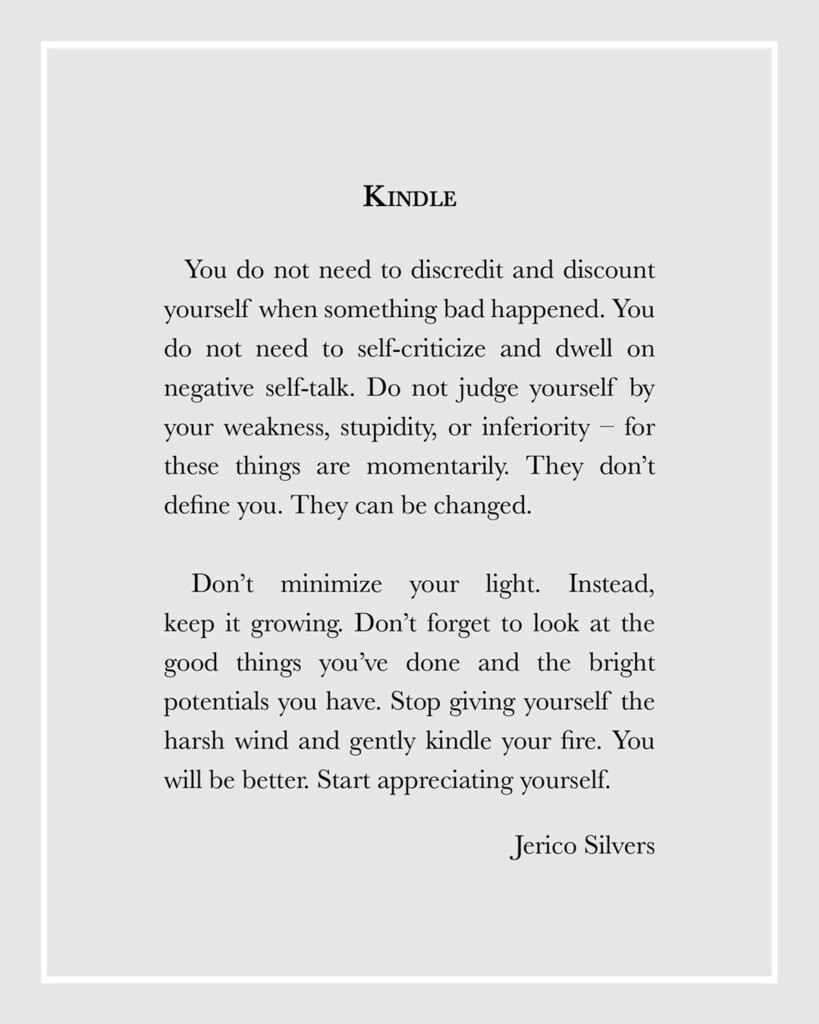
"Assuming that she is either the resident lunatic of Krantivira Sangolli Rayanna Bengaluru Station or a wandering math tuition teacher, I turn away from her."
Nisha Susan, brilliant and hilarious as always. #LightRead
lifestyle.livemint.com/news/…
2

2 Aug 2022
New: Love Charade by Allie McDermid: Book Review
@Allie_Mcdermid @jennabeebs79
#LightRead
thelesbianreview.com/love-ch…
2
3

3 May 2022
A little light read 😮💨 on building a strong SEO foundation for tech marketing by our own Director of Inbound Marketing: @AinsleyMuller! ow.ly/CYKy50IYuty
#SEOforTech #SEO #TechSEO #SEOFoundation #LightRead #TechMarketing #InboundMarketing
2
2

19 Apr 2022
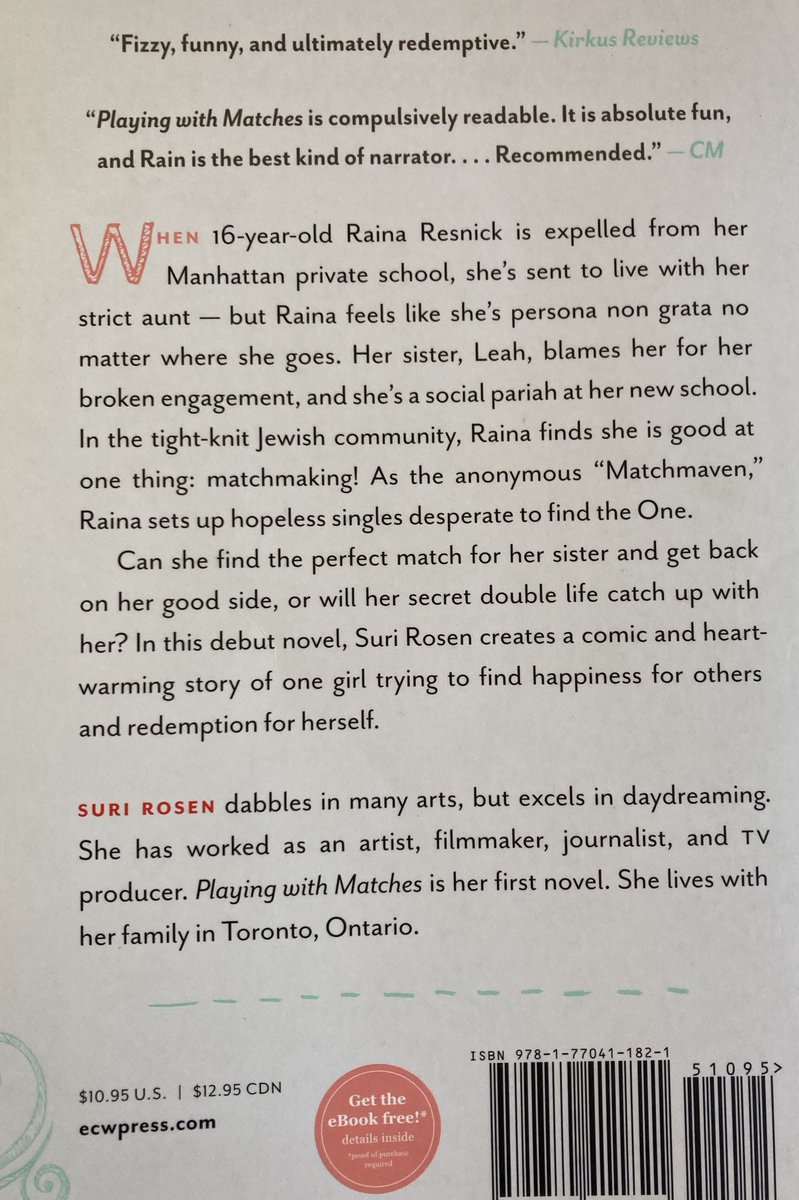
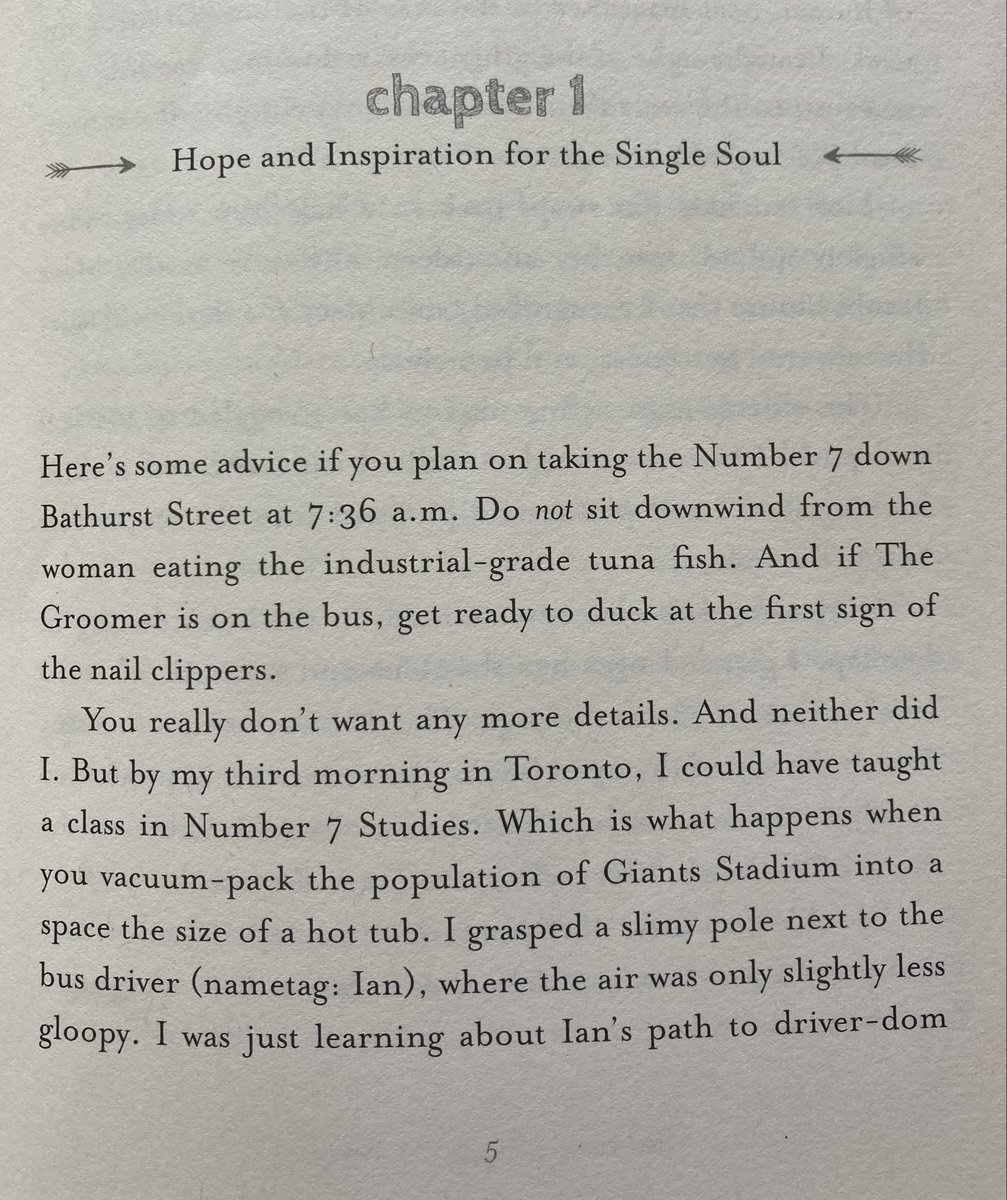
PLAYING W/ MATCHES @surirosen is a fun #lightread. Depth & heart, too. 16YO Raina is a hilarious narrator. Expelled from private school, sent to live w/ aunt & uncle, blamed for sister's broken engagement. Inadvertently becomes anonymous "Matchmaven" for many. #GoodReads #CleanYA

1
1
3

7 Mar 2022
SHORT READ: Personality traits of #cropdusters
aerofleetone.com/traits-that…
#aviation #lightRead #MondayMotivation #FlyingBlind #agpilots #Pilotspeaker #agriculture

ALT Man and biplane
1
14
25

