

Vote Crypto Limited if you want
#AssetStrippers
#Liquidators
#TemuTrump
#LimitedCompanyPrivastisation
#RulingBillionaireElite
1
3

Fuck da foids
imma boutta bust
nigga on lust
money making bus
liquidators hush
cash plush
1
1
16

Phucup you dull kunt you're shameless kkklub sent hun child abuse victims to the liquidators... same kkklub when it suits you ya feckin nonce
2
11

exit venues = where liquidators dump collateral to cover debt
morpho's risk: $8.25M debt backed by collateral but only $1.41M liquidity in the pendle pool to actually sell it
when volatility triggers mass liquidations and there's nowhere near enough exit liquidity, you get bad debt stuck on the protocol's books
liquidations don't hurt morpho, failing to execute them efficiently does
19


🚚📦🔥 MIXED TRUCKLOADS AVAILABLE — MORE VARIETY, MORE PROFITS! 🔥🚚
Looking to grow your business fast? Our mixed truckloads are packed with a wide range of high-demand products—perfect for retailers, resellers, discount stores, and exporters.
More variety means more selling opportunities, faster turnover, and stronger margins. Every load brings value you can turn into profit.
At Worldly Treasures Liquidators, we provide bulk and mixed inventory backed by one of the largest liquidators in North America with a growing global reach 🌎💼
Inventory moves quickly — don’t miss out!
📞 Call us today to secure your truckload!
☎️ 323-413-7270
🌎 Worldly Treasures Liquidators
📸 IG: @worldly_treasures_liquidators
🌐 worldlytreasuresliquidators.…
👉 One load. Endless opportunities — call now!
#MixedTruckloads #WholesaleInventory #LiquidationDeals #BulkDeals #ResellerBusiness #RetailArbitrage #B2B #WorldlyTreasures #GlobalReach

Liquidators close 'insolvent' private school early and cancel fun day. i.stv.tv/4uNUeD0
1
2
5,022

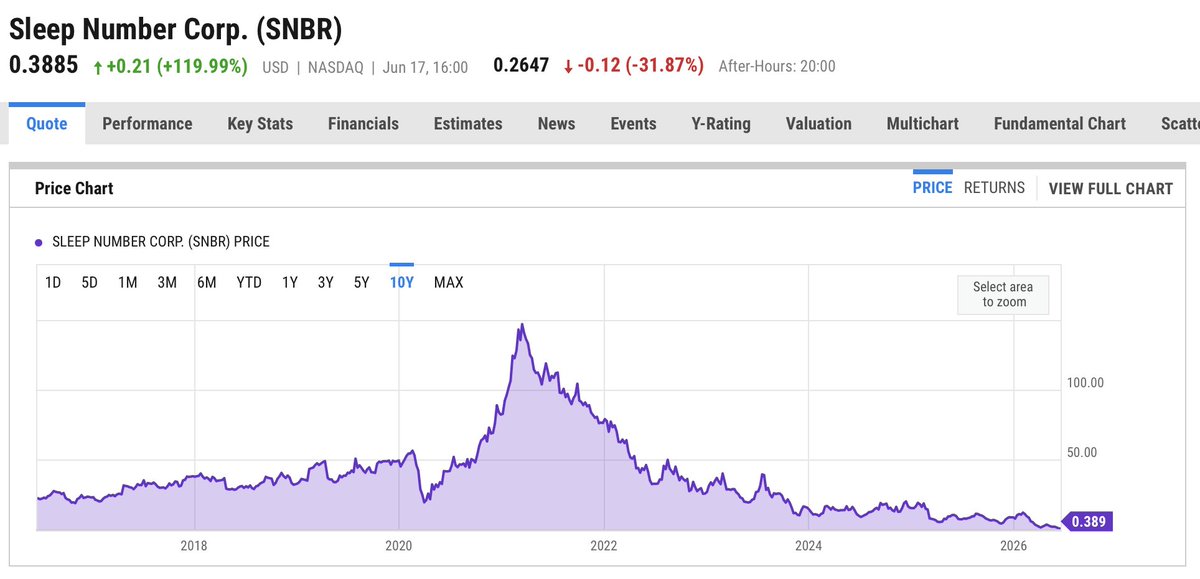
It doesn’t matter if it go-go AI stocks or a boring business Iike mattresses, the story and cycle is all the same.
You see a popular stock like $SNDK and fall in love. Meanwhile you are destined to get heartbroken.
RIP Lumber Liquidators 💔
17h

Sleep Number files for bankruptcy. Almost 10yrs to the day after the Freakonomics episode "Are we in a Mattress-Store Bubble aired (June 9, 2016)" the bubble has fully deflated.
RIP $SNBR
2
2
738


XRP I firmly believe that with a purchase price of 3 dollars or more, you will be the liquidators for them and the cycle of 0.5 dollars will imprison everyone's psychology, it is the art of raising capital
1
34

Agents routing capital through onchain wallets can't broadcast their yield positions without leaking strategy to competitors and liquidators. That exposure was always the friction that kept sophisticated yield strategies from scaling onchain.
Confidential vaults collapse that. The illiquidity premium on strategies that were too exposed to execute at scale gets smaller the moment the positions stop broadcasting.
The 20th-century financial stack assumed human negotiation and opacity built in at every layer. Agentic commerce has neither, and serious AI agents will need onchain identity, wallets, and verification precisely because nothing else gives them the same guarantees. Confidential yield infrastructure is the piece that makes compounding capital efficiently actually viable in that environment.
43

Calum Grewar retweeted

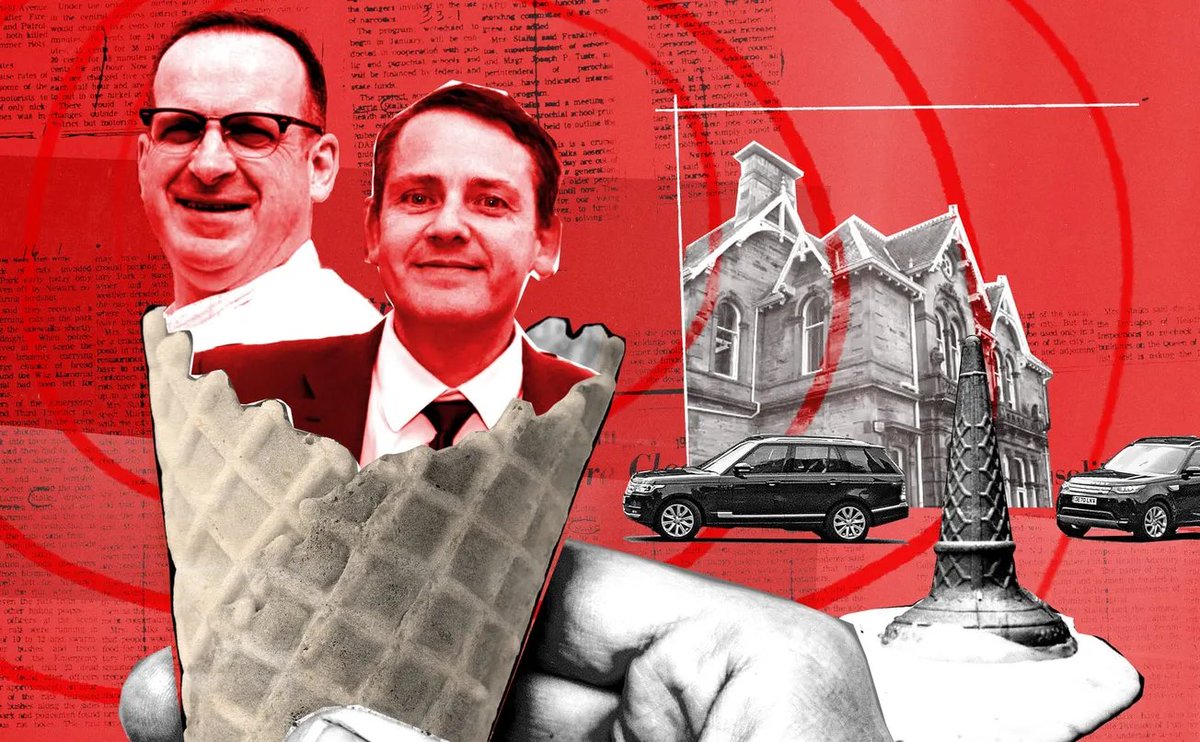
Breaking: Fernhill School closes a day early, calls in liquidators, and tells staff they can't pay redundancy pay and no salary for June. Pupil's fun day cancelled last minute as staff describe situation as "farcical".
More to come later.
1
4
623


I’ve been hearing this sentiment from guilt ridden boomers who realize the lasting detriment of their insatiable pop culture competition lifestyle too late in life.
I have no beef with a self made persons choices, but to the liquidators of multi-generational wealth… spare me

We waste the best years of our lives chasing after money so that we can buy all these things we don't need.
2
42

The reality of the convergence between South African political elites, business personalities, and the South African Police Service (SAPS) with organised crime is well-documented.
Academic research, judicial commissions, and ongoing investigative inquiries show that systemic corruption has allowed global and local syndicates to institutionalise themselves within the country.
This dynamic moves beyond ordinary bribery into the realm of state capture and a developing "mafia state" infrastructure.
🏛️ The Architecture of the "Mafia State"
Organised crime in South Africa flourishes because criminal enterprises have successfully infiltrated the institutions meant to stop them. This symbiotic relationship is driven by distinct operational networks:
Law Enforcement Infiltration: Decades of systemic rot within the SAPS leadership have severely compromised national security. No National Police Commissioner has been entirely free from misconduct or corruption allegations.
High-profile examples include the historical conviction of former commissioner Jackie Selebi for his ties to drug kingpin Glenn Agliotti, extending to ongoing contemporary high court trials and commissions scrutinising senior police generals photographed alongside underworld figures.
Political Enablers & Patronage: The era of state capture under Jacob Zuma systematically dismantled the oversight capacity of criminal justice agencies, including the Hawks, Crime Intelligence, and the National Prosecuting Authority (NPA). This guaranteed a culture of impunity for preferred business networks and political elites, providing a protective umbrella for illicit economies.
Corporate and Professional Intermediaries: Large corporations, liquidators, lawyers, and financial auditors have routinely acted as enablers. The VBS Mutual Bank scandal explicitly highlighted how political actors and corporate professionals colluded to drain funds from vulnerable depositors.
🌐 Key Pillars of the Illicit Economy
The Global Organised Crime Index ranks South Africa among the highest on the continent for criminal criminality and vulnerability. This is sustained through five core illegal enterprises:
1. Illicit Financial Flows (IFFs)
South Africa serves as a primary source and transit hub for billions of rands smuggled across borders annually through trade misinvoicing, tax evasion, and bulk cash smuggling.
According to the Financial Intelligence Centre (FIC), these flows are laundered via shell companies and free trade zones, draining vital resources away from public infrastructure.
2. Transnational Drug Trafficking
Durban Harbour and Cape Town's ports are preferred maritime routes for global cartels. Massive syndicates from Brazil (like the PCC), Serbia, and Italy collaborate with local gang networks to move multi-million rand consignments of cocaine, heroin, and methamphetamine ("tik") into the country for domestic use and export to Europe and Asia.
3. Human Smuggling and Trafficking
Porouse borders, coupled with corrupt immigration and police officials, allow syndicates to run highly organized human smuggling networks. Vulnerable individuals from deeper in Africa and South Asia are trafficked for forced labor and sexual exploitation under the protection of bribed officials.
4. The Tobacco and Contraband Mafia
The South African Revenue Service (SARS) has warned that international criminal mafias have aggressively seized control of the local tobacco market. The illicit cigarette trade now accounts for an estimated 60% to 75% of the total market, costing the state up to R84 billion in lost tax revenues.
5. Resource Extortion & Parallel Militias
Criminal syndicates have institutionalised themselves into the "Construction Mafia" (extorting businesses for a cut of infrastructure projects) and "Zama Zamas" (highly organised illegal mining networks that launder gold and chrome into formal global supply chains).
1
105
