



May 2
From startup landing page to real estate portal to government/NGO system — we deliver domain hosting custom site app LAN training.
Affordable, local, fast. As Uganda pushes local ICT solutions, choose your local partner.
DM “FULLPACKAGE” for proposal.
Let’s build Uganda digitally! 💼🇺🇬
LocalTech

2
3
67

Mar 21
* VIDEO: A 2,400-Year-Old "Infinite Food" System (That Was Banned): Chinese Permaculture/Polycultural Aquaculture
#localtech vs. toxic industrial food, suggested by Mark D. Whitaker
youtube.com/watch?v=v3T8CAR3…
written about in China more than 2400 years ago. Very widely deployed from the Tang Dynasty (700s to 900s CE, and onward):
Suggestions for a modern four part deployment:
- ducks as pond nutrient managers (and ducks additionally give a lot of eggs: hundreds per year),
- the aquatic plants, like cattails or water lilies as biological filters, pulling phosphorus and nitrogen out of the water keeping away algae blooms; submerged plants like hornwort and anarchis release oxygen, for fish health during the day; water lettuce and duckweed as well--and even wastewater treatment plants simply use those as well); ducks eat lots of duckweed, as you can imagine from its name, managing its fast growth as well;
- the fish, by the Tang Dynasty there were at least four kinds of interactive fish in four different ecological niches in the same pond; in the USA, the video recommends bluegill (harvest in 2 years) and catfish (harvest in 18 months); it additionally recommends tilapia, which grow even faster (1 pound in 5-6 months, for 40-50 pounds of fish in one growing season); however, tilapia might be illegal in some U.S. states, as they can escape in floods or by their eggs and become invasive species. Therefore, check your state's fish and game regulation website about tilapia or other fish,
- beneficial bacteria: converts fish waste ammonia and duck waste ammonia into nitrites and then into nitrates--the form that plants can absorb; congratulations, you built your own nitrogen cycle at this point from the four points togethe
"You are not managing a farm, you are stewarding a living system."
So, how do you actually build this, and how much does it cost? This as a small pond is estimated at a "total set up cost of around 400 dollars to 600 dollars" The recommendations are for staggering in first the water with the plants, then later the ducks, then later the fingerlings (fish). This is a lifetime of food and a lifetime of peace of mind--from the quiet food security without labor at all. Just fish when you want. A small enough pond is entirely outside any state interference or regulations as well."
4
7
11
853

25 Dec 2025
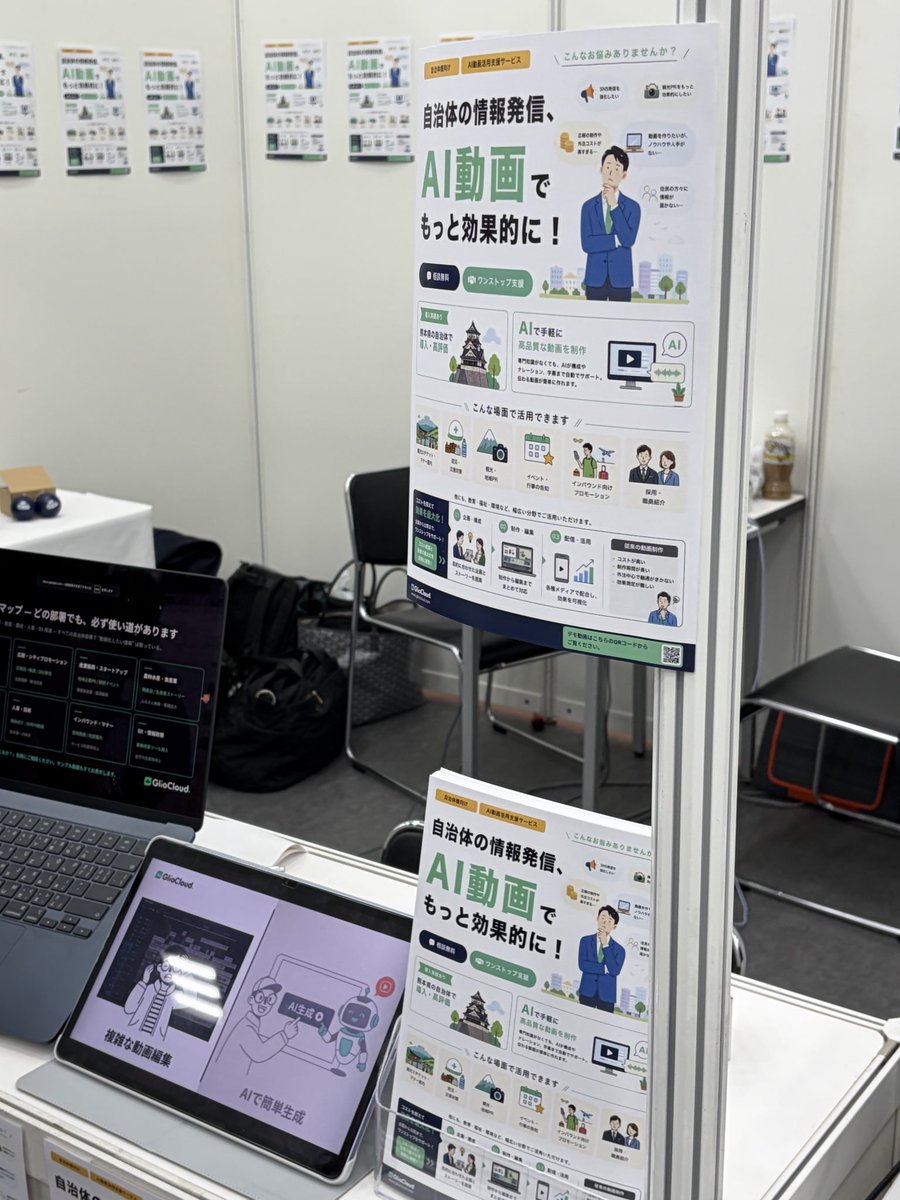
「口コミ書いてください」と頼んで、お客様を困らせるのはもう終わり。
アンケートから一瞬で「感動的な口コミ」を自動生成。
Googleマップの評価を爆上げし、地域No.1の集客力を。
🔻無料相談はこちら
x.gd/CdLkf
#MEO #AI活用 #LocalTech #地域活性化 #業務効率化
2
3
47

12 Aug 2025
Vietnam's #ERPMarket grows on #Industry40 adoption, 1,500 #LocalTech firms, gov’t incentives & 78M #InternetUsers. Market set to hit $45B by 2025, driven by localized ERP demand & digital upgrades.
Stay updated with #TechInVietnam and #SmartIndustry ⤵️
ow.ly/SjZq50WCCxN

1
1
1
105

Gemini 2.5 Flash Comes to India—Smarter, Faster, Local Google’s AI upgrade means better speed, lower latency, and data that stays in-country. A huge win for Indian users.
livemint.com/gadgets-and-app…
#Gemini25Flash #GoogleIndia #AIRevolution #LocalTech #FastAndSecure #MintAI
1,261

23 Jun 2025
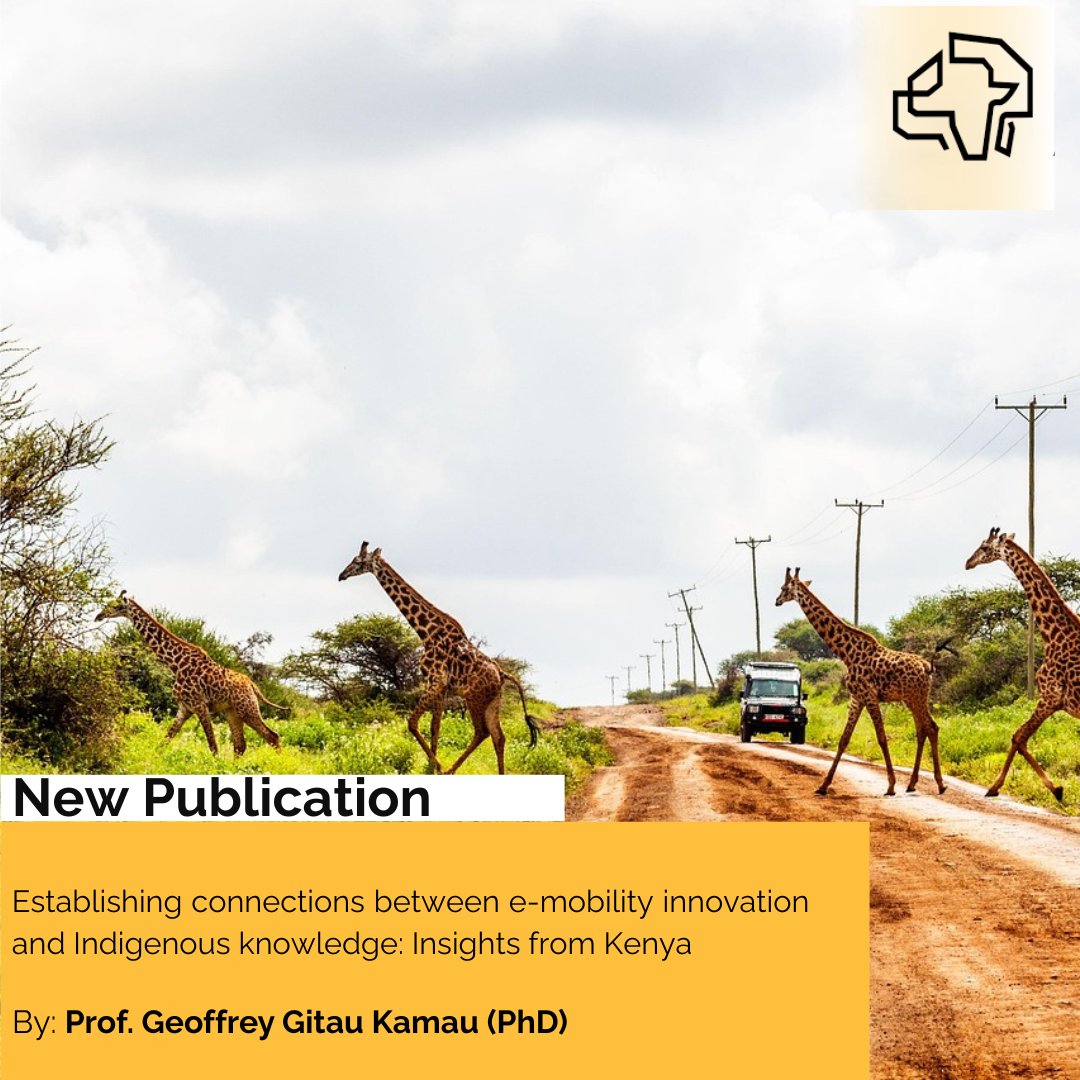
Reframing E-Mobility Innovation Through Indigenous Knowledge in Kenya
In our latest short analysis from the Just Green Technology Transition Program, Prof. Geoffrey Gitau Kamau (PhD) explores the untapped potential of Indigenous Knowledge (IK) in driving local innovation in Kenya’s e-mobility sector.
The paper finds that while the Kenyan government is promoting increased EV adoption nationwide, current policies do not adequately cater for the integration of IK into the sector. As a result, local innovators face barriers to entry in the form of capital-intensive regulatory requirements, insufficient certification frameworks, and lackluster intellectual property protections. Innovators within local communities and universities have been among the hardest hit.
Read here to learn more:afripoli.org/establishing-co…
#IndigenousKnowledge #KenyaEMobility #GreenInnovation #ClimateAction #YouthEmployment #LocalTech #JustTransition #CleanTransport #IKPower #SustainableMobility #GlobalSouth #PolicyInnovation #GreenTechnology
This article is part of a series of thought pieces published by APRI in collaboration with the @MastercardFdn as part of the #GreenTechnologyforGreenGrowth: #BarriersandDriversProject.
2
118

24 Apr 2025
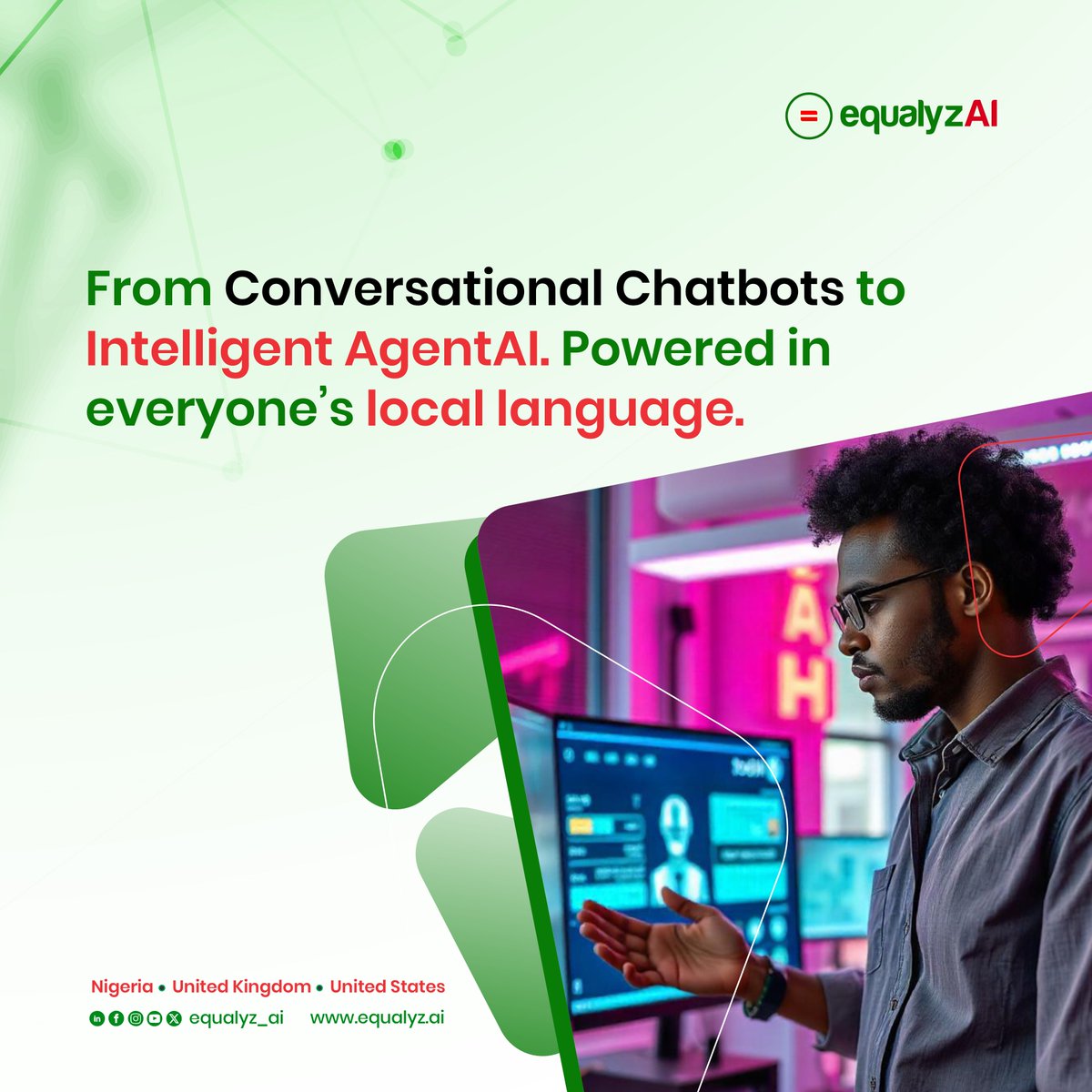
We are building an Africa where someone in the village can speak to an AI agent in their native tongue—and get the right answers. That’s the future we’re building at EqualyzAI.
From simple chatbots to powerful, intelligent AgentAI, we are pushing the boundaries of what’s possible when technology understands and speaks your language.
This isn’t just about innovation; it’s about inclusion. Every voice matters, every language counts. We’re making sure no one is left behind in this AI revolution. Whether it's for farmers, traders, students, or elders, our mission is to power everyone’s journey through local language tech.
Learn more by visiting – equalyz.ai
#equalyzai #agenticai #localtech #aiinafrica
2
29
150
11 Apr 2025
Not every AI model needs to be a Lamborghini. Sometimes, all you need is a reliable Honda — something efficient, affordable, and built for purpose.
That’s exactly what Small Language Models (SLMs) offer — the power to get things done without the heavy cost and complexity of massive models.
At EqualyzAI, we’re championing the use of SLMs to build localized, real-world solutions — especially for communities that need AI the most. They’re easier to fine-tune, faster to deploy, and perfectly suited for hyperlocal tasks like language translation, customer service, and even financial inclusion.
Let’s stop chasing size and start thinking smart.
Download our white paper and see how SLMs can power the next wave of inclusive innovation. -- bit.ly/EqualyzAISLMWhitePape…
#slmseries #digitizelanguages #equalai #localtech

1
1
29
169
8 Apr 2025
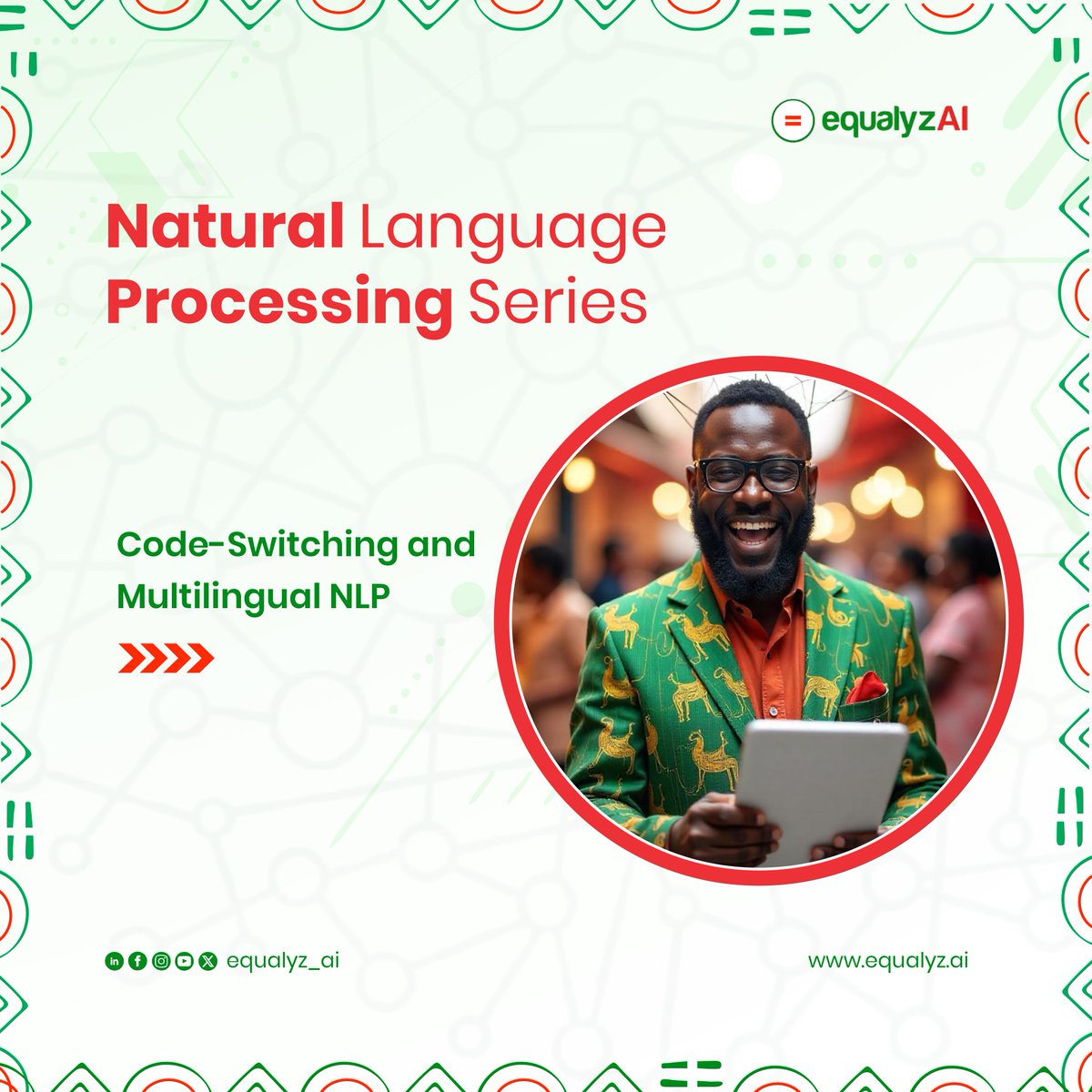
Ever heard someone say, “I dey come o, fun mi ni 2 minutes!”?
That’s code-switching — when we blend two or more languages in a single sentence. It’s something many of us do naturally in conversations, especially in multilingual communities like ours.
In the world of Natural Language Processing (NLP), understanding this mix is tough for machines. That’s where Multilingual NLP steps in — it helps AI understand and respond correctly when people switch between languages, like English and Yoruba or Hausa and French.
At EqualyzAI, we're building tech that gets how we speak, with all the local flavor, slang, and code-switching magic. Because to build truly inclusive AI, our languages — and the way we use them — must be part of the conversation.
#digitizelanguages #localtech #equalai #nlpseries
2
29
157

31 Mar 2025
New week, new problems to solve! Tech start-ups, let's build local solutions that transform our community. Dive into your projects and launch your ideas from the Moto Republik hub.
Reach out to us at motoassistant@magambanetwork.com and cc patrick@magambanetwork.com for a chat on how we can platform your tech and explore the benefits of our co-working space.
We're your hub for impactful tech! #motoat10 #LocalTech #CivicSolutions #MotoRepublik #MondayMotivation #HarareTech #CoWorkingSpace #TechPlatform

1
3
119

#localtech のインタビュー企画、第4弾まで取材予定決まりました。ご協力いただける方、本当にありがとうございます🙇
・#2 プロダクトマネージャー@ 名古屋
・#3 プロダクトマネージャー@ ベトナム
・#4 プロダクトマネージャー@ 大阪
1
2
598

22 Jan 2025
#Australia Backs #LocalTech to #Counter Modern Air and #Missile #Threats
armyrecognition.com/news/arm…
@DeptDefence @AustralianArmy @Australian_Navy @AusAirForce
7
839

28 Dec 2024
Clarifying comment - even if an experienced LocalTech guy has knowledge of the Higher Planes, they have some sort of internal script that tells them they can't or won't do it. This is disguised in various ways - loyalty to current org, family, etc
2
1
21
295
28 Dec 2024
Patrick is correct. I started my career as LocalTech guy at large local institutions. The competition for even small raises was insanely intense. Most of those guys have no concept of what's available in terms of QoL and compensation in the higher planes of the industry.
28 Dec 2024

One gets viscerally angry with me when I suggest that engineers, regular old engineers, routinely make mid six figure compensation packages. They call me a liar or insist that the number of those in the industry are triple digit at best.
2
4
58
1,768

16 Nov 2024
Punjab conducts successful artificial rain trial using local tech
nation.com.pk/16-Nov-2024/pu…
#Punjab #Artificialrain #localtech

1
112

The Nyimba armchair.
When I started visiting the village, I was surprised to find this three-legged armchair in every home.
It is extremely comfortable.
This is a prime example of local tech. This needs to be updated....loading
#localtech #ourculture



9
275

16 Sep 2024
Why partner with a local .NET development company for your next project? 🌍💻
Faster communication, tailored solutions, & better market insights!
Read more 👉 zenkins.com/updates/local-ne…
#DotNet #SoftwareDevelopment #LocalTech #Zenkins #TechSolutions
1
2
11