
Jun 11
kesmen bikin laporan logframe ppt ga perlu penelitian esainya cuma refleksi, PSIPEND LAPORAN PPT OBSERVASI WAWANCARA ESAINY PILGAN 40 SOAL PLUS ESAI 2 SOAL
6
243

Jun 10
Ergo:
Wer
➡️Probleme nicht benennt,
wird niemals ZIELE in einem #LogFrame formulieren koennen- samt Aktivitaeten, Indikatoren, Quellen der Verifikation und Annahmen 😉
Ziel-orientierte-Projekt-Planung (ZOPP) in 🇩🇪 voellig unbekannt - "das haben wir schon IMMER so gemacht"😂😅😎
34


Jun 6
الله يقويك ويحييك
مختبر (Open Box) وسيلة ممتازة لتقييم السياسات الجديدة أو نماذج العمل وتأثيرها على المنافسة، بشرط ألا يتحول المختبر إلى فوضى ميدانية تطرد المؤسسات الثقافية والكفاءات وأصحاب الخبرات وتستبدلها بنشاط تجاري سطحي.
صحيح أن بناء (LogFrame) يتطلب وقتاً لاستيعاب المتغيرات، ولكن أولى خطوات تأسيسه علمياً معالجة الفجوات الحالية (Gap Assessment)، وتحديداً تفكيك استخدام الحوافز وضبط بوصلة القياس. لا يمكن تأسيس إطار منطقي سليم بينما ما زلنا نقيس النجاح بمؤشرات كمية (Outputs) تفصلنا عن الحصيلة والأثر الاستراتيجي (Outcomes).
1
2
107

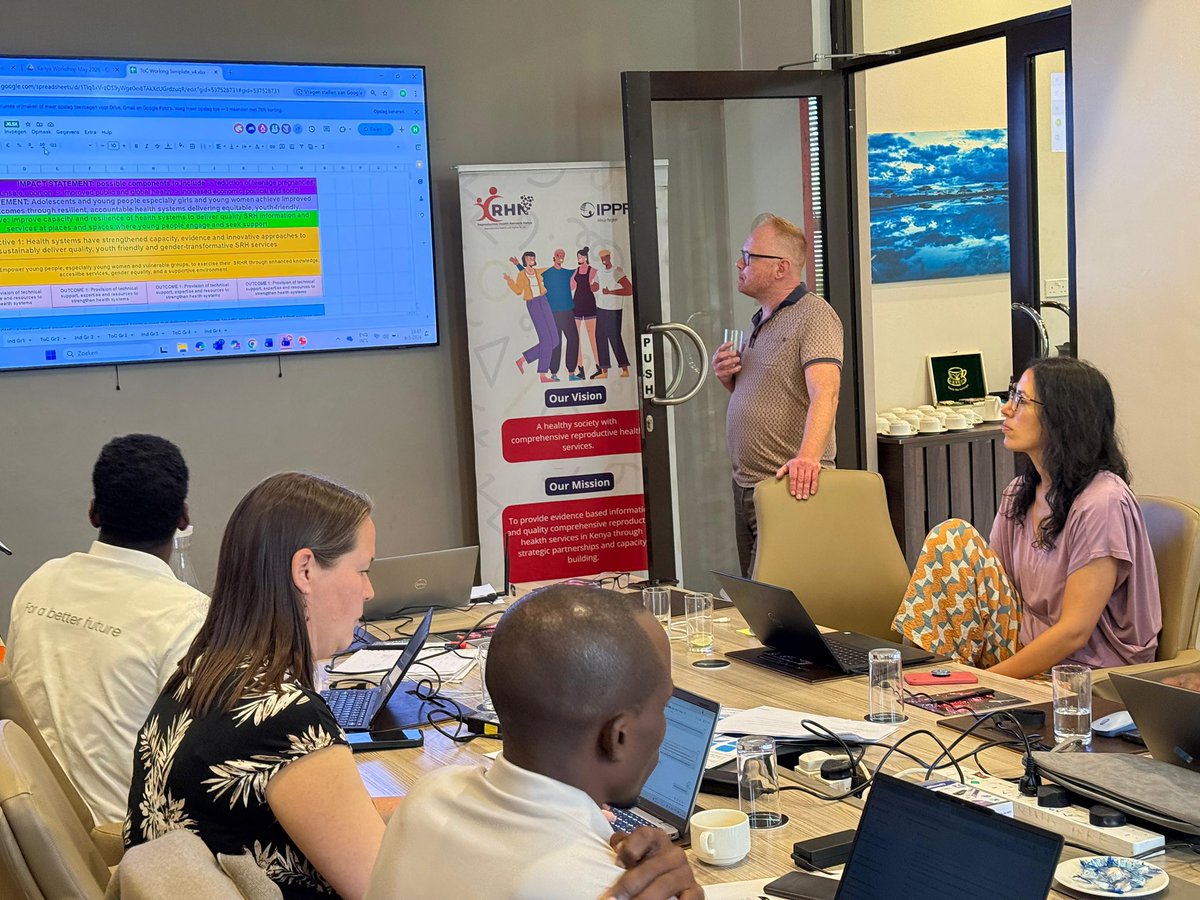
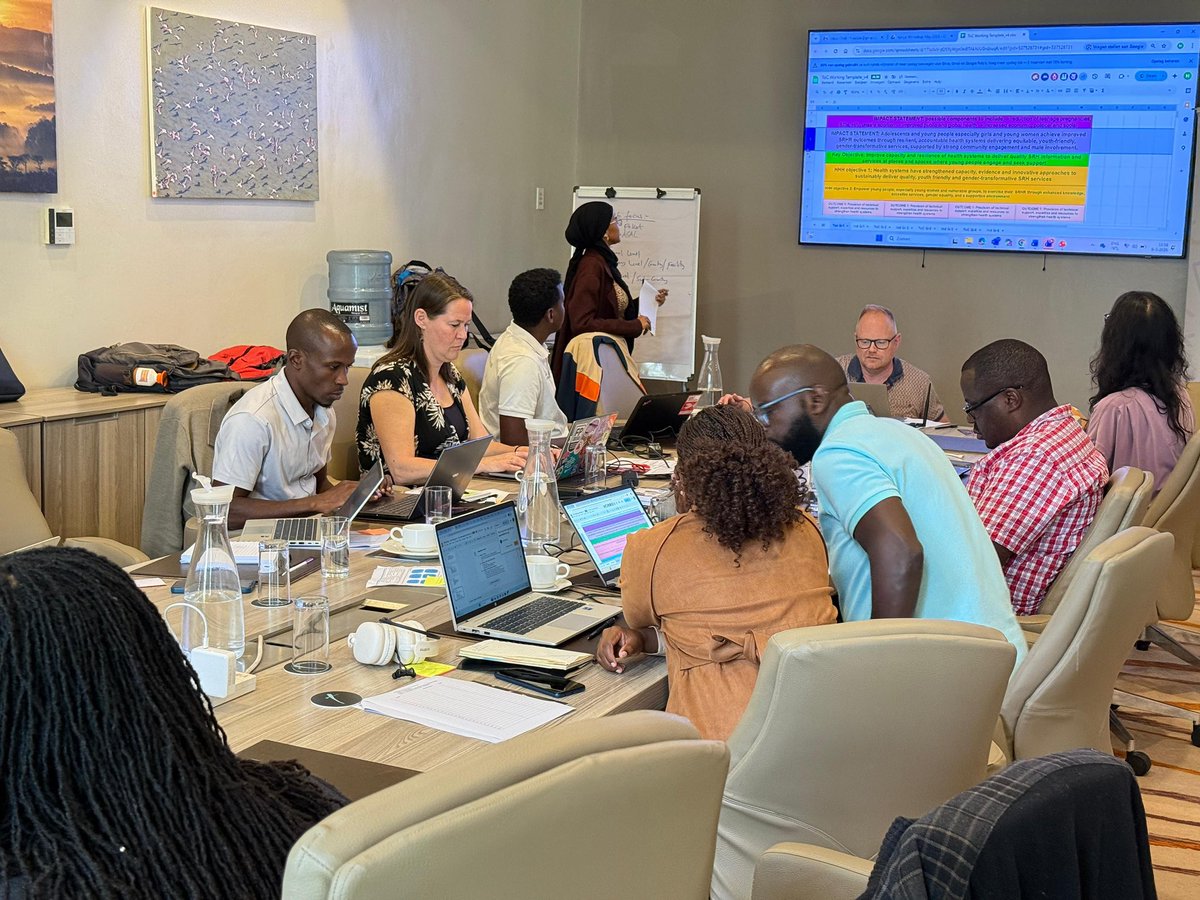
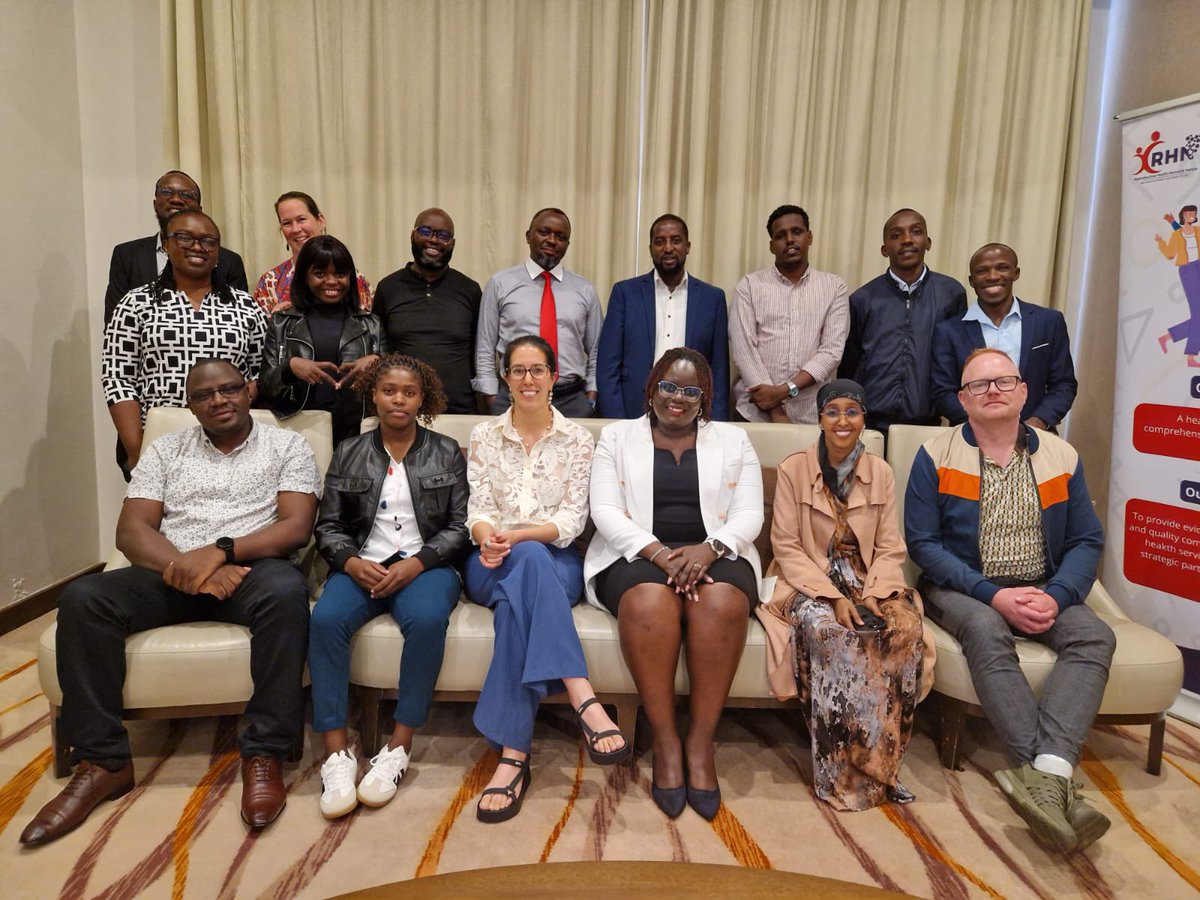
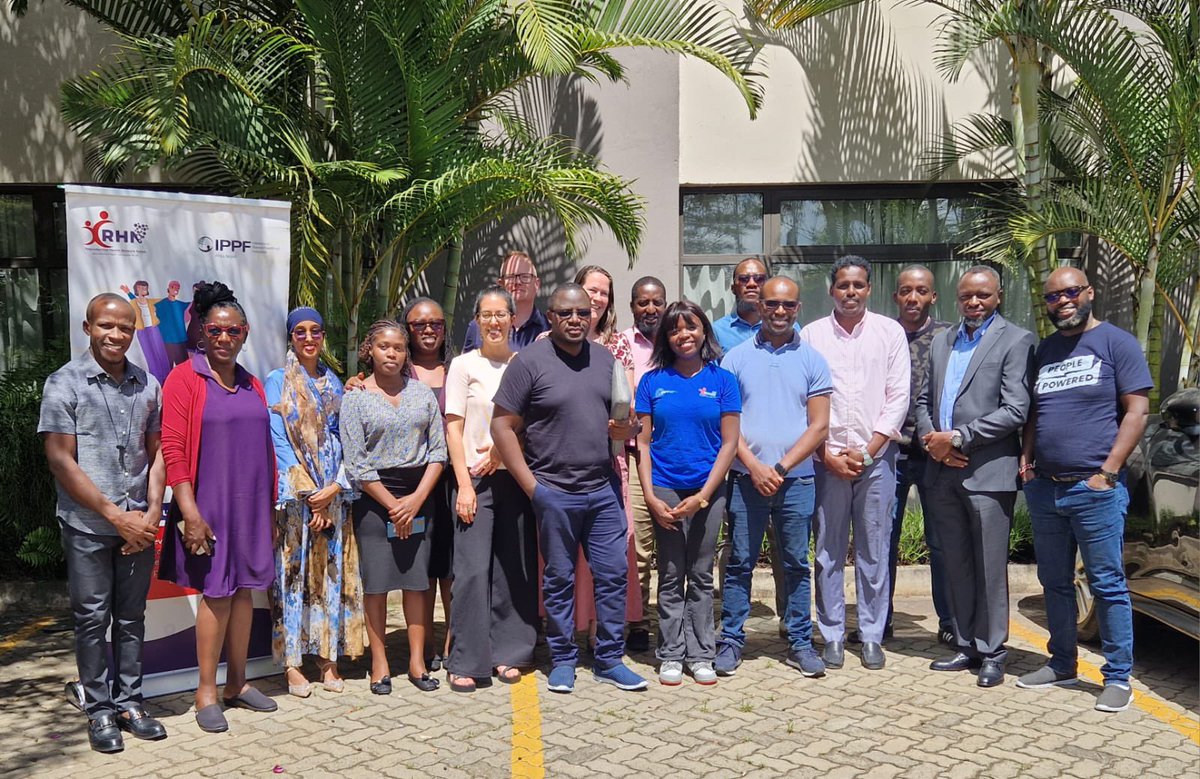
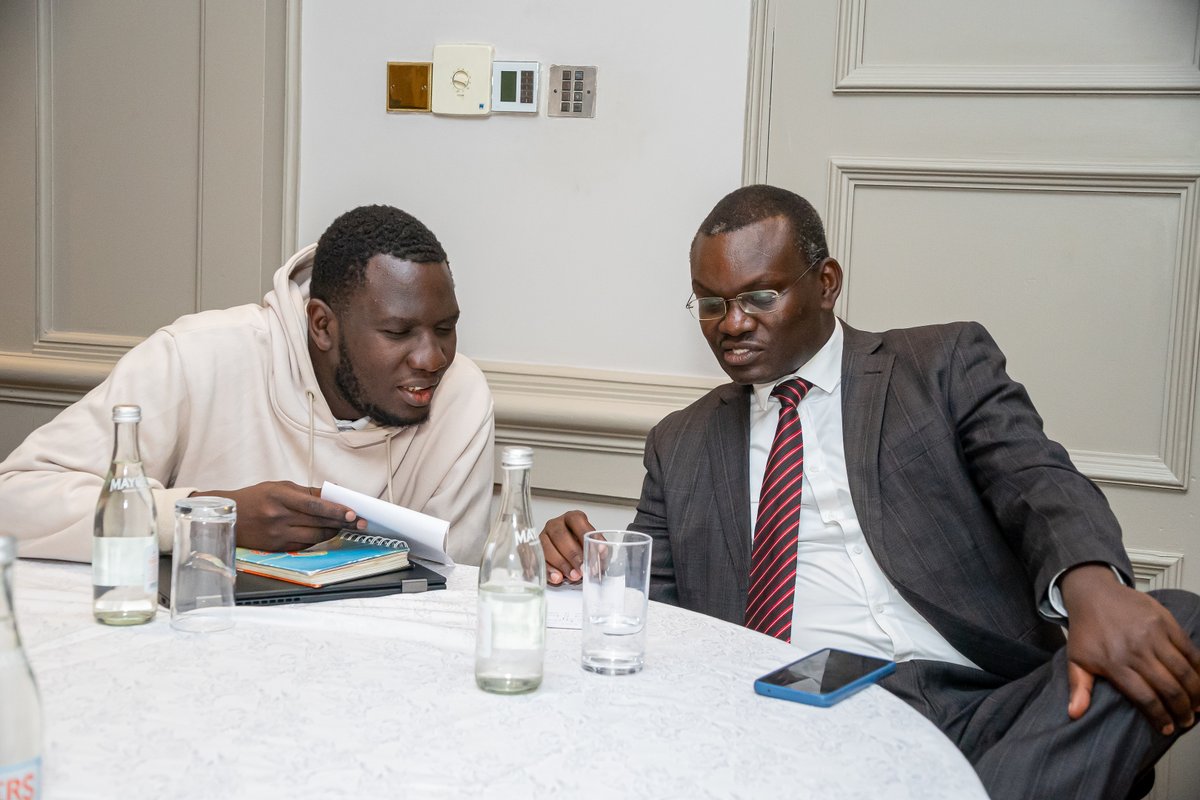
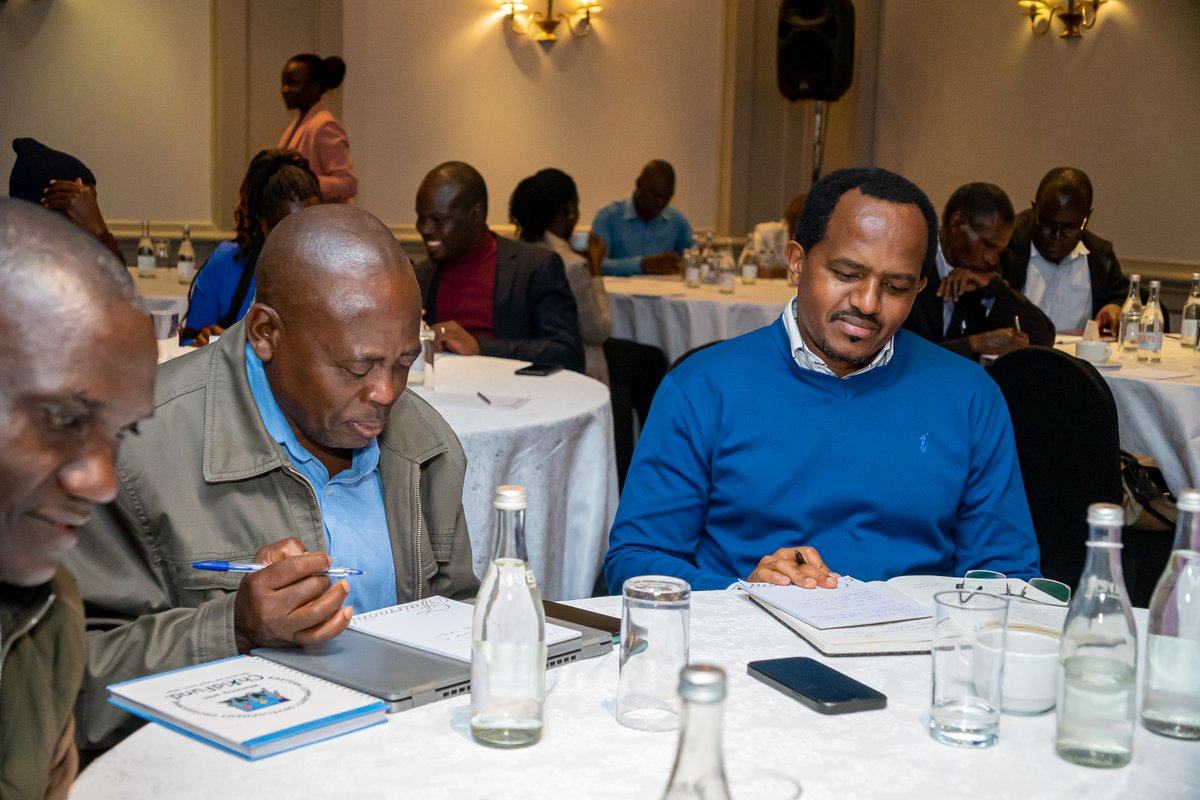
Between 4th–8th May 2026, @rhnkorg delegation, led by Executive Director Ms. @nellymunyasia, convened a five-day Health Happens Here (HHH) Kenya Programme Design Workshop in partnership with @RutgersNL, @ICRWAfrica and other stakeholders.
The workshop brought together partners and stakeholders to collaboratively shape the HHH Kenya Programme through the development of a contextualized Theory of Change, strategic priorities, research agenda, and draft 2026 workplan. Discussions focused on strengthening meaningful youth engagement, gender-transformative programming, advocacy, innovation, sustainability, and evidence-informed implementation within the Kenyan SRHR context.
Throughout the week, participants identified key programme priorities, implementation gaps, research needs, and opportunities for collaboration and systems strengthening. The workshop concluded with commitments to refine the workplan, logframe, budget, and research agenda ahead of implementation. The closing session was officiated by Dr. Johnstone Kuya from the @NLinKenya, who commended the collaborative efforts and emphasized the importance of partnerships and evidence-driven approaches in strengthening healthcare systems and advancing Universal Health Coverage in Kenya.
#RHNKImpact #RHNK4SRHR
23
37
452

𝐃𝐚𝐥𝐥𝐚 𝐭𝐞𝐨𝐫𝐢𝐚 𝐝𝐞𝐥 𝐋𝐨𝐠𝐟𝐫𝐚𝐦𝐞 𝐚𝐥𝐥’𝐞𝐟𝐟𝐢𝐜𝐚𝐜𝐢𝐚 𝐝𝐢𝐠𝐢𝐭𝐚𝐥𝐞: 𝐥𝐚 𝐧𝐮𝐨𝐯𝐚 𝐟𝐫𝐨𝐧𝐭𝐢𝐞𝐫𝐚 𝐝𝐞𝐥 𝐌𝐨𝐧𝐢𝐭𝐨𝐫𝐢𝐧𝐠 & 𝐄𝐯𝐚𝐥𝐮𝐚𝐭𝐢𝐨𝐧 in Lesotho
dev4u.it/sistema-di-monitori…
#InternationalCooperation #DEV4U

Chi guida davvero l’azienda? L’imprenditore o il software che usa ogni giorno?
#Imprenditoria #DigitalTransformation #SoftwareGestionale #BusinessStrategy #DEV4U
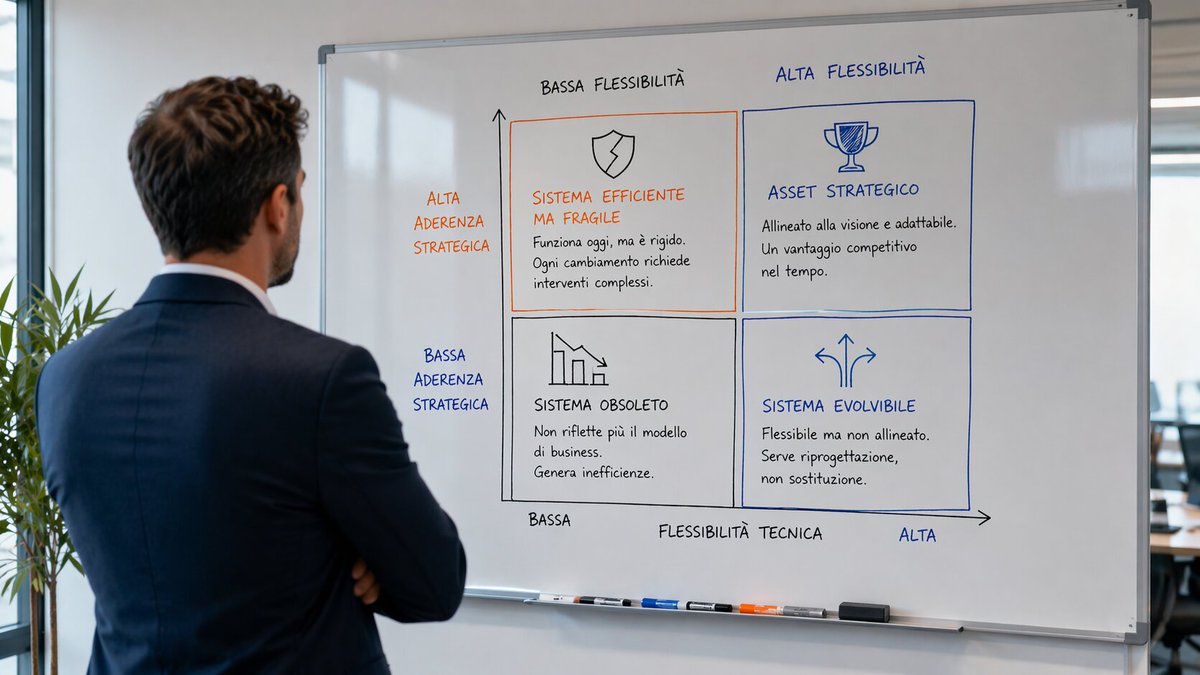
2
16

𝐃𝐚𝐥𝐥𝐚 𝐭𝐞𝐨𝐫𝐢𝐚 𝐝𝐞𝐥 𝐋𝐨𝐠𝐟𝐫𝐚𝐦𝐞 𝐚𝐥𝐥’𝐞𝐟𝐟𝐢𝐜𝐚𝐜𝐢𝐚 𝐝𝐢𝐠𝐢𝐭𝐚𝐥𝐞: 𝐥𝐚 𝐧𝐮𝐨𝐯𝐚 𝐟𝐫𝐨𝐧𝐭𝐢𝐞𝐫𝐚 𝐝𝐞𝐥 𝐌𝐨𝐧𝐢𝐭𝐨𝐫𝐢𝐧𝐠 & 𝐄𝐯𝐚𝐥𝐮𝐚𝐭𝐢𝐨𝐧 in Lesotho
dev4u.it/sistema-di-monitori…
#InternationalCooperation #DEV4U
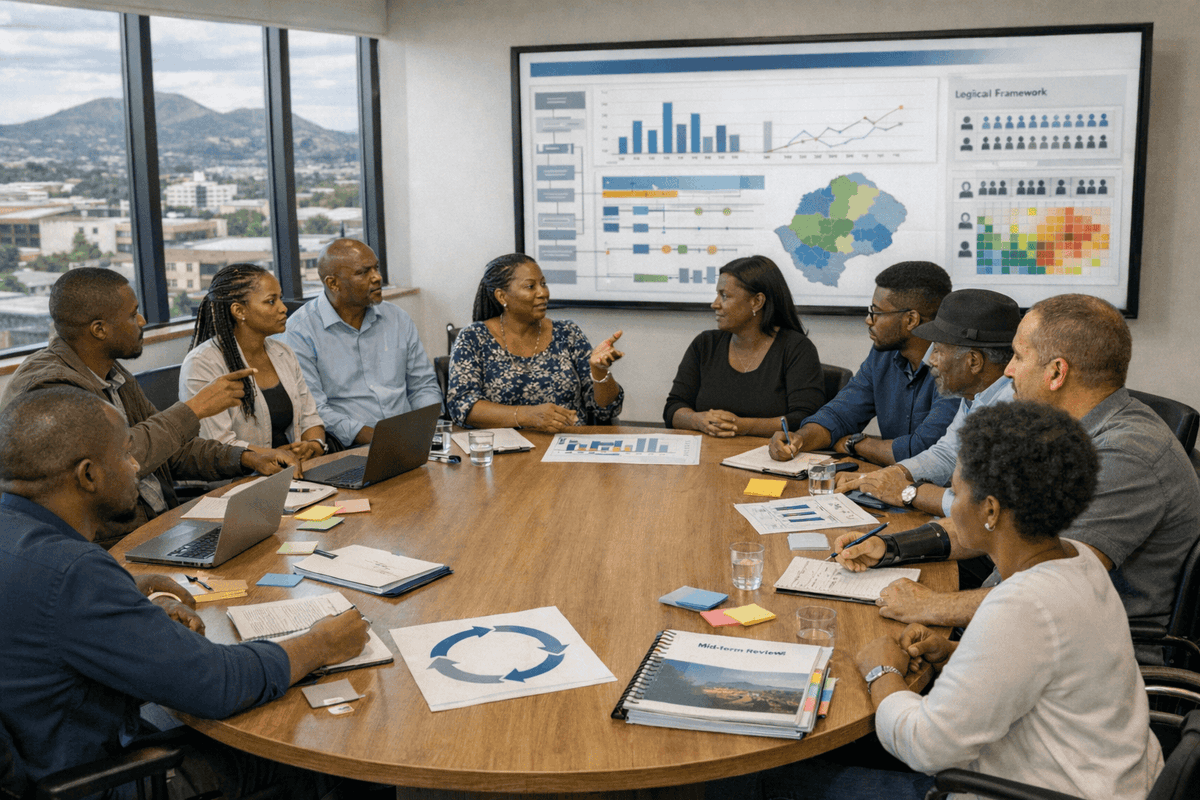
2
15

Apr 14
Throughout the training, participants gained essential knowledge and practical skills in Monitoring and Evaluation (M&E), including its purpose, roles, and key components, alongside hands-on exercises in logframe planning and project design.
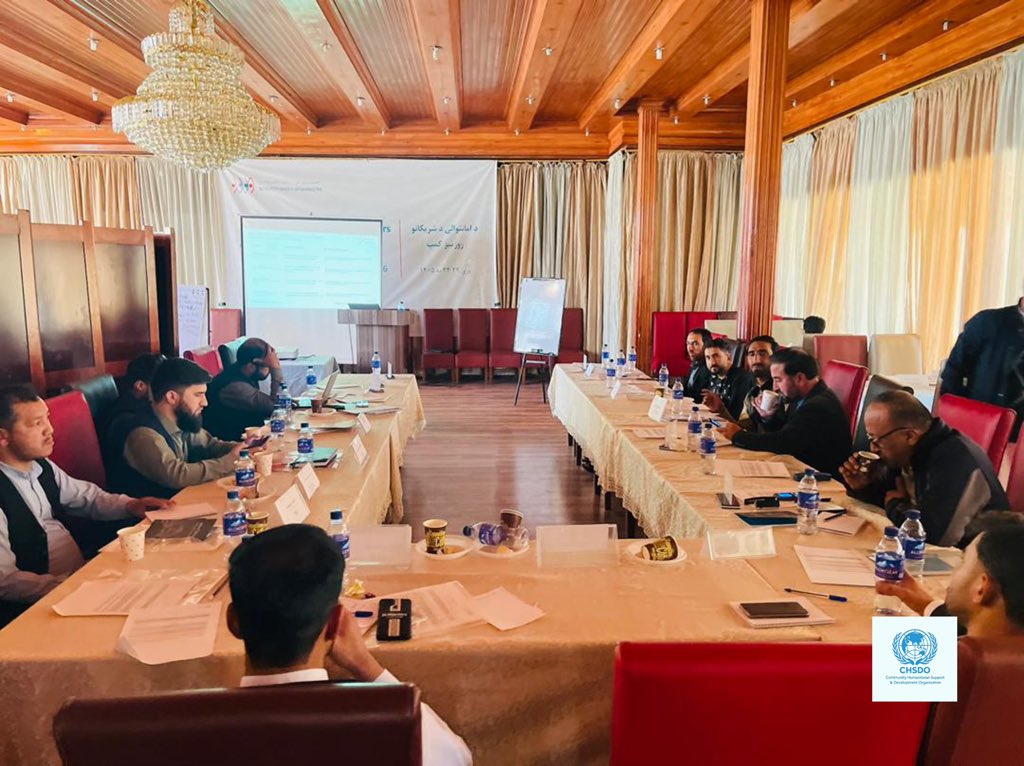
2
3
45

𓈒ㅤׂ 𝜗𝜚 𝐑𝐞𝐚𝐝𝐲 𝐭𝐨 𝐬𝐭𝐚𝐫𝐭 𝐲𝐨𝐮𝐫 𝐩𝐚𝐩𝐞𝐫?
Academic excellence is of utmost priority. Message us to receive professional-quality deliverables! 💌
𝐒𝐞𝐫𝐯𝐢𝐜𝐞 𝐂𝐨𝐯𝐞𝐫𝐚𝐠𝐞:
⸦ ⸧ Thesis Writing & Research Proposals
⸦ ⸧ Thesis Revision & Proofreading
⸦ ⸧ Review of Related Literature & Study
⸦ ⸧ Dissertations, Meta-analyses, Cross-Sectional Studies
⸦ ⸧ Critique Paper, Expository Writing, Reports
⸦ ⸧ Marketing Proposal & Business Plan
⸦ ⸧ Business Proposal & Baby Thesis
⸦ ⸧ Action Plans & Lesson Plans
⸦ ⸧ Literature & Theoretical Reviews (RRL / RRS)
⸦ ⸧ Conference Papers & Policy Briefs
⸦ ⸧ Case Studies & Concept Papers
⸦ ⸧ Essays, Review Papers, & Admission Essays
⸦ ⸧ Technical Writing (Memos, Reports, Inquiry Letter, Sales Letter, Application Letter, Resume)
⸦ ⸧ Poetry, Scriptwriting, & Creative Writing
⸦ ⸧ Narrative Reports & Laboratory Reports
⸦ ⸧ Minutes of the Meeting & Resolutions
⸦ ⸧ Data Analysis (PySal, Excel, JASP, JAMOVI, SPSS, NVivo)
⸦ ⸧ Coding (C , Python, & JavaScript)
⸦ ⸧ Design (SolidWorks, Inventor, & AutoCad)
⸦ ⸧ Simulations (Multisim, Logisim, PhET, EveryCircuit)
⸦ ⸧ Circuits (Series/Parallel Connections, Network Analysis, Machines, Motors, Generators, Alternators, Transformers, Physics, KCL/KVL Connections)
⸦ ⸧ Math Problem Solving (Basic and Advanced Calculus, General Mathematics, Geometry, Algebra, General Chemistry, Statistics and Probability, Matrix)
⸦ ⸧ Excel Worksheets (Basic Accounting, Numerical Methods, & Economics)
𝐂𝐥𝐢𝐞𝐧𝐭 𝐁𝐚𝐬𝐞:
⸦ ⸧ Senior High School Students
⸦ ⸧ Undergraduate Students
⸦ ⸧ Postgraduate Students (PhD & Master's)
🧿🍀✨ — concept paper writing philippines project proposal writing project concept development project background rationale of the project problem statement project objectives expected outcomes project significance scope and limitations target beneficiaries stakeholder analysis needs assessment project description implementation plan methodology work plan timeline gantt chart budget proposal cost breakdown funding proposal resource requirements risk management sustainability plan monitoring and evaluation project indicators logical framework logframe results framework executive summary proposal editing proposal proofreading proposal formatting academic writing support student-friendly affordable writing assistance research-based proposals capstone project proposal community project proposal school-based project proposal development project documentation defense preparation proposal presentation consultancy support
Status is open — We're still accepting commissions and early reservations! Feel free to reach out anytime; we’d be happy to assist. 💌
2
62

Mar 5
Kemarin ngasih komen ke akun IG yang bilang hati2 NGO kita bisa terjebak dalam Kompleks Industri Nirlaba (KIN) - dan salah satu poin yg diangkat adalah “profesionalisasi dan manajerial”. Contoh yg diangkat misalnya KPI, logframe, ToC sebagai penentu arah kerja.
Lah wa malah bingung. Jika tidak tahu merumuskan masa depan/tujuan advokasi dgn indikatornya, bagaimana caranya kita bisa secara struktural membedah dan menggugatnya scr sistematis?
KPI dan logframe itu bisa menjadi masalah ketika dia hanya disusun sepihak dan lalu menjadi alat tekanan. Disitu hubungannya memjadi kontraktual.
Justru CSO itu harus bisa profesional dan perlu belajar manajerial. Sederhananya, Mulailah dgn kalau bikin rapat tuh ON TIME, hargai waktu orang lain (ini gak ada hubungannya ama jam kerja ya). Wa sampai sering becanda (setengah nyindir sih), 33.33% keberhasilan advokasi itu ditentukan dari tepat waktunya rapat mulai 🤭🤭
Pada akhirnya aturan (SOP) yg disepakati bersama itu perlu. Birokrasi (yang secukupnya dan cerdas) malah mempermudah kerja2. Selalu perlakukan KPI, logframe, bahkan Accurate (atau sango haha) sebagai alat. Bukan kita yang jadi hamba.
Pd akhirnya, betul, NGO sebisa mungkin jgn sampai terjebak di KIN atawa NGO pabrikan (wa punya dugaan, begitu terjebak di sini, sbtlnya malah memperlambat perubahan struktural).
Namun NGO itu tetap harus menganut profesionalime dalam bekerja. Profesional itu artinya berkomitmen pada etika, tanggung jawab, kerja tidak asal2an. Profesionalisasi adalah proses agar seseorang makin berkompetensi dalam kerjanya. Ini pun jgn dimusuhi. Emang gak boleh community organiser di kampung kota belajar berbagai teknik2 komunikasi lanjut, belajar interseksionalitas dll? 😅
Menjadi profesional (profesionalisasi) dan manajerial itu malah perlu bagi NGO yg makin besar. Dan itu tidak serta merta membuat terjebak dalam NGO pabrikan atau apa, krn keduanya adalah hal yang berbeda. Bahkan bisa saja kamu jadi NGO pabrikan namun kerjanya tidak professional, krn yg penting KPI secara kertas terpenuhi 😅😅.
Wa jarang2 ngasih komen di IG, krn IG wa cuma utk lucu2an share soal travel dan makanan. Tp ya kegelitik.
1
7
34
4,217

Jan 30
Ah ya satu lagi … terbiasa bikin logframe dan theory of change adalah jalan ninjaku …
Smtr orang masih commute di jalan, wa sdh 50-60% jadi proposal kerja sama untuk kegiatan ke Pemerintah 😅
Jadi gak heran wa suka paili paili ke staff Rujak … 😅
2
913

Jan 27
ADVANCED MONITORING & EVALUATION
Session 2: M&E Frameworks and Models
docs.google.com/presentation…
The QUESTIONS below range from foundational concepts to practical application and critical thinking about M&E systems.
docs.google.com/document/d/1…
1. What's the difference between a Logic Model and a Theory of Change, and when would you use one over the other?
2. Explain the main components of a Results Framework and how they relate to each other (inputs, activities, outputs, outcomes, and impact).
3. How do SMART criteria apply to developing indicators within an M&E framework?
4. What's the purpose of a baseline study in monitoring and evaluation, and at what stage of a project should it be conducted?
5. Describe the difference between process indicators and outcome indicators. Give an example of each for a health education program.
6. What are some common challenges organizations face when implementing M&E frameworks, and how might these be addressed?
7. How does a participatory M&E approach differ from traditional M&E, and what are the advantages and disadvantages of each?
8. Explain what's meant by "assumptions" and "risks" in a logical framework (logframe), and why it's important to identify them.
9. How would you use an M&E framework to demonstrate accountability to donors while also supporting organizational learning and improvement?
10. Compare at least two different M&E frameworks or models (such as the Balanced Scorecard, Most Significant Change, or Outcome Mapping) and discuss what types of projects or contexts each might be best suited for.
1
5
66

13 Dec 2025
REPOST ❤️🫰🏼
🌍 AFRIPRO DEVELOPMENT COMPANY 🌍
Je, unahitaji huduma za kitaalamu kwa ajili ya maendeleo ya biashara au miradi yako?
AFRIPRO DEVELOPMENT COMPANY tupo kwa ajili yako!
🔹 HUDUMA ZETU NI PAMOJA NA:
✅ Uandishi wa Mipango ya Biashara na Mapendekezo (Proposals)
•Kutengeneza mipango kamili ya biashara
•Kuandaa proposal zenye ushawishi kwa ajili ya ufadhili
•Kuandaa mipango mkakati (Strategic Plans) kwa taasisi na miradi
✅ Ubunifu wa Miradi, Ufuatiliaji na Tathmini (M&E)
•Kubuni na kupanga miradi ya maendeleo
•Kufanya ufuatiliaji na tathmini ya miradi
•Kuandaa Gantt Charts, Logical Framework (Logframe) na Theory of Change
🎯 Tunatoa huduma zenye ubora, ufanisi na zinazokidhi viwango vya kitaifa na kimataifa.
🌐 Tembelea tovuti yetu:
👉 afripdevelopment.co.tz
📞 Wasiliana nasi leo na tuendelee kukuza biashara na miradi yako kwa mafanikio.
Mawasiliano:
📱 Simu: 0768 834 539
📧 Barua pepe: afriprodevelopment@gmail.com
🏢 Ofisi: Ghorofa ya 3, Maktaba Board Complex,
Barabara ya Bibi Titi & Ali Hassan Mwinyi

18
27
44
3,213
11 Nov 2025
REPOST plz❤️🙏🏽
🌟 Habari za leo wapendwa wadau wa maendeleo na ukuaji wa biashara Afrika! 🌟
Ninafurahi sana kuwakaribisha tena katika ukurasa huu wa AFRIPRO, kampuni inayoongoza kwa kutoa msaada wa kitaalamu kwa taasisi, mashirika, na biashara mbalimbali barani Afrika. Leo napenda kuchukua nafasi hii kuwashukuru wote mnaoendelea kujifunza nasi na kufuatilia elimu tunayoitoa kila siku kuhusu namna bora ya kukuza miradi na biashara zenye matokeo endelevu.
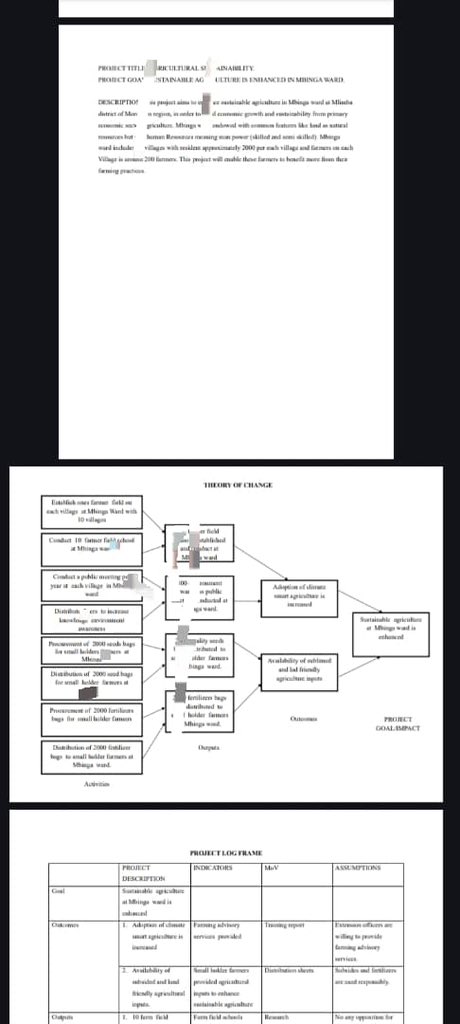
Leo, napenda kuwakaribisha tujifunze kuhusu moja ya huduma muhimu tunayotoa hapa AFRIPRO — Project Design, Monitoring and Evaluation (Ubunifu wa Miradi, Ufuatiliaji na Tathmini).
Kupitia huduma hii, tunasaidia wateja wetu katika:
✅ Kubuni na kupanga miradi ya maendeleo kwa ufanisi, tukizingatia mahitaji halisi ya jamii au taasisi.
✅ Kufanya ufuatiliaji na tathmini ili kuhakikisha miradi inatekelezwa kwa viwango vinavyotarajiwa na kutoa matokeo yenye tija.
✅ Kuandaa nyaraka muhimu za usimamizi wa mradi kama vile Gantt Chart, Project Logframe, na Theory of Change ambazo husaidia kuelewa mnyororo wa matokeo na namna mradi unavyoweza kuleta athari chanya.
AFRIPRO, tunaamini kwamba miradi bora huanza na mpango bora. Ndiyo maana tunafanya kazi kwa ukaribu na wateja wetu kuhakikisha kila hatua inachochea mafanikio na ustawi wa muda mrefu.
📞 Mawasiliano:
📱 Simu: 0768 834 539
📧 Barua pepe: afriprodevelopment@gmail.com
🏢 Ofisi: Ghorofa ya 3, Maktaba Board Complex,
Barabara ya Bibi Titi & Ali Hassan Mwinyi Street
💼 AFRIPRO – Washirika wako katika kupanga, kutekeleza, na kutathmini miradi yenye matokeo halisi! 💼
@DavidLucas9378

16
31
39
3,489

21 Oct 2025
𝐀 𝐑𝐞𝐚𝐥𝐢𝐭𝐲 𝐂𝐡𝐞𝐜𝐤:
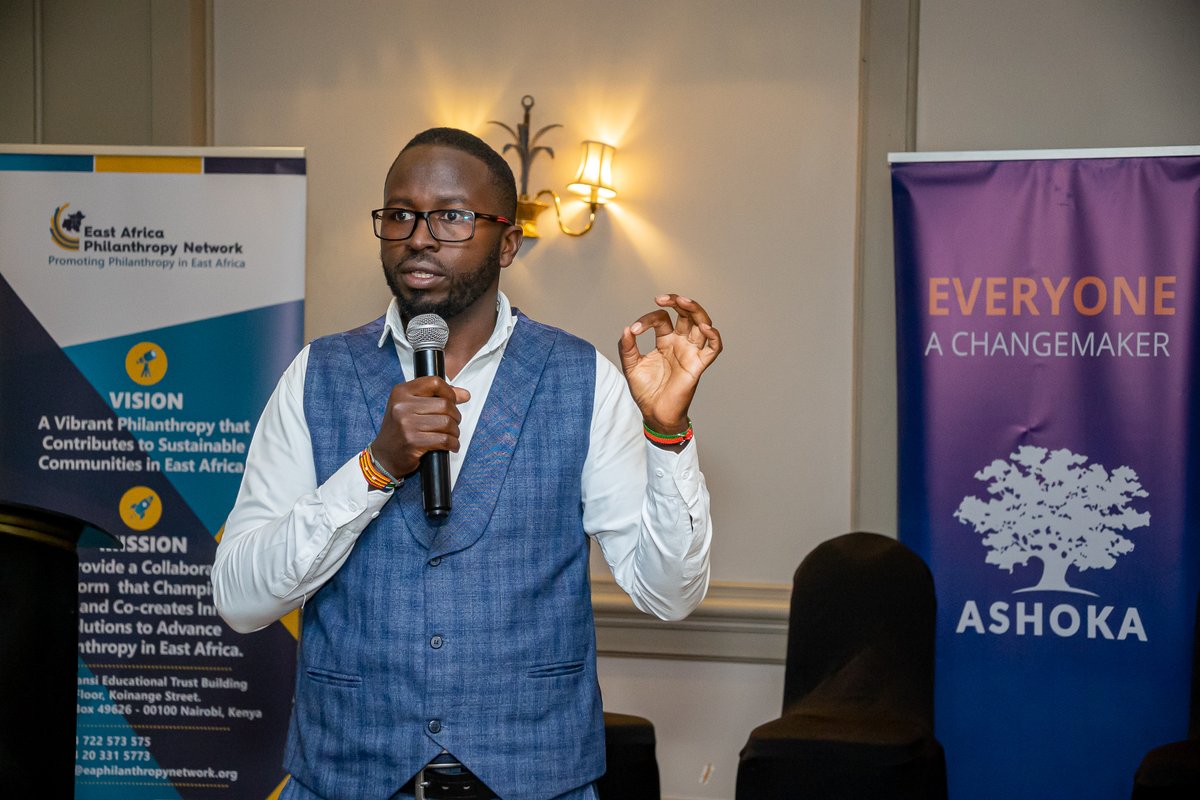
@Njenga_SM of @MoFund_Africa just put the comparison on screen: NGO norms that get funded vs what social enterprises actually need.
𝐖𝐨𝐫𝐤𝐬𝐡𝐨𝐩-𝐢𝐭𝐢𝐬 (endless trainings, per diems, venue hire) = donor optics. Why it's a misfit: zero correlation to revenue or retention. Lean alternative: Build self-serve learning (LMS, WhatsApp drip), charge for advanced cohorts, tie to paid certifications.
𝐕𝐢𝐬𝐢𝐛𝐢𝐥𝐢𝐭𝐲 𝐬𝐰𝐚𝐠 & 𝐜𝐞𝐫𝐞𝐦𝐨𝐧𝐢𝐚𝐥 𝐥𝐚𝐮𝐧𝐜𝐡𝐞𝐬 = "show the donor" culture. Why it's a misfit: no pipeline impact, vanity spend. Lean alternative: Run live demos/webinars; measure demo→conversion.
𝐆𝐨𝐥𝐝-𝐩𝐥𝐚𝐭𝐞𝐝 𝐛𝐚𝐬𝐞𝐥𝐢𝐧𝐞/𝐞𝐧𝐝𝐥𝐢𝐧𝐞 𝐬𝐭𝐮𝐝𝐢𝐞𝐬 & 𝐑𝐂𝐓𝐬 𝐛𝐲 𝐝𝐞𝐟𝐚𝐮𝐥𝐭 = evaluation orthodoxy. Why it's a misfit: overkill for product-market fit, months of burn. Lean alternative: Customer validation; cohort AB tests; instrument usage & NPS.
𝐋𝐨𝐠𝐟𝐫𝐚𝐦𝐞/𝐜𝐨𝐦𝐩𝐥𝐢𝐚𝐧𝐜𝐞 𝐭𝐡𝐞𝐚𝐭𝐞𝐫 (𝐝𝐮𝐩𝐥𝐢𝐜𝐚𝐭𝐢𝐯𝐞 𝐌&𝐄 𝐭𝐨𝐨𝐥𝐬) = auditable paper trail. Why it's a misfit: slows iteration; metrics irrelevant to unit economics. Lean alternative: Customer Acquisition Cost, lifetime value, GM% less churn, payback; impact KPI tied to use.
𝐒𝐭𝐫𝐚𝐭𝐞𝐠𝐲 𝐫𝐞𝐭𝐫𝐞𝐚𝐭𝐬 & 𝐛𝐢𝐠-𝐭𝐢𝐜𝐤𝐞𝐭 𝐜𝐨𝐧𝐬𝐮𝐥𝐭𝐚𝐧𝐭𝐬 = safe consensus; risk deniability. Why it's a misfit: expensive, slow, little execution delta. Lean alternative: OKR sprints; hire fractional operators tied to milestones.
Everyone recognized their own organizations. Guilty as charged? 😅 The learning continues!
1
4
199

16 Oct 2025
Ini bakalan jadi studi randomized experiment ter-keren di Indonesia... 👏👏👏
logframe-nya mana, logframe?
16 Oct 2025

Luhut: MBG Harus Jalan Minimal 10 Tahun, Setelah Itu Kita Evaluasi cnnindonesia.com/ekonomi/202…
3
7
37
2,868

16 Oct 2025
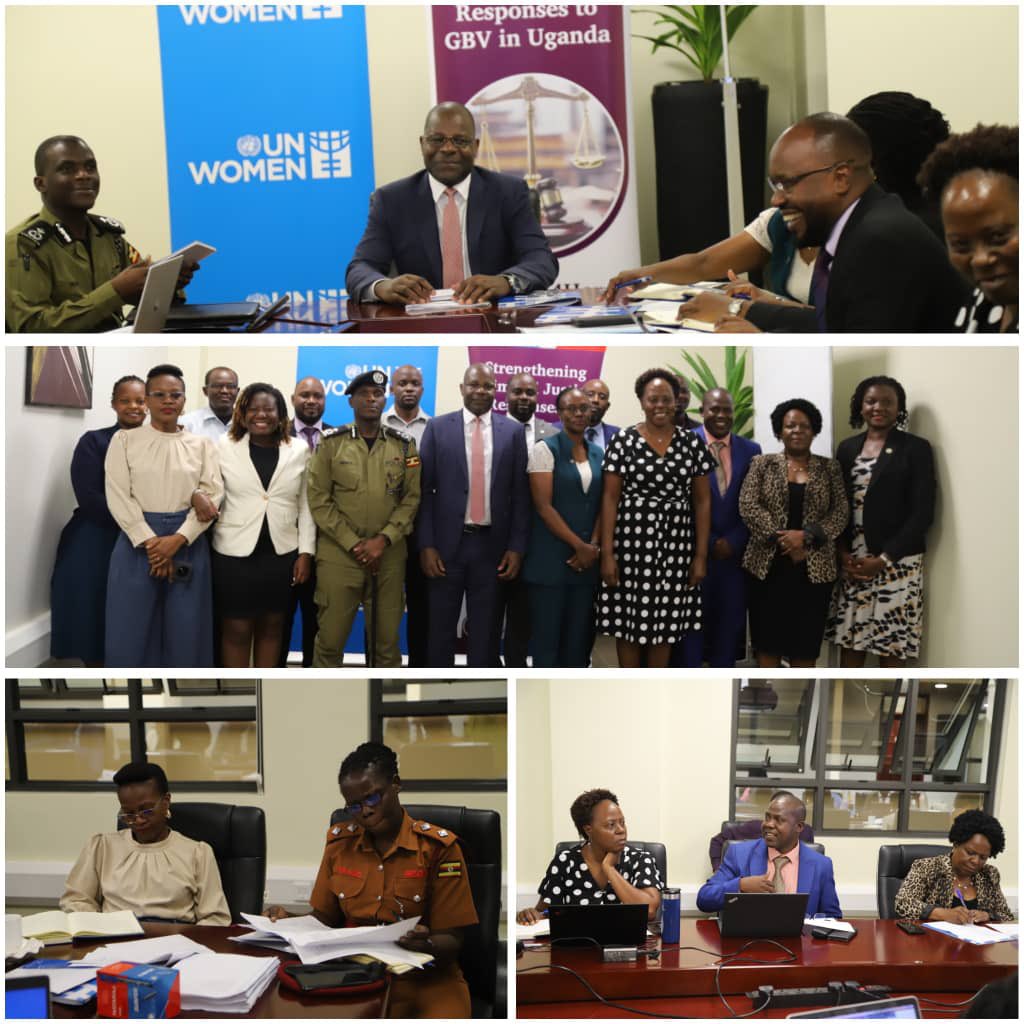
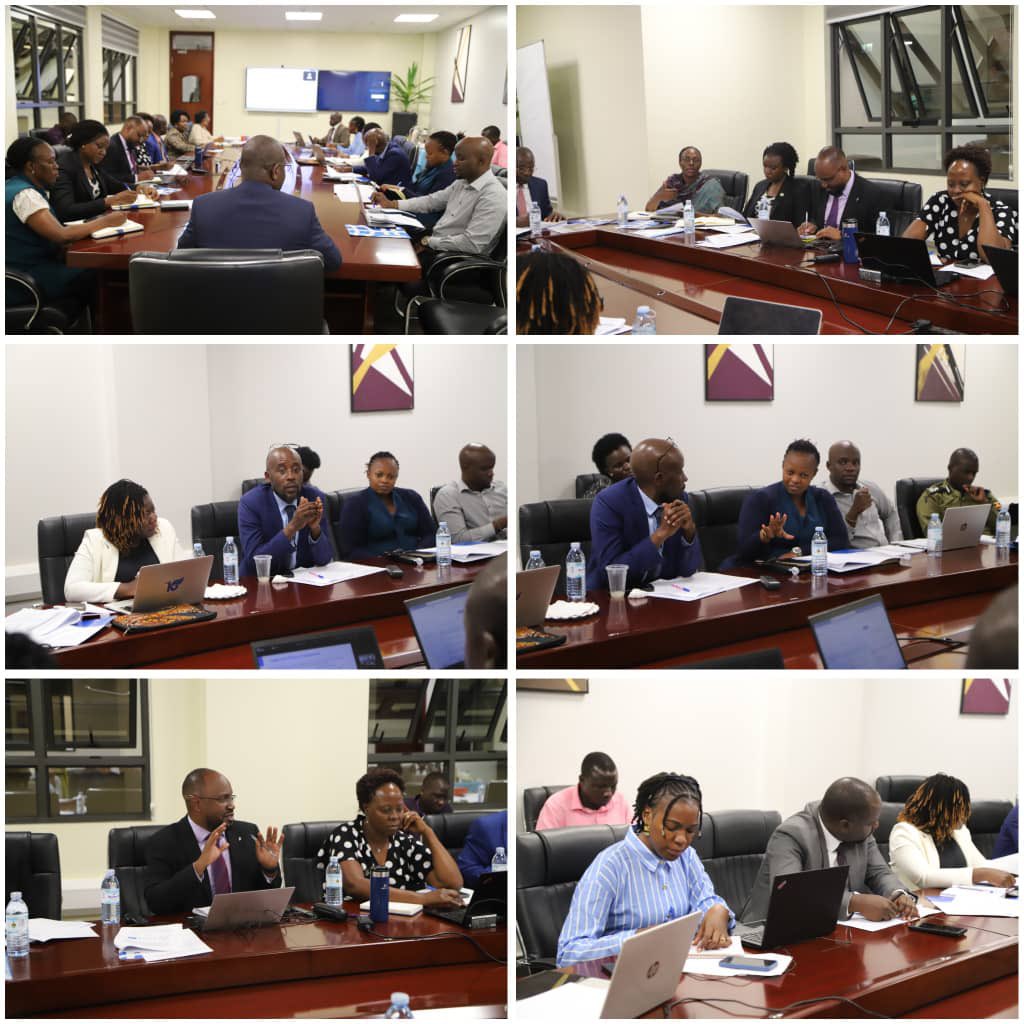
The Judiciary, in partnership with UN Women and key justice sector stakeholders, held a hybrid meeting yesterday afternoon to discuss the inception report for the baseline study of the Justice For Her Project. The meeting was chaired by the Registrar Planning, Research and Development, HW John Paul Edoku.
In his opening remarks, HW Edoku welcomed the initiative and commended UN Women for supporting the project. He urged all stakeholders to offer maximum support to ensure effective execution of the programme, which aims to improve access to justice for women and girls who experience violence.
Baseline study presentation
The draft inception report was presented by the Lead Consultant, Dr. Paul Bukuluki (PhD), together with Hon. Dora Christine Kanabahita Byamukama, Support Consultant. The report outlined a detailed plan for conducting the baseline study commissioned by UN Women.
The study will collect and analyse data for each project indicator, establish a benchmark to assess progress, and guide the development of a comprehensive Monitoring and Evaluation framework. Dr. Bukuluki emphasized that the study will not only provide insights into current conditions but also help refine project targets to ensure they are both realistic and measurable within the implementation period.
About the _Justice For Her_ Project
The Justice For Her Project is being piloted in Masaka, Gulu, and Nebbi High Court Circuits, regions selected due to high incidences of gender-based violence (GBV) and limited survivor-support systems. The Project seeks to improve timely access to quality justice services for women and girls, increase disposal of GBV cases, and enhance the use of survivor-centred services.
Its approach focuses on strengthening institutional capacity within the administration of justice, enabling fairer and more efficient handling of GBV cases. It also emphasizes survivor dignity, safety, and psychosocial well-being, while addressing structural barriers that deter reporting and limit survivor participation.
Furthermore, the project will foster multi-sectoral coordination among the Judiciary, ODPP, Police, Prisons, probation officers, community leaders, Legal Aid Service Providers, and civil society. It aims to establish fast-tracked GBV case-handling mechanisms to reduce backlog and attrition rates. The rollout of the project is expected by the end of this month.
Recommendations and way forward
Participants recommended that the consultants revise the draft inception report to incorporate stakeholder input, while reviewing the project logframe to capture expected institutional results. It was also agreed that the consultants provide an update on the process flow of SGBV case management, assess institutional capacity, including referral systems, and strengthen joint cause-listing practices.
The hybrid meeting was attended by HW Prossy Katushabe, Registrar High Court, Ms. Beatrice Mulindwa, Project Manager _Justice For Her_; Ms. Samali Wakooli, Assistant Director of Public Prosecutions; Mr. Isaac Bbosa Sserunkuma, Senior Statistician, Judiciary; Mr. Benjamin Kachero, Senior Economist, Judiciary; and Ms. Beatrice Naava, Statistician, Judiciary. Representatives from the Uganda Police Force, Uganda Prisons Service, Legal Aid Service Providers, and civil society organizations also participated
1
6
724

24 Sep 2025
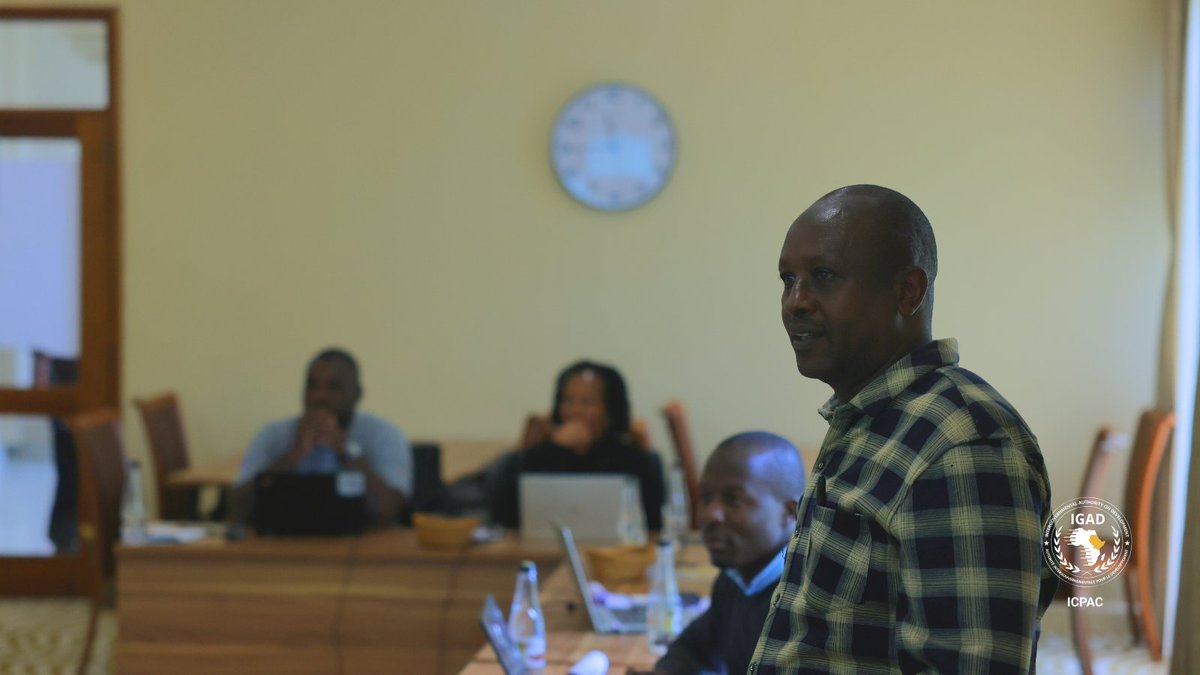
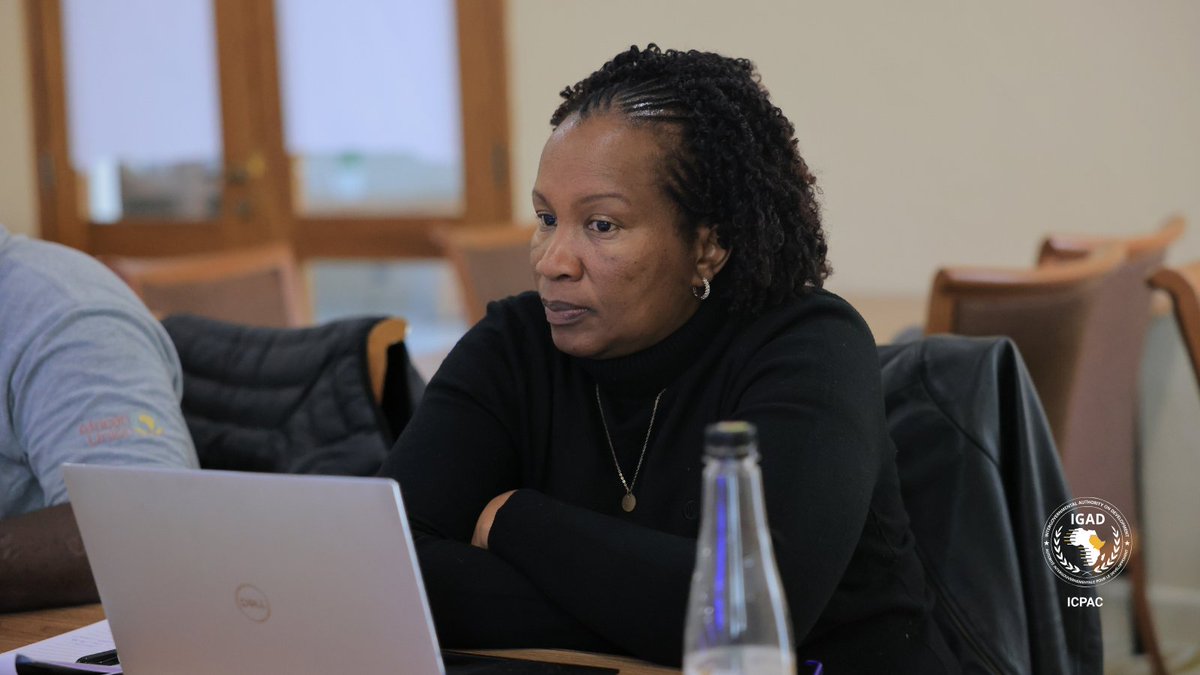
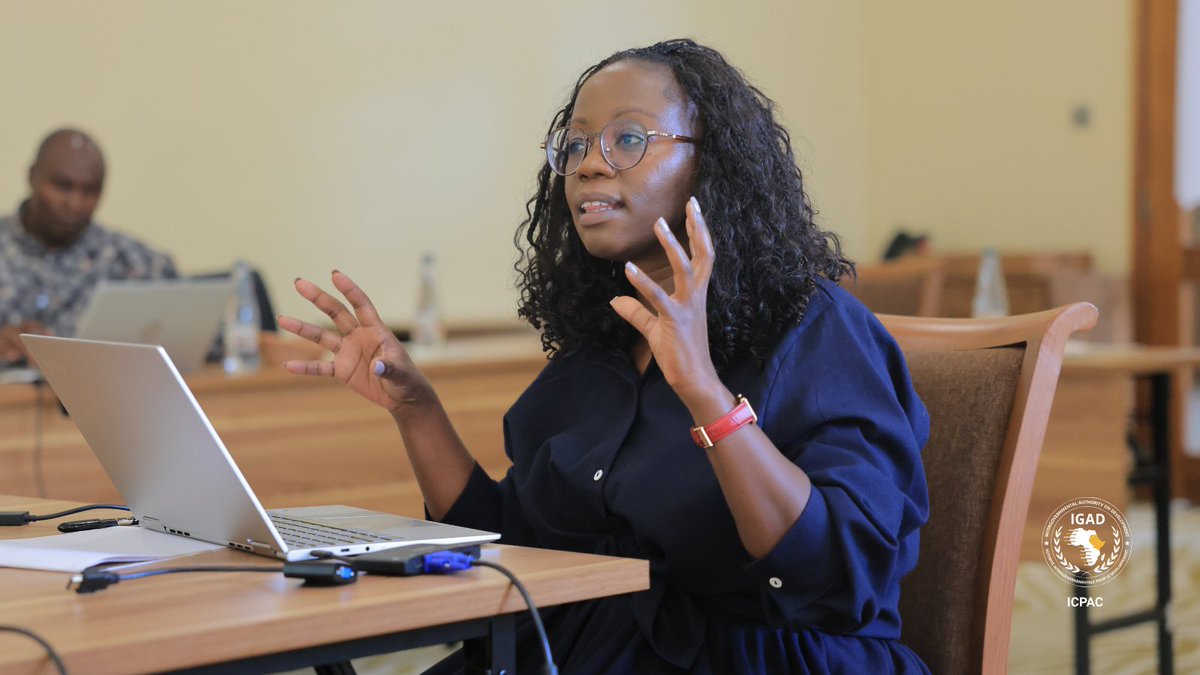
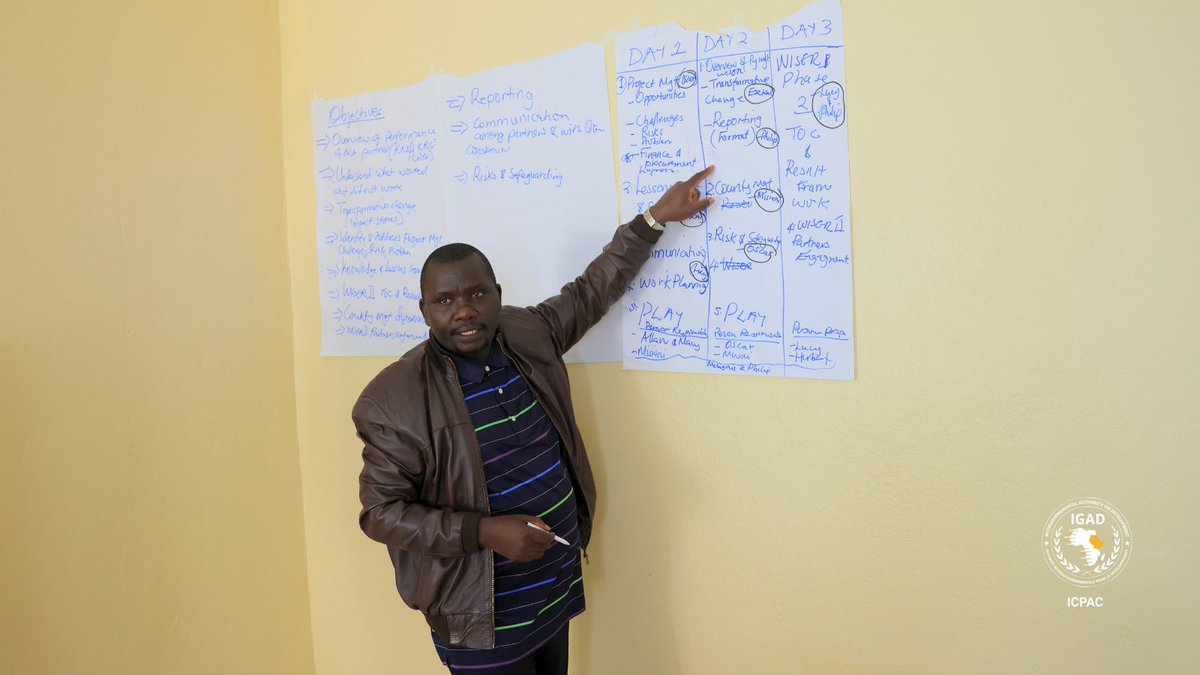
📢 Day 2 -24 September 2025
📍Naivasha, Kenya
👉🏾 Technical staff of the WISER Kenya project assessing the achievements of Phase I in relation to the WISER Africa Logframe to evaluate the project's overall impact and lessons learnt.
#climateresilience #adaptation #Kenya
3
8
514
