Biotronik España retweeted

Jun 13
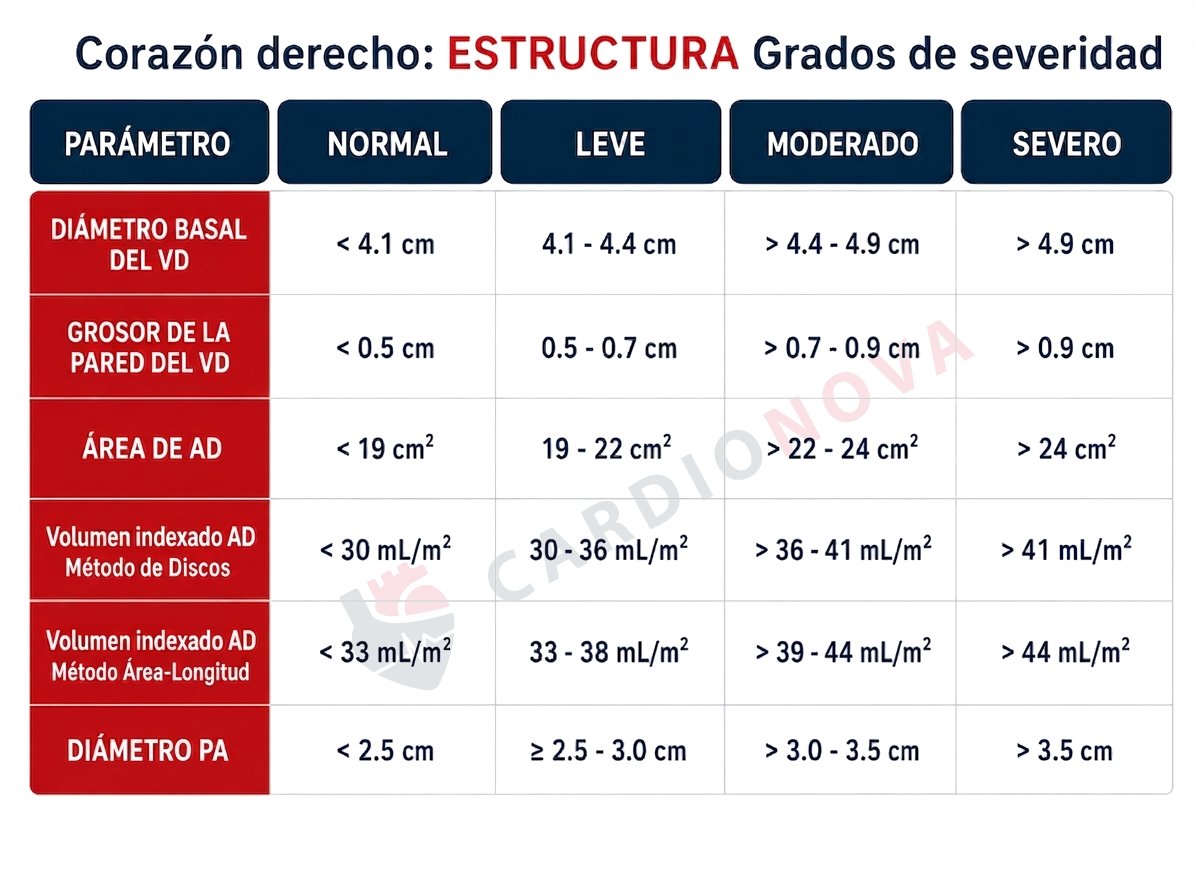
Grados de SEVERIDAD de cavidades derechas por ecocardiografía, según las guías ASE 2025
#CardioNova #POCUS #MedEd
52
168
5,317

The best specialty choice isn't always the most competitive or prestigious—sometimes the most rewarding careers are found in the fields few students consider.
Read more on quomi.com/students/why-med-s…
#quomi #quomiprofessionals #MedicalStudents #MedEd #CareerInMedicine #HealthcareCareers #FutureDoctors #PhysicianLife #MedicalEducation #healthcare #patientcare

1

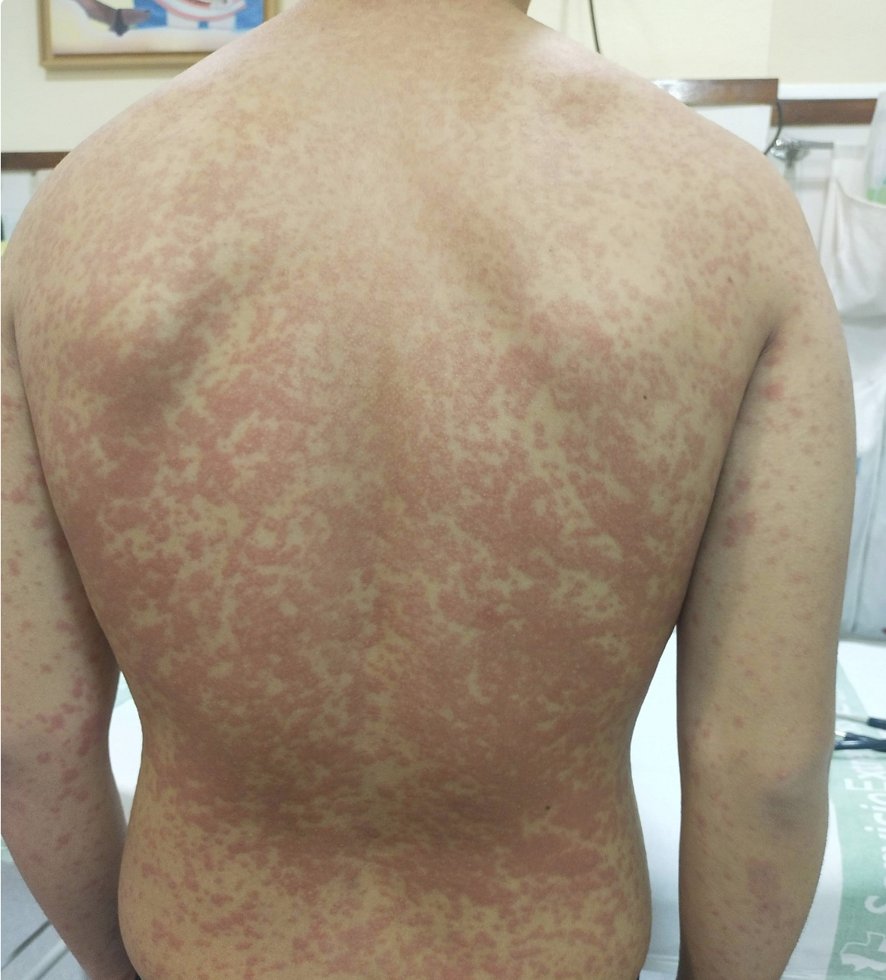
Niño de 13 años, amoxicilina 7 días por una faringoamigdalitis aguda: afebril, lesiones cutáneas pruriginosas, que afecta a la cara, el tronco, las palmas y las plantas, sin mucositis.
1/2
continuum.aeped.es/screens/p…
#dermatology #MedEd #pediatria #IDMedEd
1
30
SGK'nın kandırdığı meslek Liseli 🇹🇷🇹🇷🇹🇷 retweeted

Hak ettiğimiz adaleti istiyoruz; geçmişteki emeğimiz yok sayılamaz. !! Ya meded
@MhpTbmmGrubu
@isikhanvedat @vedatbilgn @akbasogluemin @oktay_saral
#Bursa
Stajyer Çırağa Muhtaçsınız
#TamSigortaYapmakZorundasınız
 SeyyidMustafaAkbas
12
13
108

Cardiovascular Disease: Better Care by Reducing Risk is now live on #MedShr.
6 free modules→ hypertension, dyslipidaemia, diabetes, obesity, smoking & alcohol, stroke prevention in AF
👉:🔗sbee.link/ckega98vdm
#Cardiology #MedTwitter #MedEd #FOAMed @ACCinTouch @DrAsifQasim

6

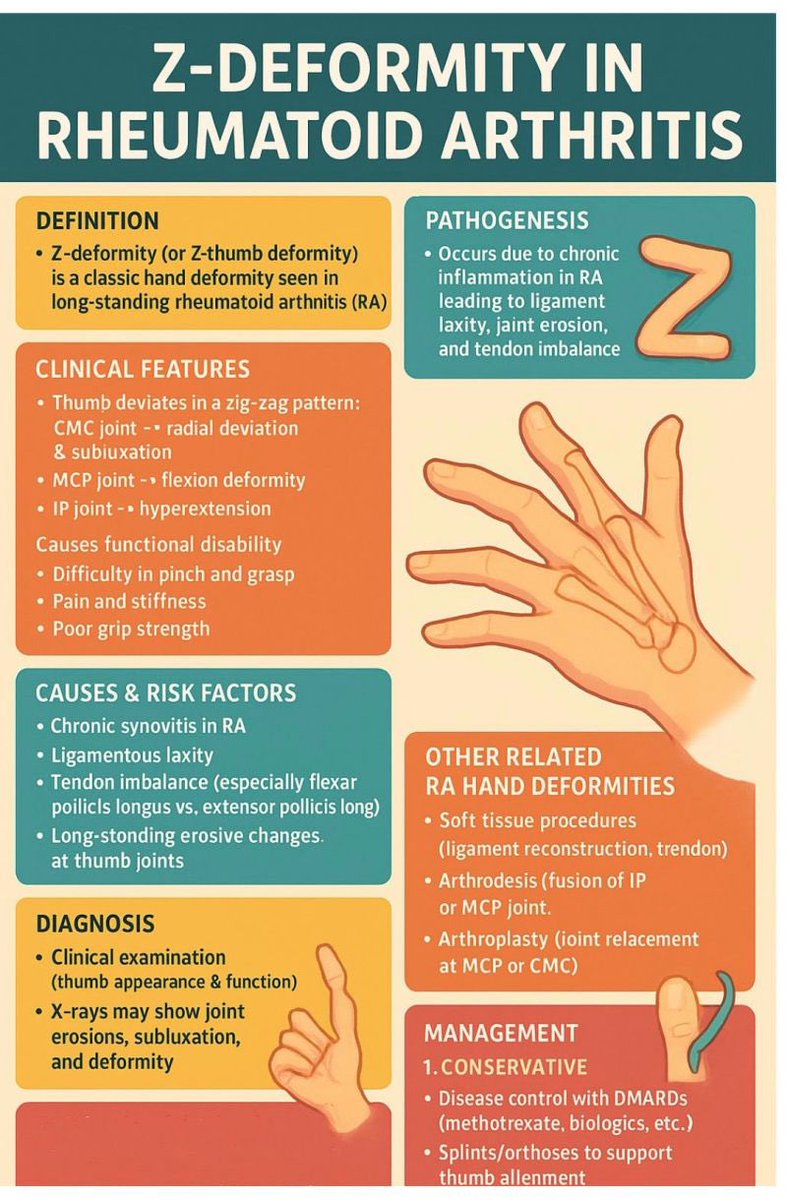
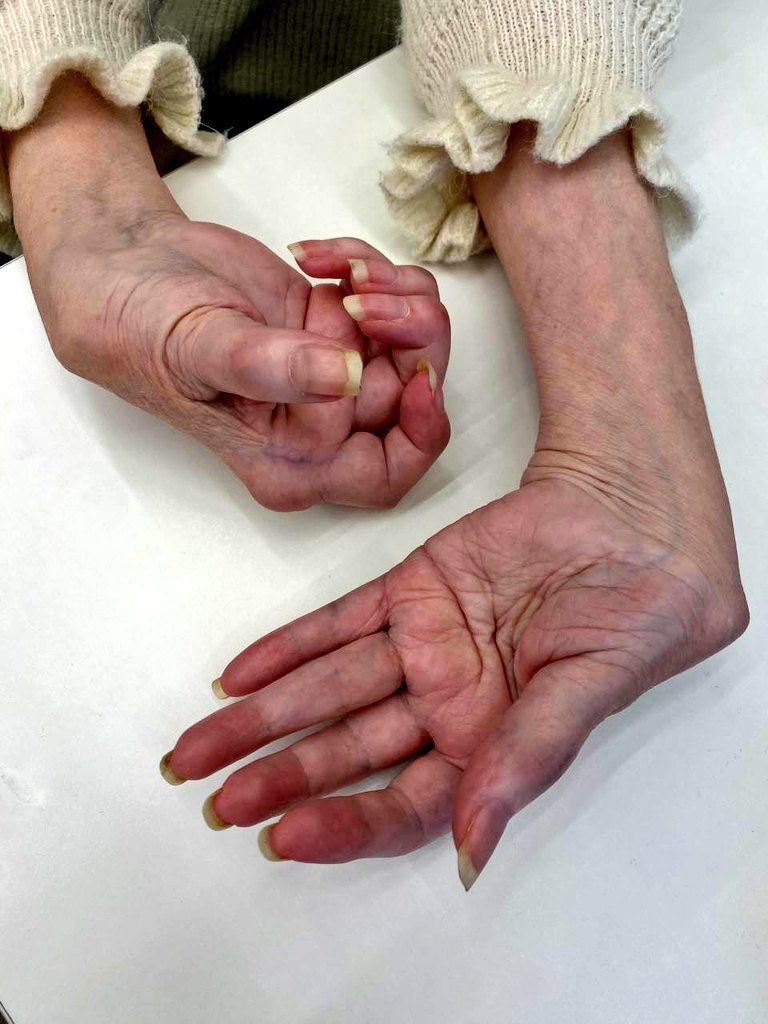
Zig-Zag Hands: The Telltale Twists of Rheumatoid Arthritis
————————————-
The zig-zag deformity (also called Z-deformity) is a classic hallmark of advanced rheumatoid arthritis (RA) in the hand. It features radial deviation of the wrist (carpus shifting outward) combined with ulnar deviation of the fingers at the metacarpophalangeal (MCP) joints, often with palmar subluxation of the proximal phalanges. This creates a distinctive “Z” or zigzag pattern across the hand-wrist complex, resulting from chronic synovitis, ligament laxity, tendon imbalance, and progressive joint destruction.
RA triggers an autoimmune attack on the synovium, leading to inflammation, cartilage erosion, and instability. In the zig-zag deformity, ulnar carpal subluxation pulls the wrist radially while the fingers drift ulnarly, worsening grip strength and function.
Other common RA hand deformities include:
• Ulnar deviation (ulnar drift): Fingers angle toward the little finger side.
• Swan-neck deformity: Hyperextension of the proximal interphalangeal (PIP) joint with flexion of the distal interphalangeal (DIP) joint.
• Boutonnière deformity: PIP flexion with DIP hyperextension.
• Z-thumb (hitchhiker thumb): MCP flexion and interphalangeal (IP) hyperextension of the thumb.
These changes develop over years but can be slowed with early DMARDs, biologics, splints, therapy, and sometimes surgery. While advanced deformities are often not fully reversible, timely intervention preserves mobility and quality of life. If you notice these changes, consult a rheumatologist promptly—modern treatments offer real hope. #MedTwitter #MedEd #MedX @Lap_surgeon
2
1
28
HidroFernando Espiroqueta retweeted

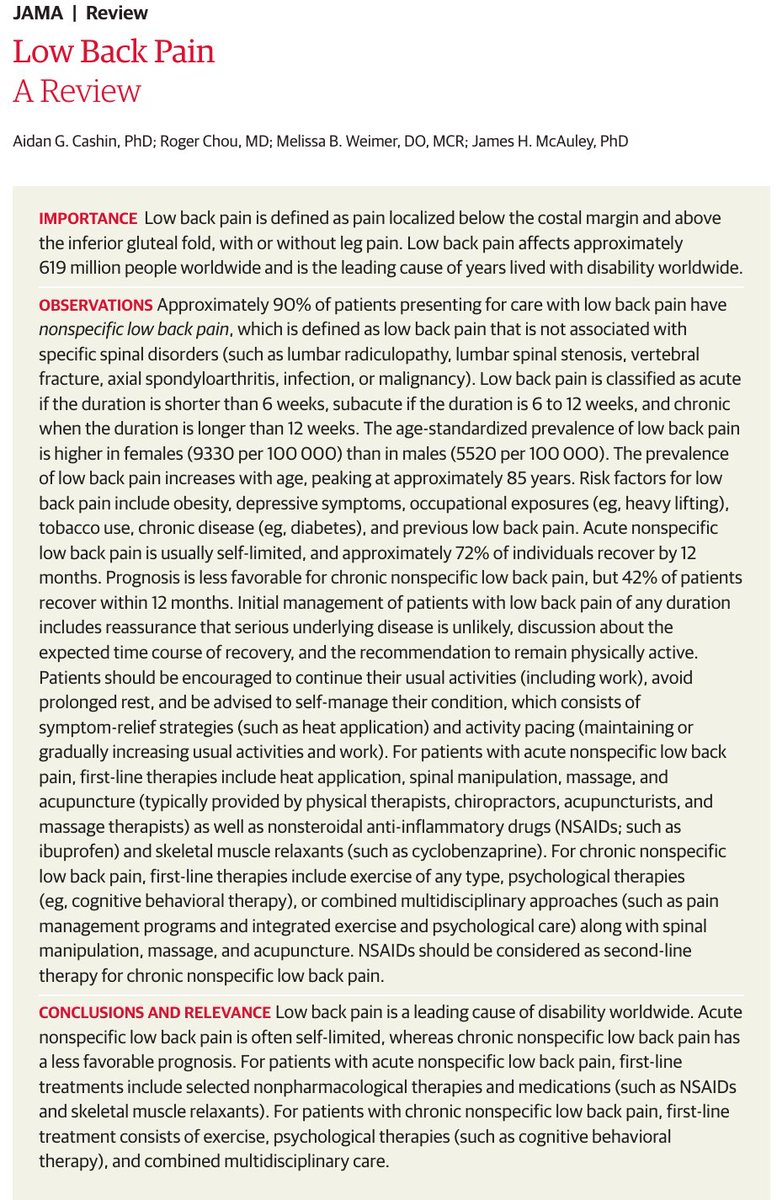
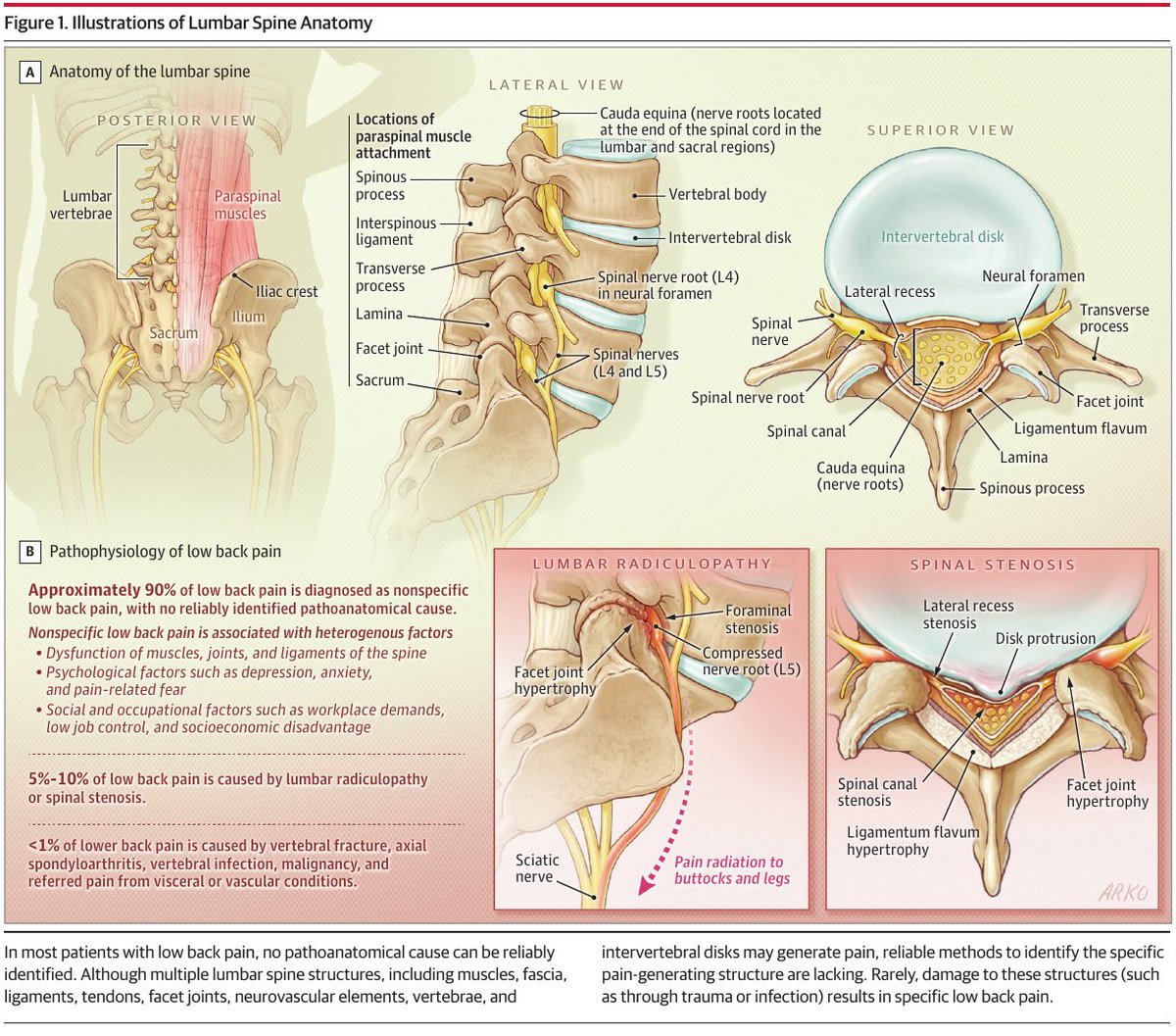
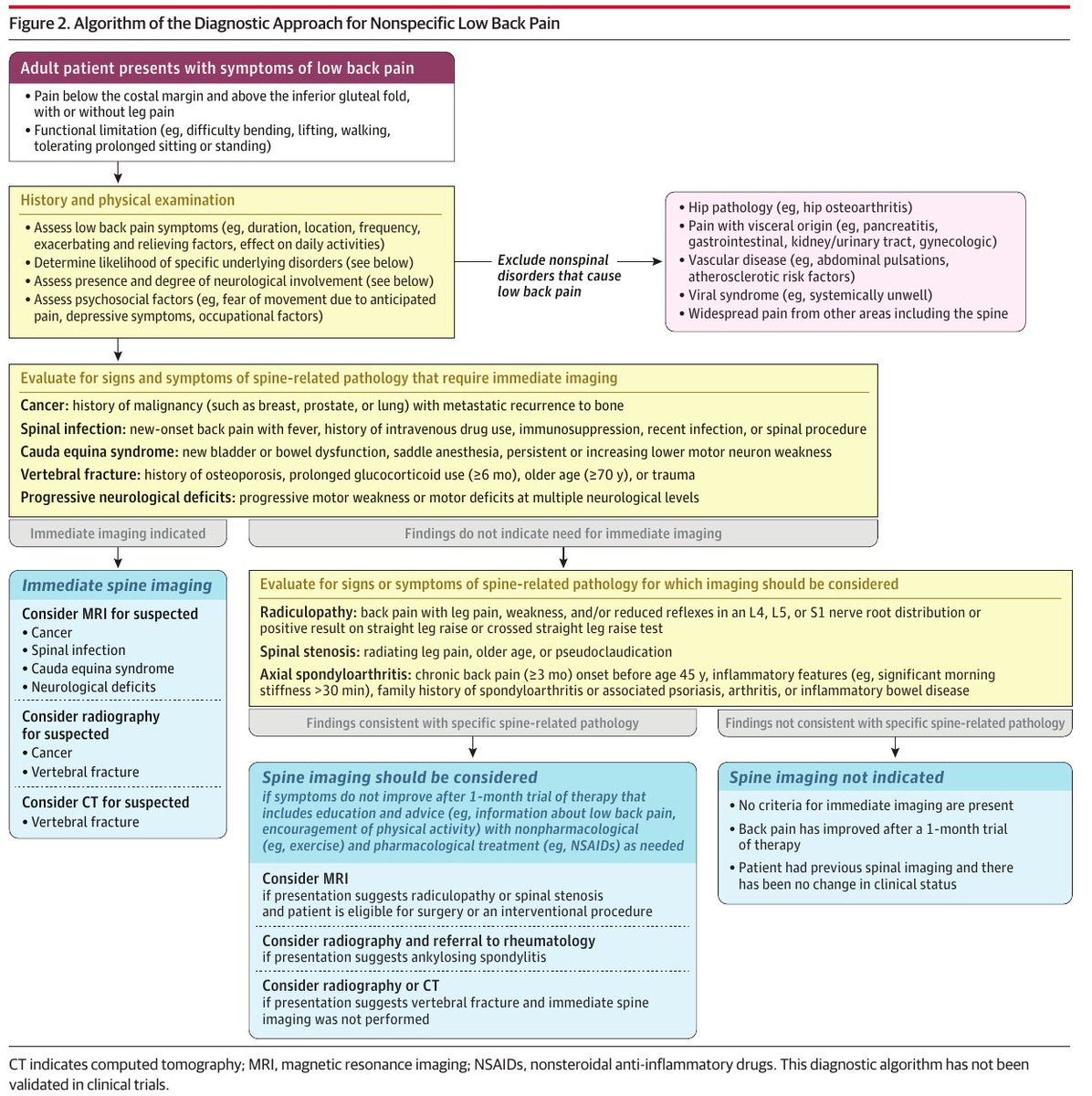
43
123
2,362
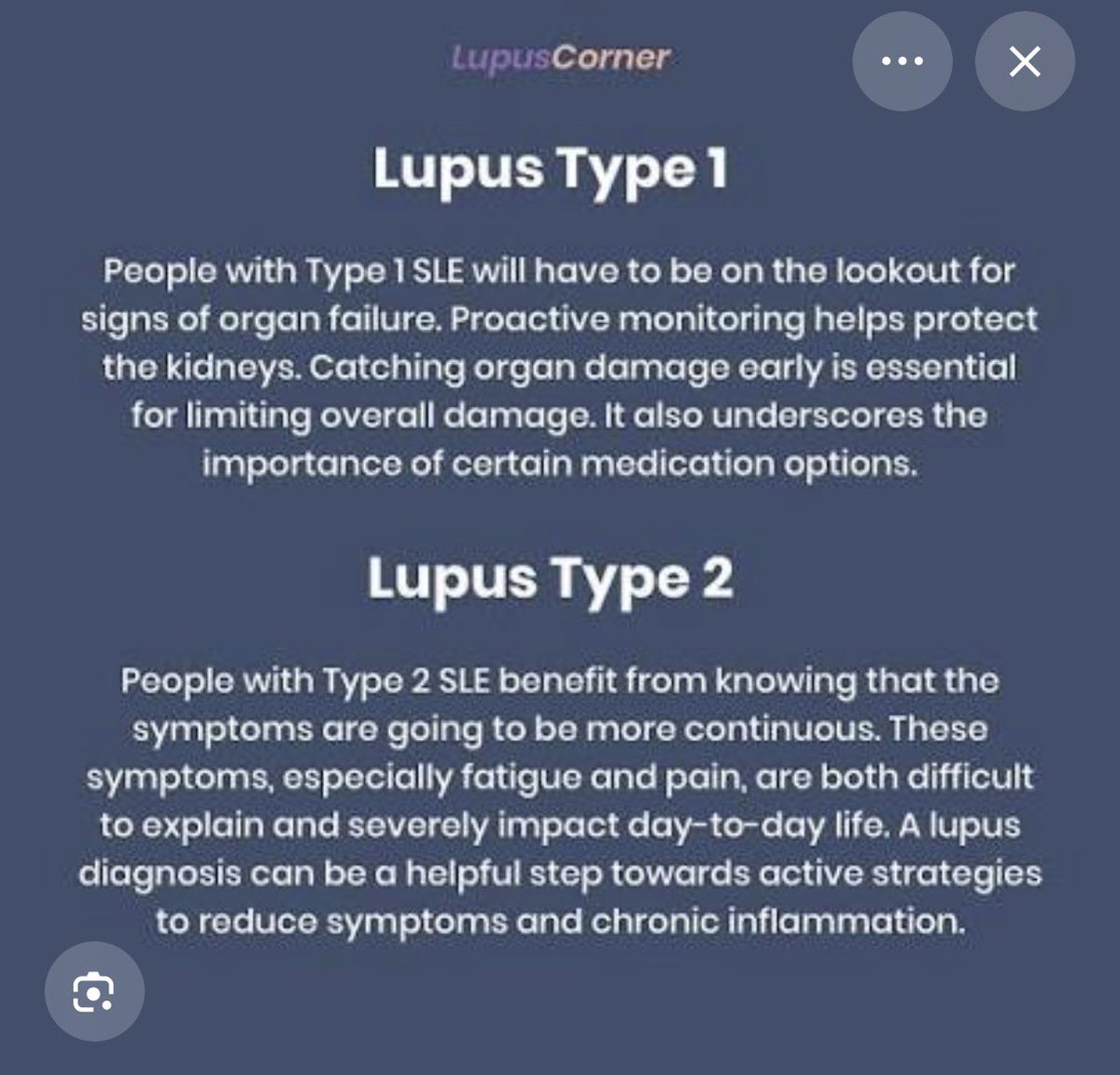
Beyond the Flare: Decoding SLE Type 2 – The Hidden Side of Lupus
—————————————————
Systemic Lupus Erythematosus (SLE), commonly known as lupus, is often defined by its inflammatory symptoms. However, researchers have introduced a valuable framework that separates these into Type 1 and Type 2 manifestations to better capture the full patient experience.
Type 1 SLE represents the classic autoimmune inflammation: rashes, arthritis, kidney involvement (lupus nephritis), serositis, and blood cell abnormalities. These are typically measurable through labs and activity indices like SLEDAI, and they respond to immunosuppressants and steroids.
In contrast, Type 2 SLE focuses on symptoms that persist even when inflammation is controlled. It includes profound fatigue, widespread pain and myalgias, cognitive dysfunction (“brain fog”), mood disorders such as anxiety and depression, insomnia, and non-restorative sleep. These are harder to quantify with standard tests and often do not improve significantly with immunosuppression alone.
Patients frequently experience both types simultaneously, but Type 2 symptoms are frequently described as “everyday lupus” and are a major driver of reduced quality of life. This model, notably advanced by researchers at Duke University, helps validate patient complaints that might otherwise be overlooked.
Management differs: Type 1 relies on anti-inflammatory therapies, while Type 2 benefits from multidisciplinary approaches including exercise, physical therapy, cognitive behavioral therapy, sleep optimization, pain management, and sometimes antidepressants.
By distinguishing these patterns, clinicians can offer more holistic, personalized care. The Type 2 framework bridges the gap between measurable disease activity and the lived reality of lupus patients, promoting better communication and treatment strategies. #MedTwitter #MedEd #MedX
1
14

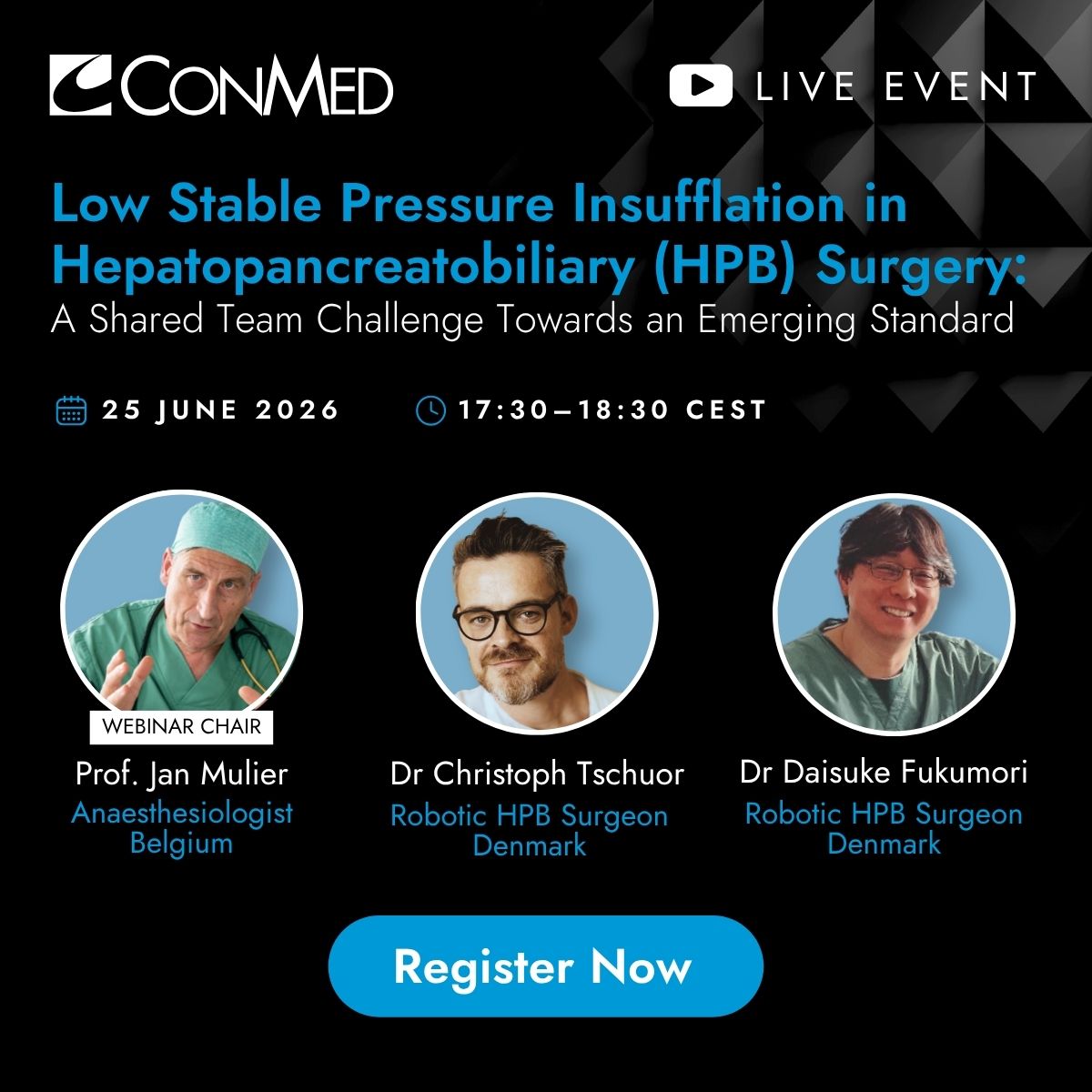
Be part of the conversation shaping the future of HPB surgery.
Join Prof. Jan P Mulier and clinicians Dr. Christop Tschuor and Dr. Daisuke Fukumori on 25 June as they discuss the impact of low stable pressure insufflation in liver surgery.
Don’t miss this opportunity to hear from leading clinicians and join the conversation around emerging standards in minimally invasive surgery.
➡️ Register here: conmed.com/en/medical-educat…
#LowStablePressure #LiverSurgery #HPBSurgery #Anesthesia #MedEd
1


2

🩺 This rare phenomenon is called an En Caul Birth.
The baby is delivered completely enclosed within an intact amniotic sac, appearing almost exactly as it did inside the uterus.
While dramatic to watch, it is usually benign and is sometimes intentionally used during very preterm cesarean deliveries to minimize trauma.
#ObGyn #Neonatology #MedEd #MedicalEducation #FOAMed #MedTwitter
1
1,021

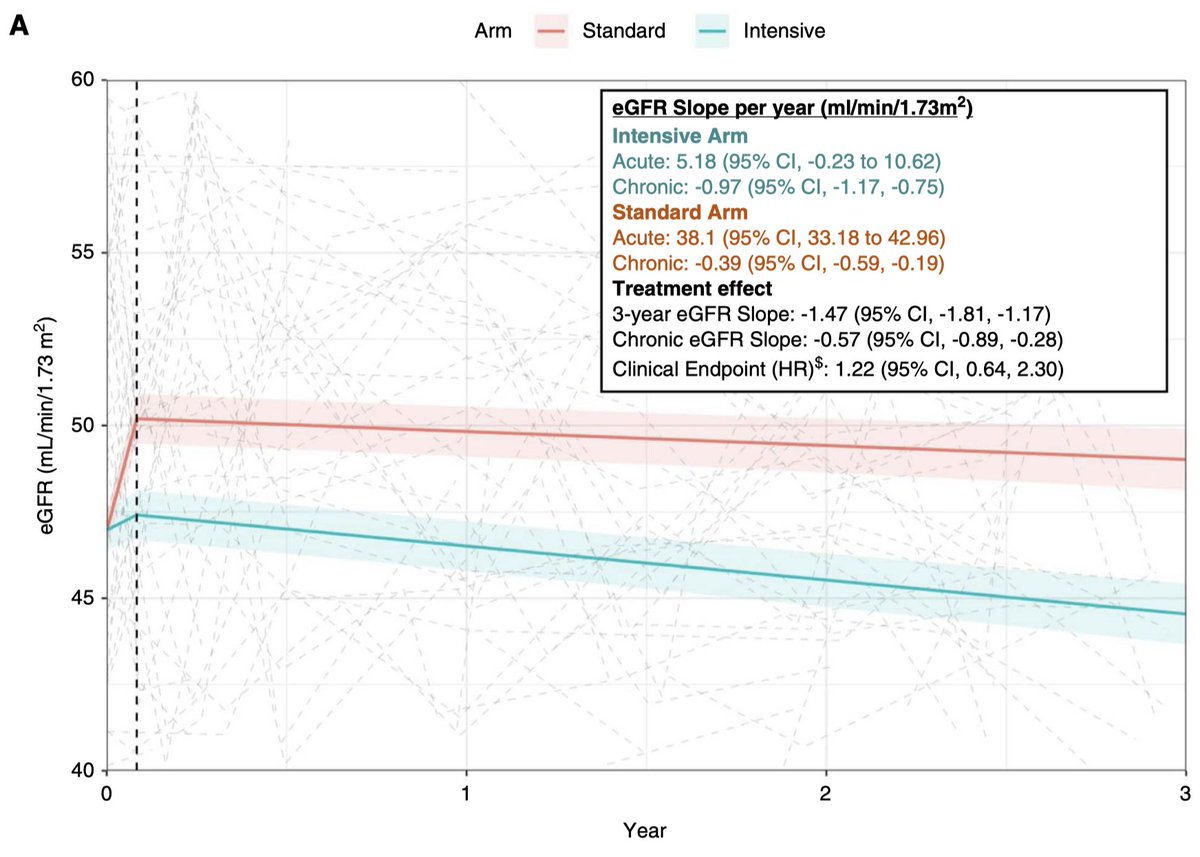
La caída de eGFR puede ser falsa 🔥🫘
Montez-Rath (2026): valorar una intervención 💊 combina 2 fases de eGFR
-Aguda (cambio brusco inicial)
-Crónica (declive real a largo plazo) ➡️ evita sobreestimar el daño
#NephroTwitter #MedEd #Nefrología
📌 doi: 10.2215/CJN.0000001038
3
Your thoughts? 60M with ventral & bilateral groin hernias is treated using eTEP repair. Which anatomical plane is the mesh placed in?
sbee.link/w3a7rvnu96
#MedTwitter #FOAMed #MedEd #PatientCare
13
💡 Clinical Pearl:
In women with heavy menstrual bleeding, iron supplementation alone may not be enough.
Treating iron deficiency is important, but reducing ongoing blood loss is equally important.
Tranexamic acid is an effective non-hormonal option that can significantly reduce menstrual blood loss when taken during menses.
#MedEd #WomensHealth #Gynecology #IronDeficiency #PublicHealth
2
858