Sir Morata (thulani) retweeted

BOXERS CELEBRATE LIFE-CHANGING GIFTS FROM MUKURU WEMAZUVA 🙌🥊
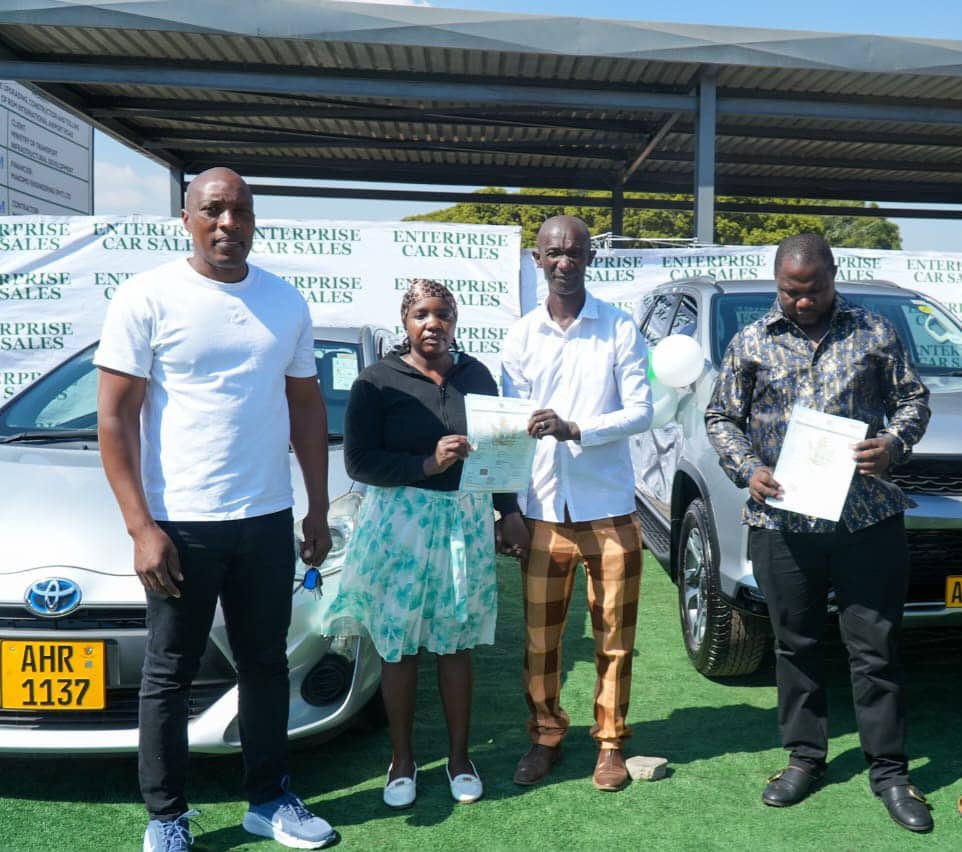
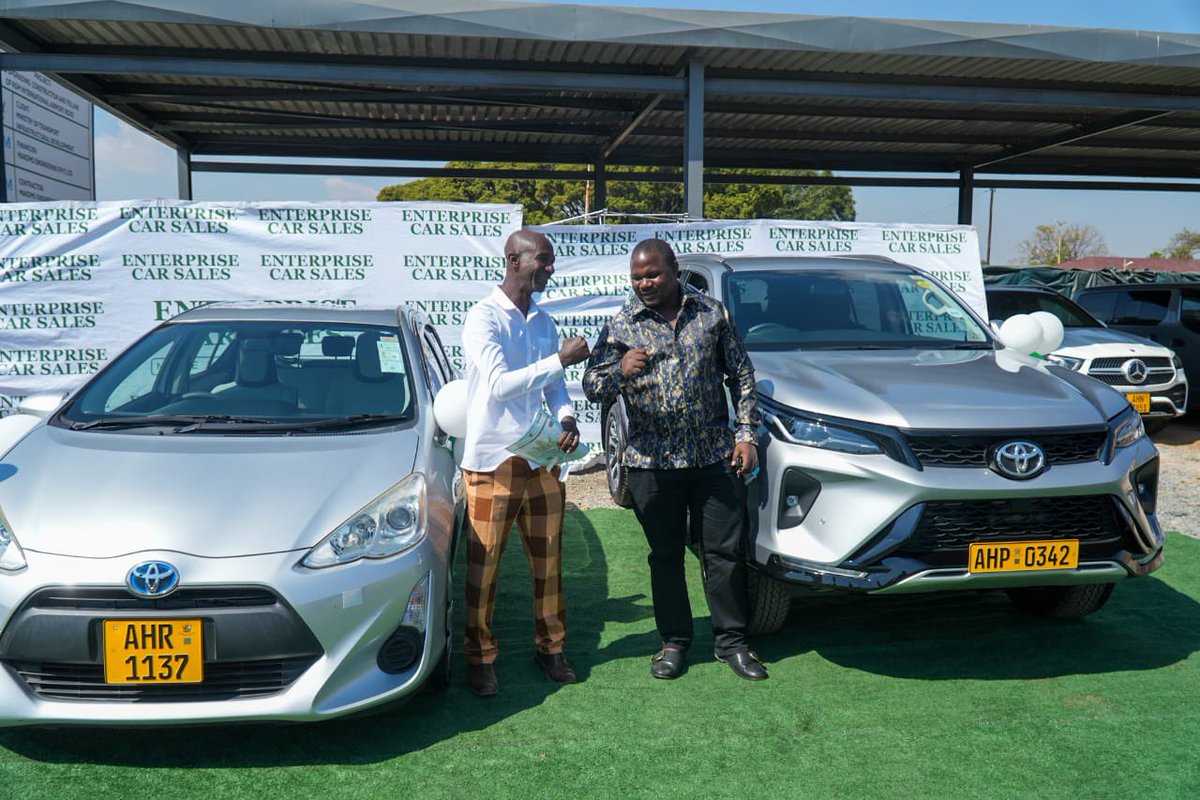
Zimbabwean boxing champions Charles Manyuchi and Alfonso “Mosquito” Zvenyika have expressed heartfelt gratitude after receiving generous gifts from businessman Sir Wicknell Chivhayo.
Manyuchi collected a brand-new 2026 Toyota Fortuner and US$10,000 cash, while Mosquito received a Toyota Aqua and US$20,000 cash.
In his appreciation remarks, Mosquito revealed that the donation came at a crucial time as his wife has been unwell. He said the vehicle and financial assistance will go a long way in helping him ensure she receives the care she needs.
Manyuchi also thanked Sir Wicknell and the Second Republic, praising the development projects being implemented under the leadership of President Emmerson Dambudzo Mnangagwa.
Indeed, a timely gesture that is changing lives beyond the boxing ring. @wicknellchivayo

10
7
24
37,873

Jun 7
This is how heroes should be celebrated. Charles Manyuchi and Mosquito Zvenyika deserve their flowers while they can still enjoy them. Respect to @wicknellchivayo🥊🔥 mukuru wamazuva
5
1,183

Jun 7
#dandarostreets Sir Wicknell Chivayo has rewarded Zimbabwean boxing legends Charles Manyuchi and Alfonso “Mosquito” Zvenyika with vehicles and cash in recognition of their contributions to the sport.
Manyuchi received a brand-new Toyota Fortuner GD6 worth US$75,000 and US$10,000 for fuel, while Zvenyika was awarded a Toyota Aqua and US$20,000.
Chivayo also pledged US$20,000 to the family of late boxer Ndodana Ncube, with US$10,000 each going to his widow and mother.
Follow Our WhatsApp Channel:
whatsapp.com/channel/0029Vaa…

3
2
21
10,428
In an extraordinary display of generosity and national pride, Zimbabwean businessman and philanthropist Billonaire Sir Wicknell Chivhayo has once again stepped up to honor the country's unsung boxing heroes. Today, Chivhayo announced life-changing gestures for three figures in Zimbabwean boxing: legendary former WBC International Welterweight champion Charles Manyuchi receives a fully paid Toyota Fortuner GD6 (US10,000 fuel cash; pioneer Alfonso "Mosquito" Zvenyika gets a Toyota Aqua and US10,000 each to Ncube’s wife and mother. "A young man from rural Zimbabwe can conquer the world," Chivhayo said of Manyuchi. While celebrating champions, his message also carried deep sorrow for Ncube's tragic passing. Beyond the flashy cars and cash, today's announcement sends a powerful signal: Zimbabwe's boxing legends—past, present, and fallen—will not be forgotten. 🇿🇼🥊 @wicknellchivayo #BoxingLegends #HeroesInGloves


CELEBRATING BOXING CHAMPIONS 🥊🇿🇼
The history of PROFESSIONAL BOXING in Zimbabwe can never be written without the mention of the legendary CHARLES MANYUCHI. Rising from humble beginnings in CHIVHU to become one of Africa’s most celebrated boxing champions, he etched his name into the HISTORY books by becoming the FIRST EVER Zimbabwean to win the prestigious WBC International Welterweight Championship. My HOME-BOY carried the Zimbabwean flag 🇿🇼 onto the INTERNATIONAL boxing stage and proved that a young man from rural Zimbabwe can conquer the world. Beyond his achievements inside the ring, MANYUCHI has gone further to develop the sport through the establishment of a BOXING ACADEMY in CHIKOMBA, giving the future generation of Zimbabwean boxers an opportunity to fulfil their dreams.
In recognition of your outstanding contribution to SPORTS DEVELOPMENT in general and BOXING in particular, and for every punch you took, every sacrifice you made and every championship you brought home, I say a BIG CONGRATULATIONS to you CHARLES MANYUCHI. Please go and see MADZIBABA CHIPAGA at Enterprise Car Sales on MONDAY and collect your BRAND SPANKING NEW TOYOTA FORTUNER GD6, 75 000 USD has been PAID IN FULL and your car is READY FOR COLLECTION. You will also receive USD10,000 in CASH for your fuel.
As I celebrate you and your immense contribution to Zimbabwean boxing, it would be REMISS for me not to acknowledge the PIONEERS who entered the boxing-ring long before and laid the FOUNDATION upon which you built upon. Among those pioneers stands the legendary ALFONSO “MOSQUITO” ZVENYIKA, a fearless fighter who inspired an entire generation and became famous for his unforgettable statement, “LEFT HOOK, LEFT HOOK, UPPERCUT AND THE MAN IS DOWN!” 🤣😂🤣. I grew up a BOXING FAN and like many young boys of my generation, I admired MOSQUITO immensely. Slim in stature, but his PUNCHES would KNOCK OUT heavyweights in an inexplicable way. This legendary boxer was among the very first Zimbabweans to place our NATIONAL FLAG 🇿🇼 on the regional and international boxing stage but sadly received VERY LITTLE support or recognition. It hurt my feelings when i once read an article, if I'm not mistaken, that mentioned something to do with his wife being seriously ill and he was failing to pay her medical bills hence he was appealing for any help possible. To the legendary Alfonso “MOSQUITO” Zvenyika , TODAY IS YOUR DAY , please also go and see MADZIBABA CHIPAGA at Enterprise Car Sale and also collect your TOYOTA AQUA together with USD20,000 CASH for your fuel and wife's medical bills and upkeep. This is my small token of appreciation for inspiring generations of young Zimbabweans to pursue greatness through SPORT.
As I conclude, my heart is HEAVY following the recent tragic passing of a young boxer NDODANA NCUBE, whose passion for the sport ultimately cost him his life 😪. Boxing is one of the sports that I PERSONALLY LOVE and follow with great passion, which is why this loss touched me deeply. To his wife TATENDA LETWIN MAGOROKOSHO, his mother SITHEMBISO GUMEDE, and the entire Ncube family, please accept my MOST SINCERE CONDOLENCES during this difficult period. Though I could not make it to the funeral personally, I pray that you TAKE COMFORT in knowing that NDODANA departed this world pursuing something he genuinely LOVED. In addition to my humble contribution towards the funeral and related expenses, I kindly invite his wife TATENDA LETWIN to go and see MADZIBABA CHIPAGA and collect USD10,000 in CASH to assist her family and try build a foundation for future support. His Mother Mrs GUMEDE will also get USD10 000 in cash. If the kind gesture is acceptable both should kindly bring their original identification along.
May the Almighty God comfort you during this painful time, and may Ndodana’s dear soul continue to REST IN ETERNAL PEACE. 🙏🏾🕊️🥊
#Charles_Manyuchi
#Mosquito_Zvenyika
#Ndodana_Ncube
#Heroes_In_Gloves
#Champions_Never_Die 🕊️
#Boxing_Legends 🥊


5
2
16
2,358

CELEBRATING BOXING CHAMPIONS 🥊🇿🇼
The history of PROFESSIONAL BOXING in Zimbabwe can never be written without the mention of the legendary CHARLES MANYUCHI. Rising from humble beginnings in CHIVHU to become one of Africa’s most celebrated boxing champions, he etched his name into the HISTORY books by becoming the FIRST EVER Zimbabwean to win the prestigious WBC International Welterweight Championship. My HOME-BOY carried the Zimbabwean flag 🇿🇼 onto the INTERNATIONAL boxing stage and proved that a young man from rural Zimbabwe can conquer the world. Beyond his achievements inside the ring, MANYUCHI has gone further to develop the sport through the establishment of a BOXING ACADEMY in CHIKOMBA, giving the future generation of Zimbabwean boxers an opportunity to fulfil their dreams.
In recognition of your outstanding contribution to SPORTS DEVELOPMENT in general and BOXING in particular, and for every punch you took, every sacrifice you made and every championship you brought home, I say a BIG CONGRATULATIONS to you CHARLES MANYUCHI. Please go and see MADZIBABA CHIPAGA at Enterprise Car Sales on MONDAY and collect your BRAND SPANKING NEW TOYOTA FORTUNER GD6, 75 000 USD has been PAID IN FULL and your car is READY FOR COLLECTION. You will also receive USD10,000 in CASH for your fuel.
As I celebrate you and your immense contribution to Zimbabwean boxing, it would be REMISS for me not to acknowledge the PIONEERS who entered the boxing-ring long before and laid the FOUNDATION upon which you built upon. Among those pioneers stands the legendary ALFONSO “MOSQUITO” ZVENYIKA, a fearless fighter who inspired an entire generation and became famous for his unforgettable statement, “LEFT HOOK, LEFT HOOK, UPPERCUT AND THE MAN IS DOWN!” 🤣😂🤣. I grew up a BOXING FAN and like many young boys of my generation, I admired MOSQUITO immensely. Slim in stature, but his PUNCHES would KNOCK OUT heavyweights in an inexplicable way. This legendary boxer was among the very first Zimbabweans to place our NATIONAL FLAG 🇿🇼 on the regional and international boxing stage but sadly received VERY LITTLE support or recognition. It hurt my feelings when i once read an article, if I'm not mistaken, that mentioned something to do with his wife being seriously ill and he was failing to pay her medical bills hence he was appealing for any help possible. To the legendary Alfonso “MOSQUITO” Zvenyika , TODAY IS YOUR DAY , please also go and see MADZIBABA CHIPAGA at Enterprise Car Sale and also collect your TOYOTA AQUA together with USD20,000 CASH for your fuel and wife's medical bills and upkeep. This is my small token of appreciation for inspiring generations of young Zimbabweans to pursue greatness through SPORT.
As I conclude, my heart is HEAVY following the recent tragic passing of a young boxer NDODANA NCUBE, whose passion for the sport ultimately cost him his life 😪. Boxing is one of the sports that I PERSONALLY LOVE and follow with great passion, which is why this loss touched me deeply. To his wife TATENDA LETWIN MAGOROKOSHO, his mother SITHEMBISO GUMEDE, and the entire Ncube family, please accept my MOST SINCERE CONDOLENCES during this difficult period. Though I could not make it to the funeral personally, I pray that you TAKE COMFORT in knowing that NDODANA departed this world pursuing something he genuinely LOVED. In addition to my humble contribution towards the funeral and related expenses, I kindly invite his wife TATENDA LETWIN to go and see MADZIBABA CHIPAGA and collect USD10,000 in CASH to assist her family and try build a foundation for future support. His Mother Mrs GUMEDE will also get USD10 000 in cash. If the kind gesture is acceptable both should kindly bring their original identification along.
May the Almighty God comfort you during this painful time, and may Ndodana’s dear soul continue to REST IN ETERNAL PEACE. 🙏🏾🕊️🥊
#Charles_Manyuchi
#Mosquito_Zvenyika
#Ndodana_Ncube
#Heroes_In_Gloves
#Champions_Never_Die 🕊️
#Boxing_Legends 🥊
167
53
369
68,467

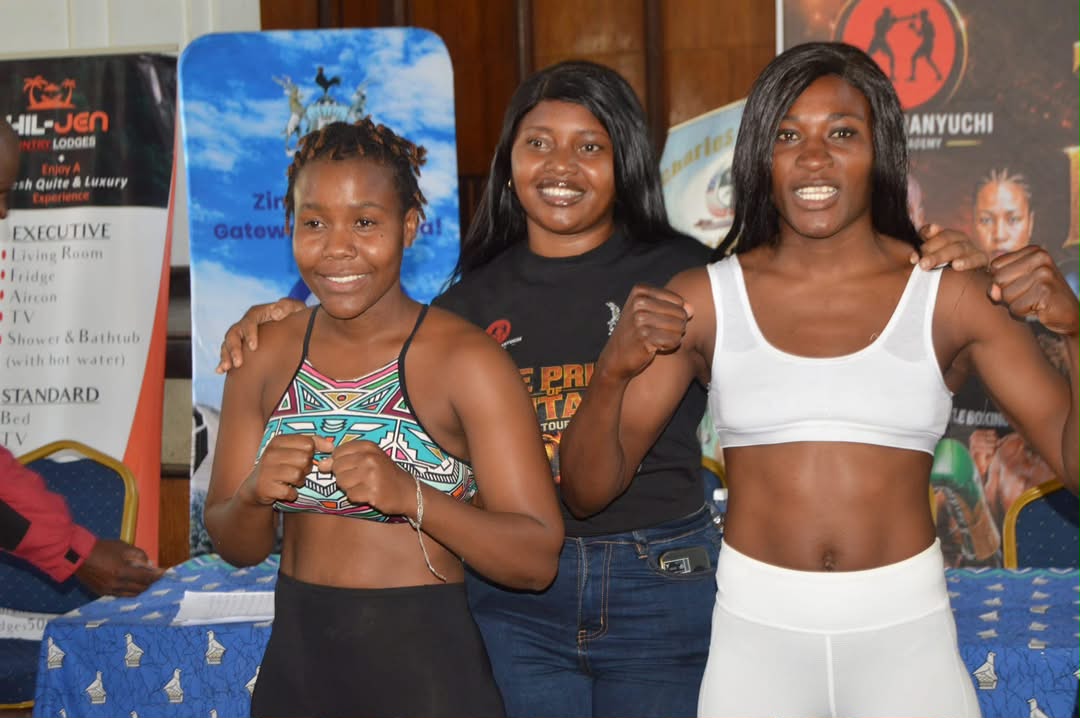
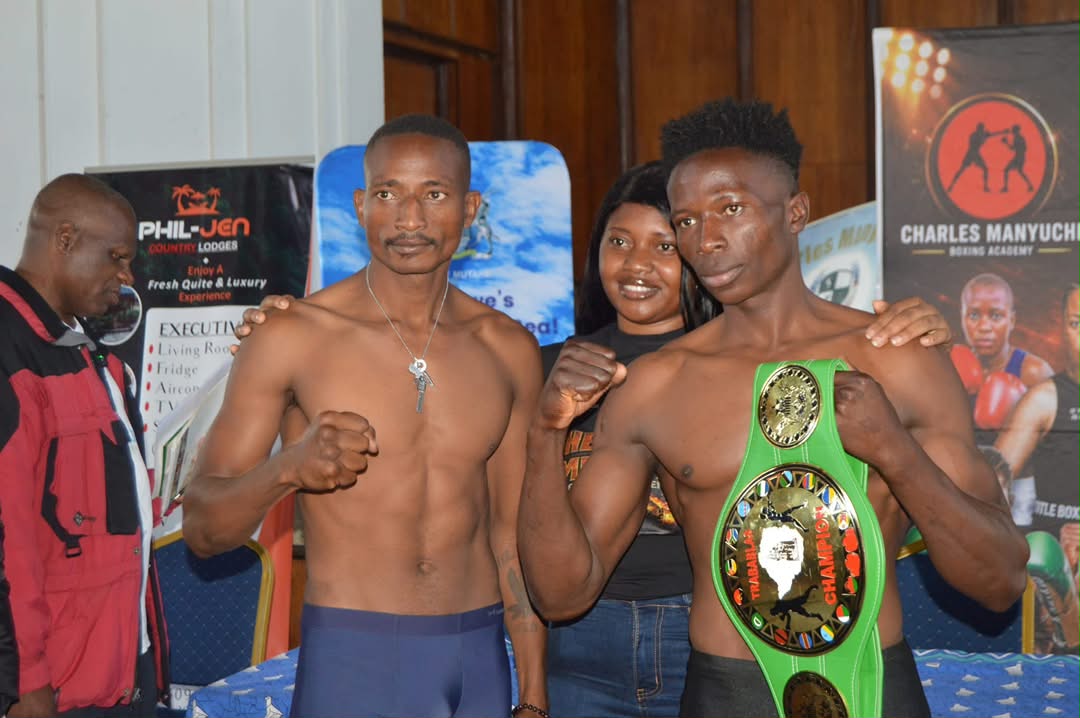
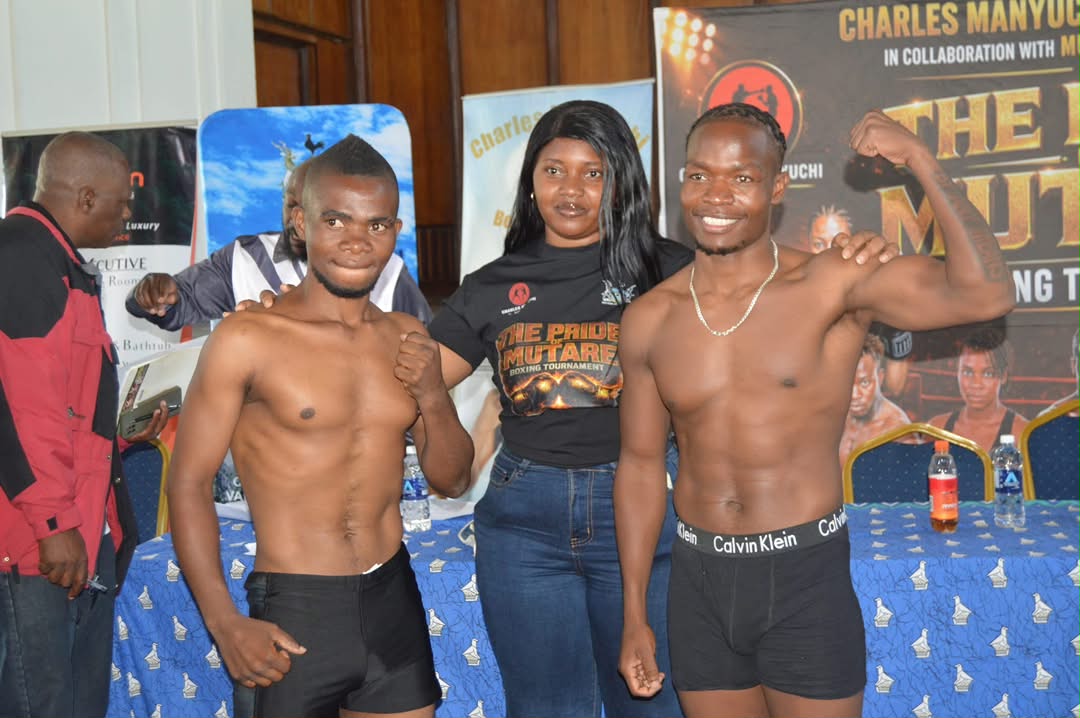
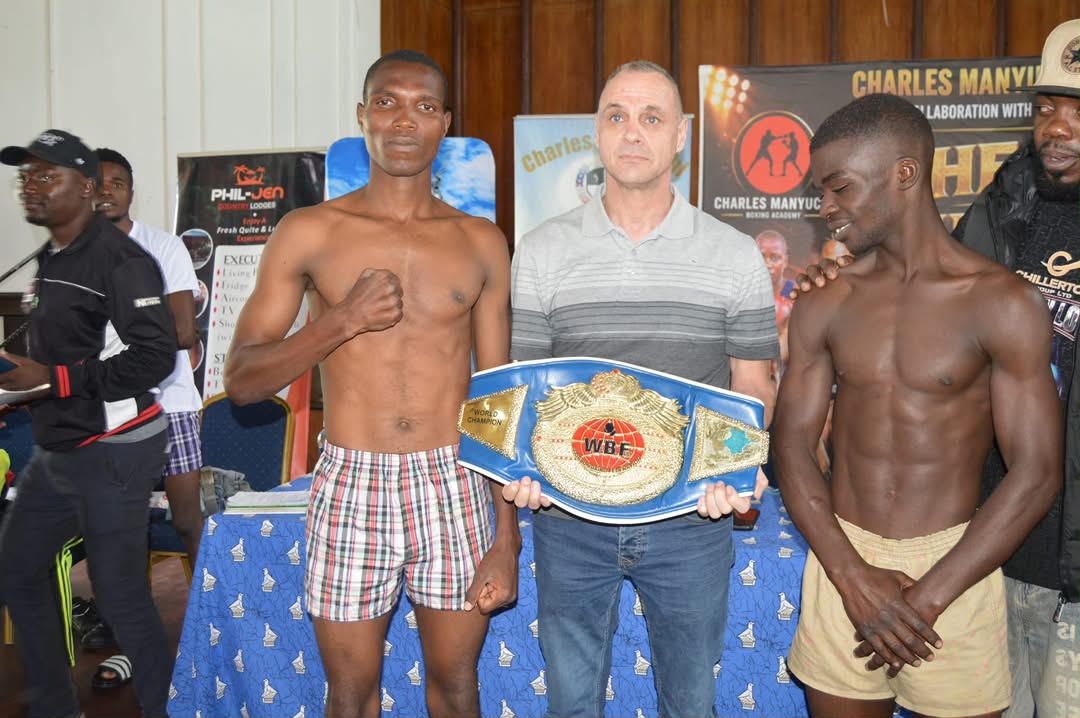
Today, Mutare is set to shine as it hosts The Pride of Mutare Boxing Tournament, an international showcase organised by the City of Mutare in partnership with the Charles Manyuchi Boxing Academy. The event will take place at Mutare Sports Club at 4:00 PM.
This landmark tournament, the first of its kind in Mutare, seeks to revive boxing in the Eastern Highlands and create pathways for young athletes through the establishment of the City of Mutare Boxing Academy.
Yesterday, all participating boxers completed the mandatory weigh-in at Mutare Hall, confirming their readiness for the big stage.
The Pride of Mutare will unite top boxing talent from across Southern Africa, with fighters from Zimbabwe, South Africa, Zambia, Malawi, and Tanzania set to showcase their skills in this prestigious event.
1
4
231


Apr 24
Please explain what happened. Our role as TN CyberTech relates to your transfers from bank to wallet. The transfers seem to have been initiated by you. I see that you sent money to one Indeed Manyuchi. Do you know him? Why did you send him your money? What was the underlying transaction?
4
14
9,617

Apr 22
DID YOU KNOW..MWENEZI, THE CULTURAL MELTING POT
Mwenezi District is located in Masvingo Province in southern Zimbabwe. It is a rural, lowveld area bisected by the Mwenezi River (a major tributary of the Limpopo River) and the A4 highway running toward Beitbridge. The district was originally known as Nuanetsi during the colonial era, a name that persists for the river in parts of Mozambique.
Pre-Colonial History
The dominant ethnic group today, the Hlengwe (a Tsonga/Shangaan-related people), migrated into the area over time. Their history includes movements and settlements affected by the 19th-century Mfecane (a period of widespread upheaval and migrations in southern Africa triggered by Zulu expansions under Shaka and subsequent conflicts). The Mfecane led to displacements and the mixing of groups, including Nguni, Tsonga, and other elements that contributed to Shangaan/Hlengwe identity.
Other cultural groups in or near Mwenezi include branches of the VaPfumbi (with chieftaincies like Maranda, linked to Venda or related dialects), Varemba (known for specific initiation and circumcision rites), and smaller presences of groups such as Shangani (Tsonga/Shangaan), Venda influences, and possibly Kalanga or Sotho connections in the broader lowveld/Limpopo basin. These groups maintained traditional leadership structures, agrarian practices, and cultural norms centered on kinship, initiation rites, and adaptation to the semi-arid environment.
Colonial Period
During the late 19th and early 20th centuries, the area came under the control of the British South Africa Company and later Southern Rhodesia. It was administered as the Nuanetsi District. Large-scale commercial ranches were established, with Nuanetsi Ranch at one point being among the largest cattle ranches in the world. The region was part of the "low country" or lowveld, characterized by tsetse fly challenges in earlier times, limited infrastructure, and a mix of communal lands and private estates.
Colonial rule brought displacements for some local communities, the imposition of native reserves (such as the Matibi area in northern Mwenezi), and economic shifts toward commercial agriculture and labor migration. Missionary and health initiatives, like those at Ndanga Hospital, extended into the broader southern region, including areas bordering Mwenezi. The Hlengwe and other groups experienced social and economic changes, including interactions with colonial authorities and the effects of broader Rhodesian policies.
The district remains known for its cultural diversity, with the Hlengwe as the main group alongside others. Cultural practices include initiation rites (e.g., among the Varemba), oral histories of migration, and adaptations to the lowveld environment. Sites like Manyuchi Dam on the Mwenezi River support local needs, while the area's history reflects broader themes of migration, resilience, and the interplay between tradition and modern development in southern Zimbabwe.
Overall, Mwenezi's history illustrates the layered influences of indigenous Bantu migrations (shaped by events like the Mfecane), colonial ranching economies, and post-independence land and social transformations, all set against a backdrop of diverse ethnic groups navigating a challenging semi-arid landscape.
8
14
2,052

Apr 17
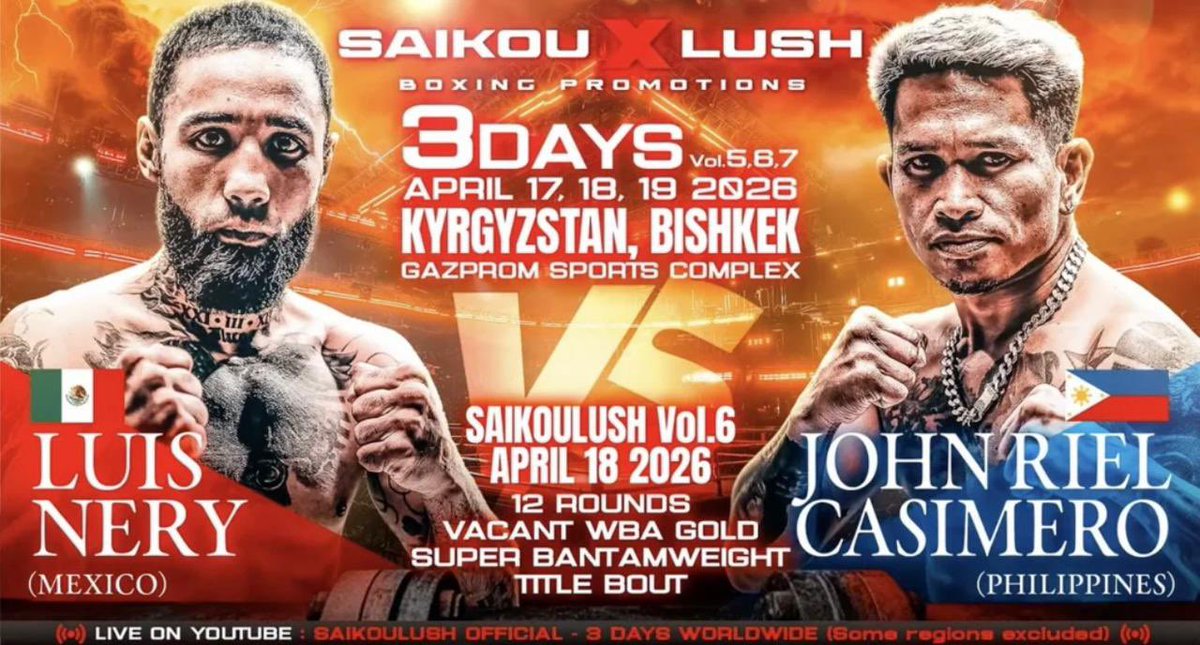
🗓️ Sábado 18/04
📌 Gazprom Sports Complex, Bishkek, Kyrgyzstan
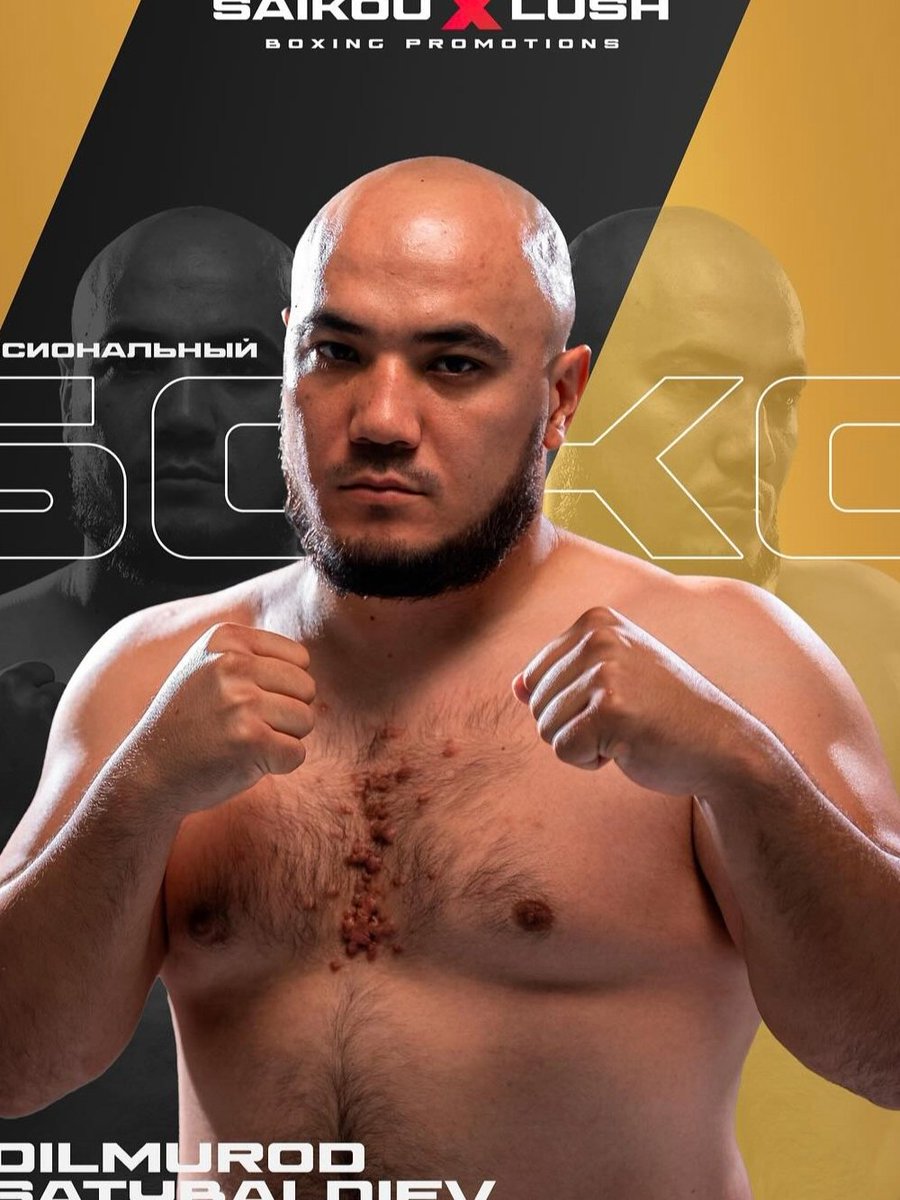
🛎️ Luis Nery vs John Riel Casimero Adrian Maximiliano Robledo vs Kyonosuke Kameda Dilmurod Satybaldiev vs Charles Manyuchi y más
📺 -
2
2
241

Apr 1
Since when did clowns like Manyuchi become constitutional law experts upon which Zimbabweans must rely.
3
10
1,068

Mar 21
Matifungisa dande
One time my ex akandisvikira ndina new bae on campus, ex akatanga musindo new bae akati i will defend you Engineer 🤣🤣 mwana aive manyuchi hake iyeye kwamuri ikoko Mrs M piwai coke 🙌🏼🤌🏿
2
2
15
2,602

Mar 6
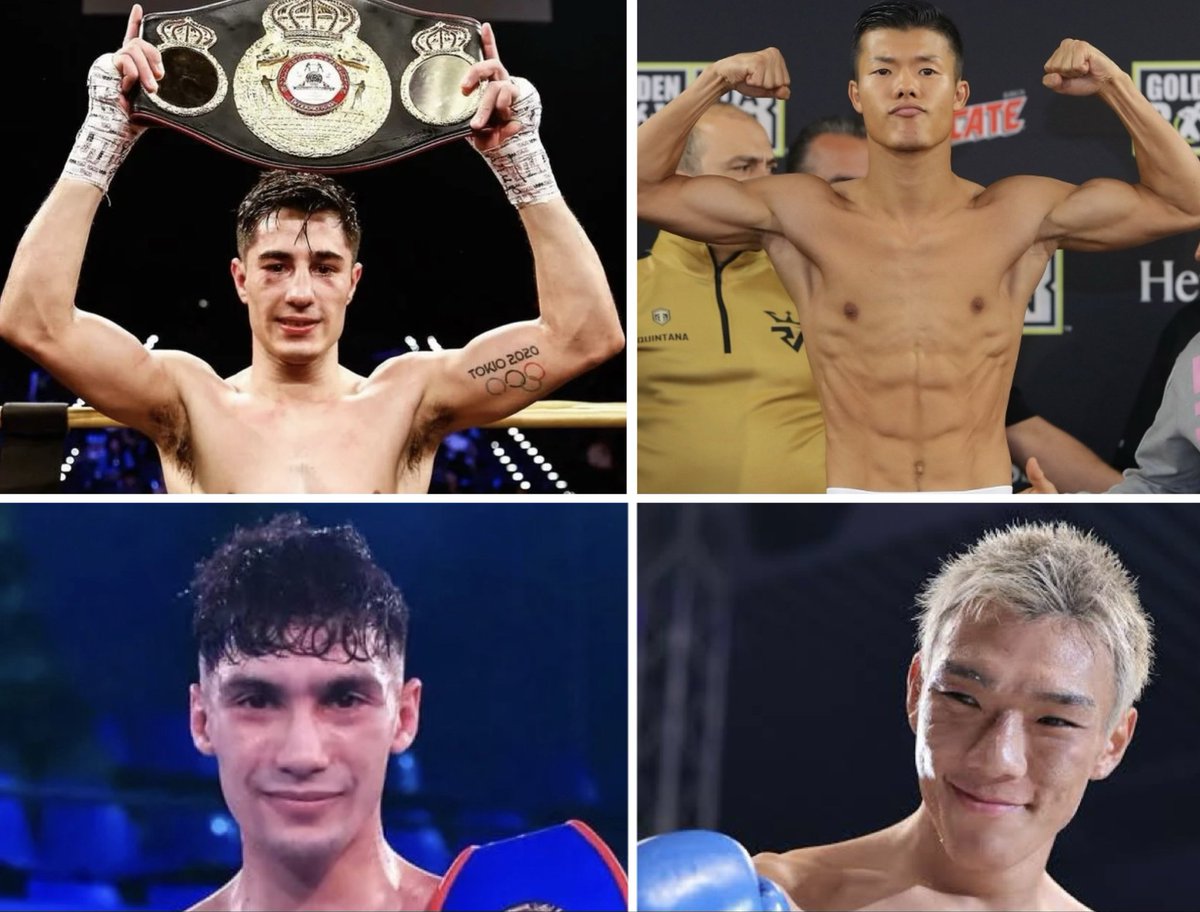
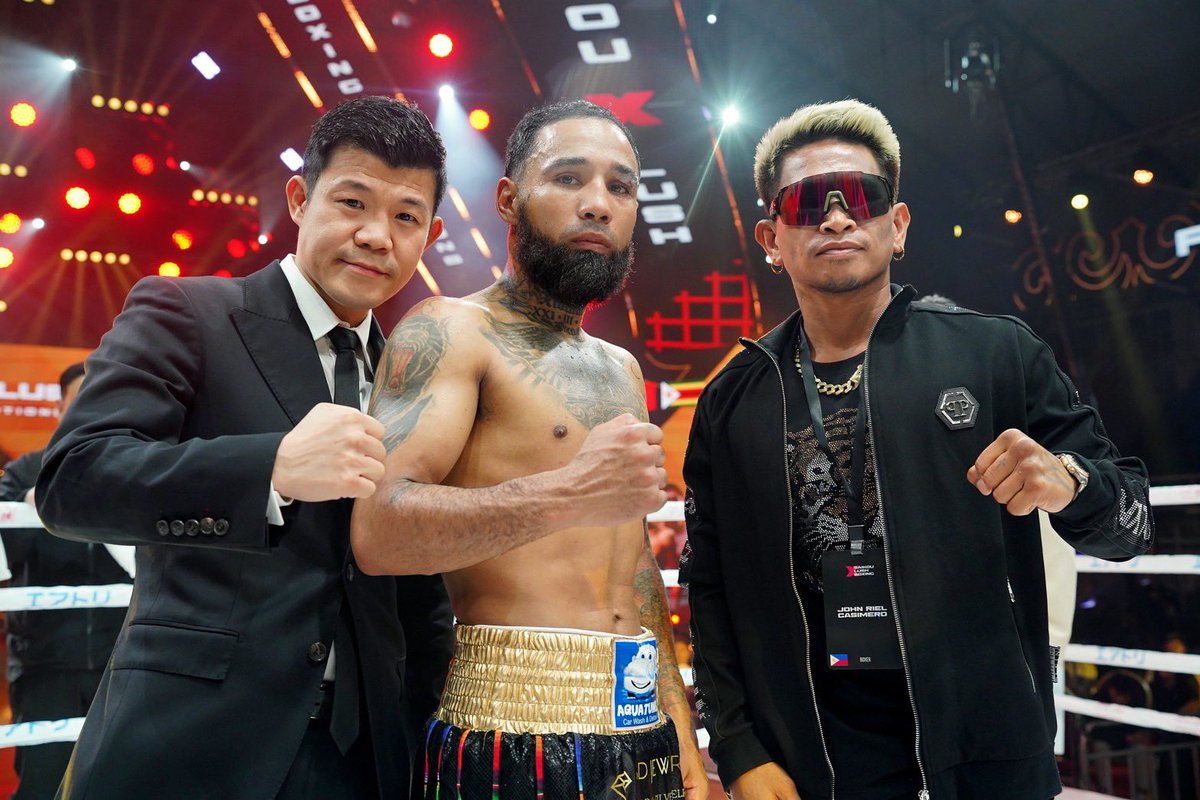
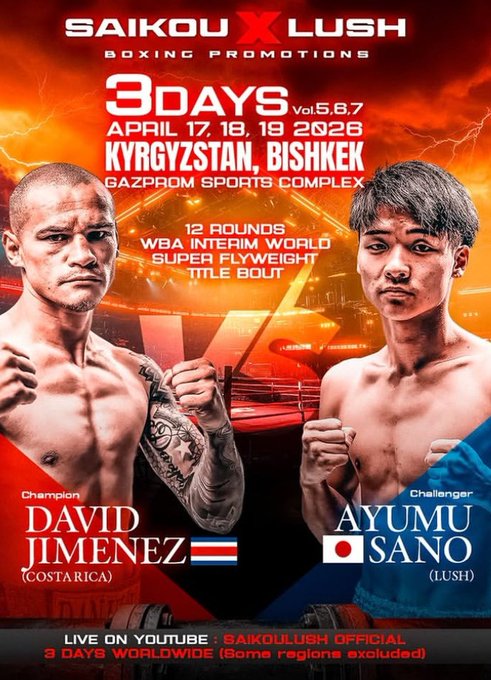
Day 1
April 17
Interim WBA featherweight Title Mirco Cuello vs Tomoki Kameda
WBA Gold featherweight title @box_kyo vs Maximiliano Robledo
Bibbosinov vs Dharma
Satybaldiev vs Manyuchi
Day 2
April 18
Nery v Casimero
Day 3
April 19
Interim wba title David Jimenez vs Ayumu Sano
1
3
17
5,454
Mar 6
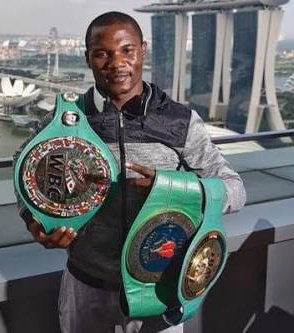
Dilmurod Satybaldiev 🇰🇬 vs Charles Manyuchi 🇿🇼 for the vacant WBA Asia Cruiserweight Title on April 17th in Kyrgyzstan
1
6
618

Feb 26
Goes to a Shop
Me : Ayse water gaurd alipo?
Shopkeeper: Ayi palibe…
Me : Maheu a Chocolate?
Shopkeeper: Palibenso…
Me : Oh okay, ndipase manyuchi.
😂😂🤣😂🤣
1
2
5
355

Feb 24
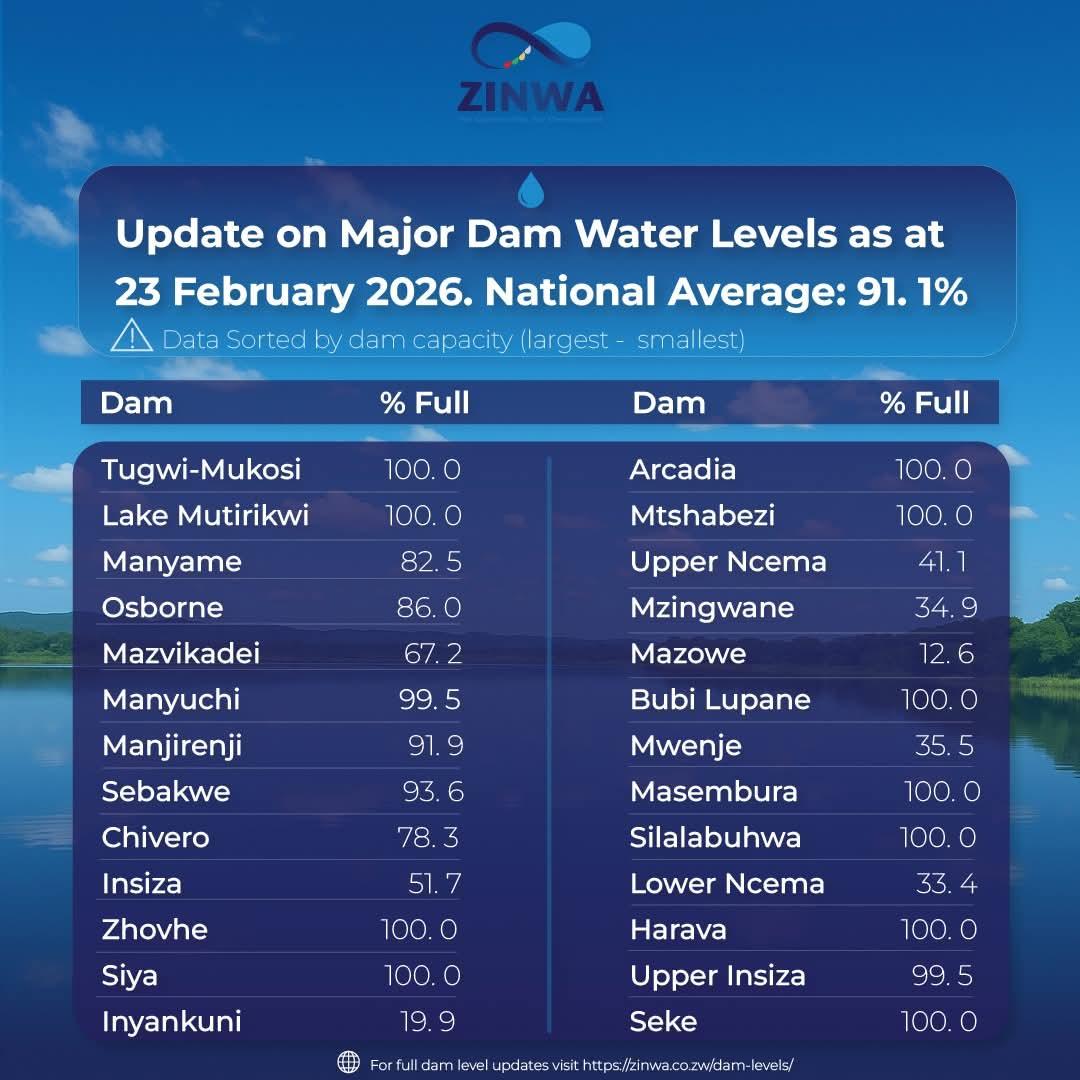
Major Dam Water Levels Update - 23 Feb 2026
National average now at 91.1%.
Several dams at 100%, including Tugwi-Mukosi, Lake Mutirikwi, and Manyuchi.
4
9
219

Feb 24
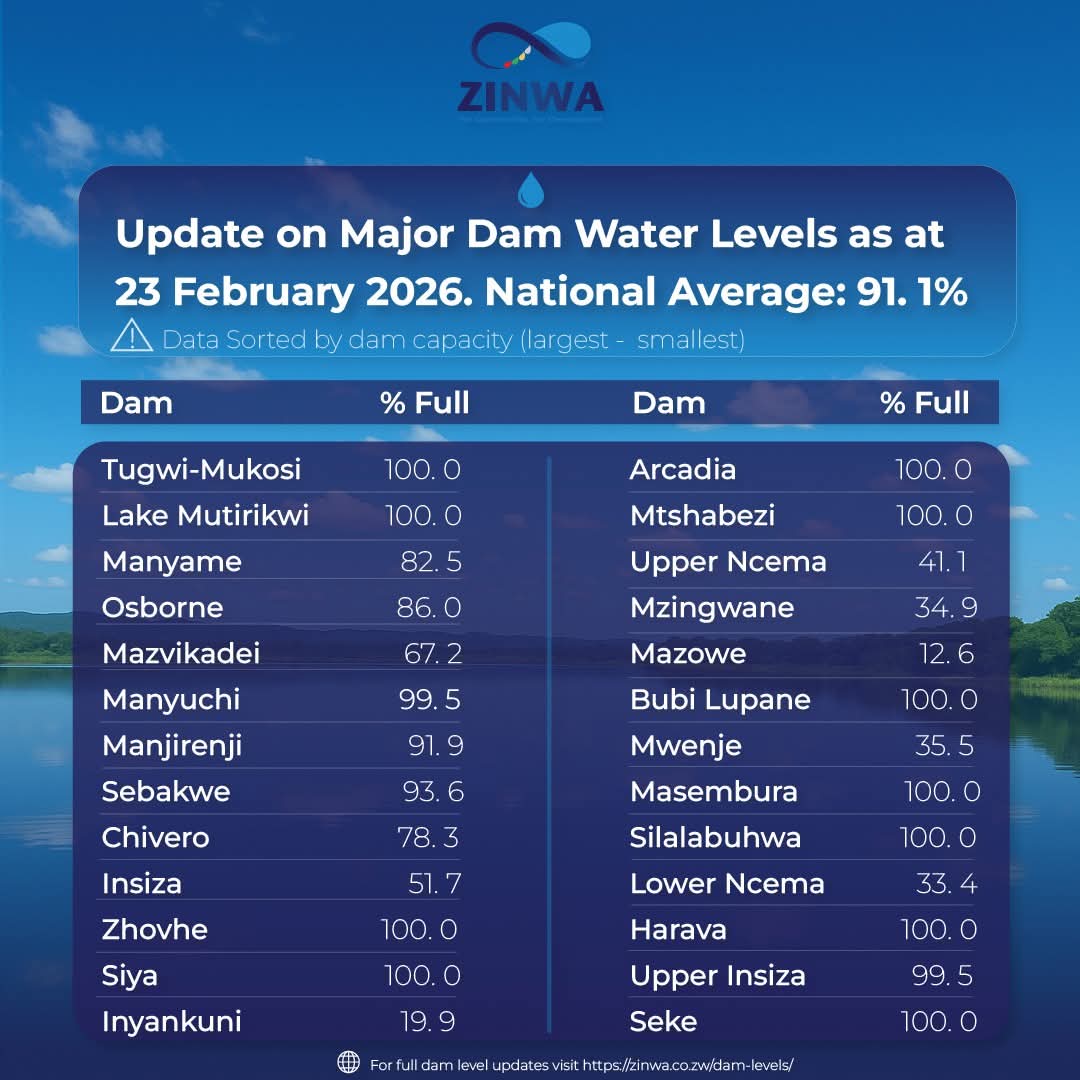
Major Dam Water Levels Update – 23 Feb 2026 💧
National average now at 91.1%.
Several dams at 100%, including Tugwi-Mukosi, Lake Mutirikwi, and Manyuchi.
Full updates: zinwa.co.zw/dam-levels/
#ZINWA #WaterUpdate #DamLevels
1
7
10
6,372