Russel Guse retweeted

Jun 10
Great catching up with Master Builders NT Chief Executive Officer Sallyann Innes and #MasterBuilders Australia National President Robert Shaw.
Thanks you for the work you do supporting your members and strengthening the building and construction industry across the Territory.

1
1
62

Jun 7
wenn du bei masterbuilders beleidigen willst aber nicht sicher bist ob das von deinem kollegen gebaut wurde

1
13
447

//Update 2
Added a few new groups and individuals
(Added groups: Viltrum Empire [dunno how I forgot about them], Syntax Logistics, The Absolute)
(Added individual: Illusionary)
Updated Icons for the following groups/People
(Phantom Rebels, MasterBuilders, Metaknights, TKiY)
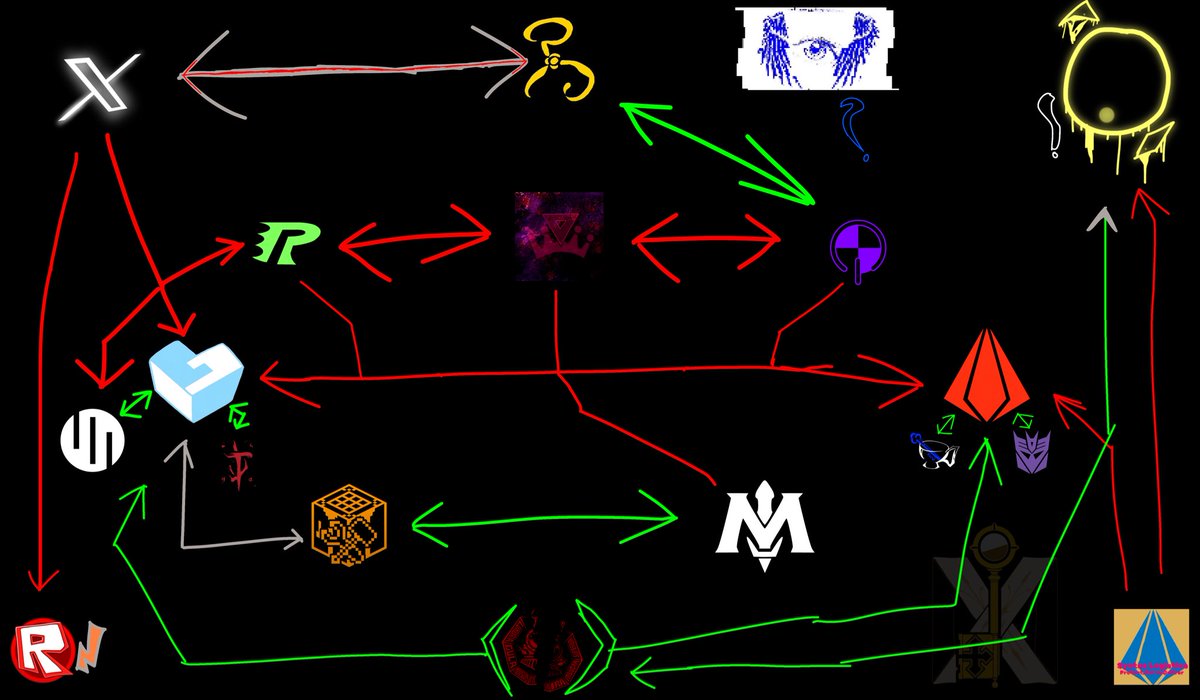

//Update 1, added a few factions that were left out, and one important individual)
(Added groups: Builders, Robloxia, Meta Knights, Secretency, Decepticons)
(Added individual: The King in Yellow)

11
7
33
3,036

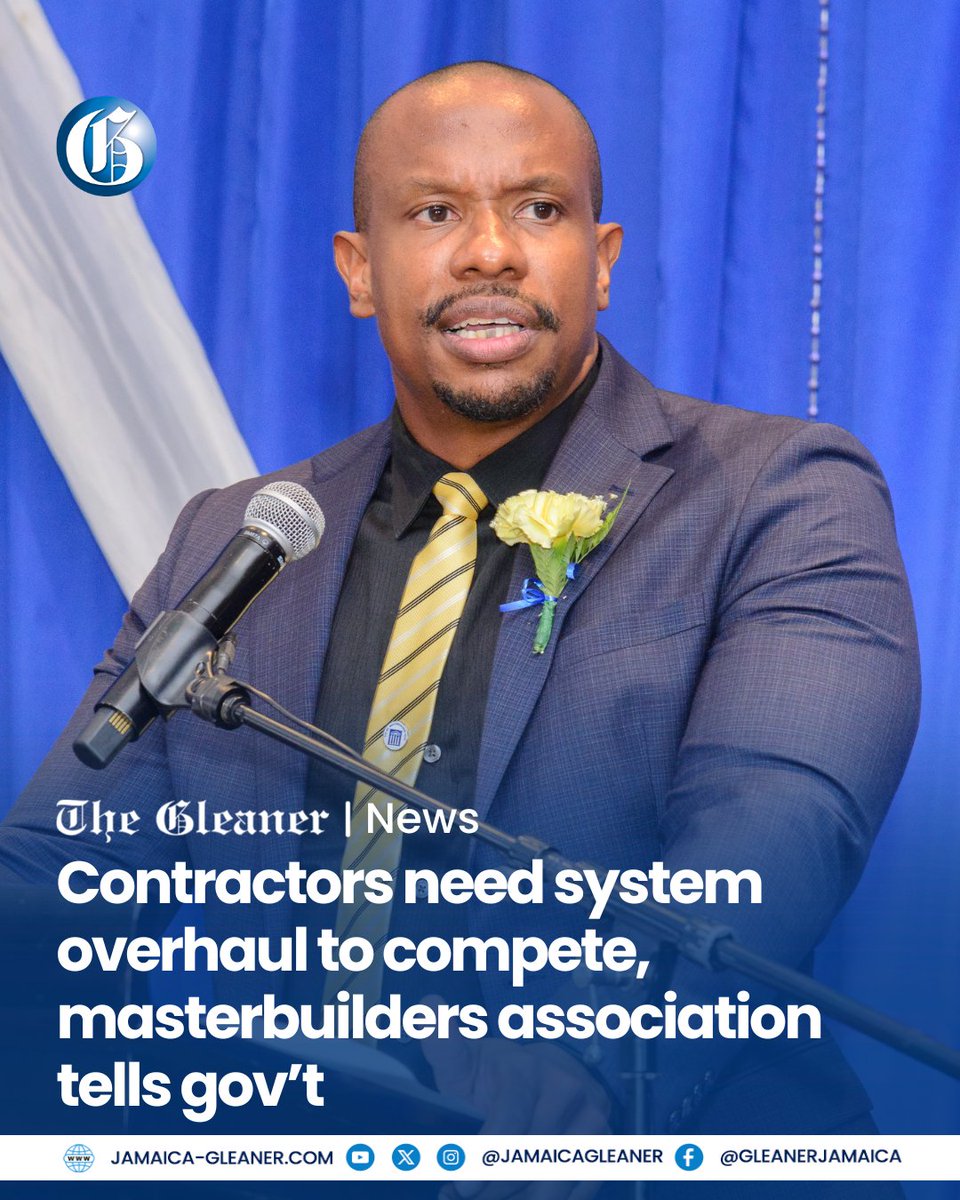
Richard Mullings, President of the Incorporated Masterbuilders Association of Jamaica (IMAJ), discussed his call for the Government to implement policies to strengthen local contractors and the construction sector. The appeal follows comments by Prime Minister Andrew Holness, with the association agreeing that meeting Jamaica’s housing and infrastructure needs will require contractors to operate at a higher level of scale and capacity. #SmileJamaica
4
1
5
1,034

The Incorporated Masterbuilders Association of Jamaica has described Prime Minister Dr Andrew Holness’ call for local contractors to invest in their firms to better compete for large-scale government projects as “timely”.
Read more: jamaica-gleaner.com/article/…
1
3
4
1,353

Apr 24
The shortage of cement currently constraining the pace of construction activity across the country is set to ease in the next three weeks. That's according to the Incorporated Masterbuilders Association of Jamaica, IMAJ.
READ MORE HERE: revonews.ai/news/cement-shor…

7
15
1,270
The Incorporated Masterbuilders Association of Jamaica is raising concerns over what it describes as a lack of consultation with local contractors in the establishment of the National Reconstruction and Resilience Authority.
Read more: jamaica-gleaner.com/article/… #GLNRToday

2
3
4
933

Apr 23
The Incorporated Masterbuilders Association of Jamaica says following a meeting on Wednesday with executives of Caribbean Cement Company Limited, it has been assured that the current cement shortage should ease by next month.
jamaicaobserver.com/2026/04/…
1
4
1,198
Apr 10
Works Minister Robert Morgan has largely dismissed The Incorporated Masterbuilders' Association of Jamaica's criticisms of the National Reconstruction and Resilience Authority, NaRRA.
READ MORE HERE: ow.ly/6V3n50YHjRC

1
4
20
1,995
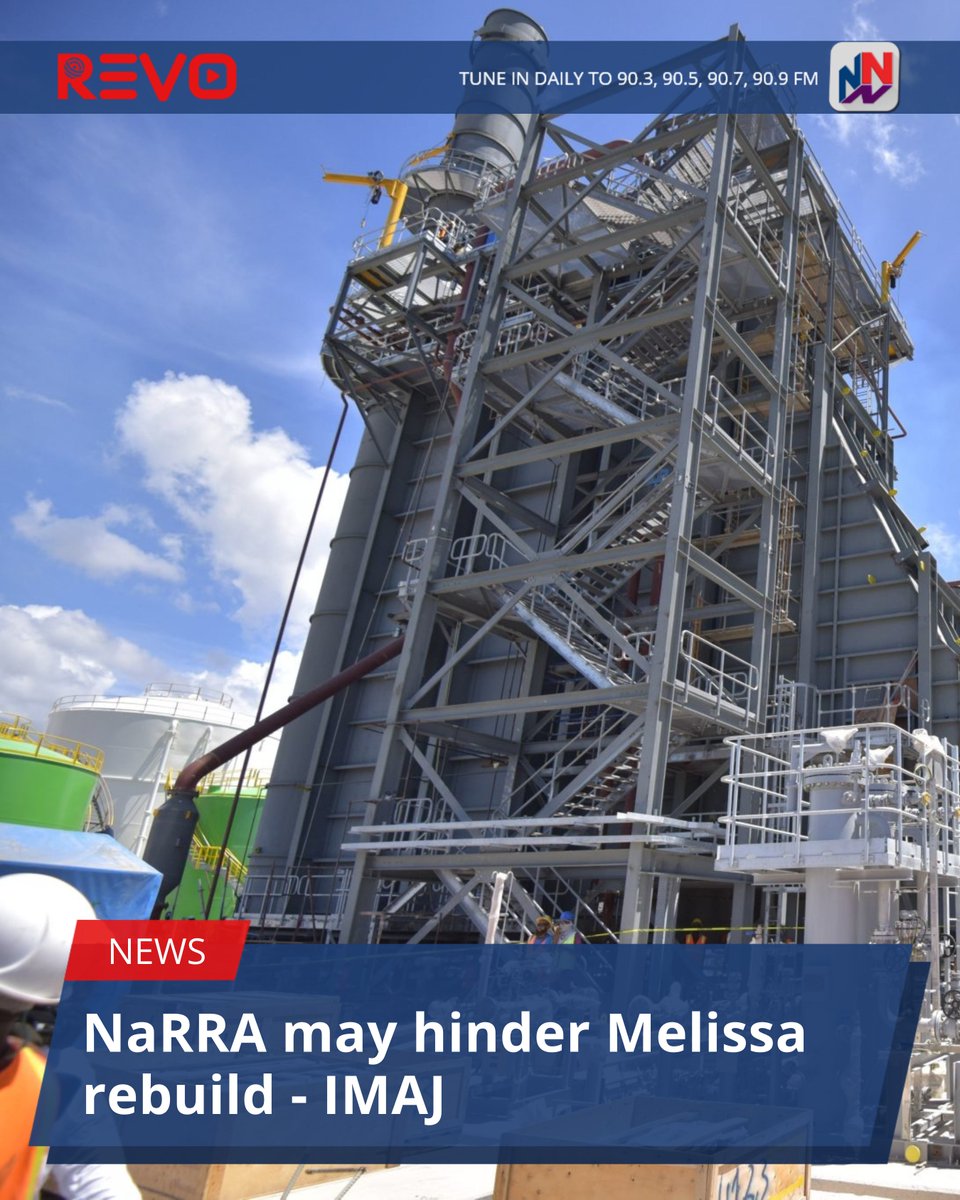
The Incorporated Masterbuilders Association of Jamaica, IMAJ, says Jamaica’s push to build back better after Hurricane Melissa risks falling short under the proposed NaRRA legislation.
READ MORE HERE: revonews.ai/news/narra-may-h…
3
5
5
2,089



Fender masterbuilders on why relic’d guitars aren’t about “stolen valour”: “Those who like it aren’t thinking, ‘I want this instrument to look like I’ve played it for 60 years.’ They just think it’s cool” - Guitar.com apple.news/AL9_WBTxkSka75LDZ…
2
32

#AncientEgypt #MasterBuilders #GalacticFederationOfLight #Knowledge #Light #Elohim
familyoftaygeta.com/akatu-th…
“Many Waking Dreams Ago…”
The areas beneath the great pyramid is a magnificent place!!
A chamber of harmonics where tones, colors and frequencies align to guide crafts as well as communicate to stars back home!!
Here an incoming craft shows off a little! They phase shift and kick up some sand as they move to hover over the magnificent cap stone!!
They use the frequencies to energize their crystals and open a portal back to their home star!
💠🛸💙🌏🌏🌏🌏🛸💠
6
16
68
1,594

1 Corinthians 3:9 Commentary
Verse Quoted in KJV
“For we are labourers together with God: ye are God’s husbandry, ye are God’s building.” (1 Corinthians 3:9)
Detailed Exegesis of Each Phrase
“For we are labourers together with God:”
Paul now gathers up what he has been saying about planting, watering, and increase and gives the Corinthians the right framework for ministry. “For we are labourers together with God.” That does not mean Paul and Apollos were little partners on equal footing with the Almighty, as though God supplied part and they supplied the rest in some balanced contract. It means they were fellow workers under God, engaged in God’s work, serving in God’s field, according to God’s assignment, with God as the ultimate source of life and fruit. The labor is real, but the labor remains under divine authority and dependent on divine power.
This phrase is beautiful because it keeps two truths together that men are always trying to pull apart. On one side, it keeps ministry from becoming lazy. If we are labourers, then we must work. On the other side, it keeps ministry from becoming proud. If we are labourers with God, then the work is not ours in the ultimate sense, the power is not ours, and the glory is not ours. We are in the field, but it is His field. We are working, but He is the Lord of the harvest.
There is also a rebuke here to all rivalry among faithful servants. Paul and Apollos were not building competing kingdoms. They were labourers together with God. That means the Corinthians’ party spirit was not only fleshly. It was irrational. They were trying to divide men whom God had joined in one work. The planter and the waterer were not enemies. They were co-laborers under the same Lord.
“ye are God’s husbandry,”
Now Paul turns from the laborers to the people being labored among. “Ye are God’s husbandry.” The word points to a cultivated field, a tilled plot, a farm under care, a piece of ground being worked for fruitfulness. The Corinthians had been acting like they were a debating society choosing favorite speakers. Paul says, no, you are not a spectator crowd. You are a field. You are the place where God is working for growth, fruit, and maturity.
That is humbling. A field does not boast in the plowman, nor does it choose sides between the man who sowed and the man who watered. The field is there to be worked by God through His servants. Paul is reminding them that they are not the masters of the ministry process. They are the object of it. They are the ground God is cultivating. That should have crushed their vanity. Instead of strutting around saying, I am of Paul, and I am of Apollos, they should have been asking whether they were actually bearing fruit under God’s hand.
This agricultural image also emphasizes growth. A field is expected to produce something. Ground that is plowed, seeded, and watered is not being handled for decoration. It is being worked toward fruitfulness. So when Paul calls them God’s husbandry, he is saying, God did not save you so you could remain barren, childish, factional, and fleshly. He is cultivating you for something. He is working toward growth in you.
“ye are God’s building.”
Now Paul shifts the image from agriculture to architecture. The Corinthians are not only God’s field. They are God’s building. The field image emphasized growth and fruitfulness. The building image emphasizes structure, order, foundation, and careful construction. This prepares the way for the next verses, where Paul will speak about wise masterbuilders, foundations, and materials.
Again, the possessive is everything. They are God’s building. Not Paul’s building. Not Apollos’ building. Not the property of whatever party in Corinth happened to like one minister over another. God’s building. That means the church belongs to Him in ownership, design, purpose, and final accountability. Men may labor in it, but
2
1
2
382

Makes little difference since he states what's different, for him, between the two: the architect plans the building inside his head first. Irrelevant if he was referring to architects as we know them today or that aspect already existing in masterbuilders.
2
293

Feb 25
You should have been one months ago 😂
@MannyBernabe @raymmar @Franciscocrz you've got both Blumson brothers now Master builders. What could possibly go wrong? 😂😂😂
#Replit #Brothers #MasterBuilders
1
4
58

Feb 24
Have you noticed that whenever some strategy introduced to the church fails to deliver on it’s promises, that there is a tendency for Wilderness ministers to point the finger of blame at some perceived lack in your faith?
God is laying bare the habit of Wilderness Ministers to pass the buck to the believers who follow them. In so doing, He is uncovering their inability to establish your faith in Jesus’ covenant; where you are freed from the bondage to sin and death, and prepared to enter back into His Bosom with Christ.
God’s strategy never points to you: it points to Jesus Christ as our Lord and Saviour. It points to Him as our covenant refuge, wherein we are free to explore God’s limitless love and where our faith is made perfect.
In her recent article, titled “Here’s the Real Reason Why Some People Break free from Spiritual Bondage and Others stay Stuck for Years”, Katie Souza demonstrates two common habits of these wandering Wilderness Ministers:
the blame game and
course correction.
She absolves herself from teaching false doctrine by suggesting that unbelief is the reason you are unable to break free from spiritual bondage.
Course correction: is to really believe: then you are “going to see stuff break off you that has been there for a long time.”
This is not knowledge for faith. This is cover up and course correction, inving you to wander down yet another potential path of promise.
When God’s real apostles (those who instruct your faith according to Jesus’s covenant terms) give you knowledge for faith, they do not use vague and ambiguious language: but clear and simple instruction in the doctrine of Christ and function of faith. They are anointed of God: given His blueprint of truth as masterbuilders of His house. (1 Corinthians 3:10)
Telling someone to really believe without teaching them what it means to believe, is meaningless.
The apostles of God do not leave you floundering in faith. They will teach you that to believe in Jesus means these 3 things: to acknowledge; mold with, and submit to. Believing is the combination of all three.
They would teach you that believing in Jesus is contingent upon the stewardship, terms, tools, and priesthood of the new covenant. Confidence and trust come through this contact to enable us to mold our expectation according to the mind of God.
They would teach you that to believe in Jesus is to submit your will to the righteous judgements of God for regeneration, allowing Him to form Christ within your hearts as you use His tools. Submitting to grace in each cycle of growth humbles the will to God as he writes His commandments of mercy and peace within our hearts and minds.
Are you ready to cast off Satan’s heavy yoke of bondage and respond to Jesus’ call to covenant for peace and rest?
Matthew 11:
29 Take my yoke upon you, and learn of me; for I am meek and lowly in heart: and ye shall find rest unto your souls.
30 For my yoke is easy, and my burden is light.
s8w.org/steps-to-covenant/
#covenant #peace #rest #JesusChrist #S8W #LoveofGod
Feb 11

Katie Souza urged Christians to move beyond simply reciting these verses and to truly believe in and apply them as spiritual weapons. @KatieSouza111 zurl.co/PWev1
14
18
200

Jan 22
Yeah I read the 2023 paper, not the article citing it and I get why people would be misled. Scientists and historians completely understood why lime clasts were in there, they just assumed it was due to improper mixing and that it didn’t have an effect on the end product, attributing some of the self-curing properties to the volcanic ash used.
The paper does not insinuates that:
A: it was done on purpose
B: Roman mixtures are stronger than modern ones
C: the method of using lime was lost to time
D: Rome had better roads than modern alternatives
Which are my main gripes about the post I quoted.
We used quicklime concrete until the mid 1800s because we knew it self-cured, and it’s been used often, long before 2023, to repair historical buildings because of that property among others.
Here is an article from the university of Auckland in 2010, utilizing a source written in 1977, explaining that we knew lime was used in Roman structures and that it had self-curing properties. Henry J Cowan who wrote “The Masterbuilders” talks about it in the book he published in 1977.
awa.auckland.ac.nz/index.php…
It’s always a pain, but when it comes to weird things like this deep research is really required, so I don’t blame people for the mix up. My ire is really just with ahistorical Romaboos that hate the mythical “germanics” or other ethnicities they oddly rally against.
1
2
75
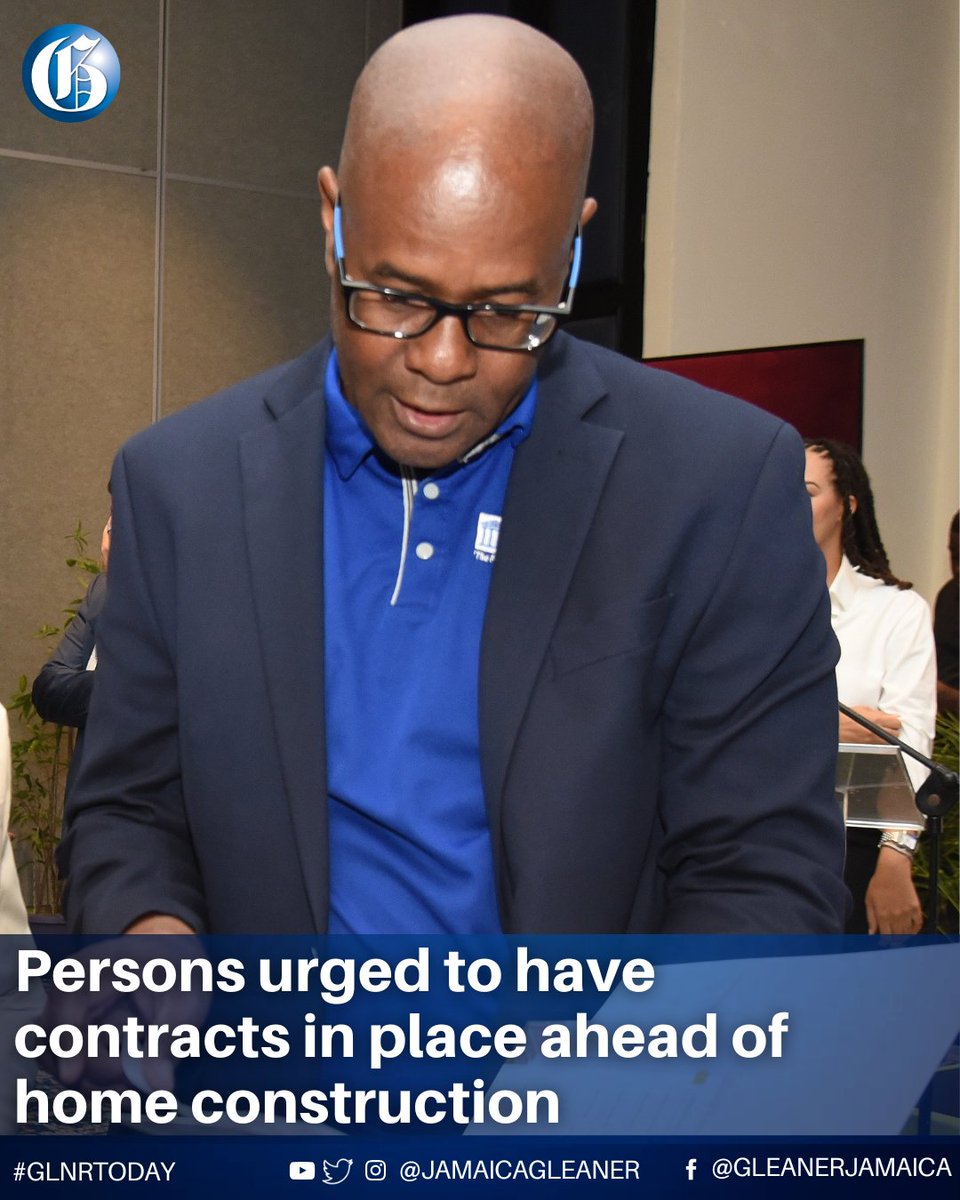
The Incorporated Masterbuilders Association of Jamaica is calling on Jamaicans to ensure they have a formal written contract in place before beginning any home construction, expansion or renovation project.
Read more: jamaica-gleaner.com/article/…
2
7
1,471