Why does Slovak subtraction homework still turn into a paperwork exercise?
Take a simple one:
5,000 − 236
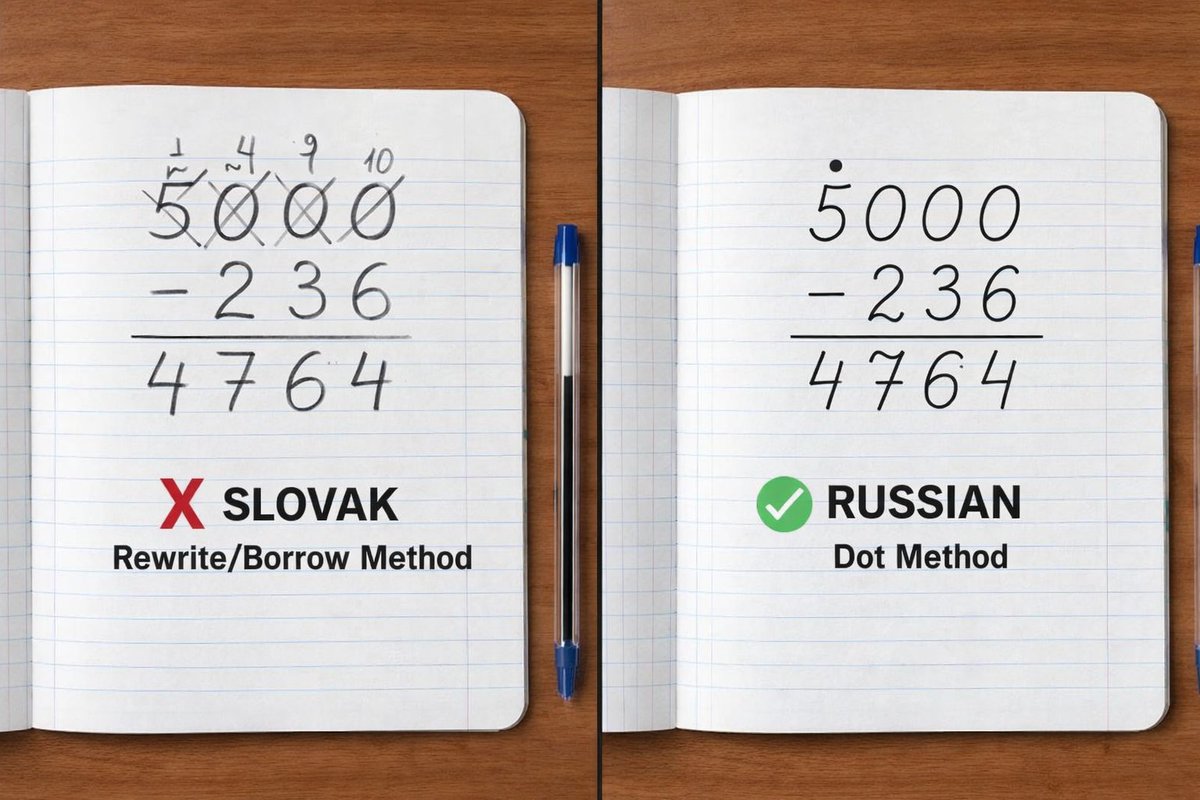
In many Slovak classrooms (and broadly Central European practice), kids are taught the rewrite-and-borrow routine:
* Cross out the 5, write 4
* Turn the next 0 into 10, then cross it out into 9
* Repeat across zeros
* Sprinkle little numbers above the line like bookkeeping annotations
It works — but the page ends up looking like a spreadsheet audit, not math. The student spends more effort tracking edits than understanding place value.
Now compare that with the classic Russian dot method (as in Kiselev):
❌ Slovak “Rewrite/Borrow” Method
You physically modify digits as you borrow:
* rewrite 5 → 4
* rewrite 0 → 9
* rewrite 0 → 9
* last 0 → 10
Lots of visual noise. Lots of chances to lose the thread.
✅ Russian “Dot” Method
You don’t vandalize the number.
You just:
* Put one dot above the 5 to mark that you borrowed through the zeros.
* The logic is then clean and consistent:
* the 5 becomes 4
* the crossed zeros become 9s
* the last zero becomes 10
* and you subtract normally
Same arithmetic. Less clerical work. More place-value thinking.
That’s the real difference:
One method trains editing. The other trains structure.
We’re finalizing a US-focused translation of Kiselev’s Arithmetic — not just translating text, but restoring techniques that treat students like they can actually think.
Math shouldn’t be a war on paper. It should be elegant.
Learn school math properly: valeman.gumroad.com/l/arithm…
#MathEducation #Kiselev #Arithmetic #Homeschooling #EdTech #MathReform #PlaceValue #TeachingMath
1
3
693

31 Dec 2025
Why does American math homework look like a battlefield?
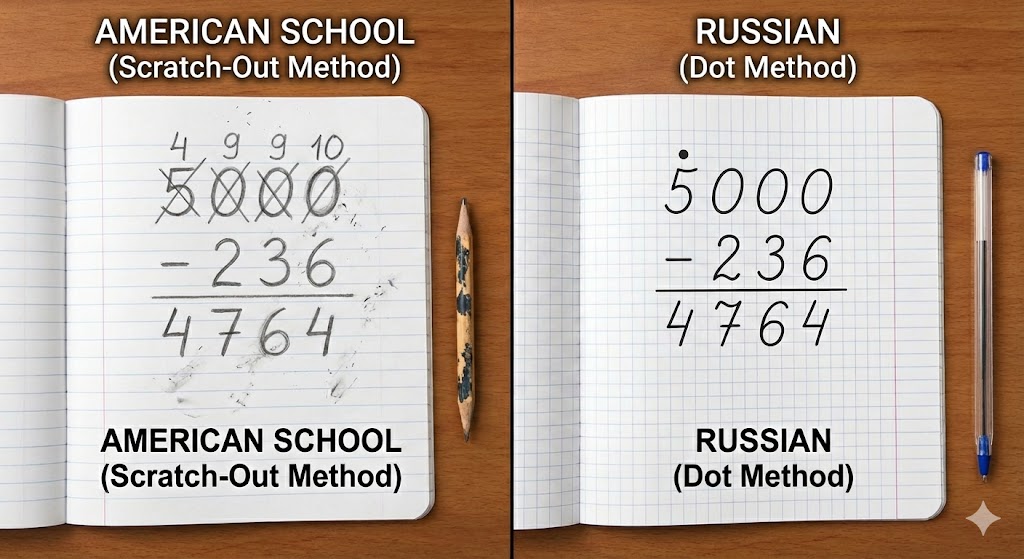
If you look at a US student’s worksheet after a subtraction test, it’s a mess of crossed-out numbers, tiny floating 1s, and graphite smudges. We teach kids to "explode" the numbers just to solve 5,000−236.
By the time they finish borrowing, they’ve done so much bookkeeping they forget what they were subtracting.
There is a better way.
In Kiselev’s classic Arithmetic (the gold standard of Russian math education), the page remains pristine. They don’t scratch out digits. They use The Dot.
Here is the difference:
❌ The "Scratch-Out" Method (Standard US): To borrow across zeros, the student physically crosses out the 5, writes a 4, crosses out a 0, writes a 9, crosses out another 0... It’s visual noise. It treats the student like they can’t hold a thought in their head.
✅ The "Dot" Method (Kiselev): The student sees they need to borrow. They place a single dot over the 5. That’s it. The logic handles the rest: “I borrowed across zeros, so the dot reduces the source by 1, and the middle zeros become 9s.”
It is faster. It is cleaner. But most importantly, it teaches Place Value Logic instead of clerical scratching.
We are currently finalizing the translation of Kiselev’s Arithmetic for a new US audience. We aren't just translating words; we are recovering tools that respect a student’s intelligence.
Math shouldn’t be a war on paper. It should be elegant.
Register here to learn school math properly very soon: valeman.gumroad.com/
#MathEducation #Kiselev #EdTech #Homeschooling #MathReform #Arithmetic
1
5
17
3,706

28 Oct 2024
"One Math Fits All" Policy:
- Future lawyer? Solve quadratics
- Aspiring writer? Here's algebra
- Budding artist? Trigonometry or bust
- Future historian? Better love Pythagoras
The Real Impact:
1. Student Casualties:
- Brilliant minds blocked
- Creative talents wasted
- Future leaders lost
- All over one subject
2. Current System Logic:
"Can't factor polynomials?
No degree for you!
Can't solve for x?
No future for you!"
Better Approach Needed:
1. Multiple Streams:
- Core Math (basic numeracy)
- Advanced Math (STEM path)
- Applied Math (practical skills)
- Math Literacy (functional numeracy)
2. Like Sciences:
- Bio/Chem/Physics separate
- Choose what you need
- Match your path
- Build your future
Remember:
"Not everyone needs to calculate
The hypotenuse of a triangle
To contribute to society!"
#MathReform #EducationForAll #UnlockPotential
Because nothing says "education system failure" quite like blocking future novelists over quadratic equations! 📚🔢
2
3
13
1,763

10 Aug 2023
Mathematics Correction: California's Math Framework is a fundamental miscalculation, says Thomas B. Fordham Institute policy analyst Daniel Buck @educationgadfly #mathed #mathreform city-journal.org/article/cal…
1
3
13
1,071

3 May 2023
The whole point of a grade is to communicate how well Johnny knows Algebra 1. Hmwk doesn’t tell you that; it’s practice. All the lateness, preparation, behavior stuff is a separate “Habits of Work” grade. Don’t average linear systems with late to class.
#mathreform #grading
3
84

13 Mar 2023
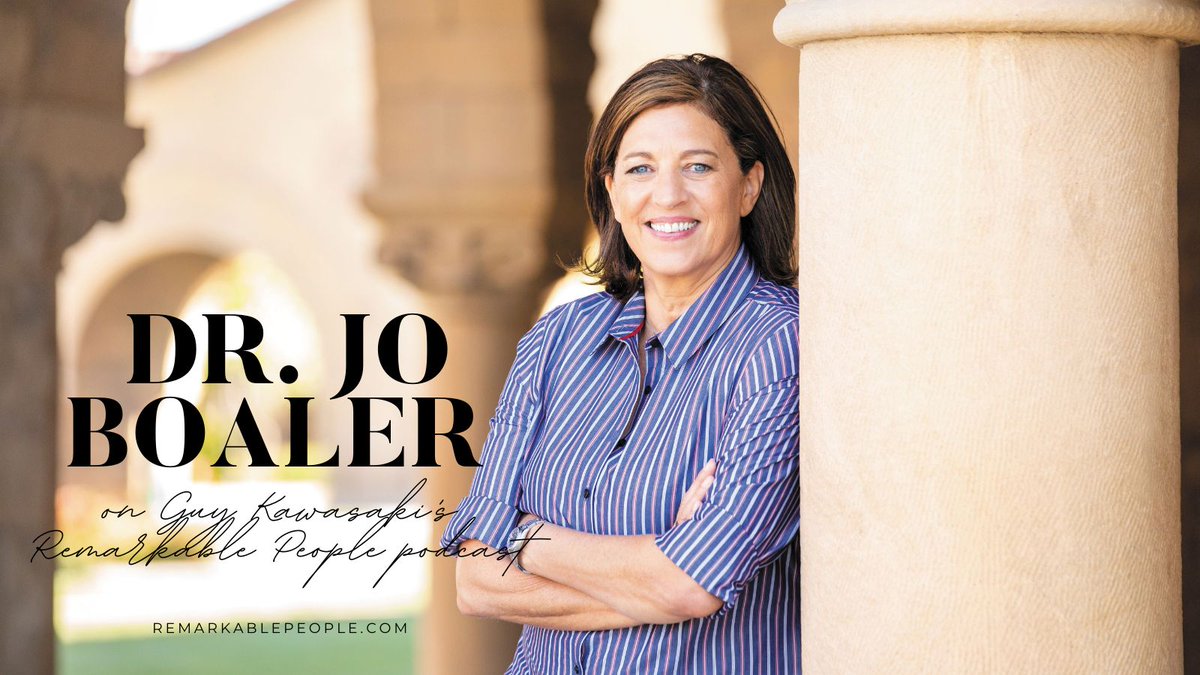
Learn how @joboaler fought back against academic bullying from male colleagues and won. #stem #mathreform
Follow this link ⏩ remarkable-people.simplecast… to listen
2
6
17
28,221
4 Jun 2022
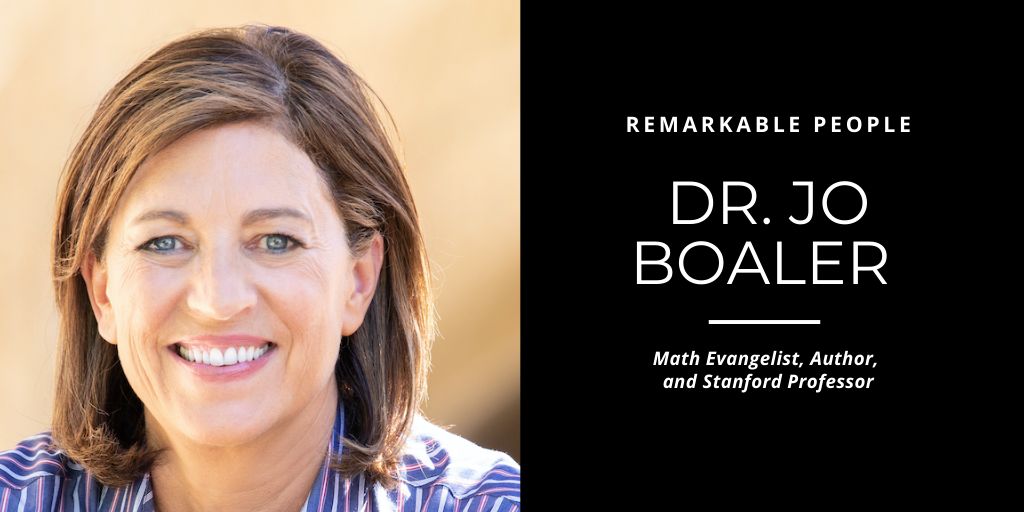
Learn how @joboaler fought back against academic bullying from male colleagues and won. #stem #mathreform
Follow this link ⏩ remarkable-people.simplecast… to listen
3
2
13
16 Oct 2021
Learn how @joboaler fought back against academic bullying from male colleagues and won. #stem #mathreform
Follow this link ⏩ remarkable-people.simplecast… to listen
1
3
8
9 Jun 2021
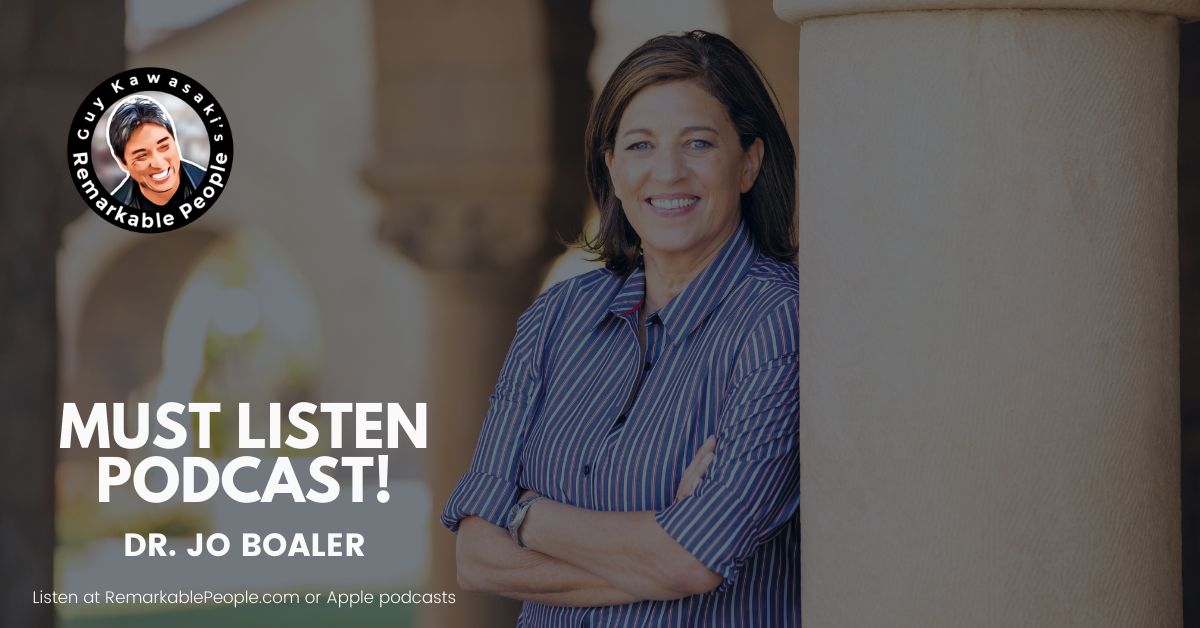
Learn how @joboaler fought back against academic bullying from male colleagues and won. #stem #mathreform
Follow this link ⏩ bit.ly/3fRPby8 #remarkablepeople #podcast
2
3
9

5 Mar 2020
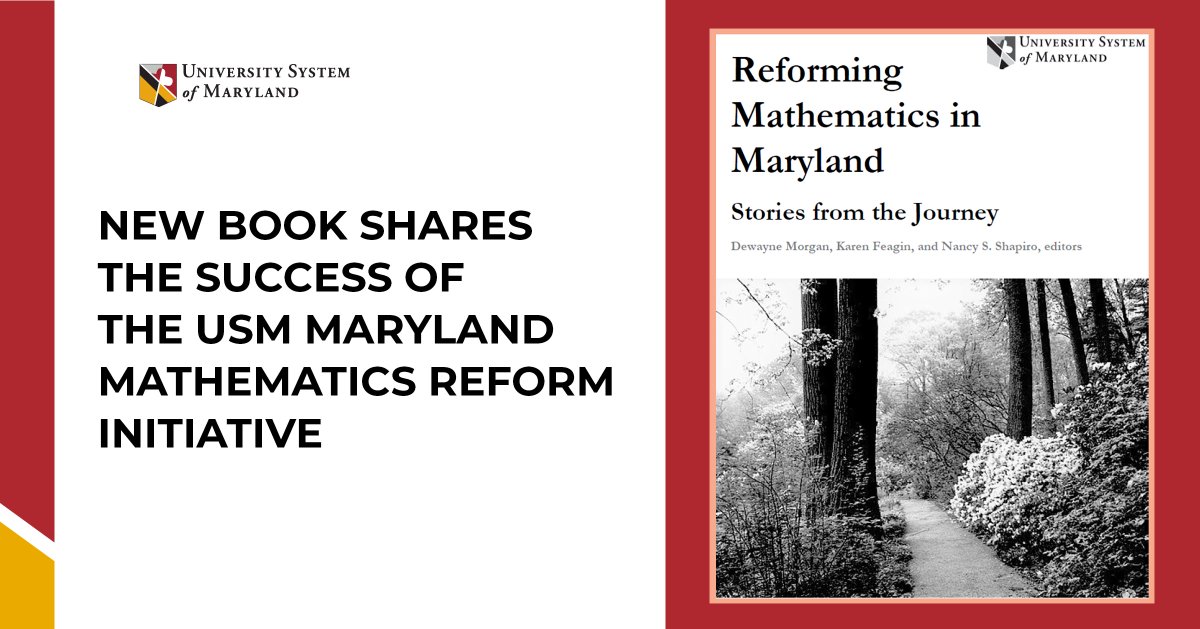
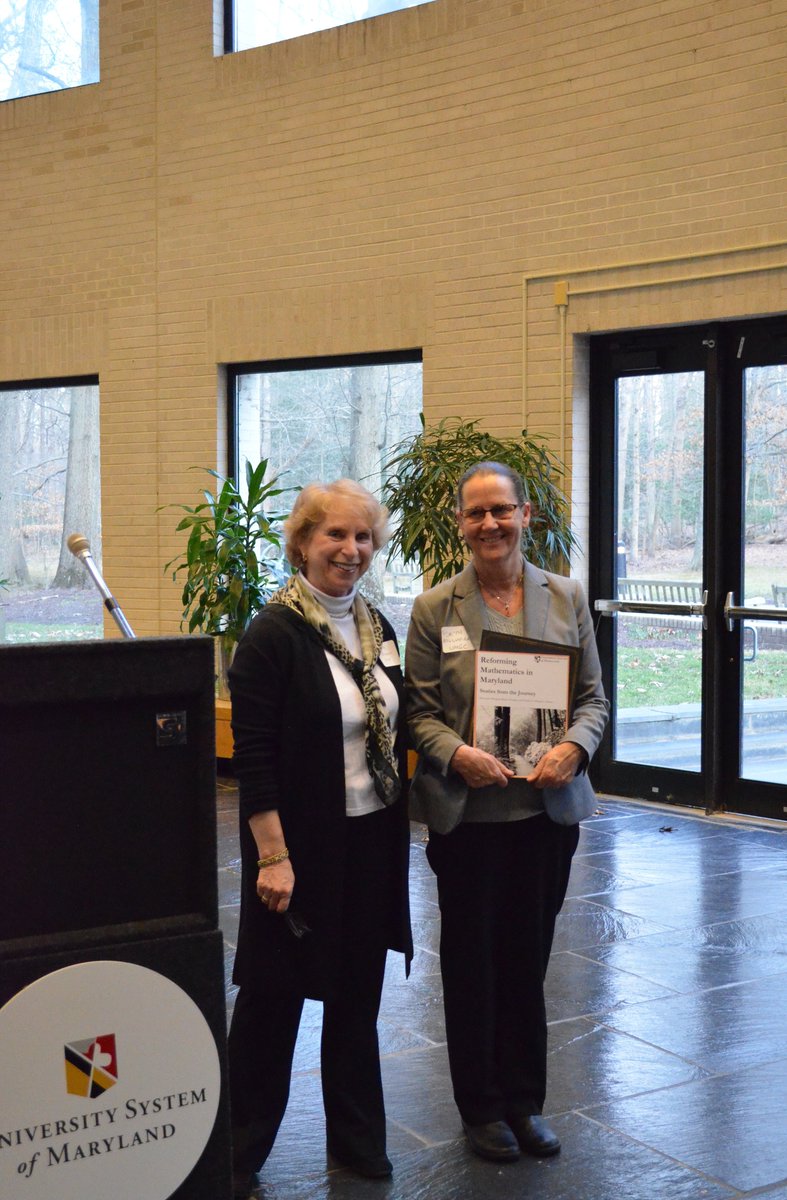
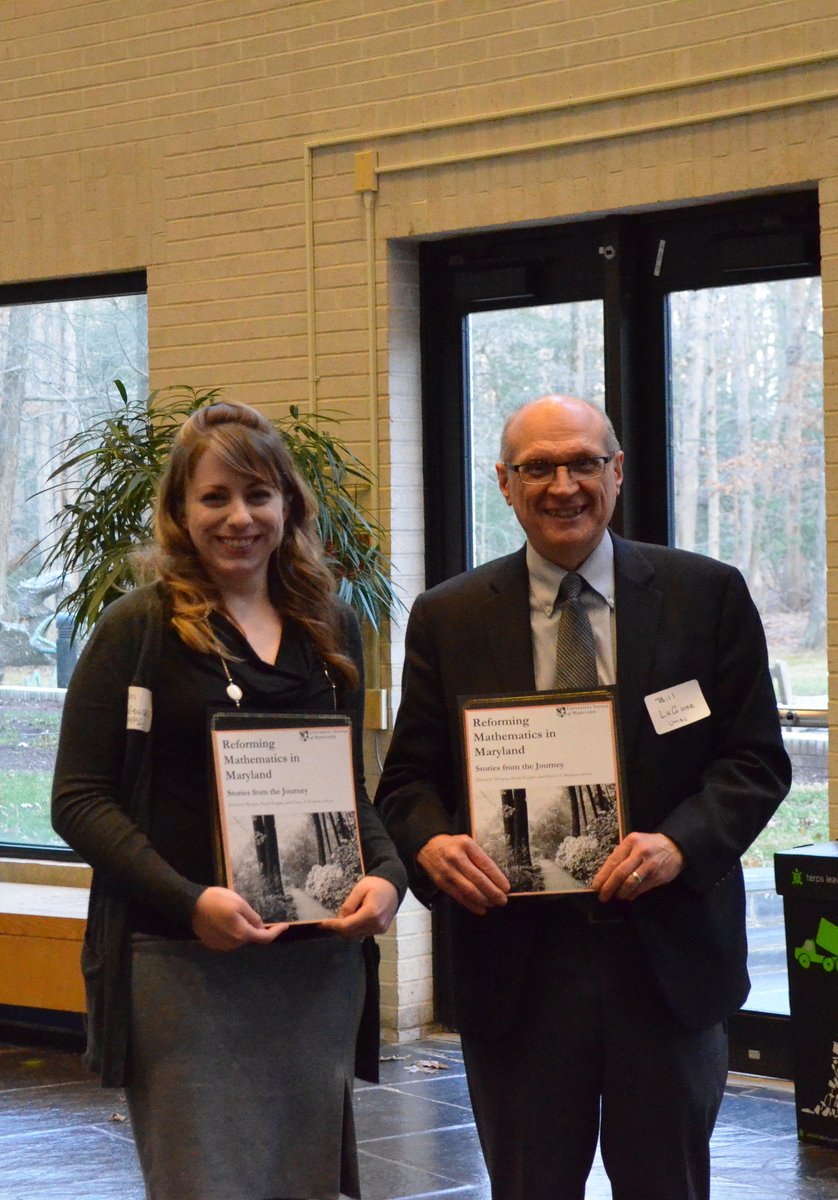
A new book, Reforming Mathematics in Maryland, shares how the USM and its partner institutions created new math pathways to reduce students' time in non-credit math courses and accelerate their progress toward a degree. #mathreform #USMimpact usmd.edu/newsroom/news/1973
3
2
16 Jan 2020
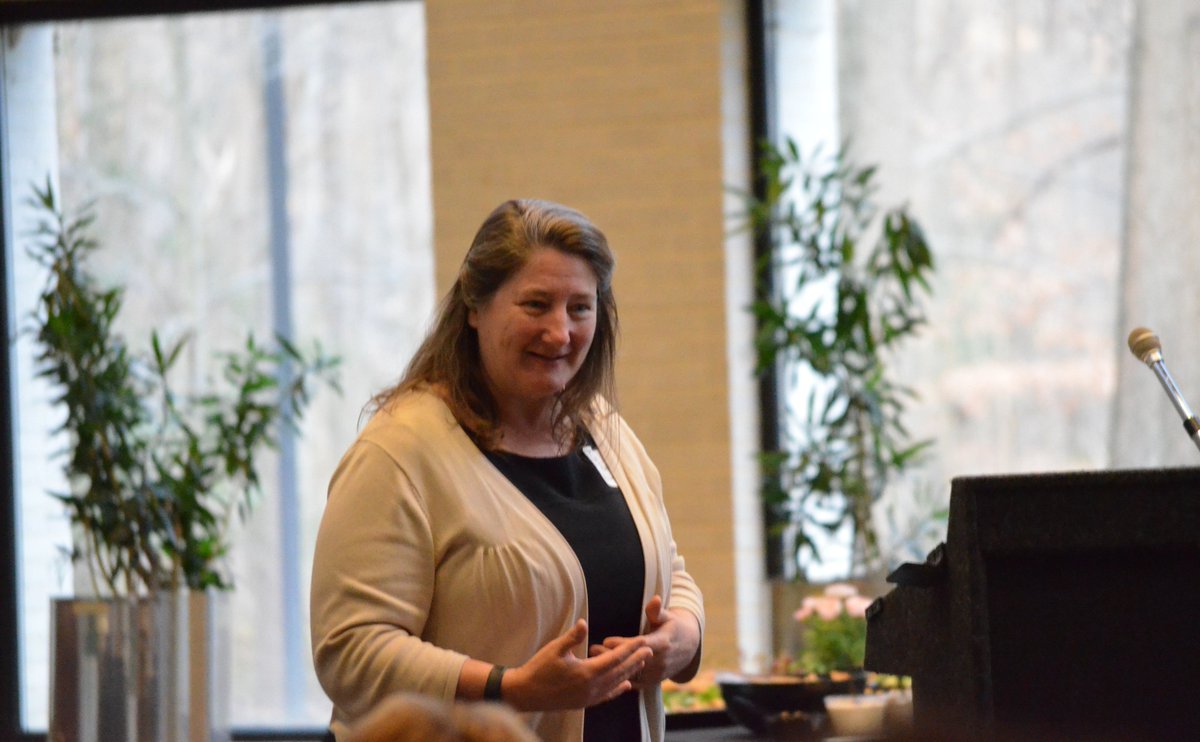
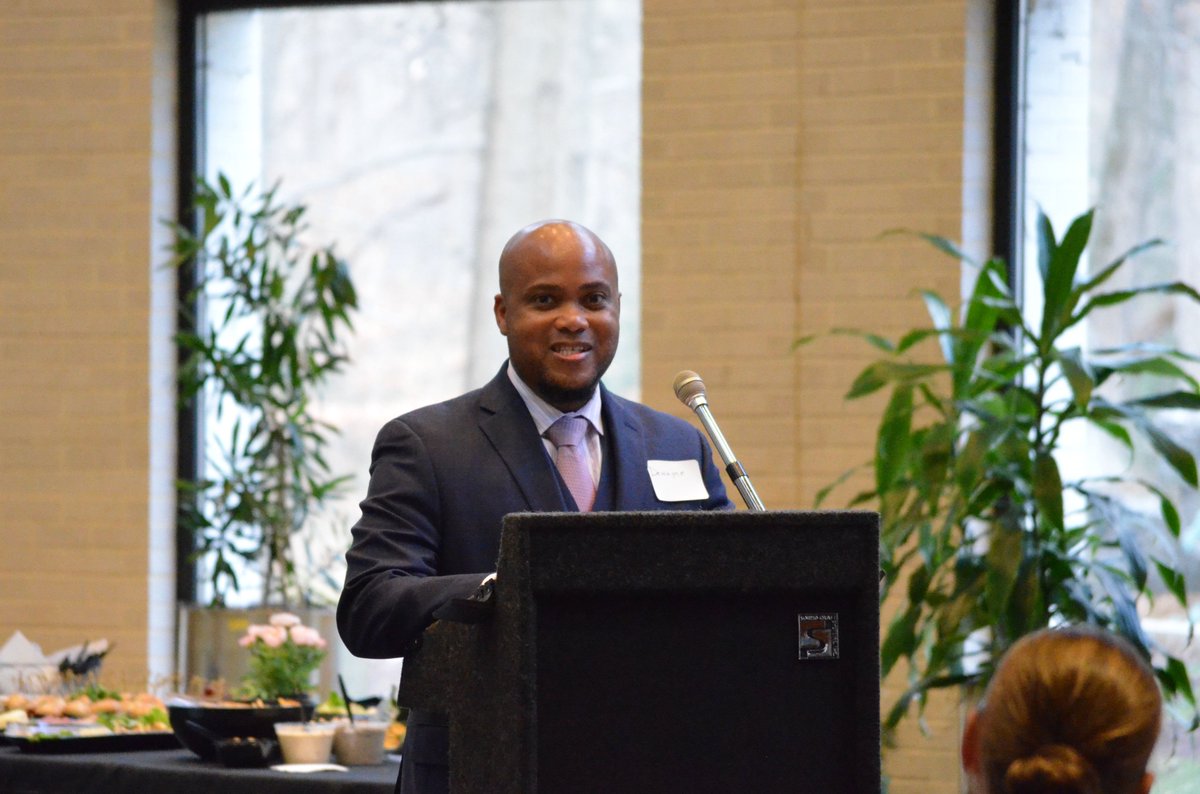
USM was thrilled to host and celebrate a book launch with the authors of Reforming Mathematics in Maryland, which shares the perspectives of various colleges and universities in researching and implementing alternative mathematics pathways. #mathematics #mathreform
3
12

29 Oct 2019
Sad state of affairs when third graders don't know how to subtract by borrowing with numbers, but the only way they no how is by drawing pictures!! We truly need math reform in California! #mathchat #education #educhat #mathreform
1
5 Oct 2019
One track for the math/science inclined .. future engineers or scientists.
Other track: Stats before Alg2 b/c Alg2 isn't for everyone and formal stats ARE and grad req. are 3 math credits. "Statistical Reasoning for Everyday Life" - Bennet, Briggs, Triola.
#mathreform
1
2

22 Feb 2019
Myra Snell: We never really had an effective pathway into STEM. The attrition was too high. We are not losing something that worked. #CAP2019 #mathreform #STEM
4
9

1 Mar 2018
Learn how Myra Snell & Tammi Marshall of @AccelerationCA struggled to implement #mathreform in their colleges, and the stumbles they faced along the way. WATCH their presentation from the #CSU Student Success Network #MiddleLeadershipAcademy. youtu.be/y3jX9ul7AhA
1
1

8 Sep 2016
Presented Tr Spotlight on the importance of moving w/ #math #kinesthetic #NUI
#PAEMST #dissertationstudy #mathreform
1


Needs of the 21st century S demand a new approach to #math curr & instruction ow.ly/iZUV3004rEH @mlarson_math @JohnSanGiovanni
1
9 Mar 2016
@Microsoft @fluidmath brought tears to my eyes #math #matheducation #mathreform #edtech #powerofthepen #MIEExpert
3
2

2 Mar 2016
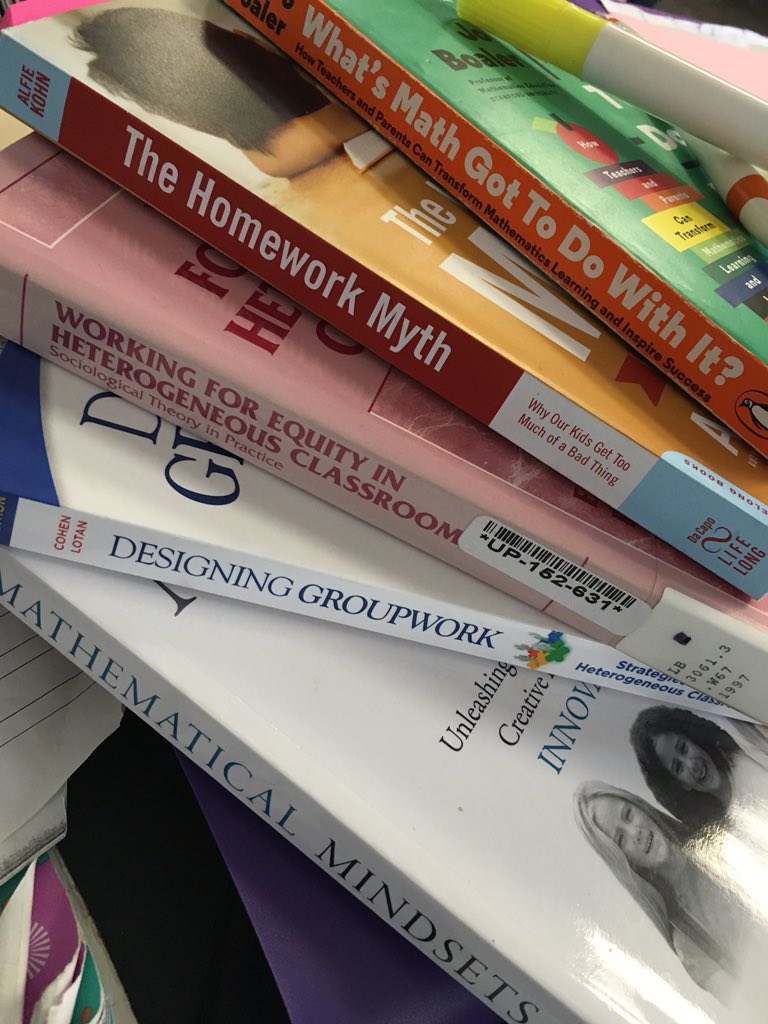
@MyPiperspective I've been reading for success in math classes and all subjects! #mathreform #itsaboutthekids
1
1

11 Jan 2015
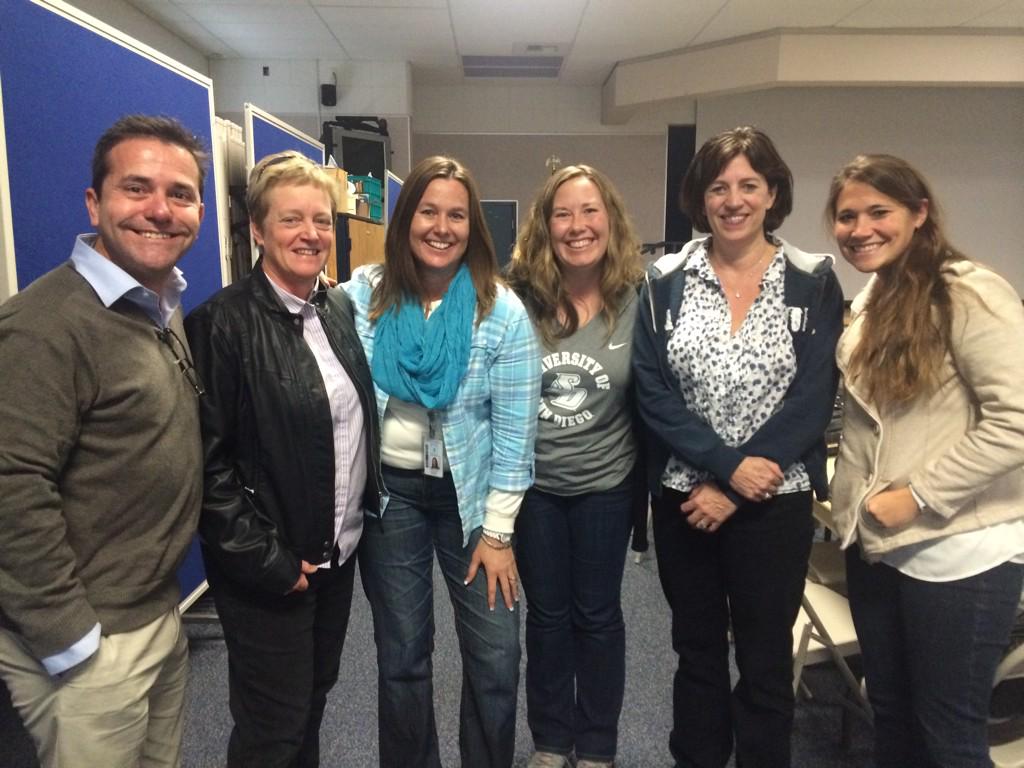
Amazing training today by Jo Boaler and Cathy Williams #inquirybasedlearning #growthmindset #mathreform #wave
2