
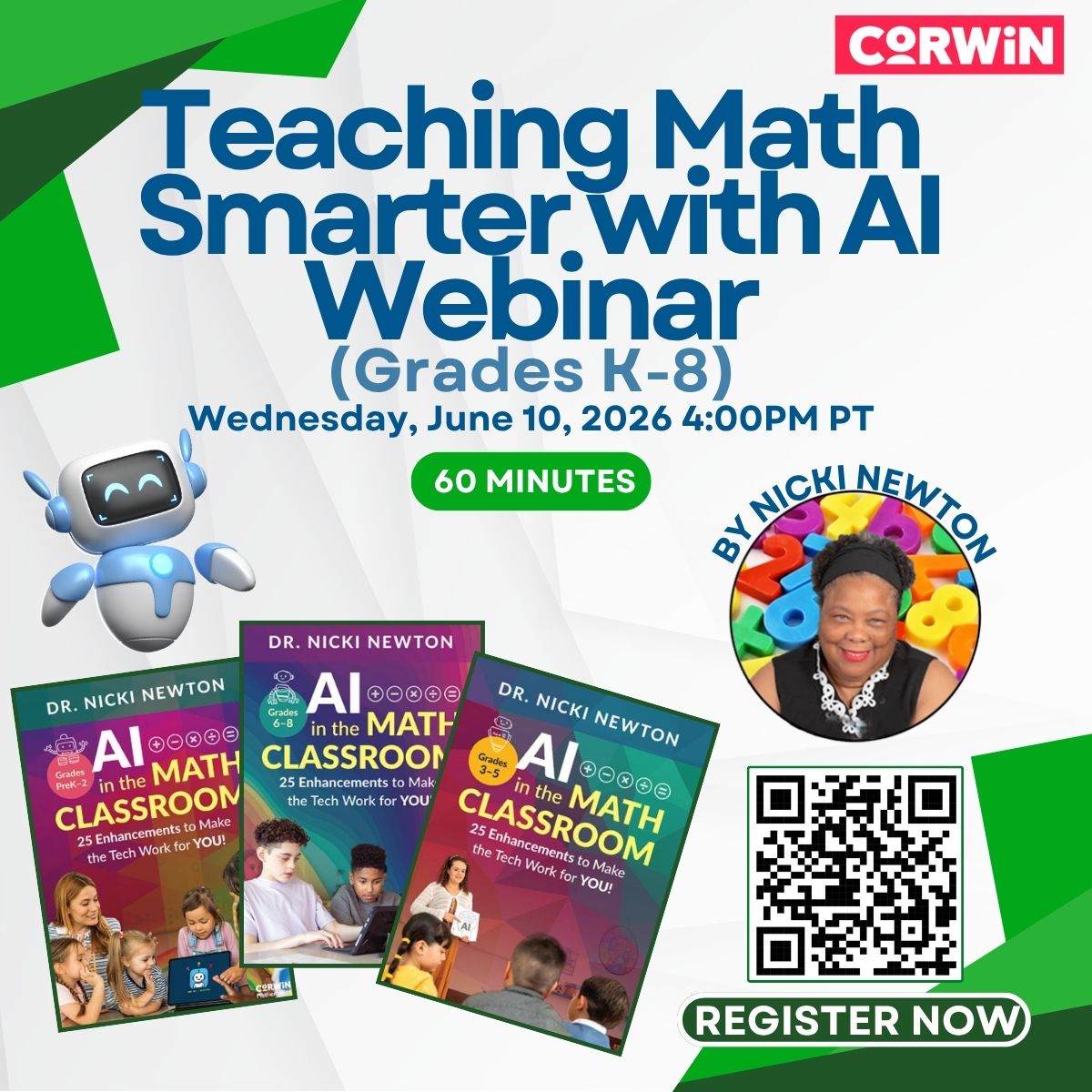
It’s happening this Wednesday! Join me at 4 PM PT / 7 PM ET for a lively conversation about AI Math. We’ll talk about how AI can support teaching, planning, engagement, differentiation, and math curriculum. #AIinEducation #MathEducation #TeachingMath #EdTechSolutions #EdThatAddsUp
3
136

Jun 2
Leiden Declaration on Artificial Intelligence and Mathematics @NCTM leidendeclaration.ai/ #STEM #math #teachingmath #edtech #GenAI #ailiteracy #aiready #aifluency #edpolicy @MAAnow @Mathematical_A
1
2
116

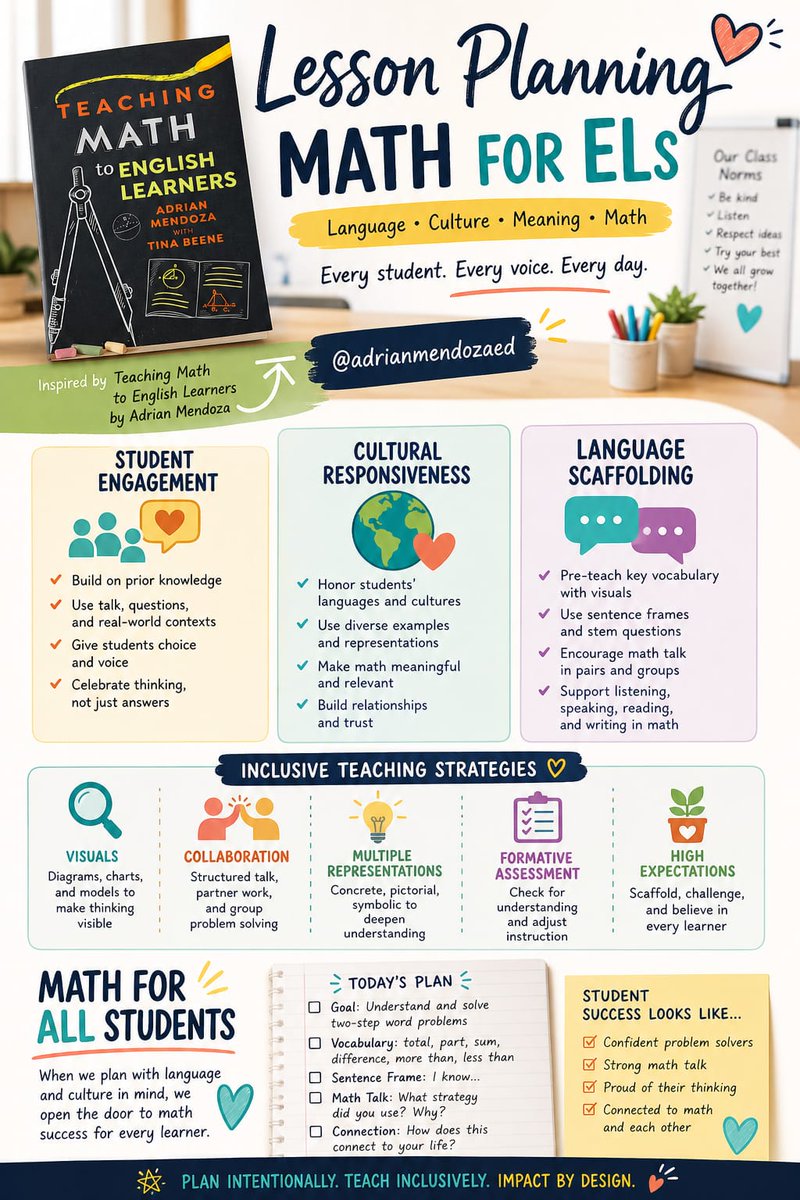
Want stronger math classrooms?
Start with:
• Language scaffolds
• Student talk
• Cultural connections
That’s how we move from answers → understanding.
#Math4ELs #LanguageRich #TeachingMath @Seidlitz_Ed
1
3
133

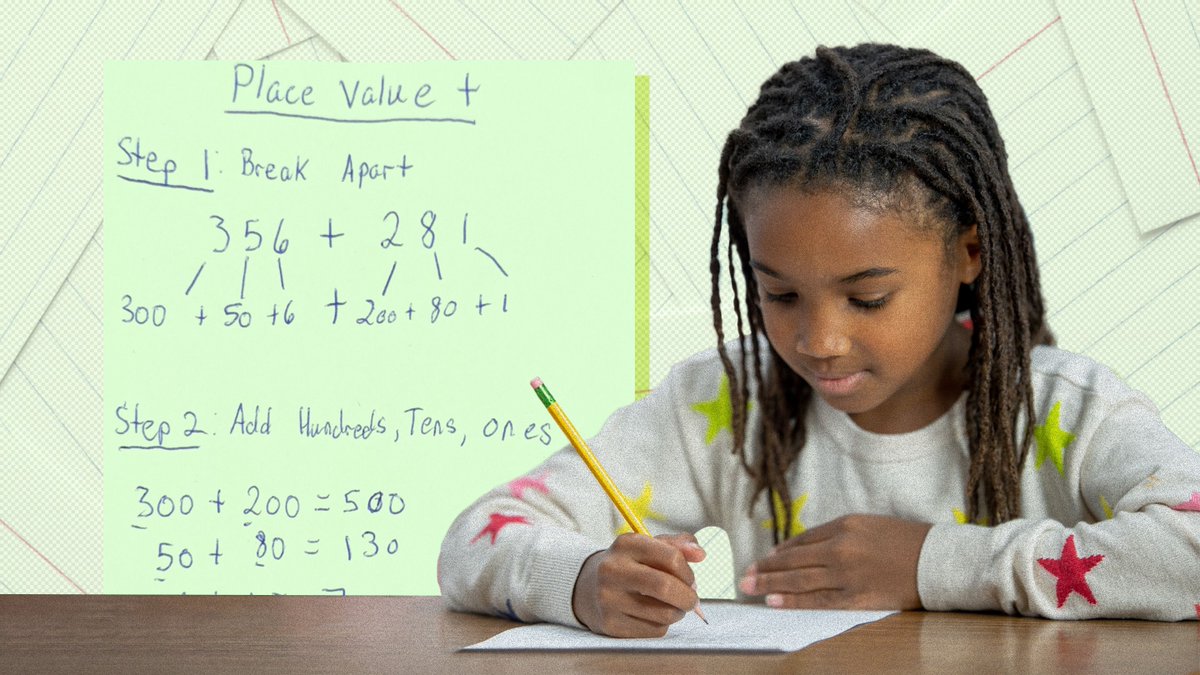
When students don't have to hold every step of a problem in working memory, they can focus on the math itself. This piece shares how strategy cards support stronger independent practice.
buff.ly/ghMONoV
#TeachingMath #EducationResource
ALT Student writing at desk with math worksheet in background
1
3
184

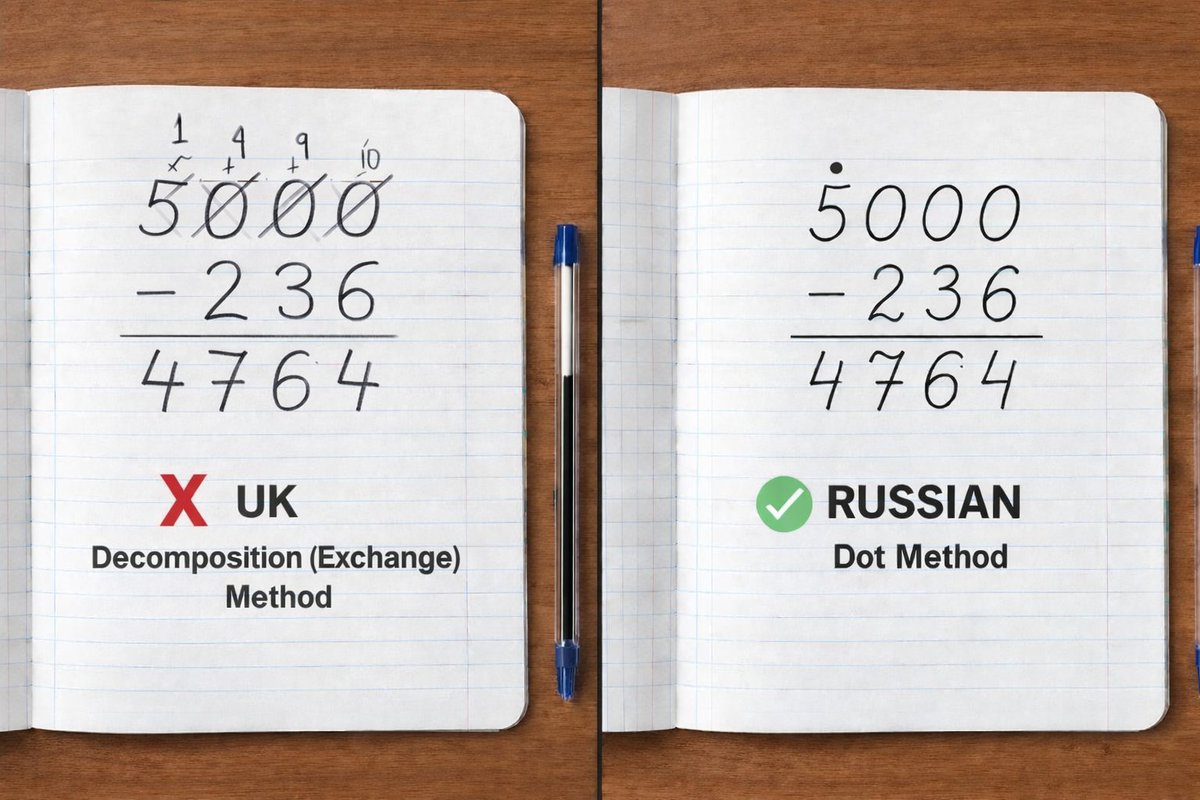
This old Russian method shows how it should be done: transparent, logical, and respectful of the student’s intelligence.
What do you think? Have you seen better (or worse) ways to teach borrowing/regrouping in subtraction?
#MathEducation #TeachingMath #Subtraction
4
462
UK subtraction vs the Russian dot method: same math, very different cognitive load
Take a classic UK primary-school problem:
5,000 − 236
If you’ve seen a British child’s homework, you know the drill.
🇬🇧 The UK method (decomposition / exchange)
In the UK, subtraction is usually taught via exchange (often called decomposition):
* exchange 1 thousand from the 5
* because there are zeros, the exchange cascades
* zeros turn into 9s, the last column becomes 10
* digits are rewritten above the originals, sometimes crossed out, sometimes annotated
It’s logically correct.
But on paper, it quickly becomes busy.
The student isn’t just subtracting — they’re also managing state:
Which digit changed? Which one was crossed out? Did I rewrite that correctly?
The result often looks like accounting notes, not arithmetic.
🇷🇺 The Russian / USSR dot method (Kiselev)
The Russian dot method uses the same mathematics — but a radically cleaner interface.
Instead of rewriting digits, the student:
places one dot above the 5, marking that borrowing passes through zeros
That single dot encodes the entire exchange:
* 5 → 4
* intermediate zeros → 9s
* last zero → 10
* subtract normally → 4,764
No cascading rewrites.
No crossed-out numbers.
No visual noise.
The real difference
This isn’t about correctness — both methods work.
It’s about what the student is trained to think about:
* The UK method trains careful bookkeeping of edits.
* The Russian dot method trains place-value structure.
One externalizes every step.
The other compresses the logic into a single, meaningful mark.
That difference matters — especially when problems get larger, mental arithmetic matters, or students need to reason rather than follow recipes.
We’re finalized a US-focused translation of Kiselev’s Arithmetic — not just translating words, but recovering techniques that respect a student’s ability to think.
Math shouldn’t look like paperwork.
It should look like understanding.
Learn school math properly: valeman.gumroad.com/l/arithm…
#MathEducation #Kiselev #Arithmetic #UKEducation #Homeschooling #EdTech #PlaceValue #TeachingMath
1
5
19
3,384
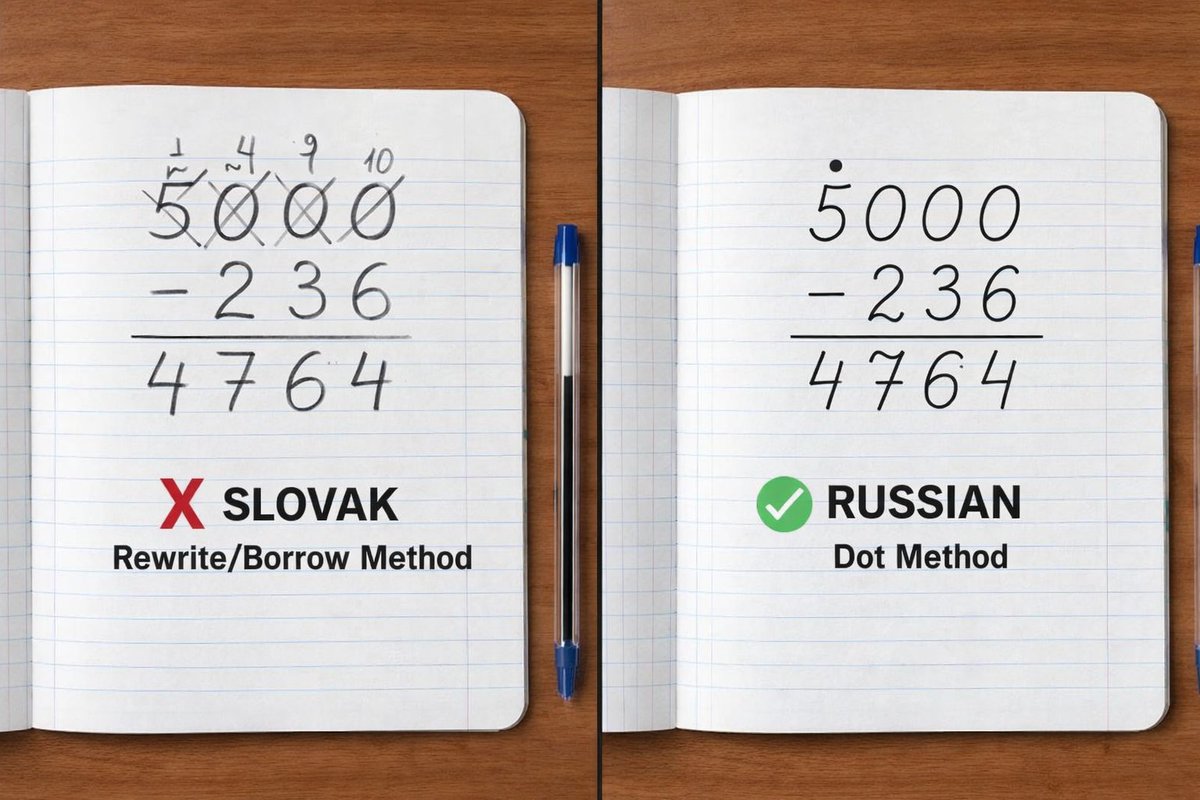
Why does Slovak subtraction homework still turn into a paperwork exercise?
Take a simple one:
5,000 − 236
In many Slovak classrooms (and broadly Central European practice), kids are taught the rewrite-and-borrow routine:
* Cross out the 5, write 4
* Turn the next 0 into 10, then cross it out into 9
* Repeat across zeros
* Sprinkle little numbers above the line like bookkeeping annotations
It works — but the page ends up looking like a spreadsheet audit, not math. The student spends more effort tracking edits than understanding place value.
Now compare that with the classic Russian dot method (as in Kiselev):
❌ Slovak “Rewrite/Borrow” Method
You physically modify digits as you borrow:
* rewrite 5 → 4
* rewrite 0 → 9
* rewrite 0 → 9
* last 0 → 10
Lots of visual noise. Lots of chances to lose the thread.
✅ Russian “Dot” Method
You don’t vandalize the number.
You just:
* Put one dot above the 5 to mark that you borrowed through the zeros.
* The logic is then clean and consistent:
* the 5 becomes 4
* the crossed zeros become 9s
* the last zero becomes 10
* and you subtract normally
Same arithmetic. Less clerical work. More place-value thinking.
That’s the real difference:
One method trains editing. The other trains structure.
We’re finalizing a US-focused translation of Kiselev’s Arithmetic — not just translating text, but restoring techniques that treat students like they can actually think.
Math shouldn’t be a war on paper. It should be elegant.
Learn school math properly: valeman.gumroad.com/l/arithm…
#MathEducation #Kiselev #Arithmetic #Homeschooling #EdTech #MathReform #PlaceValue #TeachingMath
1
3
693

2 Nov 2025
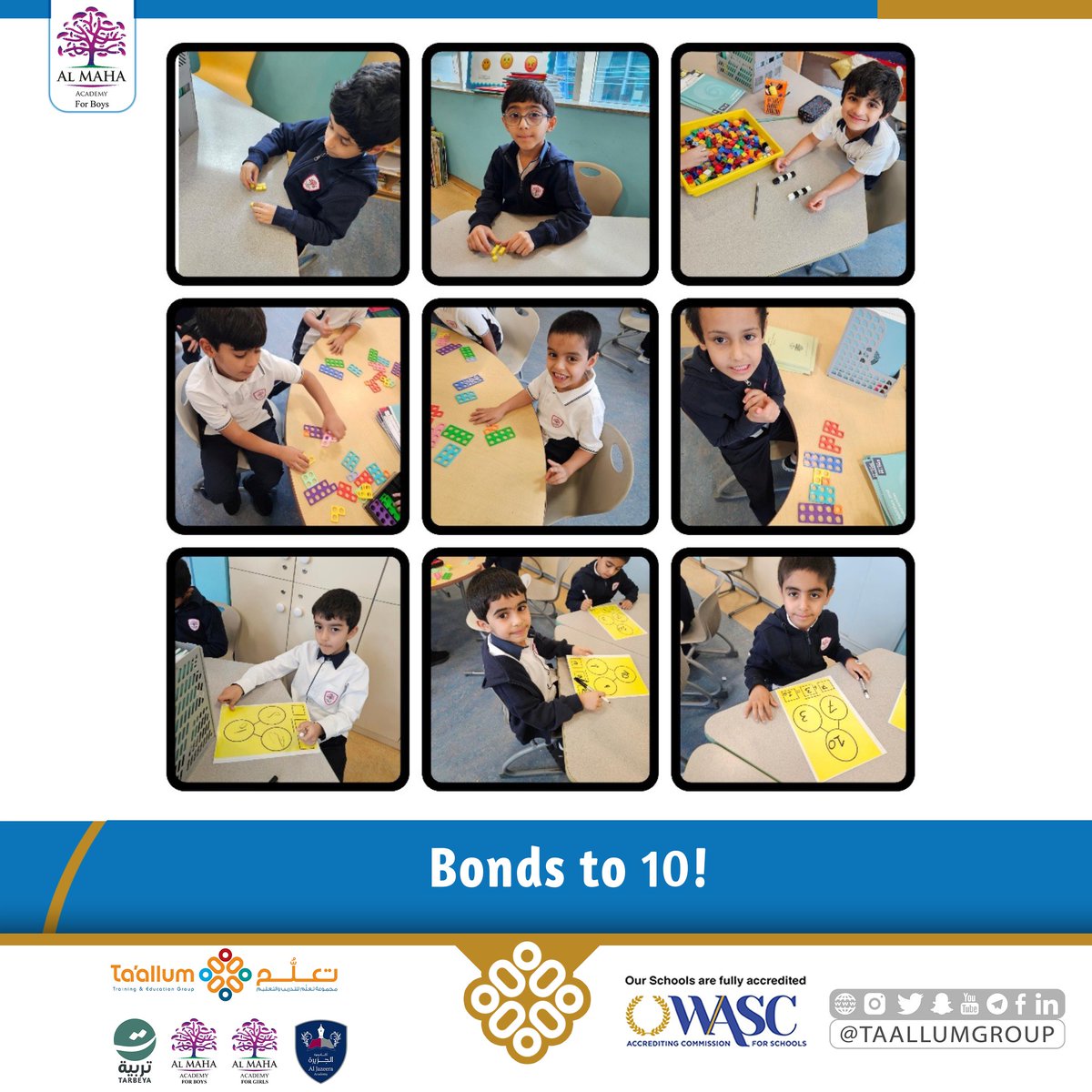
Mastering Number Bonds to 10 is a fun and essential step in building strong early numeracy skills. When children learn which, numbers combine to make 10, they develop quick mental math strategies, boost their addition confidence, and build a solid foundation for more advanced math. ✨🧠
Whether using fingers ✋, counters 🎲, or catchy number bond songs 🎶, practicing number bonds to 10 helps make math easier, faster, and more enjoyable. It’s the perfect way to help every child see numbers as friendly pairs! 🤝🔢
#NumberBonds #EarlyMath #NumeracySkills #MathFluency #MathForKids #MentalMath #AdditionSkills #MathConfidence #EarlyLearning #MathFoundation #NumberSense #MathIsFun #MathStrategies #LearnMath #TeachingMath
2
107

1 Oct 2025
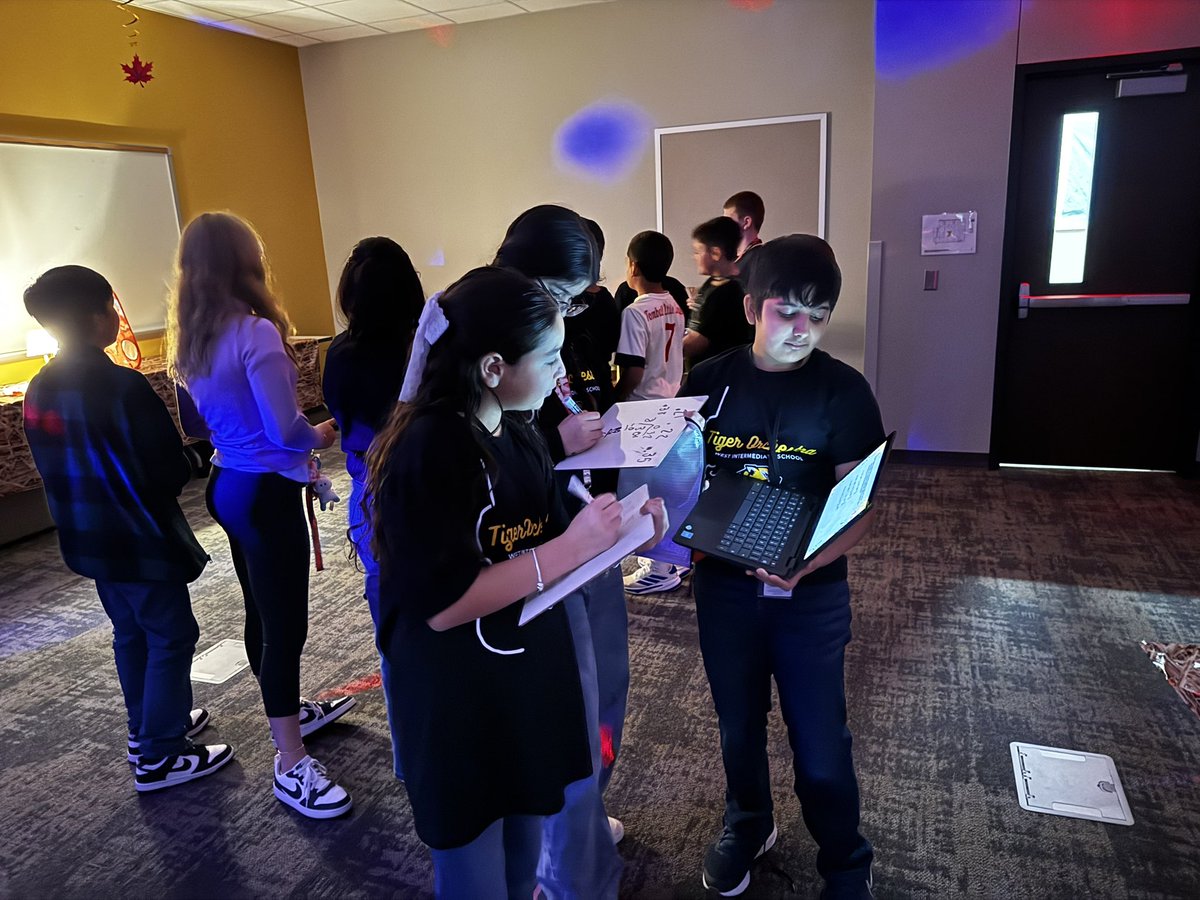
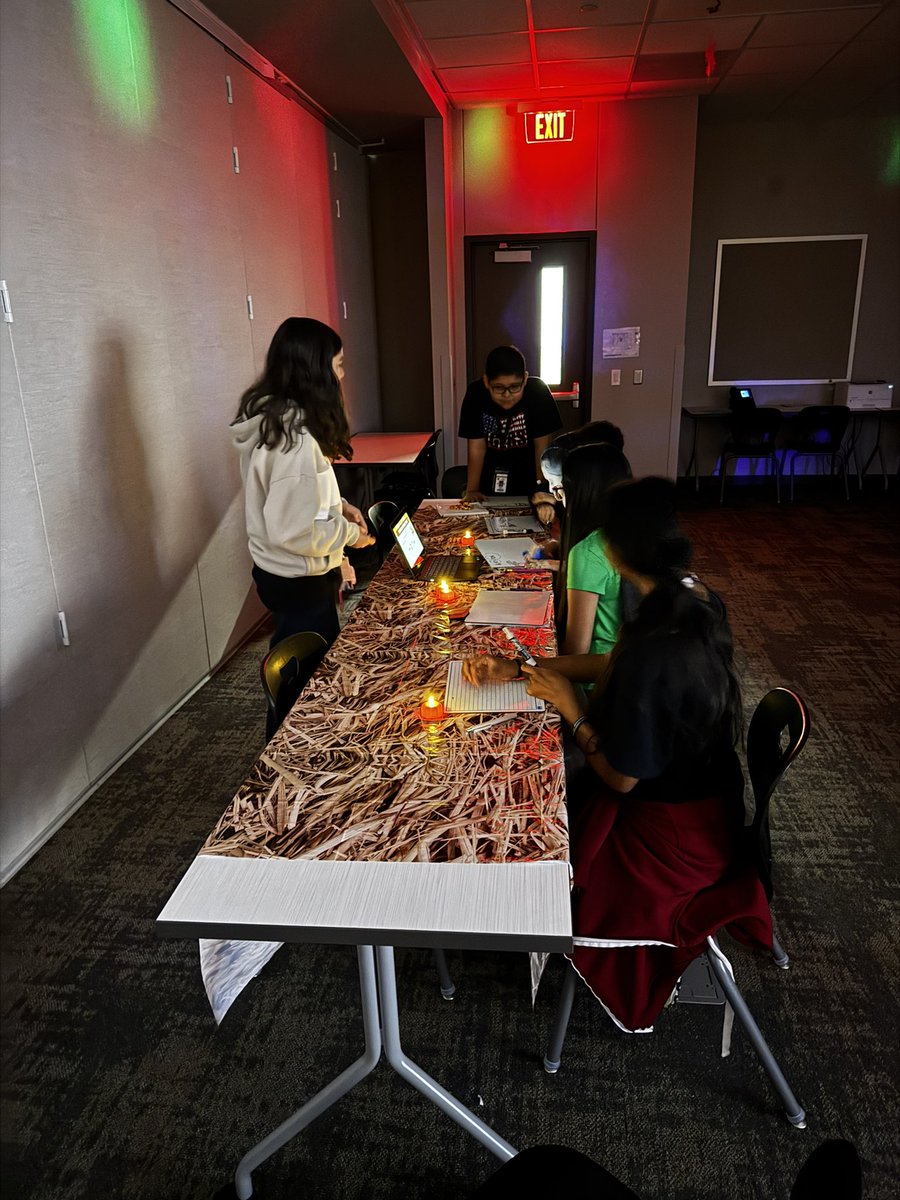
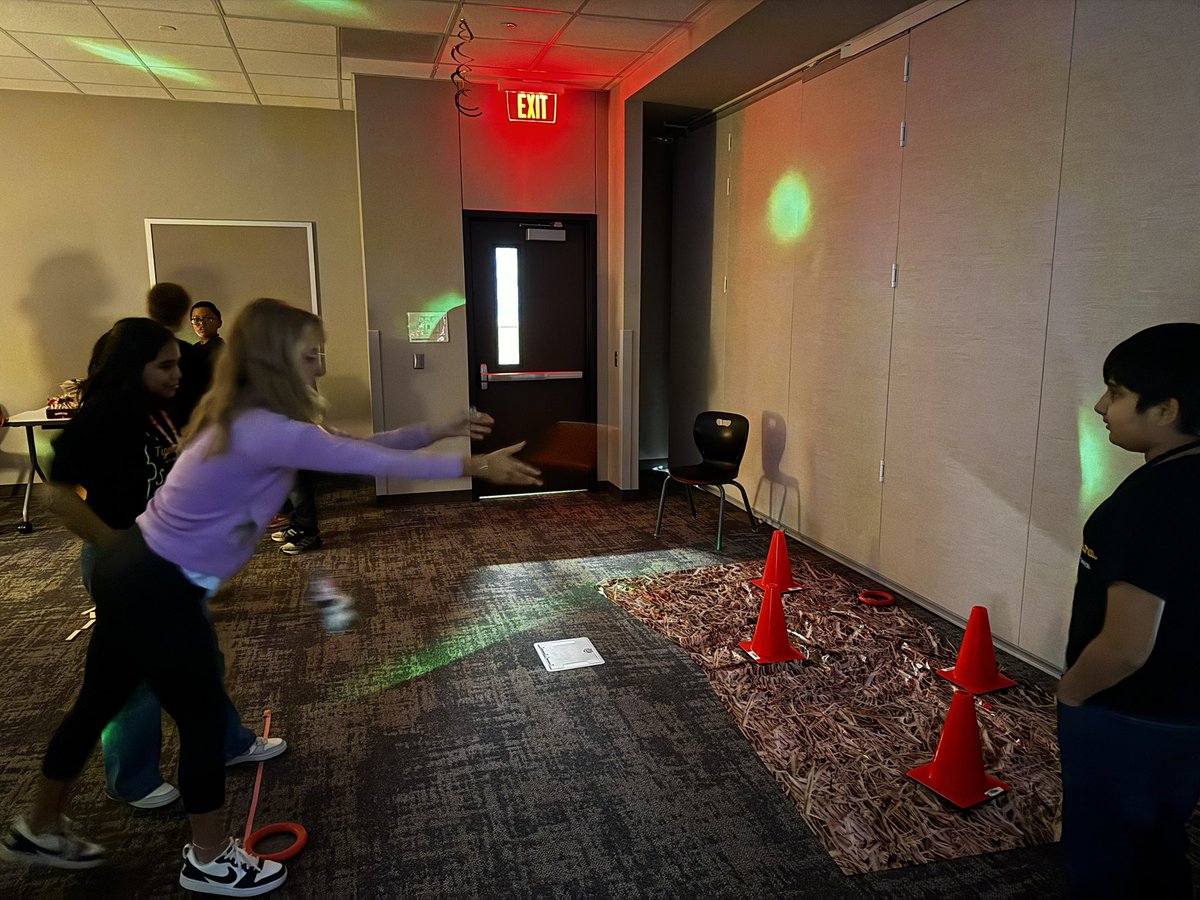
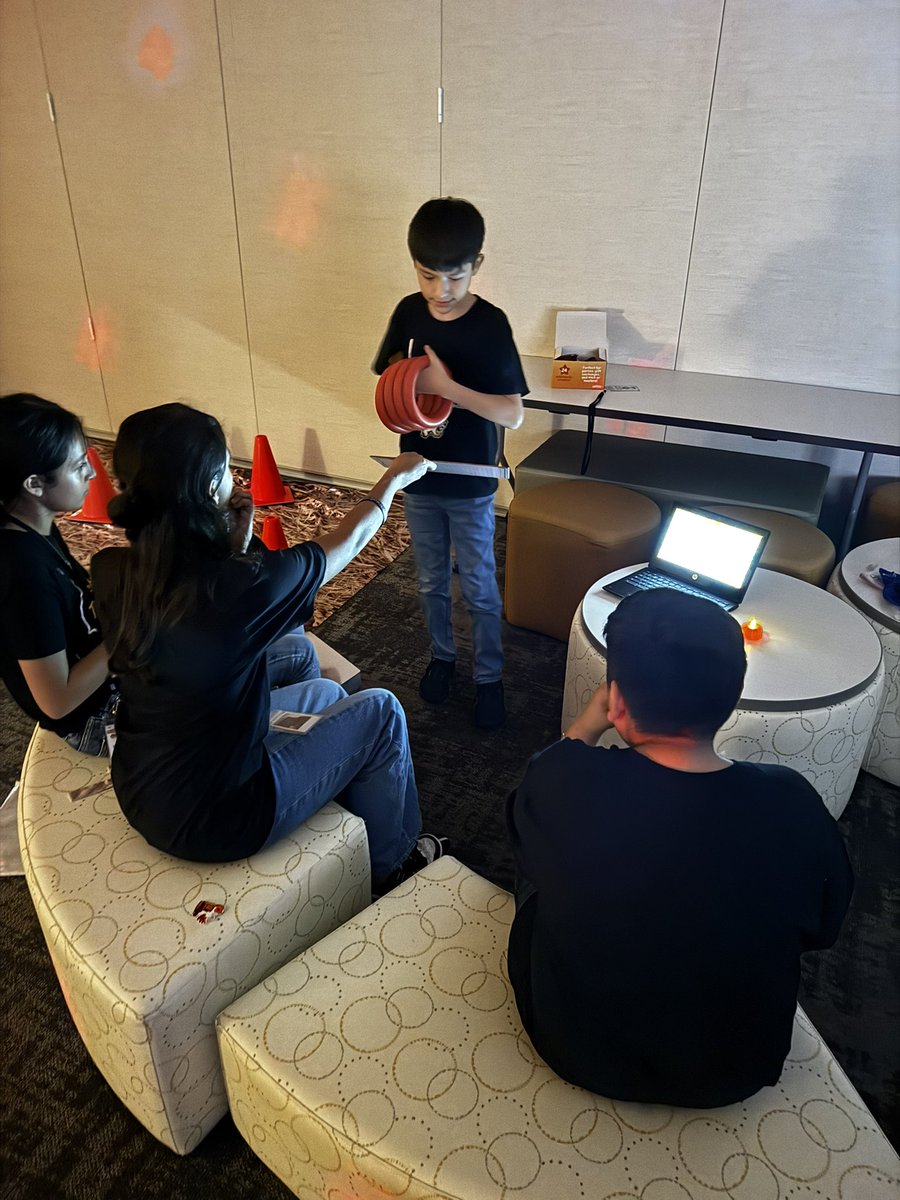
Our Fall Festival Review was a HUGE success! 🍂🎉 Big thanks to our amazing parents for your support—our Tigers couldn’t shine without you! 🐯💛 #TigerNation #FallFestival #Grateful #TeachingMath
1
2
2
163

2 Sep 2025
Most classrooms? Option A.
But the future of math education? Definitely B. 💡
When students learn to self-correct, mistakes turn into stepping stones.
👉 Which would you pick—A or B? Drop it in the comments!
📖 New blog: What Happens When Students Start to Self-Correct Math Mistakes → read it at Zipline.ac
#MathEducation #mathematics #teacherlife #teachersupport #TeachingMath #EdTech #aiineducation #mathteacher #teachertools #classroommanagement #mathmadeeasy
1
2
20

12 Aug 2025
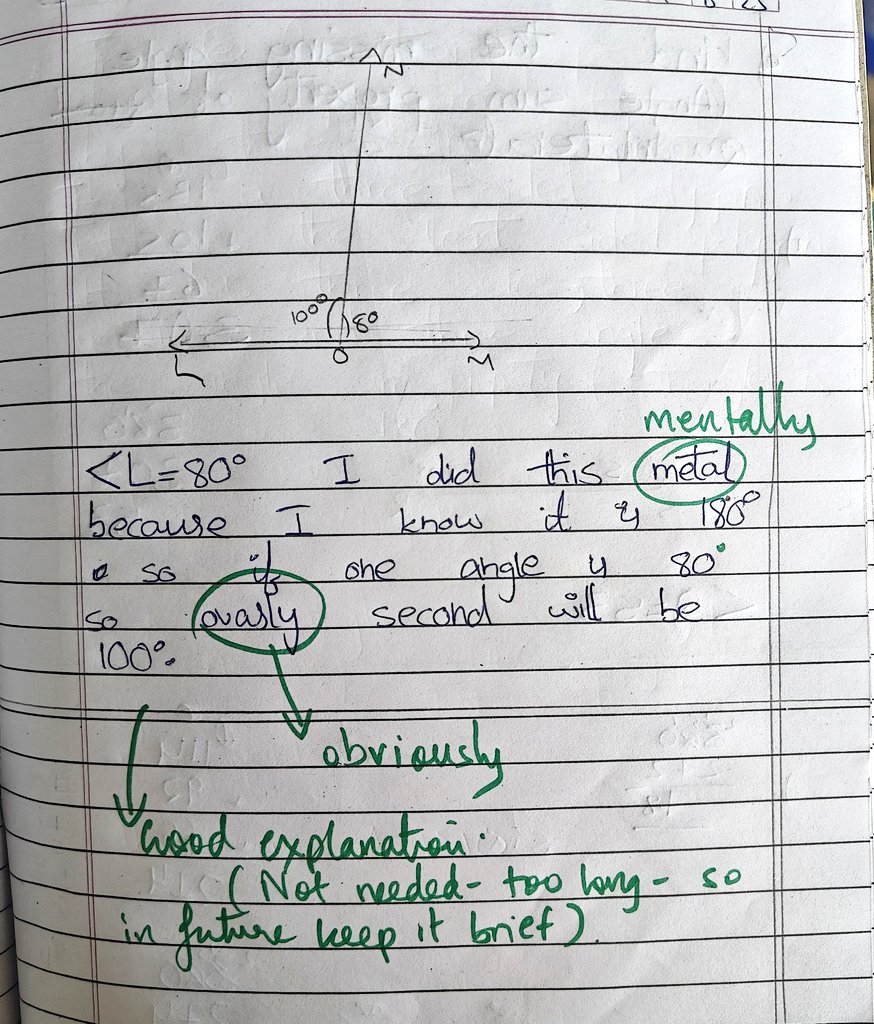
This is what I, as a Maths teacher, live for.
"Explain your working" is a rule, and this kid won my heart.
#mathematics #teacherlife #teaching #teachingmath
1
7
533

11 Aug 2025
Numicon series: How to identify Odd and even numbers.
In this video, I demonstrate how I’d teach the concept of odd and even numbers using Numicon.
Full video on the YouTube channel
youtu.be/wUTrMzo9JyE?si=bDTf…
#Numicon #Subtraction #education #Homelearning #teachingmath
3
249
30 Jun 2025
Numicon series: How to solve subtraction problems.
In this video, I demonstrate how I’d teach the concept of subtraction using the math tool Numicon.
Full video on the YouTube channel youtu.be/-tCZLZUT9H8?si=qswd…
#Numicon #Subtraction #education #Homelearning #teachingmath
6
323

28 Jun 2025
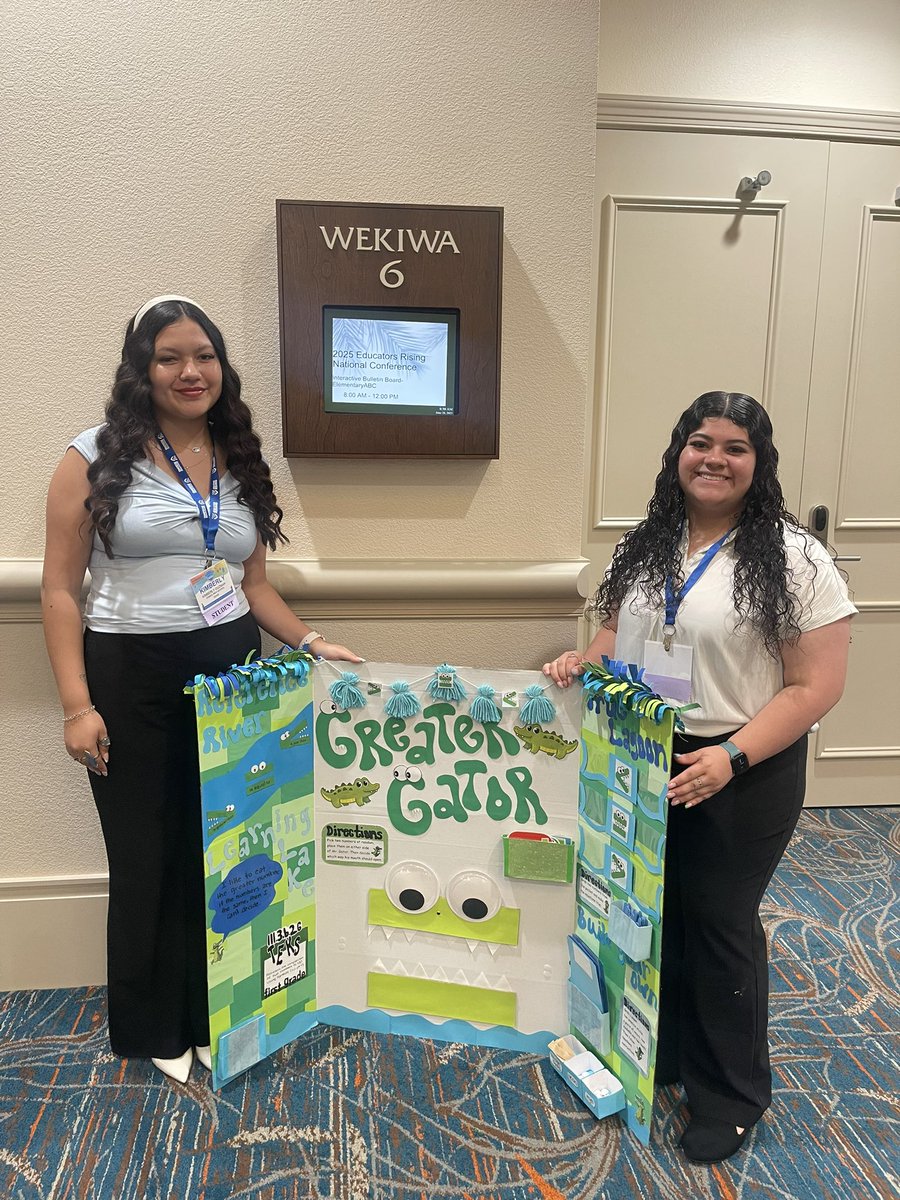
Good luck 🍀 to @andream_407 Andrea and Kimberly today at the Educator Rising National Competition! @educatorsrising @dhs_tafe8 @tafestate #interactive #bulletinboards #teachingmath #futureteachers #gogetem
2
8
202

2 Jun 2025
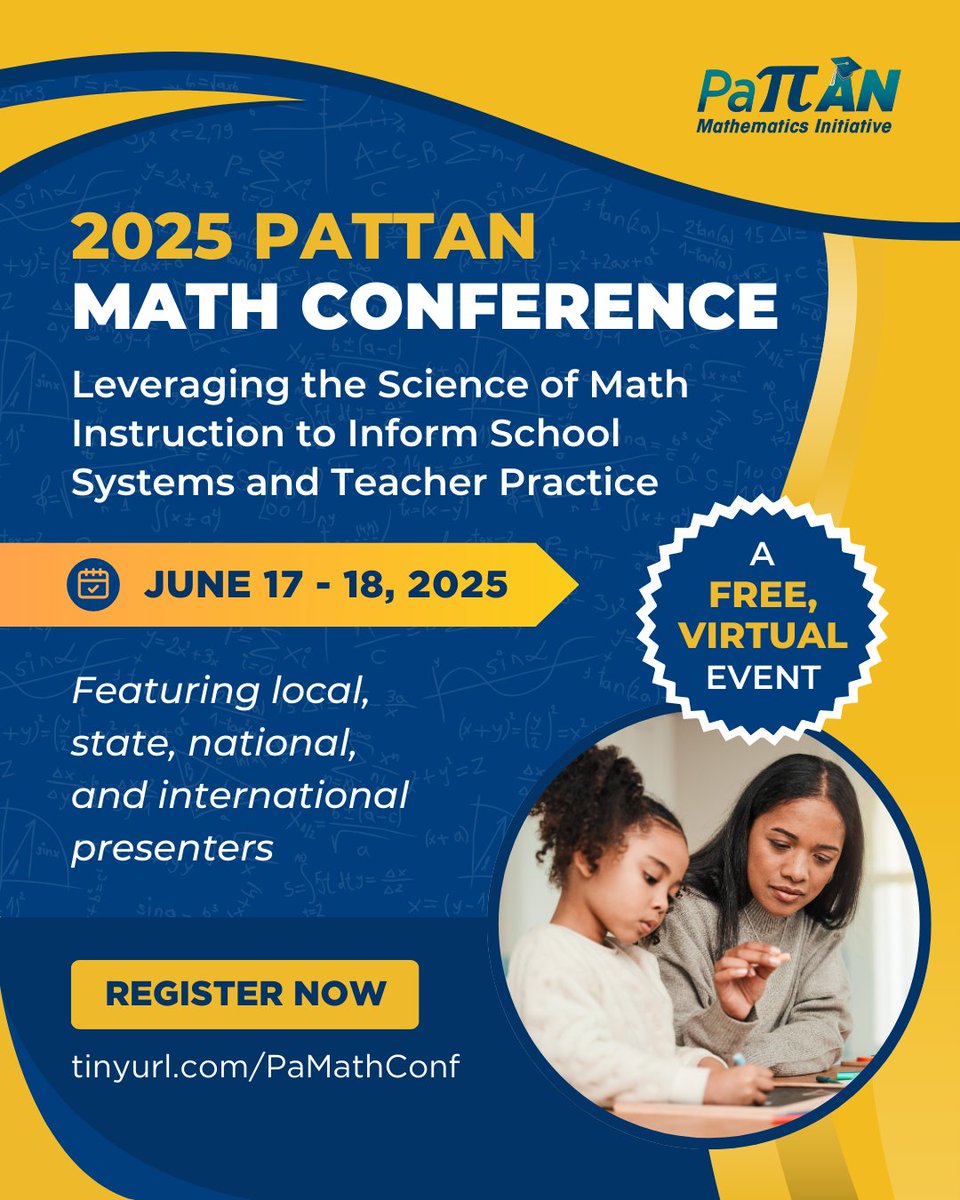
🚩 The PaTTAN #MathEd Conference is quickly approaching!
It’s FREE. It’s virtual. And did we mention it offers #ACT48 and #NASP Credit?
Register now: tinyurl.com/PaMathConf
#MathInstruction #ScienceOfMath #TeachingMath #ProfessionalLearning
4
171
27 May 2025
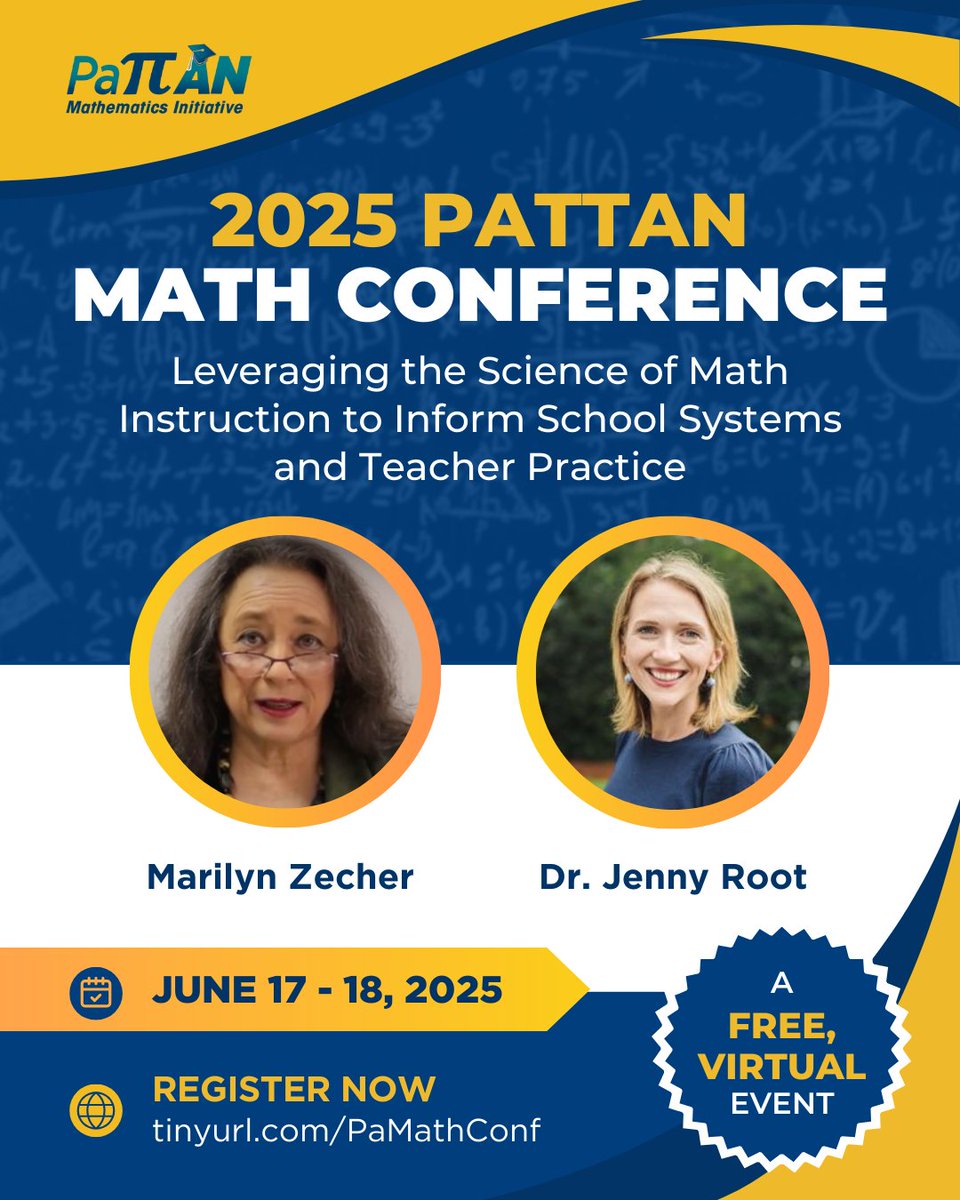
Are you struggling to meet the needs of students in your classroom? Learn from @MultisensryMath and @Dr_Jenny_Root at our #MathEd Conference!
🗓️ June 17 – 18, 2025
🎯 FREE and VIRTUAL
➡️ Register now: tinyurl.com/PaMathConf
#MathInstruction #ScienceOfMath #TeachingMath
2
101

13 May 2025
🎥 Just shared on YouTube 👉 How do you get students to actually enjoy math — and improve their scores doing it?
In this episode, Dr. Erin Krupa shares powerful, research-backed strategies for teaching real-world math that actually boosts student achievement. Whether you're a math teacher or a school leader, you'll walk away with ideas you can apply tomorrow.
📘 Show notes, resources, and full transcript:
👉 coolcatteacher.com/e901?utm_…
⏱️ Chapters
00:00 Intro and sponsor message
00:23 Why real-world math matters
01:14 Can AI replace math teachers?
02:28 The role of mathematical identity
03:32 How to use real-world context in math lessons
04:24 Why tech matters in math — tools like Geometer’s Sketchpad
05:10 From tech to 3D design and computer science
06:05 The need for strong professional development
06:36 What's next in math education research
07:08 Design & Pitch challenges for math engagement
08:12 What to say to overwhelmed teachers
09:04 Final encouragement for math teachers
🎧 Listen to the podcast on your favorite app
📬 Subscribe for more practical ideas for real classrooms
👍 Like if you want more episodes on effective math teaching
💬 Let me know in the comments: How are you using real-world math in your classroom?
📍 Hosted by Vicki Davis, @coolcatteacher
🎙️ The 10 Minute Teacher Podcast – Episode 901
🔗 Show notes: coolcatteacher.com/e901?utm_…
#mathteacher #studentachievement
#realworldmath #edtech #teacherpd #10minuteteacherpodcast #coolcatteacher #drerinkrupa #k12education #mathidentity #stemteaching #teachingmath youtube.com/watch?v=KHefj5I-…
1
478
5 May 2025
📣 Did we mention our conference offers #ACT48 & #NASP credit? Join Timothy Runge, @rscodding and @brian_poncy at the FREE, virtual Math Conference! Help spread the word @nasponline @ASPPschoolpsych ➡️ tinyurl.com/PaMathConf
#MathInstruction #ScienceOfMath #TeachingMath #MathEd
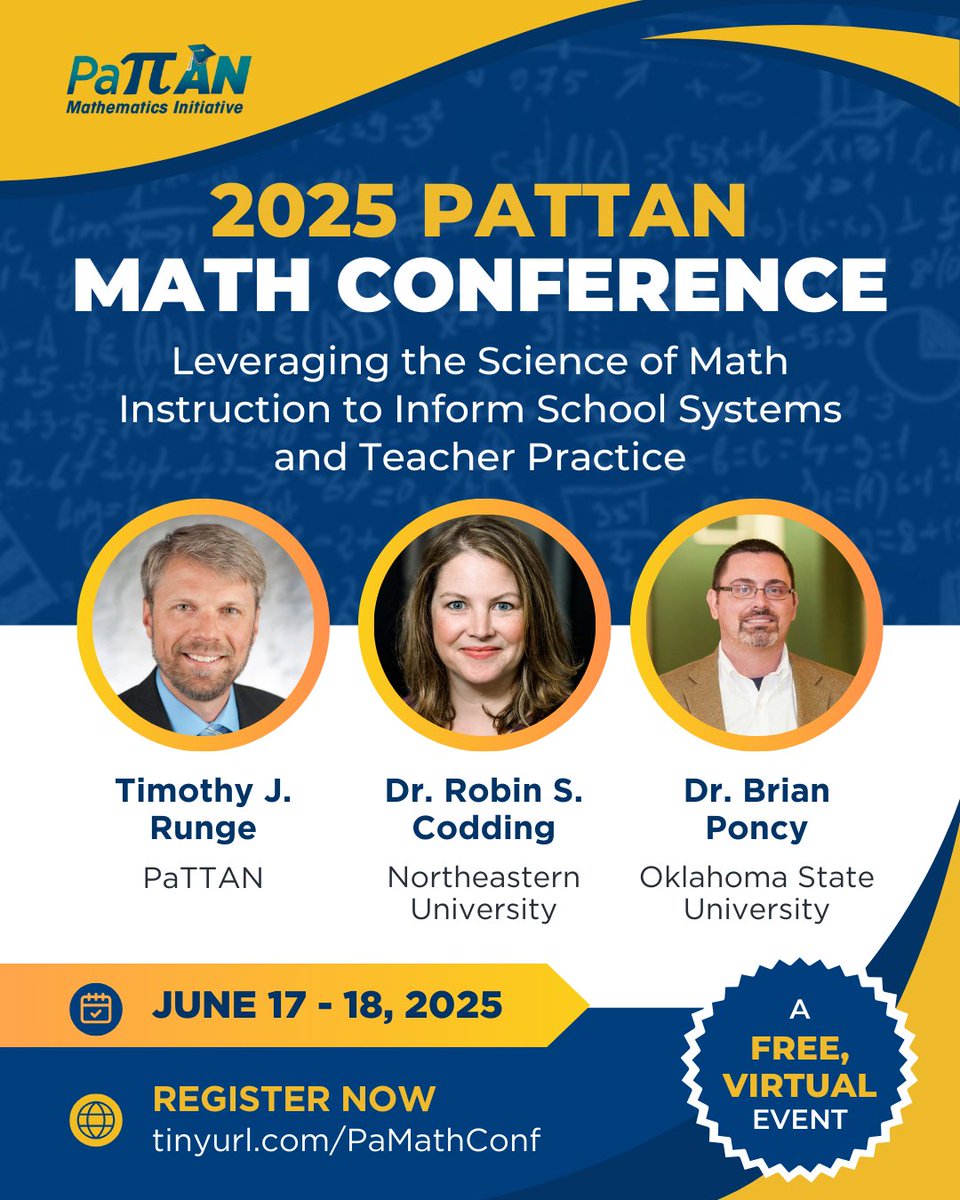
ALT Group of three researchers. Text reading, Leveraging the Science of Math Instruction to Inform School Systems and teacher Practice. June 17 to 18, 2025. A free, virtual event.
2
14
22
6,053
28 Apr 2025
Join #SpecialEducation researchers Dr. Elizabeth Hughes, @pjr146, Dr. Brad Witzel, @MrZachG and @JonteMyers at our FREE Math Conference! Don’t miss out: tinyurl.com/PaMathConf
Help us spread the word @TeachingLD @CECMembership 📚✨
#MathInstruction #ScienceOfMath #TeachingMath
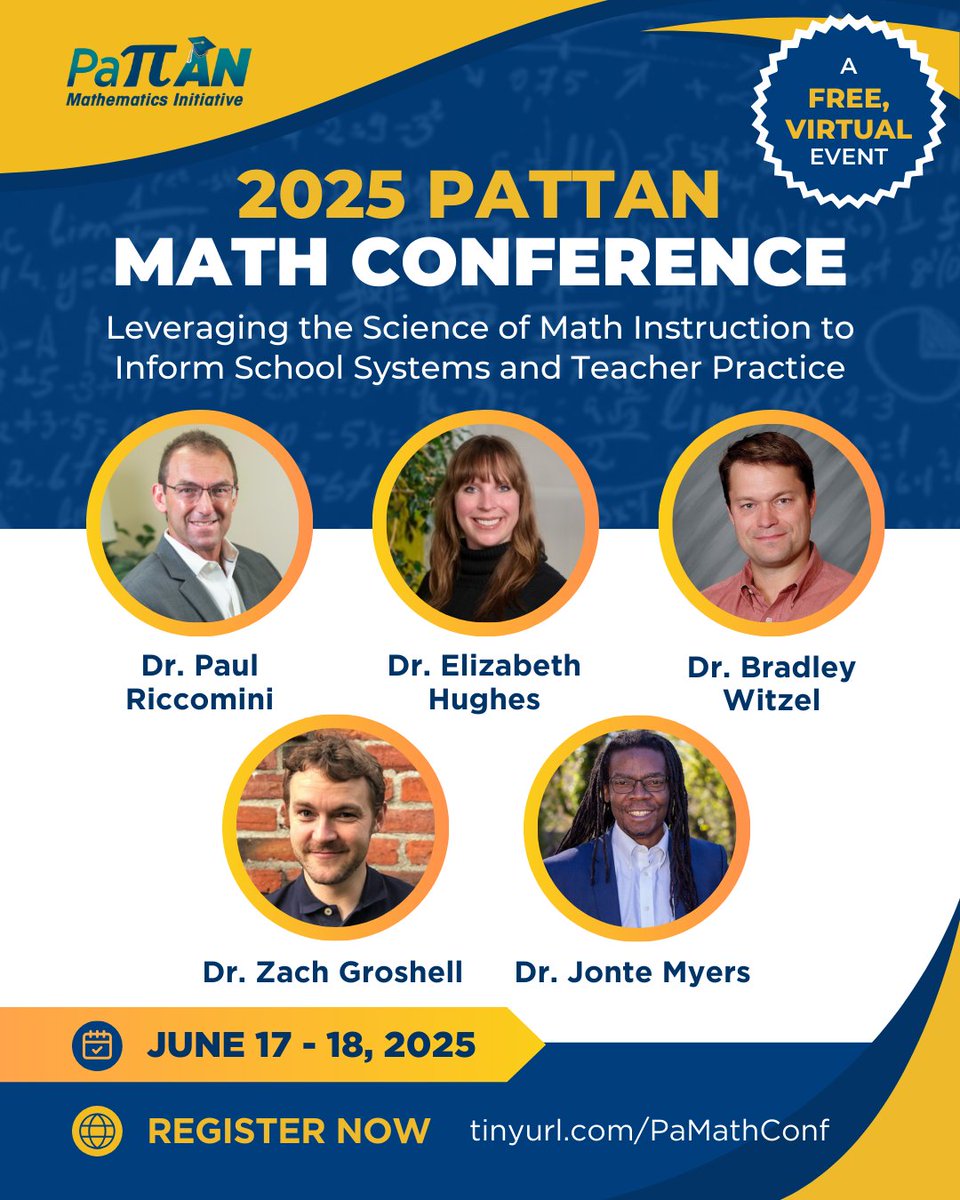
ALT Group of five researchers. Text reading, Leveraging the Science of Math Instruction to Inform School Systems and teacher Practice. June 17 to 18, 2025. A free, virtual event.
2
20
33
2,836
22 Apr 2025
🎥 Just shared on YouTube 👉 What if teaching math could shift from worksheets to real-time...
coolcatteacher.com/e901?utm_…
#coolcatteacher #teachers #teachingmath #edtech #danmeyer #mathteacher #teacherpodcast #desmos #amplify #10minuteteacher youtube.com/watch?v=MGU1Mfqa…
785