
Ever wondered why
d/dx(xⁿ) = nxⁿ⁻¹?
Here’s the real proof using first principles! 🧠
#FirstPrinciples #CalculusConcepts #MathsLove #MathsIsFun #Derivatives #MathTheory #STEMEducation #JEEAspirants #MathContent #LearnWithFun #MathReels
3
192

Jan 13
math theory
maththeory
matheory
mathyuri
math yuri
Jan 12

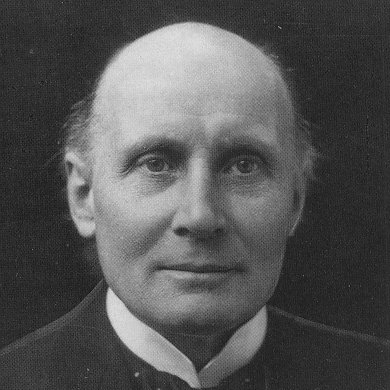
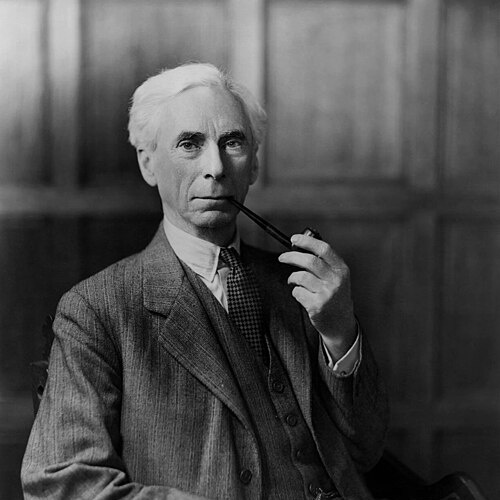
I'm sure Alfred and Bertrand will be happy that they got reincarnated into old woman math yuri


3
141

20 Dec 2025
#MathifyCommunityClips
The Riemann Zeta Function
Check out mathify.dev/ for AI-powered math & physics animations—instantly
mathify.dev/share/1189068e-f…
#riemannzeta #primenumbers #numbertheory #maththeory #mathvisualization #analyticnumbertheory
1
1
27

8 Jul 2024
With a mean of 7.3 which seems neither 👍/👎, should I keep iterating to get to a 10 – or move on? Here's how I used maththeory (and my "senses") to decide for my Bonding & Deduction boardgame, "Sherlock & The Fox" 🧐
linkedin.com/pulse/stuck-dev…
1
2
45

16 Jul 2023
The Twin Prime Conjecture is a famous unsolved problem in number theory, dating back to 1846 when mathematician Alphonse de Polignac first proposed it. The conjecture deals with prime numbers, which are numbers that have exactly two distinct positive divisors: 1 and the number itself. Examples of prime numbers are 2, 3, 5, 7, 11, 13, and so on.
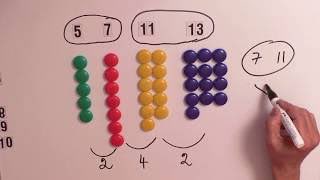
Twin primes are pairs of primes that differ by exactly 2. For instance, (3, 5), (5, 7), (11, 13), and (17, 19) are all examples of twin primes. They're "twins" because they're as close together as possible for prime numbers, since two prime numbers can't be next to each other (apart from the pair (2,3)) due to one of them being an even number.
Now, here's what the Twin Prime Conjecture states: there are infinitely many twin primes. No matter how big a number you pick, there will always be a pair of twin primes bigger than that number.
While it seems intuitive due to the pattern observed in small numbers, this has not been proven for all numbers, and it remains one of the oldest unsolved problems in the theory of prime numbers. Despite extensive computational evidence and the fact that analogous statements have been proven, the Twin Prime Conjecture itself remains unproven.
Significant progress towards proving the conjecture was made by Yitang Zhang in 2013, when he showed that there are infinitely many prime numbers p such that p 2n is also a prime, for some value of n less than 70 million. Although this is a long way from the difference of 2 suggested by the Twin Prime Conjecture, it was the first time a finite bound had been established for this gap, and it opened up new pathways for further research. #PrimeNumbers #MathTheory #TwinPrimeConjecture
2
102

22 Feb 2022
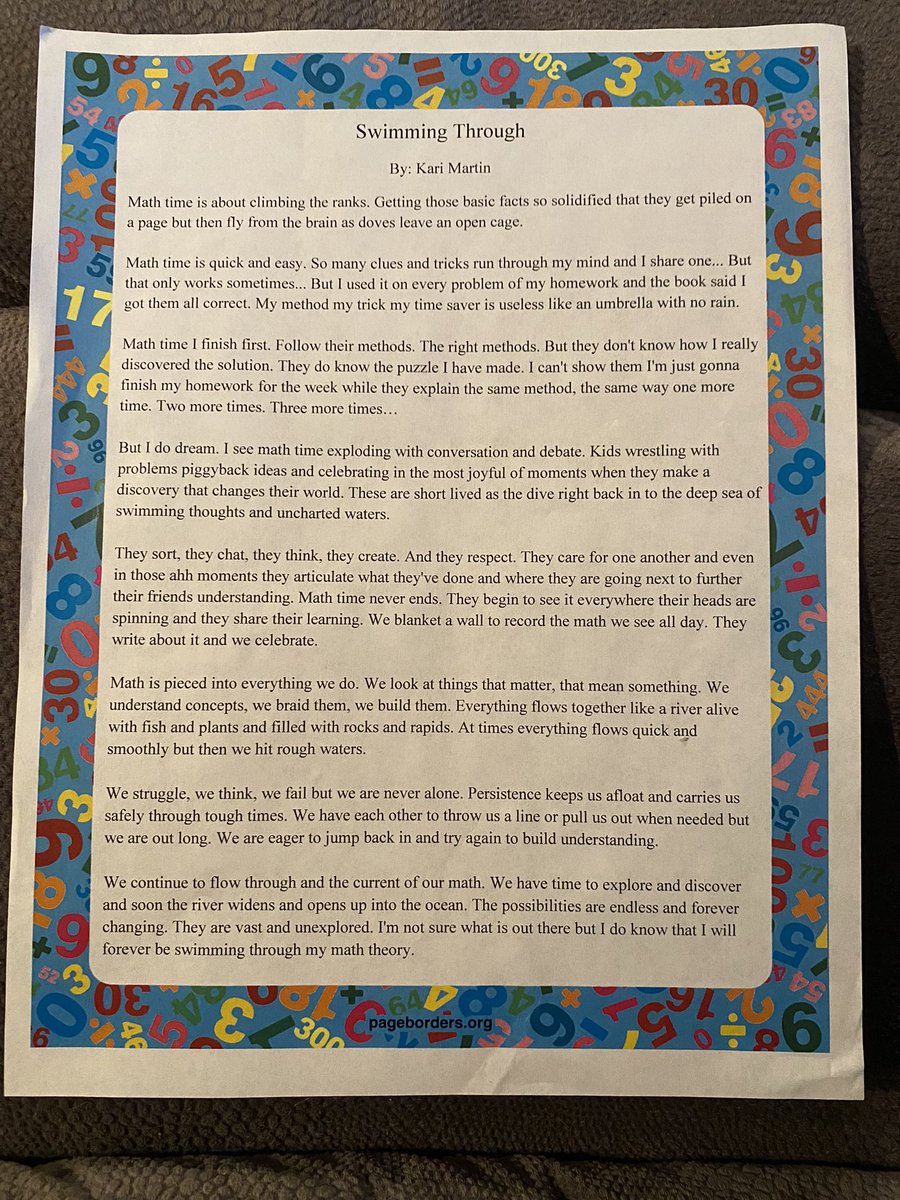
Cleaning out some boxes after moving and found some papers from college/student teaching. I had 2 amazing professors that allowed me to turn in many reflections and papers written in poetry because I found this more fun and interesting. Found this one today🥰 #MathTheory
6

13 Mar 2020
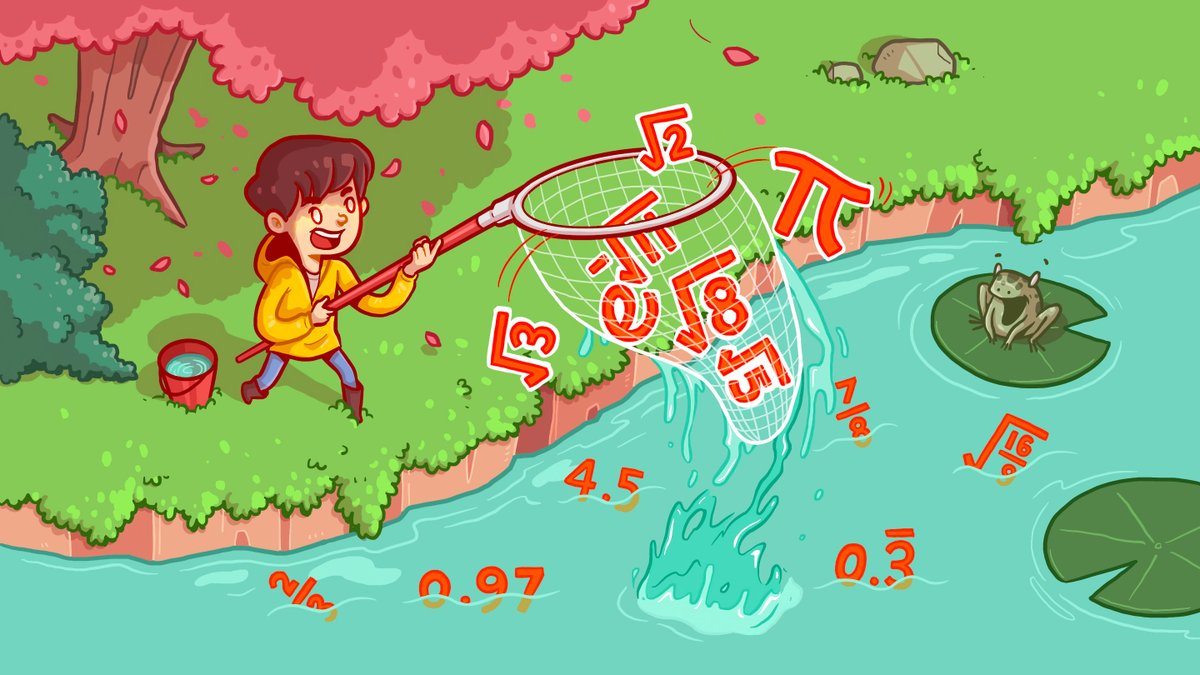
Here's how rational math catches slippery irrational numbers.
#Maths #IrrationalNumbers #Numbers #MathTheory
quantamagazine.org/how-ratio…
2
5

13 Dec 2019
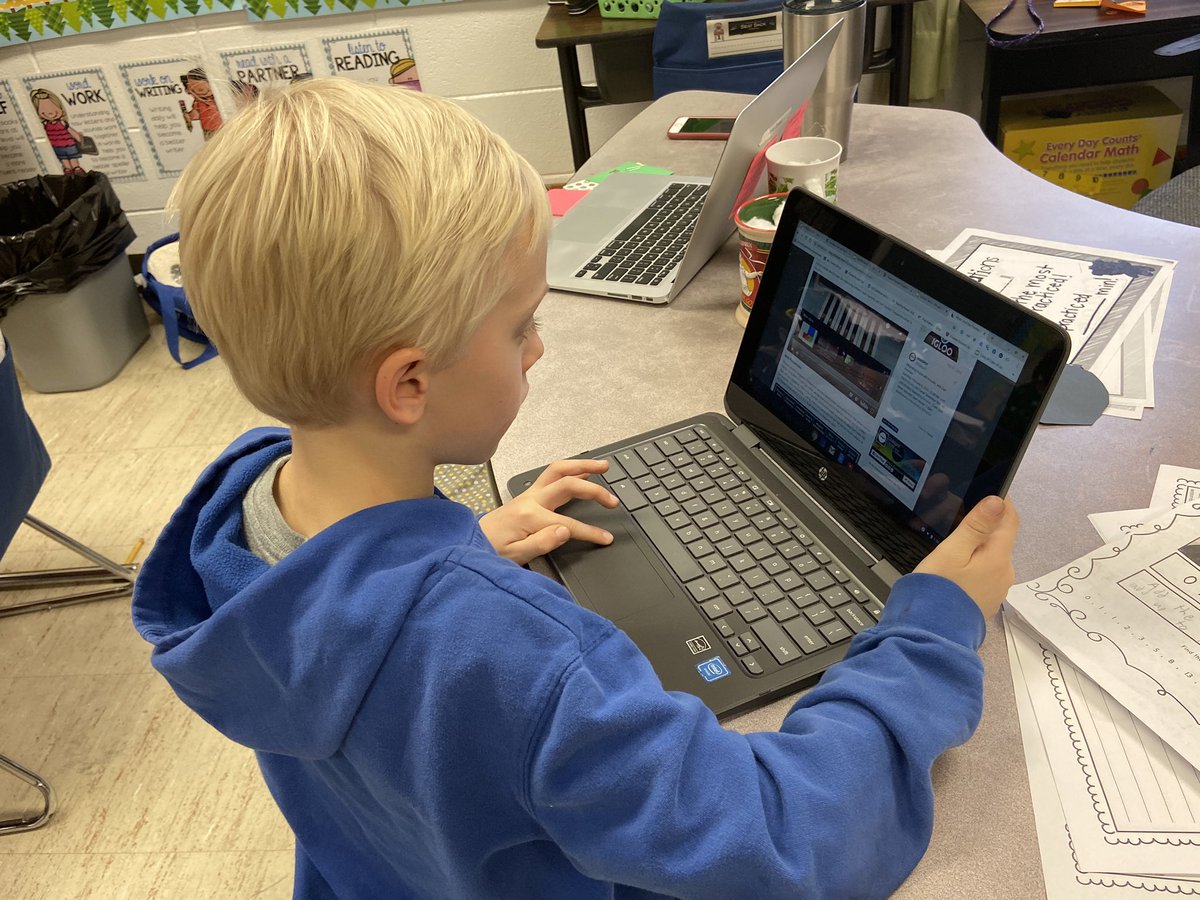
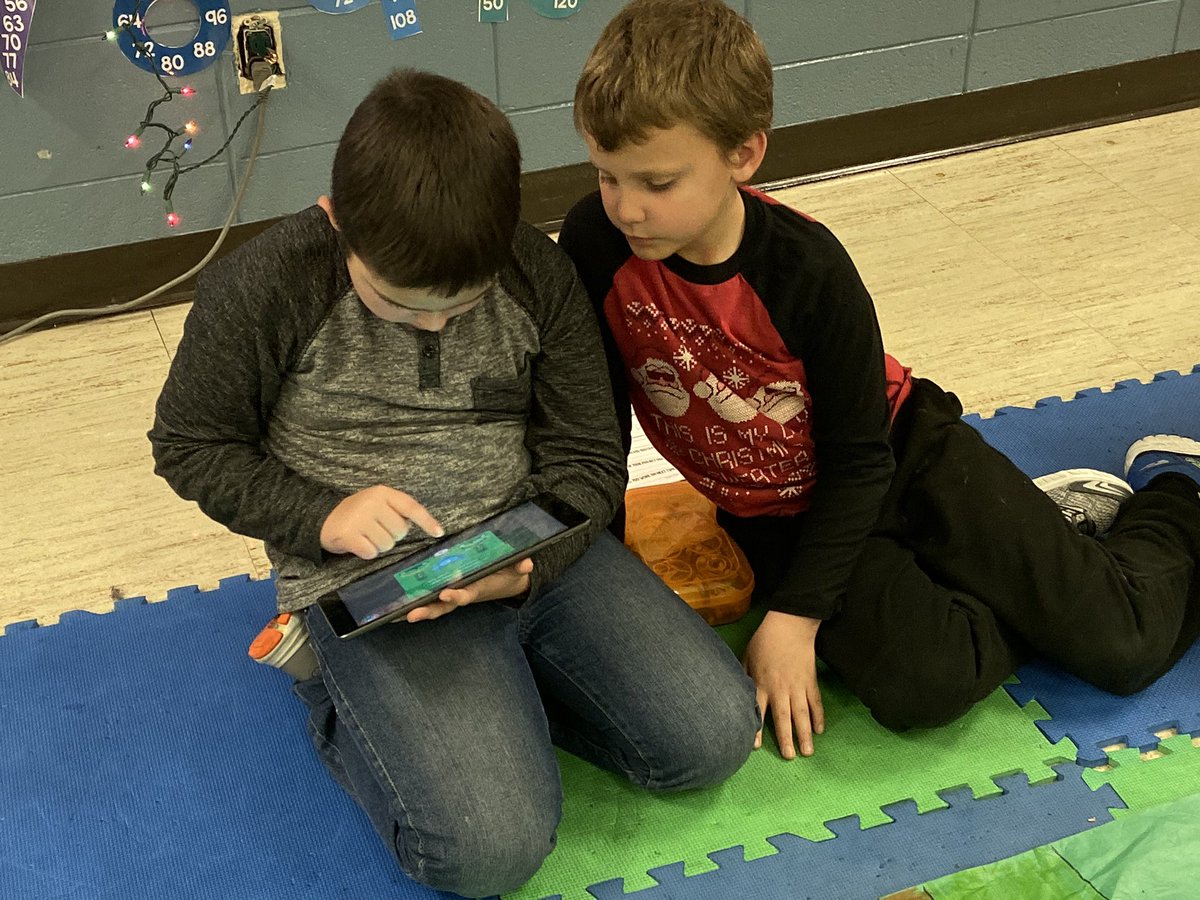
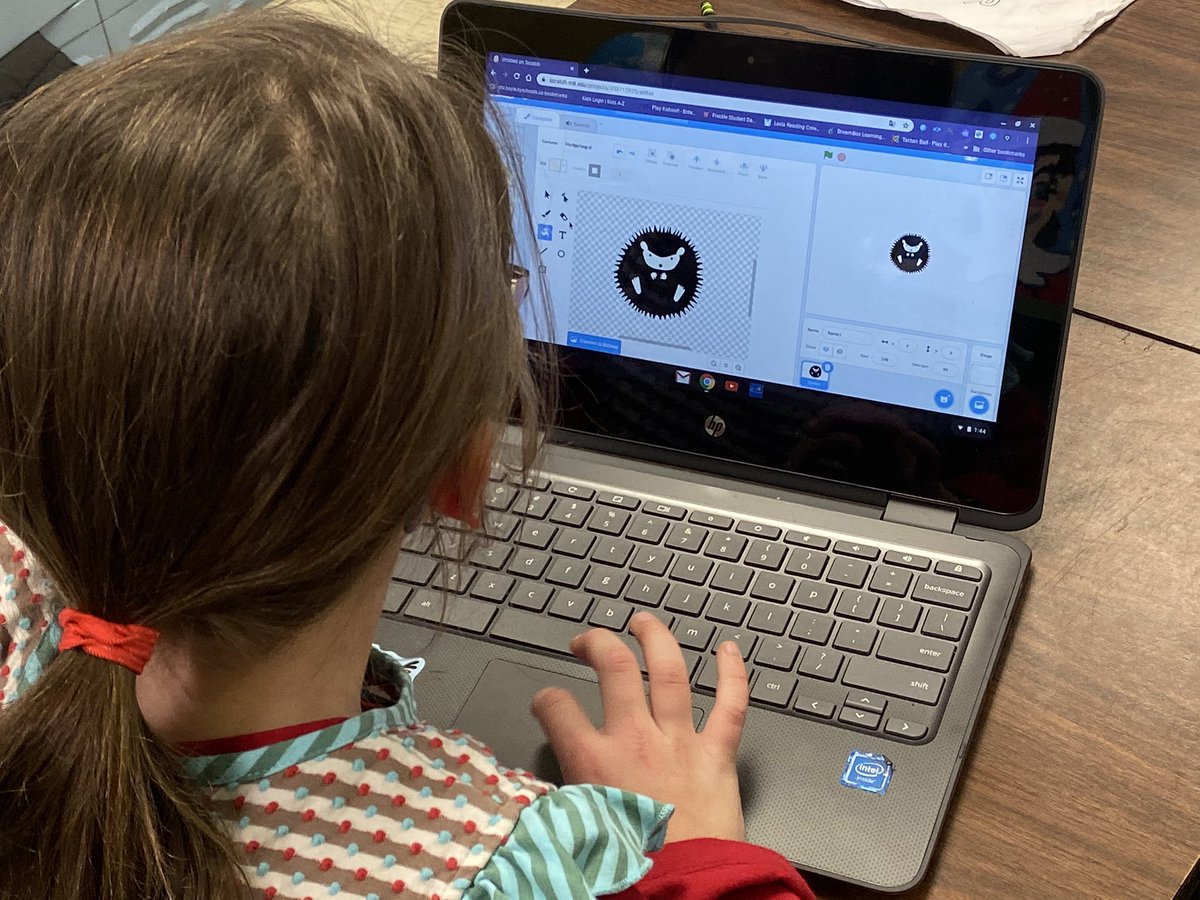
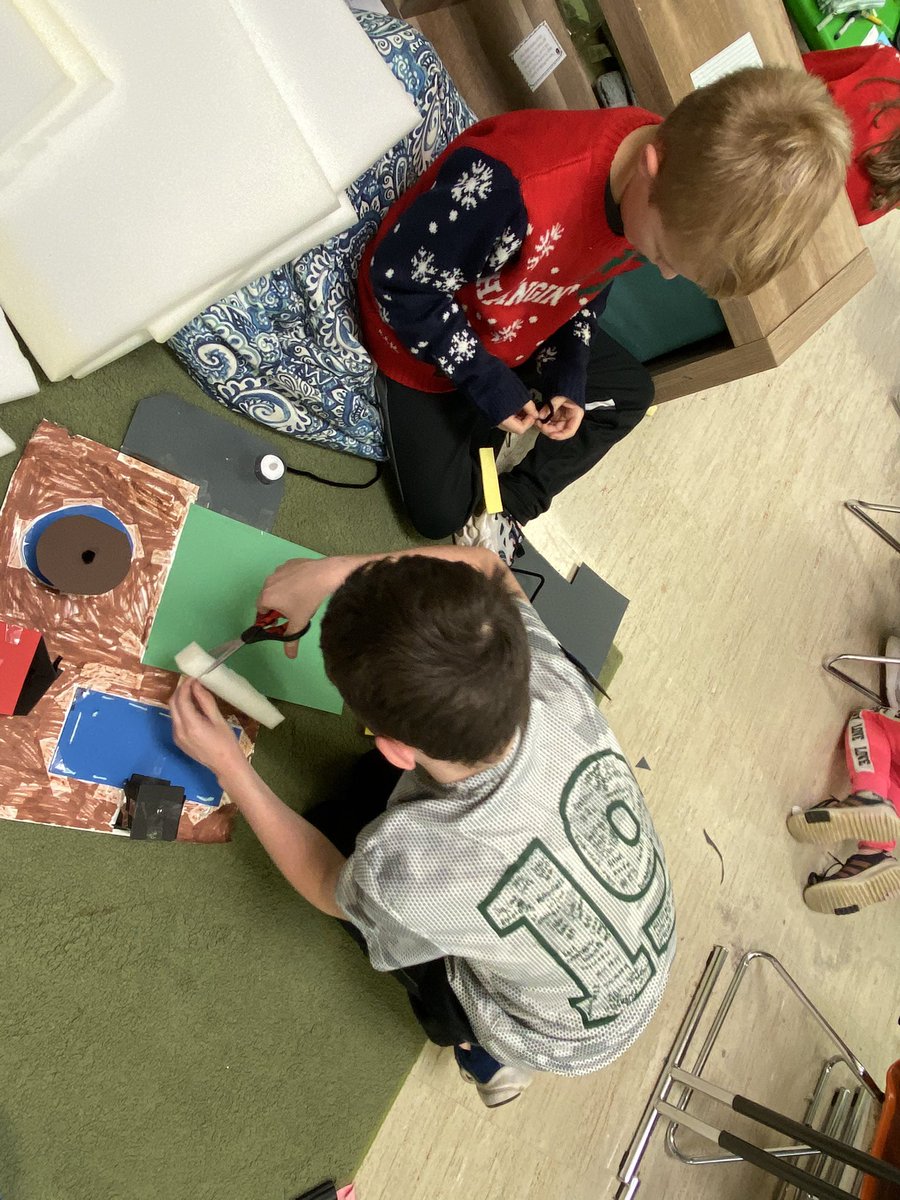
Fun #GenuisHour with these @WESColts 3rd graders. Can’t wait to see their #PresentationsofLearning @scratch #architecture #Footballhistory @WonderWorkshop #MathTheory
3

11 Apr 2019
Come join @BankStreetLib TOMORROW, 4-12-19, 5:30-7:30 PM for Library Salon #20. We will be conducting a participatory problem-solving workshop for Occasional Paper Series #41: Critical Mathematical Inquiry with Steve Greenstein and Mark Russo. @bankstreetedu #maththeory
1
2

Today is @uWaterloo_CEMC Math contest day. Pascal (9), Cayley (10), Fermat (11) contests are written around the world including schools in Kingston. Enjoy the challenge Falcons! #MTBoS #maththeory
3

2 Jan 2018
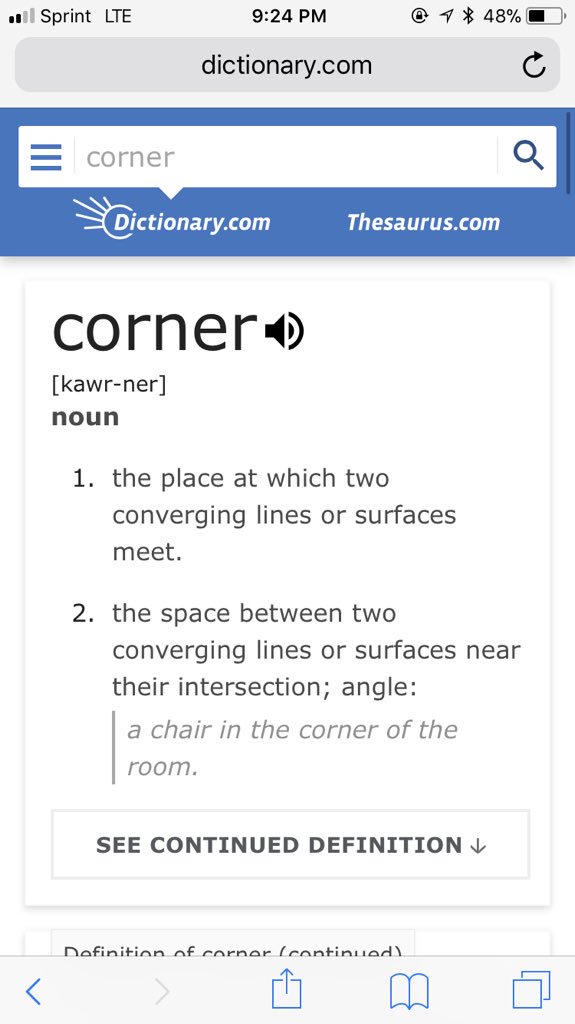
Every different converging line on our face makes a corner with another line. Even though the different angles are so small that’s we can’t exactly tell, there are soooo many different corners on our face! #maththeory
1
2

8 Mar 2016
I love the tv show #numb3rs and I get excited when I hear someone talk about a #maththeory that I heard on that show😊 #ilovemath
1