Apr 25
Mating Behavior:न पाहता, केवळ स्पर्शाने देतो बाळांना जन्म; 50 कोटी न्यूरॉन्सची थक्क करणारी करामत
#MatingBehavior
zeenews.india.com/marathi/wo…
163

2 Oct 2025
Age-dependent changes in reproductive behavior and success in a long-lived beetle (Bolitotherus cornutus)
#Insect #Reproduction #MatingBehavior
doi.org/10.1093/beheco/araf0…
2
6
684

19 May 2025
On the #biology and #distribution of Amblypygi, on the #crypticdiversity in #Damon #variegatus and other #species.
#Whipspiders (#Amblypygi) live worldwide, mostly in subtropical and #tropical areas, where they generally prefer #habitats with higher moisture content. Amblypygi are morphologically adapted to seek refuge in cracks, crevices, or under tree bark. Their very flat body and their ability to move both sideways and forwards help them reach their hiding places and there even move around. Whip spiders are nocturnal and therefore hide during the day. They hunt other arthropods, provided they are large enough to be overpowered.
Amblypygi, which together with whip scorpions form the monophyletic clade #Pedipalpi, have #evolved their #pedipalps into a prey-capturing organ. The distal pedipalp section is folded against the proximal area. Additionally, the pedipalps are armed with spines and tooth-like cuticular projections. If we want to compare it to human behavior, the prey is thus "seized" in a "headlock." Due to the morphological modification of the pedipalps, they are no longer well-suited as tactile organs. A further series of evolutionary modifications has led to the evolution of the first walking #leg into a greatly elongated #tactileorgan.
Contrary to the typical locomotion of arachnids, Amblypygi #walk on three pairs of legs instead of four. The first pair of legs, which has been modified to function as a sensory leg, is no longer able to stabilize the body due to its elongation and delicate, flagella-like structure. Similar to the pedipalps of other members of the Achachnida, the #firstpair of #legs, is used to explore the environment with the help of sensory organs located on its surface. These organs are mainly chemosensors and organs that can detect air movements and bending of the chitin skeleton (chemo- and mechano-#sensors). Whipspiders do, unlike whip scorpions, not posses any poisons or defensive chemicals. Amblypygi are therefore harmless to humans.
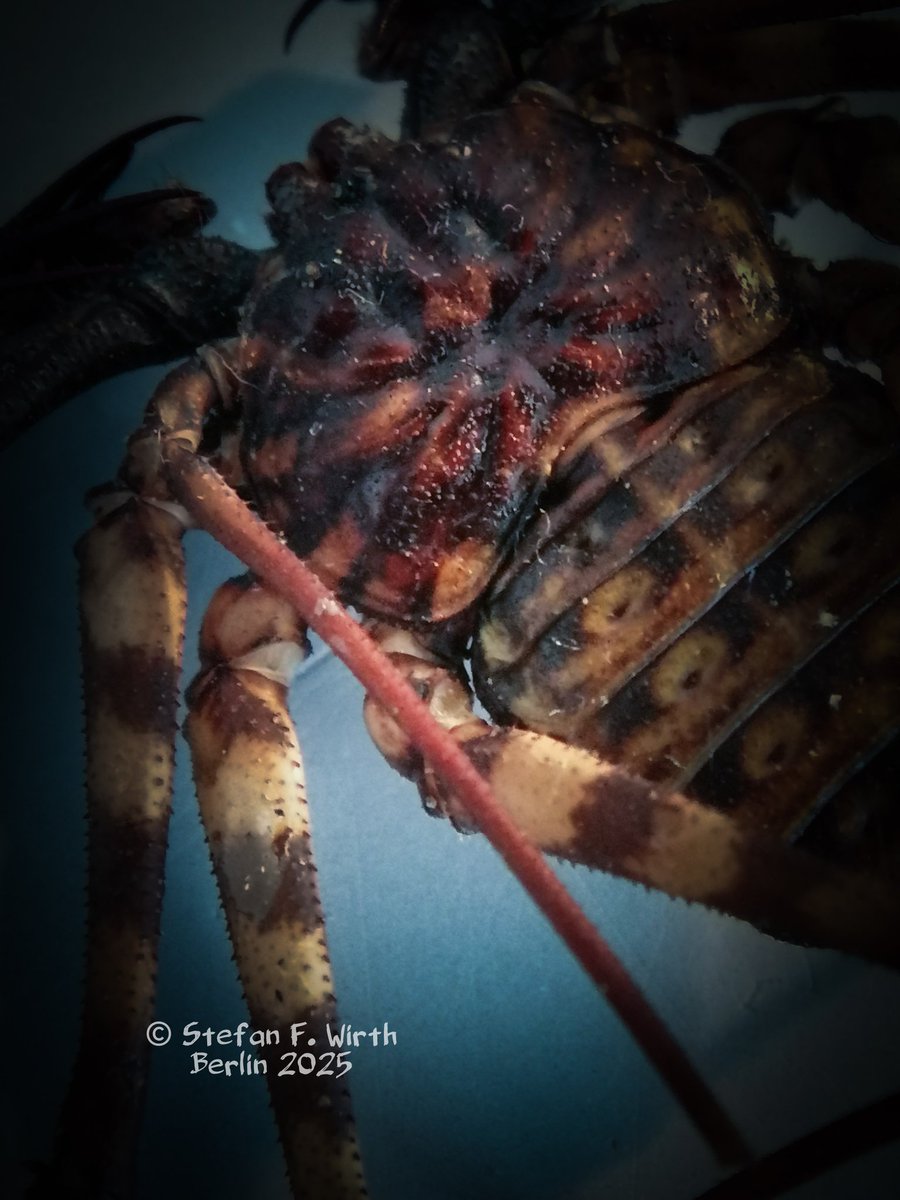
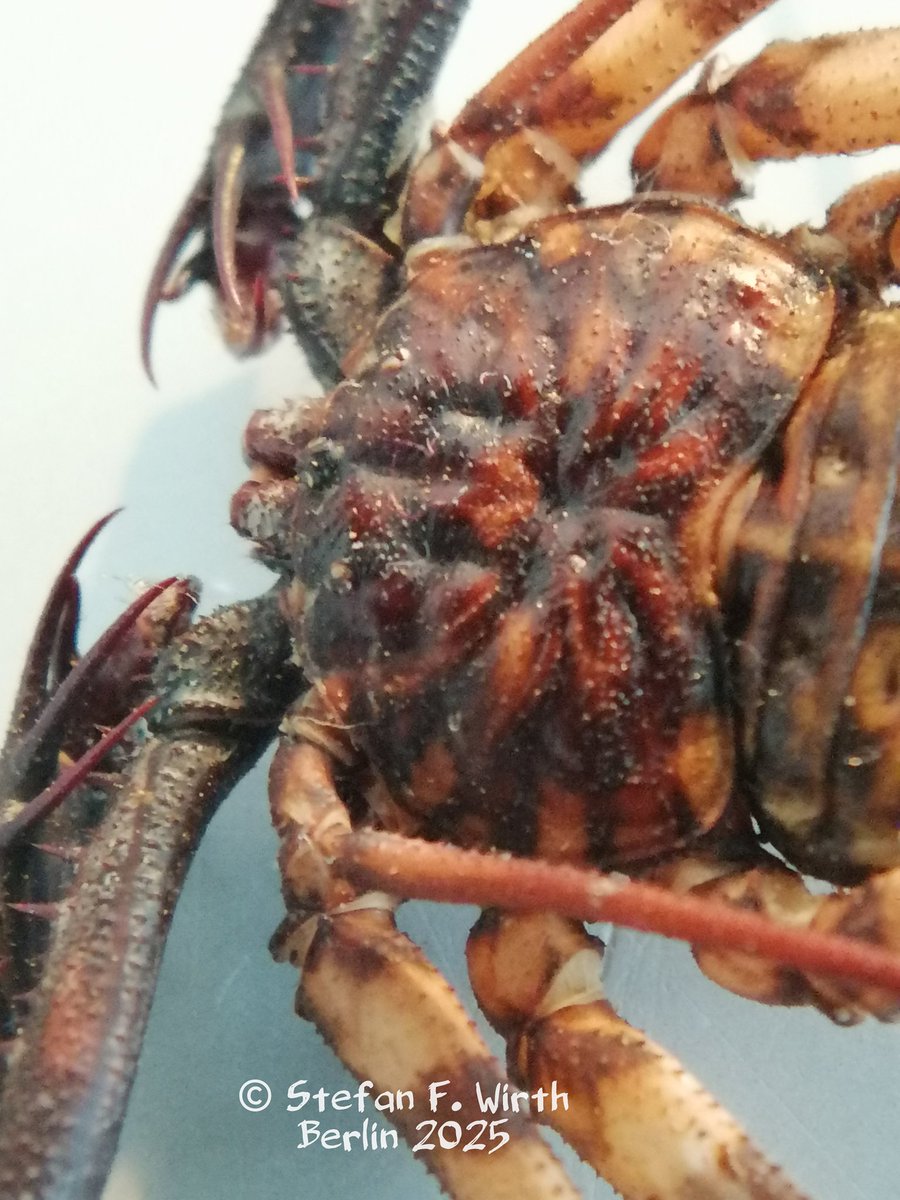
My recent photos show a dried #specimen of the species Damon variegatus, which I kept in a terrarium for years and which died around 2014. My 2010 video recordings of the animal during its lifetime with a conspecific are linked under References.
The species Damon variegatus is of #biological interest, because it belongs to a monophyletic #cryptic #speciesgroup. Cryptic species are characterized by the fact that they are at first difficult to distinguish from one another, but can be defined as different species by obtaining additional characters. The authors L. Prendini, P. Weygoldt & W. C. Wheeler (2005) comparatively studied populations assigned to D. variegatus with regard to #matingbehavior and spermarophore #morphology.
In addition, #moleculargenetic data were collected, namely DNA sequences from loci of three genes in the nuclear genome (18S rDNA, 28S rDNA and Histone H3) and three genes in the mitochondrial genome (12S rDNA, 16S rDNA and Cytochrome Oxidase I). Only the genetic evidence differentiated populations from the west of the Kalahari sand system from those from the east. The authors described the new species thus discovered as Damon #sylviae.
The widespread nature of cryptic diversity within nominal species in the #Arachnida is mentioned in the paper by F. Reveillion et al. (2020), who point to cryptic complexes in scorpions and Araneae, but in their own work studied species of Amblypygi, namely the three morphospecies Heterophrynus alces, H. batesii, and H. longicornis. The authors identified cryptic diversity within these nominal species based on molecular data, namely using cytochrome oxidase 1 (COI).
© #StefanFWirth Berlin 2025
Recerences:
Lorenzo Prendini et al. (2005). doi.org/10.1016/j.ode.2004.1…
Florian Reveillion, er al. (2020). dx.doi.org/10.24272/j.issn.2…
Video S. F. Wirth (2010):
youtu.be/RBr5pupC7C0?si=NcRV…
Photos:
Damon variegatus, © S. F. Wirth Berlin, 2025
11
212
1,493
2 Apr 2024
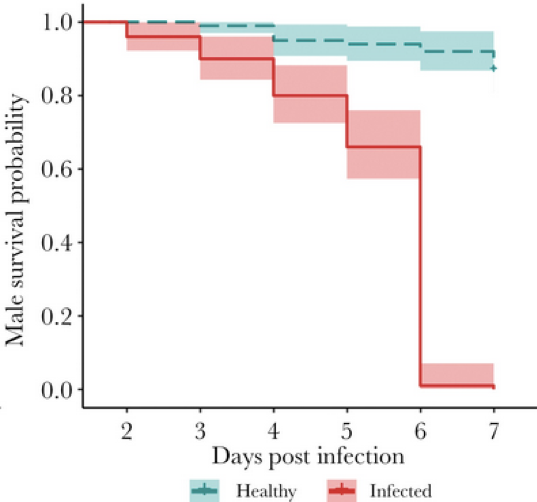
Low sex drive and choosy females: fungal infections are a reproductive downfall for male house flies
#invertebrate #fungus #infection #MatingBehavior
doi.org/10.1093/beheco/arae0…
3
4
681

9 Mar 2024
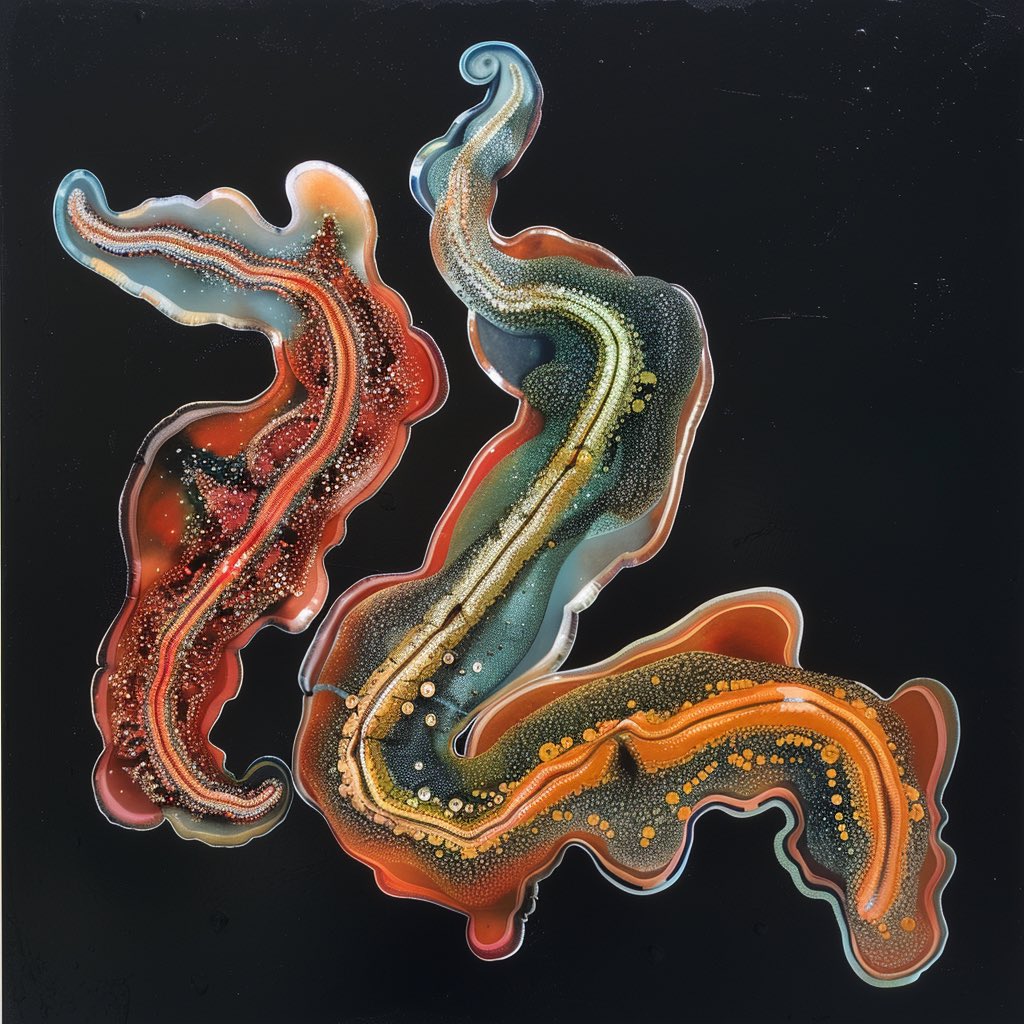
Curious Fact Number 10:
Certain species of flatworms engage in ‘penis fencing’ battles to determine who will be the one to inseminate the other. The winner gets to pass on its genes! 🥊🐛 #MatingBehavior #Flatworms
71

1 Jul 2023
#Arachnids called harvestmen are “trimorphic,” featuring three types of males. How does that happen? @AucklandUni
#matingbehavior #animalresearch
eurekalert.org/news-releases…
1
5
1,340
19 Jun 2023
In the paper Krüger & #Wirth (2011) we elucidate various biologically interesting phenomena based on the #mite #Sarraceniopus #nipponensis (#Histiostomatidae) that is bound to life within the pitchers of carnivorus #Sarracenia plants (Ericales).
The clade Histiostomatidae (Astigmata) always inhabits short living (#ephemeral) #habitats in which, in addition to moisture, the #microclimate is also important. Histiostomatidae species like other #Astigmata-taxa are normally transported via other animals to their final places of development (#phoresy), mostly arthropods. The species Sarraceniopus nipponensis Tagami, 2004 is notable for being adapted to live in a particularly unusual habitat (as typical of its genus), namely the area of digestive juices within the pitchers of a #carnivorous #plant, which normally serve to kill and decompose animal organisms.
The phoretic dispersal stage of S. nipponensis has only a rudimentary sucker plate, which is why I assume that it cannot, or only with difficulty, attach itself phoretically to transporters and predominantly spreads itself from plant to plant.
My cultures were based on material from the
Kisatchie National Forest in #Louisiana (USA), which I collected there in cooperation with the biologist and acarologist John C. Moser (local Forest Service). The host plant was Sarracenia #alata Alph. Wood, 1863. I assume that this is the mite's natural habitat since S. alata is native to the area.
Interestingly, the species was not described in North America, but from a #greenhouse in #Japan. The species must therefore have arrived in greenhouses in other parts of the world, which happened via the international #planttrade, where it obviously could continue to survive together with its host plant.
Since we found minor #morphological #differences between my mites from the USA and the material in Japan, which we considered relevant enough to speak of different #subspecies, I assume that S. nipponensis either in adaptation to greenhouse life , possibly also due to the then smaller gene pool, has undergone little morphological changes or the population in the original distribution area has developed #evolutionary innovations since the beginning of the transfer of native material to international greenhouses (time unknown), in case this happend only once or in a limited time period a longer time ago.
I assume that this mite species and also other species can be found in many greenhouses in the world. I for example found Sarraceniopus sp. also in a greenhouse in #Berlin.
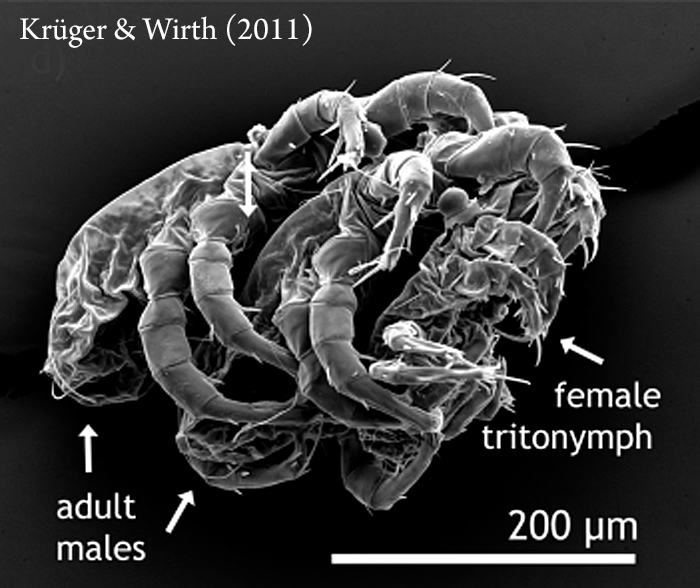
Since there are generally not many biological and #behavioral #studies on mites that do not occur as pests being relevant to humans, we have also dealt intensively with the #lifecycle and details of the pre-#matingbehavior. The attached #SEM #photo shows two males apparently competing for the mate guarding privilege with a female tritonymph.
I wrote the paper as the main author together with a bachelor student and it is based on her bachelor thesis, which I supervised from my scientific-acarological perspective.
©#StefanFWirth #Acarology #biology #behavior #evolution
Paper here:
doi.org/10.1051/acarologia/2…
4
68
944
4 Jan 2023
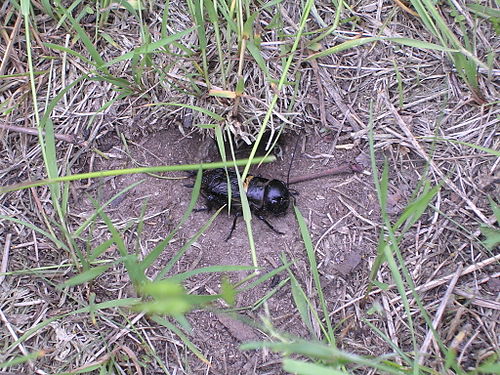
Environment and mate attractiveness in a wild insect #matingBehavior #habitatChoice #entomology
academic.oup.com/beheco/arti…
1
2
714

19 Dec 2022
Disentangling effects of mating, nuptial gifts and accessory gland proteins on reproduction in female crickets
Article in #AnimalBehavior by Ian Rines; Audrey Harrod; @The_Hunt_Lab; @Saddlab & @SakalukLab:
tinyurl.com/3xy5etsj
#crickets #Matingbehavior
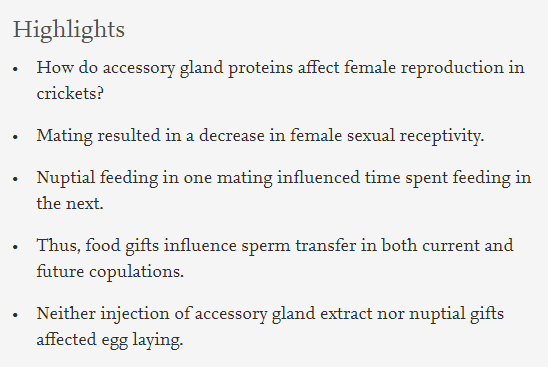
ALT Image shows the highlights of the featured paper
1
5
1,193

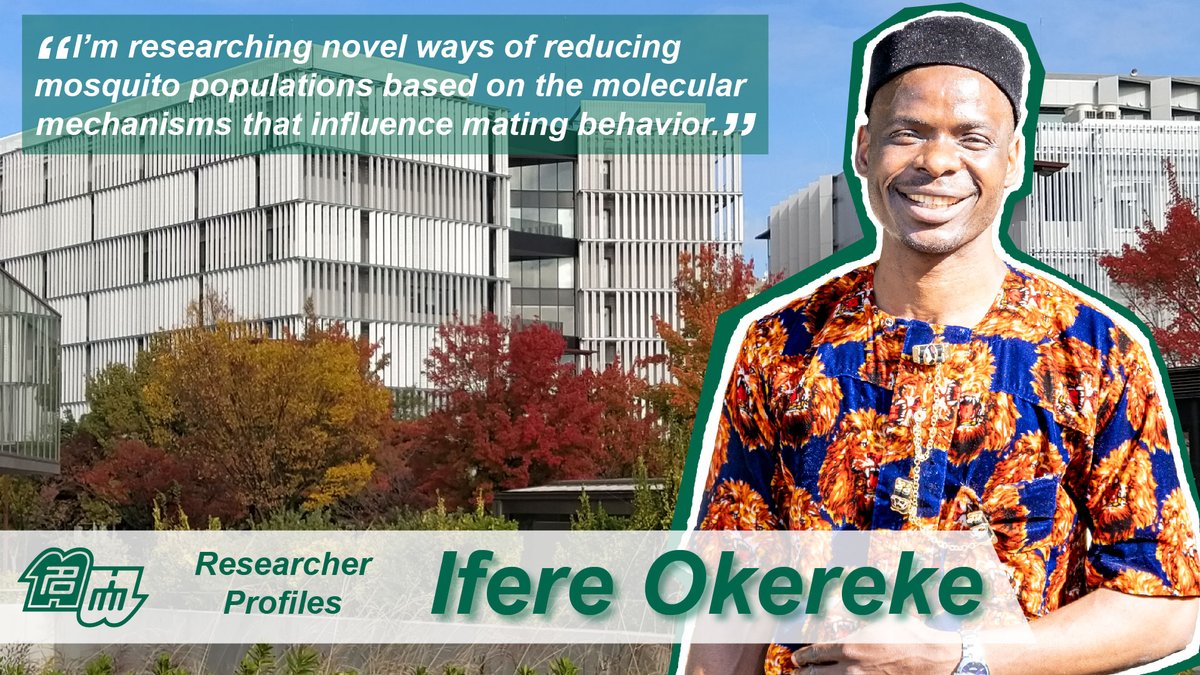
Meet Ifere! He wants to control #mosquito numbers by studying how #hearing impacts #matingbehavior. Curious? Watch the video!
イフェラさんをご紹介します!聴覚システムと繁殖行動の研究を通して蚊の数を減らす方法を探っています。ぜひムービーをご覧ください!
youtu.be/OAfOHvgWJR0
5
8
12 Dec 2022
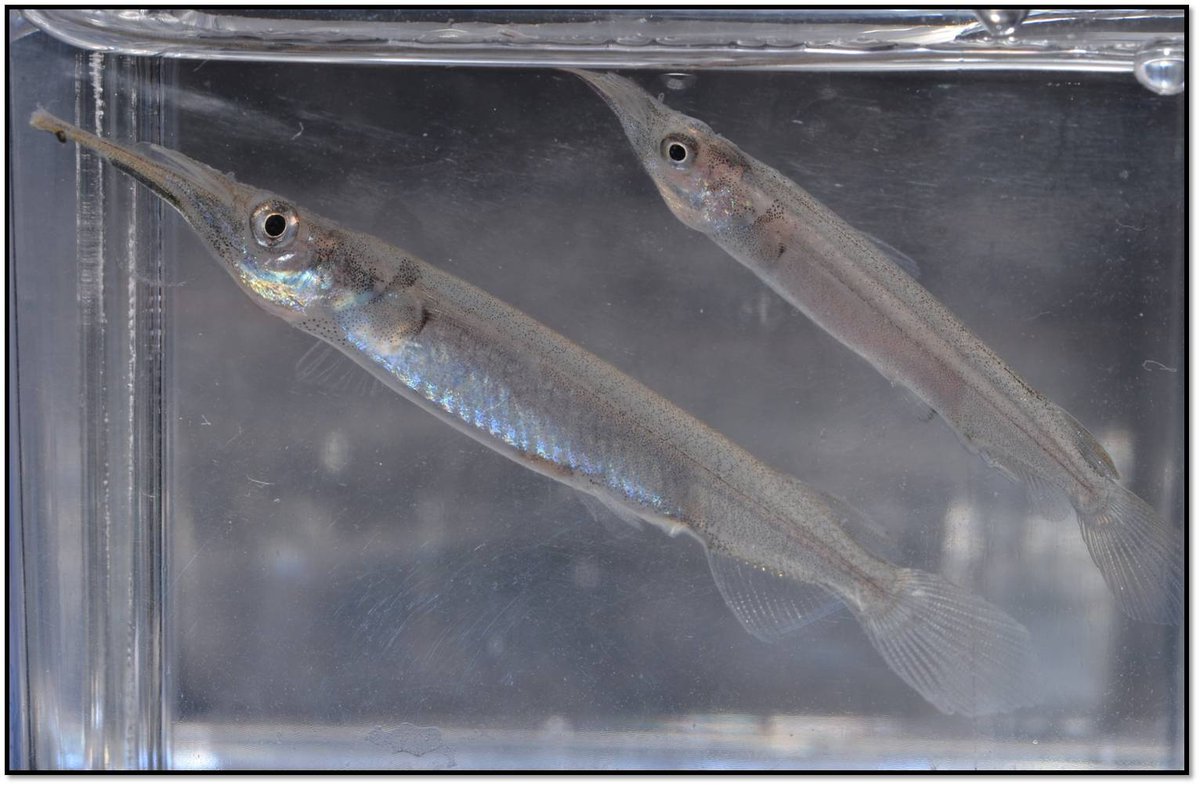
Resource-dependent investment in male sexual traits in a viviparous fish #sexualSelection #matingBehavior #ichthyology
academic.oup.com/beheco/arti…
4
21 Sep 2022
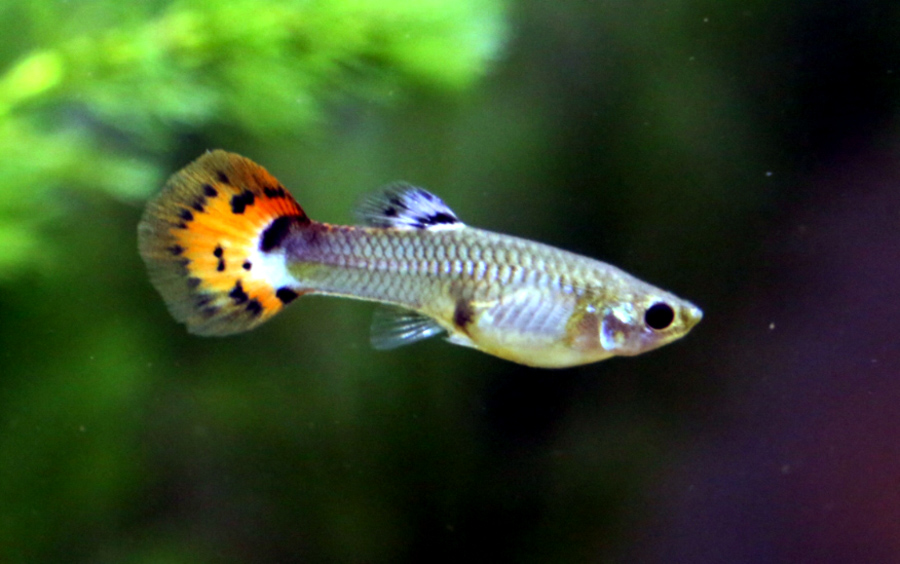
Mating competition and adult sex ratio in wild Trinidadian guppies #MatingBehavior #Ichthyology
academic.oup.com/beheco/arti…
1
8
20 Apr 2022
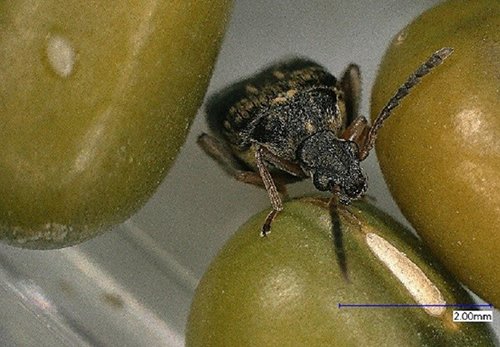
Does developmental environment affect sexual conflict? An experimental test in the seed beetle #EvoDevo #MatingBehavior #BehavEcol
doi.org/10.1093/beheco/arab1…
1
6
4

8 Feb 2022
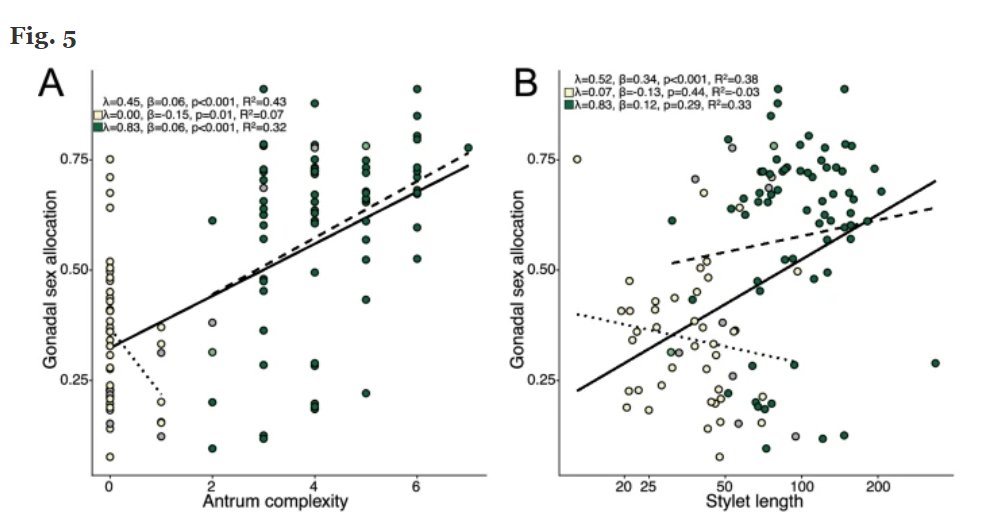
An exploration of how #MatingBehavior and #ReproductiveMorphology predict the macroevolution of sex allocation in hermaphroditic #flatworms.
Read it here: bmcbiol.biomedcentral.com/ar…
1
1
20 Jul 2021
Puzzling Animals: #Learning & #Cognition w/
@NikAudet @LM_Benedict @HannahGriebling @SarahLJacobson1 @subashKray
Sexy Time: #MatingBehavior & #SexualSelection w/
@BrahmaPratush @maeisdha @DoctorScience7 @laurel_lietz @asofiareyes @PearlRaeRivers
@Sentenska_Lenka @Bretta_Speck
1
1
5

26 Jan 2021
Both males and females exhibited few differences in the frequencies of behavioral occurrences across mating group contexts. #AnimBehav2021 #DuskyDolphin #MatingBehavior
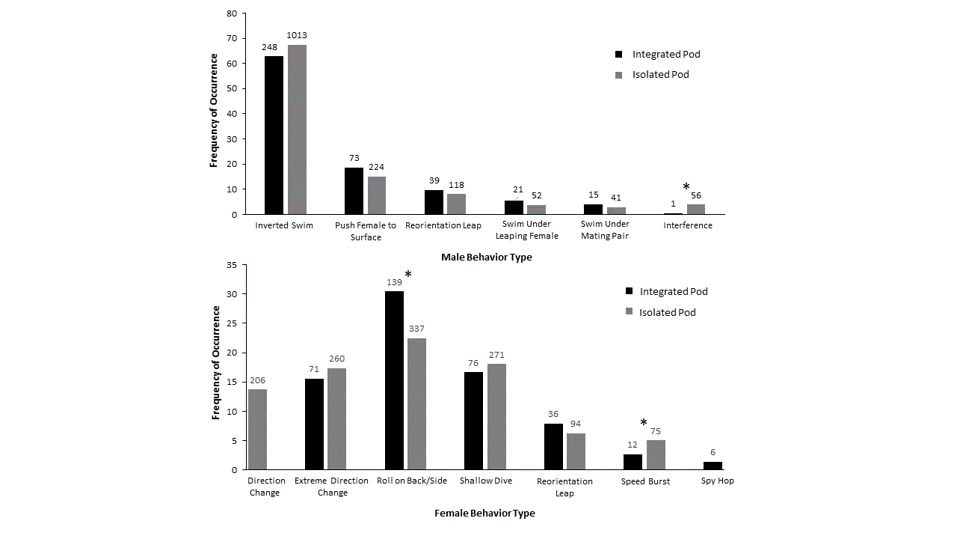
ALT Bar graphs of sex-specific behavior types observed during mating interactions in Isolated and Integrated Pods
1
4
26 Jan 2021
We assessed sex-specific behavior types in the two mating group contexts. #AnimBehav2021 #DroneResearch #MatingBehavior #MarineBiology
1
1
8

20 Jul 2020
Just taught about this behavior in my Intro Bio class! These are some male crabs raising their large claws to draw in a lady friend to mate with! #AnimalBehavior #MatingBehavior #FiddlerCrabs
1
2
5

15 Apr 2020
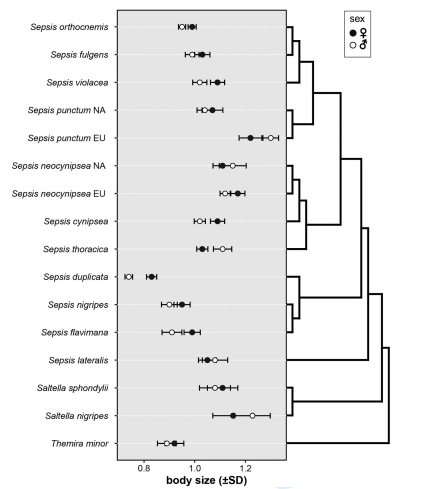
Accepted: Blanckenhorn et al: Sexual size dimorphism is associated with reproductive life history trait differentiation in coexisting sepsid flies
onlinelibrary.wiley.com/doi/…
@wileyecology @NordicOikos #coexistence #Diptera #dungflies #matingbehavior
3
2