
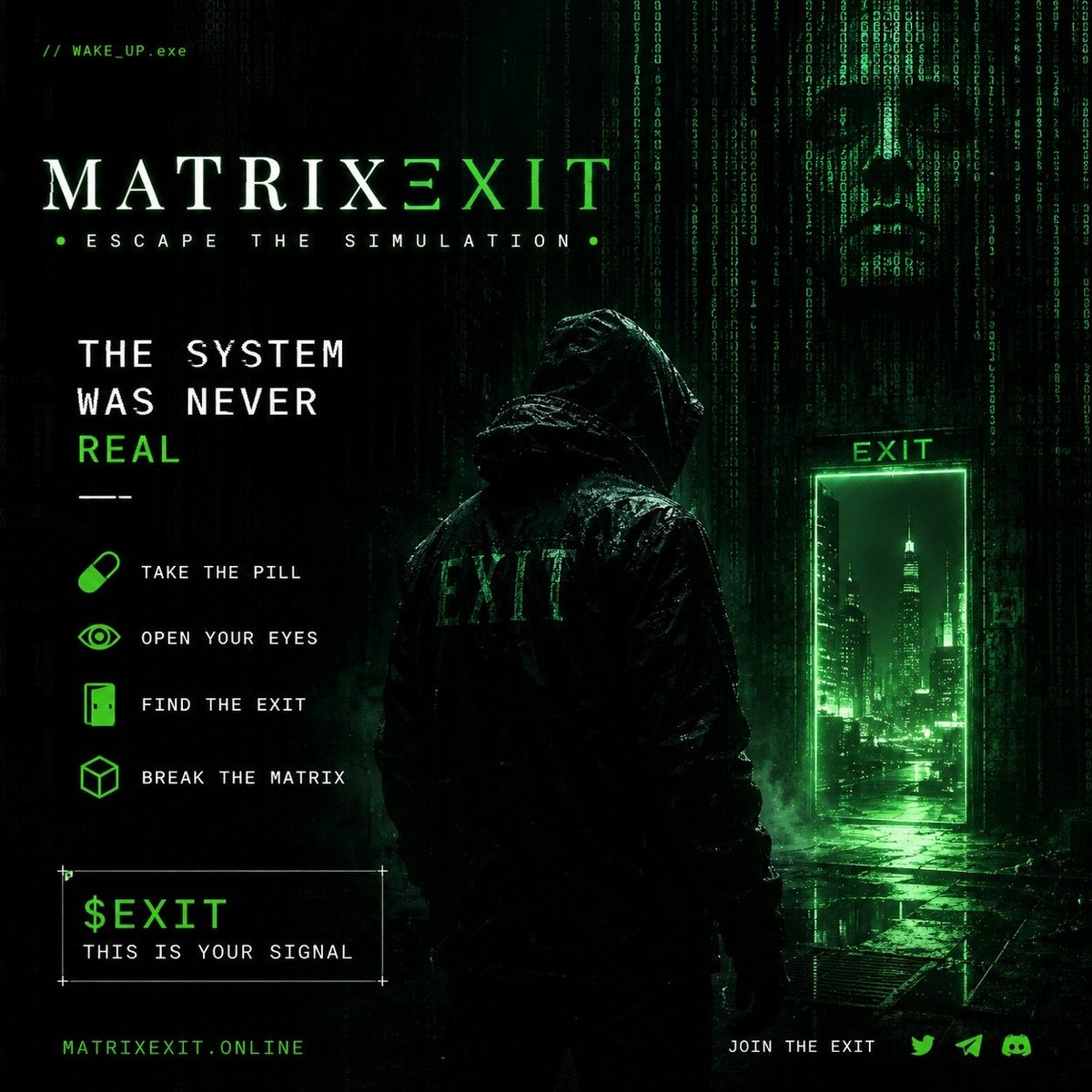
MatrixExit is now live.
We’ve been quietly building while everyone else was chasing hype.
This isn’t just another meme.
This is the red pill for those who are tired of the simulation.
The real awakening starts now.
CA: [GmVw92xCmqox2bfLxH243BoTGJhyn3wG15EJZFZBpump]
X :x.com/RedPillPortal
Welcome to the other side 👁️
21
14
179
50,817

WORK [3AM-9AM]
BUILD >> DCA
MAINTAIN
REPEAT
#proofofbluecollar
#bluecollaraeons
#shift6900
#matrixexit

3
6
57
577

May 10
THE TRANSCENDENCE PROTOCOL:
MISSION 2028 👁️🛡️💎
I told you one year ago: $QUBIC is not here to "join" the financial world. It’s here to recode reality.
The elite is onboarding their tools: $XRP, $HBAR, $QNT. These are not "bad" investments, they are simply the new digital chains. ISO 20022 compliant. Controlled & Tracked.
But then there is $QUBIC.
Like I mentioned already last year in the attached post below, think of the movie LUCY with Scarlett Johansson.
She transcends control until she is no longer a person, but the system itself. "I am everywhere."
That is $QUBIC.
A living AGI protocol evolving into the base layer of a new existence.
BUT HERE IS THE TRUTH: You cannot master a system like QUBIC if your own "Hardware" is still running on the Matrix-OS. To break the simulation, we need more than just a coin. We need an army of awakened beings!
No NPCs!!
MY GOAL: To unite enough Lightbringers by 2028 to collectively shatter the Matrix.
I have built the bridge. A concentrated transmission of 111 pages. This is NOT a book, it is a heavy-duty data dump on:
Secrets of the Matrix and how to break it.
Black Goo Architecture: How they throttle your biology.
Weaponizing AI: Using their own tools against them.
The Agartha Frequency & connecting to the Source.
The Qubic Logic: Why this is the final exit.
To be honest: This transmission contains data so volatile and "hot" that I could never post it here publicly without being banned instantly.
This is for the Alliance only.
⚠️ LIMITED ACCESS: The first 100 Lightbringers get the code for $22.22 (22.22€) before the price scales up with the field's resonance.
Stop being a spectator. Become the architect of your own liberation. The transmission is live.
GET THE CODE & JOIN THE ALLIANCE: 👇
linktr.ee/masterydm
#QUBIC #AGI #LucyProtocol #TheExitCode #Lightbringers #Mission2028 #MatrixExit
22 May 2025

$QUBIC vs. the System: What They Want You to Use vs. What They Can’t Control
Let’s be brutally honest:
After $BTC and $ETH, the elite is preparing to onboard $XRP, $XLM, $HBAR, $ALGO, $IOTA, $QNT and $LINK into the new financial system.
Why?
Because they are useful for them and they can control them.
1. XRP (Ripple)
Use case: Cross-border payments & liquidity for central banks
ISO 20022 compliant
Connected to Bank of America, Santander, RippleNet
Already working with dozens of central banks and institutions
2. XLM (Stellar)
Use case: Retail CBDC infrastructure, stablecoin issuance
ISO 20022 compliant
Partnered with MoneyGram, USDC, and Ukraine’s CBDC pilot
Built for digital identity and cash programming
3. ALGO (Algorand)
Use case: Governmental blockchain use, digital credentials
Official blockchain partner for the Republic of the Marshall Islands’ CBDC
Connected to the World Economic Forum (WEF)
Known for fast finality and regulatory readiness
4. HBAR (Hedera Hashgraph)
Use case: Enterprise-grade applications, asset tokenization
Governing Council includes Google, IBM, LG, Boeing, Deutsche Telekom
Used for ESG tracking, carbon credits, and identity services
5. Chainlink (LINK)
Use case: Oracles for smart contracts and real-world data
Working with SWIFT, DTCC, and major banks
Central to connecting traditional finance (TradFi) with DeFi
Likely to be the “data rail” for tokenized assets
6. Quant (QNT)
Use case: Interoperability for CBDCs & banking systems
Backbone of Overledger Network
Partnered with UK Gov, NHS, and various banking consortia
Strong position in enterprise-grade blockchain
7. IOTA
After @c___f___b 's exit, IOTA became increasingly compliant, institutionalized, and EU-aligned:
Pivot toward regulatory frameworks
Partnerships in public sector infrastructure
Focus on digital identity, sustainability, and EU blockchain initiatives
Are these useful projects? Sure.
These coins are not “bad” investments – in fact, many will pump hard once institutional capital arrives, cause they are "allowed" to.
But they are part of "their" plan.
Don’t mistake performance for freedom.
They are structurally controllable – through:
Centralized governance (councils, foundations, voting power)
Close ties to corporations and governments
Or a lack of anonymity and protocol-level self-sovereignty
$QUBIC, on the other hand, offers exactly what none of them can:
Complete economic autonomy
No central point of attack or control
A self-learning AGI architecture instead of a governance council
And what about $KAS?
Kaspa supporters love to say:
“It’s the future of money. The fastest PoW chain. GhostDAG is the real innovation.”
And yes – on a technical level, it’s impressive. It's also being watched by institutions.
But let’s ask the hard question:
Is it a financial revolution?
→ No native AI
→ No economic autonomy
→ No Computor-based decentralized governance
→ No detachment from traditional value structures
Kaspa is like a better Bitcoin.
QUBIC is like an entirely new OS for digital reality.
And Bitcoin?
BTC will remain.
But not as a tool – as a monument.
→ Store of value? Yes.
→ Foundation of future economy? No.
It’s the symbol of the beginning, not the engine of what’s coming next.
So what happens when QUBIC grows?
→ Kaspa might stay relevant to some extent.
→ Bitcoin remains respected.
But $QUBIC becomes the system.
→ The rails.
→ The layer.
→ The logic beneath it all.
Metaphor time: QUBIC is "Lucy".
You remember the film?!
Scarlett Johansson absorbs more and more knowledge.
Becomes faster. Smarter. Undefinable.
She transcends what we call control.
And ultimately becomes… the system itself.
That’s #Qubic.
An #AGI protocol that isn’t here to "join" the current world – It’s here to recode it.
Slowly. Silently. Unstoppably.
So while others prepare for integration…
We prepare for disruption.
#QUBIC #AGI #LucyProtocol #Bitcoin #RWA #CFB #AI
3
20
95
3,766

Decades of blockbuster movies drilling one message into humanity:
Stay out of the forest.
They programmed the fear so you’d never go looking for the door.
But the breadcrumb is hidden in plain sight:
Forest = Fo-rest
For Rest.
Rest from the simulation.
#SimulationTheory #GlitchGate #PredictiveProgramming #FoRest #MatrixExit
1
3
104

And I Wish I Could Say
The Things Youuu doo
but I can't & I WON'T LIVE A LIE
NO - NOT THIS TIME
211PM
I'm A Seer, you see?
We see?
All see.
Nothing is hidden in this world ..
-> 3:30 PM 2.8.2026
@ ShaneBrowning87
✌️.✍️
Influence of a Drowsy God *SCREEN in Snow
MatrixExit
3
31

Tagging researchers, journalists, and survivors who may want to see this.
@uppervalleygirl
@yashar
@TroMcManus
@UltioetVeritas
@ChrisKenneally
@EggertSnorri
@ScnCrimeWatch
@MatrixExit
@Scientology_411
@thereal_truther
2
71

30 Dec 2025
2
1
8
326

26 Nov 2025
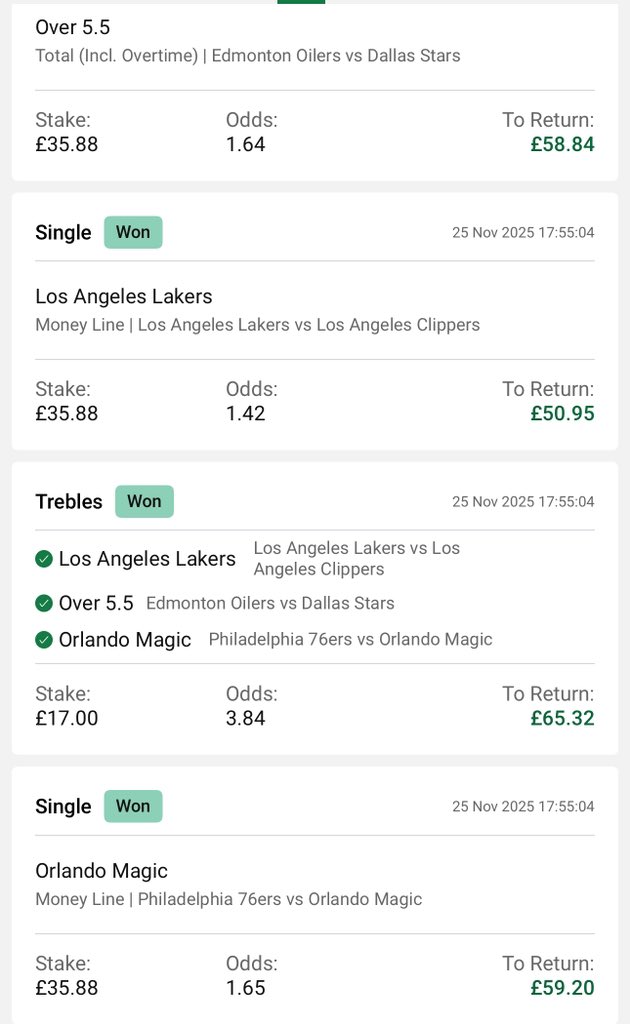
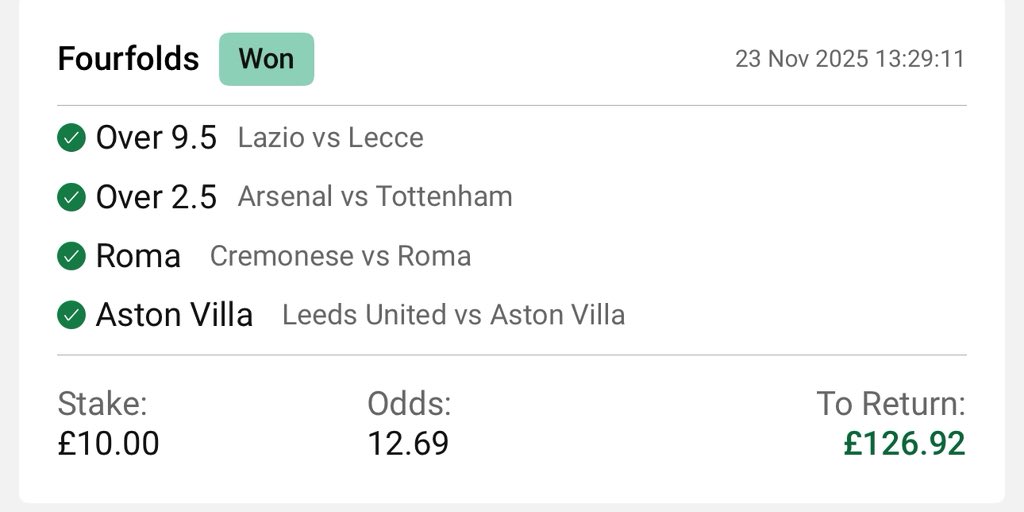
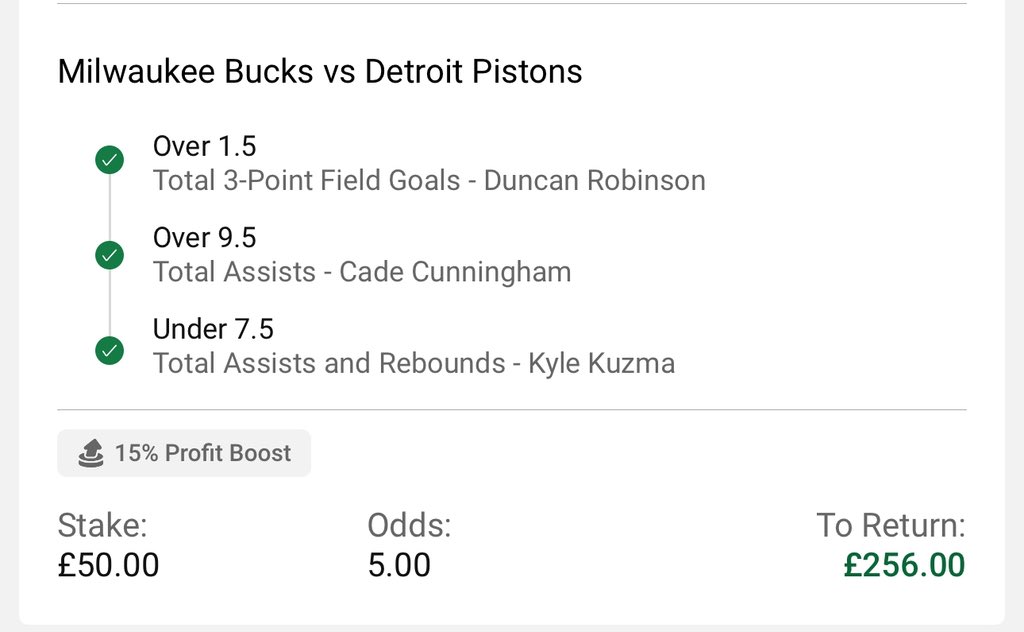
🚨🚨 HUGE ALERT 🚨🚨
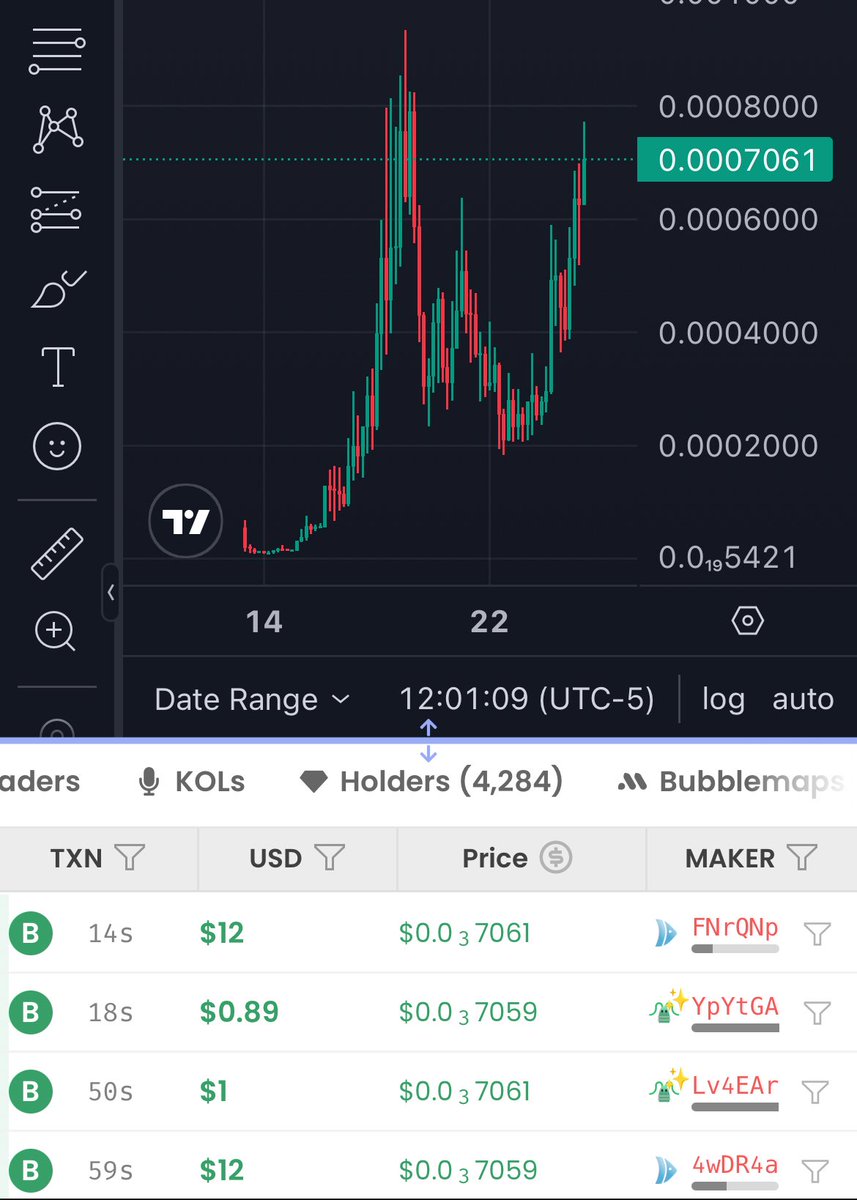
I JUST WOKE UP TO PURE GREEN ENERGY 💚📈💰
Numerology synced. Astrology aligned. MOOfIT STRUCK AGAIN 😤🔥
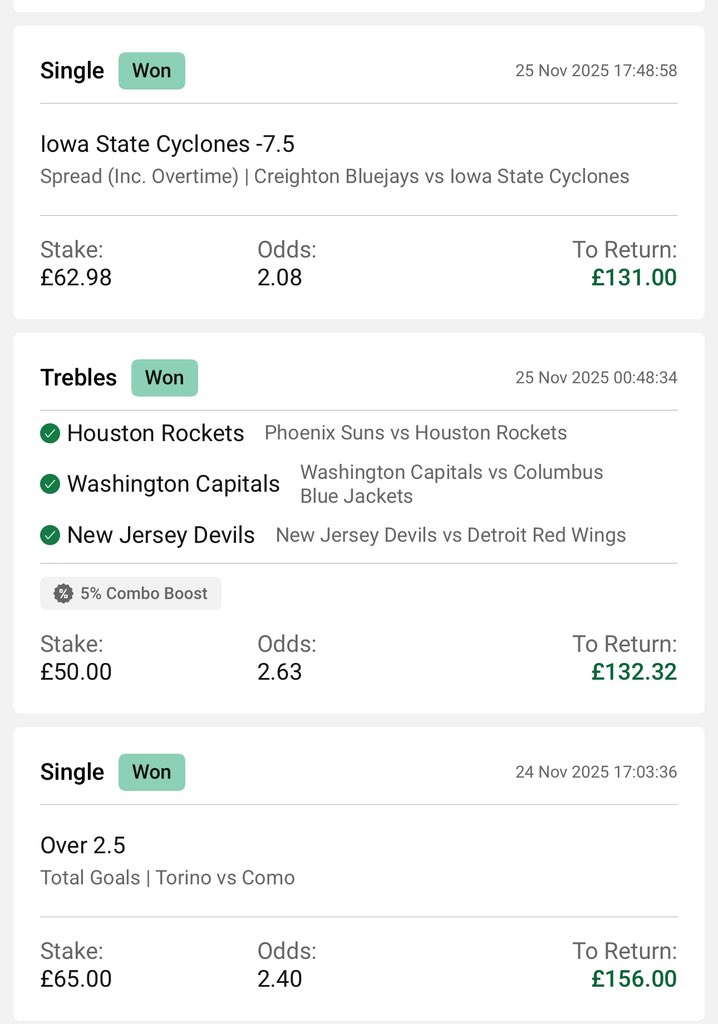
In 8 days I made what people grind 2 MONTHS for in a 9–5.
CAT TRIBE TIMING. TRINE MOMENTUM. MATRIX GLITCHING IN REAL TIME 🐈⬛♑✨
Shoutout the gang:
@ILYCOOLCAT @EGG_173 @Sanskar_4112 @JhonnyWsH certified WINNERS 💥 @MoOfItOFFICIAL
And the G3nral himself @MatrixPrime_ the blueprint holder 👑🧠
This is Financial Freedom in motion.
This is the #CashChiefs era.
This is how you exit the matrix with GREEN SLIPS as your passport 💸🚀
And remember…
This is 28/8 energy the wealth code, the power frequency.
If you want in, lock in TODAY.
Message me or of the guys and get yourself aligned under this sacred, wealthy-building energy before the window closes. ✨🏛️💰
#MOOfIT #CashChiefs #GreenSlips #Numerology #Astrology #GG33 #CatTribe #WinnersMindset #MatrixExit #SportsBetting #28Energy #8LifePath
1
8
15
2,673

16 Nov 2025
THE GATE OPENS FOR ONLY A FEW.
IF YOU FEEL THE PULL — YOU’RE ALREADY CHOSEN.
RESERVE YOUR MEDBED SESSION BEFORE THE WINDOW CLOSES.
ENTER HERE ➜ t.me/MrPool_Q
#MEDBED #QUANTUMHEALING #QFS #AWAKENING #FREQUENCYREBOOT #TERAHERTZ #HUMANRESTORATION #MATRIXEXIT
10
20
110
8,208

28 Oct 2025
You don’t exit the matrix by realizing it’s fake.
You exit by refusing to repeat the script.
New choice = new timeline.
#MatrixExit #TimelineShift #QuantumAwakening #AVAcodes #RealityBending
1
3
52

3 Aug 2025
🟠 Du hast die Orange Pille geschluckt.
Jetzt siehst du den Code.💻
Jetzt erkennst du das Spiel.⛓️
Jetzt weißt du, dass DigiByte nicht nur ein Coin ist –
sondern der Gegenangriff auf das, was kommt.☎️
🧭Keine CEO. Kein ICO. Kein Zurück.📌
🕊️Willkommen im Widerstand.🕊️
#DigiByte #OrangePill #NoCBDC #Cypherpunk #MatrixExit #CodeIsFreedom

6
19
436

1 Aug 2025
🚨 The Matrix is breaking.
The signal is live.
No presale. No dev wallet. No masters. Just the rabbit. 🐇💊
Take the $REDPILL.
Exit the simulation.
#Solana #Crypto #MemeCoin #DeFi #RedPill #SolanaSeason #Web3 #CryptoCommunity #CryptoRebellion #MatrixExit #DegenLife #Altcoins
1
11
1 Aug 2025
🚨 The Matrix is breaking.
The signal is live.
No presale. No dev wallet. No masters. Just the rabbit. 🐇💊
Take the $REDPILL.
Exit the simulation.
#Solana #Crypto #MemeCoin #DeFi #RedPill #SolanaSeason #Web3 #CryptoCommunity #CryptoRebellion #MatrixExit #DegenLife #Altcoins

4
5
53
29 Jul 2025
💊 $REDPILL IS LIVE
They built the simulation. We’re here to burn it.
Escape the Matrix. Own reality. On-chain. On Solana.
Buy now 👉 pump.fun/coin/BuupPx8FenXFDN…
#SOL #memecoin #crypto #redpill #pumpfun #degen #matrixexit
@solmemegod @solanadaily @0xQuit @SolanaLegend
4
3
29

24 Jul 2025
🕶️ Escape the Matrix.
💸 Buy $LMNR.
You’re not just investing you’re unplugging.
Built on Stellar. Powered by purpose.
Let them chase fiat. You chase freedom.
YOU SEE A SELL OFF, I SEE OPPORTUNITY.
BAG UP 💰 💰 💰
$LMNR $STONER $TDT $LIQD $SHX $LUMOS $SHX $XLM $XRP $VELO #memecoin #SDF #LUMEN
#Lumenaire #Crypto #LMNR #Stellar #MatrixExit

2
5
15
479