
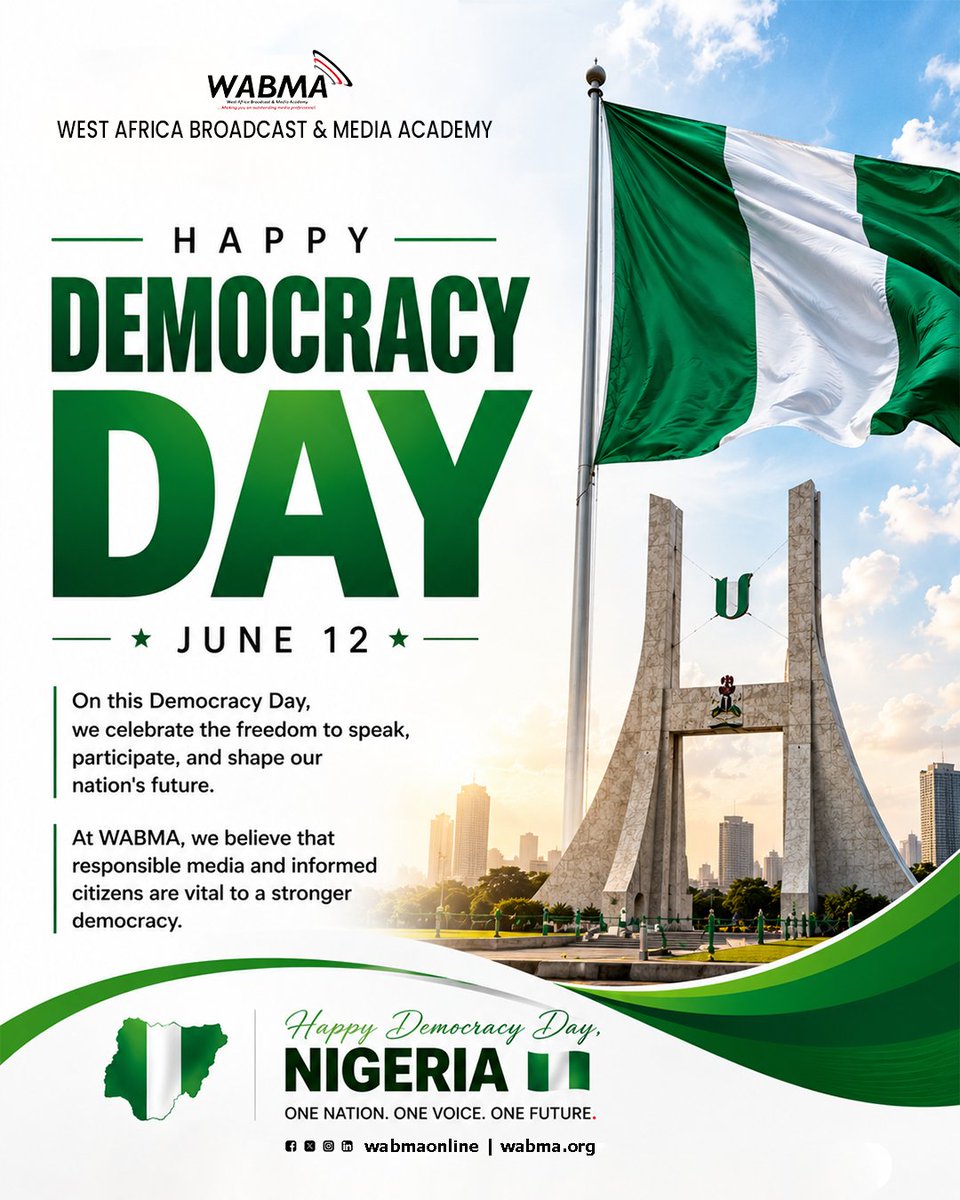
Today, we celebrate the enduring values of freedom, participation, accountability, and the collective voice of the people.
At WABMA – West Africa Broadcast & Media Academy, we recognize the vital role of responsible media, ethical journalism, and informed public discourse in strengthening democratic institutions and nation-building.
As we commemorate this important day, let us continue to promote truth, dialogue, civic responsibility, and the democratic ideals that unite us as a nation.
Happy Democracy Day!
One Nation. One Voice. One Future.
#DemocracyDay #June12 #Nigeria #WABMA #WestAfricaBroadcastAndMediaAcademy #MediaForDevelopment #Journalism #Democracy #NationBuilding #ResponsibleMedia
54

True accountability starts at the grassroots. 🤝
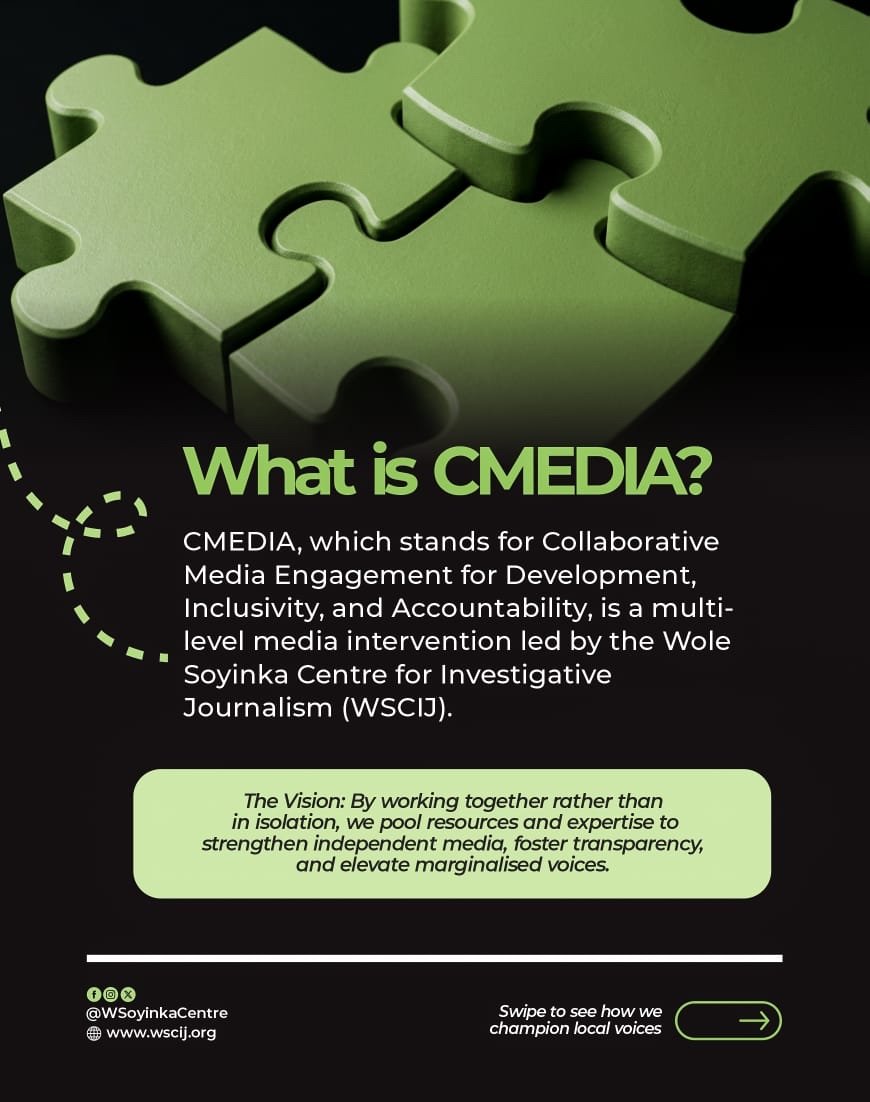
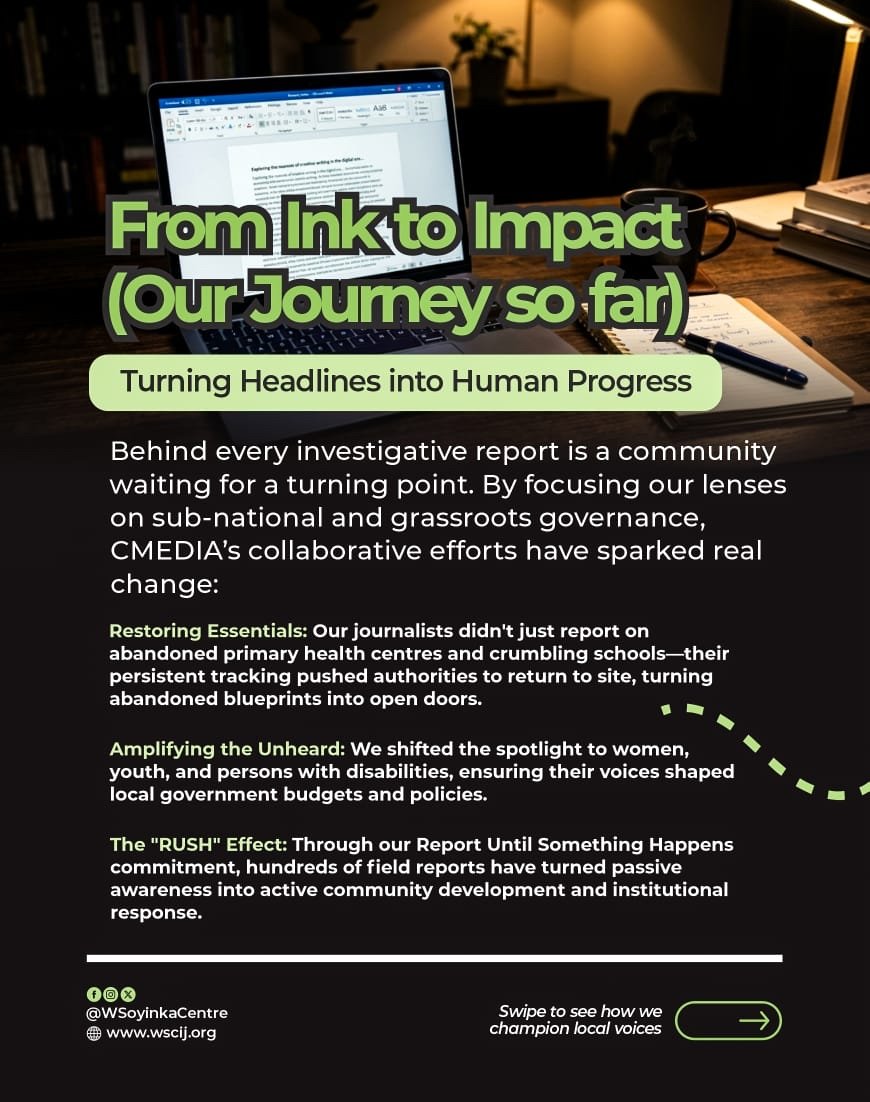
This is how the Collaborative Media Engagement for Development, Inclusivity, and Accountability (#CMEDIA) project is pooling resources to strengthen independent media and elevate marginalised voices. Swipe through to see our journey.
#WSCIJ #CMEDIA #InclusiveEducation #MediaForDevelopment #GrassrootsGovernance
7
151

May 19
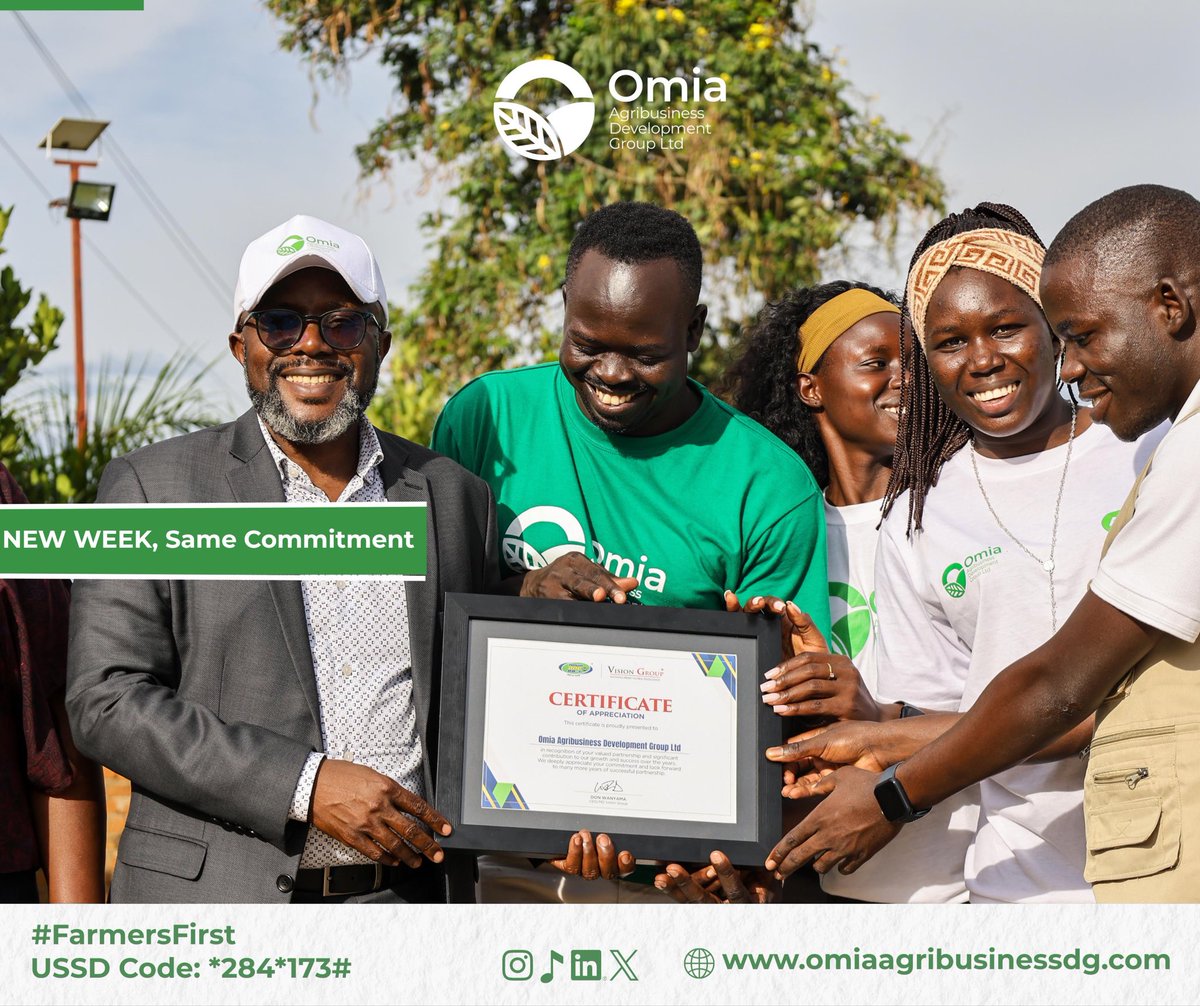
In this new week, we extend our sincere appreciation to @nyamadon
and the team at Vision Group for visiting Omia Agribusiness on 15th May.
Your engagement and interest in our work continue to amplify the importance of empowering farmers through access to quality inputs, extension services, and market linkages.
Media remains a vital catalyst in advancing agricultural transformation by bridging information gaps, highlighting farmer success stories, and creating awareness around sustainable farming solutions. We are grateful for your continued support as we work towards building resilient farming communities and a stronger agribusiness sector.
#NewWeekSameCommitment #FarmersFirst #Agribusiness #MediaForDevelopment #SustainableAgriculture #OmiaAgribusiness
2
9
188

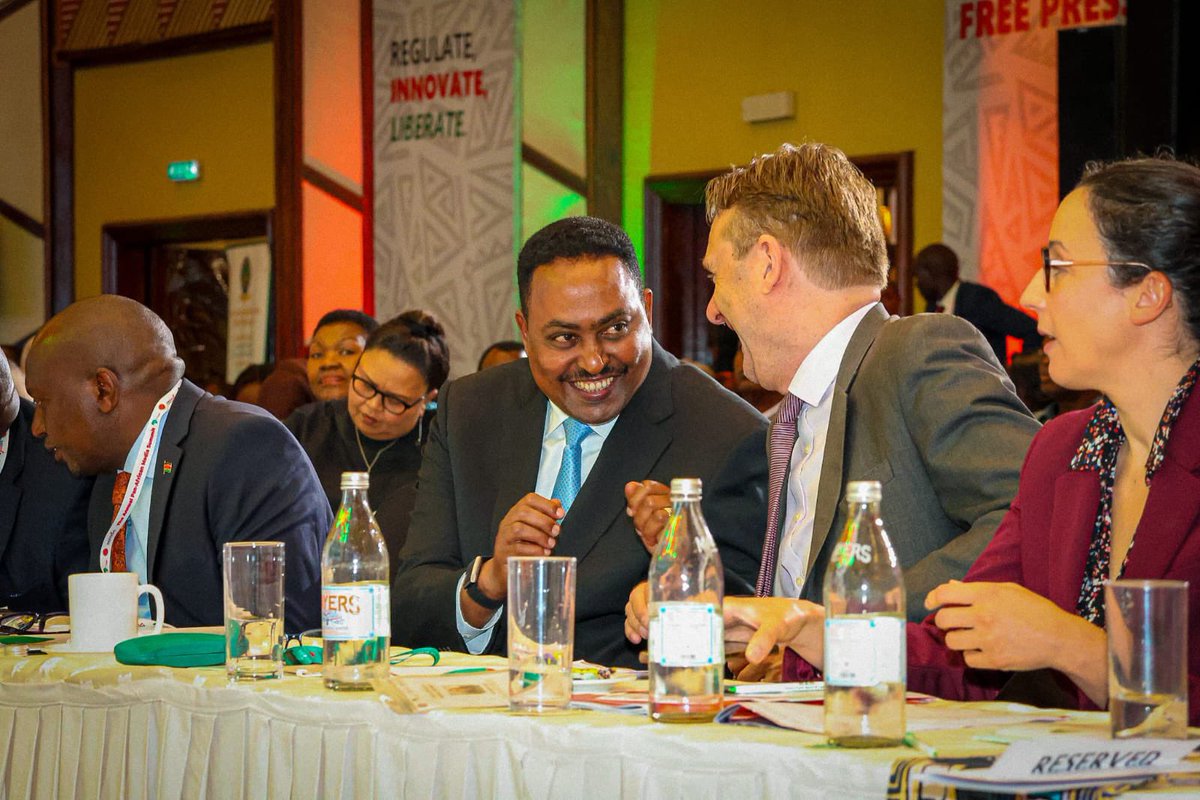
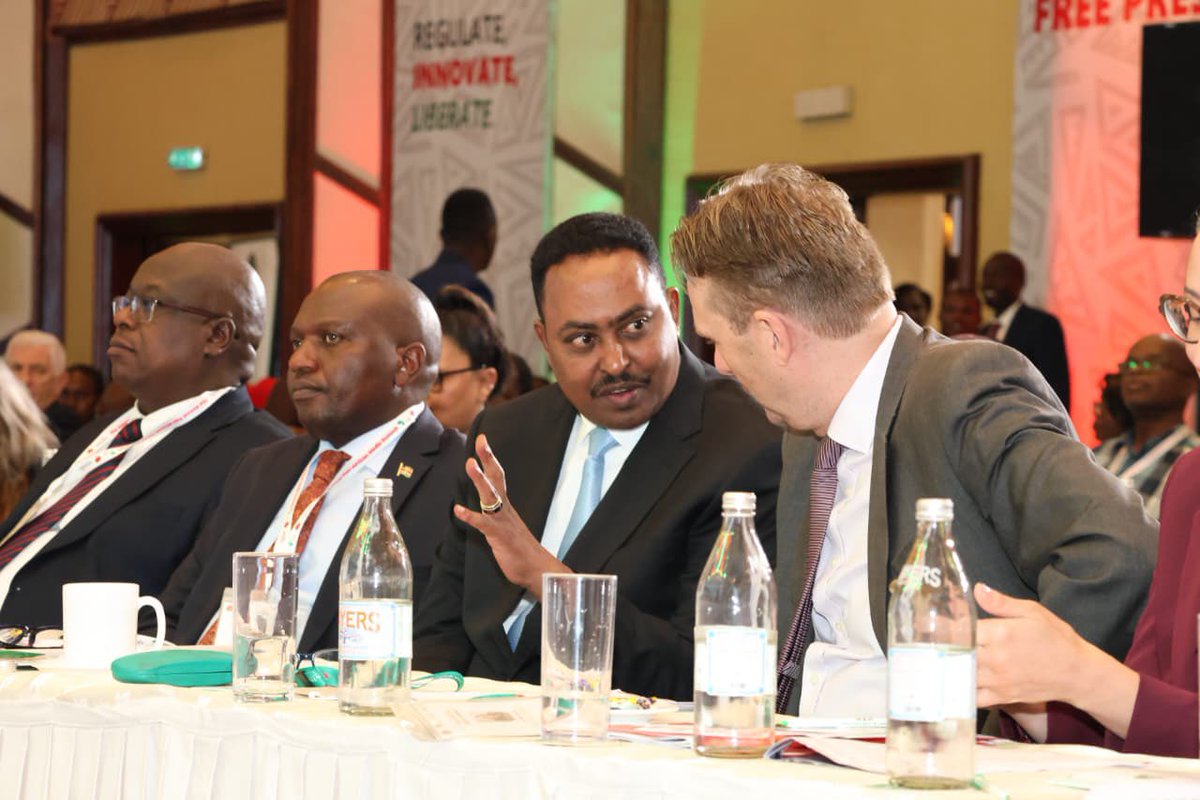
Africa’s future must be told through authentic African narratives.
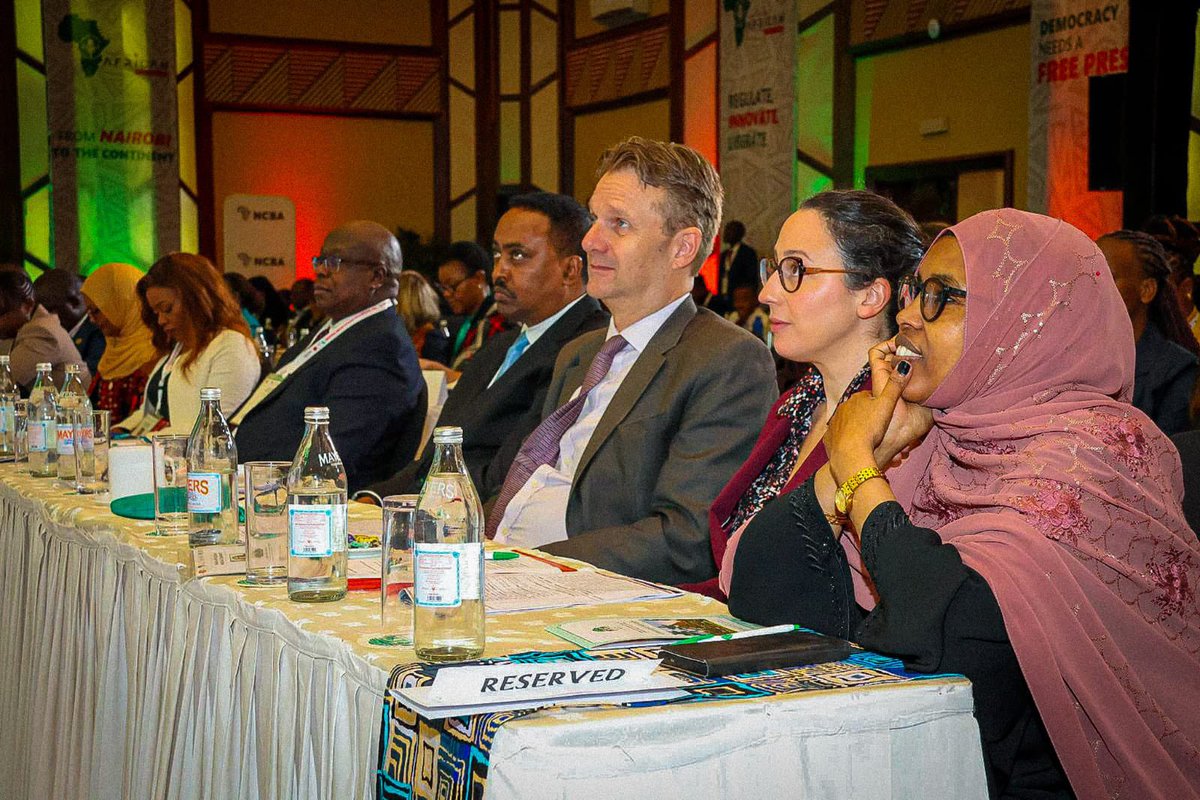
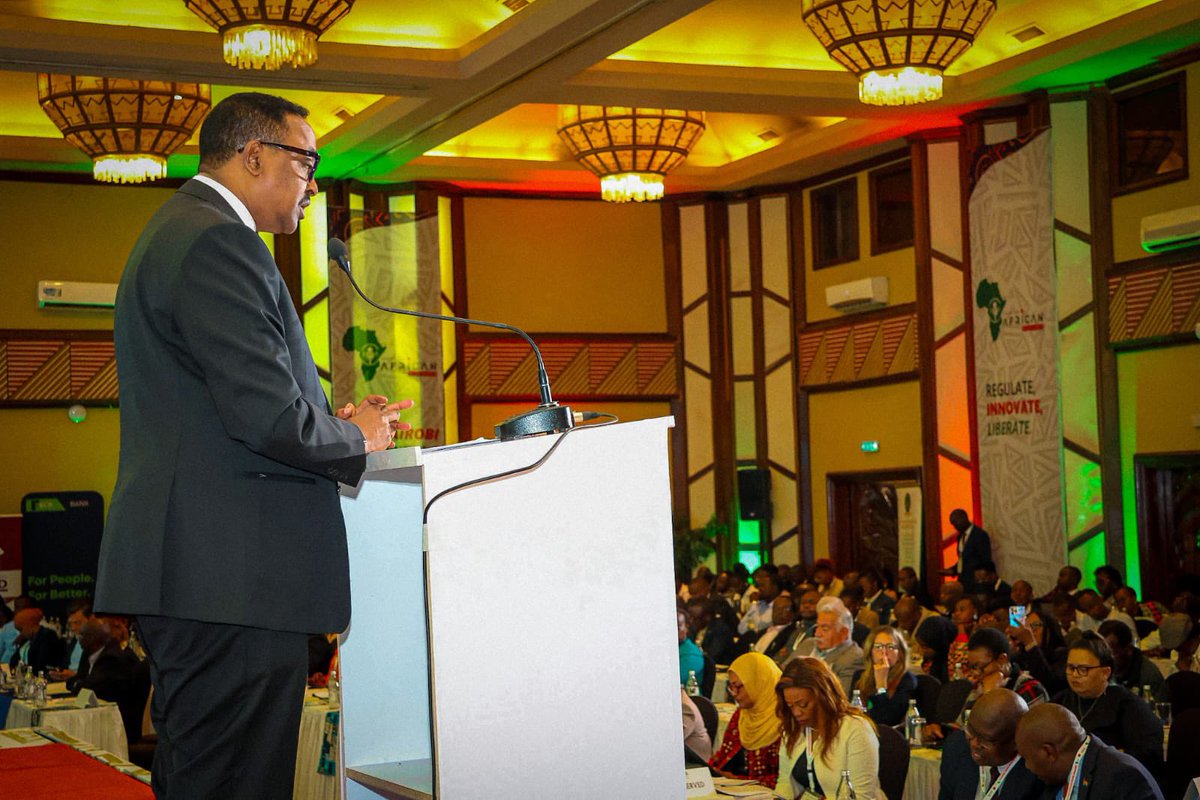
At the Annual Pan-African Media Summit 2026 in Nairobi, @DrWorkneh highlighted the responsibility of the media in this era of AI and digital innovation to remain guardians of truth and a force for societal progress.
IGAD continues to advocate for resilient, sustainable, and editorially independent media across the region and beyond.
#APMS2026 #IGAD #AfricaRising #MediaForDevelopment #AIinMedia
14
41
1,429

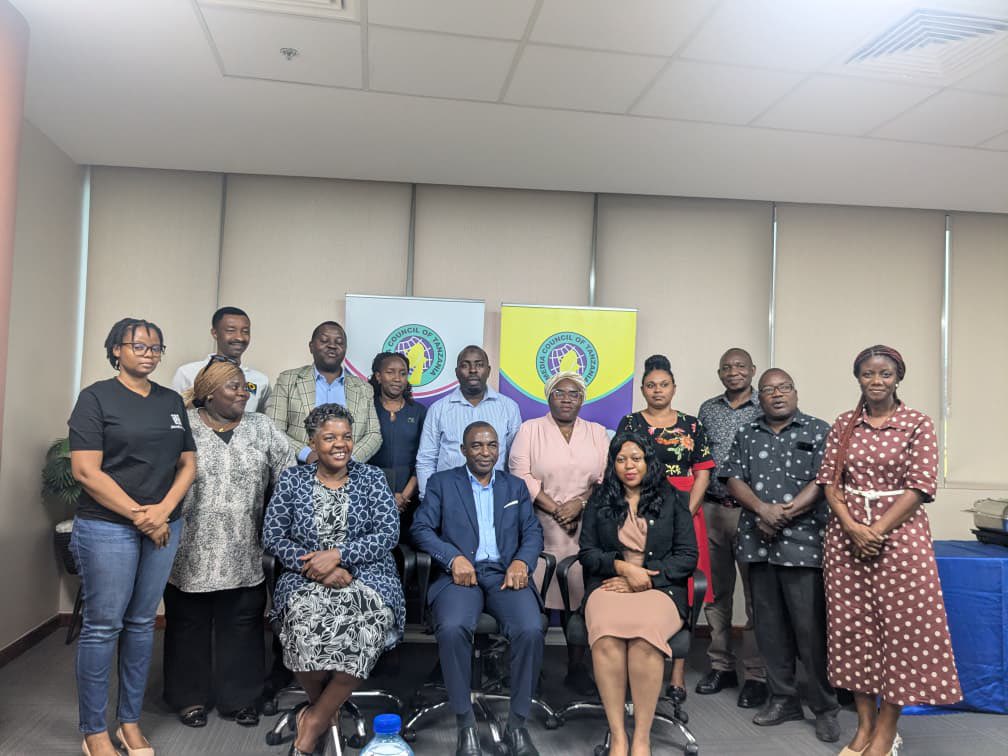
Earlier today, Gathering with the Coalition on Right to Information Act (CoRI) members… Honored to represent the Media Owners Association of Tanzania.
#MediaForDevelopment #CoRI #MOAT
2
5
201

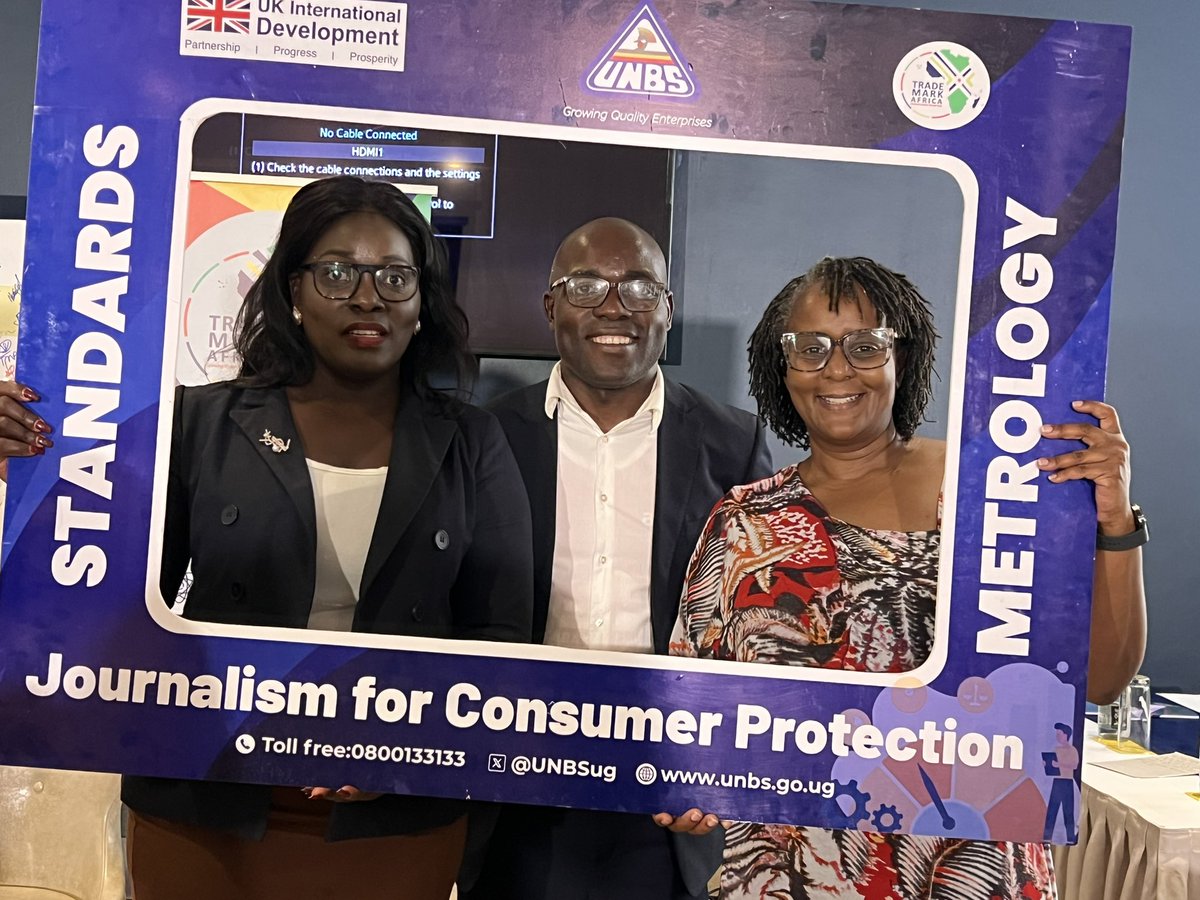
Media engagement is key to driving change!
Journalists have come together with @UNBSug to launch the Standards and Metrology Media Initiative, promoting quality standards & awareness in Uganda. Let's amplify the message! #UNBS #Standards2040 #MediaForDevelopment @PatriciaEjalu
7
99

Feb 13
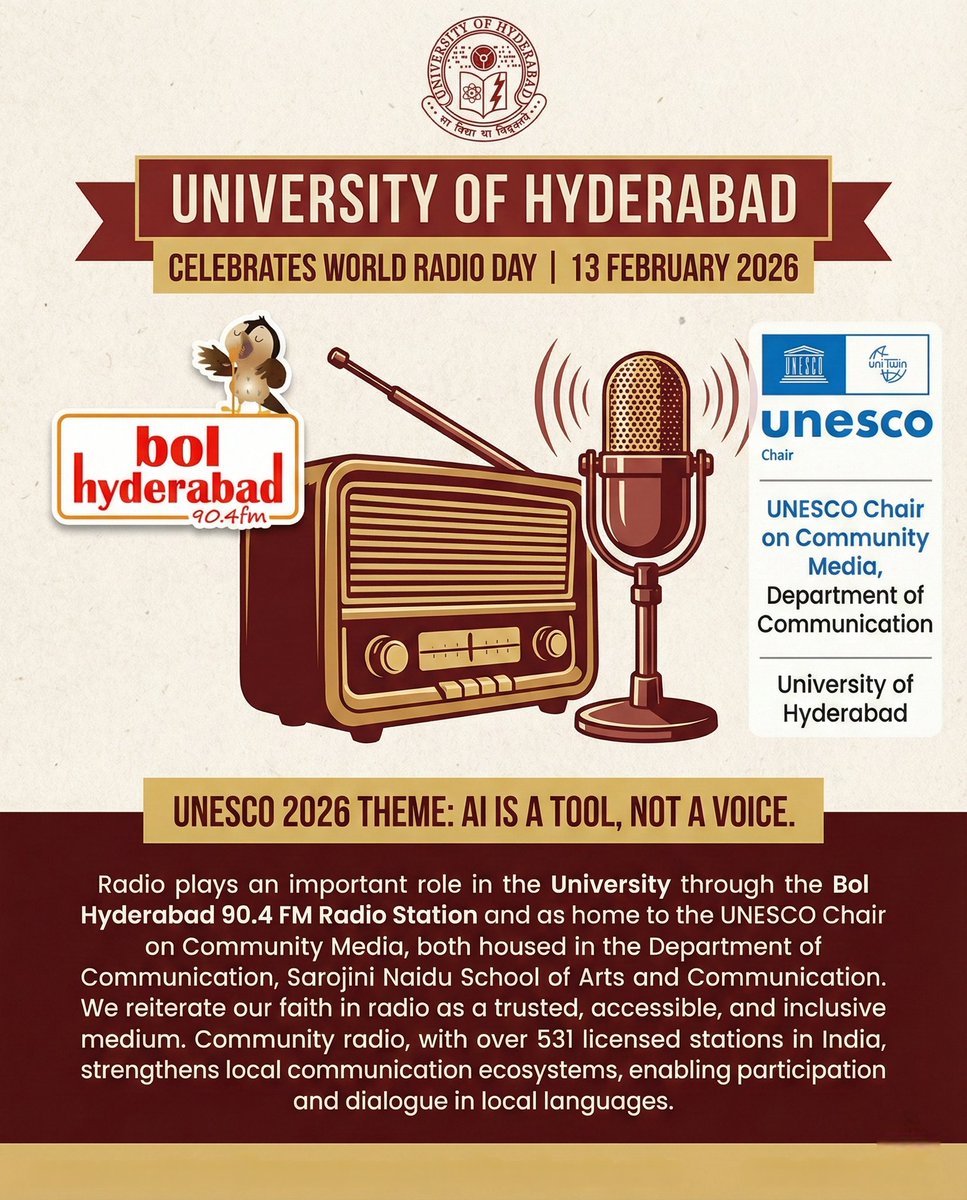
🎙️ Happy World Radio Day from the University of Hyderabad! 🌍📻
Today, February 13, 2026, we join the global community in celebrating radio—a medium that remains trusted, accessible, and deeply inclusive.
At the University of Hyderabad, we are incredibly proud of the pivotal role radio plays on our campus and beyond. We are home to:
* 📻 Bol Hyderabad 90.4 FM: Our vibrant campus radio station connecting our community.
* 🏛️ The UNESCO Chair on Community Media: A hub for research and policy engagement, both housed within the Department of Communication, Sarojini Naidu School of Arts and Communication.
This year’s UNESCO theme, "AI is a tool, not a voice," is timely and significant. As technology evolves, we reaffirm that while AI is a powerful utility, the authentic human connection, diverse voices, and grassroots dialogue fostered by radio are irreplaceable.
Community radio, in particular, is essential for strengthening local communication ecosystems. With over 531 licensed stations now operating across India, this medium is crucial for enabling participation in local languages and addressing everyday concerns in underserved regions.
Today, we reiterate our commitment to radio as a public service medium that is responsive to technological change yet firmly grounded in community realities.
Let’s keep the conversation going! 📡✨
#WorldRadioDay #WorldRadioDay2026 #UniversityOfHyderabad #UoH #BolHyderabad904FM #UNESCOChair #CommunityMedia #CommunityRadio #RadioBroadcasting #AIisaToolNotAVoice #MediaForDevelopment #PublicServiceMedia #HigherEducation #Hyderabad #India #SNschool
1
5
226

When mainstream media does not consistently speak to the everyday realities people are living, it is only natural that alternative spaces emerge. Social media and citizen journalism then become the places where people talk, vent, question, and share what they are going through. This is not by choice for many, but by necessity.
A big part of the frustration we now see online comes from the feeling that mainstream media is more visible when it comes to sports and entertainment, but far quieter on social and economic issues that affect daily life. Youth unemployment, the rising cost of living, transport challenges, housing pressures, and access to affordable capital are realities for many households, yet they rarely receive sustained attention.
When these issues are not reflected in mainstream conversations, people look for other ways to be heard. Social media becomes a raw but honest mirror of what is happening on the ground. It may be emotional and sometimes messy, but it often carries truths that people feel are being ignored elsewhere. Citizen journalism steps in to fill that gap, especially when formal reporting feels distant or cautious.
This does not mean that everything shared online is helpful or accurate. But it does mean there is a deeper signal that should not be ignored. A healthy society needs strong, curious, and courageous media that listens, asks difficult questions, and keeps decision makers connected to real life experiences.
If mainstream media engaged more deeply with these realities, public frustration would be better channeled into informed dialogue and solutions, instead of spilling over almost entirely onto social media.
#MediaForDevelopment
6
20
55
5,032

8 Dec 2025
The wait is over! Just Communication launched on Dec 4th in Kampala #Uganda, officiated by
@MAAIF_Uganda's Dr. Patience Rwamigisa.
A groundbreaking, African-led movement using media to advance sustainable development.
#JustCommunication #MediaForDevelopment
@farmradio @Ecaats
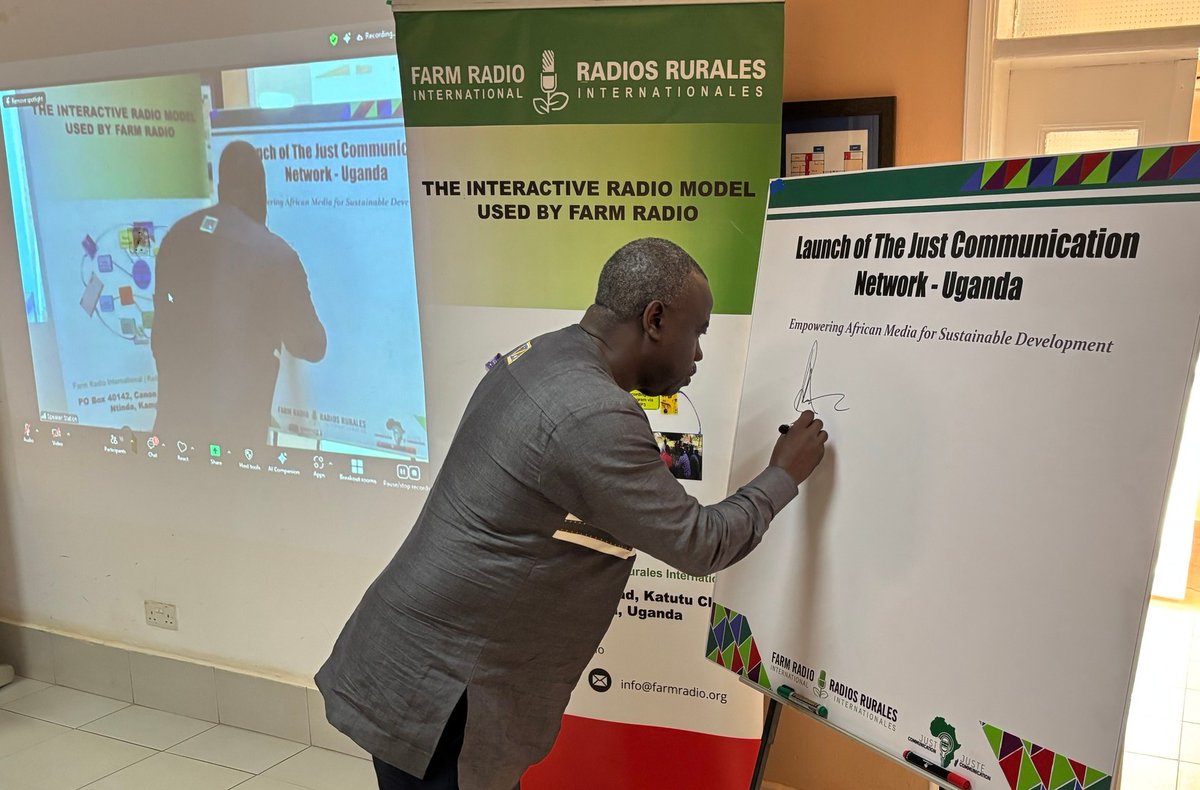
ALT Guest of Honor: Dr. Patience Rwamigisa
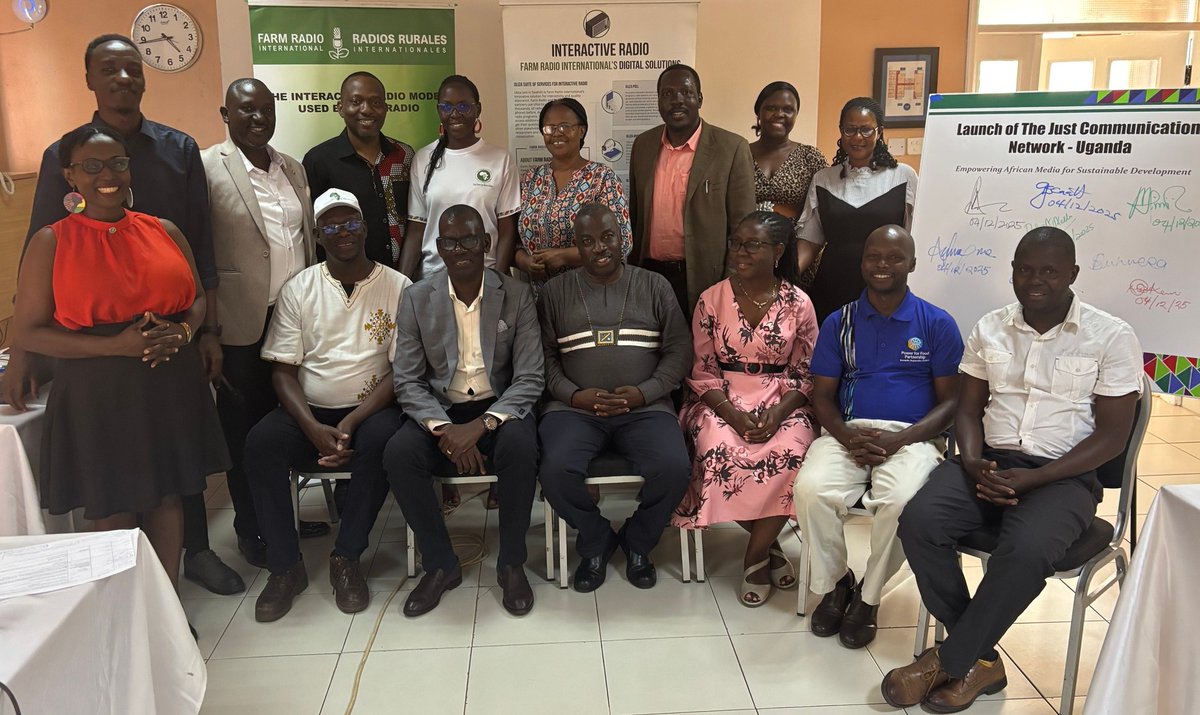
ALT Group Photo with some of the Guests at the Just Communication Uganda Launch.
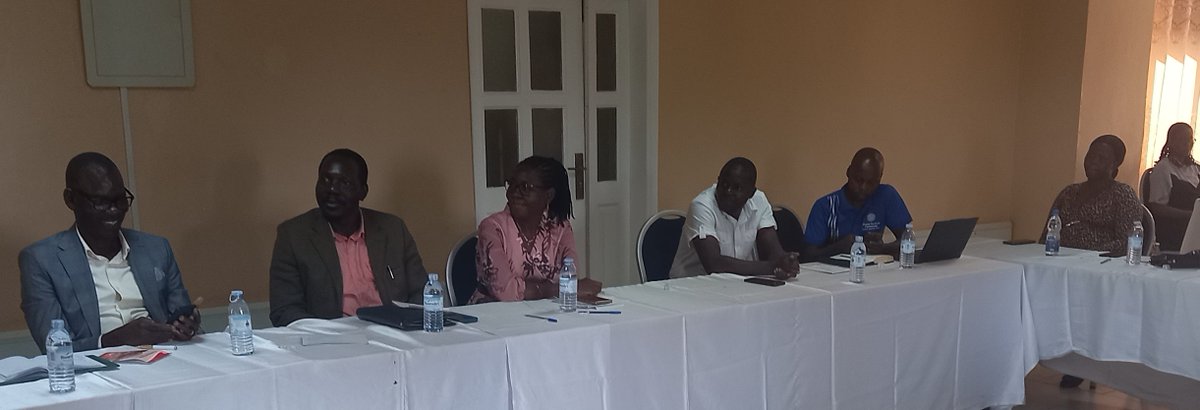
ALT Some of the Board Members that physically graced the Just Communication Uganda Launch.
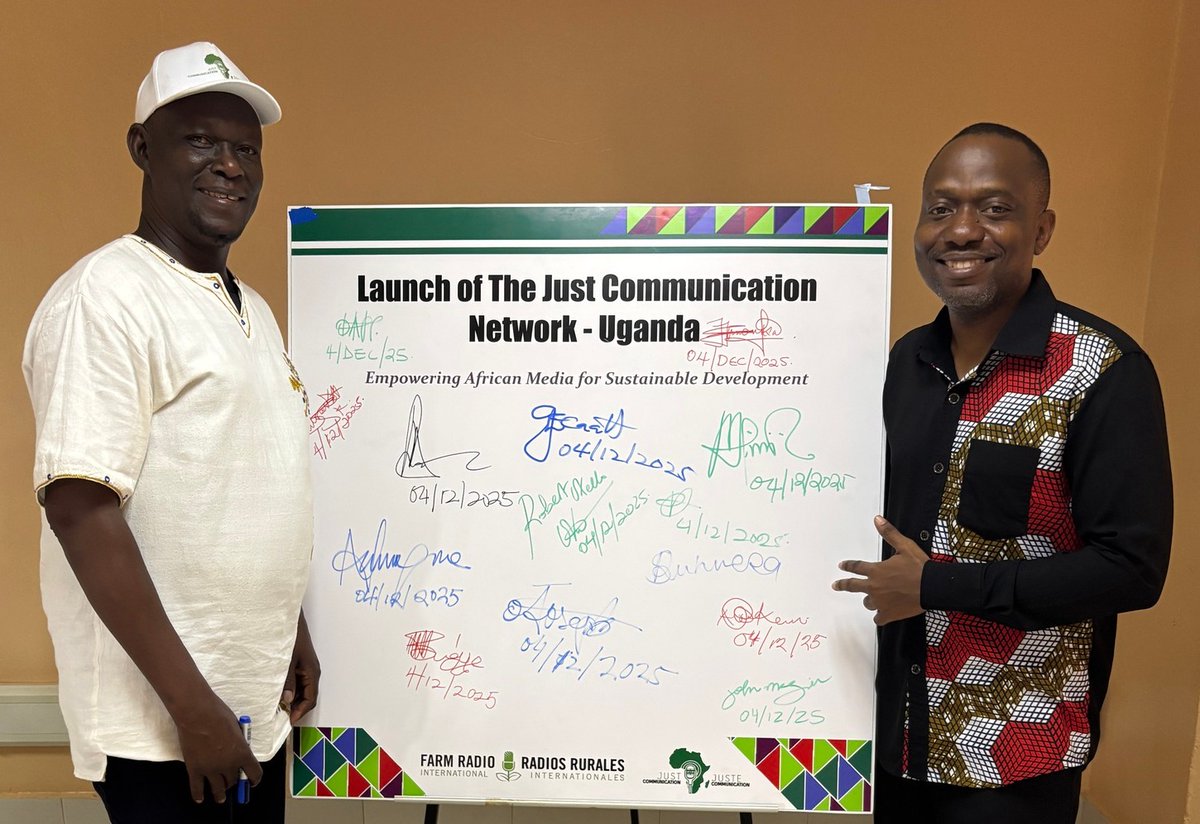
ALT Farm Radio International's Country Programme Manager Stephen Justin Ecaat (Left) and Head of Specialty Services Adeyinka Onikan after the Just Communication Launch
3
4
249

7 Nov 2025
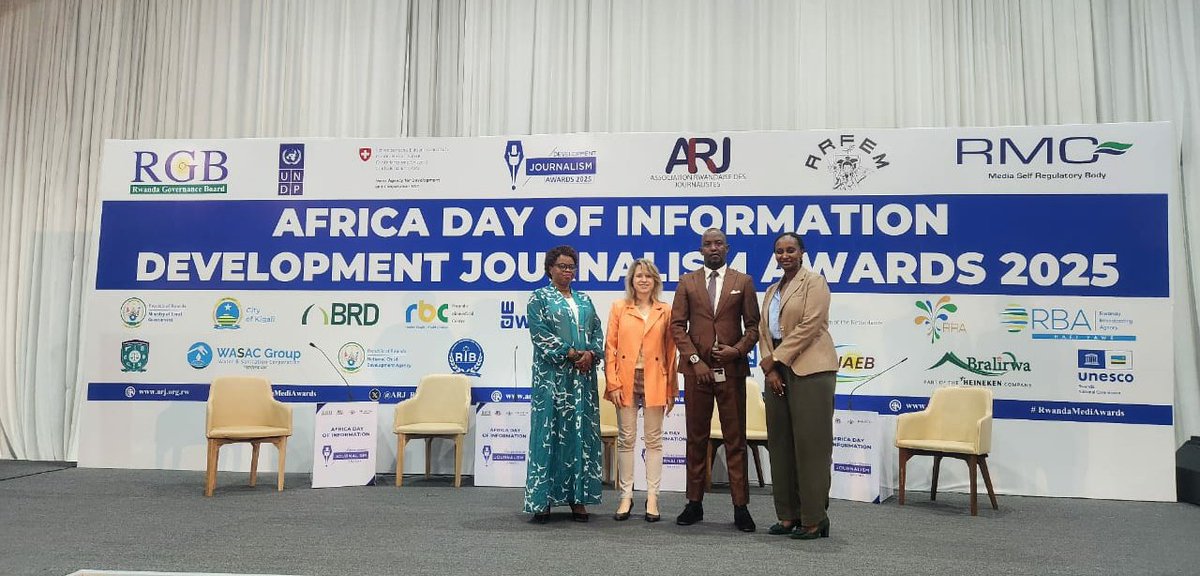
Honoured to attend the Africa Day of Information and the 12th edition of the Development Journalism Awards organised by @ARJ_Rwanda and partners.
The event celebrated the vital role of journalists in shaping informed, and connected societies, and
It was inspiring to see journalists recognised for their excellence, integrity, and commitment.
#AfricaDayOfInformation #MediaForDevelopment
1
5
45
1,880

30 Oct 2025
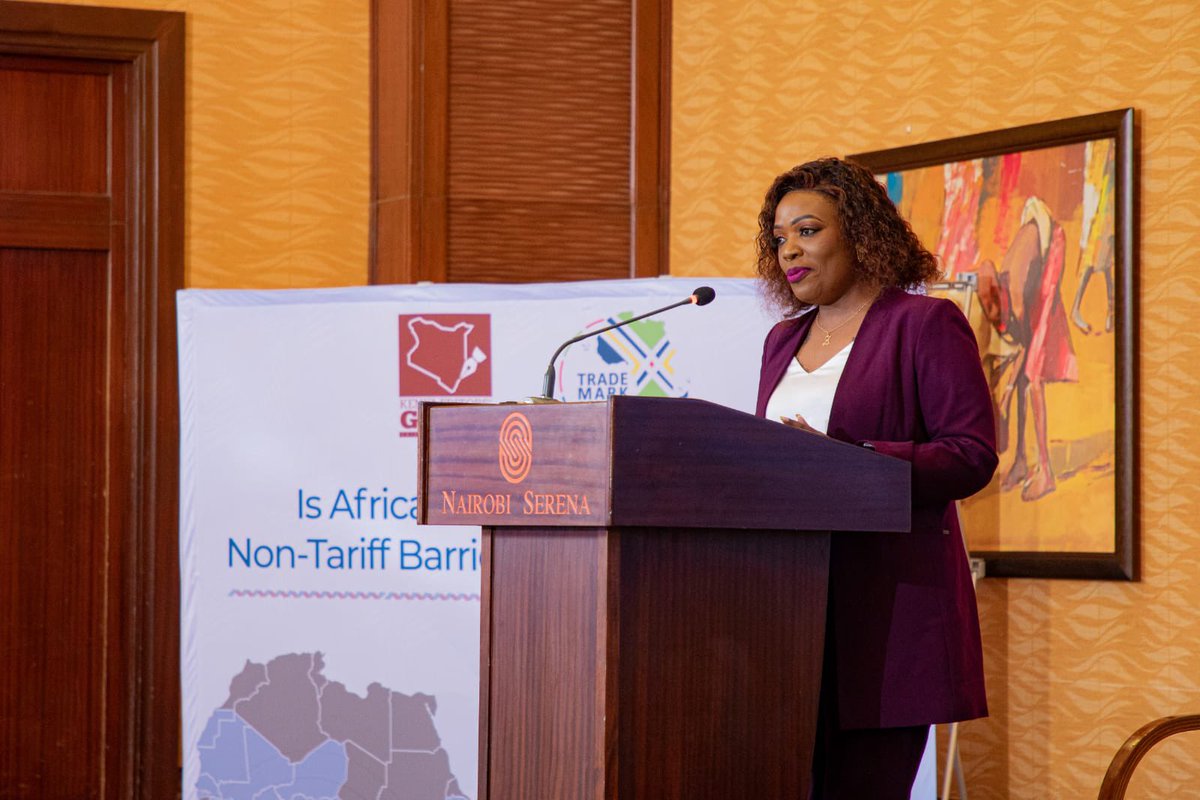
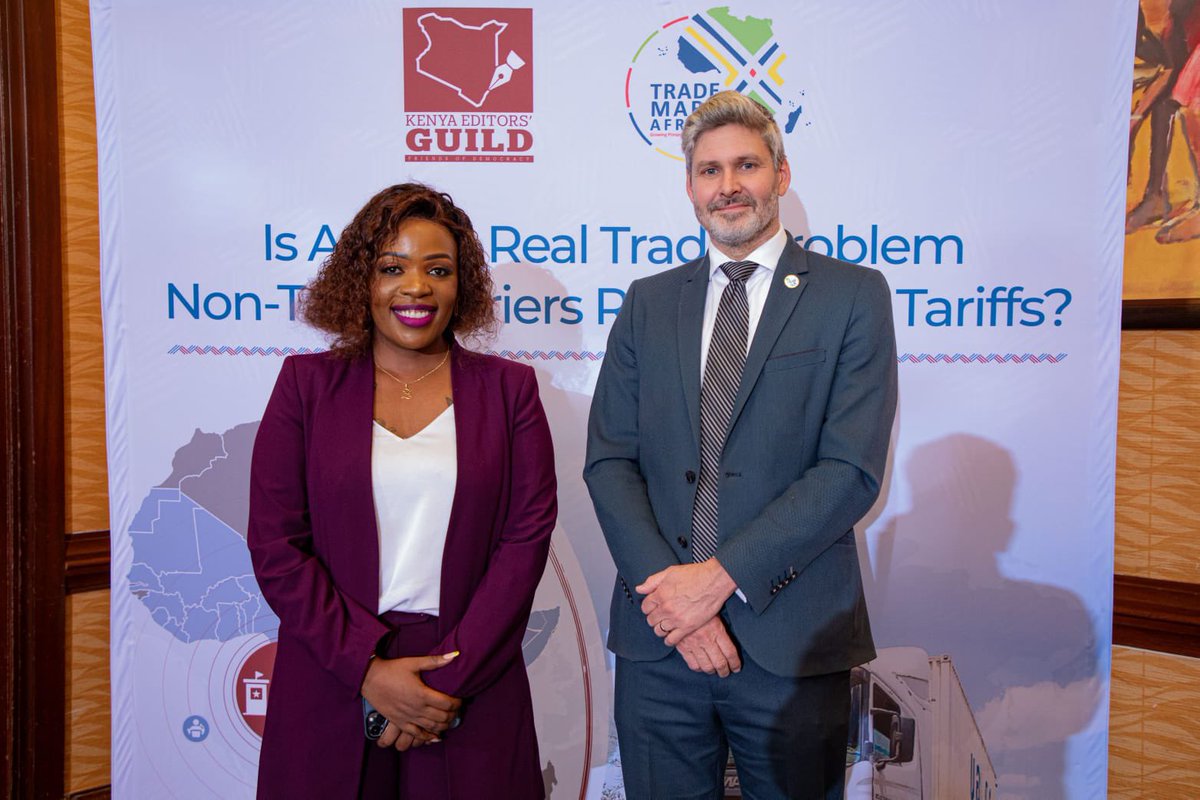
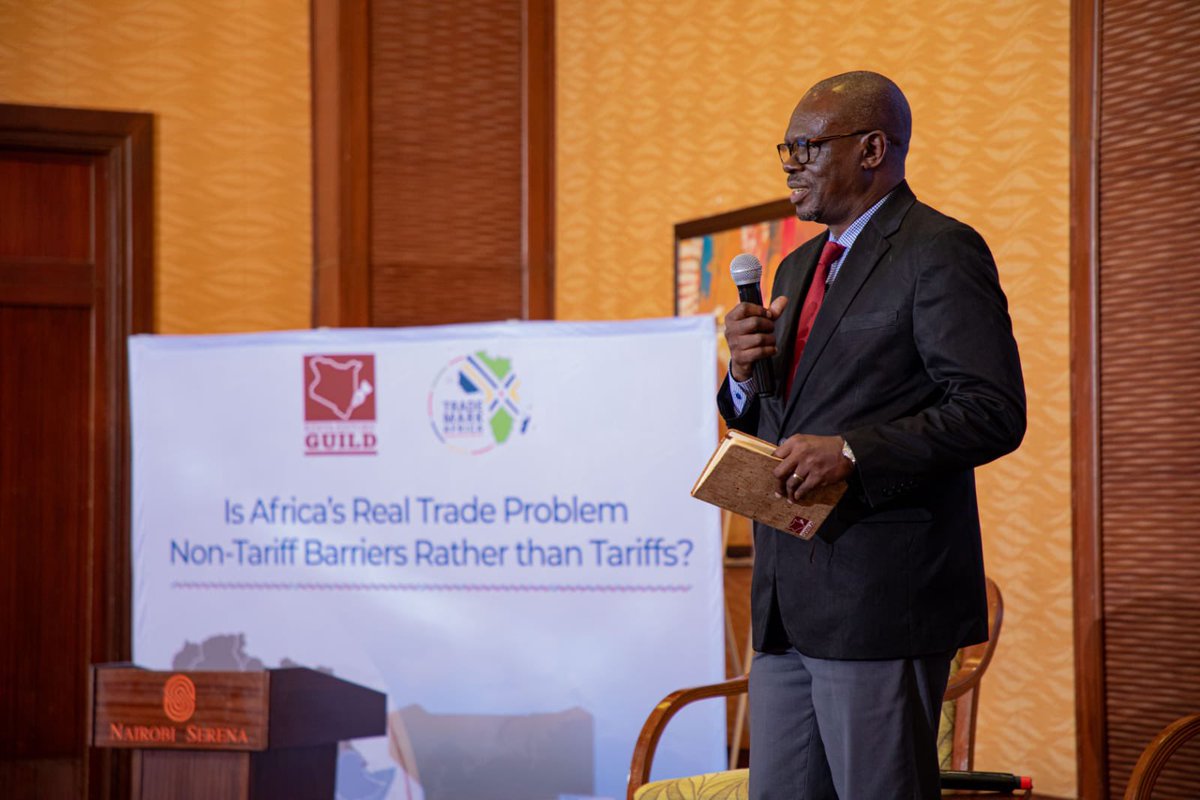
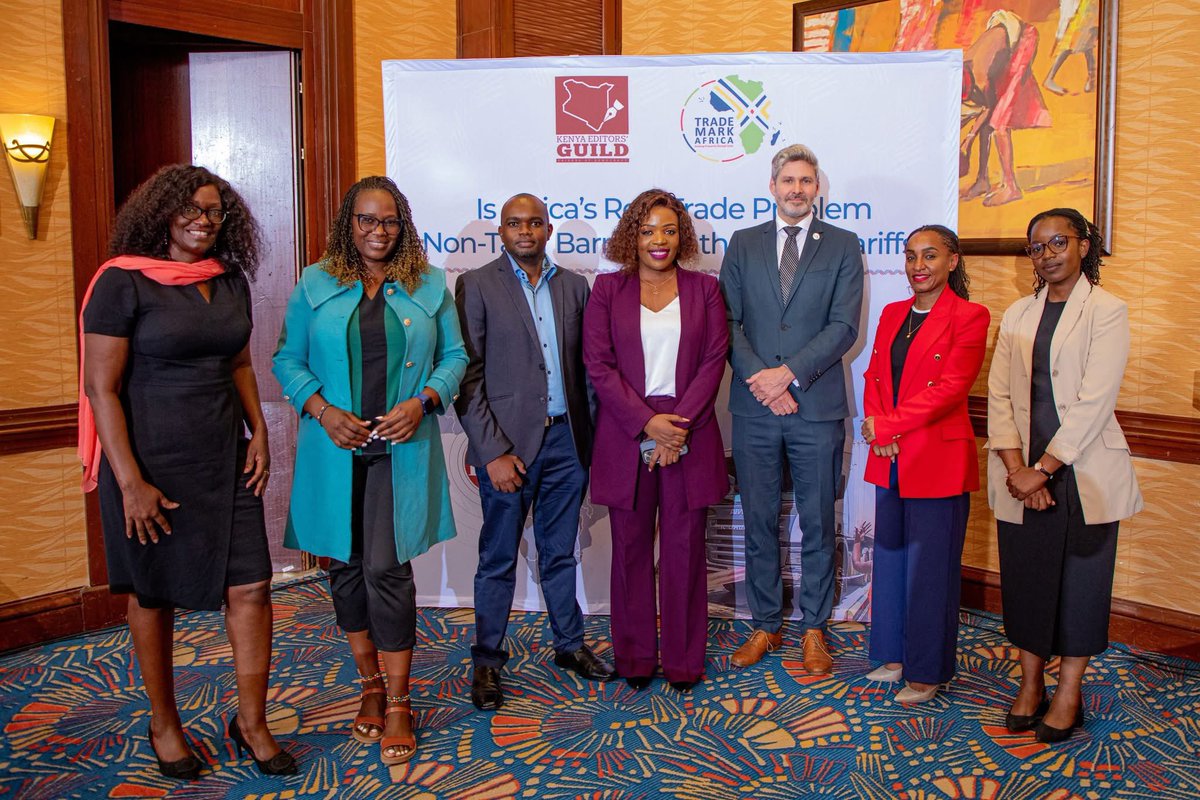
Zubeidah Kananu, President, Kenya Editors Guild
“Trade is not an abstract policy discussion — it is a human story about livelihoods, opportunity, and connection.”
She called on the media to be active enablers of prosperity by giving trade reporting the visibility and resources it deserves.
#KenyaEditorsGuild #TradeMarkAfrica #TMAxKEG #TradeNarratives #MediaForDevelopment #AfricaTrade
2
3
509
22 Oct 2025
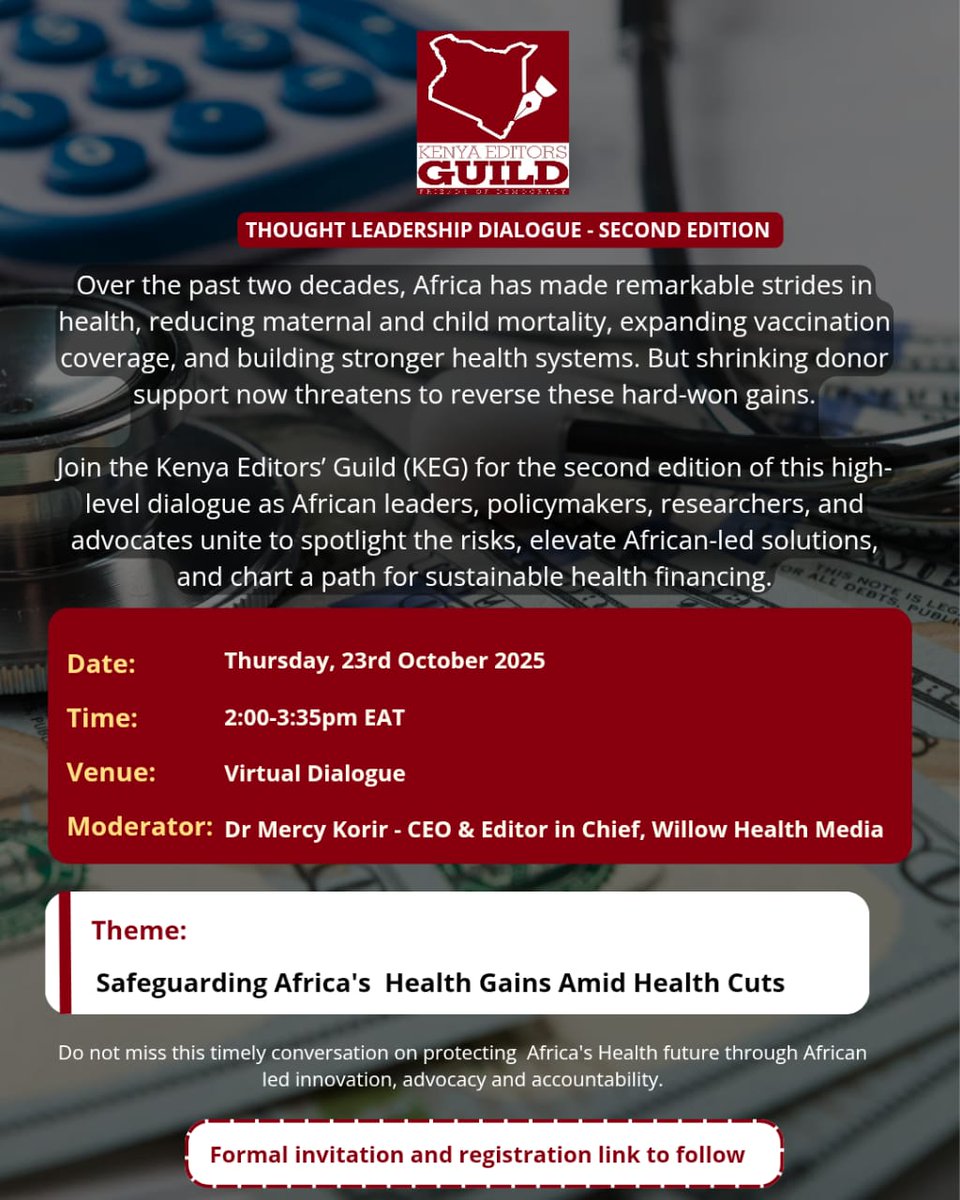
Theme: Safeguarding Africa’s Health Gains Amid Health Cuts.
Join the Kenya Editors’ Guild tomorrow for the 2nd Thought Leadership Dialogue as leaders, policymakers, and advocates explore African-led solutions for sustainable health financing.
🗓️ 23rd Oct 2025 | 2:00–3:35 PM EAT
🎙️ Moderator: Dr. Mercy Korir, CEO & Editor-in-Chief, Willow Health Media
🔗 Register: us02web.zoom.us/webinar/regi…
#KEGDialogue #HealthFinancing #SustainableAfrica #AfricanSolutions #MediaForDevelopment
4
285

10 Oct 2025
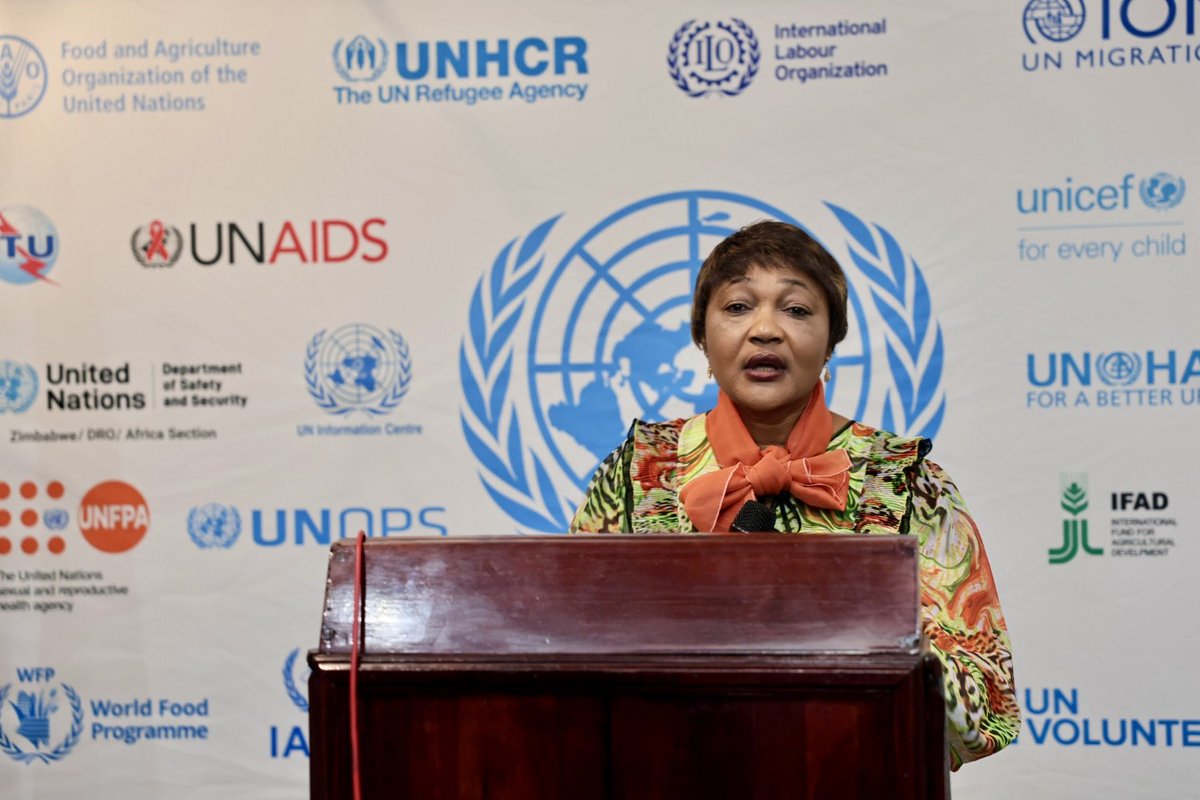
@UNFPA is pleased to join @UNZimbabwe in 🇿🇼at the High-Level UN Heads of Agencies and Media Encounter.
This important platform strengthens collaboration with the media who are a key partner in driving sustainable development and amplifying impact. 🤝
#MediaForDevelopment #Partnerships
#SDGs
#ICPD
#LeavingNoOneBehind
10
14
88

Federal Minister Prof. Ahsan Iqbal met Mr. Hameed Haroon, CEO Dawn Media Group in Karachi. The discussion underscored
✅media’s vital role as a development partner,
✅advancing issue-based advocacy,
✅championing pluralism, and
✅addressing national challenges like climate change through principled journalism.
#VisionToExcellence #Leadership #PlanningForProgress #MediaForDevelopment
1
2
315

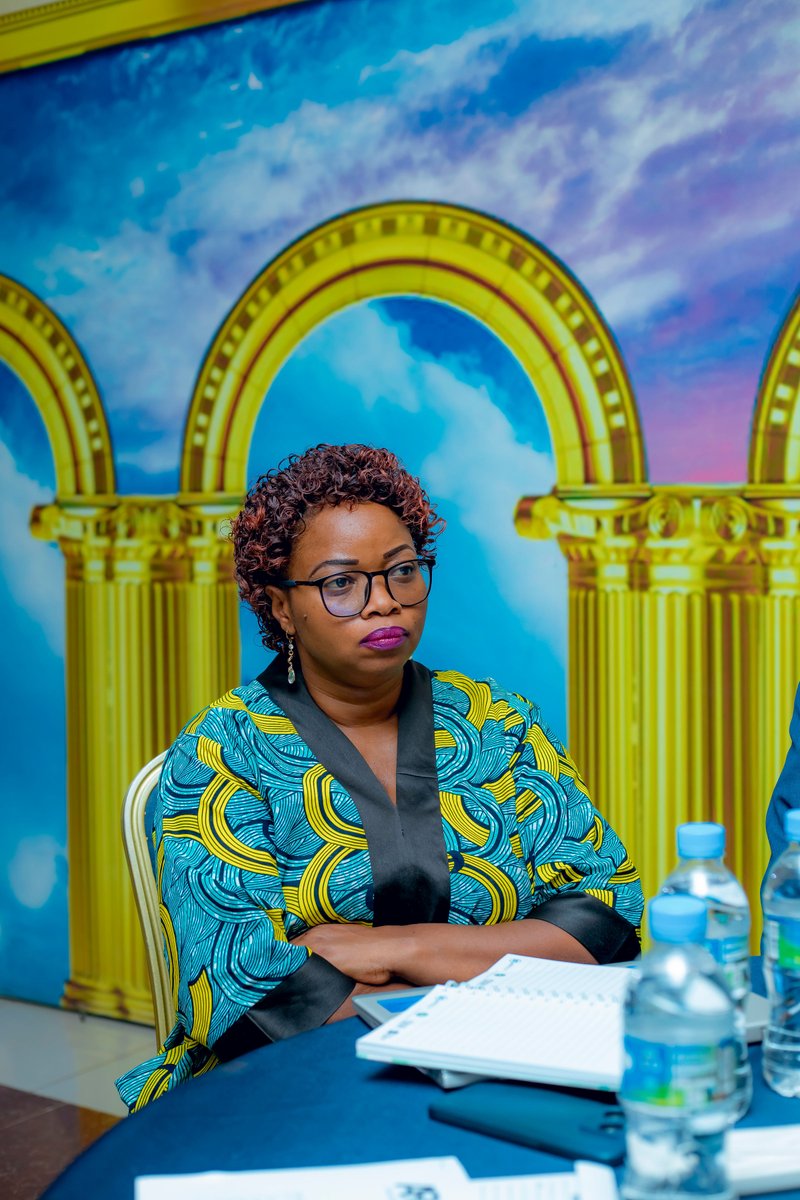
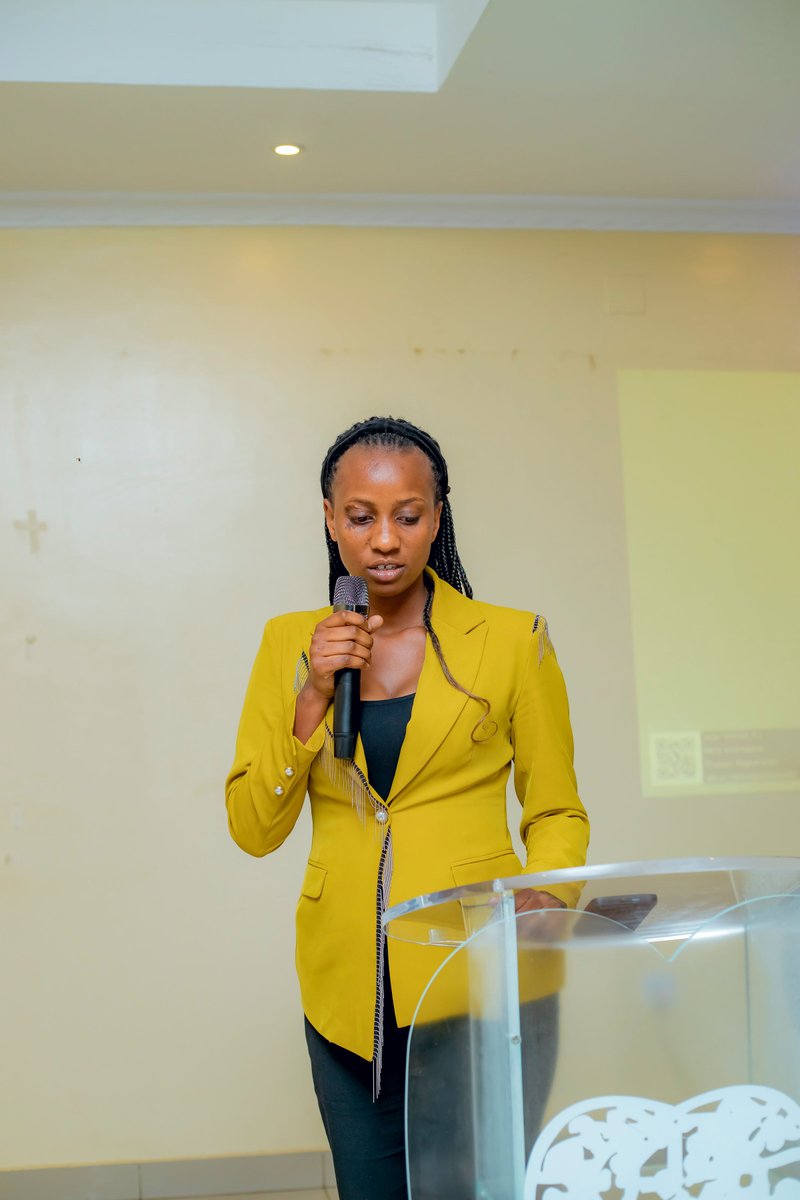
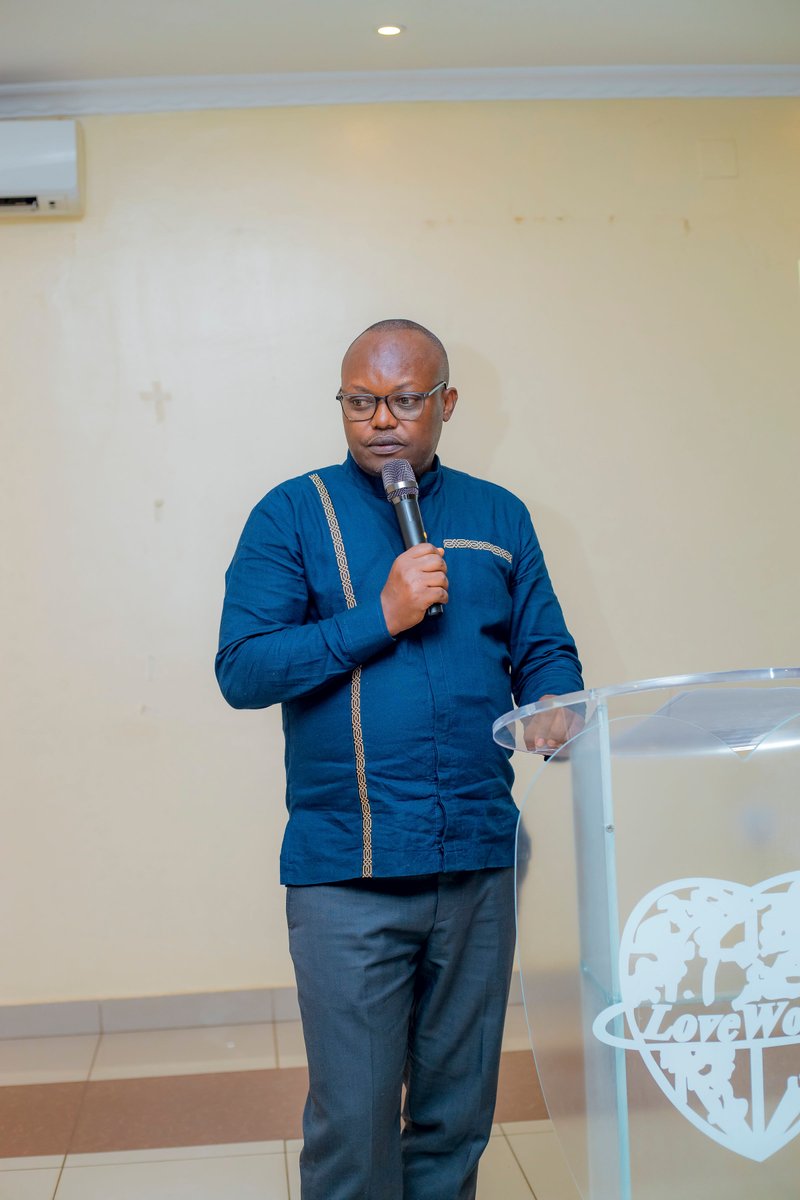
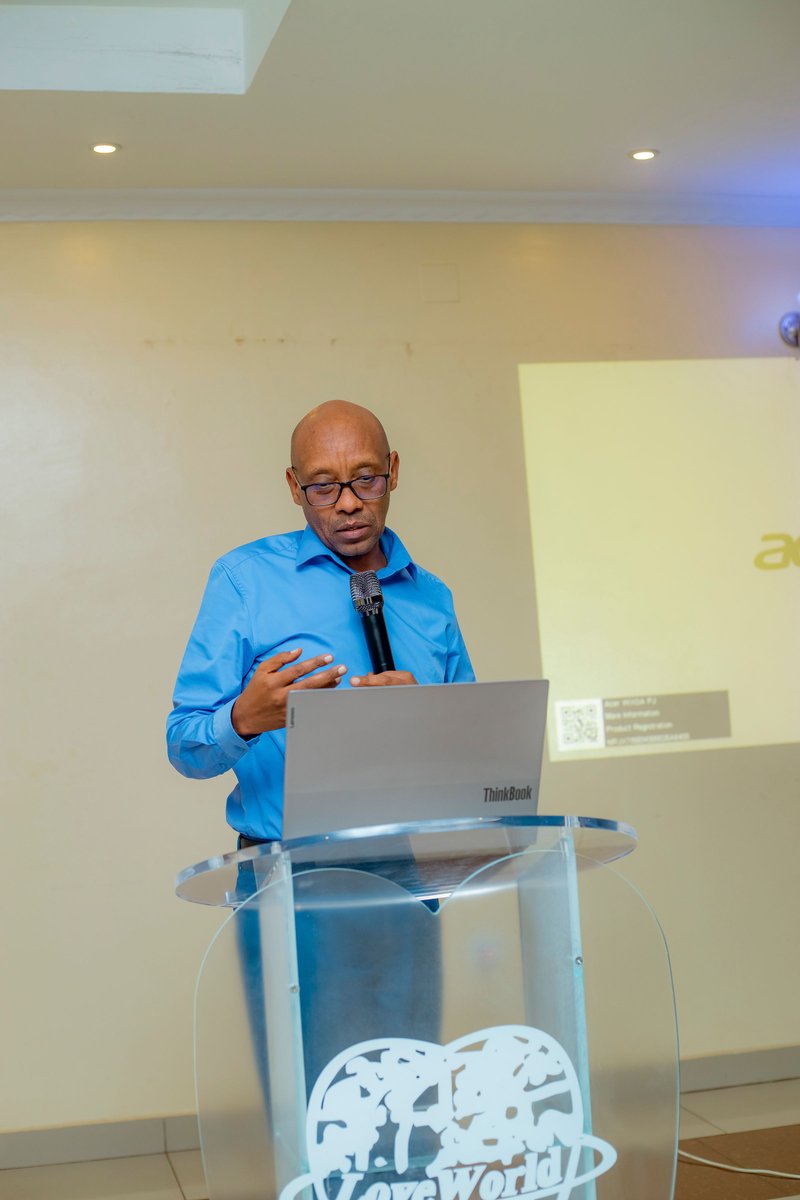
Truly inspiring interventions from all speakers at the @ARJ_Rwanda Board Induction. Their insights strengthen our commitment to transparency, inclusivity & impactful media leadership. #MediaForDevelopment #ARJLeadership
4
7
1,039

26 Aug 2025
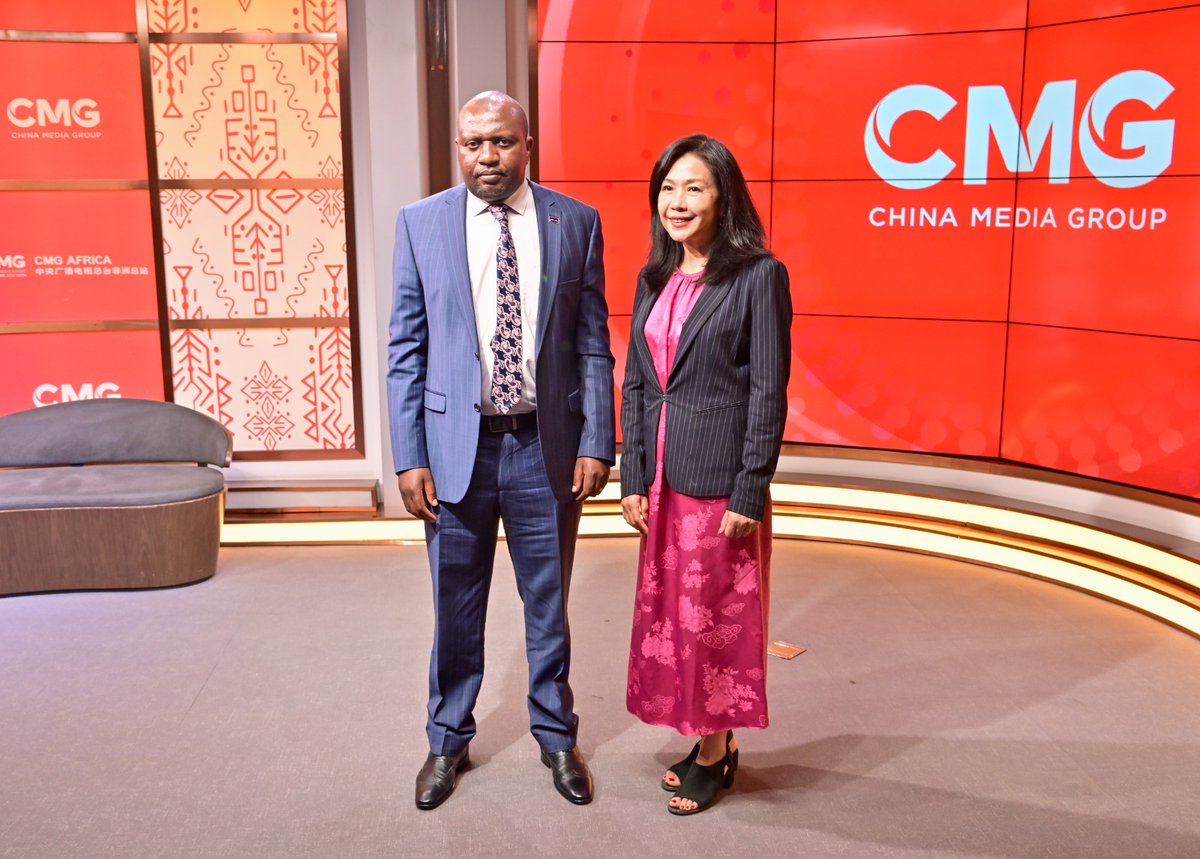
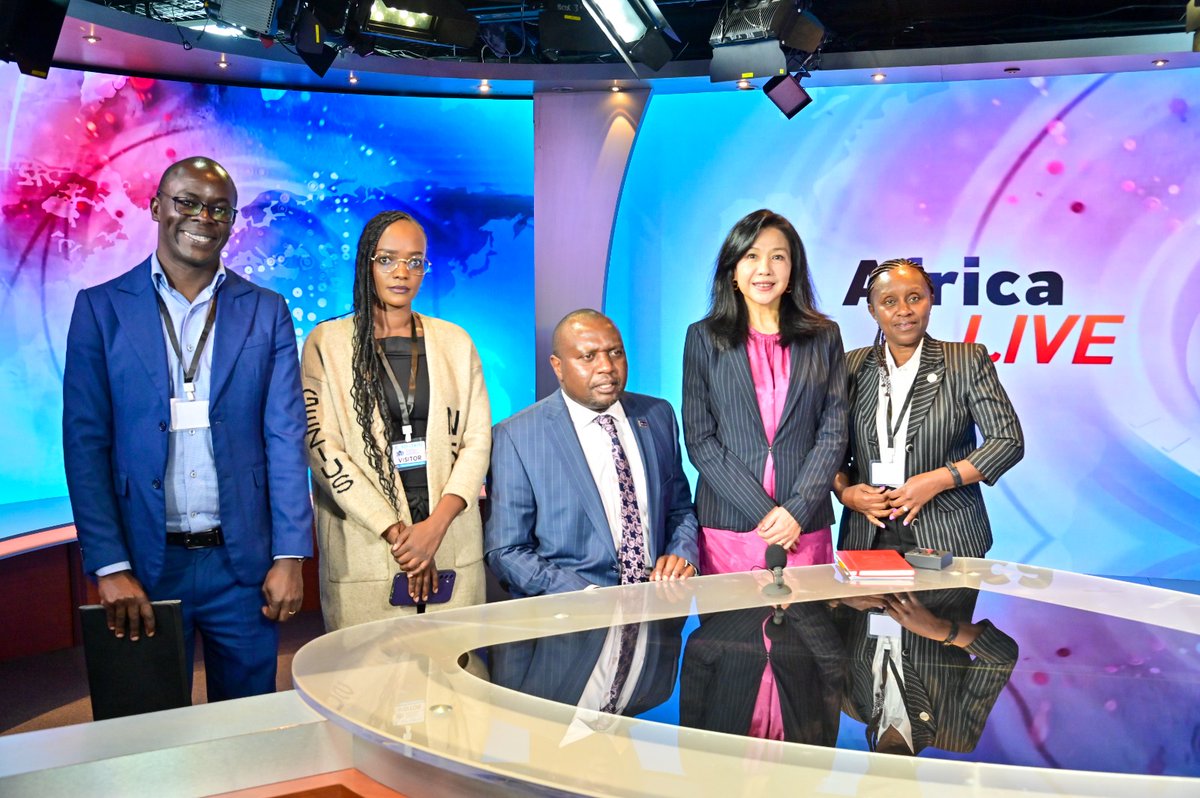
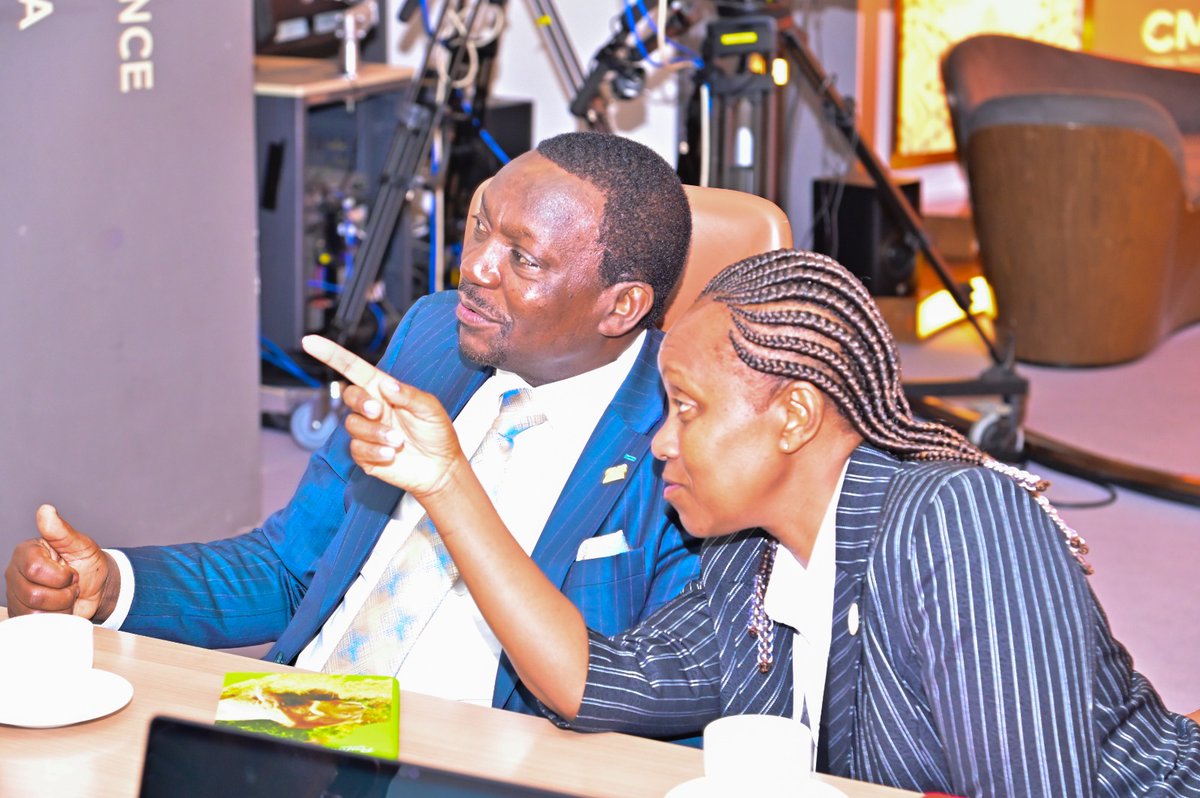
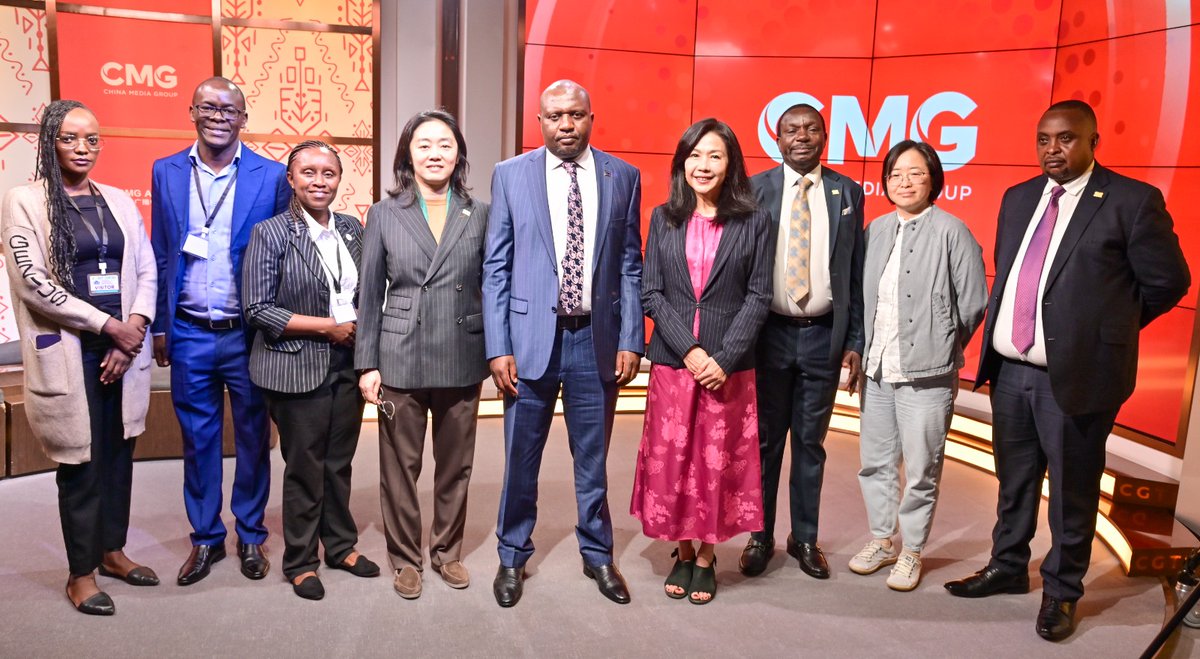
Media Partnerships: We visited .@ChinaMediaGroup today where our CEO .@DavidOmwoyo urged international media to balance global narratives and highlight positive stories from developing nations. We're exploring deeper collaborations to advance development journalism and showcase growth and innovation.
MORE: bit.ly/4fXSX6D
#MediaForDevelopment #GlobalCollaboration
5
10
637

19 Aug 2025
Today at the NUJ Press Center, we held a review meeting with stakeholders & the media to evaluate progress on family planning initiatives. @getittogetherNG @tciurbanhealth @gatesfoundation
#FamilyPlanning #DevComs #MediaForDevelopment
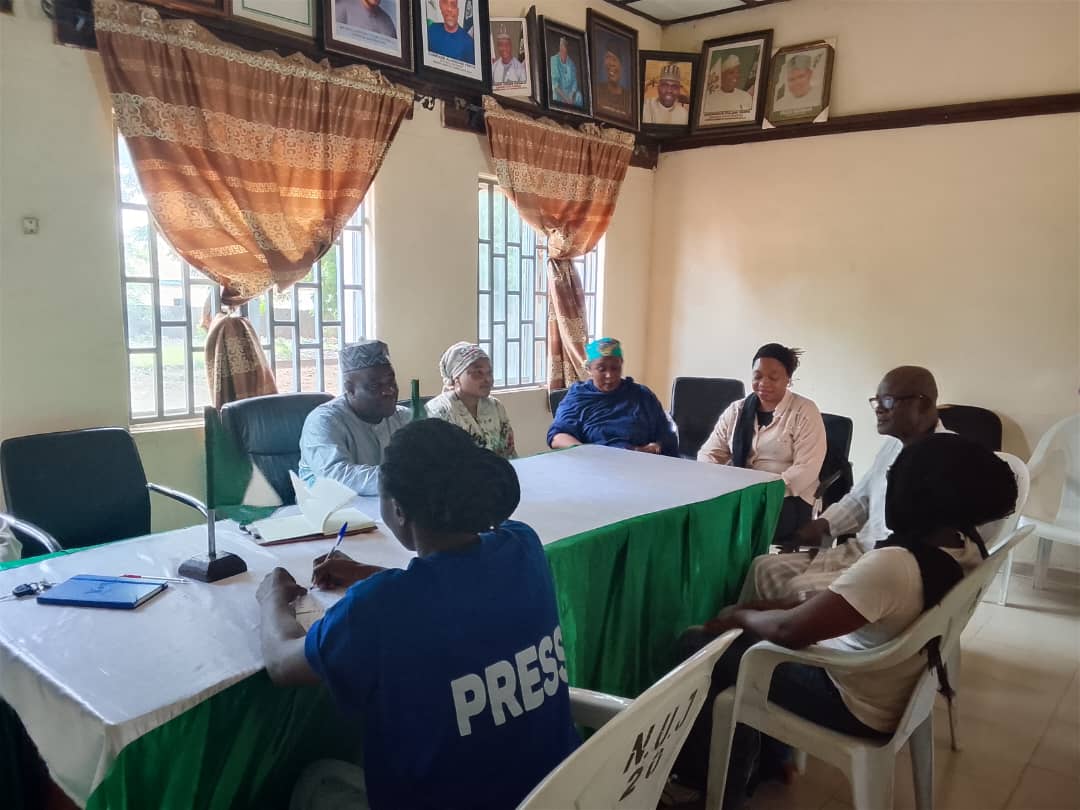
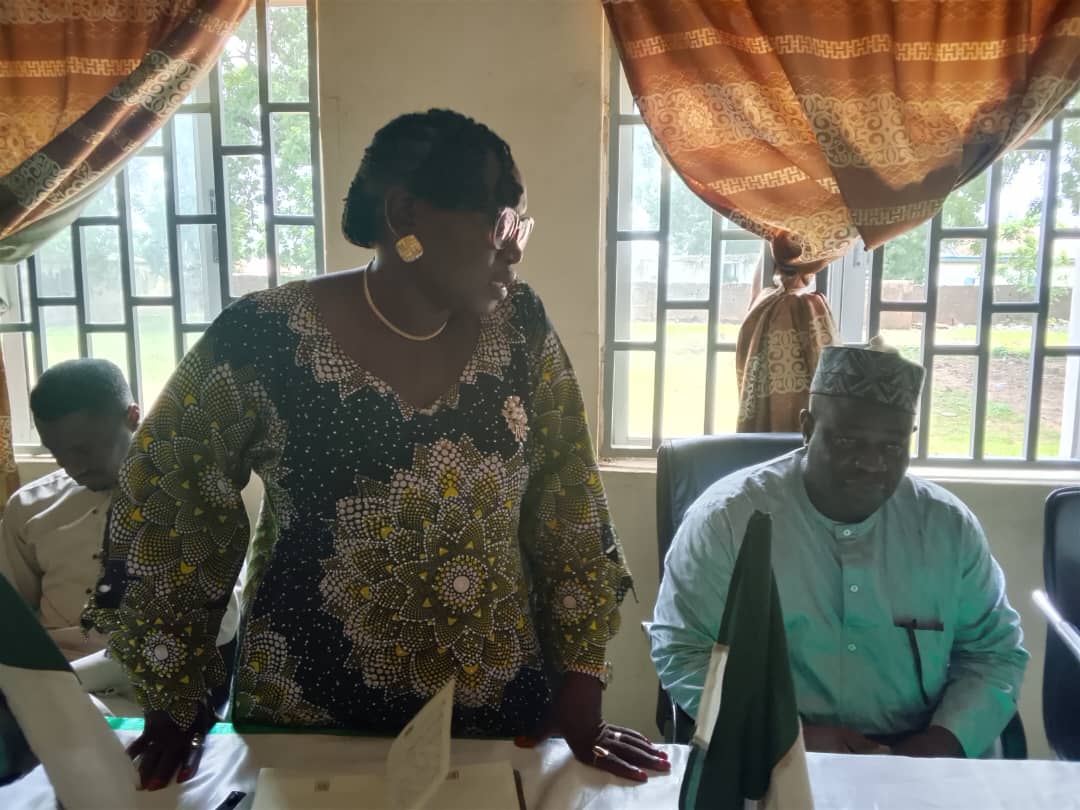
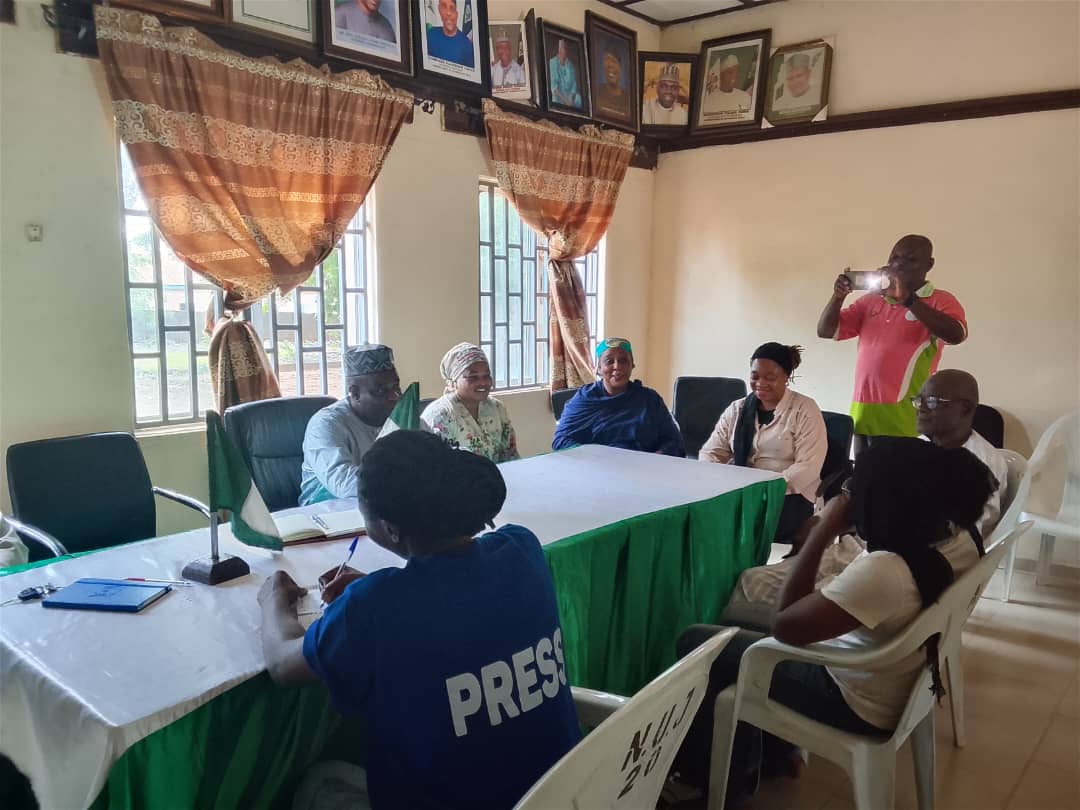
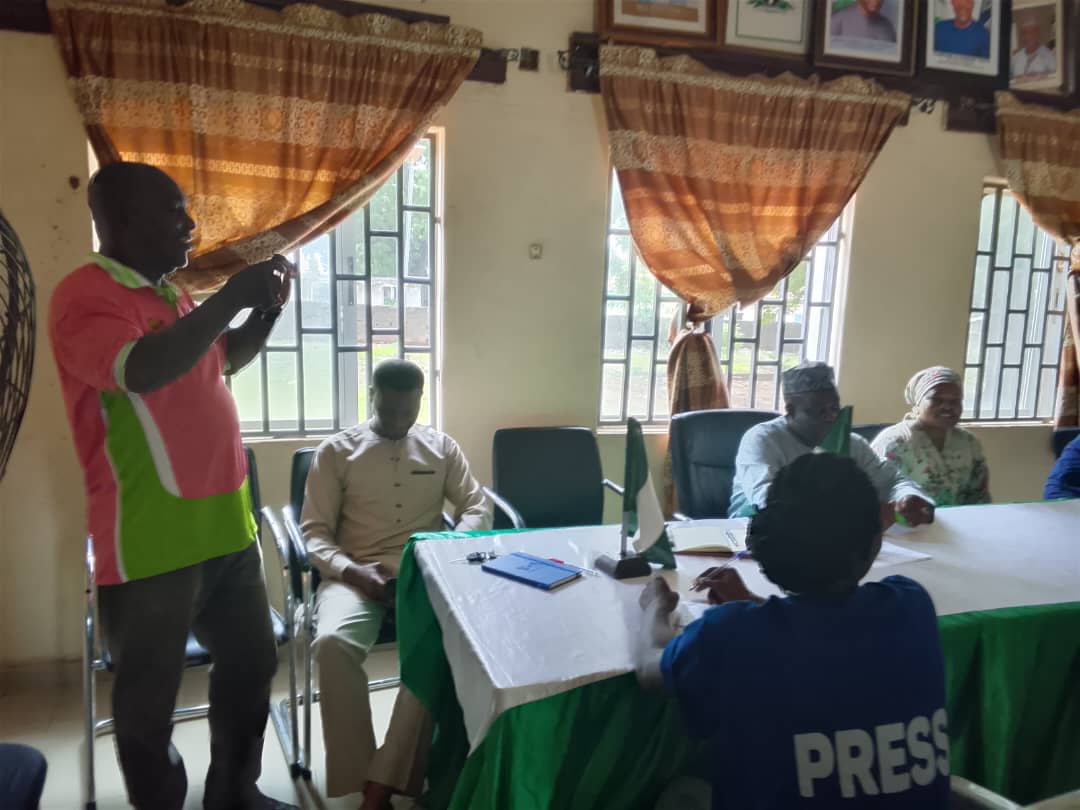
2
3
3
62

19 Aug 2025
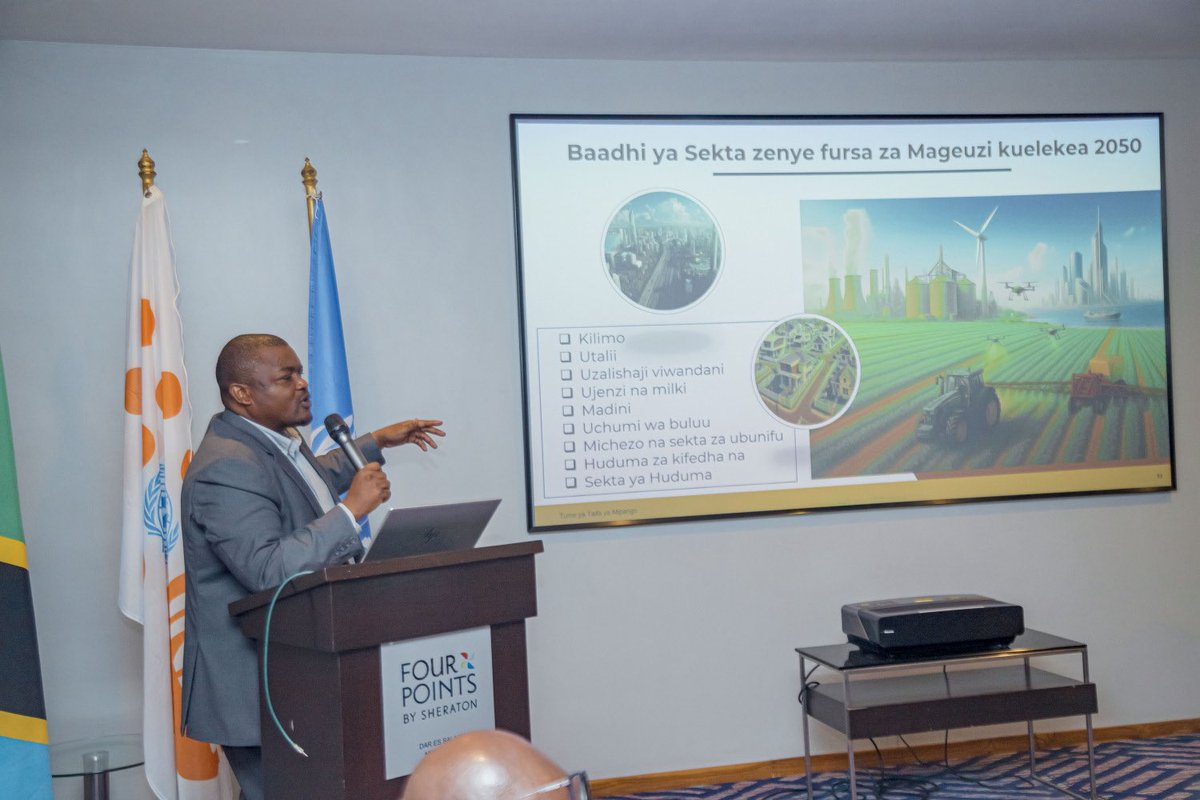
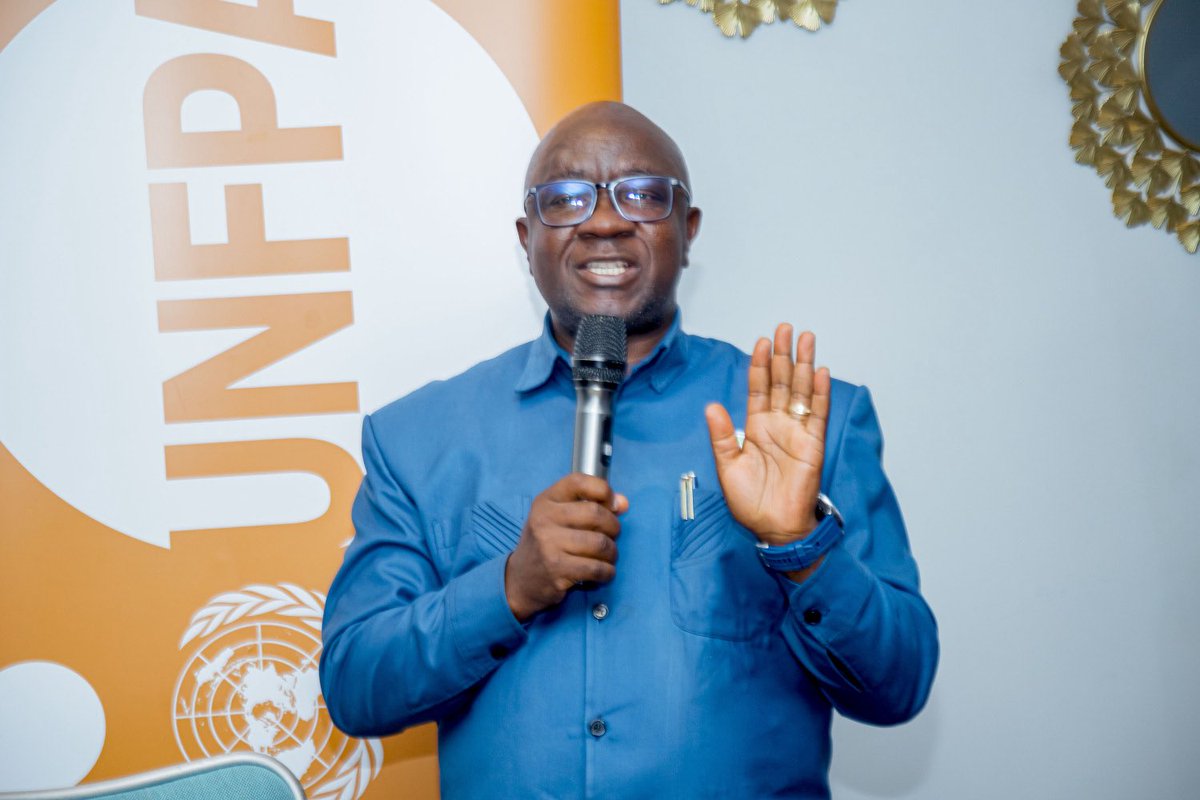
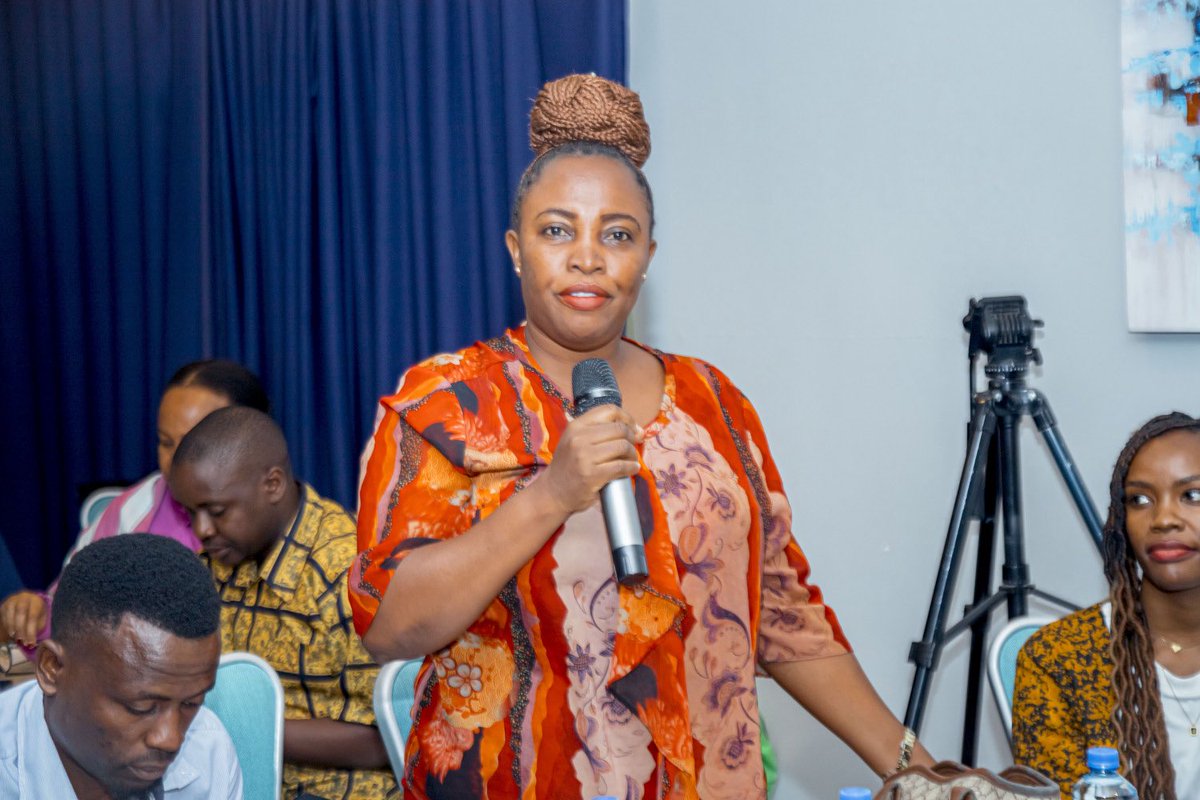
✅ Today, @UNFPA #Tanzania 🇹🇿& the National Planning Commission held a Media Dialogue on Tanzania Development Vision 2050 🇹🇿
✨A key step in partnering for awareness & action toward a more inclusive, sustainable future.
#TDV2050
#Vision2050 #MediaForDevelopment
6
13
473

18 Aug 2025
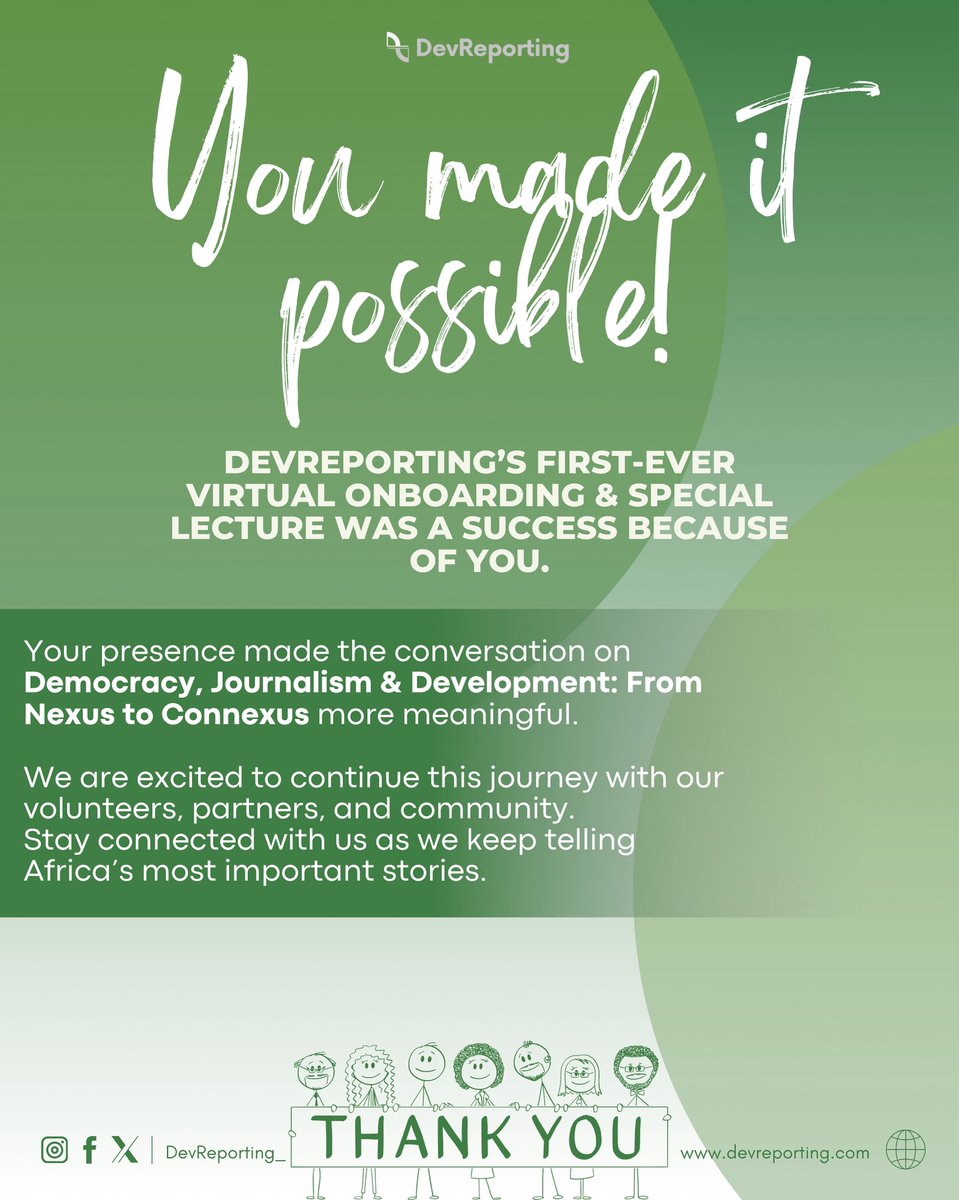
You made it possible!
Our first #Virtual Onboarding & Lecture was a success because of you.
This is just the beginning . Stay with us as we tell Africa’s stories that matter.
#DevReporting #MediaForDevelopment #dapoolorunyomi
3
52

The result? Students asking for mentorship, and some choosing to intern & volunteer with DevComs. 🌱
#DevComs #Mentorship #MediaForDevelopment #Journalism #Storytelling
1
2
47