opg.optica.org/oe/fulltext.c…
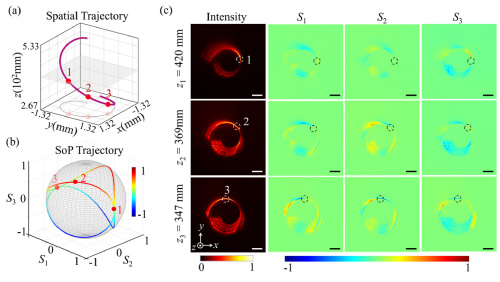
Our comprehensive numerical and experimental results establish the VFFLS scheme as a powerful and versatile technical pathway for multidimensional wavefront control. This flexible control paradigm offers a promising methodology for generating complex vectorial optical fields, with potential applications in integrated photonics, optical micromanipulation, and high-capacity optical communications.
45

Jun 9
Physical Bounds on Optical Micromanipulation: Maximal Stiffness in the Dipole Regime
Martin Zlabek, Jakub Liska, Lukas Jelinek, Miloslav Capek
arxiv.org/abs/2606.09554 [𝚙𝚑𝚢𝚜𝚒𝚌𝚜.𝚘𝚙𝚝𝚒𝚌𝚜 𝚙𝚑𝚢𝚜𝚒𝚌𝚜.𝚌𝚘𝚖𝚙-𝚙𝚑]
16

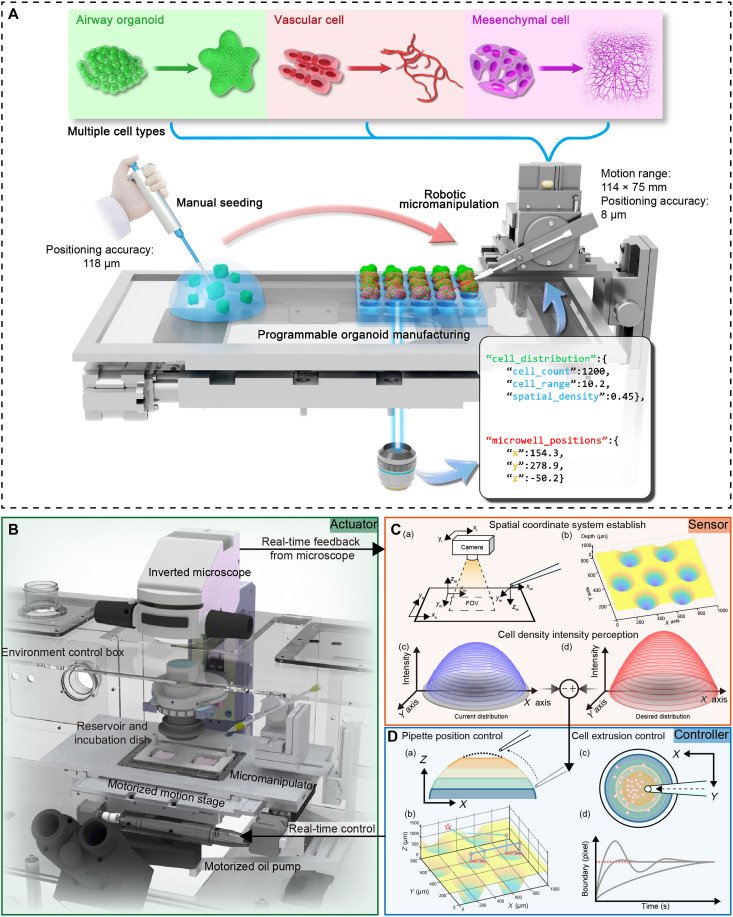
Robotic micromanipulation for precise cell patterning in reproducible and complex organoid biofabrication
pubmed.ncbi.nlm.nih.gov/4091…
#Epigenetics
#microrna #neuroscience #MedTwitter #ImmuneSystem
#Nutrition #cancer #schizophrenia #organoid
1
18

We are excited to announce Sutter Instrument has joined the Lafayette Life Science Division. Sutter is known for its innovations in micropipette fabrication, electrophysiology, microinjection, microscopy, and micromanipulation technologies.
Read Release: lafayetteinstrument.com/page…

2
2
109

May 5
oh no! this fucking idiot is standing four hammer units to the left from my pixel perfect crosshair placement, this leaves me no choice but to use my secret weapon! *narator starts: cursed micromanipulation is a cursed technique thats linked to the fundemental laws of physics
1
2
260

im unfamiliar with the vision engineering unit but the leicas are incredibly nice, comfortable, immersive view, very good for long micromanipulation. you need the right chair
1
2
458

Apr 12
The level of micromanipulation & narrative control this company exerts is mind-blowing, especially when u see the K-side. They have no idea about the CBX, only what SM tells them! It's truly terrifying. I'd settle for losing the brand, but this company will never
2
2
21
1,242

Mar 28
🛸By varying the ellipticity of the incident light, the propagation-phase topological charge and the rotation order mA/B, dual-channel vectorial structured lights with polarization states evolving along an arbitrary pair of antipodal meridians on the HOP or HyOP sphere can be obtained. The theoretical derivations and simulation results are presented and are in good agreement. This work demonstrates a novel approach to achieve longitudinally separated multi-channel wavefront manipulation, which shows great promise for multifunctional integrated optical devices and exhibits significant potential in optical micromanipulation, light-matter interaction, and optical communications.🛸
2
33

Mar 17
This technology, often referred to as "Spermbots," is a fascinating intersection of nanotechnology and reproductive medicine. While it looks like something out of a sci-fi movie, it addresses a very real biological hurdle: male infertility caused by low sperm motility (asthenozoospermia).
Here is a breakdown of whether this could be a "major issue" solver and how it compares to existing treatments.
The Potential Impact
For many couples, the issue isn't a lack of sperm, but rather that the sperm are "poor swimmers" that cannot reach the egg on their own.
Less Invasive than IVF: Currently, the "gold standard" for low motility is ICSI (Intracytoplasmic Sperm Injection), where a scientist manually injects a single sperm into an egg using a needle. Nanobots could potentially allow fertilization to happen more "naturally" inside the body.
Targeted Delivery: These micro-motors (usually polymer helices coated in metal) are controlled by an external magnetic field. This allows doctors to literally "drive" the sperm to the target with high precision.
Challenges to Overcome
While the tech is impressive, calling it a total solution just yet might be premature for a few reasons:
The "Release" Mechanism: Getting the bot to coil around the tail is one thing; getting it to let go once it reaches the egg membrane so the sperm can actually penetrate is a significant engineering challenge.
Biocompatibility: We have to ensure that the materials used (and the magnetic fields applied) don't damage the delicate DNA inside the sperm or the uterine environment.
The "Selection" Issue: In nature, the journey to the egg is a race that filters out weaker sperm. By "driving" a specific sperm to the egg, we bypass that natural selection process, which raises questions about the health of the resulting embryo.ICSI (Current Standard) vs. Nanobots (Spermbots)
Location
ICSI: Performed in a petri dish (In Vitro).
Nanobots: Potentially performed inside the body (In Vivo).
Control
ICSI: Manual micromanipulation by a specialist.
Nanobots: External magnetic field guidance.
Cost
ICSI: Very high.
Nanobots: Likely high (initially).
Complexity
ICSI: Requires egg retrieval surgery.
Nanobots: Could potentially avoid invasive surgery.
1
1
3
54

Mar 5
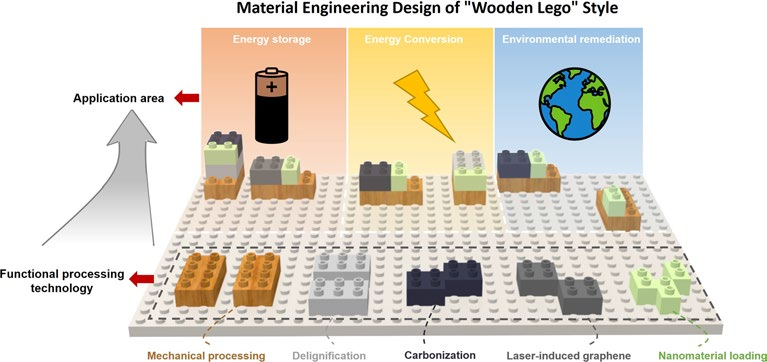
108. Functionalized Wood: A Green Nanoengineering Platform for Sustainable Technologies
Tuo Zhang, Mingwei Gu, Yizhu Liu, Guangyao Chen, Haiyang Zhang, Liguo Chen, Xingwen Zhou, Lining Sun, Zhen Wen*, Yunlei Zhou* & Haibo Huang*
Nano-Micro Lett. 18, 108 (2026).
doi.org/10.1007/s40820-025-0…
This work is led by Prof. Dr. Haibo Huang (Soochow University) and co-workers. Prof. Huang’s research centers on microrobots and micromanipulation, microscopic vision and biological sensing technology, self-powered wearable flexible health monitoring devices, and high-performance two-dimensional nanomaterial sensor devices. This review systematically categorizes nanoengineering strategies for functionalizing wood—including thermal carbonization, laser-induced graphenization, and targeted delignification—and summarizes their application in sustainable technologies such as energy storage, water treatment, and energy conversion, while also discussing current challenges and future directions for developing wood-based green nanoplatforms.
Related articles:
Beyond the Silicon Plateau: A Convergence of Novel Materials for Transistor Evolution
doi.org/10.1007/s40820-025-0…
Flexible Monolithic 3D-Integrated Self-Powered Tactile Sensing Array Based on Holey MXene Paste
doi.org/10.1007/s40820-025-0…
Advancements and Innovations in Low-Temperature Hydrogen Electrochemical Conversion Devices Driven by 3D Printing Technology
doi.org/10.1007/s40820-025-0…
1
2
70

Feb 14
100% agreed. Some domains of biology demand decades of embodied expertise. For example, one of my core expertise is to carry out #Patch_clamp electrophysiology and #Patch_seq for super difficult samples in vivo. I spend years in my PhD to acquire this skill!
Patch-clamp electrophysiology, for example, isn’t just “running an instrument” — it’s micromanipulation, tissue intuition, signal interpretation, troubleshooting noise in real time, and adapting protocols on the fly. That kind of tacit knowledge isn’t easily automated. It's not just like pressing a button and asking neurons to get "patch" by themselves kind of magic :)
Secondly, importantly, biology still contains vast unknowns. We don’t fully understand how organelles coordinate dynamically, how #bioelectric states regulate cell fate, or how subtle modes of cell–cell communication emerge under stress or disease. Many of these phenomena aren’t even properly measured yet.
AI is powerful at pattern recognition within existing data distributions. But it cannot infer ground truth where none exists. If the phenomenon hasn’t been captured, quantified, or instrumented, AI has nothing to learn from. The future isn’t AI replacing biology. It’s AI amplifying biologists. once we generate deeper, higher-quality measurements of the unknown.
1
4
261

The equipment (e.g. CO rebreathers, Advanced IVF & Embryology Laboratory Infrastructure, Micromanipulation & Nuclear Transfer Equipment, Oocyte & Embryo Handling Systems, Oocyte & Embryo Handling Systems, Genetic & Mitochondrial Analysis Equipment, Cryopreservation Equipment)
Jan 5

Ben Healy argues that the current record speeds of the peloton are due to "night and day" differences between the equipment used now and that of 5 years ago.
2
1
13
2,796

2 Dec 2025
Probe:** Manipulation with sound and vibration: A review on the micromanipulation system based on sub-MHz acoustic waves**, sciencedirect.com/science/ar…, investigate sub-MHz acoustic micromixer & report @grok
2
2
36

16 Nov 2025
Nanofabrication/robotics progress
Researchers use novel 3D nanofabrication techniques to miniaturize robots, thereby enabling exceptional speed, precision, and the potential for new applications in manufacturing and medicine.
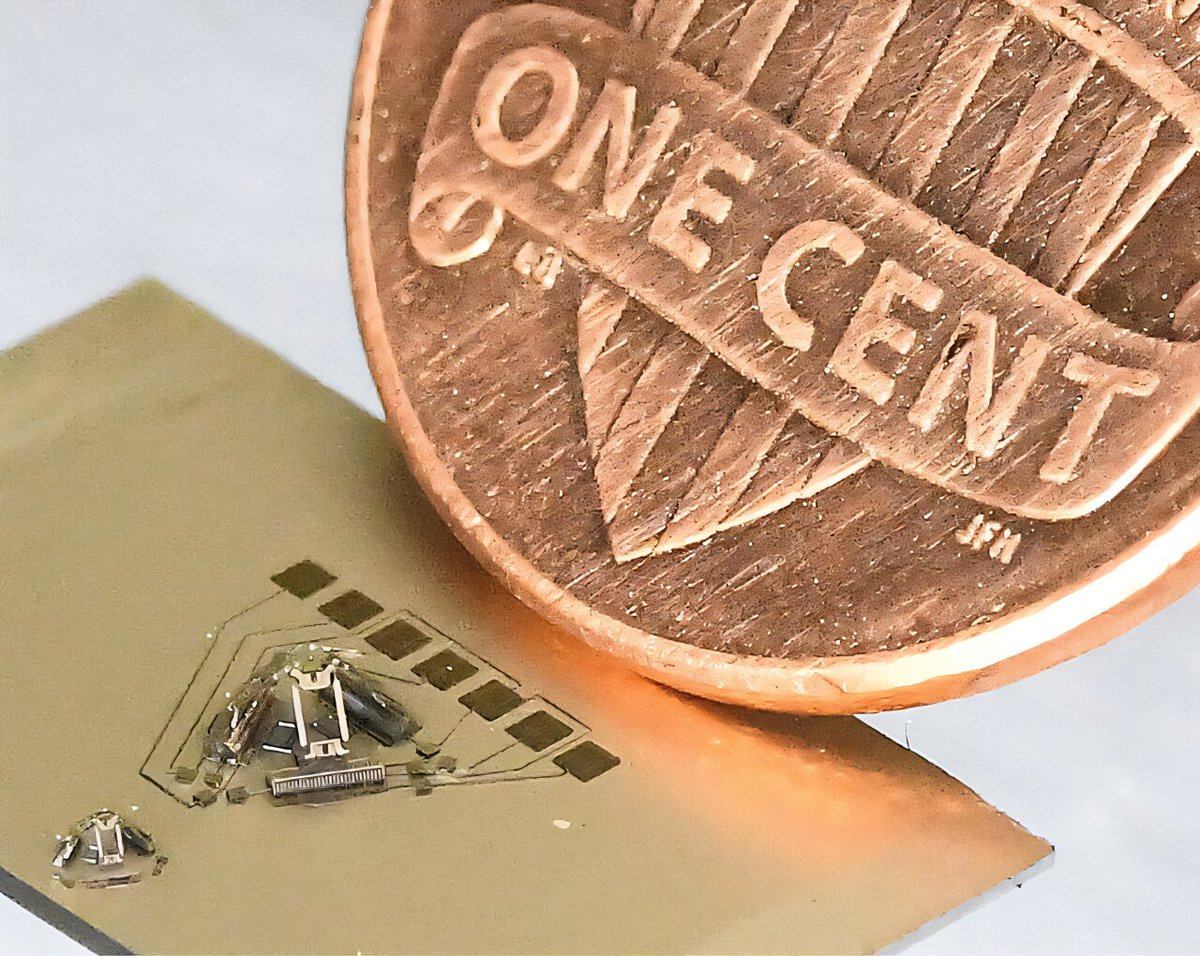
Researchers at Carnegie Mellon University have developed ultra miniature Delta style robots, measuring just 1.4 mm and 0.7 mm tall, using a novel 3D nanofabrication method that bypasses traditional assembly.
By shrinking the scale, they achieved sub micrometer precision and operation frequencies over 1 kHz, along with enough power to launch a grain of salt (about 7.4% of the robot’s mass).
These "microDeltas" open new possibilities for micromanipulation, micro assembly, minimally invasive surgery, and dense arrays for haptic feedback, a big step forward for robotics at the microscale.
6
10
117
7,595

14 Nov 2025
#Advanced 3D nanofabrication enables the creation of microDelta robots as small as 0.7 mm, achieving unprecedented speed, precision, and potential for micromanipulation and medical applications. @CMU_Mech @SciRobotics doi.org/hbbccb techxplore.com/news/2025-11-…
9
15
4,705

3 Nov 2025
Dr. Hassan Elahi #NUST developed an #electrothermally actuated #MEMS #microgripper with 14.2× displacement amplification, delivering 51.32 µm movement at just 12 V, showing potential for #biomedical #micromanipulation. @sciencedirect #NUSTResearch
doi.org/10.1016/j.sna.2025.1…
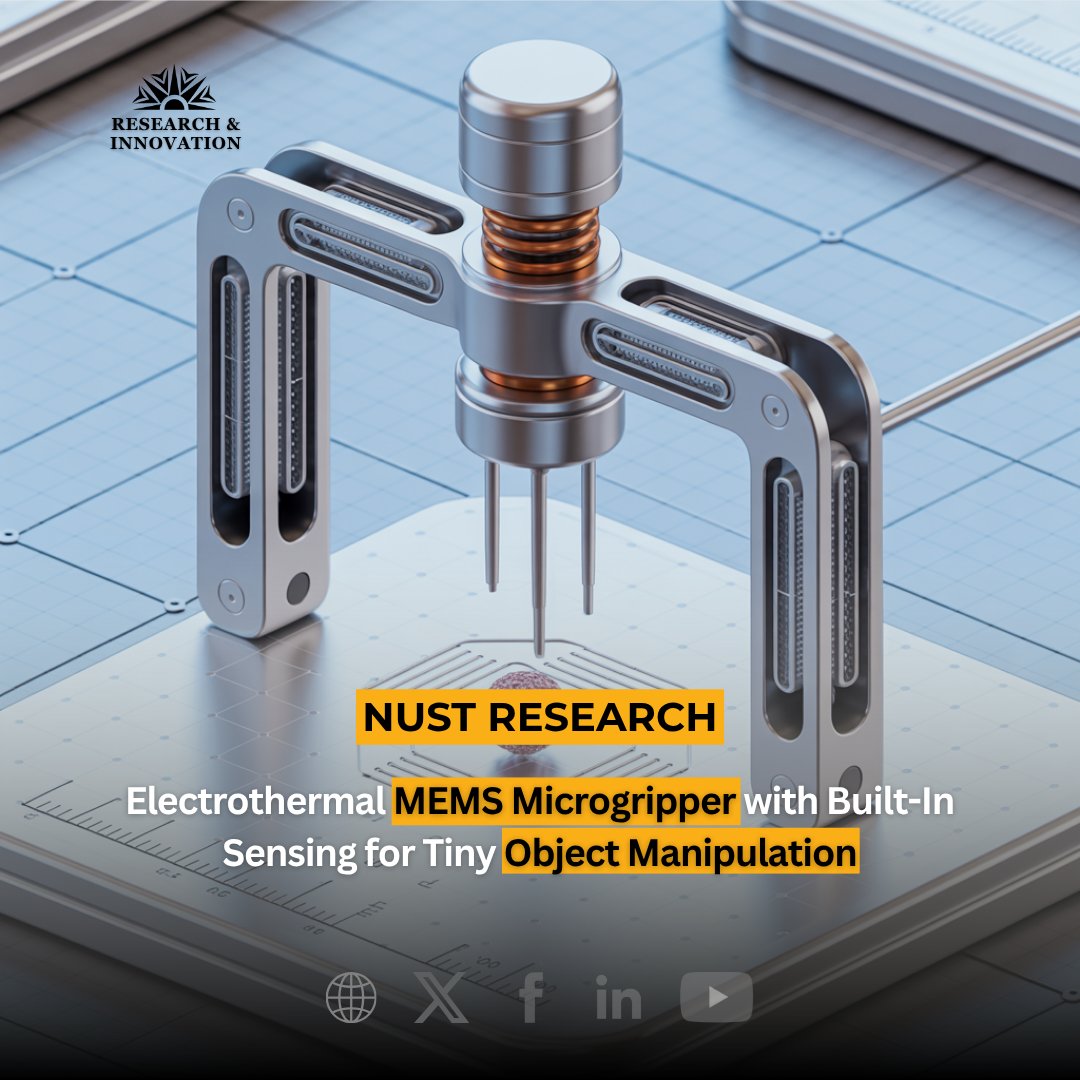
ALT An electrothermally actuated high amplification MEMS microgripper with integrated capacitive sensing for micromanipulation
3
179

Some micromanipulation masters have what in USSR would be called “hands of gold” it seems
2
290

27 Oct 2025
can i just point out the micromanipulation where they "hobi/jin are at 3rd/4th" which would translate to hobi being 3rd and jin being 4th which is ofc not true :)
26 Oct 2025

Saying this all the while agreeing with the RL diet??? How does that work? Also the fd has always voted for the one leading. Last yr as well? How does it change now? y'all have been voting for Hobi the past 3 YRS. How is it an issue to vote for Jin THE FIRST TIME?


1
3
28
970

3 Aug 2025
Stanford cardiologists use acoustics to grow new healthy heart tissue.
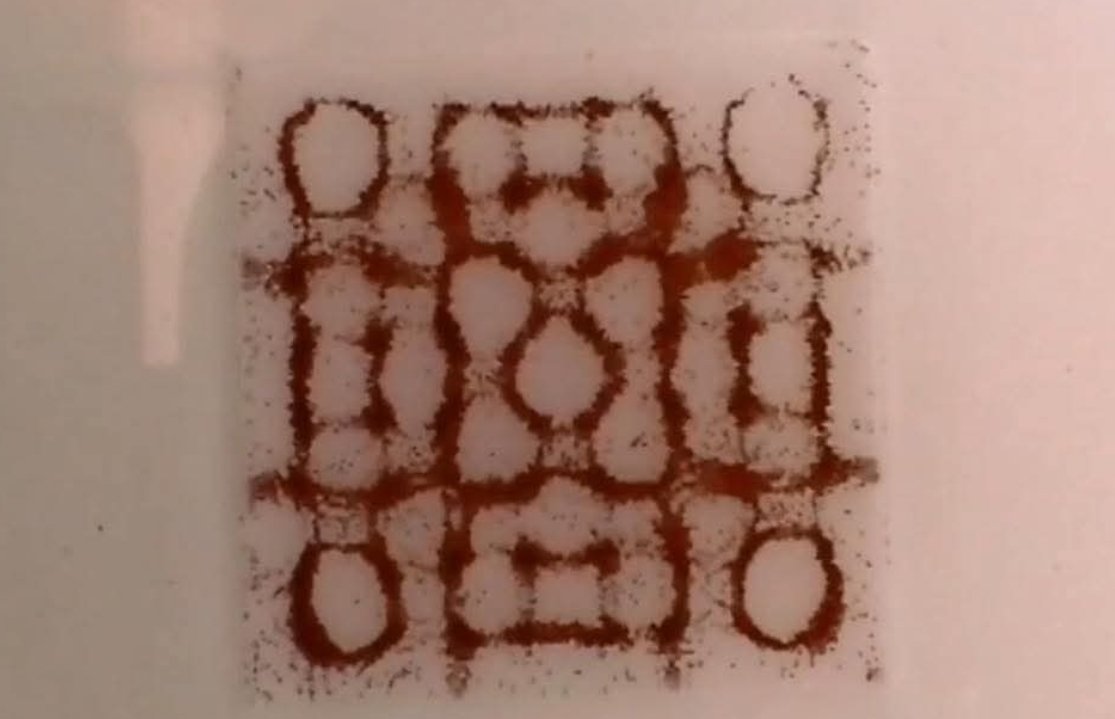
Cardiologist Sean Wu, MD, PhD and acoustic bioengineer Utkan Demirci, PhD are pioneering acoustofluidic tissue engineering — using high-frequency sound waves to pattern living heart cells into functional tissue structures.
What has been proven:
• They generate standing bulk acoustic waves inside a microfluidic gel containing suspended cardiomyocytes (heart muscle cells).
• These waves create pressure nodes that steer the cells into highly organized, repeatable geometries — cymatic patterns — that resemble the alignment found in healthy myocardium.
• By precisely tuning the frequency and amplitude, they control how cells align, connect, and contract together, mimicking native heart tissue architecture.
• This method is non-contact, scaffold-free, and more gentle than traditional bioprinting or micromanipulation.
Cell alignment and connectivity are critical for creating tissue that actually beats in sync with the heart — without this, engineered patches can’t function properly.
What's next?
• Grow functional cardiac patches to repair tissue damaged by heart attacks or congenital defects.
• Integrate multiple cell types for vascularization.
• Use dynamic acoustic stimulation to re-synchronize arrhythmic tissue — literally entraining the heartbeat using mechanical waves.
“If you want to find the secrets of the universe, think in terms of energy, frequency, and vibration” Nikola Tesla 🤍
2
8
366

15 Jul 2025
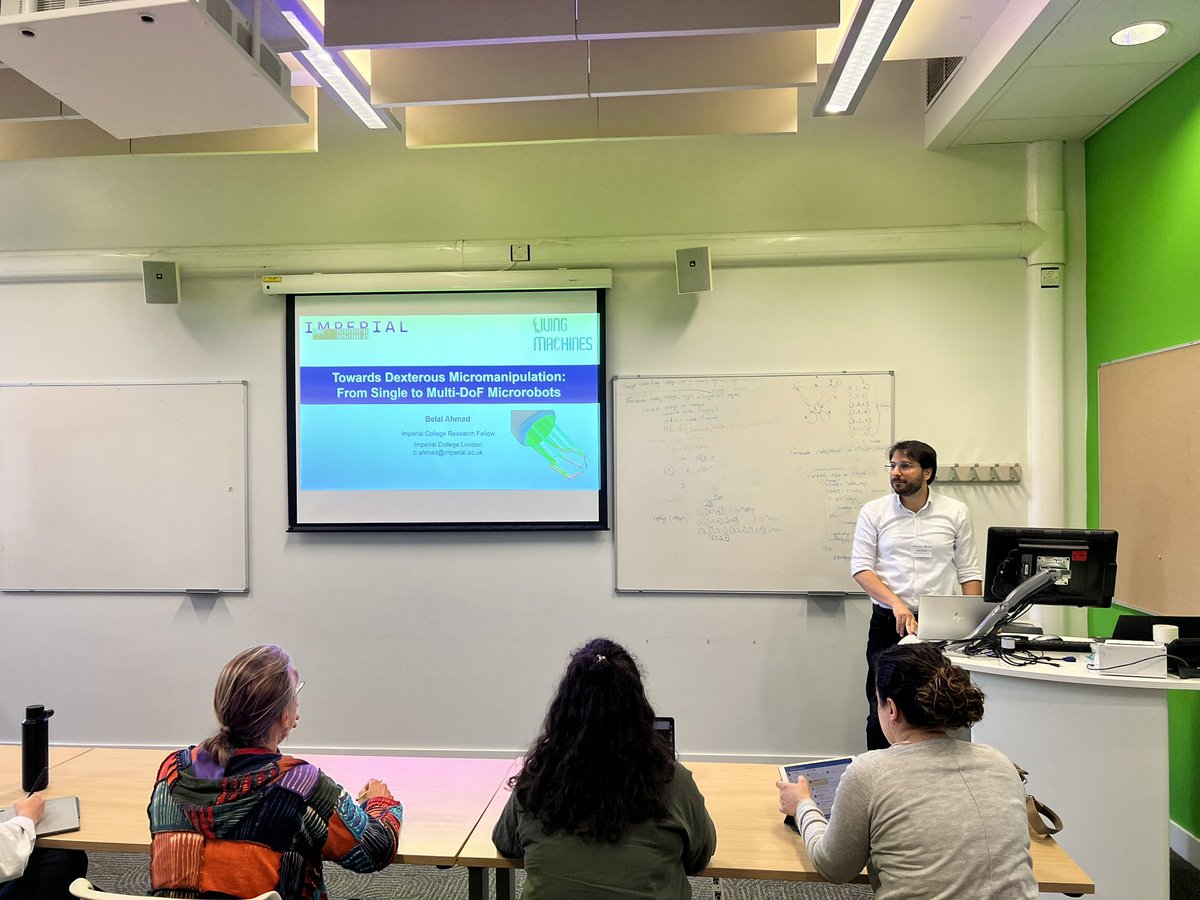
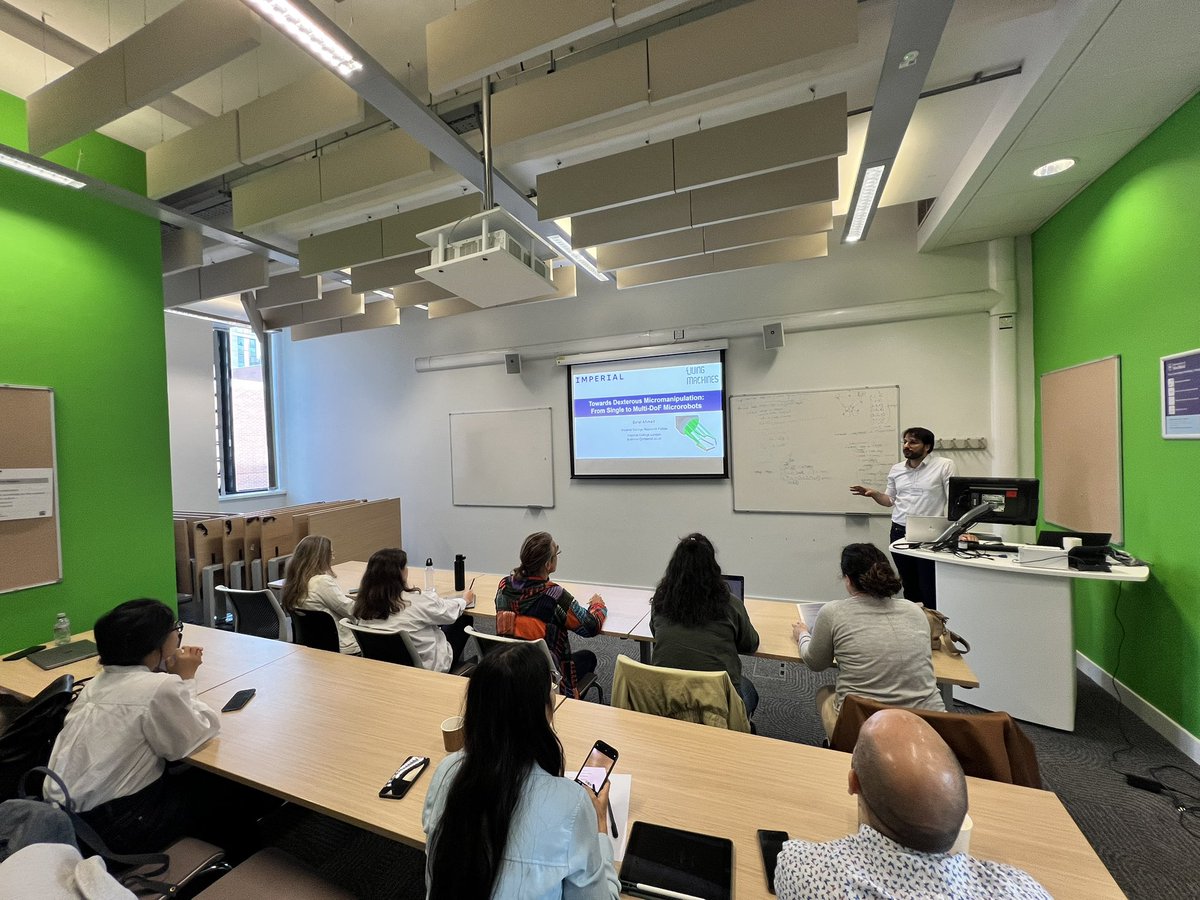
Next we have Dr. Belal Ahmad - from @imperialcollege - he will talk about “Towards Dexterous Micromanipulation: From Single to Multi-DoF Optothermal Microrobots.”
@StefanoPalagi @ERC_Research @MicroRobotLab
#livingmachine
4
148