
Feb 22
Our products aren't magic—it’s just microbial science at work 💧🔬
See more here 👀: naturasolve.com/outcomes/
#WaterHealth #EcoFriendly #MicrobialPower #SoilHealth #Microbes #Water #Soil #BeneficialMicrobes
14

In a recent article with @AmericanAgNet, Indigo Ag’s Mike Thompson and Matt Powe tackled some of the biggest myths about biologicals. This week Matt Powe sheds some light on how biological seed treatments withstand tough field conditions.🌽
#AgTech #Biologicals #MicrobialPower
2
452
In a recent article with @AmericanAgNet, Indigo Ag’s Mike Thompson and Matt Powe tackled some of the biggest myths about biologicals and we’re here to break them down! 🌱
#AgTech #FarmSmart #FarmingForward #Biologicals #SustainableFarming #MicrobialPower #AgInnovation
1
3
933
6 Dec 2025
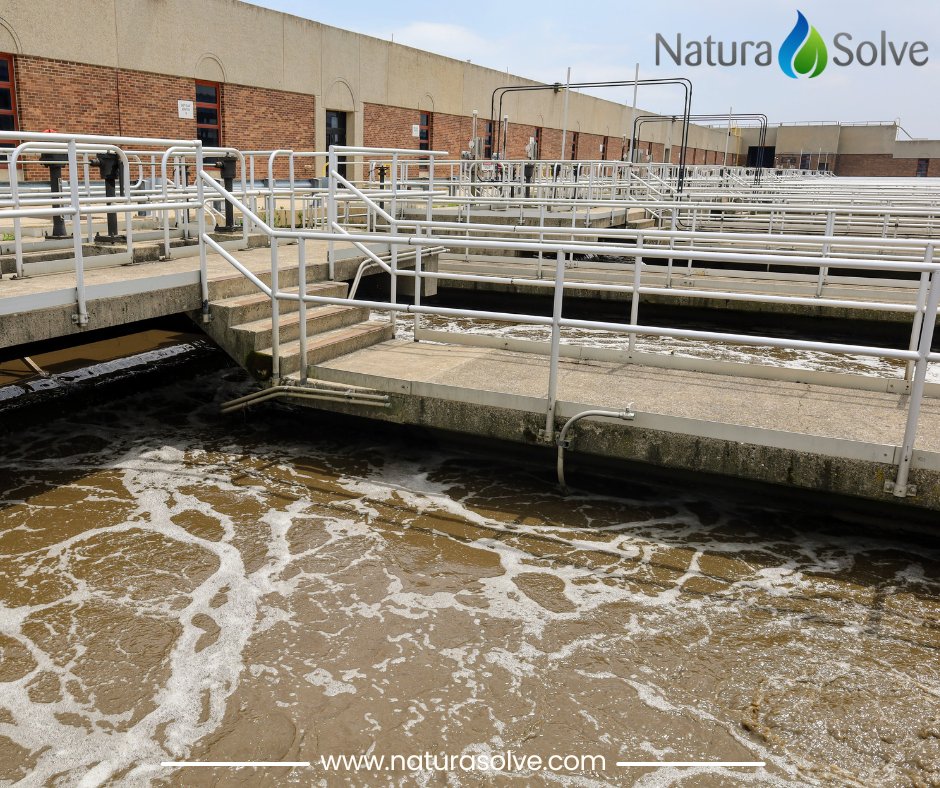
A lot happens behind the scenes in a wastewater plant — and microbes play a bigger role than most people ever realize. 💧🧫
That’s where our WaterMix comes in.
🧵👇
#Wastewater #Microbes #WaterMix #WWTP #WastewaterSolutions #Biosolids #MicrobialPower
1
26
17 Nov 2025
🛒 Check out our Shopify Store here: naturasolve.myshopify.com
#WaterConservation #HealthyEcosystems #LakeLife #CleanRivers #MicrobialPower #SoilAndWater #EcoFriendlySolutions #NatureMatters #ProtectOurWater #SustainableFarming #AquaticHealth #WatershedProtection #WaterStewardship
1
12
9 Nov 2025
Nature has the blueprint. We just try to help it do what it does best. 🌎
#BeneficialMicrobes #MicrobialPower #AllNatural #Nature #Regenerative #SoilHealth #Microbes #Sustainable
26

17 Sep 2025
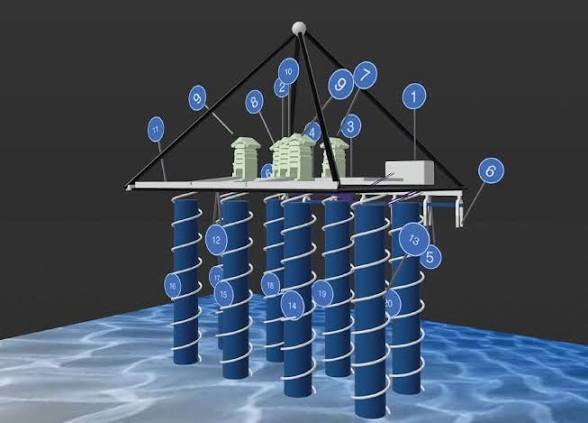
🚨 Unlocking the Secrets of Giza! 🌍 New theory suggests the underground chambers beneath the pyramids may have been ancient bacterial growth hubs, harnessing limestone, quartz, and EMF to power a bioelectric factory. Could this explain the mysterious energy anomalies? #GizaMystery #AncientTech #MicrobialPower #HarmonicHermeticSymbiosisConsciousnessTheory @TheProjectUnity @HistContent @AncientEpoch @Ancient_Egypt_X @MichaelButtonX @adamcarolla @drew_ponder @drdrew @thegarybrecka @carriecarda @BGatesIsaPyscho @beforethewest @RjNol @boneyardak @BrightInsight6 @Graham__Hancock @grahamallen @curiosityonx @gunsnrosesgirl3 @ShiningScience @randallwcarlson @digijordan @JohnDParody @4gottnHistory @holonabove @AMAZlNGNATURE @KnightsTempOrg @RedPandaKoala @leptokinesis @derek__olson @O4tcake @jordanbpeterson @trad_west_ @UAPWatchers @UnchartedX1

2
3
386
4 Sep 2025
See real-world results with our beneficial microbes: naturasolve.com/outcomes/
#MicrobialPower #SustainableAgriculture #Crops #LawnCare #TurfManagement #SoilQuality #SoilFertility #SoilScience #Fertilizers #Water #Green #AgTech #MicrobesMatter
6
30 Jul 2025
When microbes are thriving, your soil works with your plants:
🦠 Nutrients become more available
💧 Water holds longer
🌱 Roots grow deeper
🛡️ Some microbes even help plants prime their defenses (ISR).
Grow smarter—with biology on your side.
#MicrobialPower #HealthySoil #Green
29

29 Jul 2025
Through fermentation, Gen Z is reimagining power. Instead of dominance, they’re embracing collaboration—between people, microbes, and the environment. It’s a decentralized ecosystem in action.
\#DecentralizedDining #MicrobialPower
1
5

You can’t see them, but without them, your crops will struggle…
Microbes (bacteria, fungi, actino-bacteria, and more) are the microscopic superheroes in your soil.
Contact us at 010 591 2226 or reception@brasuda.co.za
#MicrobialPower #SoilHealth #BrasudaForageSeeds
10
24 Jun 2025
Our SoilMix product adds beneficial microbes to your compost pile, speeding up decomposition and enriching the final product with life-supporting microbial power. 🧬🌱
Learn more: naturasolve.com/soils/soilmi…
#MicrobialPower #CircularEconomy #YardWaste #Trimmings #Leaves #GoodBugs
1
8

5 Jun 2025
Forget oxygen—some bacteria prefer electricity.
In a groundbreaking discovery, scientists at Rice University, led by Dr. Caroline Ajo-Franklin, have identified microbes that survive using Extracellular Electron Transfer (EET)—a process where they push electrons directly into their environment to generate energy. Published research highlights how these “electricity-breathing” bacteria thrive in oxygen-free zones like deep-sea sediments, underground rocks, and even the human gut.
Rather than using oxygen for respiration, these bacteria discharge electrons into minerals or electrodes, functioning like microscopic power plants. The implications? Massive. These microbes could power microbial fuel cells, clean up pollutants, and even support closed-loop life systems for space missions.
Their potential applications include:
⚡ Clean energy generation
🌿 Sustainable waste processing
🔬 Environmental monitoring
🚀 Oxygen-free biotech for space
As we search for green tech that mimics nature’s efficiency, these bacteria might be the blueprint.
Comment BIOHACK to get more stories where biology meets the future of power.
#BiohackYourself #HealthNews
#CleanTech #SyntheticBiology #BioEnergy #MicrobialPower #ElectricBacteria
Disclaimer:
This content is for educational and entertainment purposes only and is not a substitute for medical advice. Always consult a healthcare professional. Full disclaimer: biohackyourself.com/termsand…
🧠 We explore all angles — ancient wisdom, modern science, and everything in between. No allegiance to Big Pharma or Big Natural.
🔍 We cite studies, but encourage you to read them, question funding, and review the methods. Stay curious.
📚 Not all journals are equal. Peer-reviewed ≠ perfect. Check the source, think critically, and decide for yourself.
⚠️ One study isn’t the full story. Science evolves. We’re here to inform, not to tell you what to believe.

33

29 May 2025
🚜 Tilling may seem helpful—but it breaks soil structure and releases carbon. 🌱 Microbes naturally chop organic matter, improve soil, and create lasting airways for roots and water.
Let nature lead—follow us on YouTube to discover the future of farming.
youtube.com/shorts/54KQpVIRf…
#RegenerativeFarming #SoilHealth #MicrobialPower #FarmSmart #SaveSoil @MarkGaalswyk @easyenergysys @EMMFeedTheFam @ToddAnalytics @cpsavesoil @kissthegroundCA
3
10
597
26 May 2025
Honoring those who served by giving back to the land they protected. 🌱🇺🇸
#SupportOurSoil #VeteransAndTheLand #RememberAndHonor #MemorialDay #HonorAndRestore #Terreplenish #RegenerativeAgriculture #SoilHealth #SustainableFarming #FeedEarthNow #NatureHeals #MicrobialPower #GreenFuture #FarmResponsibly #AgTech #SoilRegeneration #CircularEconomy #LiveMicrobes

1
5
158

22 May 2025
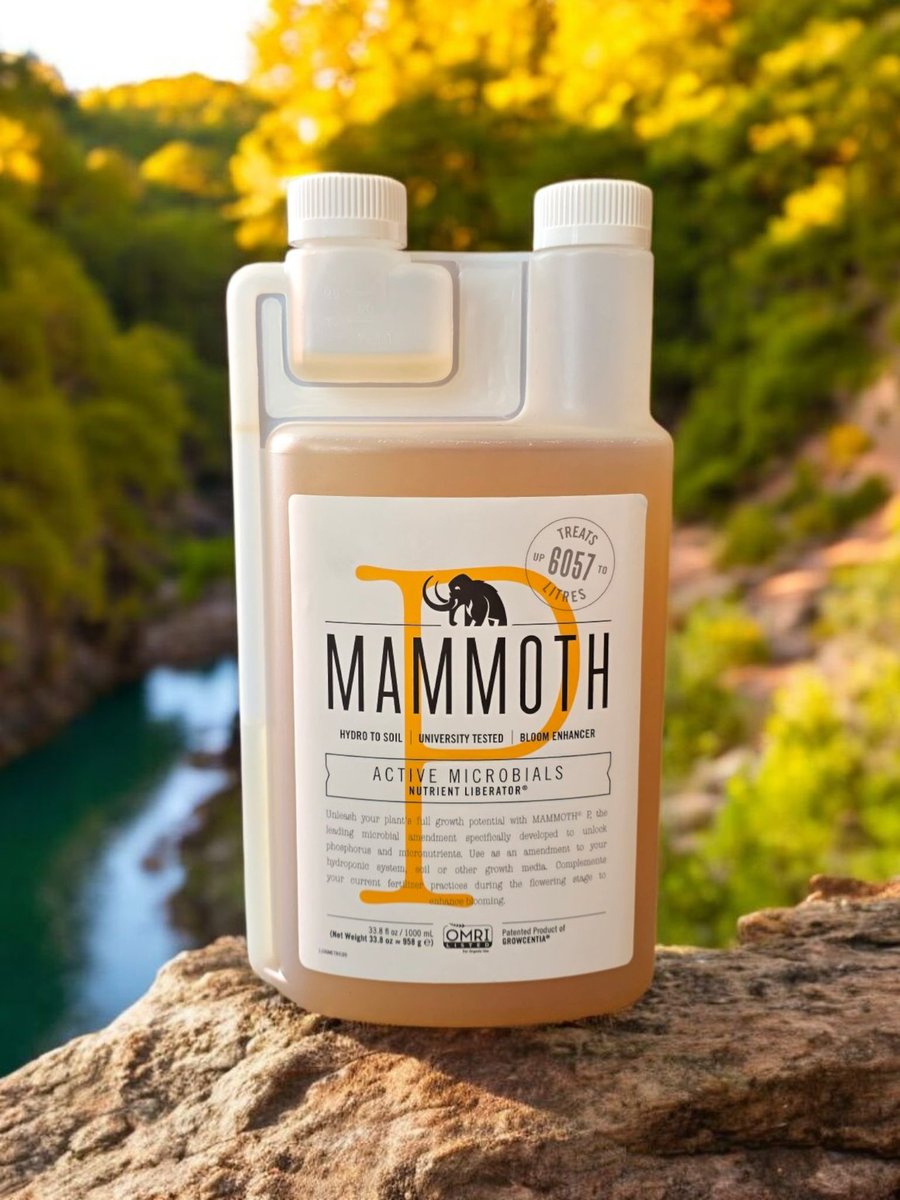
🧪 Mammoth P – Microbial Bloom Enhancer
Breaks down bound phosphorus → fuels bigger flowers 🌸
✔️Beneficial bacteria
✔️Any Media!
📍Available @ Hydro Oasis
#MammothP #HydroOasis #BeneficialBacteria #MicrobialPower #PhosphorusLiberator #PlantScience #HydroponicsAustralia
9
29 Apr 2025
Learn more about us and our microbes on our website: naturasolve.com
Please reach out with any questions—message us here or call us at 844-2EARTH2 (844-232-7842). 🤳🏽
#SoilHealth #RegenerativeAgriculture #SustainableFarming #MicrobialPower #SoilAmendment #Turf
🏡 🧑🌾🚜
33

16 Apr 2025
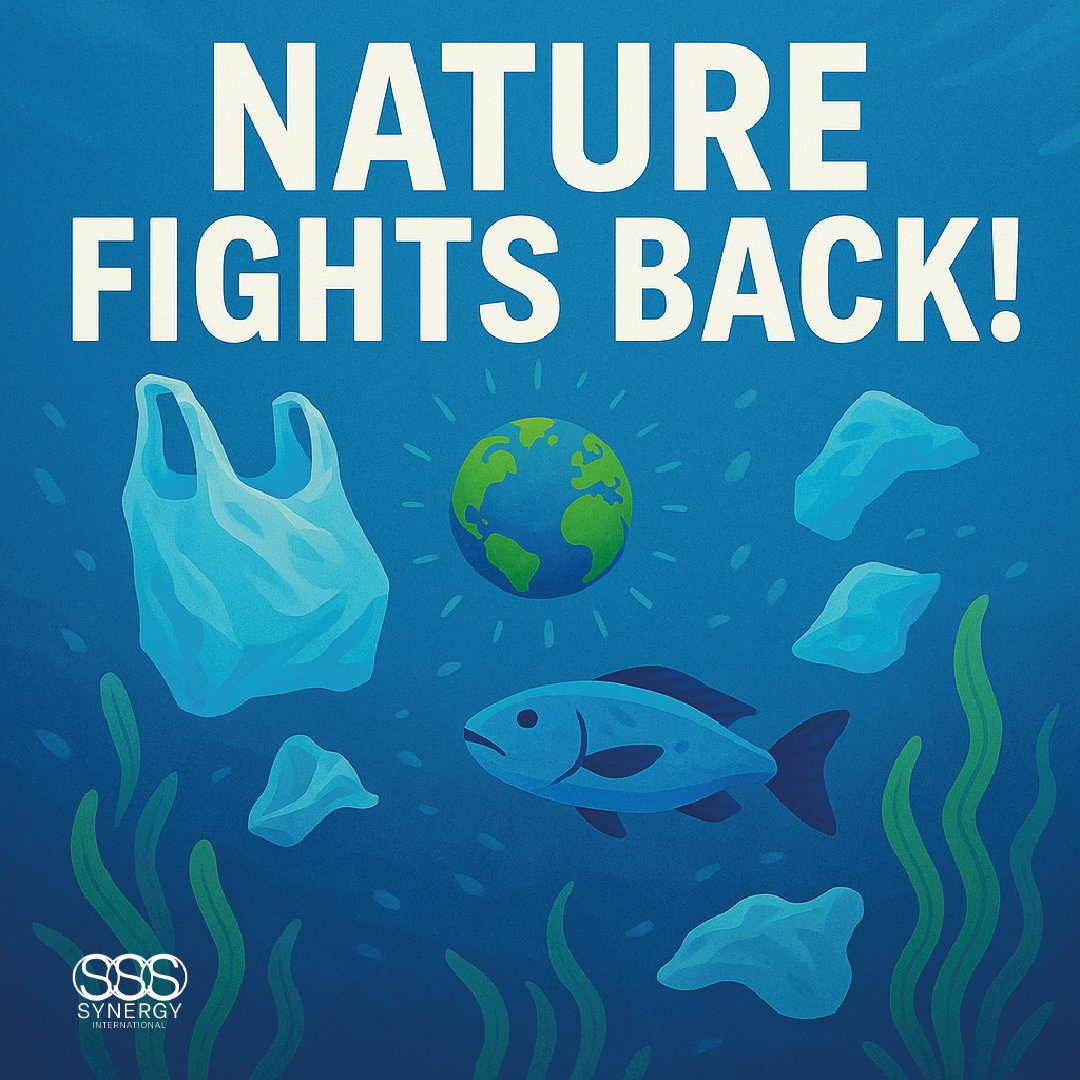
💚 🌊 Ocean Microbes Develop an Appetite for Plastic Waste 🌊💚 Consider yourself lucky if you haven't been out for an ocean swim when a random plastic bag wraps around your foot, providing a buzz kill moment in the sun. Some might even argue with family members when they come home from food shopping with a load of plastic bags. Others will be shocked to know that plastic waste has found its way to the deepest trenches of ocean canyons.
🌊 But now there is a science-based hope that all of this plastic pollution could be reversed in the coming years and decades. A new study dropped recently from Science, and it's looks to be the potential game-changer we've all wanted. Researchers have discovered that microbes in the ocean are evolving to break down plastic — not in some lab, but in the wild. These natural plastic-degrading enzymes are showing up in more places, especially near high-plastic zones. Translation? Nature’s fighting back.
🔬 What’s fascinating is how these microbes are adapting at speed. Scientists found over 30,000 potential plastic-degrading enzymes in marine metagenomes — a massive leap from what we previously knew. It’s as if evolution got a memo about the plastic crisis and hit fast-forward. The ocean isn’t just taking the hit anymore; it's starting to clean itself.
💡 But let’s not get lazy. This isn’t a green light to keep dumping plastic and let microbes handle the mess. It’s a signal — loud and clear — to support investment into the innovation in the bio-based recycling described in the report, along with enzyme research and sustainable packaging. It’s time to pair human ingenuity with nature’s resilience.
🌍 At Synergy International, we keep a sharp eye on breakthrough science that fuels sustainability. This is exactly the kind of intersection between biology and innovation that can drive global change — if we act on it. Let’s scale the momentum, not the mess.
🔗science.org/doi/10.1126/scia…
#PlasticPollution #Sustainability #CircularEconomy #MarineScience #GreenInnovation #Biotech #WasteManagement #EnvironmentalImpact #CleanOceans #MicrobialPower #FutureThinking #SynergyInternational #NatureTech #ClimateSolutions
1
28

14 Feb 2025
Fun Fact: There are enough nitrogen producing microbes in that 5-gal bucket to replace a full train car of anhydrous ammonia! #CrazyStats #MicrobialPower #BulkySyntheticFertilizer
2
95