
C'est déjà très bien t'as organisé le truc. Moi je fais du anydesk sur le win11 du daron et sur le minimac tout récent de ma mère 😁
1
24

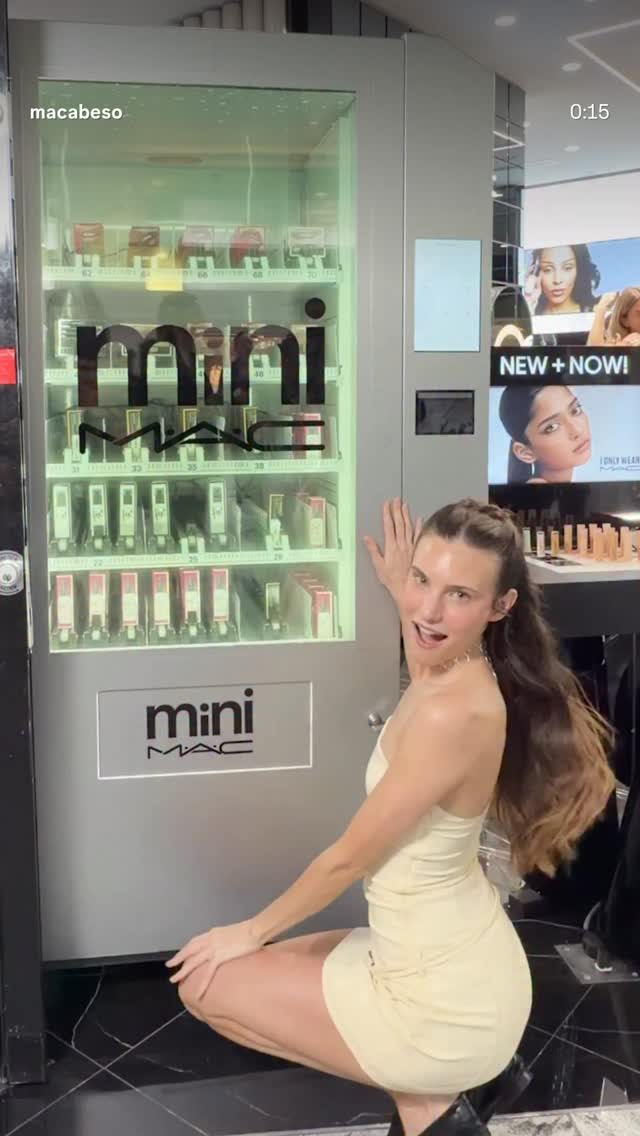
Vía Ig 📲mi solecito @macabeso mi propia vending machine ૮₍˶•. •⑅₎ა♡ solo por este fin de semana en la tienda de mac de perisur puedes ir a jugar con ella :,,,,,,) y conseguir tus minis favoritos
#diosaachaga #MacareanaAchaga #MiniMac #macachaga 🔥💘😘❤️🍰🧉
11
206

Vía IG📲 mi solecito @macabeso tan guapa mi ojiazul evento @mac_cosmetics_m #DiosaAchaga #teamachaga #MacarenaAchaga #MiniMac 🧉🍰💓❣️❤️💗💘💞
8
137
Vía IG mi preciosa rubia 🤤 @macabeso la family de mi princesita para el evento de @mac_cosmetics_m @santiachagaof #SoledadFiguera y su abuela tan bellos ese #TeamAchaga #MiniMac #diosaachaga #Macachaga #MacarenaAchaga 🧉🍰😘❤️💖💘💓❣️

12
174
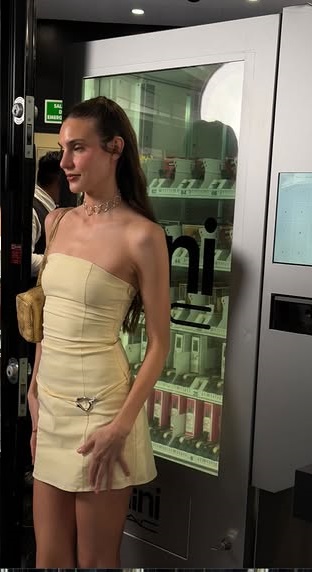
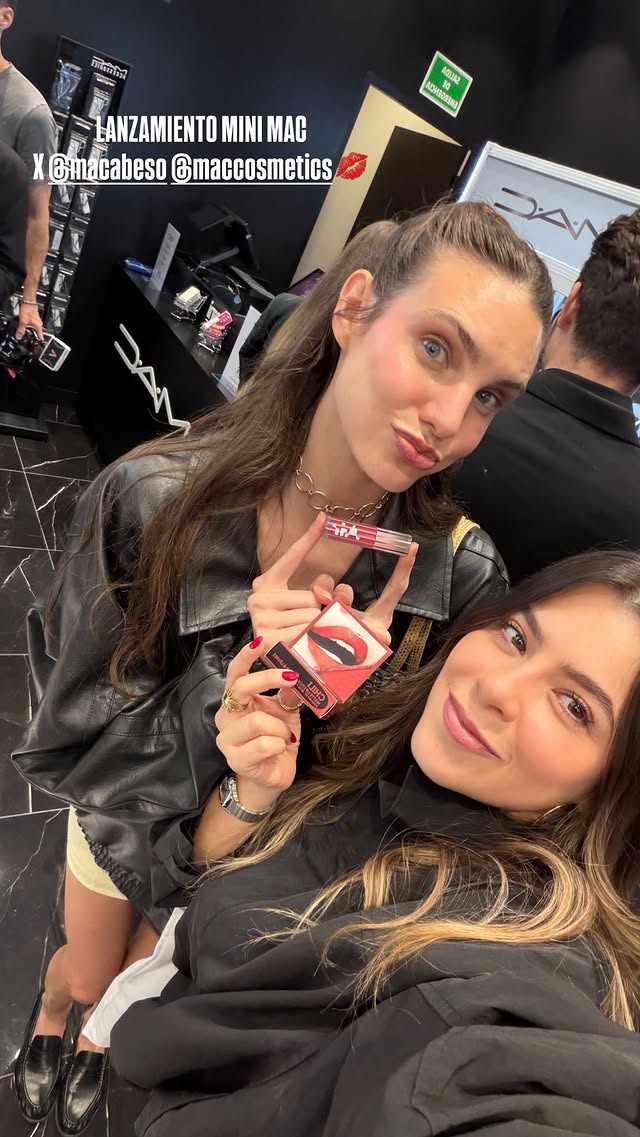
más fotitos de mi preciosa embajadora 🤤 @macabeso en el evento de @mac_cosmetics_m mi princesita rubia #MiniMac #diosaachaga #Macachaga #MacarenaAchaga #teamachaga 🧉🍰😘❤️💖💘💓❣️


8
152
mi preciosa embajadora 🤤 @macabeso en el evento de @mac_cosmetics_m mi princesita rubia #MiniMac #diosaachaga #Macachaga #MacarenaAchaga #teamachaga 🧉🍰😘❤️💖💘💓❣️
10
118
mi preciosa solecito @macabeso evento de @mac_cosmetics_m mi princesita rubia #MiniMac #diosaachaga #Macachaga #MacarenaAchaga #teamachaga 🧉🍰😘❤️💖💘💓❣️
12
167
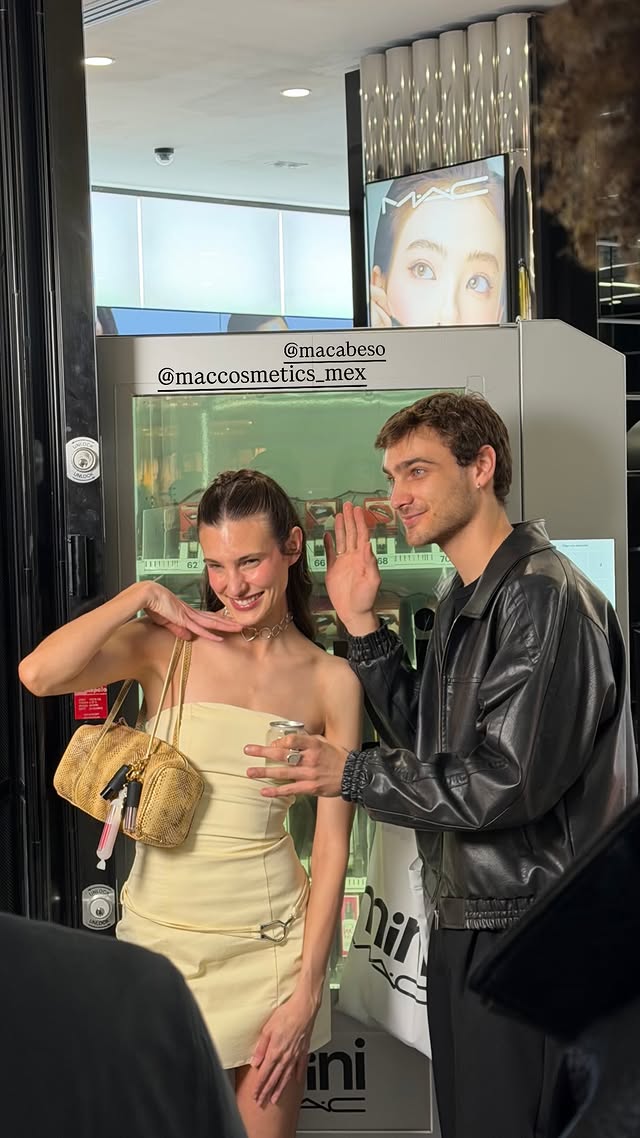
mi preciosa solecito @macabeso en su evento de @mac_cosmetics_m chinitos Achaga bellos @santiachagaof #SoledadFigueroa #MiniMac #diosaachaga #Macachaga #MacarenaAchaga #teamachaga 🧉🍰😘❤️💖💘💓❣️


11
171
mi solecito preciosa @macabeso #MiniMAC de @maccosmetics_mex #teamachaga #macarena #diosaachaga #MacarenaAchaga 🥵🧉🍰😘❤️💞💗💖💘💓
12
199

Jun 8
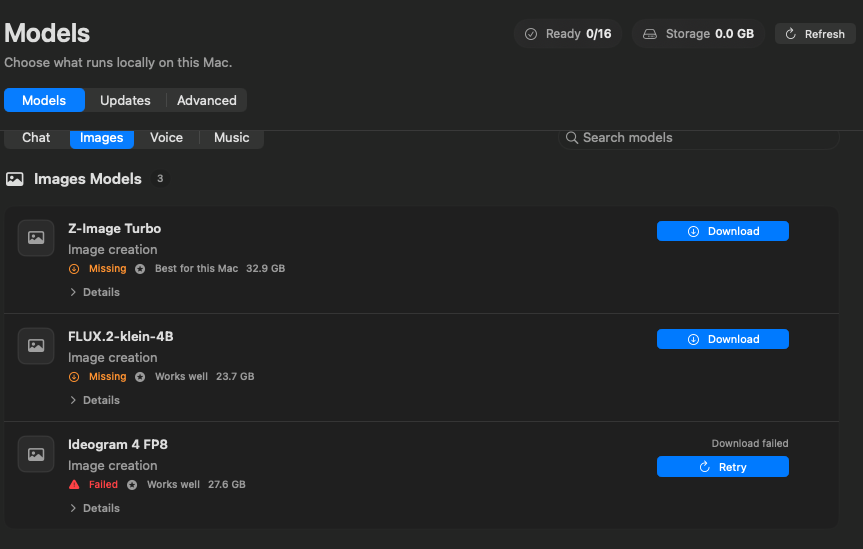
Said need repair and then failed. minimac pro 64GB. 2026-06-08T07:36:04Z [DEBUG] [Runtime] /.cache/huggingface/hub/models--ideogram-ai--ideogram-4-fp8
2026-06-08T07:36:04Z [DEBUG] [Runtime] [RuntimeManager] Model ideogram-ai/ideogram-4-fp8 native HF cache is incomplete
1
46

Jun 8
HeiJack's views (June 8, 2026)
Many followers have asked why I haven’t posted updates lately, so I’ll explain everything here.
1. Lack of Liquidity in the Crypto Market — No Trading Means No Losses
There is simply nothing new to share. The crypto sector is suffering from extremely poor liquidity, with far fewer active participants. I traded FIL during its rally to $1.3 driven by storage-related narratives, and it was clear there were fewer than 500 active traders for this asset — even market manipulators struggled to move the price.
I have also kept an eye on various altcoins. Apart from Binance-related tokens that saw a surge fueled by a new book and renewed investor enthusiasm, the rest are largely speculative junk with no new users joining. Data shows the total number of participants in the broader altcoin space is under 2,000, and only a tiny fraction stay active. Even a $1,000 position could easily lose half its value.
The entire crypto market is starved for liquidity. Major exchanges including Binance and Bitget are scrambling to attract capital, as global liquidity has overwhelmingly flowed into US stock markets.
2. Investment Opportunities in Commodities: Gold & Silver Options
I traded gold and silver futures and options earlier this year. Many crypto traders dismiss commodity futures and stocks, thinking they can never deliver windfalls compared to leveraged crypto trading. This is a misconception, rooted in a lack of understanding of sophisticated financial instruments and hedging strategies.
There were no fewer than three opportunities to earn 100x returns from gold and silver options in recent months. When market frenzy (FOMO) is building or already underway, options stand out as the most powerful leveraged tool available.
3. Investment Opportunities Behind the Crayfish Trend: Entrepreneurship vs. Stock Trading
A crayfish business boom emerged in March, and most people rushed to launch related startups, yet they missed the core logic behind the trend. Since last year, the major market rally has revolved around AI demand — and the fundamental drivers of AI are GPUs, storage chips, and later optical components.
Some may argue large language models like ChatGPT and DeepSeek are the core of AI. This is flawed reasoning. To draw a parallel: if large language models are your destination when driving a car, more destinations and longer trips demand a more powerful engine and sufficient energy.
In short, all AI-related demands ultimately translate to demand for core hardware components — the "engine". When demand rises, these core assets rally; when demand fades, they slump. Every stock rally across the sector is essentially led by giants such as Micron, Samsung and SK Hynix. Other stocks only gain from capital spilling over from these leaders. Chasing secondary stocks means running the risk of missing the main rally.
For any major market trend, effective trading boils down to three simple steps: pick the core assets, judge market direction, and adjust leverage accordingly. Constantly switching positions is just guessing market sentiment. Adjusting leverage, by contrast, is a targeted response to rising or fading market sentiment.
To capture 100x returns, fundamental analysis only helps you identify the core drivers. What truly separates successful traders is analyzing market sentiment and forecasting its evolution — this is the only way to outmaneuver institutional players. Institutions are risk-averse, while chasing 100x gains requires actively taking calculated risks.
Let’s circle back to the March crayfish trend. Most traders only profited from the surge of Minimac, while the underlying logic is only clear to those with a computer science background. The agent calling capability brought by OpenClaw is essentially an upgraded macro tool, similar to automation software that tech professionals have used for decades. What most people fail to realize is that running AI agents consumes massive CPU resources.
Here is the real logic behind the crayfish and AI agent boom: If AI agents represent the future, demand for related hardware will skyrocket. If this trend is just a bubble, all related investments will end in losses.
If you believe AI agents have long-term potential, launching a crayfish-related startup is unnecessary. A far better play is to buy CPU chip options to bet on surging demand. What’s more, CPU stocks started rallying after the crayfish trend took off, leaving plenty of time to enter at favorable prices.
4. Core Elements for 100x Returns: Direction, Sentiment, Price & Tools
Four elements are indispensable for a trade with 100x upside: solid underlying drivers, room for multi-stage sentiment rallies, and reasonable entry prices. Buying options for extreme returns is essentially betting on amplified market sentiment. Option pricing is critical: it determines your cost, leverage ratio, potential profits and maximum losses.
Life-changing 100x opportunities require patience to wait for the right moment, and market sentiment is the top indicator. Average investors lack the resources and research capabilities to uncover hidden high-growth assets. The only realistic path to outsized returns is trading based on sentiment.
Trading sentiment requires strong data analysis and scenario simulation skills to assess the likelihood of a sentiment-driven rally and verify if current prices are reasonable. Such opportunities mainly appear in the early, middle and late stages of a bull market, typically unfolding in three major waves (up to five in extreme cases). A skilled trader only needs to seize one such opportunity every five years and compound gains steadily to achieve a major leap in wealth.
5. Entrepreneurship Is a Tool, Not a Goal
Entrepreneurship itself is a form of leveraged investment. If you launch an AI business, you are essentially validating demand for core hardware makers like NVIDIA and Micron. A successful startup will push their stock prices higher; even failed startups may not halt their rally. If these core hardware giants decline, your startup will struggle to succeed no matter what.
A word of caution for entrepreneurs: Most grassroots startups are just testing the market demand for industry leaders. Every startup is indirectly promoting the core assets of the sector.
Always allocate half your capital to invest in the industry’s core drivers when starting a business. Skipping this step is reckless and self-defeating. If you cannot identify these core assets, your industry understanding is incomplete. If you believe your own business is the core driver, I wish you the best of luck.
6. Market Outlook: Range-Bound Highs, Leveraged Trading & Rate Sensitivity
In my view, the current AI-driven rally in US stocks is nearing its end. Pushing prices higher now requires enormous capital, even though FOMO still lingers — there is simply no more fresh money to pour in. Nearly all global capital available for US markets has already entered, and leverage is stretched to the limit. Rising CPI has also added pressure.
A new rally would only be possible if the Federal Reserve eases monetary policy. However, recent market moves show leveraged positions are extremely sensitive to interest rates. The Fed will likely avoid aggressive rate hikes, as sharp hikes would trigger panic selling and deal a heavy blow to AI and SpaceX-related industries.
The market will most likely trade in a wide range at elevated levels. This environment favors institutional traders while putting retail investors at a disadvantage. It is wise to watch from the sidelines and limit trading activity.
7. Casual Talk: Digging for Investment Clues from Information
I only started trading US stocks this year. I first got involved after liquidating hardware assets from the Subspace project (evolved from Chia and SMH). With no more mining opportunities for Sub, I sold my SSDs and switched to graphics cards.
Three years ago, I bought P5316 hardware for HK$6,999 per unit. Earlier this year, amid the memory chip rally, I listed them online for HK$15,000 each, and they sold out instantly. This prompted me to research the sector, and I found Sandisk’s share price had already soared. I finally realized where all the capital from the crypto market had gone — straight into AI-related US stocks.
In past years, I got up early for market trends but still missed the main rally. This year, I joined late and only caught the tail end of major moves. I regret missing several 100x opportunities and only pocketed minor profits.
Missed High-Return Trades
Intel (INTC): Over 50x returns on stocks and options
Micron (MU): 200x to 400x returns on stocks and options
Lenovo (00992.HK): Stocks and options
When Lenovo’s stock traded at HK$18.5, I predicted it would break above HK$20. Most retail investors would simply buy the stock or use leveraged stock positions. Riding the AI FOMO wave, I chose a more aggressive yet low-risk strategy with options.
At that time, Lenovo’s call options came with a mere 10% premium (far lower than Micron’s 20% premium). I judged institutional players would push Lenovo’s price higher in the short term. The potential gains from the options far outweighed minor losses if the stock stalled or dipped.
I purchased 500 lots of **June 29 call options with a strike price of HK$20** at a cost ranging from HK$0.6 to HK$0.85 per contract. One lot covers 2,000 shares, so 500 lots represented 1 million underlying shares, with a total investment of HK$850,000. Once the stock broke HK$20, every HK$1 rise in the share price brought HK$1 million in profits.
The biggest advantage of options here is no forced liquidation risk. Buying 1 million Lenovo shares at HK$18.5 would require HK$18 million in capital. Using margin trading would bring heavy pressure from capital costs, interest fees and liquidation risks. In contrast, HK$850,000 in options delivered effective leverage of 20x with zero liquidation risk — a perfect example of how powerful professional financial tools can be.
The reason why it is hard to earn outsized returns in the A-share market is not poor investment ability. This market is not designed for diversified trading, and it lacks a full range of financial instruments. Sometimes the real gap lies in vision, not skill.
Trading Record Excerpt
Date: May 26, 2026
Instrument: 00992 SEHK Option (Lenovo)
Contract: June 29, 2026 Call Option, Strike Price HK$20
Execution Price: HK$0.845 / HK$0.85
Quantity: 500 lots (2,000 shares per lot)
Total Cost: HK$845,280
5
531

Jun 7
Because I've been using Macs since the last decade and it works really well. The new M4 on MiniMac is powerful and efficient.
14

Jun 7
The only thing OpenClaw can't do with this minimac is unbox it.
3
5,953

Jun 5
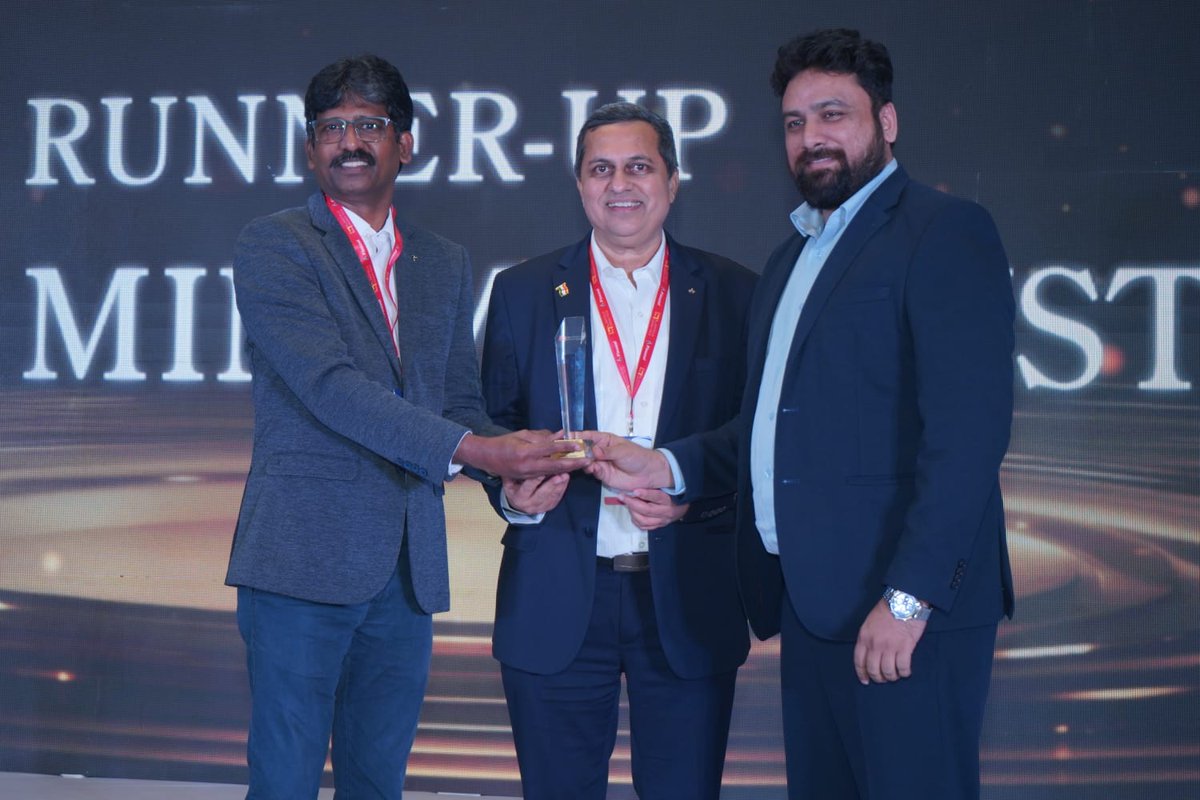
IIT (ISM) Dhanbad congratulates its distinguished alumnus Mr. Anshuman Agrawal (2001–2005 Batch) and Minimac Systems Pvt. Ltd. on receiving three prestigious national recognitions:
🏆 JSW-ToI 13th Earth Care Award 2025 – Emerging Business in Climate Action
🏆 FICCI RECEIC Award 2025 – Resource Efficiency & Circular Economy Innovations (Emerging Category)
🏆 Rosefield Award 2025 – Customer Service Excellence
Founded by IIT (ISM) alumnus Mr. Anshuman Agrawal, Minimac Systems is a deep-tech circular economy company driving innovation in lubricant circularity, reliability engineering and industrial decarbonisation. The achievements reflect the company's commitment towards sustainable industrial practices, resource efficiency and climate action.
IIT (ISM) Dhanbad takes pride in the accomplishments of its alumni and extends its best wishes to Mr. Agrawal and the entire Minimac team for their continued success and contributions towards building a sustainable industrial future.
#IITISM #IITISMDhanbad #AlumniAchievement #ProudAlumnus #MinimacSystems #Innovation #Sustainability #ClimateAction #CircularEconomy #IndustrialInnovation #EngineeringExcellence #ResearchAndInnovation #MakeInIndia #AtmanirbharBharat #IndustryAcademia #Decarbonisation
@ficci_india | @JSWFoundation @EduMinOfIndia


6
251
que preciosa mi rubiecita @macabeso todo una #DiosaAchaga mi ojiazul hermosa 🤤 #teamachaga #macachaga #Macarena 🧉🍰🥵😏💄💗💓❣️💕💞🔥✨💫 #MiniMAC



16
184


May 31
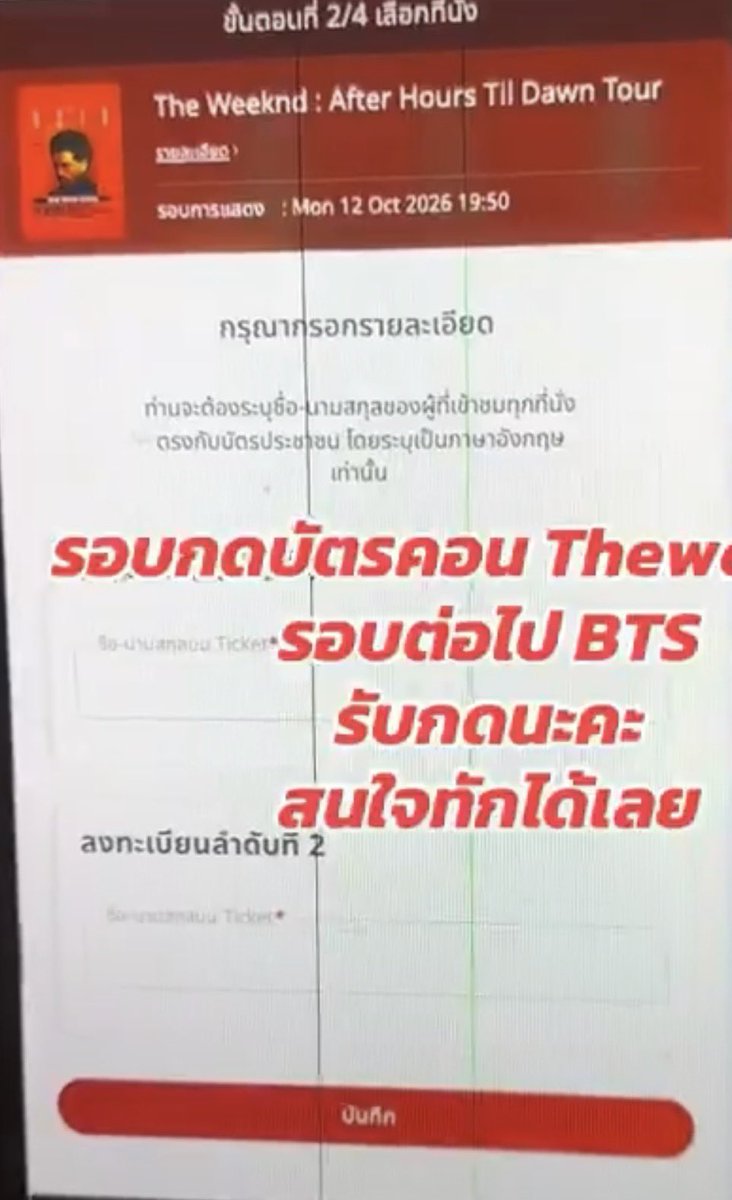
อีเจ้าของคลิปมันใช้ MiniMac ต่อเข้ากับหน้าจอของDell แล้วเปิดหลายหน้าจอใน Google Chrome แบบ Muti-window เพื่อมันจะได้กดesc/F5 ได้ทีละหลายๆหน้าจอ ไม่ใช่botอะไรเลย สังเกตที่ชื่อURLของเว็บได้ถ้าเป็นbot ชื่อURLจะต่างจากURLปกติของเว็บ ถ้าใครมาสะตอว่าสภาพนี้ใช้บอทกดมันก็แค่อยากให้คนเชื่อแล้วไปจ้างมันกดมากกว่า ยิ่งถ้าเป็นBotไม่จำเป็นต้องกดกรอกข้อมูลไว้รอเลย และ หากเป็นบอทสายควบคุมหน้าจอที่กดจากหน้าจอหลักของเว็บจะมีคำว่า ⚠️ "Chrome is being controlled by automated test software." (Chrome กำลังถูกควบคุมโดยซอฟต์แวร์ทดสอบอัตโนมัติ) อยู่ใต้ช่อง URL *ดูตัวอย่างในคลิป……ดูสายบอทไปดูของฝั่งอต.เลย ทางนู่นผีของแท้สอนให้ดูด้วยซ้ำว่าแบบไหนเรียกใช้บอทกด เห็นแล้วความดันขึ้น😱 อย่าไปหลงเชื่อว่าใครมีbotเทพมากดบัตรให้เราได้ง่ายๆ ต่อให้มันมีก็อย่าไปอุดหนุนมันนนนน



5
892
541
168,841

Le " minimac "va partir en guerre en tutu rose et bas résille en chevauchant sa "licorne " et derrière lui on verra "bribrijeanmimi" courant sur ses "stiletto " à semelle rouge , la perruque en arrière , agitant ses petits bras décharnés 😏🤣
11
425
