
Raja Bazar ka Model Project ab final stage mein dakhil ho chuka hai, jald hi shehar ka yeh tareekhi tijarati markaz naye aur khubsurat andaz mein nazar aaye ga. #PindiHamariShan
#RajaBazar #Rawalpindi #ModelProject #CityDevelopment
15

Jan 10
Analyzing the Competitiveness of RWA Tokenization Studios
After Securitize and Harbor — Where Does Rialo Stand?
Real-world asset (RWA) tokenization is no longer at the proof-of-concept stage.
Regulation-friendly platforms have already emerged, and real asset issuance cases continue to accumulate.
As a result, the market’s focus is shifting toward a new question:
Who can tokenize assets?
→ And which infrastructure can actually operate them after tokenization?
Viewed through this lens, traditional STO platforms and Rialo are addressing fundamentally different problems.
1. The Role and Limitations of Traditional STO Platforms
Securitize and Harbor are among the most recognized names in the RWA and security token (STO) space.
They share several well-established strengths:
Robust KYC/AML and securities-law compliance
Hands-on experience with real asset issuance and investor onboarding
Strong integration with traditional financial institutions
These platforms have focused on solving a specific challenge:
How to issue legally compliant digital securities on blockchain infrastructure.
However, their architectures also reveal structural limitations:
They rely on existing public blockchains (such as Ethereum), rather than operating native chains
Post-issuance functionality — including
▸ real-time asset state updates
▸ operational automation
▸ Web2 service integration
largely depends on external systems
Connections to off-chain data are typically handled via oracles and bridges
In short, traditional STO platforms excel as compliant issuance layers,
but they do not fully encompass how tokenized assets are continuously operated and scaled after issuance.
2. Rialo’s Approach: RWA from an Infrastructure Perspective
Rialo does not position itself as an STO issuance platform.
Instead, it publicly frames itself as a blockchain infrastructure designed with RWA utilization in mind.
The key distinction lies in how broadly tokenization is defined.
CategoryTraditional STO PlatformsRialo (Design Intent)Core roleRegulation-compliant token issuanceLayer-1 infrastructure for RWA usageTechnical baseExisting public blockchainsProprietary execution environmentWeb2 integrationOracle / API-centricNative integration (goal)Scalability modelProject-specific customizationRepeatable, studio-like architecture
An important clarification is necessary here:
most of Rialo’s described characteristics represent design goals and architectural direction,
not yet fully realized or market-proven outcomes.
3. Technical Direction: Minimizing Middleware Dependency
One of Rialo’s most frequently emphasized ideas is the reduction of intermediate trust layers between Web2 and Web3 systems.
A common industry structure today looks like this:
Web2 systems → Oracles → Smart contracts → Tokens
Rialo proposes a different architectural direction:
Web2 logic ↔ Blockchain execution environment (direct integration focus)
This approach aims to enable:
Fewer data-transfer steps
Reduced operational complexity
Faster and more direct reflection of real-world asset state changes on-chain
That said, publicly available information remains limited regarding:
The current implementation status of this architecture
How trust, security, and data integrity are enforced at scale
As such, this should be understood as a technical direction, rather than a fully validated achievement.
4. Market Positioning: Role Differentiation Rather Than Direct Competition
At present, it would be inaccurate to frame Rialo as a direct competitor to Securitize or Harbor.
Traditional STO platforms focus on
→ how to issue regulated assets
Rialo focuses on
→ how to design a blockchain execution environment optimized for RWA usage
In this sense, Rialo’s competitive landscape is less about replacing existing STO platforms,
and more about exploring an area where no clear standard yet exists: RWA-native blockchain infrastructure.
5. Conclusion: The Next Phase of the RWA Narrative
Based on currently verifiable information, several conclusions can be drawn:
RWA tokenization has progressed beyond experimentation into real-world deployment
Existing STO platforms are strongest in issuance and regulatory compliance
Rialo proposes a new blockchain architecture designed around RWA operation and utilization
However:
Whether Rialo’s architecture can be applied to large-scale RWA operations
and demonstrably outperform existing approaches
has not yet been proven.
At this stage, Rialo is best described not as a finalized solution,
but as an experimental architectural attempt to anticipate the next phase of RWA infrastructure.
The core question of the RWA space is evolving:
“Can this asset be tokenized?”
→ “Can this asset be continuously operated on-chain?”
Rialo is a project designed around that second question.
Whether it can ultimately provide a convincing answer will depend on future implementation and real-world adoption.
@RialoHQ
@RialoKorea
@itachee_x
@silverwave1000

13
25
198

アリスギアマガジン、最新号が公開されてます。ホビーコーナーMODELPROJECTは、コラボイベントに登場した創彩少女庭園の紹介に、ワンフェスレポート後半やってます! ディーラー隊長の皆様、ありがとうございました!
field-y.co.jp/alicegearmagaz…
#アリスギアアイギス
1
2
2
359

12 Apr 2023
Na de zomer komen we met het wetsvoorstel. Wat Brussel ons heeft opgedragen is enerzijds teleurstellend, maar het biedt ook een kans: voor heel Europa kunnen we een modelproject ontwikkelen. De grootte van de modelregio's worden zo gekozen dat de uitkomst zuiver is.
1
4
131

1 Nov 2022
Teruglezen | Willem-Alexander en Maxima zijn in Griekenland voor een staatsbezoek. Daar bezochten ze de organisatie Movement on the Ground. Een modelproject, schreef @IBeugel eerder. Zonder aandacht voor de grimmige werkelijkheid op de Griekse eilanden. buff.ly/3sJVw4j
2
7
7

25 Feb 2022
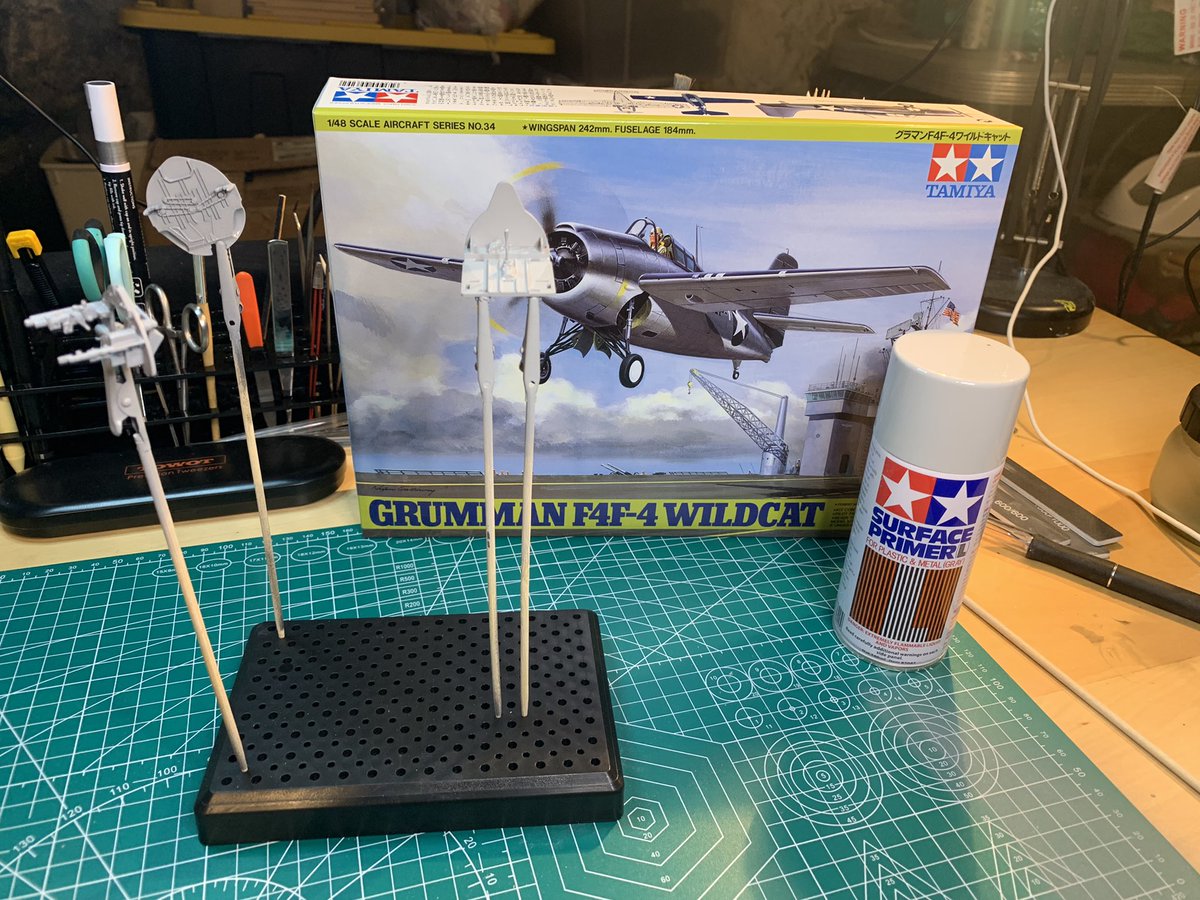
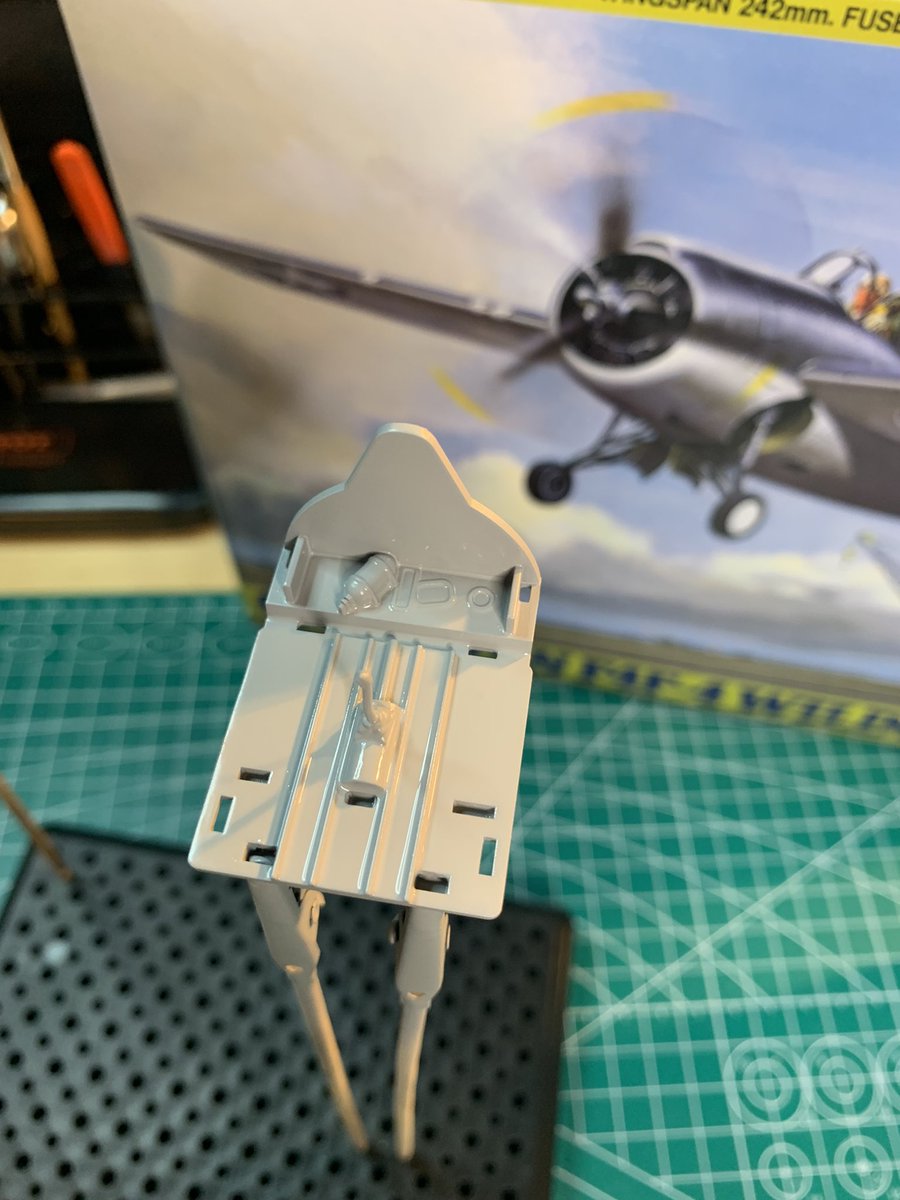
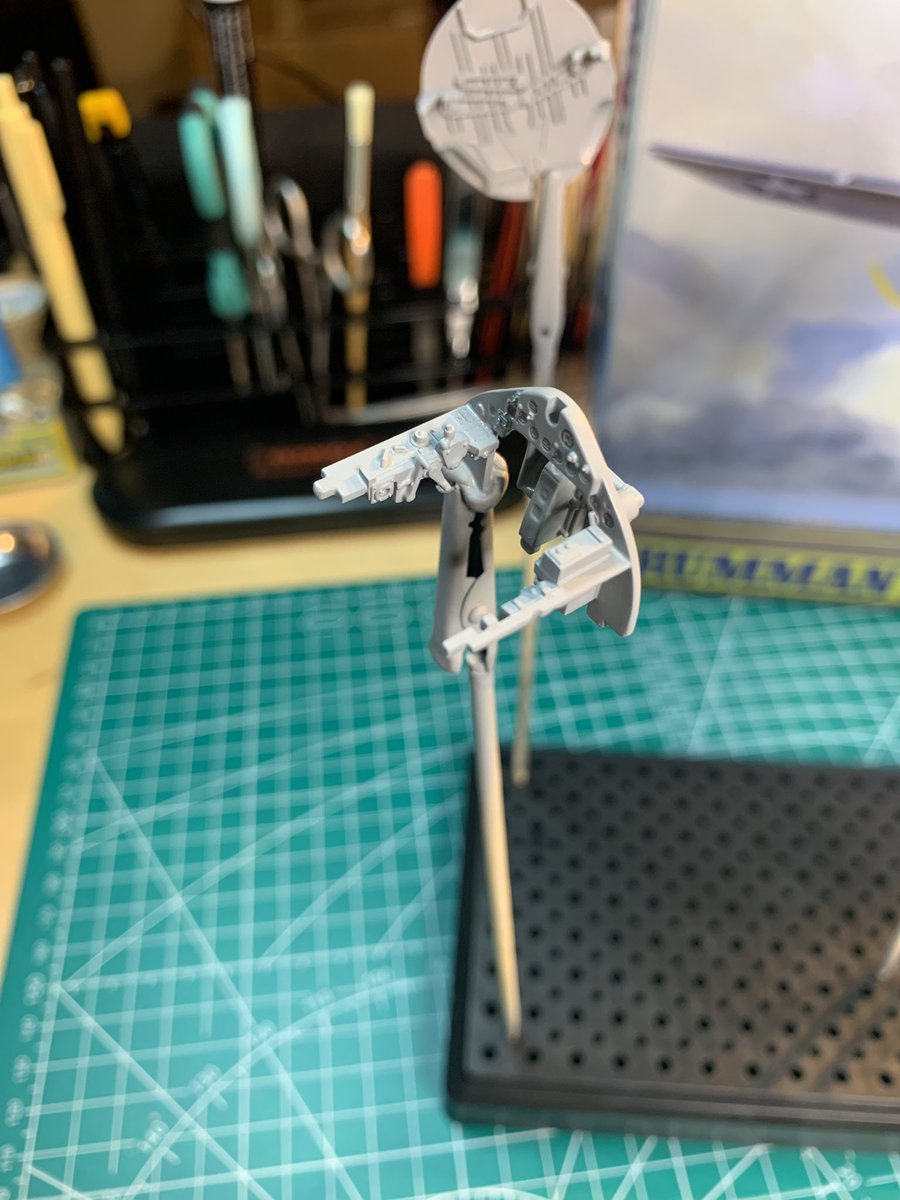
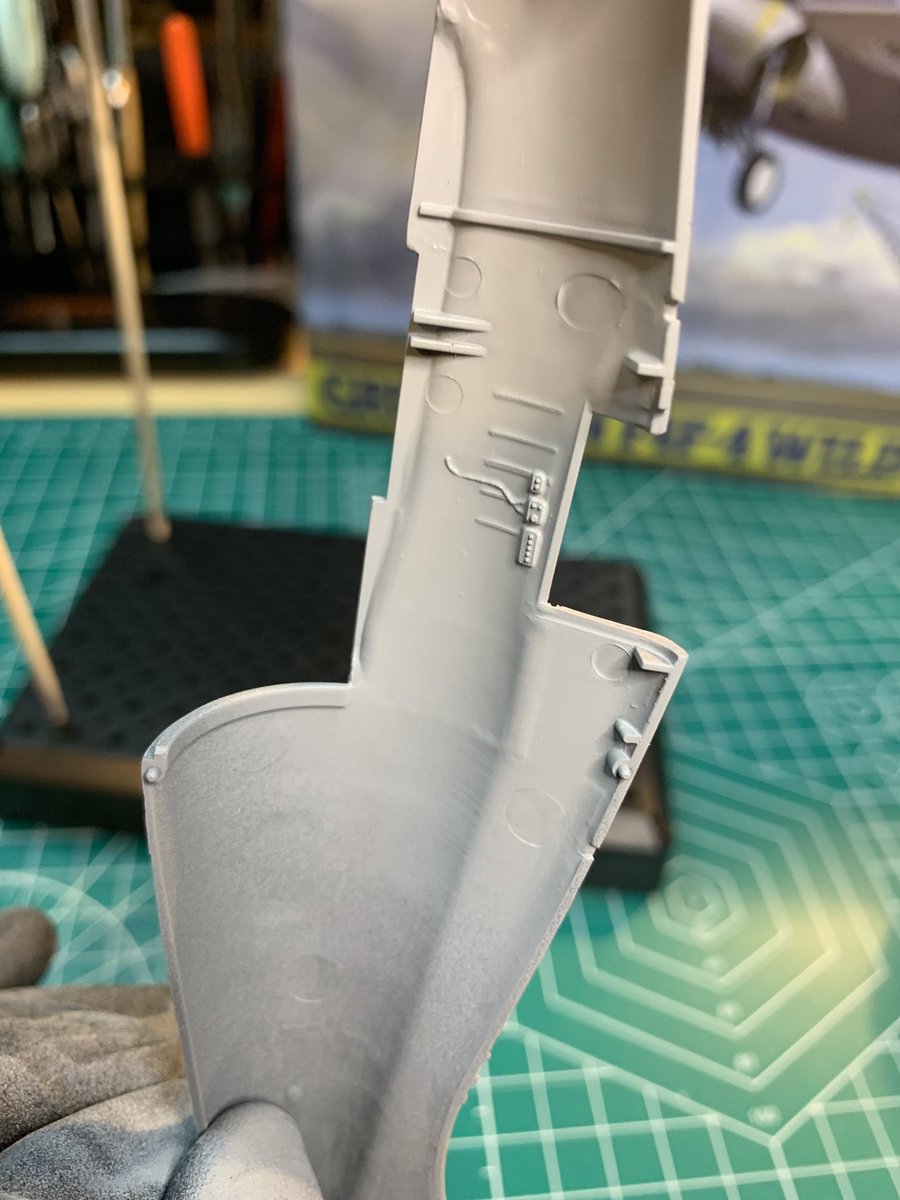
Decided to put my B-25D #modelproject aside for a bit and work on a #mojobooster. Got my F4F-4 Wildcat cockpit assembled and primed. This will be a quick build but I’m taking my time to pay attention to the details! Next up: #paint #weathering and #seamwork
1
5


26 Aug 2021
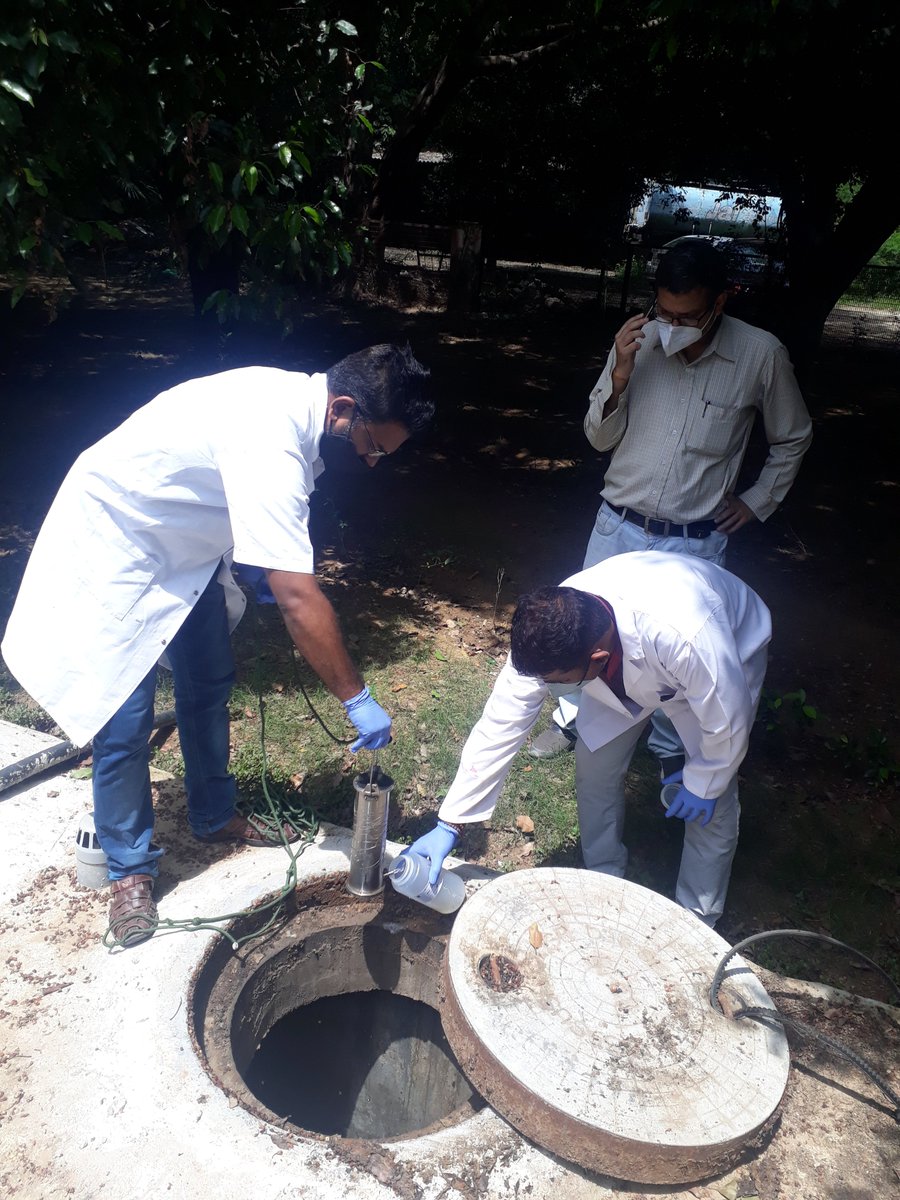
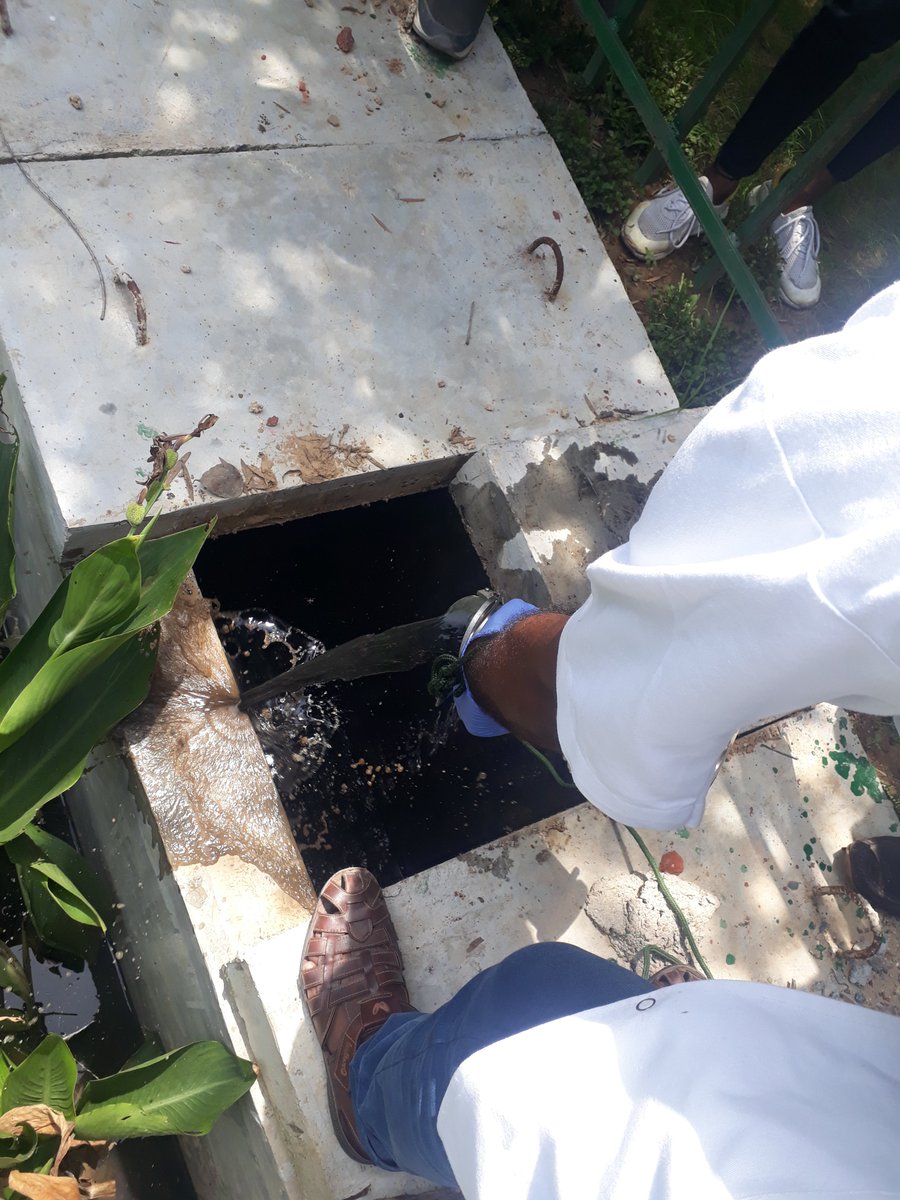
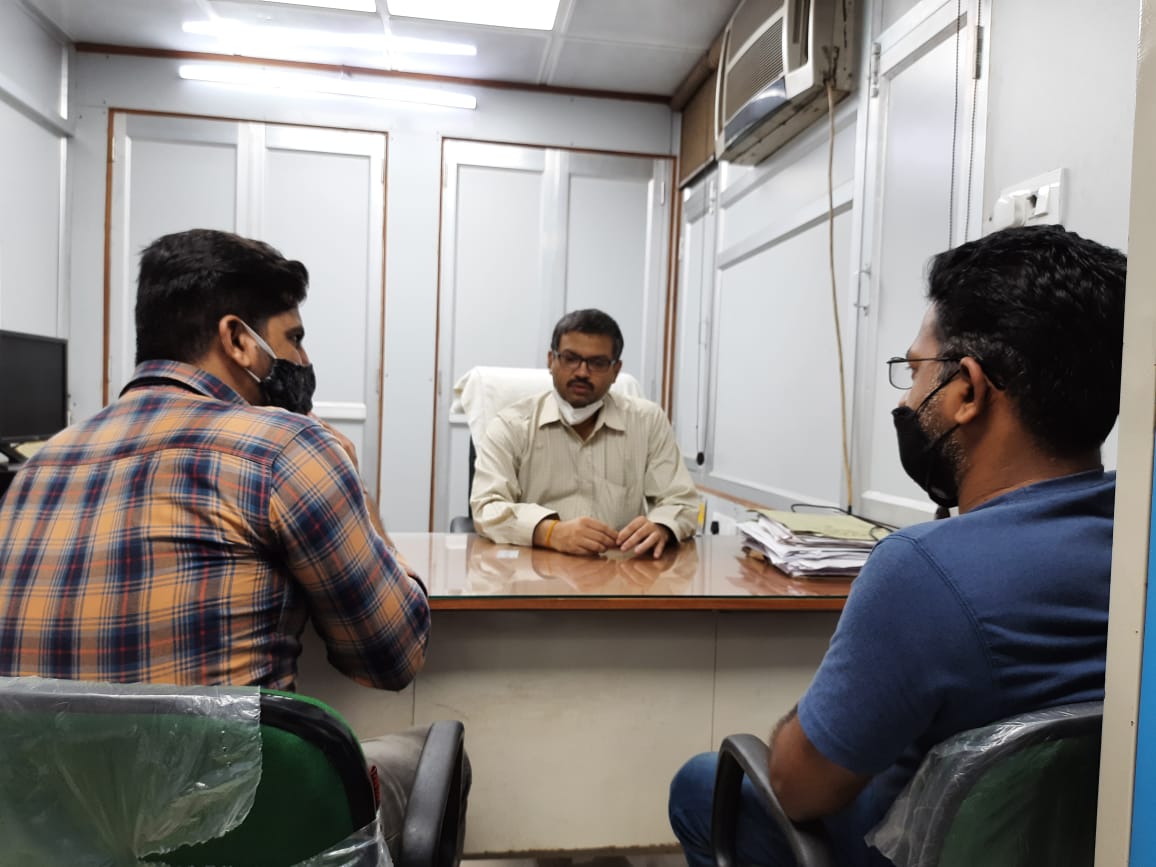
Yesterday #AAETI lab team visited and collected #wastewater #samples from the newly implemented #DWWT system at #DJB LajpatNagar #ModelProject of @CSEINDIA
@skrohillacse @school_waterCSE @NFSSMalliance @BMGFIndia @indiawater @DelhiJalBoard
1
4

23 Aug 2021
looking for models for a school project dm me
#models #modelproject #hmu #dmme #lookingformodels #model #modeling
1
3
5

23 Apr 2021
Modelproject in Tübingen kan meer mensen met het coronavirus hebben besmet dan zonder het project het geval zou zijn geweest.
#Fieldlabs
merkurist.de/mainz/mainzer-w…
"We therefore conclude that OuS does lead to some increase in cases, at least temporarily"
download.uni-mainz.de/presse…
1
2

13 Dec 2020
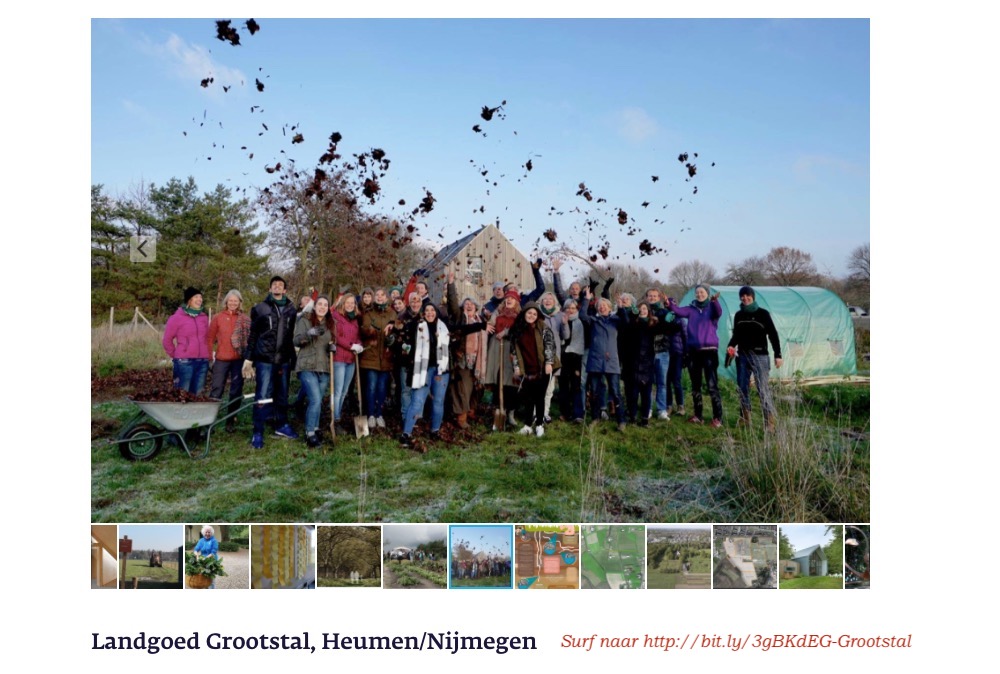
Stemmen op Landgoed Grootstal voor de GPRK (Gelderse Prijs voor Ruimtelijke Kwaliteit) is een aanrader voor wie cultuur, natuur, landbouw en landschap een goed hart toedraagt: een modelproject van kleinschalige klimaattransitie! #GPRK2020 @kienvanhovell sprekend.gelderland.nl/gprk2…
1
3

6 Aug 2020
@CMOGuj @RajCMO @CMOKerala
@TelanganaCMO @CMMadhyaPradesh
@CMOMaharashtra @CMOfficeUP
@CMOFFICEHP
यज्ञयात्रा के द्वारा सम्पूर्ण विस्तार को सेनेटाइज करने का भारत मे प्रथम गुजरात के भावनगर में हुआ प्रयोग।
#senetizingbyyagna
#veidicvigyan #yagnatherapy #modelproject #COVID19
1
3
6 Aug 2020
@Swamy39 @SrBachchan
@akshaykumar @moayush
@realDonaldTrump
यज्ञयात्रा के द्वारा सम्पूर्ण विस्तार को सेनेटाइज करने का भारत मे प्रथम प्रयोग ।
गुजरात के भावनगर में हुआ ये प्रयोग।
#senetizingbyyagna
#bhavnagar #veidicvigyan #yagnatherapy #yagnayatraproject #modelproject #COVID19
1
2

If you like to know more on our "Berlin modelproject JUST X - Deradicalisation and prevention in prison and probation service", please have a look at violence-prevention-network.… I'm currently preparing an article about our psychological-therapeutic network, but it's not yet finished.
3





3

1 Nov 2018




10

30 Oct 2018
There are still 4x more men than women in #Europe with ICT-related studies
#Modelproject @railsgirlssofia is inspiring women to take up tech in Bulgaria, with free workshops & study groups where women & girls can learn web programming & develop projects
bit.ly/2Dc1vah

#WomenInScience still face significant implicit bias on the basis of their gender. Meet the women who inspire us all to break down #STEM stereotypes:
unwomen.org/en/digital-libra…
2
3



5 Aug 2018
本日は
マイキー社長 @mikey_1024 のスロドルの「ドル」の姿を撮影にModelProject様の撮影会に潜入しました。
撮って出し失礼しますが社長、凄くポーズと表情が多彩。そしてやっぱりプロの顔。普段収めるマイキーとはまた違ったセクシーでキュートでビューティな社長を拝見出来ました。
#七海マキ


4
18
29 Jul 2018
今週も
#お疲れさマイキー です。
来週の予定です(敬称略)
30(月)ニコナナ放送 義賊道
テンガイ三鷹 16:00〜21:00
live.nicovideo.jp/gate/lv314…
4(土)オフミー
メガコンコルド1220名古屋みなと23号通り
offme.jp/tokai/archives/2270…
5(日)ModelProject撮影会
blog.livedoor.jp/modelprojec…

1
3
16