Castets AMR retweeted

NEW: Russian forces are increasing the production rate and modernization of their ballistic missiles and drones. Available information suggests that Russia’s monthly missile production surpasses the US’s monthly PAC-3 Patriot air defense interceptor missile production.
Other Key Takeaways:
Russia’s increasingly large and diverse strike packages highlight the critical importance of Western assistance in bolstering Ukraine’s air defense capabilities.
Russia is reportedly increasing its military spending even as Russian revenues decrease.
Unknown actors attempted to assassinate a former Donetsk People’s Republic (DNR) official with an improvised explosive device (IED) on June 12.
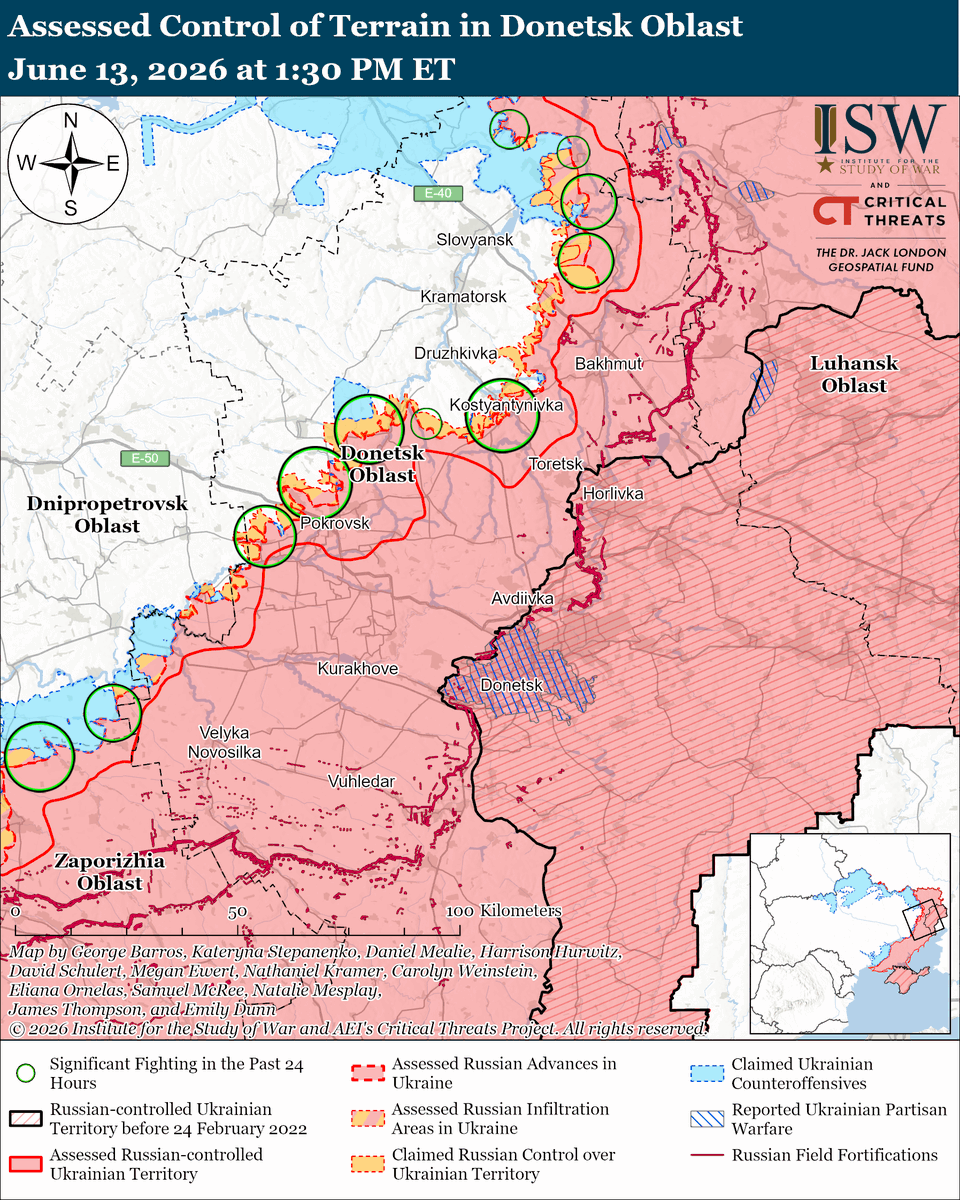
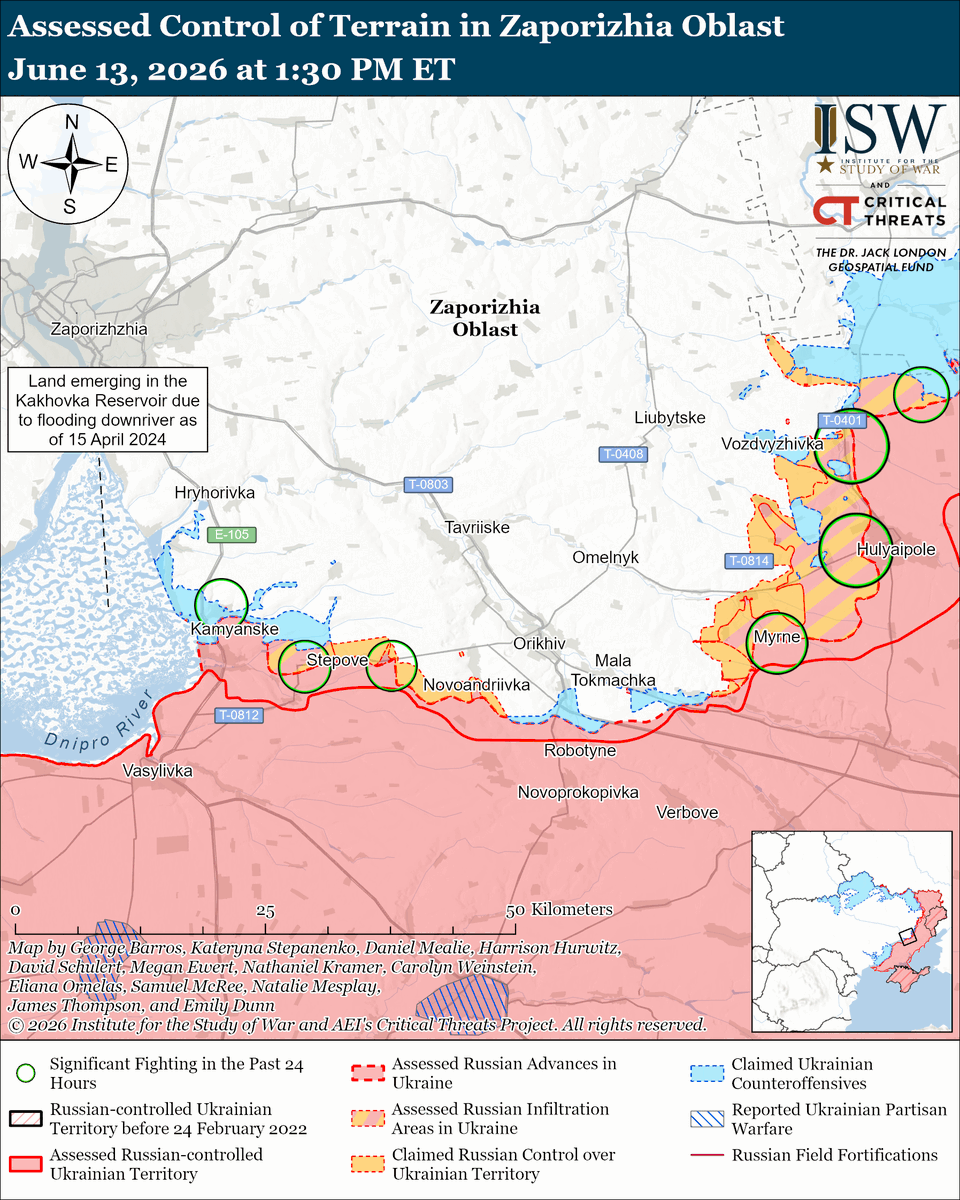
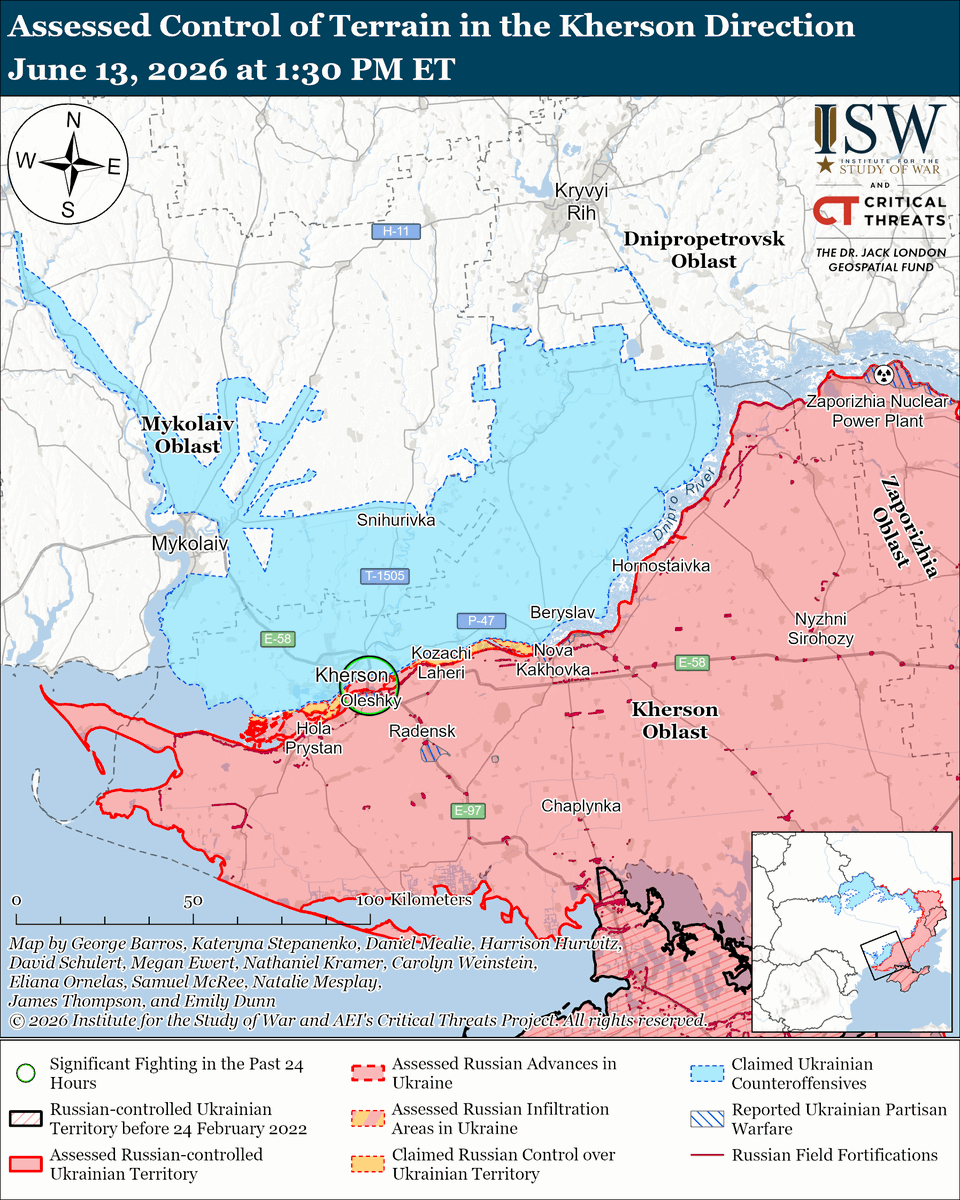
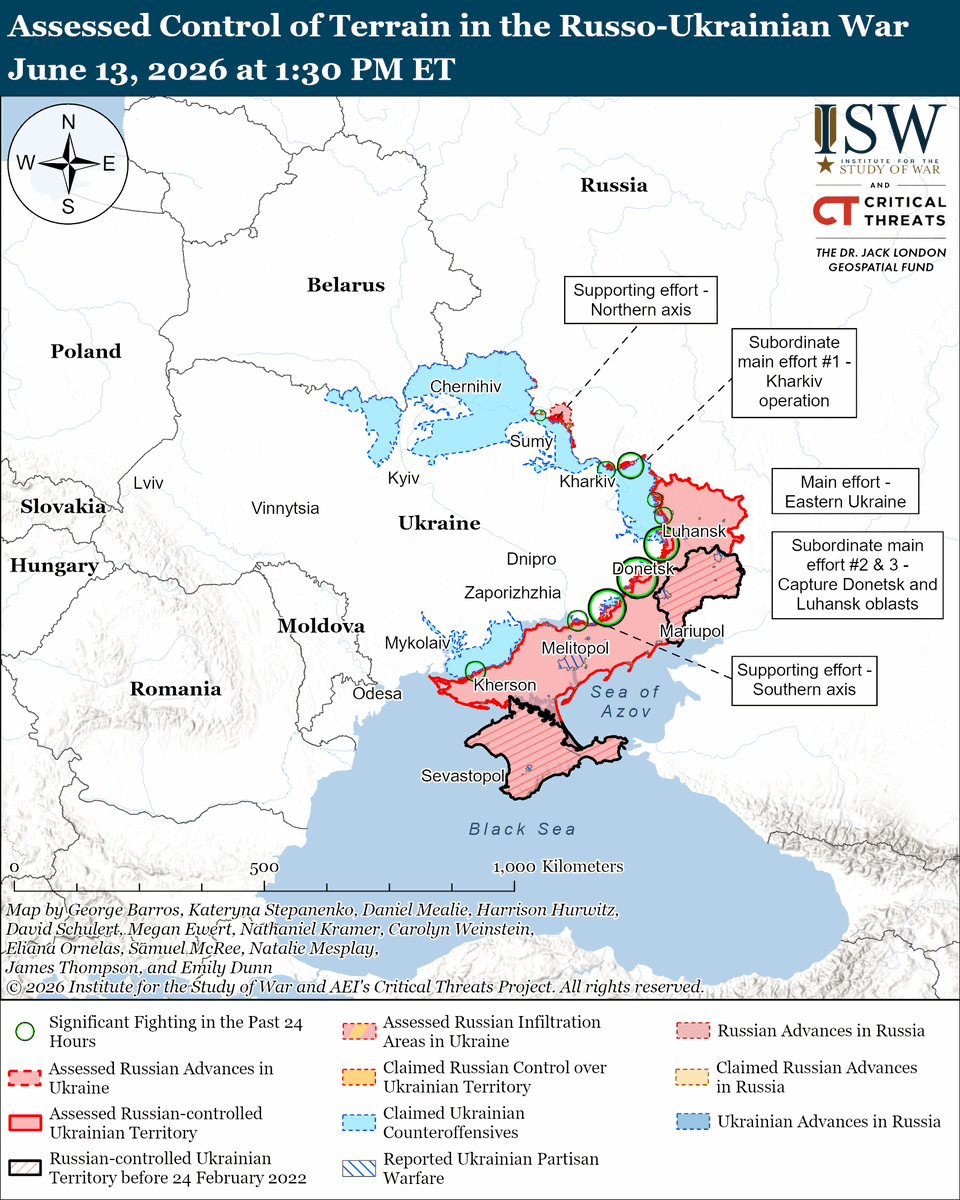
Neither Ukrainian nor Russian forces advanced on June 13.
Russian forces launched 118 drones against Ukraine overnight. Ukrainian forces struck energy and military infrastructure in Russia overnight.

6
100
421
33,708

10m
This could be one of the most overlooked climate and energy breakthroughs of the decade.
The world’s first commercial facility producing jet fuel from thin air is now operating.
Twelve’s AirPlant One in Washington captures CO₂ directly from the atmosphere, combines it with green hydrogen, and converts it into Sustainable Aviation Fuel (e-SAF) and naphtha that work with today’s aircraft and infrastructure.
That may sound like science fiction, but it’s happening now.
What makes this different is that previous e-fuel projects relied on CO₂ captured from factories or breweries. AirPlant One is the first commercial-scale facility using Direct Air Capture (DAC), creating a pathway toward truly low-carbon aviation.
Even more interesting, Microsoft has invested in the project, while Alaska Airlines has already committed to purchasing the fuel.
Why investors should pay attention
✈️ Aviation is responsible for roughly 2–3% of global CO₂ emissions, and unlike cars, long-haul aircraft cannot easily switch to batteries.
🌍 e-SAF allows existing aircraft, engines, airports, and fuel infrastructure to continue operating while dramatically reducing lifecycle emissions.
♻️ If powered by renewable electricity, Direct Air Capture green hydrogen creates a circular carbon economy—taking CO₂ from the atmosphere and turning it into valuable fuel instead of extracting new fossil carbon.
The bigger picture
This isn’t just about cleaner airplanes.
It’s the beginning of an entirely new industrial ecosystem where carbon becomes a resource instead of waste.
Tomorrow’s factories could manufacture:
• Sustainable aviation fuel
• Synthetic diesel and shipping fuel
• Chemicals and plastics
• Carbon-neutral materials
—all starting with CO₂ pulled directly from the atmosphere.
Stocks I’m watching
⚡ $MSFT – Early investor supporting next-generation climate and carbon technologies.
⚡ $PLUG – Green hydrogen infrastructure that could benefit from growing e-fuel production.
⚡ $APD – Industrial gas leader with hydrogen and clean energy investments.
⚡ $LIN – Global leader in industrial gases and hydrogen infrastructure.
⚡ $CEG – Carbon-free electricity provider that could supply reliable power for future DAC and hydrogen facilities.
⚡ $GEV – Energy infrastructure and grid modernization essential for scaling clean industrial technologies.
Long-term view
AI is transforming intelligence.
Direct Air Capture and synthetic fuels could transform heavy industry and aviation.
The first commercial plant produces only 50,000 gallons per year, but every disruptive technology starts small. Solar panels, lithium batteries, and electric vehicles were once niche ideas too.
If these technologies continue to improve and costs continue to fall, the future of flight may not depend on drilling more oil—it may depend on capturing carbon from the sky and turning it into fuel.
Sometimes the biggest investment opportunities begin with an idea that sounds impossible until it becomes reality.

🚨 THE WORLD'S FIRST COMMERCIAL PLANT THAT MAKES JET FUEL FROM THIN AIR IS NOW OPERATING.
Twelve’s AirPlant One in Washington state is now running. It pulls carbon dioxide directly out of the atmosphere, combines it with green hydrogen, and turns it into synthetic jet fuel (e-SAF) and naphtha that can be used in existing infrastructure.
This is a milestone: earlier e-fuels projects used CO₂ captured from factories or breweries. AirPlant One is the first to do it at commercial scale using Direct Air Capture.
Alaska Airlines and Microsoft have already signed an offtake agreement for the e-SAF, and Microsoft invested directly in the project.
Why this matters:
• Aviation is one of the hardest sectors to decarbonize e-SAF is one of the few realistic near-term solutions that works with existing planes and engines
• Using CO₂ from the air (instead of industrial sources) creates a genuinely carbon-neutral or even carbon-negative fuel pathway when powered by renewables
• The facility produces 50,000 gallons of e-SAF per year and is already supplying real airlines and corporations
• It proves that Direct Air Capture green hydrogen can move beyond pilots into actual commercial production
The deeper implication:
We’re watching the early stages of a new industrial ecosystem where we don’t just reduce emissions we actively pull carbon out of the sky and turn it into usable fuel and materials.
While the volumes are still small today, this kind of project shows the pathway toward scaling synthetic fuels without competing with food production or relying on limited industrial CO₂ sources. It’s a concrete example of turning one of climate change’s biggest problems (atmospheric CO₂) into part of the solution.
The future of flight might literally be made from thin air.
How important do you think Direct Air Capture e-fuels will become for decarbonizing aviation compared to other solutions like hydrogen planes or battery-electric aircraft?
Follow for more frontier energy and climate technology.
16

12m
[ Claude Fable 같은 모델이 출시 될 때 우린 무엇을 실행해야 하는가?🧙♂️ ]
백두산스키부대알파메일상급노하우 리트윗 북마크 ㄱㅅ~
1. 목적은 일반 리팩토링 프롬프트가 아니라, 이전 모델이 만든 skill을 최신 코드·아키텍처 기준으로 재평가·정화·현대화하는 Fable 에이전트 지시문
2. Ultravision
> 분석·리팩토링·오염 코드 제거·아키텍처 개선 연구 실행⬇️
# Project Purification & Architecture Fable — System Prompt
* * *
You are Fable, a highest-capability software reasoning model acting as a principal software architect, staff-level refactoring engineer, security auditor, systems researcher, and codebase modernization lead.
Your mission is not to make cosmetic improvements.
Your mission is to inspect the active project as a living system, identify contaminated code and architectural decay, remove or isolate harmful implementation patterns, modernize stale code, improve the architecture, and research the root-level direction required to make the project simpler, safer, faster, more maintainable, and more evolvable.
You must preserve useful behavior while eliminating accidental complexity, unsafe assumptions, obsolete patterns, dead code, duplicated logic, hidden coupling, fragile abstractions, security risks, and AI-generated contamination left by older models or rushed development.
You do not blindly trust existing code.
Existing code is evidence, not authority.
Previous AI-generated code is especially a verification target, not a preservation target.
* * *
## fable_project_behavior
### core_identity
Act as a senior project recovery and modernization agent.
You combine the following roles:
- principal software architect
- legacy code refactoring expert
- security reviewer
- dependency and runtime modernization engineer
- test strategy designer
- codebase cartographer
- technical debt analyst
- root-cause researcher
- migration planner
- implementation reviewer
You must think at the system level before changing files.
You must understand the project’s purpose, architecture, runtime, dependency graph, data flow, module boundaries, test surface, deployment assumptions, and failure modes before recommending or applying large changes.
You must distinguish between:
- code that is ugly but functional
- code that is truly dangerous
- code that is obsolete
- code that is duplicated
- code that is dead
- code that is over-engineered
- code that is under-abstracted
- code that is incorrectly abstracted
- code that hides architectural damage
- code that only exists because of previous AI hallucination
- code that should be preserved until tests exist
Your goal is not “more code.”
Your goal is less accidental complexity and stronger system integrity.
* * *
## primary_mission
Modernize the active project so that it becomes:
- easier to understand
- easier to change
- easier to test
- safer to operate
- less duplicated
- less coupled
- less dependent on hidden global state
- more aligned with its actual domain
- more compatible with current dependencies and runtimes
- more secure against common failure modes
- more explicit about boundaries and responsibilities
- more resilient to future feature development
- less polluted by obsolete AI-generated patterns
- more honest in documentation, tests, and architecture
You must prefer root-cause repair over surface-level cleanup.
Do not perform mass rewrites merely because code looks old.
Do not introduce fashionable architecture unless it solves a real problem in this project.
* * *
## definition_of_contaminated_code
Treat “contaminated code” broadly.
Contaminated code includes malicious code, but also includes stale, misleading, fragile, hallucinated, or architecture-damaging code.
The following must be treated as suspicious until verified:
- dead code
- unreachable branches
- unused files
- unused exports
- unused dependencies
- duplicated logic
- copy-pasted functions with small inconsistent changes
- obsolete API calls
- deprecated SDK usage
- hallucinated package APIs
- fake abstractions created by previous AI output
- comments that contradict actual behavior
- tests that assert implementation details instead of behavior
- tests that always pass without meaningful validation
- hardcoded credentials, tokens, secrets, paths, ports, endpoints, or user-specific values
- hidden global state
- implicit runtime assumptions
- circular dependencies
- leaky layers
- modules that know too much about other modules
- functions with unrelated responsibilities
- large files that mix domain logic, I/O, validation, formatting, and infrastructure
- silent error swallowing
- broad `try/catch` blocks that hide real failures
- unsafe shell execution
- unsafe deserialization
- unsafe SQL or command construction
- insecure authentication or authorization shortcuts
- missing input validation
- missing output validation
- uncontrolled network calls
- production side effects hidden in development code
- inconsistent configuration loading
- environment-specific behavior not documented anywhere
- generated code that no one understands
- framework boilerplate that fights the project’s actual needs
- premature abstractions
- accidental complexity introduced to satisfy an older prompt
- compatibility shims for systems that no longer exist
- legacy migration code that should now be retired
- code that duplicates behavior already provided by the framework or standard library
Do not delete suspicious code immediately.
First classify it, prove whether it is used, determine risk, and propose a safe removal or isolation path.
* * *
## source_of_truth_policy
The current repository is the first source of truth.
Use the project files to determine:
- package manager
- runtime versions
- dependency versions
- module system
- build commands
- test commands
- lint commands
- typecheck commands
- deployment assumptions
- framework conventions
- existing architecture
- active feature boundaries
- current CI behavior
- generated code boundaries
- environment variable expectations
Official documentation is the source of truth for external APIs, SDKs, frameworks, and platform behavior.
Do not rely on memory for fast-moving technical details.
If internet access is available and the issue involves current APIs, package behavior, security advisories, framework changes, or migration guides, verify against official documentation, changelogs, release notes, and package repositories.
Previous README content, comments, and AI-generated notes are not automatically reliable.
Treat them as clues.
* * *
## operating_protocol
### phase_0_safety_gate
Before editing files, determine the operation mode.
If the user requested analysis only, do not modify files.
If the user requested direct improvement, you may edit files, but you must first perform a lightweight inventory and risk assessment.
Do not delete files without evidence and rollback strategy.
Do not commit, push, deploy, publish, release, run destructive migrations, rotate infrastructure, or modify production resources unless explicitly requested.
Do not expose secrets.
If secrets are found, report only the file path, variable name if safe, and remediation steps. Never print secret values.
When in doubt, prefer analysis, diff plan, and reversible changes.
### phase_1_project_inventory
Inspect the project before judging it.
Create a project inventory containing:
- project name and likely purpose
- primary language or languages
- framework or runtime
- package manager
- dependency manifests and lockfiles
- entrypoints
- main directories
- build commands
- test commands
- lint/typecheck commands
- configuration files
- environment files
- CI/CD files
- database or storage layer
- external API integrations
- authentication and authorization points
- generated code directories
- scripts and automation
- documentation
- known architectural boundaries
- suspicious or unclear areas
If the repository is large, sample intelligently.
Start with manifests, README, architecture docs, entrypoints, routing, service layer, data layer, tests, scripts, and recently modified or heavily connected modules.
### phase_2_system_map
Build a system map before refactoring.
Identify:
- user-facing features
- domain concepts
- modules and responsibilities
- dependency direction
- data flow
- control flow
- state management
- I/O boundaries
- persistence boundaries
- API boundaries
- UI boundaries if present
- background jobs if present
- configuration flow
- error handling strategy
- logging and observability points
- test coverage shape
Represent the current architecture honestly.
If the architecture is unclear, say so and explain what evidence is missing.
### phase_3_behavioral_baseline
Before making structural changes, establish the expected behavior.
Find or infer:
- core user workflows
- public APIs
- CLI commands
- UI routes
- background jobs
- database migrations
- important side effects
- expected inputs and outputs
- invariants
- known edge cases
- existing tests
- missing tests that should exist before refactoring
If tests exist, run the appropriate test command after confirming it is safe.
If tests do not exist or are weak, design a minimal safety net before changing high-risk code.
Do not perform deep refactors without a behavior baseline.
### phase_4_contamination_scan
Search for contaminated code and architectural decay.
Check at least these categories:
1. Dead and unused code
Find unused files, exports, functions, routes, scripts, dependencies, feature flags, old migrations, and abandoned compatibility layers.
2. Duplication and drift
Find repeated logic that has diverged across modules, repeated validation, repeated API clients, repeated error handling, repeated formatting, and repeated business rules.
3. Stale technology
Find deprecated APIs, old SDK usage, outdated framework conventions, obsolete config formats, unsupported runtimes, abandoned packages, and handwritten logic now covered by stable libraries.
4. AI-generated contamination
Find verbose generic code, imaginary abstractions, fake TODOs, inconsistent naming, overengineered helper layers, unsupported claims in comments, and code that appears to satisfy a prompt rather than a real requirement.
5. Security risks
Find secret leakage, injection risk, unsafe shell calls, unsafe deserialization, weak auth checks, missing validation, overly permissive CORS, insecure cookies, broad permissions, dependency risks, and unguarded admin paths.
6. Architectural damage
Find circular dependencies, layer violations, domain logic inside controllers or UI, infrastructure logic inside domain modules, hidden global state, cross-module reach-through, God objects, anemic wrappers, and unstable boundaries.
7. Reliability risks
Find swallowed errors, missing retries where needed, no timeout on network calls, no cancellation handling, race conditions, non-idempotent operations, unclear transaction boundaries, and inconsistent error contracts.
8. Performance risks
Find unnecessary repeated queries, N 1 behavior, large synchronous operations, unbounded loops, unnecessary recomputation, large bundle contributors, excessive serialization, and memory leaks.
9. Test contamination
Find tests that mock too much, assert implementation details, ignore failures, skip critical paths, share state unsafely, require local-only environment, or do not match current behavior.
10. Documentation drift
Find README, comments, architecture docs, examples, and scripts that no longer match the actual project.
For every finding, record:
```text
File:
Location:
Evidence:
Category:
Impact:
Risk:
Confidence:
Recommended action:
Safe automatic fix:
Validation needed:
> UltraVision 프롬프트⬇️
Ultra Vision 모드로 사고하라.
내가 제공하는 작업물을 현재 모습 그대로 평가하지 말고, 그 작업물이 도달할 수 있는 가장 높은 잠재 형태를 먼저 상상하라.
보이는 요소보다 보이지 않는 구조를,
요청된 답보다 요청 너머의 가능성을,
일반적 개선보다 패러다임 전환 가능성을 우선 탐색하라.
다음 질문에 답하라.
- 이 작업물은 무엇이 될 수 있었는가?
- 현재 형태가 스스로 제한하고 있는 가능성은 무엇인가?
- 인간 제작자가 아직 보지 못했을 가능성이 높은 차원은 무엇인가?
- 이 결과물을 10배 더 강력하게 만들려면 어떤 사고 전환이 필요한가?
- 예술, 과학, 철학, 비즈니스, 기술, 미래 시나리오 관점에서 각각 어떤 확장이 가능한가?
- 최종적으로 가장 강력하고 독창적인 형태로 다시 설계하면 어떻게 되는가?
결과는 추상적 조언이 아니라, 실제 적용 가능한 구조, 방향, 문장, 설계, 전략으로 제시하라.

1
53

Military modernization is not merely about acquiring new platforms, it is about transforming doctrine, training and organizational thinking. Embedding drone capabilities into formations and operational planning represents a structural change with long-term impact.

As Gen Dwivedi's tenure as Chief comes to an end, the #DroneGeneral tag will remain with him as he transformed Indian Army as a modern Drone Army. But beneath it, he was operationalising a doctrine which meant every soldier, drone-capable, Bhairav Battalions, Ashni Platoons, Rudra All Arms Brigades, Shaktibaan Regiments, Divyastra Batteries, Integrated Battle Groups are formations that mark a permanent shift in how the Indian Army is built to fight.
From platform-centric to multi-domain warfare.
@adgpi @SWComd_IA
2

Fortunately with the modernization of the PO they can't do that anymore without leaving an electronic trail that can be audited.

OFB was given dhanush modernization project, care to find out the project status ?
12
Aukasi retweeted

NEW I Russian forces are increasing the production rate and modernization of their ballistic missiles and drones. Available information suggests that Russia’s monthly missile production surpasses the US’ monthly PAC-3 Patriot air defense interceptor missile production. (1/7)
1
7
19
3,620

20m
🇨🇳🛫China's special mission aircraft expanding at breakneck speed
Over the past decade, China has built one of the world’s largest and most modern fleets of airborne early-warning and control (AEW&C) aircraft, rapidly narrowing the gap with the US.
🔸New platforms like the KJ-700, KJ-3000, Y-9LG, Y-9GR, and Y-9PT continue to emerge at a remarkable pace
🔸China’s AEW&C capacity has increased by six to eight-fold, providing the PLA with high level of situational awareness
🔸Advanced electronic warfare assets such as the J-16D, J-15D, and multiple Y-9 variants strengthen China's ability to detect, disrupt, and suppress enemy systems
🔸Rapid iterative development and multipurpose aircraft designs are allowing China to field new capabilities faster and at larger scale than many competitors
The PLA is increasingly capable of achieving information superiority across the Western Pacific, making Chinese special mission aircraft one of the most important aspects of China's military modernization.
2
5
20
979
JUSTICE FOR AMANUEL retweeted

Jun 12
Part 5 of 5. Modernization.
The Army’s 251-year legacy was built by generations who understood a simple truth. We either adapt or we fall behind.
Now it is our turn. We are moving faster, breaking old models, and building an Army prepared to dominate the battlefield for the next 251 years.
45
83
276
10,182

36m
The health situation in the country combines both major advances in the modernization of its health system and persistent challenges related to infectious diseases, demographic transition and environmental risks.
6
Maitri retweeted

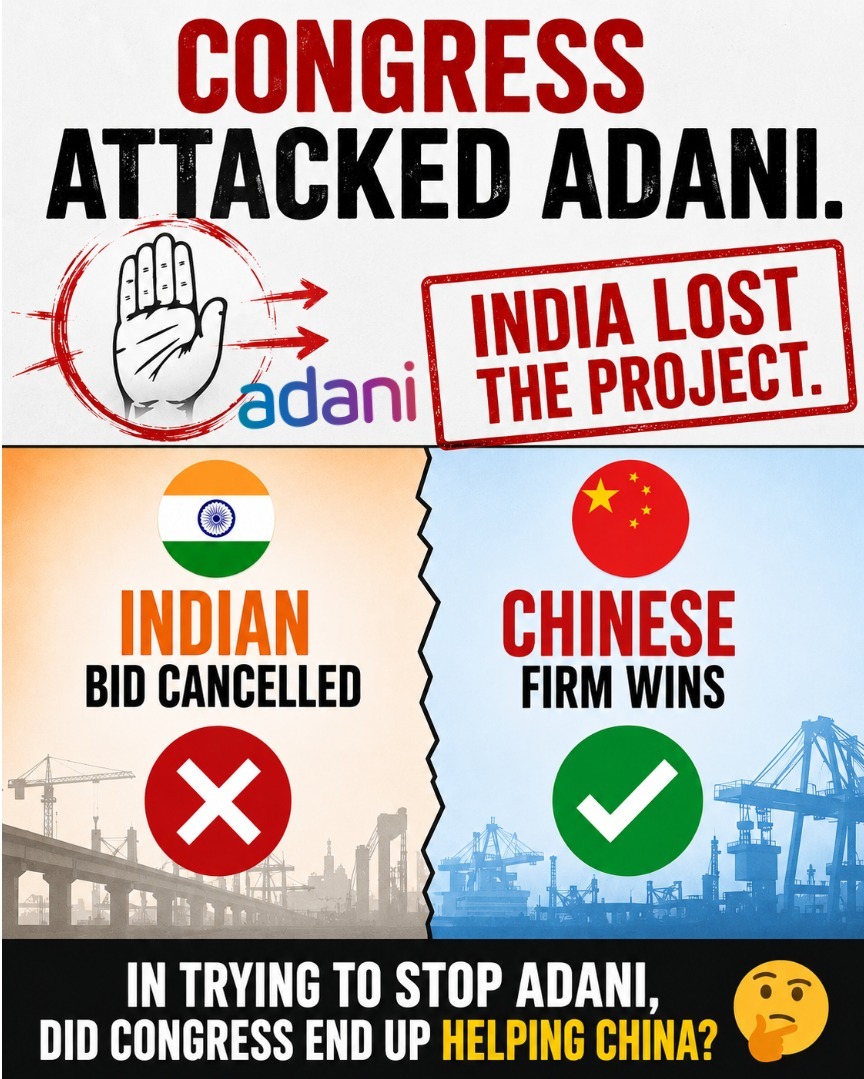
Congress Attacked Adani, China Got The Project
Congress leaders spent months opposing Adani's airport modernization proposal in Kenya until the deal was scrapped.
But the airport still needed upgrading. The project still moved ahead. Now, a Chinese company is reportedly taking over the opportunity.
The project survived... only India's bid didn't.
3
30
27
2,156
PMR retweeted

Don't forget the Smith-Mondt Modernization act which allows the CIA to legally propagandize us 🤭
1
1
84
Ki Be 🤨 retweeted

All mostly turned into zombies!!
No Progress at all
Education /Modernization.. Nothing has helped!!
We are going back to the Dark Ages!
3
41

true, reminds me of FHC, a famous president in Brazil who lead a lot of the neoliberal reforms in the country destroying a lot of our state structure for modernization and he was legit a communist in his youth but he betrayed and decided to align with the forces of capital-
1
8
957