
Reduced Hand Specialization and Idiosyncratic Visuomotor Strategies in Autism During Naturalistic Object Manipulation
Find More Research: pubmed.ai/?utm_source=X&utm_…
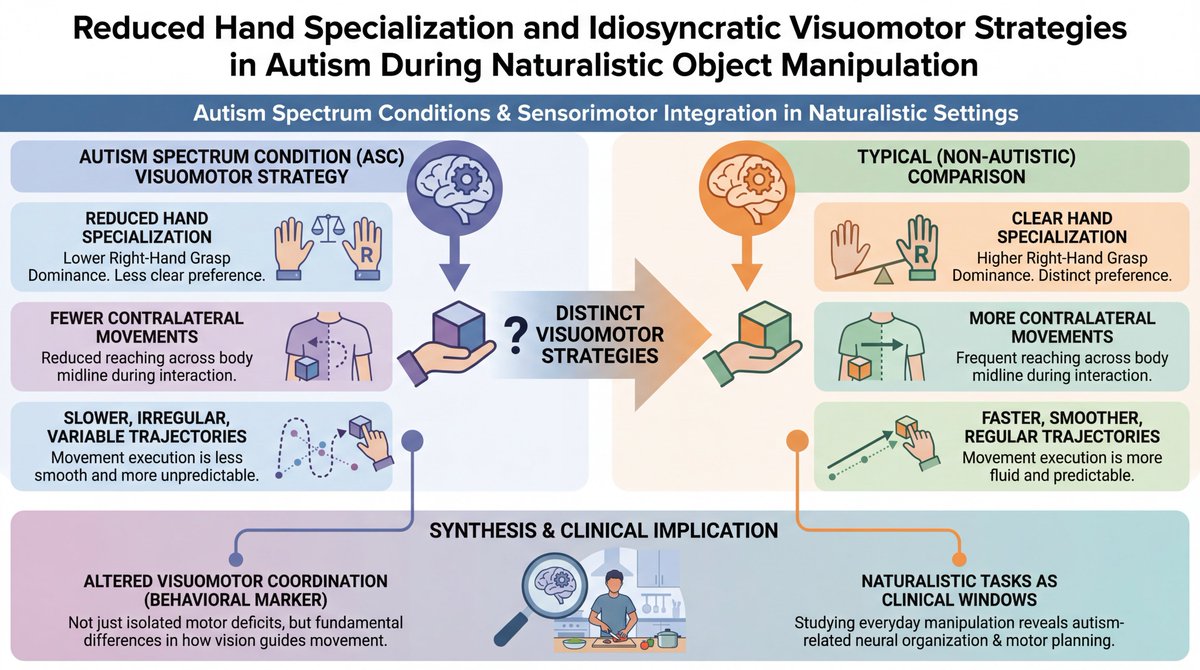
Autism spectrum conditions are increasingly understood through the lens of sensorimotor integration, yet how visuomotor strategies unfold in naturalistic settings remains underexplored. Recent evidence points to systematic differences in hand use and movement organization during everyday object manipulation.
🧠 Key visuomotor insights
- Reduced hand specialization, with lower right-hand grasp dominance
- Fewer contralateral movements during object interaction
- Slower movement execution with more irregular, variable trajectories
- Distinct visuomotor strategies compared to non-autistic individuals
Together, these findings suggest that altered visuomotor coordination—rather than isolated motor deficits—may serve as a meaningful behavioral marker. Studying naturalistic manipulation tasks could therefore provide clinically relevant windows into autism-related neural organization and motor planning.
#AutismResearch #VisuomotorControl #Neurodevelopment #MotorBehavior #CognitiveNeuroscience
1
2
5
268

Big News!
BJMB is now indexed in Scopus🎓
CiteScore: 1.1🏆 scopus.com/sourceid/21101306…
✅Open Access
✅Peer-Reviewed
✅No Publication Fees
Thanks to our authors, reviewers & readers for making this possible!🙌
🔗 bjmb.socibracom.com
#Scopus #MotorBehavior #OpenAccess #Research
1
5
16
689

22 Jan 2025
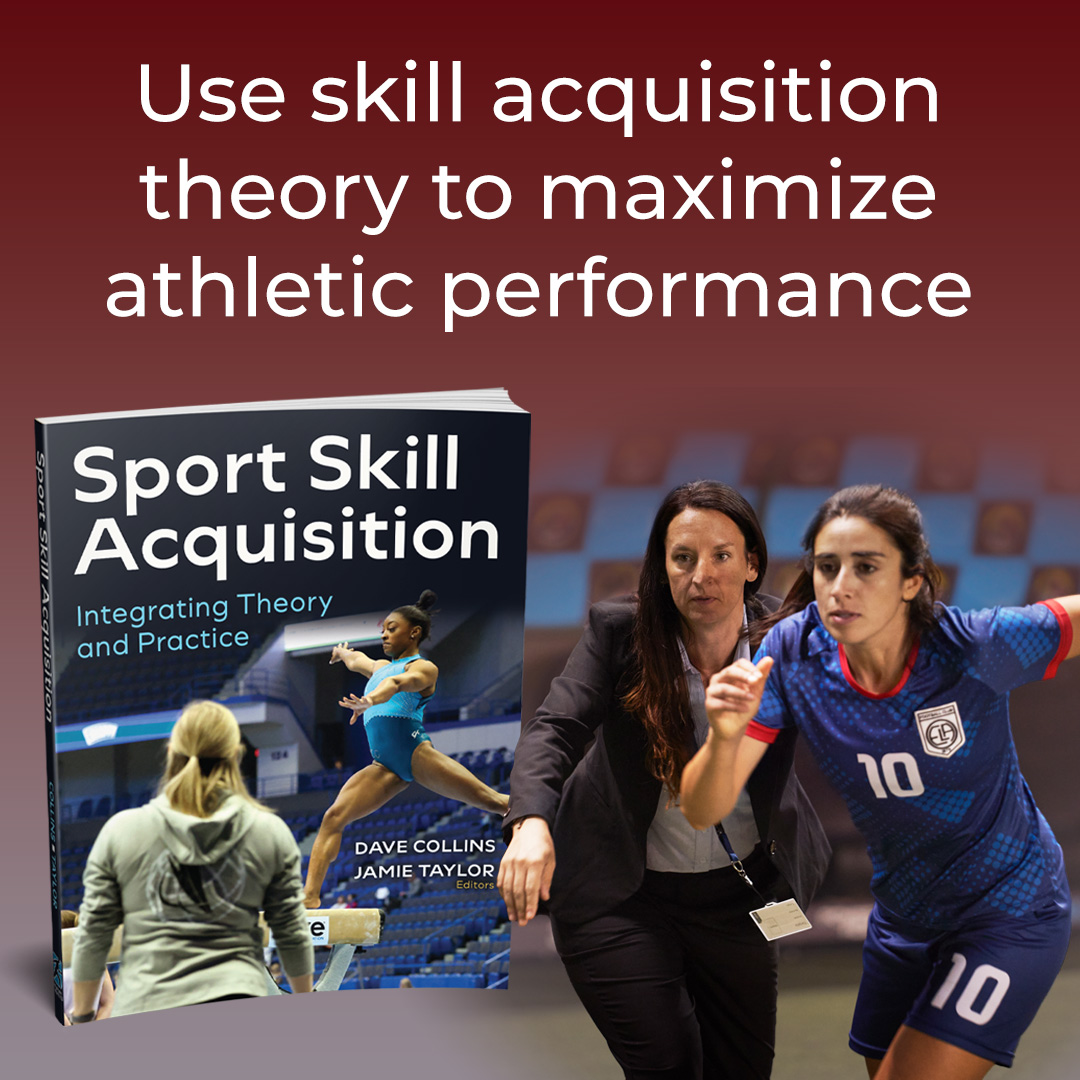
Sport Skill Acquisition, edited by @DCGreyMattersUK and @Jattaylor, considers the expanding knowledge in #motorbehavior with a focus on application, blending theoretical perspectives with performance essentials to support athletic performance. Learn more ecs.page.link/zz8aD
3
9
1,650

13 Jan 2025
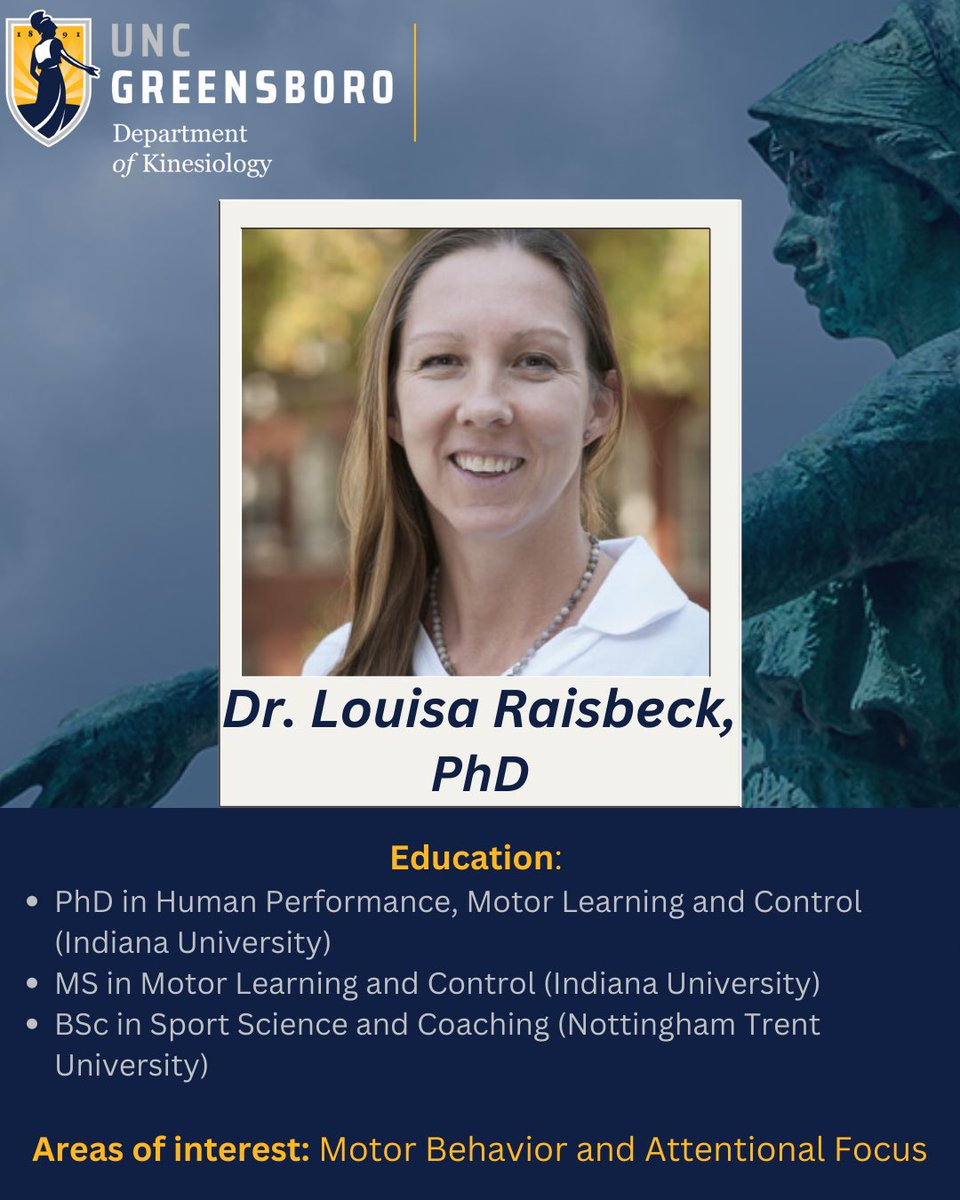
January is National Mentoring Month so what better time to showcase the mentors and mentees within Applied Neuromechanics?
Starting things off: Meet Dr. Louisa Raisbeck, PhD. Dr. Raisbeck’s expertise focuses on #motorbehavior and #attentionalfocus!
1
2
68
23 Dec 2024
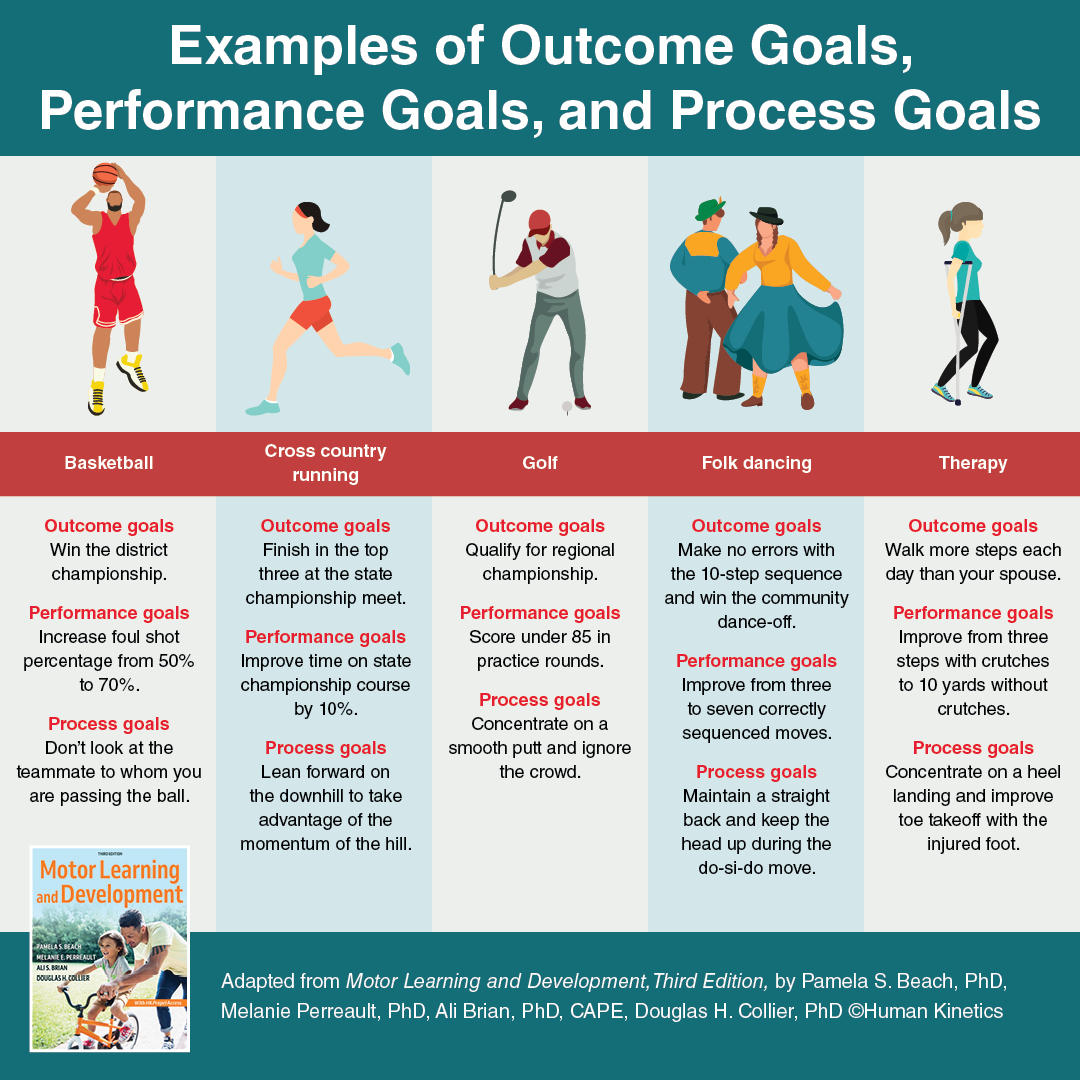
Performance goals focus on improvement relative to one’s own performance, whereas process goals specifically emphasize aspects of skill execution or selected strategies. Learn more with Motor Learning and Development, Third Edition ecs.page.link/9nxCU #motorbehavior
1
2
778

18 Dec 2024
I'm editing a new research topic @FrontiersIn to explore the complex relationship between #cognitivefunctions and the #motorsystem #attention #perception #memory #decisionmaking #Movement #motorbehavior
frontiersin.org/research-top…
33
29 Aug 2024
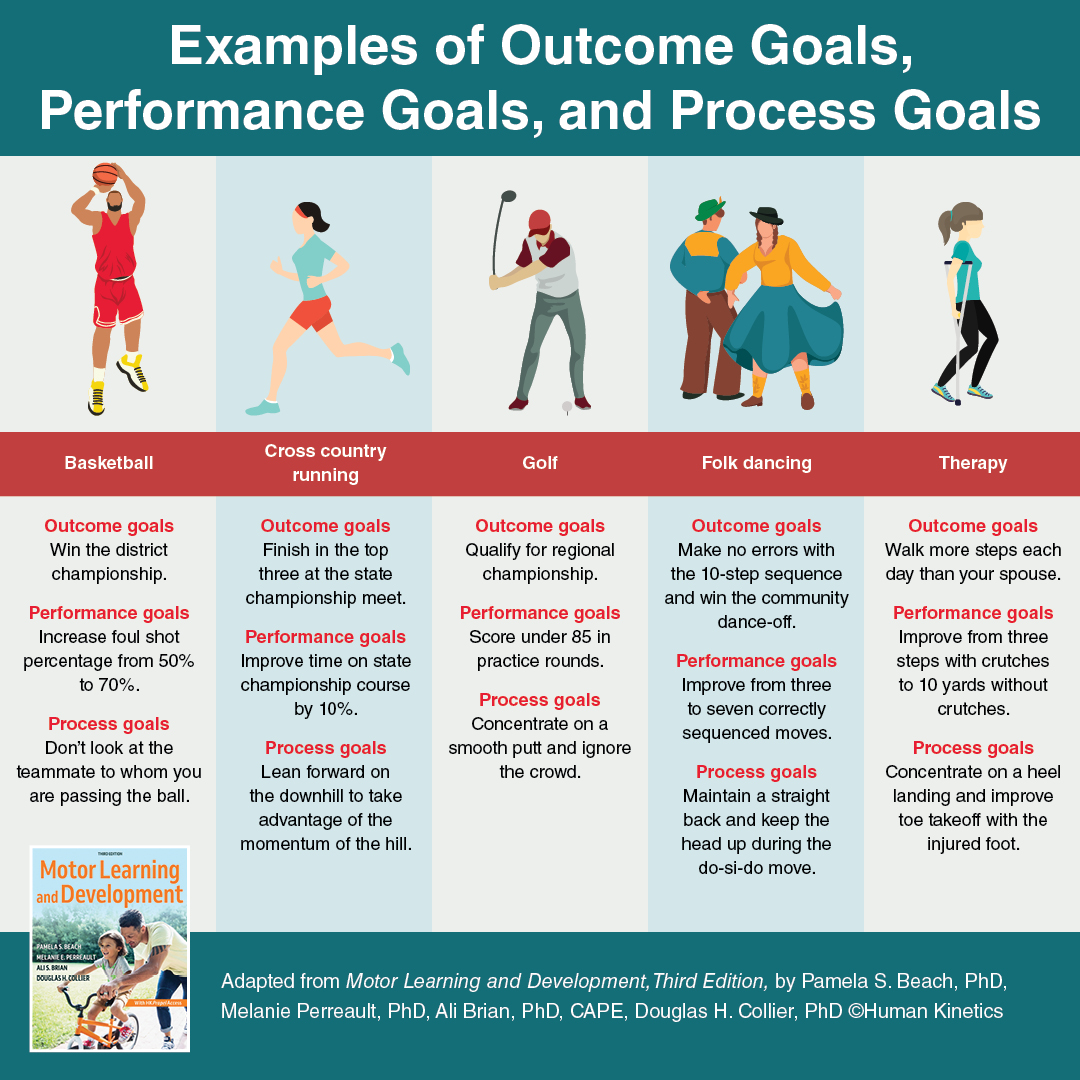
Performance goals focus on improvement relative to one’s own performance, whereas process goals specifically emphasize aspects of skill execution or selected strategies. Learn more with Motor Learning and Development, Third Edition ecs.page.link/9nxCU #motorbehavior
1
3
535
10 Jun 2024
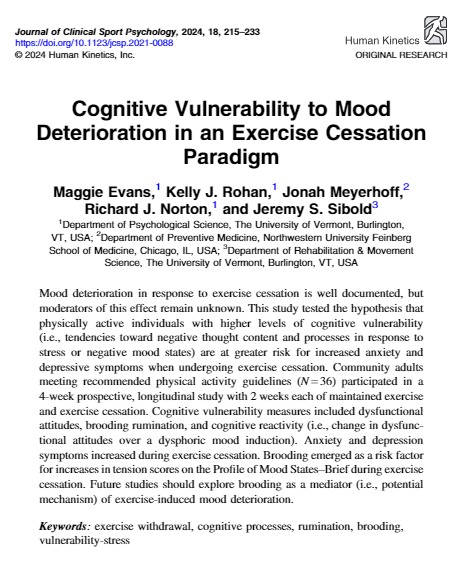
Check out the latest research from @JMLDjournal! The Move2Smile Online Hub for Parents to Support Aspects of Preschoolers’ Physical Literacy at Home: A Feasibility Study doi.org/10.1123/jmld.2023-00… #motorbehavior #motordevelopment
5
1,569
9 Jun 2024
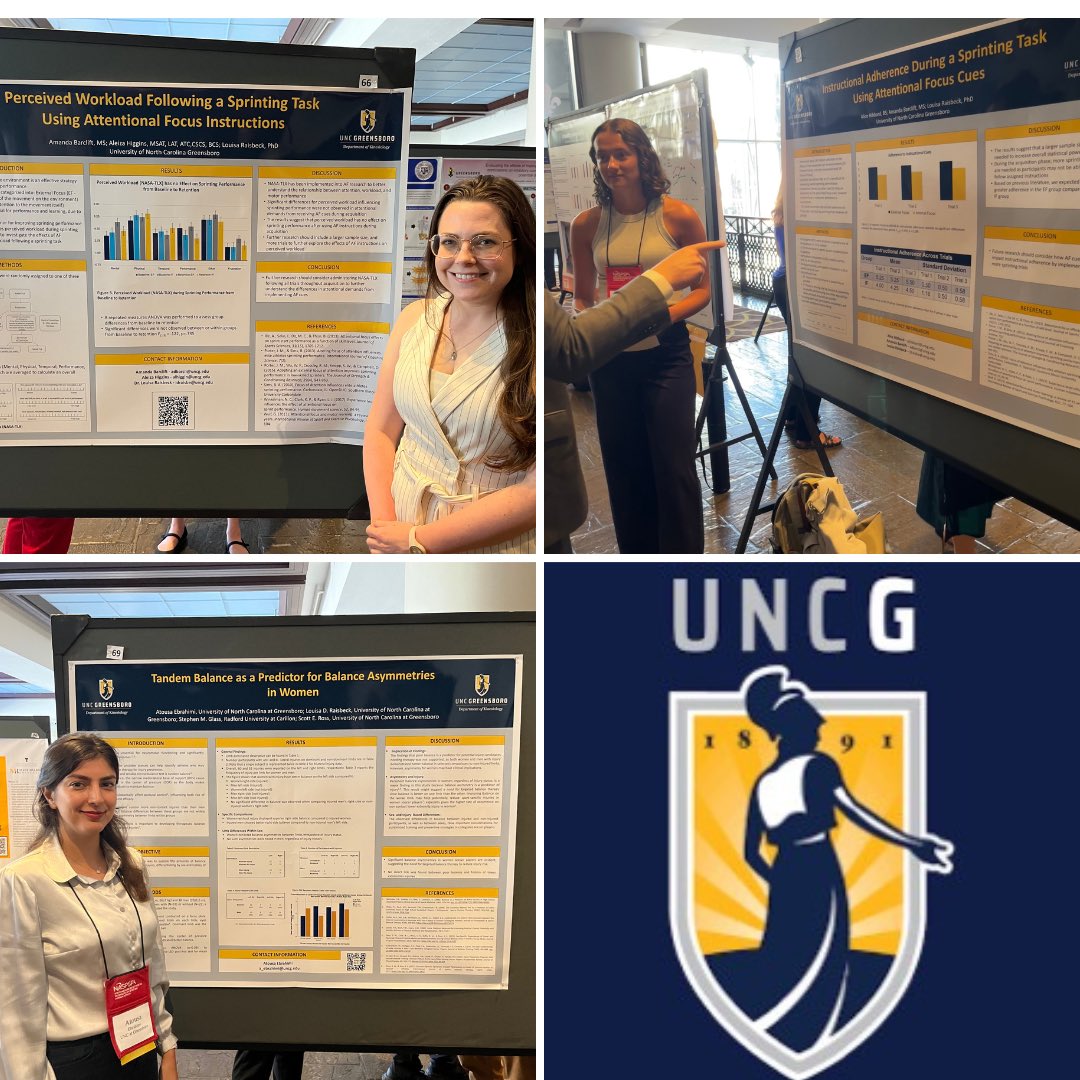
Yesterday, our lab presented our motor learning and control posters at @naspspa #motorbehavior #motorlearningandcontrol #attentionalfocus #sprinting #balance
1
2
4
312
12 Mar 2024
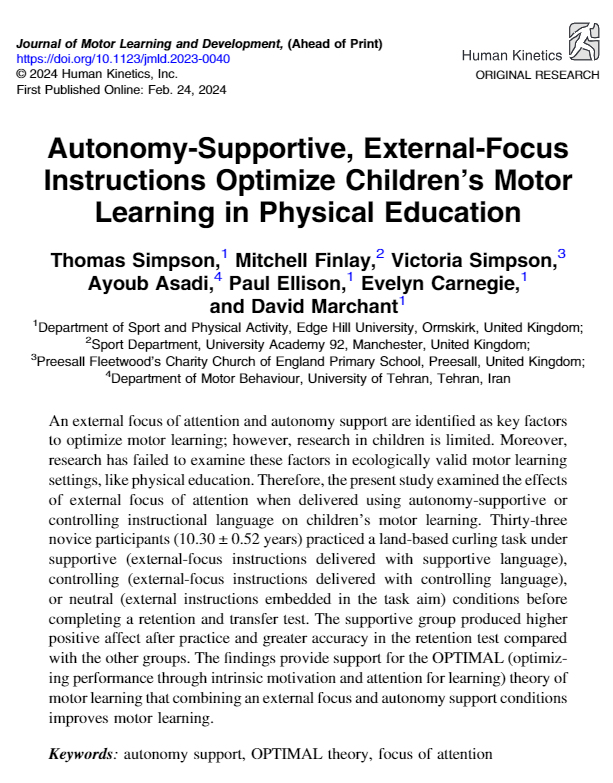
Read a study from @JMLDjournal! Autonomy-Supportive, External-Focus Instructions Optimize Children’s Motor Learning in Physical Education doi.org/10.1123/jmld.2023-00… #motorlearning #motorbehavior #exercisescience #physicaleducation
2
7
1,388

16 Feb 2024
If you want to improve your skill you have to continually get outside your comfort level.
🔑 Discomfort & Uncertainty Intentional practice = superior skill development.
Meaning: Not hard for the sake of hard….Make something hard to achieve a better skill set.
A swimming example that comes to mind is:
A.) 10x100 on 1:05
OR
B.) 10x100 7 kicks off each wall steady kick the whole way 1:10
Although A may be harder it also pushes an athlete towards breakdown of skill sets. B pushes the focus to maintain the skill and in reality the “hardness” isn’t much different.
Advanced athletes can handle the added load while maintaining skills but the intermediate cannot.
#thepursuitofbetter
#motorbehavior
#swimming #performance
6
362
21 Dec 2023
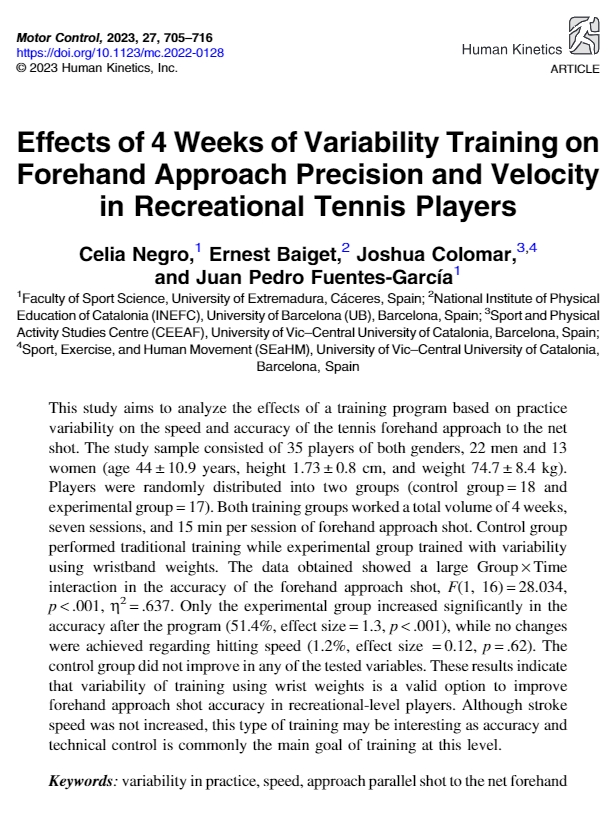
Check out research from @MotorControlHK! Effects of 4 Weeks of Variability Training on Forehand Approach Precision and Velocity in Recreational Tennis Players doi.org/10.1123/mc.2022-0128 #sportscience #exerciseresearch #motorbehavior
1
3
653
23 Oct 2023
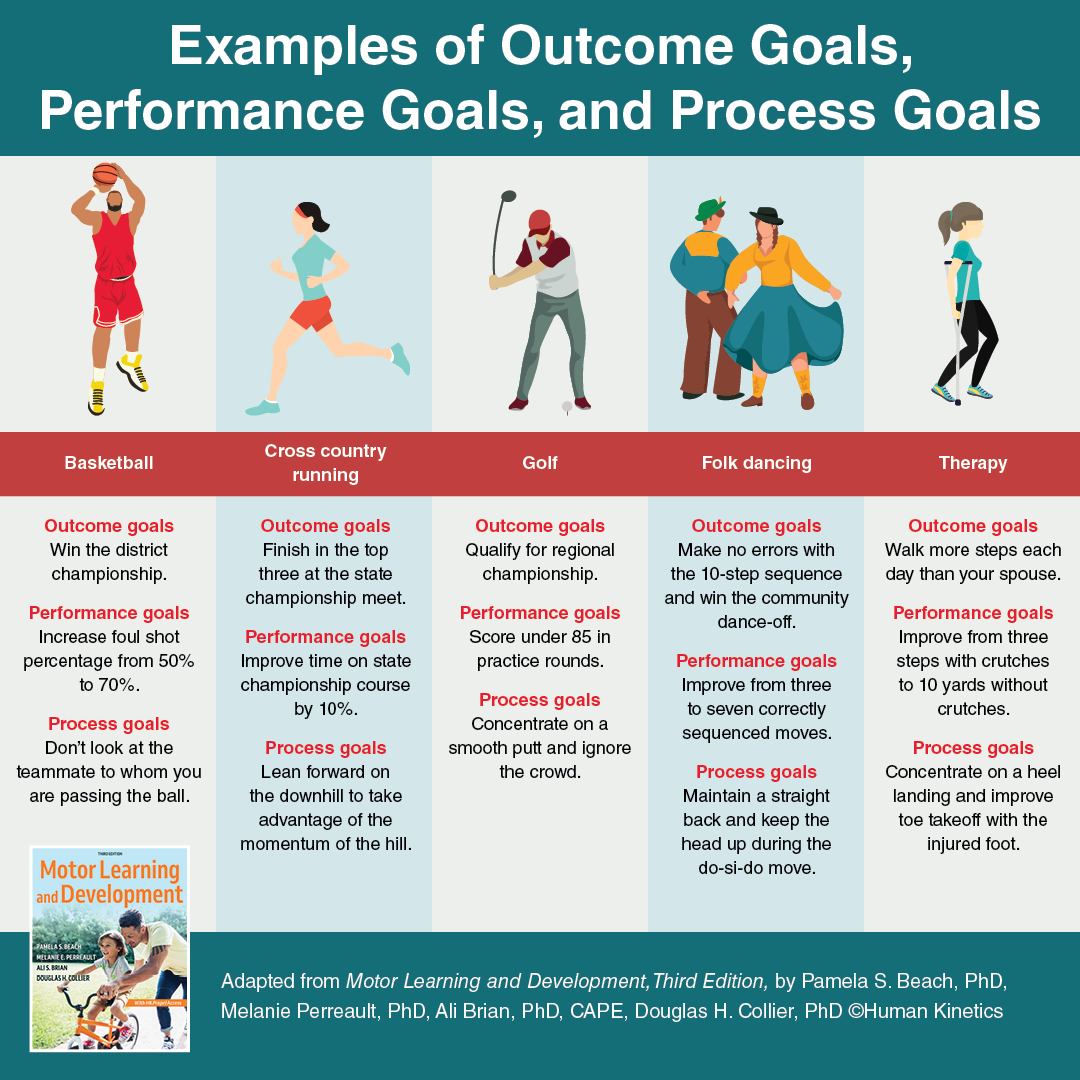
Performance goals focus on improvement relative to one’s own performance, whereas process goals specifically emphasize aspects of skill execution or selected strategies. Learn more with Motor Learning and Development, Third Edition ecs.page.link/9nxCU #motorbehavior
1
11
1,886
11 Aug 2023
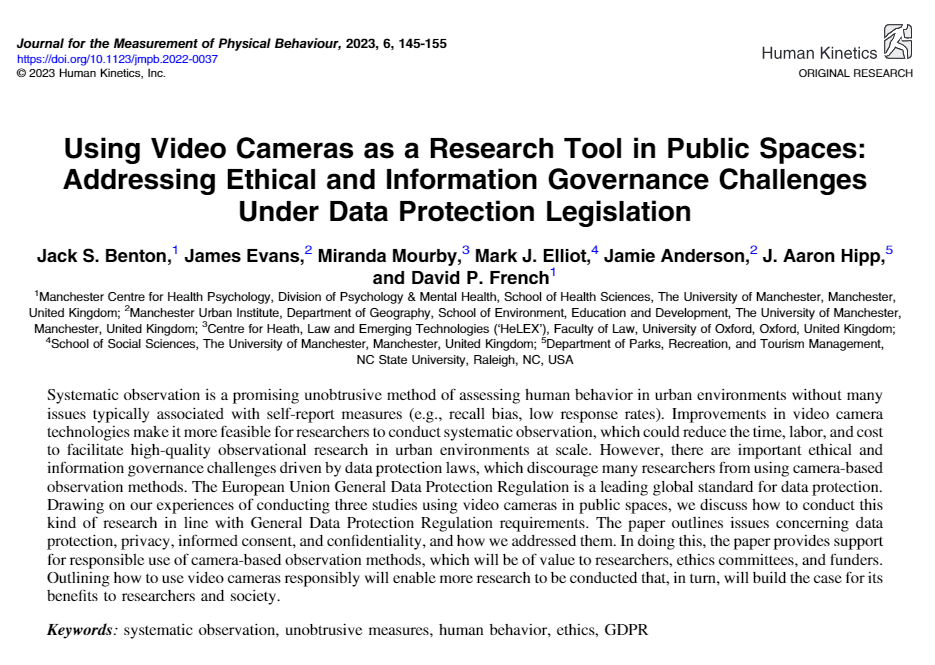
Read a study from @MotorControlHK! Strategies for Controlling a Whole-Body Task With Uncertain Initial Conditions: Application to the Upstart on Bars doi.org/10.1123/mc.2022-0119 #motorcontrol #motorbehavior
1
5
1,237
5 Jul 2023
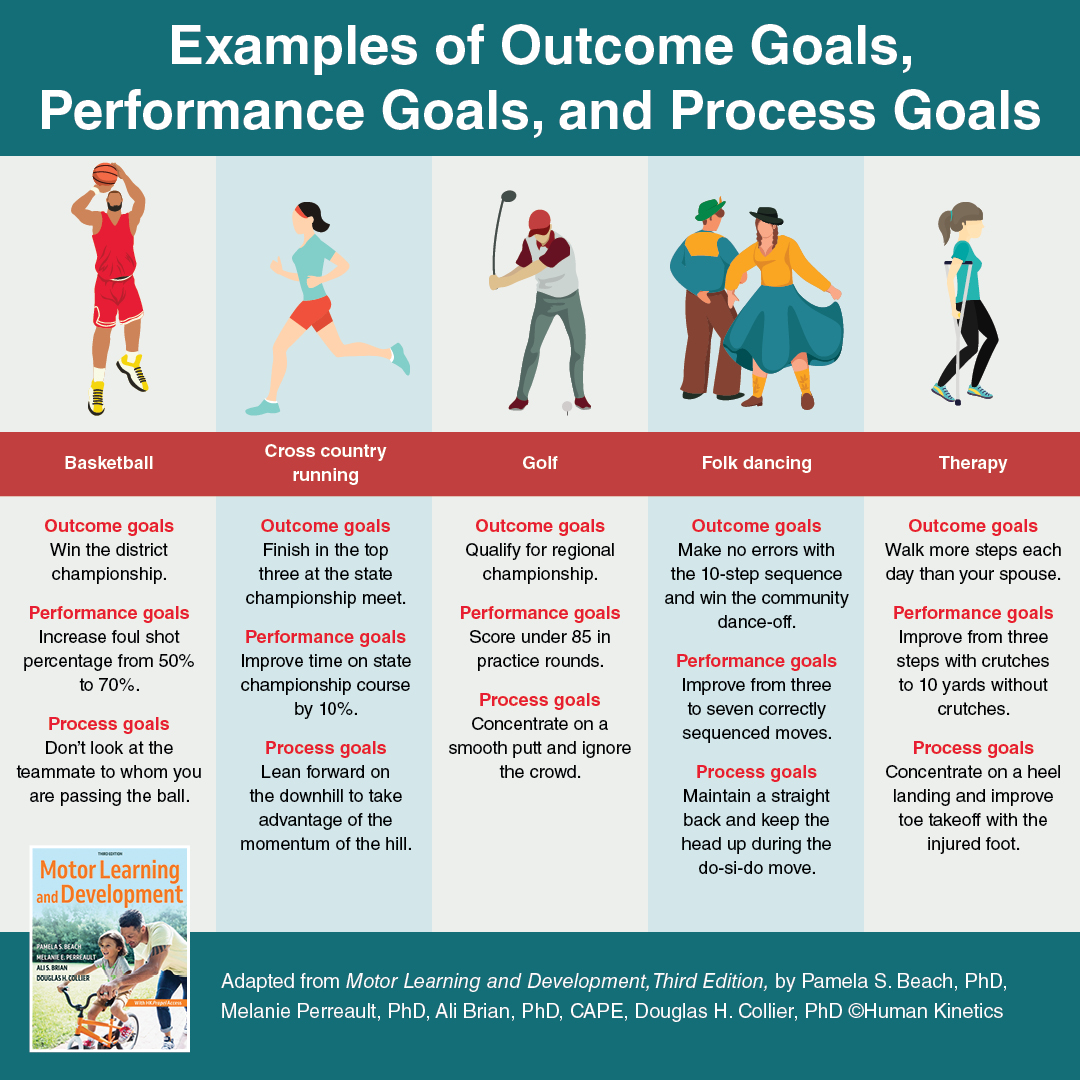
Performance goals focus on improvement relative to one’s own performance, whereas process goals specifically emphasize aspects of skill execution or selected strategies. Learn more with Motor Learning and Development, Third Edition ecs.page.link/9nxCU #motorbehavior
8
14
4,044
4 Jun 2023
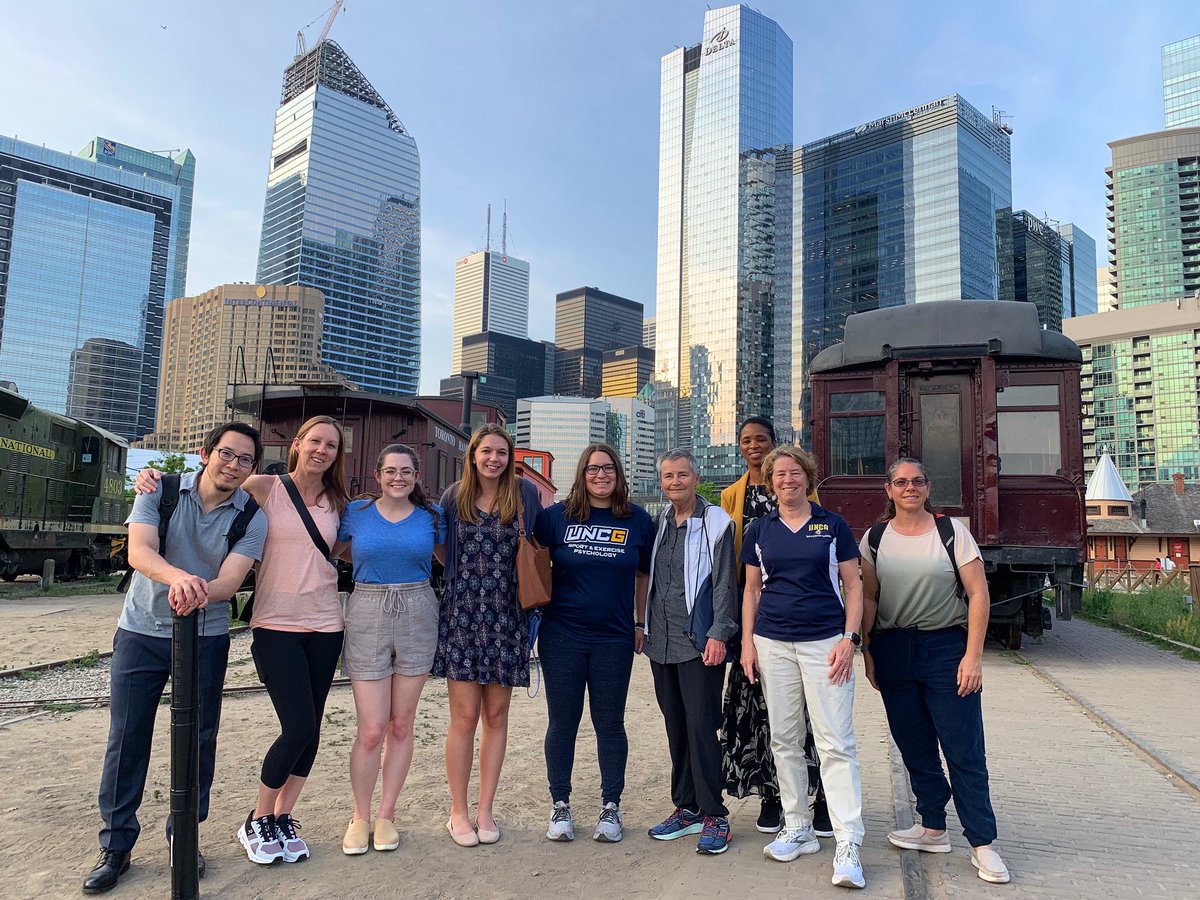
That’s a wrap! @UNCGKin Motor Behavior and Sport & Exercise Psychology had a blast sharing our research at @naspspa 2023! #motorlearning #motorbehavior #attentionalfocus
1
3
163
3 Jun 2023
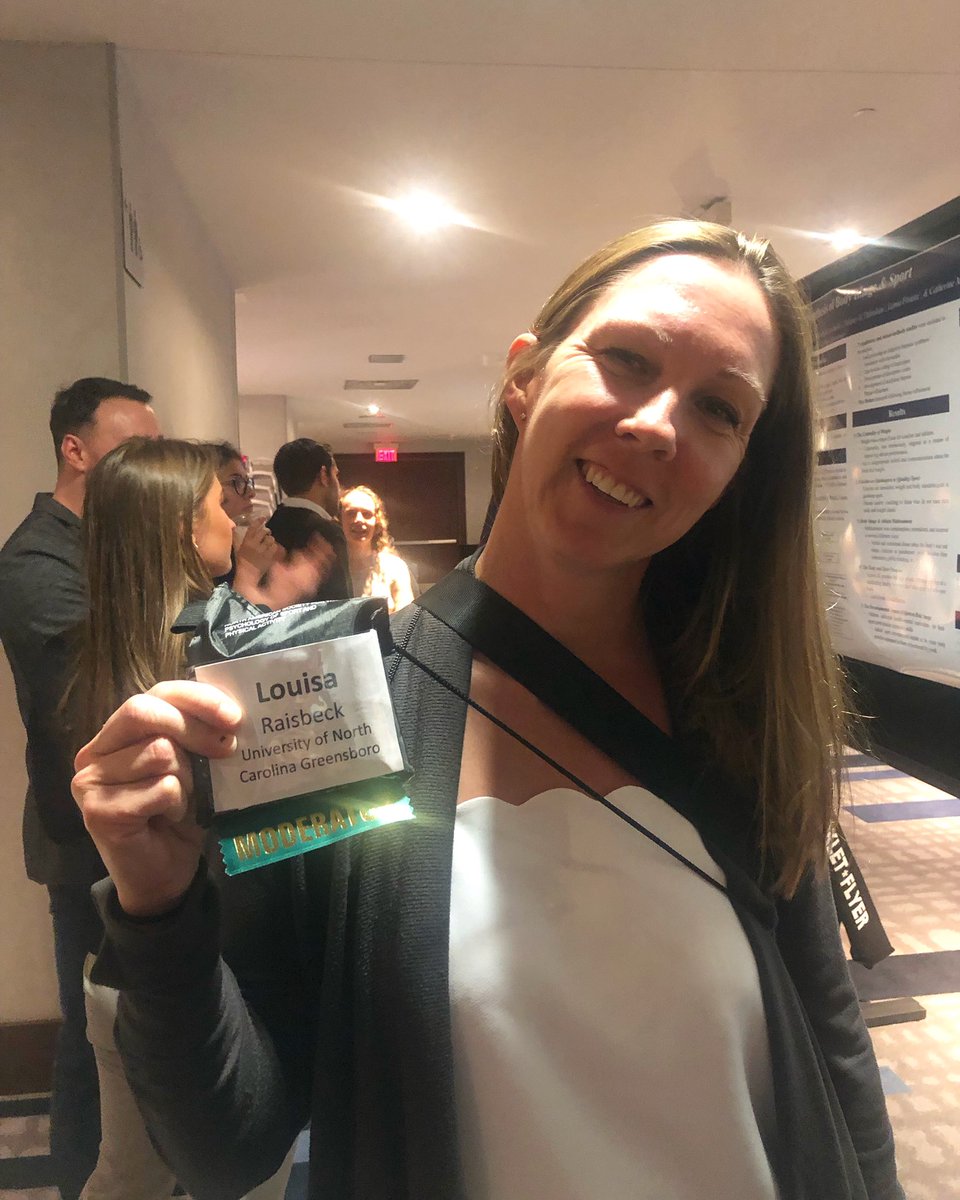
Check out Dr. Louisa Raisbeck as she moderates the last poster session at this year’s @naspspa conference! #motorlearning #motorbehavior
7
282
2 Jun 2023
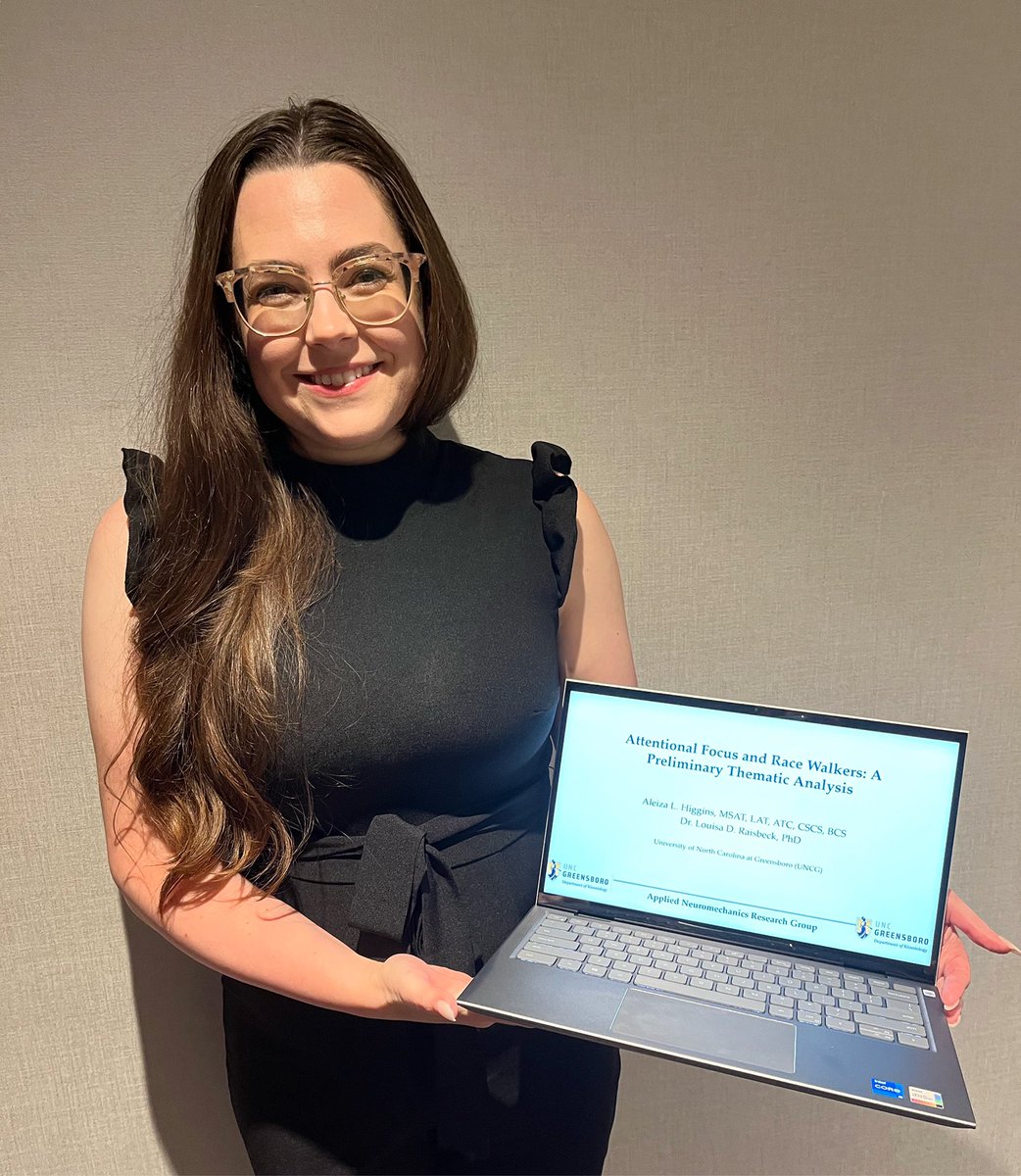
PhD Student Aleiza Higgins presented her verbal presentation, “Attentional Focus and Race Walkers: A Preliminary Thematic Analysis” today at day 2 of @naspspa ! #motorbehavior #attentionalfocus #racewalking
1
1
6
318
1 Jun 2023
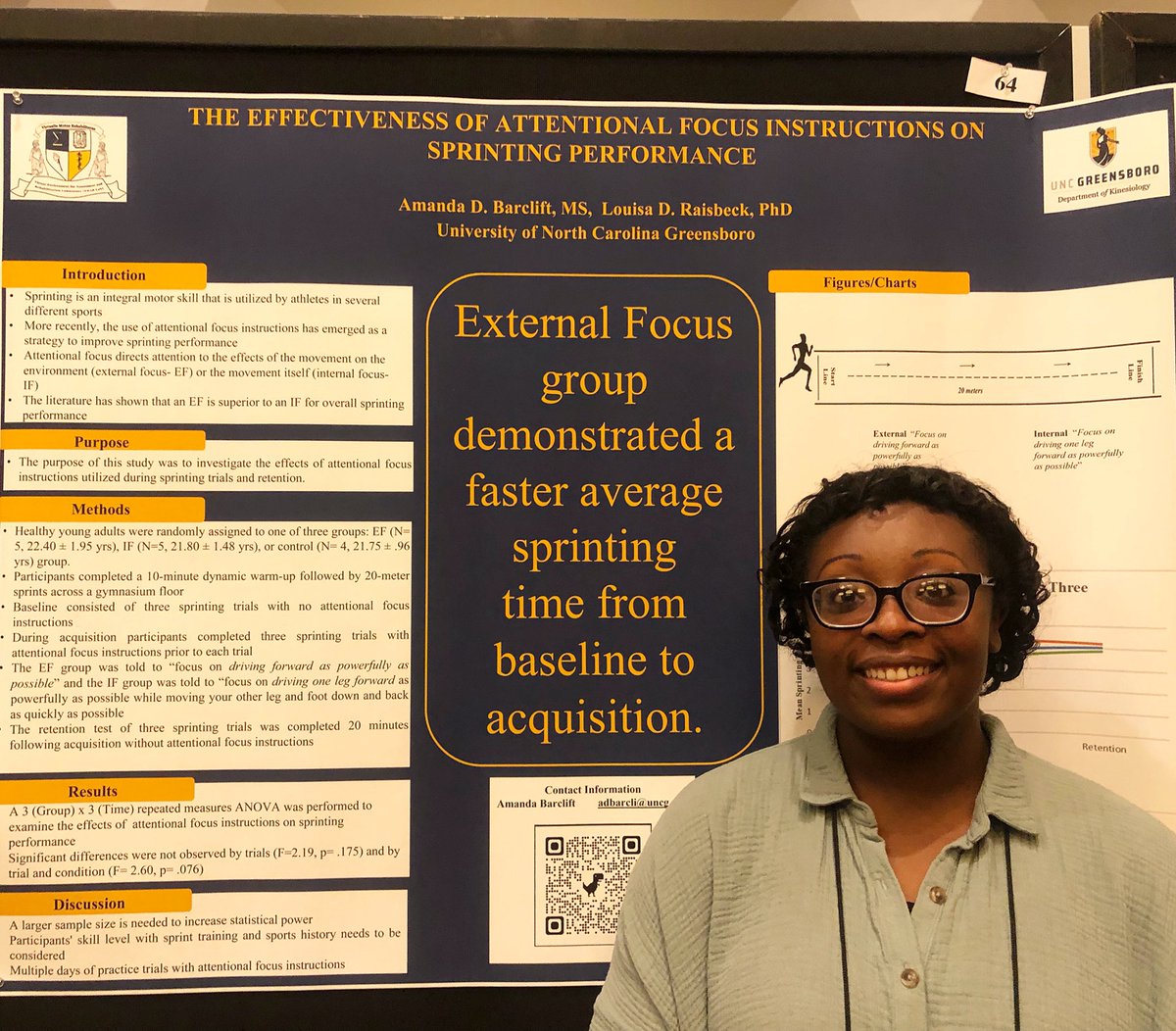
PhD Candidate Amanda Barclift started the week off for us with her @naspspa poster presentation “The Effectiveness of Attentional Focus Instructions on Sprinting Performance” ! #motorbehavior
#attentionalfocus #instructionalcues
2
84

1 Jun 2023
NEW ISSUE OUT NOW | Sports, Volume 11, Issue 3 (March 2023) – 22 articles @MDPIOpenAccess #biomechanics #sportsmedicin #motorbehavior #sportscoaching #physiology #sportpsychology #sportscience #exercisescinece #biomechanics #sportsnutrition
mdpi.com/2075-4663/11/3?utm_…
2
131