
Did you hook up any external LED Lights?
Do you have any thing plug into the cigarette lighter\Power Port.
Any USB Devices for car audio?
Fully disconnect the batter and hook up a multimeter to see if anything is drawing power
1
64

ElectronicsNotes by Ian Poole retweeted

How Does a Digital Multimeter Work? - Understand the Essentials.
Have you ever wondered what’s actually happening inside your Digital Multimeter (DMM) when you probe a circuit?
While it looks like a simple digital screen replacing an old analogue needle, the "magic" inside is a fascinating process of high-speed translation.
Based on the expert insights from Electronics Notes, here is a breakdown of how your DMM actually works:
1. The Core: The ADC (Analog-to-Digital Converter)
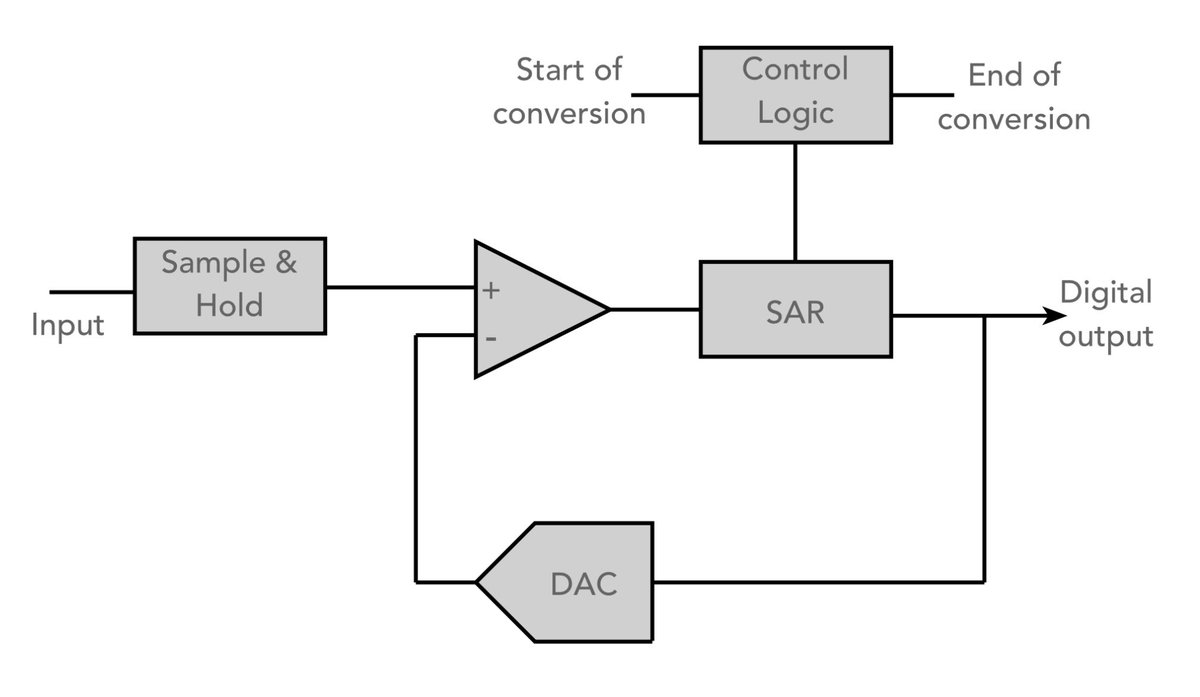
The heart of every DMM is the ADC. Most general-purpose multimeters use a Successive Approximation Register (SAR).
• Think of it like a game of "Higher or Lower."
• The ADC compares the input voltage to a reference voltage, starting at half-scale and narrowing it down bit-by-bit until it "homes in" on the exact value.
2. Signal Pre-Conditioning
The ADC can only handle a specific, small range of voltage. To measure different things, the DMM "prepares" the signal:
• Voltage: Uses potential divider networks to scale high voltages down to a range the ADC can handle.
• Current: Measures the voltage drop across a known internal resistor (a shunt) and then calculates the current using Ohm’s Law.
• Resistance: Passes a small, known current through the component and measures the resulting voltage drop.
3. Buffering and Averaging
Ever notice why the numbers don’t jump around frantically? The DMM doesn't just show one raw sample. It buffers and averages multiple samples to filter out electrical noise, ensuring the reading you see on the LCD is stable and accurate.
4. The "Settling Time" Factor
When you switch ranges or probes, the internal circuitry needs time to stabilize. This is why the reading might "climb" for a split second before staying still. High-end meters also perform an Auto-Zero to ensure there’s no offset error before giving you the final result.
Pro Tip: Understanding this process helps you realize why "settling time" matters—especially when using computer-controlled test equipment where timing is everything!
🔗 For a full explanation, check the link to my website in the comments.
#Electronics #Engineering #TestEquipment #DigitalMultimeter #EmbeddedSystems #LearningElectronics #electronicsnotes
2
3
50
1,763

The money a good multimeter and knowing how to use it saves you is insane.
4

For insulation resistance test, you need a megger tester, I understand some recent flukes multimeter have that capacity
8

Me in the dead of winter when gas boiler went out and HVAC companies were swamped. Thanks to Claude and a multimeter, found out it was thermal cutoff (STC5257). $4 part. Supplyhouse(.com) had it to me next day because local ones don't seem to deal directly with consumers.
18


Multimeter. The capacitor is rated for a capacitance of 30uF. It read 5.26nF - effectively dead.
6
136
Nicholas Vasil retweeted

Jun 13
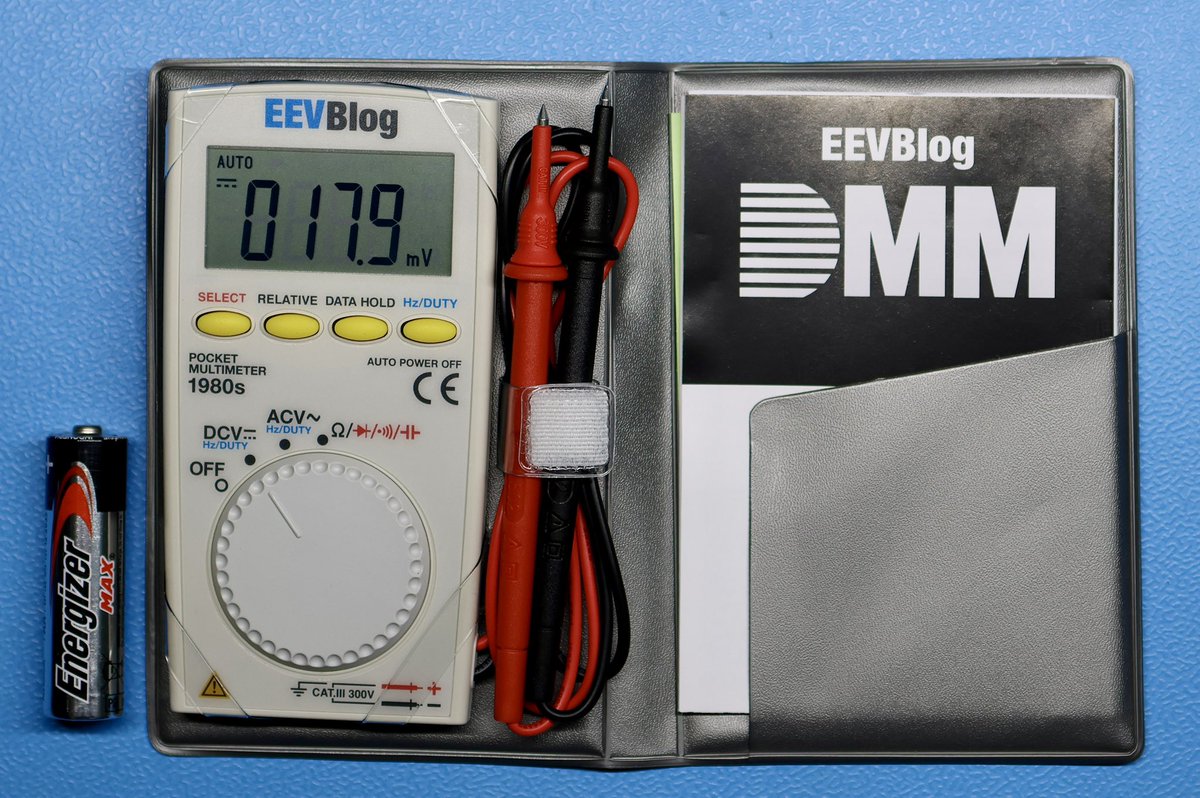
Look what just arrived!
Wallet-type pocket multimeter from @eevblog
Thank you Dave!
8
3
93
4,548

(Essential Tools Every Electrician Must Have)
-Multimeter
-Wire Stripper
-Side Cutter
-Crimping Tool
-Voltage Tester
-Insulated Screwdriver
-Fish Tape
-Cable Cutter
-Combination Pliers
-Long Nose Pliers
-Measuring Tape
-Insulated Gloves
-Safety Helmet
16

(Essential Tools Every Electrician Must Have)
-Multimeter
-Wire Stripper
-Side Cutter
-Crimping Tool
-Voltage Tester
-Insulated Screwdriver
-Fish Tape
-Cable Cutter
-Combination Pliers
-Long Nose Pliers
-Measuring Tape
-Insulated Gloves
-Safety Helmet
-Voltage Tester
10

Loads of people are self-employed, or have a small business. They then receive not only the wages for their labour, but also the interest for their capital (e.g. spanner for a plumber, multimeter for an electrician), and the profit for their entrepreneurship.
2
13

i haven't had the balls to turn it on yet. and have been too lazy to plug it in and get multimeter readings
1
5


Jun 13
My favorite is when my wife puts something "where it goes" and I get to guess why a multimeter "goes" in the utensil drawer in the kitchen
1
1
5

Jun 13
Great job man, with AI, YouTube, some simple hand tools and a brain, most home repairs are possible and easy. Good job having a multimeter. I recommend everyone to have one.
I'm a tenant and ended up replacing my own cartridge on my water tap for the same reason. Landlord said most companies were 1-2 weeks wait. Ain't nobody got time for that. I need water in my bathroom sink.
2
4
1,852