
New Research: Model of multiperiod allocation and prioritization of crops for production units of family agriculture via the CRITIC-TOPSIS mixed method frontiersin.org/articles/10.… #FrontiersIn #SustainableFoodSystems
14

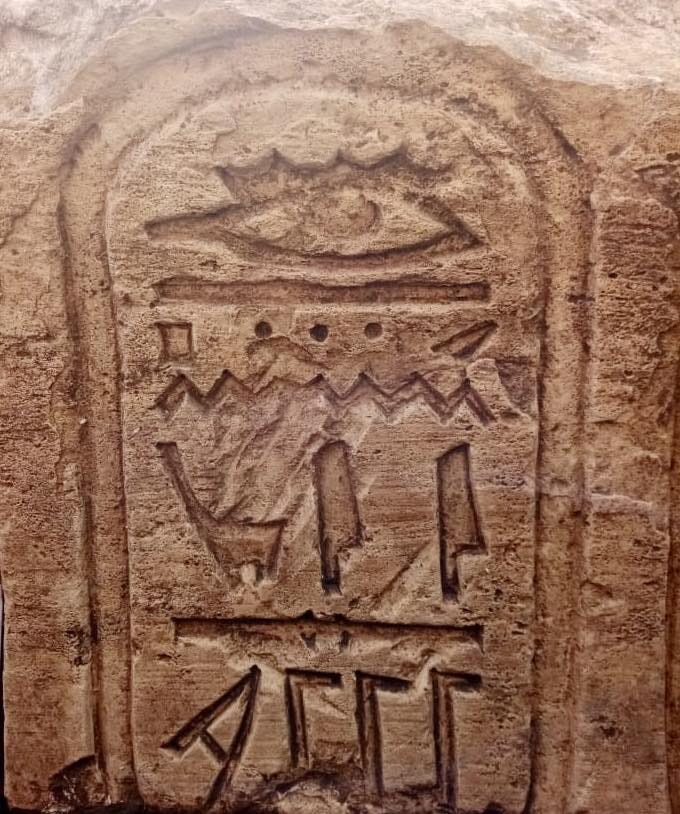
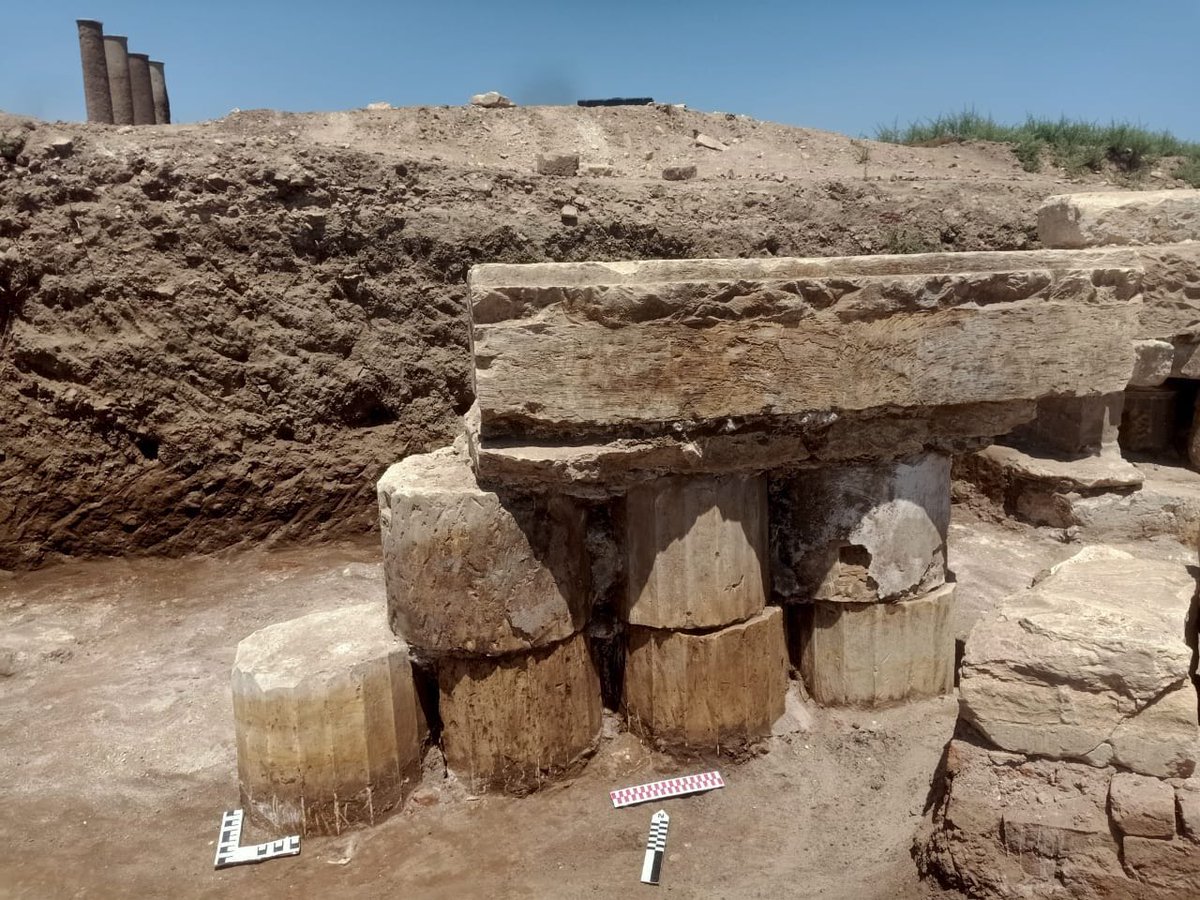
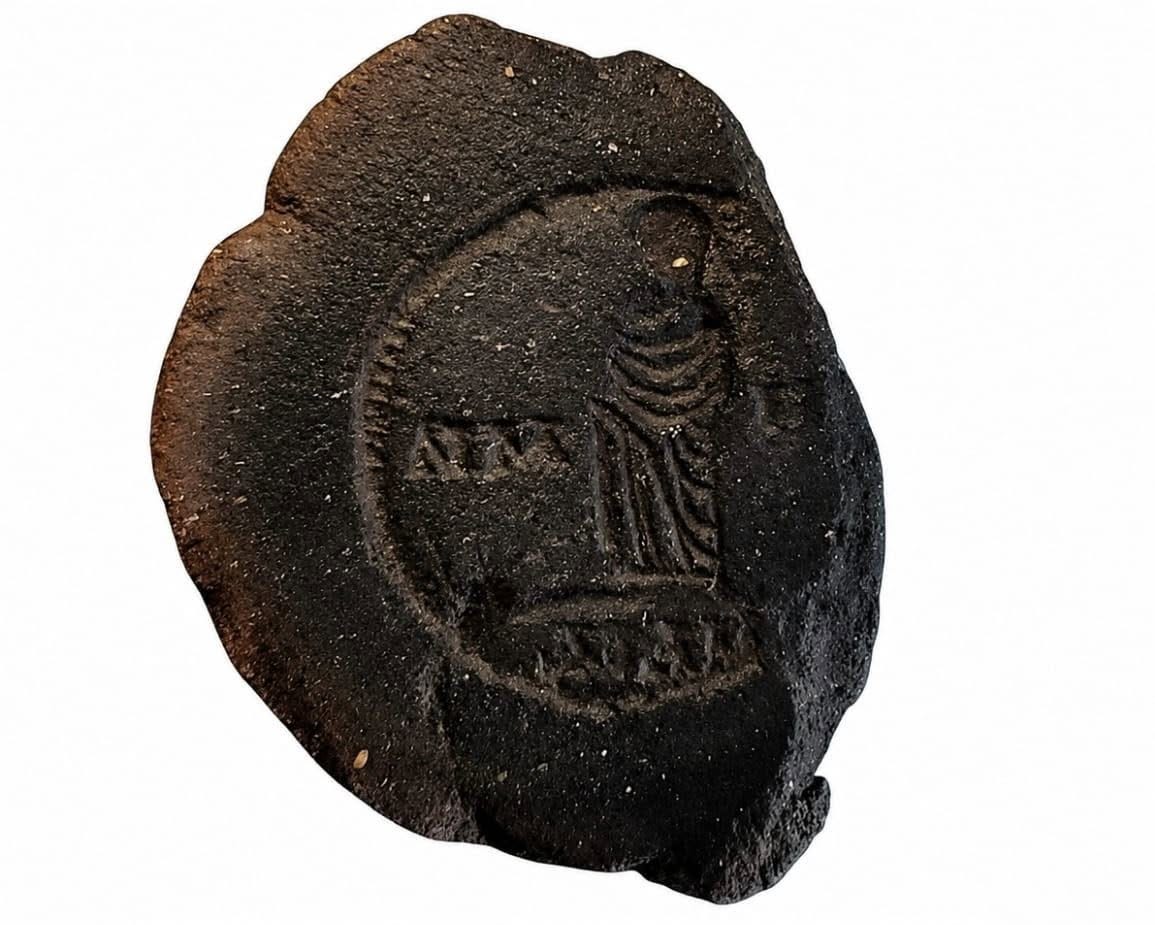
Spectacular Multiperiod Finds in Egypt ⛏️ 𓁈 𓂀 𓋹🏛
A marble head of Aphrodite is among new finds from the Ancient Egyptian, Greek, and Roman periods at the site of Ihnasya al-Madina in the city of Beni Suef, Egypt.
📰 A Whole Lot of History open.substack.com/pub/histor…

3
8
296

Apr 2
I dived deeper into MPC in my PhD but in terms of its use in multiperiod portfolio optimization. More on the subject can be read here (probably the best source): web.stanford.edu/~boyd/paper…
There is also a related python package: github.com/cvxgrp/cvxportfol…. Have fun!

Model Predictive Control For Trade Execution
Thomas P. McAuliffe, Samuel Liew, Yuchao Li, Andrey Ushenin, Chihang Wang, Alexandros Tasos, Jack Pearce, Dimitris Tasoulis, Dimitri P. Bertsekas, Theodoros Tsagaris
arxiv.org/abs/2603.28898 [𝚚-𝚏𝚒𝚗.𝚃𝚁]
5
42
5,228

Second step: the team sends its to a monetization/execution team who solves a problem like
min tracking error (w(t)-x(t))- k*tcost(x(t)-x(t-1))
sometimes with bells & whistles, like multiperiod, etc.
2/
3
34
5,727

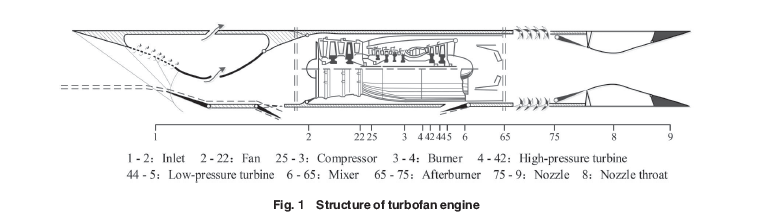
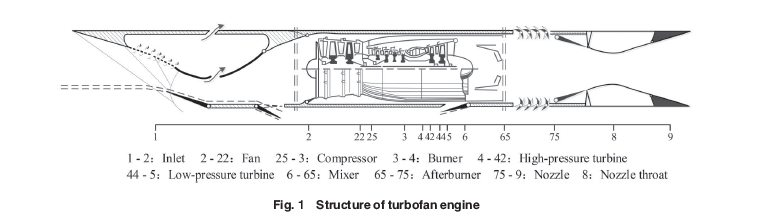
Broad #flight envelope acceleration control method of aero-#engine based on multiperiod optimization strategy. asmedigitalcollection.asme.o…
#compressors
2
4
117

17 Dec 2025
"I was speaking with a prominent finance professor about these issues, and he stated that alpha is a terrible statistic for a long-horizon investor because it's based on arithmetic mean, and arithmetic means fail to capture multiperiod outcomes well. I think he has a point." - Hendrik Bessembinder
business.columbia.edu/sites/…
3
38
4,456

The second season of @FolksFinance has rolled out with a larger payload than the first season - the entire point system has been revamped.
Instead of pointlessly clicking through the UI with non-actionable buttons, every point has a true value.
The pay back interest system on loans is terrible, - every point system dollar of debt you pay on the loan is 10k points, and you stack high points quickly if you're always on the system.
The point system golas now retrieveable loan fluidity on the router, with flash algrsrend loans generating points use of the system optimally.
Credit point multipliers travel the blockchain, with multiplicative valuations on new markets like Monad, with new value retention schemes on the extended xChain V2.
Functionally the referral system has been mega boosted, - every new person you sign, you get a slim 3perC of all points they run and they get a sign on bonus of ten thousand points.
If your new person is active, the system generates a compound value that becomes enormous on the whole system if your circle of participants becomes active.
The new season is the start of the multiperiod module.
The system now incentivises you directly.
If you're active and Embedded, the system generates compound value on point monetization.

10
1
7
42

25 Nov 2025
Recent excavations at Mola Burnu have brought to light a dense concentration of pierced mussel shells, carefully carved bone hairpins, and multiperiod stone tools.
1
1
2
157

9 Nov 2025
These are features of capital plans which are factored into discounts, and multiperiod plans.
Capital reckoned in one basic unit does inherently mean it’s homogenous. £20, and £50 are reckoned in a homogenous unit.
3
767

31 Oct 2025
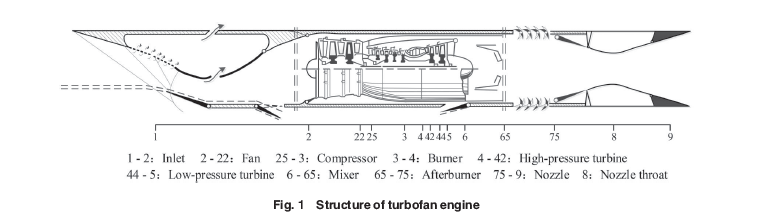
Broad #flight envelope acceleration control method of aero-#engine based on multiperiod optimization strategy. asmedigitalcollection.asme.o…
#compressors
1
98
27 Oct 2025
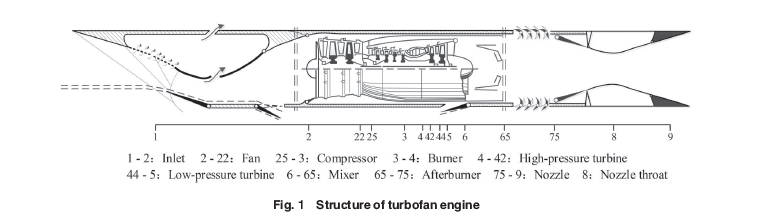
Broad #flight envelope acceleration control method of aero-#engine based on multiperiod optimization strategy. asmedigitalcollection.asme.o…
#compressors
2
84

24 Oct 2025
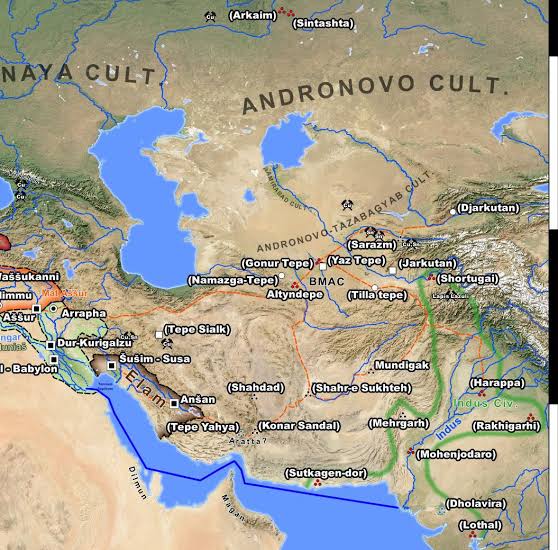
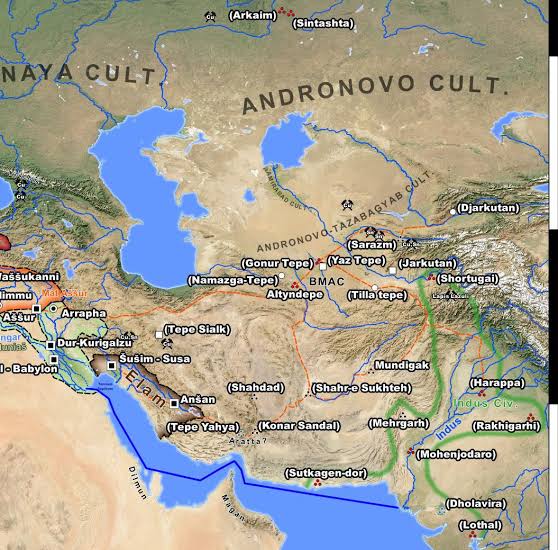
The Bronze Age of Central Asia is celebrated for major cultural and technological changes that laid the foundations for a social and material web that linked ancient societies across Eurasia. Encompassing a large portion of the Eurasian landmass, Central Asia stretches from the vast Russian and Kazakh steppes and mountain foothills, southward to the intersecting mountain, foothill, and desert regions of northern Afghanistan, Uzbekistan, Tajikistan, Kyrgyzstan, and Turkmenistan. Across this ecological mosaic, various herding, farming, and foraging societies took shape during Bronze Age (3rd-2nd Millennium BC).
The archaeological records of northern and southern Central Asia are quite different, their chronological phases are outlined individually in the text. Northern Central Asia figures prominently in studies on the spread and development of regional pastoralism. Conventionally understood as a “pastoral realm,” small villages and seasonal campsites, stone-lined burials, and rock art have been principal areas of research investigations there for over a century. By contrast, southern Central Asia is home to large fortified centers, smaller sedentary villages, and pastoral campsites, making it a key zone for charting mobile and sedentary interactions through time. These two contrasting, yet intersecting, prehistories were integral to multiregional exchange, culture contact, and technology transfer, which irreversibly altered the social trajectories of societies from Europe to China in prehistory.
Archaeologically documented Bronze Age settlements in Central Asia are sparsely distributed over a massive landscape. Structures show considerable regional diversity in terms of their architectural characteristics and internal layout, which range from small villages with wooden, stone, or mudbrick structures to architecturally ephemeral campsites (Kuz’mina 2007: Figs. 8, 9; Mar’yashev and Gumirova 2011). The Middle Bronze Age fortified centers of the Bactria Margiana Archaeological Complex of southern Central Asia (Sarianidi 2007) and the nucleated, fortified settlements of the Sintashta complex located in the southern Urals in Russia (Gening et al. 1992) comprise the two exceptions to the major architectural characteristics of the region’s built environment.
Despite its geographically dispersed archaeological landscape, multiregional interaction is a defining feature of Central Asian Bronze Age. Dynamic transregional connections and exchange in the region is shown most clearly through its 2nd millennium BC metallurgical inventory, horse riding and chariot technology, and geographic transport of crops between China and Southwest Asia (Sherratt 2006). Archeological discoveries made over the past ten years, however, demonstrate that a regional web of interaction and technology transfer was in place earlier on, during 3rd Millennium BC (Jones et al. 2011; Frachetti 2012; Spengler et al. 2014). These discoveries are the result of a growing number of archaeometric dates, settlement excavations with multiperiod stratified cultural deposits, site survey and mapping, and scientific studies of diet and exchange. This paper will outline recent findings on the emergence and nature of Eurasian pastoralism, the pastoral/agricultural and mobile/sedentary dichotomy, and local material traditions and exchange as viewed through the lens of multimaterials analyses.
#archaeohistories
31
169
12,111
21 Oct 2025
Broad #flight envelope acceleration control method of aero-#engine based on multiperiod optimization strategy. asmedigitalcollection.asme.o…
#compressors
2
3
140

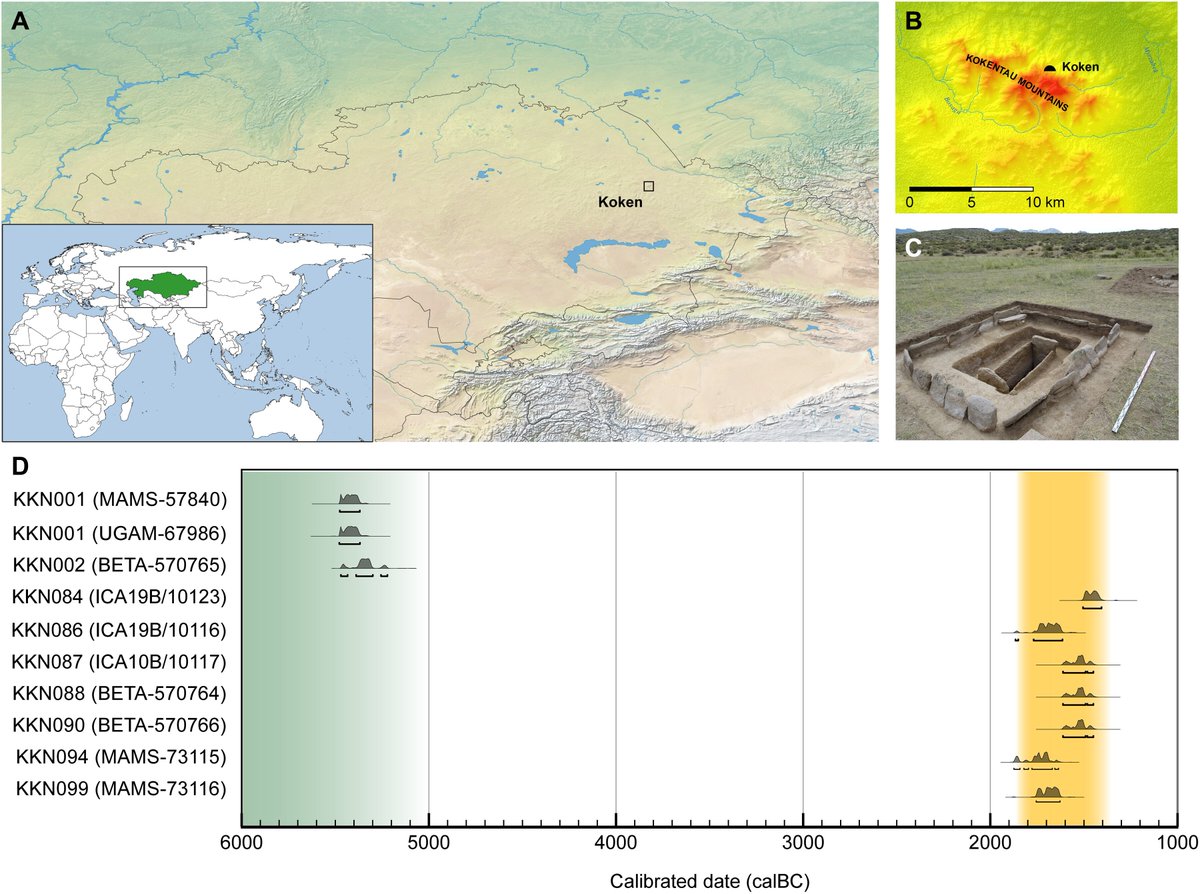
Archaeological site of Koken.
(A) Koken is a multiperiod site occupied since the Epipaleolithic in Abai region of eastern Kazakhstan (inset, green). The basemaps used in (A) are in the public domain and accessible through the Natural Earth website (naturalearthdata.com/downloa…; last accessed 3 March 2022). (B) Koken is situated in a semiarid steppe zone along the northern foothills of the Kokentau Mountains, and it falls within a biodiverse ecosystem of steppe grasslands, seasonal streams, birch and juniper groves, marshland, and mineral outcrops. (C) Excavation photograph of Burial 13 (KKBR13), a representative MLBA Andronovo culture cist grave surrounded by a stone fence containing the remains of individual KKN090. (D) Calibrated radiocarbon dates for individuals at Koken, showing 95.4% probability. The burials date broadly within the EN (green) and MLBA (yellow) periods. Dates were calibrated with OxCal v4.4.4 (99) using atmospheric data from Reimer et al. (55) (Photo Credit: P.D.D., Nazarbayev University).
1
11
739
16 Oct 2025
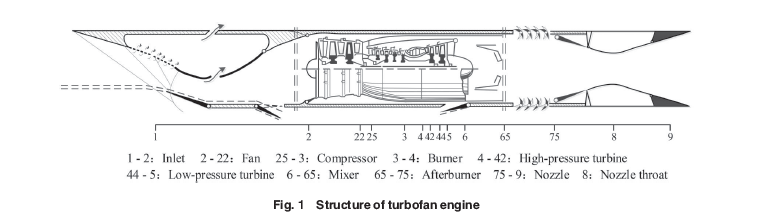
Broad #flight envelope acceleration control method of aero-#engine based on multiperiod optimization strategy. asmedigitalcollection.asme.o…
#compressors
1
2
98

14 Aug 2025
All within the margin of error for a multiperiod depression, with NO end insight for Hyper Inflation pay strikes with the Marxist controlled BMA having a second bite at the cherry.
IMF UK Bankrupcty in sight.
2
59

6 Jul 2025
#Multiperiod landscapes around the #medieval castle at #Pedraza, #Segovia, #Castilla/#León #Spain. Prehistoric peoples of Cega River, later Celtiberian activity. Superseded by Romans by 100 BC later trade back and forth by Arab & Christans till Reconquest. #heritage#tourism
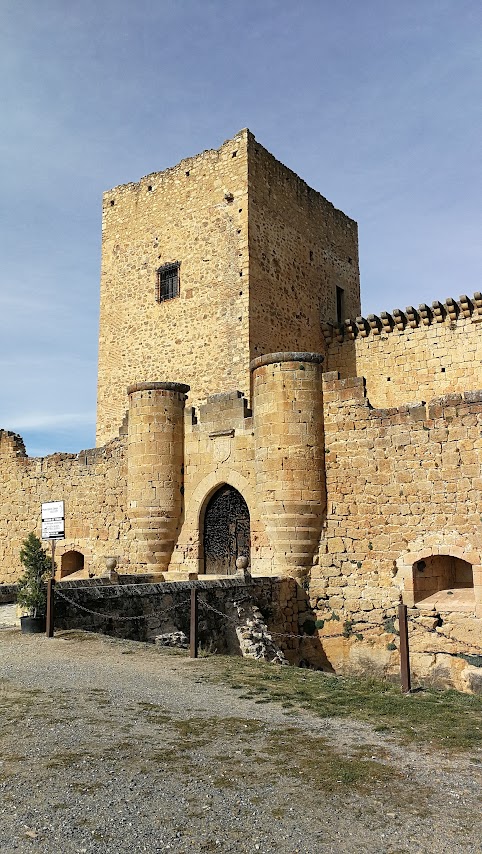
ALT #medieval castle at #Pedraza, #Segovia, #Castilla/#León #Spain Picture by Paul Montgomery
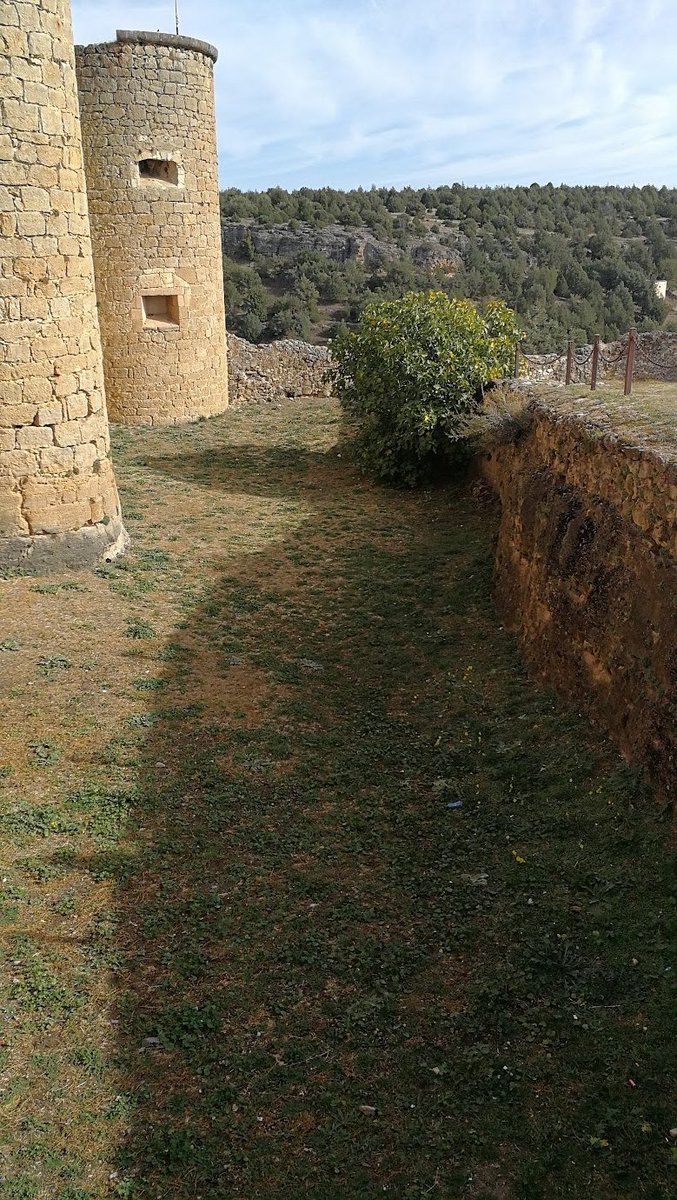
ALT #medieval castle at #Pedraza, #Segovia, #Castilla/#León #Spain Picture by Paul Montgomery
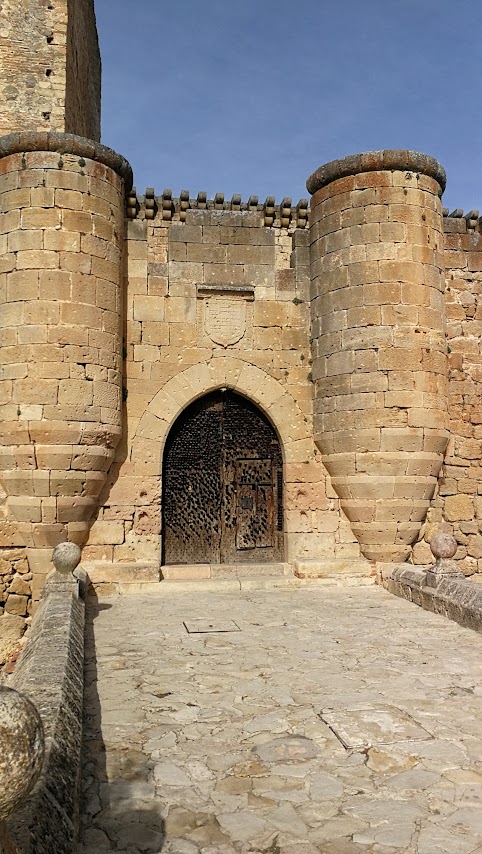
ALT #medieval castle at #Pedraza, #Segovia, #Castilla/#León #Spain Picture by Paul Montgomery
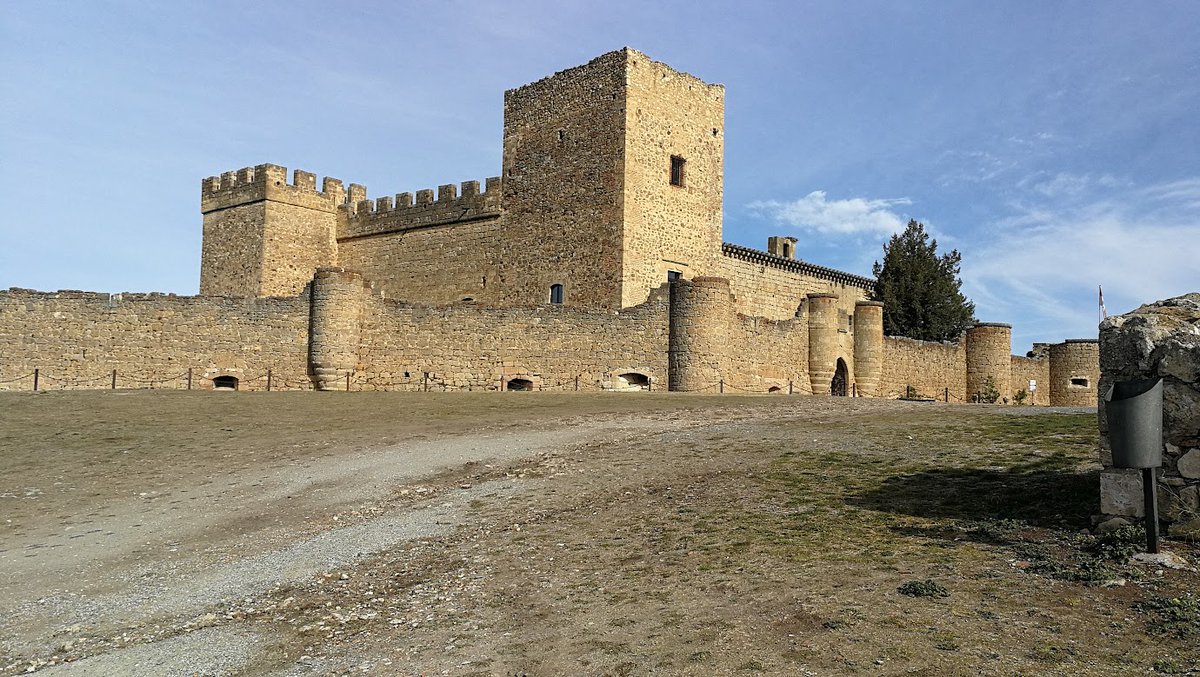
ALT #medieval castle at #Pedraza, #Segovia, #Castilla/#León #Spain Picture by Paul Montgomery
4
106

12 Jun 2025
Although it will result in some cases of multiperiod price increases as inventory depletion lags in the supply chain take effect to gradually raise price to final level. If viewed in the aggregate, this is still a one period increase, though, with the evaluation period just lengthened.
1
2
125
4 May 2025
The Bronze Age of Central Asia is celebrated for major cultural and technological changes that laid the foundations for a social and material web that linked ancient societies across Eurasia. Encompassing a large portion of the Eurasian landmass, Central Asia stretches from the vast Russian and Kazakh steppes and mountain foothills, southward to the intersecting mountain, foothill, and desert regions of northern Afghanistan, Uzbekistan, Tajikistan, Kyrgyzstan, and Turkmenistan. Across this ecological mosaic, various herding, farming, and foraging societies took shape during Bronze Age (3rd-2nd Millennium BC).
The archaeological records of northern and southern Central Asia are quite different, their chronological phases are outlined individually in the text. Northern Central Asia figures prominently in studies on the spread and development of regional pastoralism. Conventionally understood as a “pastoral realm,” small villages and seasonal campsites, stone-lined burials, and rock art have been principal areas of research investigations there for over a century. By contrast, southern Central Asia is home to large fortified centers, smaller sedentary villages, and pastoral campsites, making it a key zone for charting mobile and sedentary interactions through time. These two contrasting, yet intersecting, prehistories were integral to multiregional exchange, culture contact, and technology transfer, which irreversibly altered the social trajectories of societies from Europe to China in prehistory.
Archaeologically documented Bronze Age settlements in Central Asia are sparsely distributed over a massive landscape. Structures show considerable regional diversity in terms of their architectural characteristics and internal layout, which range from small villages with wooden, stone, or mudbrick structures to architecturally ephemeral campsites (Kuz’mina 2007: Figs. 8, 9; Mar’yashev and Gumirova 2011). The Middle Bronze Age fortified centers of the Bactria Margiana Archaeological Complex of southern Central Asia (Sarianidi 2007) and the nucleated, fortified settlements of the Sintashta complex located in the southern Urals in Russia (Gening et al. 1992) comprise the two exceptions to the major architectural characteristics of the region’s built environment.
Despite its geographically dispersed archaeological landscape, multiregional interaction is a defining feature of Central Asian Bronze Age. Dynamic transregional connections and exchange in the region is shown most clearly through its 2nd millennium BC metallurgical inventory, horse riding and chariot technology, and geographic transport of crops between China and Southwest Asia (Sherratt 2006). Archeological discoveries made over the past ten years, however, demonstrate that a regional web of interaction and technology transfer was in place earlier on, during 3rd Millennium BC (Jones et al. 2011; Frachetti 2012; Spengler et al. 2014). These discoveries are the result of a growing number of archaeometric dates, settlement excavations with multiperiod stratified cultural deposits, site survey and mapping, and scientific studies of diet and exchange. This paper will outline recent findings on the emergence and nature of Eurasian pastoralism, the pastoral/agricultural and mobile/sedentary dichotomy, and local material traditions and exchange as viewed through the lens of multimaterials analyses.
#archaeohistories
18
64
13,037