


Pick tools → get a shareable card → flex it 30 seconds. Free. No signup. 326 tools to choose from. I'll start — what's in your stack? 👇 #AITools #MyStack #BuildInPublic
1
12



Mar 18
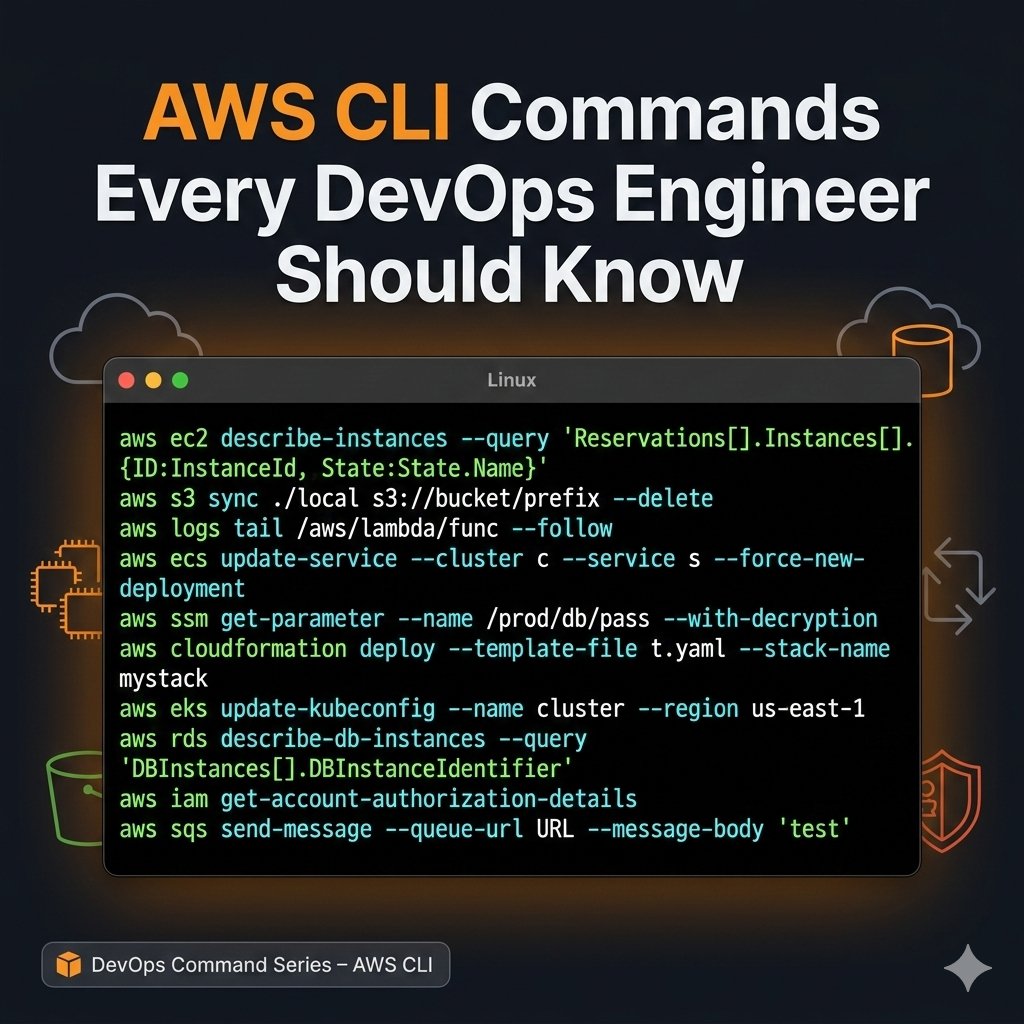
AWS CLI Commands Every DevOps Engineer Should Know.
If you’re clicking in the AWS Console, you’re moving too slow.
These 10 AWS CLI commands are used in real production environments:
1. aws ec2 describe-instances --query 'Reservations[].Instances[].{ID:InstanceId,State:State.Name}'
List EC2 instances with ID and state.
2. aws s3 sync ./local s3://bucket/prefix --delete
Sync local directory to S3 and remove deleted files.
3. aws logs tail /aws/lambda/func --follow
Tail CloudWatch logs live.
4. aws ecs update-service --cluster c --service s --force-new-deployment
Force redeploy an ECS service.
5. aws ssm get-parameter --name /prod/db/pass --with-decryption
Retrieve decrypted parameter from SSM.
6. aws cloudformation deploy --template-file t.yaml --stack-name mystack
Deploy a CloudFormation stack.
7. aws eks update-kubeconfig --name cluster --region us-east-1
Configure kubectl for EKS cluster access.
8. aws rds describe-db-instances --query 'DBInstances[].DBInstanceIdentifier'
List all RDS instance IDs.
9. aws iam get-account-authorization-details
Export IAM roles and policies.
10. aws sqs send-message --queue-url URL --message-body 'test'
Send a message to SQS queue.
Cloud doesn’t run itself.
Automation does.
Save this before your next production change.
11
43
1,855



Feb 10
docker swarm init
docker stack deploy -c compose.yaml mystack
Seriously if that’s too hard but docker compose isn’t, then you’re ngmi.
38
3,544

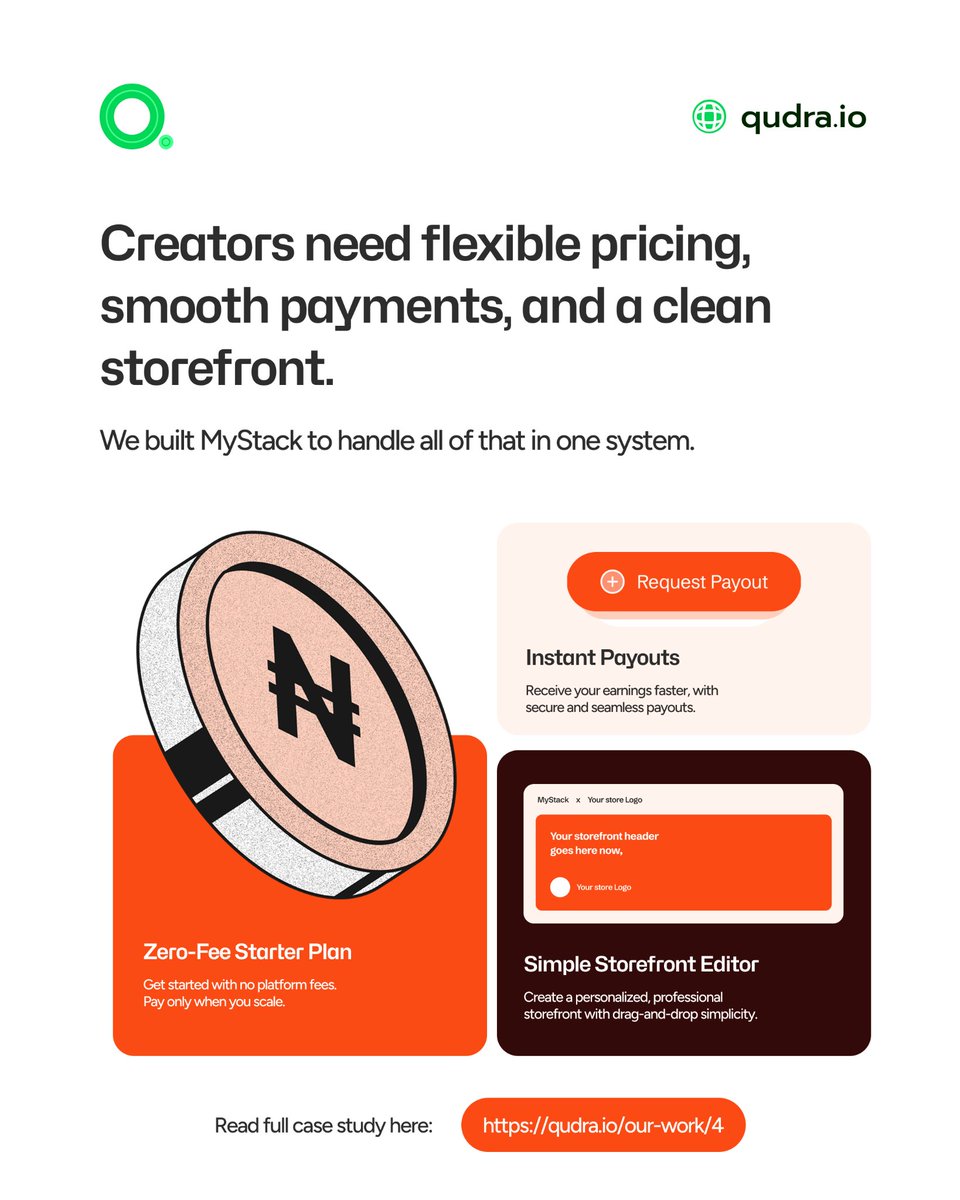
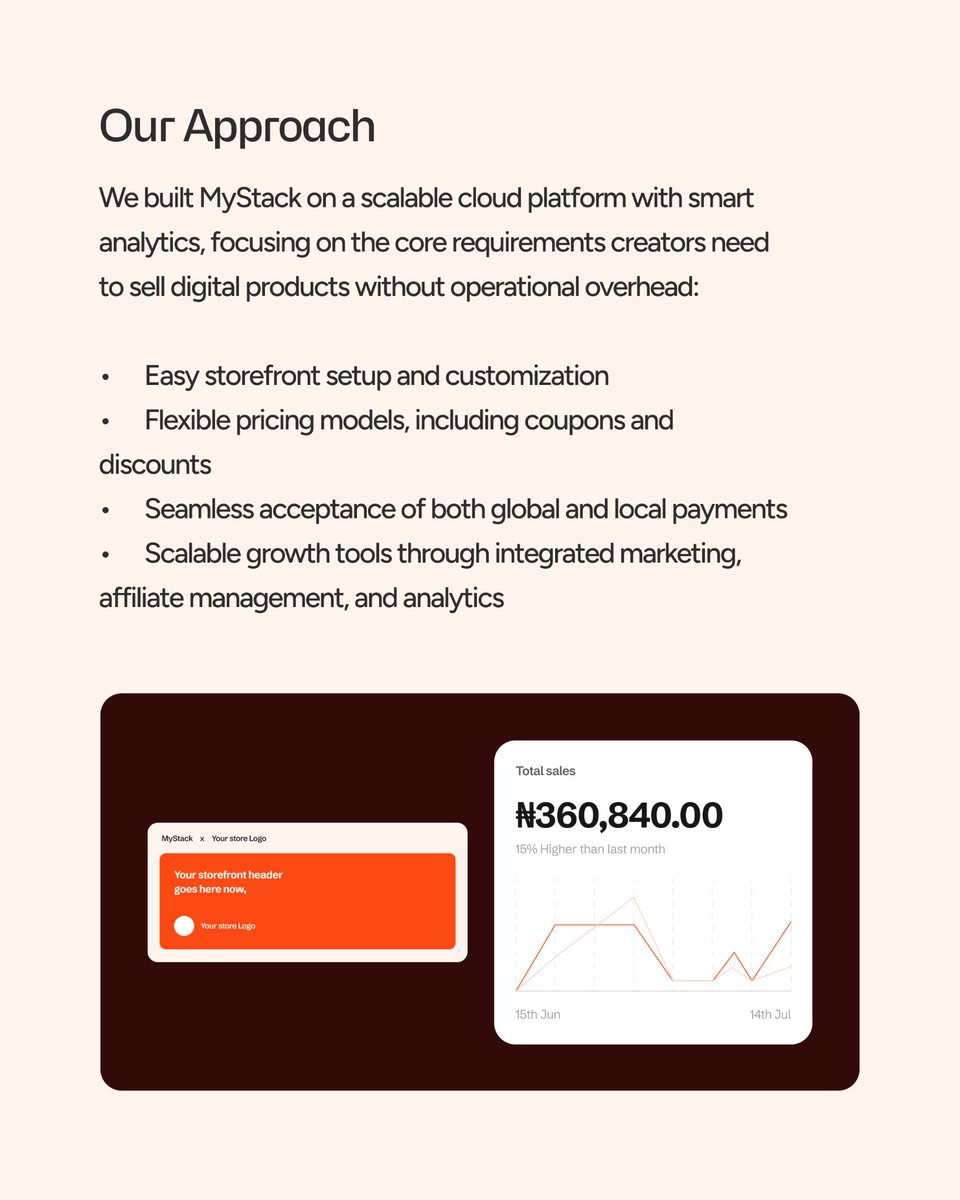
Creators need flexible pricing, smooth payments, and a clean storefront.
Most tools handle one part and leave the rest messy.
We built MyStack to bring all of it into one system.
If you’re curious how we approached the build,
Read it here: qudra.io/our-work/4
1
5
54
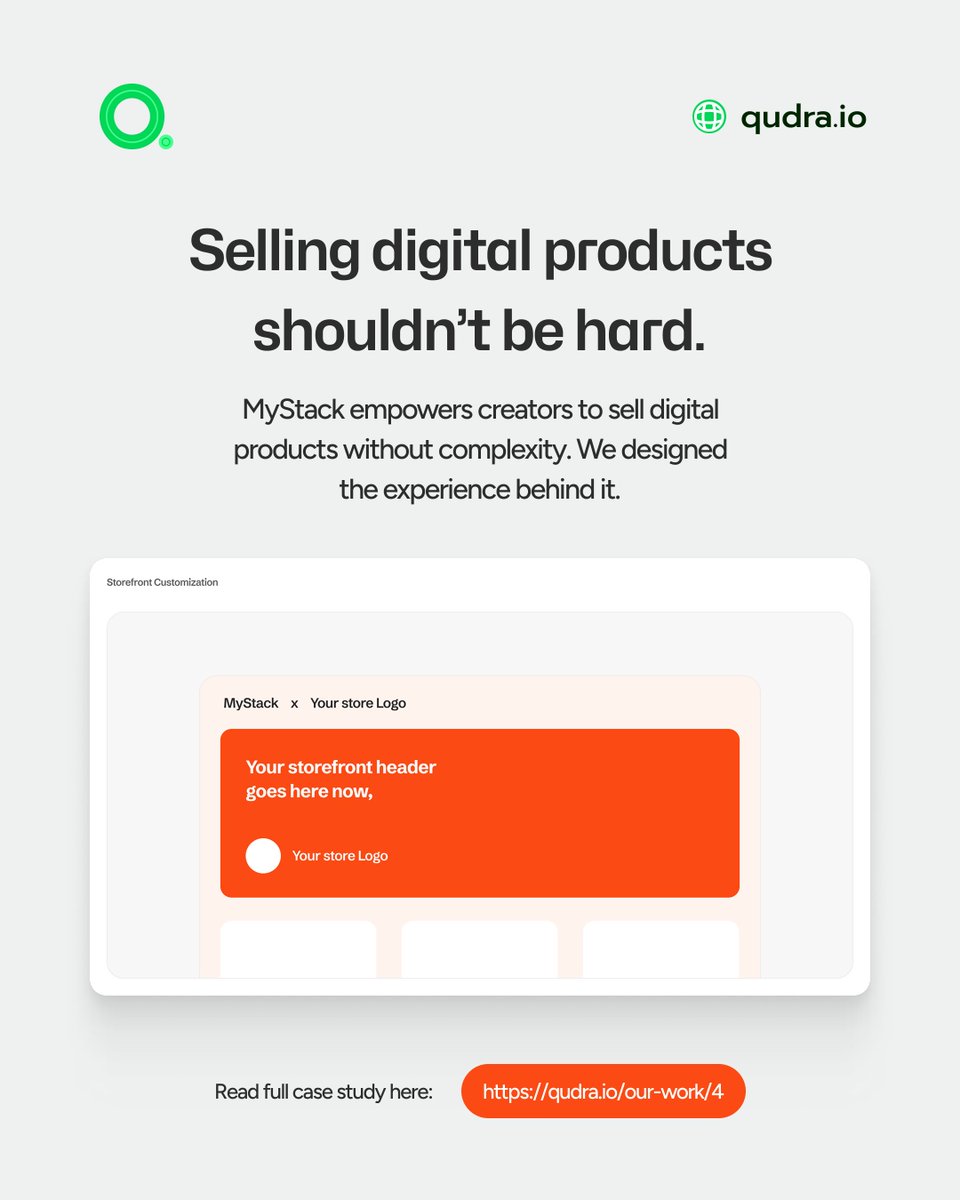
We kept seeing creators struggle with storefronts, payments, and sales across different tools. It shouldn't be that complicated.
So we built MyStack to make selling digital products simple.
This case-study breaks down how we designed and built it.
Read: qudra.io/our-work/4
1
5
77
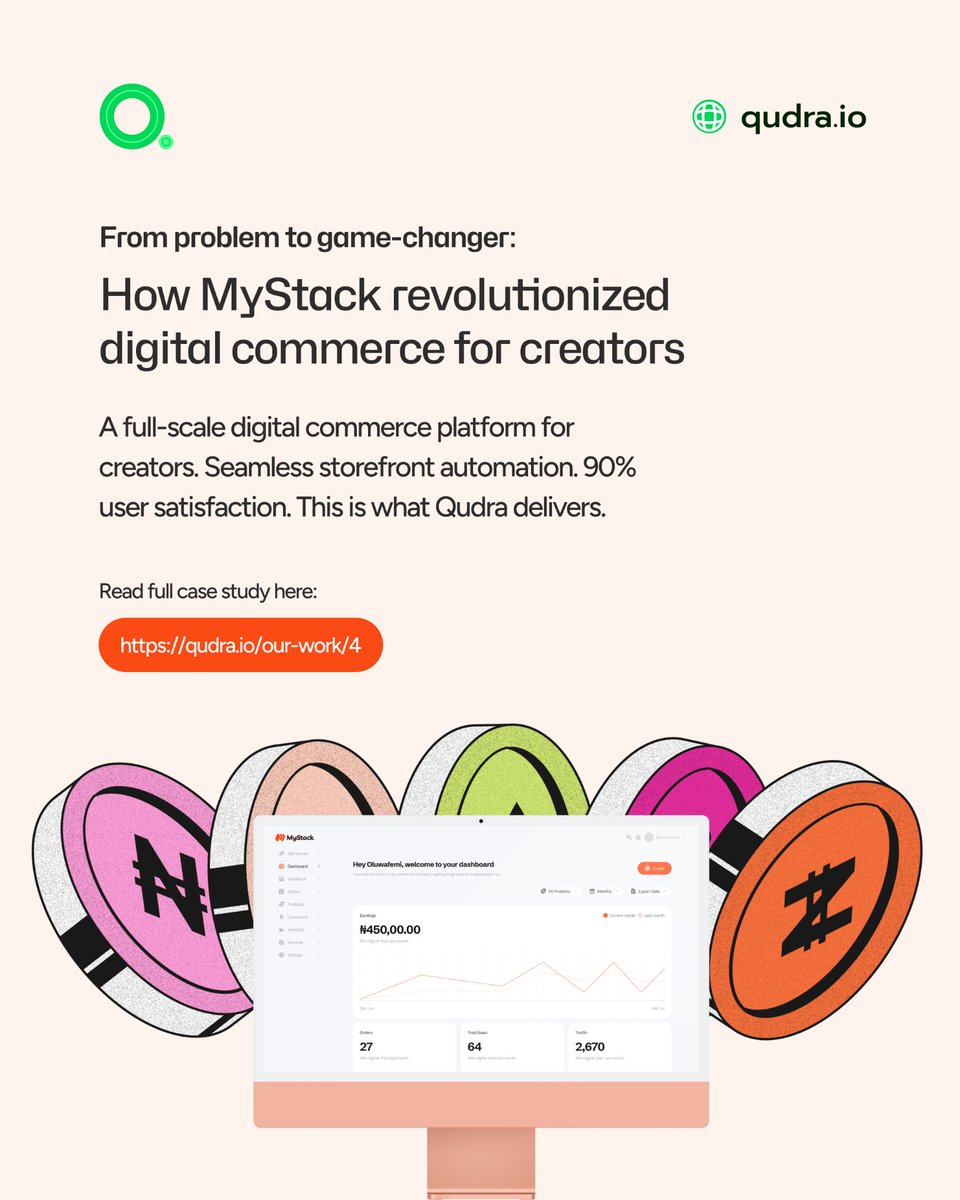
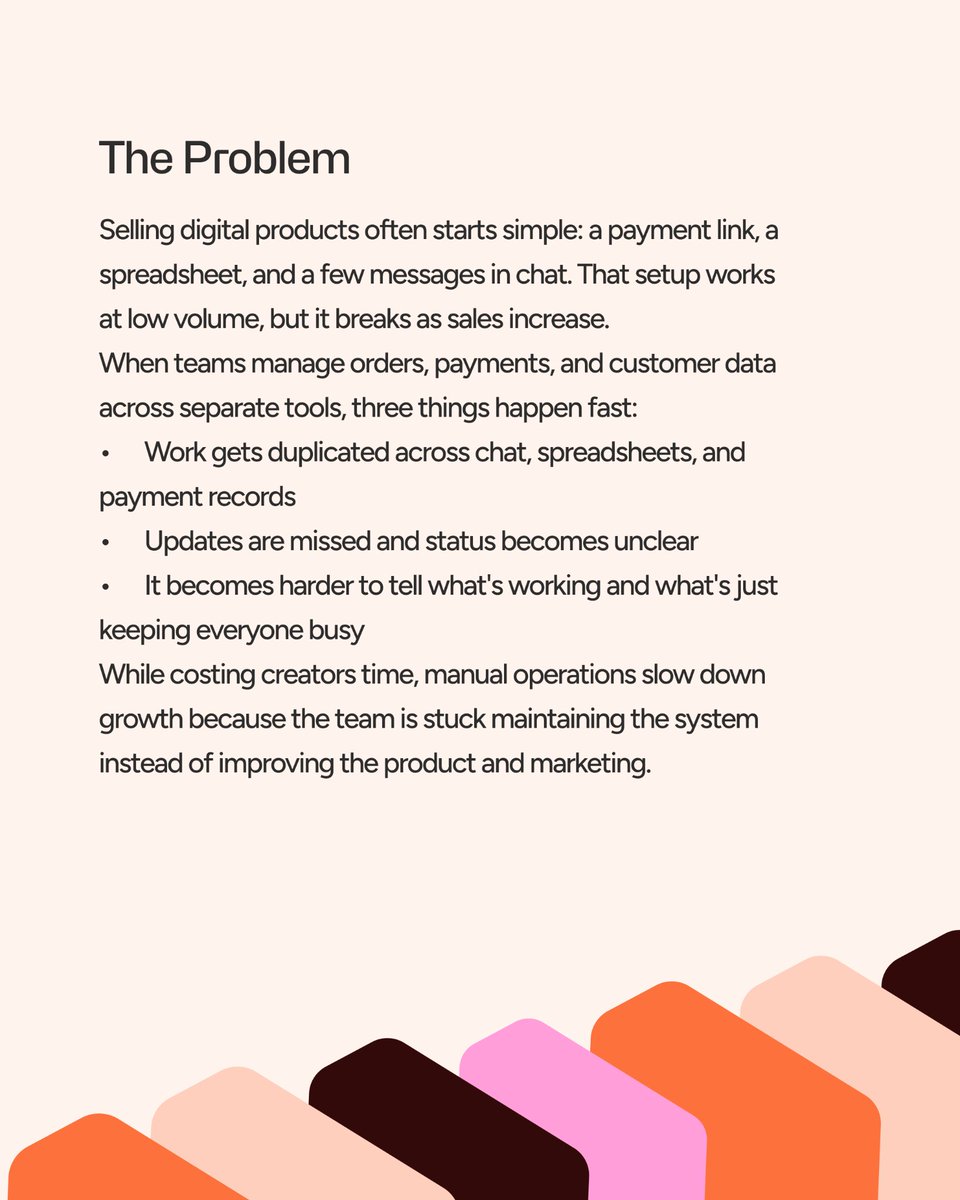
Creators sell digital products expecting checkout and delivery to be smooth but that's not always the experience.
Read about how we built MyStack; a centralized digital commerce platform with flexible pricing, local global payments, and growth tools.
qudra.io/our-work/4

1
5
7
262

30 Dec 2025
Winners Winning 🏆
Much appreciated @aster_cast 🍊🌱
Stoked to add another Wojak to mystack from the masterpiece collection by @MoJuiceX 🫡
4
37

25 Dec 2025
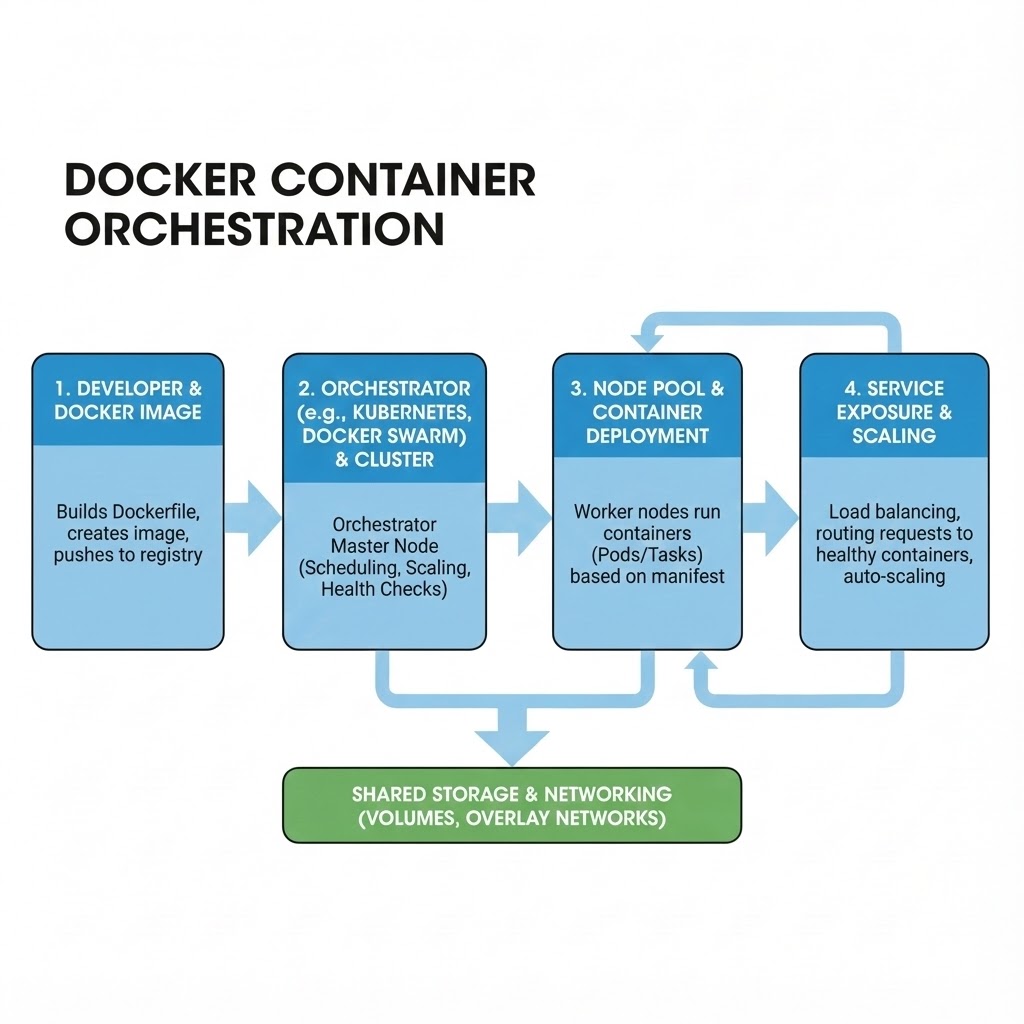
Docker Container Orchestration
→ Container orchestration is the process of automatically managing, scaling, deploying, and networking containers.
→ As applications grow beyond a single container, orchestration becomes essential for reliability and scalability.
→ Docker provides built-in and external tools to orchestrate containers across multiple hosts.
1. Why Container Orchestration Is Needed
→ Manual container management does not scale.
→ Applications require high availability, load balancing, and self-healing.
→ Orchestration automates container lifecycle management.
→ Core problems orchestration solves:
→ Service discovery
→ Scaling and load balancing
→ Failover and self-healing
→ Rolling updates and rollbacks
2. Key Concepts in Orchestration
Services
→ A service defines how containers should run in production.
→ Specifies image, replicas, ports, and update strategies.
Nodes
→ Physical or virtual machines running the container runtime.
→ Can be manager or worker nodes.
Clusters
→ A group of nodes working together as a single system.
3. Docker Swarm
→ Docker Swarm is Docker’s native orchestration solution.
→ Simple to set up and tightly integrated with Docker Engine.
→ Uses the same Docker CLI commands.
Swarm Features
→ Declarative service definitions
→ Built-in load balancing
→ Automatic container rescheduling
→ Rolling updates
4. Swarm Architecture
→ Manager Nodes
→ Maintain cluster state
→ Schedule containers
→ Handle service orchestration
→ Worker Nodes
→ Run containers assigned by managers
5. Creating a Docker Swarm
→ Initialize swarm:
docker swarm init
→ Join worker nodes:
docker swarm join --token <token> <manager-ip>:2377
6. Deploying Services in Swarm
→ Create a service:
docker service create --name web --replicas 3 -p 80:80 nginx
→ Scale a service:
docker service scale web=5
→ Update a service:
docker service update --image nginx:1.25 web
7. Docker Compose in Orchestration
→ Docker Compose can be used to deploy stacks in Swarm mode.
→ Uses docker-compose.yml as a deployment blueprint.
→ Deploy a stack:
docker stack deploy -c docker-compose.yml mystack
8. Scheduling and Self-Healing
→ Orchestrators continuously monitor container health.
→ Failed containers are automatically restarted.
→ If a node fails, containers are rescheduled on healthy nodes.
9. Networking and Load Balancing
→ Overlay networks enable container communication across nodes.
→ Built-in load balancers distribute traffic across replicas.
→ Services are accessible using service names.
10. Secrets and Configuration Management
→ Orchestrators securely store and distribute secrets.
→ Sensitive data is never baked into images.
→ Configuration updates can be applied without downtime.
11. Docker Swarm vs Kubernetes
• Docker Swarm
→ Easier to learn
→ Fewer features
→ Best for small to medium clusters
• Kubernetes
→ Industry standard
→ Highly extensible
→ Best for large-scale and enterprise deployments
Tip
→ Container orchestration automates deployment, scaling, and management of containers.
→ Docker Swarm provides a simple native orchestration solution.
→ Orchestration is essential for building reliable, scalable, production-ready container systems.
Get the Docker Handbook:
codewithdhanian.gumroad.com/…
12
44
233
10,036

14 Dec 2025
Check out MyStack - The Privacy-first net worth tracker!
mystack-app.com/index.html
1
2
23

7 Dec 2025
TALL STACK
Frontend: @LaravelLivewire
Backend: @laravelphp
Database: @PostgreSQL or @MySQL
Hosting: @Hostinger
#mystack #tallstack
#abdulsalamamtech
1
2
97


10 Nov 2025
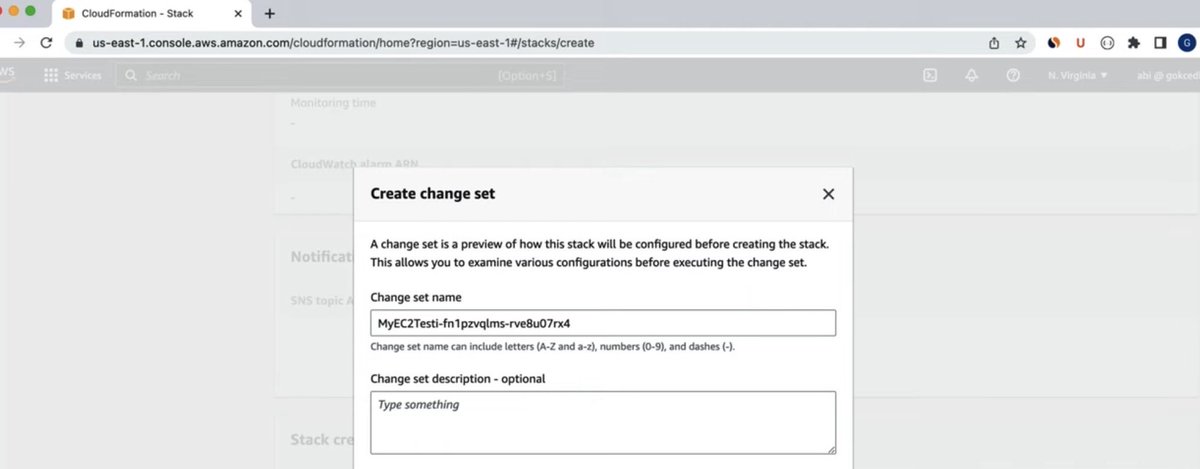
Day 40️⃣ - AWS CloudFormation: Change Sets ⚙️
Preview stack updates before applying them!
See what resources will change, be added, or deleted - avoid surprises 👀
aws cloudformation create-change-set \
--stack-name MyStack \
--template-body file://template.yaml
2
31

16 Oct 2025
秋M3、White Recordsの新譜「Breakthrough」にて、3曲目「mystack」で参加しています!
15 Oct 2025

[告知]
秋M3の新譜情報を公開いたします。
8年ぶりのCDリリース、どうぞよろしくお願いいたします。
""Breakthrough""
Release Date : 2025/10/26
Booth : サ-08b
試聴
soundcloud.com/white-records…
特設サイト
whtr-0006-breakthrough.tumbl…

5
8
1,425

12 Jul 2025
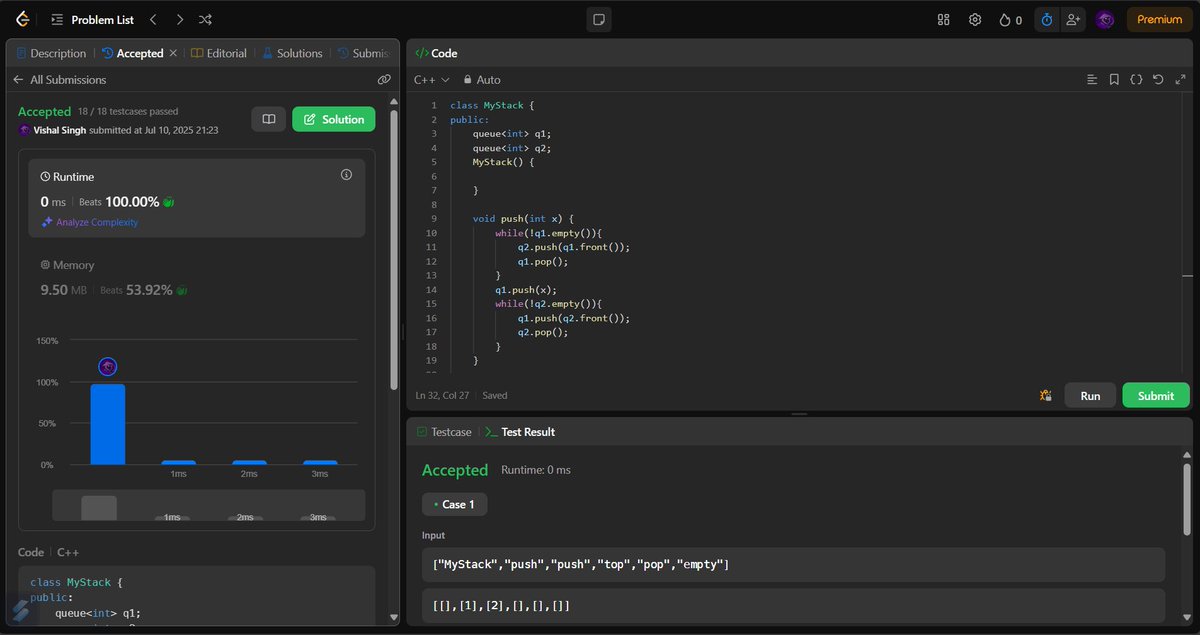
🔁 Day 76/100: Stack Using Queues
✅ Implemented MyStack with two queues
✅ Maintained LIFO using queue rotation
✅ Achieved O(1) pop & top with smart push logic
Queue disguised as a stack—love these tricky patterns! 🎭💡
#100DaysOfCode #LeetCode #CPlusPlus #Queue #DSA
1
8
122

6 Jul 2025
En gång när jag trampade i en mystack var det 1 myra som inte bet mej. Testa du med!
1
54

27 Jun 2025
Got some friends, family, or fans following your journey in the @WSOP Event #67: $300 Gladiators of Poker?? ⚔️
Make sure to update your chip stack with PokerNews MyStack 📈
pokernews.com/mystack/
1
2,519

28 May 2025
You should have a place within the WSOP app to update your chip count.
@PokerNews has a newer version of Mystack at pokernews.com/mystack/
28 May 2025

6
3,456