
Jan 16
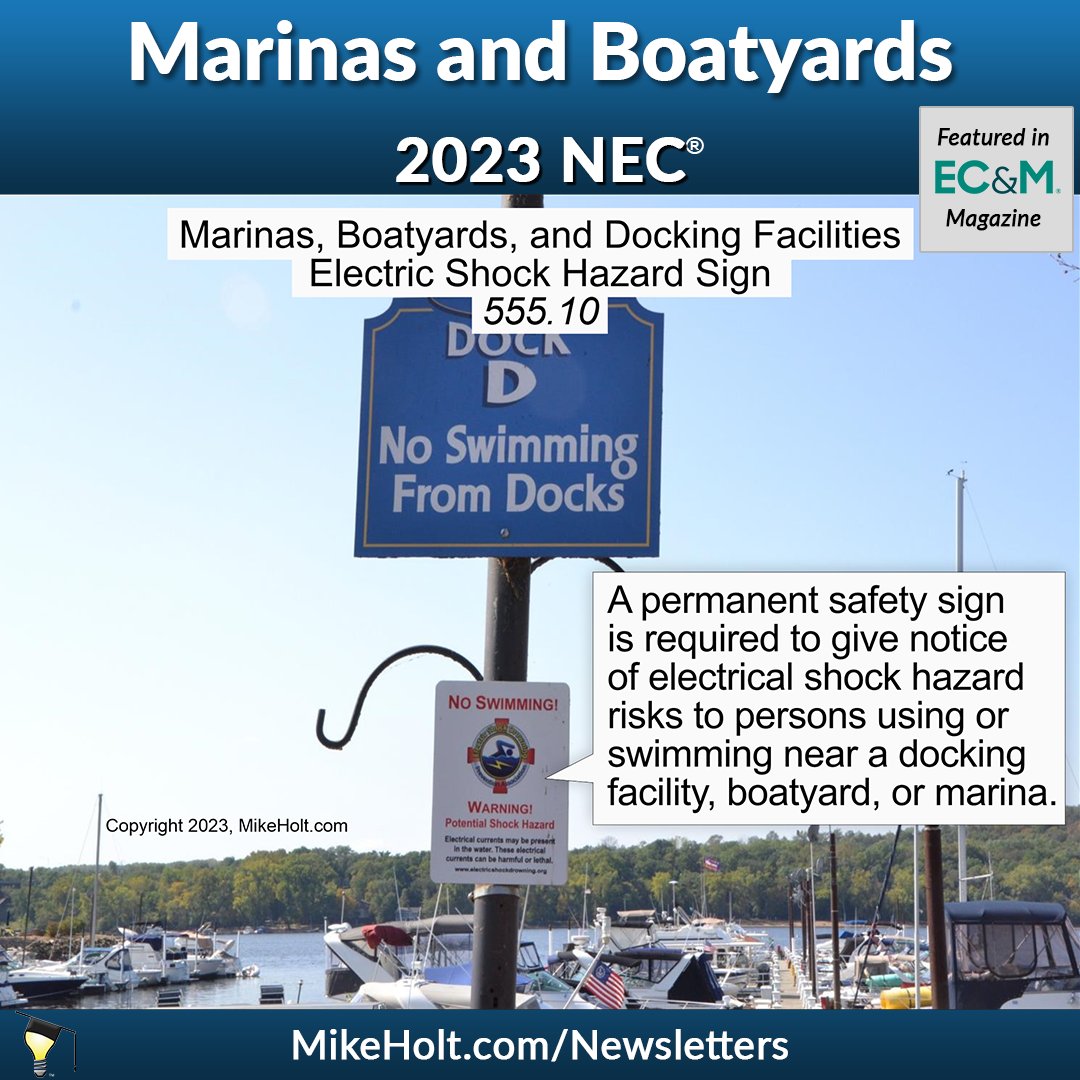
Do you know how to keep safe from water and electricity in marinas and boatyards?
Article 555 covers the installation of wiring and equipment for fixed or floating piers, wharfs, docking facilities, marinas, and boatyards [555.1]. The known hazard of electric shock drowning (ESD) require special rules to protect the users of these facilities from the hazards that arise from the use of electricity.
Equipment and connections
Electrical equipment (excluding wiring methods) and connections (splices and terminations) not intended for operation while submerged must be located at least 12 in. above the deck of a pier or dock, but not below the electrical datum plane [555.30(A)].
Sealed wire connector systems are limited to use with Types USE, RHW, XHHW, RW90 EP, RW90, XLPE, or TWU conductors, size 30 AWG through 2,000 kcmil copper or aluminum per the UL Guide Information Sheet for “Sealed Wire Connector Systems (ZMWQ).”
Receptacles
Mount receptacles at least 12 in. above the surface of a fixed pier but not below the electrical datum plane [555.33]. Shore power receptacles must be:
•Part of a listed marina power outlet enclosure listed for wet locations or installed in listed weatherproof enclosures.
•Rated at least 30A.
•Of the pin and sleeve type if rated 60A or higher.
Wiring methods
You can use any Chapter 3 wiring method identified for wet locations containing an insulated equipment grounding conductor (EGC) [555.34(A)(1)].
To read the full newsletter, click the link below.🔗mikeholt.com/newsletters.php…
#NationalElectricalCode #NEC #NECRequirements #NECCode #MikeHolt #MikeHoltEnterprises #Electrician #ElectricalTrade #ElectricalContractor #JourneymanElectrician #ElectricalInspector #Electricaltraining #ElectricalEducation
4
137
12 Dec 2025
Grounding of Separately Derived Systems
Mike Holt, NEC Consultant
Do you understand how the grounding and bonding requirements for the separately derived systems?
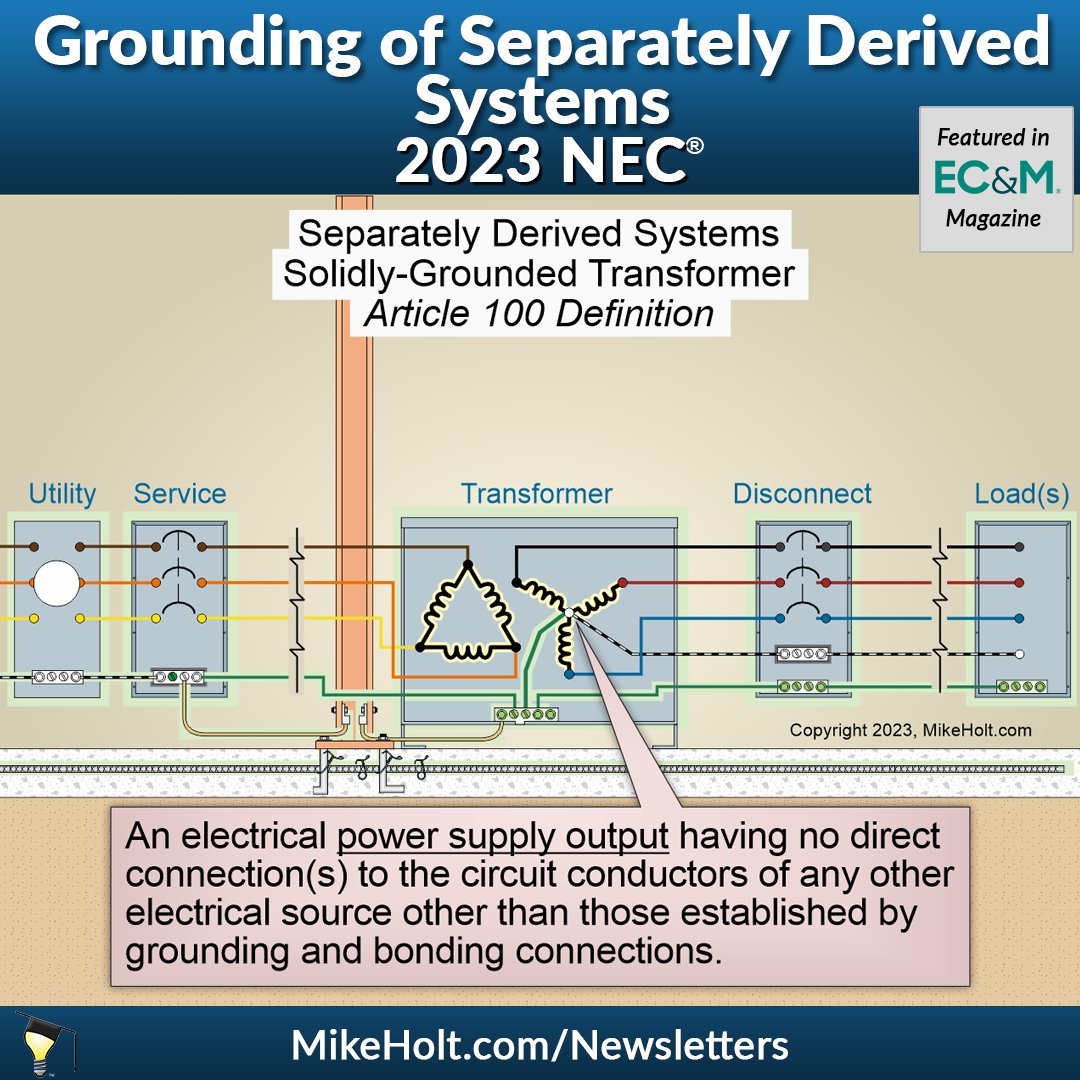
A “separately derived system” (SDS is an electrical power supply having no direct connection(s) to the circuit conductors of any other electrical source other than those established by grounding and bonding connections [100].
System bonding jumper
A “System Bonding Jumper” is the connection between the neutral conductor (or grounded-phase conductor) and the equipment grounding conductor, supply-side bonding jumper, or both at a transformer SDS.
A system bonding jumper must be installed at the secondary neutral point or the secondary disconnect neutral terminal (not both). The system bonding jumper must comply with 250.28 and be sized per 250.102(C).
The grounding electrode conductor must terminate to the point where the system bonding jumper has been installed [250.30(A)(5)].
A system bonding jumper at the source connects the secondary neutral point of the system to the metal enclosure of the transformer SDS [250.30(A)(1)(a)]. A system bonding jumper at the first disconnecting means connects the neutral conductor of the transformer secondary to the metal enclosure at the secondary disconnect [250.30(A)(1)(b)].
To read the full newsletter, click the link below. 🔗mikeholt.com/newsletters.php…
#NationalElectricalCode #NEC #NECRequirements #NECCode #MikeHolt #MikeHoltEnterprises #Electrician #ElectricalTrade #ElectricalContractor #JourneymanElectrician #ElectricalInspector #Electricaltraining #ElectricalEducation
1
2
10
240
5 Nov 2025
Grounding of Services by Mike Holt, NEC Consultant
Correct grounding of services depends upon understanding the definition and role of the grounded conductor. The grounded conductor is typically the neutral, so going forward we will refer to the grounded conductor as the neutral.
Grounding electrode connection
A premises wiring system supplied by a grounded service must have a grounding electrode conductor connected to the service neutral conductor as follows:
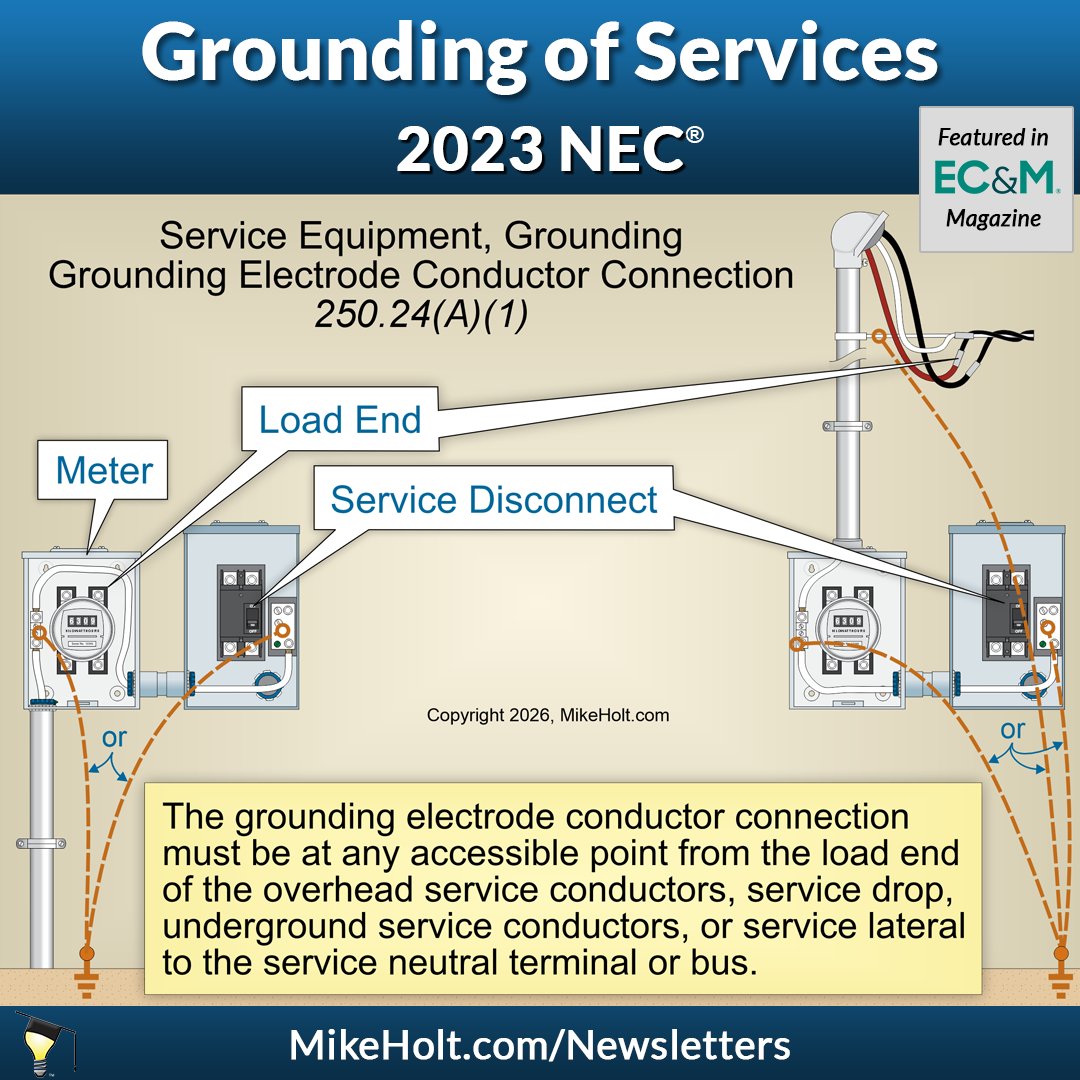
(1) General. The grounding electrode conductor connection to the neutral conductor at the service must be made at any accessible point from the load end of the overhead service conductors, service drop, underground service conductors, or service lateral to the terminal or bus to which the service neutral conductor is connected at the service disconnect.
Some inspectors require the grounding electrode conductor connection to the service neutral conductor to be made at the meter socket enclosure, while others insist the connection be made only within the service disconnect. Grounding at either location complies with this rule, but be sure you know the local utility company’s policy on connections inside the meter socket.
(4) Service Equipment, Main Bonding Jumper. If the main bonding jumper specified in 250.28 is a wire or busbar, you can terminate the grounding electrode conductor to the equipment grounding terminal, bar, or bus to which the main bonding jumper is connected, instead of to the neutral terminal.
To read the full newsletter, click the link below:
mikeholt.com/newsletters.php…
#NationalElectricalCode #NEC #NECRequirements #NECCode #MikeHolt #MikeHoltEnterprises #Electrician #ElectricalTrade #ElectricalContractor #JourneymanElectrician #ElectricalInspector #Electricaltraining #ElectricalEducation
5
181
10 Oct 2025
Grounding and Bonding Performance Requirements
Mike Holt, NEC Consultant
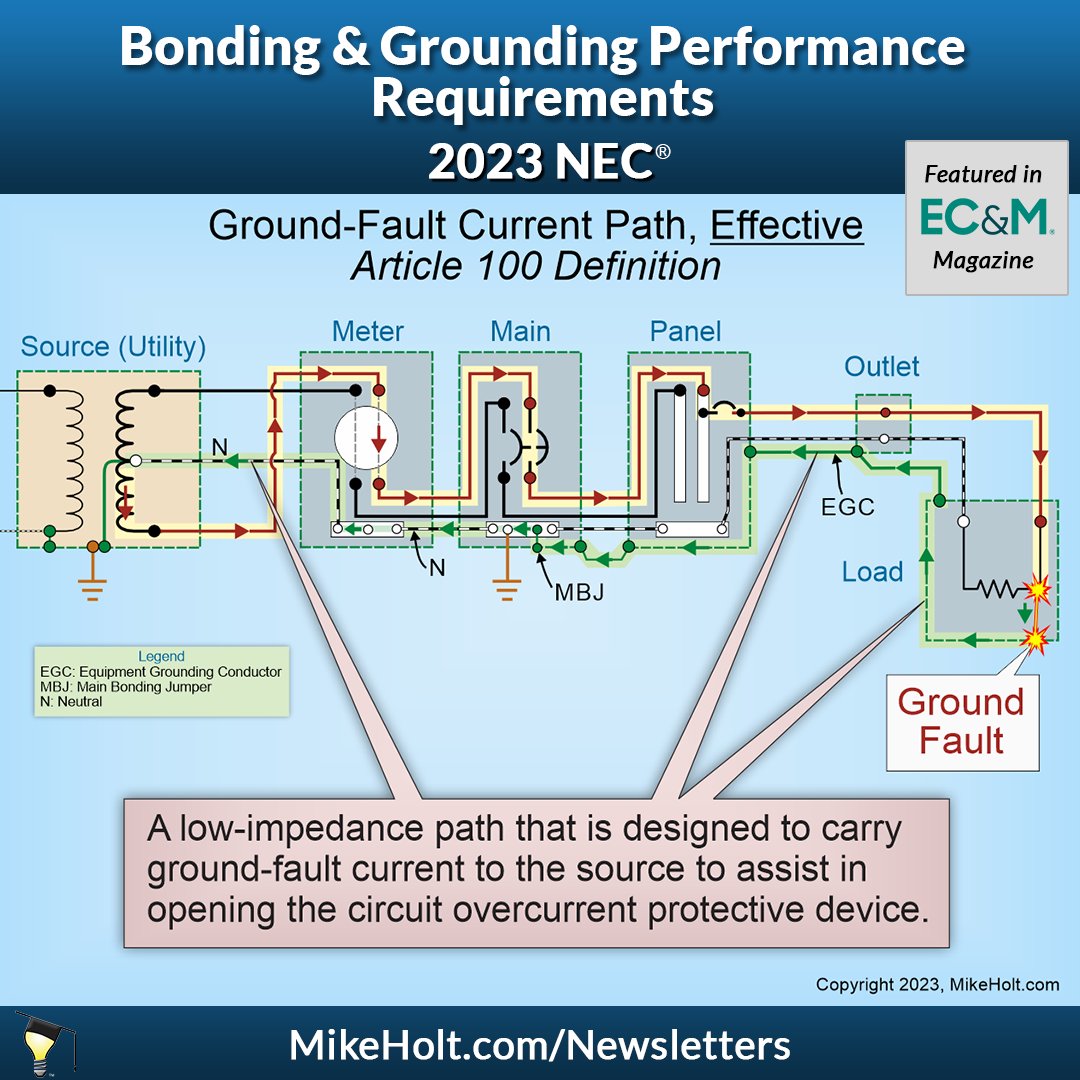
Electricity does not choose “the path of least resistance,” but flows on all paths presented to it. Though related and working together to form a protective system, grounding and bonding serve two completely different purposes. Two simplified definitions that are very important:
•Grounding is a connection to the earth.
•Bonding is a metallic, low-impedance path between metallic objects.
We connect electrical systems to the earth (ground) to limit induced voltage on the system windings and system conductors from indirect lightning strikes (those that are not a direct hit) [250.4(A)(1)].
For this to work, you must make the grounding electrode conductor and grounding electrode bonding jumpers no longer than necessary and avoid unnecessary bends and loops. Because it is both high-frequency and high-voltage, lightning can jump from those bends and loops to nearby objects instead of staying in the conductor. This jump is called a “side flash” and could cause a fire hazard if the side flash occurs around combustible materials (such as wood).
Metal parts of electrical equipment must be grounded (connected to the earth) to limit lightning-induced voltage to ground on the metal parts of equipment [250.4(A)(2)]. Where do you ground this equipment? The thing is, you don’t ground it directly. You bond it all to the equipment grounding conductor (EGC) and then you ground the EGC at services [250.24(A)], transformers [250.30(A)], and separate buildings supplied by a feeder [250.32(A)].
To read the full newsletter, click the link below.🔗mikeholt.com/newsletters.php…
#NationalElectricalCode #NEC #NECRequirements #NECCode #MikeHolt #MikeHoltEnterprises #Electrician #ElectricalTrade #ElectricalContractor #JourneymanElectrician #ElectricalInspector #Electricaltraining #ElectricalEducation
1
9
437
3 Sep 2025
Do you understand the general requirements of electrical installations?
Article 110 contains general rules that apply to all installations.
Conductor material and sizes
Conductors must be copper, aluminum, or copper-clad aluminum unless otherwise provided in the Code. If the conductor material is not specified in a rule, the sizes in the NEC are based on a copper conductor [110.5]. Conductor sizes are expressed in American Wire Gauge (AWG) or circular mils (cmil) [110.6].
Mechanical execution of work
Electrical equipment must be installed in a professional and skillful manner [110.12]. For information on accepted industry practices, see ANSI/NECA 1, Standard for Good Workmanship in Electrical Construction.
This rule is one of the most subjective of the Code, but a few things are explicitly addressed in 110 such as closing unused openings [110.12(A)].
Termination and splicing devices
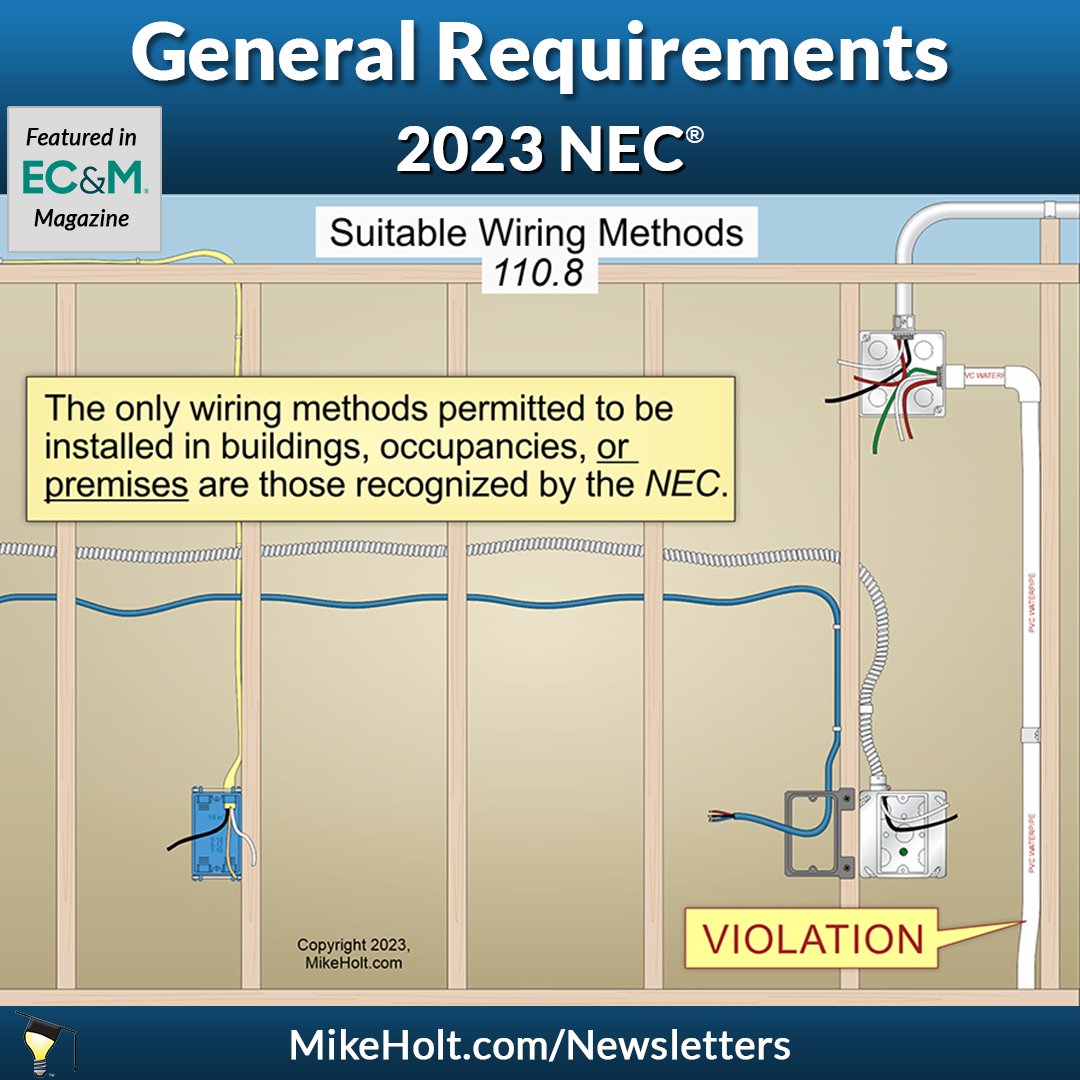
Conductor terminal and splicing devices must be identified for the conductor material, properly installed, and used per the manufacturer’s instructions [110.14]. Many common practices, such as using more than one conductor per terminal, are actually code violations (in this case, unless the terminal is marked for use with more than one conductor).
Take the time to understand the manufacturer’s instructions rather than assume you have been shown the correct way to use a particular terminal or splicing device.
To read the full newsletter, click the link below. 🔗mikeholt.com/newsletters.php…
#NationalElectricalCode #NEC #NECRequirements #NECCode #MikeHolt #MikeHoltEnterprises #Electrician #ElectricalTrade #ElectricalContractor #JourneymanElectrician #ElectricalInspector #Electricaltraining #ElectricalEducation
1
3
232
6 Aug 2025
Free Resource – Communications Systems PDF
A great free resource for you!
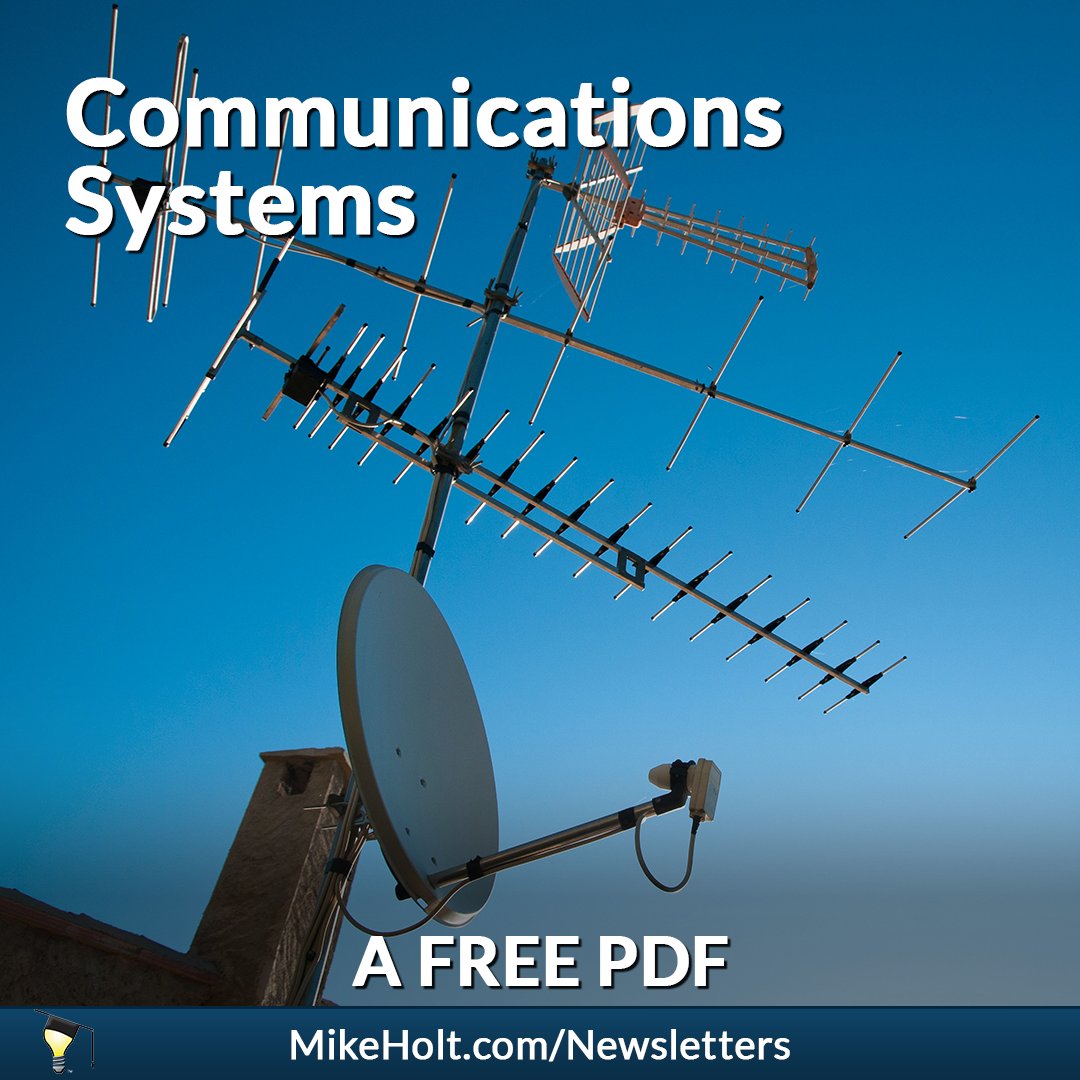
The newest free PDF on Communications Systems is based on the 2023 NEC. It includes Articles 800 and 810. These pages are extracted from Mike Holt's Illustrated Guide to Limited Energy and Communications Systems, based on the 2023 NEC.
You can download and print the free PDFs for 2023 and prior NEC Cycles.
For additional information on this topic, you can purchase or review this textbook and other products from Mike's Understanding the National Electrical Code series.
To read the full newsletter, click the link below.
🔗mikeholt.com/newsletters.php…
#NationalElectricalCode #NEC #NECRequirements #NECCode #MikeHolt #MikeHoltEnterprises #Electrician #ElectricalTrade #ElectricalContractor #JourneymanElectrician #ElectricalInspector #Electricaltraining #ElectricalEducation
1
154
30 Jul 2025
Feeders, Mike Holt, NEC Consultant
Do you know the requirements for feeder conductor ampacity and circuit protection?
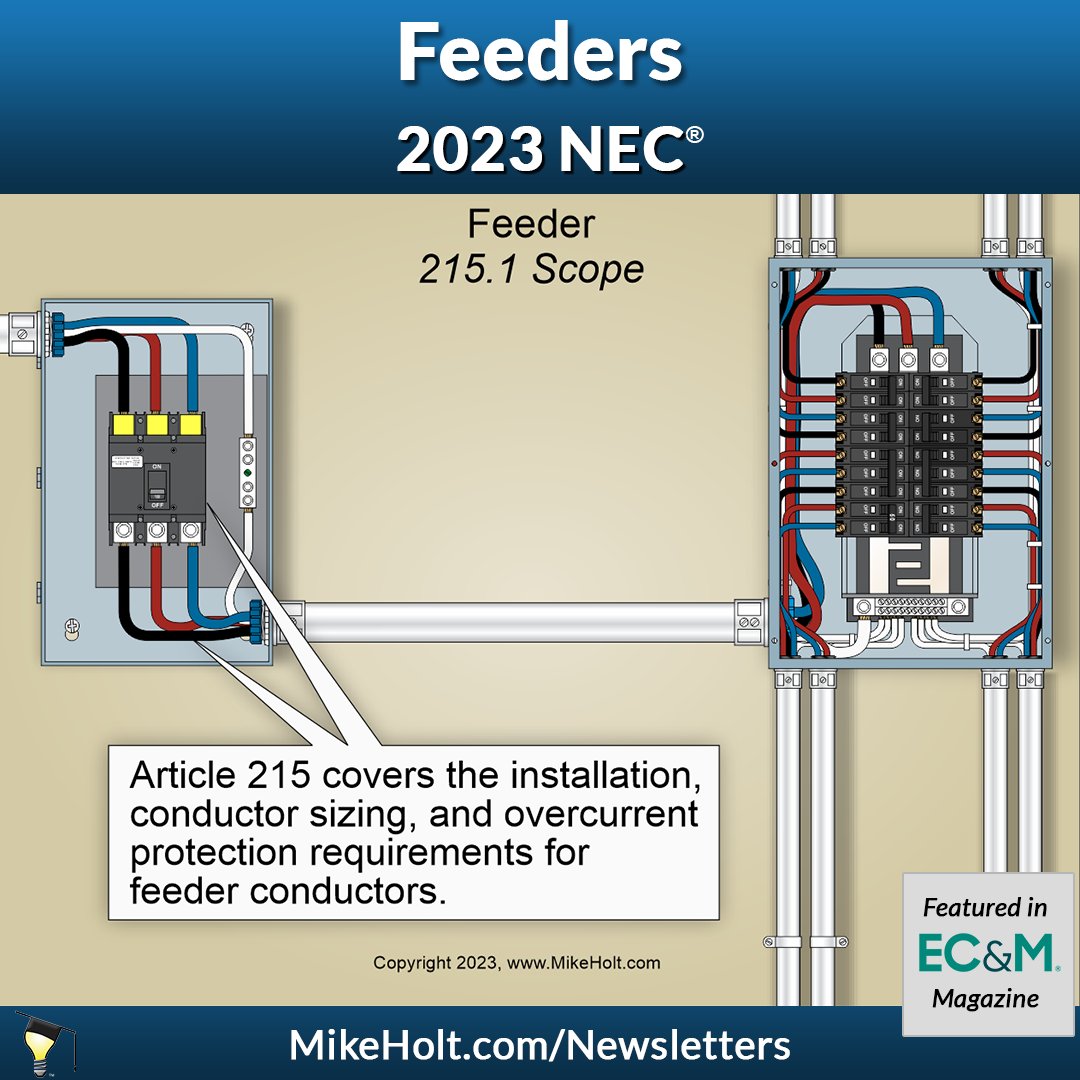
Article 215 covers the installation, conductor sizing, and overcurrent protection requirements for feeder conductors not over 1000V ac or 1500V dc.
Feeders are the conductors between the service disconnect, a separately derived system, or other power supply, and the final branch-circuit OCPD [100].
Conductor Sizing
Feeder conductors must be sized to have an ampacity not less than the largest of the calculations in 215.2(1) or (2).
(1)The ampacity must be at least 125 percent of the continuous loads, plus 100 percent of the noncontinuous loads, based on the temperature rating of equipment per 110.14(C)(1) and Table 310.16, prior to conductor ampacity correction and/or adjustment.
(2) The ampacity must be at least 100 percent of the total load after conductor ampacity correction and/or adjustment per Table 310.15(B)(1)(1) and Table 310.15(C)(1).
Neutral Conductor Sizing
The neutral conductor must be sized to carry the maximum unbalanced load per 220.61 but must not be smaller than the equipment grounding conductor (EGC) per 250.122 [215.2(B)].
Overcurrent Protection Sizing
Feeder OCPDs must have an ampere rating of not less than 125 percent of the continuous loads, plus 100 percent of the noncontinuous loads [215.3].
Avoiding Confusion
Feeders have specific requirements that differ from those of branch circuits. You can think of them as being the main arteries in a city street layout, as opposed to side streets. They handle more traffic at higher speed, and thus are designed and built differently.
To read the full newsletter, click the link below. 🔗mikeholt.com/newsletters.php…
#NationalElectricalCode #NEC #NECRequirements #NECCode #MikeHolt #MikeHoltEnterprises #Electrician #ElectricalTrade #ElectricalContractor #JourneymanElectrician #ElectricalInspector #Electricaltraining #ElectricalEducation
1
1
10
213
11 Jul 2025
Emergency and Standby Systems, Mike Holt, NEC Consultant
Do you know how emergency power systems differ from legally required and optional standby systems?
Emergency systems
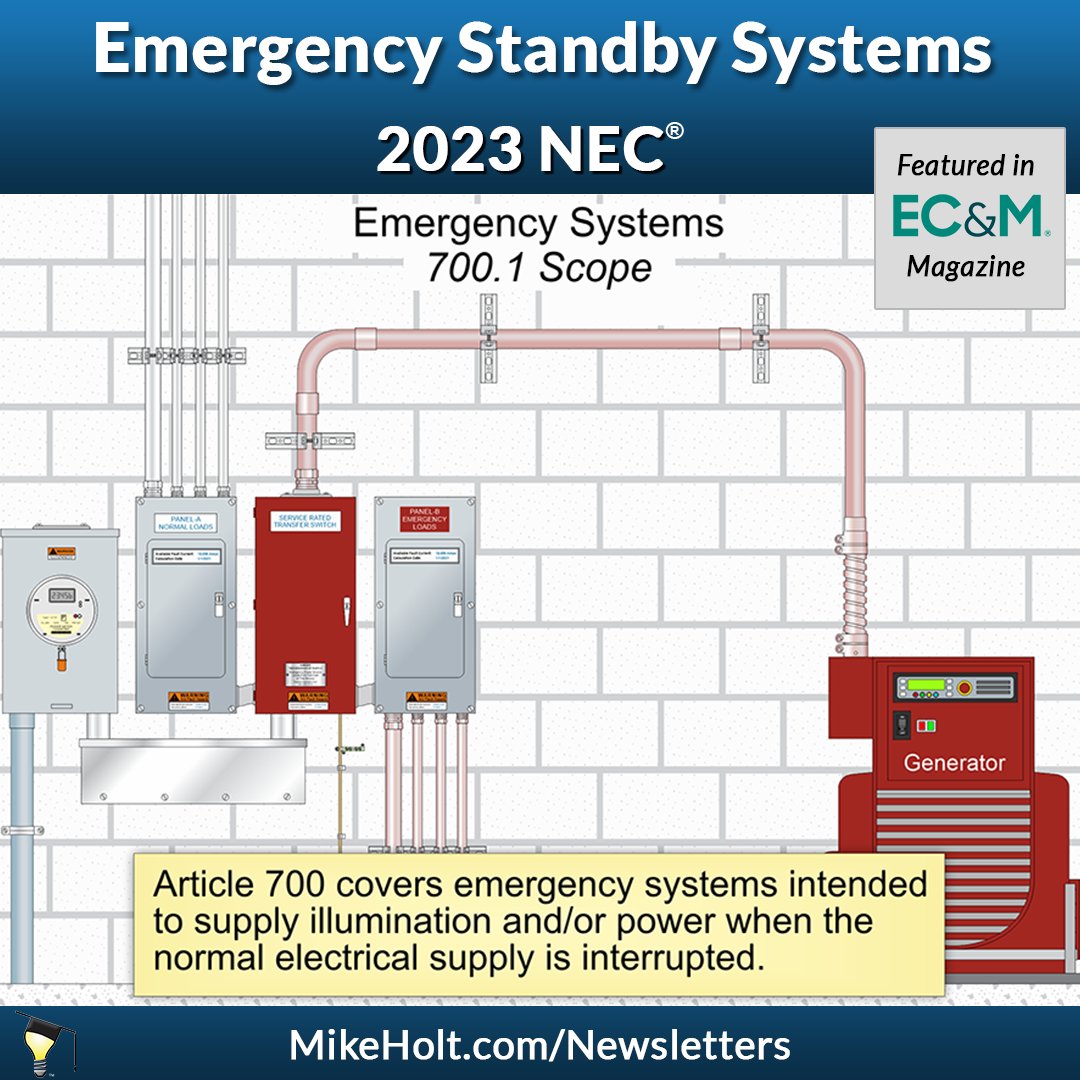
Emergency Systems are classed as such, and thus required, by a governmental agency having jurisdiction [Article 100]. These automatically supply illumination and/or power essential for preserving human life. They may also provide power for such functions as ventilation (where essential to maintain life), fire detection and alarm systems, elevators, fire pumps, public safety announcing systems, and industrial processes (where interruption would produce life safety or health hazards).
Legally required
Standby systems may be legally required or optional. Legally Required Standby Systems are classified as such by a governmental agency. These automatically supply power to selected loads upon failure of the normal power source [Article 100]. They typically supply loads such as heating and refrigeration systems, ventilation and smoke removal systems, sewage disposal, lighting, and industrial processes that, if stopped, could create hazards or hamper rescue or firefighting operations. They provide electric power to aid in firefighting, rescue, and similar operations.
Optional systems
Optional Standby Systems supply power where life safety does not depend on the system. These provide an alternate power source for industrial and commercial buildings, farms, and residences to serve loads such as heating and refrigeration, data processing, and industrial processes that if stopped (or suddenly stopped) can cause discomfort or economic loss.
To read the full newsletter, click the link below. 🔗mikeholt.com/newsletters.php…
#NationalElectricalCode #NEC #NECRequirements #NECCode #MikeHolt #MikeHoltEnterprises #Electrician #ElectricalTrade #ElectricalContractor #JourneymanElectrician #ElectricalInspector #Electricaltraining #ElectricalEducation
1
1
9
261

27 Jun 2025
Think the 3-ft panel clearance rule always applies? Not with 277/480V ⚡
NEC 110.26 requires up to 4 ft in some cases.....and many miss this!
Don't get caught off guard. Watch this quick breakdown👇
#ElectricalSafety #NECCode #Construction #SiteUnseen #MEPDesign
5
167
18 Jun 2025
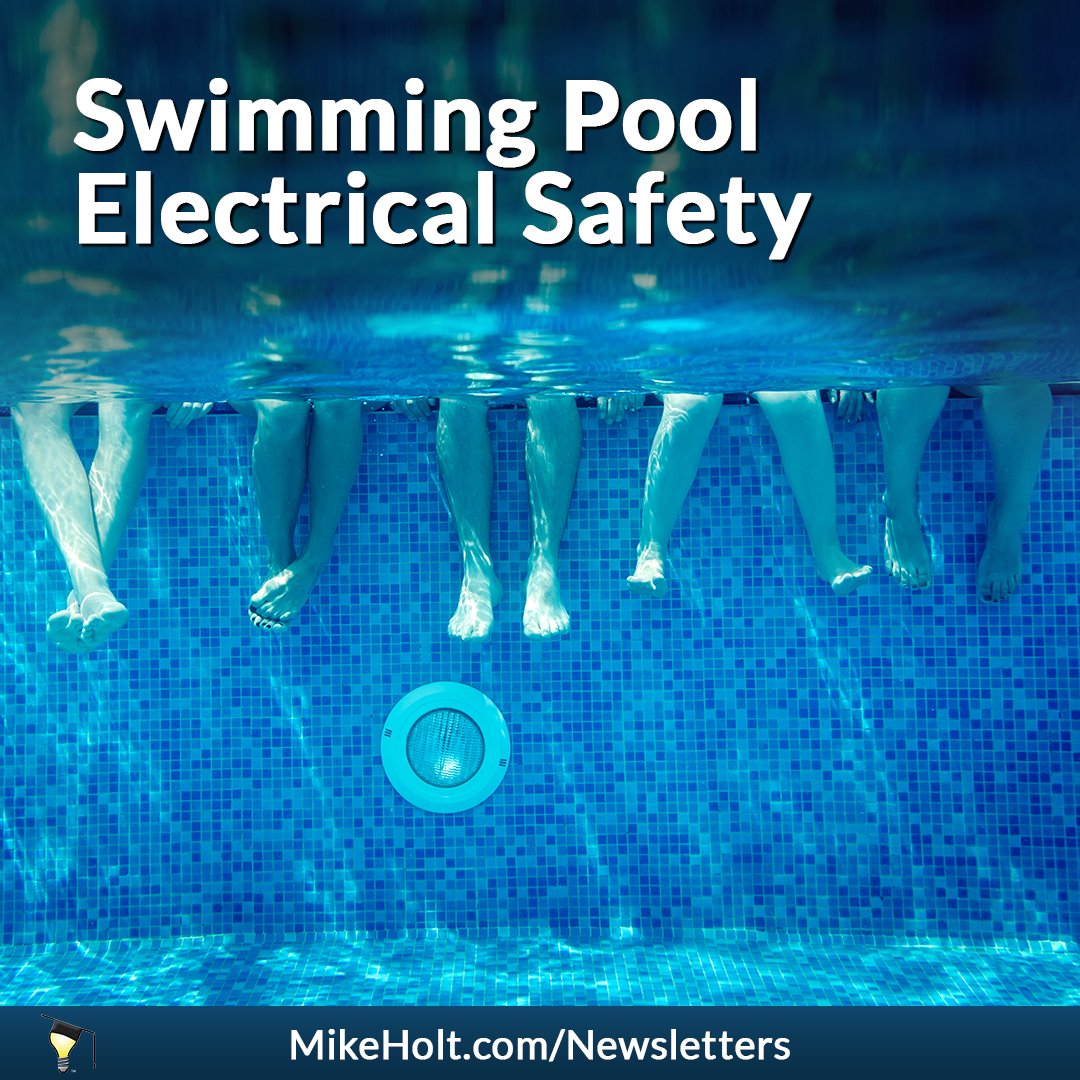
Swimming Pools and the Dangers of Electricity
If you or anyone you know has a pool you might want to read and share this to better understand the issues and electrical hazards associated with swimming pool safety.
Electricity and a wet body are a recipe for disaster! That’s why all swimming pools and spas are required to have GFCI protection and proper equipotential bonding. Yet there are still electrical injuries and fatalities occurring every year. These accidents happen for a variety of reasons:
•Installations are not up to the current codes and standards
•GFCIs are not tested periodically as required by the manufacturers
•Corroded, neglected and improper bonding terminations
•Electrical equipment failure
•Transient, or neutral-to-earth voltage
Most of these conditions can be detected by routine inspections and addressed by a qualified person such as a licensed electrical contractor.
If you are the qualified individual tasked with performing a pool inspection, be sure you understand electrical fundamentals, bonding and grounding, NEC requirements related to swimming pool bonding, NEV voltage related to utility wiring, and how to determine that swimming pools are properly bonded.
Always document your inspection findings in writing. If you find any unsafe conditions encourage your customer to shut down the pool, explain the hazards, and advise them what needs to be done before anyone uses the pool again.
For detailed information on How to Verify the Electrical System of a Pool is Safe in Accordance with the NEC, visit MikeHolt.com/Pools.
Circulate this information to your friends, family and customers - summer is almost here and thousands of people will be getting out of the heat by jumping into the pool!
To read the full newsletter, click the link below.
🔗mikeholt.com/newsletters.php…
#NationalElectricalCode #NEC #NECRequirements #NECCode #MikeHolt #MikeHoltEnterprises #Electrician #ElectricalTrade #ElectricalContractor #JourneymanElectrician #ElectricalInspector #Electricaltraining #ElectricalEducation
1
4
219
13 Jun 2025
Free PDF. Marinas, Boatyards, and Docking Facilities
The danger. Water and electricity don’t mix! Not only are marinas and boat docks sitting on the water, but in addition, the marine environment is a harsh one.
Planning for safety. A marina or dock installer is required to make special provisions for fluctuations in water level, the corrosive influences of a wet environment, and the dangers of electric shock. Article 555 contains the special installation requirements and precautions that must be considered for electrical equipment installed in these locations to be safe.
Free PDF Article 555. This content is extracted from Mike Holt's Illustrated Guide to Understanding the National Electrical Code Volume 2, based on the 2023 NEC. It will bring you up to speed on the special installation requirements for marinas, boatyards, and docking facilities. If you want more great information on other installation requirements for Special Occupancies, Special Equipment, or Special Conditions, visit MikeHolt.com/Code to purchase or review this and other products from Mike's Understanding the National Electrical Code series.
For more on Marina and Boatyard safety, visit MikeHolt.com/Docks.
To download a FREE PDF from our newsletter on this topic, click the link below.
🔗 mikeholt.com/newsletters.php…
#NationalElectricalCode #NEC #NECRequirements #NECCode #MikeHolt #MikeHoltEnterprises #Electrician #ElectricalTrade #ElectricalContractor #JourneymanElectrician #ElectricalInspector #Electricaltraining #ElectricalEducation

2
181
9 May 2025
Have you downloaded Mike Holt’s Toolbox app yet? It's amazing, and you'll love having the power at your fingertips! And it’s free!
Here's a highlight of the calculator features:
Circuit Calculator. Size a branch circuit or feeder circuit for residential and commercial, single- and three-phase loads.
Air-Conditioning Circuit Calculator. Size a branch circuit for residential and commercial, single- and three-phase a/c loads.
Electrical Heating Circuit Calculator. Size a branch circuit for residential and commercial, single- and three-phase heating load loads.
Motor Circuit Calculator. Size a branch circuit for residential and commercial, single- and three-phase motor loads.
Residential Service Calculator. Size the service for a dwelling unit.
Transformer Calculator. Size a primary and secondary conductors and protection for single- and three-phase loads.
In addition to the six calculators, the app gives you instant access to the following MikeHolt.com resources:
Continuing Education | Exam Preparation | Free Stuff | Graphic of the Day | Instructor Resources | Mike Holt Products | Newsletters | Question of the Day | Technical Question Forum | Videos
To read the full newsletter, click the link below.🔗 mikeholt.com/newsletters.php…
#NationalElectricalCode #NEC #NECRequirements #NECCode #MikeHolt #MikeHoltEnterprises #Electrician #ElectricalTrade #ElectricalContractor #JourneymanElectrician #ElectricalInspector #Electricaltraining #ElectricalEducation

3
210
11 Apr 2025
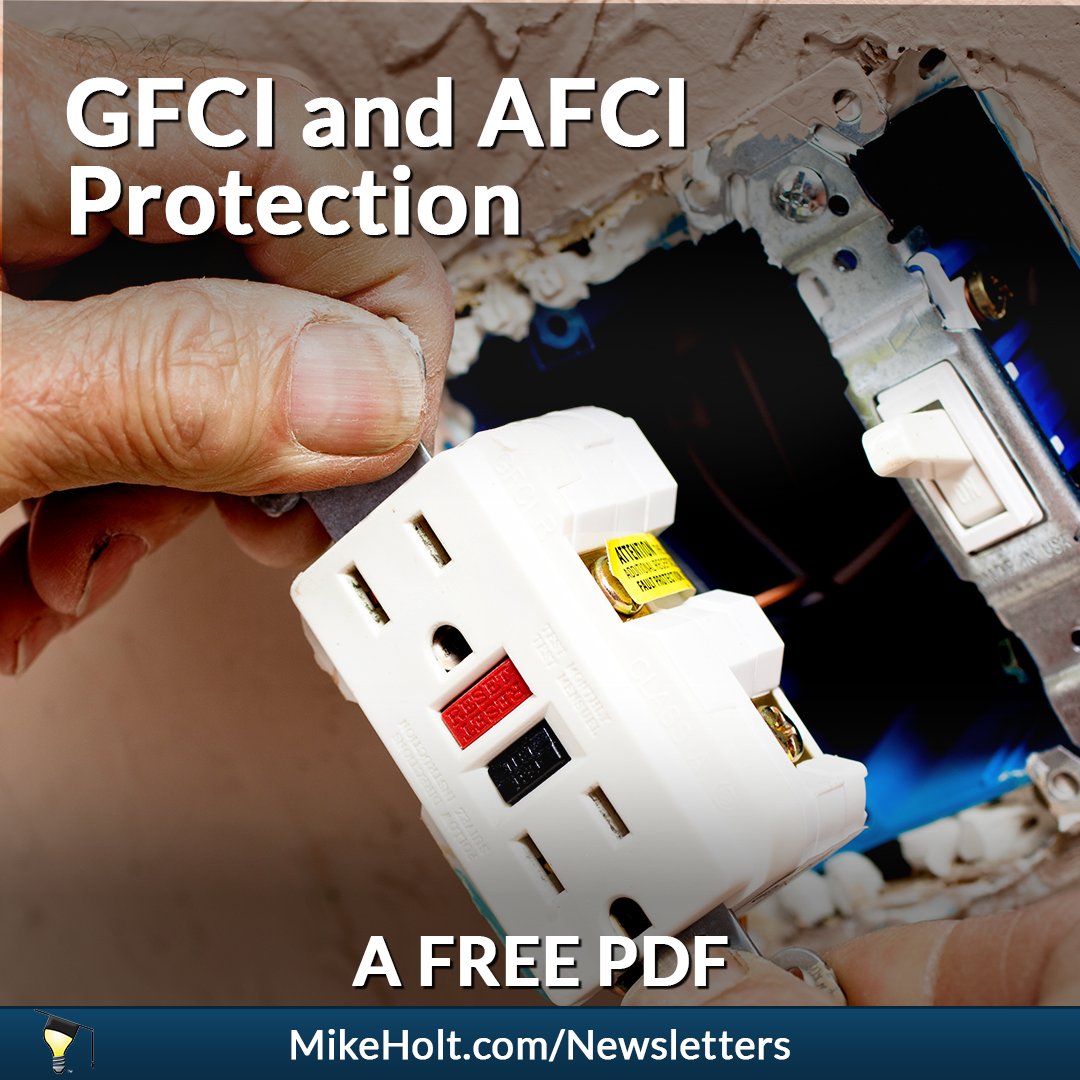
Ground-Fault and Arc-Fault Circuit Interrupter protection have been required by the National Electrical Code since the 1960s for GFCI and since the 1990s for AFCI protection. As technology has progressed, the protection and reliability provided by these devices has improved. This has triggered a number of changes in Articles 210, 220, and 422 in the NEC.
Check out this handy PDF resource that highlights the changes for the 2023 NEC included in rules 210.8 and 210.12.
To read the full newsletter, click the link below. 🔗mikeholt.com/newsletters.php…
#NationalElectricalCode #NEC #NECRequirements #NECCode #MikeHolt #MikeHoltEnterprises #Electrician #ElectricalTrade #ElectricalContractor #JourneymanElectrician #ElectricalInspector #Electricaltraining #ElectricalEducation
1
5
256

15 Mar 2025
🚨 Powering Homes & Businesses with Safe, Smart, and Efficient Electrical Solutions! 🚨
⚡ 2023 NEC Code Changes You NEED to Know! ⚡
Staying compliant isn’t optional—it’s a must for safety & efficiency! 🚧💡 Need help navigating the latest regulations? We’ve got your back! 👷♂️📜
🏡 Thinking of Upgrading Your Electrical System?
Is your electrical panel outdated? ⚠️ Old panels = Power outages, flickering lights & safety risks.
Upgrade today & keep your home running safely! 🔋🏡
🚗 Charge Smarter, Not Harder!
Thinking about installing an EV Charger at home? 🔌 Get fast, code-compliant installations for Tesla, Ford, Rivian & more! ⚙️🔋
Skip the DIY—get it done professionally!
🏡 Welcome to the Future of Home Automation! 🚀
Control your lights, thermostat, & security with just a tap or voice command. 🎤📱
Upgrade to a smart home & enjoy convenience, safety, & energy savings!
🏢 Business Owners, Is Your Electrical System Up to Code?
Don’t wait for a power failure to find out! 💡❌
From retail spaces to industrial facilities, we handle all electrical needs efficiently & professionally.
✅ We Specialize In:
🔹 Residential & Commercial Electrical Services
🔹 Smart Home & Automation Upgrades
🔹 NEC Code Compliance & Panel Upgrades
🔹 EV Charger Installation & Solar Power Wiring
🔹 Emergency Electrical Repairs & Troubleshooting
📞 Call @ONENDONELECTRIC . Today! Let’s get it done right the first time!
#ElectricalSafety #NECCode #ElectricianLife #EVCharging #SmartHome #HomeAutomation #OneAndDoneElectric #SafeHomes #FutureIsNow #PoweringBusiness #ElectriciansOfInstagram #ElectricWork #CodeCompliance #ElectricalContractor #ElectricalWiring #TeslaCharger #ElectricSolutions #HomeUpgrades #DIYElectrical #HomeImprovement #IndustrialElectrician #CommercialElectrician #PowerGrid #GreenEnergy #WiringDoneRight #EnergyEfficiency #TechSavvy #EVRevolution #SmartLiving #SolarPower #ElectricVehicleCharging 🚀💡⚡
1
2
42
21 Feb 2025
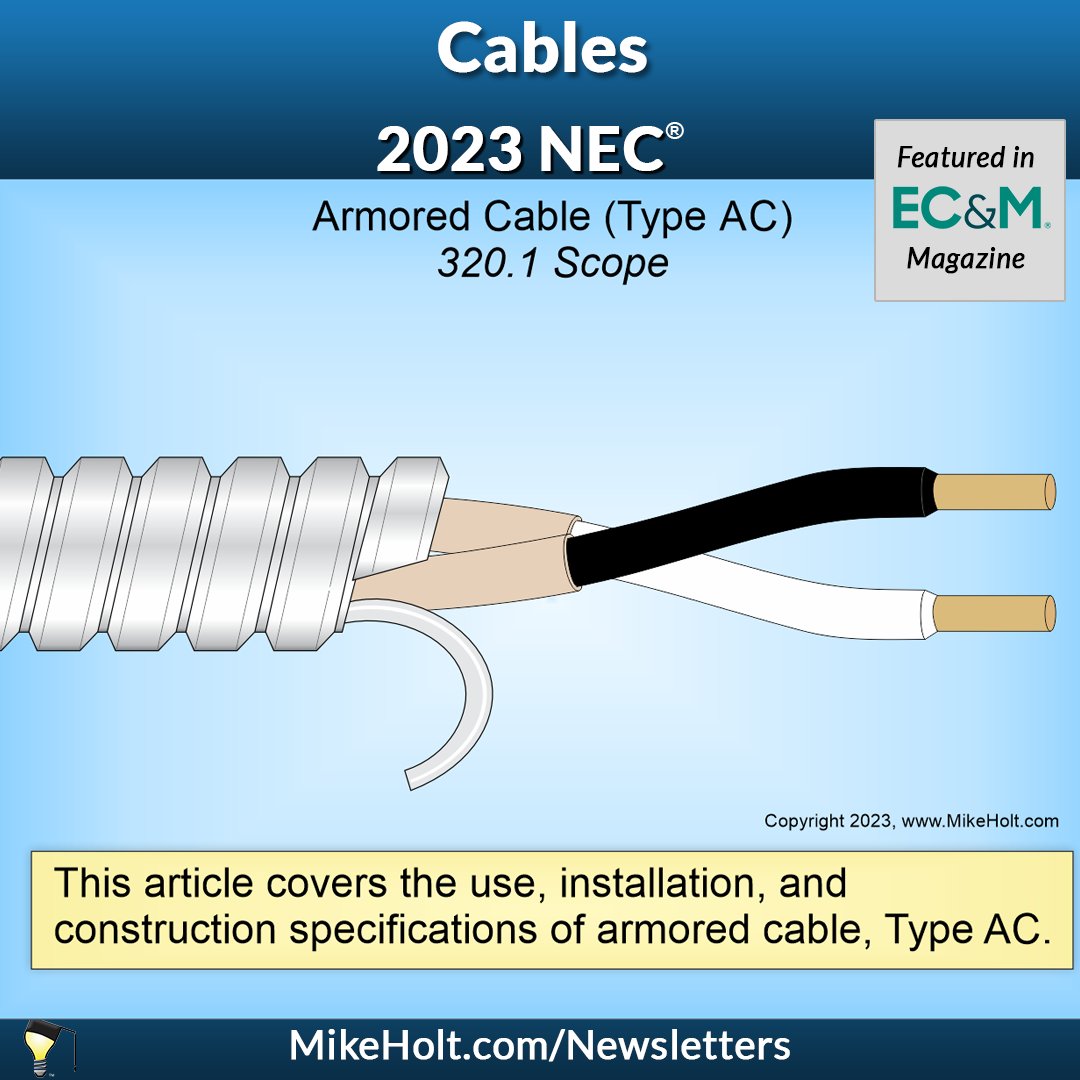
There are eleven types of Chapter 3 cable wiring methods. Let’s compare two of these, Armored Cable and Metal Clad Cable, to understand some of the similarities and differences in installation requirements.
Article 320 contains the use, installation, and construction specifications for armored cable (Type AC) and Article 330 covers the same requirements for metal-clad cable (Type MC).
Securing and Supporting
First let’s look at some requirements that both cable types share. You can support and secure either type of cable with staples, cable ties listed and identified for securing and supporting, straps, hangers, similar fittings, or other approved means designed and installed so the cable is undamaged. You can also use their respective cable fittings as a means of cable support
Now let’s look at a few differences when securing Type AC and MC cable.
Both Type AC and Type MC cable must be secured within 12 in. of every outlet box, junction box, cabinet, or fitting, but Type AC must be secured at intervals not exceeding 4½ ft [320.30(B)] while Type MC cable with four or fewer conductors sized no larger than 10 AWG can be secured at intervals up to 6 ft [330.30(B)].
We can also look at the differences in support requirements. Both types of cables where installed horizontally through framing members are considered supported and secured, but Type AC cable must be supported at intervals not exceeding 4½ ft [320.30(C)] where Type MC cable can be supported at intervals up to 6ft [330.30(C)].
Click the link below to check out the newsletter related to this topic.
🔗mikeholt.com/newsletters.php…
#NationalElectricalCode #NEC #NECRequirements #NECCode #MikeHoltEnterprises
1
10
448
7 Feb 2025
Article 680 covers the installation of electrical wiring and equipment for swimming pools, hot tubs, spas, fountains, and hydromassage bathtubs. This article is divided into eight parts, each addressing specific types of installations. Be very careful to determine which section(s) apply to your specific installation.
Always reference the “General” section of each part so you can correctly apply the rules. Applying the wrong rules could result in unsafe conditions, non-NEC compliance, or costly corrections.
To read the full newsletter, and download or print the FREE PDF, click the link below. 🔗mikeholt.com/newsletters.php…
#NationalElectricalCode #NEC #NECRequirements #NECCode #MikeHolt #MikeHoltEnterprises #Electrician #ElectricalTrade #ElectricalContractor #JourneymanElectrician #ElectricalInspector #Electricaltraining #ElectricalEducation

6
356
24 Jan 2025
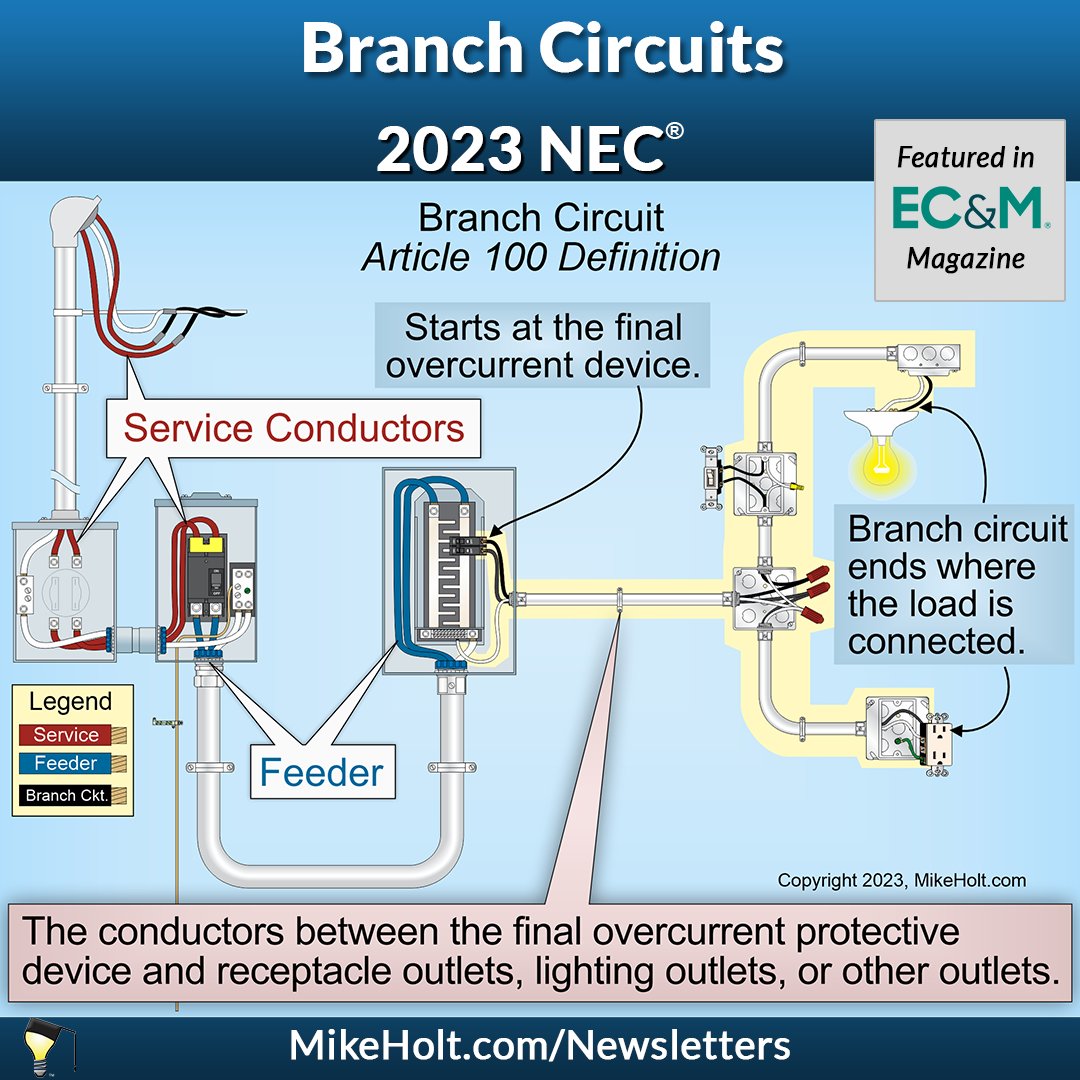
Branch Circuits
Article 210 provides the general requirements for branch circuits including requirements for conductor sizing, overcurrent protection, identification, GFCI and AFCI protection, receptacle outlets, and lighting outlets.
Conductor Identification
Circuit phase conductors must be identified per [210.5(C)]. For example, where premises wiring is supplied from more than one nominal voltage system, the phase conductors of branch circuits must be identified by phase or line and by nominal voltage system at termination, connection, and splice points per 210.5(C)(1)(a) and (b). Different systems within the premises with the same nominal voltage can use the same method of identification.
Overcurrent protection
Branch-circuit conductors and equipment must be protected by OCPDs with a rating or setting that complies with 210.20(A) through (D).
For example, branch-circuit OCPDs must have an ampere rating of at least 125% of the continuous loads, plus 100% of the noncontinuous loads [210.20(A)].
Receptacle rating
A single receptacle must have an ampere rating of at least the rating of the circuit OCPD [210.21(B(1).
Where connected to a branch circuit supplying two or more receptacles or outlets, a receptacle cannot supply a total cord-and-plug-connected load greater than the maximum specified in Table 210.21(B)(2) [210.21(B)(2)]. Where multiple receptacles are connected to a branch circuit, their ampere ratings must be per Table 210.21(B)(3) [210.21(B)(3)].
Click the link below to check out the newsletter related to this topic.
🔗 mikeholt.com/newsletters.php…
#NationalElectricalCode #NEC #NECRequirements #NECCode #MikeHoltEnterprises
3
313
6 Jan 2025
💡⚡️ Did you know the NEC (National Electrical Code) has specific requirements for receptacle placement to keep your home safe and powered up? 🏡✅
From kitchens to bathrooms, staying code-compliant is essential! Let @ONENDONELECTRIC . handle it all—your trusted partner in safety and efficiency.
📞 Ready for an upgrade? Reach out today! 🔧✨
#OneAndDoneElectric #ElectricalSafety #NECCode #CodeCompliance #HomeUpgrades #SafeAndSmart #ElectricalExperts #ElectricalSafety #ElectricalServices #ElectricalRepair #Electricallnstallation #ElectricalMaintenance #ElectricalUpgrades #EnergyEfficiency #ElectricalOutlets #ElectricalPanel #ElectricalWiring #ElectricalContractor #Electricallnspection #ElectricalEmergency #ElectricalExpert #ElectricalSolutions #ElectricalWork #ElectricalSafetyTips #ElectricalOutage #SparkyReliableElectricalSolutions #ReliableElectricalSolutions #ElectricalSolutions #Electricians #ElectricalSafety #ElectricalWork
#ElectricalServices
1
4
49
27 Dec 2024
AC and Refrigeration Equipment Nameplate
A hermetic refrigerator motor-compressor must have a nameplate that indicates (at a minimum) the manufacturer’s name, trademark, or symbol and shows the phase, voltage, and frequency [440.4(A].
For multimotor air-conditioning equipment, the requirements are similar. But it must also have the minimum supply circuit conductor ampacity, the maximum rating of the branch-circuit short-circuit and ground-fault protective device, and short-circuit rating of the motor controllers or industrial control panel [440.4(B)].
Tubs and showers
Air-conditioning equipment is not permitted within a zone measured 3 ft horizontally and 8 ft vertically from the top of a bathtub rim or shower stall threshold [440.8].
Equipment grounding conductor
Outdoor portions of metal raceways on a roof using unthreaded fittings must contain an equipment grounding conductor (EGC) of the wire type [440.9].
Disconnecting means
If the air-conditioning disconnecting means is readily accessible to unqualified persons, the disconnect enclosure or hinged door that exposes energized parts when opened must require a tool to open or be capable of being locked [440.11].
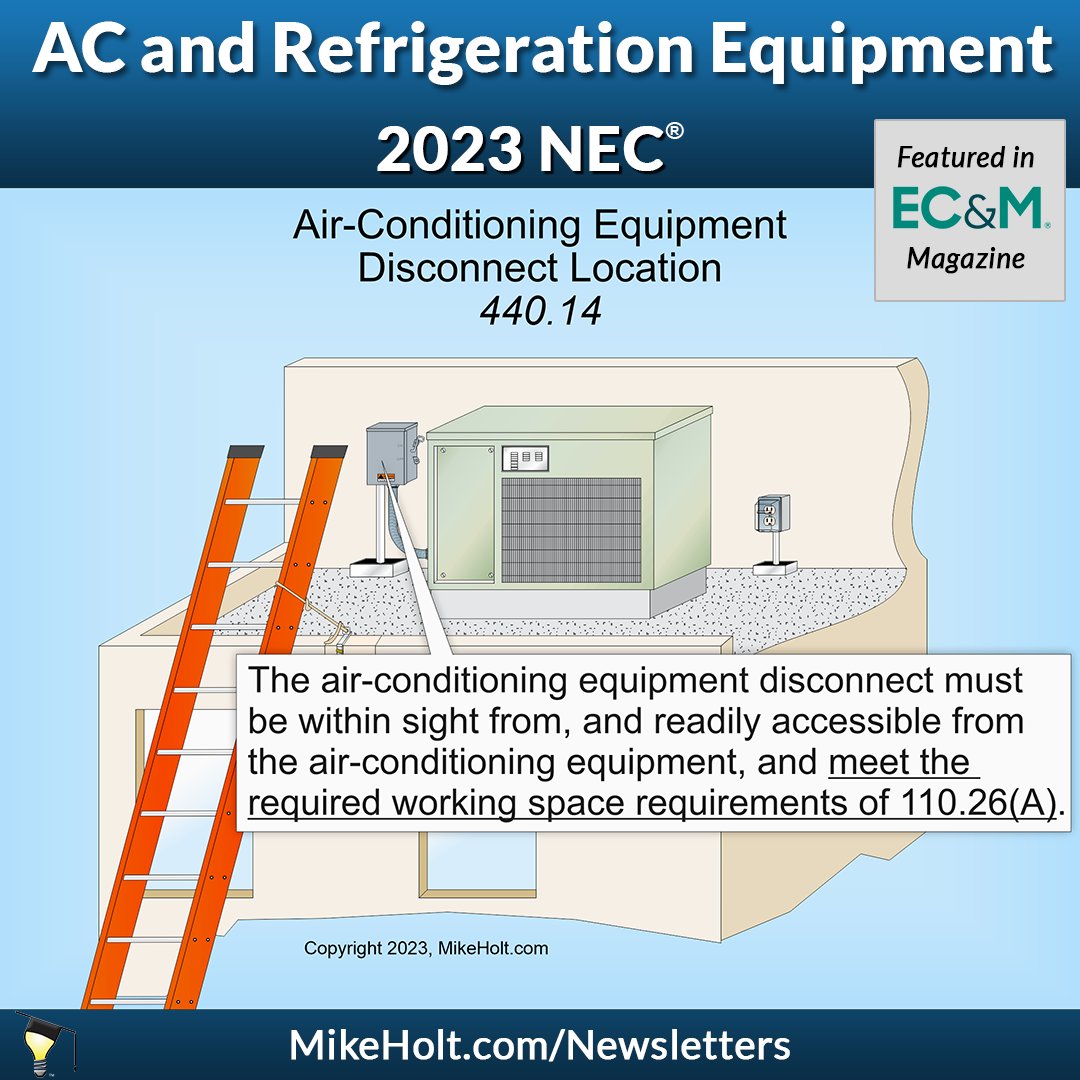
A disconnect for air-conditioning equipment must be within sight and readily accessible from the air-conditioning equipment. It must also meet the required working space requirements of 110.26(A) [440.14].
The disconnect can be mounted on or within the equipment, but it cannot be on panels designed to allow access to internal wiring or where it obscures the equipment nameplate [440.14].
Click the link below to check out the newsletter related to this topic.
🔗 mikeholt.com/newsletters.php…
#NationalElectricalCode #NEC #NECRequirements #NECCode #MikeHoltEnterprises
3
338
25 Nov 2024
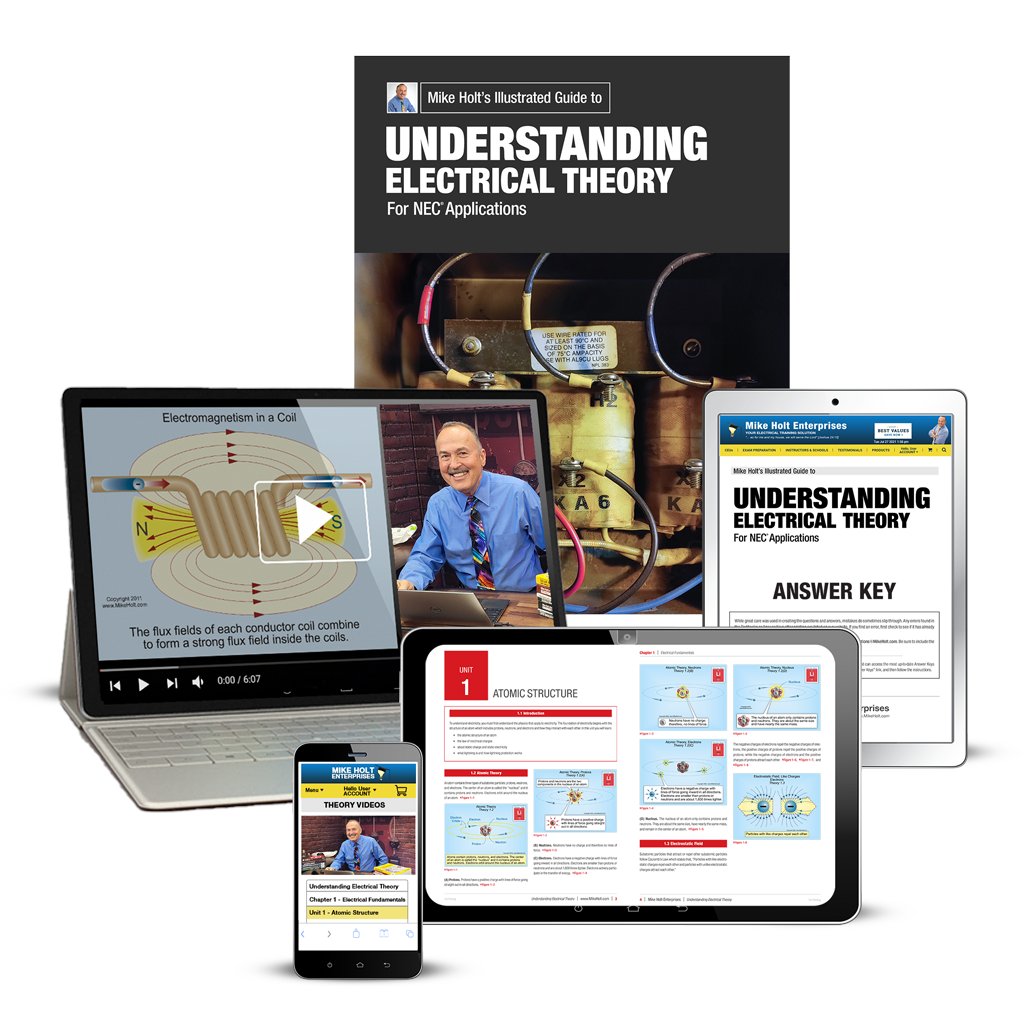
Knowing our products are making an impact on customers is what drives our business every day. Our new Electrical Theory video library has been getting great reviews, and we appreciate the feedback.
“I have used several of Mike Holt's products and have been impressed with all of them. I have purchased the electrical theory course which I use to train my men. Great organization, great people, top notch all the way!” – Mike J.
🔗MikeHolt.com/Theory
We believe that the right training can make a lasting impact on your career, and your company, and we’re honored to be a part of your journey. Need help getting to the next level? Call us at 888.632.2633 or visit MikeHolt.com/Products.
#ElectricalEducation #ElectricalApprenticeship #ElectricalTrade #ElectricalTraining #ElectricalContractor #NEC #NationalElectricalCode #NEC #NECRequirements #NECCode #MikeHolt #MikeHoltEnterprises #Electrician #ElectricalInspector
4
202