

We wish to assure SAns that SA has sufficient fuel supply to meet domestic demand. The Astron Energy refinery has resumed full production following a planned maintenance shutdown. NATREF continues to operate steadily, while the Sasol Secunda Coal-to-Liquid plant remains stable.
1
2
1,945

A Blaze on the Highveld: The ANC’s Strike at Apartheid’s Fuel Fortress
Johannesburg, June 1980 🇿🇦💥⛽️
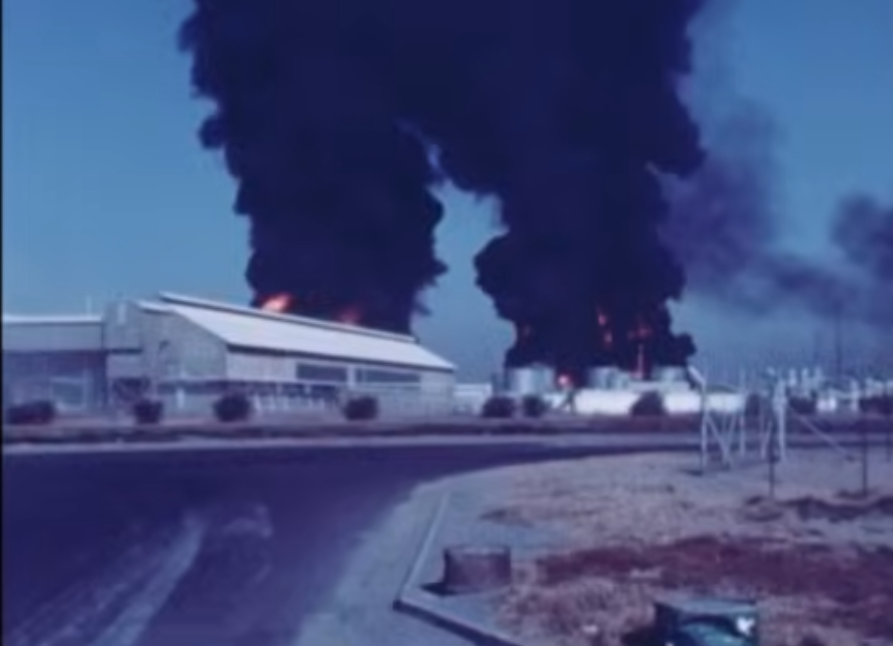
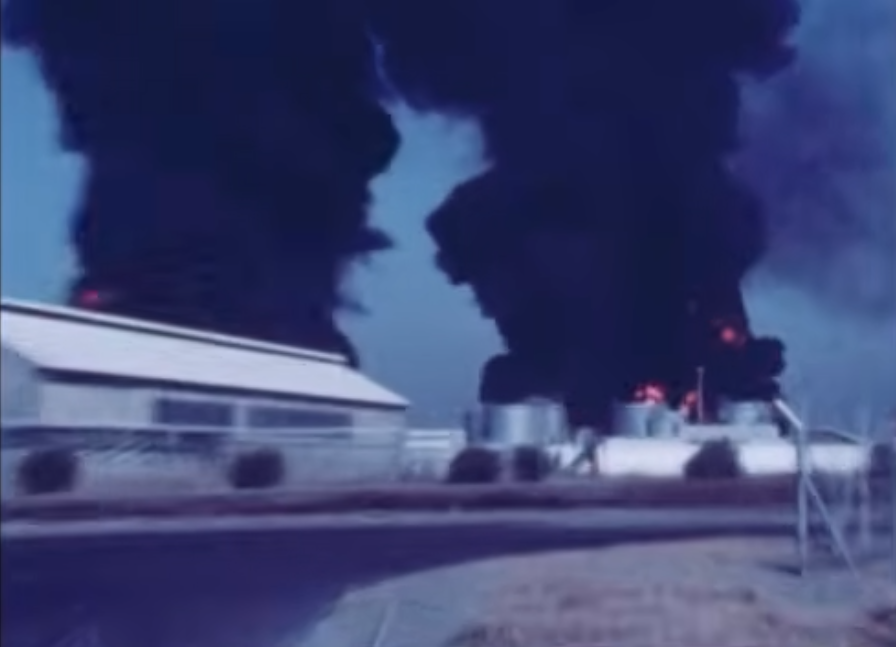
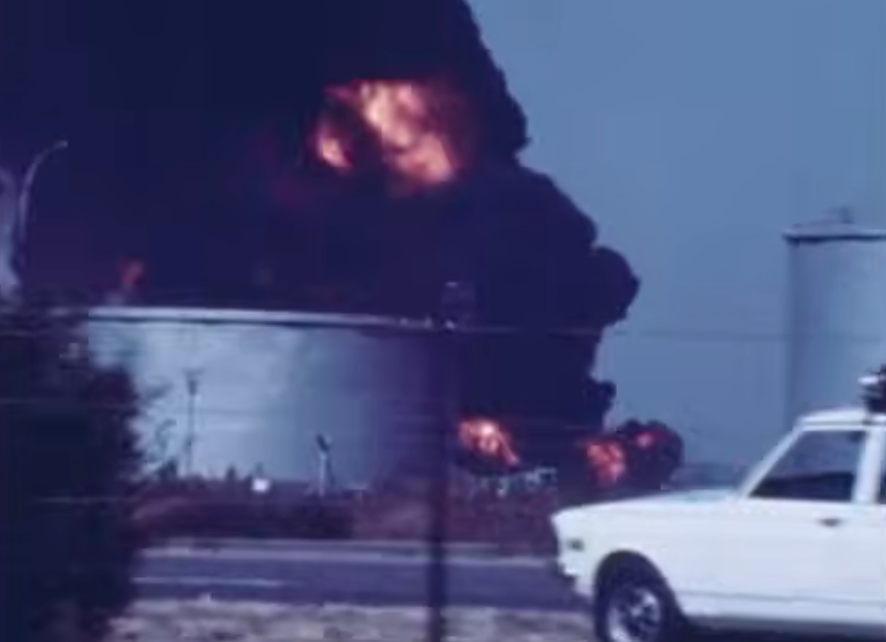
In the small hours of June 1st, as South Africa’s white establishment was still digesting the toasts and braais of Republic Day, the night sky over the industrial Highveld turned an apocalyptic orange. Explosions ripped through Sasol 1, the country’s original coal-to-liquids plant at Sasolburg, and its neighbour, the Natref refinery. A short while later and 200km away, smaller blasts shook the gleaming new Sasol 2 complex at Secunda. The message, delivered with limpet mines and cool audacity, was unmistakable: even the regime’s proudest technological bulwark was not safe.
Sasol, the South African Coal, Oil and Gas Corporation, had become far more than a company. Born in the 1950s and expanded aggressively in the 1970s as international oil sanctions bit, it represented Pretoria’s bet on self-sufficiency. Turning abundant coal into petrol, diesel and chemicals, Sasol embodied the apartheid state’s dream of riding out any embargo imposed by a hostile world. The plants were symbols of Afrikaner ingenuity and defiance. Attacking them on Republic Day, the annual celebration of white minority rule, was a calculated piece of political theatre.
Precision and Propaganda
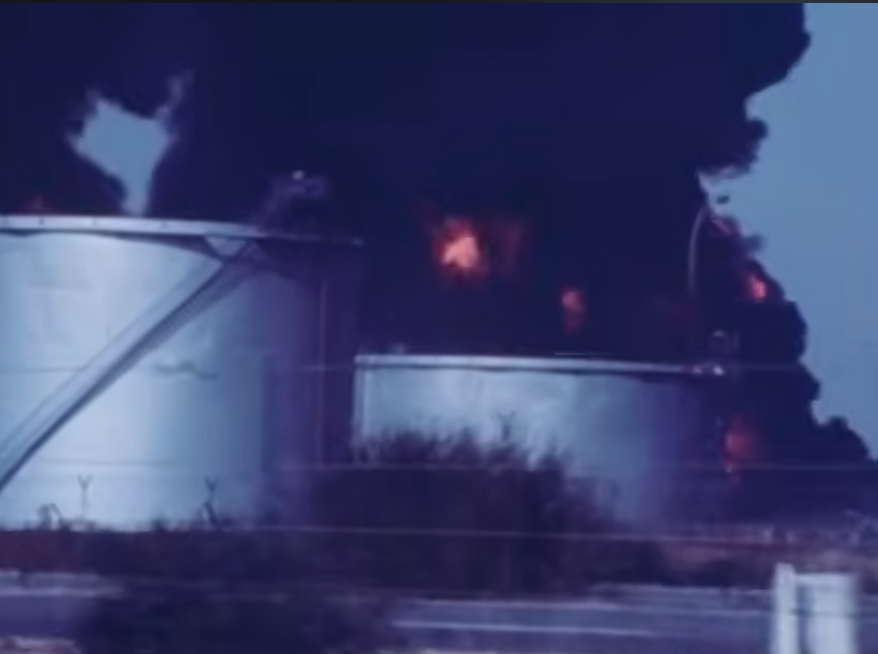
The operation bore the hallmarks of uMkhonto weSizwe’s (MK) newly energised Special Operations unit. Reconnaissance had begun the previous year. Cadres trained in Angola infiltrated the country. At Sasolburg, attackers cut through fences, planted charges on storage tanks containing petrol, jet fuel and other products, and slipped away. One security guard was shot and wounded; remarkably, given the scale of the fires, nobody was killed. At Secunda the results were more modest, but the psychological impact was enormous.
Damage estimates varied, official figures hovered around $7 million at the time, though some contemporary reports put the broader cost, including lost production and heightened security, far higher. Eight tanks were destroyed or badly damaged. Production at Sasol 1 was disrupted for months. For a regime already feeling the pinch of sanctions and the rising costs of isolation, it was a sharp and expensive reminder of vulnerability.
The ANC was quick to claim responsibility. Oliver Tambo, in exile, hailed the raids as proof that the armed struggle could strike at the heart of the economy. Inside South Africa, the explosions were greeted with a mixture of fear and quiet satisfaction in black townships. For the regime, the embarrassment was acute. Here was a “terrorist” organisation.. dismissed for years as ineffectual.. hitting one of the most heavily guarded industrial sites in the country.
The Economics of Defiance
The attack highlighted a deeper truth about apartheid’s political economy. South Africa’s isolation had forced it into expensive, often inefficient import-substitution projects. Sasol’s coal-to-liquids technology was a marvel of engineering under duress, but it came at a premium. Every barrel produced this way cost more than imported oil would have in normal times. The bombings exposed the fragility of such strategic assets: large, fixed, and hard to defend perfectly.
Business circles in Johannesburg and Cape Town were rattled. The raids came amid growing labour unrest and international pressure. Foreign investors, already wary, saw fresh risks. The government responded with the usual mix of bluster, tighter security, and accelerated spending on defence and strategic projects. Sasol would be protected more heavily; so would other potential targets. Yet the raids also fed a slow-burning realisation among some white businessmen that the status quo was becoming unsustainable.
A New Phase
The Sasol operation marked a shift. MK, long limited to smaller acts of sabotage, was moving into “spectaculars”, high-visibility strikes against economic and symbolic targets. It was part of a broader strategy to make the country ungovernable and to demonstrate that the ANC remained a force, even as its leaders languished in prison or exile. Subsequent attacks on power stations, military bases and more refineries would follow.
For the apartheid state, the lesson was double-edged. On one hand, the raids justified harsher security laws and cross-border raids against ANC bases in neighbouring states. On the other, they underscored the limits of military superiority when the enemy could strike deep inside “white” South Africa with small teams and simple explosives.
Forty-five years on, the fires of Sasolburg still flicker in South African memory. To the generation that fought apartheid they remain a proud moment of resistance. To others they are a reminder of a brutal conflict in which neither side entirely held the moral high ground. For economists and historians, they illustrate something simpler: when a political system ties its survival to vulnerable strategic assets, it invites precisely the sort of daring raid that, for one dramatic night in 1980, lit up the Highveld sky.
1
2
8
1,218
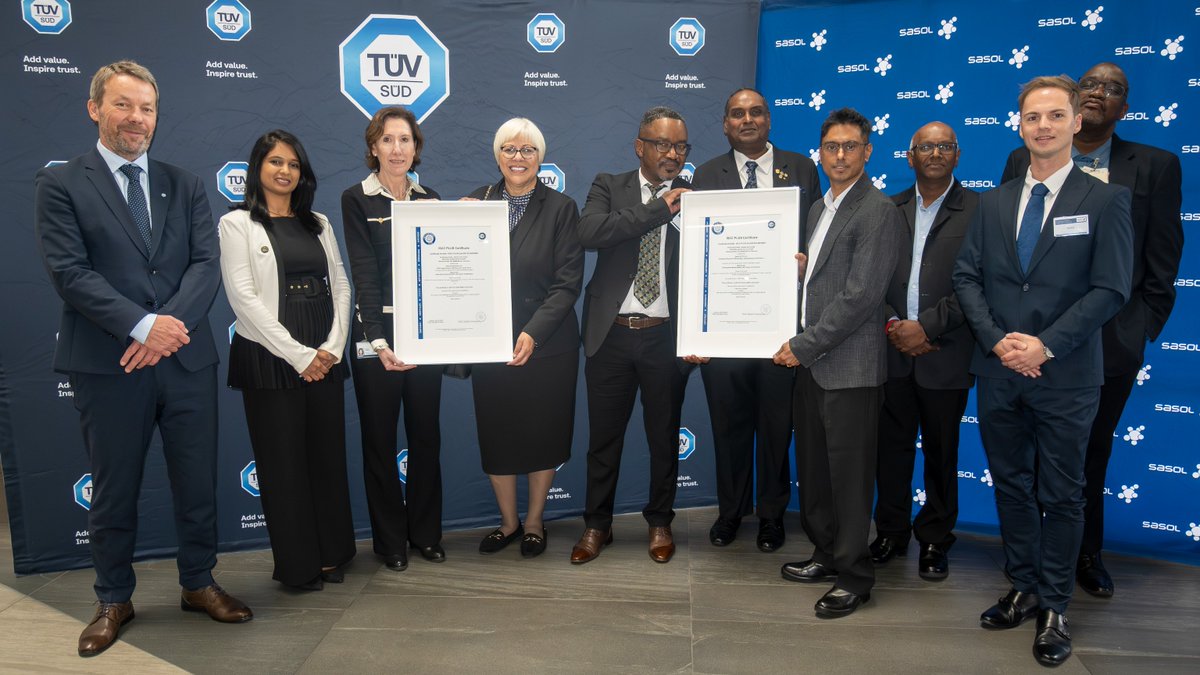
A meaningful milestone on our journey.
Natref became the first refinery in Africa to achieve ISCC PLUS certification, supporting more sustainable products and operations. Visit sasol.com/investor-centre/fi… for more on our business performance metrics.
1
271

Nhlanhla-explain your logic further, context: Sasol, Astron, NATREF Refineries, why are their fuels &prods selling at same price as imports, if 10x costly. Its Sabotage & leadership blindness in SA. How can SA mothball 3/4 refineries, but paying bailouts for some useless SOEs?
1
2
53

I correct the uneducated part of the last post: what is for sale is Prax Groups 36% stake in Natref. So it’s not about Saaol keeping its stake, they are majority owner and don’t sell. Prax has to sell duevto their situation. The rest of what I wrote doesn’t change: three different companies bidding for the stake, one of them renowned Trafigura, shows that market insiders definitely see a lot of value in it, which is absolutely right.
2
379
Back in $SSL $JSESOL #Sasol with 150% of my lt pf size. If the current oil crisis in the making plus the high interest to buy a minority stake in natref is showing one thing: refineries are the new gold. It´s also about getting oil. But even more so about the limited number of refineries. There could be a shortage in oil - but there will be even more so in petrochemicals and oil products. And which company is producing it all? And not from oil, but from coal out of South Africa, independent of Hormus? Yes ... Sasol
1
16
2,300

May 11
Roundup of news and developments in the energy and electricity sectors of Southern Africa
28 April to 10 May 2026
conta.cc/4uK1twh
1. Alternative energy announcements in South Africa in the last two weeks.
2. Regional power sector sees fresh momentum in solar, storage and hydro.
3. Industry calls for strategic localisation as South Africa’s energy build-out expands.
4. Smelters, steelmakers and miners seek lifeline from Eskom and NERSA.
5. South Africa’s nuclear ambitions advance, but advisory panel still absent.
6. Regional oil and gas sector stirs with Natref bids and Mozambique LNG advances.
7. South Africa’s municipal electricity debt crisis enters a new and risky phase.
8. Corruption allegations deepen governance concerns in South Africa’s electricity sector.
To subscribe free-of-charge to EEBI-News:
eebi.co.za/subscribe
For archive of EEBI-News email newsletters:
eebi.co.za/news-archive
To reach 20 000 subscribers in the energy and electricity sectors:
eebi.co.za/newsletter-advert…
1
1
2
1,940

🅵 Trafigura se Positionne pour Entrer au Capital de la Raffinerie Sud-Africaine de Natref
🅵 Le géant suisse du négoce serait sur les rangs pour acquérir 36,36 % de la raffinerie sud-africaine Natref, selon des sources citées par l’agence Reuters.
🅵 En Savoir Ici → forbesafrique.com/trafigura-…
@trafigura
#ForbesAfrique #Actu #Energie #Trafigura #Raffinerie #AfriqueDuSud #Natref #TotalEnergies #Reuters #Prax #Sasol #BlackEconomicEmpowerment #Vitol #Glencore #Afrique
5
268

Sasol increased 2026 fuel sales forecast to a growth rate of 10%–15%, up from previous 5%–10%. Despite Middle East tensions limiting "sour crude" supply, Sasol successfully sourced crude from alternative regions outside the Persian Gulf to keep its Natref refinery running.
2
22

Global commodities trader Trafigura joins race for minority stake in South Africa’s🇿🇦 Natref refinery.
Trafigura is among three companies competing for a 36.36% stake in the Natref refinery, owned by Sasol, according to sources familiar with the matter.
4
10
372

May 6
Natref Refinery Stake Draws Trafigura as Africa’s Fuel Demand Holds Firm norvanreports.com/natref-ref…
#norvanreports @thePOE_T @Joe_Jackson_GH @DodooSnr @norvan986 @StockmanNigeria @Centre4EconsSvy @gyaigyimii @quame_age @trafigura
1
4
29

Global commodities trader Trafigura is among three companies vying for a 36.36% stake in SouthAfrican #petrochemical company #Sasol’s Natref refinery.
The 108,500 barrels per day plant is #SouthAfrica's only inland crude oil #refinery.
reuters.com/business/energy/…
1
2
114

Exclusive: Trafigura among three bidders for minority stake in South Africa's Natref oil refinery, sources say - reuters.com/business/energy/…
2
1
818

May 5
Trafigura among three bidders for minority stake in South Africa’s Natref oil refinery, sources say
#oott cnbcafrica.com/2026/trafigur…
1
9
2,207

May 1
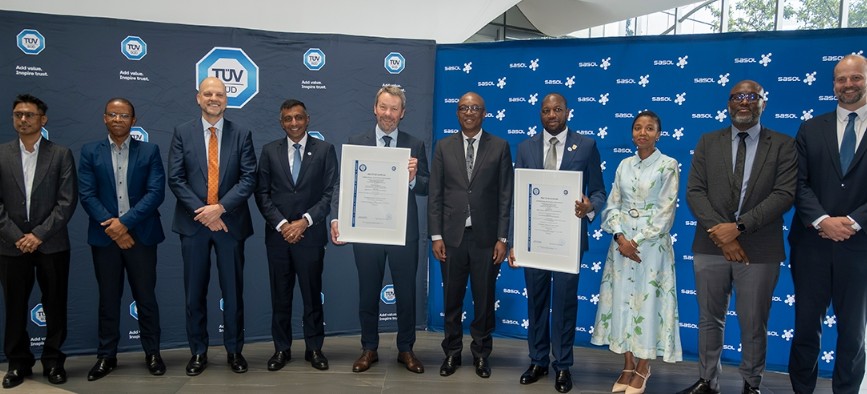
@SasolLTD has reached a major milestone in South #Africa’s #energy and #industrial transition, with Natref becoming the first #refinery in Africa to achieve #product #sustainability #certification for key fuels production pathways.
biofuels-news.com/news/sasol…
#biofuels #technology
2
66

Apr 29
More than one person is likely profiteering from this, and someone from Natref is likely getting some of the kickbacks.
1
2
3
241