
Don't be fooled by #Starmer claiming reduction in #NetMigration as a victory. It says nothing about the quality of those leaving the country (top people Drs etc) or the quality of those coming in (mainly unskilled non English speaking) who bring nothing & need expensive support
26

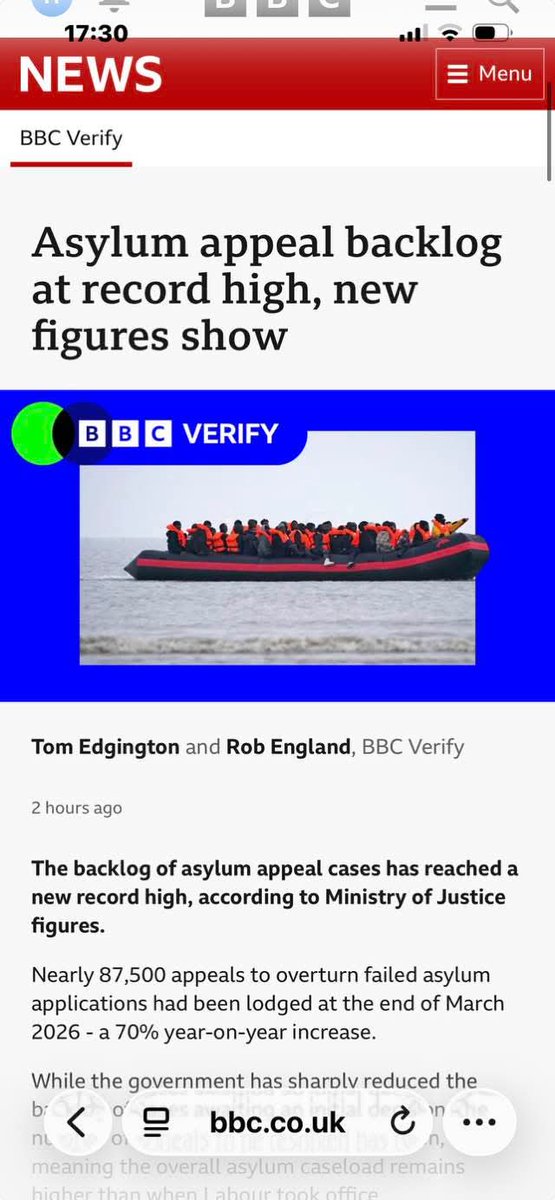
Is Starmer lying about net migration being down or is down only because he's kicked out the nurses and care workers that we need? #netmigration #asylumseekers
10
Rabia retweeted

Jun 10
#Netmigration is falling, yet many Britons believe the opposite. Why?
@nandosigona (@news_ub) unpacks this paradox for @lsepoliticsblog
#MustRead #Immigration #Migration #Asylum
Jun 10

#Migration numbers to the UK are falling, yet at the same time attitudes towards immigration are hardening. That’s because immigration concerns are a symbol for other anxieties, I argue in this piece for @LSEpoliticsblog
blogs.lse.ac.uk/politicsandp…
2
214

Jun 10
UK Net Migration: 906,000 in 2023. Around 200,000 today.
That’s a 69% drop in three years.
The government said they’d bring it down. They did.
Now the NHS, construction sites, and care homes are asking: who’s going to fill these jobs?
Be careful what you wish for.
#UKImmigration #NetMigration
#uk

1
1
6
1,639

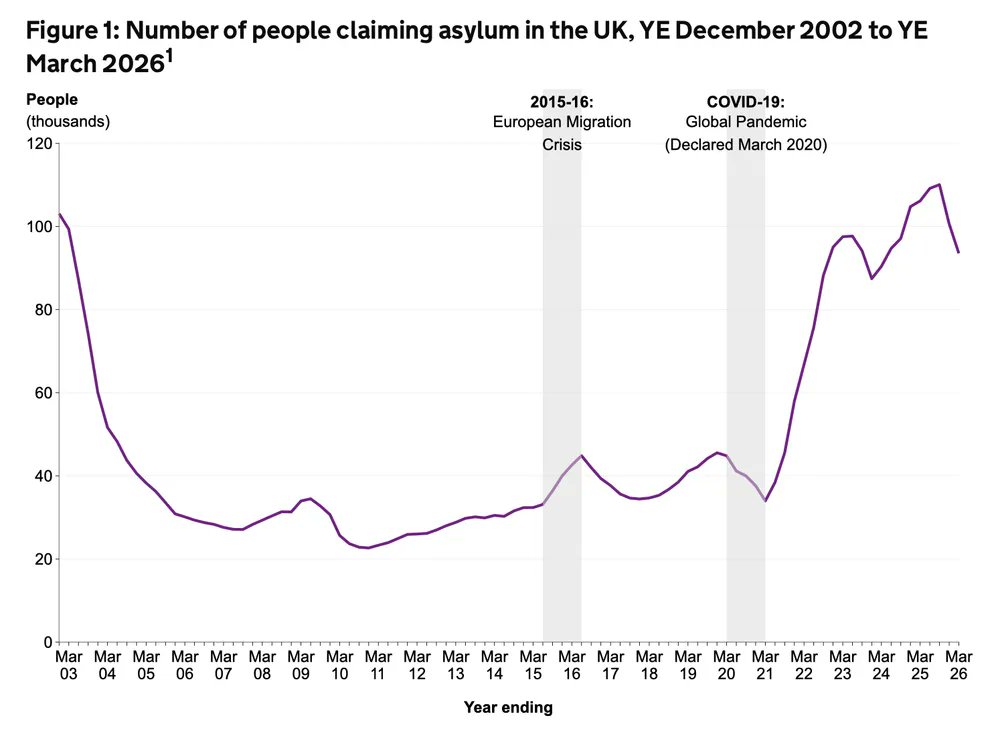
Let’s keep the conversation open, not weaponised. (2/2) @TRobinsonNewEra #Newsnight @mehdirhasan @zeteo @zeteouk Lets Talk UK #netmigration is projected to dip below 100,000 for 2026. @SkyNews @POTUS #FIFAWorldCup #LTW26 #LTW2026 #LCAW #LCAW26 #LCAW2026
23

May 25
Getting absolutely rinsed by your own former party’s official account for claiming credit on net migration is wild.
@CCHQPress out here crediting Rob Jenrick with inventing the wheel and discovering penicillin just to highlight what a sad, deluded credit thief he is.
Mate, they hate you more than Labour does.
Take the L and sit down. #Tories #NetMigration #ReformUK

5
18
304

May 24
You can guarantee the number of “refugees” that came here on those flights are not included in the @10DowningStreet @ukhomeoffice published #NetMigration figures
The reporting is worthless government propaganda. So many significant pockets of migration & emigration were excluded
6
24
487

May 21
#NetMigration #AsylumSeekers #NHSWaitingLists #SmallBoats are all falling so @Keir_Starmer #KeirStarmer policies are doing ok. 4 out of 5 of his promises. Just need #CostOfLiving to drop now but #DonaldTrump #IranWar isn't helping there
1
7
321

Apr 27
1
12
49

Mar 30
Germany has minus netmigration with Poland as for last few years. The only people who want to live in that shithole are muslims and Indians, same goes for convict nation of Australia.
You
sold
your
country
to
Indians

1
1
57

Reeves: Optics Masquerading as Strategy
Rachel Reeves sold today’s Spring Statement as proof of restored order and disciplined leadership. It was pure spin - optics masquerading as strategy.
The problem is glaringly simple. Growth has been revised down. Unemployment has been revised up. Productivity remains weak. Yet the tone is congratulatory.
The most telling admission: weaker growth blamed in part on lower net migration. That tells us more than the Chancellor perhaps intended.
More people increase gross GDP. That is arithmetic. It is not prosperity. If the model relies on population growth to maintain headline output, then the model is shallow. Yet she cites lower migration as a drag on growth while unemployment climbs to 5.3% - hardly the sign of acute labour shortages choking expansion.
If reduced migration is holding back growth because the jobs are there, why is unemployment now forecast to peak at 5.3% in 2026, up from the prior 4.9% expectation? If labour shortages were the binding constraint, joblessness would be falling. Instead it is rising.
Rising unemployment signals weak labour demand. Firms are not expanding because investment is thin, energy is expensive and confidence is brittle. That is not a migration problem. It is a competitiveness problem.
Britain can simultaneously experience labour shortages in specific low wage sectors, rising unemployment in former industrial regions and stagnant productivity. That combination does not indicate overheating. It indicates structural imbalance.
And here the silence is conspicuous.
Britain operates with structurally high industrial energy costs. Energy intensive industries face costs roughly double those in the United States and much of Asia. Capital is mobile. It moves. So do high productivity jobs.
The Chancellor speaks constantly of growth. She avoids the word competitiveness.
An economy cannot sustain rising living standards on services, consumption and demographic expansion alone. It requires tradable sectors, industrial capacity and abundant, reliable energy. It requires capital formation. It requires policy that lowers the cost of production rather than embedding structural disadvantage.
Instead we are offered headline reassurance. The fiscal rules are intact. The spreadsheets balance over the forecast horizon. Later years look brighter.
Fiscal calm is not a growth strategy. It is the minimum condition for one.
If gross GDP is flattered by population increases while GDP per capita stagnates, if unemployment rises while ministers cite labour supply constraints and if industrial policy continues to erode the productive base, then slower migration is not the cause of weakness. It merely exposes it.
Britain needs a strategy for strength: productive capacity, energy security, industrial resilience - not soothing spin about stability. Until that shift occurs, statements like this remain carefully staged performances while the foundations weaken.
Optics are not strategy. Arithmetic is not prosperity.
#SpringStatement2026
#RachelReeves
#UKEconomy
#NetMigration
#UKGrowth
#Productivity
#SpringStatement
@RachelReevesMP
@RachelReeves
@UKLabour
@TheSun
@Telegraph
@FT
@BBCNews
@SkyNews
@OBR_UK
@LiamHalligan
@PlanetNormal1
@AllisonPearson
@Telegraph
@TelePolitics
@TeleBusiness
5
2
440
Feb 20
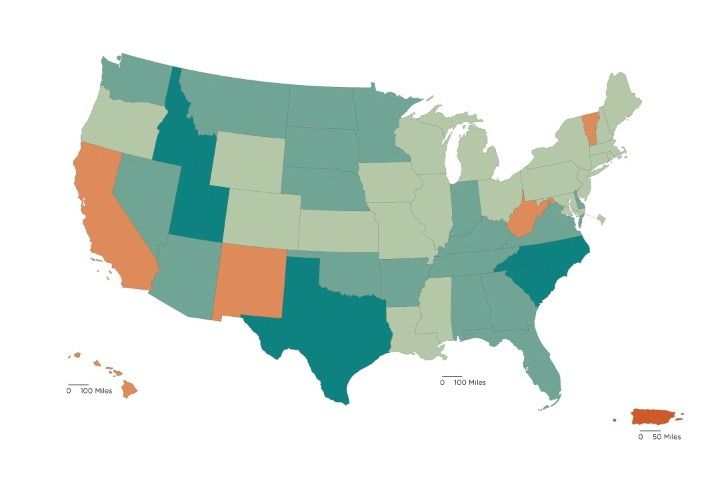
U.S. Population Growth Slows Due to Decline in Net Migration
buff.ly/mx3Rqqj
#USPopulationGrowth
#NetMigration
1
15
55

Thanks to MAC Chair @ProfBrianBell for highlighting the issue.
Labour’s foreign worker crackdown could cost the UK economy £710m due to higher visa salary thresholds — the MAC warns of lost contributions.
Time to balance immigration with growth? @Keir_Starmer @YvetteCooperMP
Full story: msn.com/en-gb/news/uknews/la…
#UKImmigration #LabourPolicy #SkilledWorkerVisa #UKEconomy #NetMigration
2
4
255

5 Dec 2025
Migrants for centuries....
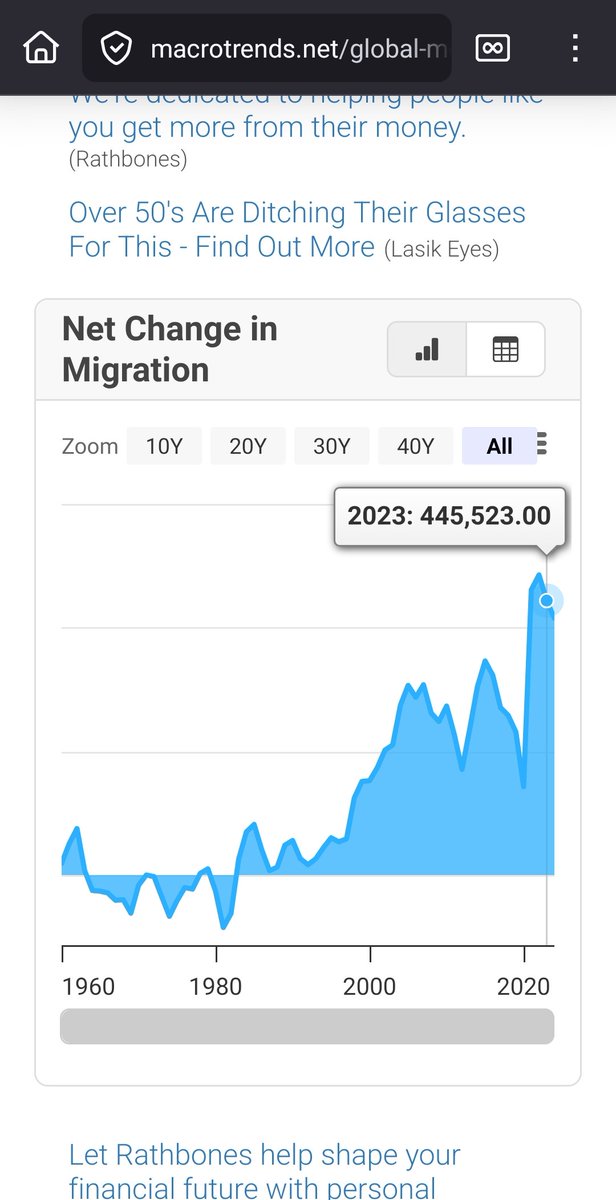
Go on then. Here are the netmigration figures proving you are either purposefully spreading lies or just thick:
macrotrends.net/global-metri…
2
2
11
442

3 Dec 2025
பத்ரி சேஷாத்ரியின் செய்தி அலசலில் இன்று:
விஜயின் ரோடு ஷோவுக்கு அனுமதியில்லை: புதுச்சேரி அரசு
தில்லியில் ஓபிஎஸ்: என்ன நடக்கும்?
பிரிட்டனிலிருந்து அதிகளவில் திரும்பும் இந்தியர்கள்: காரணம் என்ன?
இந்தியாவுக்கு வரும் ரஷ்ய அதிபர் புடின்: நோக்கம் என்ன?
சஞ்சார் சாத்தி - விளக்கமும் முரண்பாடும்
@bseshadri
(இணைப்பு கீழே)
#Puducherry #TVKVijay #Vijay #RoadShow #VijayRoadShow #VladimirPutin #RussianPresident #Russia #PutininIndia #NewDelhi #PutinModi #ModiPutin #PutinvisitinIndia #IndiaRussia #IndiaRussiaTrade #Moscow #Kremlin #NetMigration #UK #UKMigration #IndiansleaveUK #IndianNationals #UKWorkVisas #IndiansinUK #UKEconomy #OPS #AmitShah #ADMK #Delhi #OPanneerselvam

1
1
2
2,309

28 Nov 2025
Idiot…..this is Netmigration.
the problem withimmigration is British people leaving and being replaced
2
11

27 Nov 2025
The #NetMigration figures are interesting
@UKLabour has turned the #UK 🇬🇧 into a nation where productive people leave and are replaced (in their multiples) by unproductive people
We are watching a nation in decline in real time
Sad
5
18
262

30 Sep 2025
“The British public voted five times in 15 years for a significant reduction in immigration. Yet, the UK has seen a net immigration of 2 million people over the past three years. How did this happen?” @ObservatoireID
#UKImmigration #Brexit #ImmigrationPolicy #NetMigration #MigrationControl #UKBorders #PolicyFailure #PolitiqueMigratoire #MigrationNette #ContrôleMigration #FrontièresUK #ÉchecPolitique

🇬🇧 📺 « Les Britanniques ont voté cinq fois en quinze ans pour une réduction drastique des flux migratoires. Pourtant, le Royaume-Uni vient de recevoir une immigration nette de 2 millions de personnes en trois ans...
@NPM_OID dans « Face à l'Info » @CNEWS ⬇️
1
3
66