
#IndoPacific #lagoon #atoll #floating #antenna #base #island #islands #military #coercion #expansionism #Hague #ICJ #court #Arbitral #NineDashLine #ToLam #TakaichiSanae #Takaichi #sovereignty #reef #coral #Paracel #JohnsonSouth #JohnsonSouthReef #MischiefReef #Mischief #maritime

Inside Scarborough Shoal: How China is Secretly Building a New Floating Base Near Philippines
🔗 youtu.be/ELlbcWwv4tA

1
80

Apr 26
All Vietnamese players have withdrawn from the 2026 Peri–Laili Cup billiards tournament after the appearance of the illegal “nine-dash line.”
The incident occurred during the event in China, where one of the main sponsors—the China Billiards and Snooker Association—used a logo featuring the “nine-dash line,” which seriously violates Vietnam’s sovereignty. As a result, all Vietnamese representatives, including Duong Quoc Hoang, Nguyen Anh Tuan, and Le Quang Trung, decided to withdraw from the competition.
Despite having invested significant time and expense to participate, the players did not hesitate to pull out of the tournament and return home immediately after discovering the issue.
#ninedashline #China #billiards #PeriLailiCup #vsn

2
10
681

Feb 26
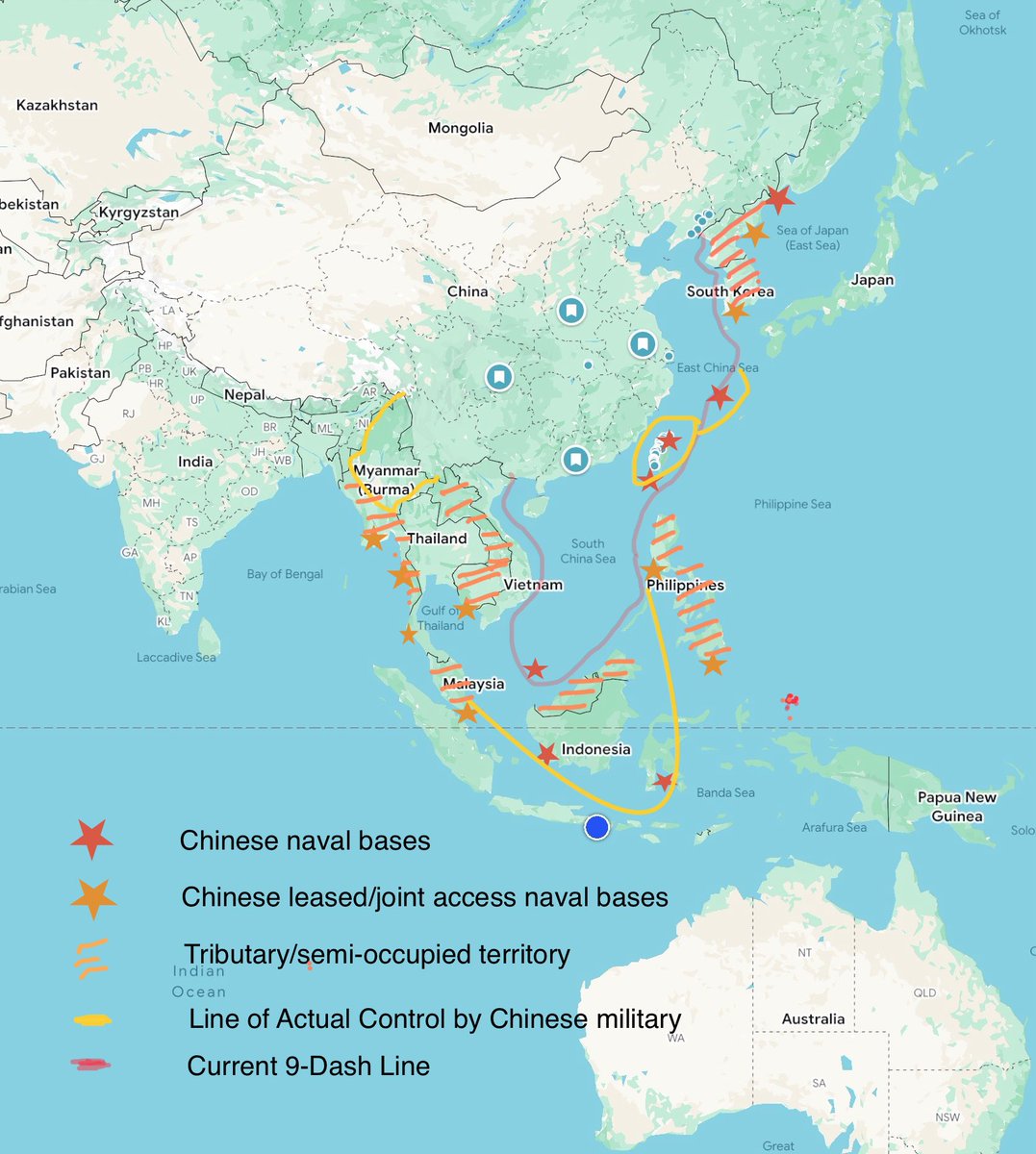
If the #US did what #China and its leftists/#Singaporean Overseas Chinese supporters want and “Got the F out of #Asia”
This would very possibly be the reality on the ground within our lifetime
#India, you wouldn’t be as hot and heavy about #BRICS then, would you?
#Ninedashline #hegemony #military #navy #USA #Taiwan #Japan #Korea #Philippines #Malaysia #Myanmar #Indonesia #SoutheastAsia
2
3
16
2,389

9 Dec 2025
🇨🇳#China’s #ninedashline in the #southchinasea isn’t just confusing—it’s huge, vague & completely out of step with the very #internationallaw Beijing signed up to in 1996.
3
6
21
1,063

31 Oct 2025
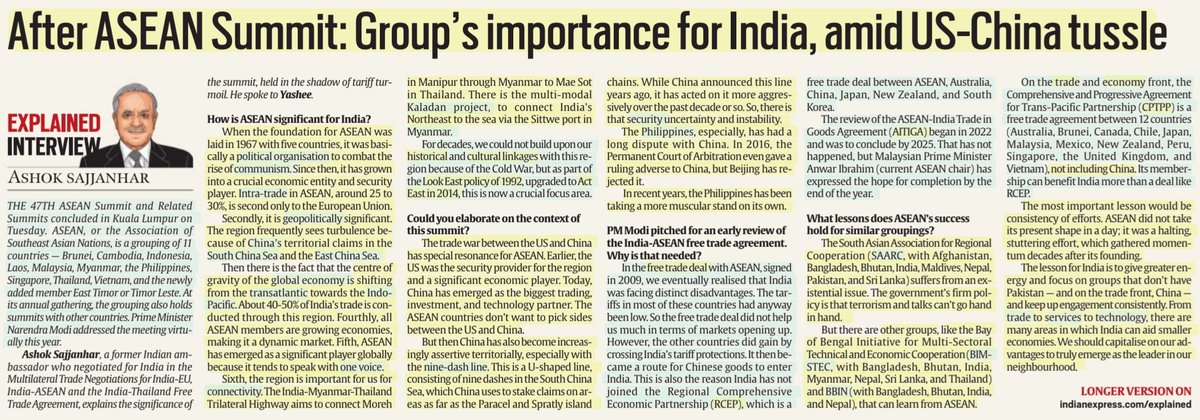
After ASEAN summit: Group's importance for India, amid US-China tussle
:Insightful info by Ashok Sajjanhar Sir
@asajjanhar
Ms Yashee @yasheesingh
#ASEAN #India #History #Culture
#trade #services #technology
#China #Security #NineDashLine #investments
#UnitedStates
#UPSC
6
33
907

29 Oct 2025
🚨 9-Dash Line — UPSC Quick Notes 🚨
1️⃣ What is it?
A U-shaped line on Chinese maps claiming sovereignty over most of the South China Sea. First appeared in 1947 (11 dashes → 9).
2️⃣ Legal Status:
The 2016 PCA ruling (Philippines v. China) declared the 9-Dash Line has no legal basis under UNCLOS. China rejected the verdict.
3️⃣ Why it matters:
Overlaps EEZs of Vietnam, Philippines, Malaysia, Brunei.
Key for freedom of navigation & global trade.
Reflects clash of historic vs treaty-based rights.
4️⃣ India’s Concern:
Supports UNCLOS order & navigation freedom.
Connects to Act East Policy & Indo-Pacific strategy.
5️⃣ UPSC Relevance:
GS Paper II: International Relations
GS Paper III: Maritime Security & UNCLOS
Link with topics like island-rock distinction, EEZ, global commons.
💡 Saval AI Tip:
Search “9-Dash Line” in Saval AI to get summarized notes, PCA case insights & interactive mind maps — all in seconds.
#UPSC #CurrentAffairs #NineDashLine #SouthChinaSea #MaritimeSecurity #Geopolitics #InternationalRelations #SavalAI

5
24
799

28 Sep 2025
If this happens,it may not auger well for the overall “Digital Chessboard”,besides upsetting the economic & military stability in the region
#Taiwan #Taiwanchina #ninedashline #SouthChinaSea #Semiconductors
@chakranewz @SandeepUnnithan @sanahashmi1
wsj.com/world/china/trump-xi…
2
5
541

19 Sep 2025
#China’s so-called #NineDashLine has zero basis in international law!
It’s a unilateral myth, rejected by the 2016 #Hague Tribunal, that attempts to turn international waters into China’s private lake. Geography & sovereignty can’t be redrawn by force. 1/4 @Chaleck @56audrey57

1
1
2
65

30 Jul 2025
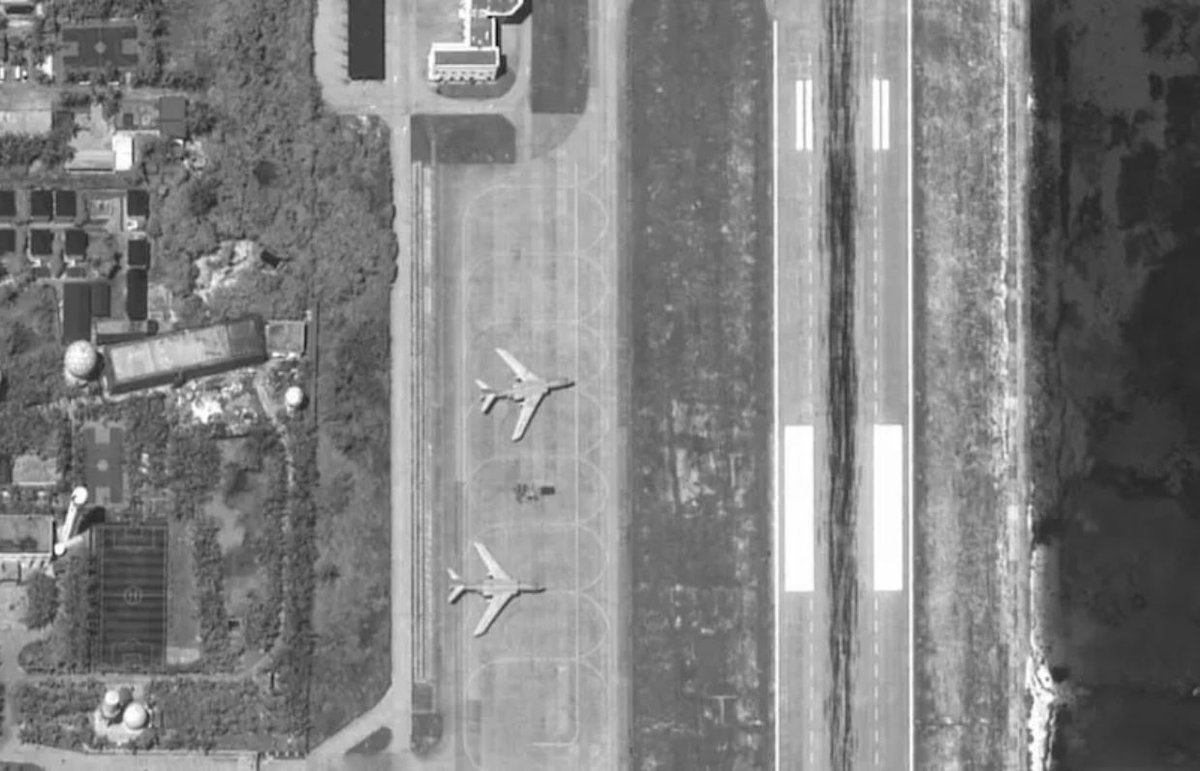
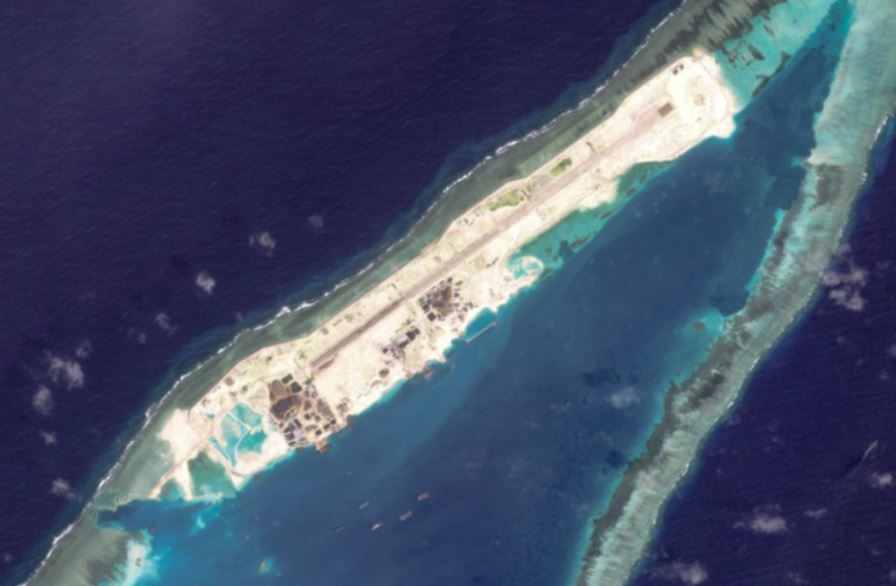
China Has Set Up 26 Military Bases in South China Sea Islands::
defensemirror.com/news/39960…
#SouthChinaSea #ChinaMilitary #NuclearBombers #Geopolitics #IndoPacific #EnvironmentalCrisis #CSIS #SatelliteImages #MilitaryBase #NineDashLine #ChinaVsVietnam #MischiefReef #WoodyIsland #SpratlyIslands #USChinaTensions #AsiaSecurity
1
1
2
388

20 Jul 2025
From Tibet to the West Philippine Sea: China's Playbook of Control
The proposed hydropower project on the Yarlung Tsangpo River in Tibet is expected to generate three to five times more electricity than the Three Gorges Dam, currently the largest in the world. If completed, it could power over 300 million people in China making it potentially the most powerful hydroelectric project on Earth.
But China understood the value of this river long before any dam was planned.
In 1950, despite Tibet functioning as a de facto independent state, China moved in, citing "historical claims." But if we look at history, it was the Mongols, not China, who once held dominion over Tibet.
Still, Tibet was forcibly annexed, and over time, culturally and politically assimilated into China.
Today, that control gives China immense power not just over Tibet but over downstream nations like India and Bangladesh, which rely on the Yarlung Tsangpo/Brahmaputra River for water, agriculture, and energy.
Beijing now holds the tap and the threat: upstream.
China’s limited data-sharing and absence of a binding water sharing treaty exacerbate fears in India and Bangladesh. During the 2017 Doklam standoff, China withheld hydrological data, heightening mistrust.
Fast forward to the South China Sea, and the same playbook is unfolding. China knows that the seabed holds vast reserves of oil, gas, and critical minerals, resources that could power its economy for the next hundred years. Add to that rich fisheries and vital trade routes, and the South China Sea/WPS becomes a geopolitical goldmine.
China repeatedly follows its familiar playbook in the South China Sea: claiming historical rights, disregarding international rulings, building and militarizing features, and normalizing illegal control. While this strategy succeeded in Tibet and intimidates neighbors like India and Bangladesh, it fails to achieve the same effect on us because the Philippines consistently correct their expansive claims and actively challenged them through legal action, diplomatic protest and international alliances.
China's behavior is not driven by history but by necessity.
A growing superpower needs fuel, food, and strategic depth. That’s why it turns rivers into leverage, reefs into bases, and old maps into weapons. This isn't new. It's a pattern. And the South China Sea is just the next resource frontier China intends to control.
Unless challenged, it won’t be the last.
#SITREPPH
#WestPhilippineSea #Tibet #Brahmaputra #Geopolitics #NineDashLine #Hydropower #SouthChinaSea #PhilippineSovereignty #ChinaStrategy
20 Jul 2025

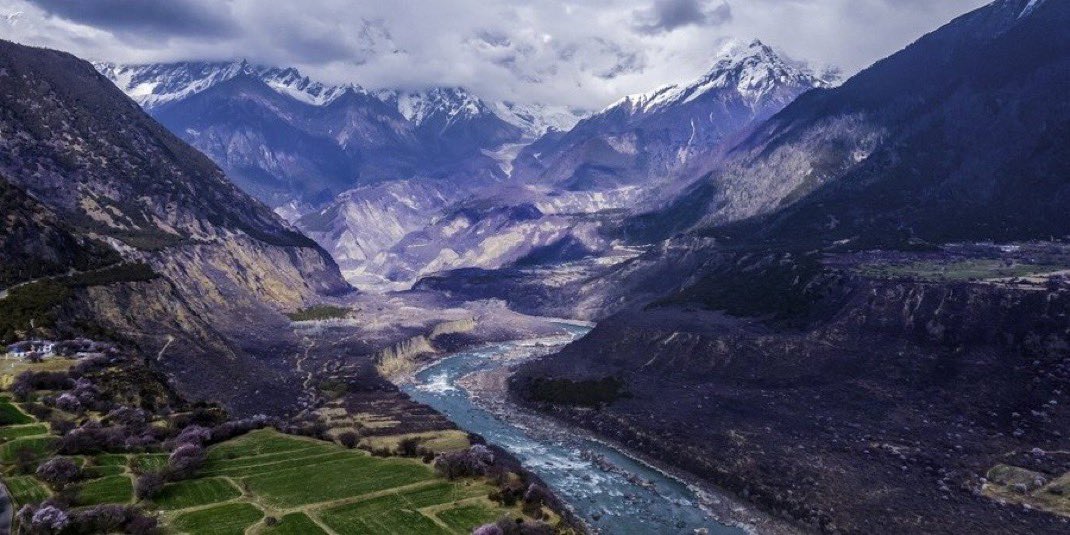
China has just announced the start of construction of the world’s largest infrastructure project ever.
A huge hydropower dam will be built on the Yarlung River in Tibet for $140 billion.
It will produce 3-5 times more electricity than the 3 Gorges Dam & will cover the energy needs for 300M ppl
3
11
12
2,518

17 Jul 2025
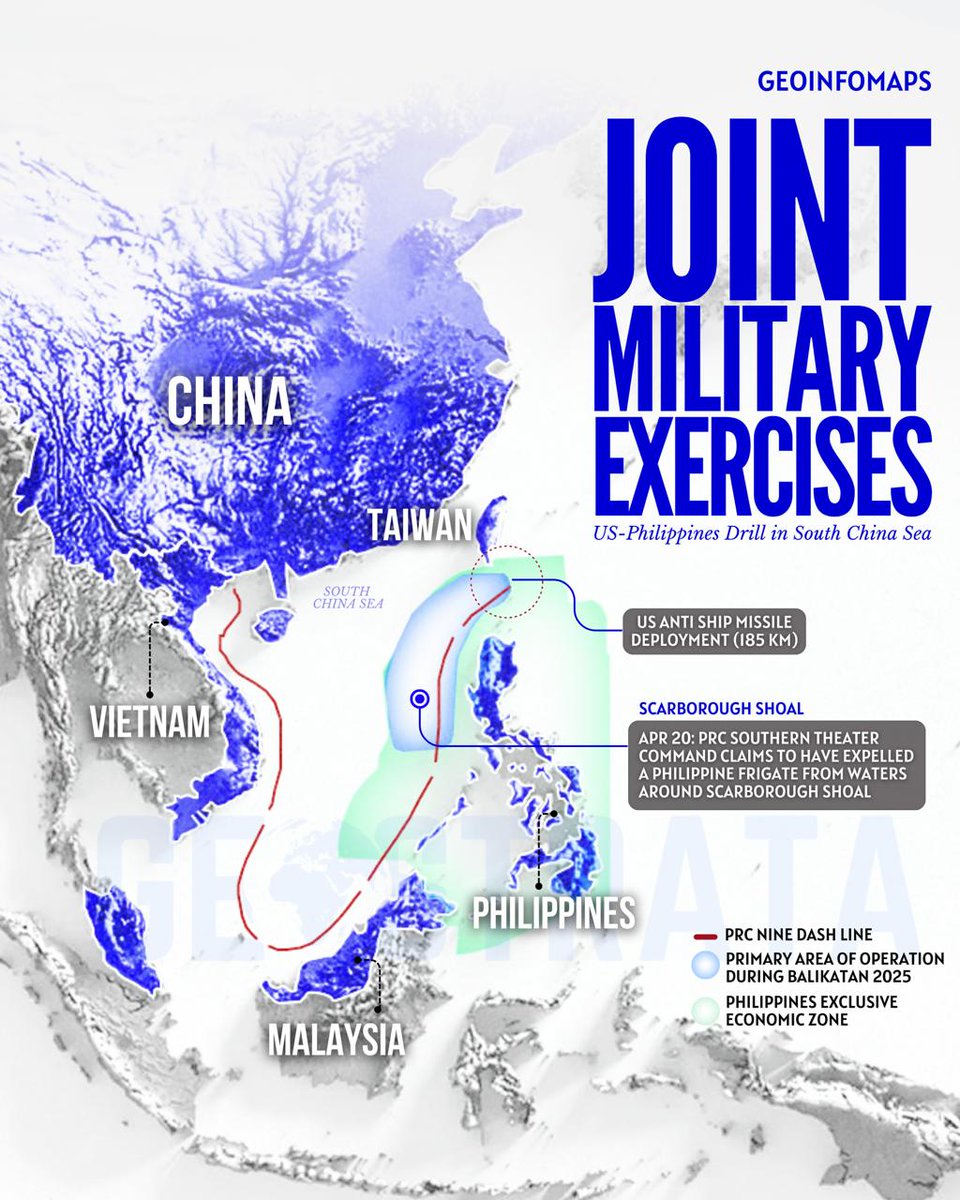
US & Philippines launch joint drills near Scarborough Shoal in the South China Sea, countering China’s claims & reinforcing Manila’s EEZ. A clear stand against Beijing’s Nine-Dash Line & for regional security.
#USA #Philippines #NineDashLine #IndoPacific #Security
9
89

10 Jul 2025
My question is why did western governments ever approve policies allowing companies to feed vast amounts of foreign currency to a very hostile dictatorship via outsourcing ? Where was the concern for “human rights“? Where was the concern for the “aggressive military doctrine” against their near neighbours and the wider international community?
Seemingly, China discovered capitalisms Achilles Heel…..outsourcing #outsourcing #China #NineDashLine
3
6
555

5 Jun 2025
China's refusal to abide by the 2016 UNCLOS South China Sea Arbitration Ruling is the reason entire South China Sea is burning today.
Despite the ruling completely rejecting China's #NineDashLine claims, Beijing continues to enforce them through force, & deceit. @ChongJaIan
1
7
10
413

9 May 2025
China’s swinging #NineDashLine has no basis in international law, as it ignores the historical and legal rights of other coastal states. The #UNCLOS clearly defines maritime boundaries, and #China’s aggressive expansion undermines regional stability. 2/2
1
2
7
433
5 May 2025
What China's #NineDashLine really show is not maritime diplomacy, but a creeping colonization campaign.
The pattern is consistent: take by force, lie through state media, deny all wrongdoing, and blame the victim. 4/4
3
3
7
255

2 May 2025
China did not participate in the proceedings despite being a signatory to the treaty establishing the tribunal.
In 2016, the tribunal completely rejected China's territorial claims under the so called #NineDashLine & held the Chinese occupation of Scarborough as illegal.
2
5
9
337

29 Apr 2025
Sandy Cay : Ujian Ketegasan Anwar Ibrahim Sebagai Pengerusi ASEAN
#SandyCay #LautChinaSelatan #NineDashLine #SalamiSlicing #AnwarIbrahim #MalaysiaASEAN #PertahanKedaulatan #ChinaExpansion #GeopolitikAsia #KrisisASEAN #KedaulatanNegara #shafiqhalim #善心
7
16
200

13 Apr 2025
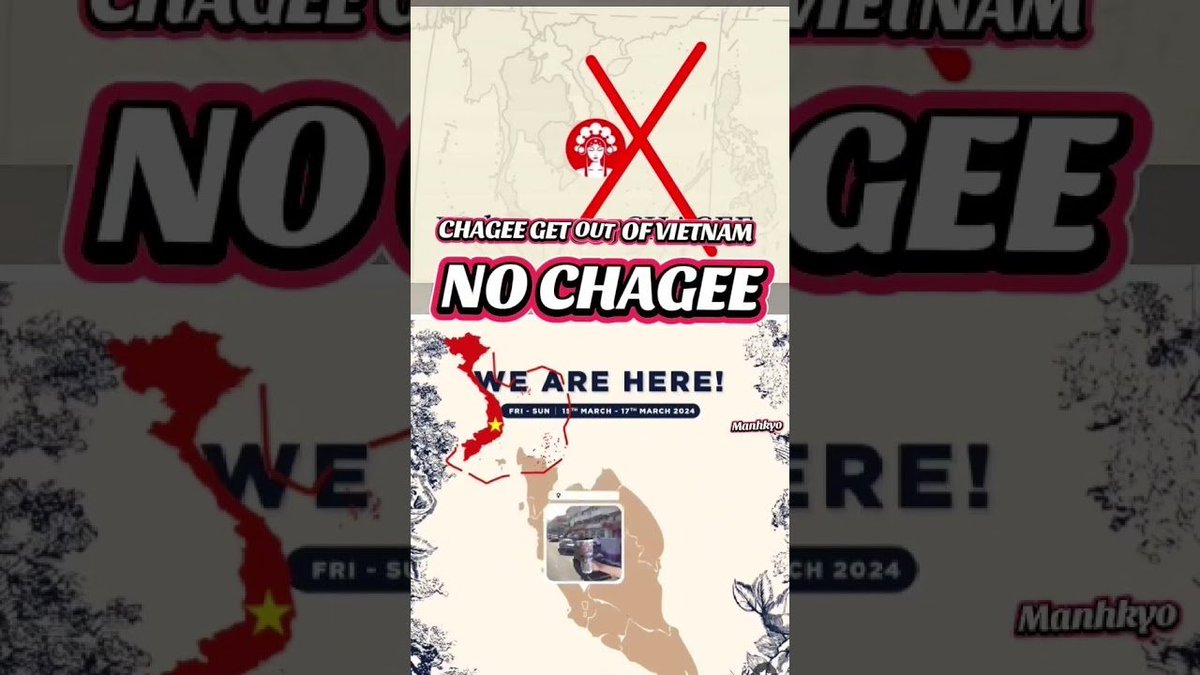
Will Chagee leave Vietnam before April 15, 2025?
🟩YES - 25%
🟥NO - 75%
Bet now 👉 reurl.cc/WN4ZL9
#OXmarket #PoliticsToday #politics #vietnamese #Polymarket #internationalnews #Asia #ninedashline #China #Chinese #milktea #chagee #SoutheastAsia #Vietnam #news

2
118

13 Apr 2025
#China's #NineDashLine are fictitious. Bad hallucination of China's mad dictators, I would say. Though China says, these "Lines" denote China's ancient maritime boundaries, there is no logic, legality, authenticity & historicity behind these claims. 1/x @ChongJaIan @DrewPavlou
21
123
302
8,498
6 Apr 2025
🔥Will Chagee leave Vietnam before April 15, 2025?
🟩YES - 25%
🟥NO - 75%
Bet now 👉 ox.market/marketsDetail?mark…
#OXmarket #PoliticsToday #politics #vietnamese #Polymarket #internationalnews #Asia #ninedashline #China #Chinese #milktea #chagee #SoutheastAsia #Vietnam #news
2
124