
6 Dec 2025
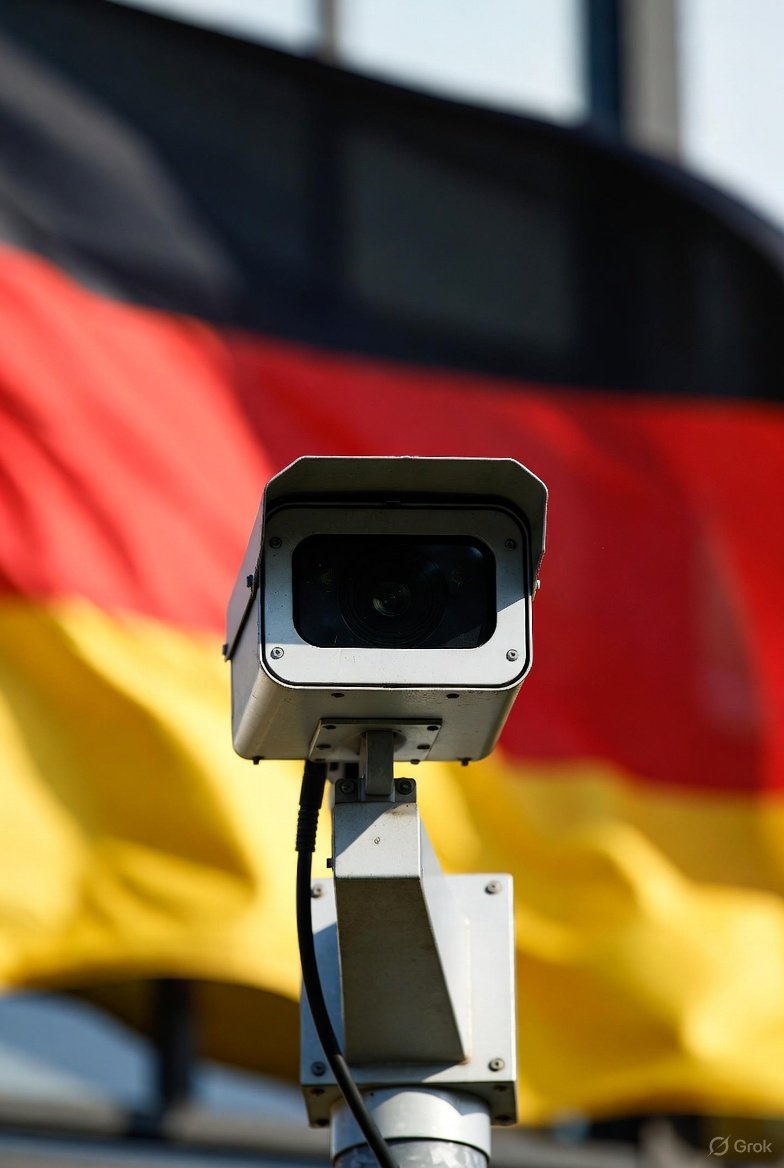
🌐🇩🇪Berlin approves controversial new police law: Extensive powers for digital surveillance and secret entry into homes.
The Berlin parliament has approved an amendment to the Public Order and Security Act (ASOG) that significantly expands the police's powers in the area of surveillance.
The amendment allows for secret entry into private homes to install spyware such as "Staatstrojaner" (state Trojan), monitor digital communications, online searches and extended video surveillance using AI, including facial and voice recognition.
According to sections 26a and 26b, if remote installation of malware is not possible, the police can physically enter the premises of suspects and access their devices to intercept encrypted messages or data in real time.
The law also allows the activation of cameras in private spaces when there is a suspicion of a threat to life and the collection of telephone data in certain locations, including checking license plates and anti-drone measures.
These measures are limited to serious crimes, as set by the German Constitutional Court in August 2025.
The law, supported by the CDU-SPD coalition and the opposition AfD, is defended by Interior Senator Iris Spranger (SPD) as a necessary modernization to combat terrorism and crime in the digital age.
However, critics warn of an “unprecedented invasion of privacy” and the risk of establishing an “authoritarian surveillance state”.
Green Party representative Vasili Franco called the measures “full-scale surveillance”, while Berlin’s data protection ombudsman Meike Kamp described them as “a frontal attack on citizens’ IT security”. The NoASOG alliance and organizations such as netzpolitik.org highlight the disproportionate nature of the measures and the potential for abuses that could threaten civil liberties.
The law will enter into force at the end of 2025 and has sparked a wide-ranging debate about the balance between security and privacy in Germany.
19
78
187
95,024

15 Sep 2025
#ASOG|-Novelle. Die dauerhafte Videoüberwachung mit KI in Berlin kann gg. Grundrechte verstoßen, insb. das allgem. Persönlichkeitsrecht. Aber Jurst:innen wissen das sicher besser - wer will klagen? 🤓
Und soll die KI-Software Palentir von #PeterThiel zum Einsatz kommen? #noASOG
1
2
56

14 Dec 2023
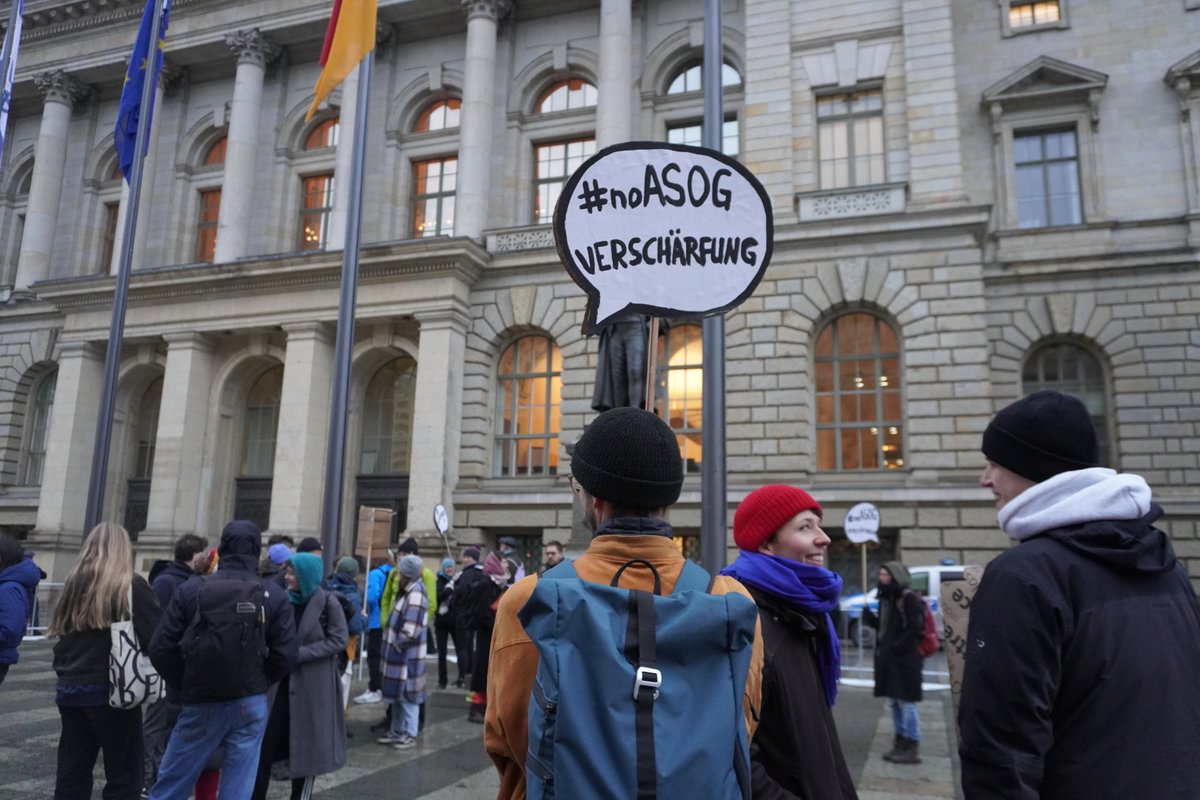
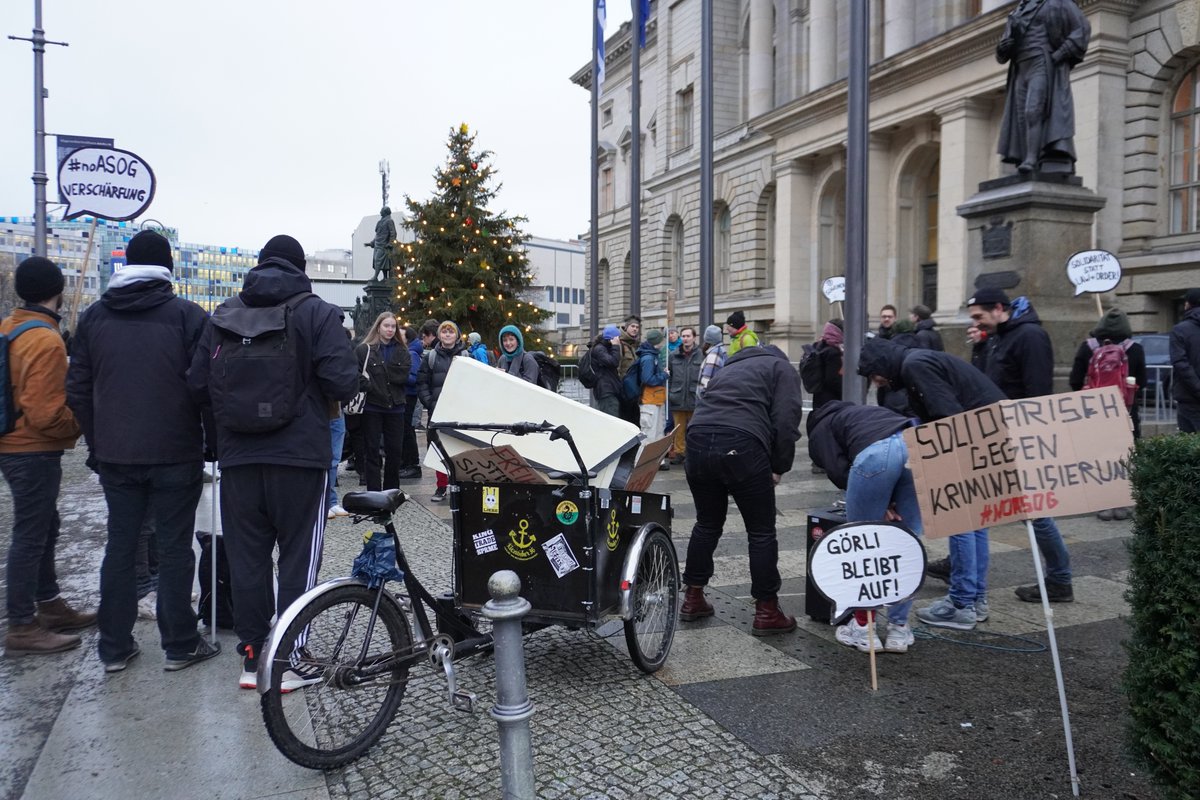
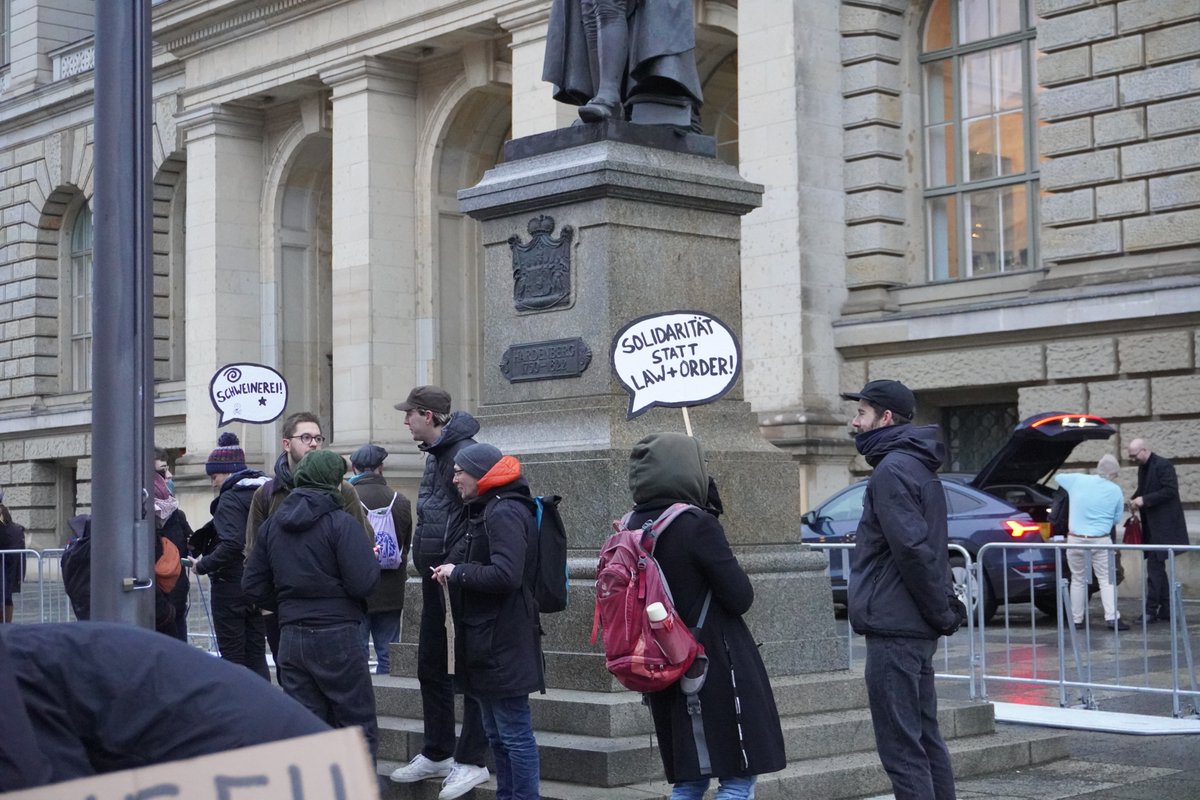
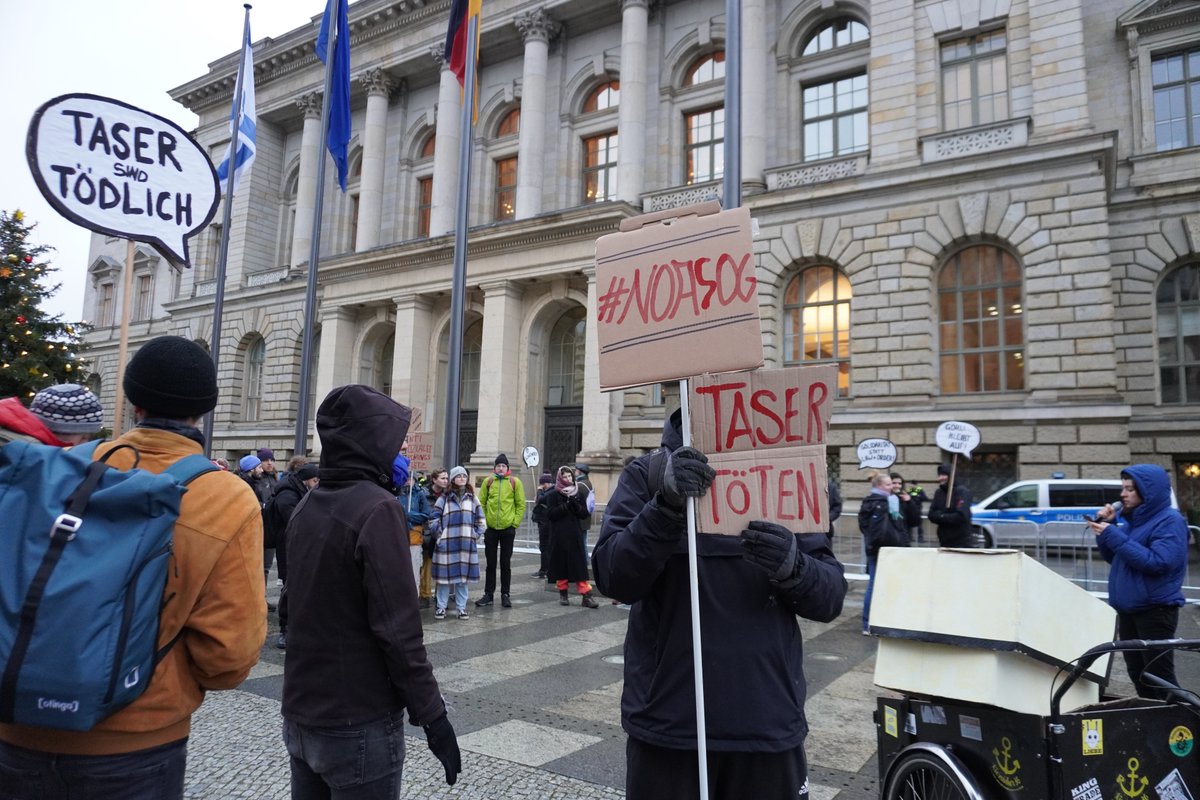
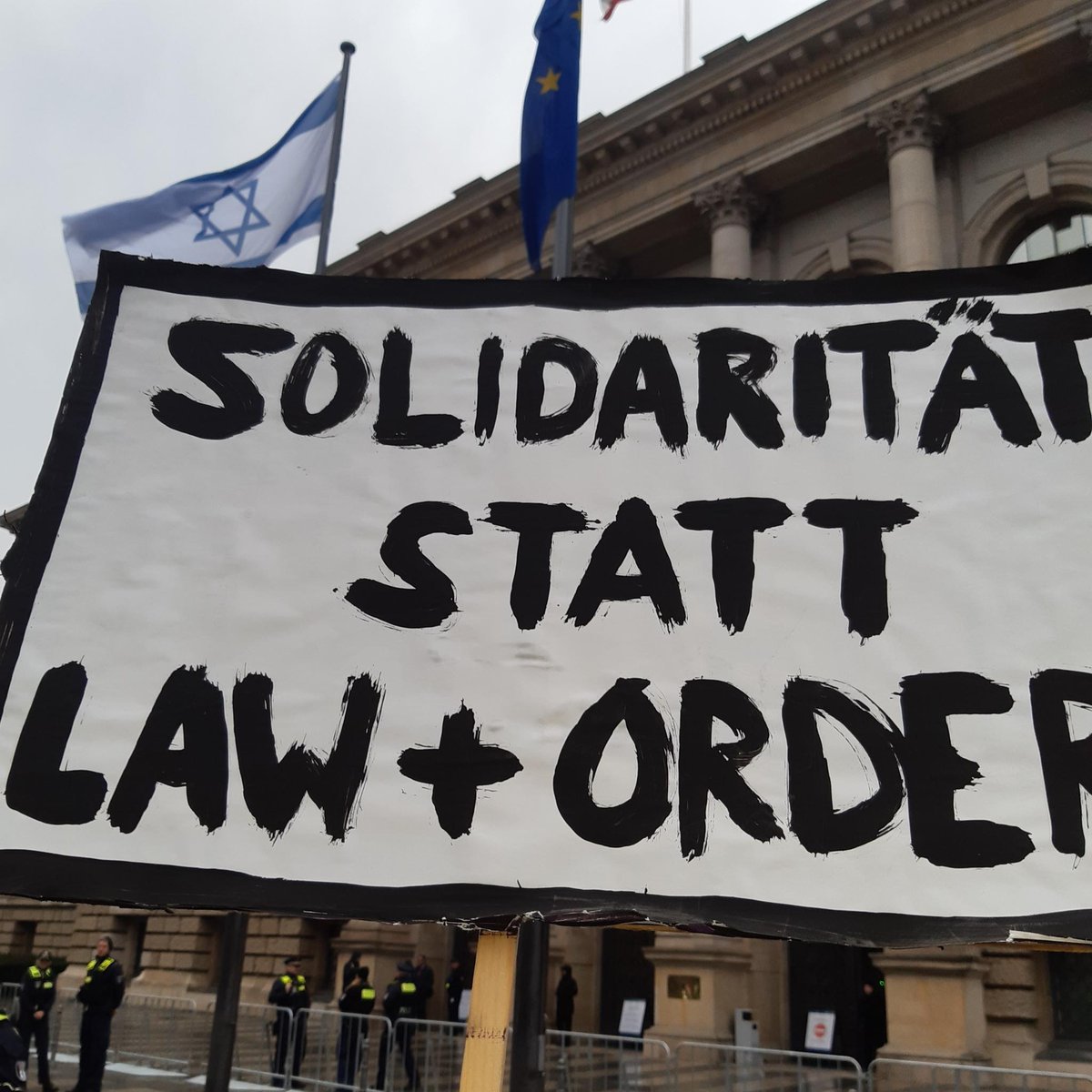
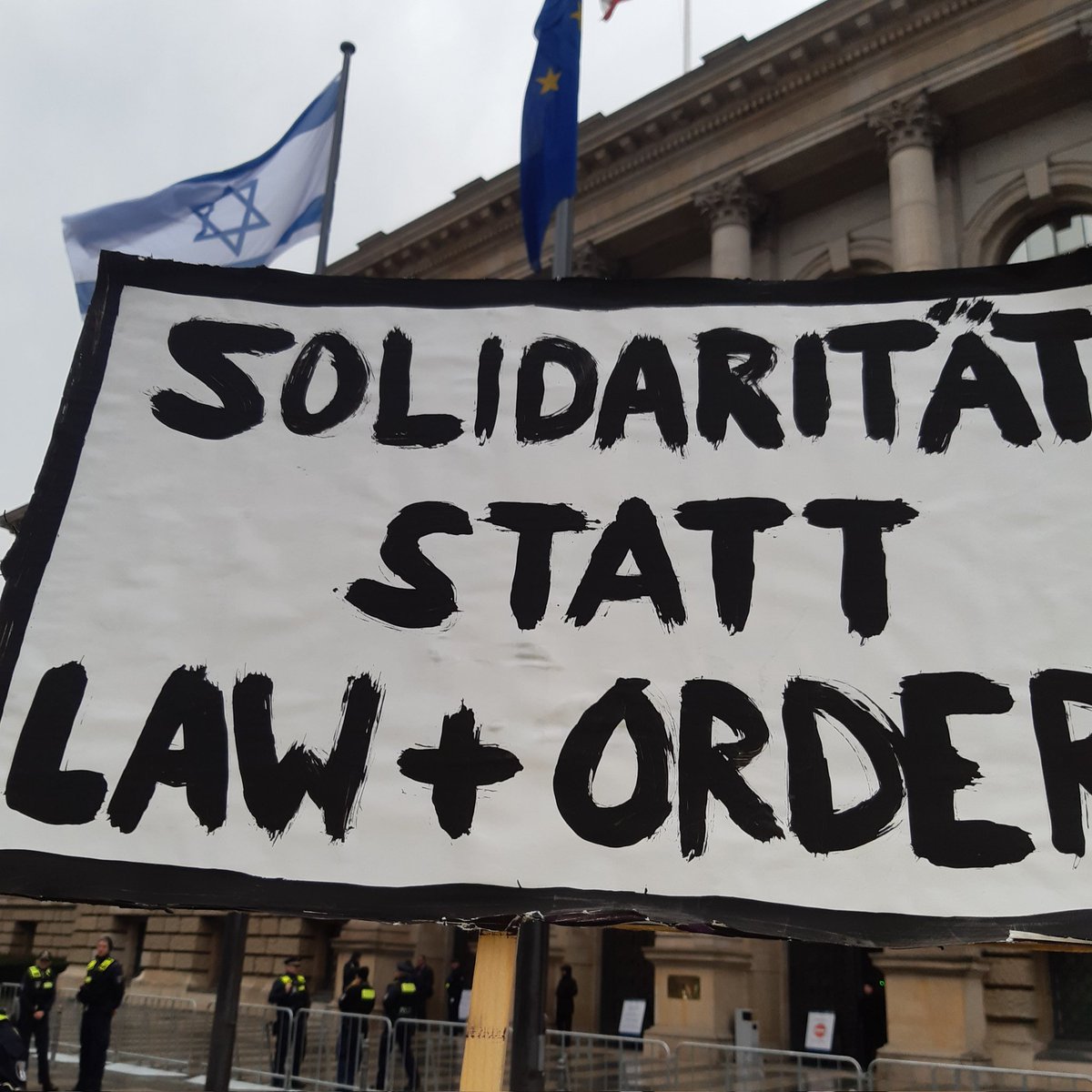
Heute wird über die Verschärfung des Polizeigesetzes abgestimmt. Vor dem Abgeordnetenhaus machte das #noASOG Bündnis klar: Statt Repressionen und Law & Order braucht es soziale Lösungen!
2
7
22
1,699

14 Dec 2023
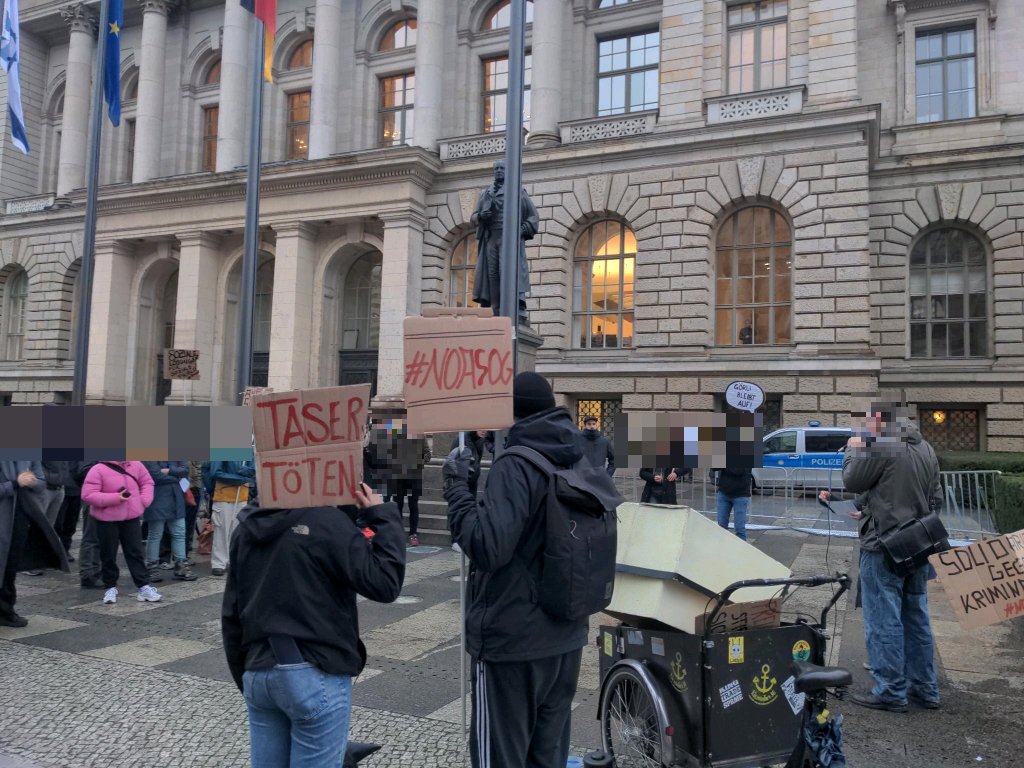
Seit 8:30 Uhr stehen wir als Bündnis für soziale Sicherheit #NoASOG vor dem Abgeordneten Haus in Berlin um gegen die heute angesetzte Abstimmung zur Verschärfung des Berliner Polizeigesetzes zu demonstrieren.
No Justice No Peace - Abolish the Police
15
46
1,415

14 Dec 2023
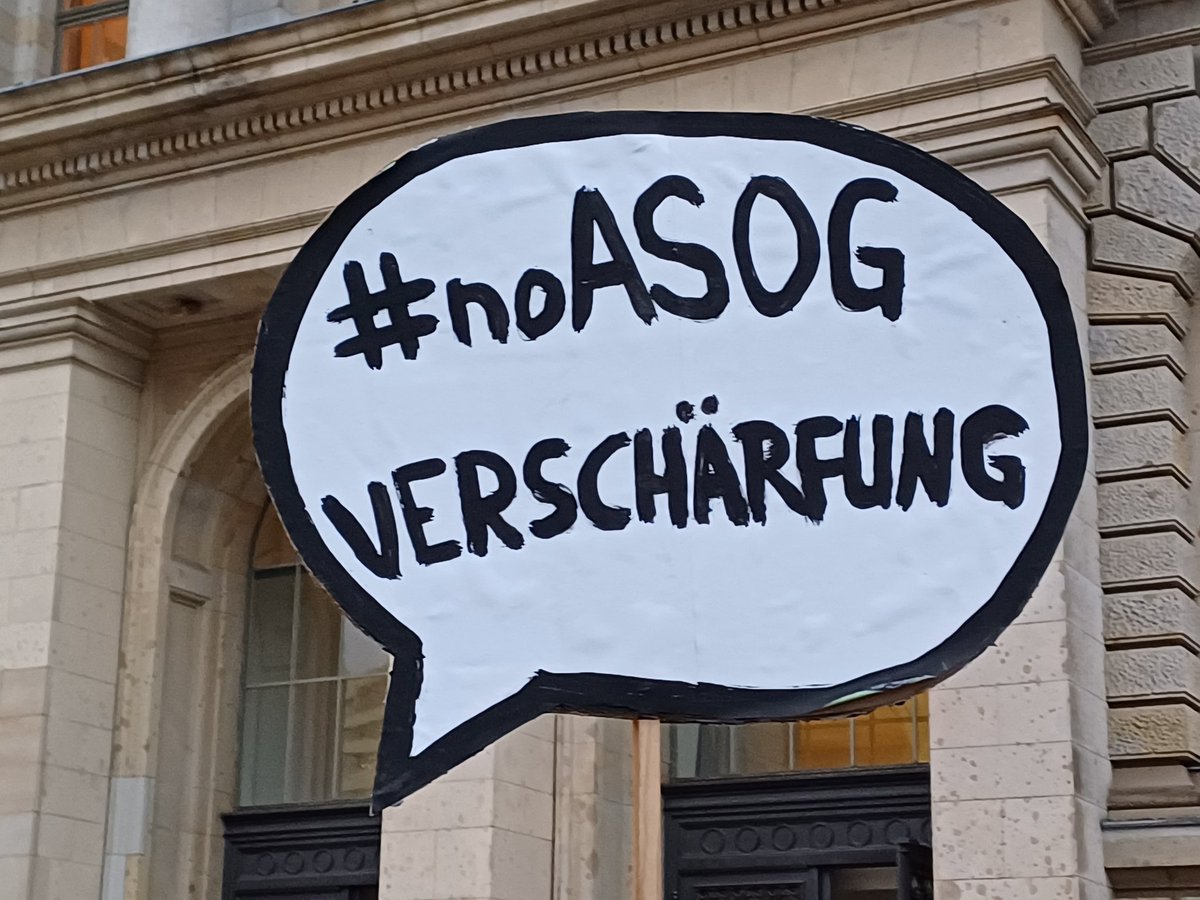
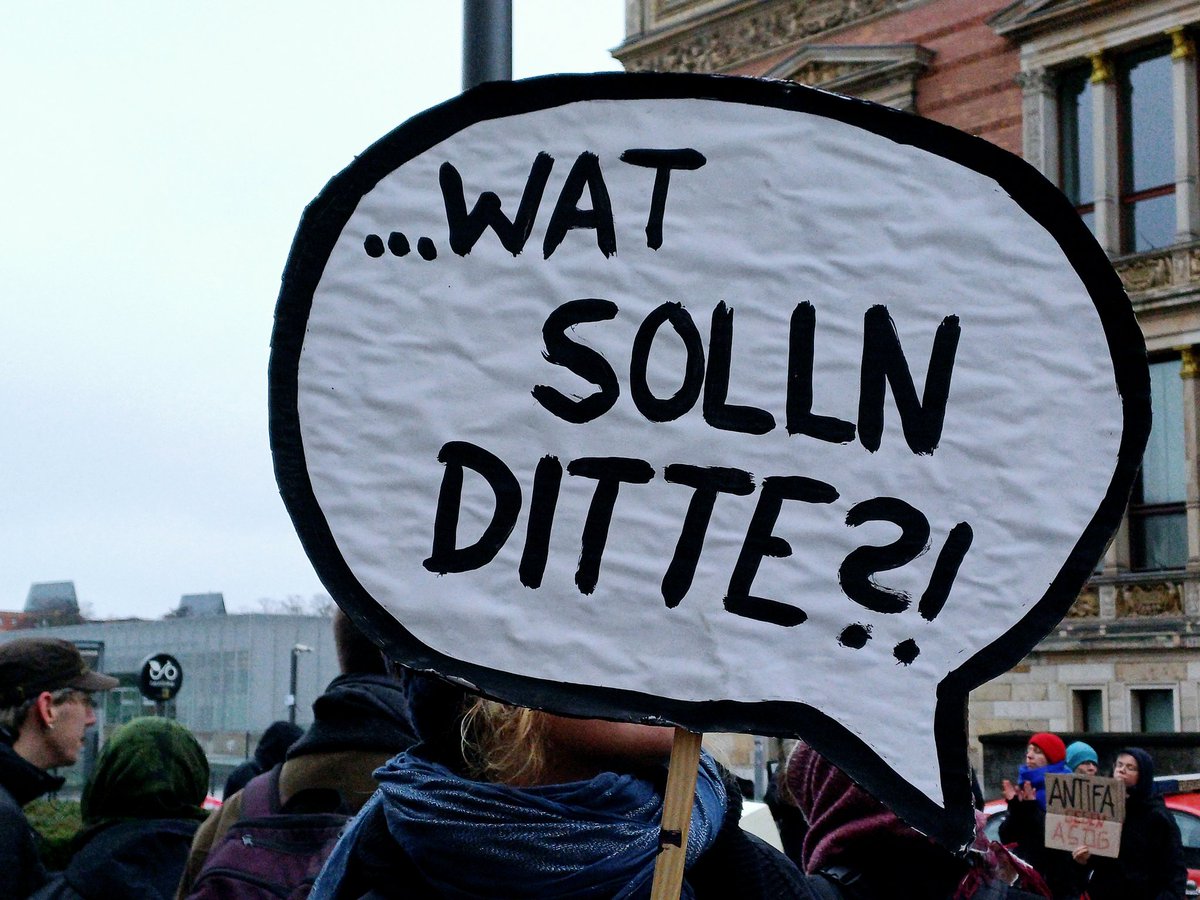
Heute wird im Abgeordnetenhaus nicht nur der Kürzungshaushalt von #SchwarzRot beschlossen, sondern auch die Verschärfung des Berliner Polizeigesetzes ASOG. Vorm #AGH wird gegen diesen innenpolitischen Rollback protestiert:
Soziale Lösungen für soziale Probleme! - #noASOG
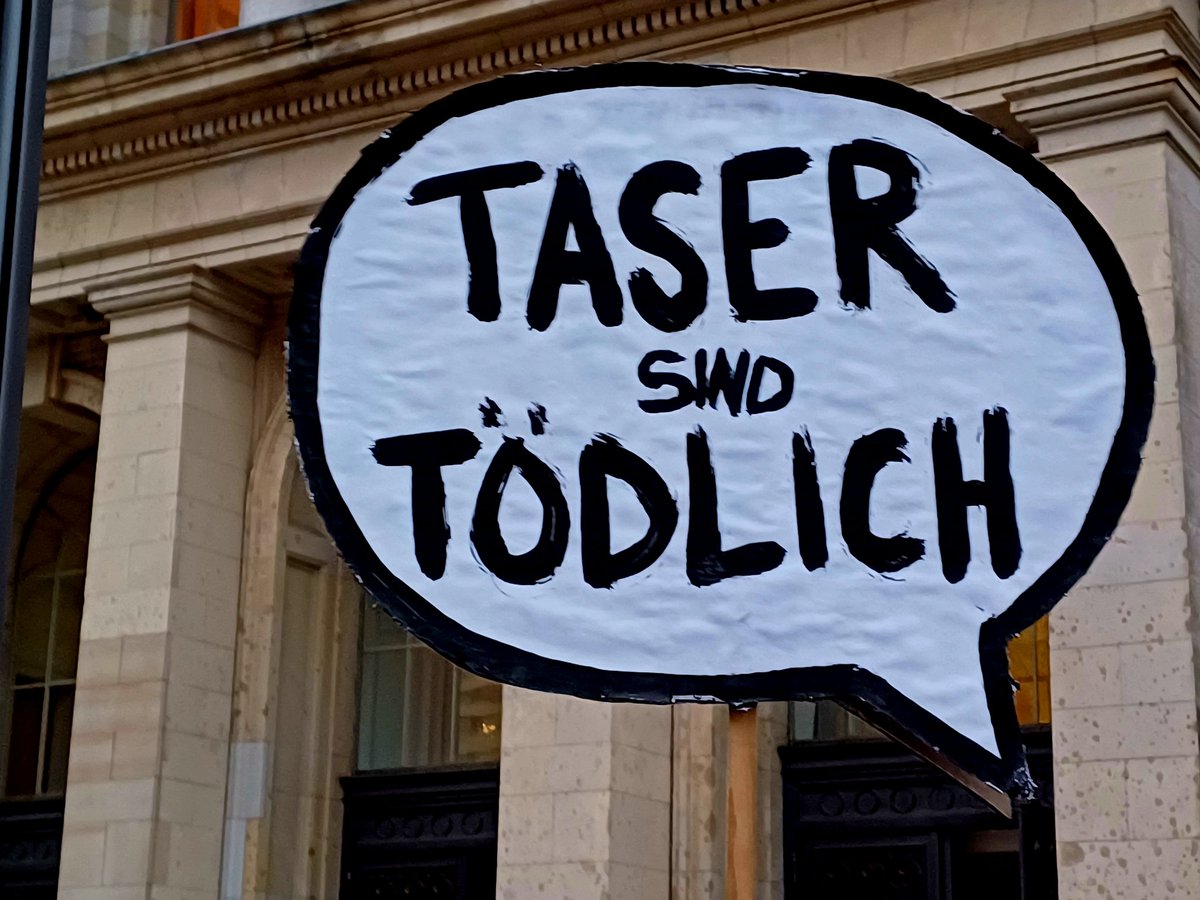
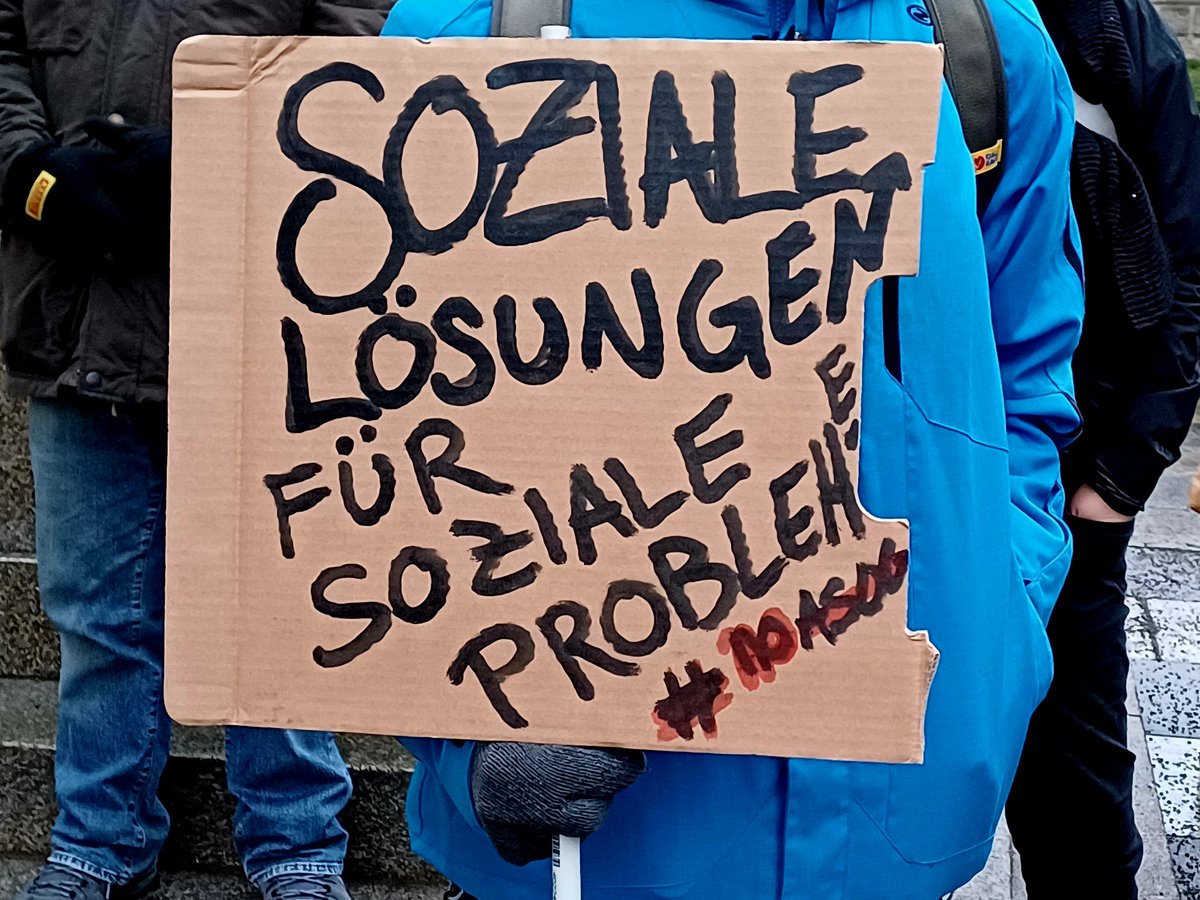
2
3
7
341

13 Dec 2023
Donnerstag morgen vor dem Abgeordnetenhaus! #noASOG
12 Dec 2023

Taser, Präventivgewahrsam und Kameraüberwachung.
Diese und weitere autoritäre Verschärfungen will die Berliner Regierung am 14.12. beschließen.
Kommt alle zur Kundgebung!
14.12., 8:30 Uhr
Berliner Abgeordnetenhaus
Niederkirchner Str. 5 10117

5
10
667

11 Dec 2023
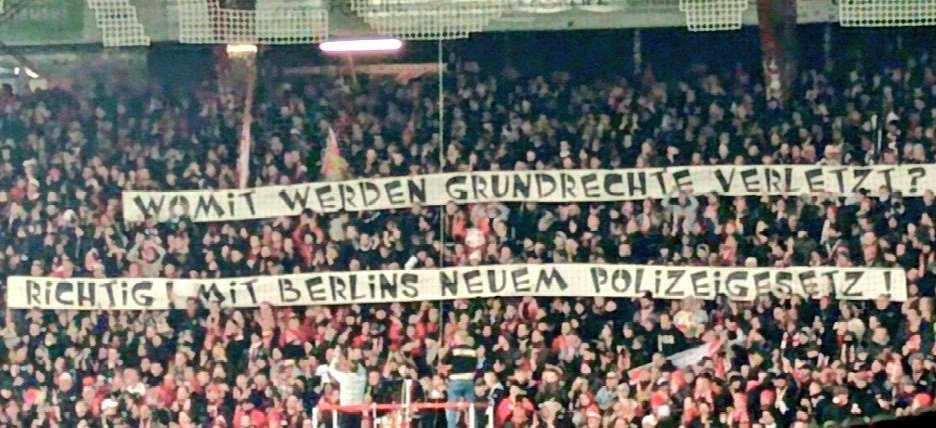
Die Ultras von #Union haben es auch schon auf dem Schirm: mit den geplanten Verschärfungen des Berliner Polizeigesetzes droht Repression!
Donnerstag, 14.12., 8.30 Uhr Kundgebung vor dem Abgeordnetenhaus (Niederkirchnerstr. 5)
Solidarität statt Law&Order!
#noASOG
#eisernunion
1
17
28
1,524

11 Dec 2023
Fax-Fon-Mail-Mitmachaktion: Schreibt den Abgeordneten, warum eine Verschärfung des ASOG Quatsch ist: buendnis-soziale-sicherheit.…
Donnerstag, 14.12., 8.30 Uhr Kundgebung vor dem Abgeordnetenhaus (Niederkirchnerstr. 5)
Solidarität statt Law&Order!
#noASOG
8
15
1,220
10 Dec 2023
Das Berliner Polizeigesetz soll verschärft werden (Taser, Bodycams & Unterbindungsgewahrsam bis zu 7 Tagen). Interview mit Leuten aus dem Berliner Bündnis für soziale Sicherheit zur Kritik daran: freie-radios.net/125386
buendnis-soziale-sicherheit.…
#noASOG
12
26
1,423
10 Dec 2023
Das Berliner Polizeigesetz soll trotz erheblicher rechtlicher Bedenken verschärft werden (Taser, Bodycams, Unterbindungsgewahrsam bis zu 7 Tage).
Finanziert werden diese Neuerungen durch Kürzungen im sozialen Bereich.
Solidarität statt Law & Order!
#noASOG

2
37
77
5,746
5 Dec 2023
Fax-, Mail- & Telefon-Aktion 🔥
Gegen die geplante Verschärfung des Berliner Polizeigesetzes (ASOG). Kontaktiert eure Abgeordneten!
Alle Infos & Kontaktdaten findet Ihr unter buendnis-soziale-sicherheit.…… #noASOG
6
14
887
30 Nov 2023
Interview über die geplanten Verschärfungen des Berliner Polizeigesetzes (ASOG) und unsere Kritik bei den Freien Radios.
freie-radios.net/125386
Soziale Sicherheit statt Law&Order!
#noASOG
@radiocorax
Mehr Infos: buendnis-soziale-sicherheit.…
3
6
411

29 Nov 2023
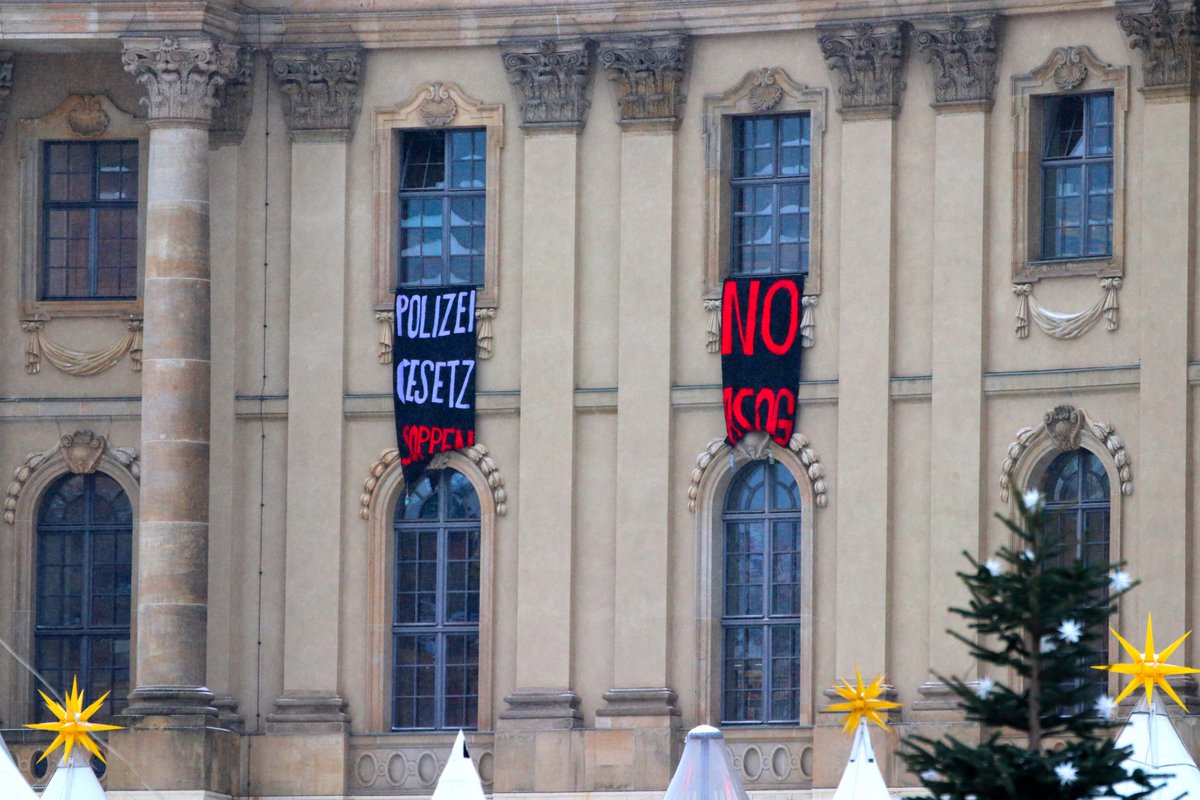
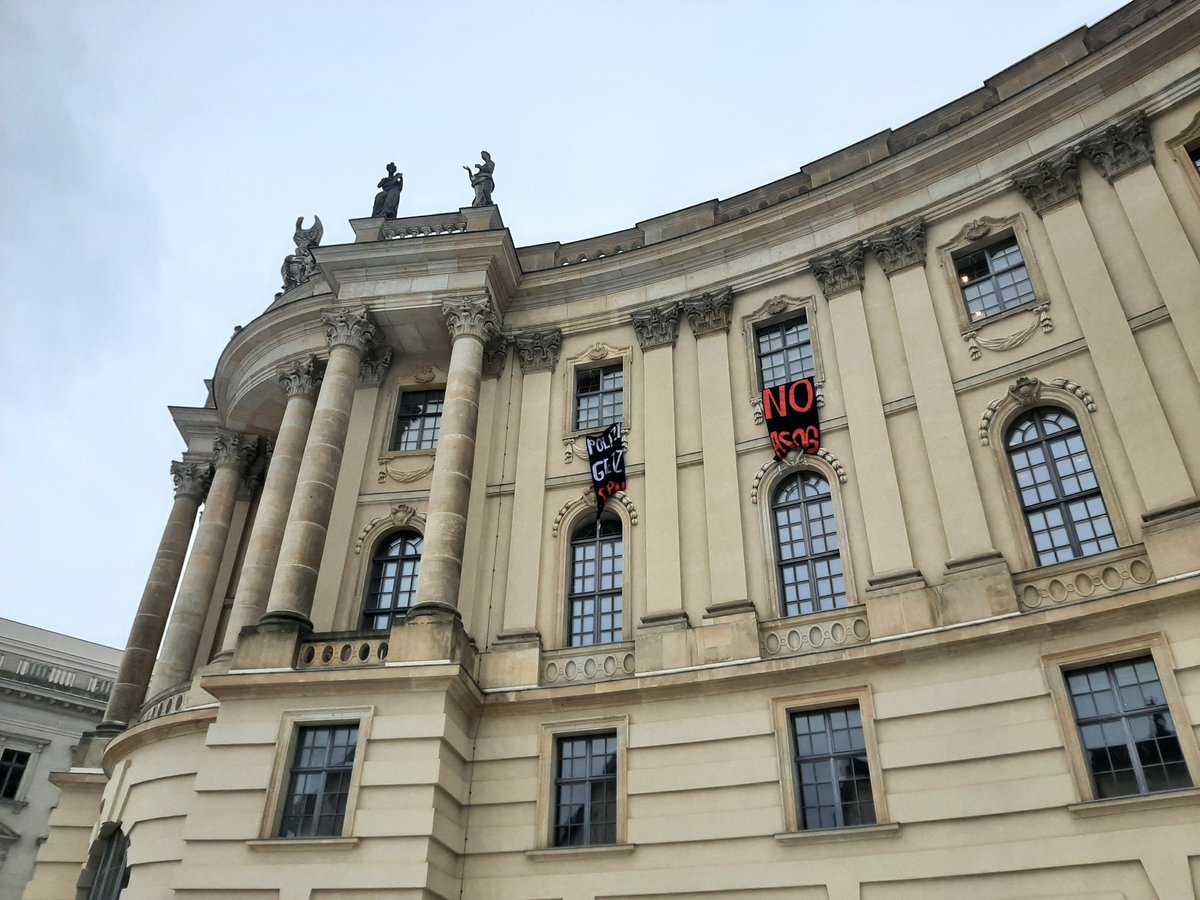
Heute, gesichtet an der Juristischen Fakultät! #noASOG Auch wir stellen uns gegen die Verschärfung des Berliner Polizeigesetzes. Gegen eine ausgebaute Bewaffnung der Sicherheitsbehörden und das kontinuierliche Ausweiten von Befugnissen!

2
17
58
3,196

28 Nov 2023
Auch wir werden da sein! Kommt zahlreich 🔥 #noASOG
26 Nov 2023

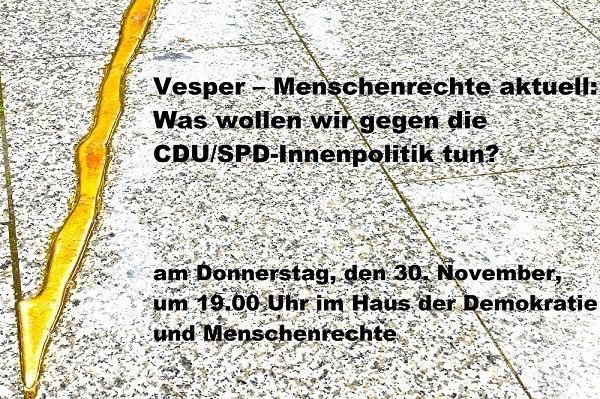
Wir sind mit dem Bündnis für soziale Sicherheit am Donnerstag ab 19 Uhr bei der Humanistischen Union eingeladen und berichten über unsere Kritik an den Polizeirechtsverschärfungen von CDU-SPD in Berlin.
Solidarität statt Law & Order!
#noASOG
@humunion @akj_berlin @IL_Berlin
3
7
1,051
26 Nov 2023
Wir sind mit dem Bündnis für soziale Sicherheit am Donnerstag ab 19 Uhr bei der Humanistischen Union eingeladen und berichten über unsere Kritik an den Polizeirechtsverschärfungen von CDU-SPD in Berlin.
Solidarität statt Law & Order!
#noASOG
@humunion @akj_berlin @IL_Berlin
7
10
2,026
18 Nov 2023
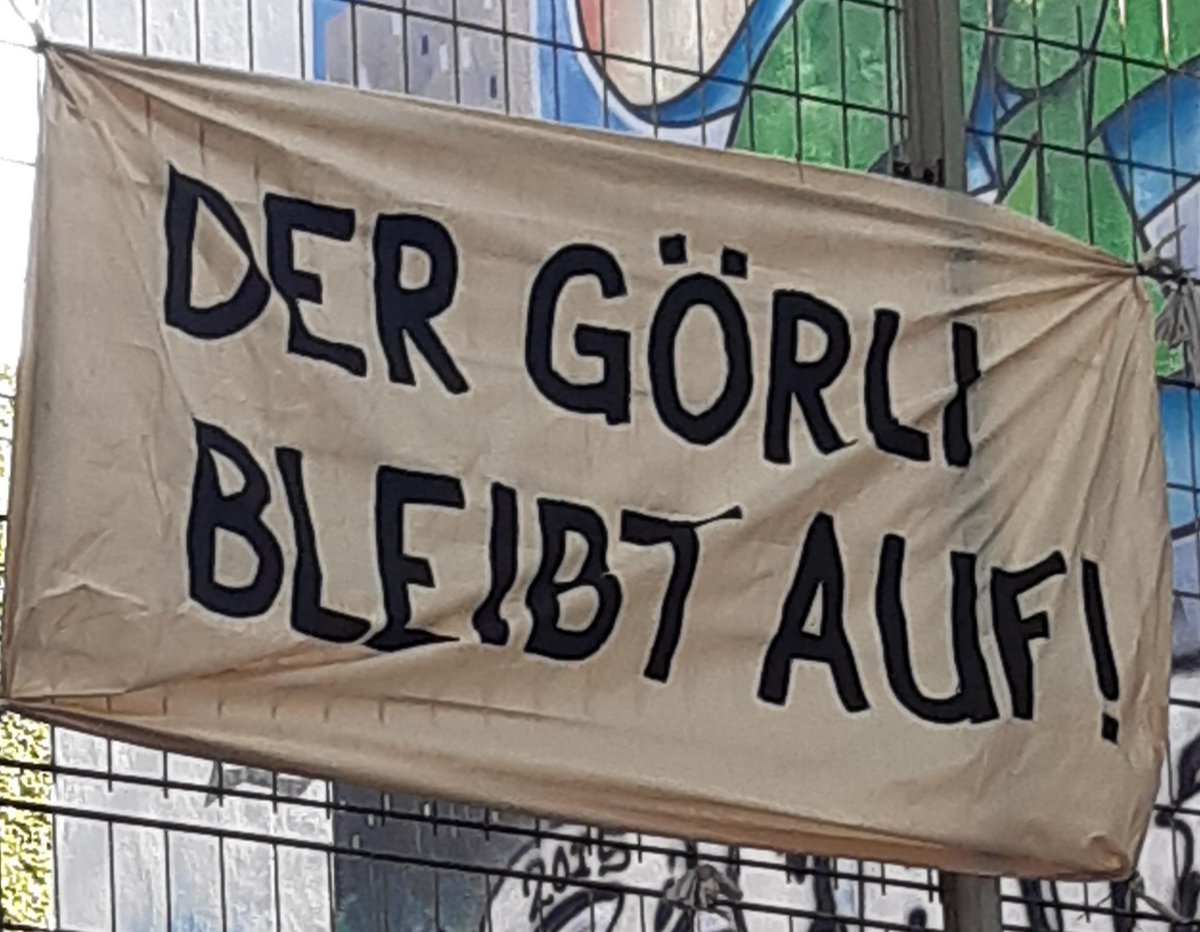
Interview bei "Kotti on Air" über die Situation im #Görli, den Zaun & die geplanten Veränderungen im Berliner Polizeirecht (#noASOG.
Solidarität statt Law&Order!
m.mixcloud.com/rebootfm/kott…
@akj_berlin @der_neukoellner @bizimkiez @perspektive_sv @humunion @IL_Berlin @nikschrader
2
8
15
871

18 Nov 2023
Heute auf die Straße: Gegen die Verschärfung des Berliner Polizeigesetzes #NoAsog
- No Taser!
- No Bodycams!
- No Präventivhaft
📢 Wir wollen soziale Lösungen für soziale Probleme statt Law and Order!!!

2
4
208
