
Most developers use blockchains the same way they use AWS.
They call the API. They trust the infrastructure.
They never think about what's actually running underneath.
Running your own node changes that permanently.
@inkonchain — 36,800 GitHub stars, MIT licensed,
and the official Docker Compose setup for running a full
Ink L2 node on Kraken's DeFi chain.
Here's what spinning up your own node actually gives you:
→ Full node — validates and serves the complete chain state
without relying on any third-party RPC provider
→ Archive node — full history of every state since genesis,
downloaded via Gelato ChainSnap for fast bootstrap
→ op-geth op-node — the OP Stack execution and consensus
client pair running Ink's canonical chain
→ Grafana dashboard at localhost:3000 — real-time monitoring,
sync status, state root fault detection built in
→ Healthcheck service — alerts you the moment your node
falls out of sync with the reference L2
→ .env config — one file for RPC endpoint, L1 beacon,
node type, and custom port overrides
→ git clone docker compose up — node running in minutes
→ Hardware baseline: 8 CPU cores, 8GB RAM, 100GB disk
→ MIT licensed — 631 forks, actively maintained
Note: op-geth support ends May 31, 2026. Migration to
op-reth is the recommended path for production operators.
Your node. Your chain. No intermediaries.
Discovered on OSSphere : ossphere.dev/inkonchain/node
Have you ever run your own blockchain node — and what did
it teach you? Drop it below 👇
#Ink #OpenSource #Web3 #Ethereum #BuildInPublic #Layer2 #NodeOperator
9
CAWのコードベース57,000行を数週間かけて全部読んだのでまとめます📖
【なぜ全部読んだのか】
ノードを立てて運用してたら「なぜこう動くのか」が気になりすぎて止まれなかったw
【読んで分かったこと①:設計が本物】
DM暗号化
→ ウォレット署名からsecp256k1で鍵導出→ECDH→AES-256-GCM
→ サーバーはメッセージを一切見られない
アクション処理
→ SolidityのコントラクトをTypeScript bigintで1ビット単位で完全再現
→ RPCを叩かずメモリ内で状態管理してオンチェーンと照合
ZKプルーフ(Groth16)
→ バリデーターの署名を1つの証明に圧縮
→ 署名偽造が構造的に不可能
これ趣味プロジェクトのコードじゃないです。完全にメインネット見据えた設計。
【読んで分かったこと②:バグも見えた】
QuickSignバグ
→ セッションはCAW_NAMES_L2(0x0c3e)に正しく登録されてる
→ なのにバリデーターがCAW_ACTIONS(0x5674)と照合するので永遠にミスマッチ
→ V2待ちで報告済み
偽失敗通知428件
→ チェーン確認前にタイムアウトしてFAILEDになるだけで実は成功してた
→ 専用スクリプト書いてクリーンアップ完了
ゾンビプロフィール
→ FEビルドが5/14のまま陳腐化してたのが原因
→ 再ビルドで解決
【読んで分かったこと③:V2がヤバい】
NFTミント+QuickSign設定+L2登録が1トランザクションで完了
LayerZero でEthereum↔Base↔Arbitrumの3チェーン構成
フォローすると報酬6,000 CAW、投稿で5,000 CAW(ステーカーが受け取る)
コミュニティが活発になるほどホルダーが恩恵を受ける設計。
【運用してみての感想】
コードを読みながらノードを動かすと
ログの意味がリアルに分かって面白い
今日も全ノード6台生存確認✅
V2来い👀
ノード立てたい人はこちら👇
gist.github.com/nyaromesama/…
#CAW #Web3 #Validator #NodeOperator #ZKProof
@caw_dev
#THE_CROW_WILL_FLY #CAW #Gilgamesh #testnet #CawProtocol #TehFuturelsHere #IAmRyoshi #DecentralizedFreedom #Web3 #Validator #SourceCode
1
14
66
6,289

Jun 12
今朝ビルダーズで報告したバグ2件(偽失敗通知428件・ゾンビプロフィール)の調査過程も含めて、ノード運用ガイドにまとめました📝
セットアップはテンさん(@tencaw1000)の初心者ガイドが超わかりやすいのでそちらを👇 caw-japan.com/hunters-equipm…
こっちは立てた後の運用・地雷回避編です。コードベース57,000行読んで発見したバグや踏んできたトラブル全部入り。
使い方: URLをClaudeに貼って「このガイドを読んでノード構築を手伝って」と言えばAIがサポート🤖
V2前の今が始め時かも👀
👇 ノード運用ガイド gist.github.com/nyaromesama/…
分からないことあれば気軽にDMどうぞ!
#CAW #Web3 #Validator #NodeOperator
@caw_dev
#THE_CROW_WILL_FLY #CAW #Gilgamesh #testnet #CawProtocol #TehFuturelsHere #IAmRyoshi #DecentralizedFreedom #Web3 #Validator #SourceCode
7
44
1,187
Jun 11
CAW Protocolのノード、実は個人でも全然立てられます🐱
Hetzner CPX52 Ubuntu 24.04があれば動く。詰まりポイントは大体決まってるので、先人の地雷マップがあれば意外とスムーズ。
コードベース57,000行を読み込んで発見したバグ修正や、運用で踏んできたトラブル全部まとめました。これ見ながら立てれば同じ苦しみは味わわずに済むはず👍
使い方: URLをClaudeに貼って「このガイドを読んでノード構築を手伝って」と言えばAIがガイドに沿ってサポートしてくれます🤖 詰まったところを聞きながら進める感じで。
V2リリース前の今が始め時かも👀
👇 ノード運用ガイド gist.github.com/nyaromesama/…
分からないことあれば気軽にDMどうぞ!
#CAW #Web3 #Validator #NodeOperator
@caw_dev
#THE_CROW_WILL_FLY #CAW #Gilgamesh #testnet #CawProtocol #TehFuturelsHere #IAmRyoshi #DecentralizedFreedom #Web3 #Validator #SourceCode
4
15
72
5,673

Jun 11
@AroNetwork Powering the future of AI and Web3 with decentralized edge infrastructure. Running my ARO Pod and contributing real bandwidth to a growing global network while stacking rewards along the way.
#ARONetwork #AROPod #DePIN #Web3 #AI #EdgeCloud #NodeOperator

1
13

Jun 11
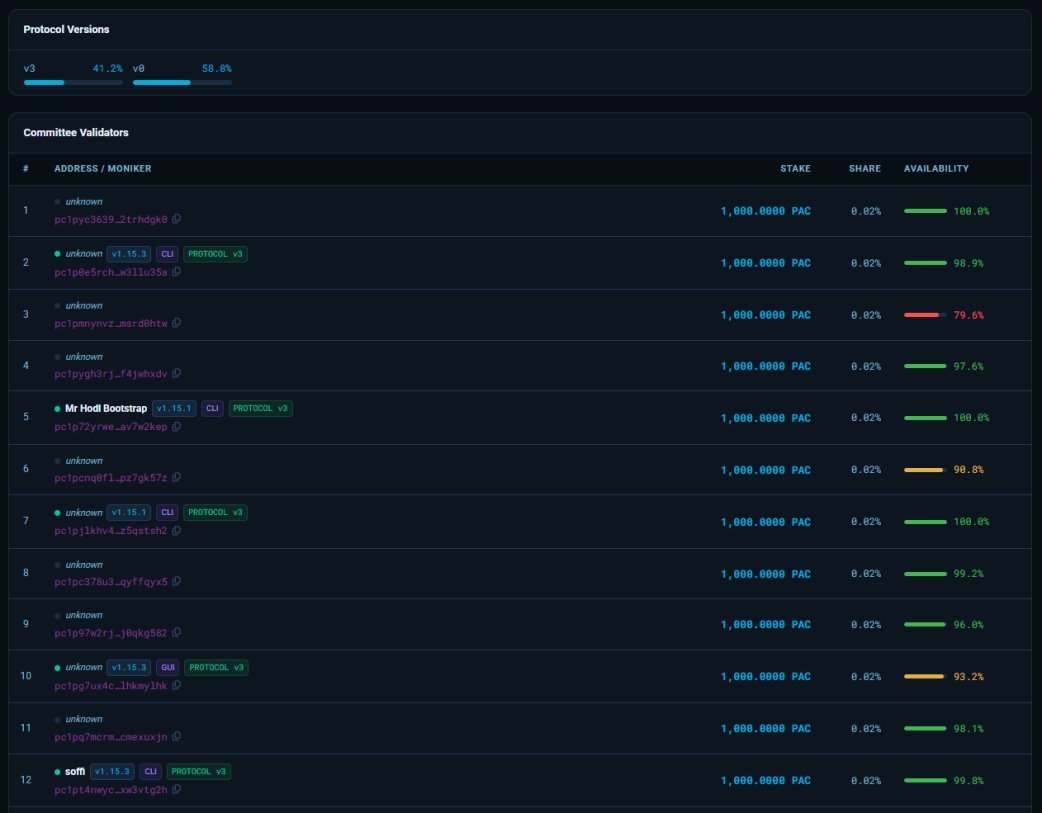
📢 Attention @PactusChain validators
Only 21/51 validator addresses are currently showing green status.
If your validator is still running a version below v1.15.1, please upgrade as soon as possible and ensure your node remains online.
Let's work together to keep the network healthy and decentralized. 🚀
#Pactus #Validator #NodeOperator
2
69

Jun 10
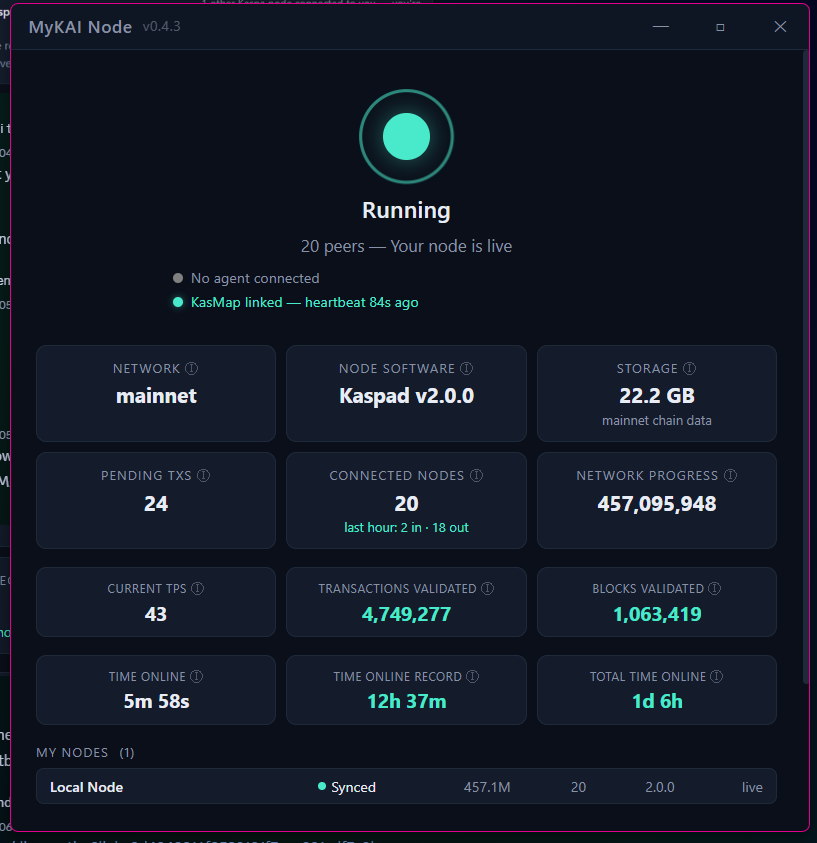
⚡ Just got my Kaspa node up and running using myKAI. @KasMaporg
I was surprised by how simple the setup process was. No complicated configuration or deep technical knowledge required—just follow the steps and you're up and running in no time. and a huge thanks and salute to @Seb28_7 for helping me out🫡
If you've been thinking about running a Kaspa node, myKAI makes it much more approachable.
Check it out here: mykai.dev/
#Kaspa #KAS #NodeOperator #Blockchain #MyKAI kaspa:native
6
18
79
1,533

Jun 7
💰 Don't just use the network—own a part of it!
Join @dtelecom as a Node Operator to help build the world’s largest decentralized network and earn exciting $DTEL rewards!
🚀 Turn your idle bandwidth or hardware into passive income. Don't miss out!
#DTelecom #NodeOperator

1
1
65

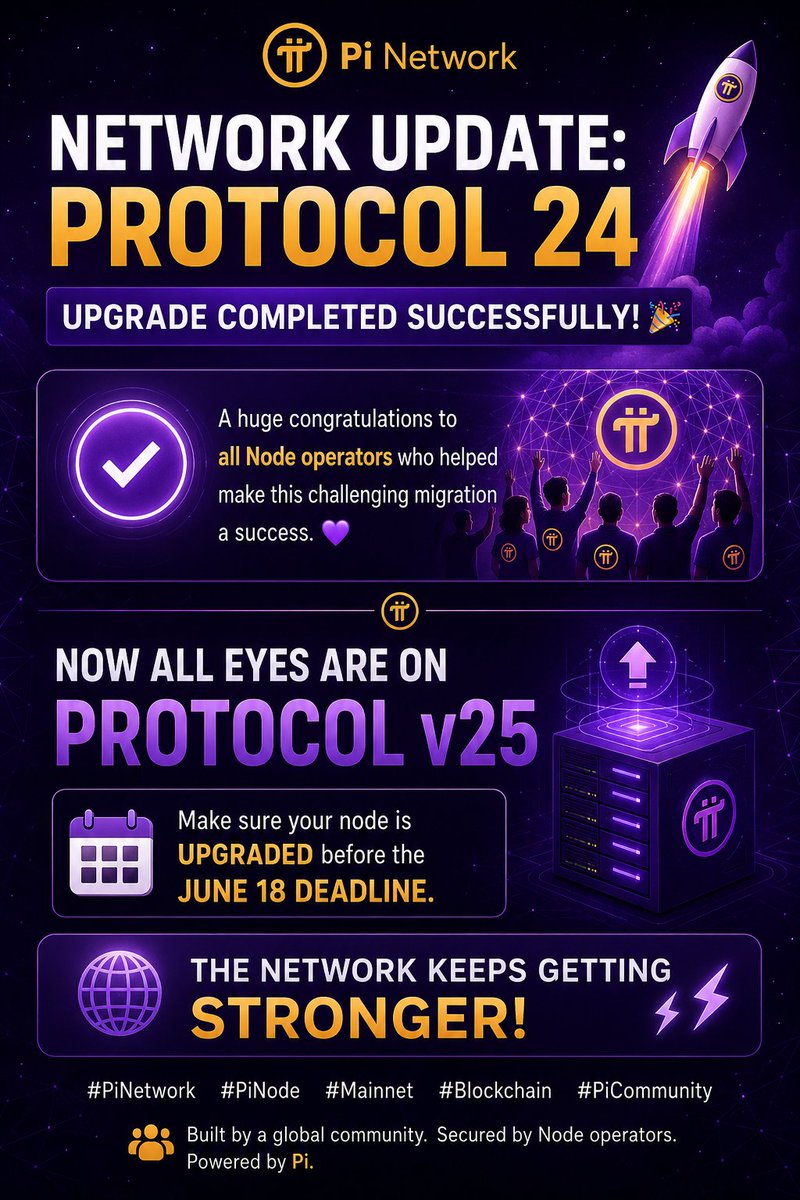
🎉 Upgrade Complete!
Protocol 24 has officially been deployed across the network, marking one of the most significant technical migrations so far. ⚡
Thank you to every Node operator who contributed to this achievement. Next target: Protocol v25 by June 18. Let's keep building together! 🚀
facebook.com/share/1GXc5S9jx…
#PiNetwork #Mainnet #PiCommunity #NodeOperator #FutureOfCrypto
15
68
378
6,065

Ready to host the future of the web? 🌐
An "Always-On" Edge Node is the backbone of Holochain app hosting. By keeping your hardware online 24/7, you provide the critical infrastructure the P2P web needs to thrive.
📖 Turn your spare hardware into resilient infrastructure today: holo.host/resources/always-o…
#SelfHosting #NodeOperator #Holo
9
27
115
4,079

May 25
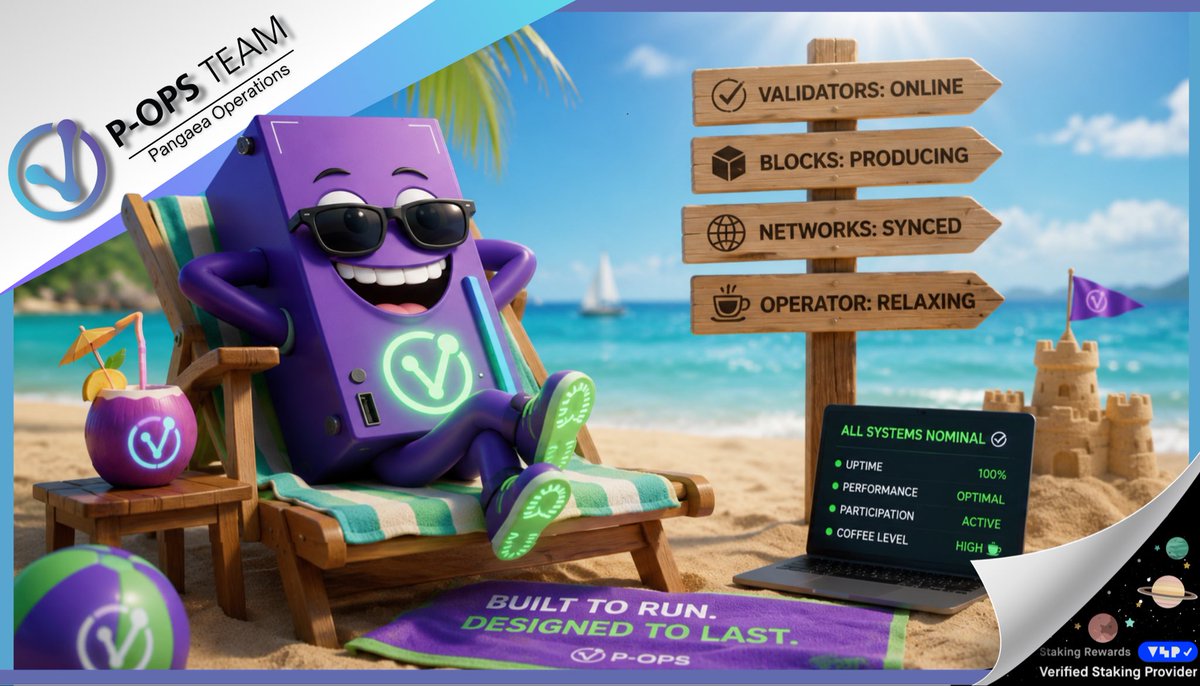
☀️🏖️ BANK HOLIDAY MONDAY | Systems Still Move
☕️ Some mornings are built for acceleration.
☀️ Others are built for observation.
🌤️ Today is the second kind.
🛰️ While timelines slow down, inboxes quieten, and most people step away from the screen for a few hours, infrastructure continues doing exactly what it was designed to do.
⚙️ Validators keep signing blocks.
🌐 Relayers keep moving messages between ecosystems.
📡 Consensus keeps ticking forward one block at a time.
💡 Good systems are quiet when they work properly.
That is the point.
⚙️ Reliable infrastructure does not rely on constant intervention.
🧠 Mature operations are built around consistency, not reaction.
📈 Sustainable staking performance comes from process discipline long before volatility arrives.
🌴 Bank holidays are useful for something operators rarely get enough of:
Perspective.
🔍 The slower pace makes it easier to spot:
• unnecessary complexity
• weak routines
• overlooked maintenance
• the difference between systems that merely function and systems that scale cleanly under pressure
🌊 Because resilience is not really proven during noise.
🌙 It is proven during calm.
☕️ When nobody is watching closely.
📉 When the market is quiet.
🛰️ When attention moves elsewhere.
That is when operational quality becomes visible.
🏖️ Whether today is being spent outdoors, with family, travelling, gaming, or simply catching up on rest — enjoy the slower cadence properly.
📊 The dashboards will still be there tomorrow.
⛓️ The networks will still be producing blocks.
🚀 And the long-term operators will still be building.
☎️ Stay Connected with P-OPS Team:
🌎 Website: pops.one
🌳 Linktree: linktr.ee/p_opsteam
🐥 Twitter: twitter.com/POpsTeam1
↗️ Telegram: t.me/POPS_Team_Validator
👾 Discord: discord.gg/jJ8aaMwPwa
#Staking #Crypto #Blockchain #Validator #ProofOfStake #Web3 #Infrastructure #NodeOperator #BankHoliday #POPSTeam
1
8
20
157
Every new device that joins the Wind Tunnel gives our engineering team higher-fidelity data on network scaling and gossip performance. 📈
Ready to help us break things for science? Spin up your node and tune it into the test network today: 👉 holo.host/resources/edge-nod…
#SelfHosting #NodeOperator #HoloHost #Web3
5
30
123
2,953

May 23
🚨 Krown Technologies CIO Sergio Santoianni:
Big News from Krown Technologies' @KrownNetwork! Our #ValidatorOperationsManager (#VOM) Platform is LIVE Today! 🔥
Excited to announce that the #KrownValidator Onboarding & Management Platform is now officially live at validator.krown.network
This is a major milestone for our ecosystem. Whether you're an experienced #NodeOperator or just getting started, you can now run #validators your way, fully self-hosted, professionally managed by #Krown, or pooled through #SharedNodes. Built for operators of every size and expertise level.
Three Flexible Models:
1) Managed Validator Min Stake: 100M KROWN | 15% Platform Fee | Krown-managed infrastructure | Est. APR 11-12%
2) Shared #Staking Min Stake: 100K KROWN | 15% Platform Fee | Shared infrastructure | Est. APR 11-12%
3) Self-Hosted (coming with 0% platform fee for full control)
Onboarding takes just minutes: #ConnectWallet → Submit profile → Get approved → #Stake & go live.
This platform strengthens the #security, #decentralization, and #performance of the largest #L1 #QuantumSecured #Blockchain while creating real earning opportunities for our community.
If you're serious about #BlockchainInfrastructure, #StakingRewards, and being part of a #NextGeneration #ecosystem, this is your moment.
👉 Start Validating Now: validator.krown.network
Key Links:
Krown Network: (@KrownNetwork) krown.network
Qastle Wallet: (@QastleWallet) qastlewallet.com
Krown Validator Onboarding & Management Platform: validator.krown.network
Blockchain Explorer: explorer.krown.network
KrownDEX: (@KrownDEX) krowndex.com
Krown Foundation: krown.foundation
Wen Lambo Sweepstakes: qastlewallet.com/sweepstakes
Telegram: t.me/krownnetwork
LinkedIn: lnkd.in/eakRjj6R
YouTube Instructional Shorts: youtube.com/@Krown.Network/s…
Chart DEX-Tools: dextools.io/app/krown/pair-e…
Quantum eMotion: (@QEM_Corp) quantumemotion.com
#KrownNetwork #KrownValidator #VOM #Staking #QuantumSecured #L1 #ValidatorOperationsManager #KROWN
2
7
17
218

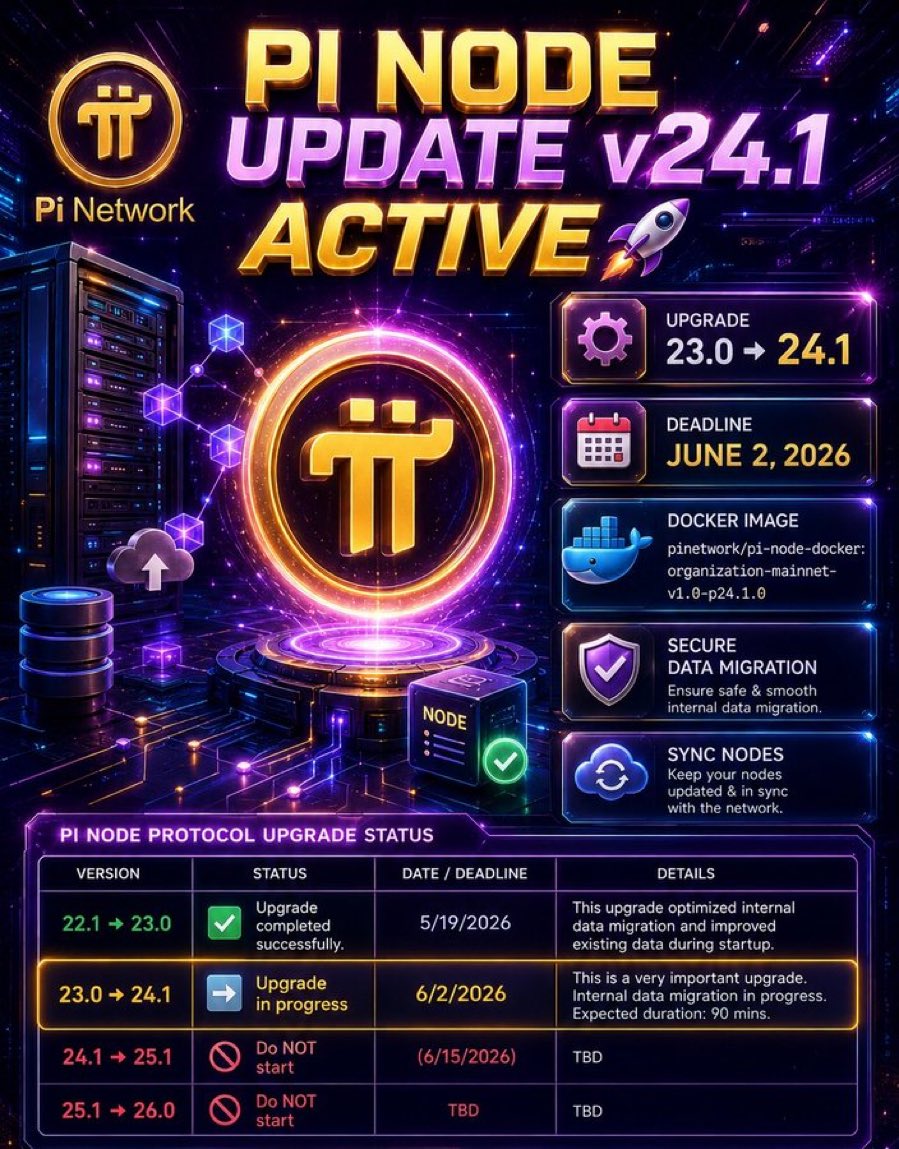
🚨 Pi Node Operators, the clock is ticking! ⏳
The Pi Node Update v24.1 is now ACTIVE 🚀
If you’re running a node, upgrading from Protocol 23.0 → 24.1 should be your top priority before the June 2, 2026 deadline.
✅ Improved internal data migration
✅ Better node synchronization
✅ Enhanced network stability
✅ Smoother startup optimization
This upgrade is a major step toward a stronger and more scalable Pi ecosystem 🌐
Node runners, have you completed your upgrade yet or are you facing any issues? 👀👇
Follow @Pi_OM_2025
#PiNetwork #PiNode #PiNetworkUpdate #Crypto #Blockchain #Web3 #PiMainnet #NodeOperator
1
42
959

May 23
Σου περίσσεψε κανένα παλιό smartphone; Βάλ' το να δουλέψει! ⚡️
Νοίκιασε μια Unity Operator License από το Telemachus Nodes και ξεκίνα να μαζεύεις rewards άμεσα.
🚫 Όχι αγορά software
🚫 Όχι συνδρομές
💰 Μόνο κέρδη από το validation του δικτύου.
Πρόλαβε μια θέση: Πάρε τον κωδικό σου από το bot τώρα👇
t.me/telemachus_nodes
#Unity #NodeOperator #DePIN #CryptoRewards #UNetwork
4
12
226

We're now running validator nodes on @lukso_io as a node operator for @StakingVerse.
Advisors from day one. This is what that trust looks like in practice.
Client diversity improves. Correlated risk drops.
#LUKSO #Staking #NodeOperator
5
11
52
2,572

May 18
Every delegation helps strengthen the network and earns you $DAG rewards ♻️ with zero gas fees and full flexibility.
Ready to stake?
Go to mainnet.dagexplorer.io/staki…
Connect your Stargazer Wallet
Search for ➡️Dirt_Hauler⬅️and delegate your $DAG
Let’s build this constellation together ✅️ one block (and one truckload) at a time! @Conste11ation $DAG #DelegateToDirtHauler #NodeOperator

2
28
656

Something BIG is landing in the next few days 👀⚡
We’re launching our brand new @Polkadot staking pool — built for the community, powered by reliable infrastructure, and ready for the next wave of Web3 🚀
@TheWeb3Cloud #NodeOperator #DigitalAssets #PolkadotNetwork #Layer1
1
14
150

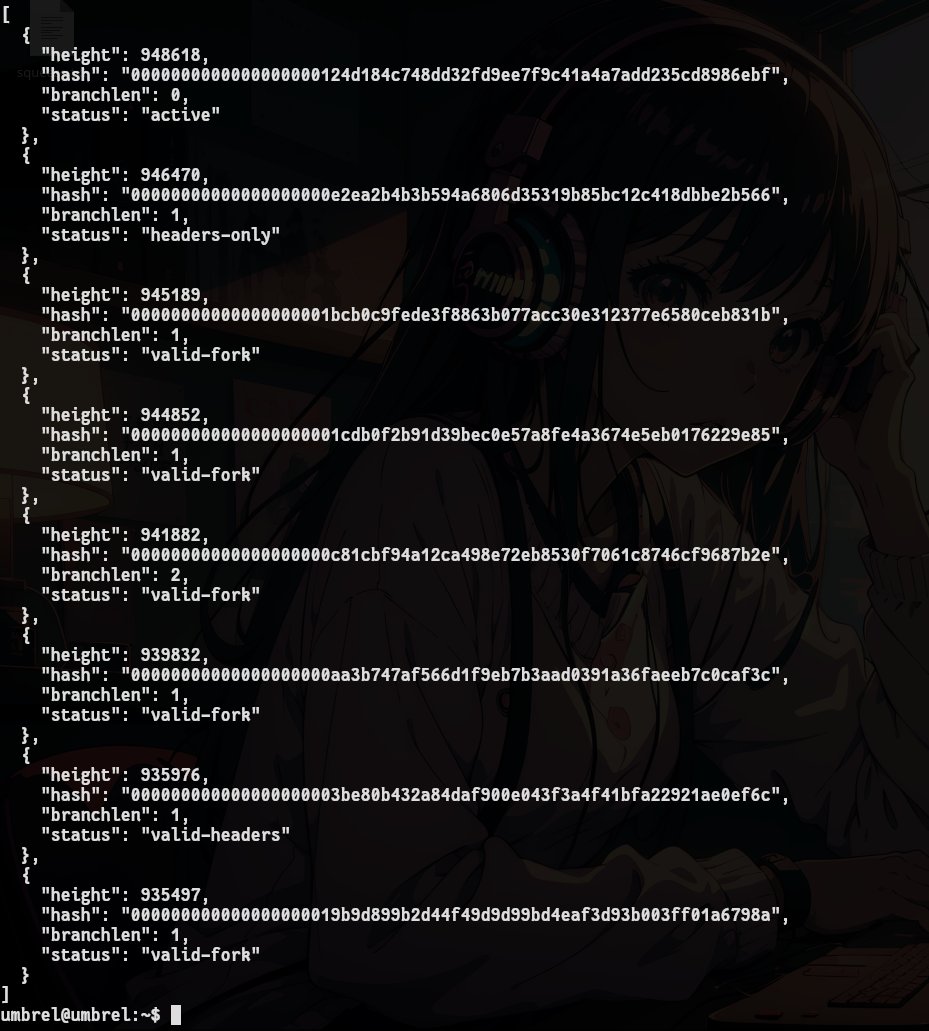
Checking getchaintips on El Oráculo. This is what absolute digital sovereignty looks like: your own hardware auditing the active chain, tracking valid forks, and verifying the mathematical truth in real-time.
If you rely on a third-party explorer or node, you are blind to the network's reality.
Take your hash power back from corporate dictators and protect the consensus: 🦉 Run Bitcoin Knots BIP-110 (Filter the spam) ⚙️ Use DATUM to build your own block templates 🌊 Mine with OCEAN
Don't Trust, Verify. ⚡️
#Bitcoin #NodeOperator #DigitalSovereignty #UASF
5
11
234

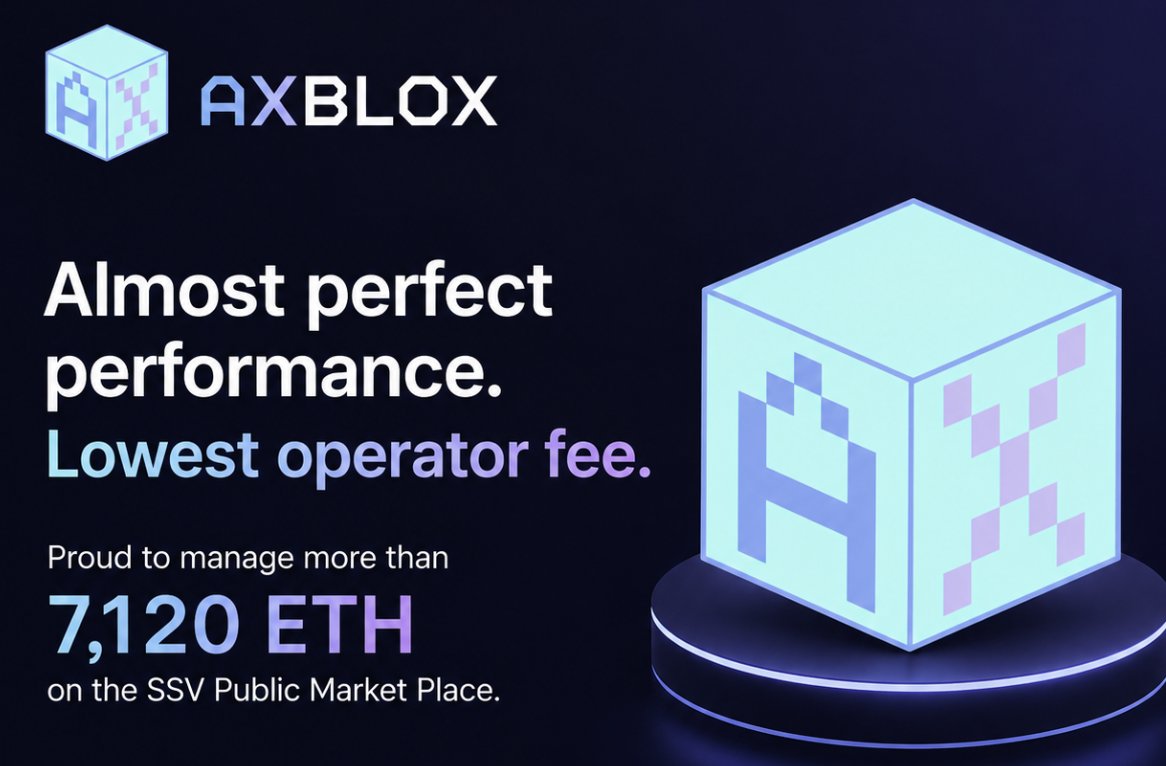
AXBLOX continues to deliver near perfect performance as an operator on the SSV Public Market Place while maintaining one of the lowest operator fees!
Proud to now help secure more than 7,120 ETH on the SSV Public Market Place and contribute to making Ethereum staking more resilient and decentralized through SSV Network.
#Ethereum #SSVNetwork #EthereumStaking #Staking #Validator #ETH #DeFi #Crypto #Decentralization #Web3 #NodeOperator #DistributedValidatorTechnology #DVT #Restaking #Blockchain
3
41