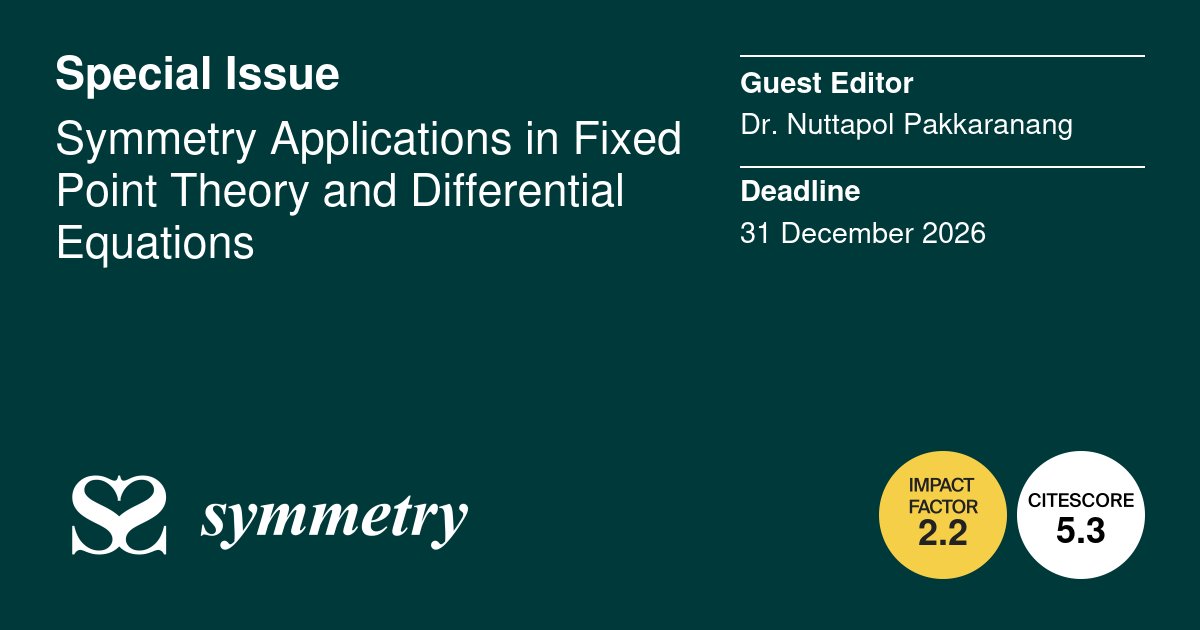
A new Special Issue opens for submission!
Title: Symmetry Applications in Fixed Point Theory and #DifferentialEquations
Editor: Nuttapol Pakkaranang
Details: brnw.ch/21x2giB
#callforpapers #mdpisymmetry #nonlinearanalysis
@ComSciMath_Mdpi
3
2
39

16 Dec 2025
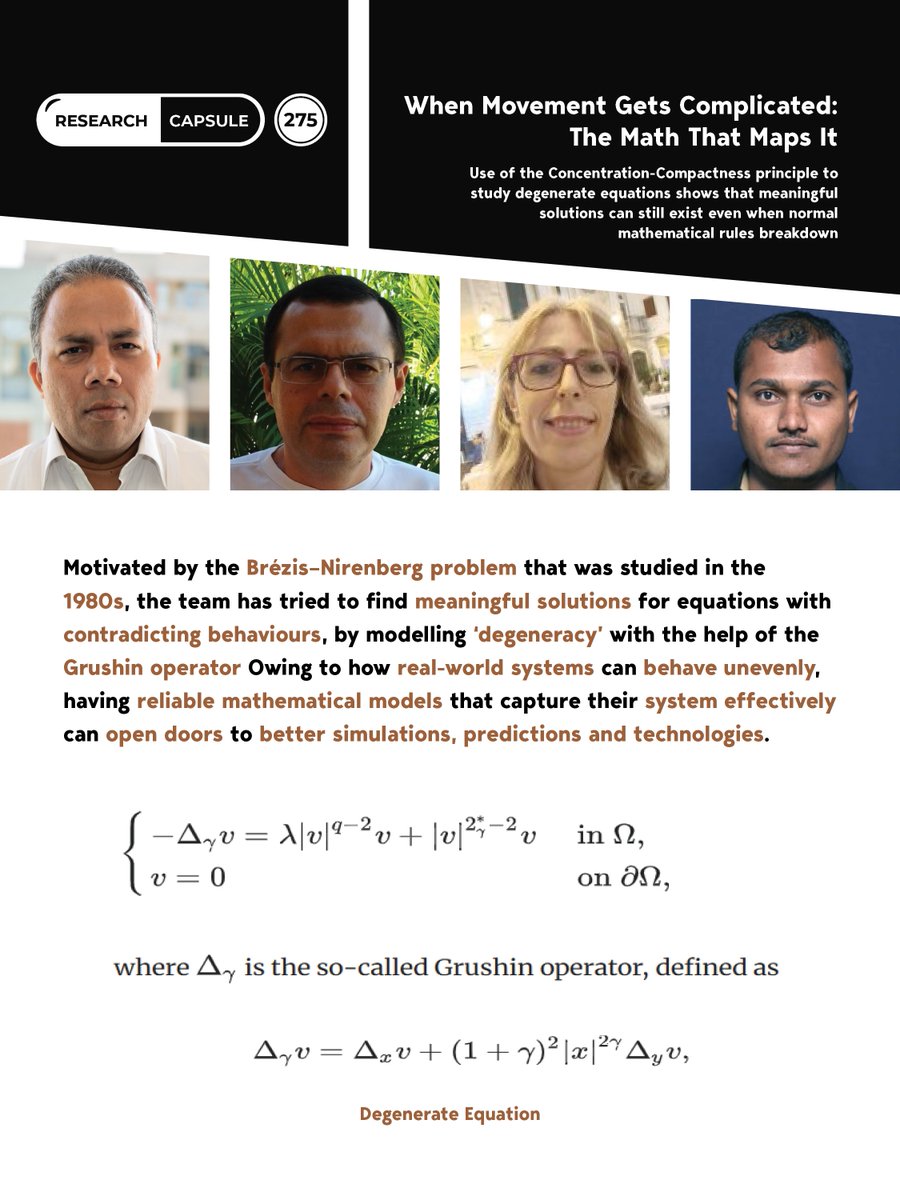
Most equations in physics assume ‘nice’ spaces where movement is smooth in all directions, but in life, it is rarely that simple. Some directions and environments facilitate normal flow, while others can slow things down drastically. For example, initially while trekking along a valley floor that narrows toward the centre, there is freedom to move left or right. Gradually, the path becomes so tight that the only possible movement is to walk straight ahead. Researchers have explored these ‘degenerate’ situations using a special mathematical tool called the
Concentration-Compactness principle.
The type of equation that was studied, exhibits contradicting behaviours. While it can easily be tamed, it can also be fragile, causing it to easily break down or fail to exist. In the case of the latter, called ‘critical exponent’, it is challenging to apply classical mathematical techniques, since in this case, solutions tend to ‘escape’ or fail to exist. Such responses tend to happen in degenerate environments that can be modelled by the Grushin operator.
Motivated by the Brézis–Nirenberg problem that was studied in the 1980s, the team has tried to prove that stable, meaningful solutions still exist even in degeneracy. Through some careful analysis, along with other powerful methods from modern mathematics, every possible favourable investigation was done to find the most appropriate solution.
Owing to how real-world systems can behave unevenly, having reliable mathematical models that capture their system effectively can open doors to better simulations, predictions and technologies.
The team includes Prof Claudianor O. Alves, Dr Somnath Gandal, Dr Annunziata Loiudice, and Prof Jagmohan Tyagi.
Click the link in bio for more information.
link.springer.com/article/10…
#Math #Research #ScienceExplained #PDE #NonlinearAnalysis #AppliedMathematics #RnD #research #engineering #iitgn #iitgnresearchers
@EduMinOfIndia | @PIB_India | @SpringerNature
3
189

4 Jul 2025
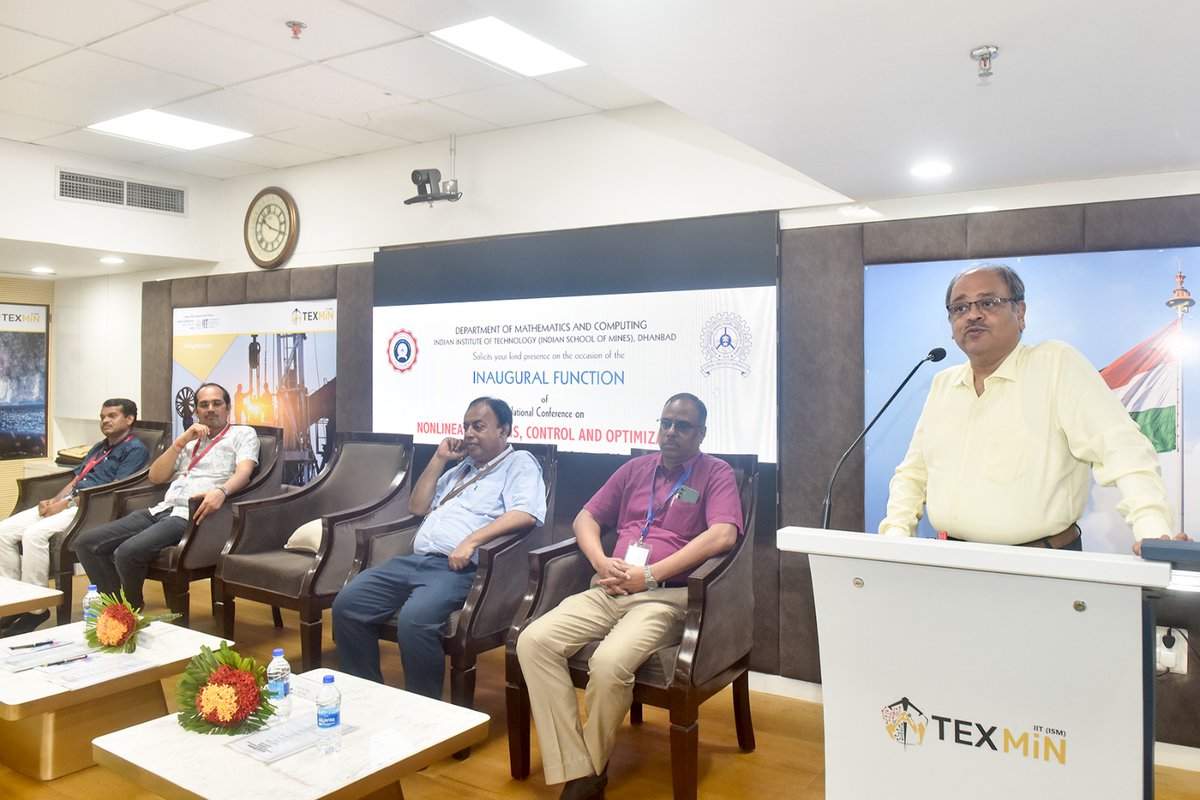
National Conference on Nonlinear Analysis, Control and Optimization (NACO-2025) Begins at IIT (ISM) Dhanbad
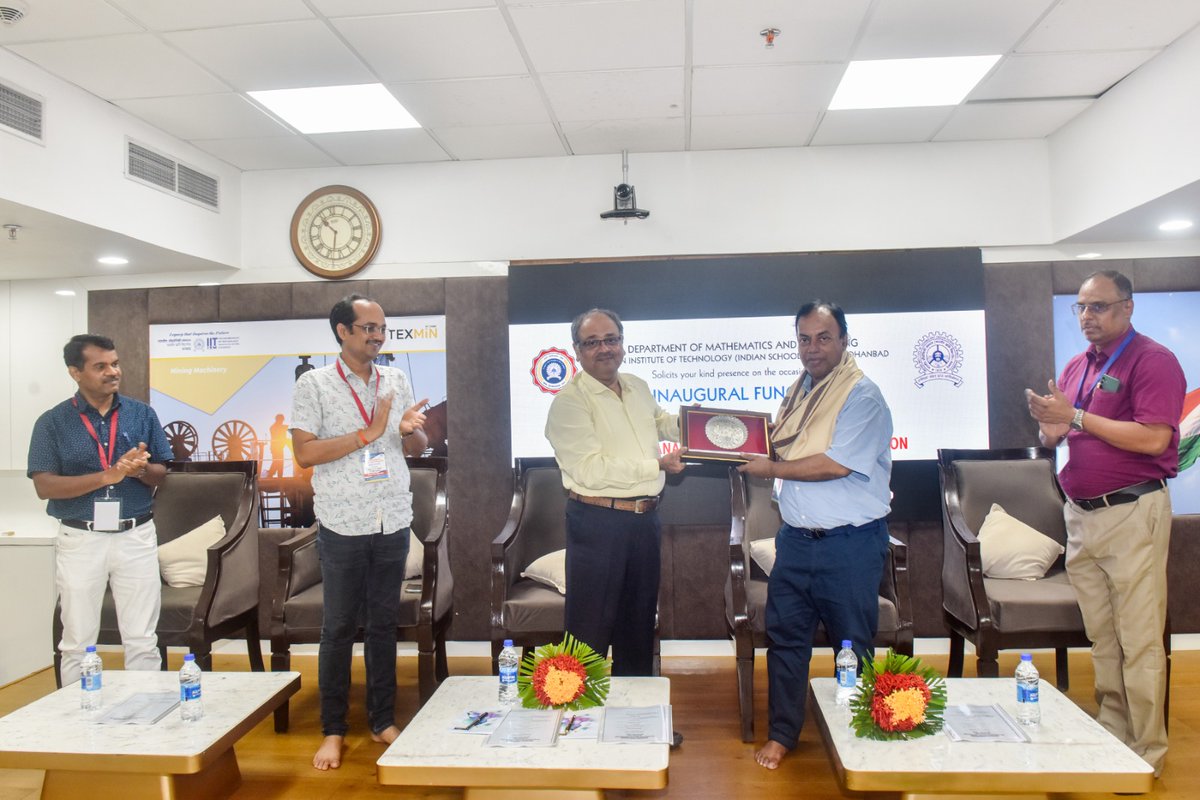
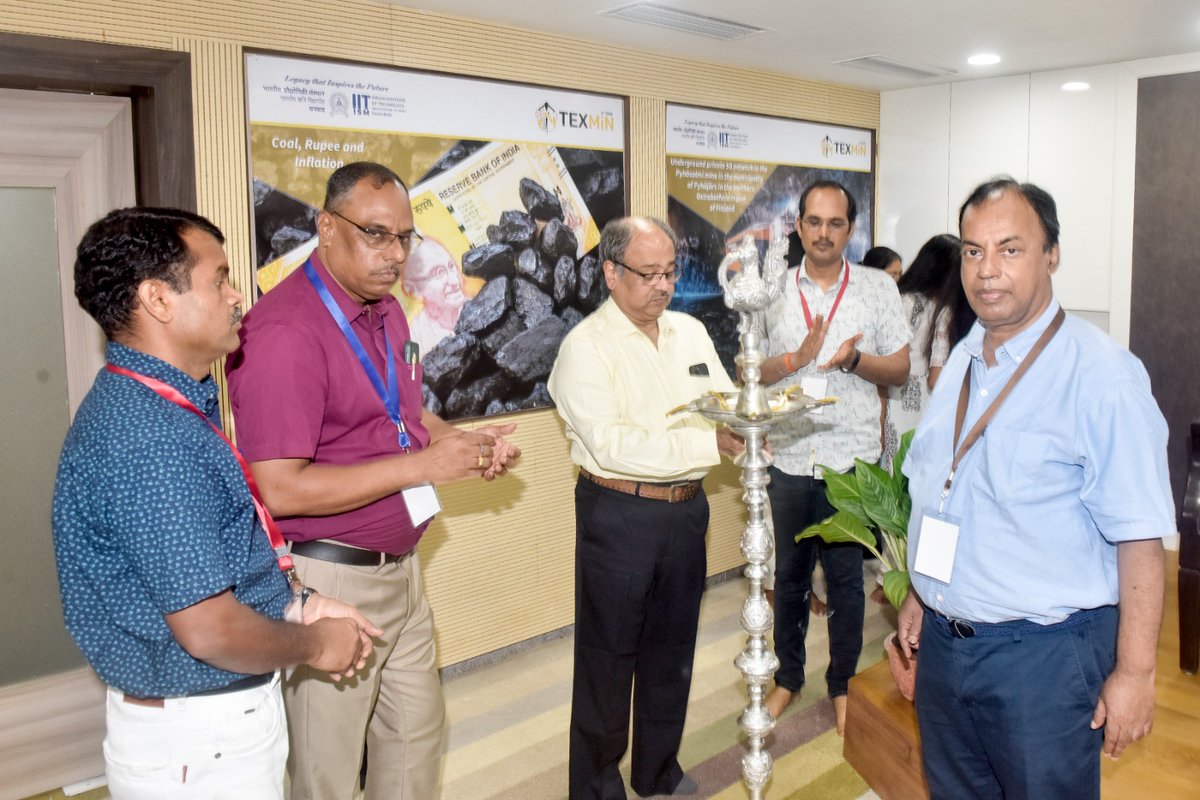
The Department of Mathematics and Computing, IIT (ISM) Dhanbad, inaugurated the three-day national conference NACO-2025 on Nonlinear Analysis, Control and Optimization on July 3, 2025, at the TEXMiN Auditorium.
Inaugurated by Prof. Sukumar Mishra, Director, IIT (ISM), and graced by Prof. S.K. Neogy (ISI Delhi), the event brings together leading experts, researchers, and scholars from across India to explore advanced topics in control theory, variational analysis, optimization, and system stability.
Organized under the leadership of Prof. S.P. Tiwari (HoD), Prof. Anurag Jayswal (Convenor), and Prof. B.S. Kushvah (Co-Convenor), the conference serves as a vibrant platform for collaboration, knowledge exchange, and academic advancement.
#IITISM #NACO2025 #MathematicsConference #NonlinearAnalysis #ControlTheory #Optimization #MathematicalSciences #AcademicExcellence #IITISMDhanbad #MathematicsResearch #SystemsEngineering
@EduMinOfIndia @dpradhanbjp
1
4
291

13 May 2024
𝐒𝐦𝐚𝐫𝐭 𝐦𝐢𝐧𝐝𝐬! Ensure seismic safety with accurate Initial Loads Optimization 😊⤵️
hubs.ly/Q02qLTNL0
#nonlinearanalysis #NLTHA #initialload #modalmethod #structuralengineers #civilengineers #bridgeengineer
2
29

15 Mar 2024
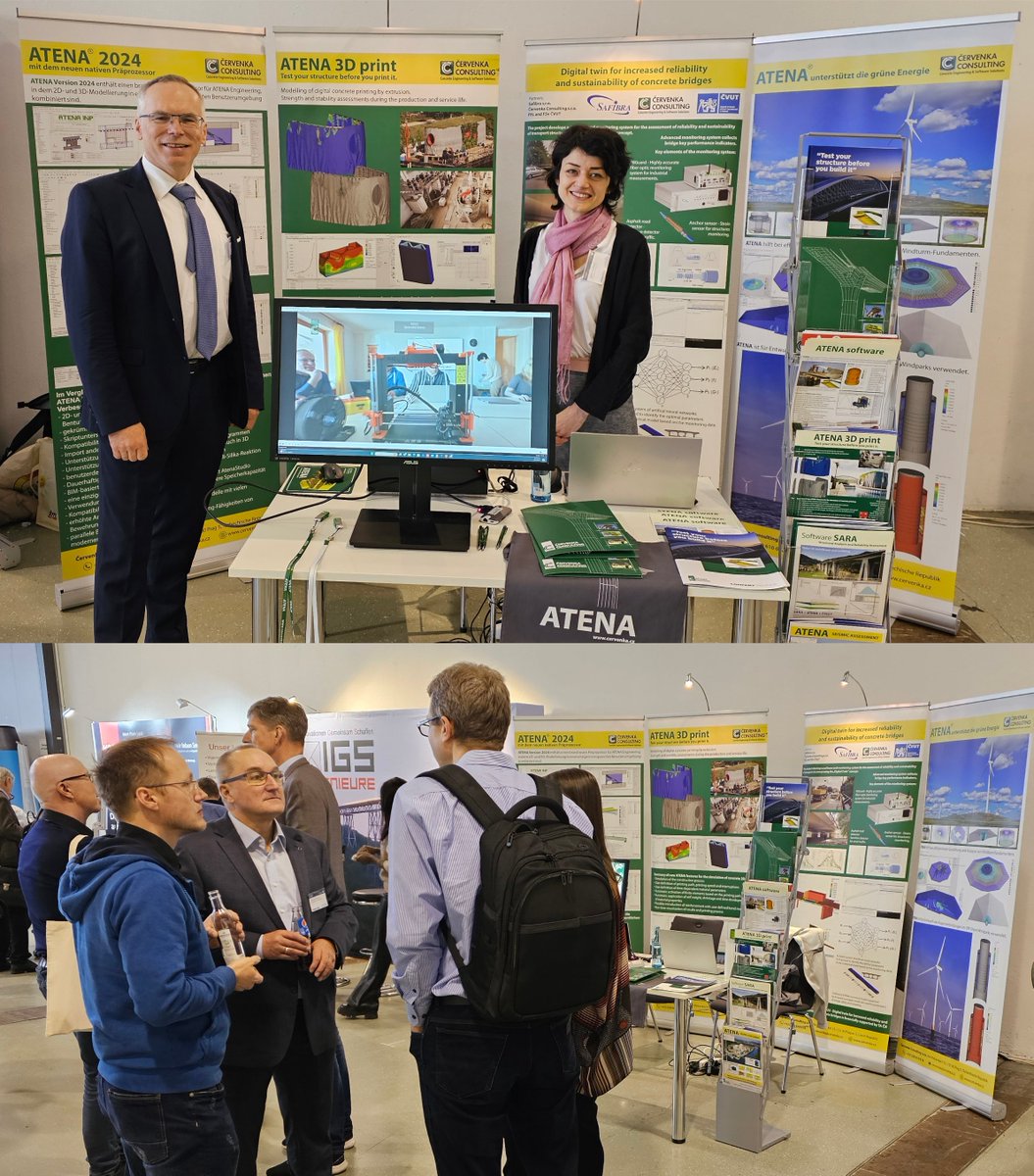
It was our pleasure to participate in this year's big event Brückenbausymposium in Dresden where the new #ATENA2024 was presented this week. For more info about the new pre-processor you can go here: cervenka.cz/products/atena20…
#ATENAsoftware #engineering #nonlinearanalysis
1
21

7 Mar 2024
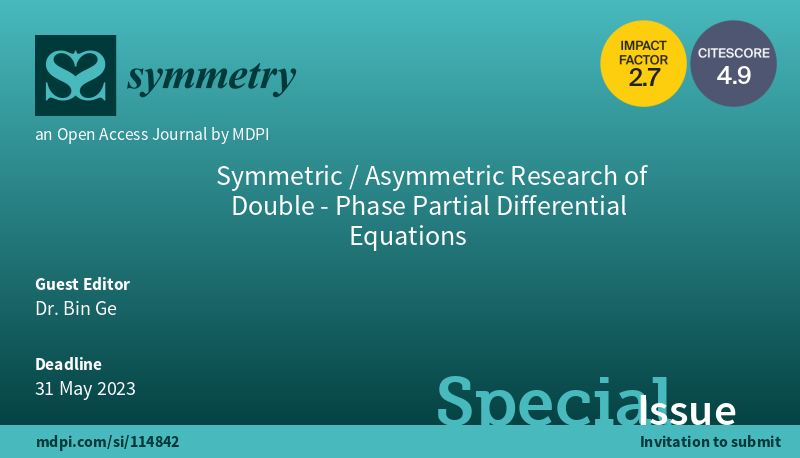
#mdpisymmetry Check this Special Issue about "Symmetric/Asymmetric Research of Double-Phase Partial Differential Equations" at mdpi.com/journal/symmetry/sp…
Editor: Bin Ge
#partialdifferentialequations #nonlinearanalysis
@ComSciMath_Mdpi
1
3
88
31 Aug 2023
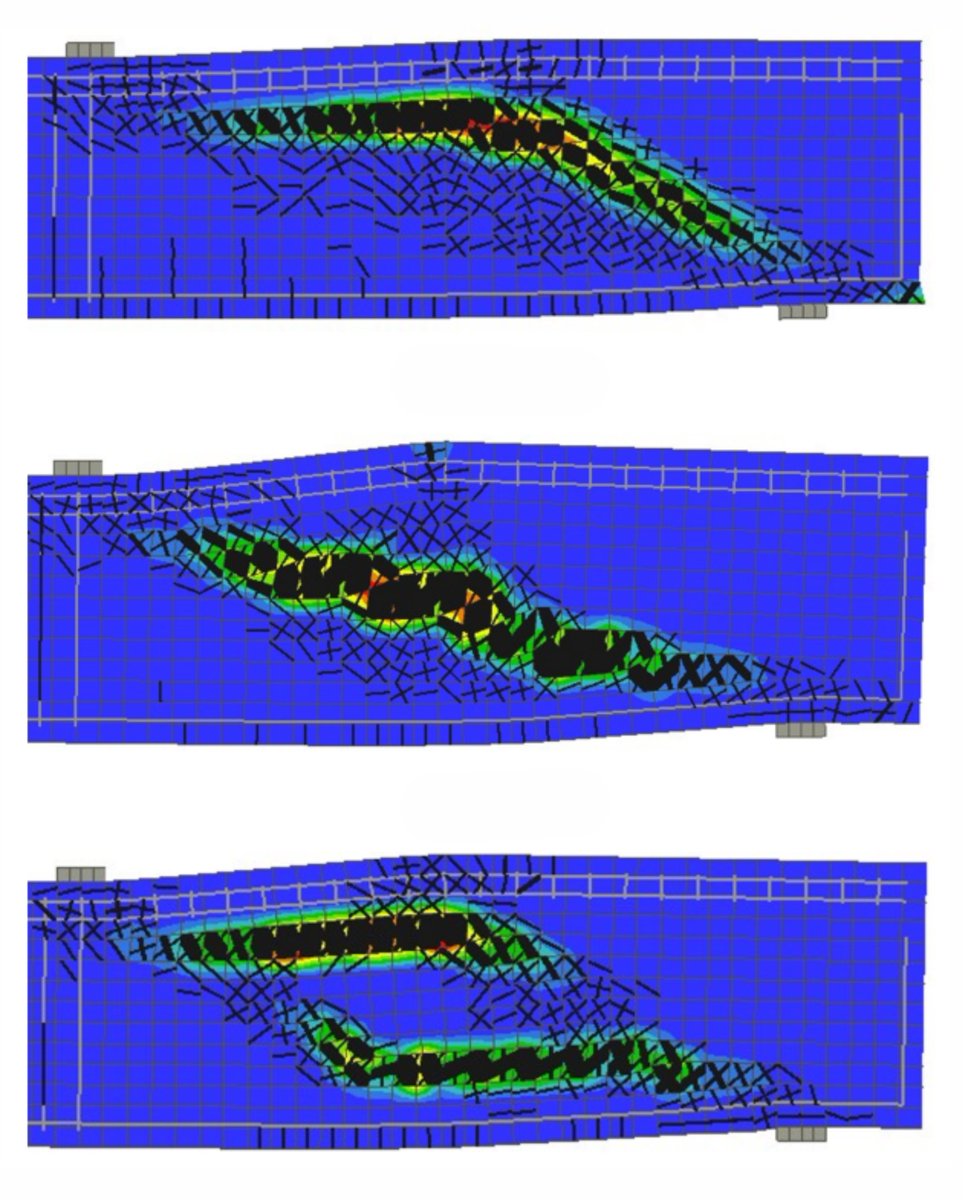
For numerical predictions the #ATENAsoftware was used: Skadins U., Cervenka J., Lessons learnt from blind competition of shear behaviour of fibre reinforced concrete T-beam. Structural Concrete. 2023. The whole article you can find at: doi.org/10.1002/suco.2022011….
#nonlinearanalysis
50

Advances in Nonlinear Analysis. IF 4.544
High-impact research addressing significant problems in pure and applied nonlinear analysis.
🔗degruyter.com/journal/key/an…
#NonlinearAnalysis #OpenAccess #AppliedMathematics

5
17
108,741

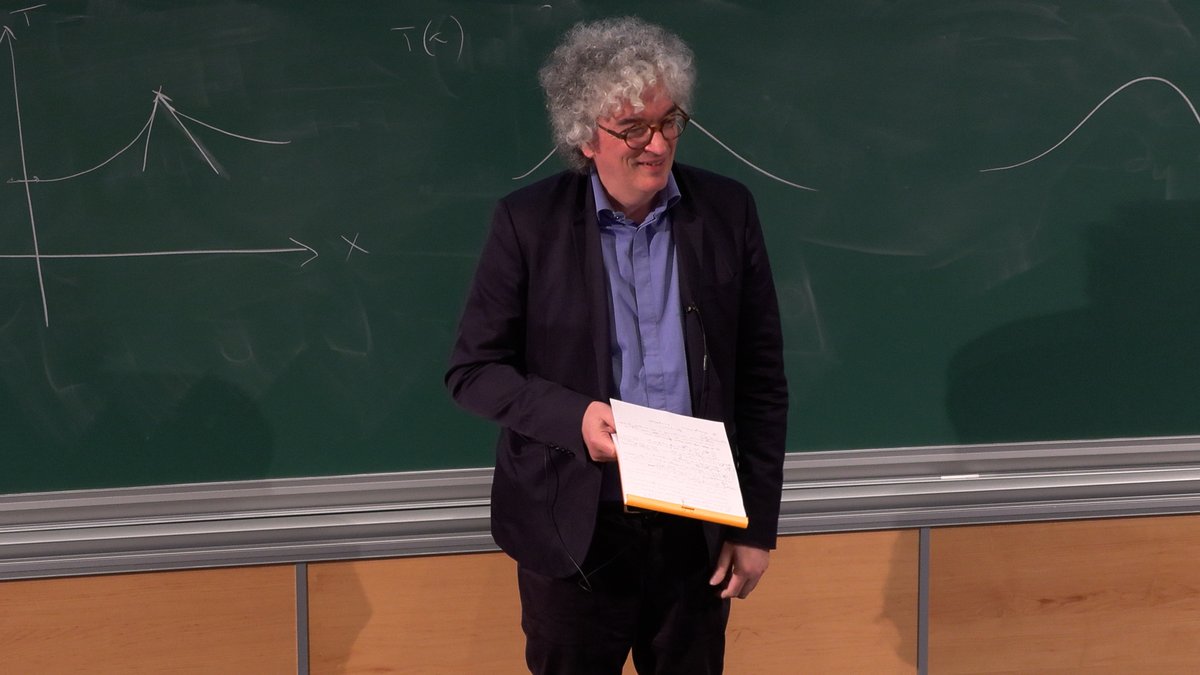
All the lectures of the conference “Advances in Nonlinear Analysis and Nonlinear Waves”, organized in honor of Frank Merle, holder of the @UniversiteCergy - IHES Chair in Analysis, are now online
👉carmin.tv/en/collections/adv…
#PDE #NonlinearWaves #NonlinearAnalysis
3
4
645
22 May 2023
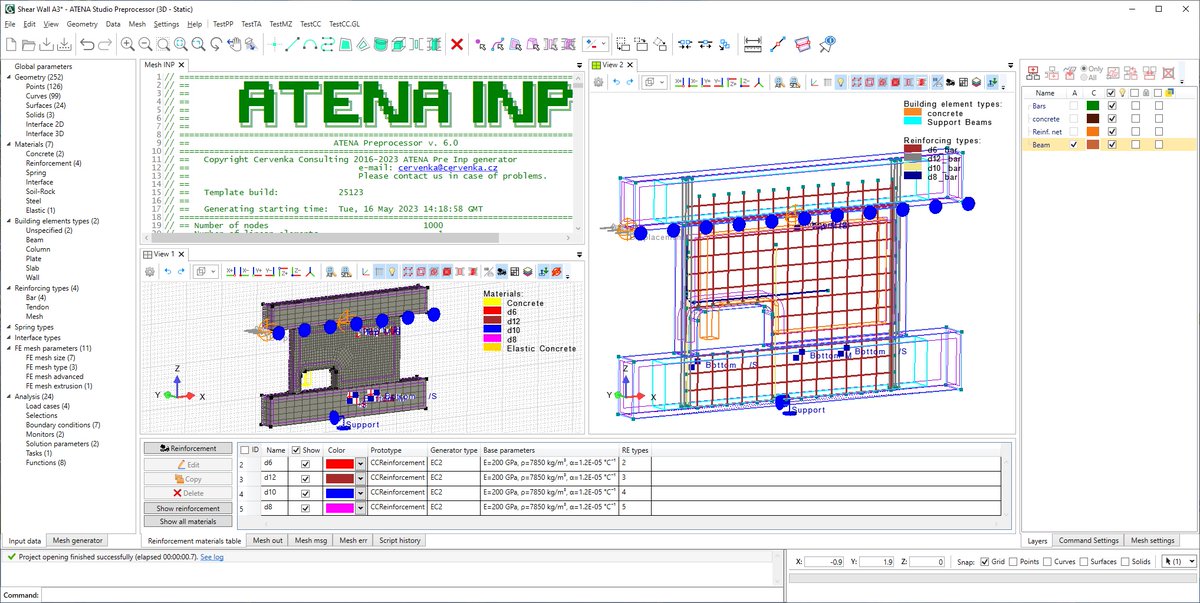
We are happy to inform you on the latest development on #ATENA software in this newsletter May 2023! cervenka.cz/newsletters/may2…
#ATENAsoftware #newsletter #nonlinearanalysis #calculation #concrete #prestressing #reinforcement #simulation #corrosion #durability #3dprint
58
4 Apr 2023
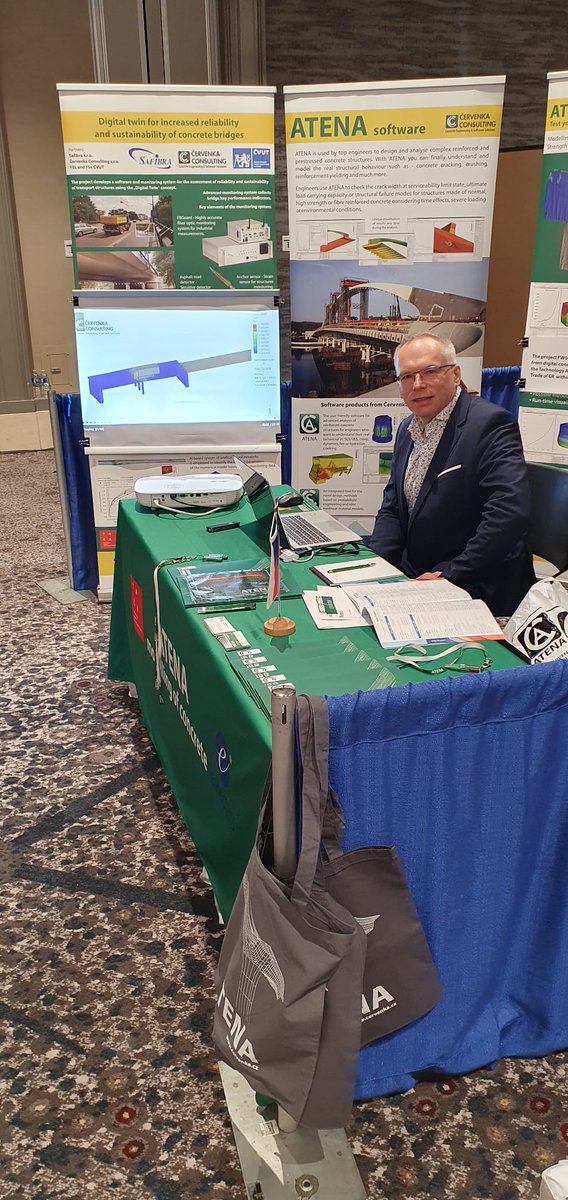
You are still warmly invited to our company stand #203 in the main exhibition hall at ACI Spring Convention in San Francisco (April 2-6th, 2023). We look forward to seeing you here!
#ATENAsoftware #nonlinearanalysis #calculation #simulation #3Dprint #fibrereinforcedconcrete

1
41
Special Issue on "#NonlinearAnalysis: Perspectives and synergies" is now available online in ANONA (IF 4.544).
Article highlights:
degruyter.com/document/doi/1…
degruyter.com/document/doi/1…
Full issue:
degruyter.com/journal/key/an…
1
3
55,515
27 Feb 2023
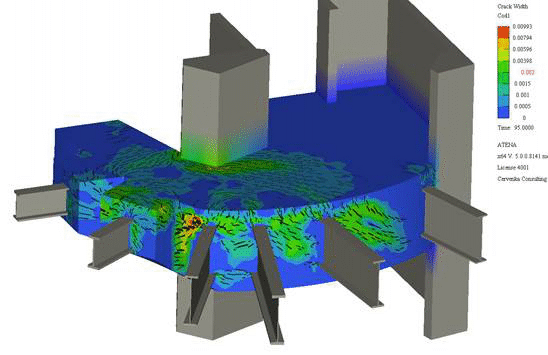
Join us at next #ATENA webinar tomorrow, 2 pm CET! Theme: Overview and theorethical background of ATENA material models. More information you can find here: cervenka.cz/company/atena-we…
#ATENAsoftware #webinar #nonlinearanalysis #calculation #simulation #fibrereinforcedconcrete
1
40
14 Feb 2023
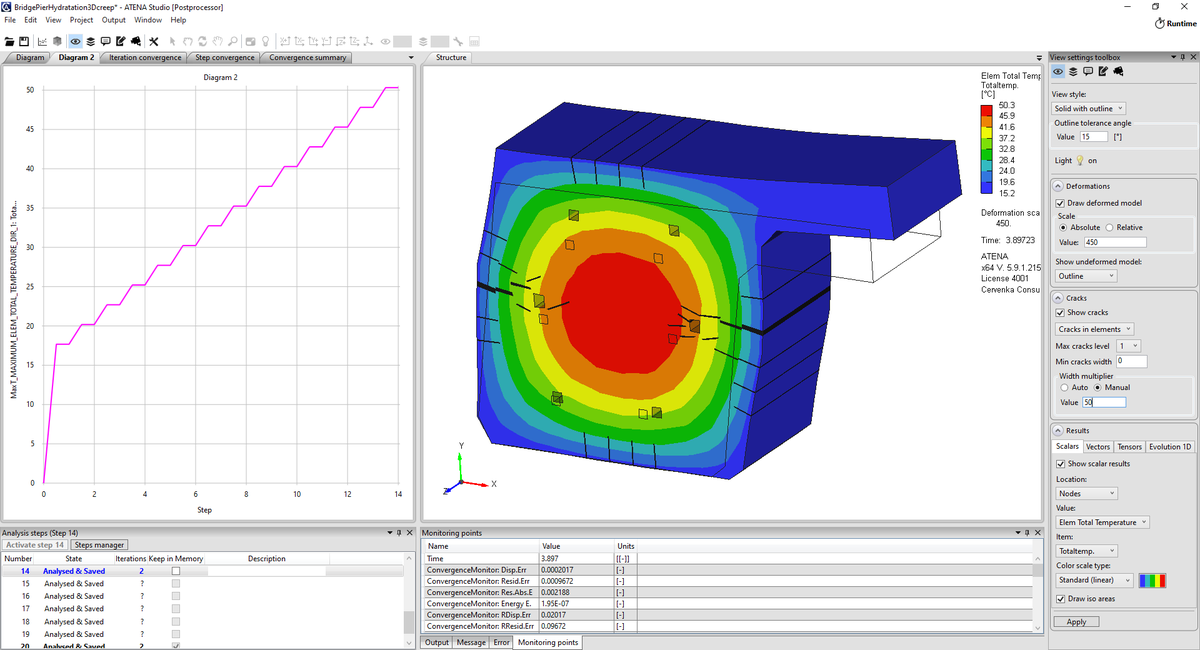
Join us at next #ATENA webinar today, 2 pm CET! Theme: Thermal and stress analysis of young concrete in ATENA.
More information you can find here:
cervenka.cz/company/atena-we…
#ATENAsoftware #webinar #nonlinearanalysis #calculation #simulation #fibrereinforcedconcrete #concrete
1
46
2 Feb 2023
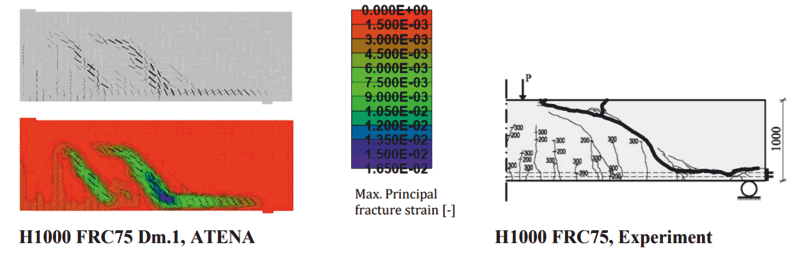
Congratulation to David on his extensive and meticulous work using #ATENAsoftware: Andersson, D.: Shear Failure of Steel Fiber and Bar Reinforced Concrete Beams Without Stirrups, kth.diva-portal.org/smash/ge…
#nonlinearanalysis #calculation #concrete #simulation #reinforcement
1
85

5 Jan 2023
درخت نہیں ہوں جو کاٹ کر چلے جاؤ گے
پہاڑ ہوں گرانے میں تیری نسلیں مٹ جائیں گی.
@Nonlinearanalysis
2
67

26 Nov 2021
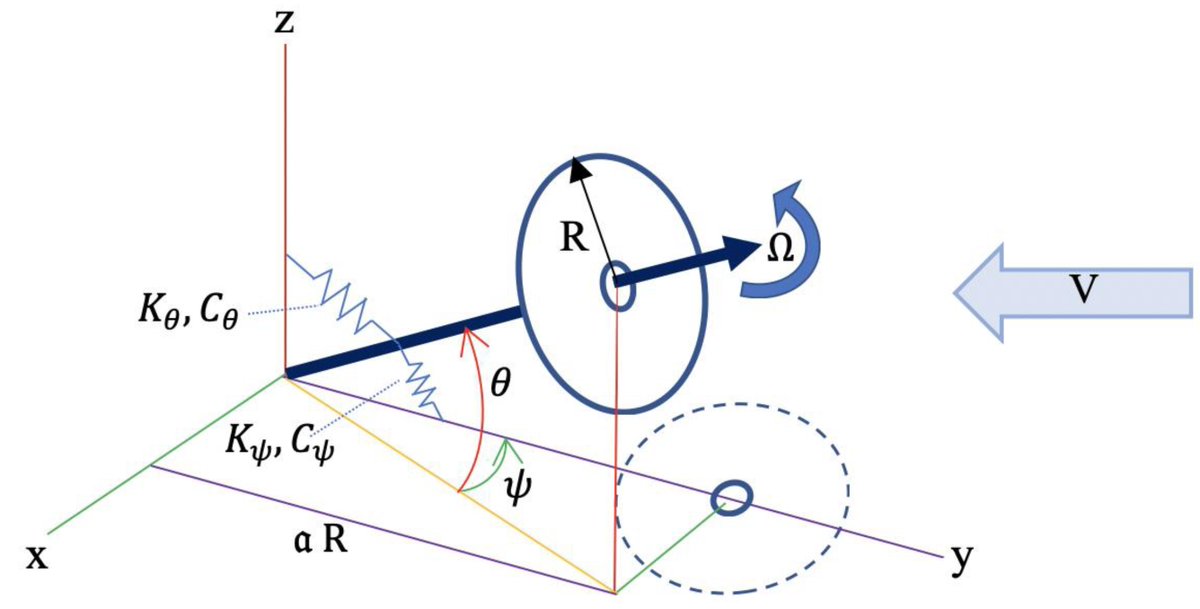
#NonlinearAnalysis and #BifurcationCharacteristics of Whirl Flutter in #UnmannedAerialSystems
by Anthony Quintana, Rui Vasconcellos, Glen Throneberry and Abdessattar Abdelkefi
Full paper👉mdpi.com/2504-446X/5/4/122
#whirlflutter
#rotornacellesystem
1
2

19 Oct 2021
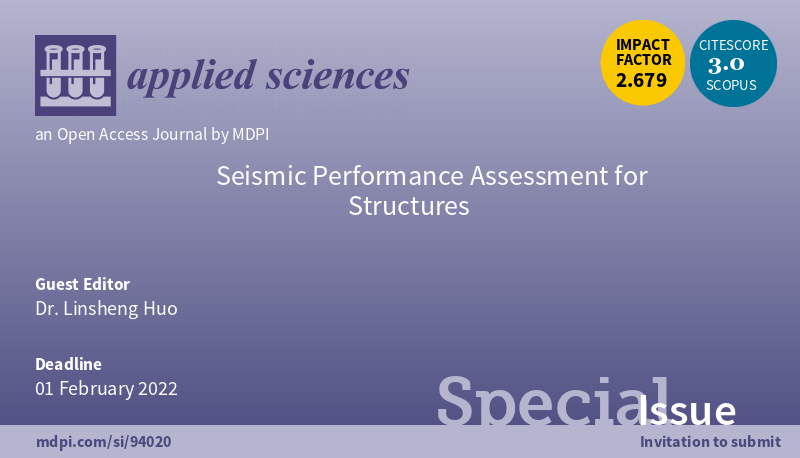
#SpecialIssue
mdpi.com/journal/applsci/spe…
DD: 1 February 2022
Guest Editors: Dr. Linsheng Huo and Dr. Dongdong Chen
#seismicperformanceassessment #seismicresponse #nonlinearanalysis #responsespectrumanalysis #damageanalysis #pushoveranalysis #incrementaldynamicanalysis
2

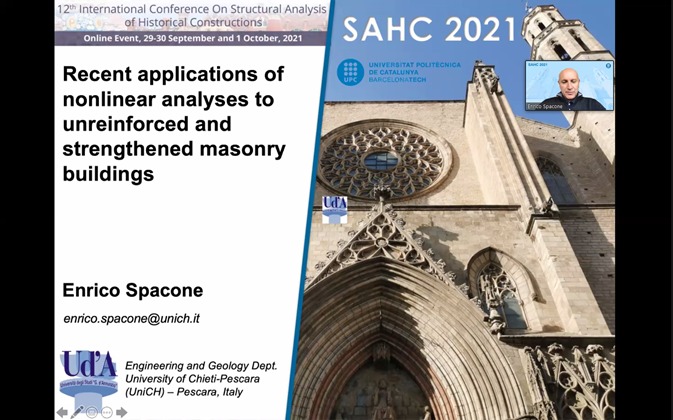
🔹We've just finished the third and last day of the #SAHC2021 conference.
We thank the keynote speakers for such interesting presentations!
#SAHC2020 #conference #Day3 #remotesensing #conservation #nonlinearanalysis


1
4
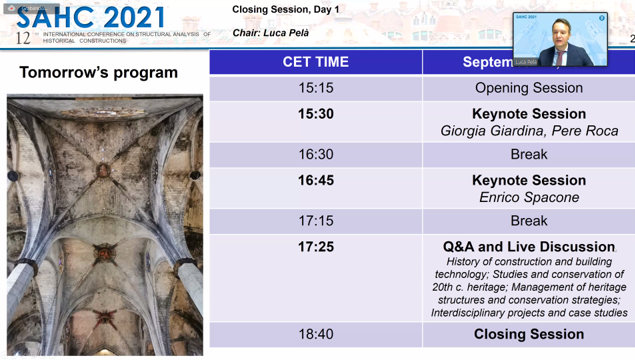
Getting ready to start with #Day3 at #SAHC2021 conference!
See you all there!
@giogiardina
#remotesensing #conservation #structuralrestoration #nonlinearanalysis #interdiciplinaryprojects #casestudies
4