
A boom fact that will shock you! #nucleartesting #england #unitedstates ... youtube.com/shorts/rRu61b_Hp… μέσω @YouTube
6

May 30
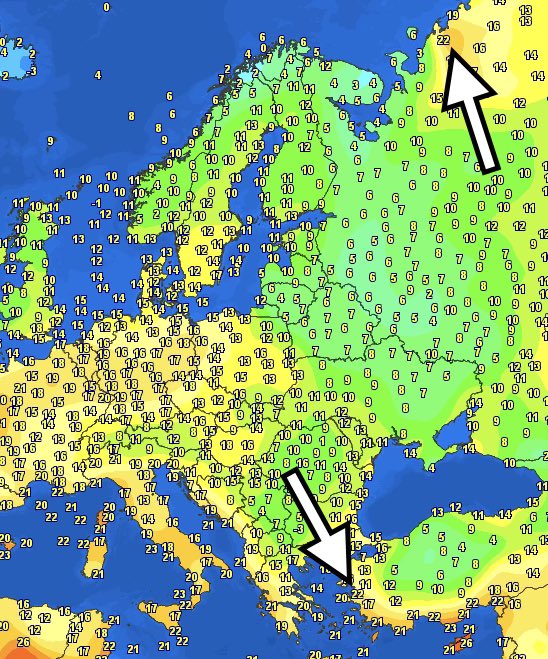
The nuclear testing continues! Temperatures in Arctic-circle Russia at 7am are 22°C. You have to go to Turkey before you see comparable temperatures.
#kgb #putin #nucleartesting #parody
7
10
170
21,564

May 28
Chagai Nuclear Tests and Concerns in Balochistan
Historical Background, Health Allegations, and Questions About International Oversight
Introduction
On 28 May 1998, Pakistan conducted a series of underground nuclear tests in the Chagai district of Balochistan in response to India’s nuclear tests earlier that month. The tests, carried out in the Ras Koh Hills, marked Pakistan’s entry into the group of declared nuclear powers.
For many in Pakistan, the day is celebrated as a symbol of national defense and strategic parity. However, many Baloch activists, local residents, and human rights advocates argue that the nuclear tests left long-term environmental and human consequences for the people living in the surrounding regions.
The Baloch nation commemorates 28 May as “Aasrokh Day,” a day associated with mourning, environmental destruction, displacement, and concerns regarding the health impact of radiation exposure. The tests took place in a remote desert and mountainous area inhabited by local Baloch communities. Over the years, local residents, activists, and some journalists have raised concerns regarding;
The tests were conducted without the consent of local communities and Baloch nation as whole.
Residents were not informed about potential environmental or health risks.
Independent medical and environmental assessments are unavailable.
Increased cancer cases
Birth defects and congenital disorders
Skin diseases
Respiratory illnesses
Livestock deaths and reduced agricultural productivity
Water contamination
The parts of the land became environmentally damaged after the tests, contributing to fears. This absence of independent large-scale research has contributed to mistrust and continuing controversy.
Human Rights and Political Concerns
Baloch nationalist activists argue that the nuclear tests symbolize a broader pattern of exploitation of Balochistan’s land and resources without the consent of the local population.
Militarization of the region
Resource extraction
Enforced disappearances
Restrictions on independent journalism and monitoring
Questions Regarding International Oversight
One of the most persistent questions raised by activists and affected families is:
Why has there not been a comprehensive and internationally supervised environmental and medical assessment in Chagai?
Critics frequently ask why international institutions, including the International Atomic Energy Agency (IAEA), have not carried out or publicly released an independent radiation assessment mission focused on communities near the Chagai nuclear test sites.
Important questions include:
Has an independent international radiation survey ever been conducted in the affected areas of Chagai?
If so, why are the findings not widely available to the public?
If not, why has no international inspection mission been organized despite decades of allegations from local communities?
What are the current radiation levels in and around the former nuclear testing areas?
What long-term epidemiological studies have been conducted regarding cancer rates and congenital disorders in nearby populations?
Have local residents received regular medical screening and environmental monitoring?
Why are international humanitarian and environmental organizations largely absent from the debate?
The IAEA’s role globally generally depends on cooperation and permission from member states. The agency does not automatically conduct investigations inside sovereign states without agreements, invitations, safeguards obligations, or international mandates.
Nevertheless, Baloch activists argue that the seriousness of the allegations warrants greater transparency and independent scientific examination.
Need for Independent Scientific Investigation
Given the continuing controversy and public concern, there are growing calls for:
Independent environmental sampling
Radiation monitoring in soil and groundwater
Long-term medical studies
Public release of scientific findings
International oversight and transparency
Compensation and healthcare support if harmful impacts are confirmed
Independent investigation would help distinguish verified scientific evidence from political claims and speculation while addressing the concerns of local communities.
Conclusion
More than two decades after the Chagai nuclear tests, questions surrounding environmental safety, public health, and accountability remain unresolved for many residents and activists in Balochistan.
While Pakistan presents the tests as a national achievement, critics continue to demand independent investigations into the long-term consequences for local populations.
The absence of widely recognized international scientific assessments has contributed to distrust and competing narratives.
For affected communities, the central demand remains clear: transparency, independent verification, and accountability regarding the lasting impact of nuclear testing in Balochistan.
#NukeAftermathInBalochistan
#28MayAasrokhDay
#Chagai
#Balochistan
#RadiationMonitoring
#EnvironmentalJustice
#IAEA
#HumanRights
#NuclearTesting
#IndependentInvestigation
#UN
1
5
9
835

May 19
Decades after nuclear testing forced communities into exile, scientists are heading to one of the Pacific’s most isolated atolls to study how nature has recovered in the near total absence of people.
ow.ly/x3eB50Z1srm
#EnvironmentalRecovery #PacificAtolls #NuclearTesting
3
4
147

Mar 26
வரலாற்றுப் பதிவுகள்
"ROMEO SHOT” பரிசோதனை - 1954 மார்ச் 26
#ROMEOSHOT #Test #March26 #1954 #HistoricalEvent #NuclearTesting #ScienceHistory #ColdWarEra #Innovation #MilitaryHistory #AtomicAge
#history | #historystory | #varalatrupathivugal | #historicalstories | #News7Tamil | #News7TamilUpdates
3
1,243

Mar 7
BAD NEWS 🗞️ for World War 3
#RUMOR
🚨 ALERT –
A magnitude 4.1 earthquake struck Iran today.
This is the second earthquake in Iran in just one week.
Looks like some kind of
#NuclearTesting
IRAN WILL SUR…
1
3
94

BAD NEWS 🗞️ for World War 3
#RUMOR
🚨 ALERT –
A magnitude 4.1 earthquake struck Iran today.
This is the second earthquake in Iran in just one week.
Looks like some kind of
#NuclearTesting
IRAN WILL SUR…
1
1
28
4,392

🚨 BREAKING
🇮🇷 A 4.3 magnitude earthquake has just hit the Gerash region in southern Fars province at ~10 km depth, according to the USGS. �
Moneycontrol
Some defense analysts and social media users are speculating about a possible underground nuclear test — but seismic experts and international monitoring agencies stress there’s no evidence linking this tremor to a nuclear detonation, and the region is seismically active as part of the Zagros plate boundary. �
Moneycontrol 1
If true, a nuclear test would have global implications — but for now, scientists say this looks like a natural quake, not a blast signature. �
News24
🌍 Stay tuned. #Iran #Earthquake #NuclearTesting
4
6
618

Mar 3
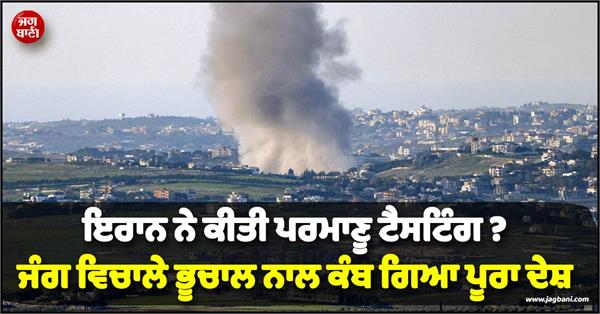
ਇਰਾਨ ਤੋਂ ਇਕ ਵੱਡੀ ਖ਼ਬਰ ਸਾਹਮਣੇ ਆਈ ਹੈ, ਜਿੱਥੋਂ ਦੇ ਗੇਰਾਸ਼ ਇਲਾਕੇ 'ਚ 4.3 ਦੀ ਤੀਬਰਤਾ ਨਾਲ ਧਰਤੀ ਕੰਬ ਗਈ ਹੈ ਤੇ ਇਲਾਕੇ 'ਚ ਜੰਗ ਦੇ ਨਾਲ-ਨਾਲ ਇਕ ਹੋਰ ਨਵੀਂ ਚਰਚਾ ਛੇੜ ਦਿੱਤੀ ਹੈ।
#IranAISrael #EarthquakeHit #NuclearTesting
3
123

Mar 2
Hoping the make the premiere of this important film about the human impacts of #NuclearTesting
youtube.com/watch?v=Rajqm23m…
1
8
10
1,037

Iran Earthquake: अमेरिका-ईरान तनाव के बीच ईरान में 5.5 तीव्रता का भूकंप, परमाणु परीक्षण की आशंका तेज
#IranEarthquake #USIranTensions #NuclearTesting
abplive.com/news/world/iran-…
5
33
251
7,418

Feb 7
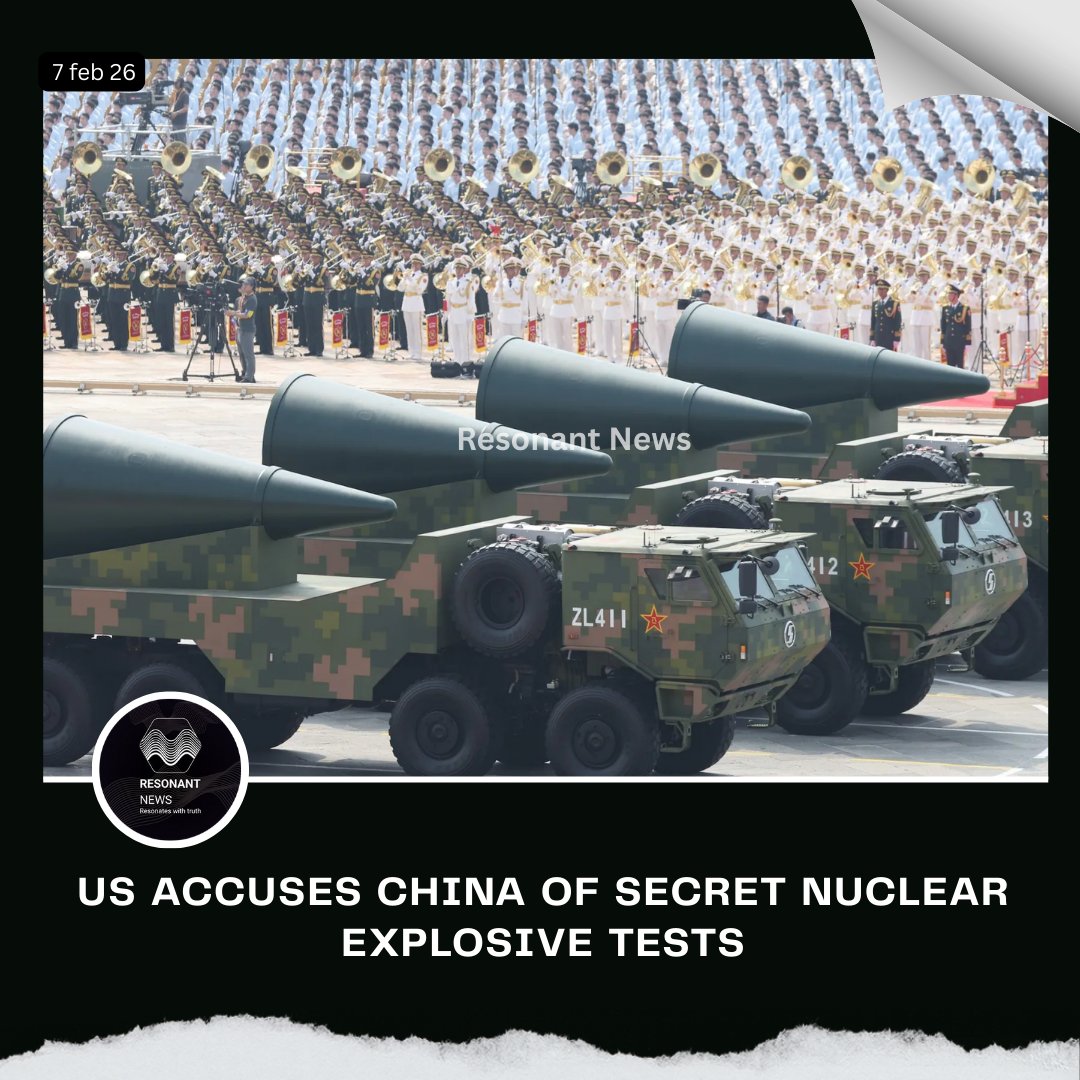
🚨𝗕𝗥𝗘𝗔𝗞𝗜𝗡𝗚 :𝗨𝗦 𝗮𝗰𝗰𝘂𝘀𝗲𝘀 𝗖𝗵𝗶𝗻𝗮 𝗼𝗳 𝘀𝗲𝗰𝗿𝗲𝘁 𝗻𝘂𝗰𝗹𝗲𝗮𝗿 𝗲𝘅𝗽𝗹𝗼𝘀𝗶𝘃𝗲 𝘁𝗲𝘀𝘁𝘀
• The US claims China carried out a concealed nuclear explosive test in June 2020 and attempted to hide it using advanced techniques to avoid detection.
• Washington is urging a new, broader arms control treaty that includes China, especially after the US-Russia nuclear arms agreement recently expired.
• China has strongly denied the allegations, calling them “false narratives” and accusing the US of fueling a global arms race.
• Russia has indicated willingness to resume nuclear dialogue with the US, highlighting renewed strategic talks.
• Meanwhile, the Doomsday Clock has moved closer to “midnight,” reflecting growing global concern over nuclear escalation risks.
#USChinaTensions #NuclearTesting #ArmsControl #GlobalSecurity #StrategicStability
10
13
765

Feb 6
US Accuses China Of Secret Nuclear Testing As It Pushes For Talks On New Arms Control Treaty
#UnitedStates #China #NuclearTesting
news18.com/world/us-accuses-…
3
2
535


Jan 24
પરમાણુ હથિયારોના પરીક્ષણ અને હુમલાને કારણે અત્યાર સુધીમાં 40 લાખ લોકોના થયા મૃત્યુ, દાયકાઓ સુધી રહે છે રેડિયેશનની અસર-વાંચો
#Nuclearweapons #NuclearTesting #Radiationeffects #Deaths #nucleartestvictims #Cancer #radiationthreat #Globalnuclearradiationthreat #Japan #America #France #NorwegianPeoplesAid
tv9gujarati.com/knowledge/fo…
83
Jan 23
પરમાણુ હથિયારોના પરીક્ષણ અને હુમલાને કારણે અત્યાર સુધીમાં 40 લાખ લોકોના થયા મૃત્યુ, દાયકાઓ સુધી રહે છે રેડિયેશનની અસર-વાંચો
#Nuclearweapons #NuclearTesting #Radiationeffects #Deaths #nucleartestvictims #Cancer #radiationthreat #Globalnuclearradiationthreat #Japan #America #France #NorwegianPeoplesAid
tv9gujarati.com/knowledge/fo…
103

Jan 6
President #Trump’s decision to resume #US #nucleartesting marks a major shift in #Washington’s strategic posture, ending a 30-year moratorium and signaling renewed competition among nuclear powers: @KartikBommakan1 or-f.org/36246
142
31 Dec 2025
President #Trump’s decision to resume #US #nucleartesting marks a major shift in #Washington’s strategic posture, ending a 30-year moratorium and signaling renewed competition among nuclear powers: @KartikBommakan1 or-f.org/36246
1
176
26 Dec 2025
President #Trump’s decision to resume #US #nucleartesting marks a major shift in #Washington’s strategic posture, ending a 30-year moratorium and signaling renewed competition among nuclear powers: @KartikBommakan1 or-f.org/36246
164
21 Dec 2025
President #Trump’s decision to resume #US #nucleartesting marks a major shift in #Washington’s strategic posture, ending a 30-year moratorium and signaling renewed competition among nuclear powers: @KartikBommakan1 or-f.org/36246
181