
Oneboxing shows you are a rationalist performing correct decision theory; twoboxxers are then acting greedily even against their own best interests. This is extrapolated socially—blue buttoning isn’t arrived at from decision theory but extending this memetic association to decision theory with self-sacrificial moral enlightenment.
2
10
302


9 Jul 2025
In counterfactuals in which I commit to oneboxing a day early, 📦$ .
In counterfactuals in which I commit to twoboxing a day early, 📦🧊$-.
Omega has just as easy a time predicting me, whether I decide a day before, or a day after him.
1
1
26

11 Feb 2025
#Bignite to unviel it's policy and projections towards it's #OneBoxing League on 13th of February in Mumbai. We saw a steady decline in #Boxing popularity since 2007. Our policy strives to go back to days of #proboxing classics of 1980s and 1990s. The beauty has to be restored.
1
5
24
7 Feb 2025

2
4
58
7 Feb 2025
Relaxed & Confident. Hande Shweta, Financial manager of #Bignite #OneBoxing on the future finances and the current operations.
#Dubai
#Riyadhseason
#Proboxing

4
6
52


26 Jun 2024
(except again for the more esoteric content like TDD oneboxing etc which is why i focused on that part so much in my initial discussion last night)
1
2
98

18 Apr 2024
צפו פתיחת קופסא (oneboxing) מה שהאספסוף מקבל בסיוע, באחד המוצרים המציג אומר שם, העזתים מקבלים שמן ז**..🤣
2
1
7
1,035

13 Dec 2023
Just trying to think of counterexamples:
Oneboxing: Omega's decision is conditioned on its prediction of your mental state. Causing yourself to believe oneboxing is better than twoboxing changes reality, if Omega notices the change in belief.
Plausible deniability: You don't want to believe true things if such knowledge creates an obligation to report. You may even prefer to be misled to believe the opposite.
Lying: You need to pass a lie detector, so you cause yourself to believe the lie.
Optimism: You are more effective with a positive attitude, so you cause yourself to believe the optimistic side because the value of the truth difference is worth less than the value of the productivity increase.
Charisma: If other people think you agree with them, they're more likely to like you. It's easier to copy their speech patterns and mindset if you cause yourself to believe their views, even if momentarily.
Compression: The full state of every proton in the universe is impossible to keep in your head, so you believe a simpler version because it saves you bits. But "because it saves you bits" is a distinct reason from "because it's probably true"(unless the word 'probably' is meant to quantify bits).
Efficiency: A heuristic might be wrong, but following it leads to the correct place anyways for unrelated reasons. Ideally you'd understand why, but in the meantime people that believe it are more successful.
Some of them you might be able to reword: Believing the heuristic is an accurate model vs. believing that it is useful.
3
1
14
1,597

16 Mar 2021
Thanks for the delivery and the support everyone give them a follow for all your boxing equipment 👊🏻@oneboxing
2
1
14




28 Nov 2020
Imagina um tipo aleatório na internet com cerca de 11 anos a fazer um oneboxing de uma Nintendo switch com os irmãos no Mac. O que poderia de dar de errado!!
youtu.be/9MsgYp_vUiI via @YouTube
1

26 Jun 2018
Its good to see a news carrier being impartial! you carry both sides and have followers on both sides! Tel it how it is! Respect for your latest posts my brother!real news and good to read #onelove #oneboxing #boxingupdates
2
8

10 Jan 2018
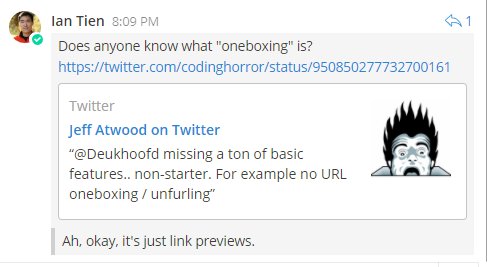
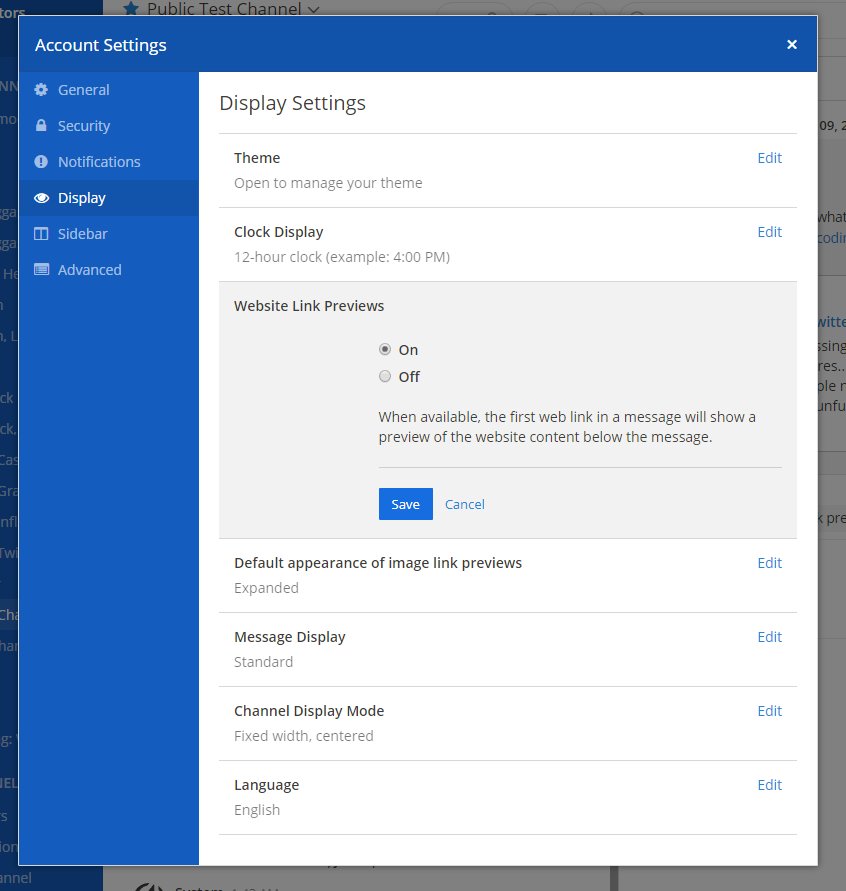
Sorry, totally our fault. We call oneboxing "Website Link Previews". It's an Account Settings option. We're in 14 languages and try to be generic with our descriptions so they translate more easily.
Any other areas where we could improve your experience?
9

9 Jan 2018
missing a ton of basic features.. non-starter. For example no URL oneboxing / unfurling
1

23 Oct 2017
Working off the weekend!! 💪DOUBLE TAP if you crushed your workout today 👊👊 #ONEboxing… instagram.com/p/BamtxGHjIeJ/