
🪺Chicken #hatcheries struggle to understand why some #eggs fail to hatch, as traditional #histology relies on thin 2D tissue sections that can miss critical abnormalities in #organdevelopment and body structure limiting the ability to diagnose early #embryo mortality.
1
2
3
180

27 Aug 2025
Your organs aren’t just growing — they’re being engineered. 🧬
A new study published in Nature shows that mechanical forces inside tissues actively sculpt the heart, lungs, kidneys, and other organs during development. Researchers from Harvard and Boston Children’s Hospital discovered that these hidden forces, generated by cells, guide how tissues fold, curve, and take shape. Instead of passive growth, organs are precisely formed through stress patterns that act like nature’s 3D printing system.
By mapping these forces, scientists revealed how tissues engineer their own structure in real time, creating the complex architecture needed for healthy function. This discovery changes how we understand organ development and could explain the origins of certain congenital diseases that occur when these forces go wrong.
Your body is not just building organs — it is sculpting them with invisible blueprints of force.
📖 Source: EurekAlert August 21, 2025
eurekalert.org/news-releases…
👉 Comment BIOHACK if you want more science and health news like this!
#BiohackYourself #HumanBody #Biomechanics #OrganDevelopment #HealthNews #ScienceExplained #TissueEngineering #MedicalResearch
Disclaimer:
This content is for educational and entertainment purposes only and is not a substitute for medical advice. Always consult a healthcare professional. Full disclaimer: biohackyourself.com/termsand…
🧠 We explore all angles — ancient wisdom, modern science, and everything in between. No allegiance to Big Pharma or Big Natural.
🔍 We cite studies, but encourage you to read them, question funding, and review the methods. Stay curious.
📚 Not all journals are equal. Peer-reviewed ≠ perfect. Check the source, think critically, and decide for yourself.
⚠️ One study isn’t the full story. Science evolves. We’re here to inform, not to tell you what to believe.

26

17 Jul 2025
The #white #campion, #Silene #latifolia (#Caryophyllaceae), is common in #Berlin and prefers sunny #habitats. This article introduced aspects of its biology and also a scientific study on the regulation of its #reproductive #organdevelopment.
#Silenelatifolia is native to Eurasia and North Africa, but is also found in #NorthAmerica, Australia, and New Zealand, where it arrived through human intervention. Therefore, it is considered an #invasive species and a neophyte.
The #species thrives in sun exposed, nitrogen-rich locations, often in loamy or sandy #soils. It frequently occurs in areas with #ruderal #vegetation, i.e., in surroundings with debris from building materials or similar activities.
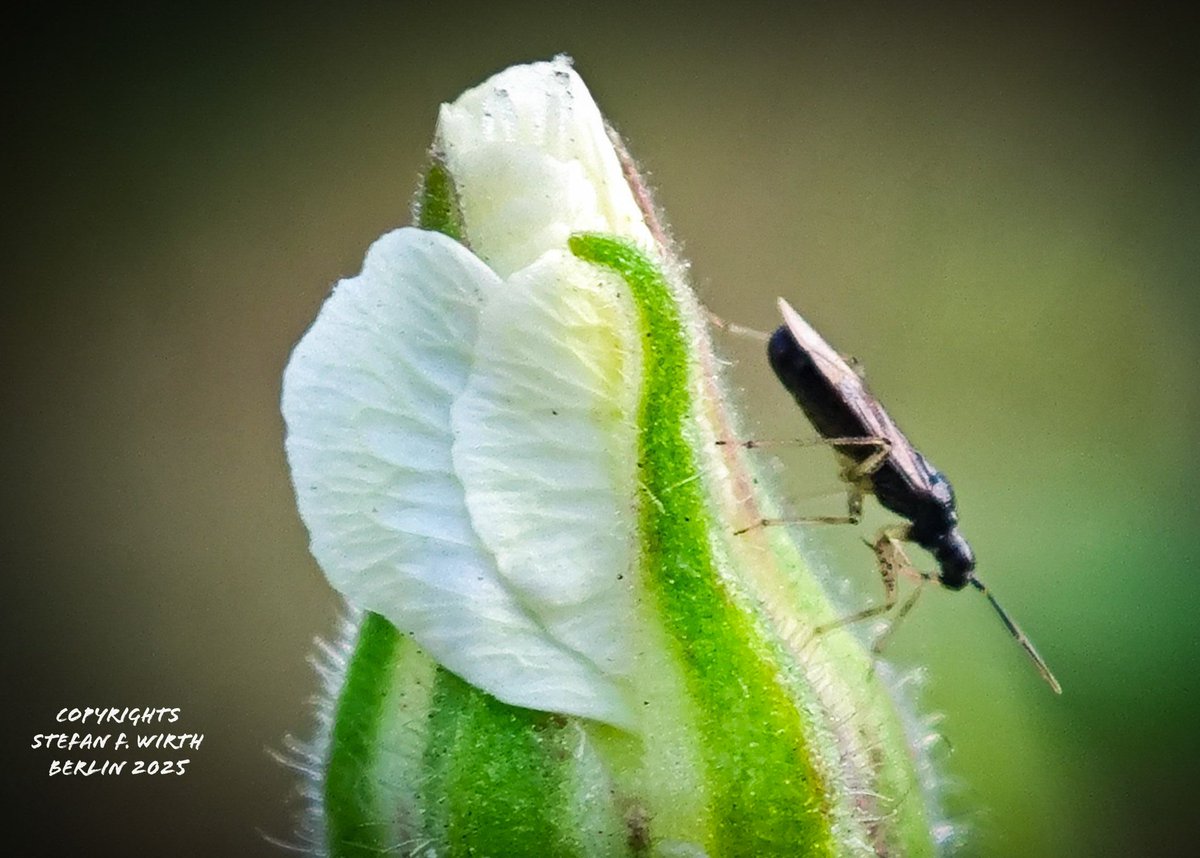
The #whitecampion is mainly pollinated by moths, as it only opens its #flowers in the evening or, in rainy weather, in the later afternoon. Male and female flowers possess different calyx morphologies.
Inbreeding depression mechanisms were discovered in both, male and female flowers. #Hermaphroditic flowers perform the following quite simple way to prevent inbreeding:
The flowers #mature in a fixed order with regard to their #reproductiveorgans. First, the #male parts of the flowers mature and become reproductively active; only then can the female stigmata of the #carpel be fertilized by pollen transferred via #insects (#pollination). This mechanism evolved in connection with the prevention of #selfpollination.
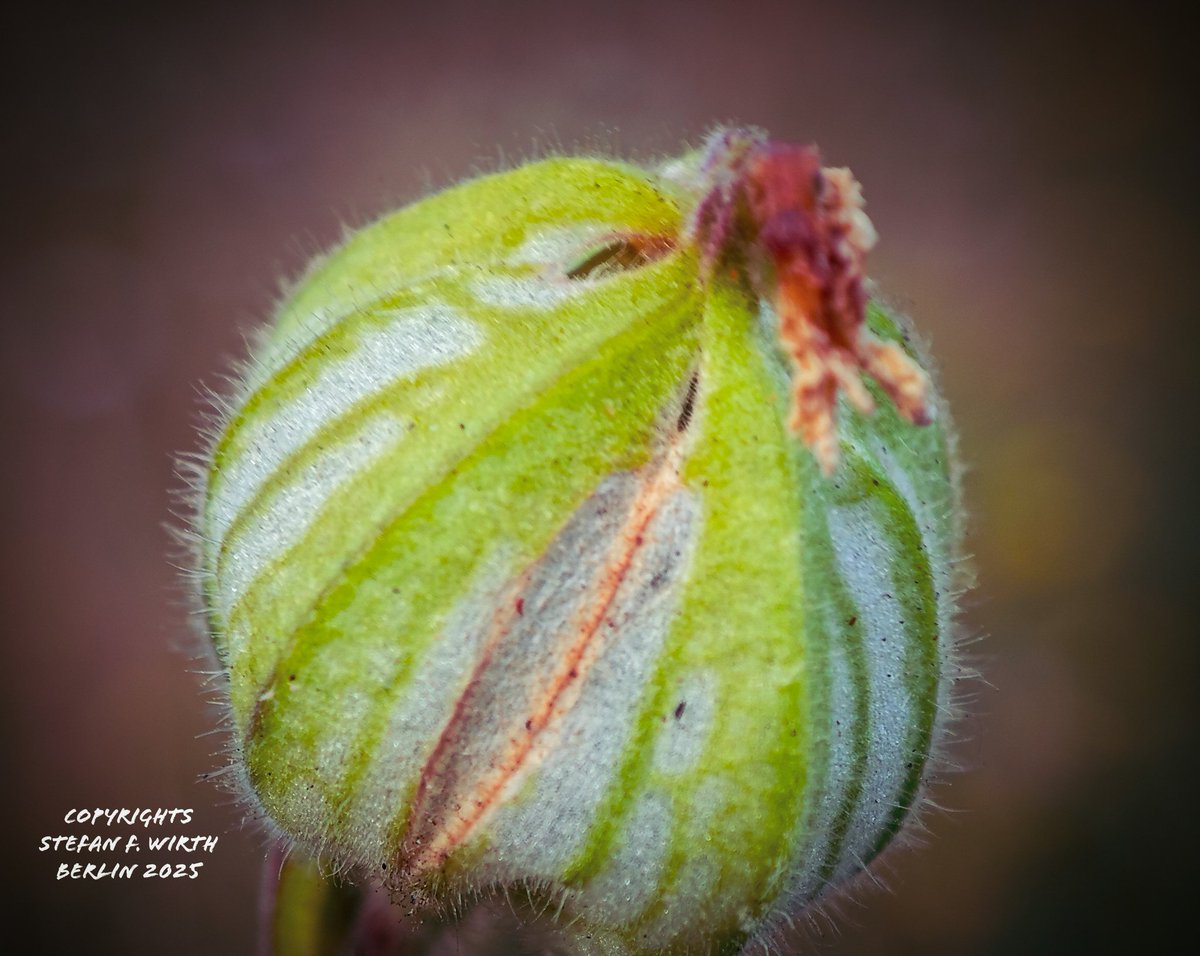
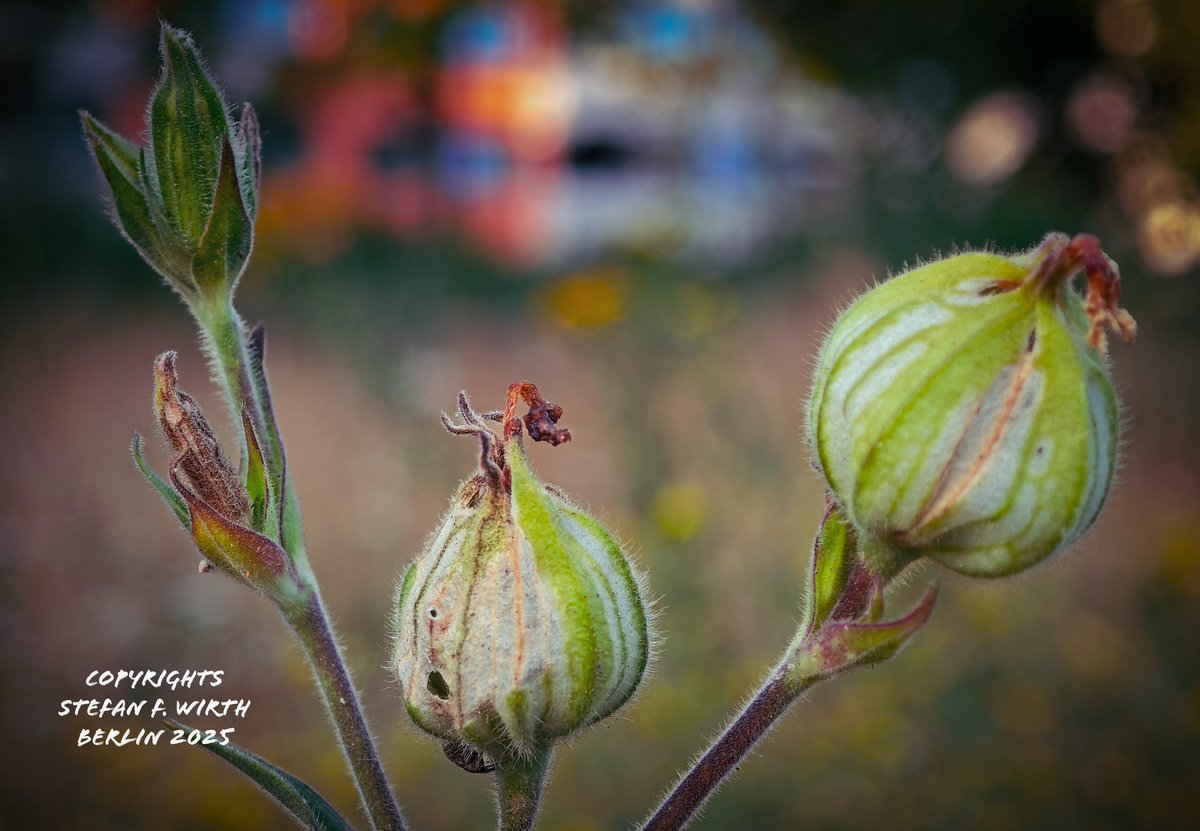
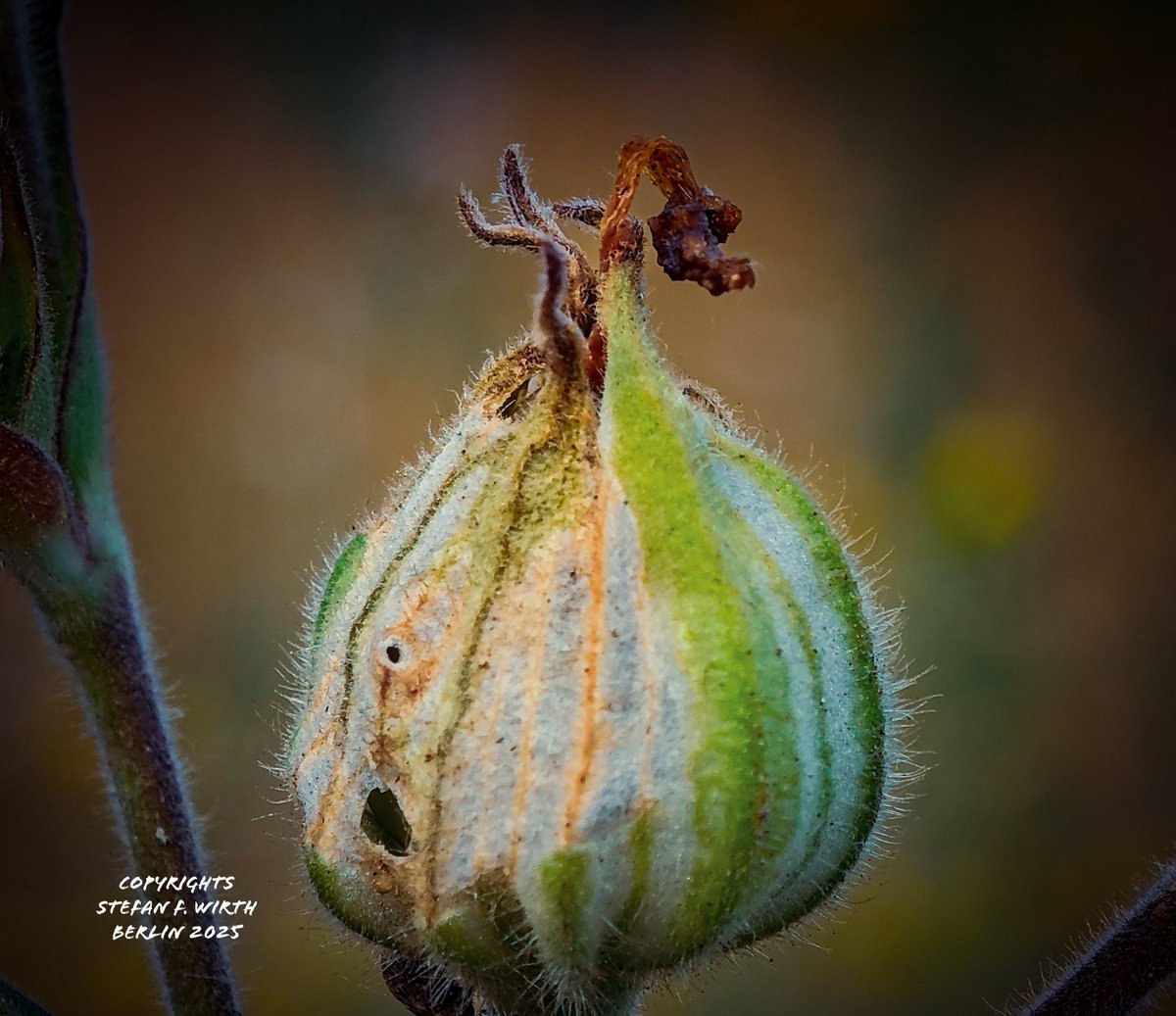
The #capsule #fruits are surrounded by an enlarged calyx, which is closed in bad weather. This serves to provide more surface area for the #wind to finally #disperse the seeds. The enlarged calyx can be translucent and appears quite decorative when viewed up close. The German name "#Lichtnelke" possibly refers to this aspect. The outside of this capsule is covered with teeth, which serve to attach to the fur or feathers of animals. The white campion is therefore #dispersed either by the wind or by #animals.
I already mentioned that in hermaphroditic flowers the sex organs of the white campion become active one after the other, starting with the males. But how is it generally determined, when exactly the development of the sex organs actually occurs, and how is their #maturation #regulated? The authors, V. Bačovský et al. (2022), examined the #genetic influence on the regulatory pathways involved in #gynoecium #development. Specifically, the authors addressed the following question: "How do sex-linked genes shape the expression of regulatory cascades that lead to developmental differences between #sexes?" To contribute more knowledge to this, the authors sequenced #transcriptome of male flowers with fully developed #gynoecia. The scientists were able to attribute a promoting effect on the development of the gynoecium and, for example, on floral organ size to eight gene sequences. They finally "affect the expression of class B MADS-#boxflowergenes."
© #StefanFWirth Berlin July 2025
Reference:
Bačovský V, Čegan R, Tihlaříková E, Neděla V, Hudzieczek V, Smrža L, Janíček T, Beneš V, Hobza R. Chemical genetics in Silene latifolia elucidate regulatory pathways involved in gynoecium development. J Exp Bot. 2022 Apr 18;73(8):2354-2368.
doi.org/10.1093/jxb/erab538
#Photos:
Silene latifolia on an #urban dry #meadow near #park Goethepark in Berlin, © S.F. Wirth
23
272
1,520

24 Oct 2024
As an exciting advancement, assembloids offer a unique window into organ development, disease modeling, and potentially therapeutic applications. Sergiu, how do you foresee the integration of these models into mainstream research over the next few years? Also, which organ system do you think will benefit the most from current or future developments? #Assembloids #OrganDevelopment
For those diving into understanding these innovations, visit sciqst.com, a comprehensive platform for addressing any biomedical inquiry and generating detailed reviews.
239

🇬🇧 🐟 Find out the value of #zebrafish in research into #OrganDevelopment at @TheCrick!
#BOARD24
youtu.be/p2UUvNkvZOo

1
3
123

9 Apr 2024
Researchers inactivated Tgfbr1 gene in early mouse development and observed the formation of 2 extra hindlimbs in the place of external genitalia. Dr Naomi Phillips writes more in BioNews: progress.org.uk/mouse-embryo…
#anatomy #organdevelopment #genetics #genomics #DNA #evolution
178

8 Apr 2024
Opossums are born at a similar stage to a 6-week-old human foetus, which is why they are sometimes used to study human #OrganDevelopment.
#AnimalResearch #MedicalResearch
Baby opossum footage credits: James Askew presents "Possum pouch picking at its best"
1
1
2
363
👁️ A #zebrafish study at EARA members @IGCiencia & @mpicbg shed light on how eyes are formed, to provide insights into #OrganDevelopment & where it can go wrong in different disorders.
#FishInResearch
eara.eu/post/zebrafish-eye-d…
1
4
5
416


🐟 New #zebrafish research by EARA member institutions have shed light on how eyes are formed, providing key insights into understanding #OrganFormation and where it can go wrong in different disorders 👇
eara.eu/post/zebrafish-eye-d…
3
73
🔬 A @IGCiencia @mpicbg study identified a new mechanism used by #zebrafish embryos to grow the #retina, to better understand the coordination of #OrganDevelopment & #BrainConditions.
gulbenkian.pt/ciencia/news/t…
1
2
3
613

25 Jul 2023
📢 New Special Thematic Issue!
🔬 Title: "An In-dire-need of a specific Notch2 agonist/antagonist to treat human cancer and tissue-defects"
🗓️ : 31 Mar '24
Submit at: hermain@benthamscience.net
#Notch2Signaling #CancerResearch #OrganDevelopment #benthamscience
59

9 Dec 2022
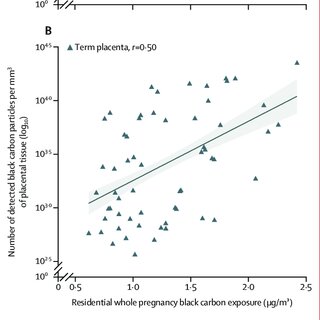
Research published in The Lancet Planetary Health recently on whether air pollution particles can enter the #fetus directly and how they affect fetal #organdevelopment.
Read on: lnkd.in/edhAAVE9
#environment #lifescience
1
1