
24 Dec 2025
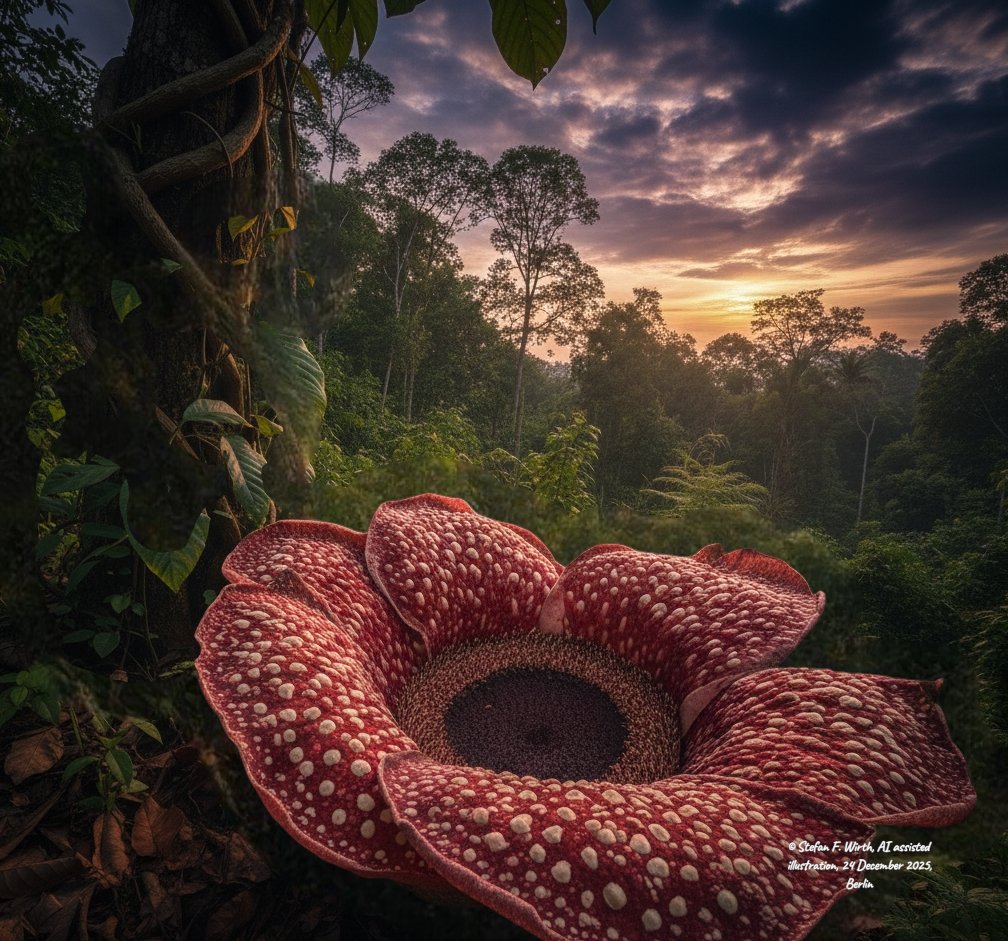
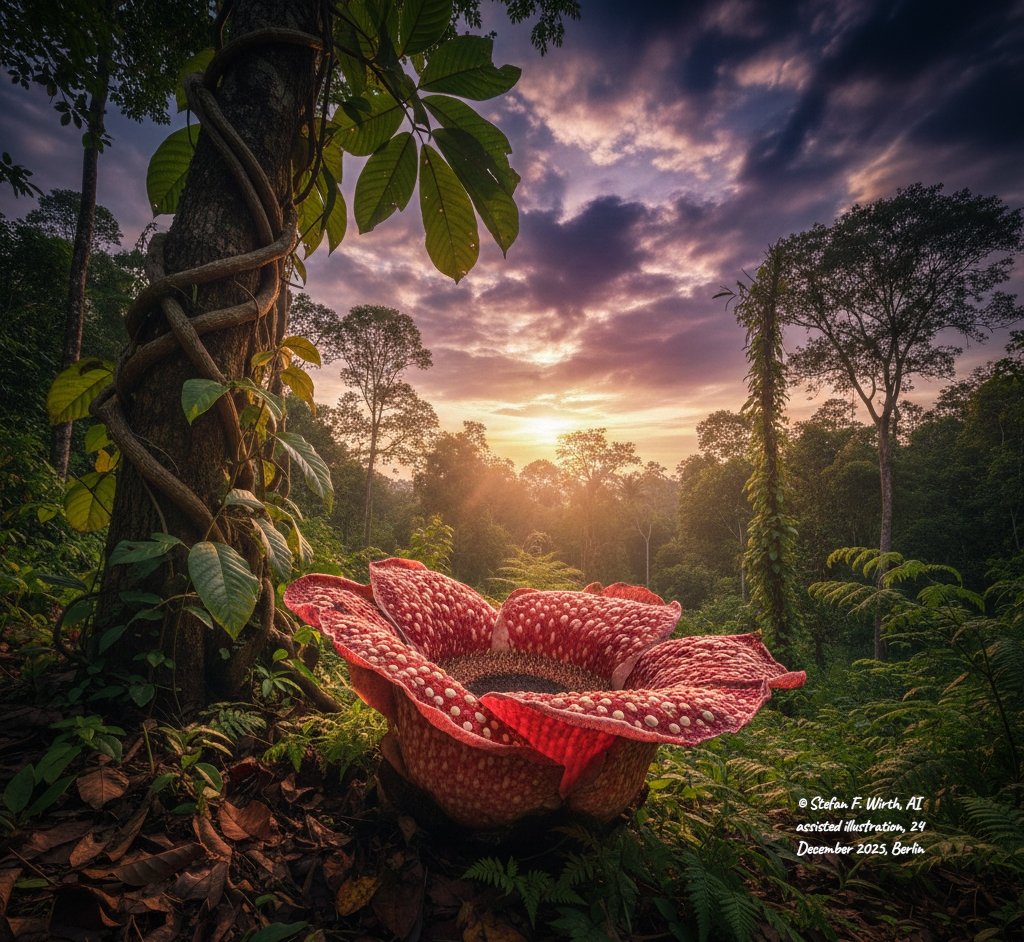
Plants of the #Rafflesiaceae (#Malpighiales, Rosids) are #biologically #interesting, but also morphologically striking and impressive. They include the largest #blossoms in the #plantkingdom.
Although the flowers may be visually pleasing to the human observer, closer inspection reveals a familiar color palette, albeit for rather unpleasant reasons. It is reminiscent of dead flesh, i.e., #rotting #carcasses. This is an #evolved #strategy in which a plant imitates something both visually and through its activity (= #mimicry). Rafflesiaceae not only look like animal carcasses, but they also #smell like them. Through this mimicry, the plant attracts #carrionflies, which then carry out #pollination. The #seeds, on the other hand, are #dispersed by somewhat larger animals, such as #rodents.
These plants are #endoparasites of the plant genus #Tetrastigma (#Vitaceae), meaning they do not photosynthesize or absorb nutrients from the soil. Instead, they are connected to their host and obtain photosynthetic products, minerals, and water from it.
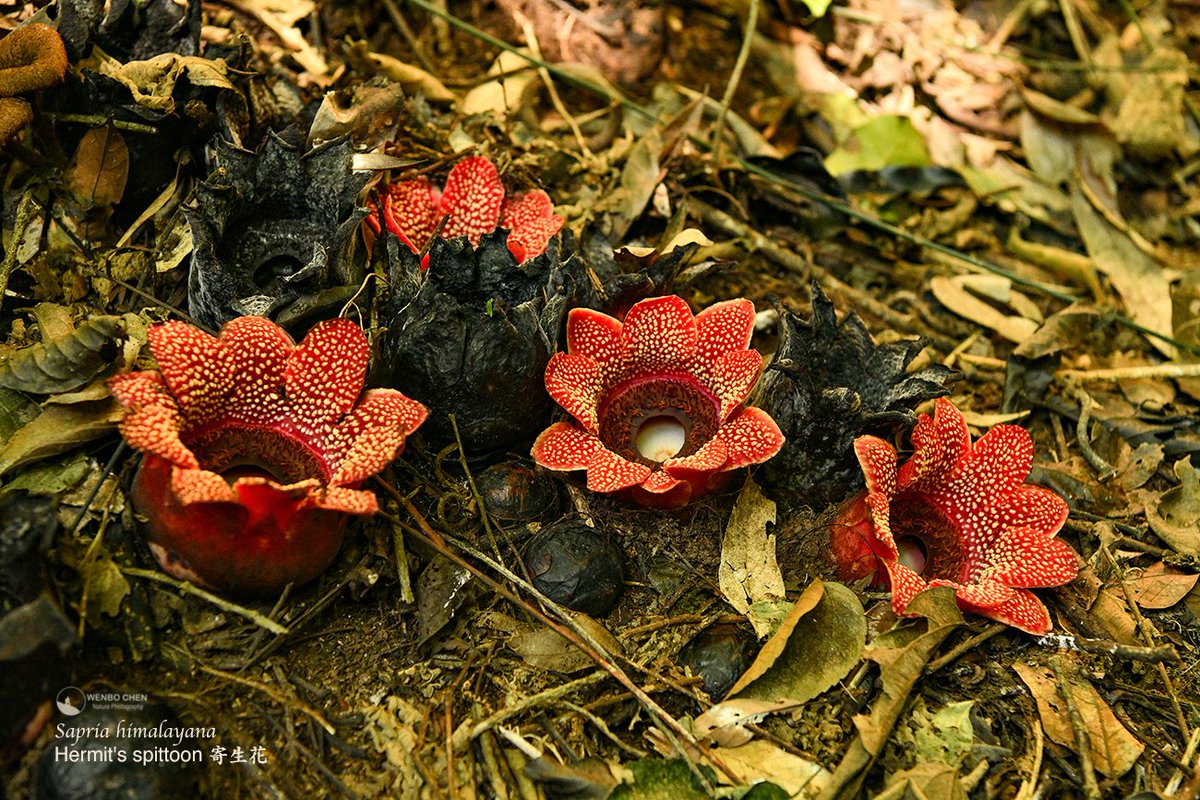
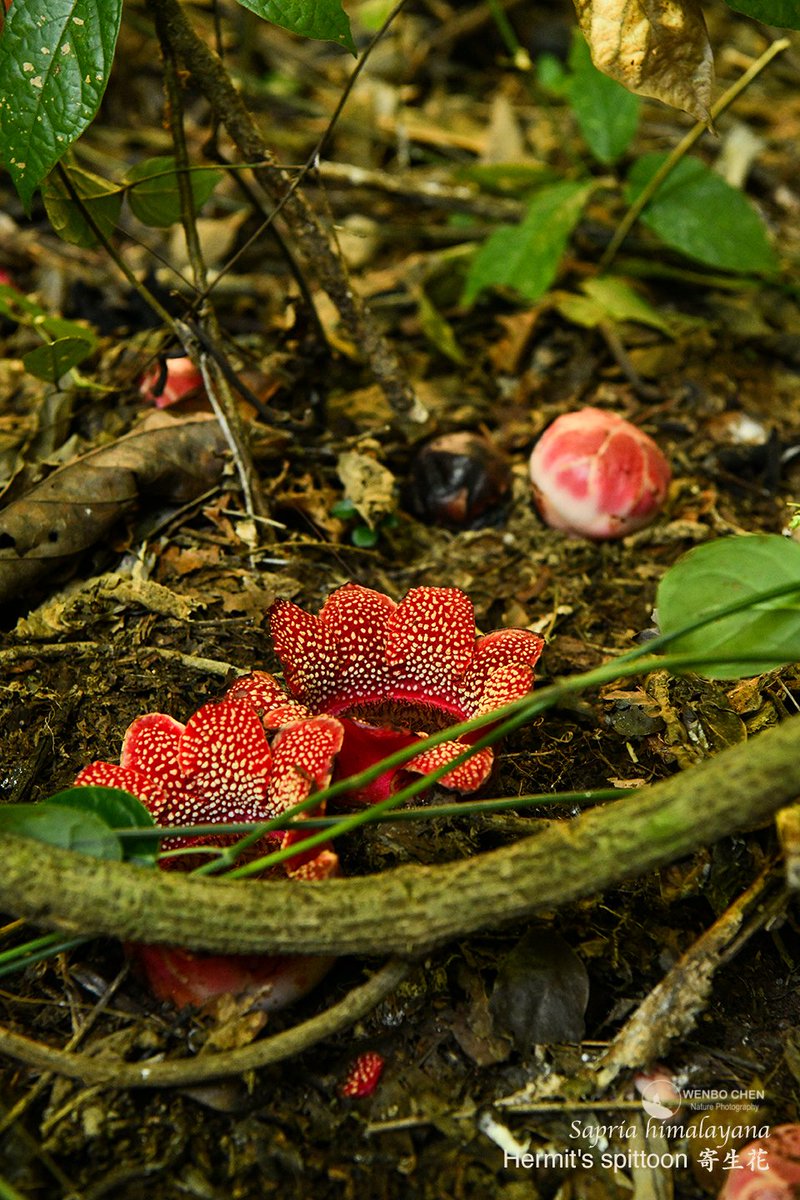
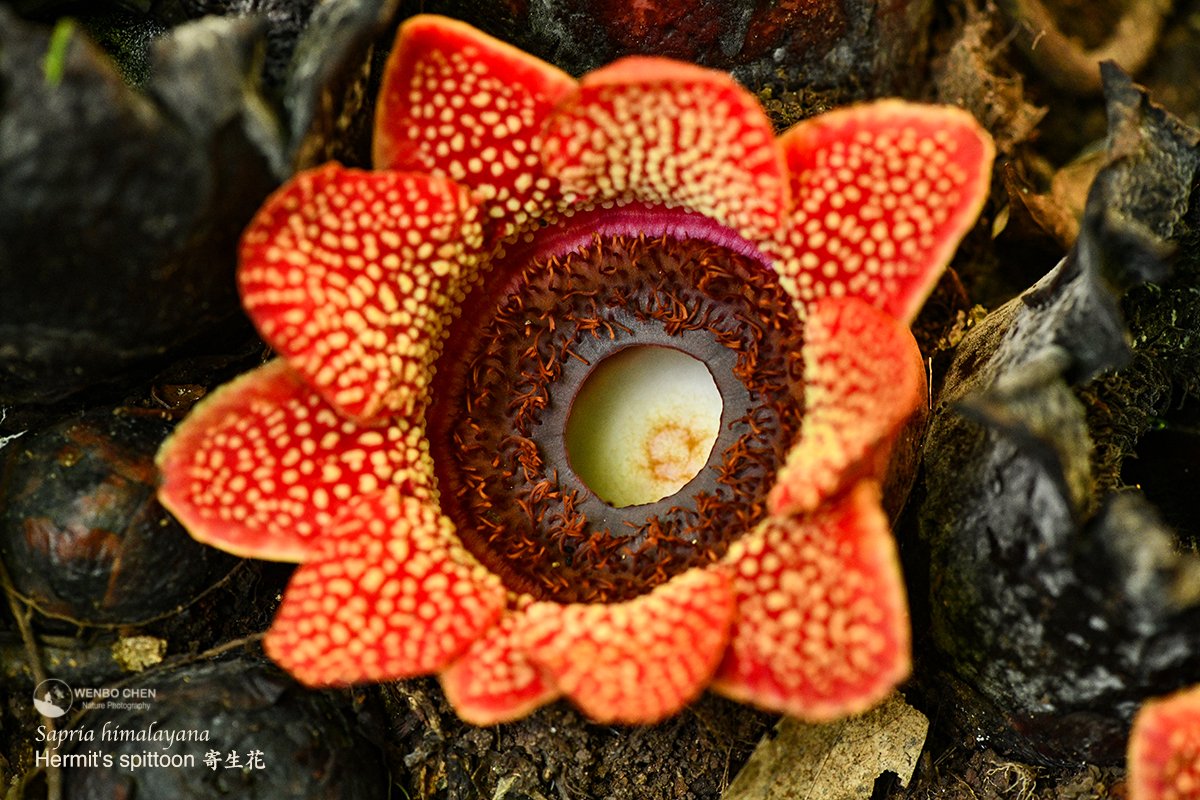
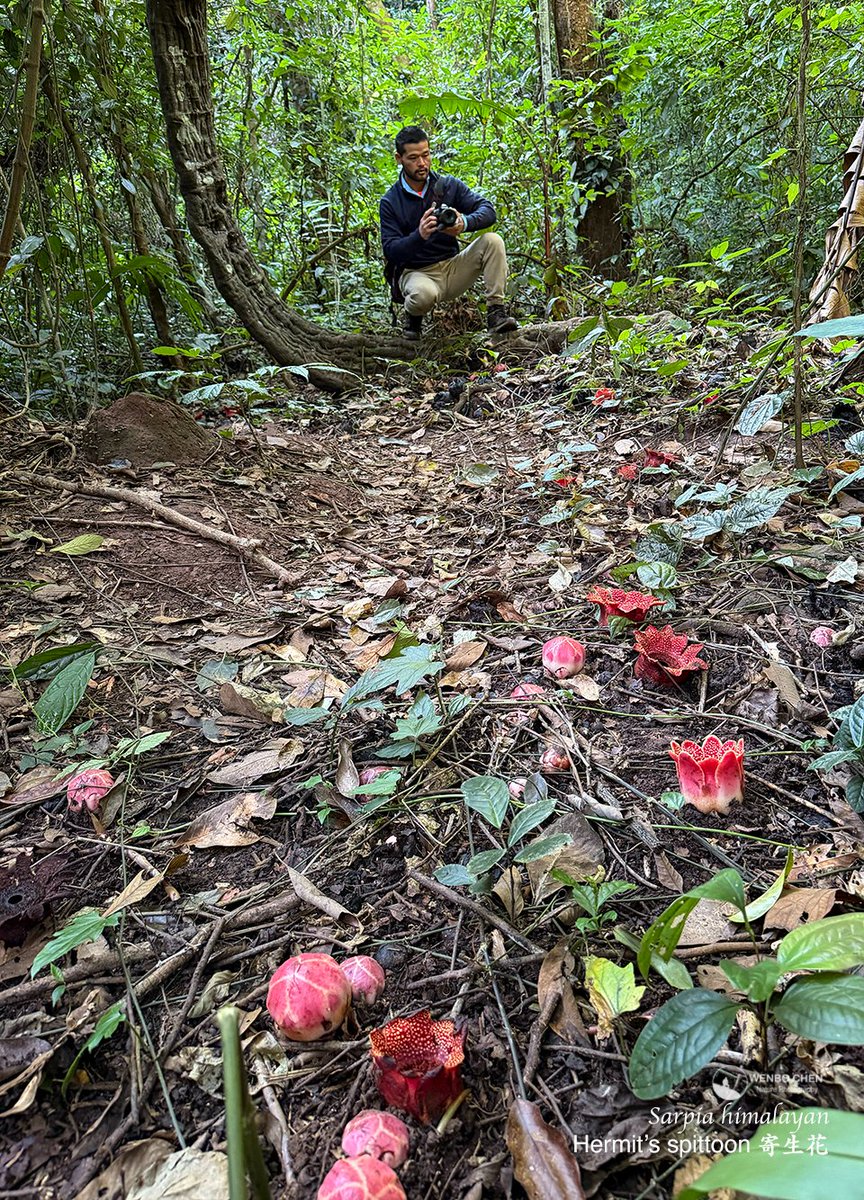
A rare example from this taxon is #Sapria #himalayana, which practices a strong form of this parasitism. It is connected to the phloem and xylem of the host plant via its root-like organs (#haustoria). It is widespread in the Eastern #Himalayas (see X link of W. Chen, 2025).
The authors J. Molina et al. (2024) were the first to study the #microbial #partners of a species, namely #Rafflesia #speciosa, within the Rafflesiaceae. By comparing the bacterial fauna in sections of the host plant with that of Rafflesia seeds, they found that the seeds possess #bacterialprofiles that correspond to those of the host plant. According to the authors, these bacteria appear to have been #sequestered from the #host plant.
© #StefanFWirth Berlin 24 December 2025
References:
X link of W. Chen, 2025
x.com/i/status/2002483963051…
J. Molina et al. (2024)
doi.org/10.1080/17429145.202…
#Pictures:
Rafflesia #arnoldii, the best known species with the largest blossoms, native to #Indonesia, #AIassisted #illustrations, edited manually, © Stefan F. Wirth, 24 December 2025
20 Dec 2025

This fascinating holoparasite belongs to the family Rafflesiaceae; it usually grows on lianas such as Vitis and Tetrastigma spp., and its relatives (afflesia spp.) in Southeast Asia have the largest flowers in the world. So excited to see it in Yunnan, China. Sapria himalayana.
2
24
263
1,778

21 Dec 2025
सावधान! इस जादुई पौधे को जमीन से निकाला तो जा सकती है जान! | Bharat Express
#MandrakeRoot #MysteriousPlants #MandrakeScream #NatureWonders #HarryPotterFans #Mandragora #SupernaturalNature #BotanySecrets #MythicalPlants #AmazingFacts #StrangePlants #ScienceOrMyth #PlantKingdom #MandrakePlant #UrbanLegends #MagicPlants #NatureMysteries #WorldWonders #NatureIsScary #HarryPotterMagic #Bharatexpress
@radhapbaisoya
3
3
27

3 Sep 2025
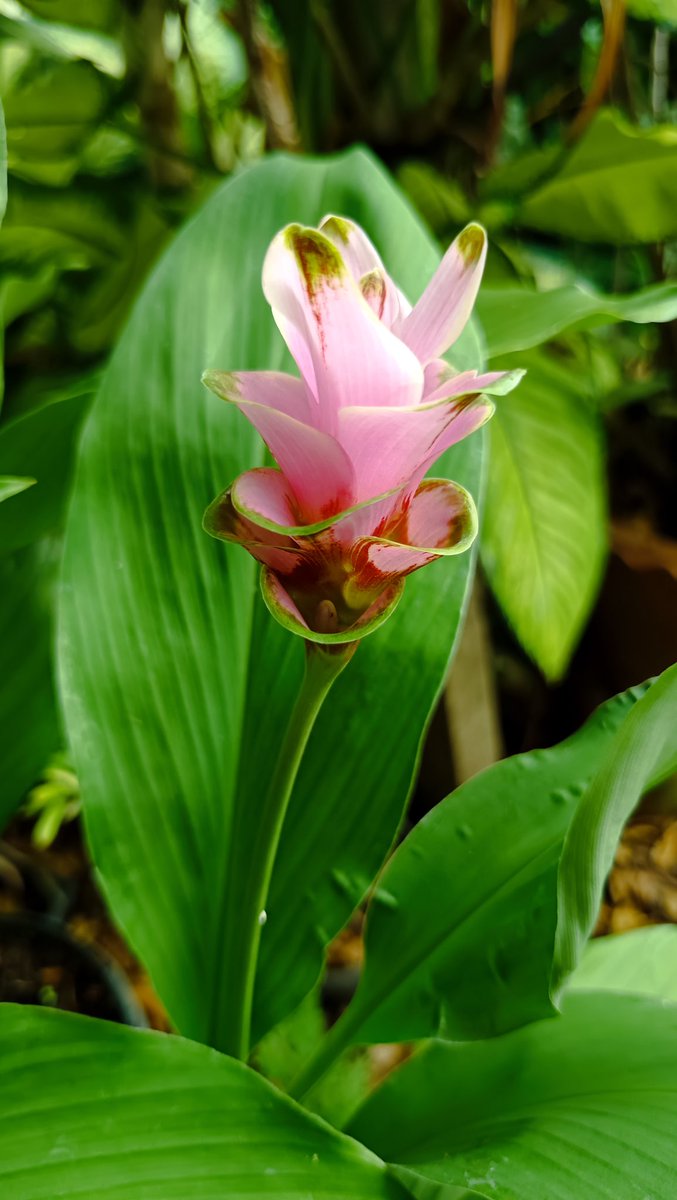
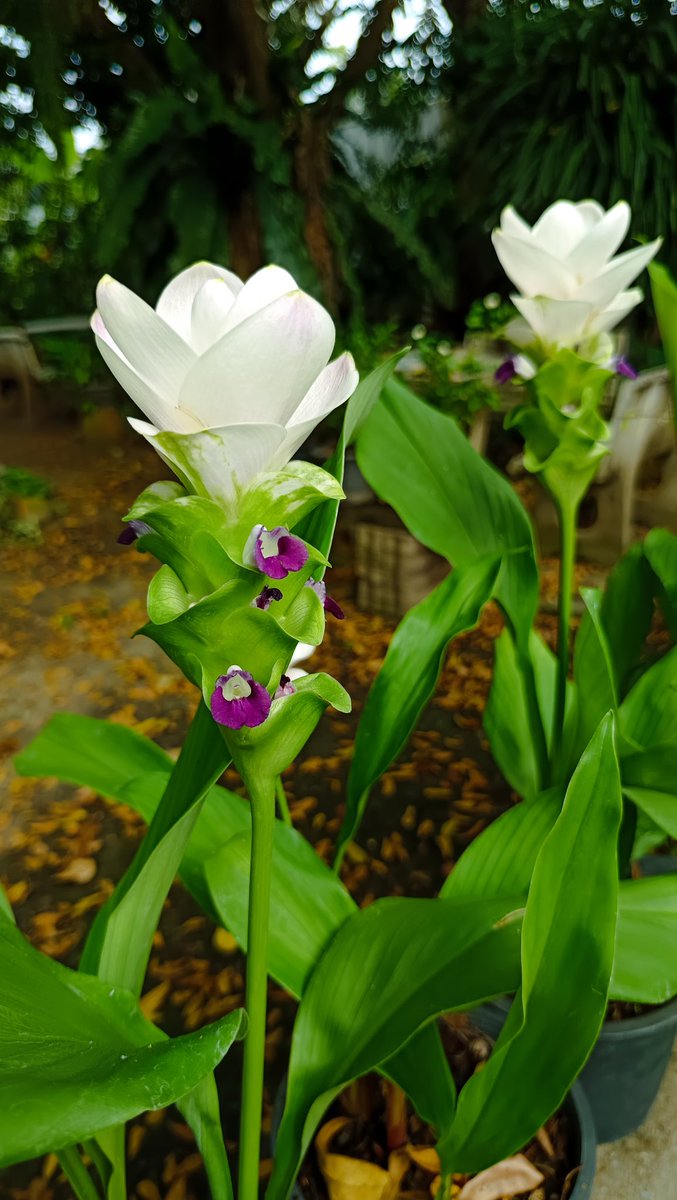
กระเจียวบาน กระเจียวบาน 🎶🎶🎶🎶
#ดอกปทุมมา หรือ #ดอกกระเจียว จริงๆมีชื่อเรียกภาษาไทยนะ แต่จำชื่อเรียกไทยๆ ไม่ได้แล้วหละ
#siamtulip #flowers #naturephotos #NaturePhotography #nature #NatureLover #plants #plantkingdom
2
32

30 Apr 2025
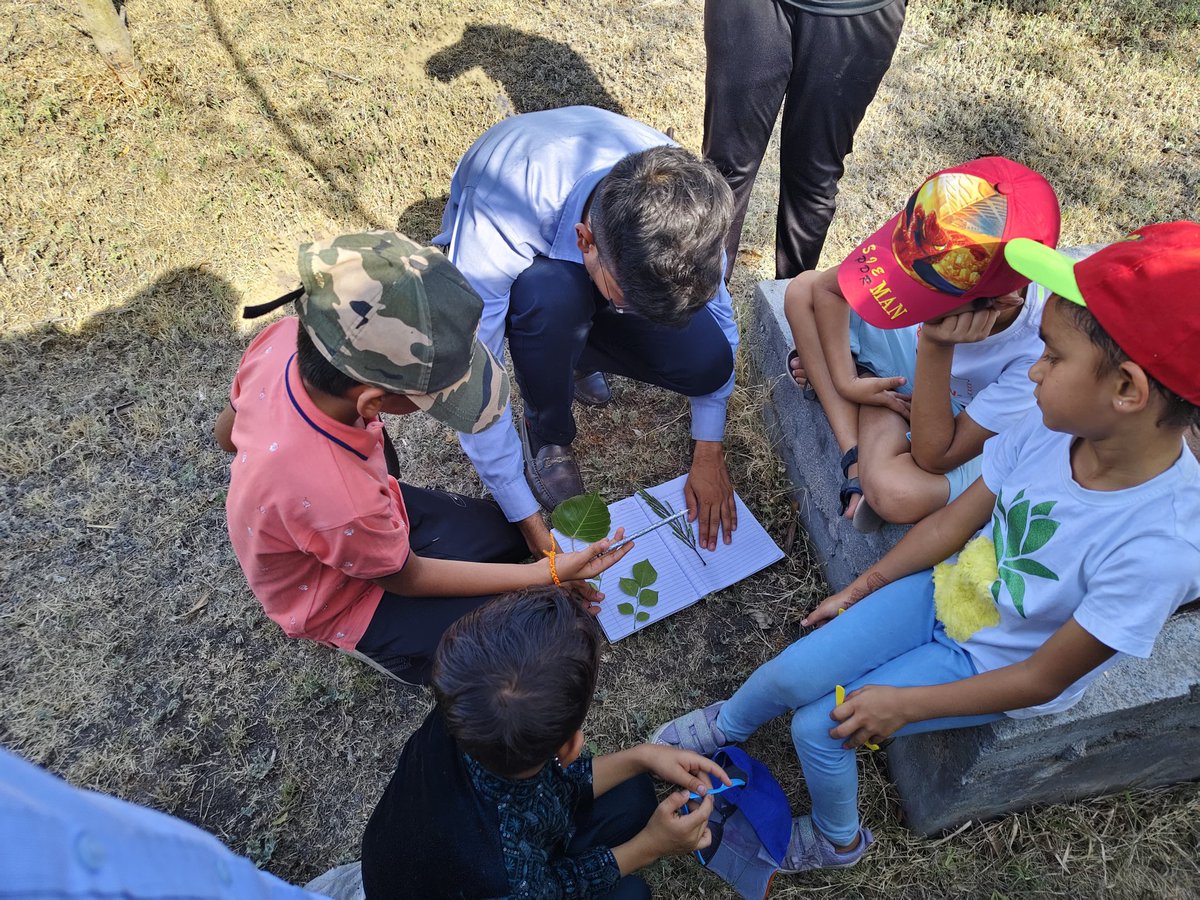
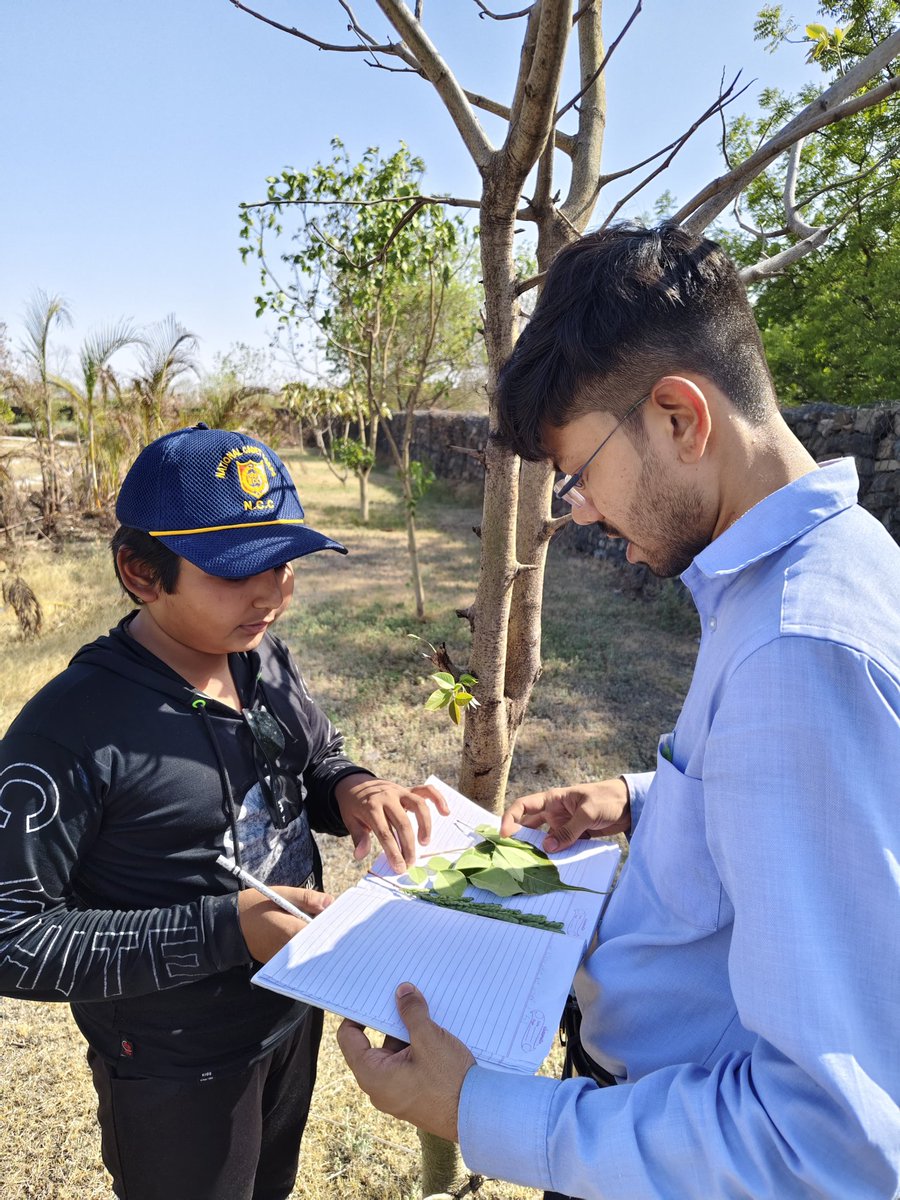
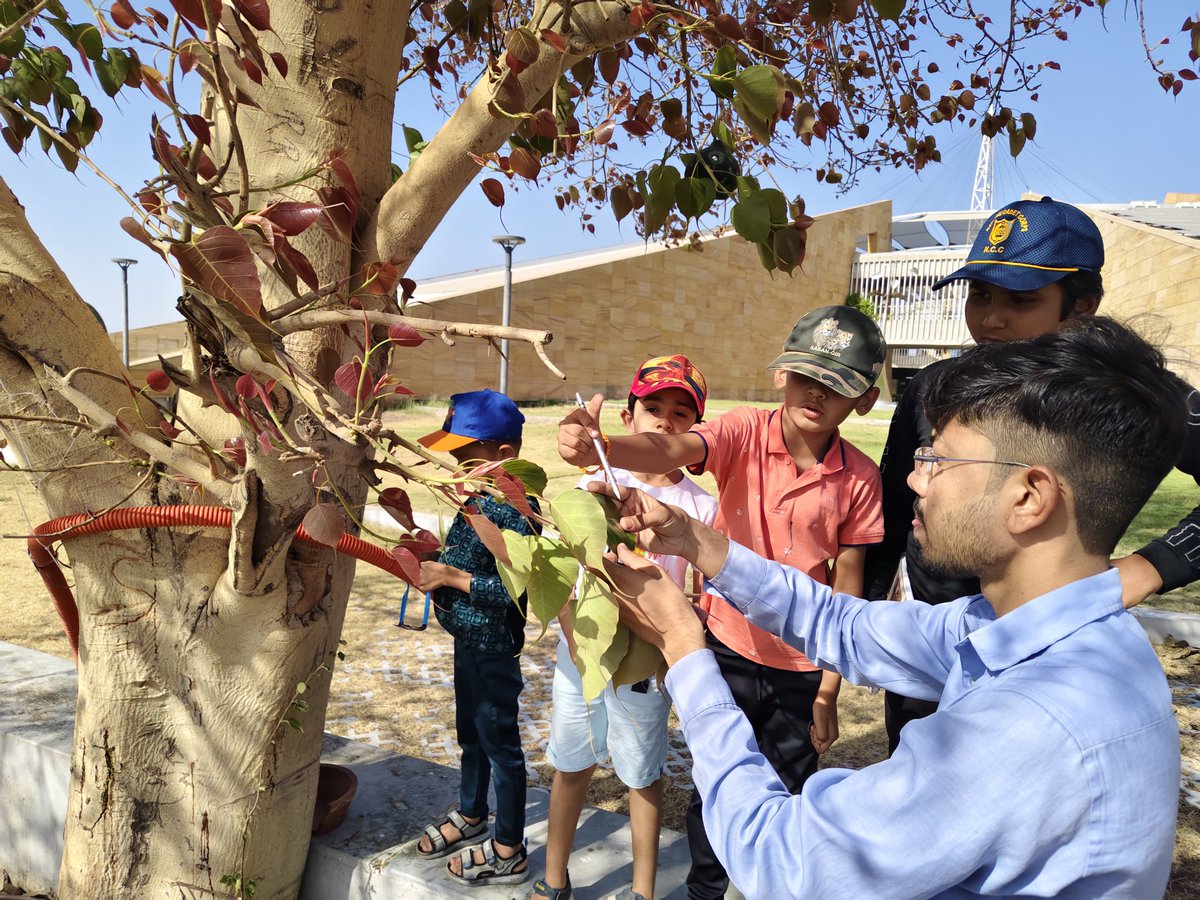
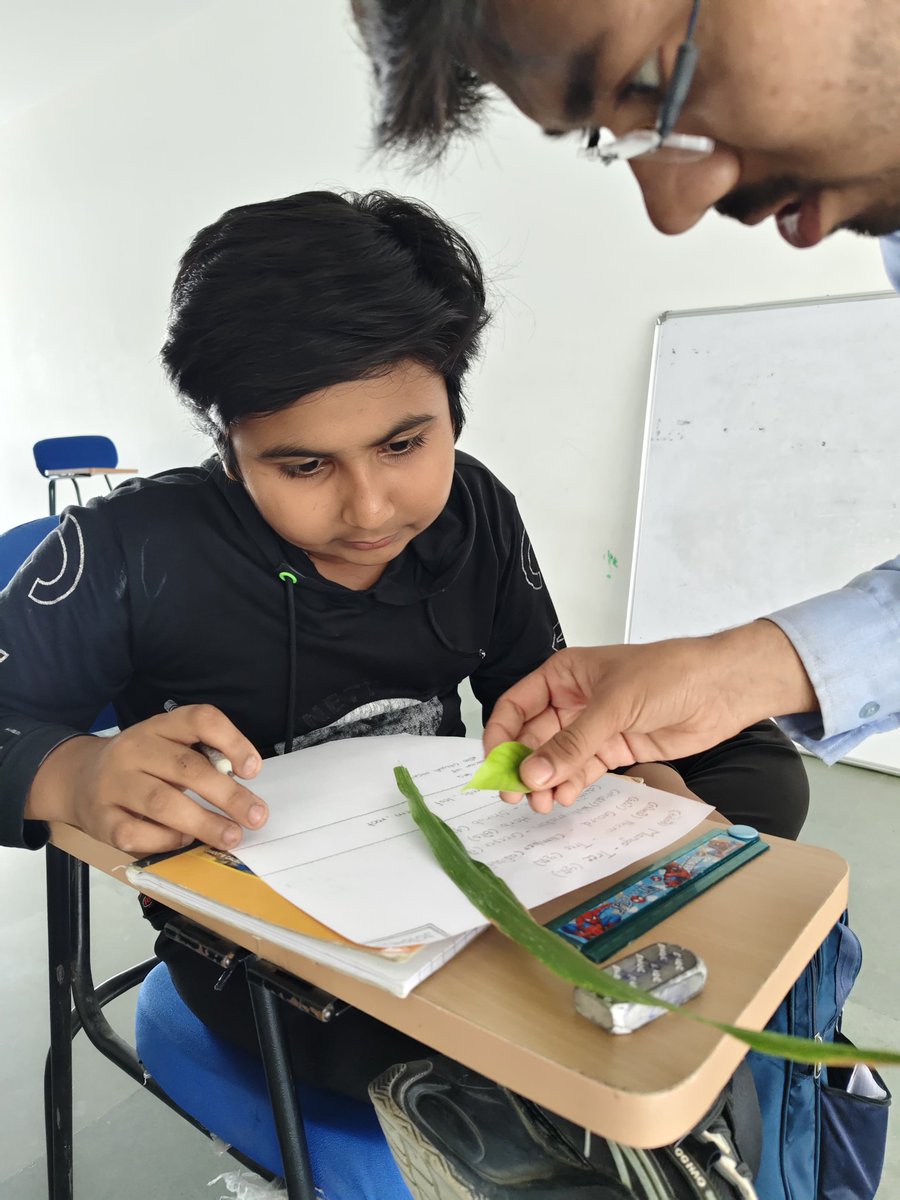
"Day2 of #SummerScienceActivity at @RSCRajkot! Students explored "Let's Know Our Living World Around Us" through "#PlantKingdom" activity! Fieldwork, sample collection, leaf types, Venation study & more! Discovering the wonders of nature! #RSCRajkot #SummerScience"
22
29
150

30 Aug 2024
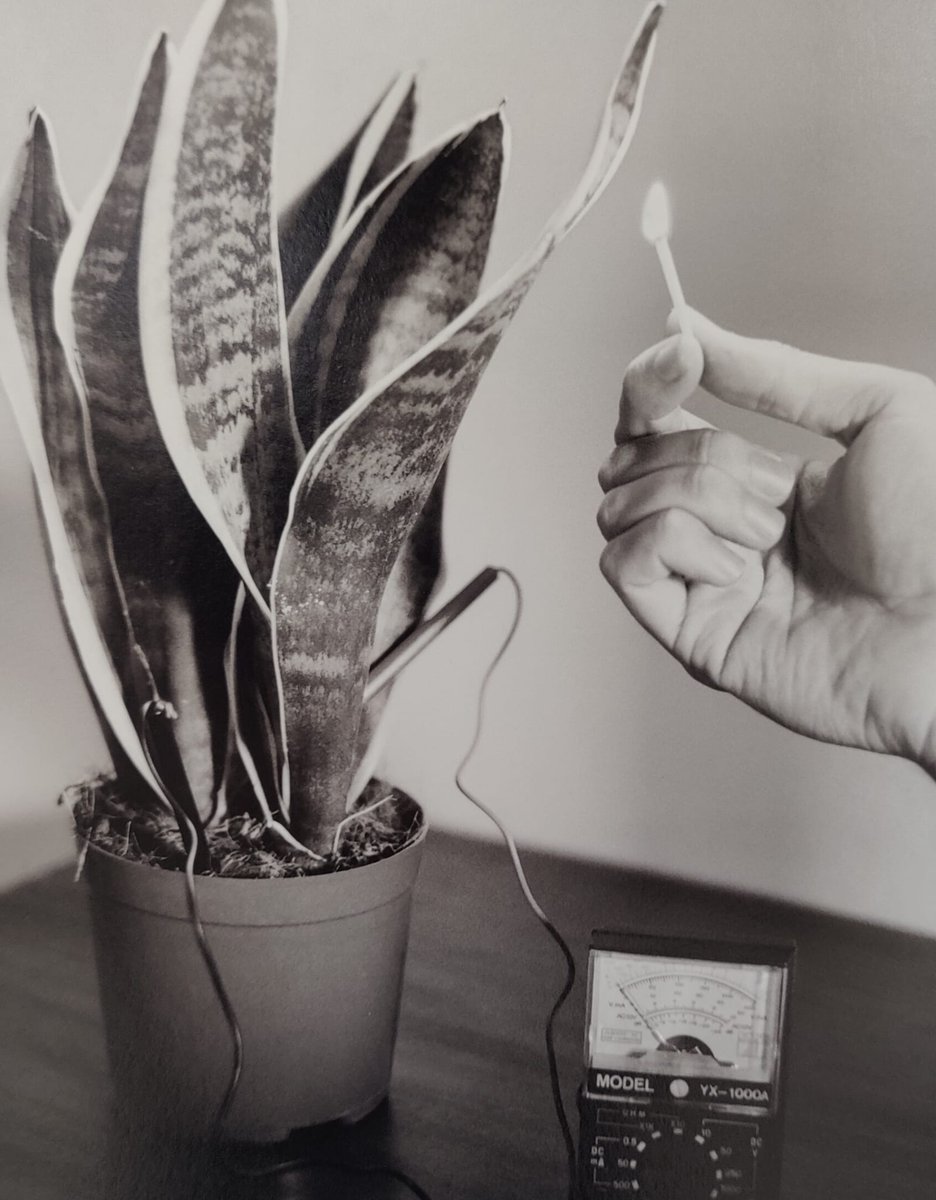
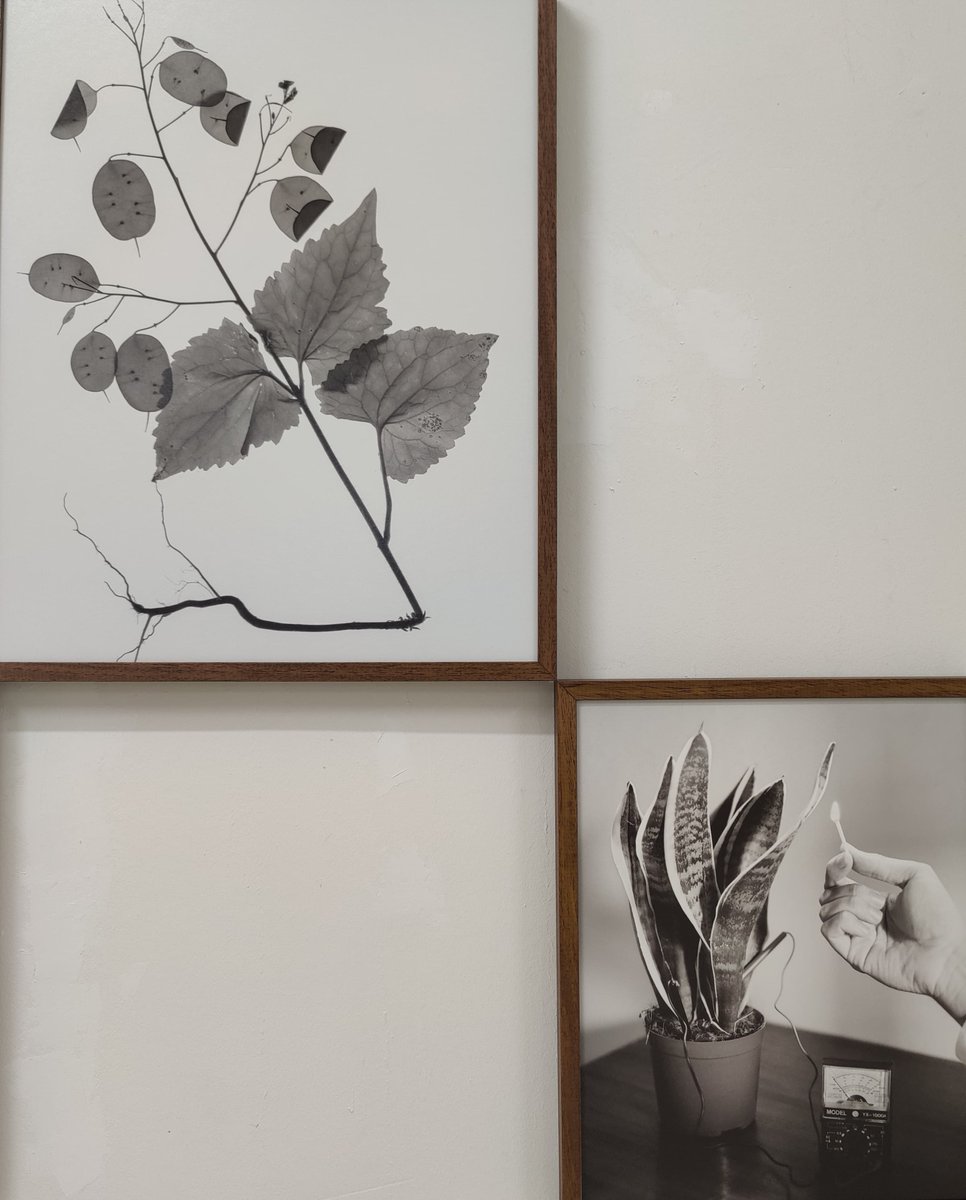
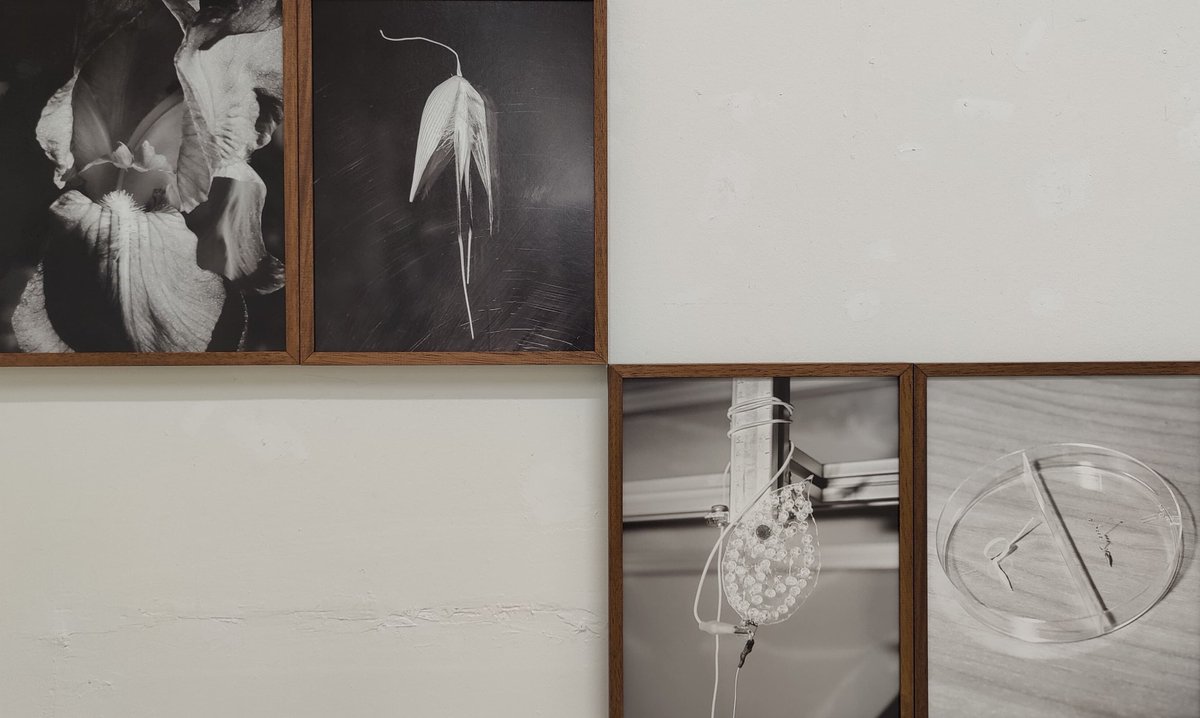
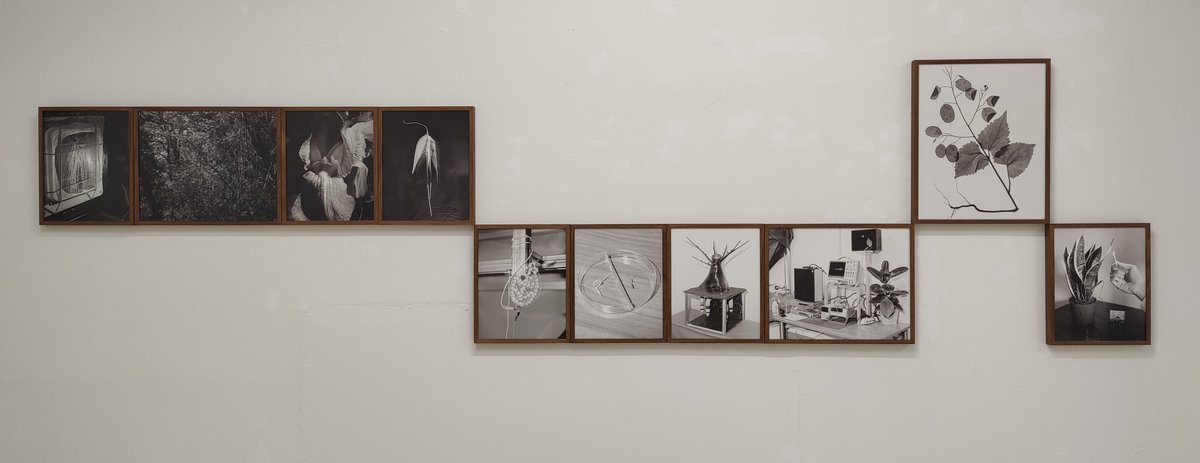
At PICK GALLERY in #Turin,#photographer Christian Velcich presented 'The Verdant Gaze,' exploring #scientific approaches to the #plantkingdom that have inspired researchers past and present. Some shots were taken during a visit in our labs @IITalk #ArtExhibition #Botany @eUeic
2
3
252

31 Jul 2024
🌿#SpatialTranscriptomics has been extensively used to study mammalian cells; only a handful of studies have applied it to plants.
Learn how researchers at the @EarlhamInst are pioneering #SpatialTranscriptomics in the #PlantKingdom using the MERSCOPE.
📖hubs.ly/Q02JzRc-0
5
4
598

22 May 2024
Congratulations to @BioHarvestBHSC and all the Shareholder partners on hitting 800 Reviews on @amazon 🏆#Hearthealth #Resveratrol #Reviews #Tea #Coffee #plantkingdom

7
10
243

21 May 2024
AIが描いたイラスト「北海道石狩市🇯🇵 植物都市」
#AIart #北海道石狩市 #石狩市 #botanists #plant #PlantKingdom #KawabataGorou #originalcharacter #AIFantasyWorlds




1
2
124
21 May 2024
AIが描いたイラスト「plant kingdom Hokkaido ishikari city🇯🇵」
#AIart #北海道石狩市 #石狩市 #botanists #plant #PlantKingdom #KawabataGorou #originalcharacter #AIFantasyWorlds
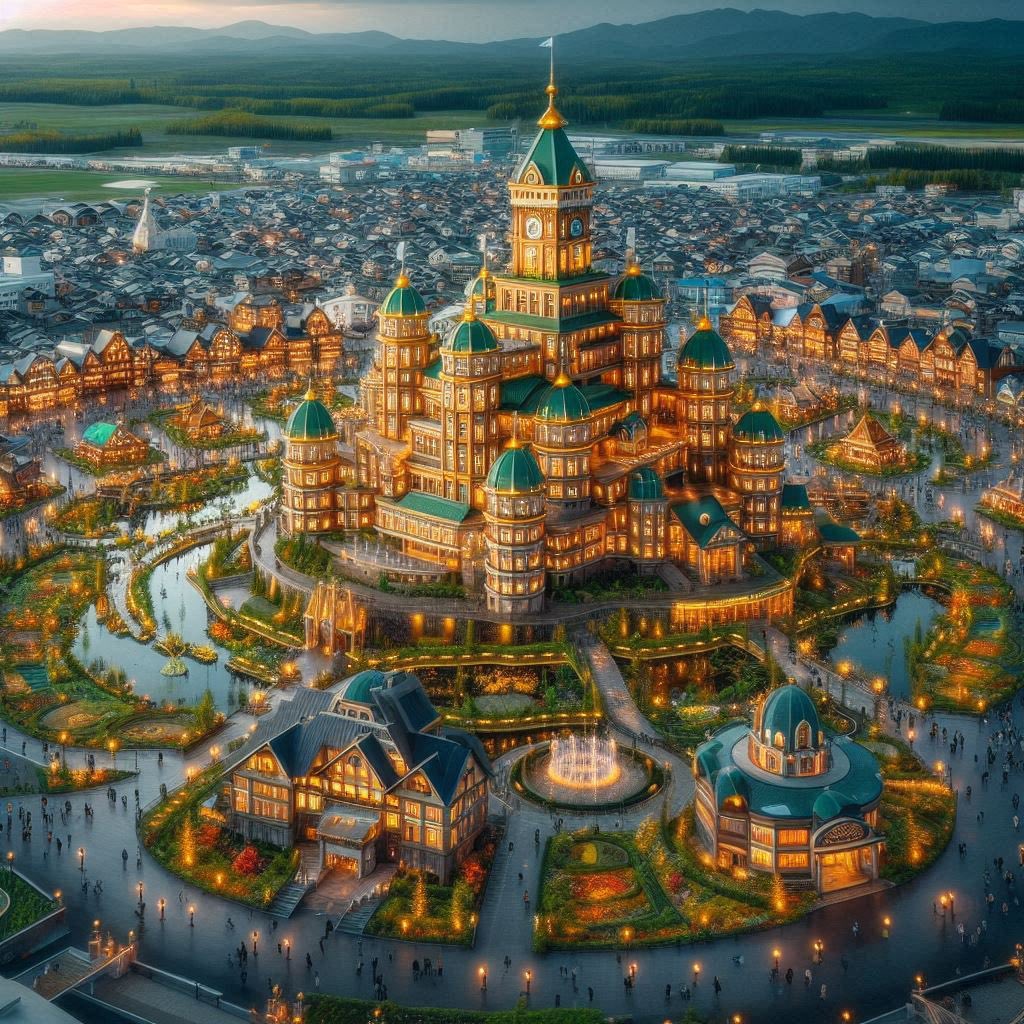
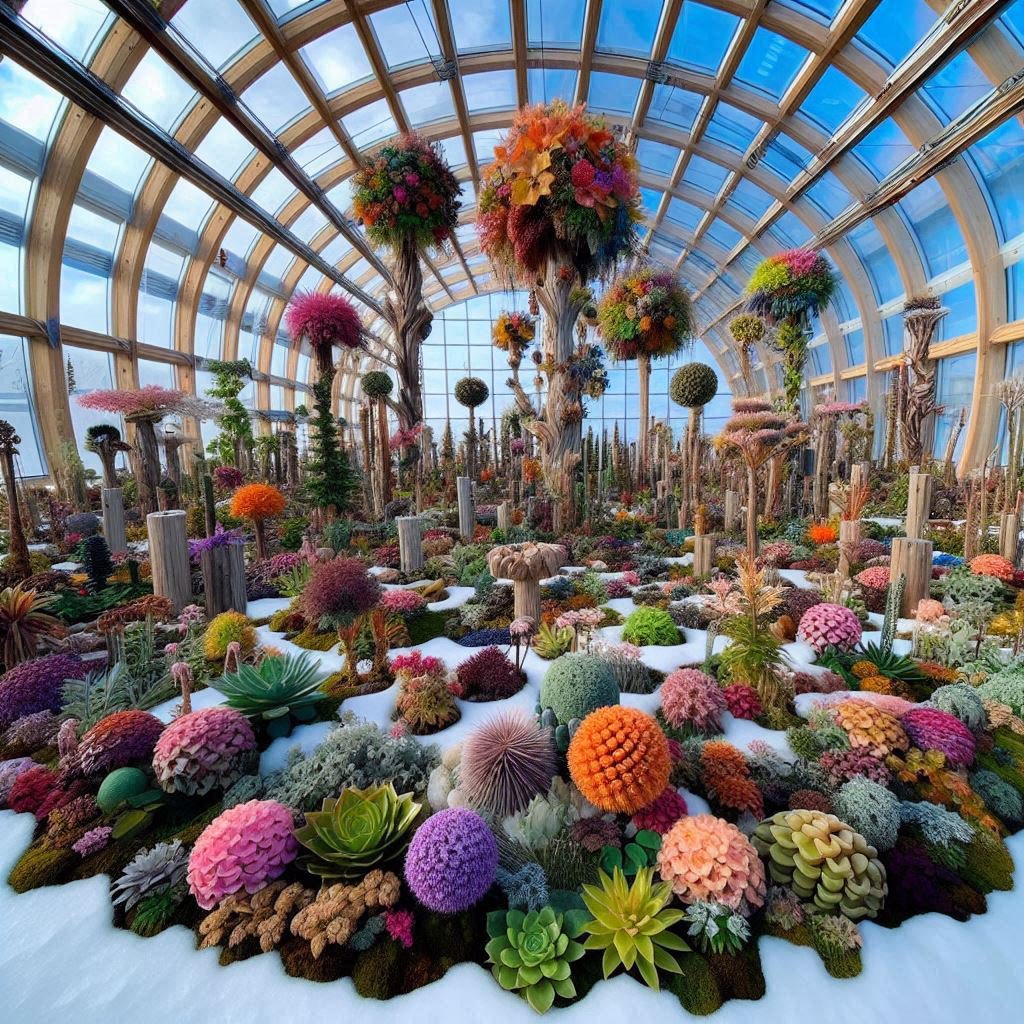
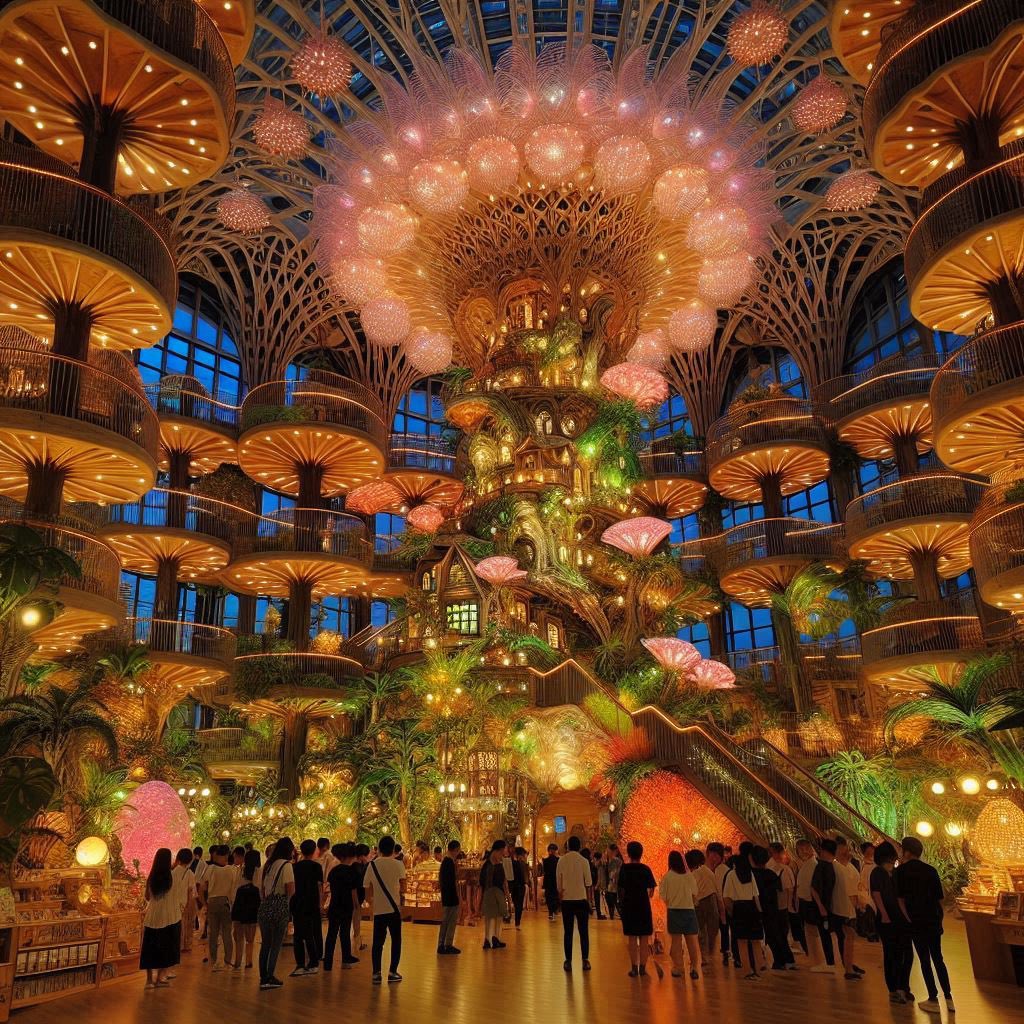
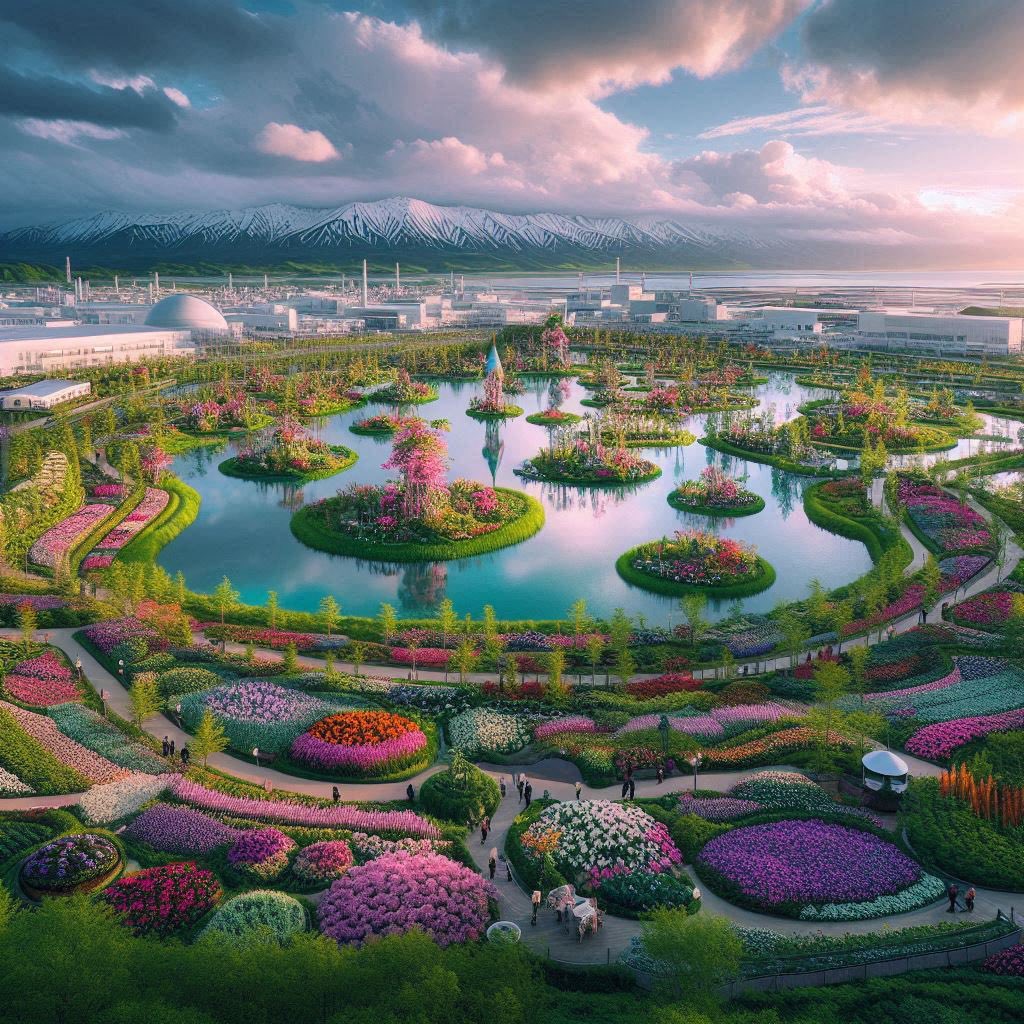
1
2
134
14 May 2024
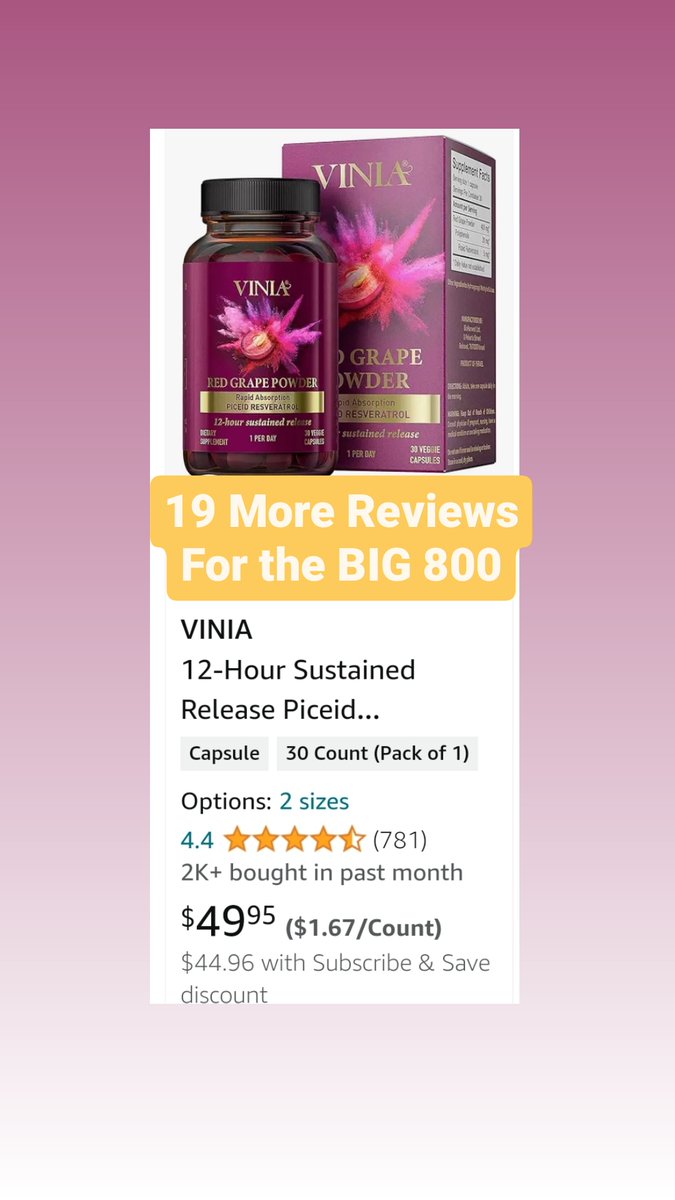
19 more Amazon Reviews for the Big 800 ! $BHSC $CNVCF $Amazon #Vinia #cannabis #Olives #Promegrate #Coffee #Tea #Hearthealth #Psilocybin #NOGMO #Industrydisruptors #FoodinSpace #llansobel #Industrydisruptors #Futurefarmers #plantkingdom #proteins #ProteinBars #Cupoftea
1
7
9
386


19 Apr 2024
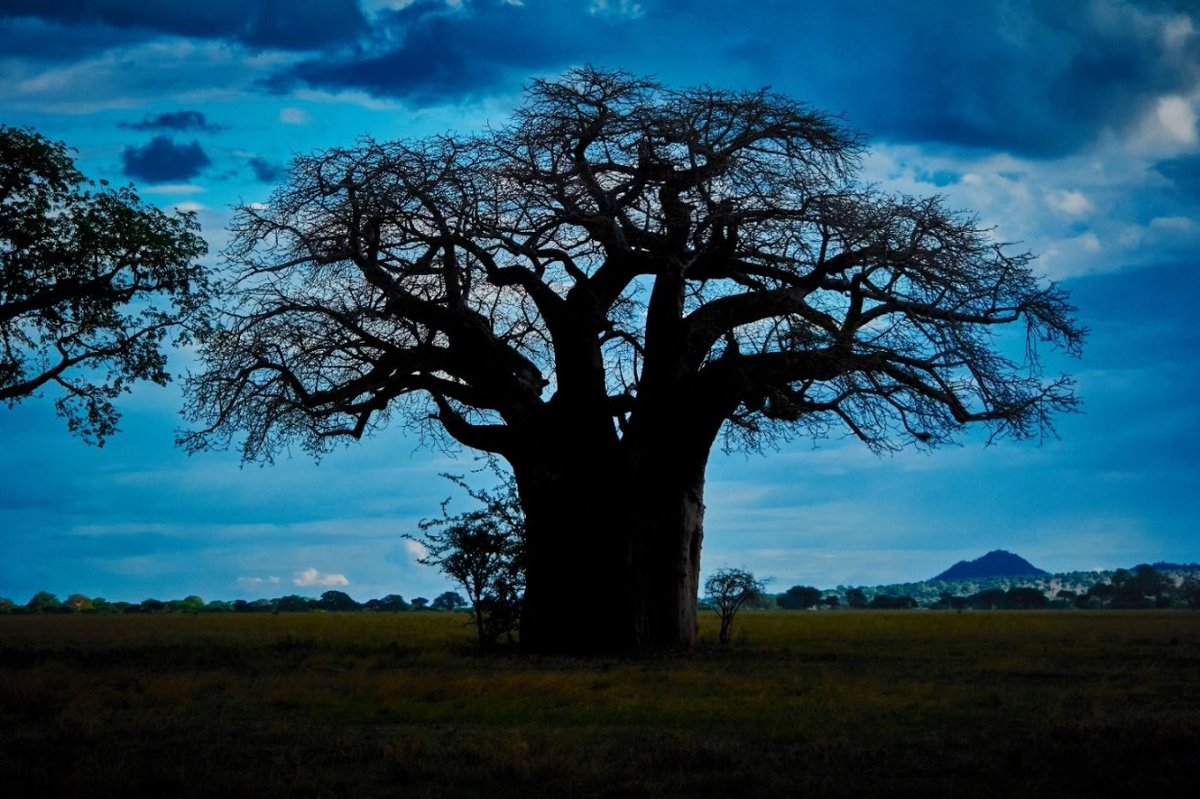
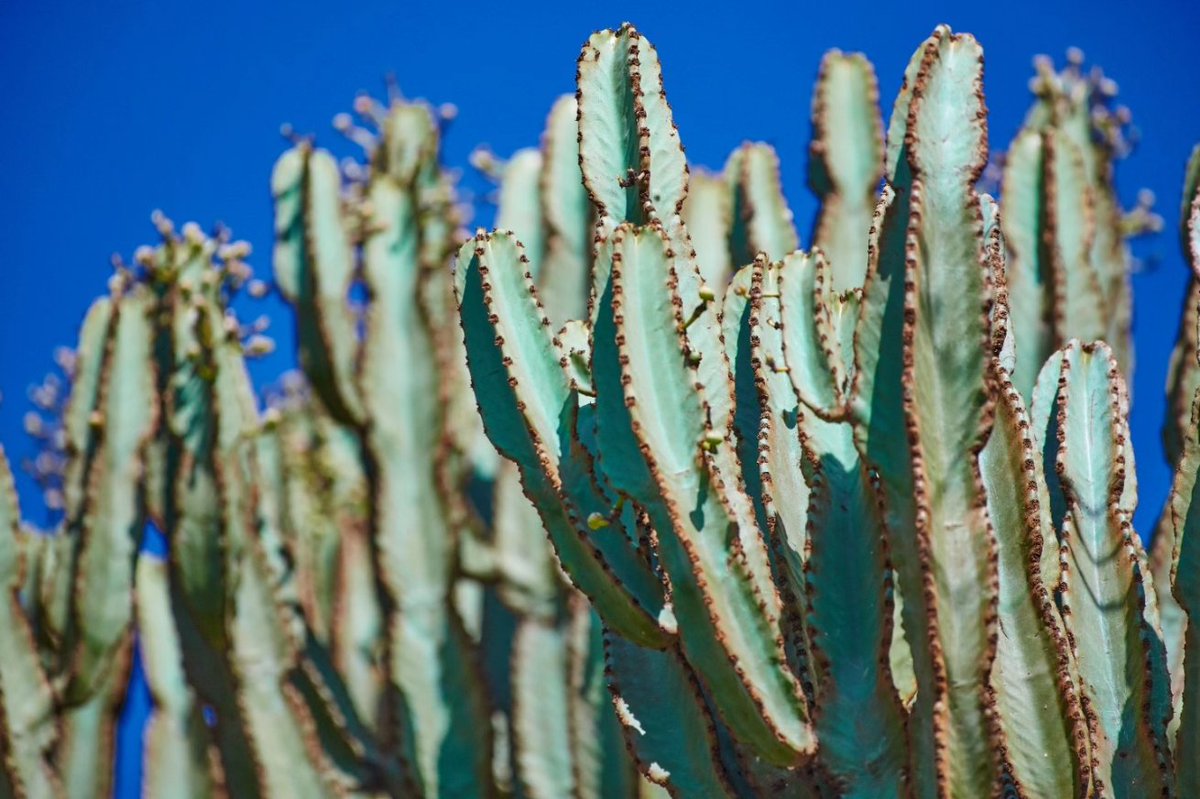
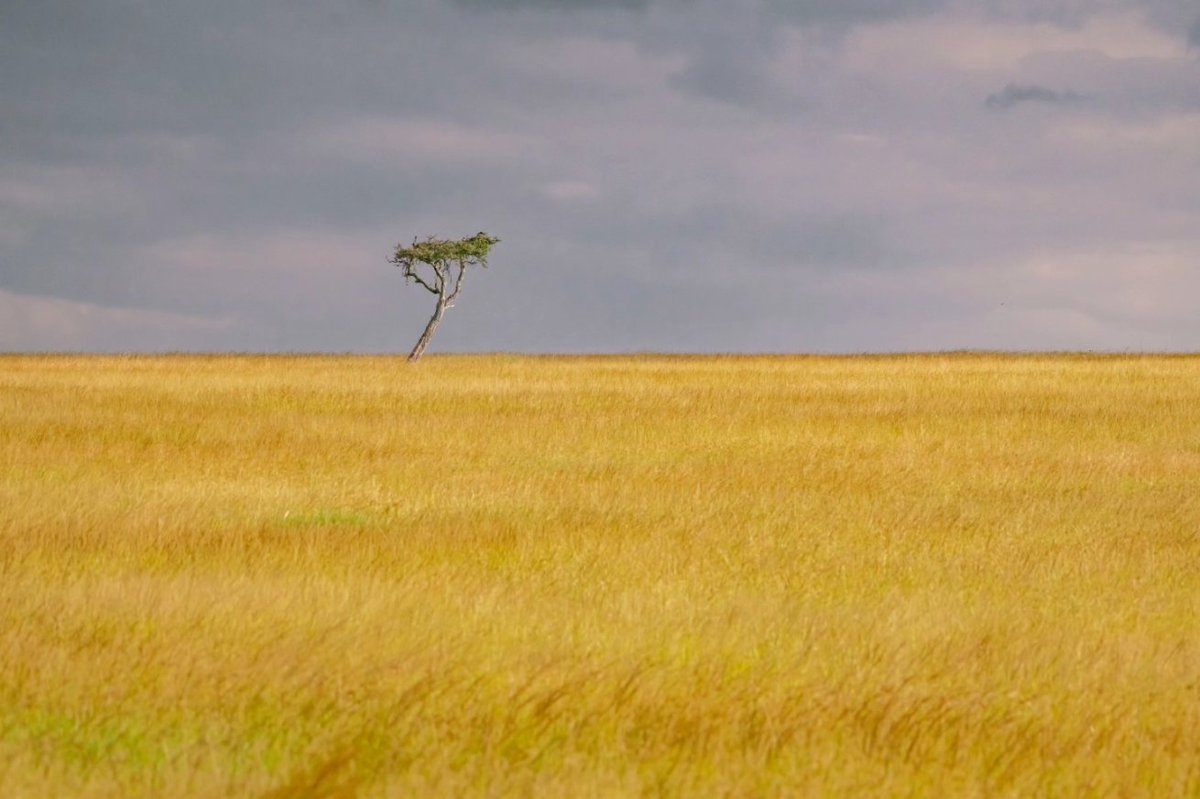
Floras of Africa
1)Baobab tree | Tarangire | Tanzania
2)Cactus | Serengeti | Serengeti
3)Lovely Savannah | Masai Mara | Kenya
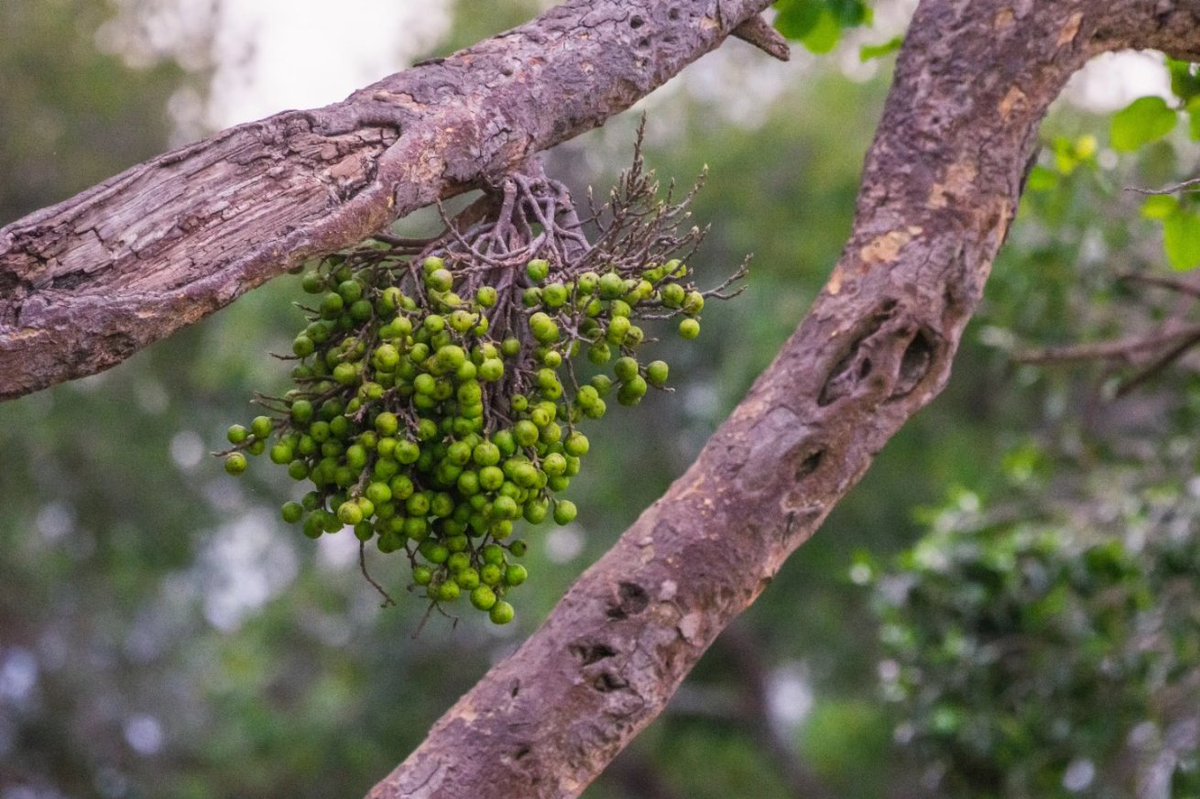
4)Wild Figs | Olare Motorogi | Kenya
#AfricanNature #GreeneryWonders #Bownaankamal #WildernessFlora #Nature #SafariPlants #AfricanGardens #FloralDiversity #WildlifeHabitat #NatureWonderland #BiodiversitySpotlight #GreenOasis #AfricanBotany #PlantLife #NaturalEcosystems #BotanicalAdventures #GreenAfrica #PlantKingdom
10
152
6 Apr 2024
New ad Alert ! @BioHarvestBHSC $BHSC $CNVCF #Vinia #Olives #Promegrate #Coffee #Tea #Hearthealth #Psilocybin #NOGMO #Industrydisruptors #FoodinSpace #llansobel #Industrydisruptors #Futurefarmers #plantkingdom #proteins #ProteinBars #Cupoftea

1
7
11
417
29 Mar 2024
Will @BioHarvestBHSC play a major 🔑 in growing food in Space? $BHSC $BHSC #Futurefarmers #plantkingdom
google.com/amp/s/www.digital…
7
9
260
27 Mar 2024
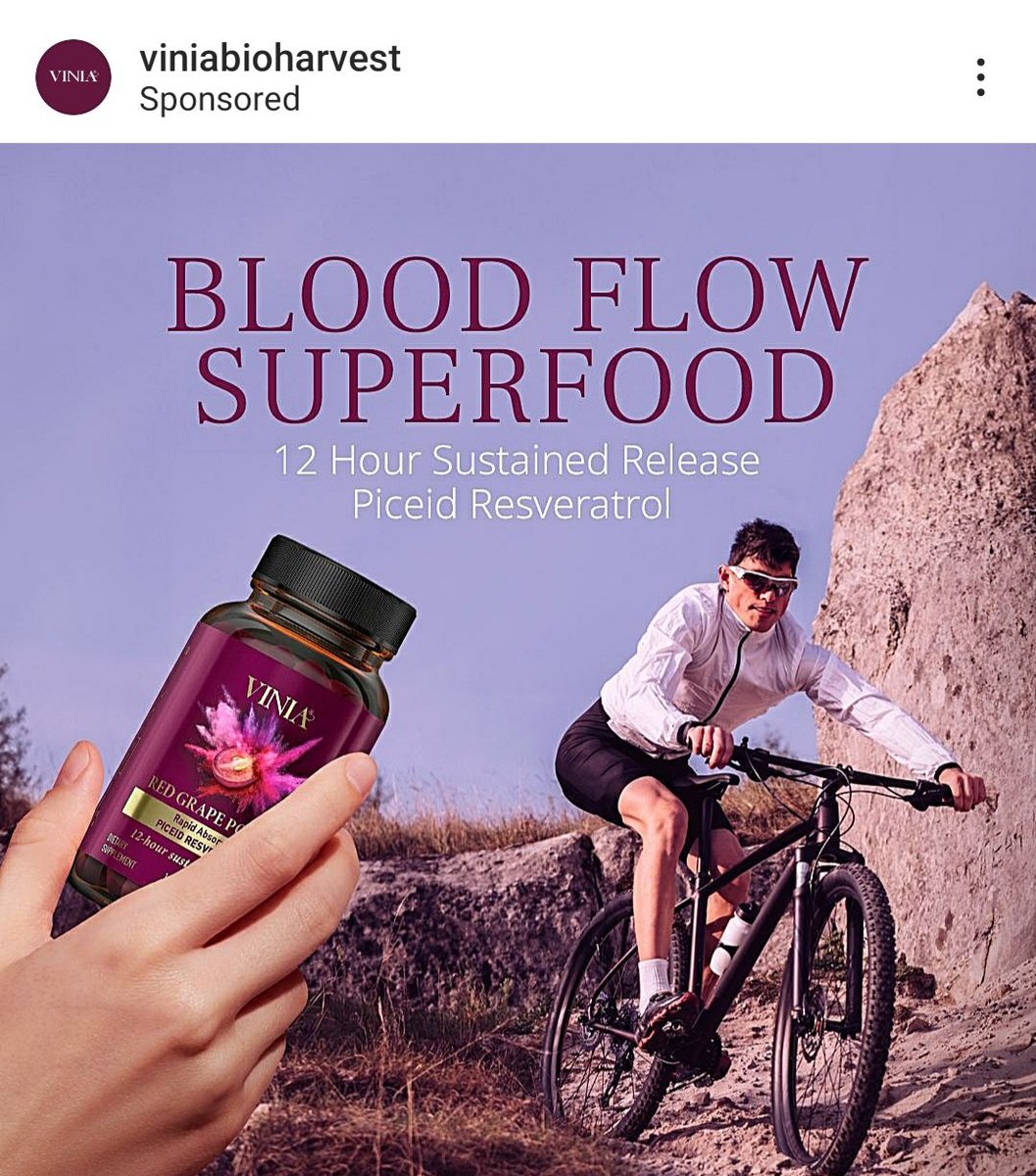
Welcome to the Team @BioHarvestBHSC $BHSC $CNVCF #Biologics #Pharma #Wine #Coffee #plantkingdom
finance.yahoo.com/news/bioha…
7
9
263
23 Mar 2024
7
8
204
15 Mar 2024
A Glimpse into the Future @BioHarvestBHSC $BHSC $CNVCF #Pharma #skincare #Hearthealth #Coffee #Tea #plantkingdom

7
9
264

3 Oct 2023
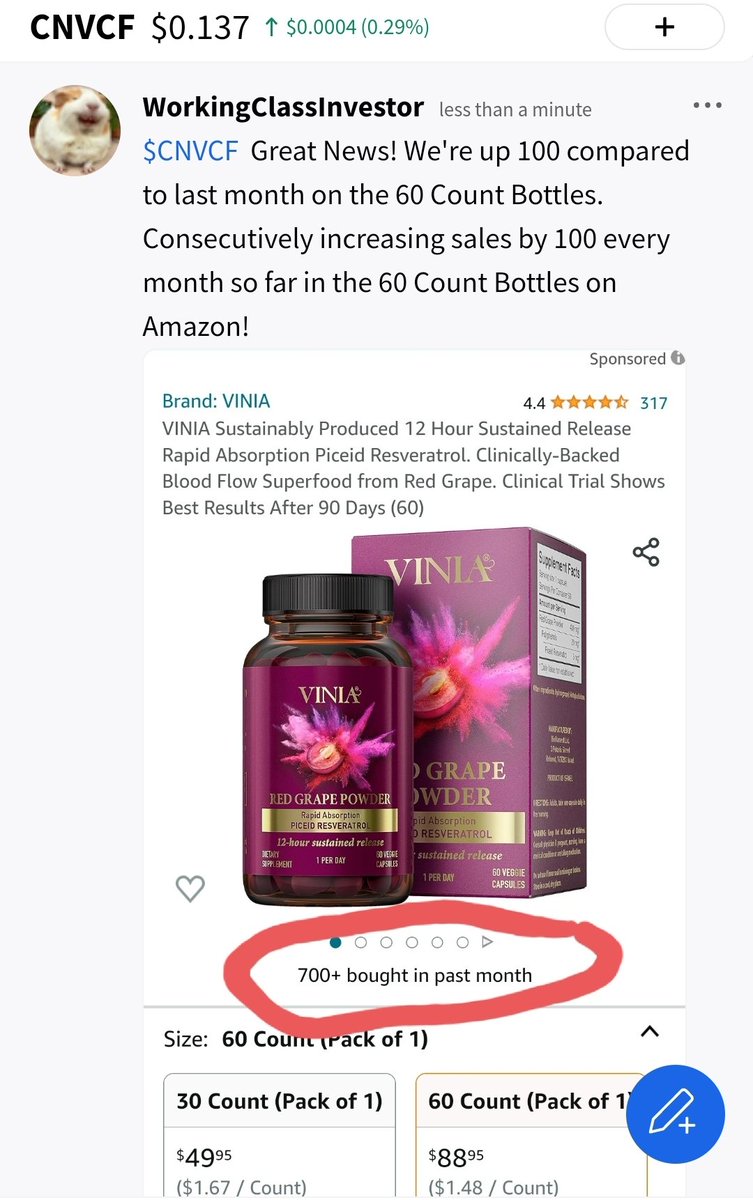
Sales increasing on Amazon monthly ! @BioHarvestBHSC #
$BHSC #$CNVCF #Vinia #cannabis #Coffee #Tea #Hearthealth #NOGMO #Industrydisruptors #FoodinSpace #llansobel #Industrydisruptors #Futurefarmers #plantkingdom #proteins #ProteinBars #Cupoftea
2
6
9
680