ろん #IStandWithJKRowling retweeted

13 Jun 2025
>下水処理場22箇所の生汚泥中の医薬品・日用品類のPPCPs濃度を調査した結果,抗生物質Levofloxacin, Clarithromycin,非ステロイド系抗炎症薬Ketoprofen,Indomethacin,Mefenamic acid,防腐剤 Paraben 類, 高脂血症薬Bezafibrateなど全体で15物質が検出率50%以上であった
pwri.go.jp/jpn/results/db/do…
12
7
985

May 20
Al principio los seguían pprque generaba emoción pero recuerdo que a los ppcps meses dejarón de hacerlo ( o al menos no era tan intenso todo)
4
241

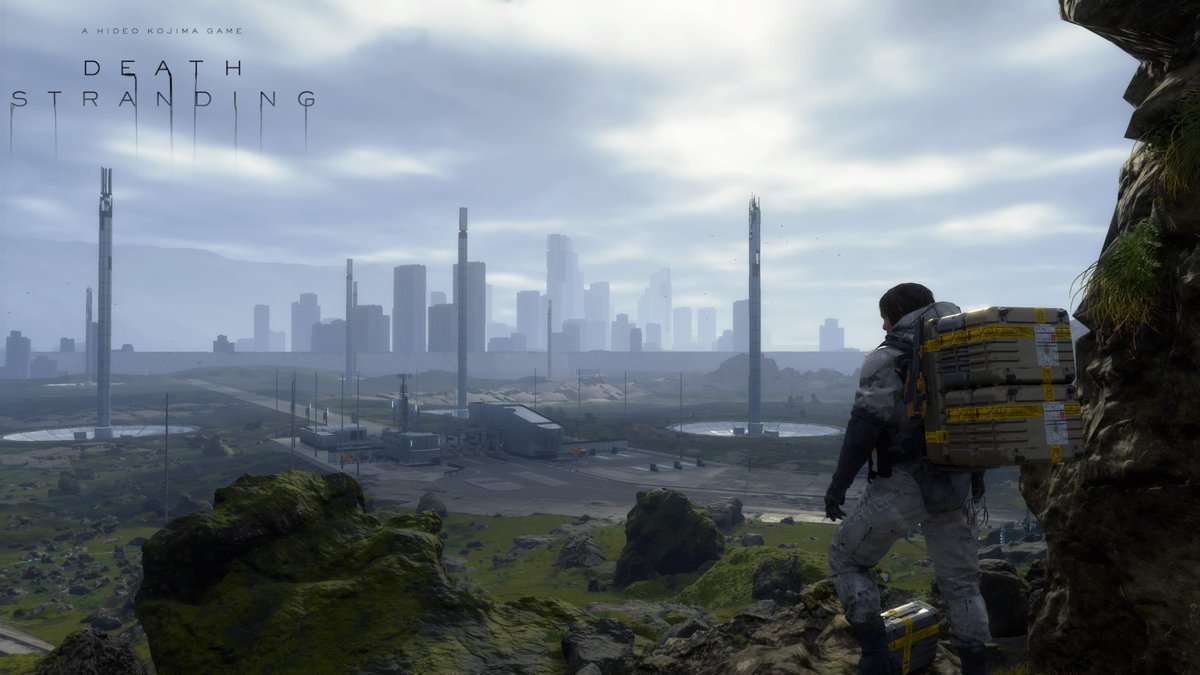
I was trying to categorize the aesthetics of PPCPS-Occupied America in OUS but someone just clearly laid it out.

I'll make a thread about this
"Neo-Industrialist" as I call it is an aesthetic often seen in Asian/Asian-inspired media that combines modernist (post-1940s) architecture and fashion and technology with science fiction .
Neo-Industrialism can be divided into two camps
(Continued)



8
316

Services like Tap Score (SimpleLab) offer “Drugs and PPCP Water Test” kits that target common pharmaceuticals, steroids, hormones, and endocrine disruptors. They provide sampling instructions, bottles, and prepaid shipping. Results include detailed reports with detected levels compared to benchmarks.
• Other labs (e.g., Eurofins, National Testing Laboratories) can perform custom or expanded analyses for PPCPs, hormones, and emerging contaminants. Specify you want testing for pharmaceuticals (e.g., carbamazepine, sulfamethoxazole), hormones (e.g., estrone, estradiol, ethinylestradiol), and related compounds.
• Costs typically range from a few hundred dollars upward, depending on the number of analytes (broader panels are more expensive).
1
2
18
1,788

Pediatric primary care providers (PPCPs) feel capable of managing care for common psychiatric conditions but not for patients with multiple conditions or certain risk factors. Remote psychiatric consultation may help PPCPs manage behavioral health issues in primary care. bit.ly/4s1mK3K

1
1
3
254

26 Nov 2025
hola aunque no me haya gustado segun yo el cristal cada q m pongo truste pk solo me alcanza para ppcps cuadros pienso q m voy a hacer feliz con un 100 de cri 🤓 nooo yo soy marihuana, no drogadicta 😾
1
53

26 Oct 2025
Estimation of Global Pharmaceutical Production
The global pharmaceutical industry produces a substantial volume of medicines annually. Based on available data, the market value was approximately USD 1,661 billion in 2023, with projections indicating growth to USD 2,350 billion by 2030. 25 However, in terms of physical production volume, estimates for pharmaceuticals and personal care products (PPCPs) combined suggest over 20 million tons are manufactured each year, a significant portion of which pertains to medicines. 14 This figure encompasses active pharmaceutical ingredients (APIs) and formulations, though precise disaggregation for medicines alone is challenging without more granular data.
Estimation of Unabsorbed Drugs Passing Through the Body
A considerable proportion of administered pharmaceuticals is not fully absorbed or metabolized and is excreted unchanged, primarily through urine and feces. Studies indicate that this varies by drug class: for instance, drugs with high metabolism exhibit low unchanged excretion (often below 10%), while others with lower metabolism can see 50% or more excreted intact. 0 On average, across common pharmaceuticals, approximately 10-30% may pass through the body unchanged, contributing to environmental release via wastewater. 3 This estimation accounts for pharmacokinetic variability, where renal clearance plays a key role in elimination.
Estimation of Pollution Quantities from the Pharmaceutical Industry
The pharmaceutical sector contributes to environmental pollution through manufacturing emissions, wastewater discharge, and post-consumer excretion. Global studies have detected over 600 APIs in waterways, with concentrations posing risks in some regions. 10 Manufacturing alone can release emissions ranging from 2 to 202 mg/m³ of volatile organic compounds and other pollutants, while untreated wastewater—estimated at 80% globally—exacerbates API dispersal. 17 Annually, thousands of tons of pharmaceuticals enter the environment, with a notable portion from the 20 million tons of PPCPs produced. 14 This includes greenhouse gas emissions equivalent to 20-25% of the industry’s environmental footprint. 11
Estimation of Extended Life Expectancy With and Without Modern Medications
Global life expectancy has risen significantly since the early 20th century, from around 47 years in 1900 to approximately 78 years in developed nations by 2013, though gains have slowed recently. 67 Modern medications, including antibiotics and vaccines, have contributed modestly, accounting for an estimated 5-10 years of extension, as evidenced by reductions in mortality from conditions like pneumonia and maternal deaths (e.g., 25-40% decline due to sulfa drugs). 71 Without these interventions, life expectancy might be 10-15 years lower globally, but historical declines in mortality prior to widespread medication use—primarily from infectious diseases—were driven more by sanitation, hygiene, and public health measures, which reduced rates by over two-thirds from 1900 onward. 66 72 Behavioral and social factors have exerted larger influences than healthcare alone. 33
Effects of Drug Production and Pollution on Life Expectancy
Pharmaceutical production and associated pollution, including API releases, contribute to broader environmental degradation that reduces global life expectancy by approximately 1.8-2.2 years on average, with air pollution (partly from industrial emissions) being a primary factor. 59 62 Specific to pharma pollution, effects are localized but include endocrine disruptions in aquatic systems, indirectly impacting human health through ecosystem services. Overall, pollution from fossil fuels and industry shaves 1.1-1.7 years off life expectancy without mitigation. 56 While pharma’s direct contribution is smaller than sectors like transportation, its greenhouse gas emissions exceed those of the automotive industry by 13%. 16
1
1
3
1,330

20 Aug 2025
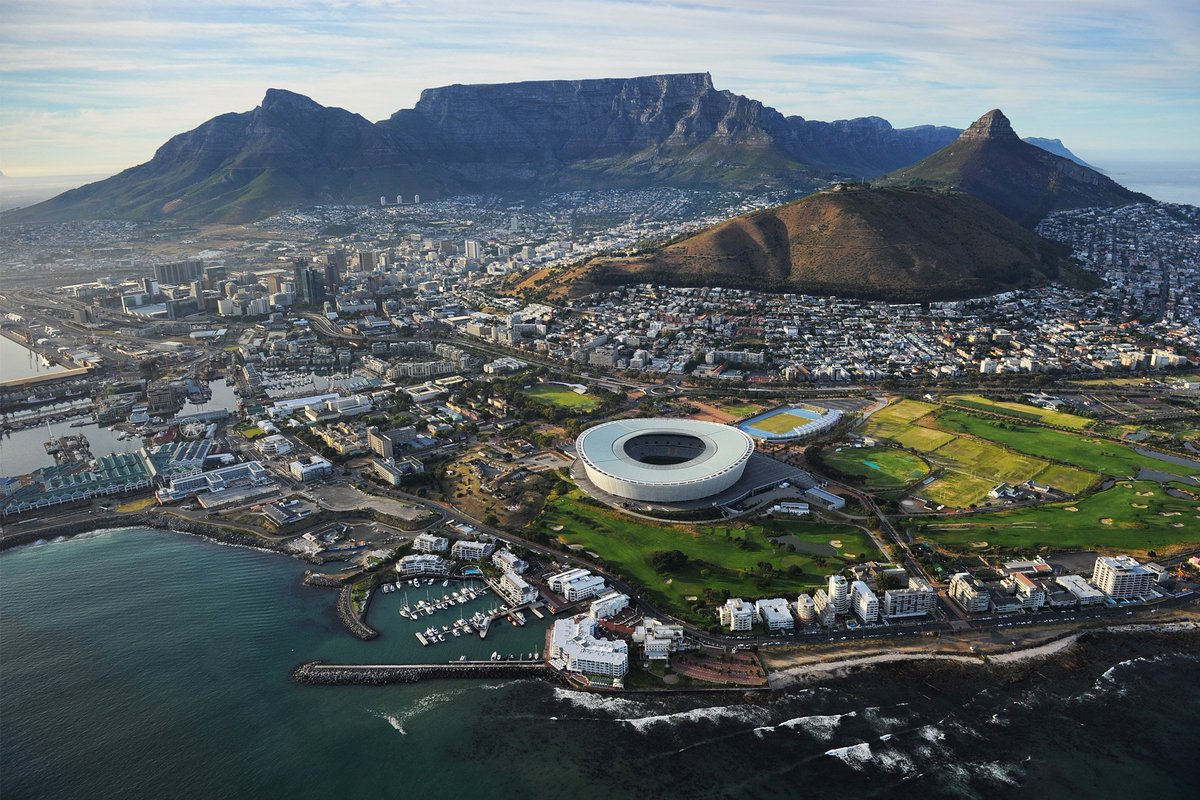
🔴City of Cape Town Challenges UCT Study Findings on Pharmaceutical Pollution in Hout Bay Mussels🔴
City of Cape Town challenges UCT study findings on pharmaceutical pollution in Hout Bay mussels. The City of Tshwane has hit back at the findings of a UCT study that detected a range of pharmaceutical and personal care product compounds (PPCPs) in mussel tissue samples collected at significant distances from a marine outfall and the Hout Bay River mouth. Deputy Mayor and Mayco Member for Spatial Planning and Environment, Eddie Andrews said the authors of the study appear to be doing no more than speculating when they state that the marine outfall does not achieve the dilution and dispersal of contaminants of emerging concern.
Read more⬇️⬇️⬇️
centralnews.co.za/city-of-ca…
#Uct #centralnewsza
1
3
295

Communiqué Released by Civil Society to @AfDB_Group & @WorldBank: #Mission300 Must Deliver #EnergyForReal
At the African Development Bank Annual Meetings in Abidjan, #ACSEA joined forces with @PACJA1 and the Bank-Civil Society Coalition to convene a high-level side event, “Energy4Real: How Civil Society Can Engage to Ensure Mission 300 Delivers on Energy Access in Africa.”
Our message was clear:
Energy access must be given the same importance as infrastructural development. It must be inclusive, transparent, and community owned.
📝 We have issued a joint communiqué calling for:
🔹 Adoption of the “From Margins to Mandate” CSO engagement framework
🔹 A shift from Public-Private Partnerships (PPPs) to Public-Private-Community Partnerships (PPCPs)
🔹 Direct support for gender-responsive, pro-poor CSO-led initiatives
🔹 Institutionalized citizen audits, community dashboards & open data for accountability
🔹 Alignment with the #Six30Campaign to connect 630 million people with $630B in investment by 2030
💬 “We envision an Africa where electricity powers not just homes, but justice, dignity, and opportunity. Civil society is ready not as spectators, but as co-creators of Mission 300’s success.”
📄 Read the full communiqué here: lnkd.in/depVNbZu
#EnergyForReal #justTransition #CSOPower #PACJA #ClimateJustice #EnergyAccess #AfDB2025
2
46

13 May 2025
Courtesy: @UgandaShu
“#Communities living around tourist attraction sites are facing soaring poverty rates. We need to consider Public-Community Partnerships (PCPs) & Public-Private-Community Partnerships (PPCPs) to address this issue.” - @Celestine139
#SSSWebinar #Tourism
4
11
231

11 Feb 2025
#call_for_reading
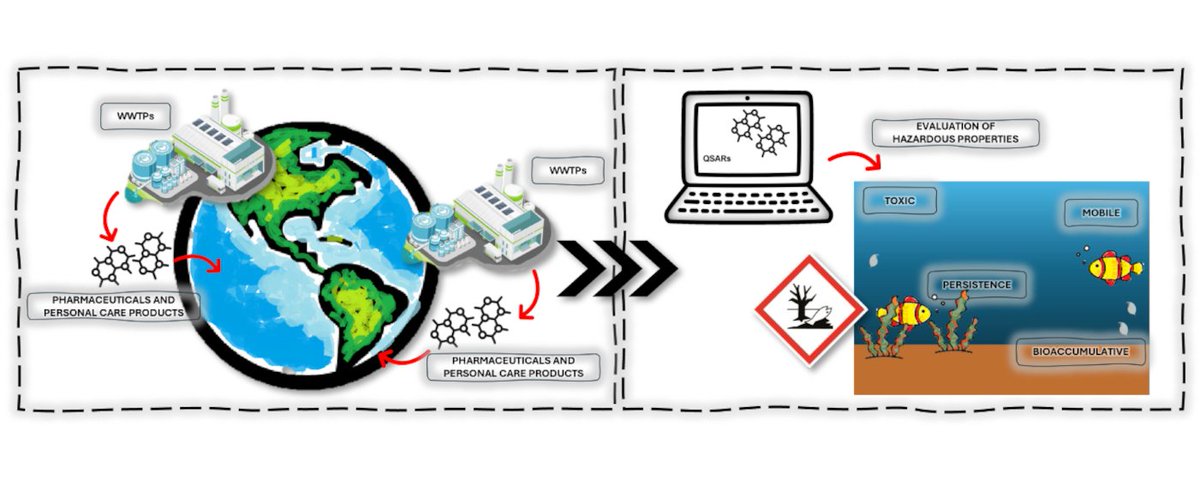
📝Global Assessment of #Emerging_Contaminant #Removal in #Wastewater_Treatment_Plants: In Silico Hazard Screening and Risk Evaluation
by Arianna Sgariboldi et al. @Uni_Insubria
brnw.ch/21wQCrj
#PPCPs
1
3
83

28 Dec 2024
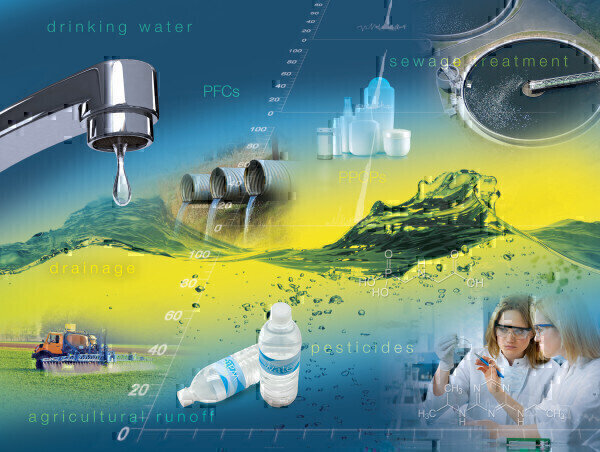
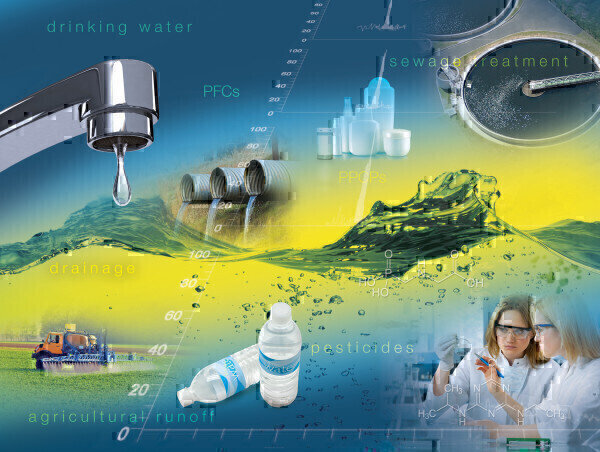
◆医薬品とパーソナルケア製品(PPCPs)◆
処方薬、医薬品、化粧品、整髪剤、制汗剤などは、潜在的な環境汚染物質と考えられており、「新興汚染物質」と呼ばれています。
pmc.ncbi.nlm.nih.gov/article…
8
18
582
27 Dec 2024
◆薬とパーソナルケア製品による環境汚染◆
処方薬や一般用医薬品から化粧品や処方成分に至るまで、医薬品およびパーソナルケア製品(PPCPS)は、総称して「新興汚染物質」と呼ばれる潜在的な環境汚染物質として考えられています。
pmc.ncbi.nlm.nih.gov/article…
1
4
204

11 Dec 2024
🚨 HUGE NEWS PIRATES! 🚨
Team Boneyard is excited to announce that we can now accept stock donations—and it’s completely tax-free for you! 📈💰
As the year comes to a close, it’s the perfect time to maximize your tax deductions while making a powerful impact. By donating stock, you can:
✅ Avoid capital gains taxes on appreciated stock.
✅ Receive a full tax deduction for the current value of your stock.
✅ Directly support Team Boneyard Student-Athletes and help them thrive on and off the field.
Thanks to our partnership with Parents for Pitt County Public Schools (PPCPS), we’ve made the process simple and seamless, so you can focus on giving back while enjoying the financial benefits of your generosity.
💜💛 Why Donate Stock?
Donating stock is one of the most tax-savvy ways to support Team Boneyard. Instead of selling your stock and paying taxes on the gains, you can transfer it directly to us, avoid those taxes, and make a bigger impact. It’s a win-win for you and our ECU Pirates!
🎯 Act Now: With the year ending soon, now’s the time to make your donation count for 2024!
📩 Contact us today at pirate@teamboneyard.org to learn how easy it is to donate your stock and make a difference.
Together, let’s build a stronger Team Boneyard, support our athletes, and ensure the Pirates continue to succeed on and off the field. GO PIRATES! 🏴☠️
2
8
51
7,451

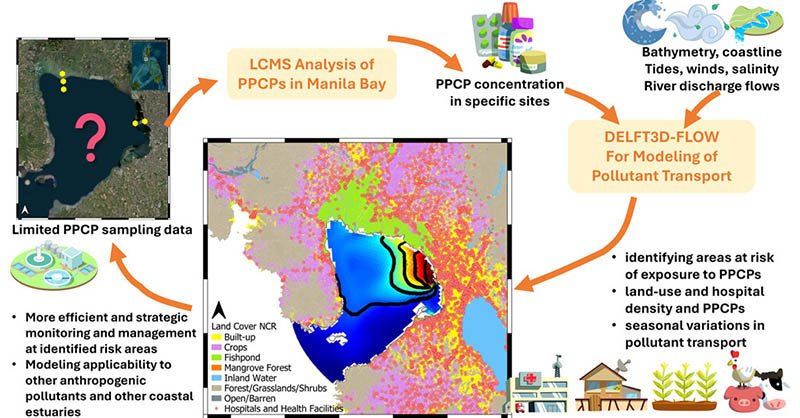
This ACS ES&T Water study uses open-source DELFT3D-FLOW software to model the transport of pharmaceuticals and personal care products (#PPCPs) within Manila Bay. #EmergingContaminants #WaterPollution @up_msi @Official_UPD
Read: go.acs.org/bT1
ALT TOC image from the article
2
517
7 Dec 2024
「新興汚染物質」と呼ばれる医薬品およびパーソナルケア製品(PPCPS)は、潜在的な環境汚染物質だと考えられています。
PPCPSに含まれる香料、防腐剤、保存料などは、あらゆる環境に紛れ込み、人間の健康や野生生物に多大な悪影響をもたらす可能性があります。
#香害は公害
pmc.ncbi.nlm.nih.gov/article…

3
4
262

6 Dec 2024
#HCC #livertwitter #MedEd
📷Title: Is it the appropriate syringe filter? The loss of PPCPs during filtration by syringe filter.
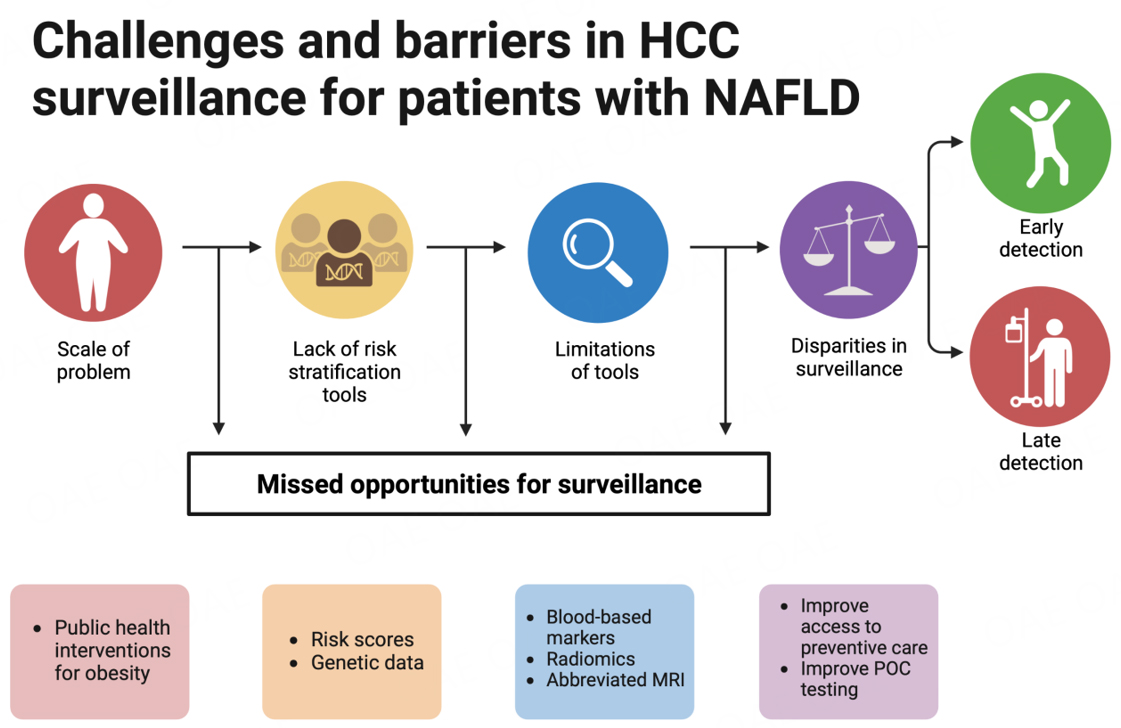
👋The article outlines challenges in HCC surveillance for NAFLD patients and explores solutions.
🔗f.oaes.cc/xmlpdf/390c3307-c5…
2
3
460
2 Dec 2024
#HCC #livertwitter #MedEd
📷Title: Is it the appropriate syringe filter? The loss of PPCPs during filtration by syringe filter.
👉Keywords
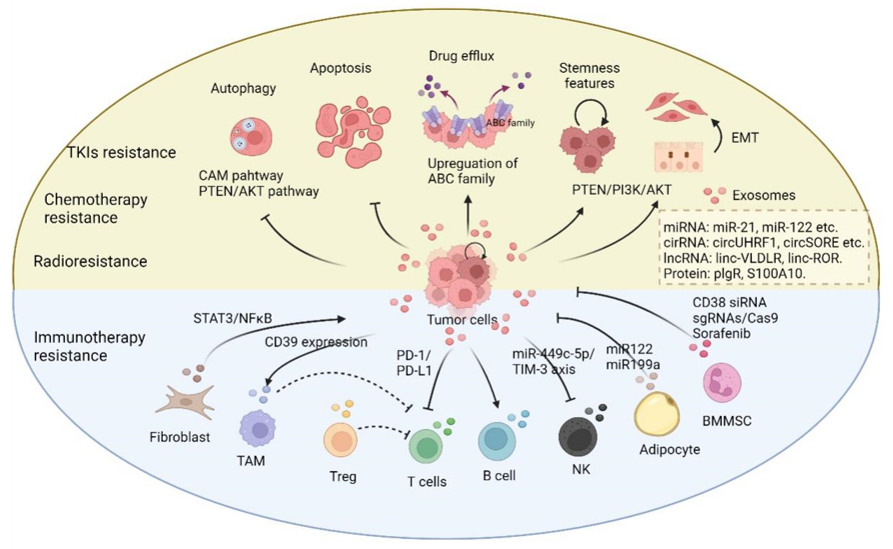
Hepatocellular carcinoma, exosome, therapeutic resistance
Don't miss this valuable read! 👇
🔗f.oaes.cc/xmlpdf/21d7600c-63…
1
1
5
419
14 Nov 2024
#HCC #livertwitter #MedEd
📷 Is it the appropriate syringe filter? The loss of PPCPs during filtration by syringe filter.
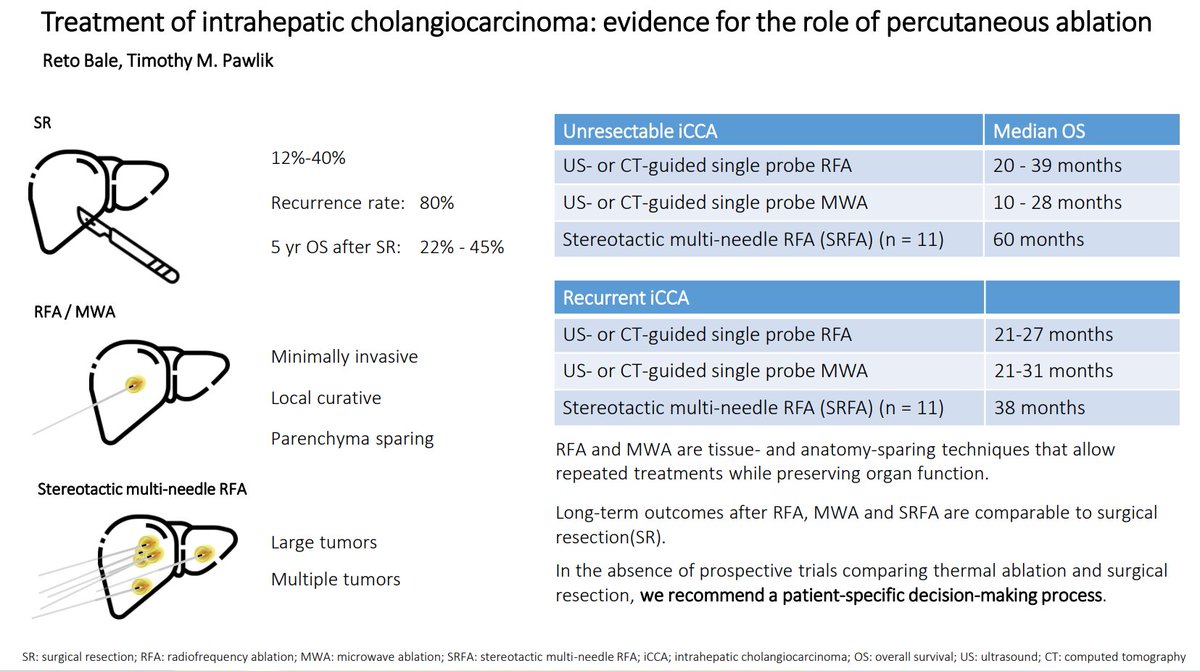
👋RFA and MWA are effective for treating intrahepatic cholangiocarcinoma.
🔗f.oaes.cc/xmlpdf/5c770fe8-af…
1
6
358